Bugatti Type 35
Brand
Produced from
Vehicle category
Portal
Model line
Model generation
Predecessor
Sucessor
Model Overview
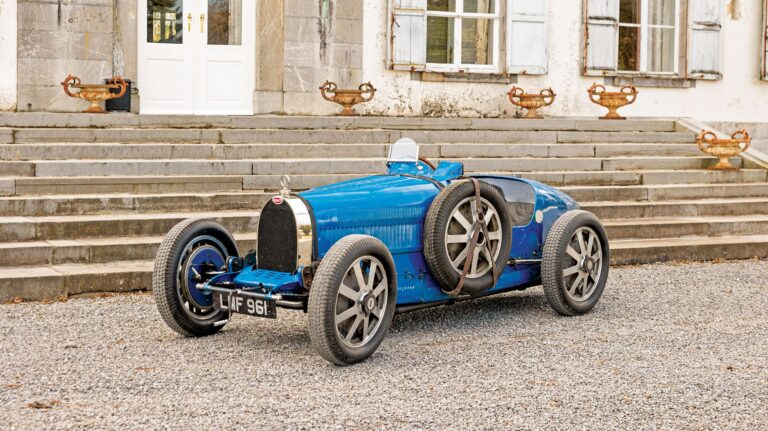
The distinctive howl of a roller-bearing inline-eight echoing through the dusty roads of Lyon in August 1924 heralded a paradigm shift in motor racing. Ettore Bugatti had brought forth the Type 35, a machine that instantly rendered the brutalist aesthetics of his previous Type 32 “Tank” a distant, clumsy memory. Grand prix grids of the era were dominated by the heavy, complex Alfa Romeo P2 and the formidable, supercharged Sunbeams, but the new Bugatti arrived as a scalpel amongst sledgehammers. It was not merely a racing car; it was a kinetic sculpture, an uncompromising blend of artistry and mechanical ruthlessness that would go on to become the most successful competition vehicle in human history.
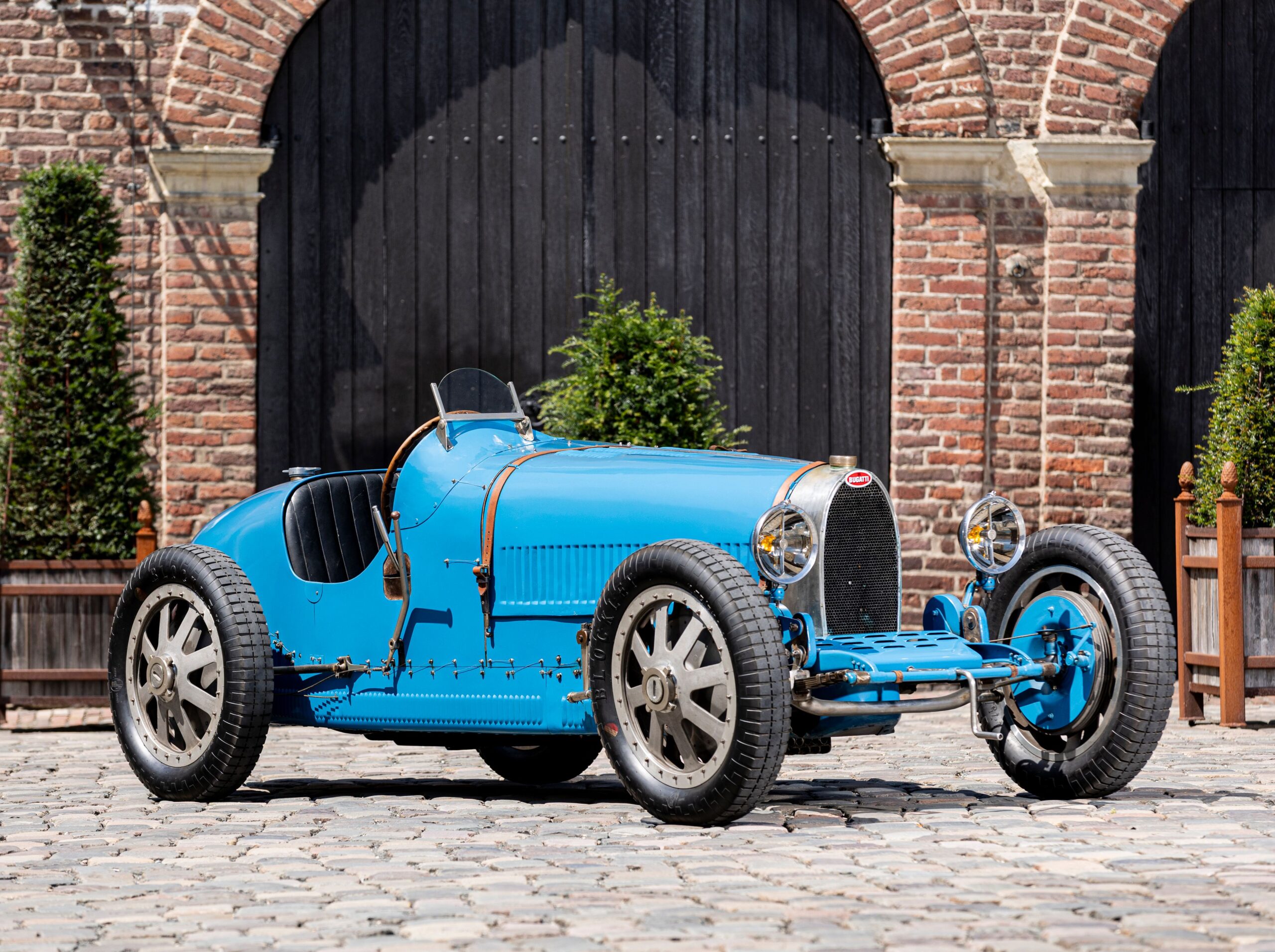
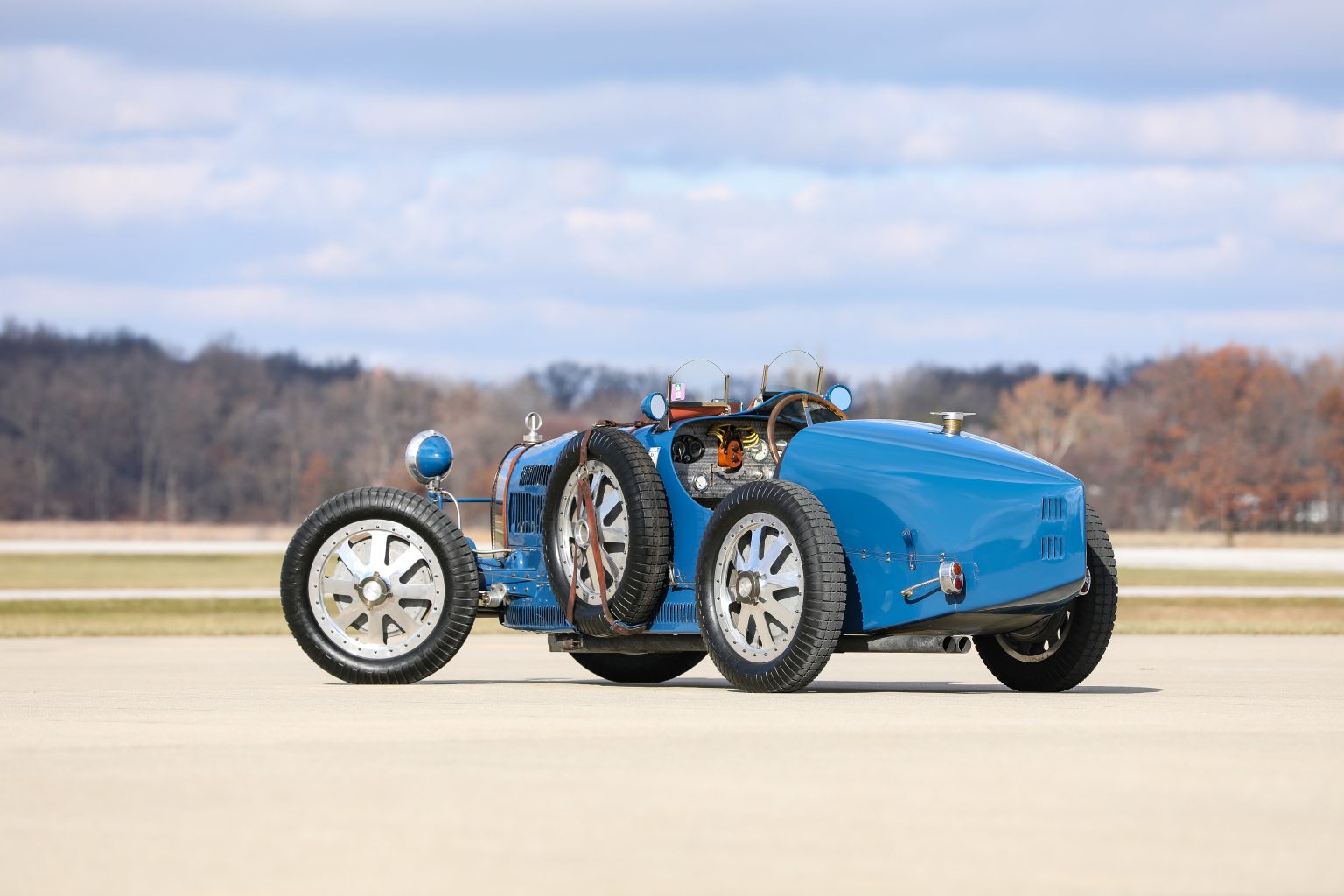
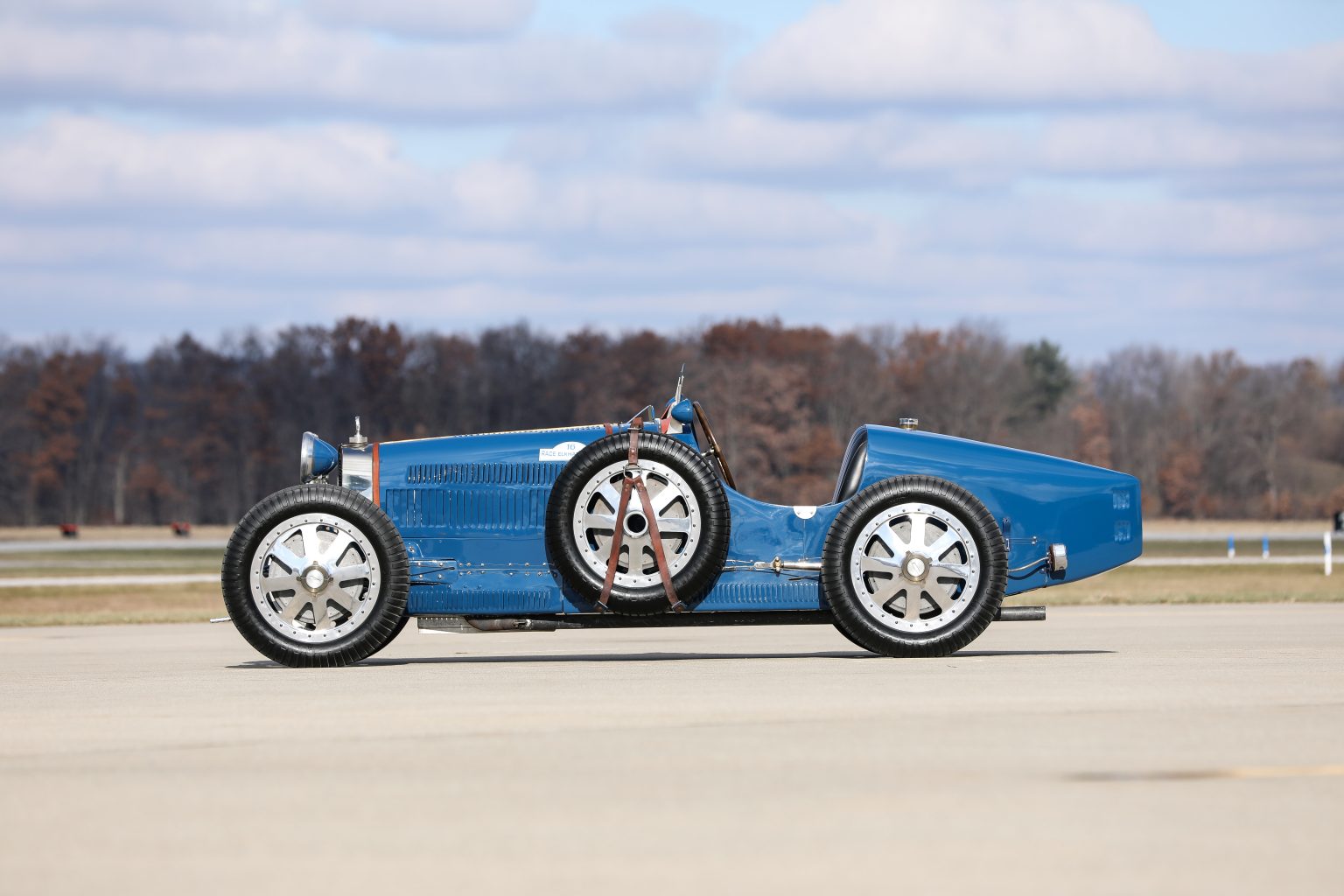
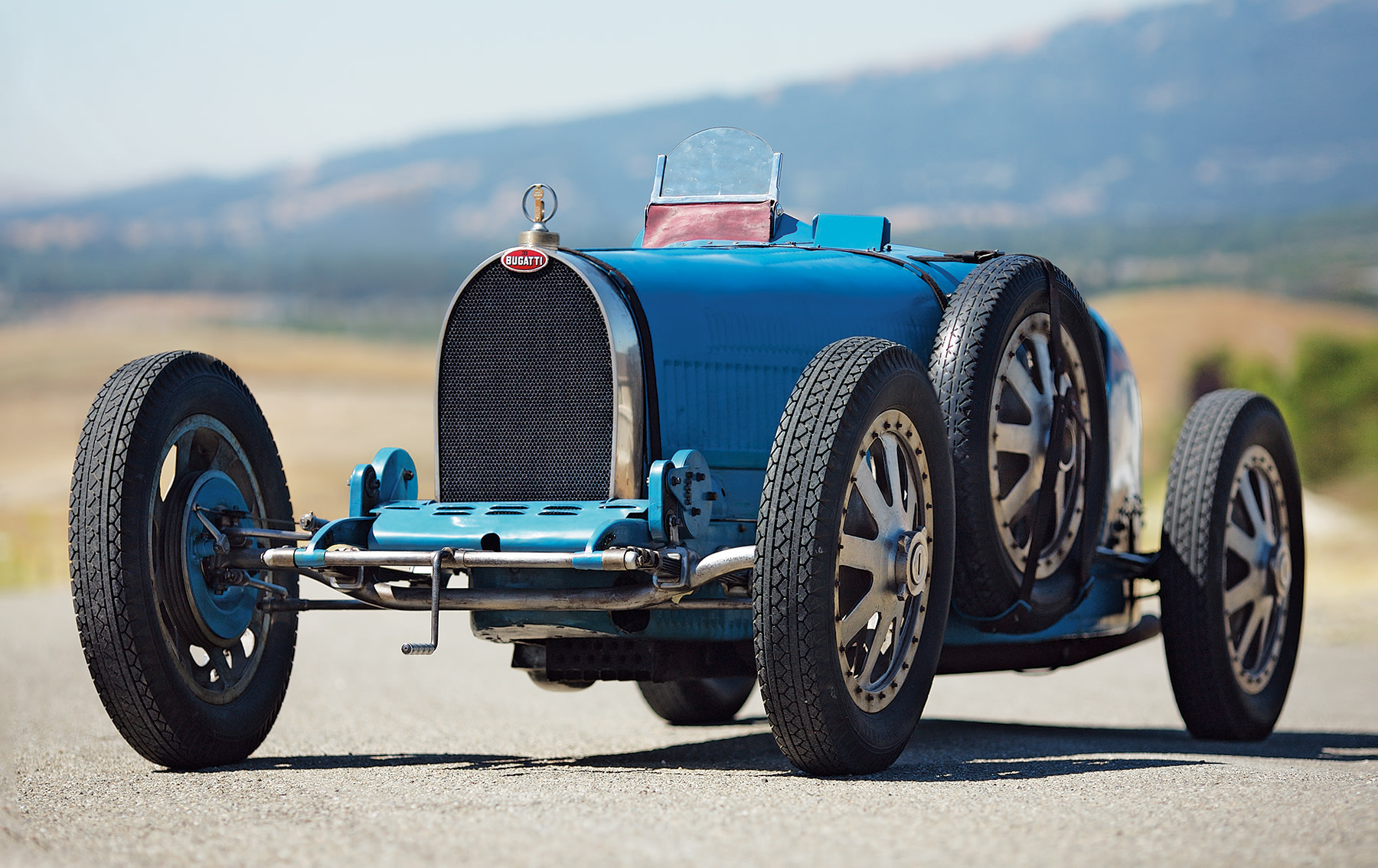
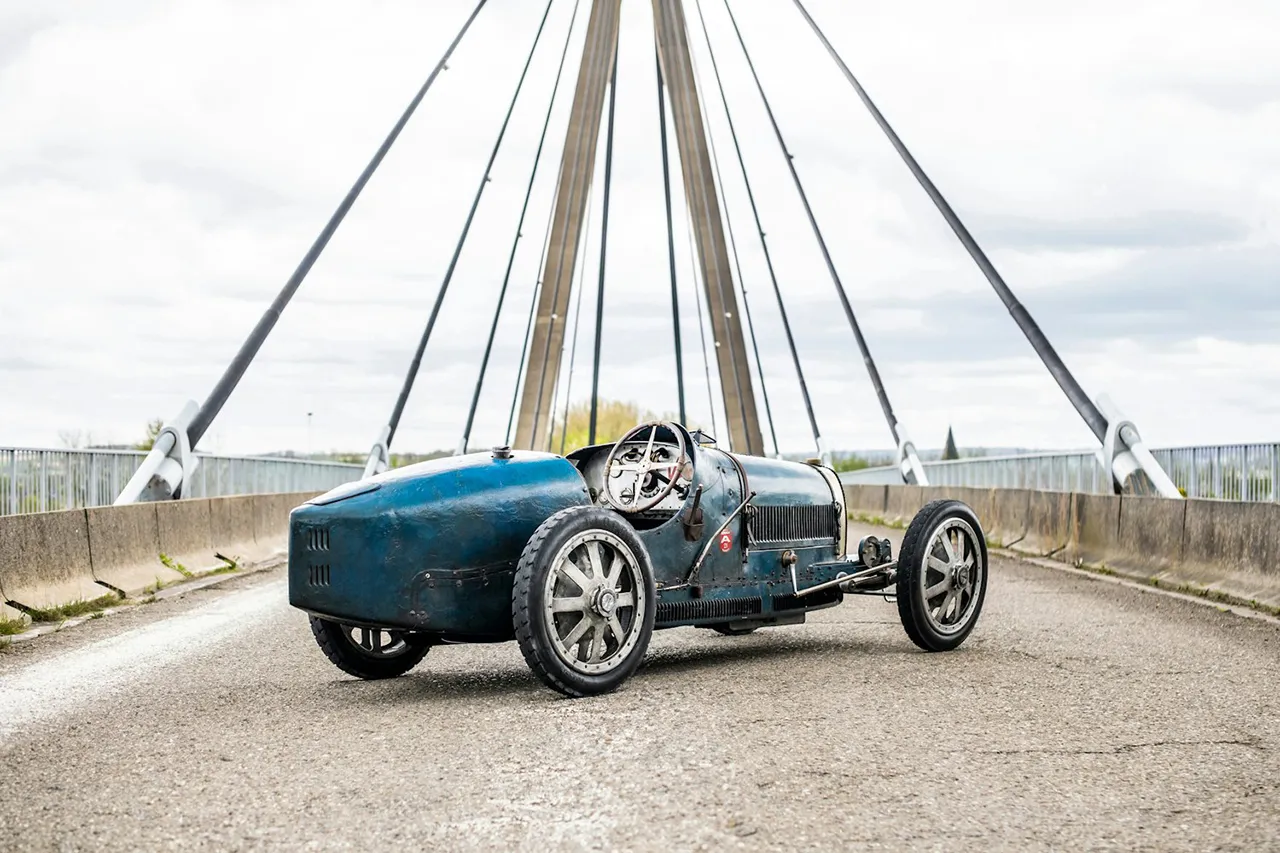
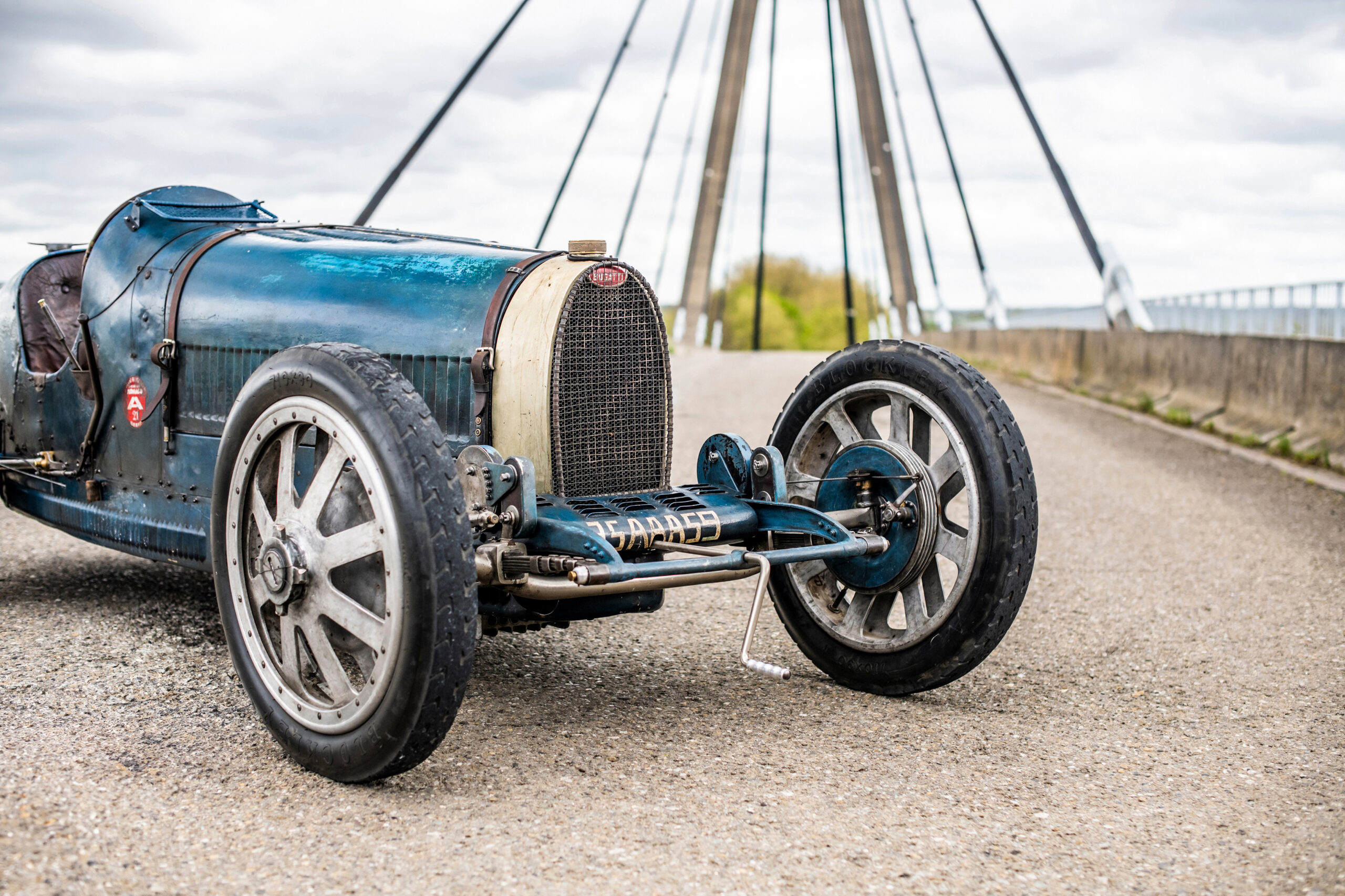
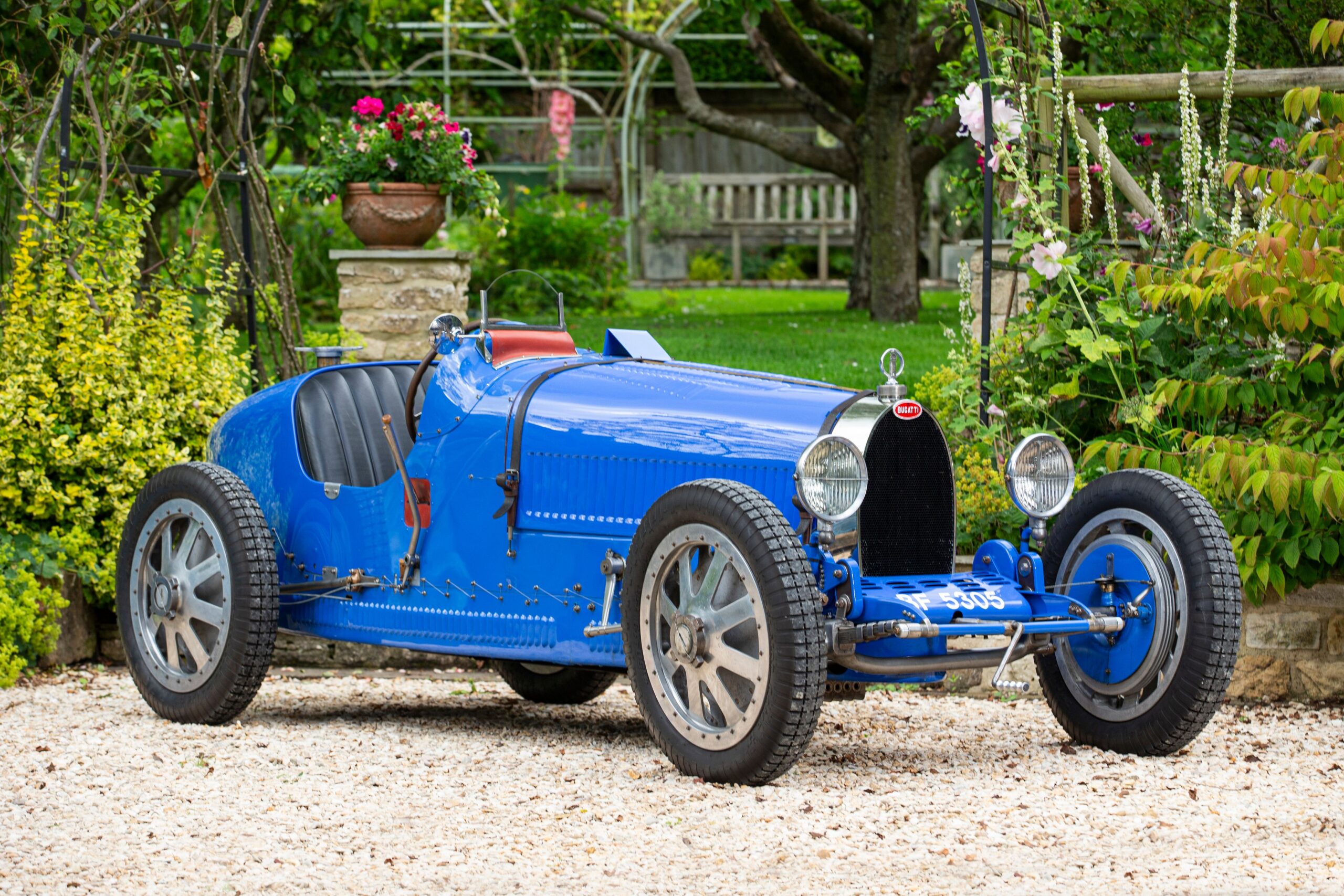
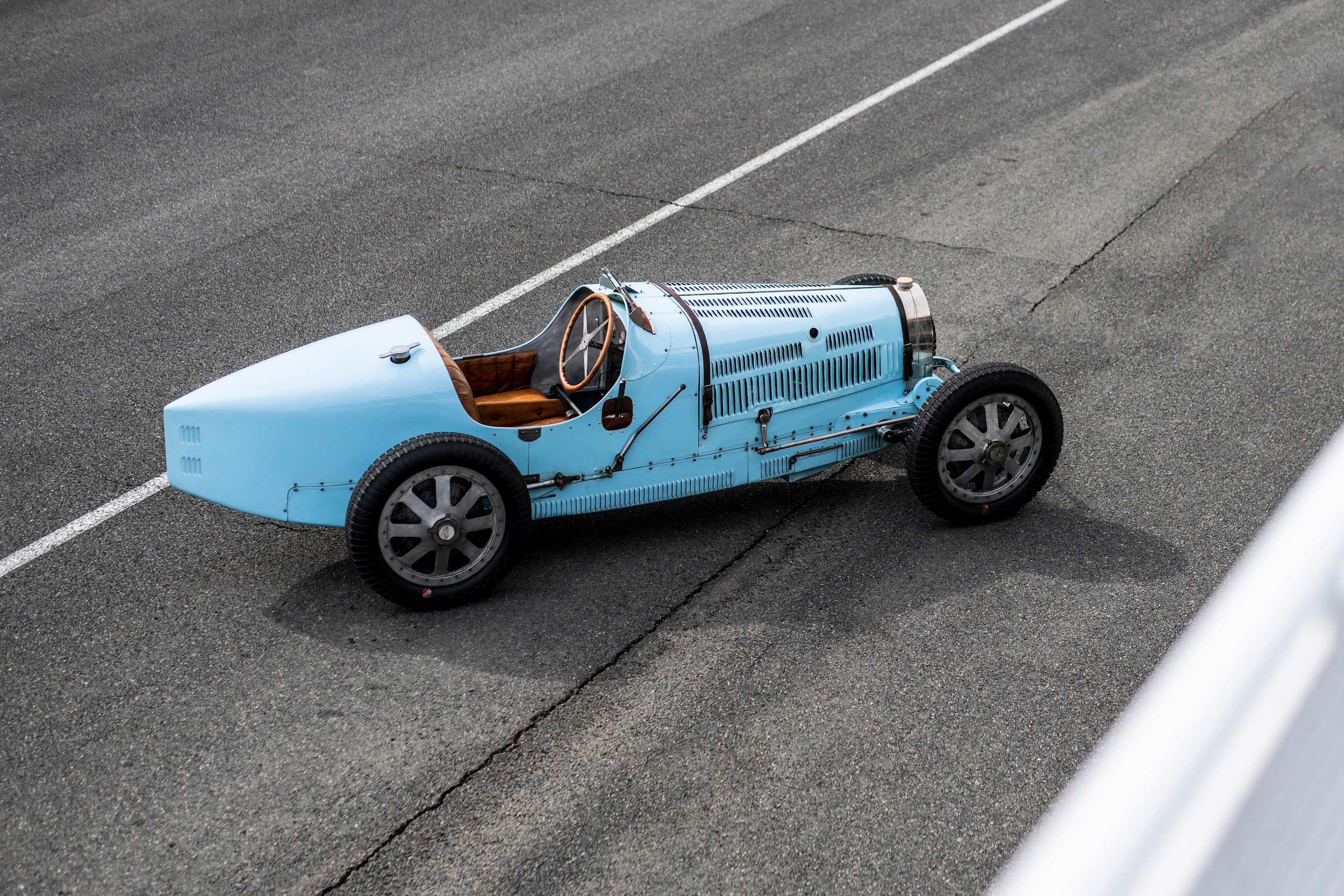
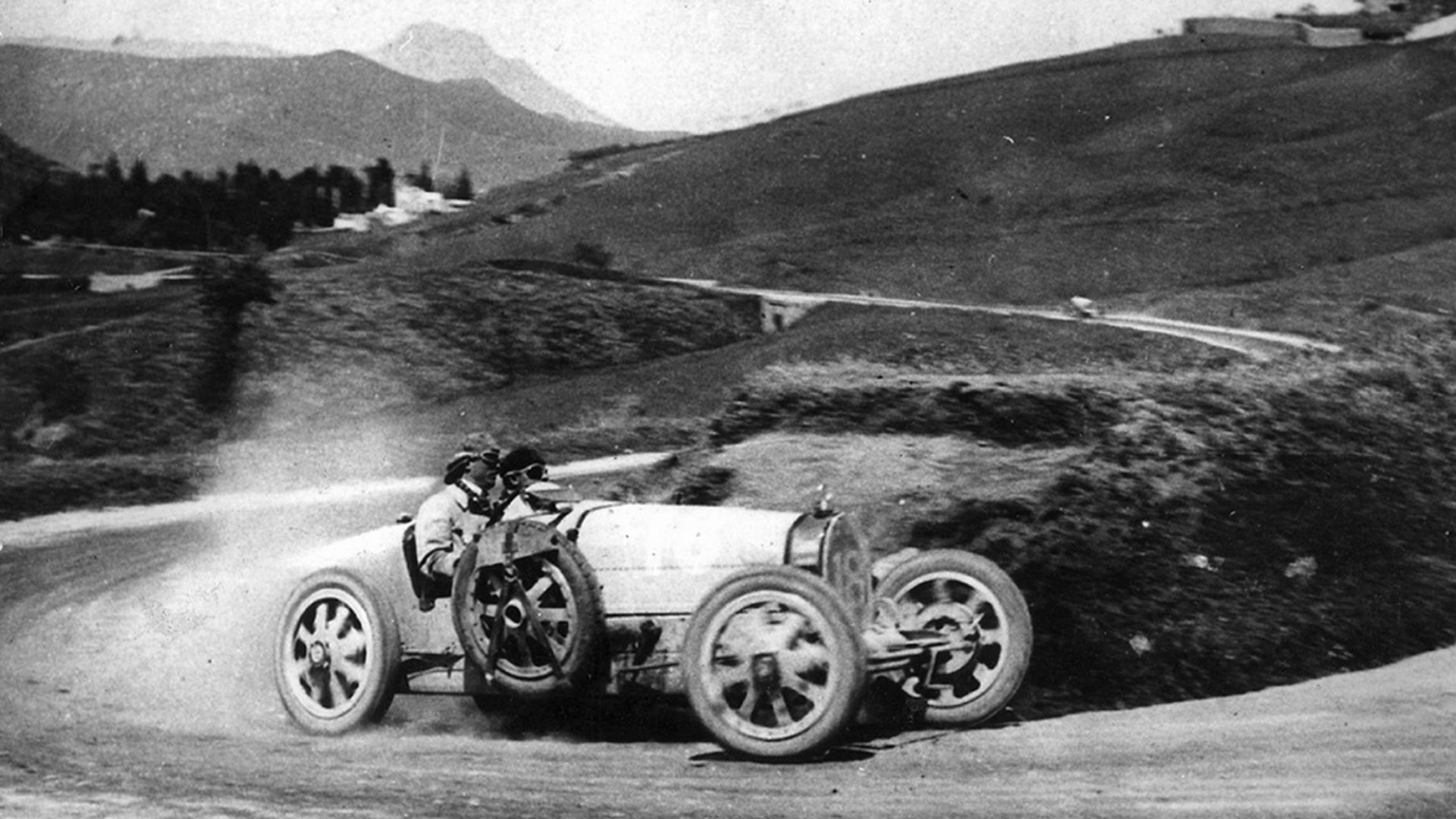
Beneath the iconic arch of its horseshoe radiator and the tapering elegance of its boat-tail bodywork lay a chassis of breathtaking ingenuity. Bugatti despised unnecessary weight. The front axle was forged hollow, managing to be both incredibly rigid and astonishingly light. Yet, the true visual and technical masterstroke was the introduction of cast aluminium alloy wheels with integrated brake drums. This innovation not only drastically reduced unsprung mass but also ensured rapid heat dissipation from the cable-operated drum brakes, a crucial advantage during gruelling alpine descents. The heartbeat of the original 1924 Type 35 was a masterpiece of metallurgy: a 2.0-litre (122 cu in) naturally aspirated inline-eight featuring a bespoke 24-valve cylinder head, with two intake valves and one exhaust valve per cylinder. Producing 90 bhp, it shrieked towards its redline with a mechanical ferocity that demanded absolute commitment from the driver.
As the racing landscape evolved, so too did the Type 35, fracturing into a lineage of highly specialised variants. In 1925, Bugatti introduced the Type 35A ‘Técla’, affectionately named after a famous maker of imitation pearls. Aimed at the wealthy gentleman driver for spirited road use, it featured a simplified three-bearing crankshaft producing 75 bhp whilst retaining the aggressive stance of its thoroughbred sibling. However, the pursuit of absolute speed soon demanded forced induction. The 1926 Type 35C adopted a Roots-type supercharger, transforming the 2.0-litre (122 cu in) block into a 128 bhp weapon that spat unburnt fuel and delivered explosive mid-range torque. Simultaneously, to conquer the punishing Sicilian mountains, Bugatti released the Type 35T in 1926. Expanding the displacement to a naturally aspirated 2.3-litre (140 cu in), it produced 100 bhp with a focus on low-end tractability. The bloodline ultimately culminated in the fearsome Type 35B, produced from 1927 to 1931. By marrying the larger 2.3-litre (140 cu in) capacity with the Roots blower, this ultimate iteration unleashed a brutal 138 bhp, propelling the lightweight 750 kg (1653 lbs) chassis to speeds approaching 210 km/h (130 mph).
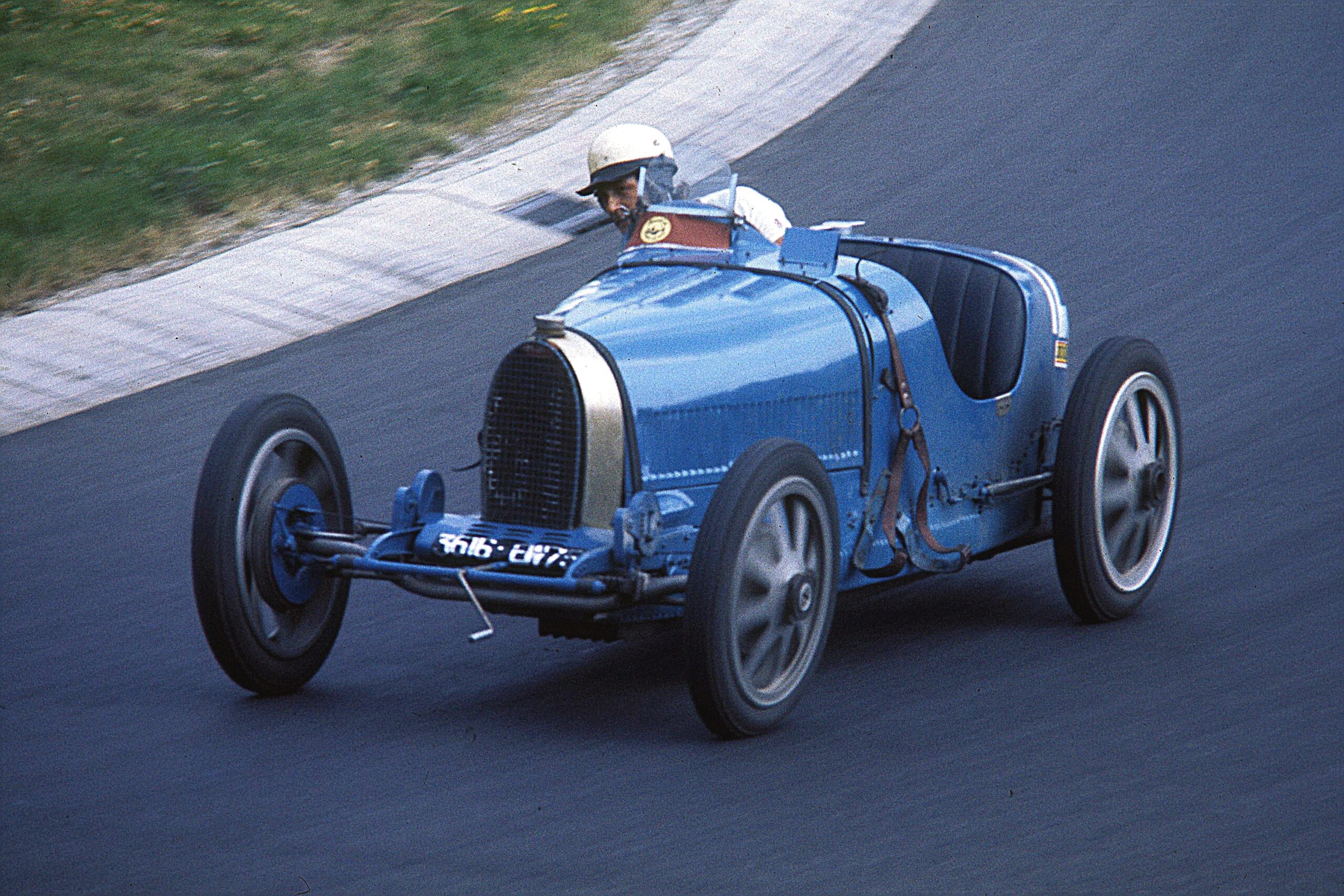
Piloting any variant of the Type 35 was a visceral, exhausting assault on the senses. The driver sat intimately close to the four-speed manual gearbox, exposed to the elements and the searing heat of the exhaust. The steering was famously heavy yet possessed a telepathic directness, allowing drivers to dance the tail-happy chassis on its narrow cross-ply tyres through sweeping bends. The cable-operated brakes demanded immense physical leg effort, but the chassis balance was so supreme that drivers relied heavily on four-wheel drifts rather than outright stopping power to scrub off speed.
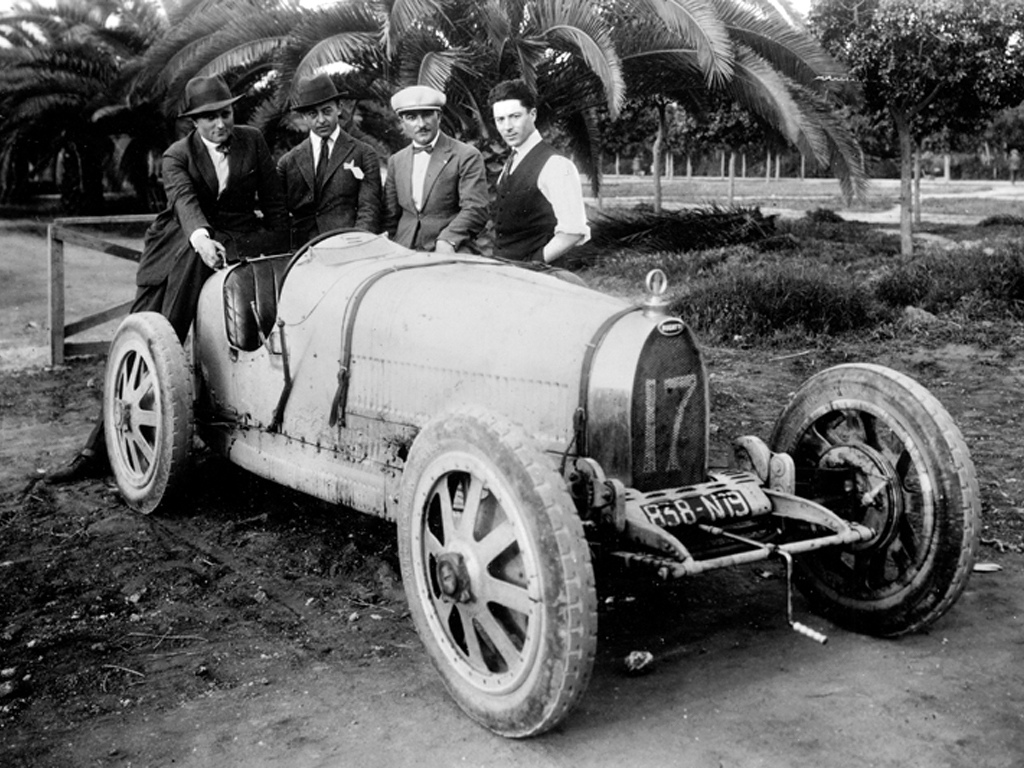
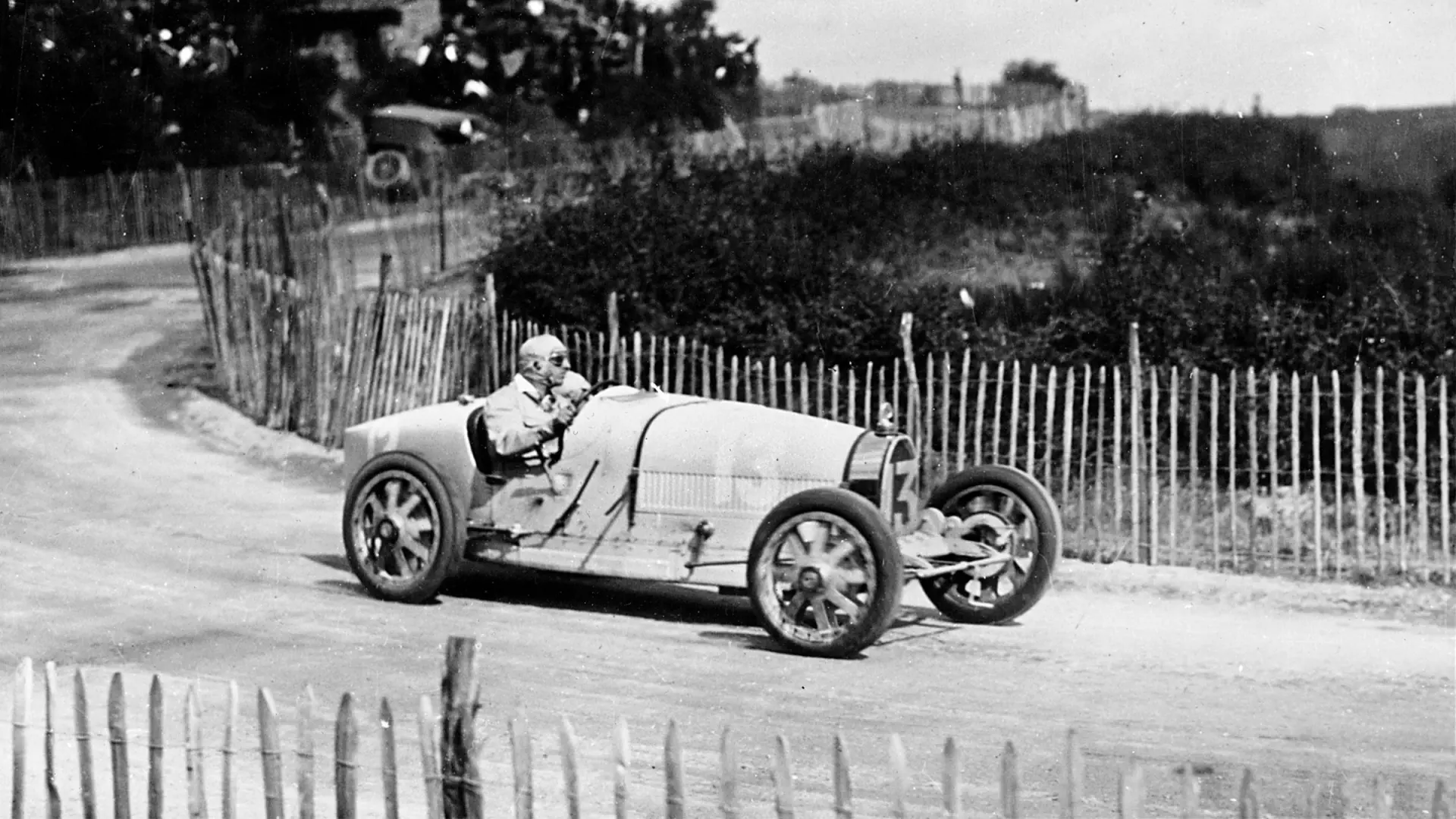
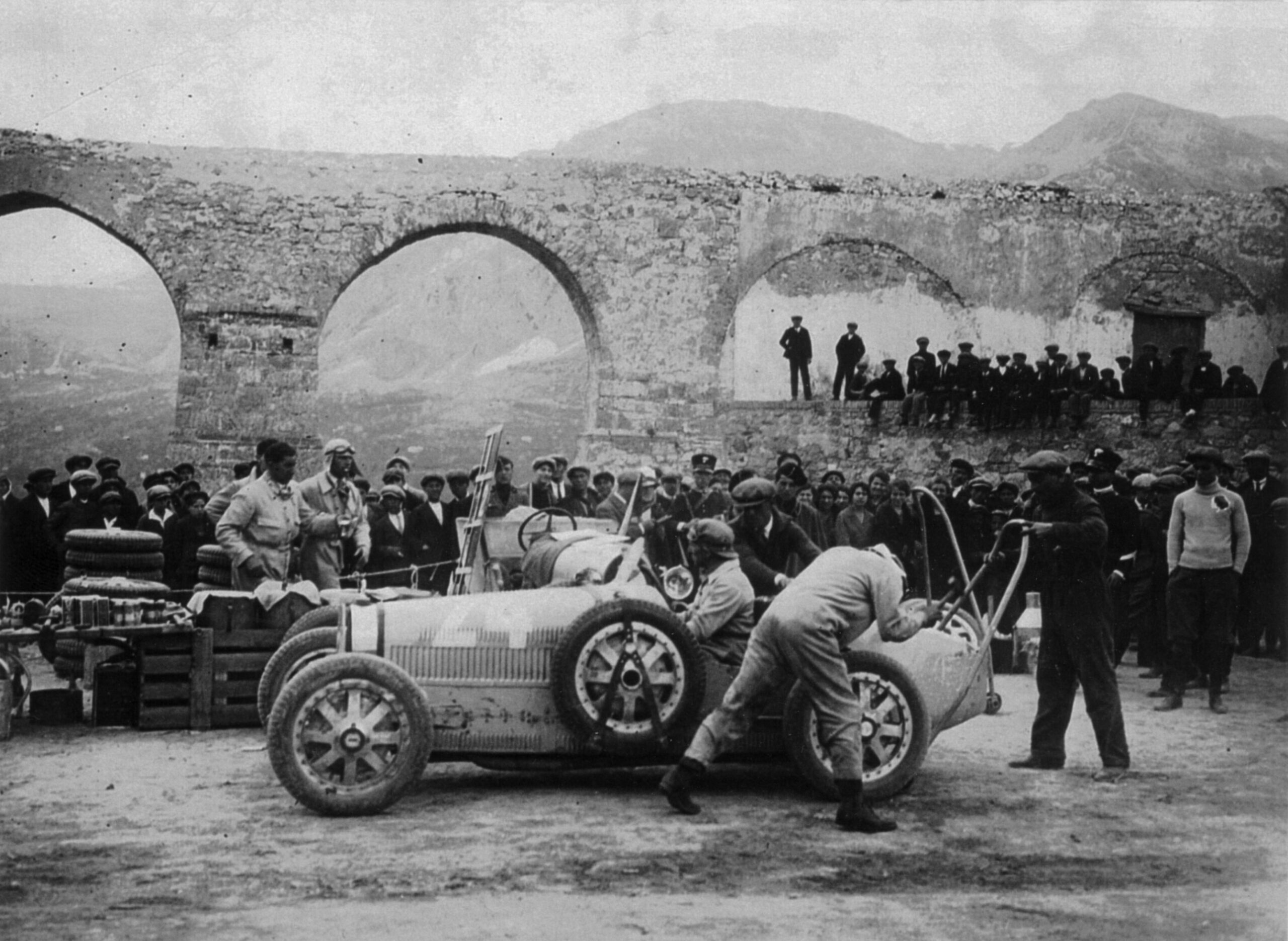
The impact of the Type 35 on motorsport is almost unfathomable. Between 1924 and 1930, the model line amassed well over 1,000 professional and amateur victories, an unmatched record of absolute dominance. It secured the inaugural Monaco Grand Prix in 1929 at the hands of William Grover-Williams, but its spiritual home was the Targa Florio, where it achieved five consecutive outright victories from 1925 to 1929. Beyond its works team success, the Type 35 was a commercial triumph. Ettore Bugatti realised that selling race-ready cars to wealthy privateers was highly lucrative; a gentleman could purchase a Type 35C on Friday, race it at Brooklands on Saturday, and drive it down to the French Riviera on Sunday. It birthed a culture of aristocratic amateur racing that defined the interwar years, turning the French racing blue into a symbol of absolute motoring supremacy.
The legacy of the Bugatti Type 35 is that of the quintessential vintage racing car. When it was eventually succeeded by the twin-cam Type 51 in the early 1930s, the automotive world had already been forever changed by its influence. The Type 35 proved that brute force and massive displacement were not the only paths to victory; lightness, aerodynamic elegance, and metallurgical innovation could conquer the world. Today, it remains the ultimate blue-chip cornerstone of pre-war automotive history, a roaring, supercharged testament to Ettore Bugatti’s uncompromising genius.
Portal
Model line
Model generation
Predecessor
Sucessor
Brand
Produced from
Vehicle category
Portal
Model line
Model generation
Predecessor
Sucessor
Model Overview
The distinctive howl of a roller-bearing inline-eight echoing through the dusty roads of Lyon in August 1924 heralded a paradigm shift in motor racing. Ettore Bugatti had brought forth the Type 35, a machine that instantly rendered the brutalist aesthetics of his previous Type 32 “Tank” a distant, clumsy memory. Grand prix grids of the era were dominated by the heavy, complex Alfa Romeo P2 and the formidable, supercharged Sunbeams, but the new Bugatti arrived as a scalpel amongst sledgehammers. It was not merely a racing car; it was a kinetic sculpture, an uncompromising blend of artistry and mechanical ruthlessness that would go on to become the most successful competition vehicle in human history.
Beneath the iconic arch of its horseshoe radiator and the tapering elegance of its boat-tail bodywork lay a chassis of breathtaking ingenuity. Bugatti despised unnecessary weight. The front axle was forged hollow, managing to be both incredibly rigid and astonishingly light. Yet, the true visual and technical masterstroke was the introduction of cast aluminium alloy wheels with integrated brake drums. This innovation not only drastically reduced unsprung mass but also ensured rapid heat dissipation from the cable-operated drum brakes, a crucial advantage during gruelling alpine descents. The heartbeat of the original 1924 Type 35 was a masterpiece of metallurgy: a 2.0-litre (122 cu in) naturally aspirated inline-eight featuring a bespoke 24-valve cylinder head, with two intake valves and one exhaust valve per cylinder. Producing 90 bhp, it shrieked towards its redline with a mechanical ferocity that demanded absolute commitment from the driver.
As the racing landscape evolved, so too did the Type 35, fracturing into a lineage of highly specialised variants. In 1925, Bugatti introduced the Type 35A ‘Técla’, affectionately named after a famous maker of imitation pearls. Aimed at the wealthy gentleman driver for spirited road use, it featured a simplified three-bearing crankshaft producing 75 bhp whilst retaining the aggressive stance of its thoroughbred sibling. However, the pursuit of absolute speed soon demanded forced induction. The 1926 Type 35C adopted a Roots-type supercharger, transforming the 2.0-litre (122 cu in) block into a 128 bhp weapon that spat unburnt fuel and delivered explosive mid-range torque. Simultaneously, to conquer the punishing Sicilian mountains, Bugatti released the Type 35T in 1926. Expanding the displacement to a naturally aspirated 2.3-litre (140 cu in), it produced 100 bhp with a focus on low-end tractability. The bloodline ultimately culminated in the fearsome Type 35B, produced from 1927 to 1931. By marrying the larger 2.3-litre (140 cu in) capacity with the Roots blower, this ultimate iteration unleashed a brutal 138 bhp, propelling the lightweight 750 kg (1653 lbs) chassis to speeds approaching 210 km/h (130 mph).
Piloting any variant of the Type 35 was a visceral, exhausting assault on the senses. The driver sat intimately close to the four-speed manual gearbox, exposed to the elements and the searing heat of the exhaust. The steering was famously heavy yet possessed a telepathic directness, allowing drivers to dance the tail-happy chassis on its narrow cross-ply tyres through sweeping bends. The cable-operated brakes demanded immense physical leg effort, but the chassis balance was so supreme that drivers relied heavily on four-wheel drifts rather than outright stopping power to scrub off speed.
The impact of the Type 35 on motorsport is almost unfathomable. Between 1924 and 1930, the model line amassed well over 1,000 professional and amateur victories, an unmatched record of absolute dominance. It secured the inaugural Monaco Grand Prix in 1929 at the hands of William Grover-Williams, but its spiritual home was the Targa Florio, where it achieved five consecutive outright victories from 1925 to 1929. Beyond its works team success, the Type 35 was a commercial triumph. Ettore Bugatti realised that selling race-ready cars to wealthy privateers was highly lucrative; a gentleman could purchase a Type 35C on Friday, race it at Brooklands on Saturday, and drive it down to the French Riviera on Sunday. It birthed a culture of aristocratic amateur racing that defined the interwar years, turning the French racing blue into a symbol of absolute motoring supremacy.
The legacy of the Bugatti Type 35 is that of the quintessential vintage racing car. When it was eventually succeeded by the twin-cam Type 51 in the early 1930s, the automotive world had already been forever changed by its influence. The Type 35 proved that brute force and massive displacement were not the only paths to victory; lightness, aerodynamic elegance, and metallurgical innovation could conquer the world. Today, it remains the ultimate blue-chip cornerstone of pre-war automotive history, a roaring, supercharged testament to Ettore Bugatti’s uncompromising genius.
Submodels