
Renault Type AK 90CV
Brand
Produced from
Portal
Vehicle category
Predecessor
Successor
Submodel Overview
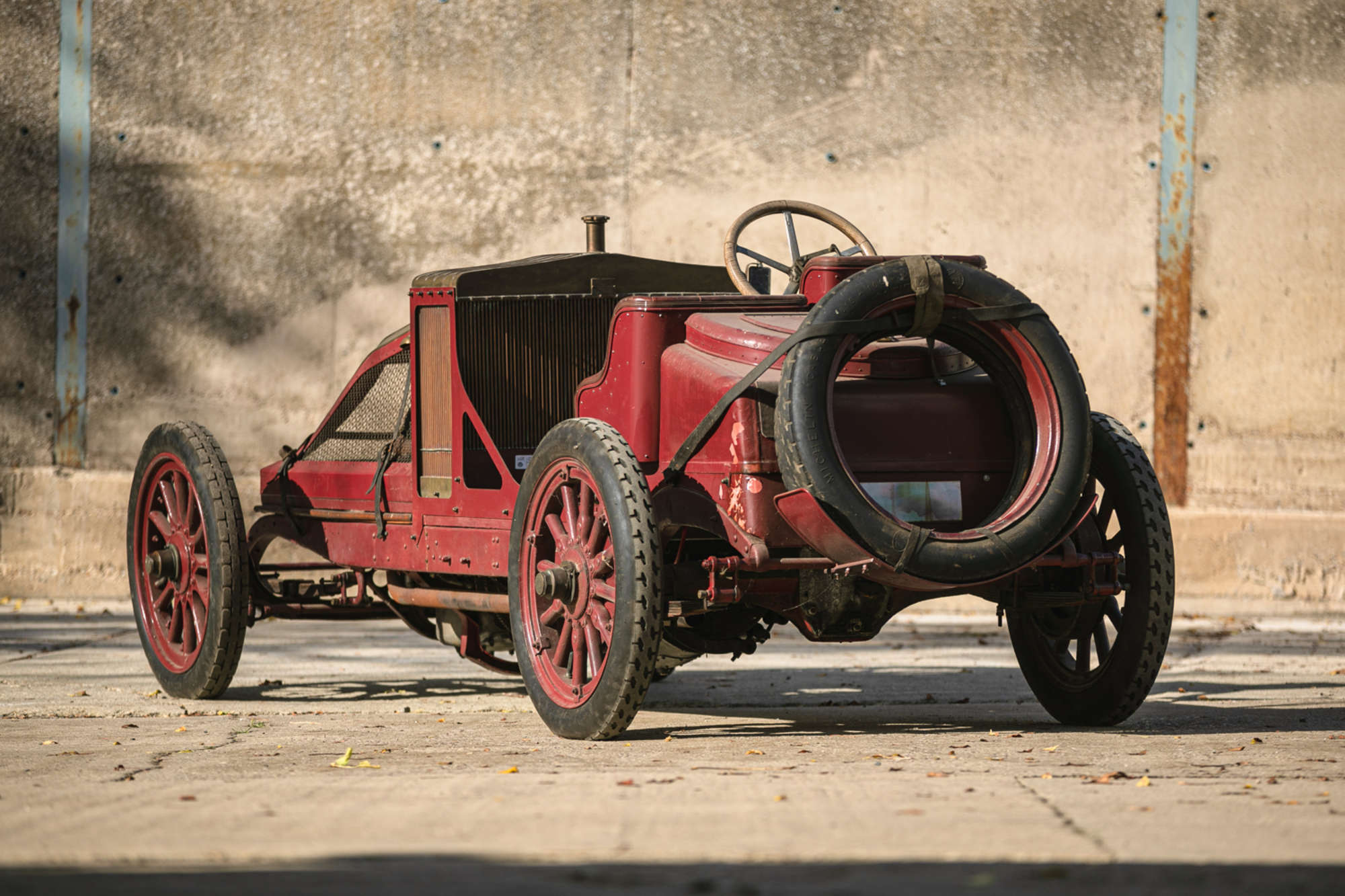
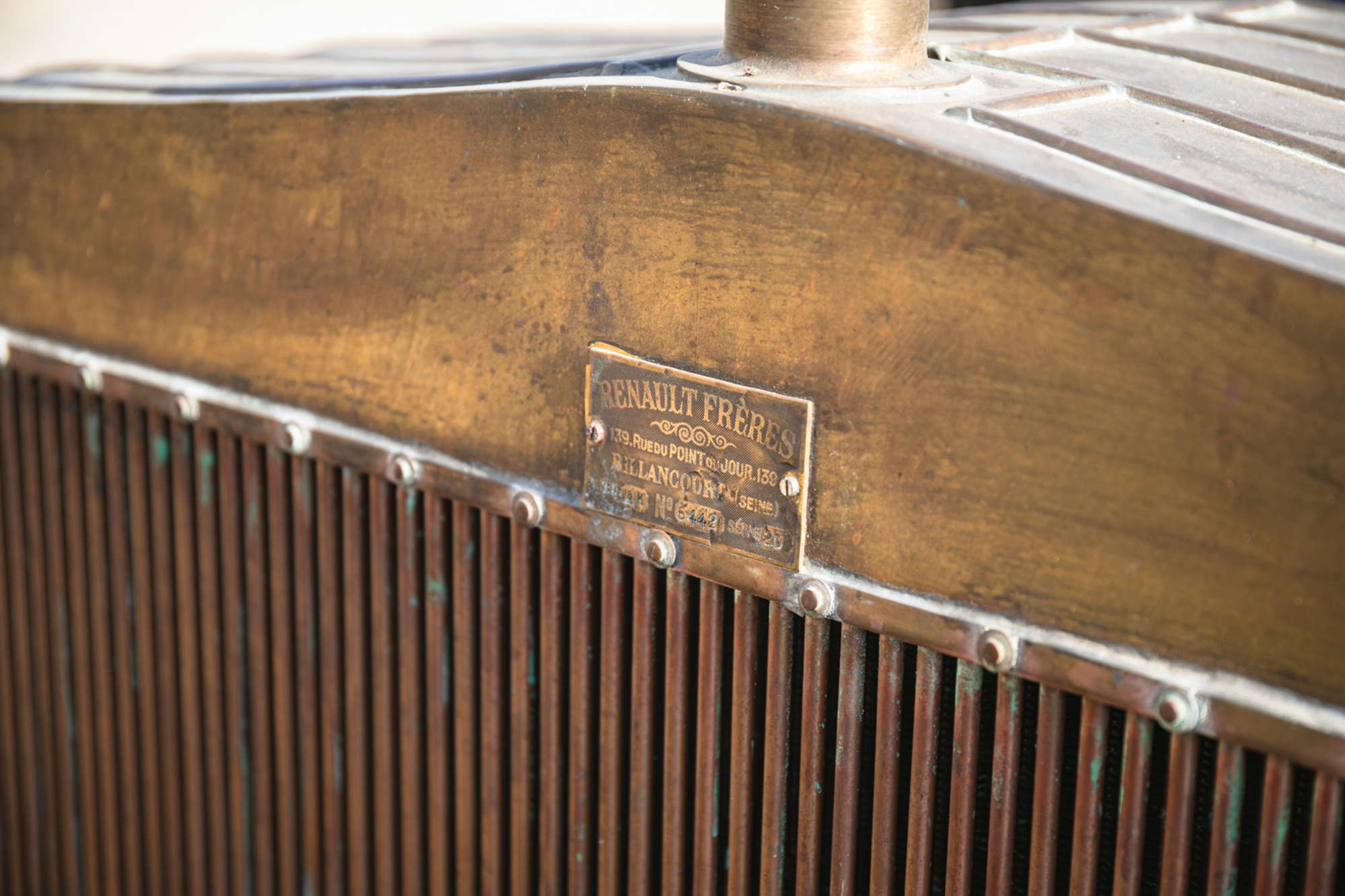
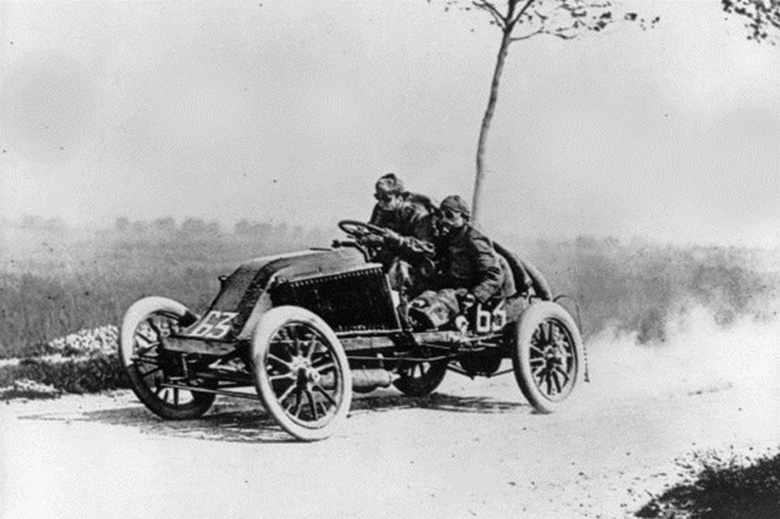
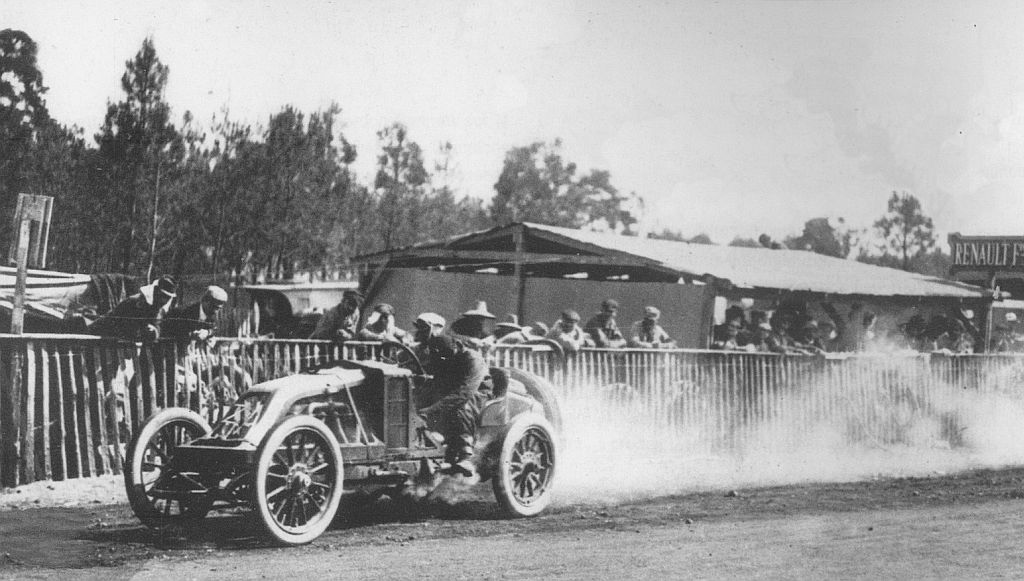
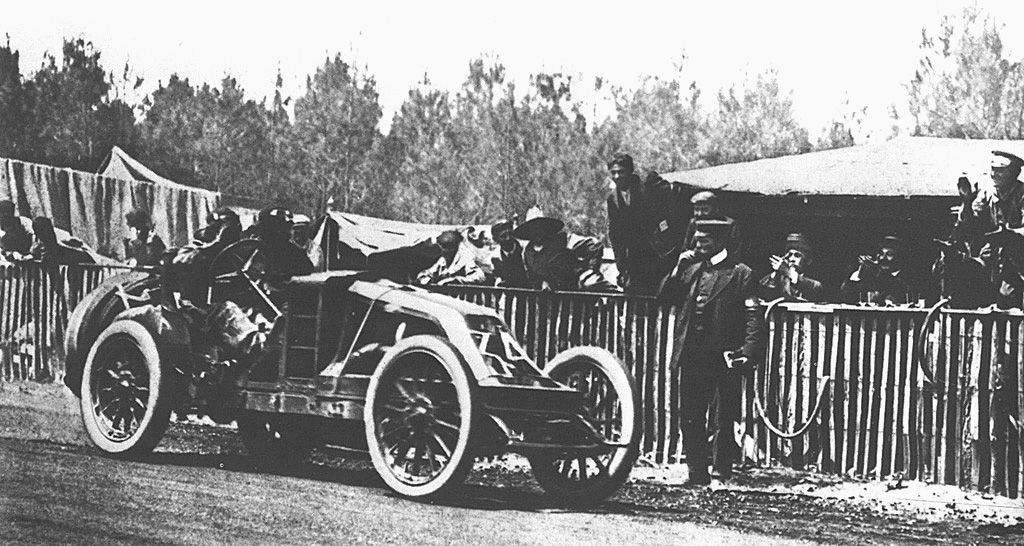
The molten tar of the Circuit de la Sarthe clung to the tyres like boiling treacle in the brutal summer of 1906. Blinded by dust and deafened by the concussive, low-revving thud of a colossal engine, Ferenc Szisz wrestled a machine that was less an automobile and more an act of mechanical vengeance. This was the Renault Type AK 90CV, a scarlet behemoth that arrived on the grid of the very first Grand Prix de l’Automobile Club de France to settle a score. Following the catastrophic 1903 Paris-Madrid “Race to Death”, which claimed the life of his brother Marcel, Louis Renault had largely retreated from motorsport. When he returned to the newly formed closed-circuit Grand Prix format, he did so with absolute, uncompromising brutality. The Type AK was conceived to obliterate a formidable European establishment, facing down the mighty chain-driven FIAT 130 HP, the gargantuan Lorraine-Dietrichs, and the aristocratic Brasiers.
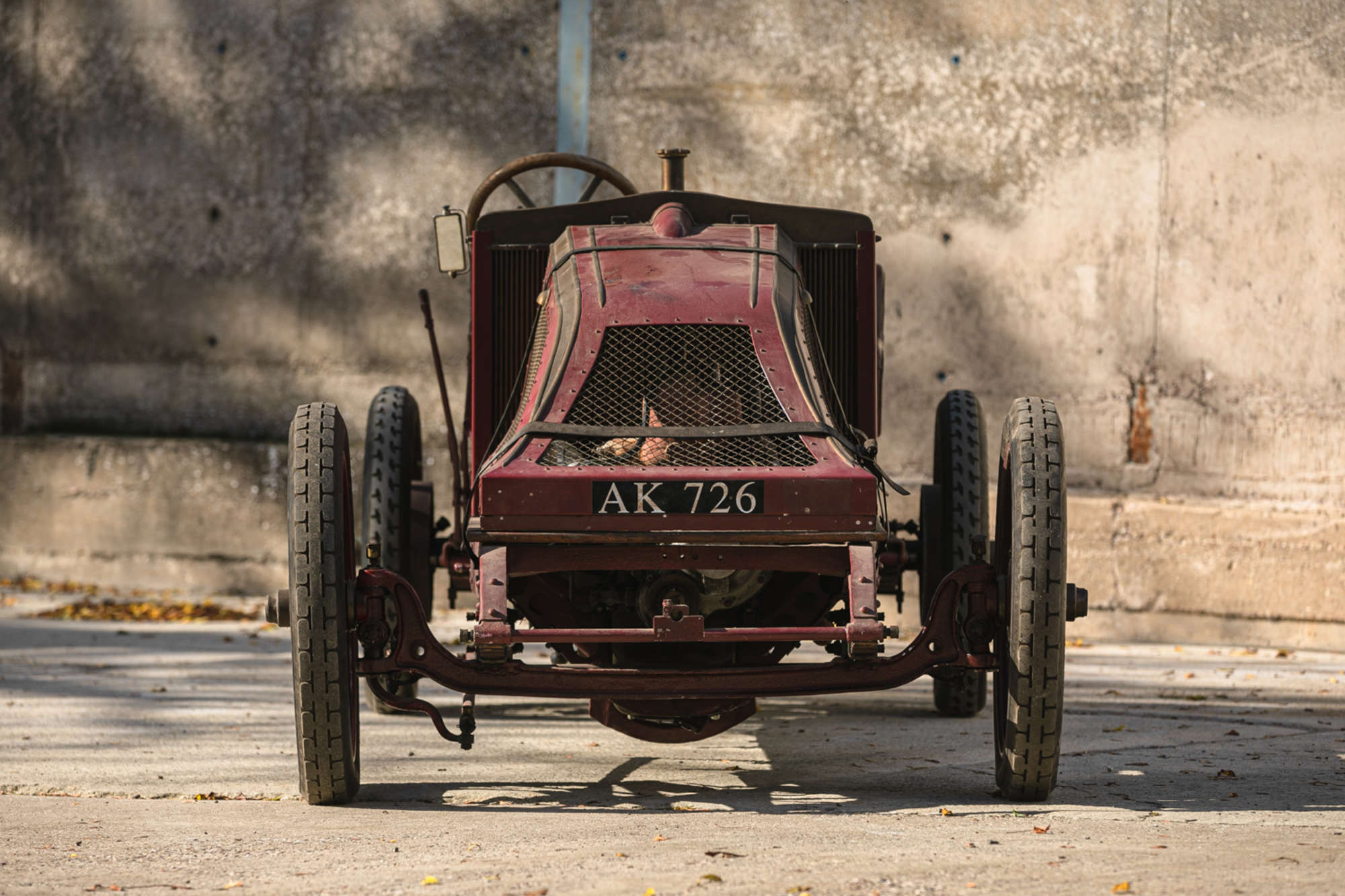
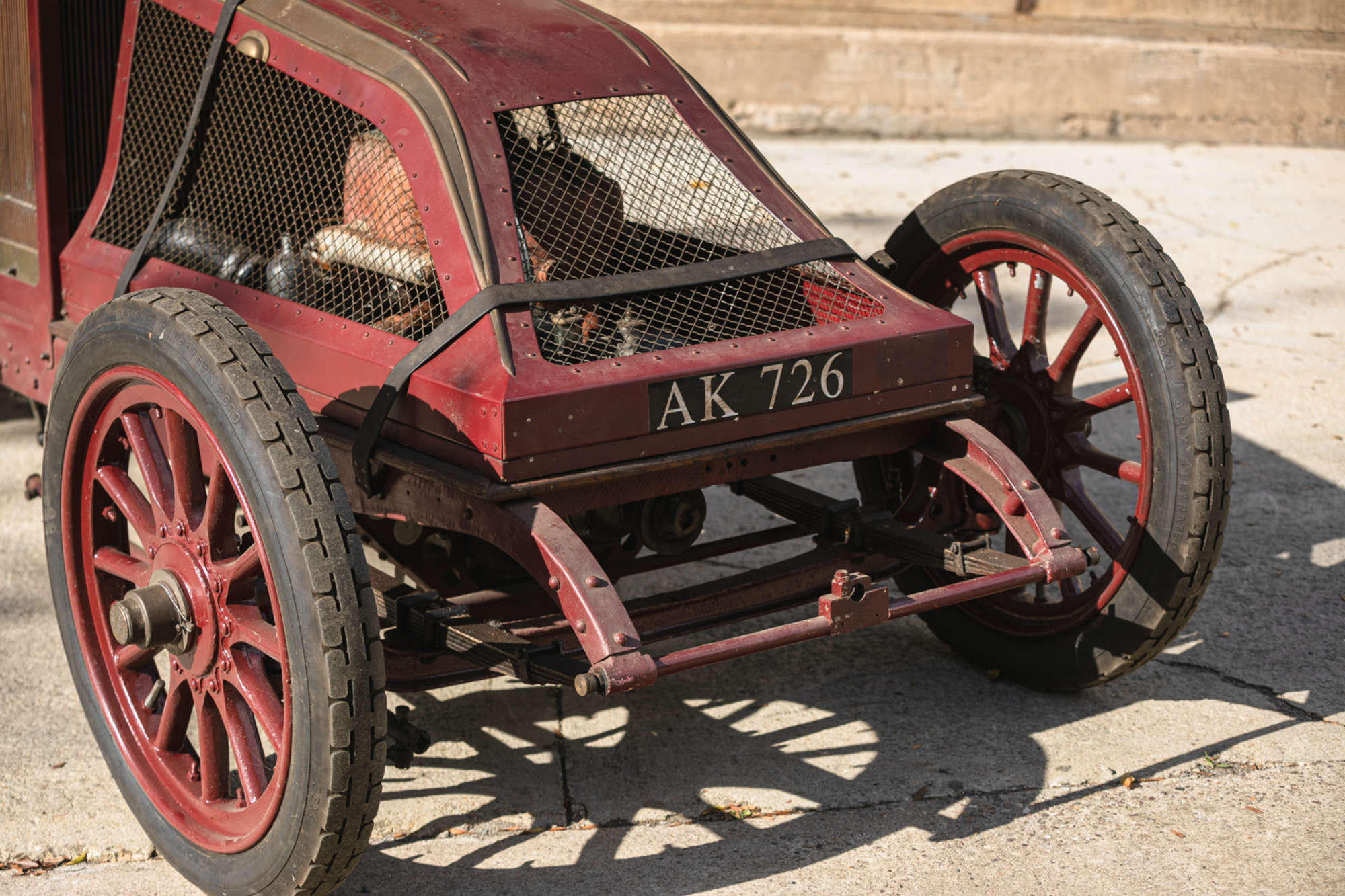
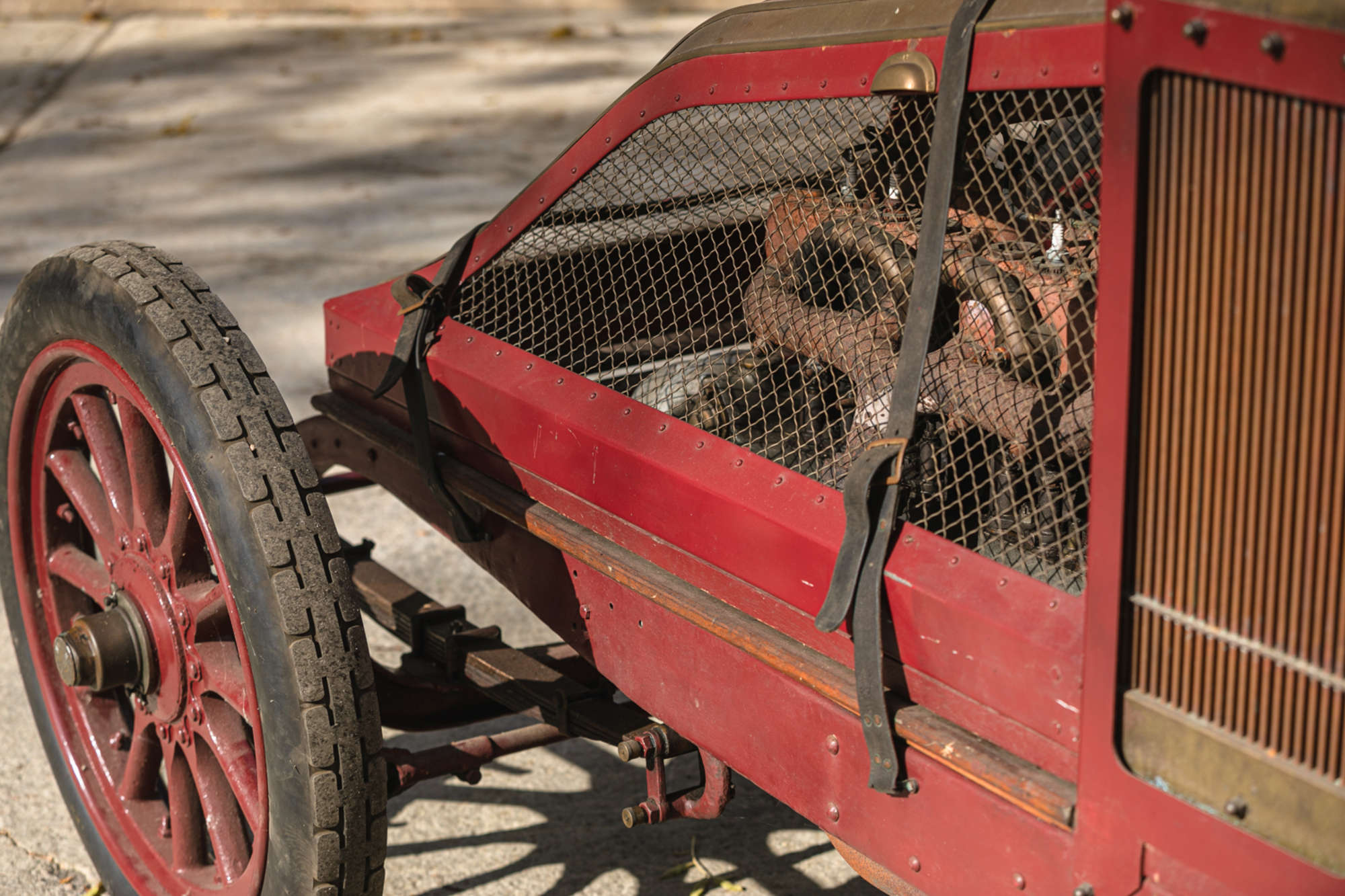
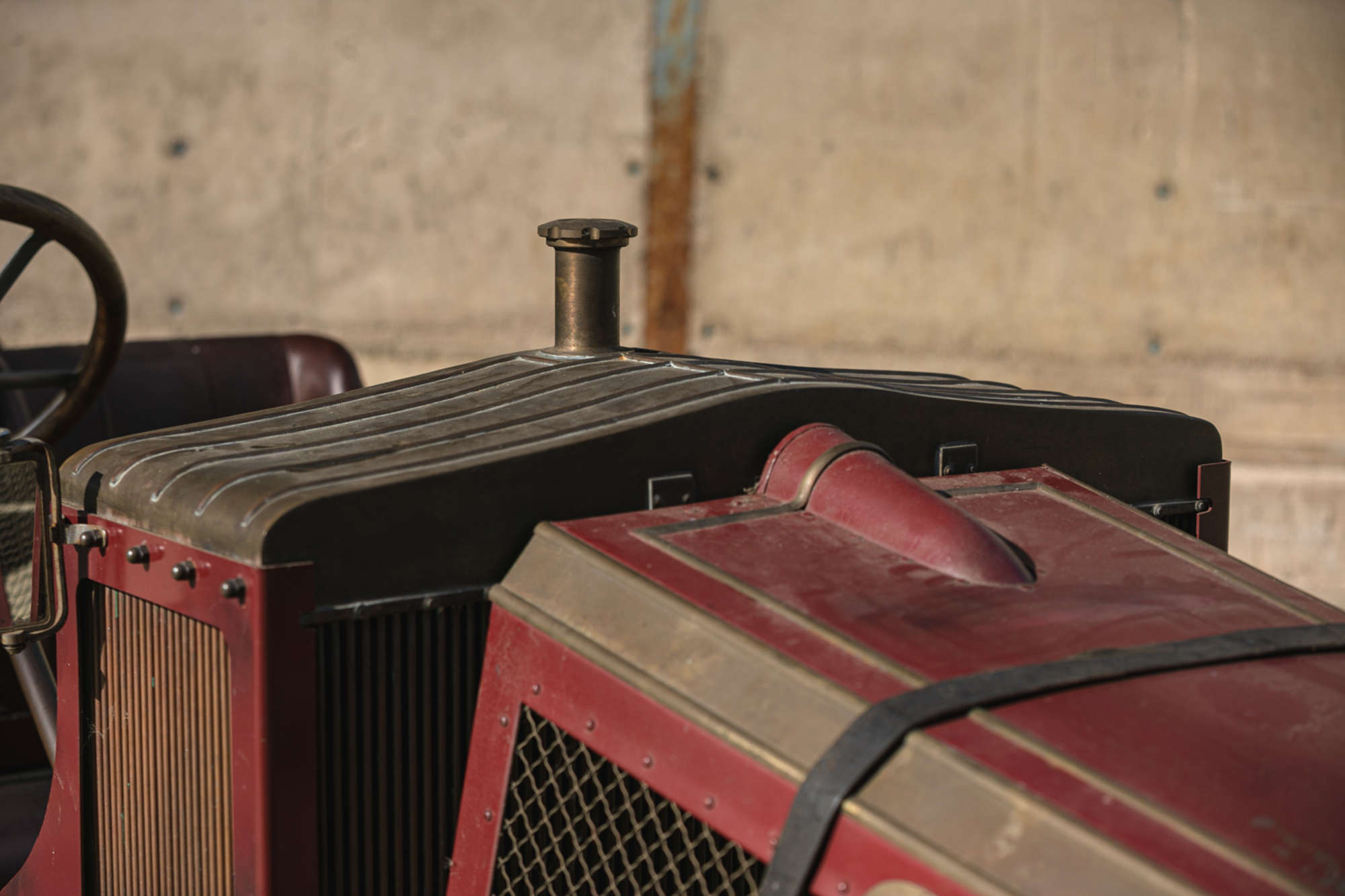
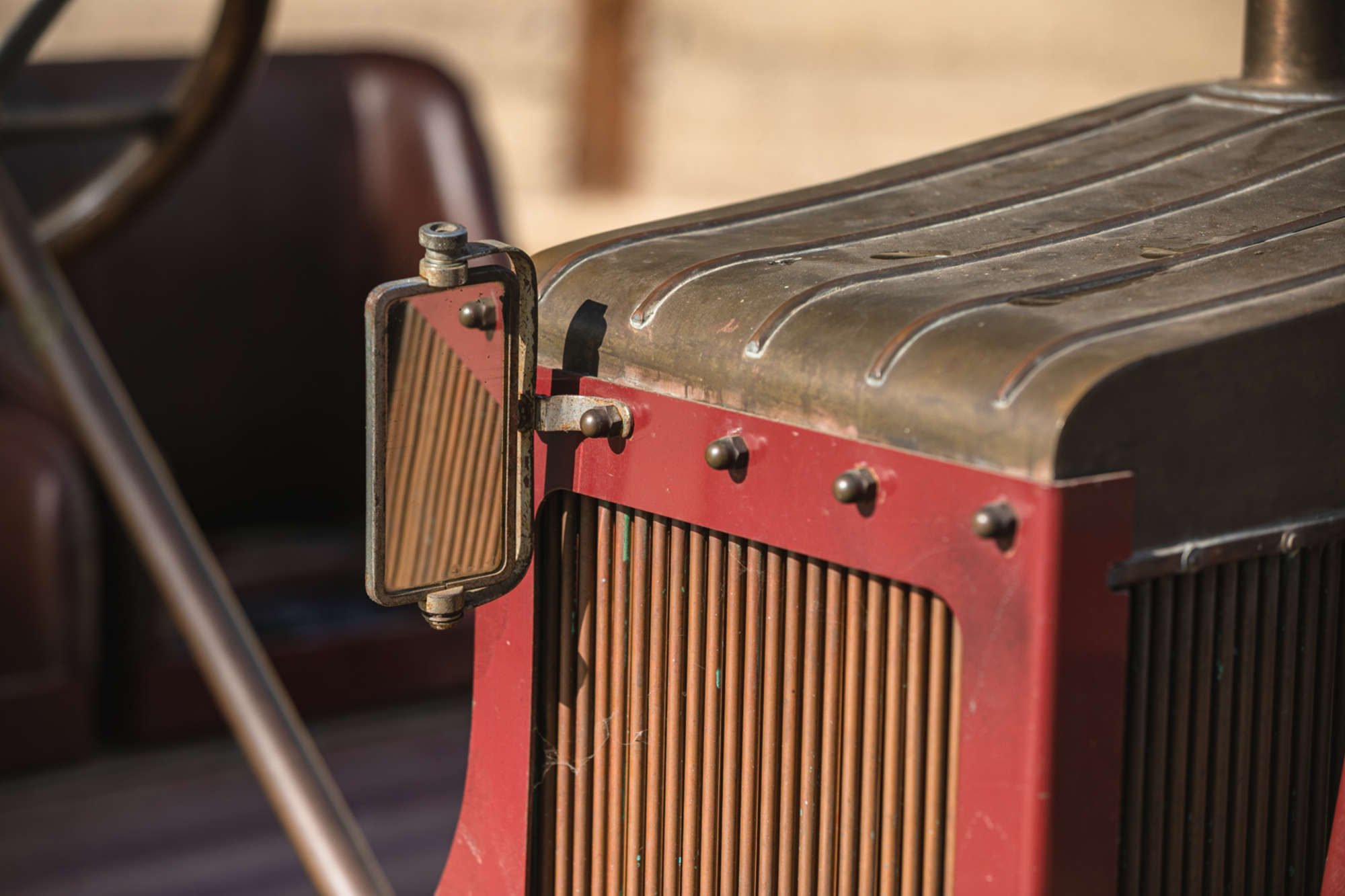
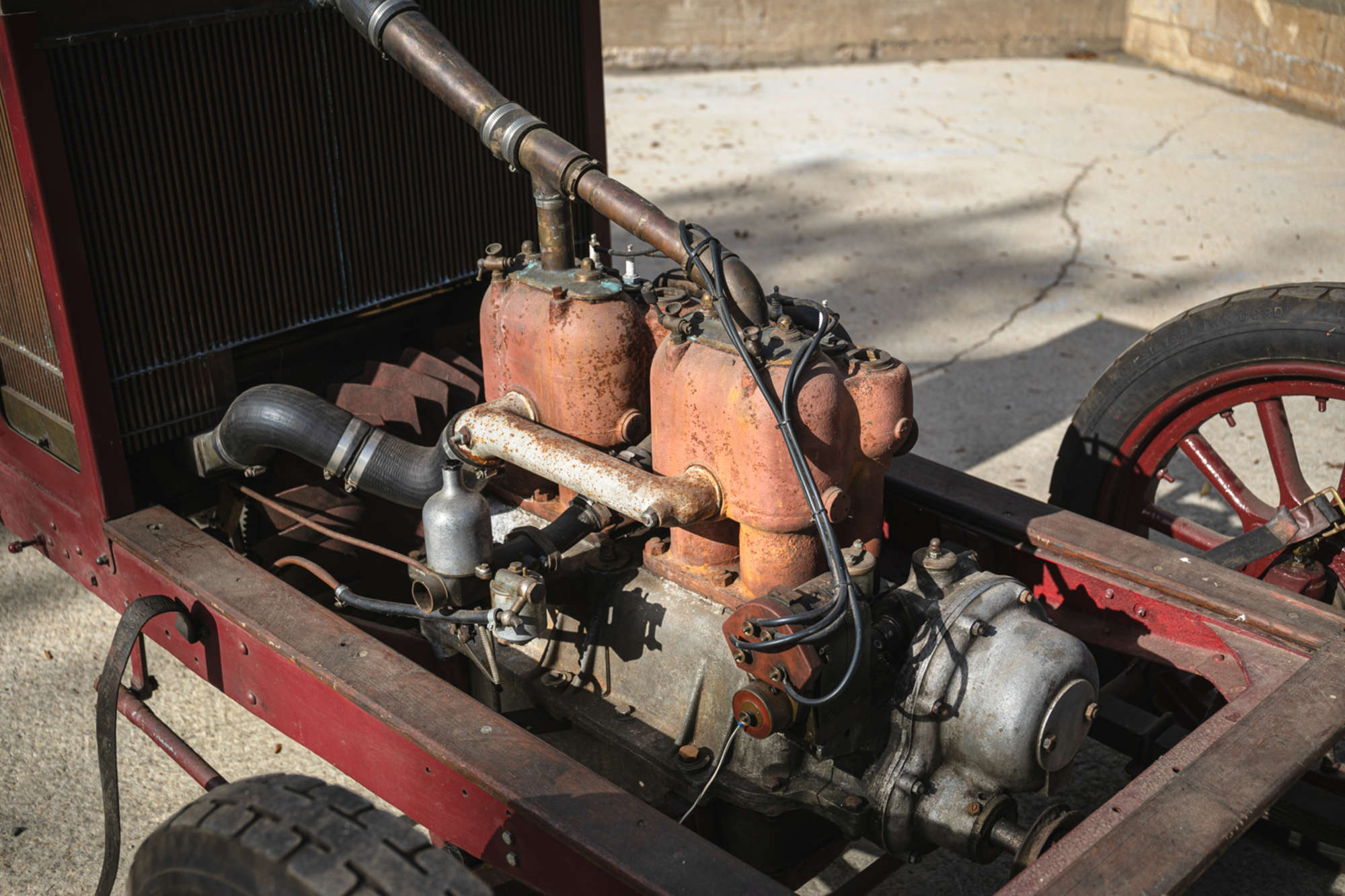
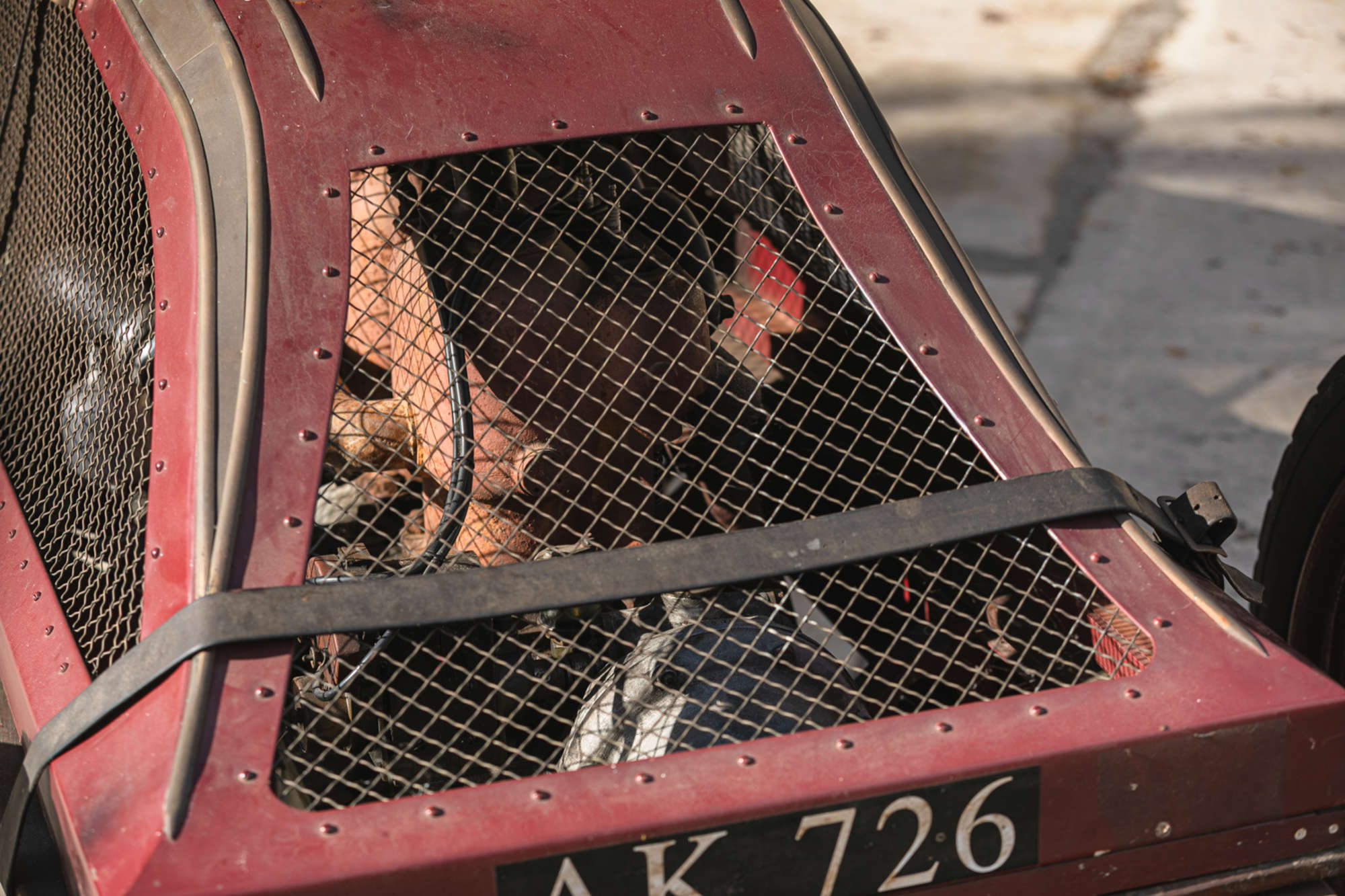
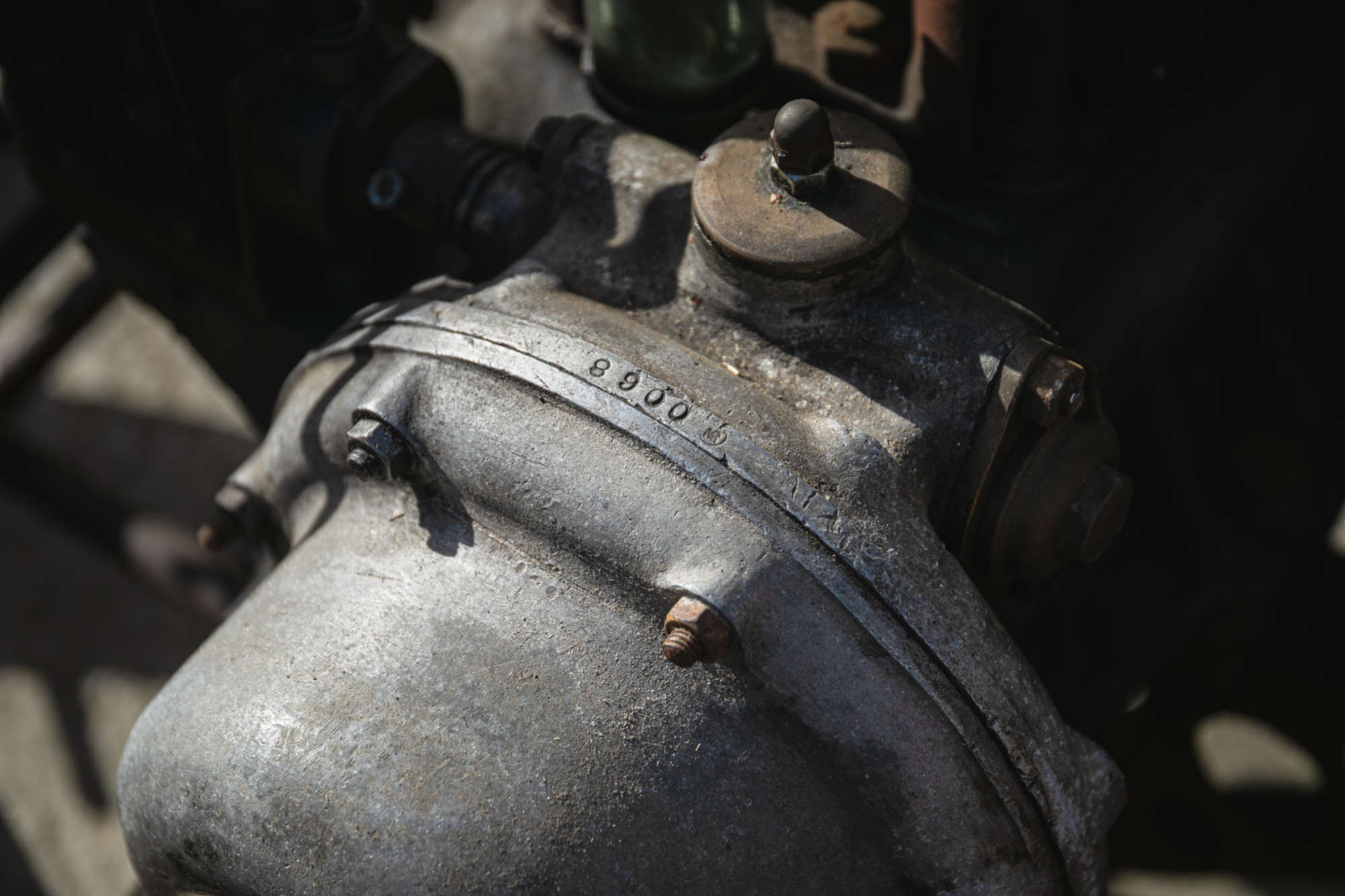
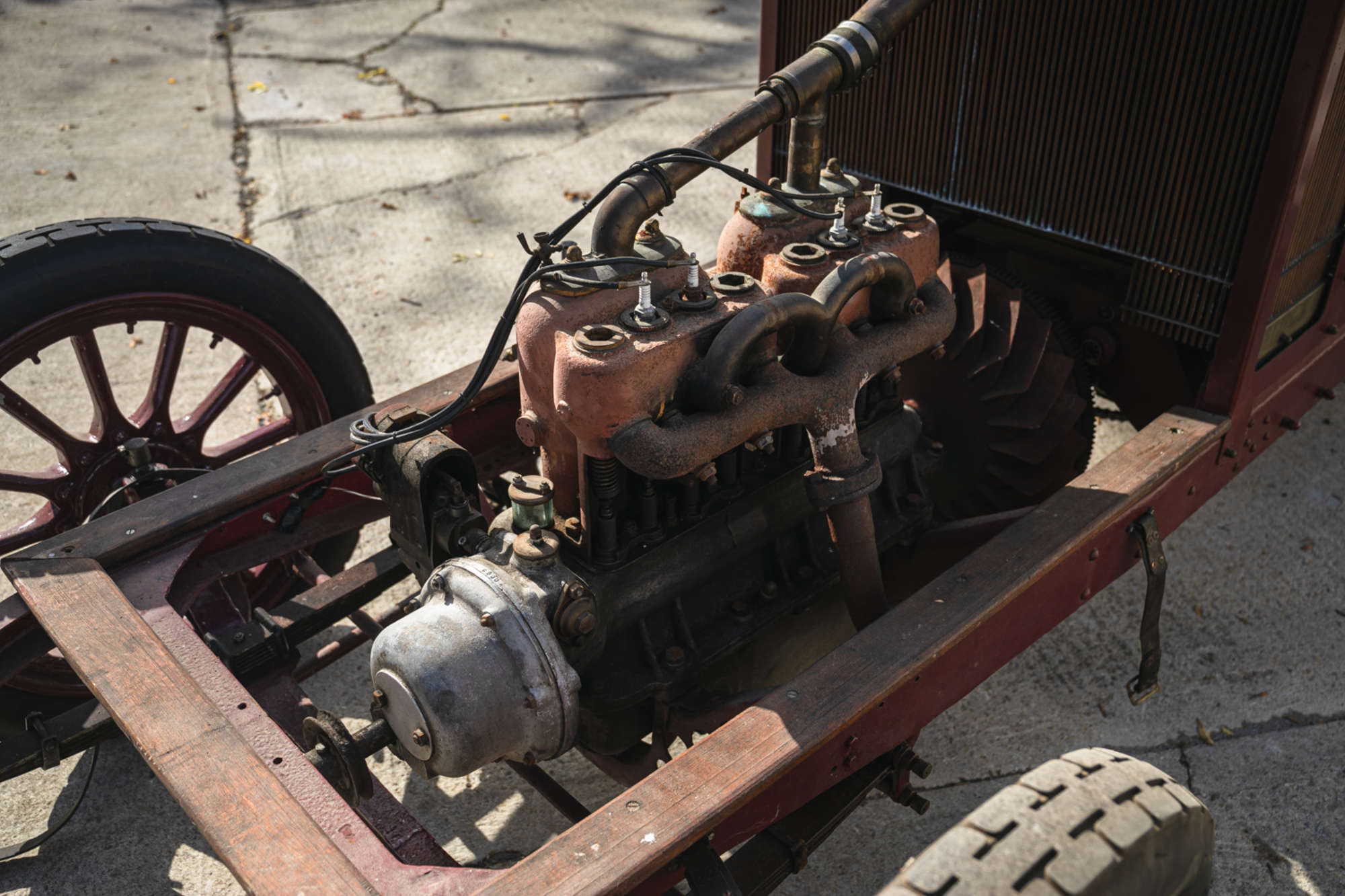
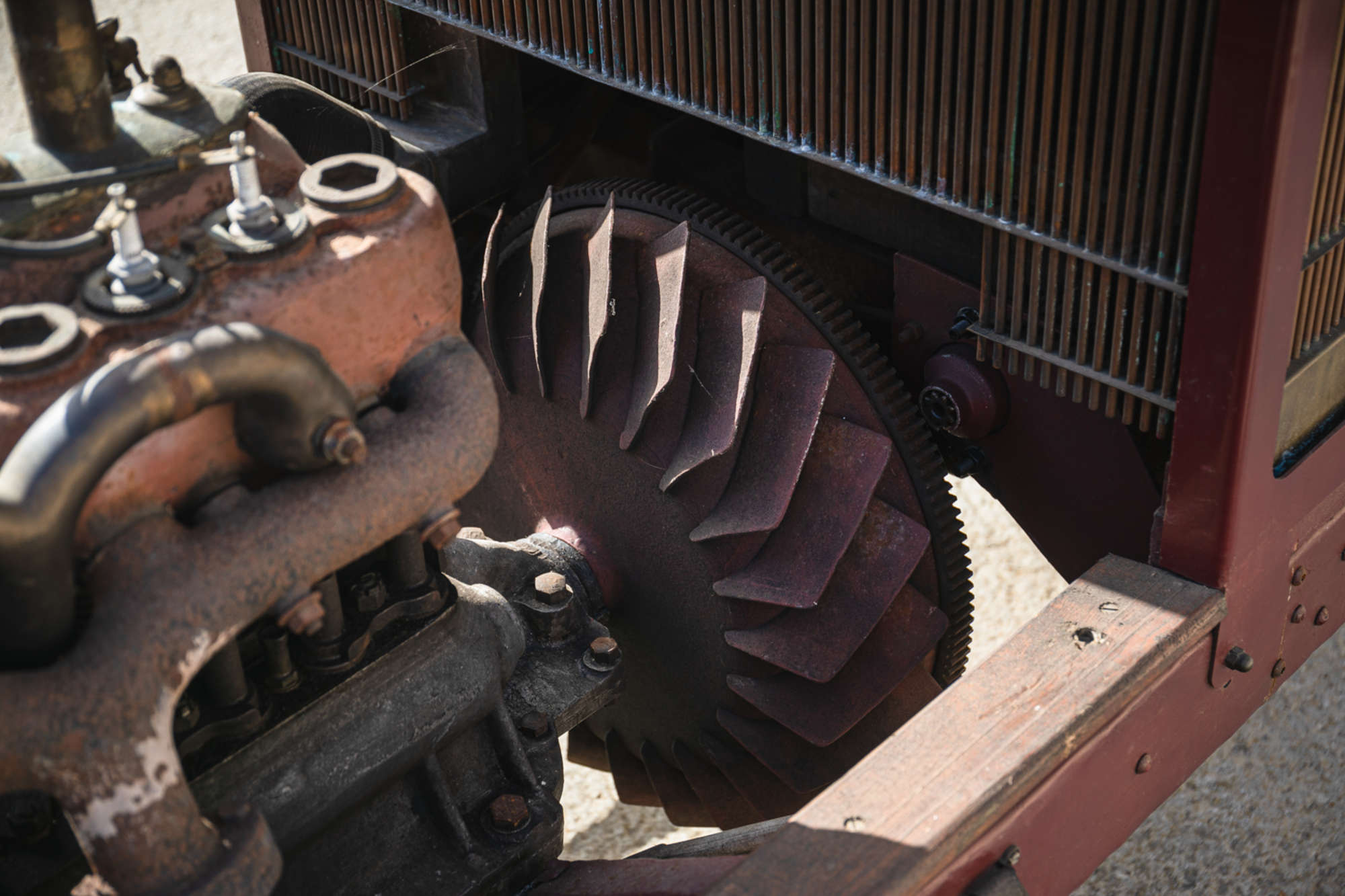
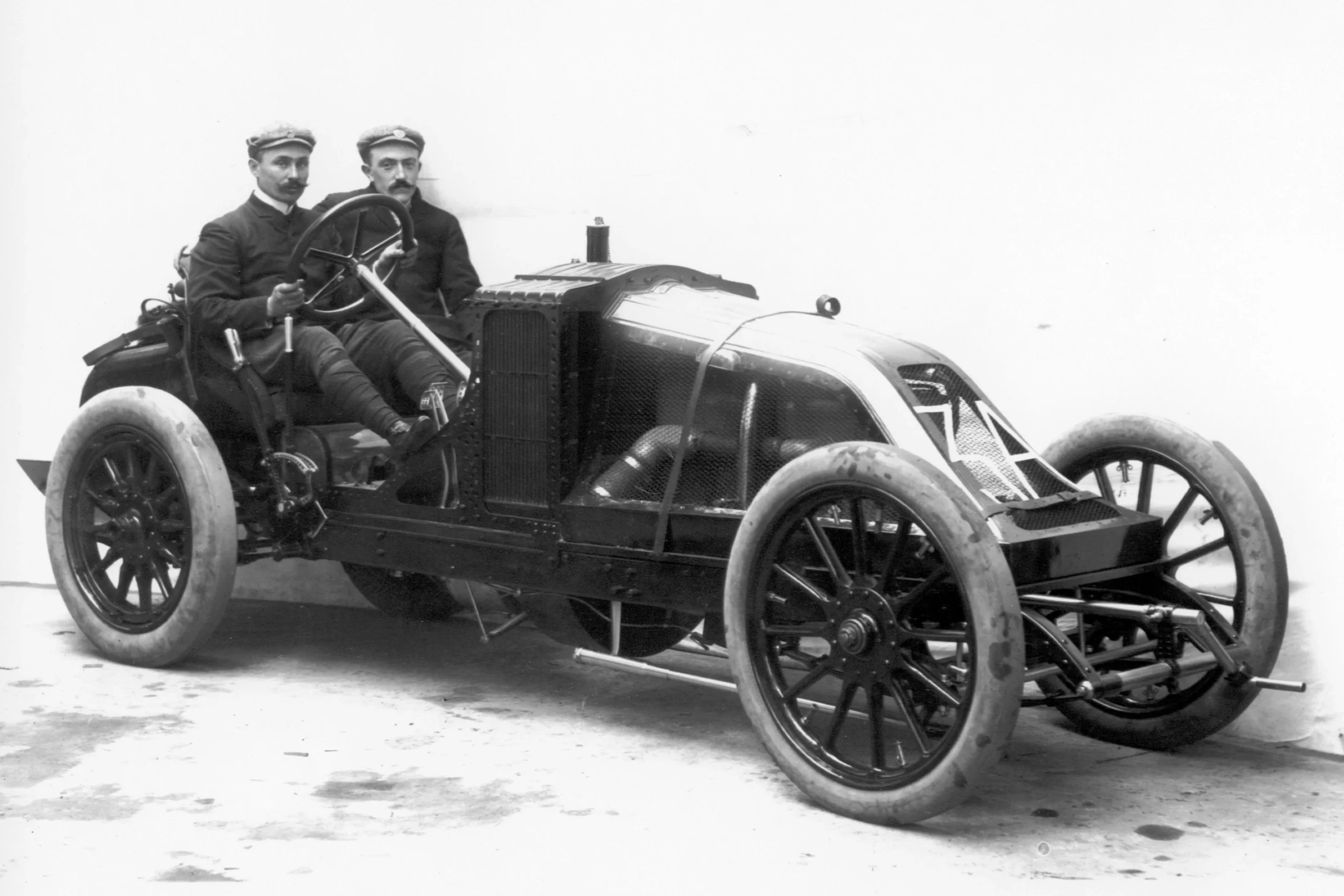
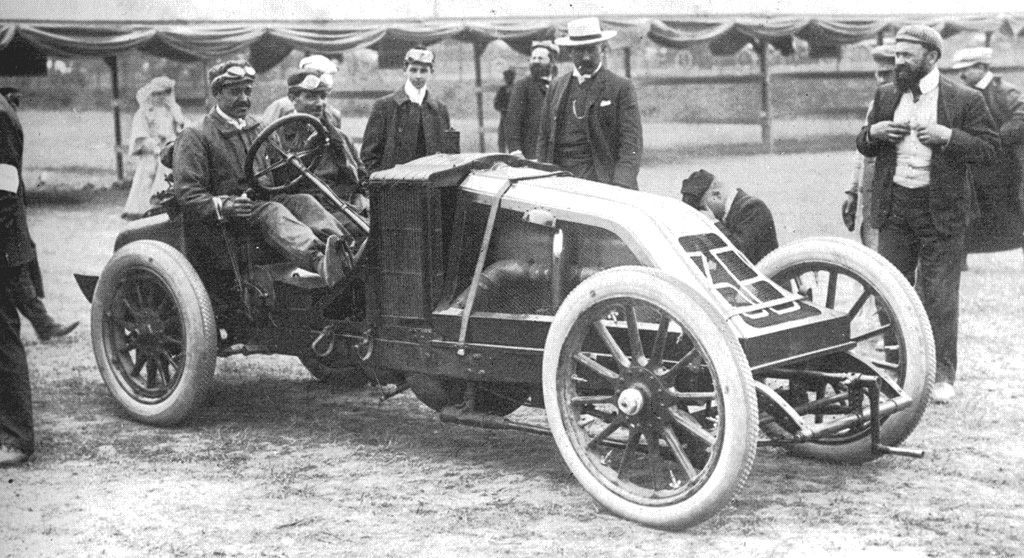
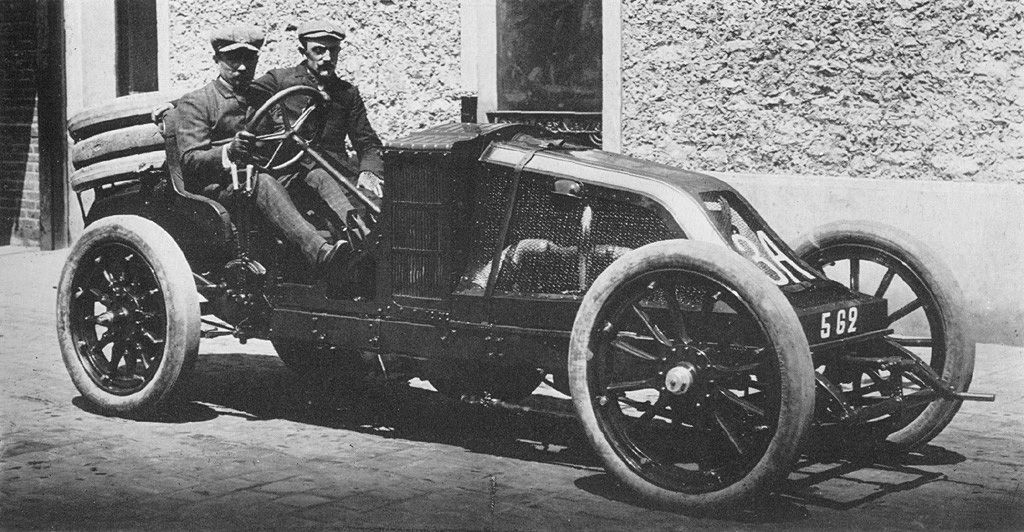
To stand before the Type AK is to confront the terrifying scale of Edwardian racing. Beneath its distinctive, sloping “coal scuttle” bonnet—a shape dictated by Louis Renault’s pragmatic decision to mount the radiator behind the engine, protecting it from flying stones—lurked a gargantuan 13.0-litre (792 cu in) inline-four engine. Cast in two pairs of cylinders, this side-valve leviathan idled with a rhythmic, seismic shudder, ultimately producing 90 bhp at a leisurely 1,200 rpm. The sheer torque required a colossal, leather-faced cone clutch to transmit power to a three-speed manual gearbox. Yet, the Renault’s true engineering heresy lay further aft. Whilst its primary Italian and French rivals relied on primitive, snapping chain drives, the Type AK utilised an enclosed cardan shaft to drive the rear wheels, a sophisticated layout that proved significantly more reliable over punishing distances.
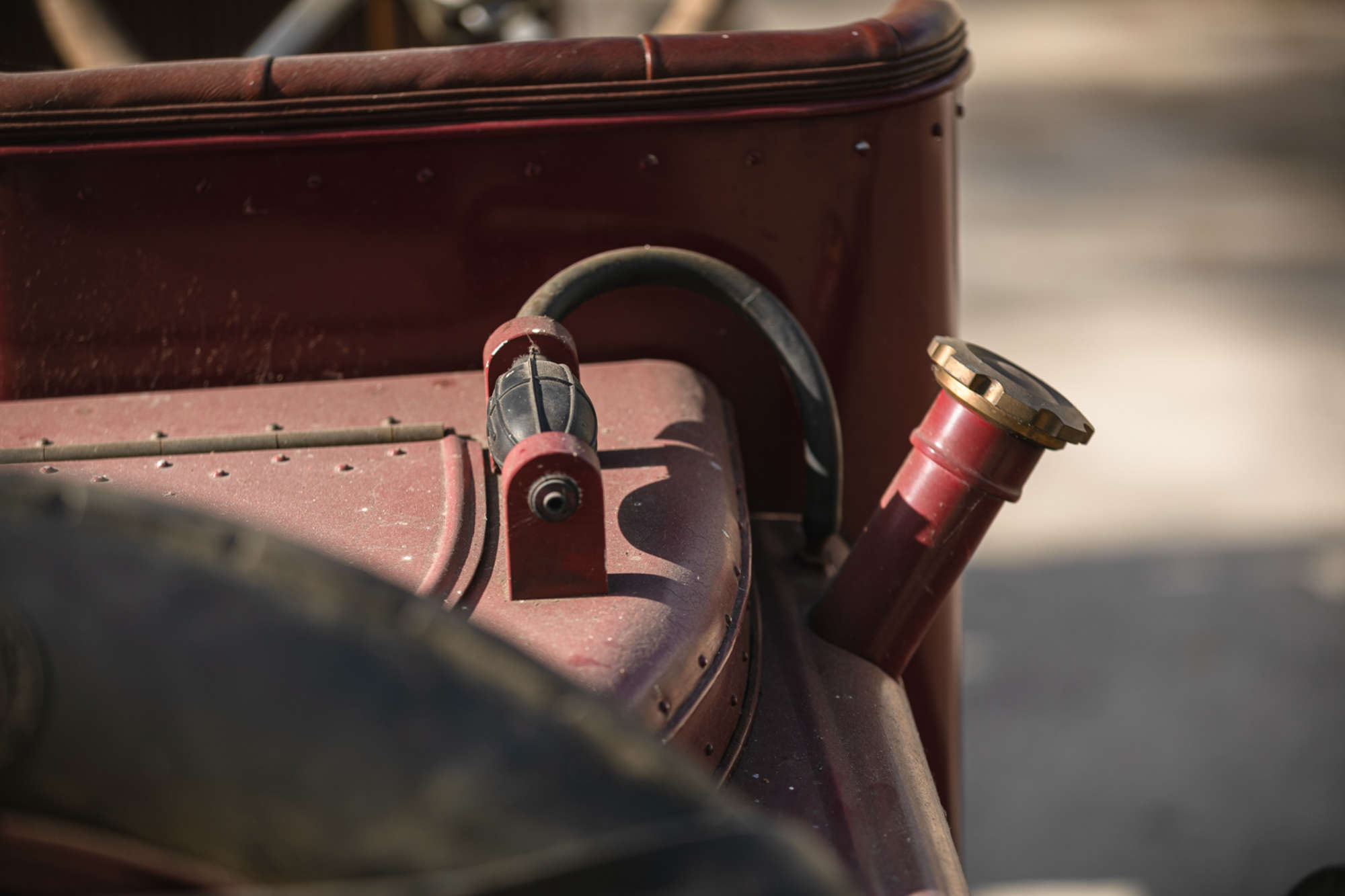
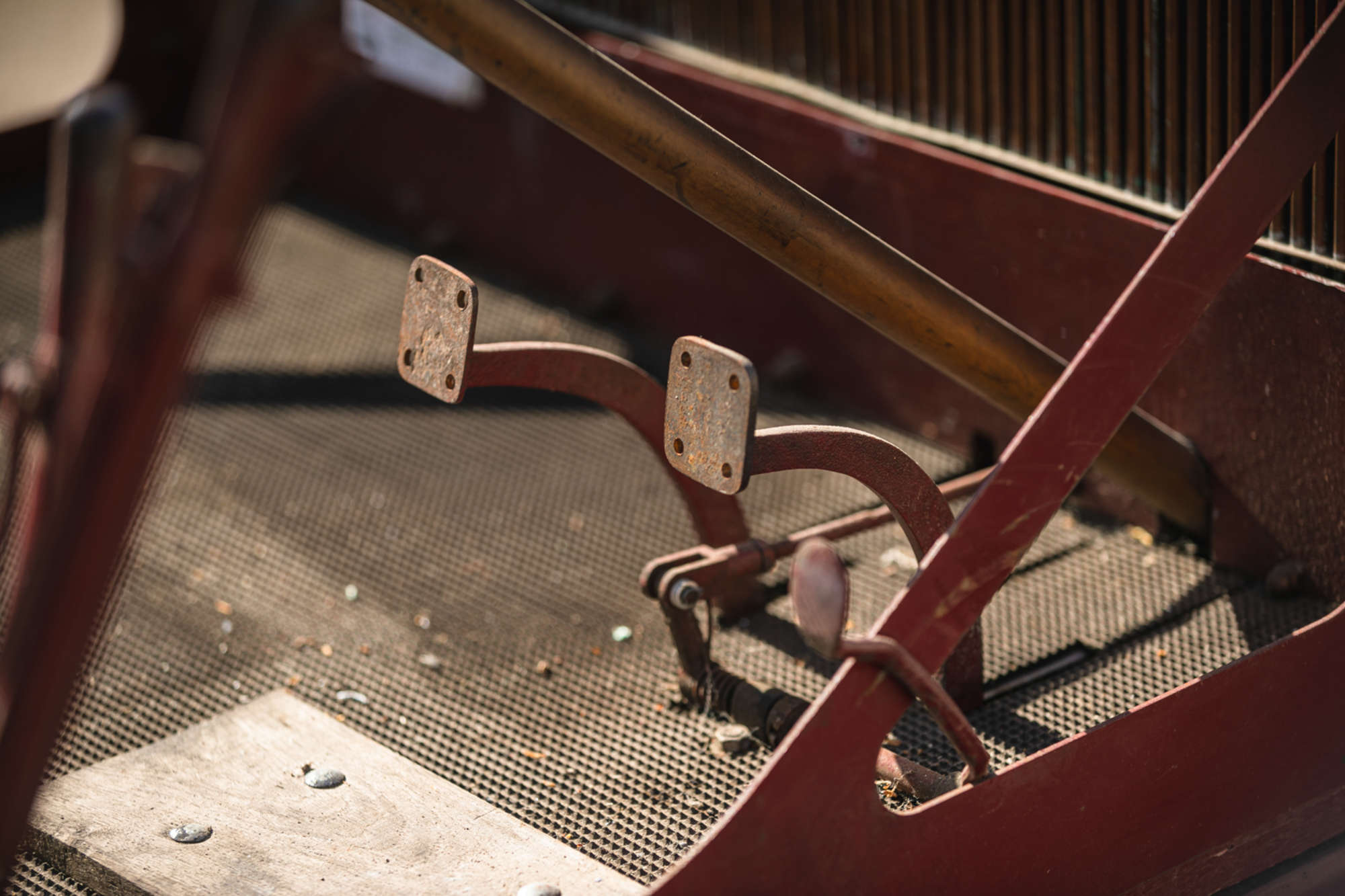
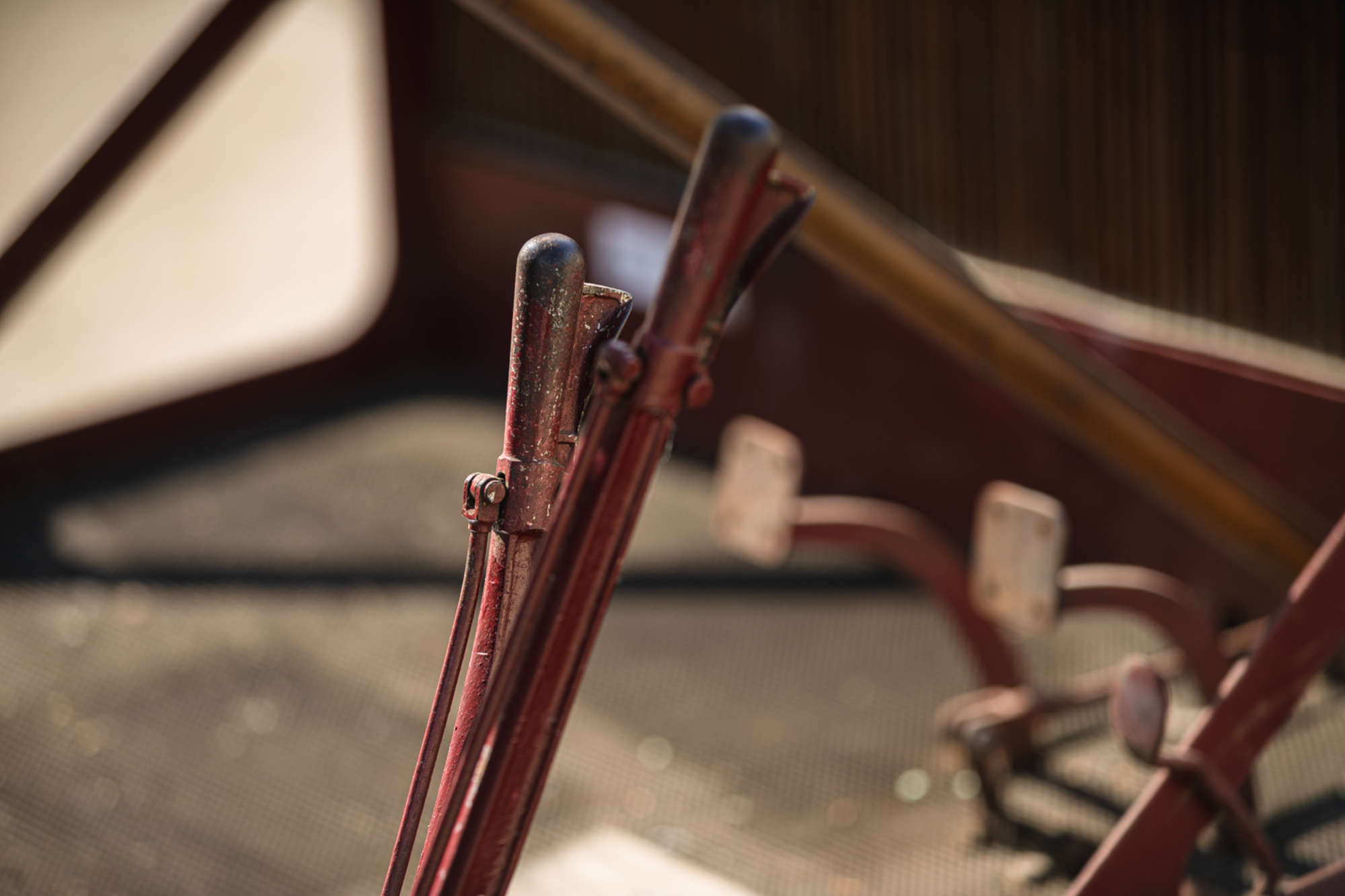
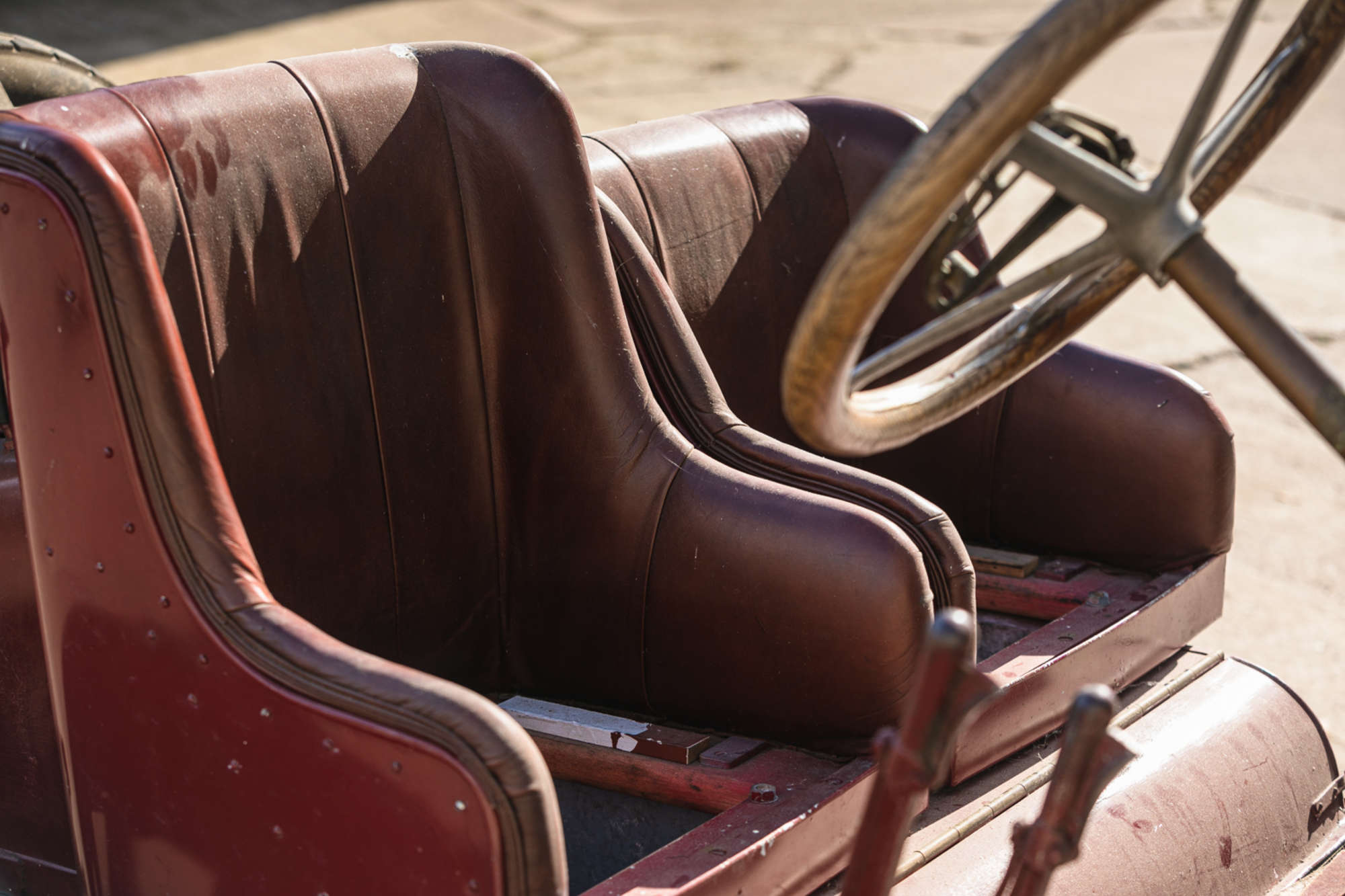
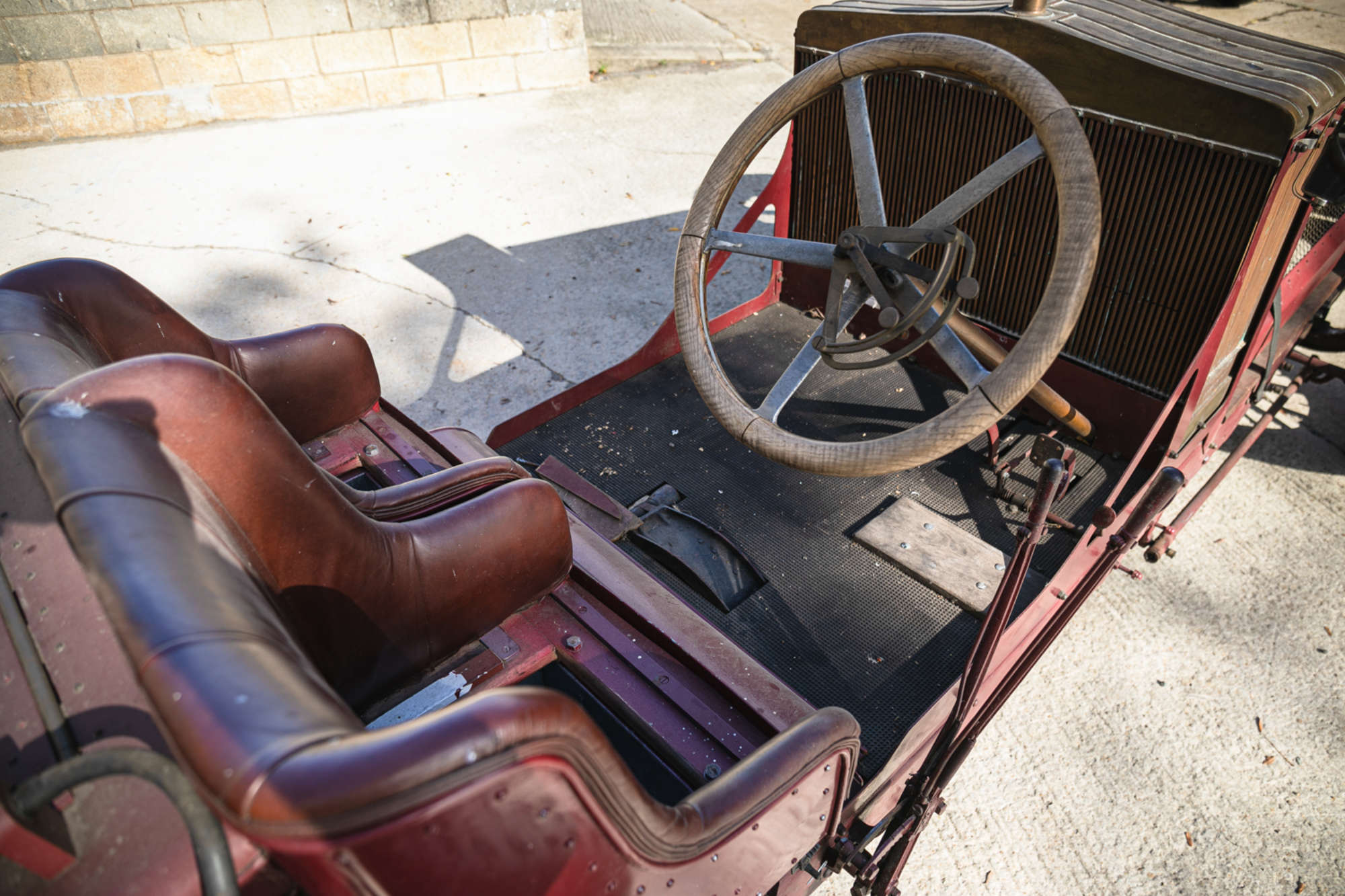
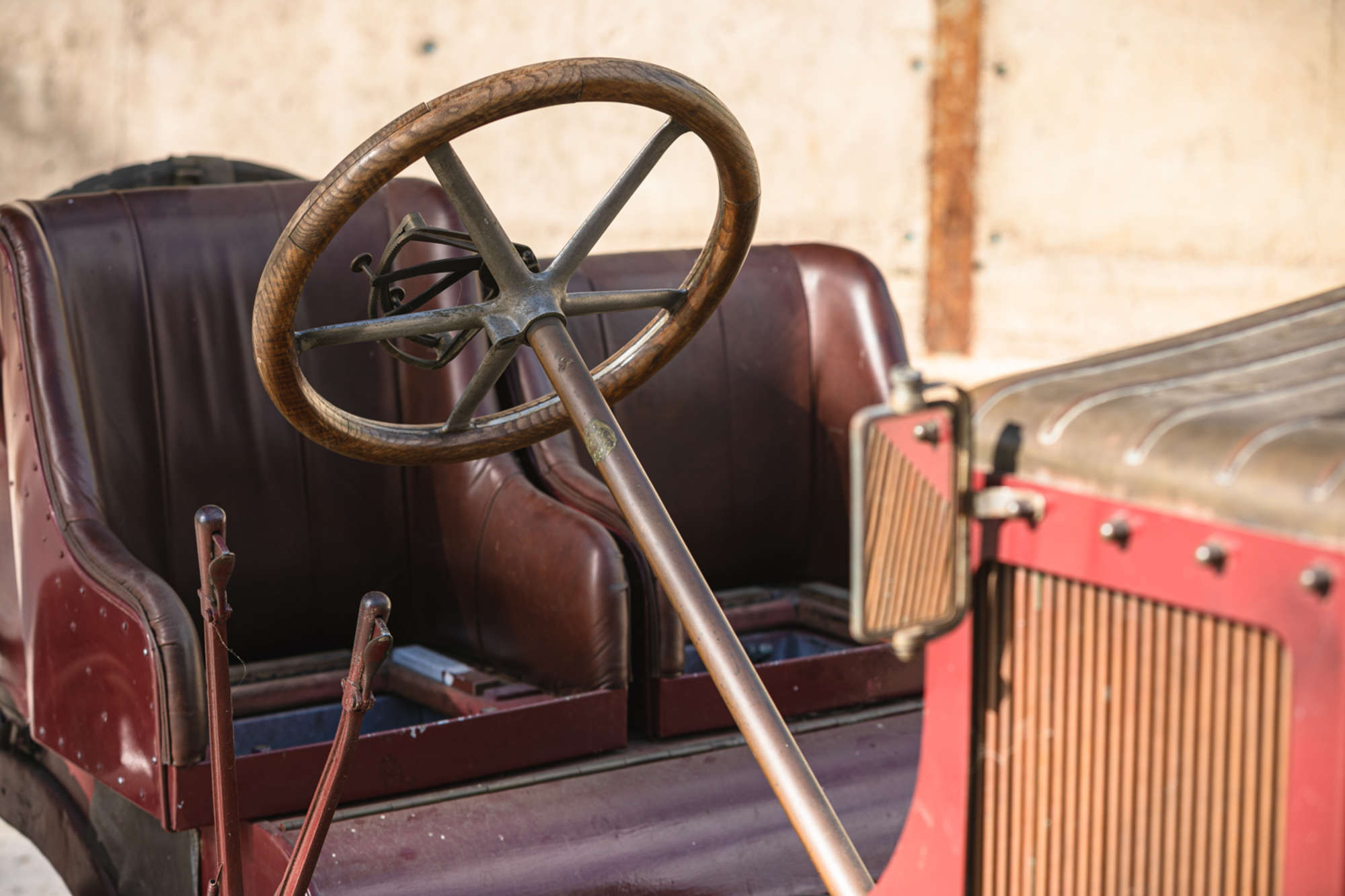
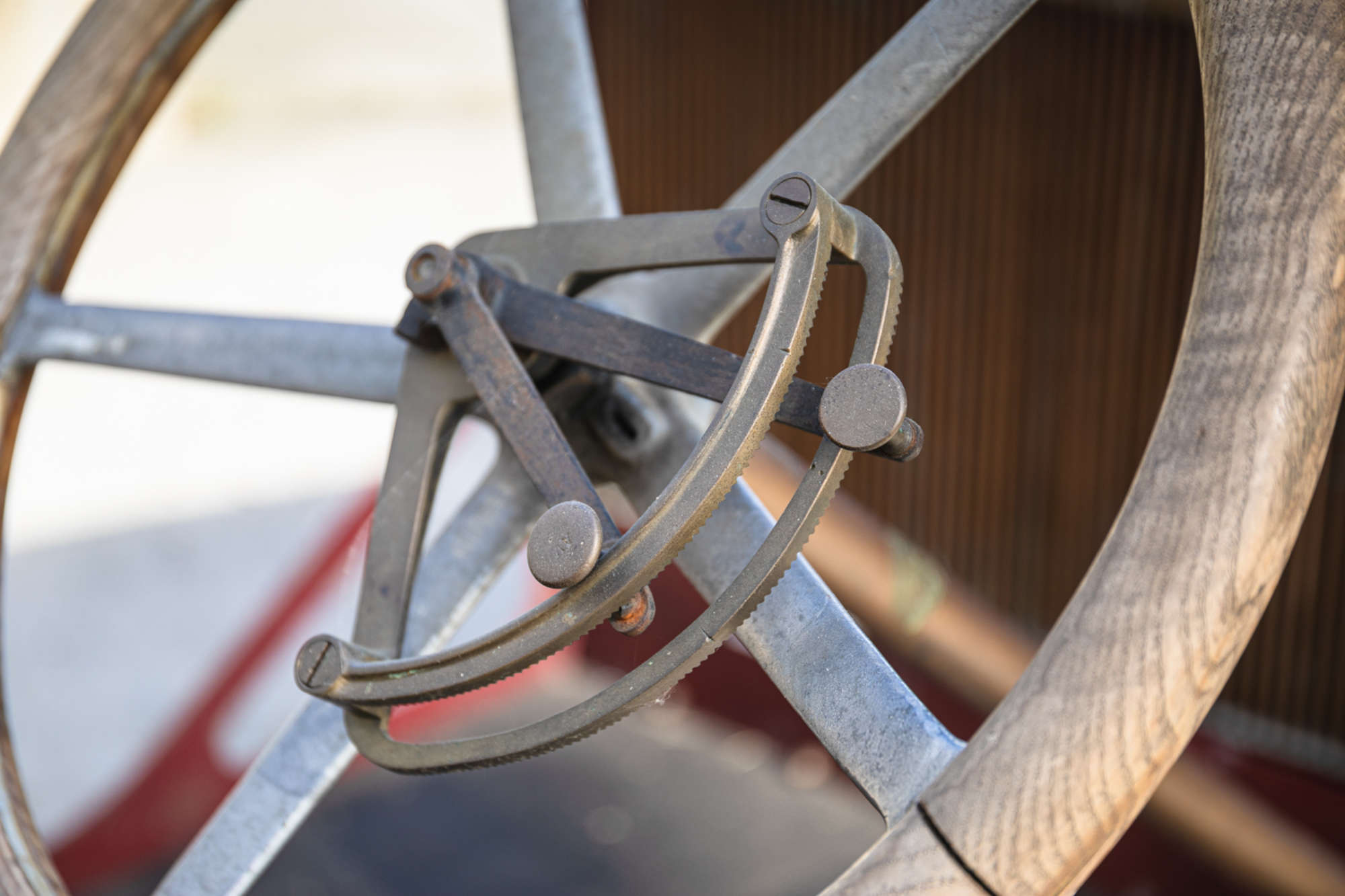
The chassis was a conventional steel ladder frame, but it concealed a masterstroke of suspension tuning. Renault fitted the car with patented double-acting hydraulic shock absorbers, a revelation in an era when cars bounced violently over rutted carriage tracks. This allowed Szisz to keep the throttle pinned where others were forced to lift, maintaining stability at speeds approaching 154 km/h (96 mph). Stopping this 1000 kg (2204 lbs) missile relied on the driver’s sheer physical strength, hauling on a lever that actuated expanding shoe brakes on the rear wheels and a contracting band on the transmission. In the exposed, spartan cockpit, the riding mechanic pumped oil manually whilst the driver fought a heavy, cord-bound steering wheel, their faces blackened by oil mist and road dirt.
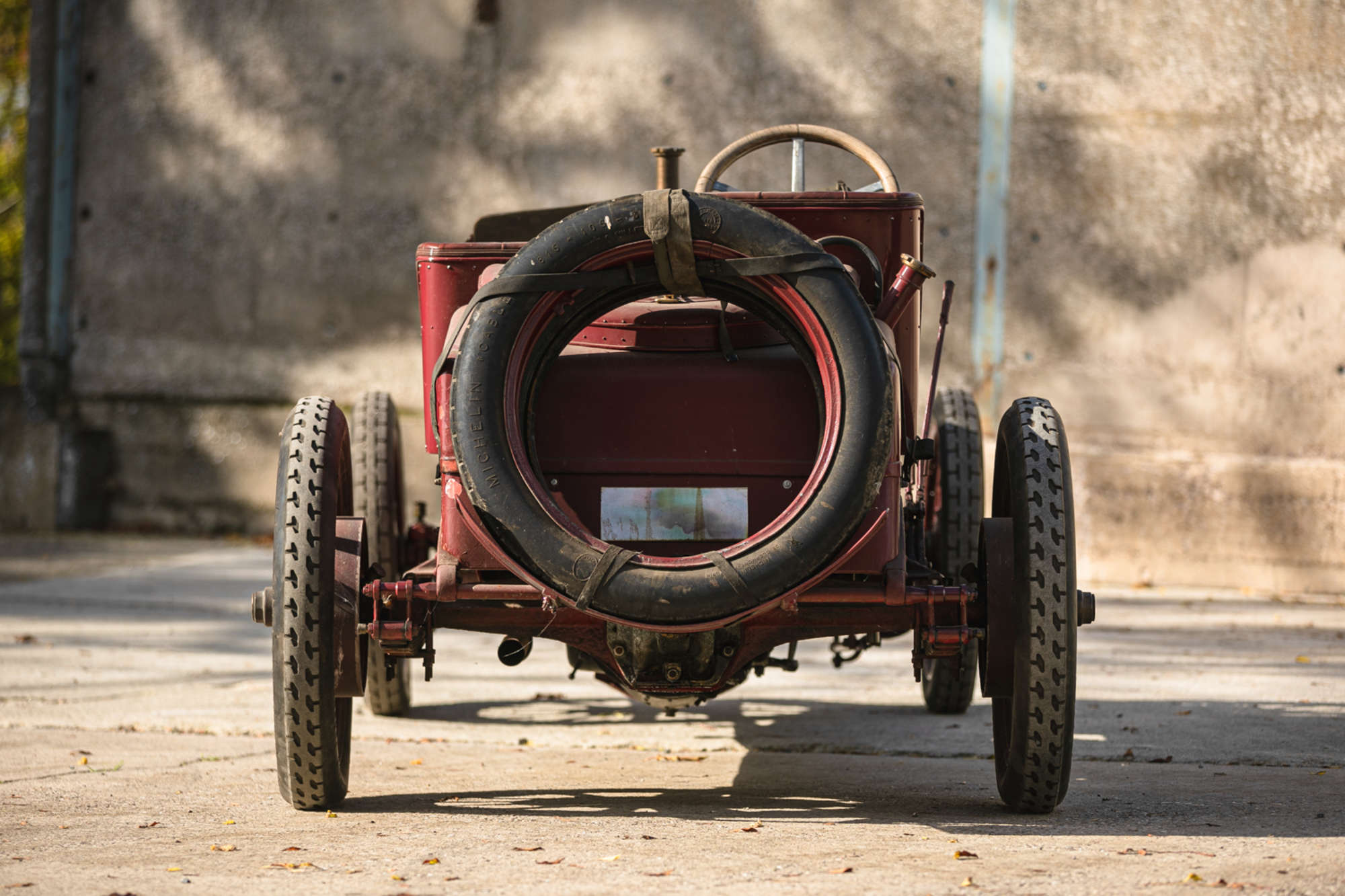
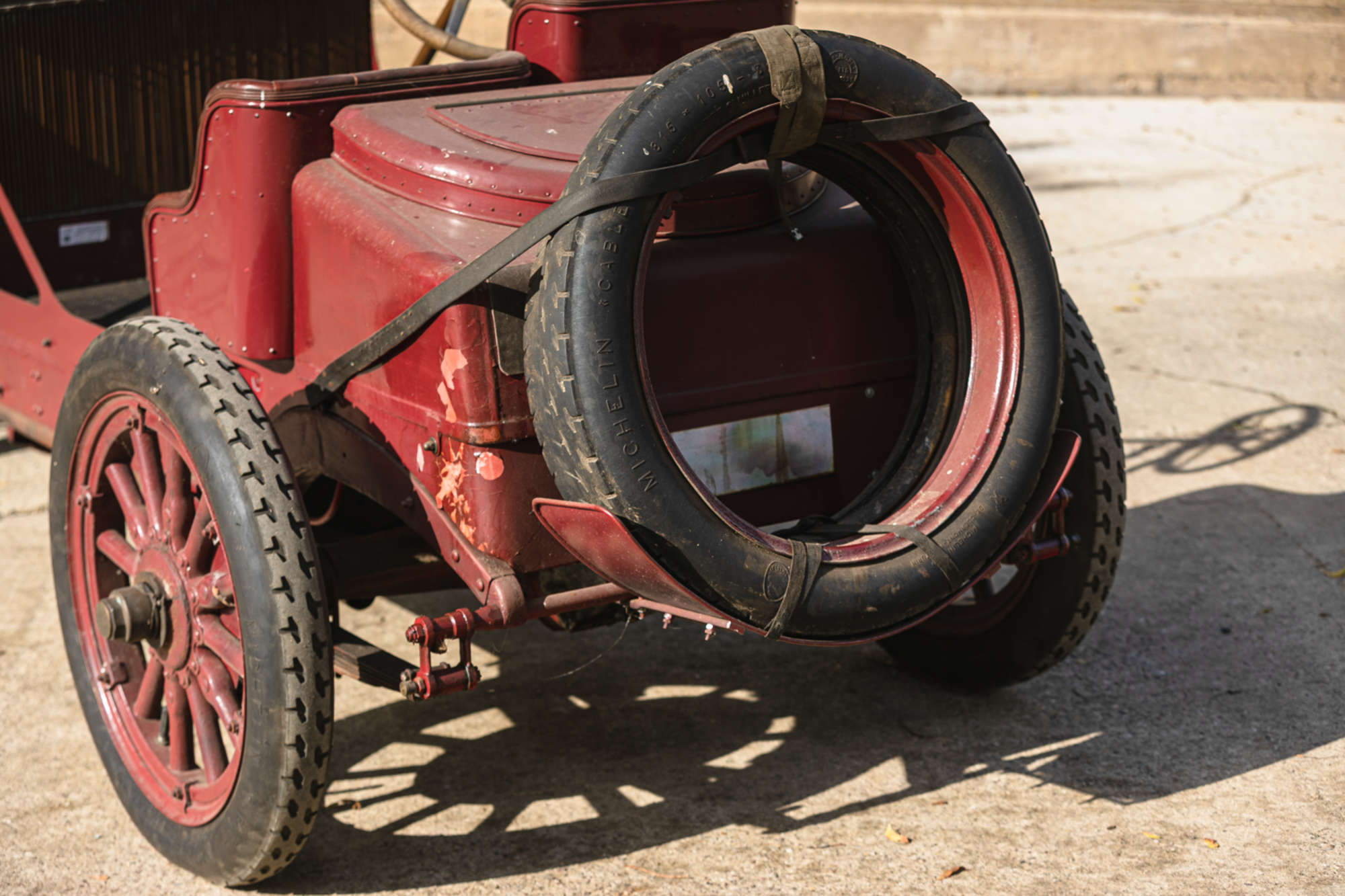
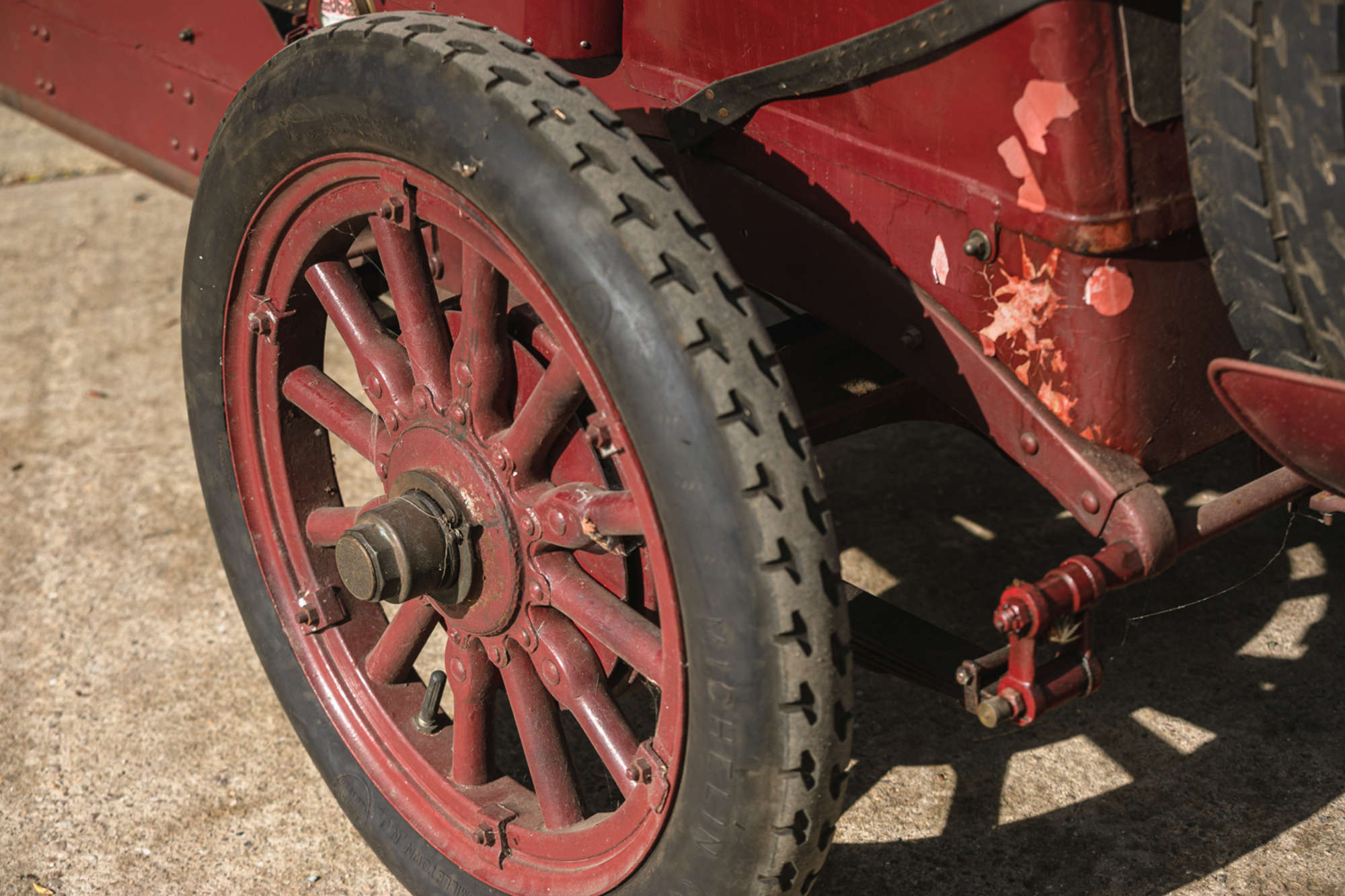
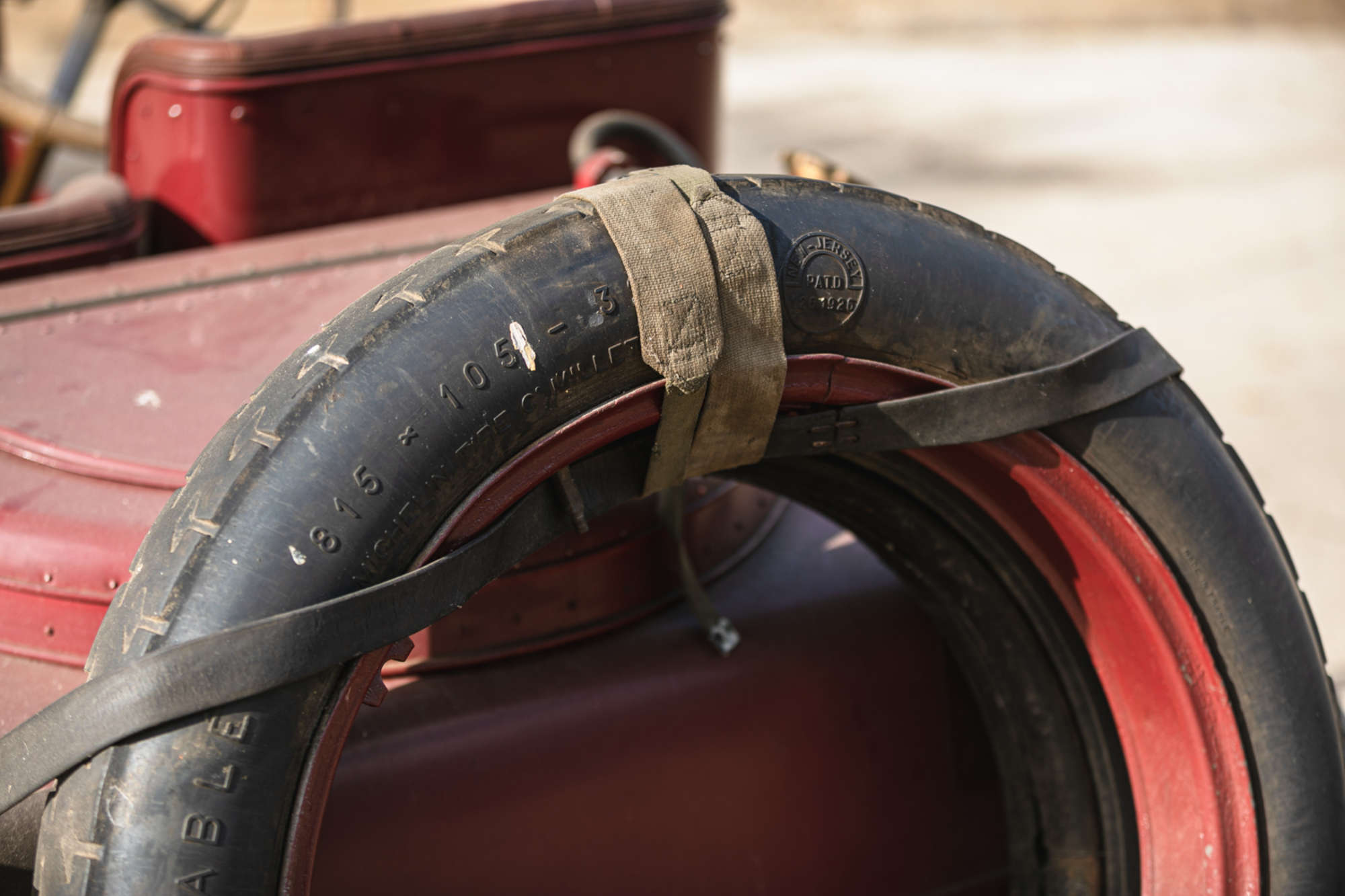
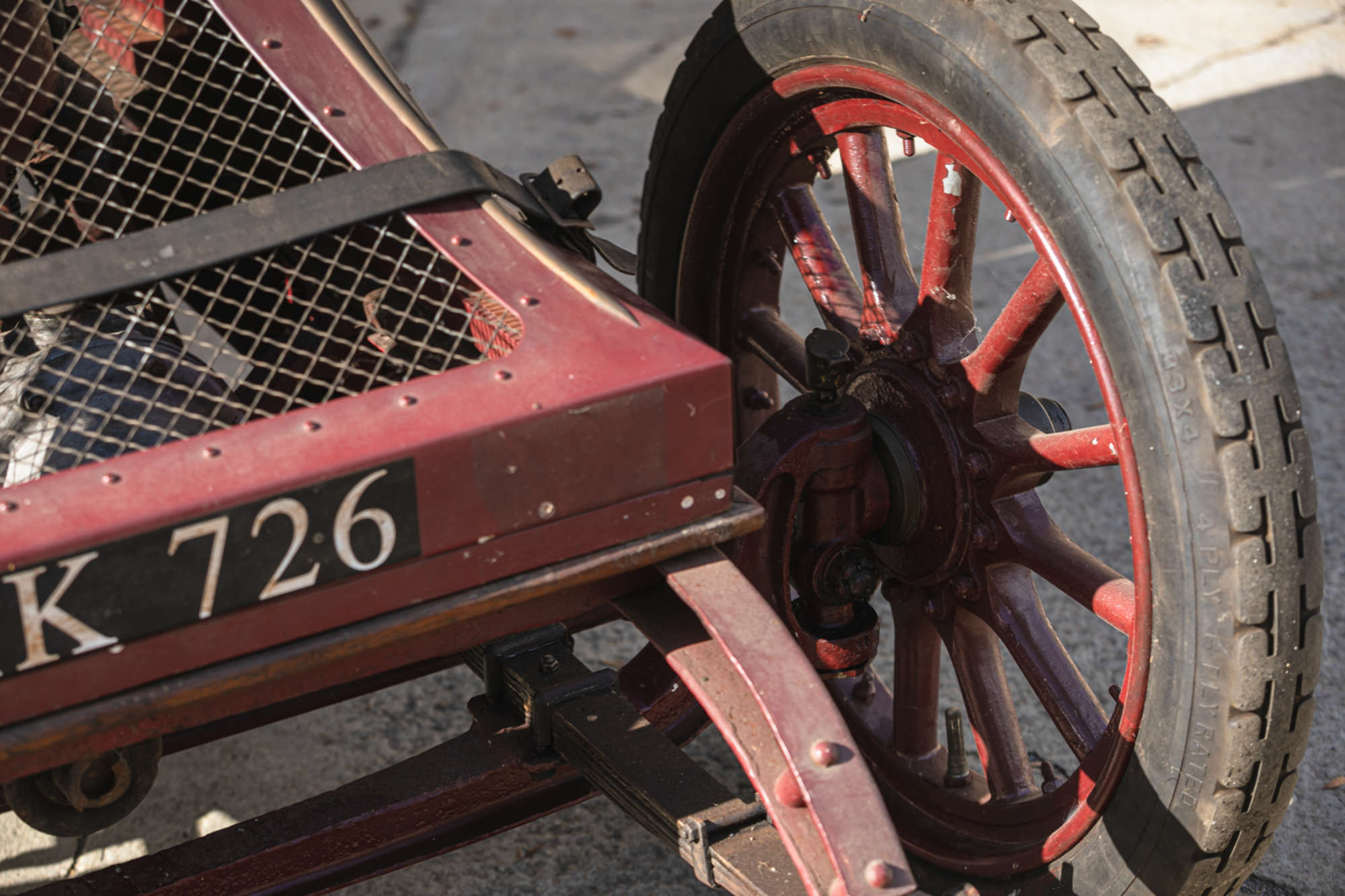
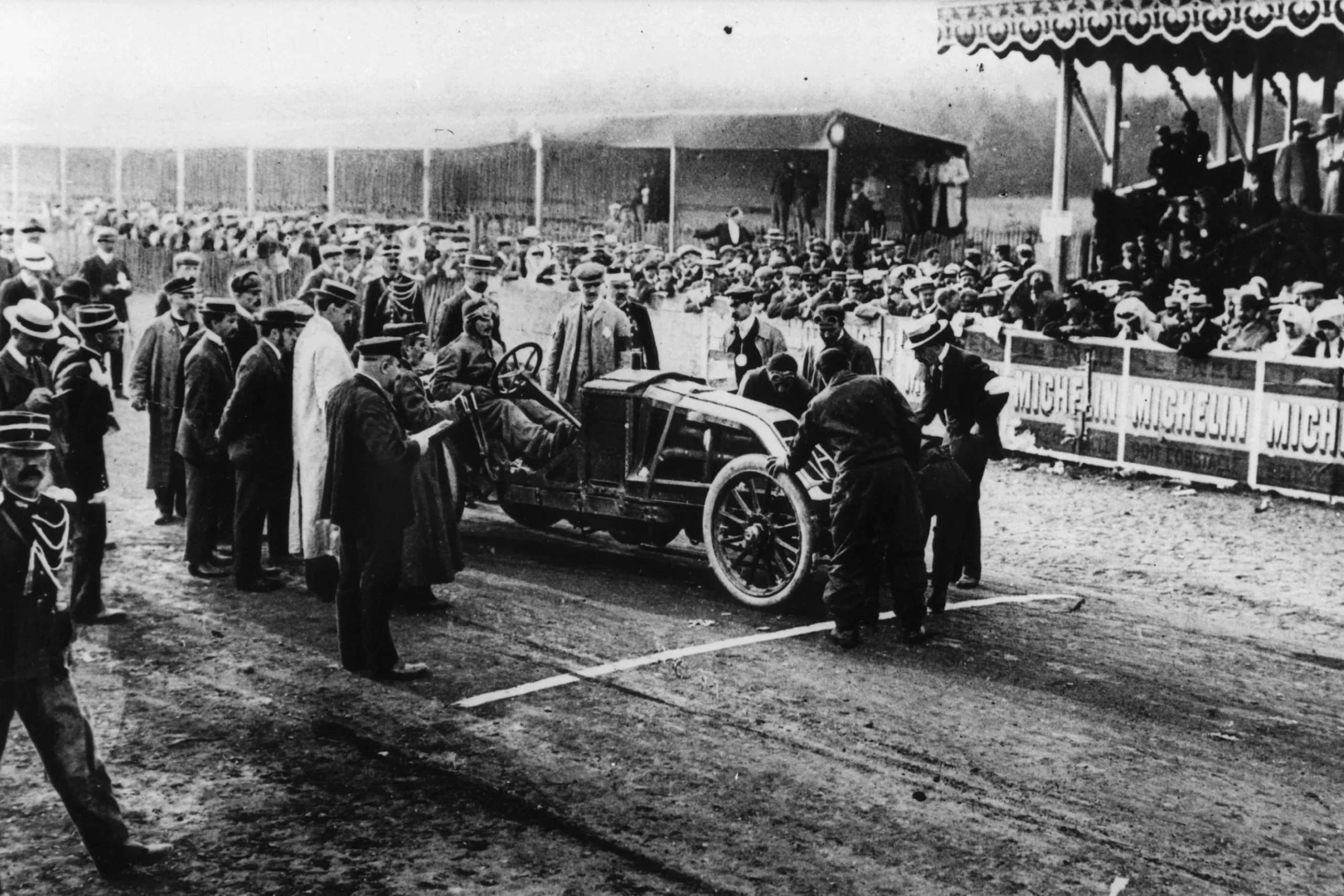
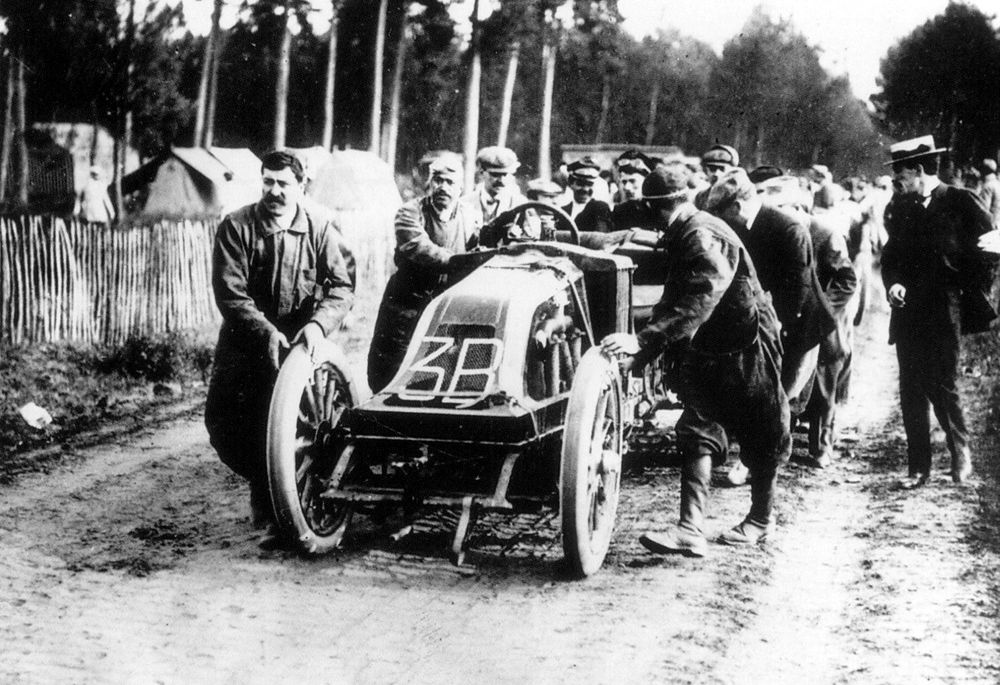
The Type AK’s baptism of fire remains its defining legend. Over two gruelling days in June 1906, competitors tackled a 1238 km (769 miles) triangular route near Le Mans. The heat was apocalyptic; the roads literally melted, flinging boiling pitch into the faces of the crews. But the Renault possessed a devastating tactical advantage that altered the course of motorsport history: Michelin’s new detachable rims. When a tyre inevitably burst on the jagged flint roads, a conventional crew required fifteen minutes of exhausting labour with crowbars to pry the hot rubber from a fixed wooden wheel. Szisz and his mechanic simply unbolted the entire rim, swapped it for a fresh assembly, and were back roaring down the straights in under three minutes. This logistical genius, combined with the unburstable reliability of the 13.0-litre (792 cu in) engine and the stable ride provided by the hydraulic dampers, allowed Szisz to secure a crushing victory, crossing the line a full 32 minutes ahead of Felice Nazzaro’s FIAT.
The commercial and cultural repercussions of this triumph were immense. Renault’s sales skyrocketed, establishing the brand as a premier global manufacturer, whilst the Type AK irrevocably proved the superiority of the shaft drive and hydraulic suspension over archaic chains and friction dampers. When the 1908 iteration arrived, it merely refined a formula that had already reshaped the world. The Renault Type AK 90CV was not merely the winner of the first Grand Prix; it was the machine that dragged motor racing out of the reckless, point-to-point romanticism of the nineteenth century and into the professional, technologically driven crucible of the modern era. It stands today as a magnificent, thundering monument to the heroic age of French engineering.
Brand
Produced from
Portal
Vehicle category
Predecessor
Sucessor
Brand
Produced from
Portal
Vehicle category
Model generation
Predecessor
Sucessor
Submodel Overview
The molten tar of the Circuit de la Sarthe clung to the tyres like boiling treacle in the brutal summer of 1906. Blinded by dust and deafened by the concussive, low-revving thud of a colossal engine, Ferenc Szisz wrestled a machine that was less an automobile and more an act of mechanical vengeance. This was the Renault Type AK 90CV, a scarlet behemoth that arrived on the grid of the very first Grand Prix de l’Automobile Club de France to settle a score. Following the catastrophic 1903 Paris-Madrid “Race to Death”, which claimed the life of his brother Marcel, Louis Renault had largely retreated from motorsport. When he returned to the newly formed closed-circuit Grand Prix format, he did so with absolute, uncompromising brutality. The Type AK was conceived to obliterate a formidable European establishment, facing down the mighty chain-driven FIAT 130 HP, the gargantuan Lorraine-Dietrichs, and the aristocratic Brasiers.
To stand before the Type AK is to confront the terrifying scale of Edwardian racing. Beneath its distinctive, sloping “coal scuttle” bonnet—a shape dictated by Louis Renault’s pragmatic decision to mount the radiator behind the engine, protecting it from flying stones—lurked a gargantuan 13.0-litre (792 cu in) inline-four engine. Cast in two pairs of cylinders, this side-valve leviathan idled with a rhythmic, seismic shudder, ultimately producing 90 bhp at a leisurely 1,200 rpm. The sheer torque required a colossal, leather-faced cone clutch to transmit power to a three-speed manual gearbox. Yet, the Renault’s true engineering heresy lay further aft. Whilst its primary Italian and French rivals relied on primitive, snapping chain drives, the Type AK utilised an enclosed cardan shaft to drive the rear wheels, a sophisticated layout that proved significantly more reliable over punishing distances.
The chassis was a conventional steel ladder frame, but it concealed a masterstroke of suspension tuning. Renault fitted the car with patented double-acting hydraulic shock absorbers, a revelation in an era when cars bounced violently over rutted carriage tracks. This allowed Szisz to keep the throttle pinned where others were forced to lift, maintaining stability at speeds approaching 154 km/h (96 mph). Stopping this 1000 kg (2204 lbs) missile relied on the driver’s sheer physical strength, hauling on a lever that actuated expanding shoe brakes on the rear wheels and a contracting band on the transmission. In the exposed, spartan cockpit, the riding mechanic pumped oil manually whilst the driver fought a heavy, cord-bound steering wheel, their faces blackened by oil mist and road dirt.
The Type AK’s baptism of fire remains its defining legend. Over two gruelling days in June 1906, competitors tackled a 1238 km (769 miles) triangular route near Le Mans. The heat was apocalyptic; the roads literally melted, flinging boiling pitch into the faces of the crews. But the Renault possessed a devastating tactical advantage that altered the course of motorsport history: Michelin’s new detachable rims. When a tyre inevitably burst on the jagged flint roads, a conventional crew required fifteen minutes of exhausting labour with crowbars to pry the hot rubber from a fixed wooden wheel. Szisz and his mechanic simply unbolted the entire rim, swapped it for a fresh assembly, and were back roaring down the straights in under three minutes. This logistical genius, combined with the unburstable reliability of the 13.0-litre (792 cu in) engine and the stable ride provided by the hydraulic dampers, allowed Szisz to secure a crushing victory, crossing the line a full 32 minutes ahead of Felice Nazzaro’s FIAT.
The commercial and cultural repercussions of this triumph were immense. Renault’s sales skyrocketed, establishing the brand as a premier global manufacturer, whilst the Type AK irrevocably proved the superiority of the shaft drive and hydraulic suspension over archaic chains and friction dampers. When the 1908 iteration arrived, it merely refined a formula that had already reshaped the world. The Renault Type AK 90CV was not merely the winner of the first Grand Prix; it was the machine that dragged motor racing out of the reckless, point-to-point romanticism of the nineteenth century and into the professional, technologically driven crucible of the modern era. It stands today as a magnificent, thundering monument to the heroic age of French engineering.
Tech Specs
Technical Specifications
Tech Specs
Technical Specifications
Engine
01
03
Internal combustion engine
Configuration
Renault Inline-4 (cast in twin blocks)
Location
Front, longitudinally mounted (radiator positioned behind the engine)
Construction
Cast iron block and head
Displacement (cc)
~12,986 cc
Displacement (cu in)
~792.5 cu in
Compression
~4.0:1
Bore x Stroke
166.0 mm x 150.0 mm
Valvetrain
2 valves per cylinder, Side valves (L-head)
Fuel feed
Renault automatic carburettor
Lubrication
Total loss (drip feed and splash)
Aspiration
Naturally aspirated
Output
Power (hp)
90 hp
Power (kW)
67 kW
Max power at
1,200 RPM
Torque (Nm)
-
Torque (ft lbs)
-
Max torque at
-
Drivetrain
02
03
Chassis
Type
Ladder frame
Material
Pressed steel
Body
Material
Steel and wood
Transmission
Gearbox
3-speed manual (non-synchromesh)
Drive
Rear Wheel Drive (via propeller shaft)
Suspension
Front
Solid axle, semi-elliptic leaf springs, friction shock absorbers
Rear
Live axle, semi-elliptic leaf springs, friction shock absorbers
Steering
Type
Worm and sector, unassisted
Brakes
Front
None
Rear
Mechanical drum brakes (plus separate transmission brake)
Wheels
Front
Wood artillery type wheels
Rear
Wood artillery type wheels
Tires
Front
Michelin
Rear
Michelin
Dimensions and performance
03
03
Dimensions
Length (mm)
-
Length (in)
-
Width (mm)
-
Width (in)
-
Height (mm)
-
Height (in)
-
Wheelbase (mm)
2,850 mm
Wheelbase (in)
112.2 in
Weight (kg)
~990 kg
Weight (lbs)
~2,183 lbs
Performance
Power to weight
~0.09 hp/kg
Top speed (km/h)
154 km/h
Top speed (mph)
96 mph
0-100 km/h (0-60 mph)
-