
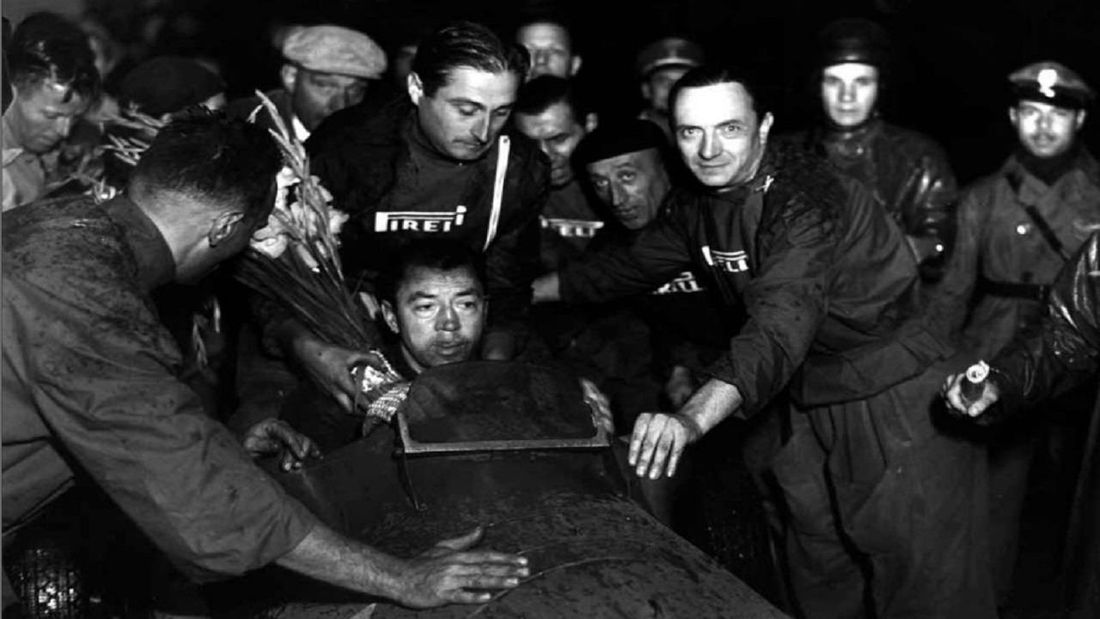
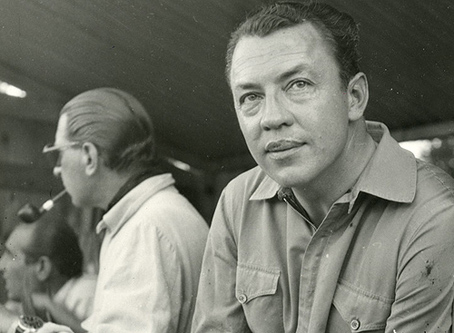
Before the dawn fully broke over the Palermo park circuit on 28 January 1949, Jean-Pierre Wimille did something he had vehemently refused to do throughout his entire racing life: he strapped a crash helmet onto his head. He was visibly disquieted by the unruly crowds encroaching onto the sun-baked tarmac, their bodies pressing dangerously close to the racing line. Sitting in the claustrophobic cockpit of his lightweight 1430 cc (87 cu in) Simca-Gordini, the typically unflappable Frenchman was uncharacteristically tense. Approaching the Curva des Ombues on an early practice lap, the volatile machine snapped out of control, clipping a straw bale before launching violently into the air and wrapping its fragile chassis around a tree. With a crushed chest and fractured skull, France’s greatest pre-war talent breathed his last before the screaming ambulance reached the nearby Hospital Fernandez.
Born in 1908 in Paris to the motoring correspondent of the Petit Parisien newspaper, Wimille was intoxicated by the scent of hot oil and the visceral mechanical thrash of early combustion engines from childhood. He aggressively explored the absolute limits of tyre grip as a youth, rapidly destroying a Morgan three-wheeler before moving on to master a 1.5-litre (91 cu in) Bugatti Type 37A. An early crash tempered his youthful aggression; he emerged from the wreckage as a calculating, mathematically precise driver, a shift in philosophy that immediately caught the eye of the Bugatti factory in Molsheim. Imbued with immense natural flair, he was soon partnered with his childhood hero, Robert Benoist, creating a formidable all-French alliance.
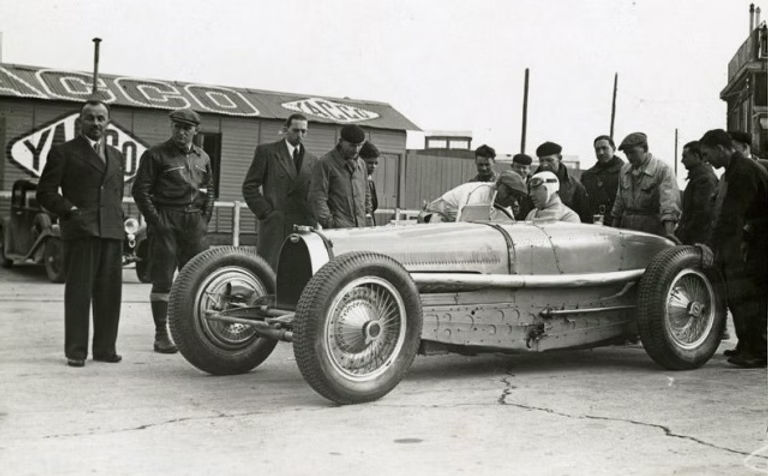
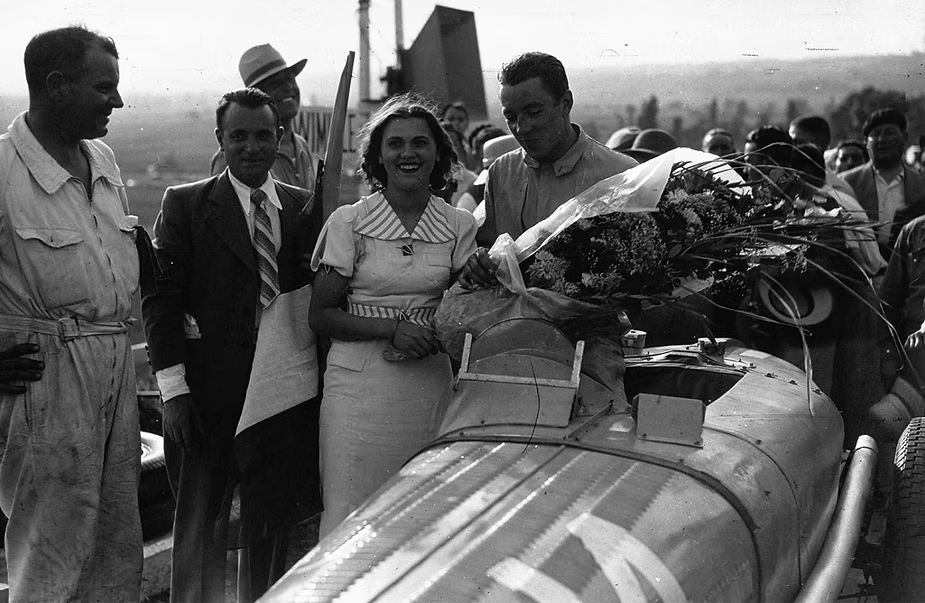
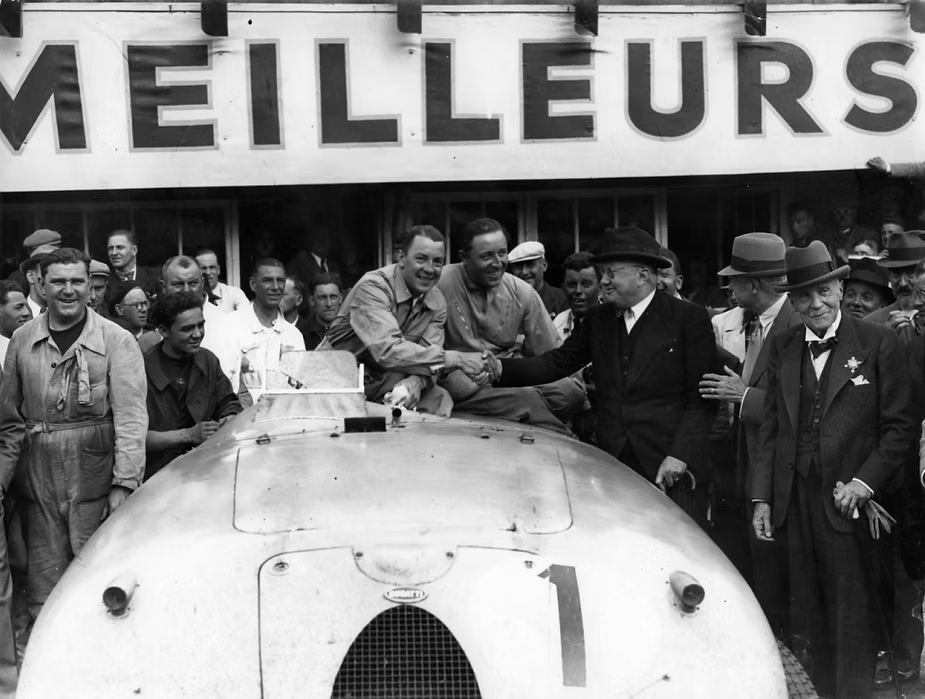
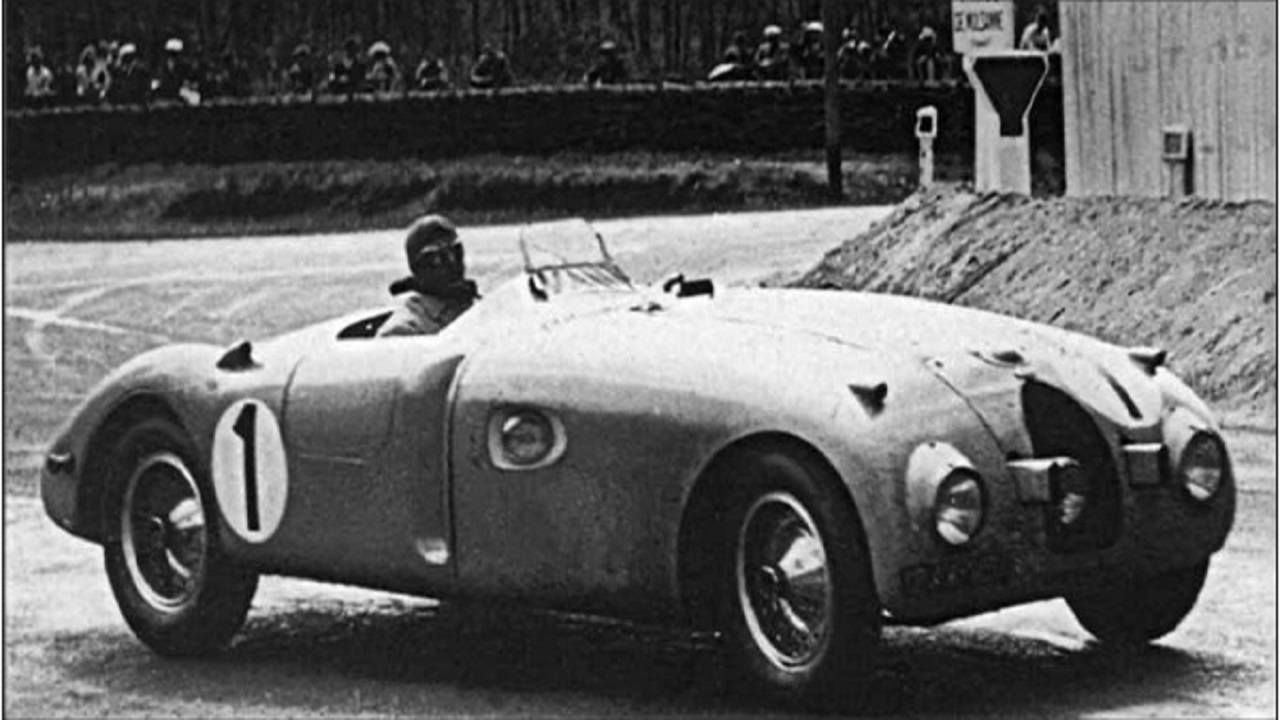
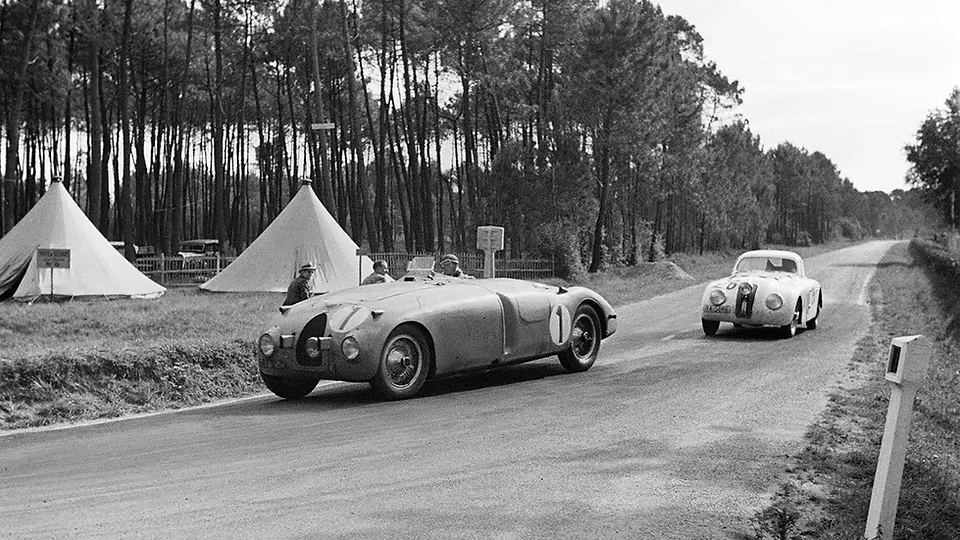
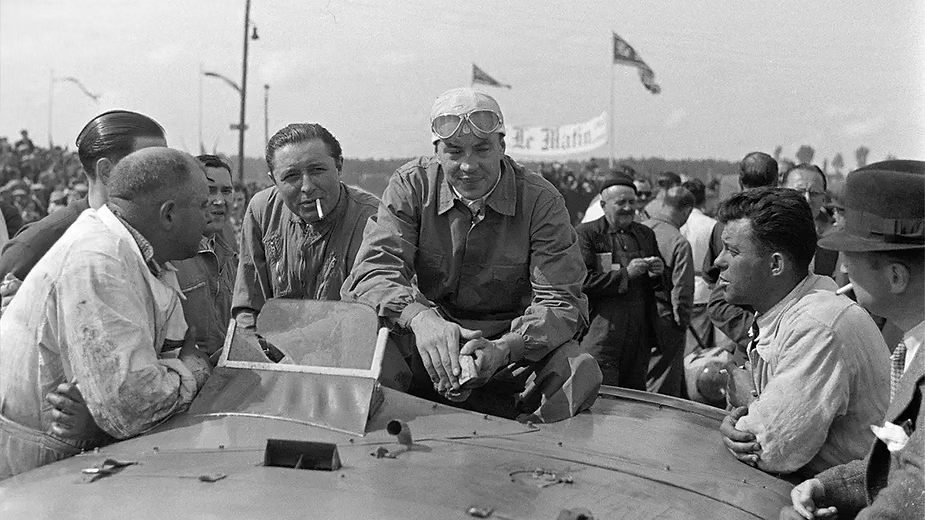
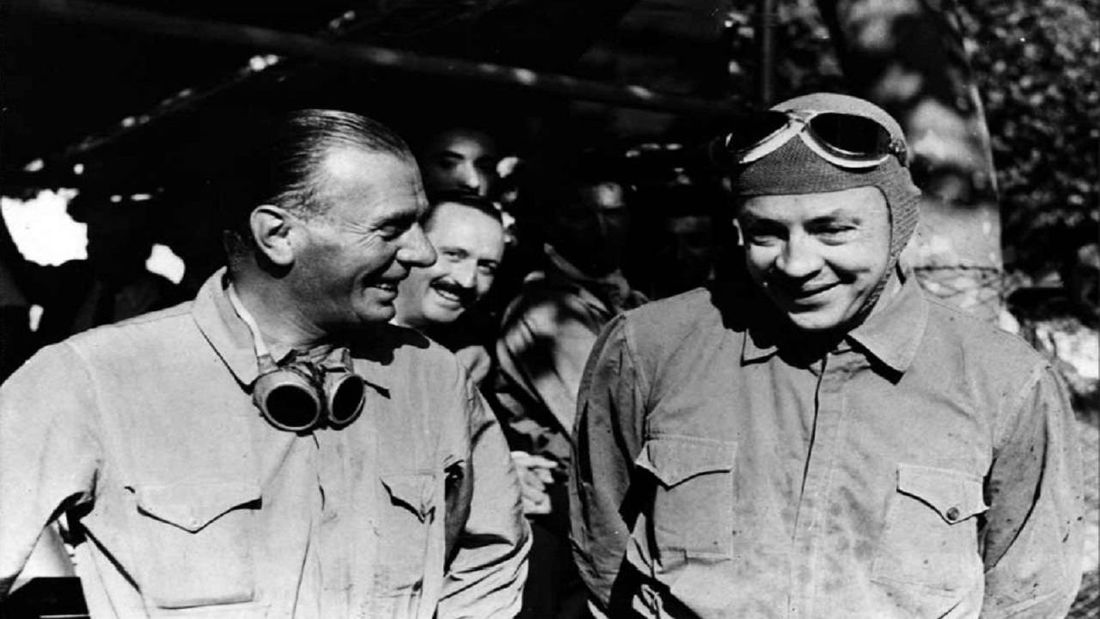
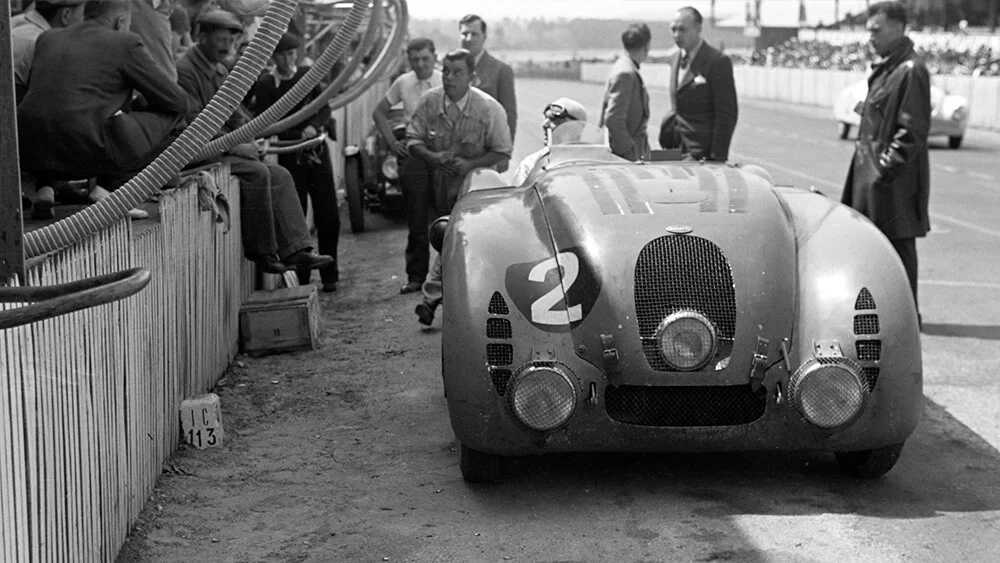
By the late 1930s, Wimille was an unstoppable force on the international stage. After a bruising second-place finish behind Tazio Nuvolari at the 1936 Vanderbilt Cup in New York, he found his ultimate canvas on the brutally fast, tree-lined straights of the Circuit de la Sarthe. In 1937, he and Benoist shared the Bugatti Type 57G “Tank”, a radical, aerodynamic brute featuring enclosed aluminium bodywork that defied the era’s open-wheeled conventions. The physical toll of wrestling the heavy streamliner through the night, blinded by oil spray and deafened by the relentless roar of the straight-eight engine, was staggering. Yet, Wimille drove with clinical perfection, obliterating the previous distance record by covering 3287 km (2042 miles) to take overall victory. Two years later, under the dark, gathering storm clouds of a fractured Europe, he conquered Le Mans again, this time muscling a supercharged Type 57C “Tank” alongside Pierre Veyron.
When the Third Reich’s panzers eventually rolled into Paris, the romanticism of motorsport evaporated. Wimille traded his racing overalls for the uniform of the Armée de l’Air, later vanishing into the shadows as a secret agent for the British Special Operations Executive (SOE). Working deep undercover within the “Chestnut” sabotage network alongside Grand Prix aces Benoist and William Grover-Williams, Wimille lived on a razor’s edge, coordinating clandestine parachute drops and ambushing occupying forces near the Benoist family estate. Both Benoist and Grover-Williams were eventually captured by the Gestapo and executed by slow strangulation in the Buchenwald and Sachsenhausen concentration camps. Wimille survived only by throwing himself into a freezing stream during a firefight, remaining submerged in the mud whilst SS patrols marched merely feet away.
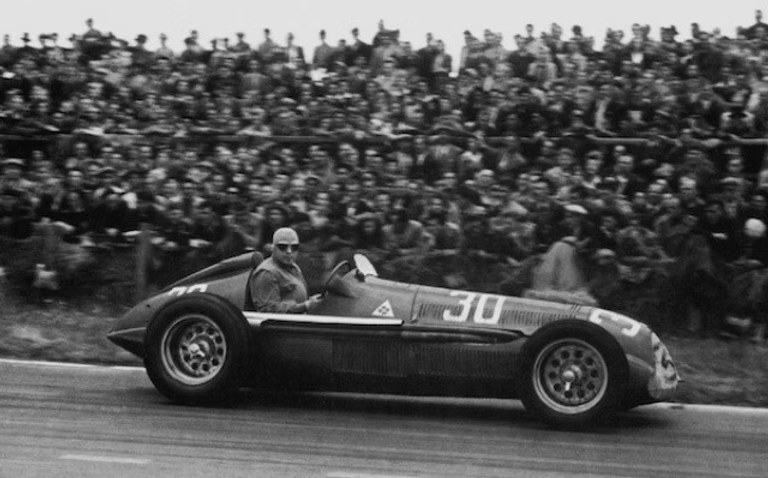
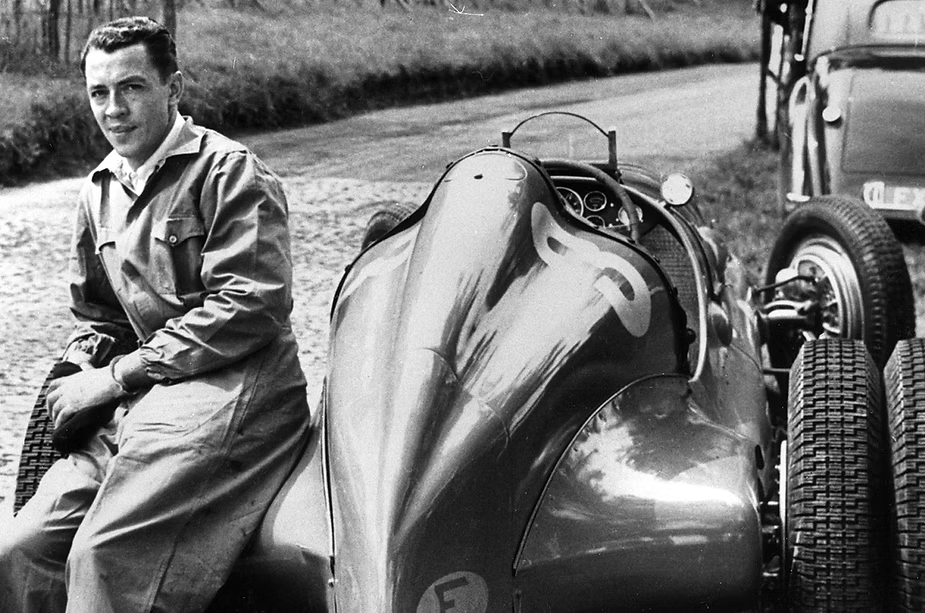
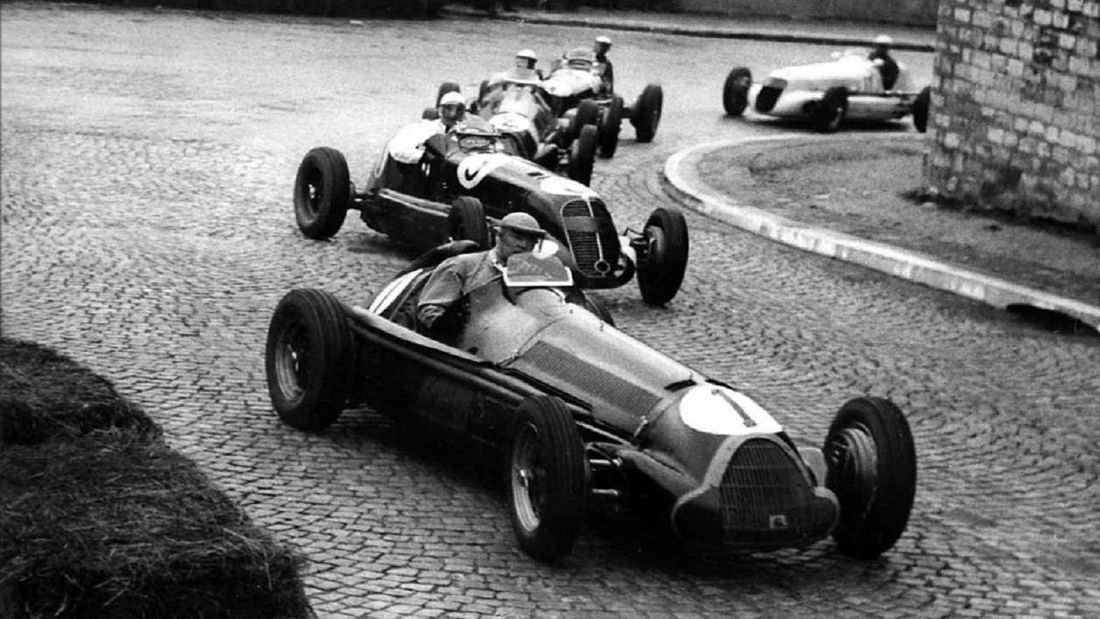
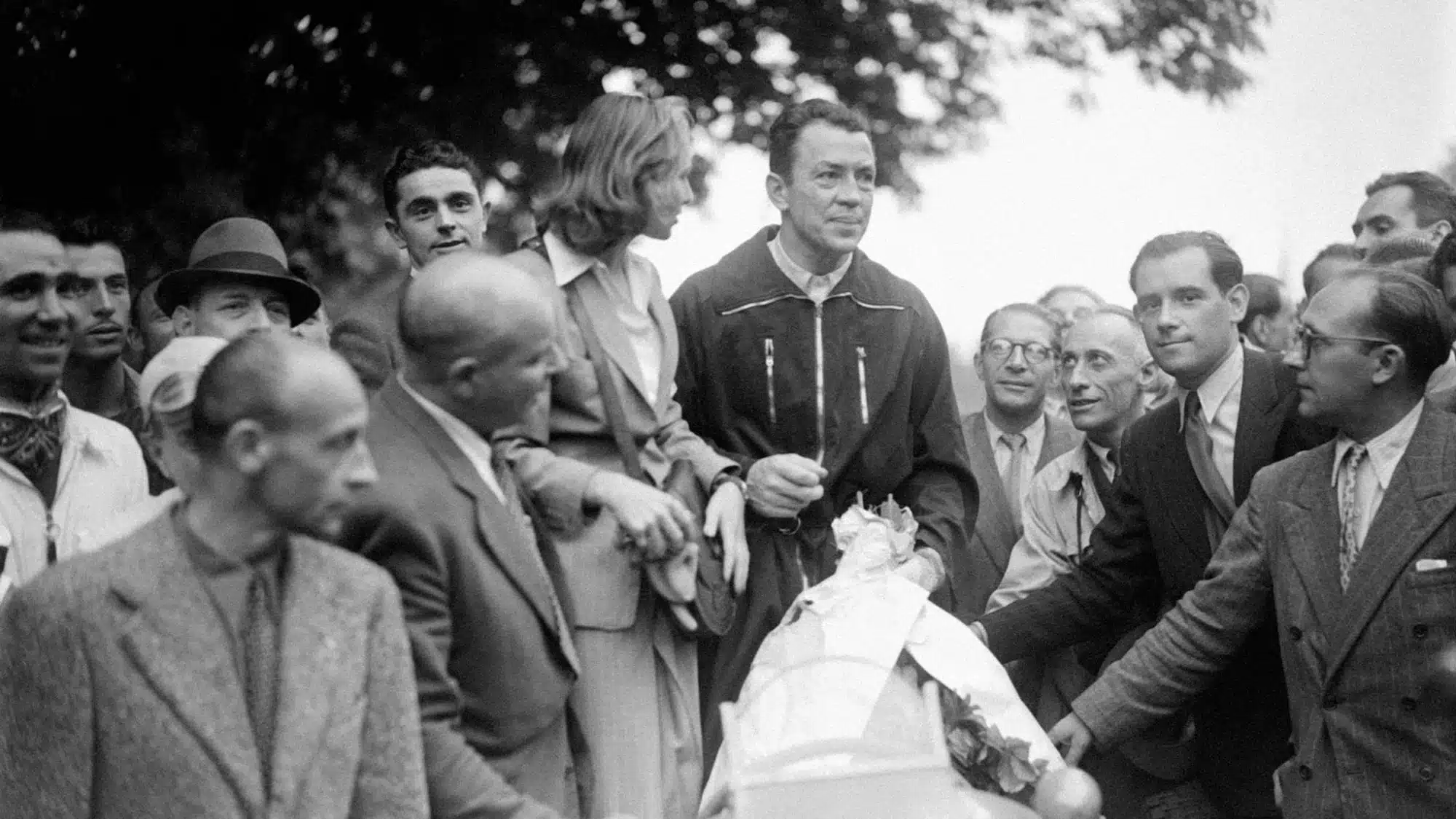
The trauma of war did not diminish his brilliance behind the steering wheel; rather, it distilled his driving into an art form. He returned to the cockpit in September 1945 for the Prisoners’ Cup in the Bois de Boulogne, a cathartic, mournful race held in honour of the martyred Benoist. Wimille drove to victory whilst still wearing his military uniform, a ghost dancing among the living. Soon after, Alfa Romeo drafted him into their factory squad, handing him the keys to the Tipo 158 “Alfetta”. Powered by a supercharged 1.5-litre (91 cu in) engine screaming to 7000 rpm and producing upward of 189 kW (254 bhp), the Alfetta was a demanding, oversteering monster. Yet, Wimille tamed it with a delicate, tactile genius, consistently besting fierce rivals like Giuseppe Farina and Raymond Sommer through sheer smoothness and supreme tactical intellect. Beyond driving, Wimille was an astute visionary; while deprived of a driving permit during the war, he designed a revolutionary central-driving-position road car powered by a Ford V8 engine, which was triumphantly presented at the 1948 Paris Motor Show.
It was during this golden twilight that a relatively unknown Argentine named Juan Manuel Fangio received his first test in a full-blooded Grand Prix car under Wimille’s watchful tutelage. The Frenchman instantly recognised the raw potential beneath the surface, while Fangio openly worshipped Wimille, citing his impossibly smooth technique and supernatural finesse as the absolute benchmark of motor racing. Had he not succumbed to the cruel tragedy of Palermo, there is absolute consensus among the motoring fraternity that Jean-Pierre Wimille would have decimated the grid to become the inaugural Formula 1 World Champion in 1950. Instead, the crown went to Farina in the very Alfa Romeo 158 that Wimille had developed into an unbeatable weapon. Posthumously awarded the Légion d’Honneur, Wimille’s legacy remains that of a fierce patriot who bled for his country and a maestro who elevated driving from a brutal, oily struggle into a breathless form of high art.
Before the dawn fully broke over the Palermo park circuit on 28 January 1949, Jean-Pierre Wimille did something he had vehemently refused to do throughout his entire racing life: he strapped a crash helmet onto his head. He was visibly disquieted by the unruly crowds encroaching onto the sun-baked tarmac, their bodies pressing dangerously close to the racing line. Sitting in the claustrophobic cockpit of his lightweight 1430 cc (87 cu in) Simca-Gordini, the typically unflappable Frenchman was uncharacteristically tense. Approaching the Curva des Ombues on an early practice lap, the volatile machine snapped out of control, clipping a straw bale before launching violently into the air and wrapping its fragile chassis around a tree. With a crushed chest and fractured skull, France’s greatest pre-war talent breathed his last before the screaming ambulance reached the nearby Hospital Fernandez.
Born in 1908 in Paris to the motoring correspondent of the Petit Parisien newspaper, Wimille was intoxicated by the scent of hot oil and the visceral mechanical thrash of early combustion engines from childhood. He aggressively explored the absolute limits of tyre grip as a youth, rapidly destroying a Morgan three-wheeler before moving on to master a 1.5-litre (91 cu in) Bugatti Type 37A. An early crash tempered his youthful aggression; he emerged from the wreckage as a calculating, mathematically precise driver, a shift in philosophy that immediately caught the eye of the Bugatti factory in Molsheim. Imbued with immense natural flair, he was soon partnered with his childhood hero, Robert Benoist, creating a formidable all-French alliance.
By the late 1930s, Wimille was an unstoppable force on the international stage. After a bruising second-place finish behind Tazio Nuvolari at the 1936 Vanderbilt Cup in New York, he found his ultimate canvas on the brutally fast, tree-lined straights of the Circuit de la Sarthe. In 1937, he and Benoist shared the Bugatti Type 57G “Tank”, a radical, aerodynamic brute featuring enclosed aluminium bodywork that defied the era’s open-wheeled conventions. The physical toll of wrestling the heavy streamliner through the night, blinded by oil spray and deafened by the relentless roar of the straight-eight engine, was staggering. Yet, Wimille drove with clinical perfection, obliterating the previous distance record by covering 3287 km (2042 miles) to take overall victory. Two years later, under the dark, gathering storm clouds of a fractured Europe, he conquered Le Mans again, this time muscling a supercharged Type 57C “Tank” alongside Pierre Veyron.
When the Third Reich’s panzers eventually rolled into Paris, the romanticism of motorsport evaporated. Wimille traded his racing overalls for the uniform of the Armée de l’Air, later vanishing into the shadows as a secret agent for the British Special Operations Executive (SOE). Working deep undercover within the “Chestnut” sabotage network alongside Grand Prix aces Benoist and William Grover-Williams, Wimille lived on a razor’s edge, coordinating clandestine parachute drops and ambushing occupying forces near the Benoist family estate. Both Benoist and Grover-Williams were eventually captured by the Gestapo and executed by slow strangulation in the Buchenwald and Sachsenhausen concentration camps. Wimille survived only by throwing himself into a freezing stream during a firefight, remaining submerged in the mud whilst SS patrols marched merely feet away.
The trauma of war did not diminish his brilliance behind the steering wheel; rather, it distilled his driving into an art form. He returned to the cockpit in September 1945 for the Prisoners’ Cup in the Bois de Boulogne, a cathartic, mournful race held in honour of the martyred Benoist. Wimille drove to victory whilst still wearing his military uniform, a ghost dancing among the living. Soon after, Alfa Romeo drafted him into their factory squad, handing him the keys to the Tipo 158 “Alfetta”. Powered by a supercharged 1.5-litre (91 cu in) engine screaming to 7000 rpm and producing upward of 189 kW (254 bhp), the Alfetta was a demanding, oversteering monster. Yet, Wimille tamed it with a delicate, tactile genius, consistently besting fierce rivals like Giuseppe Farina and Raymond Sommer through sheer smoothness and supreme tactical intellect. Beyond driving, Wimille was an astute visionary; while deprived of a driving permit during the war, he designed a revolutionary central-driving-position road car powered by a Ford V8 engine, which was triumphantly presented at the 1948 Paris Motor Show.
It was during this golden twilight that a relatively unknown Argentine named Juan Manuel Fangio received his first test in a full-blooded Grand Prix car under Wimille’s watchful tutelage. The Frenchman instantly recognised the raw potential beneath the surface, while Fangio openly worshipped Wimille, citing his impossibly smooth technique and supernatural finesse as the absolute benchmark of motor racing. Had he not succumbed to the cruel tragedy of Palermo, there is absolute consensus among the motoring fraternity that Jean-Pierre Wimille would have decimated the grid to become the inaugural Formula 1 World Champion in 1950. Instead, the crown went to Farina in the very Alfa Romeo 158 that Wimille had developed into an unbeatable weapon. Posthumously awarded the Légion d’Honneur, Wimille’s legacy remains that of a fierce patriot who bled for his country and a maestro who elevated driving from a brutal, oily struggle into a breathless form of high art.