
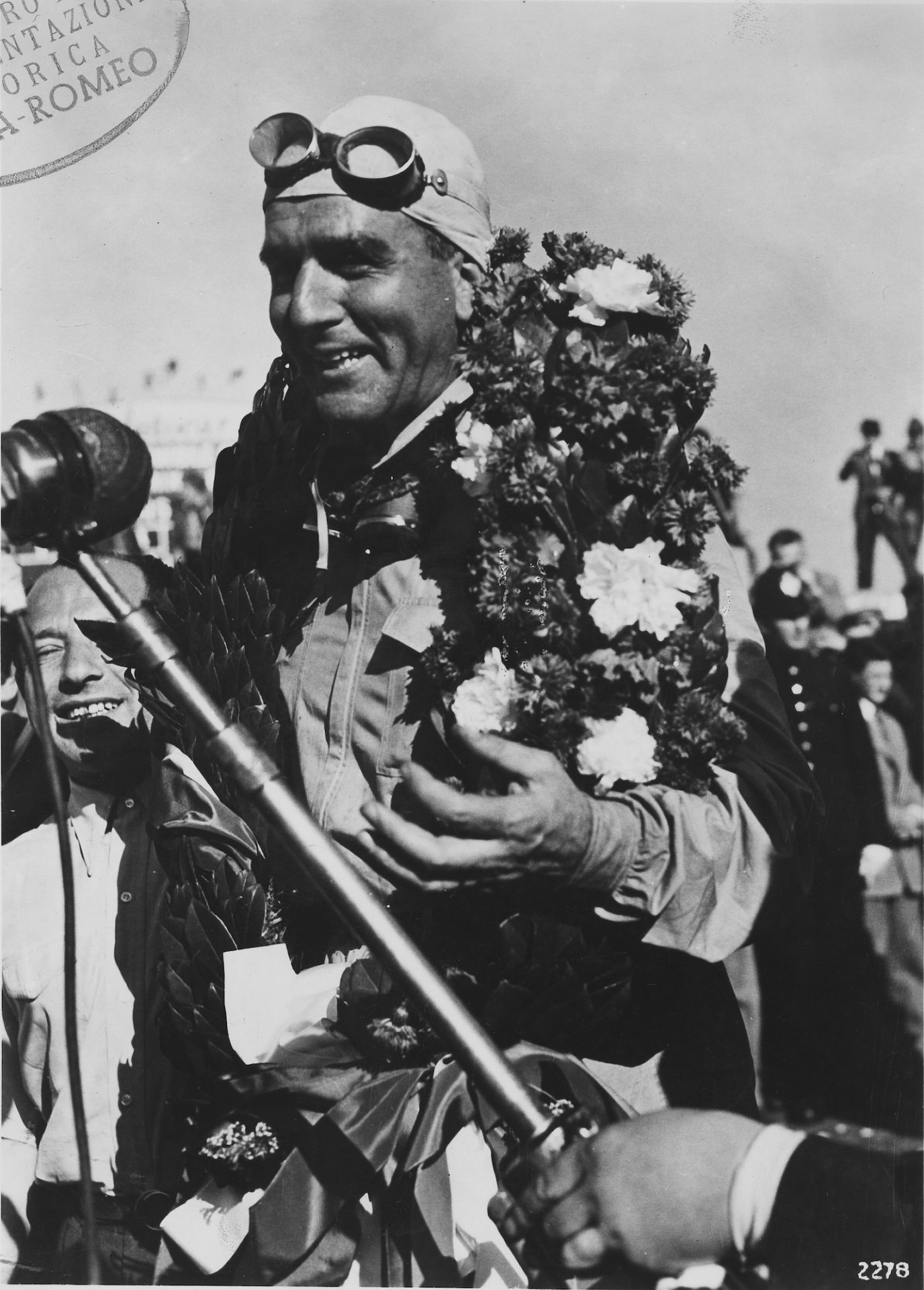


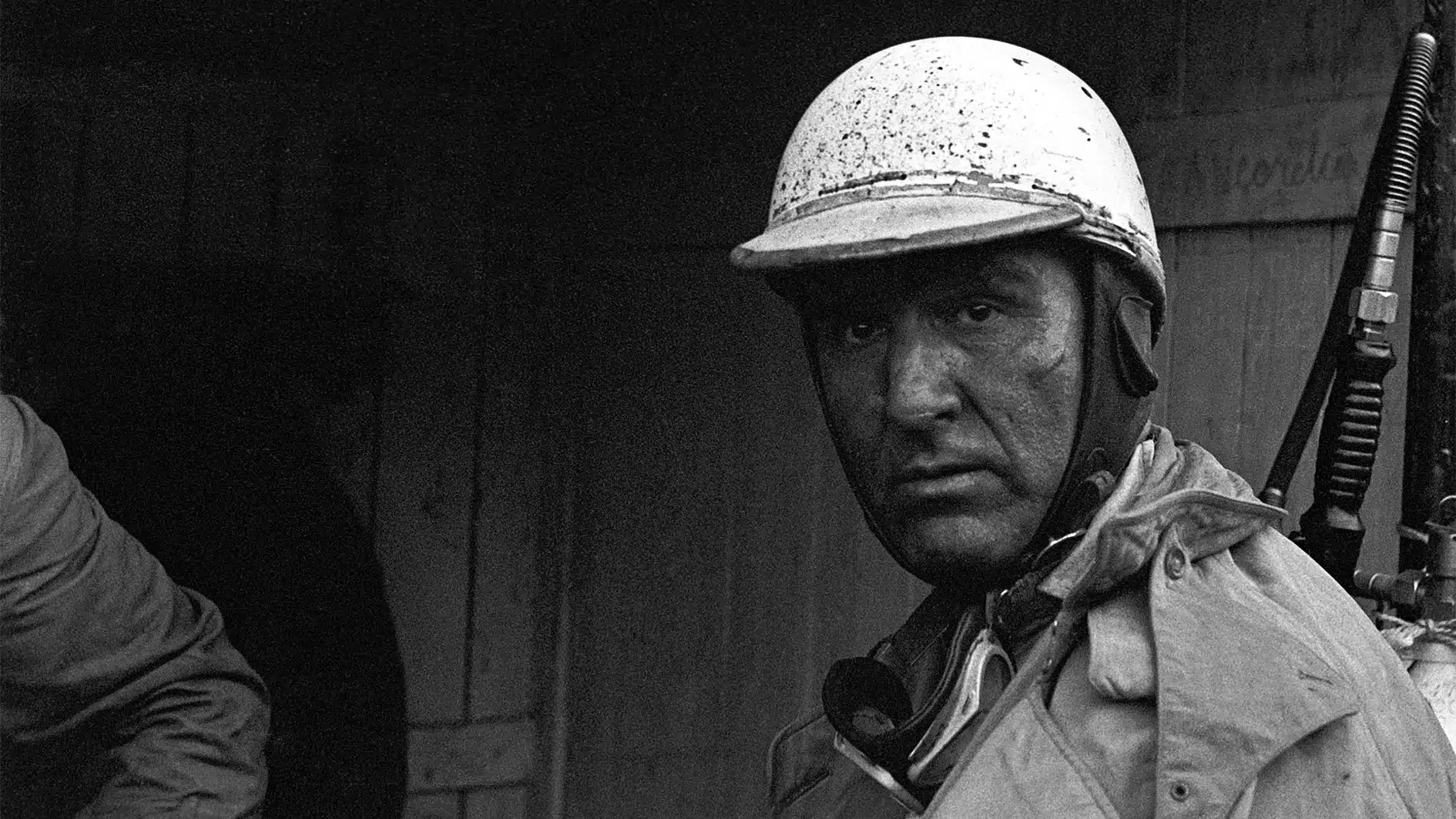


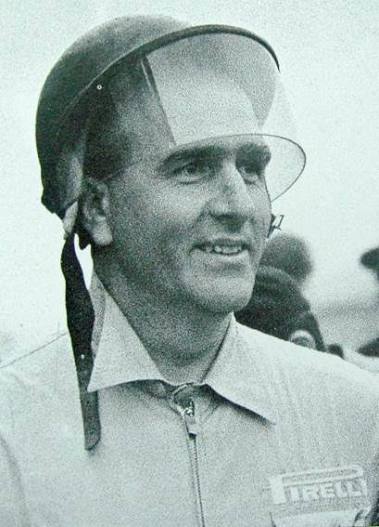


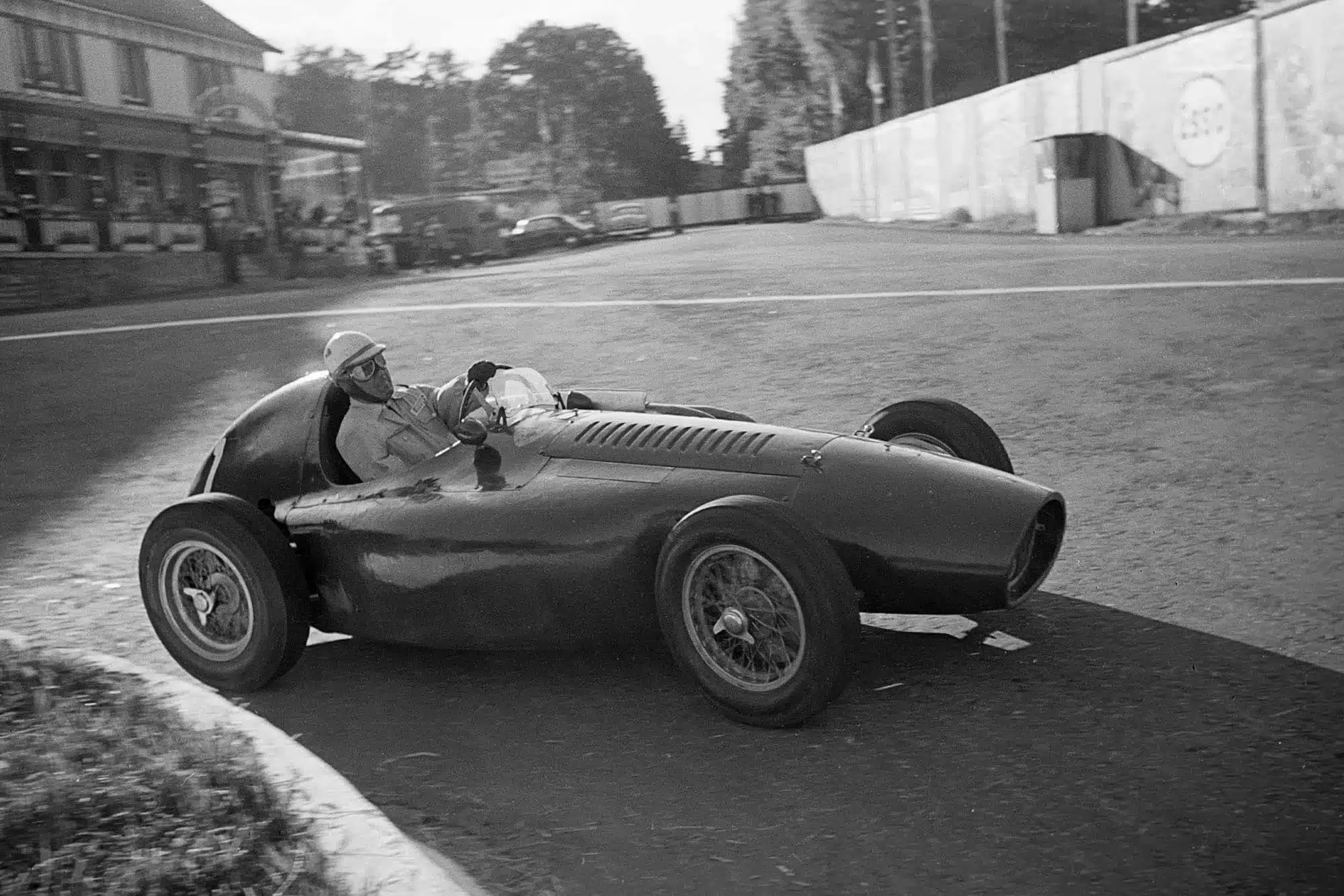
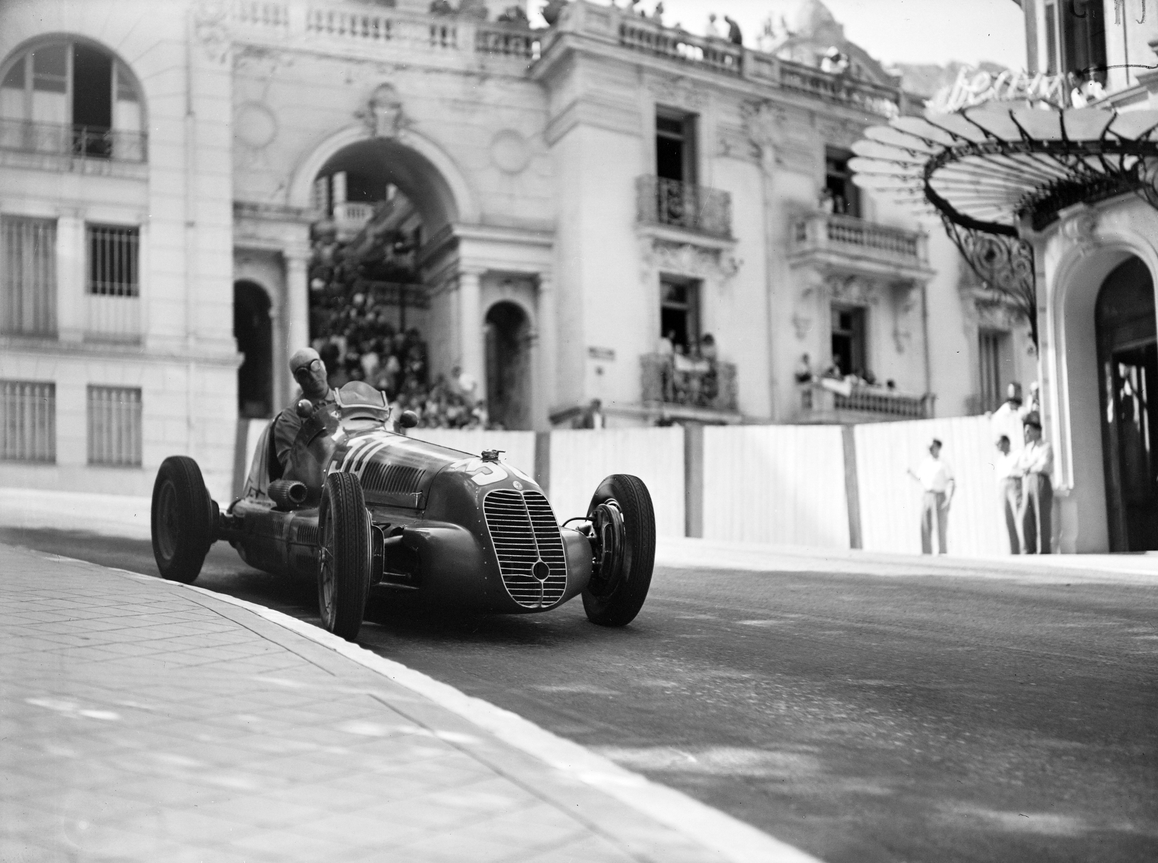


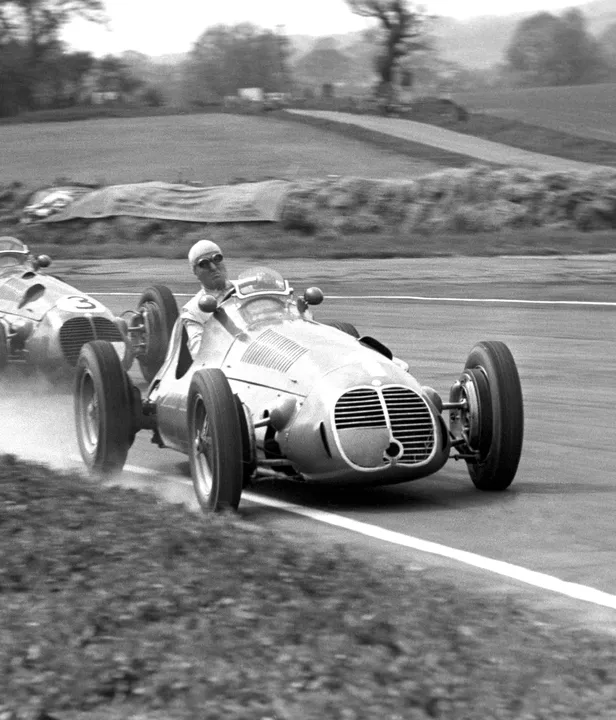


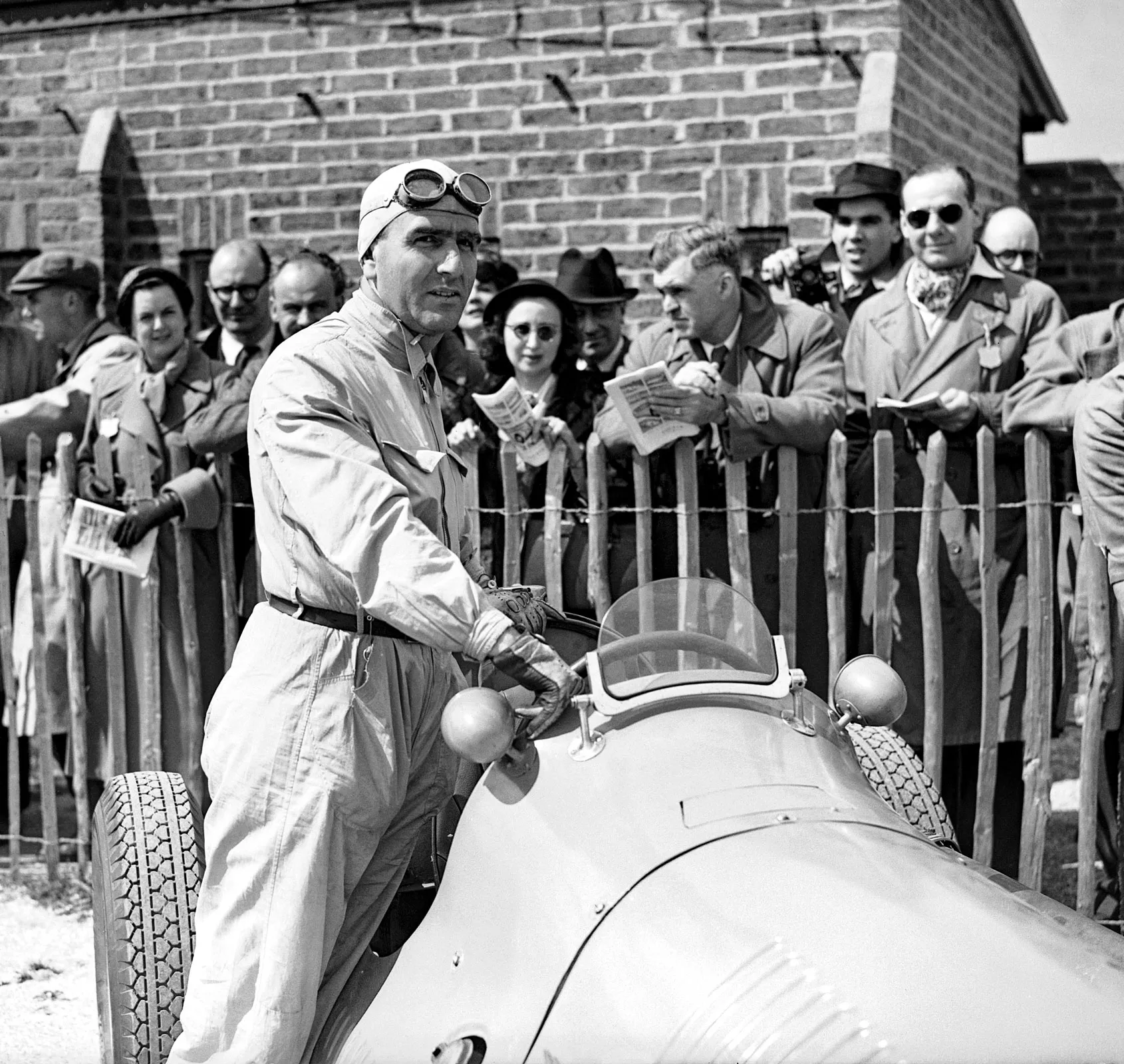




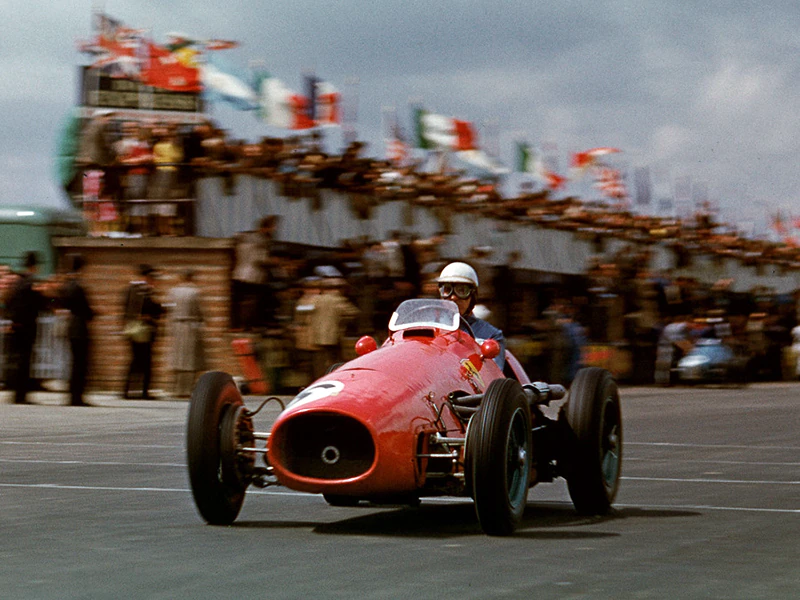


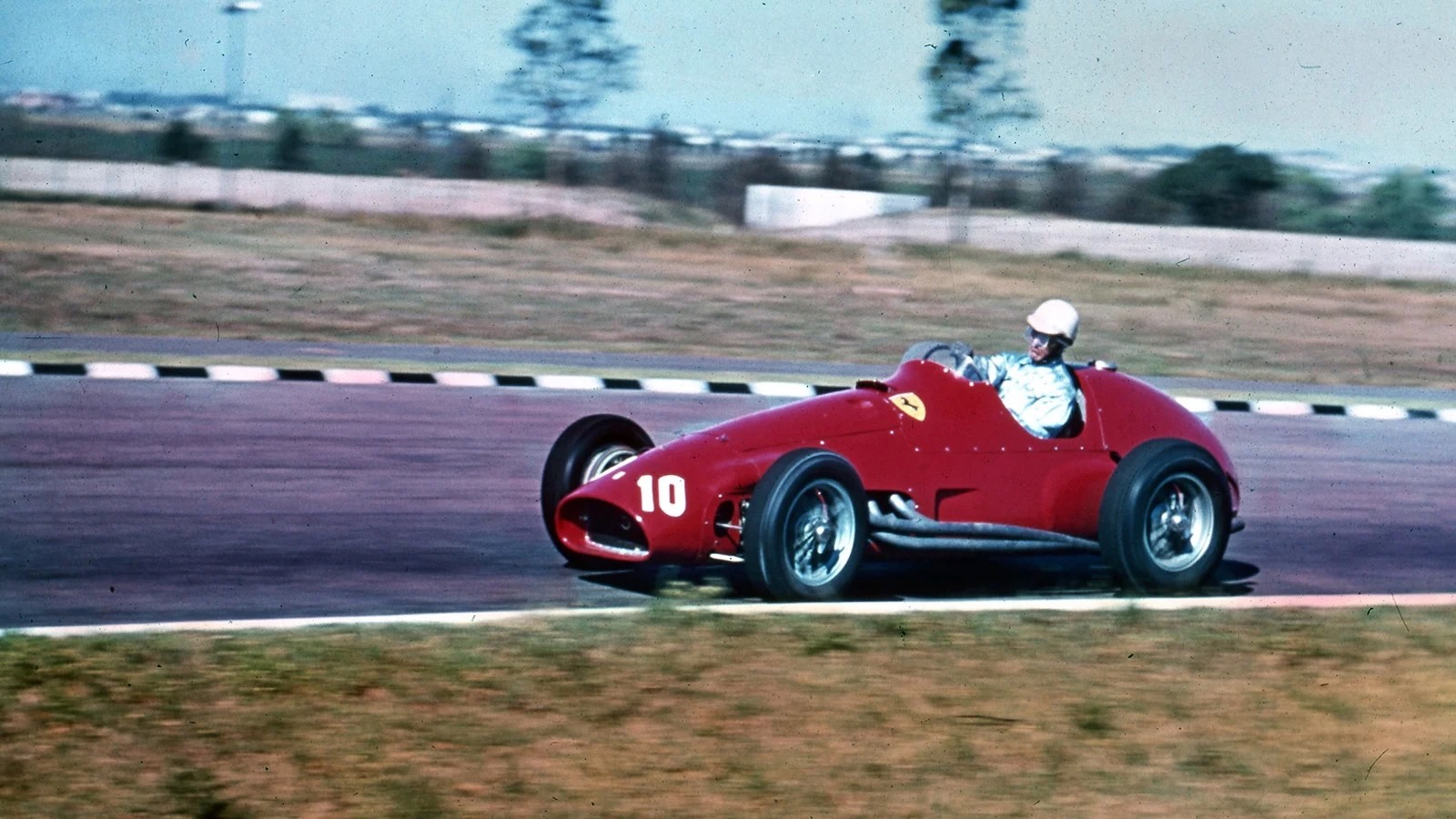

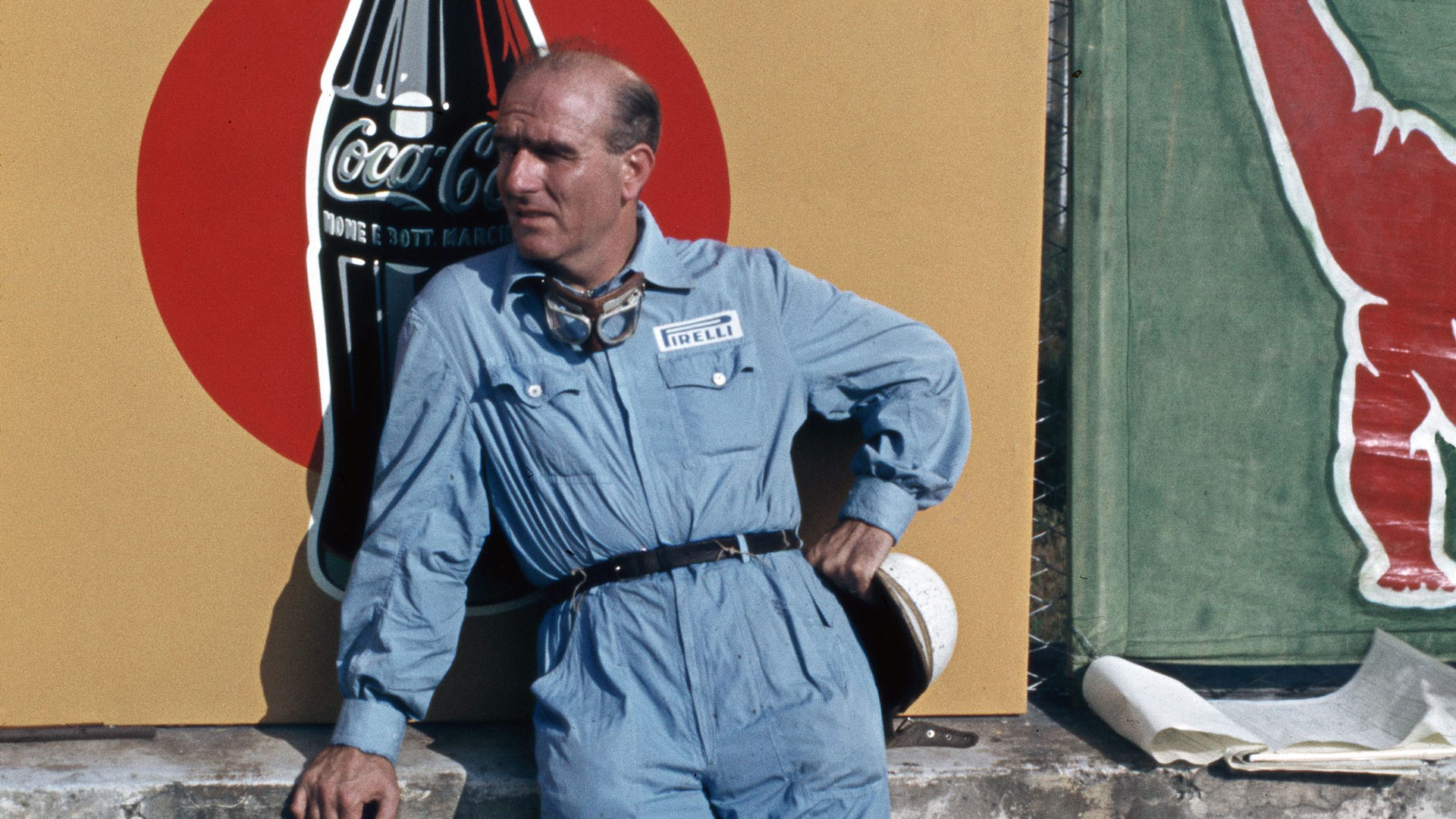
“We used to say that he was protected by the Virgin Mary, but even the Holy Madonna’s patience has a limit”, Enzo Ferrari once mused regarding his terrifyingly fast former driver. This was the paradox of Dottore Giuseppe ‘Nino’ Farina. To the throngs of spectators clutching their grandstand tickets in the crisp post-war sun, he was the absolute picture of aristocratic detachment. Sitting well back in the cockpit of a blood-red Alfa Romeo, his arms outstretched in a straight-arm style that would define an entire generation of racers, he looked as though he were merely out for a brisk Sunday drive. He was known to light a cigar on a cool-down lap, casually coasting into the pit lane as if parking outside a Turin trattoria. But beneath this polished veneer of patrician charm beat the heart of a merciless, utterly ruthless competitor who gave absolutely no quarter on the blistering asphalt.
Born in 1906 into a wealthy Torinese automotive dynasty—his uncle was the celebrated coachbuilder ‘Pinin’ Farina—Nino was immersed in the scent of hot castor oil, sculpted aluminium, and high-octane fuel from childhood. He was driving by the age of nine, an exceptional rarity in an era when private motor cars were an exclusive luxury. His entry into competitive motorsport, however, was bankrolled by his own disastrous foray into the stock market at seventeen; the venture wiped him out entirely, requiring a bailout from a remarkably understanding father. Armed with a doctorate in law, Farina possessed a sharp, calculating intellect that he ruthlessly applied to the brutal, visceral world of Grand Prix racing during the 1930s, cutting his teeth and claiming early victories in fearsome Maseratis and Alfa Romeos.
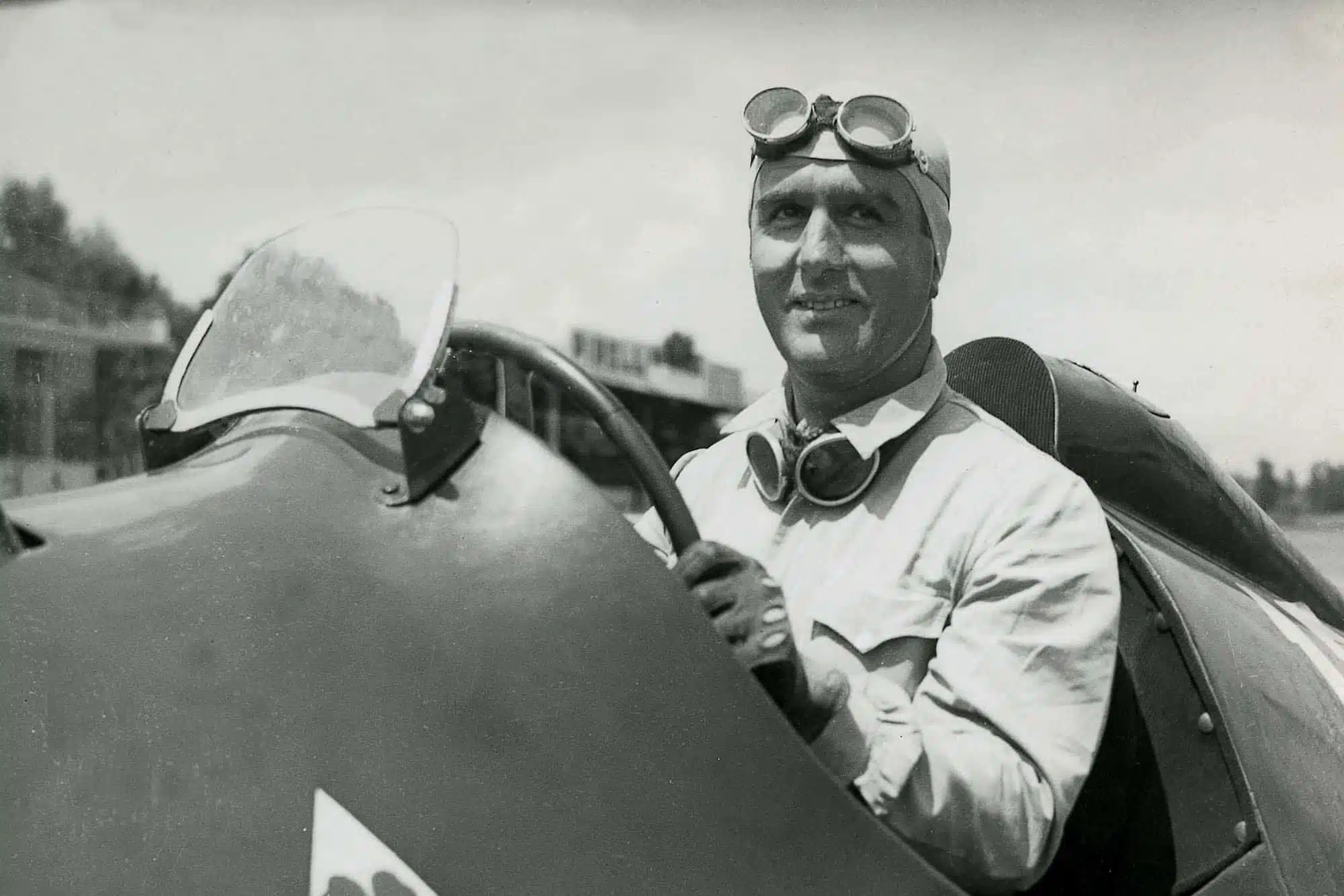
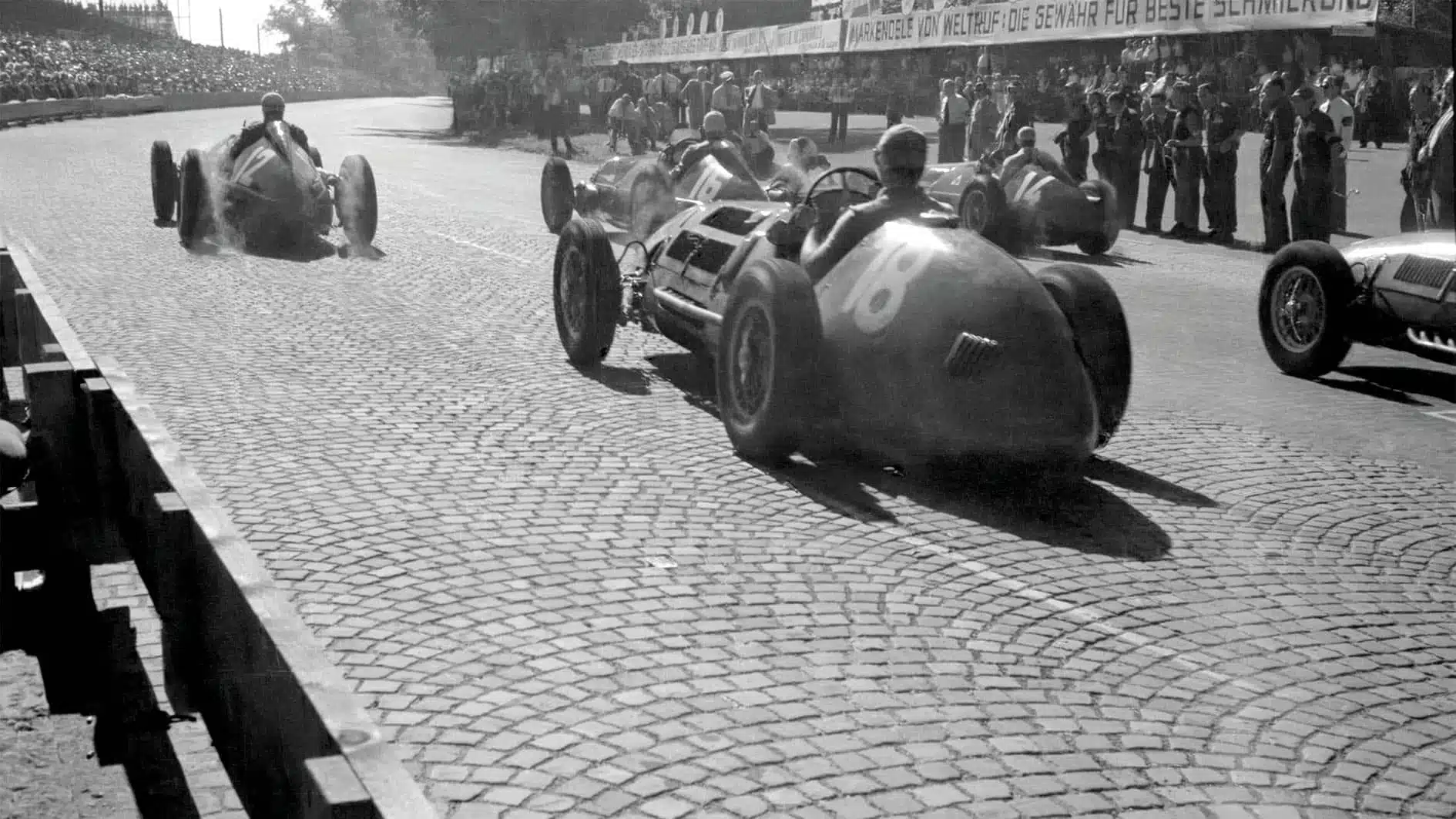
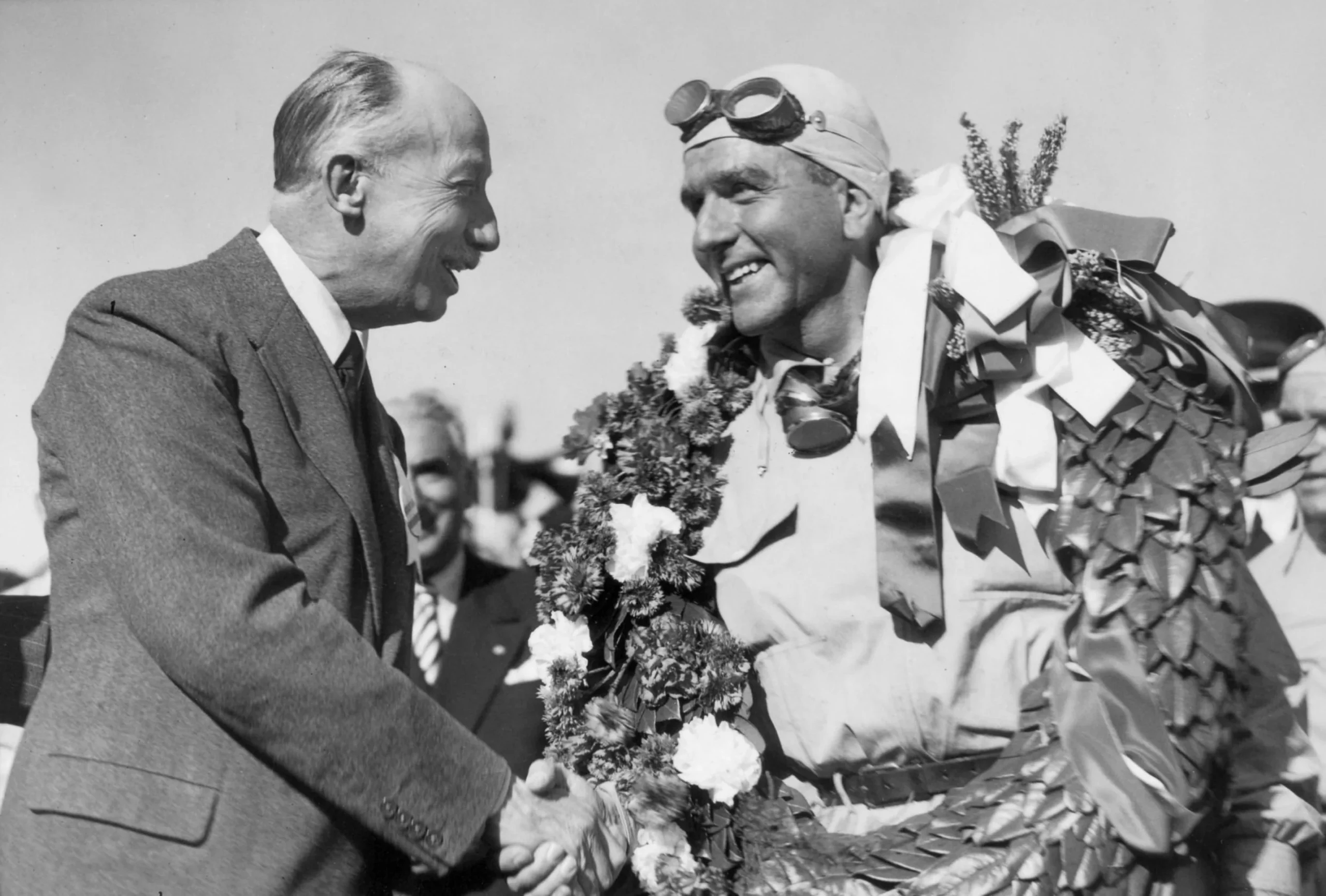
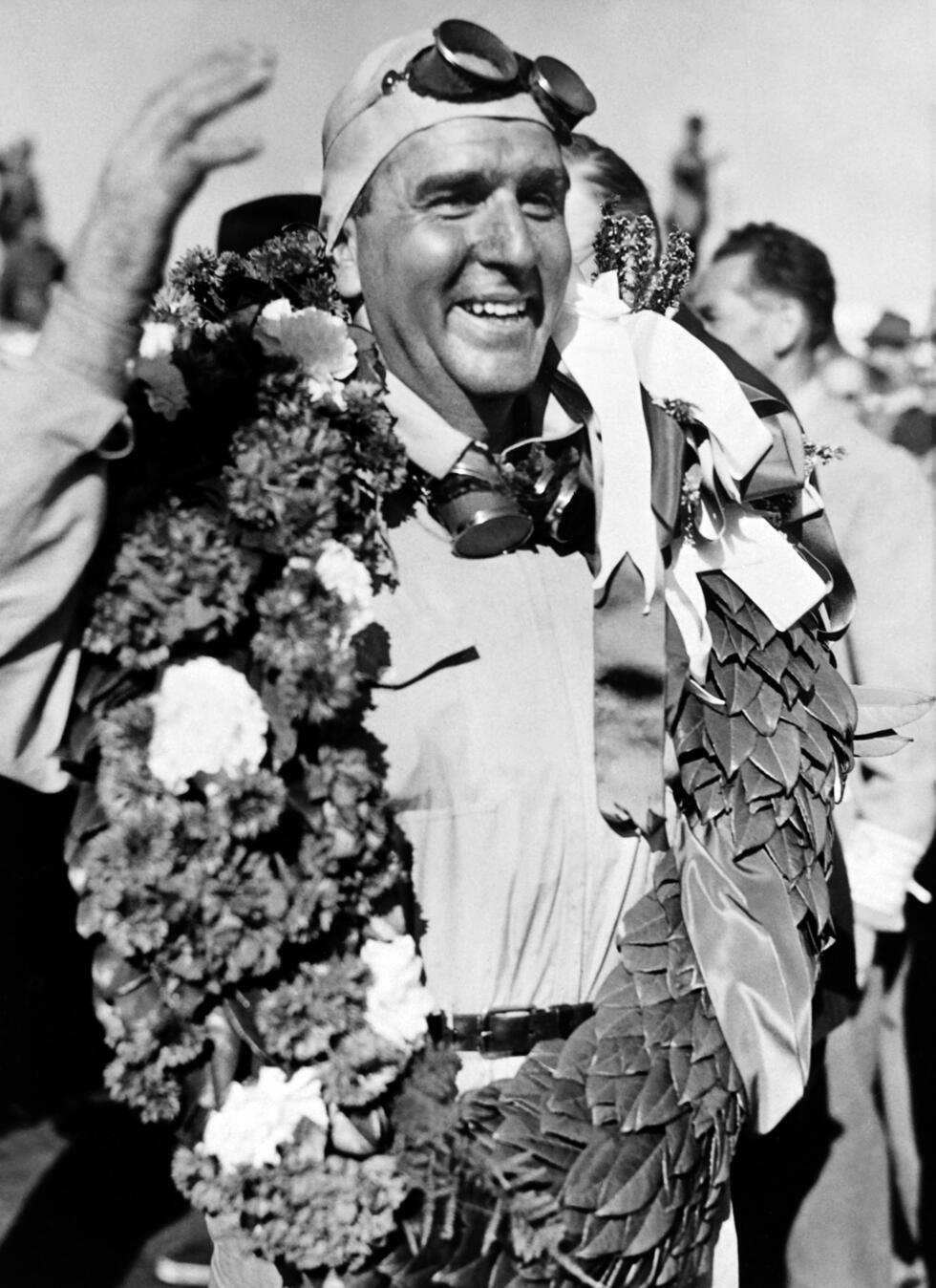
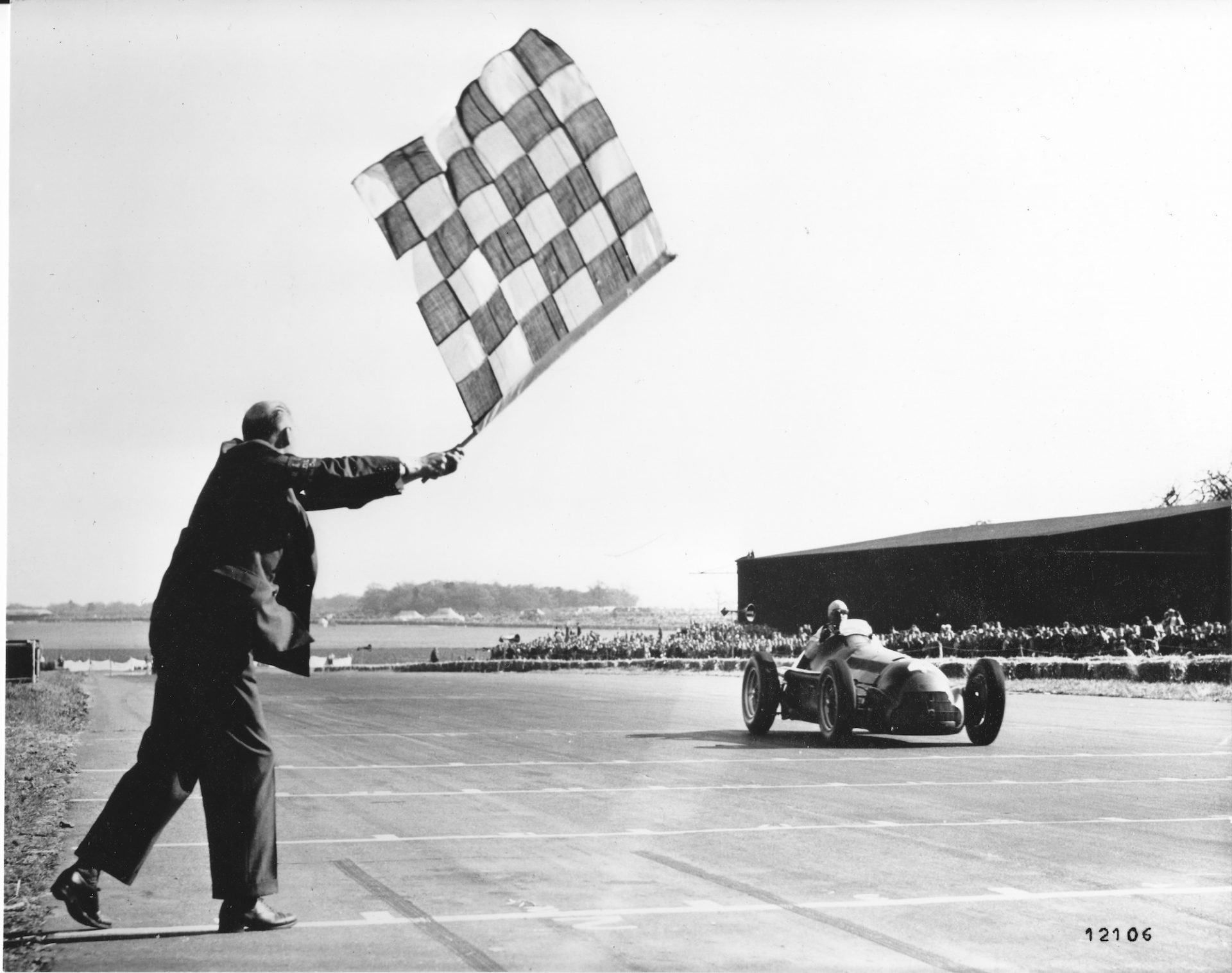
His absolute zenith arrived on a blustery 13 May 1950, upon the decommissioned bomber runways of Silverstone. In front of a record crowd estimated at over 150,000 spectators, Farina unleashed the untamed fury of the Alfa Romeo 158 ‘Alfetta’. The 158 was a pre-war marvel originally engineered by Gioacchino Colombo, its 1.5-litre (91 cu in) straight-eight engine force-fed by a Roots-type supercharger. It howled at a deafening, spine-tingling pitch, punishing its pilot with searing exhaust heat and violent mechanical vibrations while producing over 224 kW (300 bhp). Hurling this fragile, overpowered machine around the sweeping perimeter roads on narrow cross-ply tyres required monumental physical courage. Against his legendary teammates, Juan Manuel Fangio and Luigi Fagioli—the formidable “Three Fs”—Farina was untouchable. He secured pole position, set the fastest lap of 1 minute 50.8 seconds at an average speed of 151 km/h (93.85 mph), and took the chequered flag in Formula 1’s inaugural World Championship race.
Months later at Monza, under the crushing pressure of a three-way title decider against Fangio and Ferrari’s Alberto Ascari, his clinical brilliance shone through; he kept his head, leading all but two laps to become the sport’s very first World Champion in an era delightfully devoid of stifling team orders.
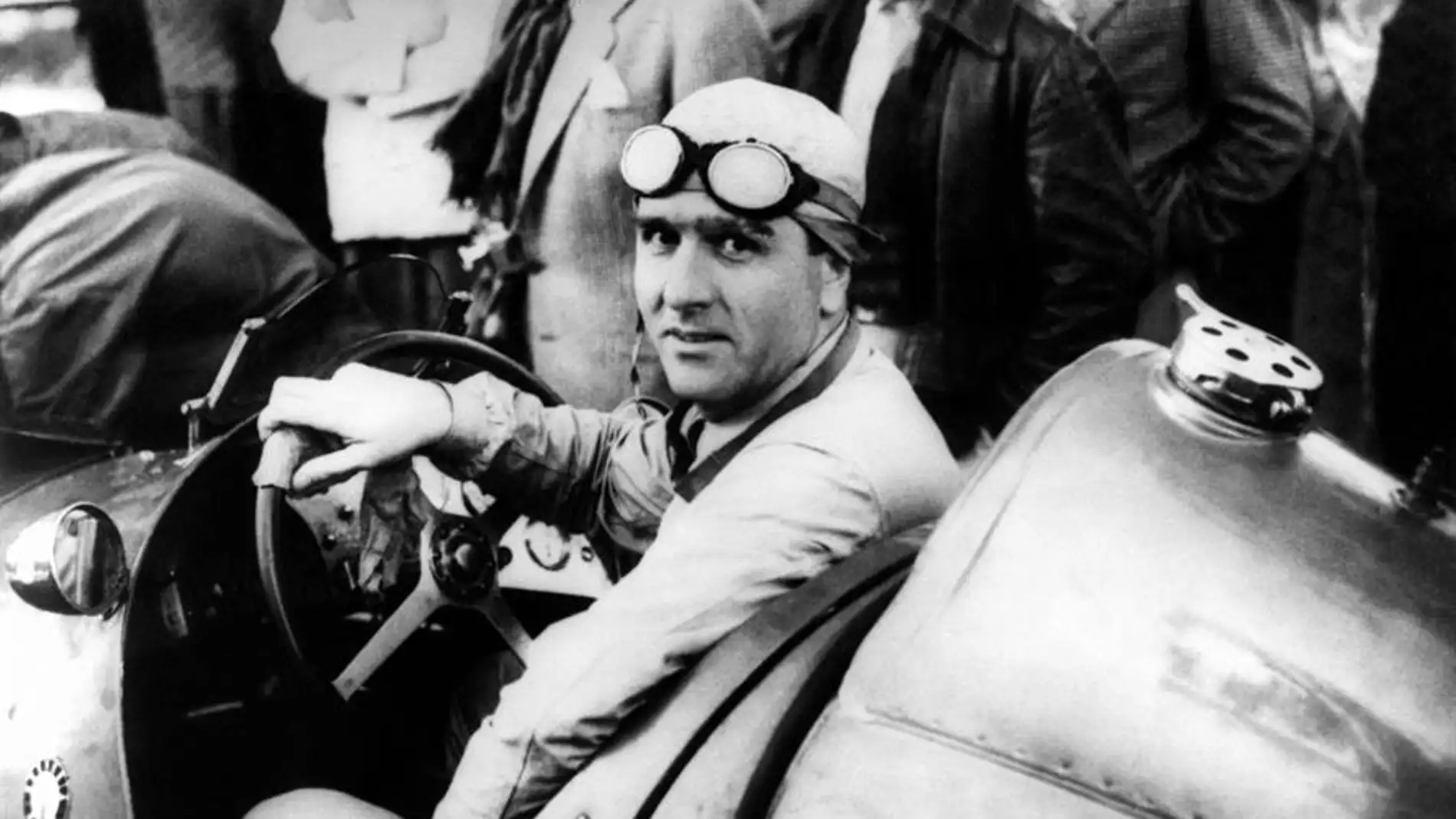
Yet, for all his elegant, sit-back posture at the wheel, Farina was deeply feared by his peers, earning the ominous moniker of the “Abruzzi Robber”. If he caught a slower car, he would not wait for a gentlemanly wave past; he would simply muscle them off the road. Fangio, the maestro of mechanical sympathy, viewed his teammate with a mixture of awe and genuine trepidation. The Argentine considered Farina “completely loco” in traffic, loathing the terrifying experience of sharing a slipstream with him.
Fangio later recalled a chilling interaction when he visited an injured Farina in hospital. When Farina asked why Fangio had come, Fangio replied that he felt sorry for his battered rival. The Italian’s response was ice-cold: “You should feel happy. One less to beat next weekend“. This exchange perfectly captured his volatile, solitary nature. He was a man of bewildering contradictions—an enthusiastic and successful womaniser off the track who clashed fiercely with team managers, yet a driver who hated signing autographs and viewed the sheer physical brutality of the cockpit as a battlefield where mercy was a fatal flaw.

Farina was a survivor of numerous violent track shunts, enduring horrific injuries with a stoicism forged of steel. Even as his career waned into the 1950s, he refused to let age wither his ferocity. He finally walked away from professional racing in 1956, shortly after surviving a terrifying spin in a Lancia D50 when a tyre tread violently delaminated at 273 km/h (170 mph) during the Italian Grand Prix weekend.
However, a quiet retirement did not suit a man addicted to the absolute limit. There would be no fading into a comfortable pundit’s chair, no gentle decline into paddock obscurity. In June 1966, after being peripherally involved in the making of the seminal motorsport film “Grand Prix”, the sixty-year-old was driving through the Alpes Savoie near Chambery en route to the French Grand Prix. Encountering freak weather on an icy mountain pass, he lost control of his Lotus-Cortina. The car careened into a telegraph pole, killing him instantly. For the man who snatched Formula 1’s first crown with unyielding style and spectacular aggression, it was perhaps the only fitting conclusion: not expiring quietly in a hospital bed, but hurtling toward the horizon, pushing the machine right to the very edge.
“We used to say that he was protected by the Virgin Mary, but even the Holy Madonna’s patience has a limit”, Enzo Ferrari once mused regarding his terrifyingly fast former driver. This was the paradox of Dottore Giuseppe ‘Nino’ Farina. To the throngs of spectators clutching their grandstand tickets in the crisp post-war sun, he was the absolute picture of aristocratic detachment. Sitting well back in the cockpit of a blood-red Alfa Romeo, his arms outstretched in a straight-arm style that would define an entire generation of racers, he looked as though he were merely out for a brisk Sunday drive. He was known to light a cigar on a cool-down lap, casually coasting into the pit lane as if parking outside a Turin trattoria. But beneath this polished veneer of patrician charm beat the heart of a merciless, utterly ruthless competitor who gave absolutely no quarter on the blistering asphalt.
Born in 1906 into a wealthy Torinese automotive dynasty—his uncle was the celebrated coachbuilder ‘Pinin’ Farina—Nino was immersed in the scent of hot castor oil, sculpted aluminium, and high-octane fuel from childhood. He was driving by the age of nine, an exceptional rarity in an era when private motor cars were an exclusive luxury. His entry into competitive motorsport, however, was bankrolled by his own disastrous foray into the stock market at seventeen; the venture wiped him out entirely, requiring a bailout from a remarkably understanding father. Armed with a doctorate in law, Farina possessed a sharp, calculating intellect that he ruthlessly applied to the brutal, visceral world of Grand Prix racing during the 1930s, cutting his teeth and claiming early victories in fearsome Maseratis and Alfa Romeos.
His absolute zenith arrived on a blustery 13 May 1950, upon the decommissioned bomber runways of Silverstone. In front of a record crowd estimated at over 150,000 spectators, Farina unleashed the untamed fury of the Alfa Romeo 158 ‘Alfetta’. The 158 was a pre-war marvel originally engineered by Gioacchino Colombo, its 1.5-litre (91 cu in) straight-eight engine force-fed by a Roots-type supercharger. It howled at a deafening, spine-tingling pitch, punishing its pilot with searing exhaust heat and violent mechanical vibrations while producing over 224 kW (300 bhp). Hurling this fragile, overpowered machine around the sweeping perimeter roads on narrow cross-ply tyres required monumental physical courage. Against his legendary teammates, Juan Manuel Fangio and Luigi Fagioli—the formidable “Three Fs”—Farina was untouchable. He secured pole position, set the fastest lap of 1 minute 50.8 seconds at an average speed of 151 km/h (93.85 mph), and took the chequered flag in Formula 1’s inaugural World Championship race.
Months later at Monza, under the crushing pressure of a three-way title decider against Fangio and Ferrari’s Alberto Ascari, his clinical brilliance shone through; he kept his head, leading all but two laps to become the sport’s very first World Champion in an era delightfully devoid of stifling team orders.
Yet, for all his elegant, sit-back posture at the wheel, Farina was deeply feared by his peers, earning the ominous moniker of the “Abruzzi Robber”. If he caught a slower car, he would not wait for a gentlemanly wave past; he would simply muscle them off the road. Fangio, the maestro of mechanical sympathy, viewed his teammate with a mixture of awe and genuine trepidation. The Argentine considered Farina “completely loco” in traffic, loathing the terrifying experience of sharing a slipstream with him.
Fangio later recalled a chilling interaction when he visited an injured Farina in hospital. When Farina asked why Fangio had come, Fangio replied that he felt sorry for his battered rival. The Italian’s response was ice-cold: “You should feel happy. One less to beat next weekend“. This exchange perfectly captured his volatile, solitary nature. He was a man of bewildering contradictions—an enthusiastic and successful womaniser off the track who clashed fiercely with team managers, yet a driver who hated signing autographs and viewed the sheer physical brutality of the cockpit as a battlefield where mercy was a fatal flaw.
Farina was a survivor of numerous violent track shunts, enduring horrific injuries with a stoicism forged of steel. Even as his career waned into the 1950s, he refused to let age wither his ferocity. He finally walked away from professional racing in 1956, shortly after surviving a terrifying spin in a Lancia D50 when a tyre tread violently delaminated at 273 km/h (170 mph) during the Italian Grand Prix weekend.
However, a quiet retirement did not suit a man addicted to the absolute limit. There would be no fading into a comfortable pundit’s chair, no gentle decline into paddock obscurity. In June 1966, after being peripherally involved in the making of the seminal motorsport film “Grand Prix”, the sixty-year-old was driving through the Alpes Savoie near Chambery en route to the French Grand Prix. Encountering freak weather on an icy mountain pass, he lost control of his Lotus-Cortina. The car careened into a telegraph pole, killing him instantly. For the man who snatched Formula 1’s first crown with unyielding style and spectacular aggression, it was perhaps the only fitting conclusion: not expiring quietly in a hospital bed, but hurtling toward the horizon, pushing the machine right to the very edge.