Aston Martin Vantage (VH2)
Brand
Produced from
Vehicle category
Portal
Model line
Model generation
Generation Overview
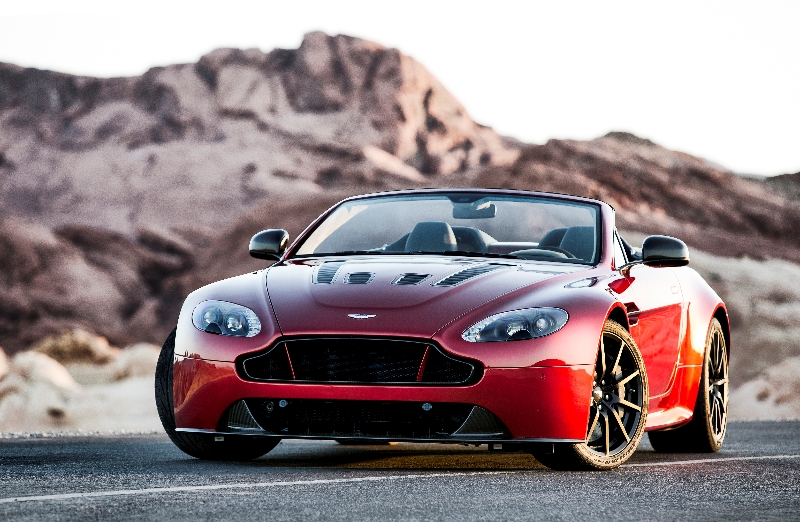
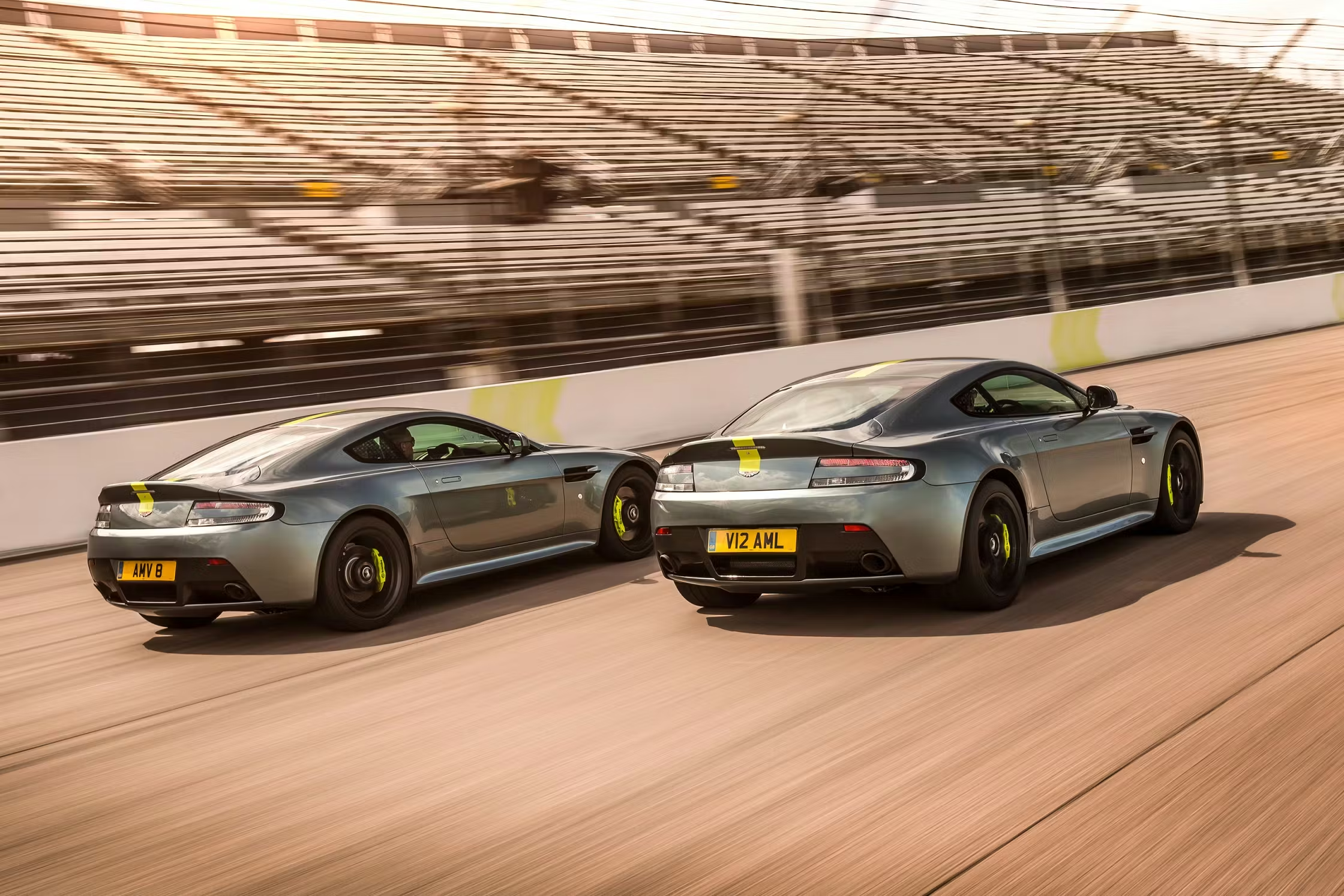
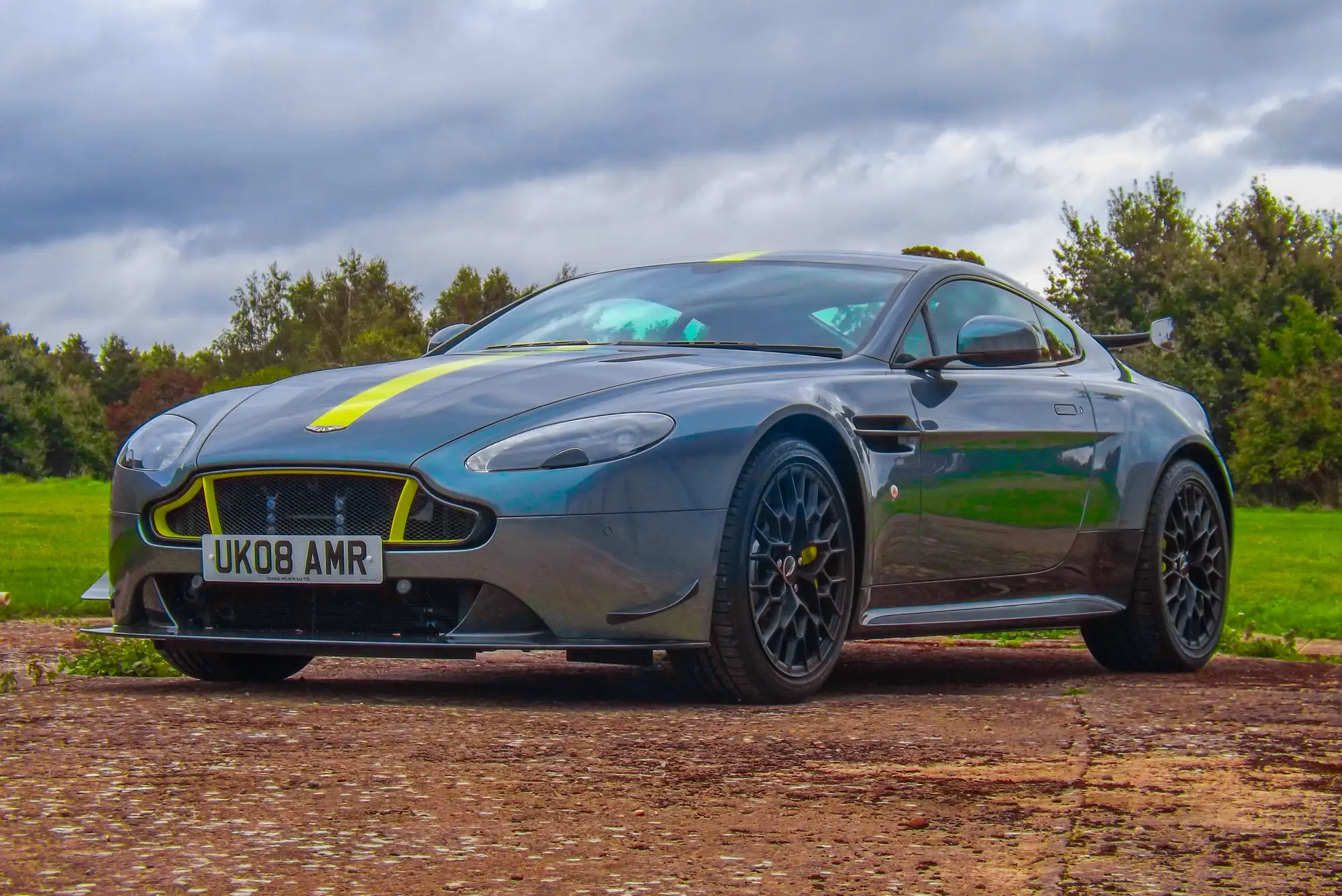
The turn of the new millennium found Aston Martin at a critical juncture. Under the ambitious leadership of Dr. Ulrich Bez, the British marque had relocated to a state-of-the-art facility in Gaydon and successfully launched the DB9, a magnificent V12 grand tourer. However, to ensure long-term financial survival, Aston Martin needed a volume seller, a true, focused sports car capable of staring down the undisputed king of the segment: the Porsche 911. At the 2005 Geneva Motor Show, the world was introduced to the weapon chosen for this monumental task—the Aston Martin V8 Vantage (internal designation VH2). It did not directly replace a specific model; rather, it resurrected the legendary “Vantage” nameplate, transforming it from a mere high-performance badge into a standalone, entry-level sports car. It was the genesis of a sprawling, magnificent lineage that would eventually include the larger 4.7-liter cars, the drop-top Roadsters, the track-honed N-series (N400, N420, N430), the sharpened Vantage S, and finally, the absolute lunacy of the V12 Vantage, culminating in extreme low-volume specials like the GT8, GT12, and the manual-gearbox AMR editions. It stood shoulder-to-shoulder with the Porsche 997, the early Audi R8, and later, the Jaguar F-Type, offering an intoxicating blend of analogue purity and bespoke craftsmanship.
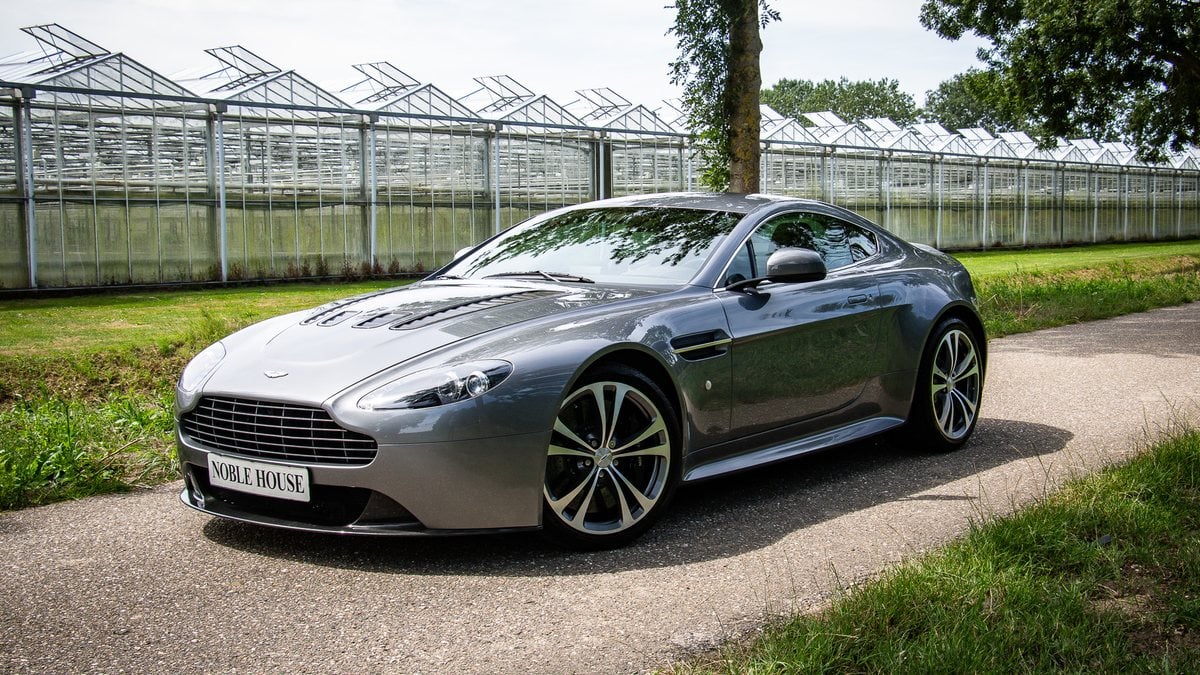
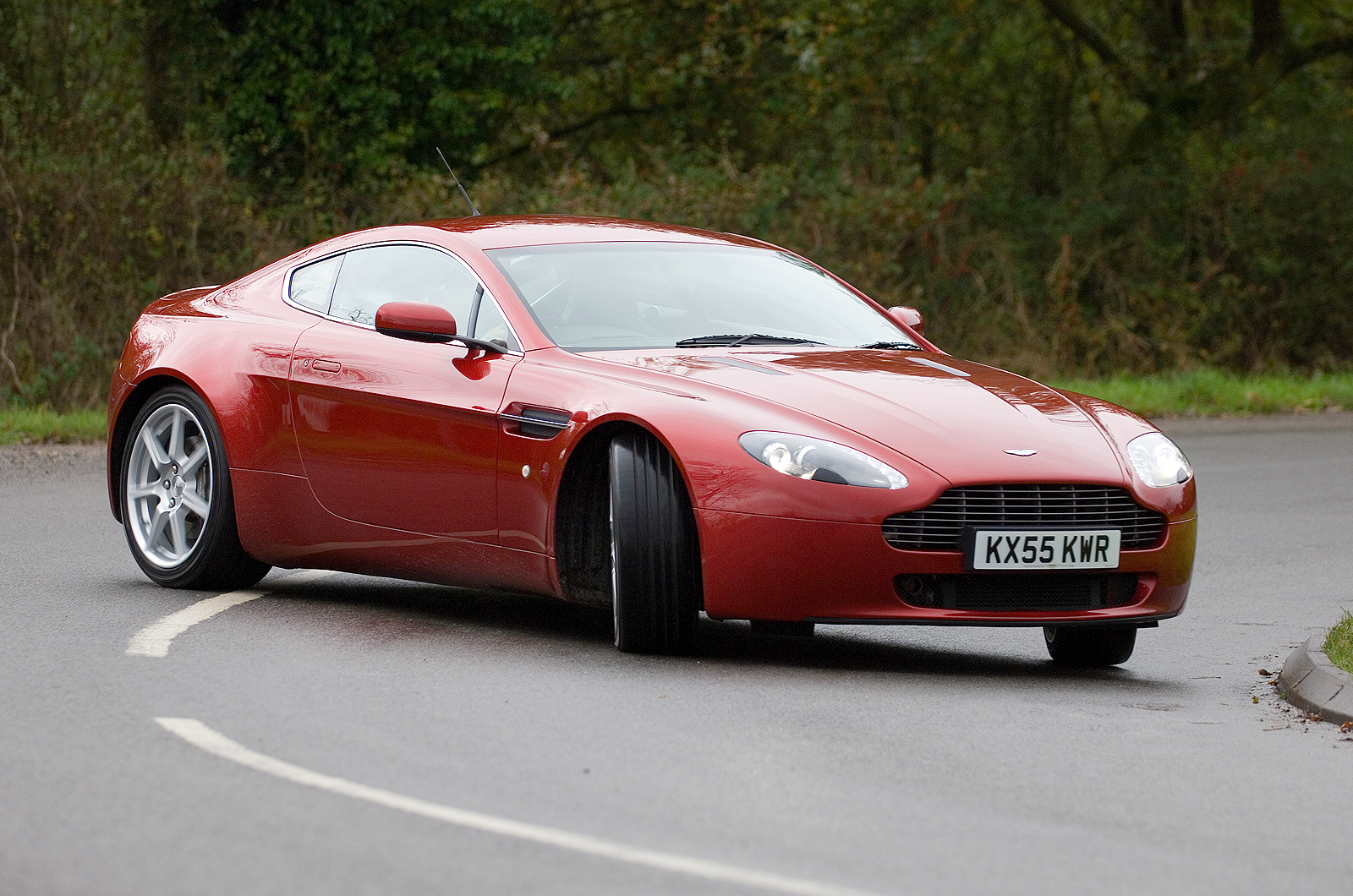
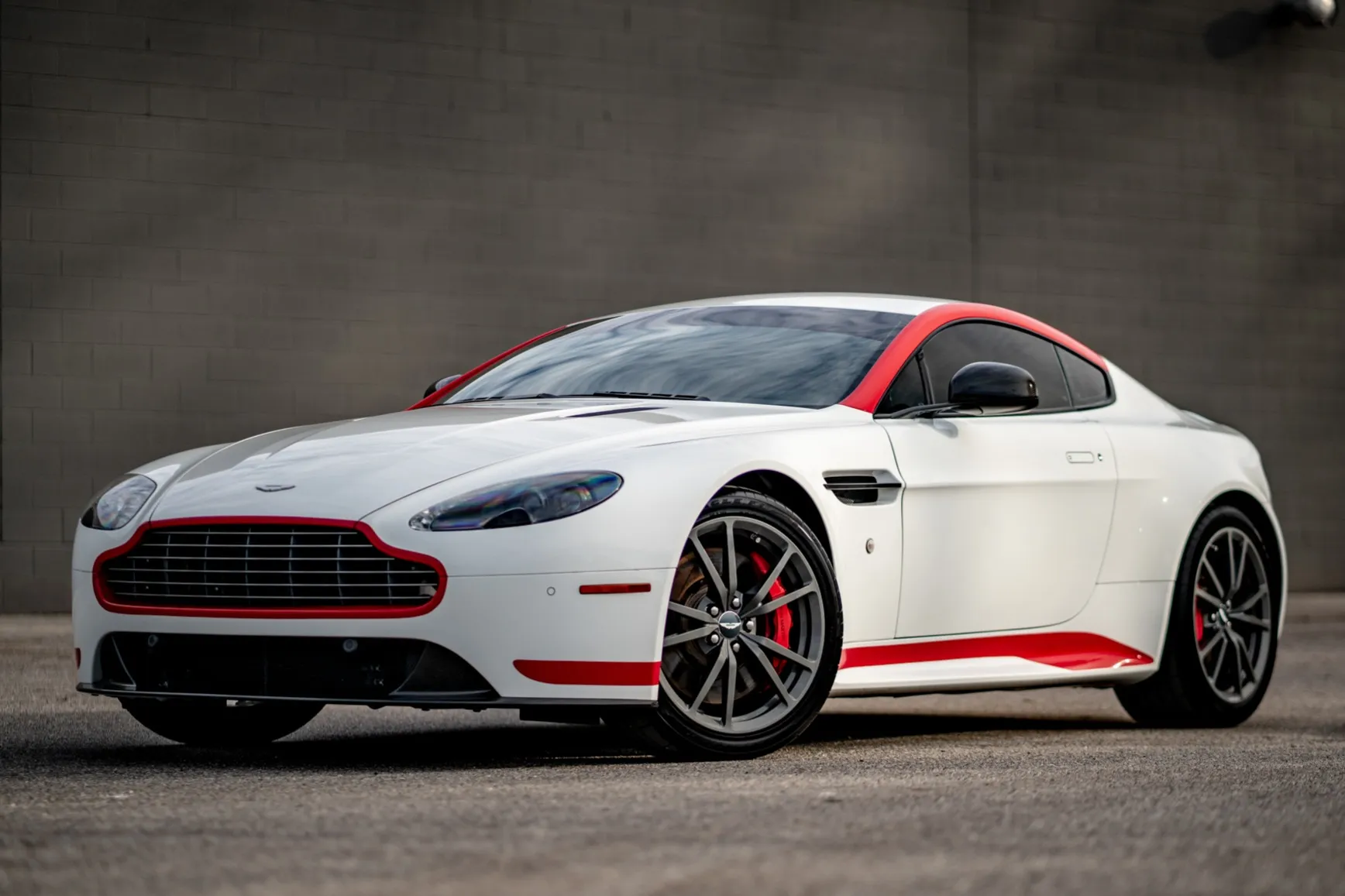
To examine the VH2 Vantage is to look upon what is widely considered one of the most perfectly proportioned automobiles of the 21st century. Penned primarily by Henrik Fisker, the exterior design was a masterclass in the golden ratio. It was taut, athletic, and possessed a predatory stance, free of vulgar aerodynamic appendages in its purest forms. The signature Aston Martin grille sat low, leading to a long hood and a tightly wrapped, muscular rear haunch, accessed via the marque’s signature swan-wing doors that opened slightly upward to clear the pavement. Beneath this breathtaking aluminium, composite, and steel skin lay the second generation of Aston Martin’s Vertical/Horizontal (VH) architecture. This chassis was constructed from extruded aluminium, aerospace-epoxy bonded rather than welded, resulting in an incredibly stiff and lightweight tub.
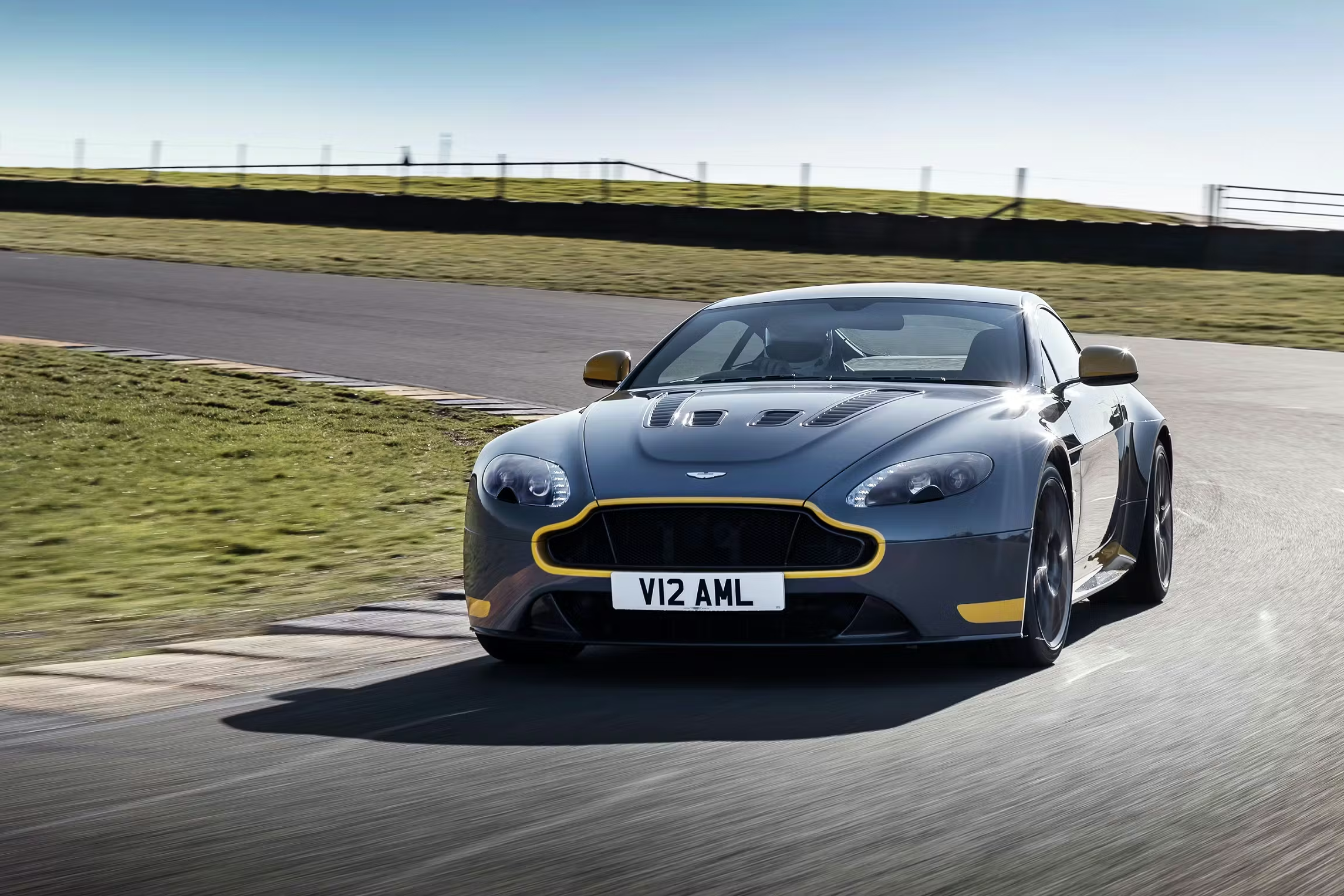
The beating heart of the original 2005 Vantage was a 4.3-liter, 32-valve V8. While loosely related to a Jaguar architecture, it was heavily modified by Aston Martin, featuring a dry-sump lubrication system that allowed the engine to sit perilously low in the chassis for an optimal center of gravity. Producing 380 brake horsepower, it didn’t possess the sheer numerical superiority of its rivals, but it delivered a hard-edged, metallic baritone howl that could make a grown man weep. Crucially, the gearbox—initially a sweet-shifting six-speed manual, later joined by the automated manual Sportshift—was mounted at the rear as a transaxle, connected to the engine via a carbon-fiber propeller shaft enclosed in an aluminium torque tube. This layout gifted the Vantage a near-perfect 49/51 front-to-rear weight distribution. By 2008, the engine grew to a punchier 4.7 liters with 420 horsepower, curing the slight torque deficit of the early cars. However, the most audacious engineering feat occurred in 2009, when Aston Martin’s engineers shoehorned the massive 5.9-liter V12 from the DBS into the Vantage’s compact engine bay, creating the 510-horsepower V12 Vantage—a modern-day Shelby Cobra, possessing an excess of power and a soundtrack of biblical proportions. Inside, the cabin was a sensory delight of hand-stitched Bridge of Weir leather, cold machined aluminium dials, and, in later models, the introduction of the sapphire crystal “Emotion Control Unit” key that glowed red when inserted into the center console.
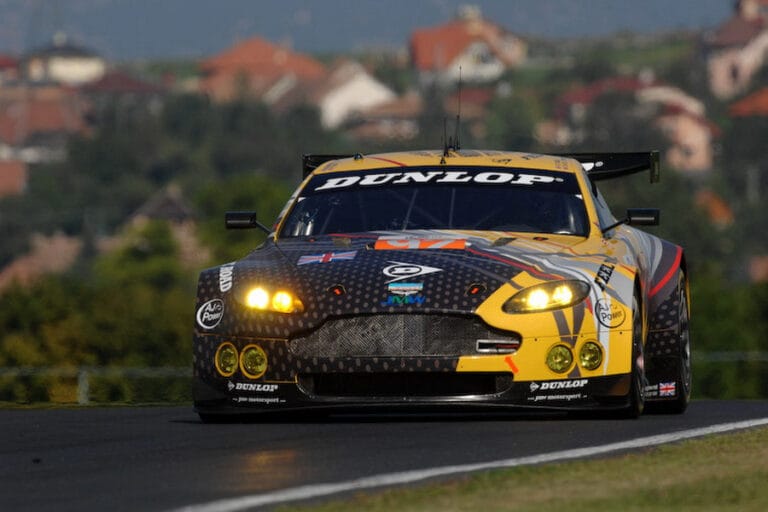
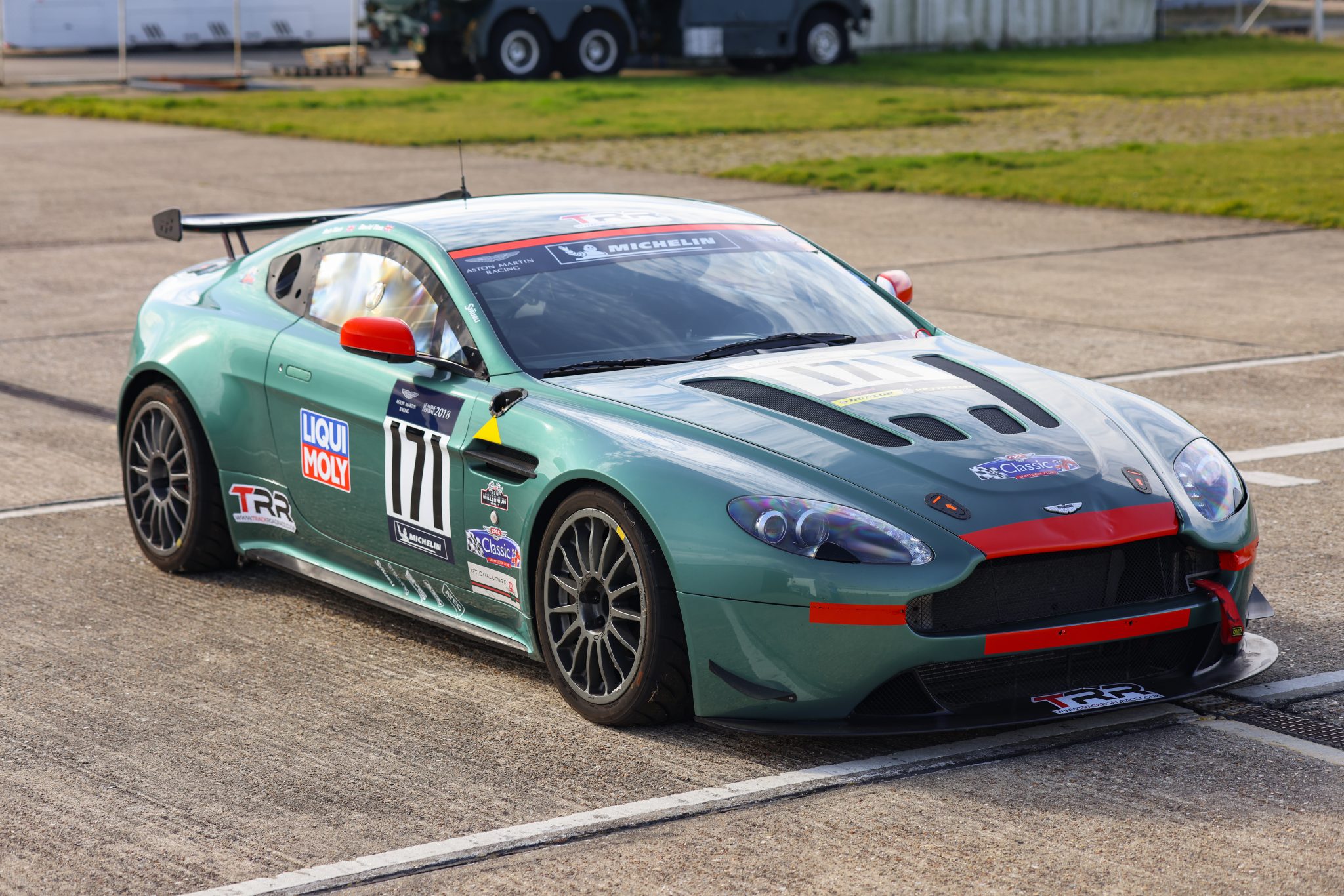
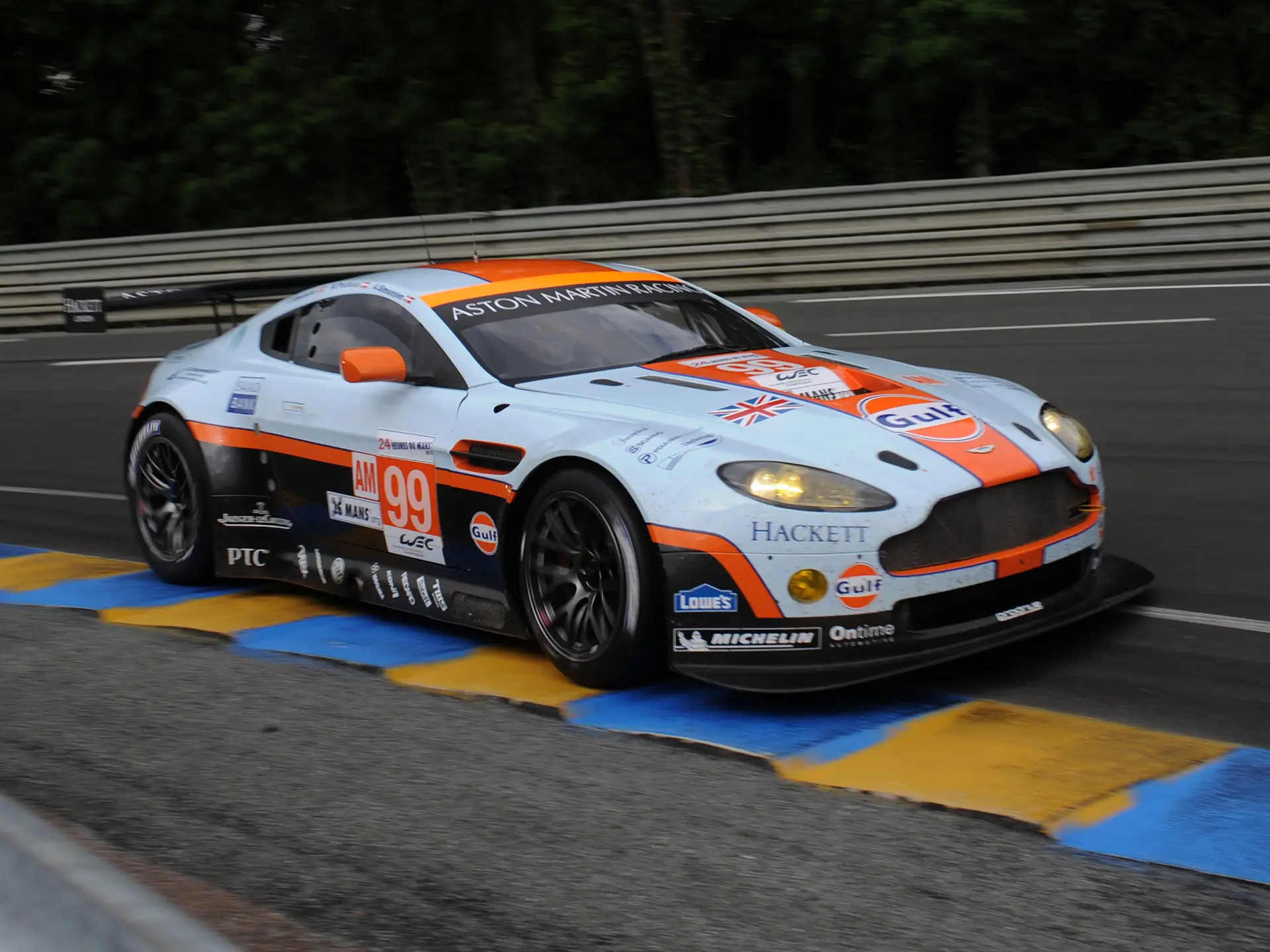
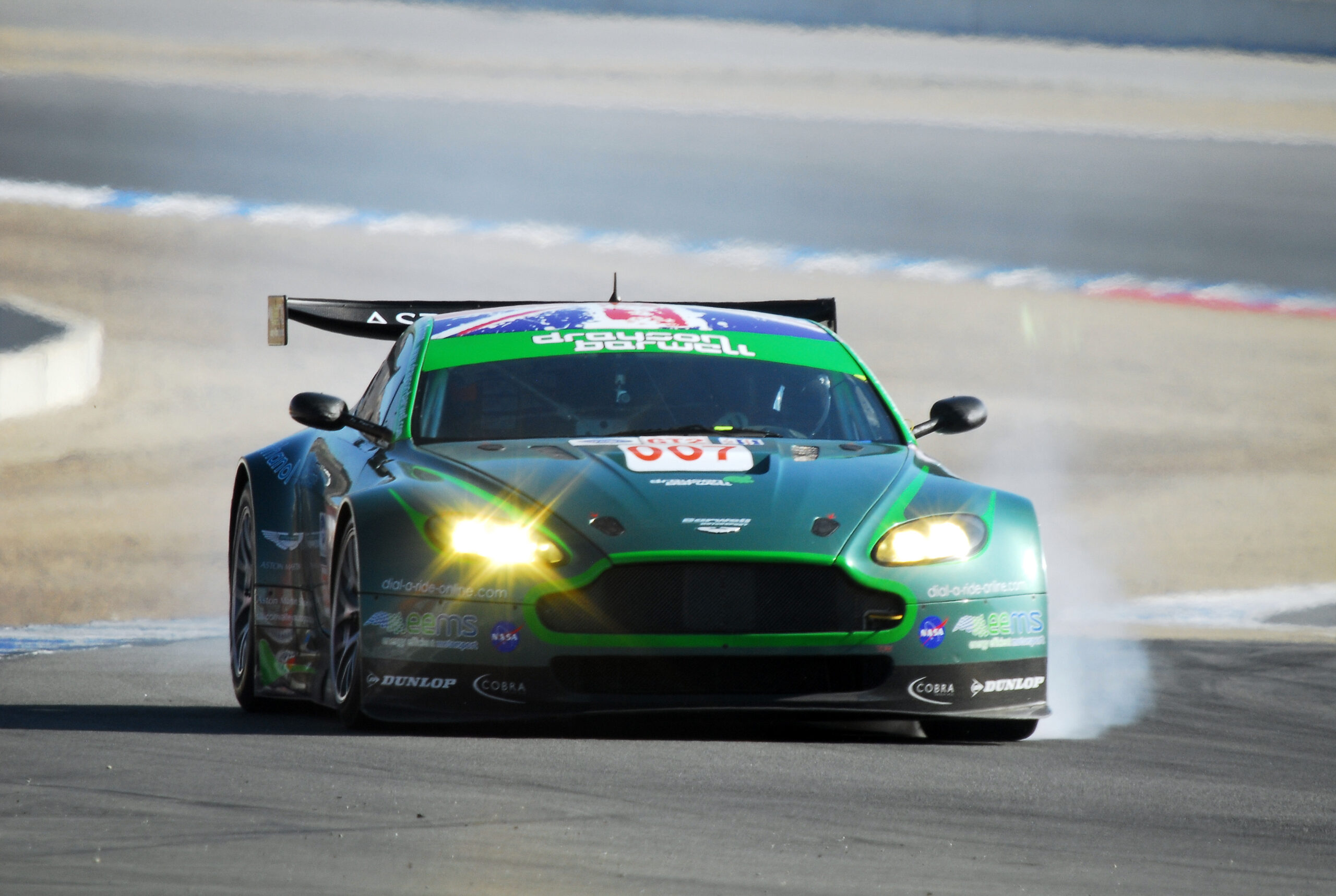
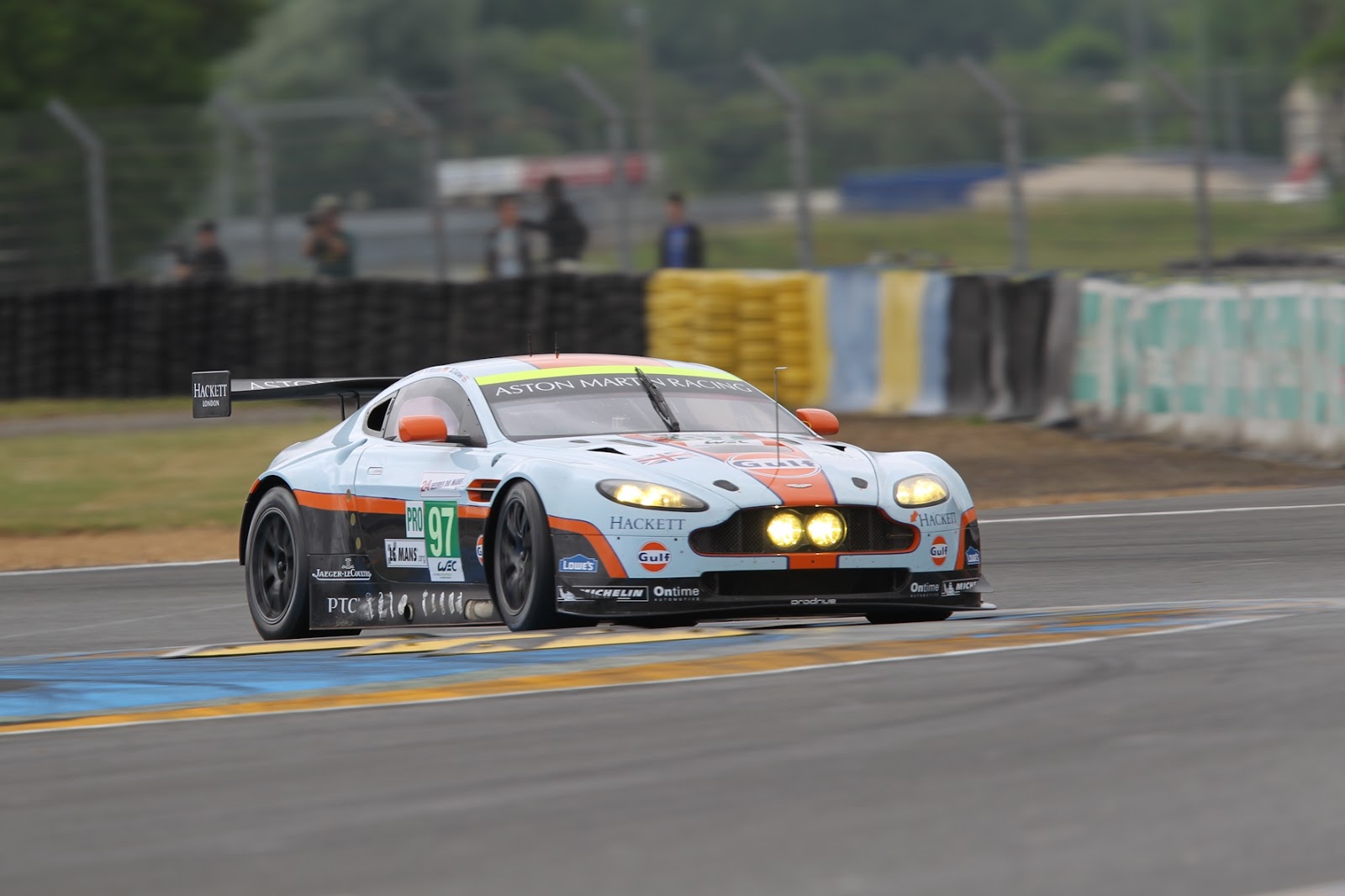
The impact of the VH2 Vantage was monumental. Commercially, it became the most successful Aston Martin in the company’s century-long history, selling over 20,000 units and providing the bedrock for the brand’s independence. Culturally, it was universally lauded as the coolest car on sale, the thinking enthusiast’s alternative to the clinical perfection of the German opposition. But its most enduring legacy was forged in the heat of international motorsport. Prodrive, Aston Martin’s racing partner, transformed the elegant road car into a relentless track weapon. The Vantage spawned highly successful GT4, GT3, and GTE variants. In the fiercely contested World Endurance Championship (WEC), the V8 Vantage GTE became a crowd favorite. While the factory teams from Porsche and Ford utilized turbocharged engines, the Aston Martin stubbornly retained its naturally aspirated V8, its thunderous, ground-shaking roar echoing through the forests of the Circuit de la Sarthe. It secured multiple class victories at the 24 Hours of Le Mans, most notably the dramatic final-lap GTE-Pro class win in 2017 with Jonny Adam at the wheel, cementing the chassis’ status as a genuine racing legend.
When production finally ceased in 2018 to make way for the AMG-powered successor, the VH2 Vantage bowed out as a bona fide modern classic. It was a car that lived an extraordinarily long life, kept fresh by continuous, careful evolution and an aesthetic that simply refused to age. The 2005-2018 Aston Martin Vantage represents the twilight of a golden era—the final triumph of the naturally aspirated, manual-gearbox, hydraulic-steering British sports car before the industry succumbed to the necessary evils of forced induction and digital steering. It occupies a sovereign space in the automotive pantheon: not merely the car that saved Aston Martin, but a rolling piece of kinetic art that proved that beauty, soul, and a howling V8 are the ultimate antidotes to clinical perfection.
Portal
Model line
Model generation
Brand
Produced from
Vehicle category
Generation Overview
The turn of the new millennium found Aston Martin at a critical juncture. Under the ambitious leadership of Dr. Ulrich Bez, the British marque had relocated to a state-of-the-art facility in Gaydon and successfully launched the DB9, a magnificent V12 grand tourer. However, to ensure long-term financial survival, Aston Martin needed a volume seller, a true, focused sports car capable of staring down the undisputed king of the segment: the Porsche 911. At the 2005 Geneva Motor Show, the world was introduced to the weapon chosen for this monumental task—the Aston Martin V8 Vantage (internal designation VH2). It did not directly replace a specific model; rather, it resurrected the legendary “Vantage” nameplate, transforming it from a mere high-performance badge into a standalone, entry-level sports car. It was the genesis of a sprawling, magnificent lineage that would eventually include the larger 4.7-liter cars, the drop-top Roadsters, the track-honed N-series (N400, N420, N430), the sharpened Vantage S, and finally, the absolute lunacy of the V12 Vantage, culminating in extreme low-volume specials like the GT8, GT12, and the manual-gearbox AMR editions. It stood shoulder-to-shoulder with the Porsche 997, the early Audi R8, and later, the Jaguar F-Type, offering an intoxicating blend of analogue purity and bespoke craftsmanship.
To examine the VH2 Vantage is to look upon what is widely considered one of the most perfectly proportioned automobiles of the 21st century. Penned primarily by Henrik Fisker, the exterior design was a masterclass in the golden ratio. It was taut, athletic, and possessed a predatory stance, free of vulgar aerodynamic appendages in its purest forms. The signature Aston Martin grille sat low, leading to a long hood and a tightly wrapped, muscular rear haunch, accessed via the marque’s signature swan-wing doors that opened slightly upward to clear the pavement. Beneath this breathtaking aluminium, composite, and steel skin lay the second generation of Aston Martin’s Vertical/Horizontal (VH) architecture. This chassis was constructed from extruded aluminium, aerospace-epoxy bonded rather than welded, resulting in an incredibly stiff and lightweight tub.
The beating heart of the original 2005 Vantage was a 4.3-liter, 32-valve V8. While loosely related to a Jaguar architecture, it was heavily modified by Aston Martin, featuring a dry-sump lubrication system that allowed the engine to sit perilously low in the chassis for an optimal center of gravity. Producing 380 brake horsepower, it didn’t possess the sheer numerical superiority of its rivals, but it delivered a hard-edged, metallic baritone howl that could make a grown man weep. Crucially, the gearbox—initially a sweet-shifting six-speed manual, later joined by the automated manual Sportshift—was mounted at the rear as a transaxle, connected to the engine via a carbon-fiber propeller shaft enclosed in an aluminium torque tube. This layout gifted the Vantage a near-perfect 49/51 front-to-rear weight distribution. By 2008, the engine grew to a punchier 4.7 liters with 420 horsepower, curing the slight torque deficit of the early cars. However, the most audacious engineering feat occurred in 2009, when Aston Martin’s engineers shoehorned the massive 5.9-liter V12 from the DBS into the Vantage’s compact engine bay, creating the 510-horsepower V12 Vantage—a modern-day Shelby Cobra, possessing an excess of power and a soundtrack of biblical proportions. Inside, the cabin was a sensory delight of hand-stitched Bridge of Weir leather, cold machined aluminium dials, and, in later models, the introduction of the sapphire crystal “Emotion Control Unit” key that glowed red when inserted into the center console.
The impact of the VH2 Vantage was monumental. Commercially, it became the most successful Aston Martin in the company’s century-long history, selling over 20,000 units and providing the bedrock for the brand’s independence. Culturally, it was universally lauded as the coolest car on sale, the thinking enthusiast’s alternative to the clinical perfection of the German opposition. But its most enduring legacy was forged in the heat of international motorsport. Prodrive, Aston Martin’s racing partner, transformed the elegant road car into a relentless track weapon. The Vantage spawned highly successful GT4, GT3, and GTE variants. In the fiercely contested World Endurance Championship (WEC), the V8 Vantage GTE became a crowd favorite. While the factory teams from Porsche and Ford utilized turbocharged engines, the Aston Martin stubbornly retained its naturally aspirated V8, its thunderous, ground-shaking roar echoing through the forests of the Circuit de la Sarthe. It secured multiple class victories at the 24 Hours of Le Mans, most notably the dramatic final-lap GTE-Pro class win in 2017 with Jonny Adam at the wheel, cementing the chassis’ status as a genuine racing legend.
When production finally ceased in 2018 to make way for the AMG-powered successor, the VH2 Vantage bowed out as a bona fide modern classic. It was a car that lived an extraordinarily long life, kept fresh by continuous, careful evolution and an aesthetic that simply refused to age. The 2005-2018 Aston Martin Vantage represents the twilight of a golden era—the final triumph of the naturally aspirated, manual-gearbox, hydraulic-steering British sports car before the industry succumbed to the necessary evils of forced induction and digital steering. It occupies a sovereign space in the automotive pantheon: not merely the car that saved Aston Martin, but a rolling piece of kinetic art that proved that beauty, soul, and a howling V8 are the ultimate antidotes to clinical perfection.
Submodels