BMW 3 Series III (E36)
Generation Overview
Late 1990. The Bavarian marque stood at a pivotal crossroads. Its predecessor, the iconic E30, had captured the imagination of driving enthusiasts globally, yet against modernising rivals like the Mercedes-Benz 190E and the forthcoming Audi 80, Munich required a radical leap forward. Contrary to current industry practice, BMW eschewed public concept cars or auto show teasers to preview the new generation. Instead, under absolute secrecy, the design team led by Claus Luthe, alongside Pinky Lai and Boyke Boyer, sculpted internal clay prototypes from the mid-1980s onwards. What emerged at its late-1990 reveal was a complete paradigm shift that redefined the sports saloon template.
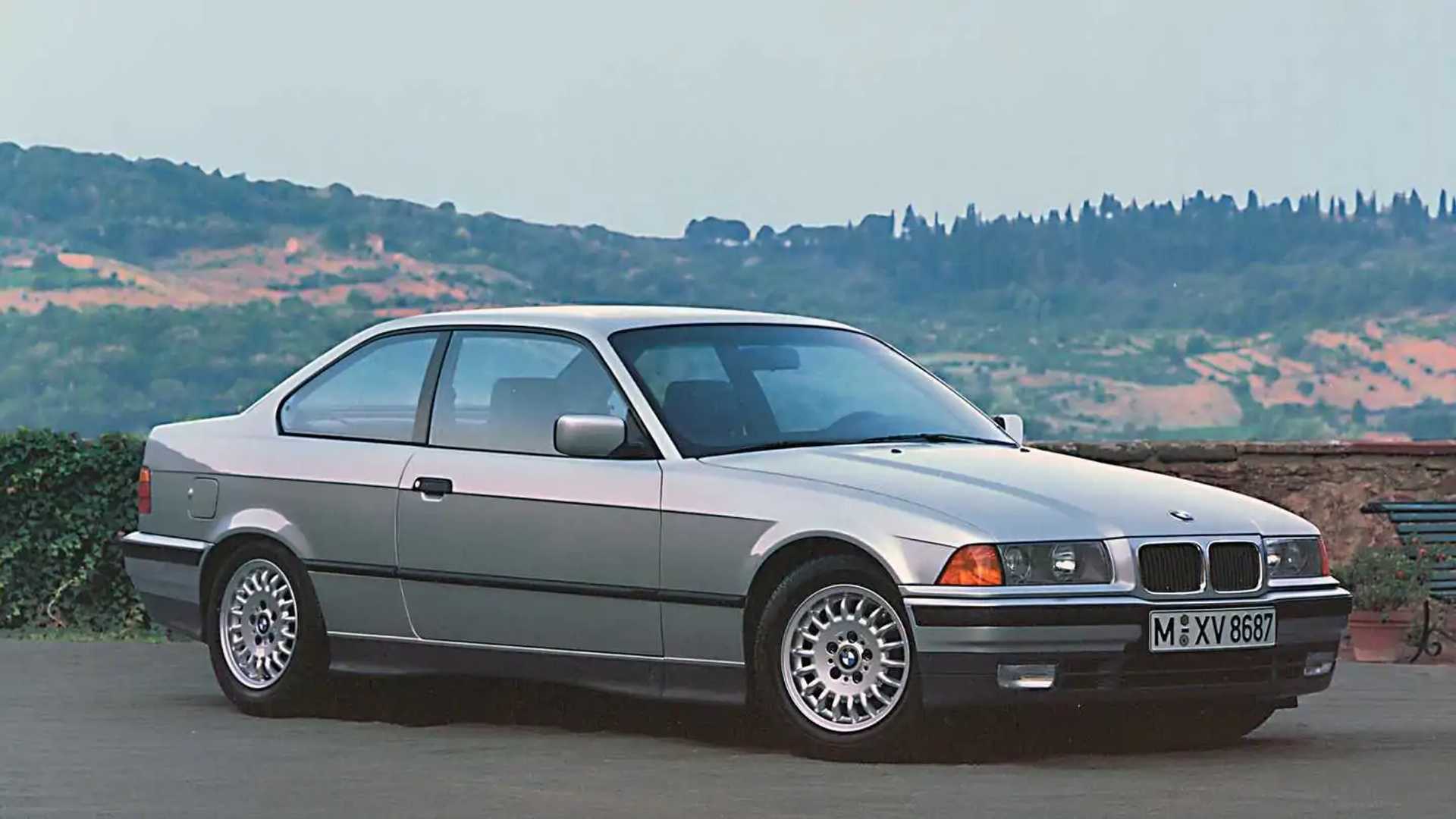
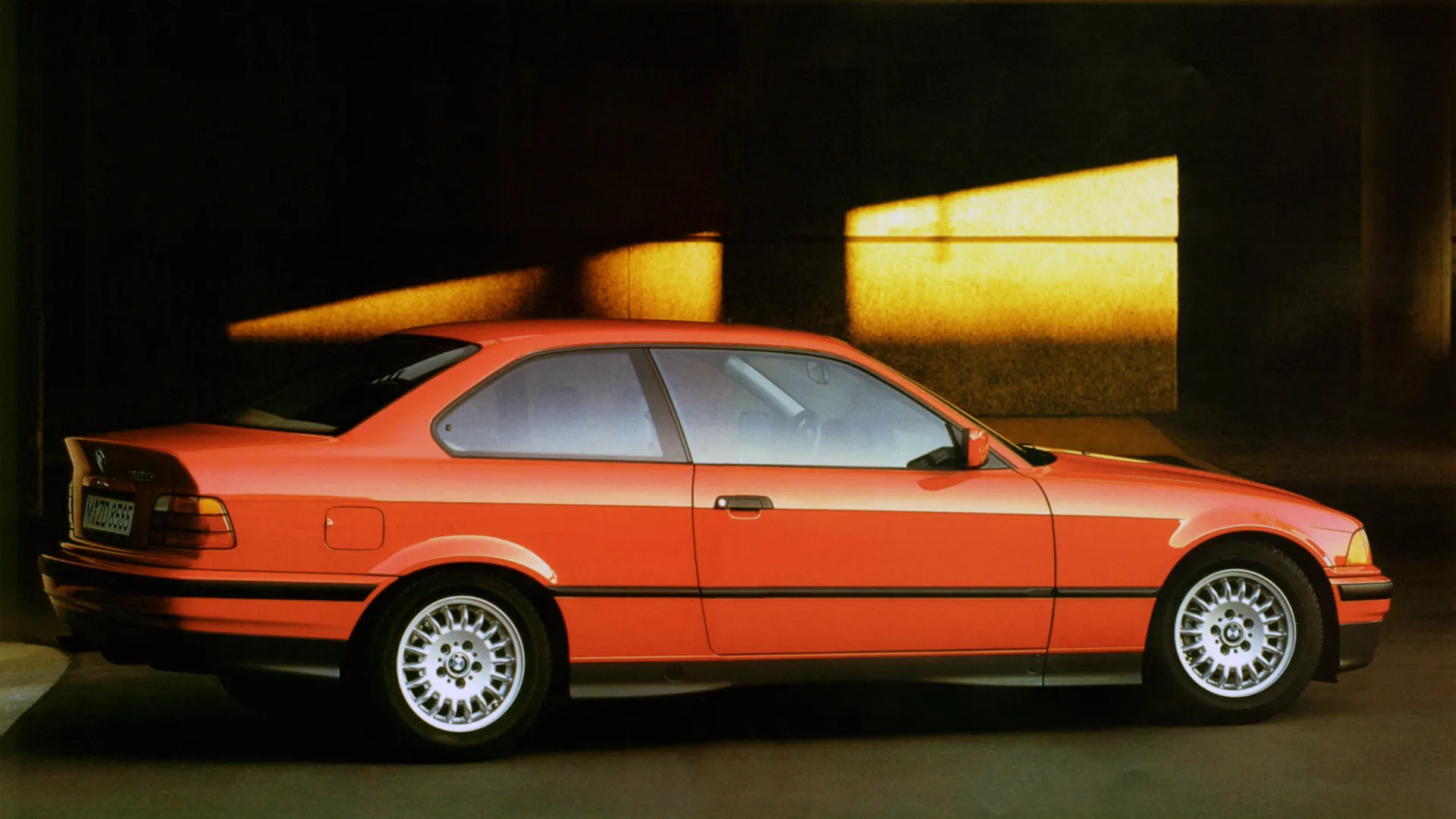
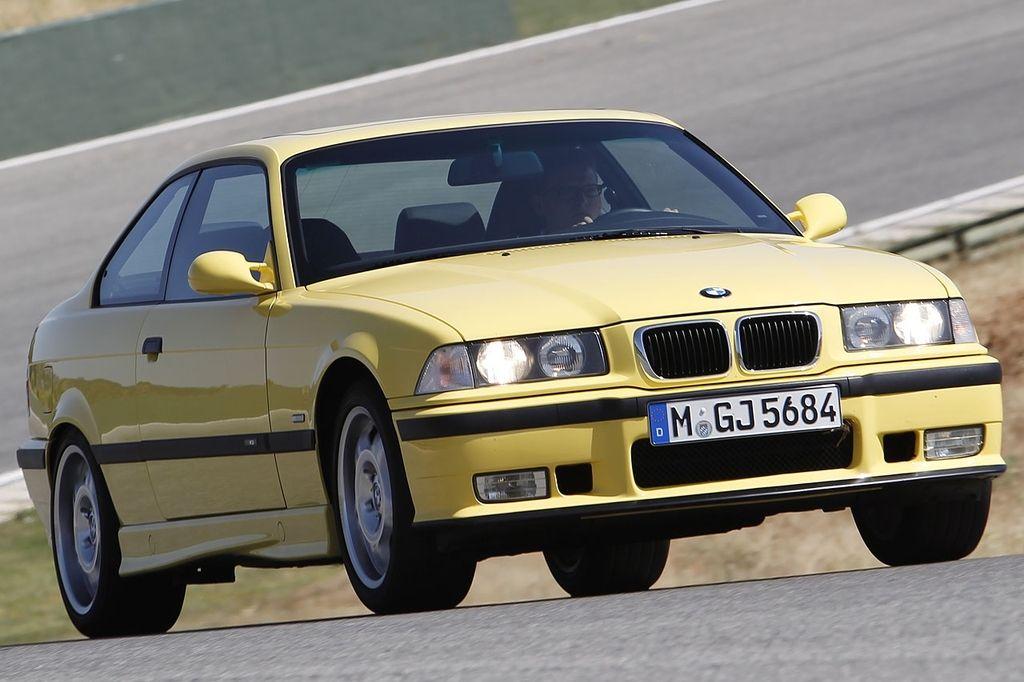
Aerodynamically, the E36 broke completely with BMW’s traditional, forward-canted “shark nose”. In its place came a sleek “dolphin” silhouette, boasting a drag coefficient of 0.29 Cd. The classic twin round headlights were encapsulated behind flush protective glass, whilst the steeply raked A-pillar sliced cleanly through the air. Beneath this slippery skin lay substantial mechanical evolution. Replacing the aged M20 powerplants came the sophisticated M50 family of 24-valve DOHC inline-sixes, which gained the VANOS variable valve timing system in 1992 to deliver silky, linear power. Up front, MacPherson struts provided crisp turn-in, whilst the rear introduced the multi-link “Z-axle”, an engineering marvel originally developed for the low-volume Z1 roadster. By replacing the E30’s treacherous trailing arms, the Z-axle pinned the rear tyres to the tarmac, banishing sudden lift-off oversteer and providing telepathic poise. The cabin featured a driver-focused dashboard that remains an ergonomic reference point for habitability and safety. Naturally, progress demanded compromises: increased dimensions and safety structures expanded the kerb weight. Whilst early standard six-cylinder saloons weighed approximately 1330 kg (2932 lbs), later equipped models and the M3 swelled to roughly 1460 kg (3219 lbs), stripping away a fraction of the E30’s raw, kart-like lightness. Furthermore, early production units between 1990 and 1992 suffered uncharacteristic interior quality issues, plagued by dashboard plastic sag and door panel glue delamination that Munich took a couple of years to refine.
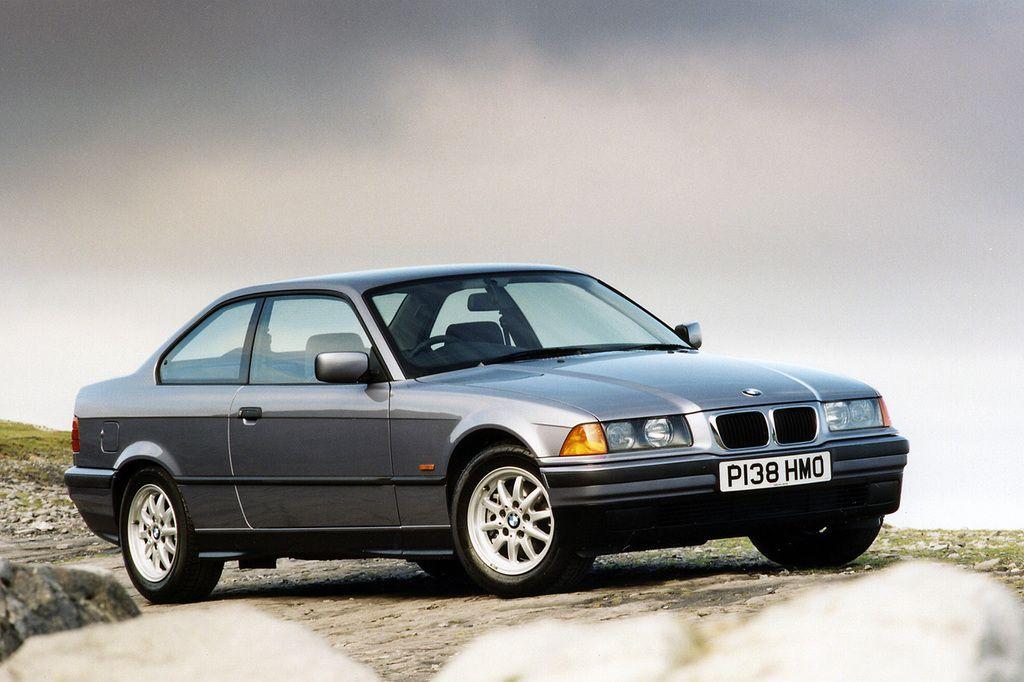
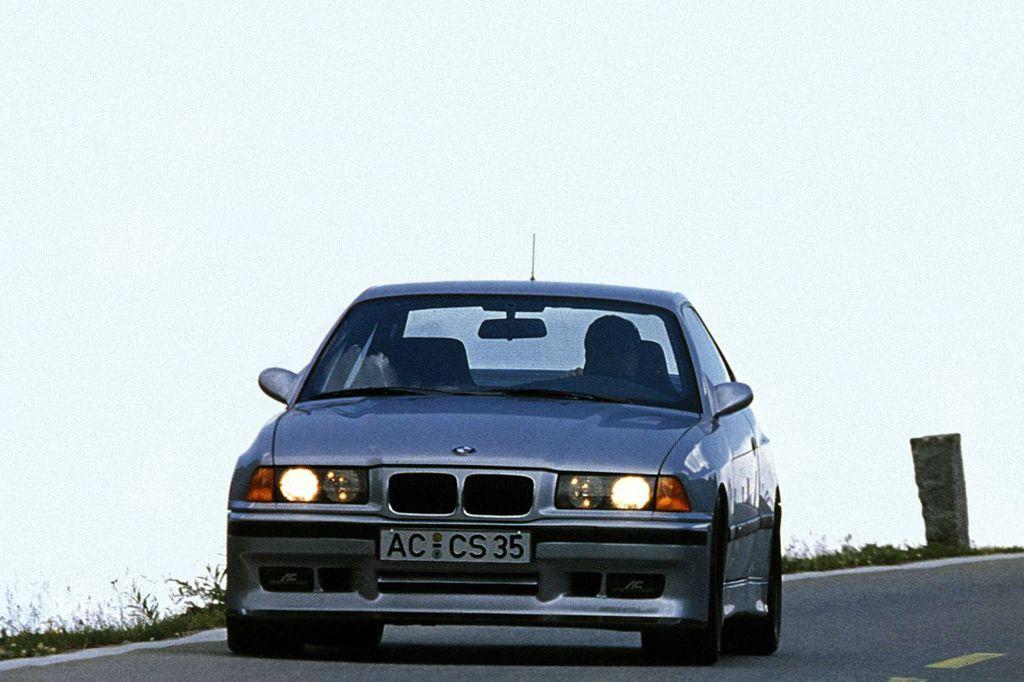
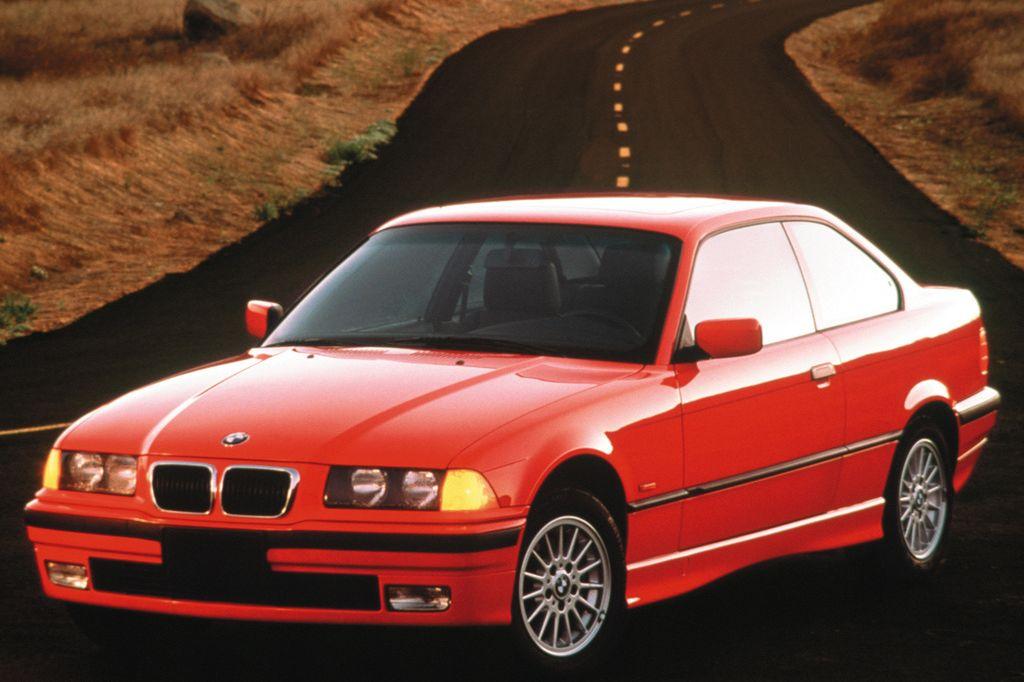
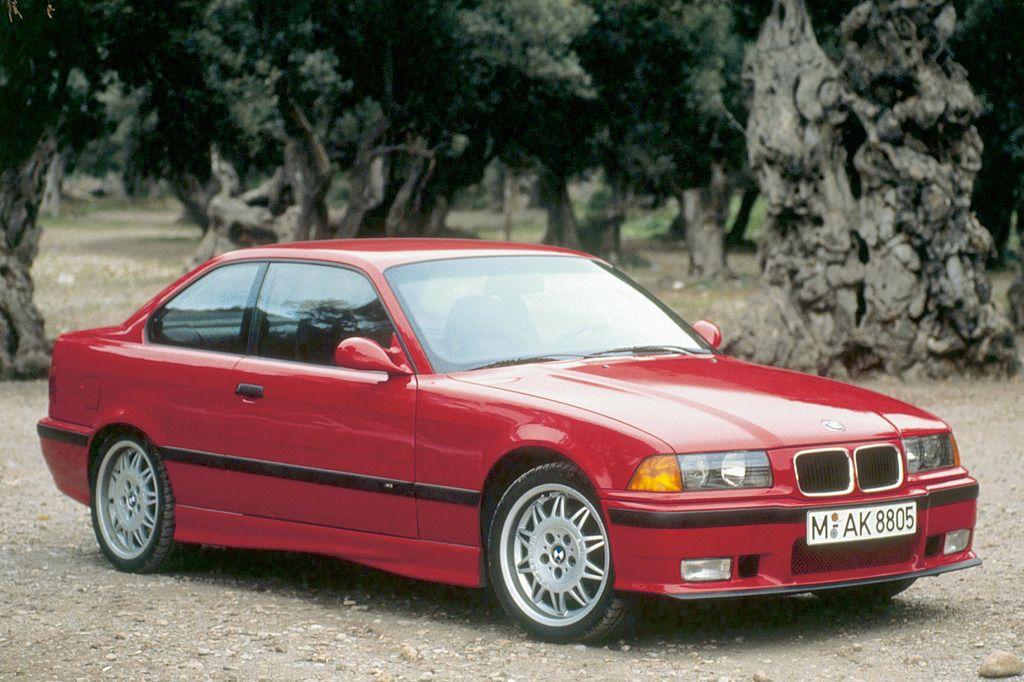
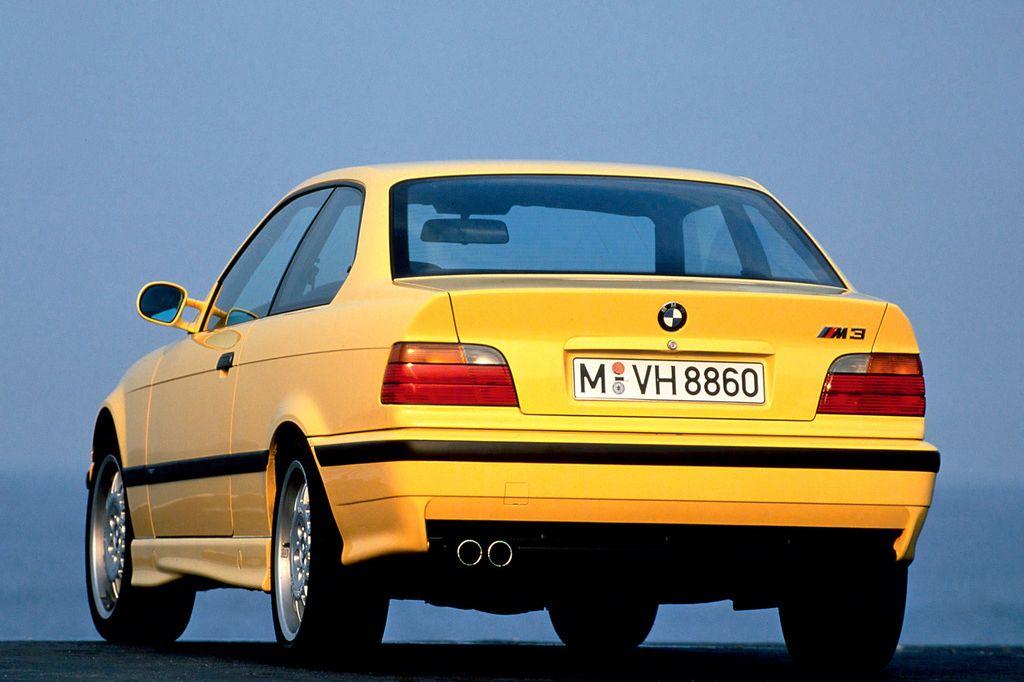
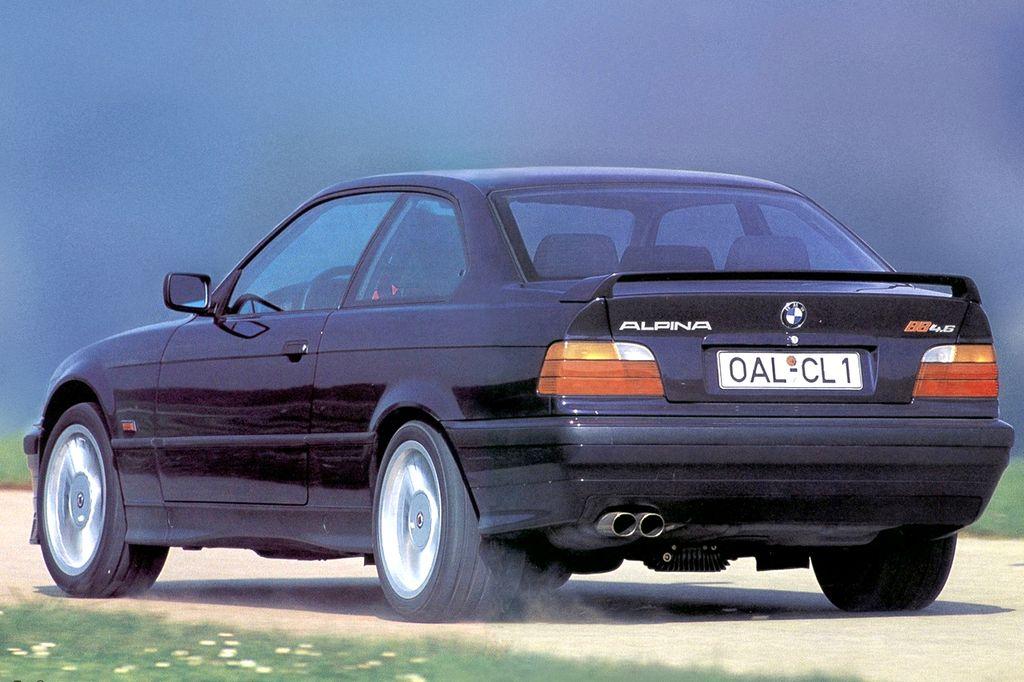
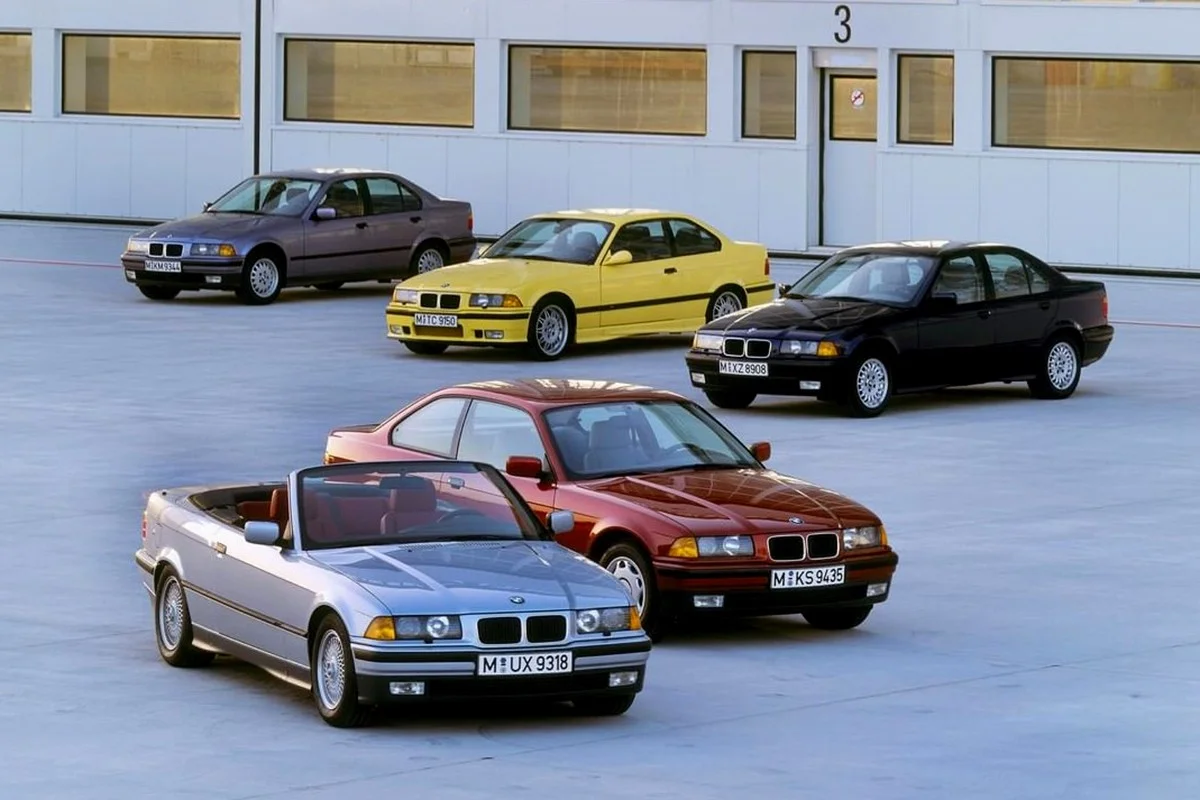
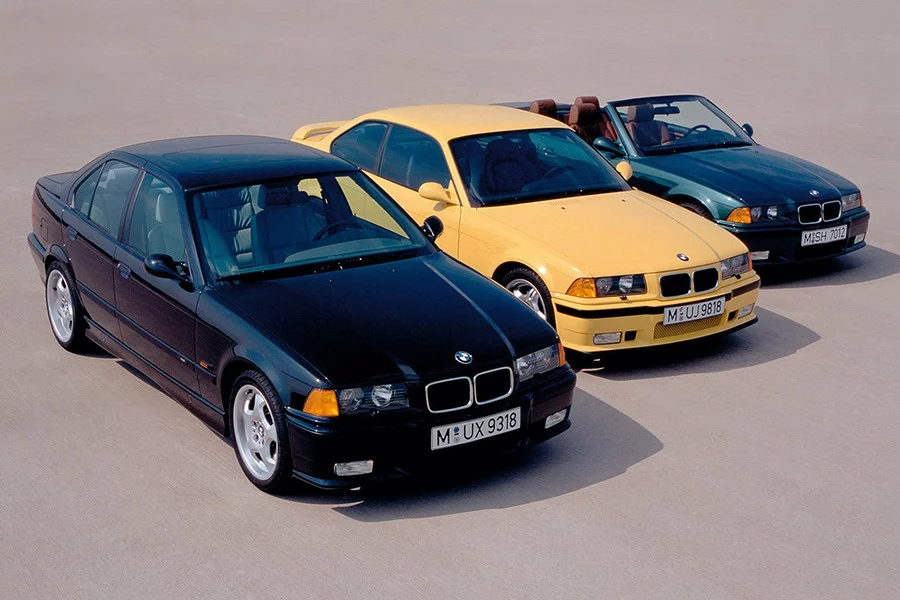
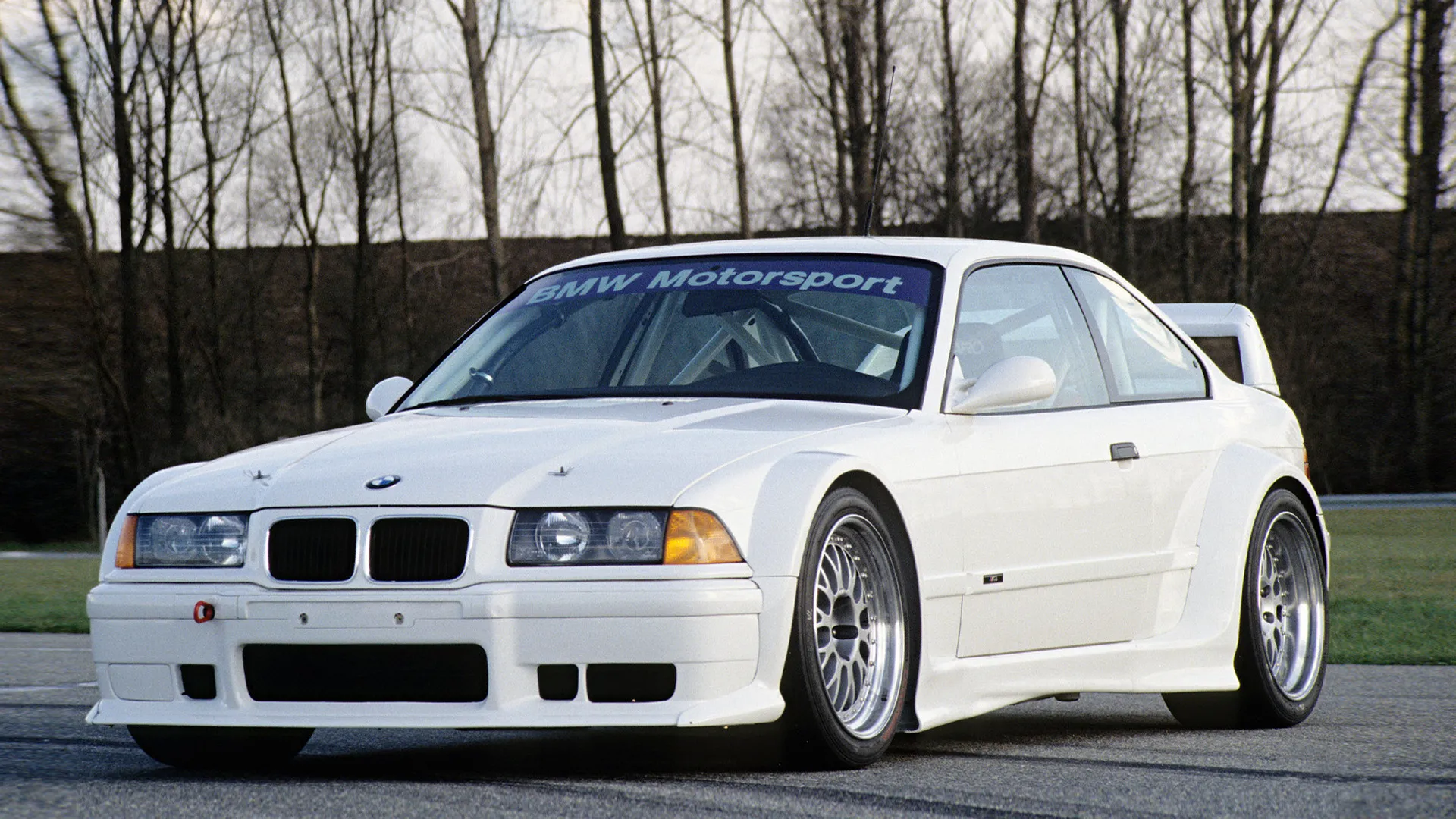
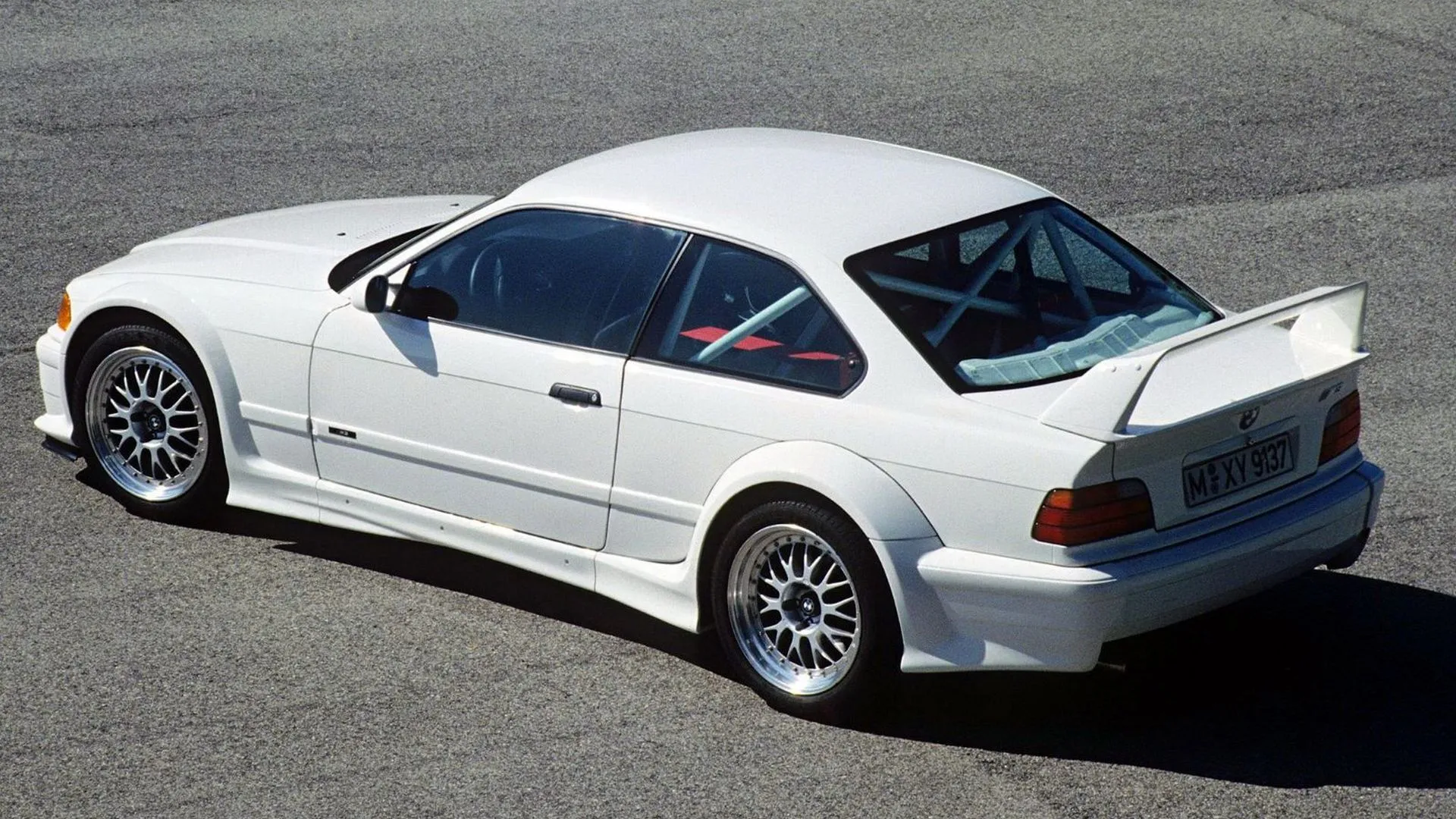
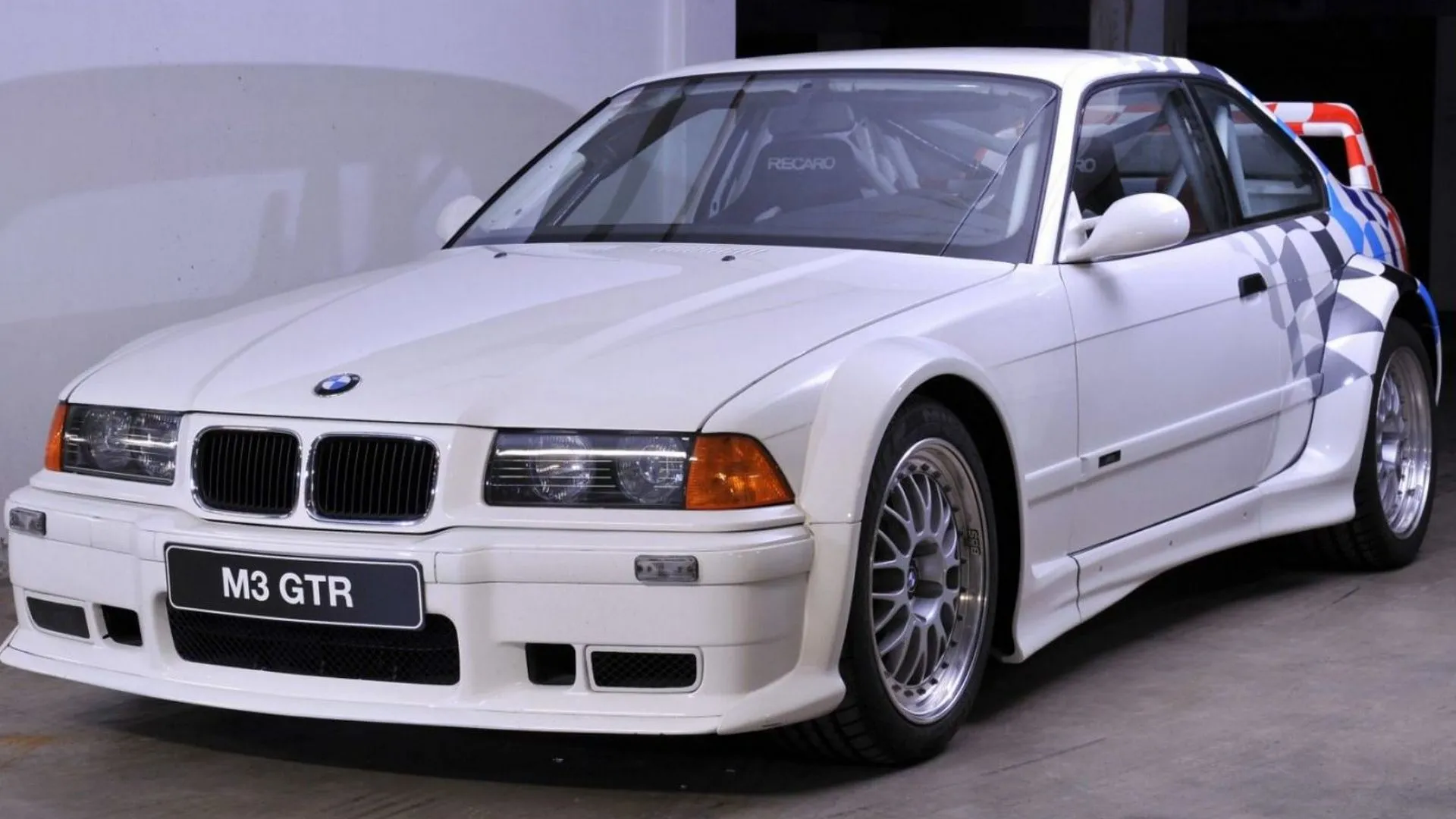
The launch schedule unfolded with clinical precision. Debuting late in 1990 strictly as a four-door saloon, the catalogue expanded in 1992 with the Coupé. Far from being a mere two-door saloon, BMW crafted unique body panels for every single exterior sheet metal section. Even the bonnet was completely bespoke; the Saloon’s long bonnet featured integrated ventilation grilles, whereas the Coupé’s shorter bonnet necessitated a separate plastic cowl panel beneath the windscreen. That same year brought the formidable M3; discarding its predecessor’s four-cylinder, it mounted a 3.0-litre (183 cu in) S50B30 straight-six producing 286 PS (282 bhp). Instantly acclaimed as the finest handling car of its decade, it sprinted to an electronically limited 250 km/h (155 mph) with ferocious mechanical precision. In 1993, the Cabrio arrived featuring an elegant canvas roof that stowed completely beneath a rigid tonneau cover, maintaining a perfectly flat waistline—a design landmark for the era. Seeking to challenge the Volkswagen Golf, Munich launched the 3-Series Compact in 1994; to minimise boot length and costs, they installed the older E30 trailing-arm rear axle instead of the modern Z-axle, making it noticeably more nervous and prone to oversteer. The versatile Touring estate debuted in 1995, perfectly blending practicality with dynamism. Concurrently, to homologate the chassis for GT racing, BMW produced the M3 GT. Restricted to 356 units exclusively in British Racing Green, this 1440 kg (3175 lbs) homologation special featured an adjustable front splitter, revised sump, and an uprated 295 PS (291 bhp) engine. The Motorsport division also crafted tantalising legends that never reached series production: the 1995 M3 Touring Concept to evaluate an M-powered estate, and the 1996 M3 Compact, a ferocious 1300 kg (2866 lbs) toy packing 321 PS (317 bhp) built specifically for an Auto Motor und Sport road test.
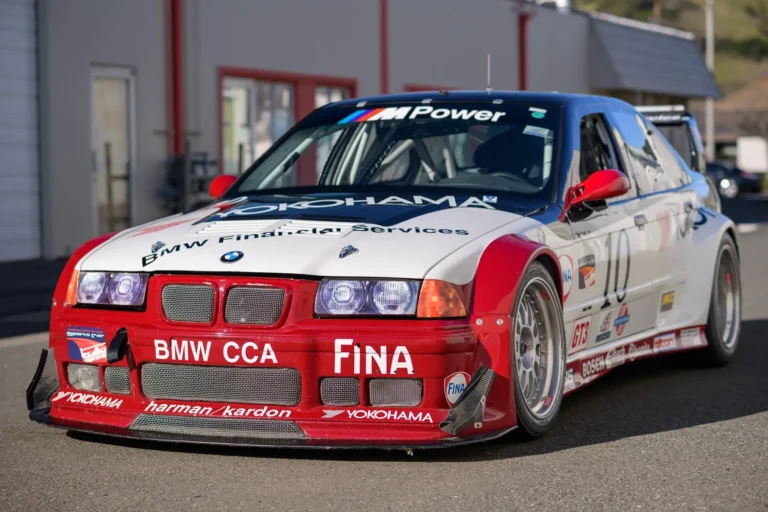
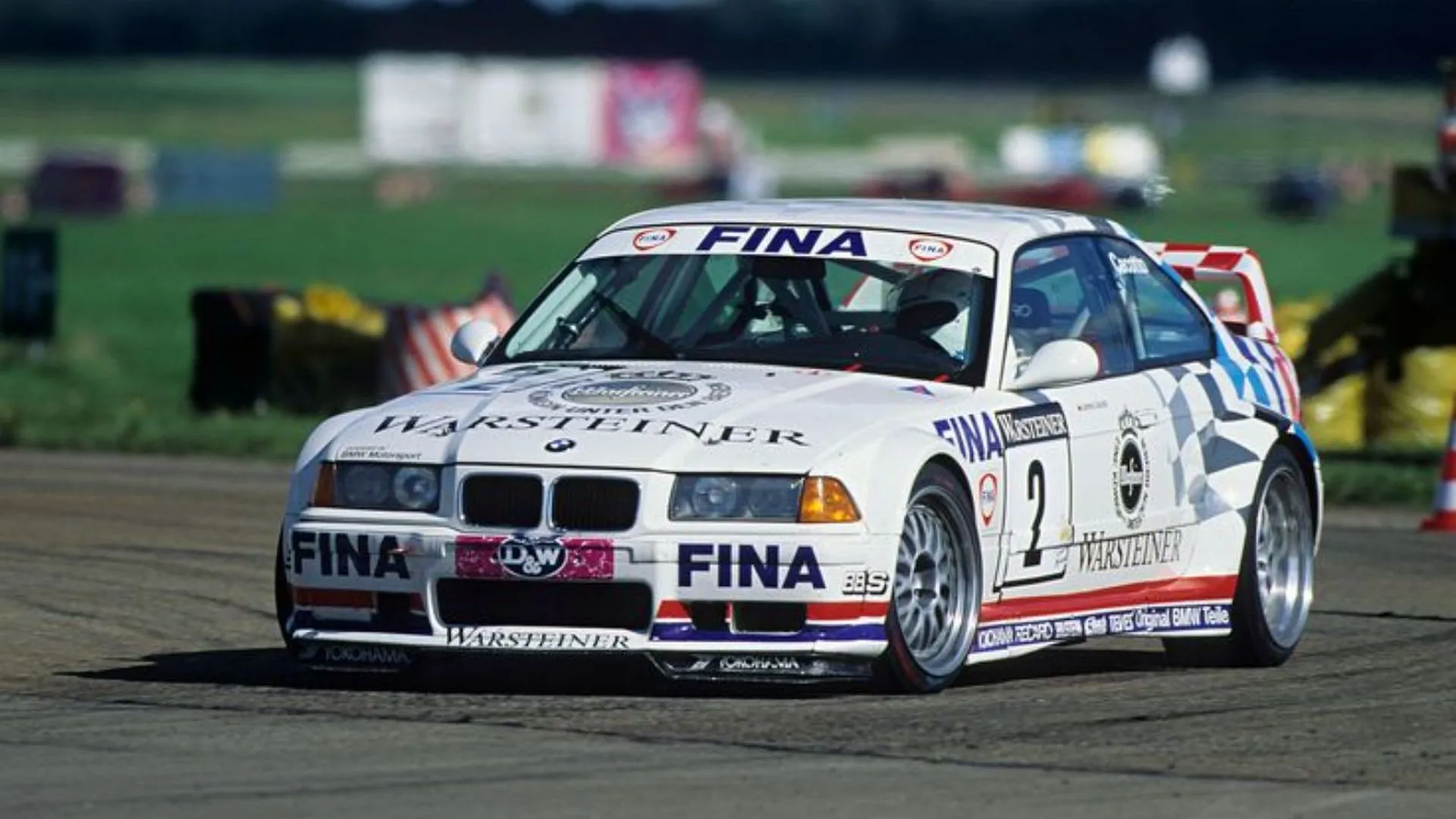
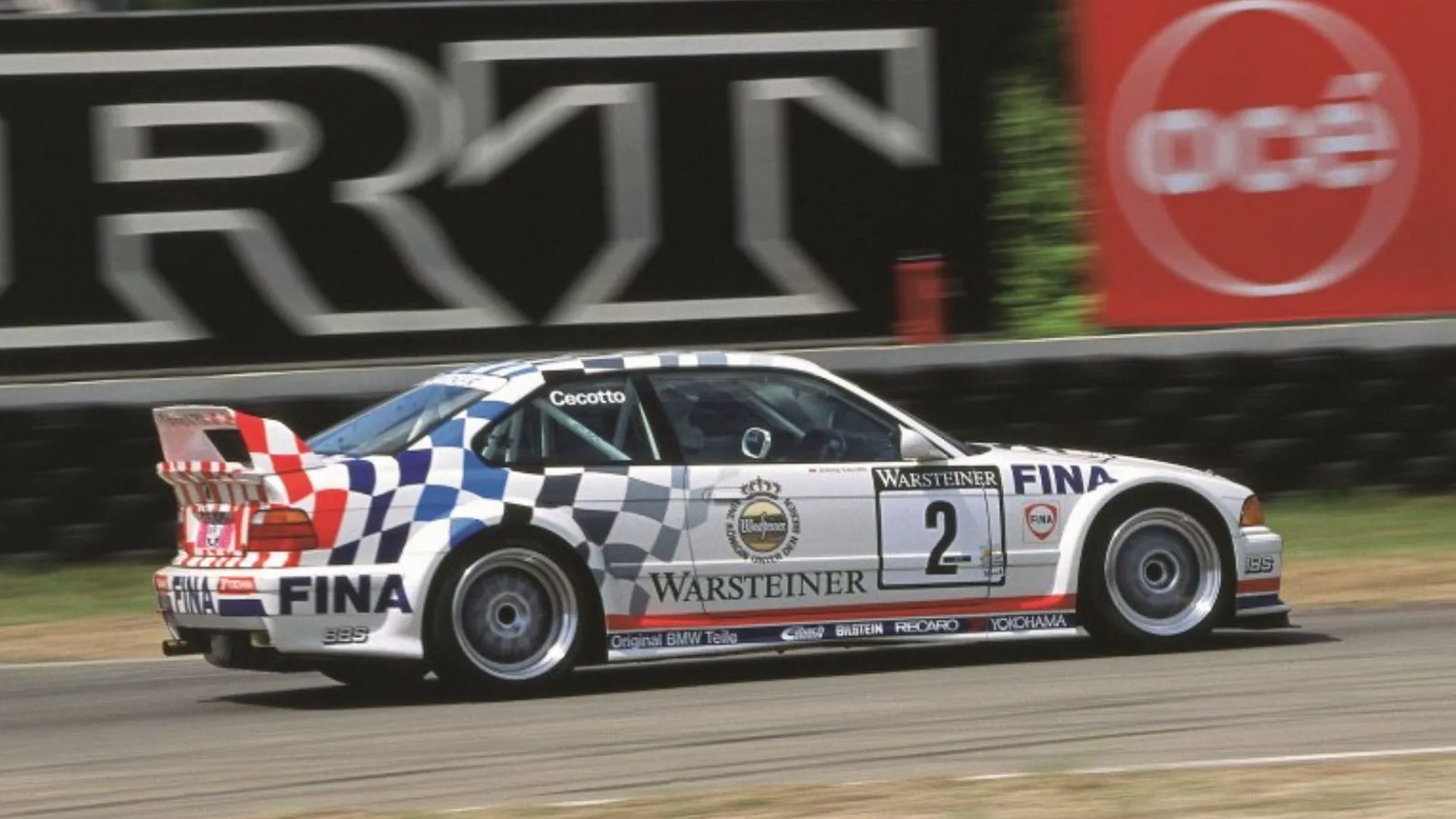
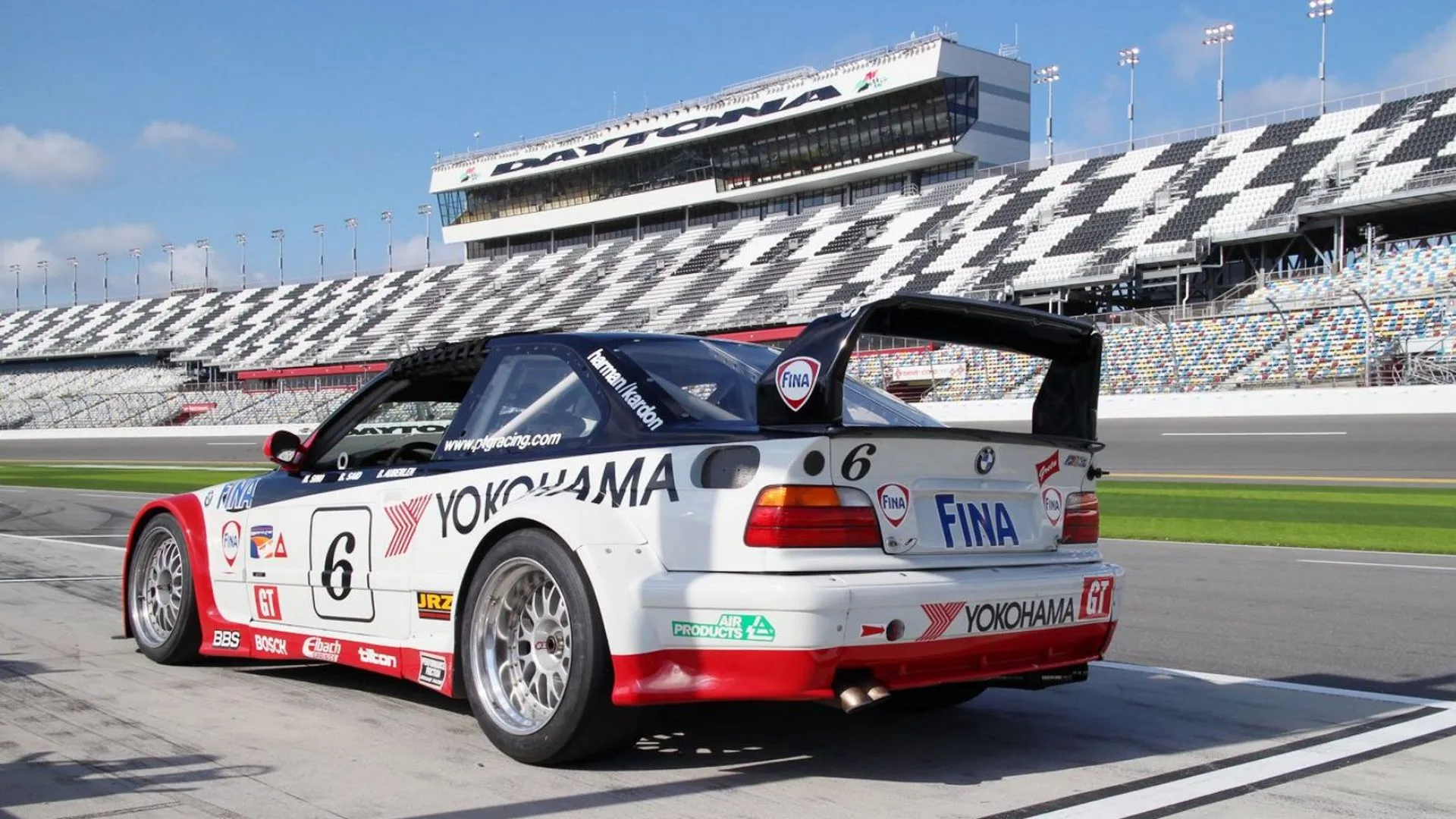
On the circuit, the E36 built an unassailable global legacy that immortalised the marque’s “Ultimate Driving Machine” ethos. Whilst the E30 M3 dominated Group A, the E36 Saloon—usually the 318i or 320i, squeezed to almost 300 PS (296 bhp) from its S42 four-cylinder racing engine—became the undisputed monarch of the 2.0-litre (122 cu in) Super Touring era. Joachim Winkelhock secured the British Touring Car Championship (BTCC) in 1993, Johnny Cecotto conquered the German STW in 1994, and countless triumphs followed in Italy and Japan. In endurance and GT arenas, the M3 GTR proved formidable in the ADAC GT Cup, with the innate reliability of its six-cylinder engines making it a frequent victor at the gruelling Nürburgring 24 Hours and Spa 24 Hours.
Commercially, the E36 was a resounding triumph. It tripled BMW’s sales penetration in the United States and firmly established the marque as the absolute sovereign of the premium mid-size segment. Continuous mechanical evolution kept it at the pinnacle; by late 1994, the M52 engine family with aluminium blocks began replacing the M50, and in late 1995, Munich unleashed the brutal 3.2-litre (195 cu in) M3 Evolution. Delivering 321 PS (317 bhp) through a six-speed manual gearbox, it offered devastating pace. Subsequently, in late 1996, a comprehensive cosmetic facelift was introduced to keep the range visually fresh against the sophisticated Audi A4 (B5) and the impending Alfa Romeo 156. This late update brought softer kidney grilles and round side indicators, ensuring the exterior matched the formidable mechanicals beneath, and keeping the E36 vital until the E46 arrived to carry the torch.
Submodels