BMW 6 Series I (E24)
Generation Overview
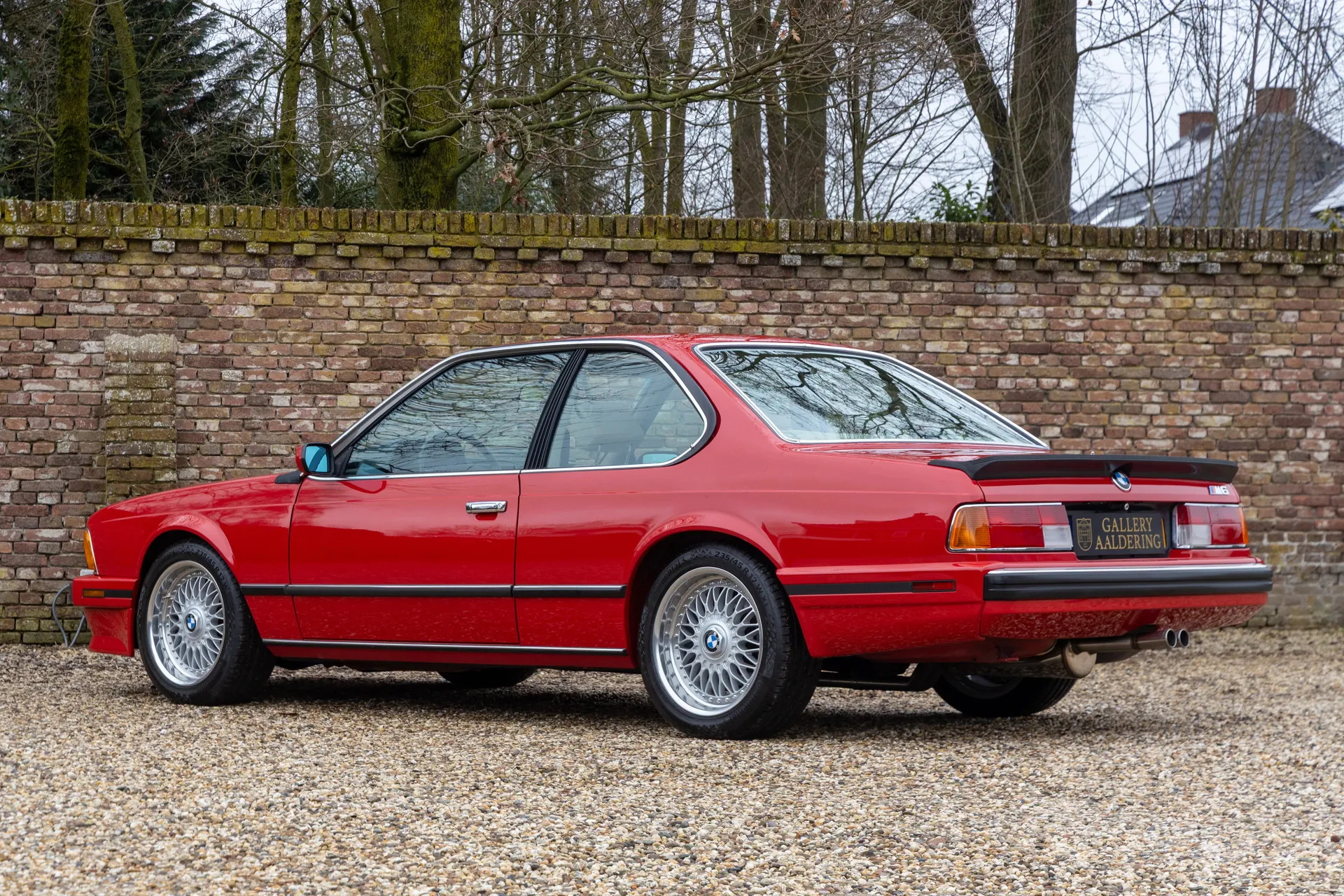
When the covers were pulled back at the 1976 Geneva Motor Show, the automotive landscape was introduced to an apex predator that would silently stalk the fast lanes of Europe for the next thirteen years. The BMW 6 Series, internally designated the E24, was birthed with an unenviable task: to replace the legendary E9 coupes (the 3.0 CS and the mythical CSL “Batmobile”). While the E9 was a delicate, homologation-focused scalpel that conquered the European Touring Car Championship, the world of the late 1970s demanded something more substantial. The oil crisis had reshaped priorities, and wealthy buyers sought high-speed safety, grand touring comfort, and unwavering reliability alongside dynamic prowess. The E24 was Munich’s answer—a Bavarian bruiser designed to dismantle the Jaguar XJ-S, effortlessly outpace the Mercedes-Benz SLC (and later the C126 SEC), and cast a wary, predatory eye toward the Porsche 928. Over its remarkably long production run, the E24 evolved through a fascinating hierarchy of submodels, from the early carbureted 630 CS and the fuel-injected 633 CSi, up to the legendary 635 CSi. The ultimate crescendo, however, was the M635 CSi (known simply as the M6 in North America), a velvet sledgehammer that permanently blurred the line between a luxury grand tourer and a street-legal supercar.
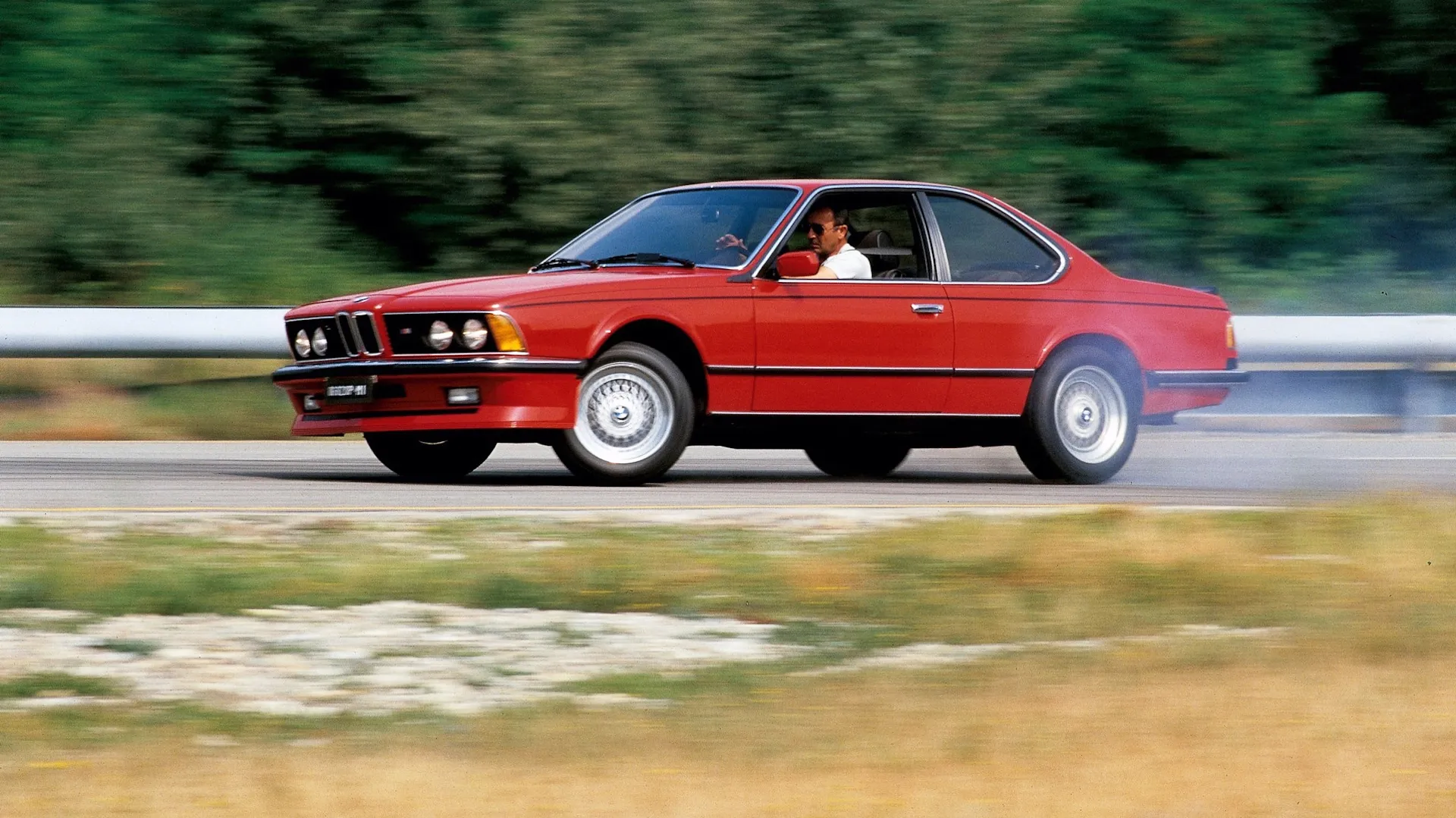
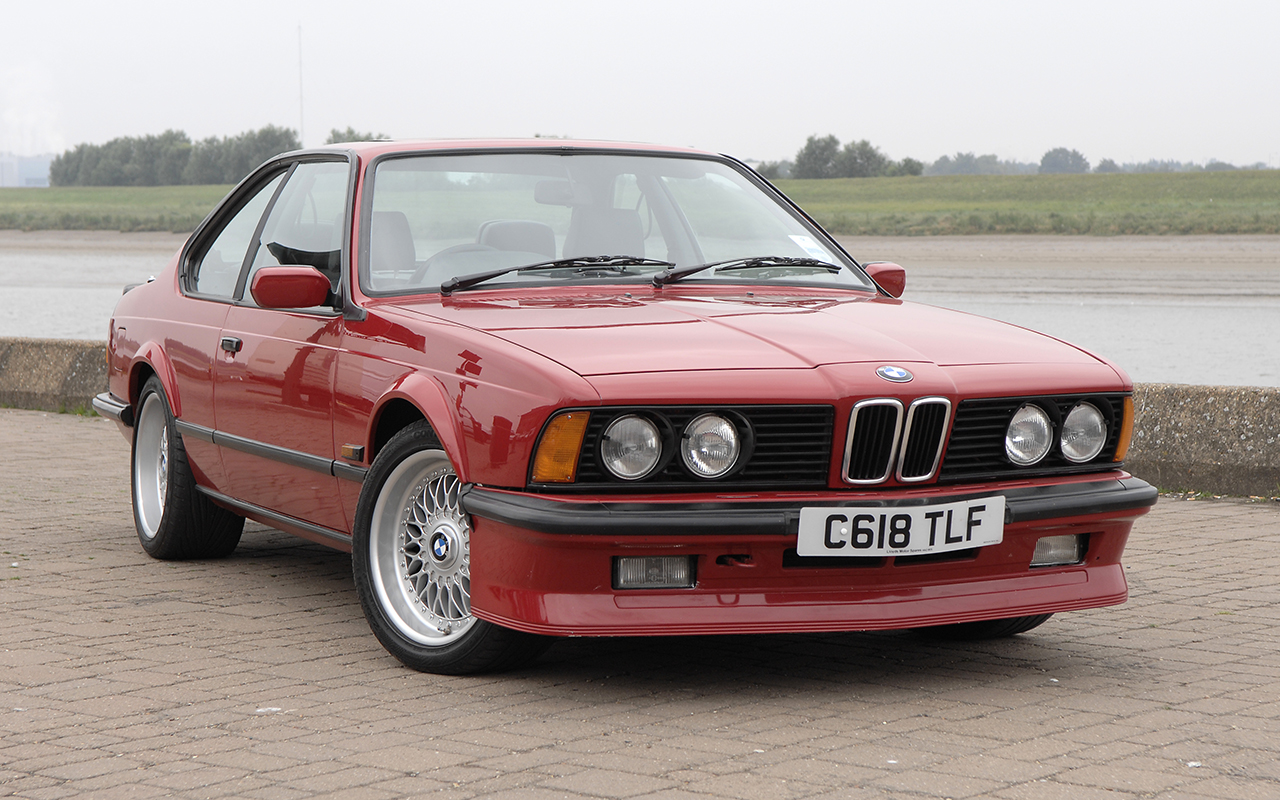
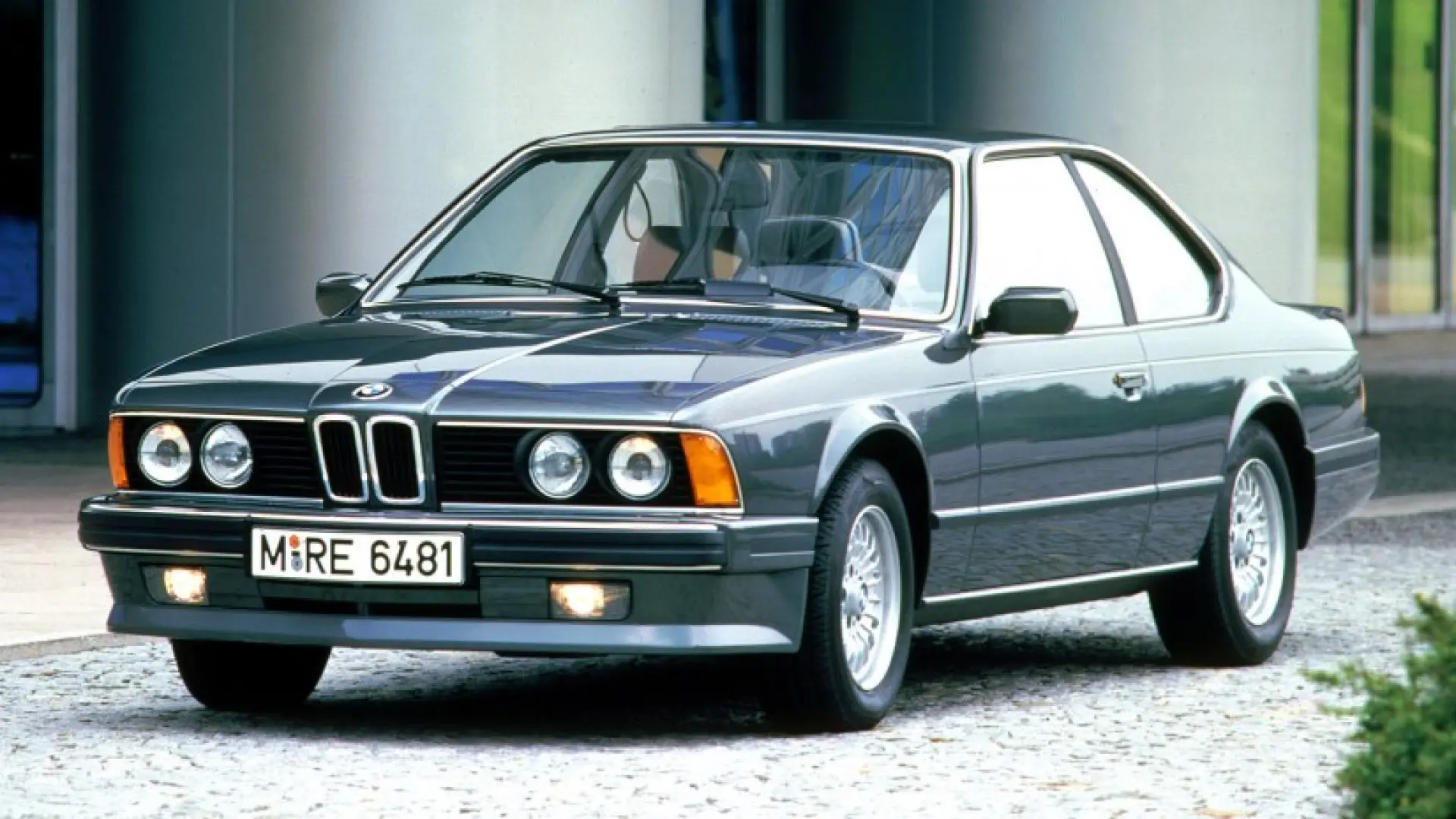
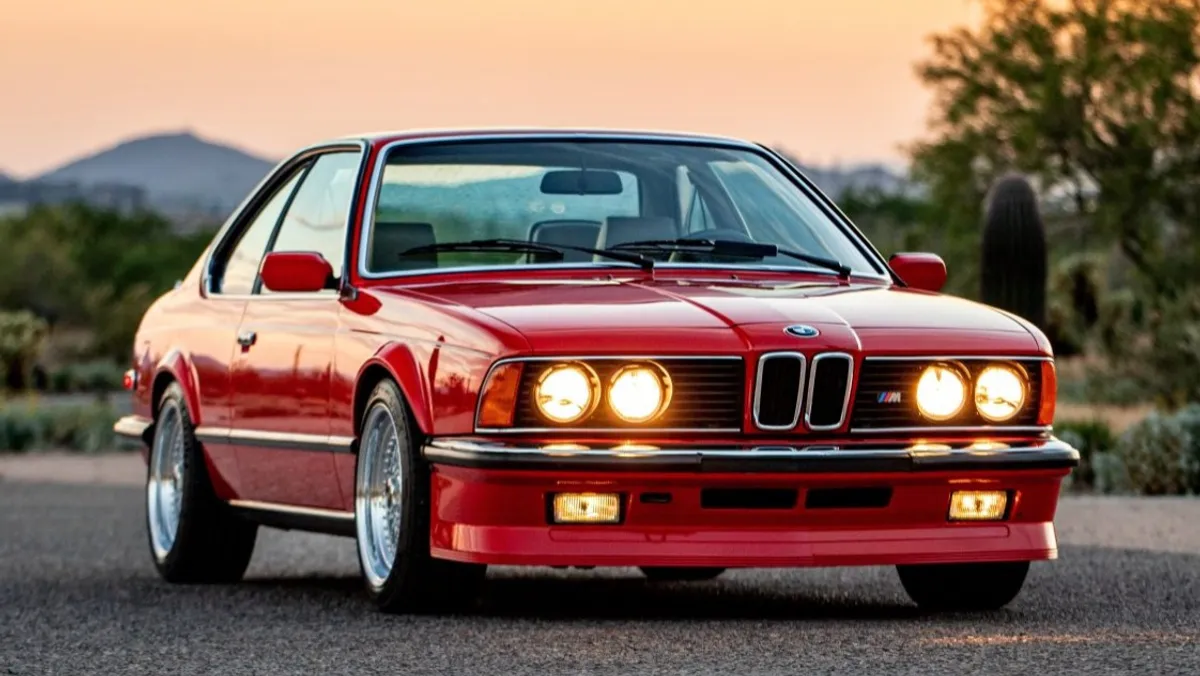
To walk around an E24 is to witness the absolute zenith of Paul Bracq’s design philosophy. The aesthetic is defined entirely by its aggressive, reverse-slanted “shark nose” front fascia—a prowling, leaning-into-the-wind posture that warned slower traffic to immediately vacate the fast lane. The greenhouse featured slender pillars, expansive glass, and the mandatory Hofmeister kink, creating a silhouette of timeless, masculine elegance. Underneath the skin, the E24’s story is one of continuous mechanical refinement. Initially, the bodies were contracted out to Karmann, but due to early quality concerns, production was swiftly brought in-house to BMW’s Dingolfing plant. The early cars rested on the chassis architecture of the 5 Series (E12), utilizing McPherson struts up front and semi-trailing arms at the rear. However, in 1982, the E24 received a massive invisible upgrade, shifting onto the superior 5 Series (E28) platform, which dramatically improved handling, significantly reduced weight, and modernized the electronics. The beating heart of the 6 Series was the immortal M30 inline-six engine, renowned for its turbine-like smoothness and bulletproof reliability. But in 1984, the M division worked its dark magic to create the M635 CSi. They took the legendary 24-valve, 3.5-liter M88/3 engine straight from the mid-engined M1 supercar and dropped it into the E24’s engine bay. Pumping out a ferocious 286 brake horsepower, it transformed the stately coupe into a 158-mph missile, halted only by massively uprated four-piston brakes. Inside, the E24 was a masterpiece of ergonomics. It perfected the driver-angled center console and introduced the Active Check Control panel—a bank of red LEDs that made the driver feel less like a motorist and more like an airline pilot running pre-flight checks.
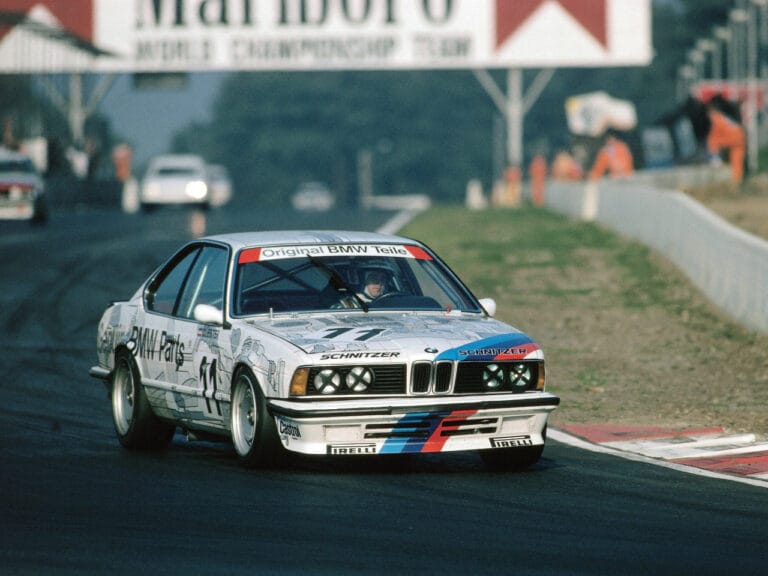
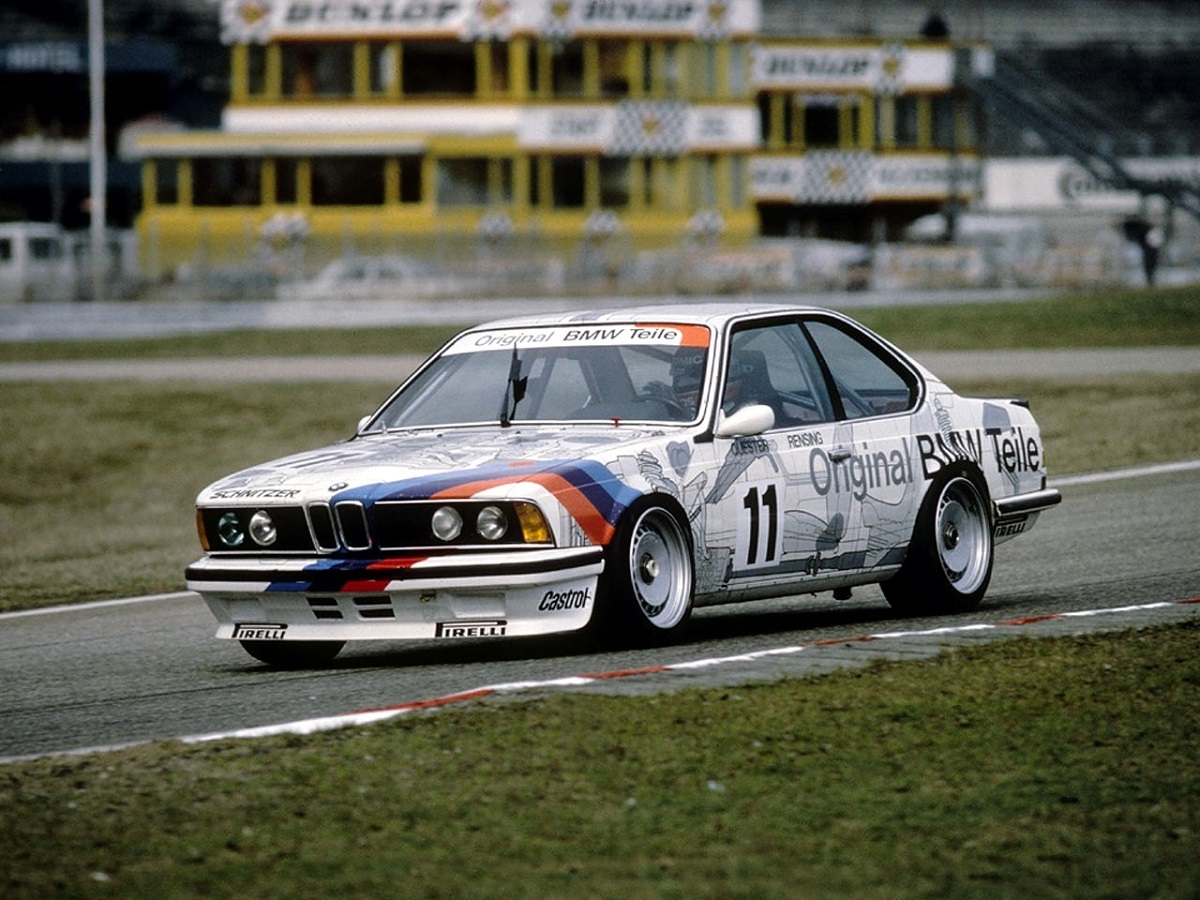
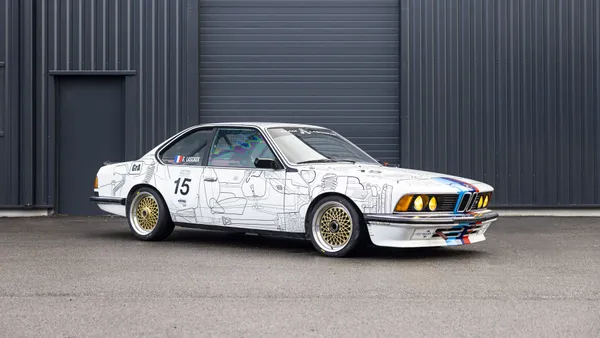
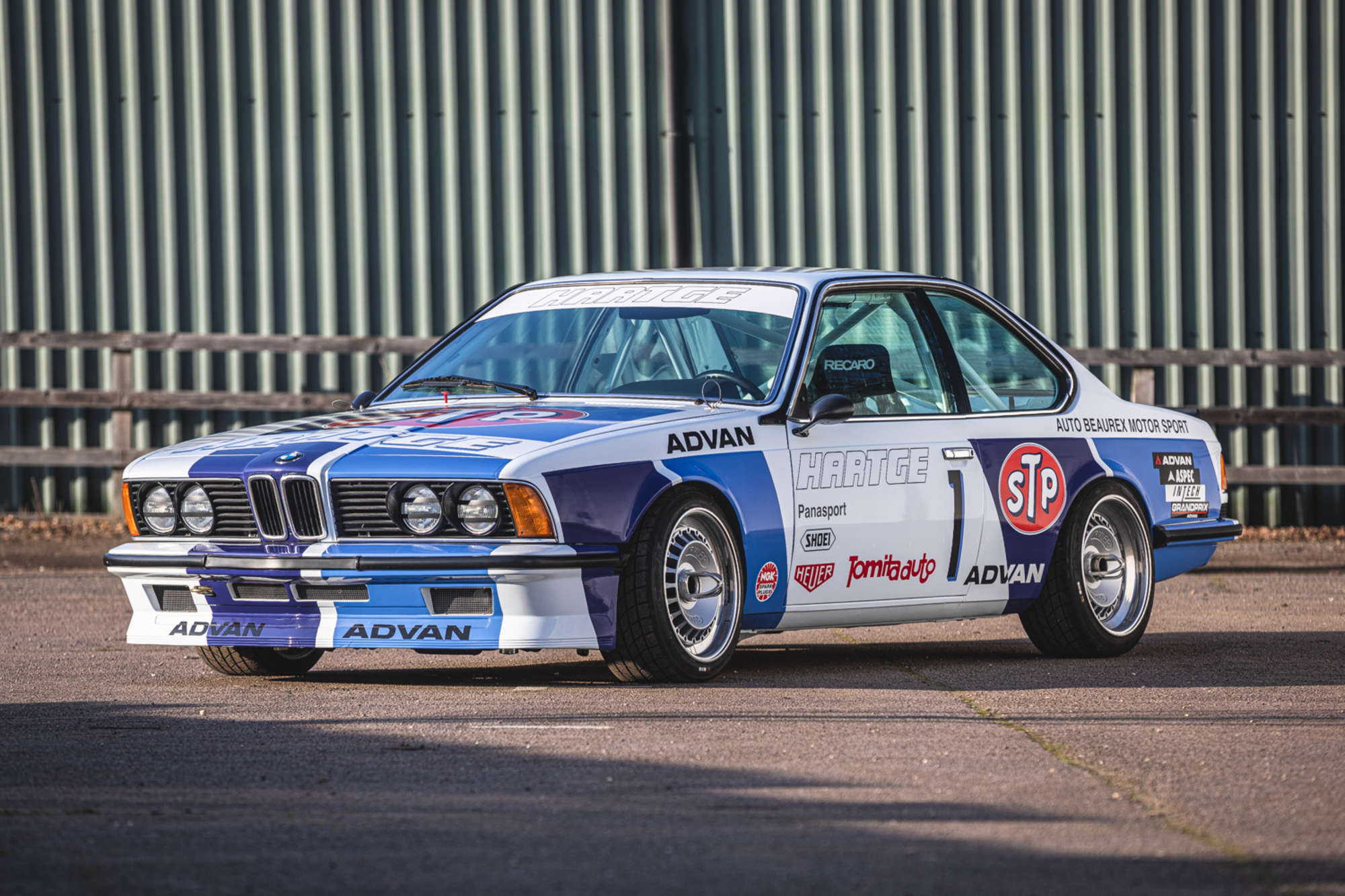
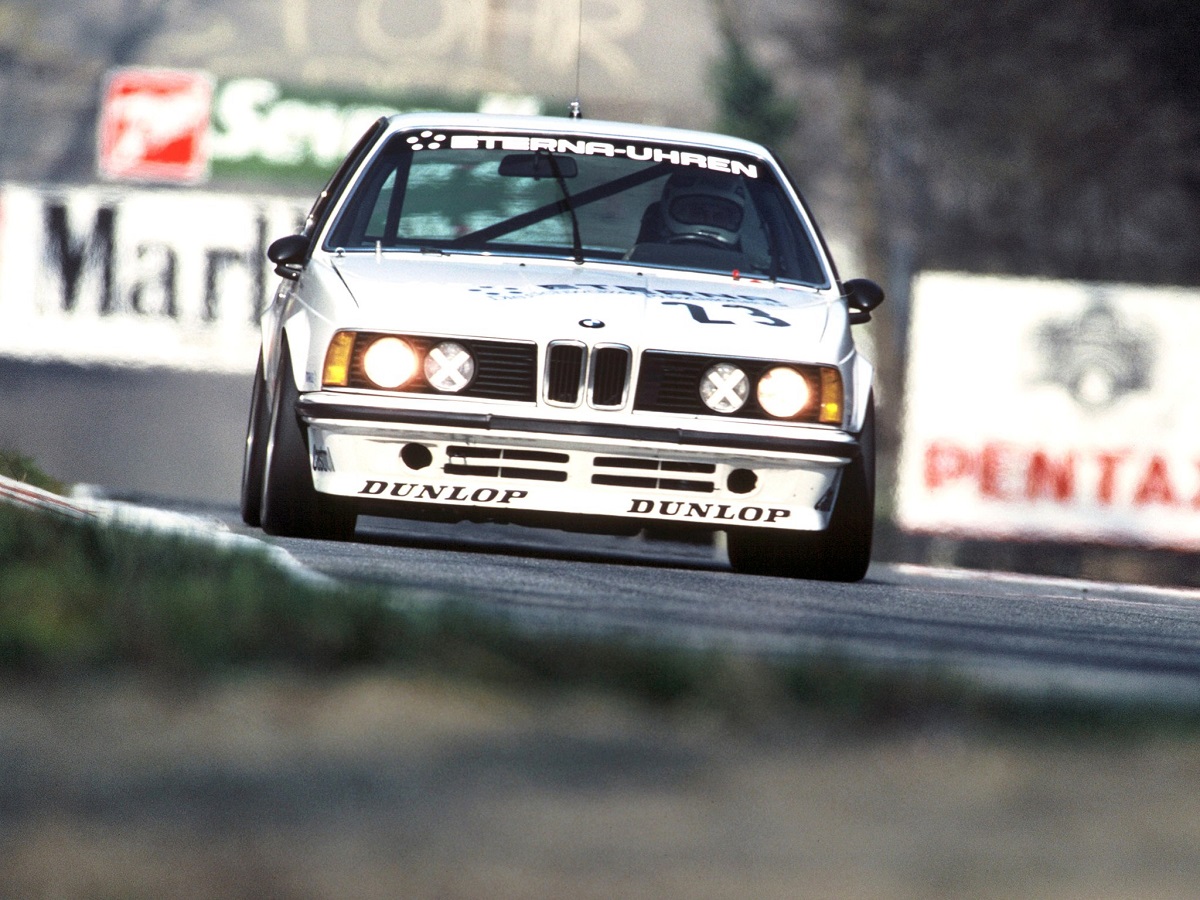
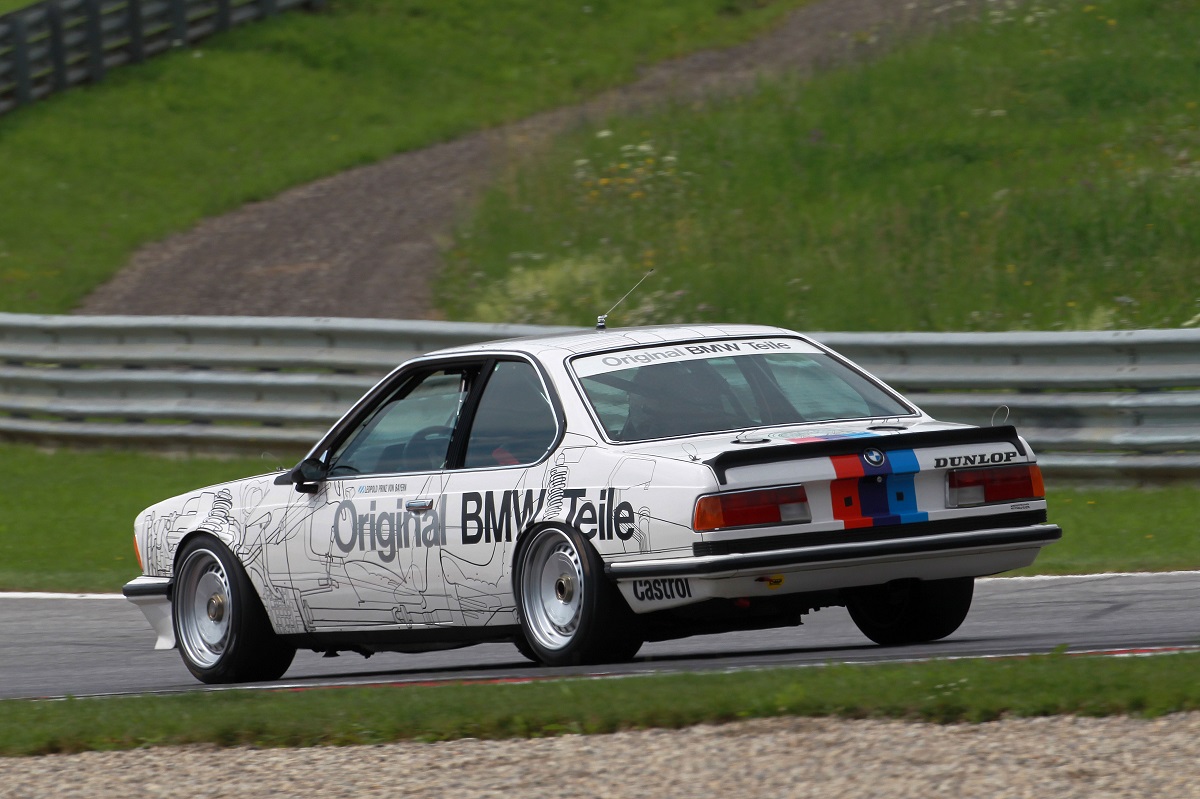
While the E24 was an absolute darling of Wall Street executives and the 1980s jet set, its true soul was forged in the fire of Group A touring car racing. The 635 CSi, seemingly too large and luxurious to be a track weapon, became a dominant force on the global motorsport stage. Stripped of its leather and wood, and tuned by legendary outfits like Schnitzer, Eggenberger, and Alpina, the “Shark” proved remarkably agile and incredibly robust. It thrived in endurance racing, securing three overall victories at the grueling Spa 24 Hours in 1983, 1985, and 1986. Dieter Quester piloted a 635 CSi to the European Touring Car Championship title in 1983, proving the big coupe could outmuscle the Rover Vitesses and Volvo 240 Turbos. Halfway across the world, the E24 achieved mythological status in Australia. Driven by Jim Richards and draped in the iconic black-and-gold John Player Special livery, the 635 CSi decimated the Australian Touring Car Championship in 1985, winning seven out of ten rounds. The image of the JPS BMW lifting an inside front wheel over the kerbs at Mount Panorama is permanently burned into the collective memory of motorsport aficionados down under.
Production of the E24 finally ceased in April 1989, making it the longest-produced BMW series in the company’s history. It was succeeded by the impossibly complex, V12-powered 8 Series (E31), a car that pushed further into the realm of exotic luxury but perhaps lacked the visceral, motorsport-derived edge of the Shark. Today, the 6 Series (E24) occupies a hallowed space in the classic car pantheon. It represents the ultimate distillation of the 1980s analogue driving experience—a machine that offered supreme long-distance comfort, yet possessed a chassis and an inline-six engine that begged to be driven in anger. It is the definitive grand tourer of its era, a beautifully menacing icon that taught the world exactly what a Bavarian luxury sports coupe was meant to be.
Generation Overview
When the covers were pulled back at the 1976 Geneva Motor Show, the automotive landscape was introduced to an apex predator that would silently stalk the fast lanes of Europe for the next thirteen years. The BMW 6 Series, internally designated the E24, was birthed with an unenviable task: to replace the legendary E9 coupes (the 3.0 CS and the mythical CSL “Batmobile”). While the E9 was a delicate, homologation-focused scalpel that conquered the European Touring Car Championship, the world of the late 1970s demanded something more substantial. The oil crisis had reshaped priorities, and wealthy buyers sought high-speed safety, grand touring comfort, and unwavering reliability alongside dynamic prowess. The E24 was Munich’s answer—a Bavarian bruiser designed to dismantle the Jaguar XJ-S, effortlessly outpace the Mercedes-Benz SLC (and later the C126 SEC), and cast a wary, predatory eye toward the Porsche 928. Over its remarkably long production run, the E24 evolved through a fascinating hierarchy of submodels, from the early carbureted 630 CS and the fuel-injected 633 CSi, up to the legendary 635 CSi. The ultimate crescendo, however, was the M635 CSi (known simply as the M6 in North America), a velvet sledgehammer that permanently blurred the line between a luxury grand tourer and a street-legal supercar.
To walk around an E24 is to witness the absolute zenith of Paul Bracq’s design philosophy. The aesthetic is defined entirely by its aggressive, reverse-slanted “shark nose” front fascia—a prowling, leaning-into-the-wind posture that warned slower traffic to immediately vacate the fast lane. The greenhouse featured slender pillars, expansive glass, and the mandatory Hofmeister kink, creating a silhouette of timeless, masculine elegance. Underneath the skin, the E24’s story is one of continuous mechanical refinement. Initially, the bodies were contracted out to Karmann, but due to early quality concerns, production was swiftly brought in-house to BMW’s Dingolfing plant. The early cars rested on the chassis architecture of the 5 Series (E12), utilizing McPherson struts up front and semi-trailing arms at the rear. However, in 1982, the E24 received a massive invisible upgrade, shifting onto the superior 5 Series (E28) platform, which dramatically improved handling, significantly reduced weight, and modernized the electronics. The beating heart of the 6 Series was the immortal M30 inline-six engine, renowned for its turbine-like smoothness and bulletproof reliability. But in 1984, the M division worked its dark magic to create the M635 CSi. They took the legendary 24-valve, 3.5-liter M88/3 engine straight from the mid-engined M1 supercar and dropped it into the E24’s engine bay. Pumping out a ferocious 286 brake horsepower, it transformed the stately coupe into a 158-mph missile, halted only by massively uprated four-piston brakes. Inside, the E24 was a masterpiece of ergonomics. It perfected the driver-angled center console and introduced the Active Check Control panel—a bank of red LEDs that made the driver feel less like a motorist and more like an airline pilot running pre-flight checks.
While the E24 was an absolute darling of Wall Street executives and the 1980s jet set, its true soul was forged in the fire of Group A touring car racing. The 635 CSi, seemingly too large and luxurious to be a track weapon, became a dominant force on the global motorsport stage. Stripped of its leather and wood, and tuned by legendary outfits like Schnitzer, Eggenberger, and Alpina, the “Shark” proved remarkably agile and incredibly robust. It thrived in endurance racing, securing three overall victories at the grueling Spa 24 Hours in 1983, 1985, and 1986. Dieter Quester piloted a 635 CSi to the European Touring Car Championship title in 1983, proving the big coupe could outmuscle the Rover Vitesses and Volvo 240 Turbos. Halfway across the world, the E24 achieved mythological status in Australia. Driven by Jim Richards and draped in the iconic black-and-gold John Player Special livery, the 635 CSi decimated the Australian Touring Car Championship in 1985, winning seven out of ten rounds. The image of the JPS BMW lifting an inside front wheel over the kerbs at Mount Panorama is permanently burned into the collective memory of motorsport aficionados down under.
Production of the E24 finally ceased in April 1989, making it the longest-produced BMW series in the company’s history. It was succeeded by the impossibly complex, V12-powered 8 Series (E31), a car that pushed further into the realm of exotic luxury but perhaps lacked the visceral, motorsport-derived edge of the Shark. Today, the 6 Series (E24) occupies a hallowed space in the classic car pantheon. It represents the ultimate distillation of the 1980s analogue driving experience—a machine that offered supreme long-distance comfort, yet possessed a chassis and an inline-six engine that begged to be driven in anger. It is the definitive grand tourer of its era, a beautifully menacing icon that taught the world exactly what a Bavarian luxury sports coupe was meant to be.
Submodels