Chevrolet Corvette C3
Brand
Produced from
Vehicle category
Portal
Model line
Model generation
Generation Overview
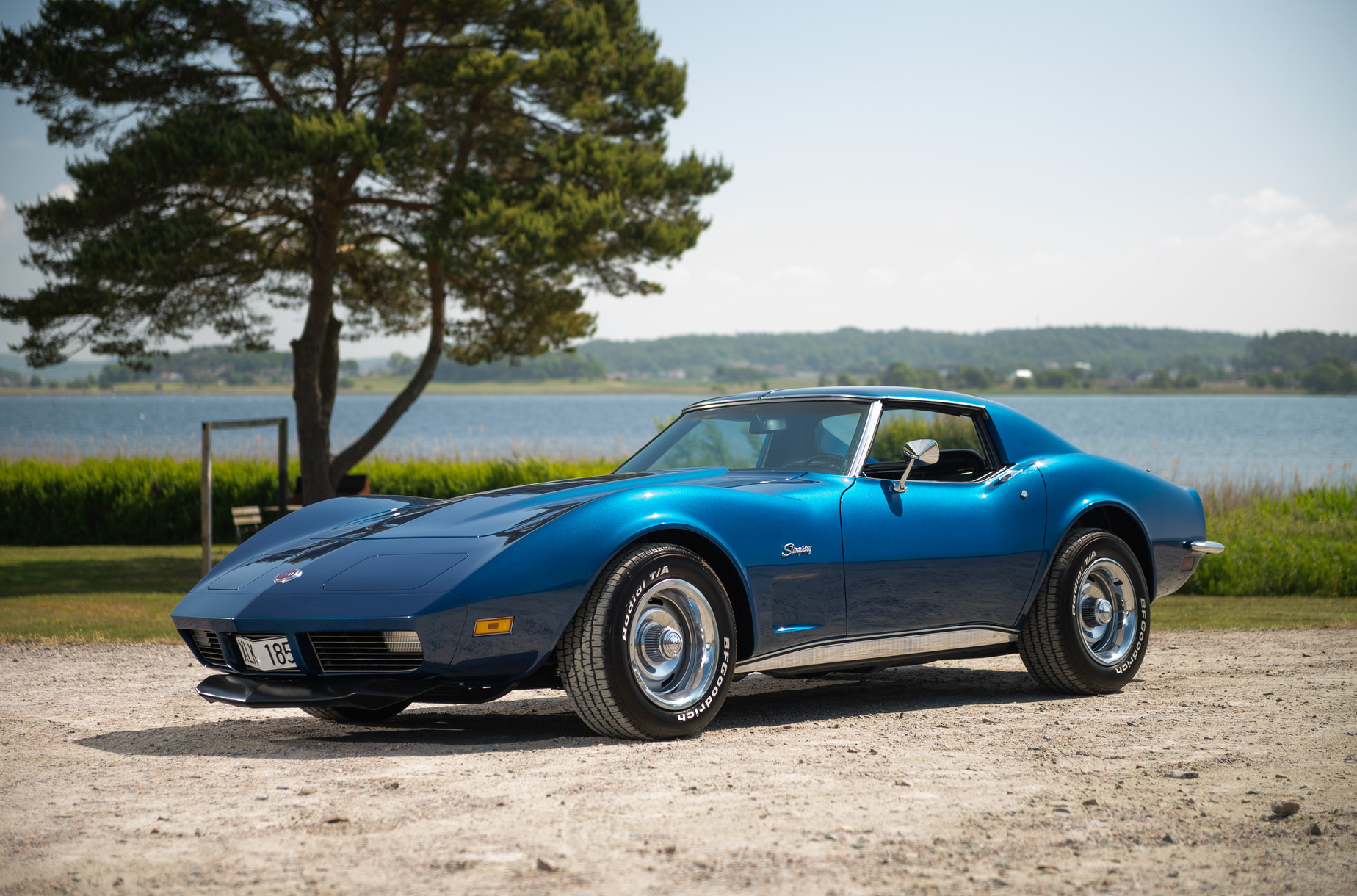
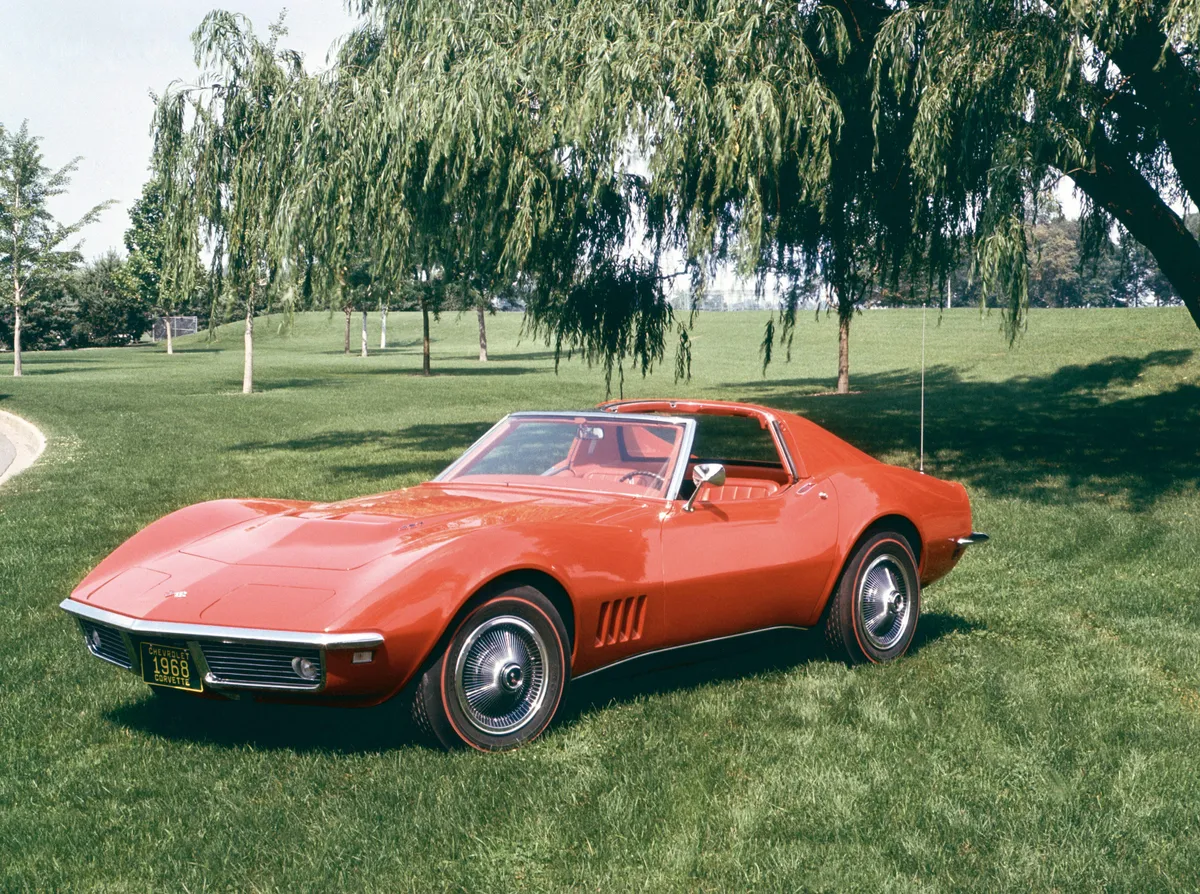
In the entire, sprawling narrative of the American automobile, few shapes are as instantly recognizable, as culturally potent, or as enduringly controversial as the third-generation Chevrolet Corvette. Launched in 1968, the C3 was not merely a successor to the lauded C2 Sting Ray; it was a radical aesthetic departure that would define the very concept of the “American Sports Car” for a record-breaking fifteen years. Born from the fevered dreams of GM styling chief Bill Mitchell and the pen of Larry Shinoda, the C3 was the street-legal incarnation of the mesmerizing Mako Shark II concept. With its voluptuous “Coke-bottle” hips, exaggerated fender peaks, and a nose that seemed to sniff the asphalt for prey, it looked like it was breaking the speed limit while parked. This was a car that spanned the highest peaks of the muscle car horsepower wars and survived the deepest valleys of the malaise era, serving as the bridge between the raw, analogue 1960s and the computerized future of the 1980s.
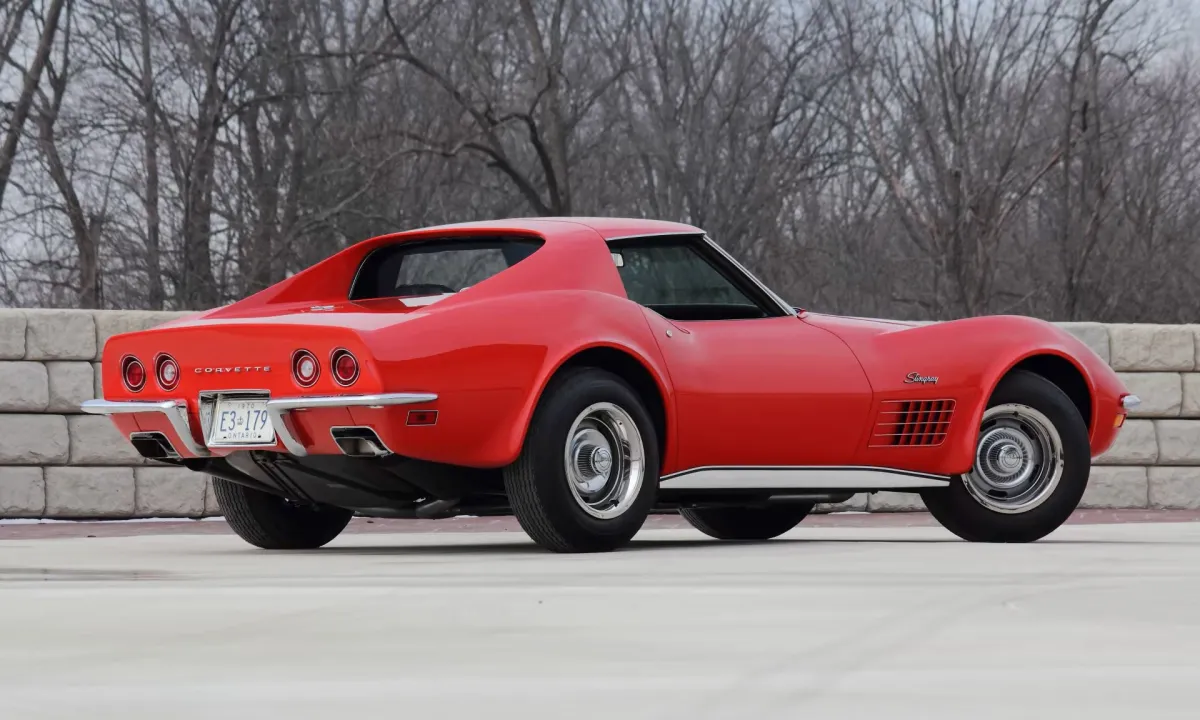
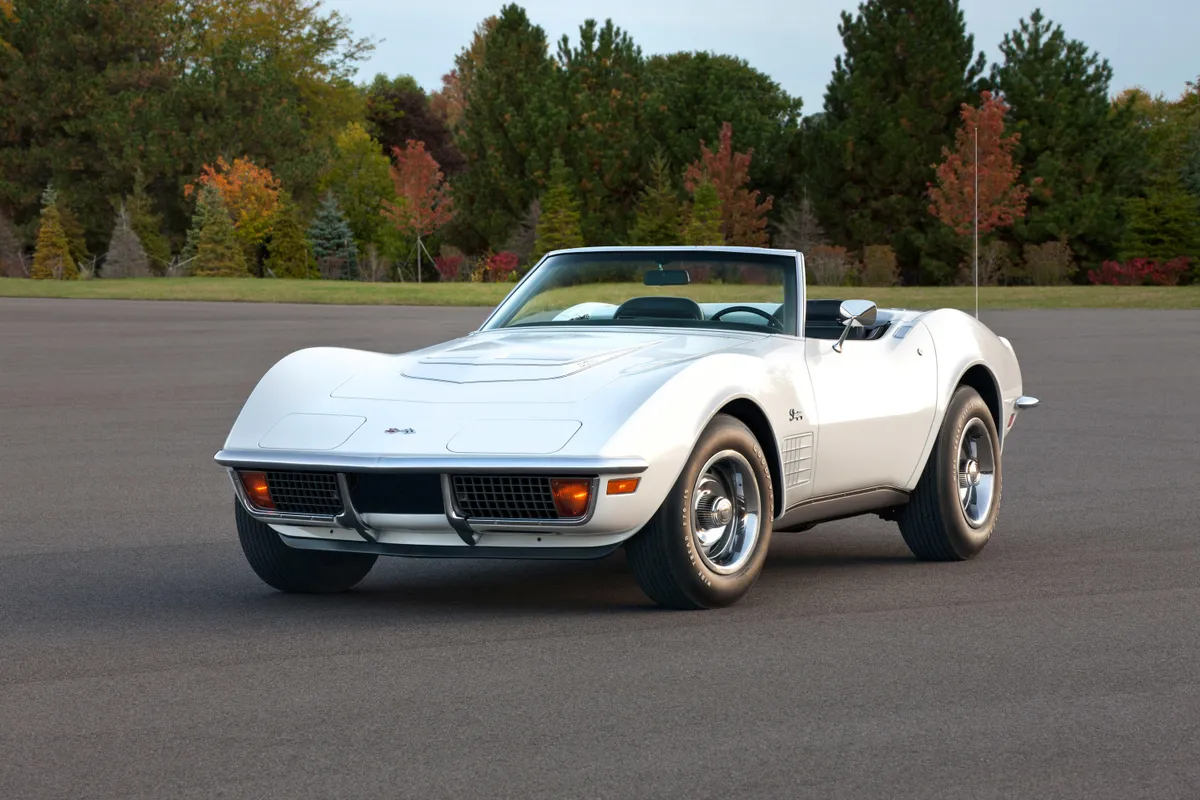
To understand the C3, one must understand the tumultuous era it inhabited. When it debuted for the 1968 model year, it arrived in a world dominated by big-block excess. Its predecessor, the C2, had brought independent rear suspension and disc brakes to the table, engineering feats that the C3 largely carried over. However, the C3 chassis was stiffened and the interior packaged—somewhat tightly—into a silhouette that prioritized style over ergonomics. The early “chrome bumper” cars (1968-1972) were the generation’s performance zenith. Under that long, fibreglass hood lay an arsenal of legendary powerplants. The base 327 and later 350 cubic-inch small-blocks were potent, but the mythology of the C3 is written in the language of the Big Block. The L71 427 with its Tri-Power carburetion, the aluminium-headed L89, and the torque-monster 454 LS5 and LS6 engines turned the Corvette into a straight-line missile that could terrorize any stoplight in America.
Yet, within this lineup of heavy artillery sat two engines that bordered on the mythical: the L88 and the ZL1. The L88 was a pure racing engine, underrated at 430 horsepower to discourage the casual buyer, but in reality producing nearly 560 horsepower. It was a chaotic, overheating, high-octane beast intended for the track, not the grocery run. Even rarer was the 1969 ZL1, an all-aluminium 427 that weighed less than a small block and cost double the price of a base Corvette. With only two factory ZL1s ever sold, it remains the holy grail of Corvette collecting. Simultaneously, for the driver who preferred apexes to drag strips, Chevrolet offered the LT-1 small block from 1970 to 1972. With solid lifters and a high-revving nature, the LT-1 was the scalpel to the Big Block’s sledgehammer, offering a balance that many purists argue made for the best driving C3 of all.
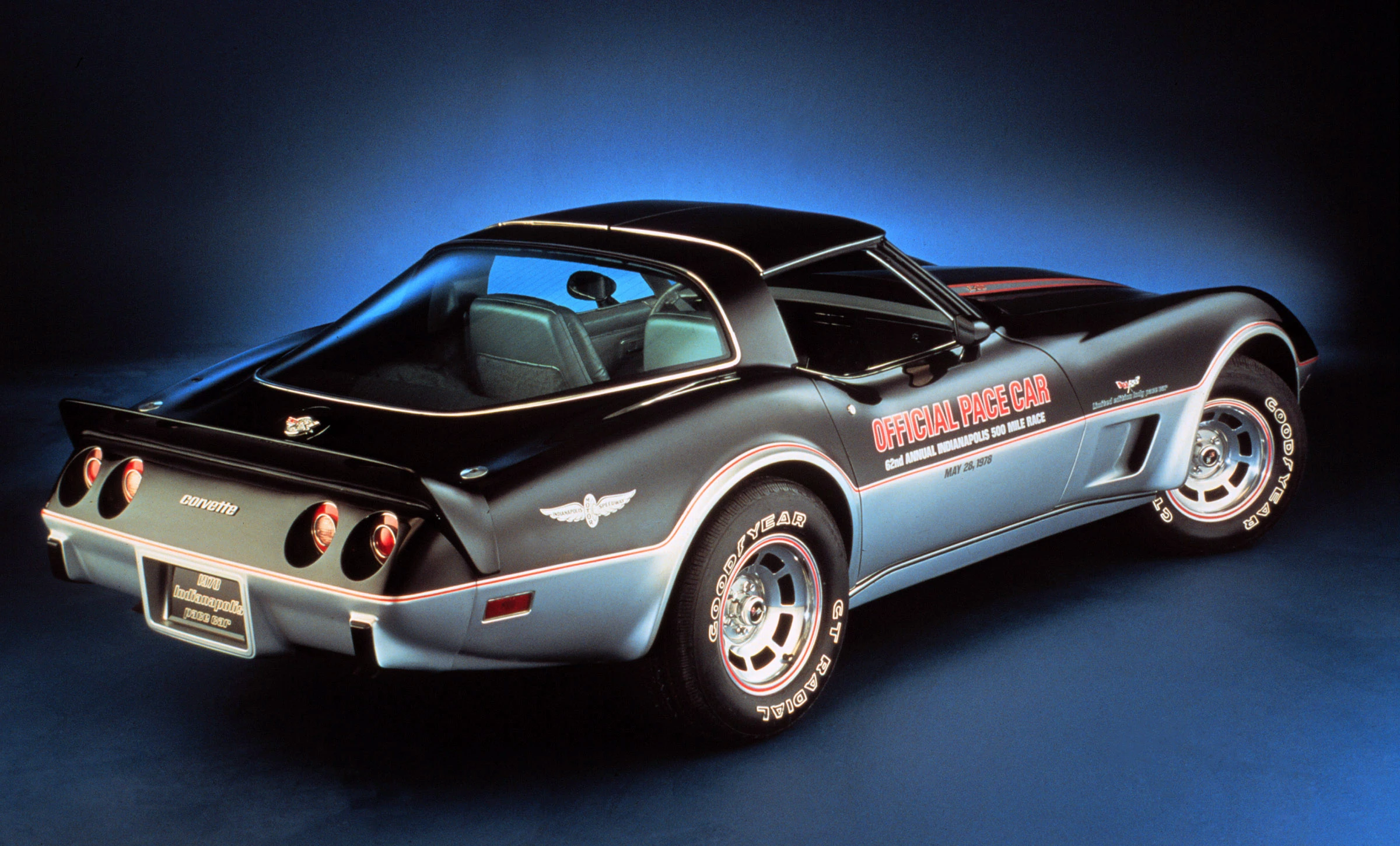
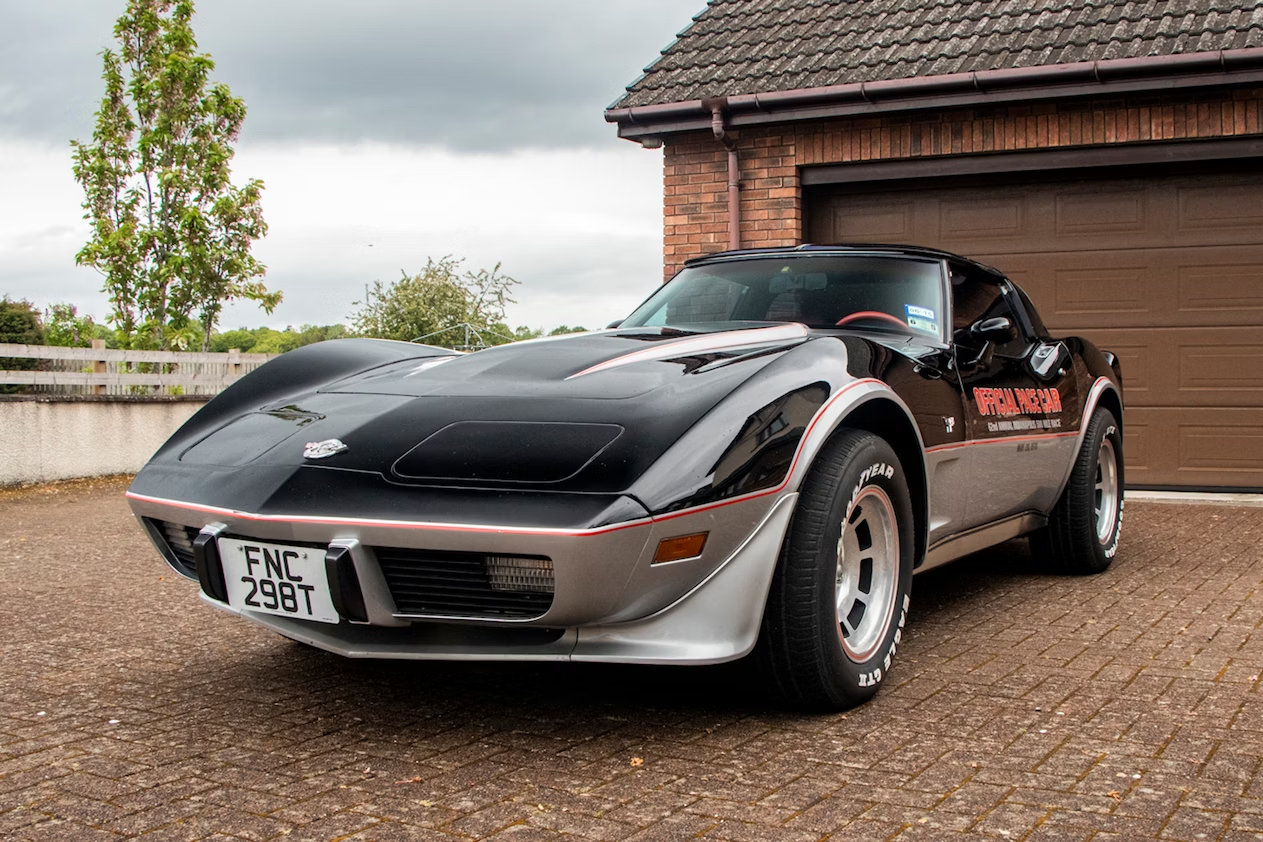
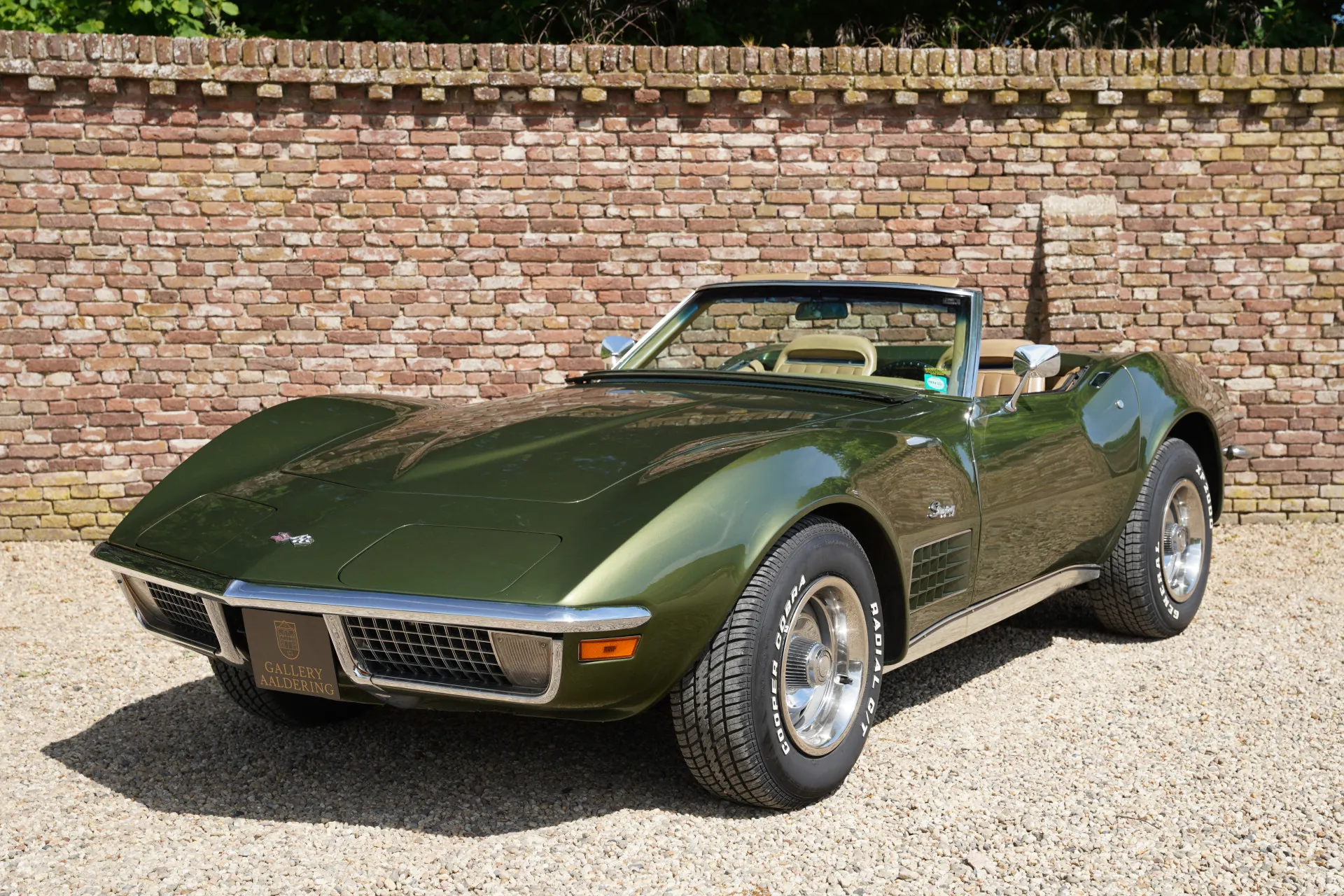
However, the C3’s narrative is a tale of two halves. As the 1970s progressed, rising insurance premiums, the 1973 oil crisis, and tightening emissions regulations forced a paradigm shift. The compression ratios dropped, the horsepower figures plummeted, and the car began a physical transformation. The delicate chrome bumpers were replaced by impact-absorbing urethane, first at the front in 1973 and then at the rear in 1974, elongating the car into a sleek, continuous form. By 1975, the convertible was dead (temporarily), and the Big Block vanished. Yet, miraculously, as performance waned, popularity exploded. Chevrolet successfully pivoted the Corvette from a raw muscle car into a luxurious Grand Tourer. The late-70s models, distinguished by the bubble-glass fastback rear window introduced in 1978, were laden with leather, air conditioning, and power accessories. Special editions like the 1978 Indy Pace Car and the Silver Anniversary model drove buyers into a frenzy, proving that the Corvette’s image was strong enough to survive the death of horsepower.
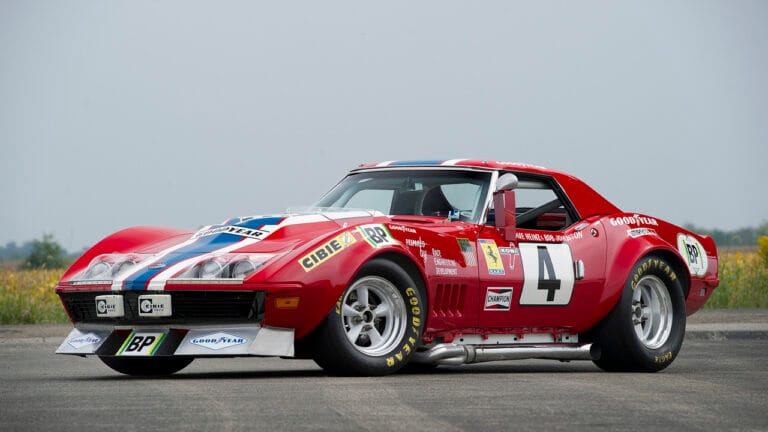
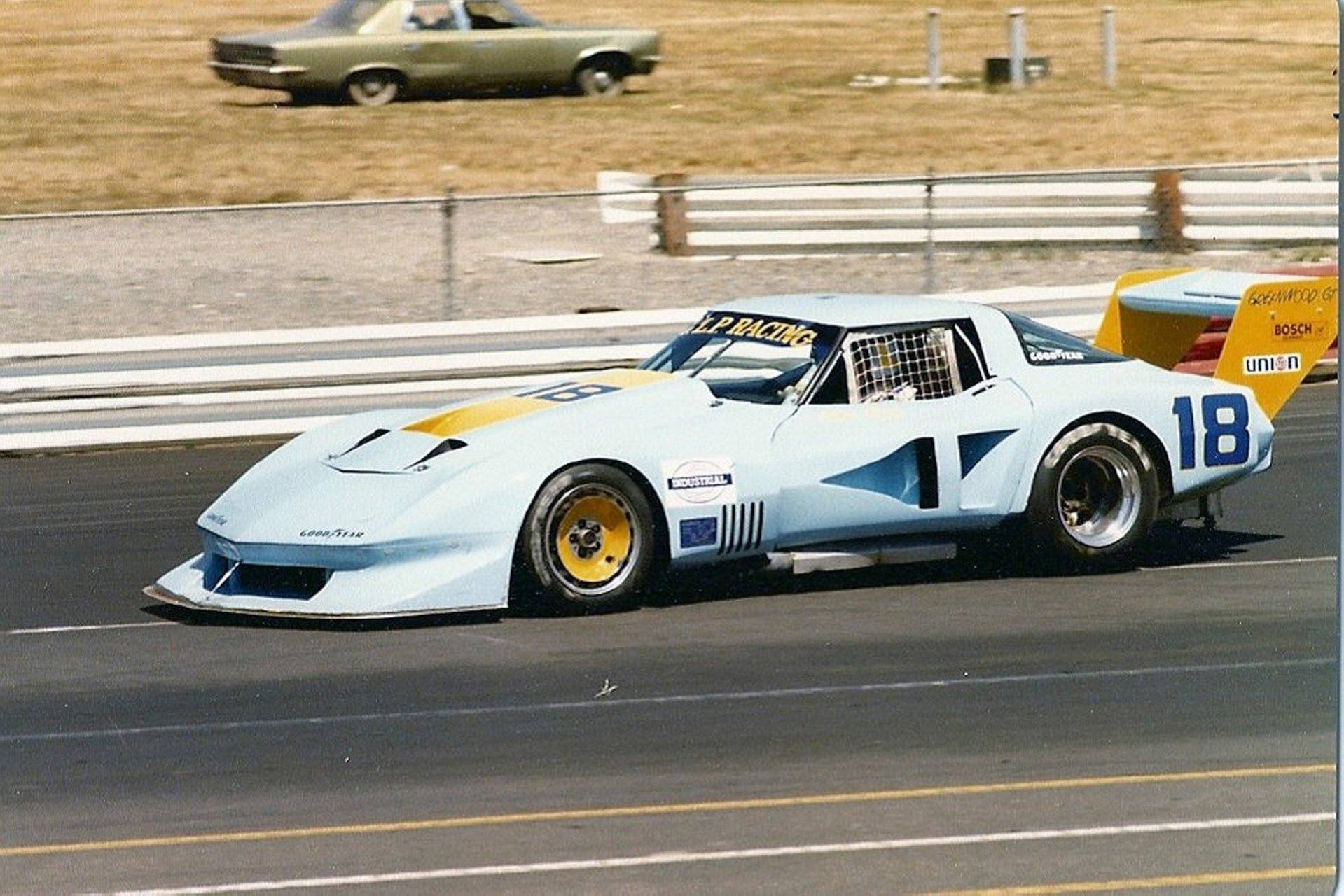
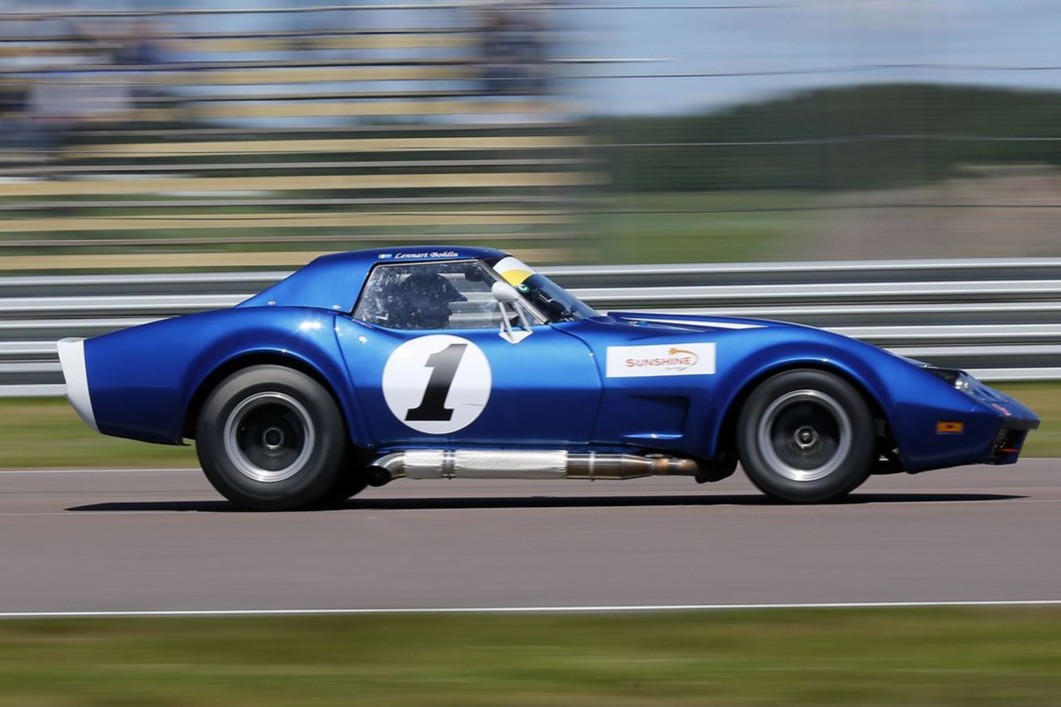
On the racetrack, the C3 defied the softening of its road-going siblings. This was the era of the privateer and the patriot. In the late 60s and early 70s, the L88-powered Corvettes of teams like Owens-Corning dominated SCCA A-Production racing, winning 22 consecutive races in a display of overwhelming force. But the visual identity of the racing C3 belongs to one man: John Greenwood. The “Greenwood Corvettes” were wide-body monsters, caricatures of the road car pumped full of steroids. With massive box flares, wild aerodynamics, and tube-frame chassis configurations, cars like the “Spirit of Le Mans” and the IMSA GTX machines utilized 700+ horsepower big-blocks to battle against the factory Porsche 935s and BMW CSLs. These cars were loud, violent, and incredibly fast in a straight line, earning a reputation as “The American Thunder” at Le Mans, where they would often set top speed records on the Mulsanne Straight before succumbing to mechanical attrition. They kept the Corvette’s performance credentials alive globally during a time when the showroom models struggled to crack 200 horsepower.
The evolution of the C3 finally concluded in the early 1980s, a period that saw a focus on weight reduction and aerodynamics to improve fuel economy. The 1980 model received a significant diet, and in 1981, production moved from the storied St. Louis plant to the new facility in Bowling Green, Kentucky. The generation bowed out with the 1982 Collector Edition, a hatchback coupe that introduced “Cross-Fire Injection,” a technological bridge to the future. When the last C3 rolled off the line, it had enjoyed the longest production run of any Corvette generation. It had morphed from a 435-horsepower street-brawler into a 200-horsepower cruiser, yet it had outsold its predecessors by a massive margin.
The legacy of the C3 Corvette is complex and undeniable. It is the “poster car” for an entire generation, the vehicle that Mark Hamill customized in Corvette Summer and the car that NASA astronauts drove to training. It democratized the exotic, offering the looks of a Ferrari or a Lamborghini concept car for a fraction of the price. While critics often deride the later “malaise era” models for their lack of grunt, the C3 kept the American performance flame flickering when rivals like the AMC AMX and the De Tomaso Pantera disappeared. It proved that the Corvette could adapt, evolve, and survive. Today, the chrome-bumper era cars are blue-chip collectibles, and the later wide-body Greenwoods are legends of IMSA history. The C3 Stingray remains the most visually distinct, unapologetic, and culturally significant iteration of America’s Sports Car, a fiberglass monument to style and survival.
Portal
Model line
Model generation
Brand
Produced from
Vehicle category
Generation Overview
In the entire, sprawling narrative of the American automobile, few shapes are as instantly recognizable, as culturally potent, or as enduringly controversial as the third-generation Chevrolet Corvette. Launched in 1968, the C3 was not merely a successor to the lauded C2 Sting Ray; it was a radical aesthetic departure that would define the very concept of the “American Sports Car” for a record-breaking fifteen years. Born from the fevered dreams of GM styling chief Bill Mitchell and the pen of Larry Shinoda, the C3 was the street-legal incarnation of the mesmerizing Mako Shark II concept. With its voluptuous “Coke-bottle” hips, exaggerated fender peaks, and a nose that seemed to sniff the asphalt for prey, it looked like it was breaking the speed limit while parked. This was a car that spanned the highest peaks of the muscle car horsepower wars and survived the deepest valleys of the malaise era, serving as the bridge between the raw, analogue 1960s and the computerized future of the 1980s.
To understand the C3, one must understand the tumultuous era it inhabited. When it debuted for the 1968 model year, it arrived in a world dominated by big-block excess. Its predecessor, the C2, had brought independent rear suspension and disc brakes to the table, engineering feats that the C3 largely carried over. However, the C3 chassis was stiffened and the interior packaged—somewhat tightly—into a silhouette that prioritized style over ergonomics. The early “chrome bumper” cars (1968-1972) were the generation’s performance zenith. Under that long, fibreglass hood lay an arsenal of legendary powerplants. The base 327 and later 350 cubic-inch small-blocks were potent, but the mythology of the C3 is written in the language of the Big Block. The L71 427 with its Tri-Power carburetion, the aluminium-headed L89, and the torque-monster 454 LS5 and LS6 engines turned the Corvette into a straight-line missile that could terrorize any stoplight in America.
Yet, within this lineup of heavy artillery sat two engines that bordered on the mythical: the L88 and the ZL1. The L88 was a pure racing engine, underrated at 430 horsepower to discourage the casual buyer, but in reality producing nearly 560 horsepower. It was a chaotic, overheating, high-octane beast intended for the track, not the grocery run. Even rarer was the 1969 ZL1, an all-aluminium 427 that weighed less than a small block and cost double the price of a base Corvette. With only two factory ZL1s ever sold, it remains the holy grail of Corvette collecting. Simultaneously, for the driver who preferred apexes to drag strips, Chevrolet offered the LT-1 small block from 1970 to 1972. With solid lifters and a high-revving nature, the LT-1 was the scalpel to the Big Block’s sledgehammer, offering a balance that many purists argue made for the best driving C3 of all.
However, the C3’s narrative is a tale of two halves. As the 1970s progressed, rising insurance premiums, the 1973 oil crisis, and tightening emissions regulations forced a paradigm shift. The compression ratios dropped, the horsepower figures plummeted, and the car began a physical transformation. The delicate chrome bumpers were replaced by impact-absorbing urethane, first at the front in 1973 and then at the rear in 1974, elongating the car into a sleek, continuous form. By 1975, the convertible was dead (temporarily), and the Big Block vanished. Yet, miraculously, as performance waned, popularity exploded. Chevrolet successfully pivoted the Corvette from a raw muscle car into a luxurious Grand Tourer. The late-70s models, distinguished by the bubble-glass fastback rear window introduced in 1978, were laden with leather, air conditioning, and power accessories. Special editions like the 1978 Indy Pace Car and the Silver Anniversary model drove buyers into a frenzy, proving that the Corvette’s image was strong enough to survive the death of horsepower.
On the racetrack, the C3 defied the softening of its road-going siblings. This was the era of the privateer and the patriot. In the late 60s and early 70s, the L88-powered Corvettes of teams like Owens-Corning dominated SCCA A-Production racing, winning 22 consecutive races in a display of overwhelming force. But the visual identity of the racing C3 belongs to one man: John Greenwood. The “Greenwood Corvettes” were wide-body monsters, caricatures of the road car pumped full of steroids. With massive box flares, wild aerodynamics, and tube-frame chassis configurations, cars like the “Spirit of Le Mans” and the IMSA GTX machines utilized 700+ horsepower big-blocks to battle against the factory Porsche 935s and BMW CSLs. These cars were loud, violent, and incredibly fast in a straight line, earning a reputation as “The American Thunder” at Le Mans, where they would often set top speed records on the Mulsanne Straight before succumbing to mechanical attrition. They kept the Corvette’s performance credentials alive globally during a time when the showroom models struggled to crack 200 horsepower.
The evolution of the C3 finally concluded in the early 1980s, a period that saw a focus on weight reduction and aerodynamics to improve fuel economy. The 1980 model received a significant diet, and in 1981, production moved from the storied St. Louis plant to the new facility in Bowling Green, Kentucky. The generation bowed out with the 1982 Collector Edition, a hatchback coupe that introduced “Cross-Fire Injection,” a technological bridge to the future. When the last C3 rolled off the line, it had enjoyed the longest production run of any Corvette generation. It had morphed from a 435-horsepower street-brawler into a 200-horsepower cruiser, yet it had outsold its predecessors by a massive margin.
The legacy of the C3 Corvette is complex and undeniable. It is the “poster car” for an entire generation, the vehicle that Mark Hamill customized in Corvette Summer and the car that NASA astronauts drove to training. It democratized the exotic, offering the looks of a Ferrari or a Lamborghini concept car for a fraction of the price. While critics often deride the later “malaise era” models for their lack of grunt, the C3 kept the American performance flame flickering when rivals like the AMC AMX and the De Tomaso Pantera disappeared. It proved that the Corvette could adapt, evolve, and survive. Today, the chrome-bumper era cars are blue-chip collectibles, and the later wide-body Greenwoods are legends of IMSA history. The C3 Stingray remains the most visually distinct, unapologetic, and culturally significant iteration of America’s Sports Car, a fiberglass monument to style and survival.
Submodels