Ford GT (Classics)
Generation Overview
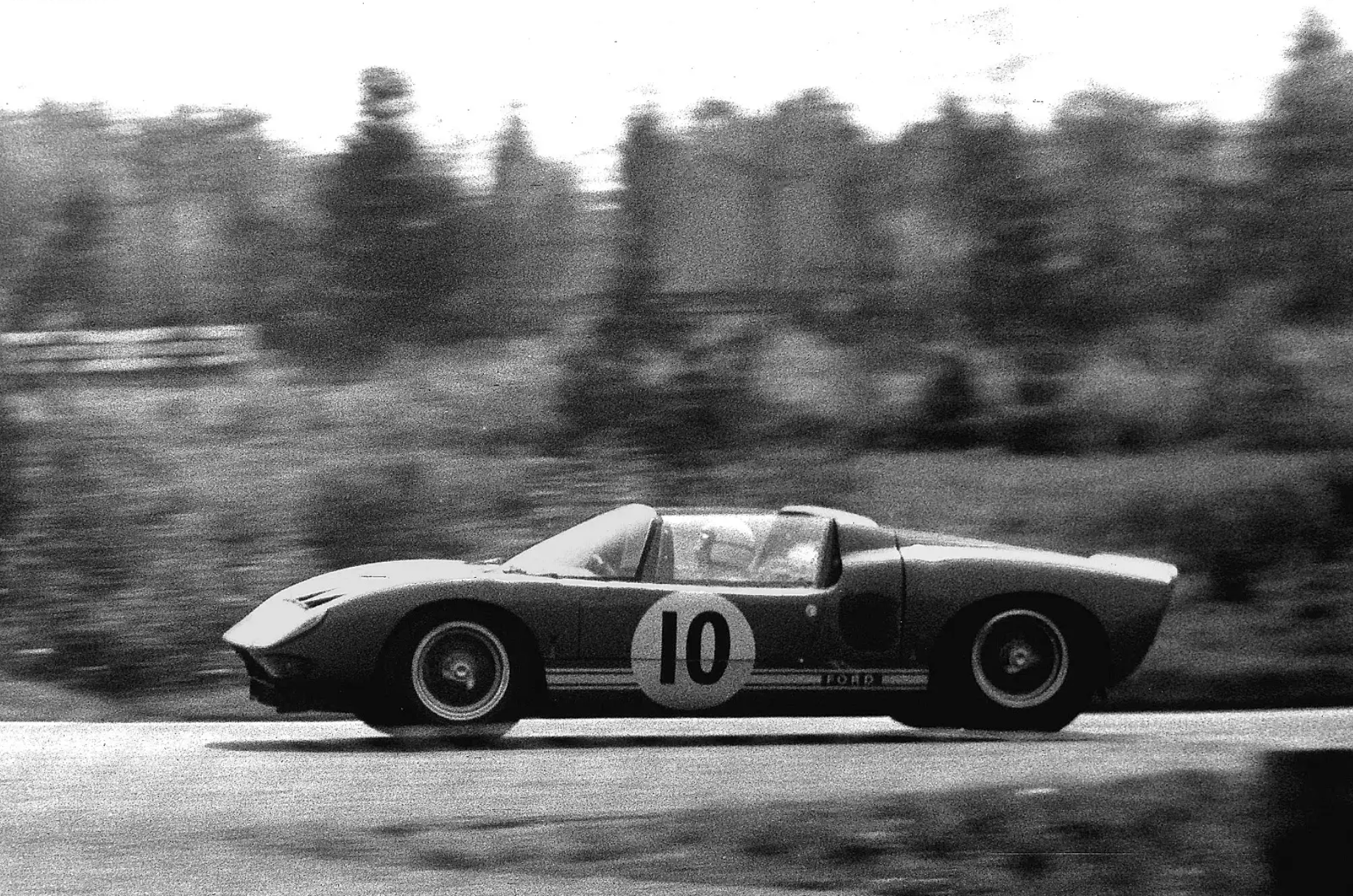
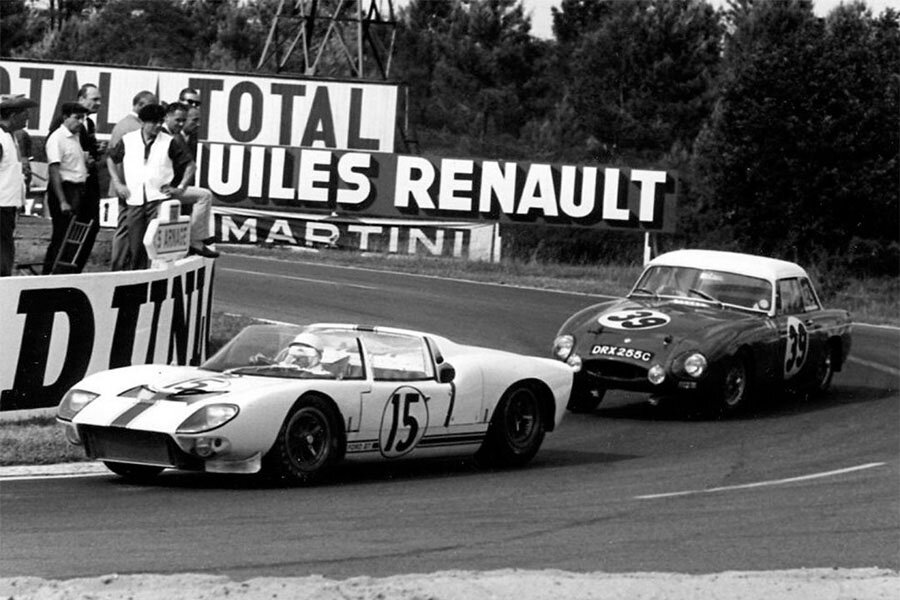
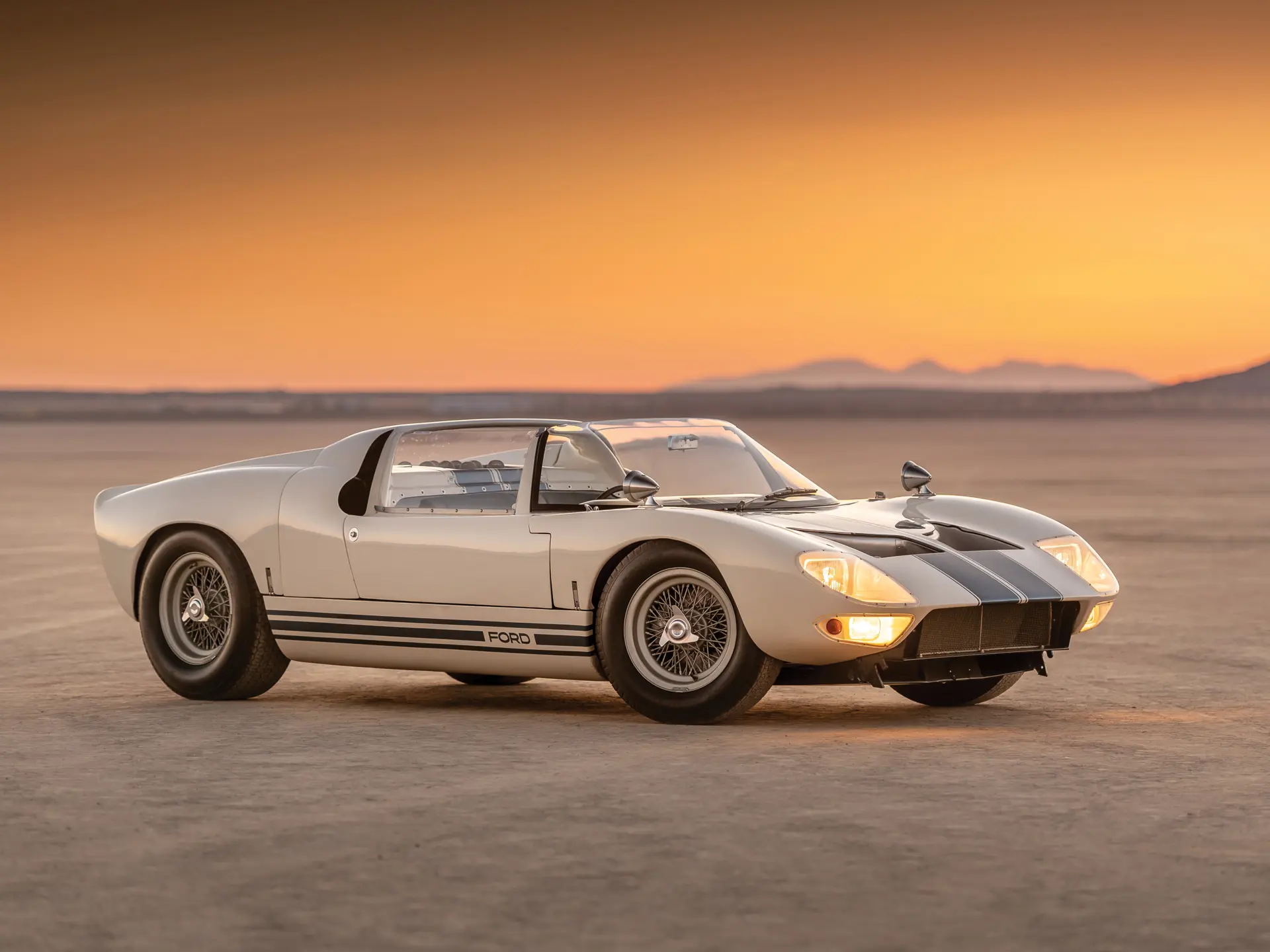
The story of the 1960s Ford GT is not merely a chapter in motorsport history; it is a sprawling, high-octane epic fueled by limitless corporate resources, trans-Atlantic engineering, and a bitter personal vendetta. When Enzo Ferrari abruptly canceled the sale of his company to the Ford Motor Company in 1963, Henry Ford II issued a simple, terrifying directive to his executives: build a car that would crush Maranello at the 24 Hours of Le Mans. Ford Advanced Vehicles (FAV) was established in Slough, England, under the guidance of John Wyer, and enlisted Eric Broadley, utilizing his mid-engined Lola Mk6 GT as the project’s spiritual and mechanical baseline. What emerged in 1964 was the first generation of the Ford GT, a lineage that rapidly evolved from fragile prototypes into an unstoppable dynasty. Over the decade, this single generation fractured into highly specialized submodels: the original 289-cubic-inch Mk I, the brutish 427-powered Mk II, the awkwardly softened Mk III street car, the ultra-rare GT Roadsters, and finally, the radically advanced, all-American Mk IV. They arrived in a golden era of sports car racing, locking horns with the most beautiful and deadly machines ever crafted—the Ferrari 275 P, 330 P3, and P4, as well as the rising aerodynamic threats from Porsche and Chaparral.
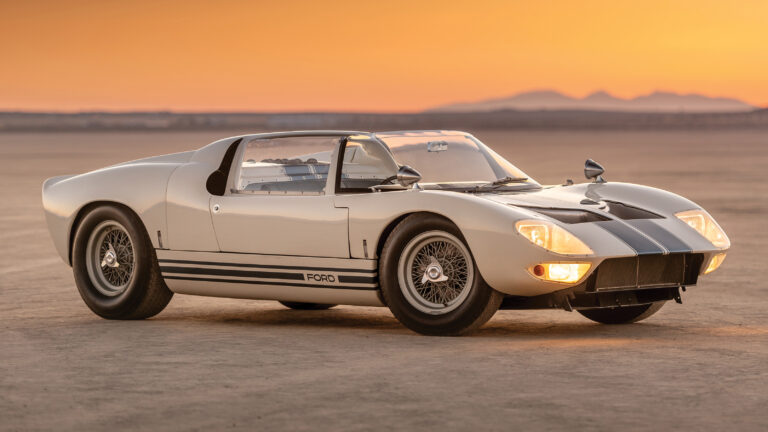
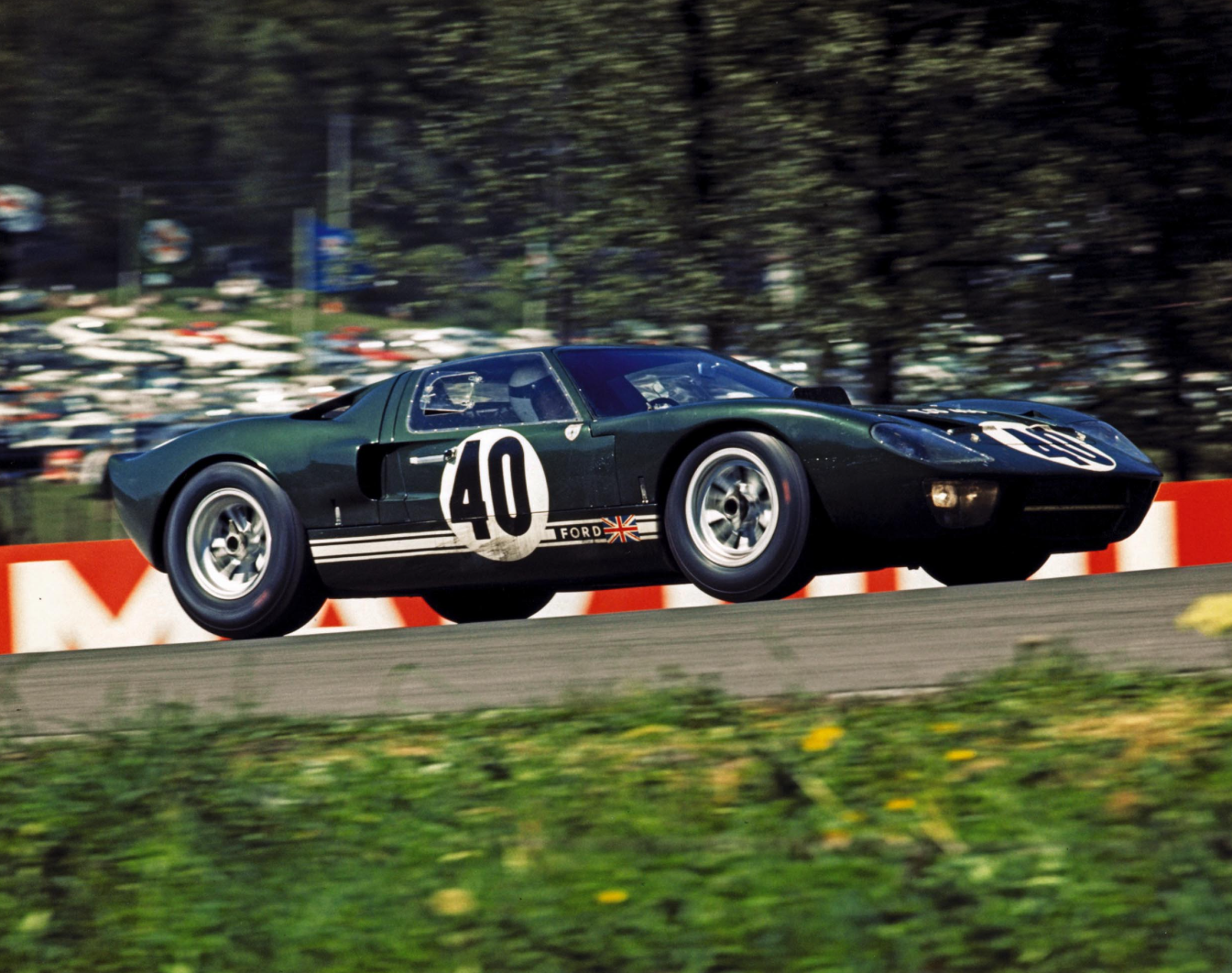
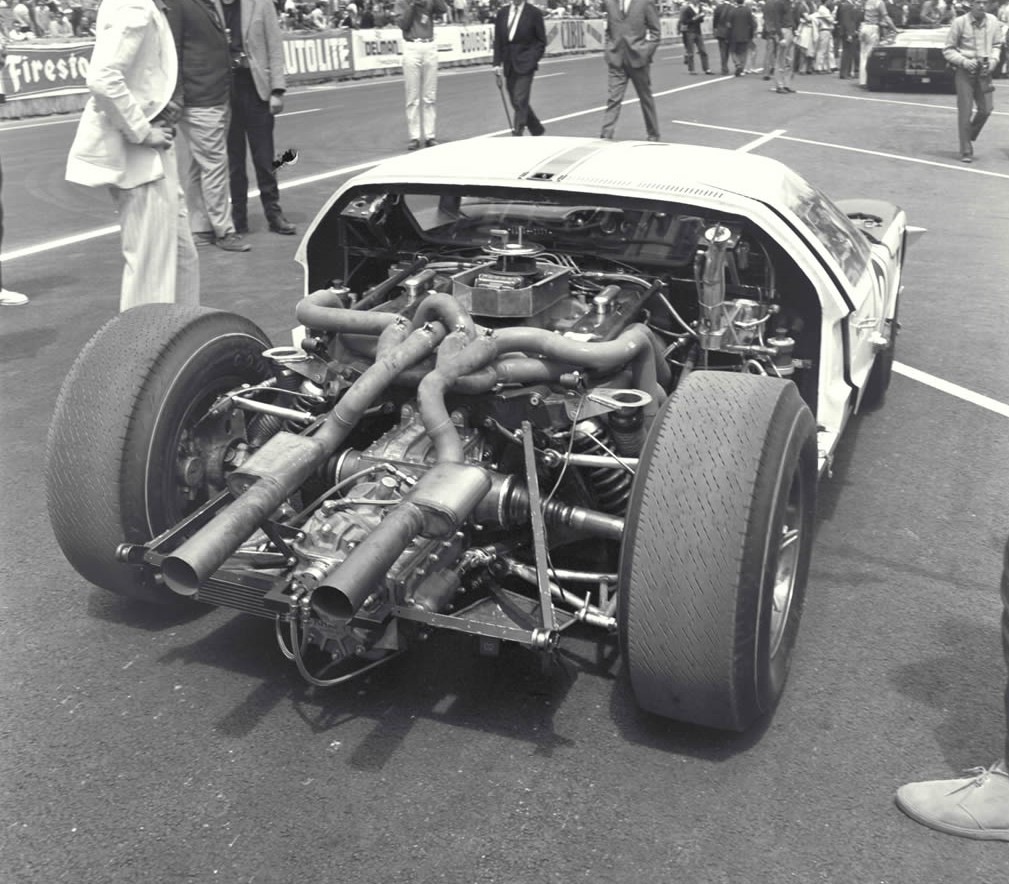
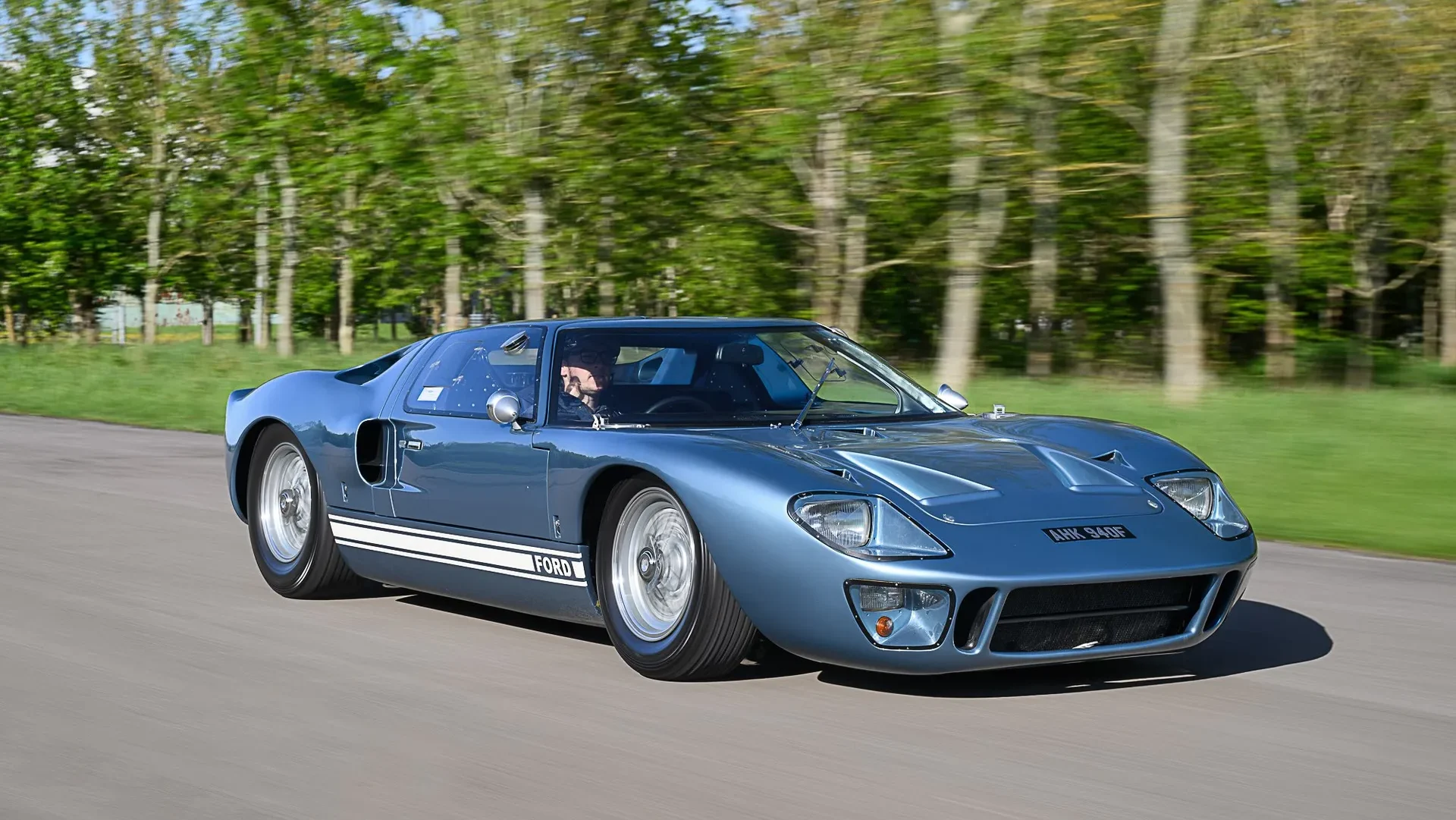
To stand beside a classic Ford GT is to understand its most famous moniker: GT40. It stood a mere 40 inches from the tarmac to the roofline, possessing a predatory, wind-cheating silhouette that looked as if it were traveling at two hundred miles per hour while standing still. The chassis evolution within this single decade was staggering. The early Prototypes and Mk I/Mk II cars utilized a deep, heavy steel monocoque tub, which provided immense structural rigidity but compromised weight. By the time the Mk IV arrived in 1967, Ford’s Kar Kraft division had pioneered a revolutionary aerospace-grade aluminum honeycomb chassis, resulting in a significantly lighter and stiffer car. The beating heart of the GT was strictly Blue Oval V8 power, but it underwent a violent maturation. The early cars utilized the high-revving 289-cubic-inch (4.7-liter) Fairlane engine, which was eventually tuned to absolute perfection by Gurney-Weslake for the later Mk I victories. However, to guarantee the sheer speed needed to break Ferrari in 1966, Carroll Shelby’s team shoehorned the gargantuan 427-cubic-inch (7.0-liter) FE big-block V8 into the Mk II. Producing nearly 500 brake horsepower, it was mated to a beefy Kar Kraft T-44 transaxle, replacing the fragile Colotti gearboxes that plagued the early prototypes. To halt this 200-mph missile, the GT featured massive ventilated disc brakes, famous for glowing bright orange at the end of the Mulsanne Straight, equipped with quick-change calipers to save precious minutes in the pits. Inside, the cockpit was an unadulterated exercise in racing focus: right-hand drive, a right-hand gearshift mounted securely in the wide sill, and fixed seats perforated with brass eyelets to provide rudimentary ventilation for drivers enduring the stifling cockpit heat.
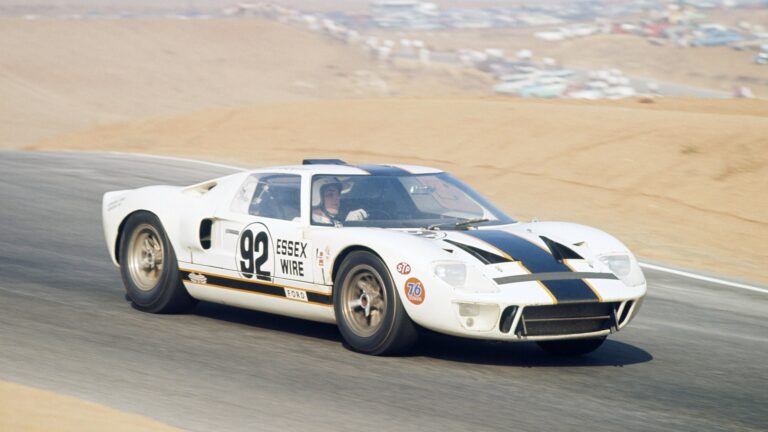
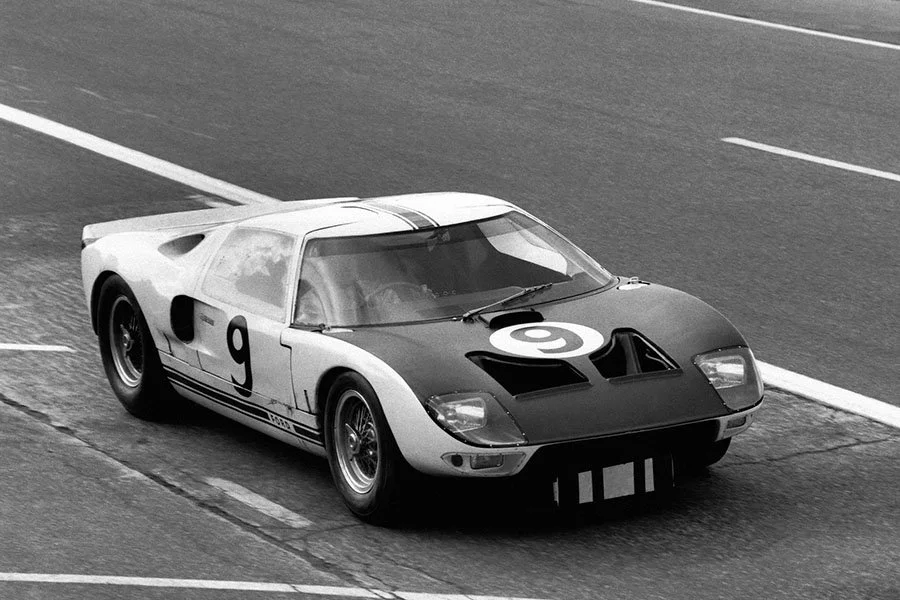
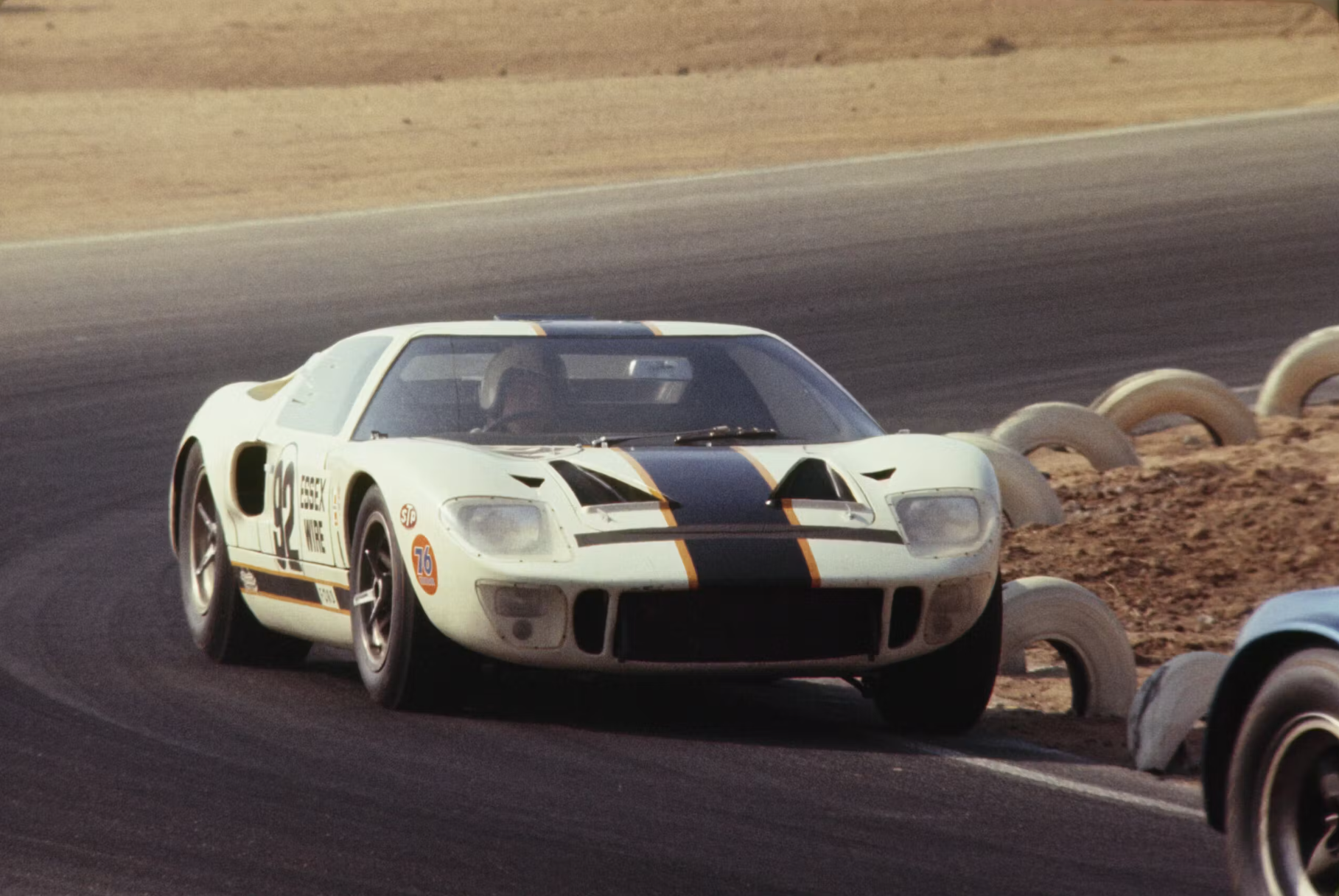
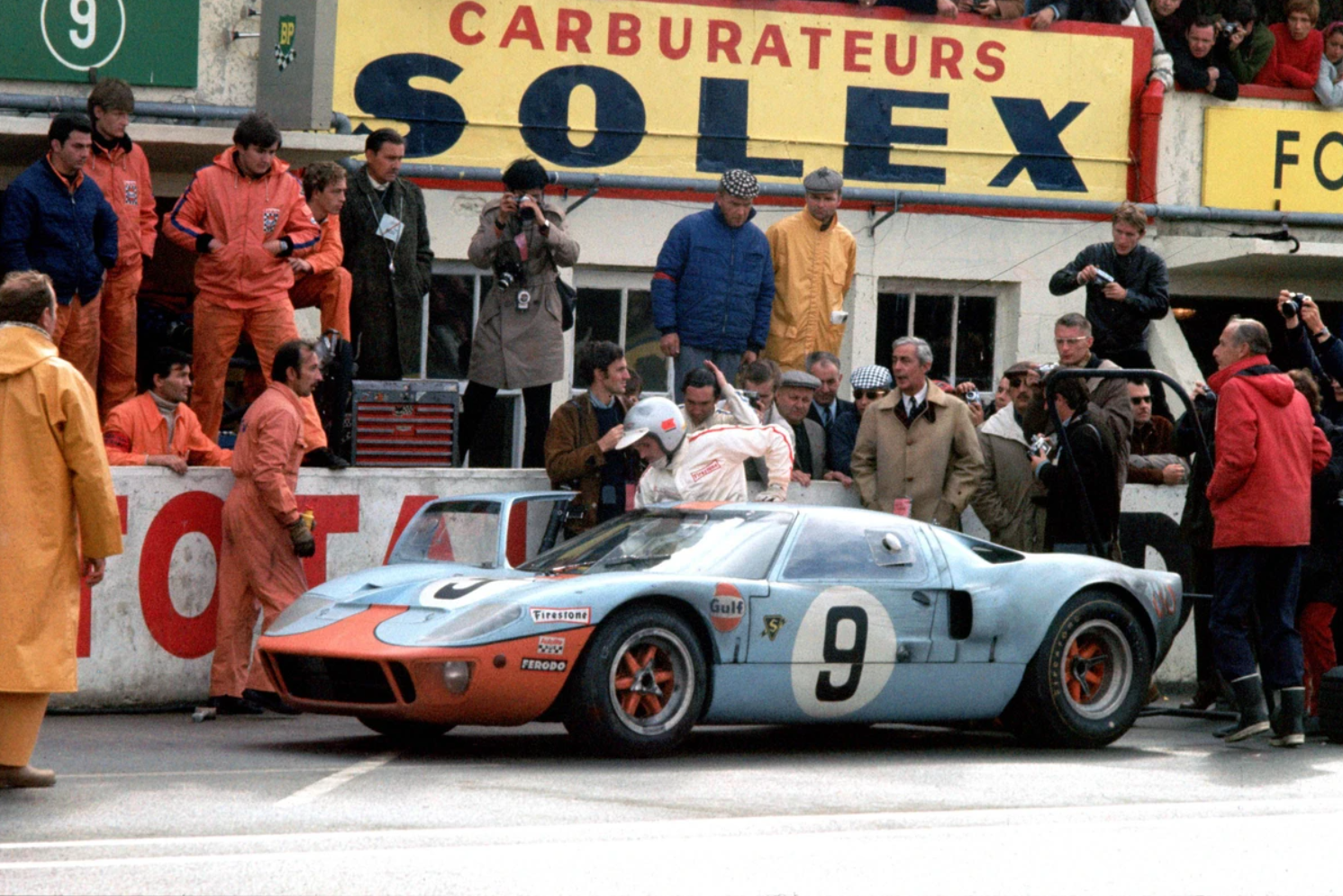
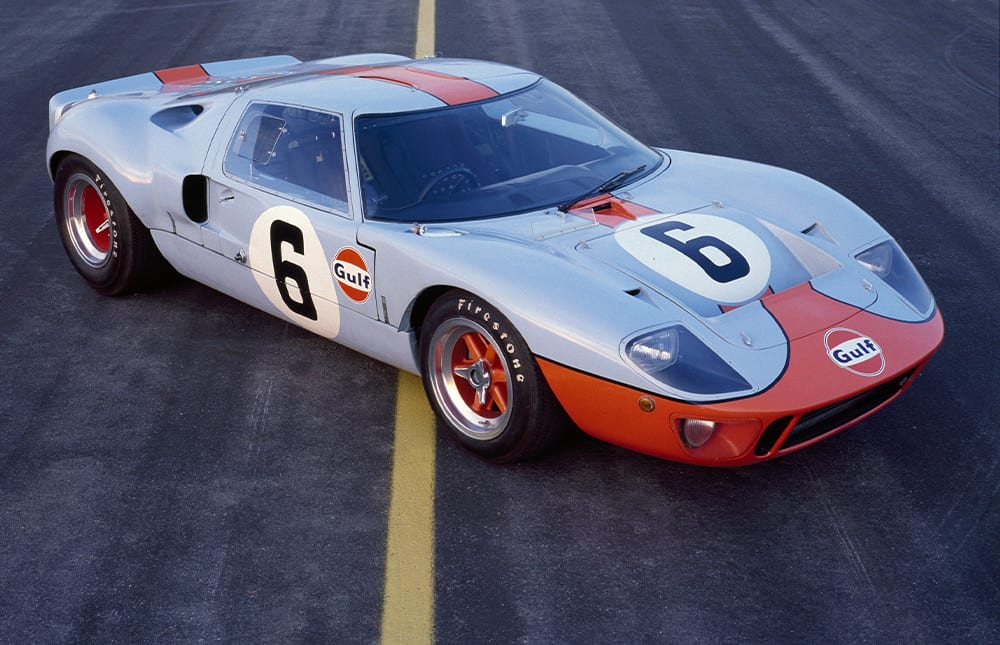
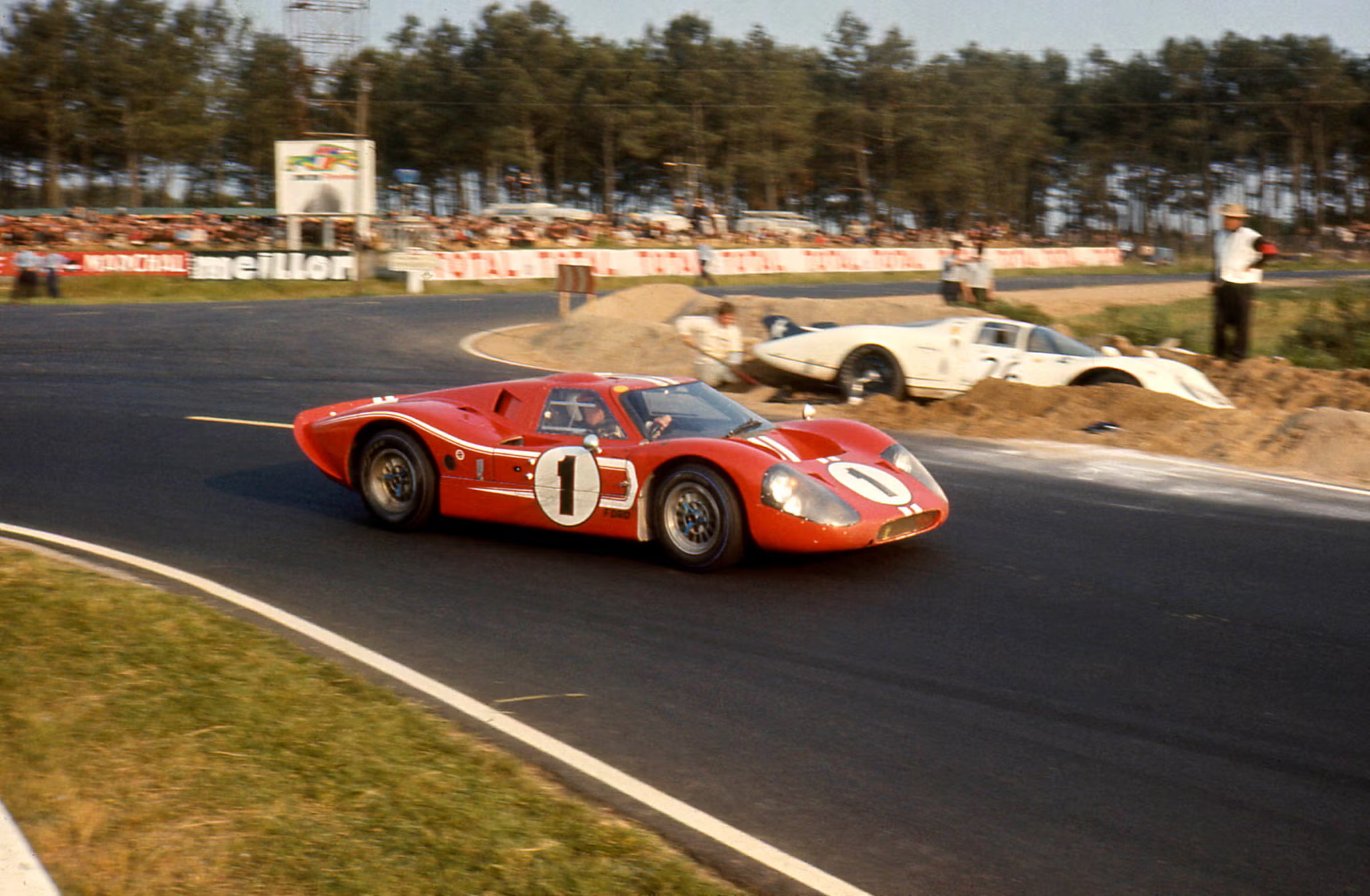
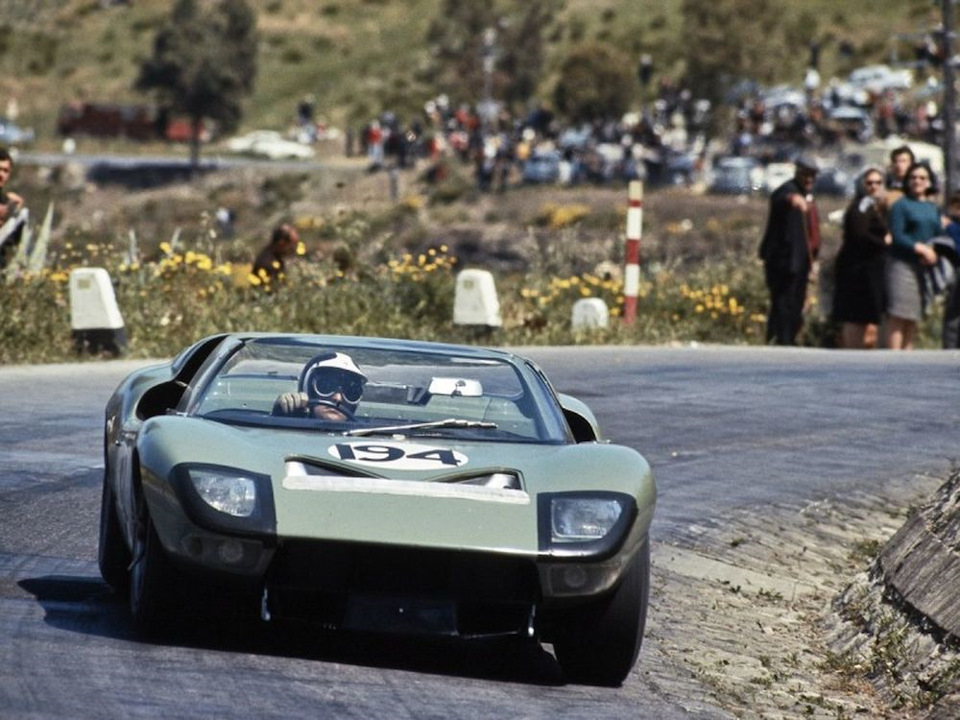
The early racing history of the Ford GT was an unmitigated disaster. The 1964 and 1965 seasons were plagued by catastrophic gearbox failures, overheating, and terrifying aerodynamic lift at high speeds. It was only when the project was handed over to Carroll Shelby, with the brilliant and acerbic Ken Miles serving as chief development driver, that the GT was honed into a weapon. The turning point was 1966. At the 24 Hours of Daytona and the 12 Hours of Sebring, the Mk II proved its durability, setting the stage for the most famous race in history. At the 1966 24 Hours of Le Mans, the Mk II bludgeoned Ferrari into submission, resulting in a staged, controversial 1-2-3 photo finish where Bruce McLaren and Chris Amon took the victory over Ken Miles and Denis Hulme. Ford returned in 1967 with the Mk IV, driven by Dan Gurney and A.J. Foyt, securing a purely American victory and breaking the 3000-mile barrier. Astonishingly, when rule changes outlawed the 7.0-liter engines for 1968, John Wyer’s Gulf Oil-sponsored team resurrected the “obsolete” 4.9-liter Mk I. Chassis number 1075 achieved the impossible, winning Le Mans overall in both 1968 and 1969—the latter featuring Jacky Ickx’s famous walking start and agonizingly close finish. While Ford attempted to cash in on this success with the quad-headlamp Mk III road car, it was compromised, heavy, and sold poorly, making it an incredibly rare footnote in a story defined entirely by motorsport domination.
The 1960s Ford GT generation is the definitive American racing epic. It achieved its solitary, ruthless objective of dethroning Ferrari and forever altered the trajectory of international endurance racing. The echoes of its thunderous V8 engines can still be felt today; its timeless silhouette directly inspired the 2005 Ford GT and the technologically triumphant 2017 Le Mans-winning Ford GT. It resides at the very absolute peak of the motorsport pantheon, an immortal monument to an era when limitless ambition, trans-Atlantic engineering, and a personal vendetta created the greatest sports racing car the world had ever seen.
Generation Overview
The story of the 1960s Ford GT is not merely a chapter in motorsport history; it is a sprawling, high-octane epic fueled by limitless corporate resources, trans-Atlantic engineering, and a bitter personal vendetta. When Enzo Ferrari abruptly canceled the sale of his company to the Ford Motor Company in 1963, Henry Ford II issued a simple, terrifying directive to his executives: build a car that would crush Maranello at the 24 Hours of Le Mans. Ford Advanced Vehicles (FAV) was established in Slough, England, under the guidance of John Wyer, and enlisted Eric Broadley, utilizing his mid-engined Lola Mk6 GT as the project’s spiritual and mechanical baseline. What emerged in 1964 was the first generation of the Ford GT, a lineage that rapidly evolved from fragile prototypes into an unstoppable dynasty. Over the decade, this single generation fractured into highly specialized submodels: the original 289-cubic-inch Mk I, the brutish 427-powered Mk II, the awkwardly softened Mk III street car, the ultra-rare GT Roadsters, and finally, the radically advanced, all-American Mk IV. They arrived in a golden era of sports car racing, locking horns with the most beautiful and deadly machines ever crafted—the Ferrari 275 P, 330 P3, and P4, as well as the rising aerodynamic threats from Porsche and Chaparral.
To stand beside a classic Ford GT is to understand its most famous moniker: GT40. It stood a mere 40 inches from the tarmac to the roofline, possessing a predatory, wind-cheating silhouette that looked as if it were traveling at two hundred miles per hour while standing still. The chassis evolution within this single decade was staggering. The early Prototypes and Mk I/Mk II cars utilized a deep, heavy steel monocoque tub, which provided immense structural rigidity but compromised weight. By the time the Mk IV arrived in 1967, Ford’s Kar Kraft division had pioneered a revolutionary aerospace-grade aluminum honeycomb chassis, resulting in a significantly lighter and stiffer car. The beating heart of the GT was strictly Blue Oval V8 power, but it underwent a violent maturation. The early cars utilized the high-revving 289-cubic-inch (4.7-liter) Fairlane engine, which was eventually tuned to absolute perfection by Gurney-Weslake for the later Mk I victories. However, to guarantee the sheer speed needed to break Ferrari in 1966, Carroll Shelby’s team shoehorned the gargantuan 427-cubic-inch (7.0-liter) FE big-block V8 into the Mk II. Producing nearly 500 brake horsepower, it was mated to a beefy Kar Kraft T-44 transaxle, replacing the fragile Colotti gearboxes that plagued the early prototypes. To halt this 200-mph missile, the GT featured massive ventilated disc brakes, famous for glowing bright orange at the end of the Mulsanne Straight, equipped with quick-change calipers to save precious minutes in the pits. Inside, the cockpit was an unadulterated exercise in racing focus: right-hand drive, a right-hand gearshift mounted securely in the wide sill, and fixed seats perforated with brass eyelets to provide rudimentary ventilation for drivers enduring the stifling cockpit heat.
The early racing history of the Ford GT was an unmitigated disaster. The 1964 and 1965 seasons were plagued by catastrophic gearbox failures, overheating, and terrifying aerodynamic lift at high speeds. It was only when the project was handed over to Carroll Shelby, with the brilliant and acerbic Ken Miles serving as chief development driver, that the GT was honed into a weapon. The turning point was 1966. At the 24 Hours of Daytona and the 12 Hours of Sebring, the Mk II proved its durability, setting the stage for the most famous race in history. At the 1966 24 Hours of Le Mans, the Mk II bludgeoned Ferrari into submission, resulting in a staged, controversial 1-2-3 photo finish where Bruce McLaren and Chris Amon took the victory over Ken Miles and Denis Hulme. Ford returned in 1967 with the Mk IV, driven by Dan Gurney and A.J. Foyt, securing a purely American victory and breaking the 3000-mile barrier. Astonishingly, when rule changes outlawed the 7.0-liter engines for 1968, John Wyer’s Gulf Oil-sponsored team resurrected the “obsolete” 4.9-liter Mk I. Chassis number 1075 achieved the impossible, winning Le Mans overall in both 1968 and 1969—the latter featuring Jacky Ickx’s famous walking start and agonizingly close finish. While Ford attempted to cash in on this success with the quad-headlamp Mk III road car, it was compromised, heavy, and sold poorly, making it an incredibly rare footnote in a story defined entirely by motorsport domination.
The 1960s Ford GT generation is the definitive American racing epic. It achieved its solitary, ruthless objective of dethroning Ferrari and forever altered the trajectory of international endurance racing. The echoes of its thunderous V8 engines can still be felt today; its timeless silhouette directly inspired the 2005 Ford GT and the technologically triumphant 2017 Le Mans-winning Ford GT. It resides at the very absolute peak of the motorsport pantheon, an immortal monument to an era when limitless ambition, trans-Atlantic engineering, and a personal vendetta created the greatest sports racing car the world had ever seen.
Submodels