
Lotus 30 Series 1



Generation Overview
In the intoxicating, high-octane haze of 1964, the world of sports car racing was undergoing a violent metamorphosis. The delicate, small-displacement European spyders that had danced through the corners of the 1950s were being ruthlessly hunted to extinction by a new breed of predator: the “Big Banger”. The formula was crude but effective—take a lightweight British chassis and drop in a thundering American V8. Into this volatile arena, Colin Chapman, the high priest of lightweight engineering, unleashed the Lotus 30 Series 1. It was a machine born of supreme confidence and arguably fatal hubris, intended to replace the giant-killing Lotus 19 “Monte Carlo”. However, where the 19 was a precise instrument, the 30 was a hammer made of glass. As the first generation of Lotus’s Group 7 challenger, the Series 1 was tasked with taming the raw torque of the Ford V8 using principles derived from the featherweight Elan road car. It arrived to do battle against the pragmatic brilliance of Bruce McLaren’s nascent M1A and the conventional solidity of the Lola T70, bringing with it a silhouette of haunting beauty and a chassis concept that would test the bravery of every man who strapped himself into its semi-reclined cockpit.
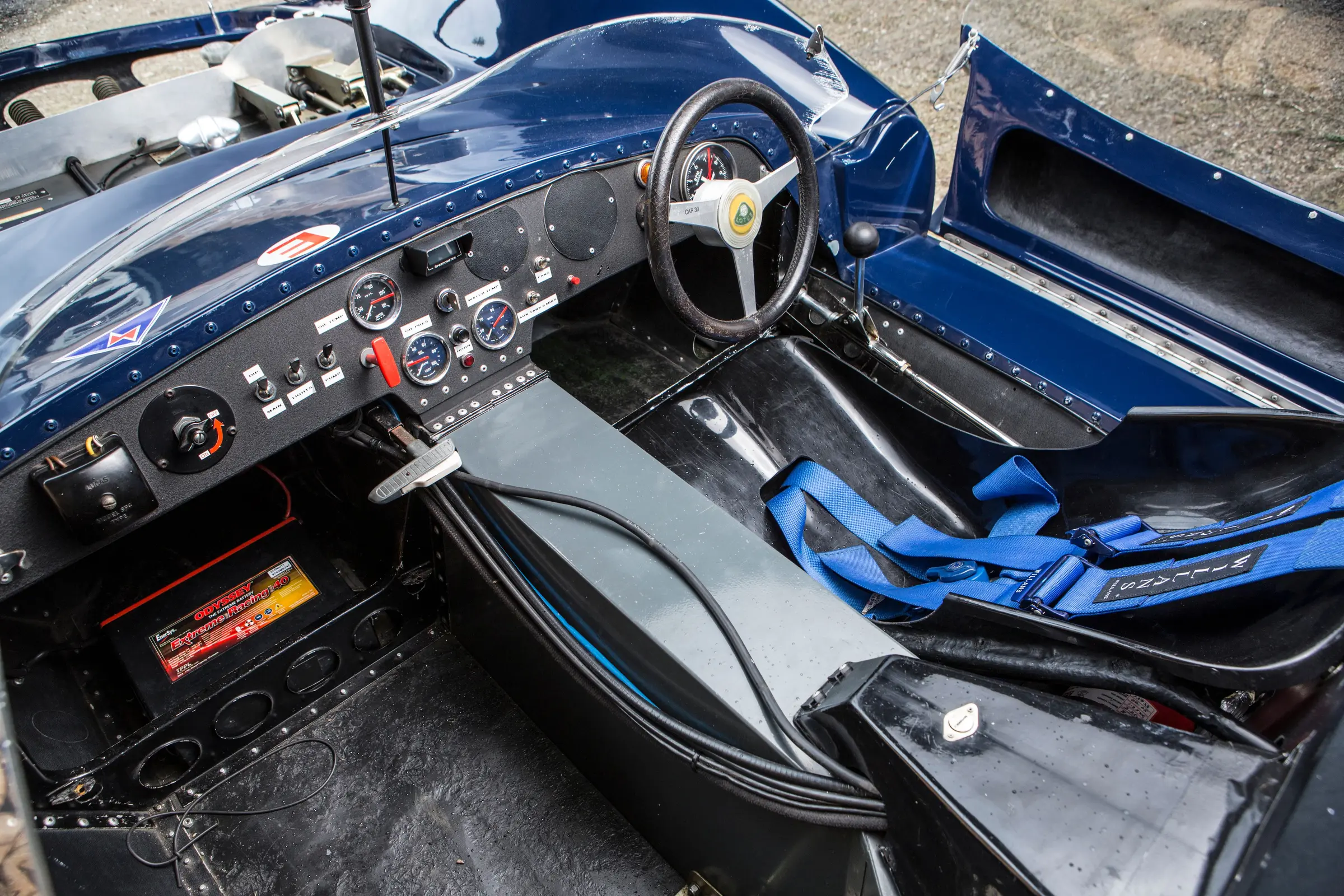
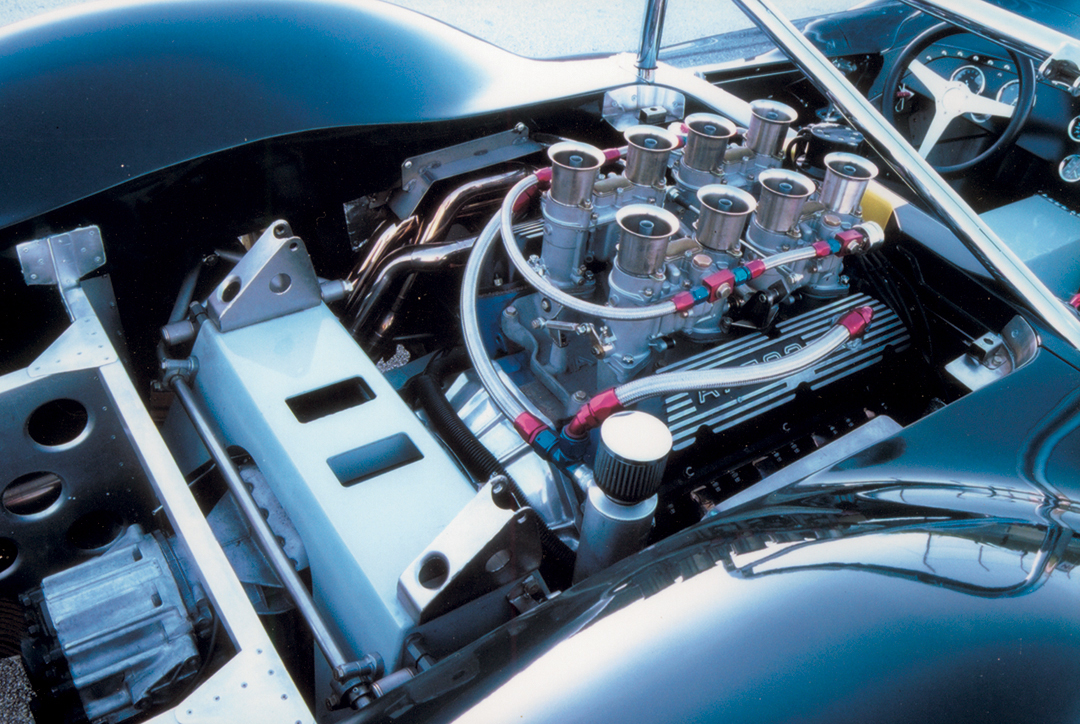
The technical anatomy of the Lotus 30 Series 1 is a fascinating study in scaling up a concept until it fractures. Chapman and designer Len Terry opted to utilize a backbone chassis, a “tuning fork” structure formed from sheet steel, similar to the Elan. In a 1,500 lb road car with a four-cylinder engine, this design offered exceptional rigidity. However, when asked to contain the twisting force of a 4.7-litre (289 cubic inch) Ford Fairlane V8, the chassis found its limit. The engine was mounted in the rear fork of the backbone, mated to a ZF 5DS20 transaxle—the same robust gearbox found in the Ford GT40. The flaw lay in the spine itself; under the load of 350 brake horsepower and the lateral g-forces of modern racing tires, the chassis acted like a torsion bar, twisting along its length. This meant that the suspension geometry—double wishbones all around—was constantly in flux. A driver could enter a corner with one setup and exit with another, the car effectively steering from the rear as the chassis flexed.
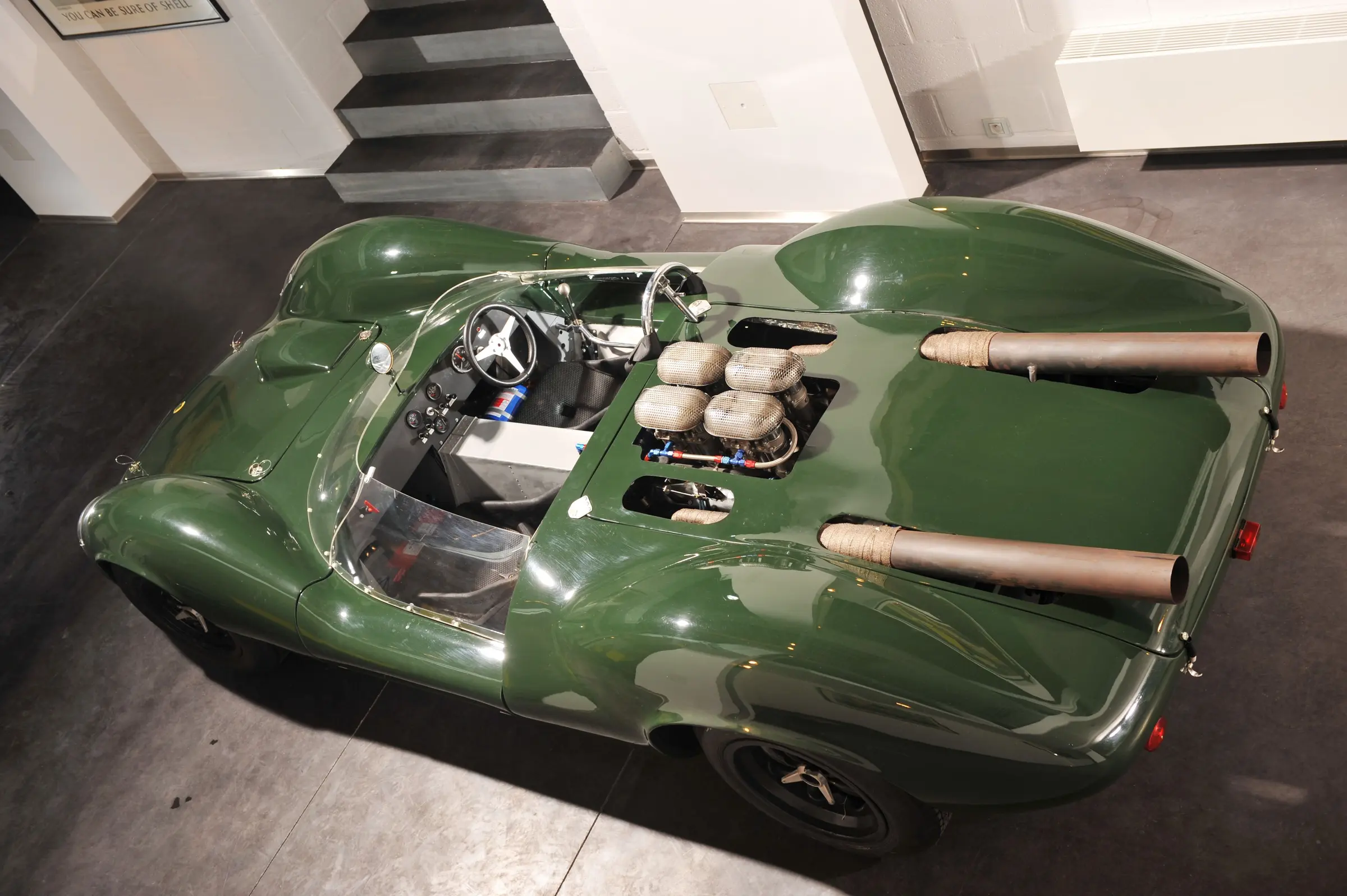
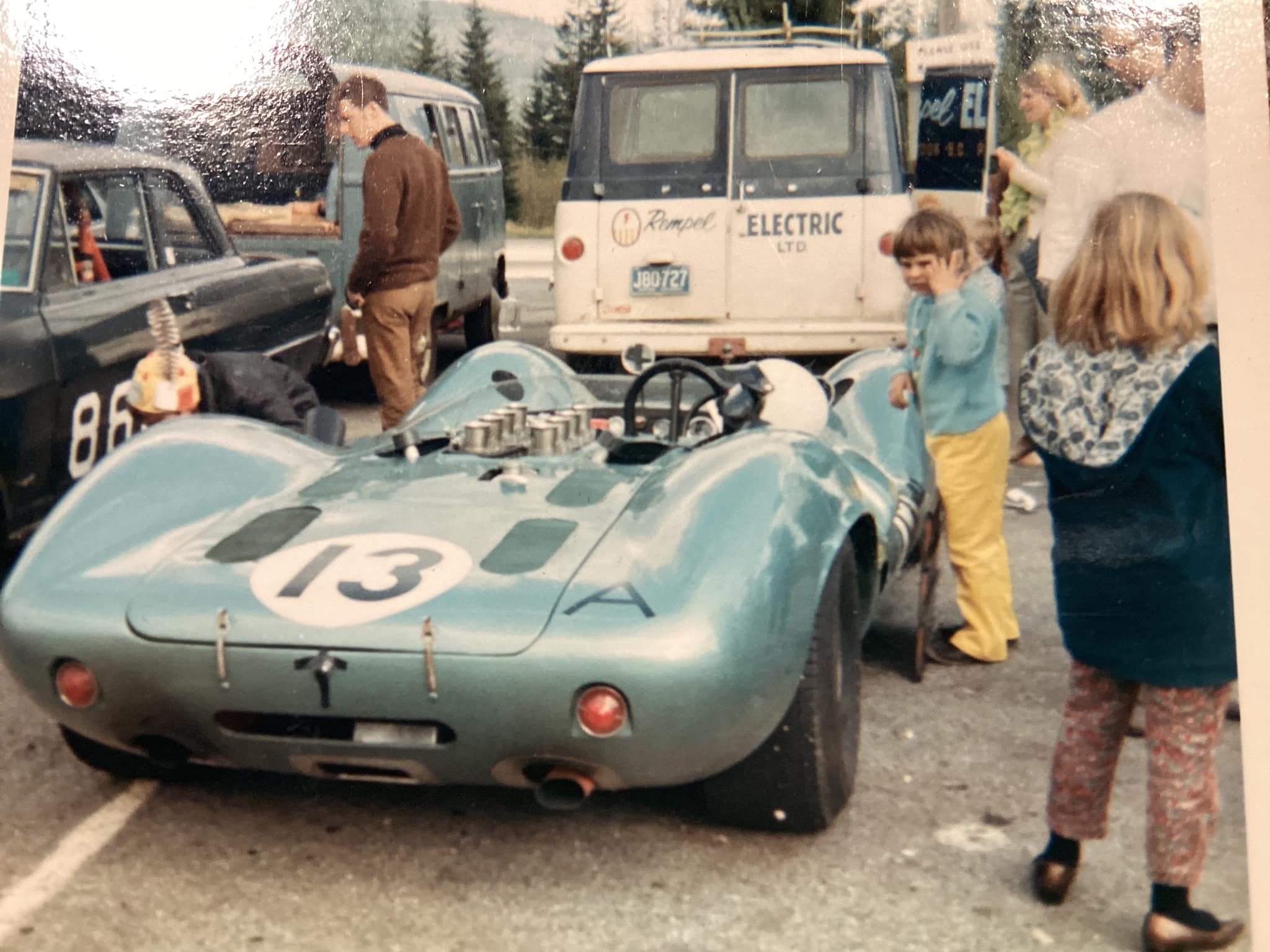
Visually, the Series 1 was a masterpiece of 1960s aerodynamics. To achieve the lowest possible frontal area, Chapman insisted on using 13-inch wheels, giving the car a slinking, predatory profile that hugged the tarmac closer than any rival. The fiberglass bodywork was a sensual, flowing form with a distinctive “ducktail” spoiler and deep, shovel-like nose. Yet, the aesthetic triumph of the 13-inch wheels was the car’s dynamic undoing. The tiny rims severely restricted the size of the brake discs. The Girling calipers and small rotors were woefully inadequate for stopping a V8-powered missile, leading to chronic brake fade that plagued the Series 1 throughout its life. While the later Series 2 would move to 15-inch wheels to address this, the Series 1 remains the purest expression of Chapman’s “low drag” obsession, even if it came at the cost of stopping power.
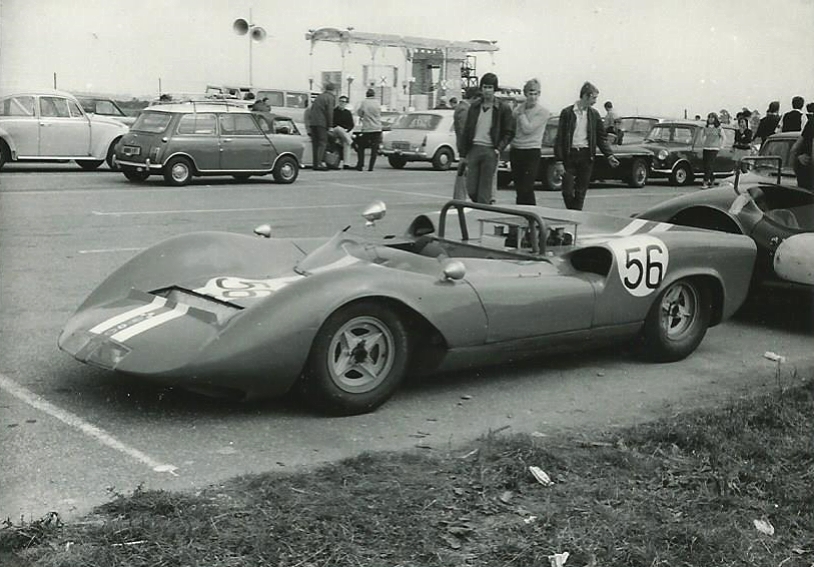
The competitive history of the Lotus 30 Series 1 is a narrative of duality, defined almost entirely by the genius of Jim Clark. In the hands of mere mortals, the car was terrifying. Privateers and factory drivers alike reported that the car felt like it was hinged in the middle. At high speeds on undulating tracks like Mosport or Riverside, the suspension pickup points were prone to cracking, and wishbones were known to fail catastrophically. Yet, Jim Clark, with his supernatural sensitivity, could drive around the flaws. In 1964, he wrestled the Works Series 1 to victories at Aintree, Silverstone, and Mallory Park. Images of Clark in the Series 1 are iconic: the inside front wheel lifted a foot in the air—a symptom of the chassis twisting—while the car slid at an impossible angle, Clark’s inputs smooth and calm amidst the mechanical chaos.
Beyond the factory efforts, the Series 1 found homes with brave privateers, most notably the Willment Racing team, who painted their cars in a distinctive red and white livery. However, in the lucrative North American market—the intended hunting ground for Group 7 cars—the Lotus 30 S1 faltered. Against the rigid tube-frame Chaparrals and McLarens, the flexible Lotus ate its own components. It earned a dark reputation as the “Widowmaker”, a car that was as likely to break its suspension as it was to break a lap record. The cooling system, designed for the damp climates of England, struggled to cope with the heat of the American V8, turning the cockpit into a furnace and frequently boiling the fluid in the clutch and brake lines.
The legacy of the Lotus 30 Series 1 is complex. It stands as a rare failure in Colin Chapman’s glittering career, a proof of concept that the laws of physics cannot always be cheated by clever geometry. It forced Lotus to rush out the Series 2 with larger wheels and stiffening plates, and eventually the Lotus 40, neither of which could fully cure the inherent flaws of the backbone design in this application. Yet, despite its treacherous nature, the Series 1 remains revered today for its sheer beauty and its association with Jim Clark. It represents the “Garagiste” spirit pushed to its absolute limit, a car that tried to redefine the sports racer with radical ideas rather than conventional engineering. In the modern historic racing scene, with chassis reinforced by modern metallurgy and brakes improved by better friction materials, the Series 1 finally drives as well as it looks, allowing us to appreciate Chapman’s vision without the mortal terror that accompanied it in 1964. It is a flawed diamond, a breathtakingly gorgeous mistake that only the greatest driver who ever lived could truly tame.
Generation Overview
In the intoxicating, high-octane haze of 1964, the world of sports car racing was undergoing a violent metamorphosis. The delicate, small-displacement European spyders that had danced through the corners of the 1950s were being ruthlessly hunted to extinction by a new breed of predator: the “Big Banger”. The formula was crude but effective—take a lightweight British chassis and drop in a thundering American V8. Into this volatile arena, Colin Chapman, the high priest of lightweight engineering, unleashed the Lotus 30 Series 1. It was a machine born of supreme confidence and arguably fatal hubris, intended to replace the giant-killing Lotus 19 “Monte Carlo”. However, where the 19 was a precise instrument, the 30 was a hammer made of glass. As the first generation of Lotus’s Group 7 challenger, the Series 1 was tasked with taming the raw torque of the Ford V8 using principles derived from the featherweight Elan road car. It arrived to do battle against the pragmatic brilliance of Bruce McLaren’s nascent M1A and the conventional solidity of the Lola T70, bringing with it a silhouette of haunting beauty and a chassis concept that would test the bravery of every man who strapped himself into its semi-reclined cockpit.
The technical anatomy of the Lotus 30 Series 1 is a fascinating study in scaling up a concept until it fractures. Chapman and designer Len Terry opted to utilize a backbone chassis, a “tuning fork” structure formed from sheet steel, similar to the Elan. In a 1,500 lb road car with a four-cylinder engine, this design offered exceptional rigidity. However, when asked to contain the twisting force of a 4.7-litre (289 cubic inch) Ford Fairlane V8, the chassis found its limit. The engine was mounted in the rear fork of the backbone, mated to a ZF 5DS20 transaxle—the same robust gearbox found in the Ford GT40. The flaw lay in the spine itself; under the load of 350 brake horsepower and the lateral g-forces of modern racing tires, the chassis acted like a torsion bar, twisting along its length. This meant that the suspension geometry—double wishbones all around—was constantly in flux. A driver could enter a corner with one setup and exit with another, the car effectively steering from the rear as the chassis flexed.
Visually, the Series 1 was a masterpiece of 1960s aerodynamics. To achieve the lowest possible frontal area, Chapman insisted on using 13-inch wheels, giving the car a slinking, predatory profile that hugged the tarmac closer than any rival. The fiberglass bodywork was a sensual, flowing form with a distinctive “ducktail” spoiler and deep, shovel-like nose. Yet, the aesthetic triumph of the 13-inch wheels was the car’s dynamic undoing. The tiny rims severely restricted the size of the brake discs. The Girling calipers and small rotors were woefully inadequate for stopping a V8-powered missile, leading to chronic brake fade that plagued the Series 1 throughout its life. While the later Series 2 would move to 15-inch wheels to address this, the Series 1 remains the purest expression of Chapman’s “low drag” obsession, even if it came at the cost of stopping power.
The competitive history of the Lotus 30 Series 1 is a narrative of duality, defined almost entirely by the genius of Jim Clark. In the hands of mere mortals, the car was terrifying. Privateers and factory drivers alike reported that the car felt like it was hinged in the middle. At high speeds on undulating tracks like Mosport or Riverside, the suspension pickup points were prone to cracking, and wishbones were known to fail catastrophically. Yet, Jim Clark, with his supernatural sensitivity, could drive around the flaws. In 1964, he wrestled the Works Series 1 to victories at Aintree, Silverstone, and Mallory Park. Images of Clark in the Series 1 are iconic: the inside front wheel lifted a foot in the air—a symptom of the chassis twisting—while the car slid at an impossible angle, Clark’s inputs smooth and calm amidst the mechanical chaos.
Beyond the factory efforts, the Series 1 found homes with brave privateers, most notably the Willment Racing team, who painted their cars in a distinctive red and white livery. However, in the lucrative North American market—the intended hunting ground for Group 7 cars—the Lotus 30 S1 faltered. Against the rigid tube-frame Chaparrals and McLarens, the flexible Lotus ate its own components. It earned a dark reputation as the “Widowmaker”, a car that was as likely to break its suspension as it was to break a lap record. The cooling system, designed for the damp climates of England, struggled to cope with the heat of the American V8, turning the cockpit into a furnace and frequently boiling the fluid in the clutch and brake lines.
The legacy of the Lotus 30 Series 1 is complex. It stands as a rare failure in Colin Chapman’s glittering career, a proof of concept that the laws of physics cannot always be cheated by clever geometry. It forced Lotus to rush out the Series 2 with larger wheels and stiffening plates, and eventually the Lotus 40, neither of which could fully cure the inherent flaws of the backbone design in this application. Yet, despite its treacherous nature, the Series 1 remains revered today for its sheer beauty and its association with Jim Clark. It represents the “Garagiste” spirit pushed to its absolute limit, a car that tried to redefine the sports racer with radical ideas rather than conventional engineering. In the modern historic racing scene, with chassis reinforced by modern metallurgy and brakes improved by better friction materials, the Series 1 finally drives as well as it looks, allowing us to appreciate Chapman’s vision without the mortal terror that accompanied it in 1964. It is a flawed diamond, a breathtakingly gorgeous mistake that only the greatest driver who ever lived could truly tame.
Submodels