Morgan Plus 4 Series I Phase 2
Brand
Produced from
Vehicle category
Portal
Model line
Model generation
Generation Overview
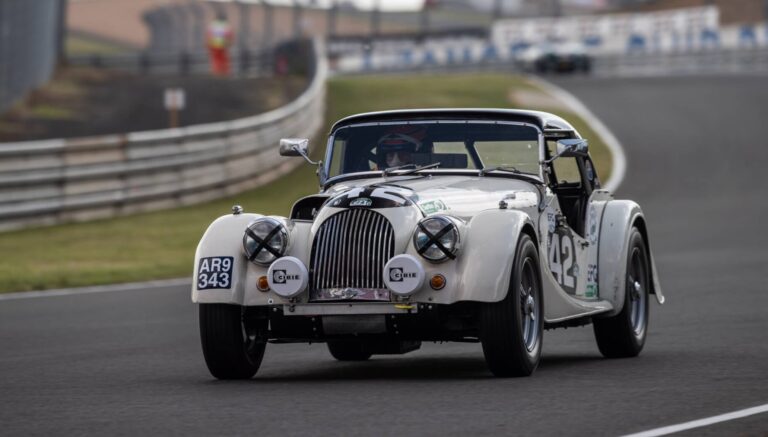
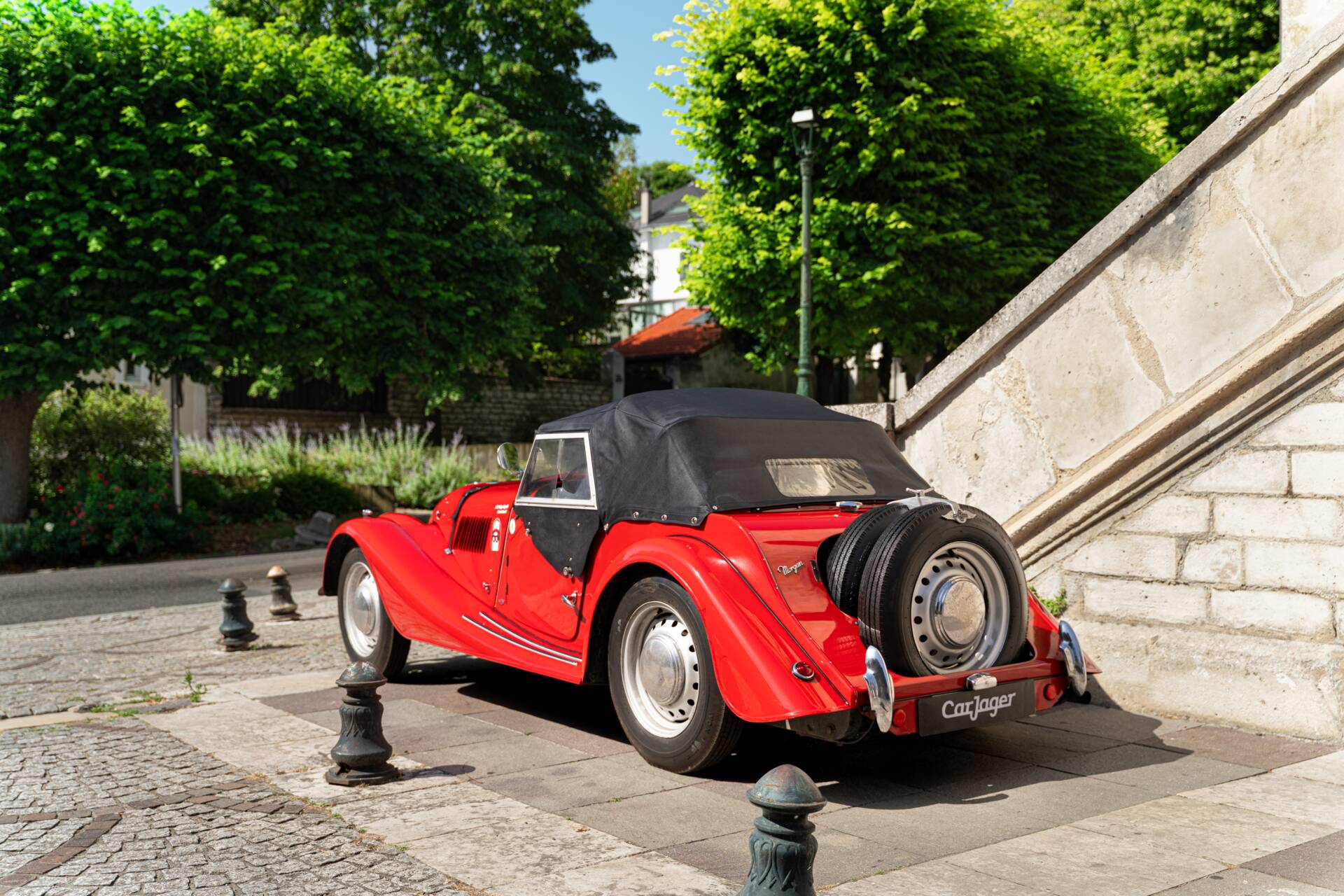
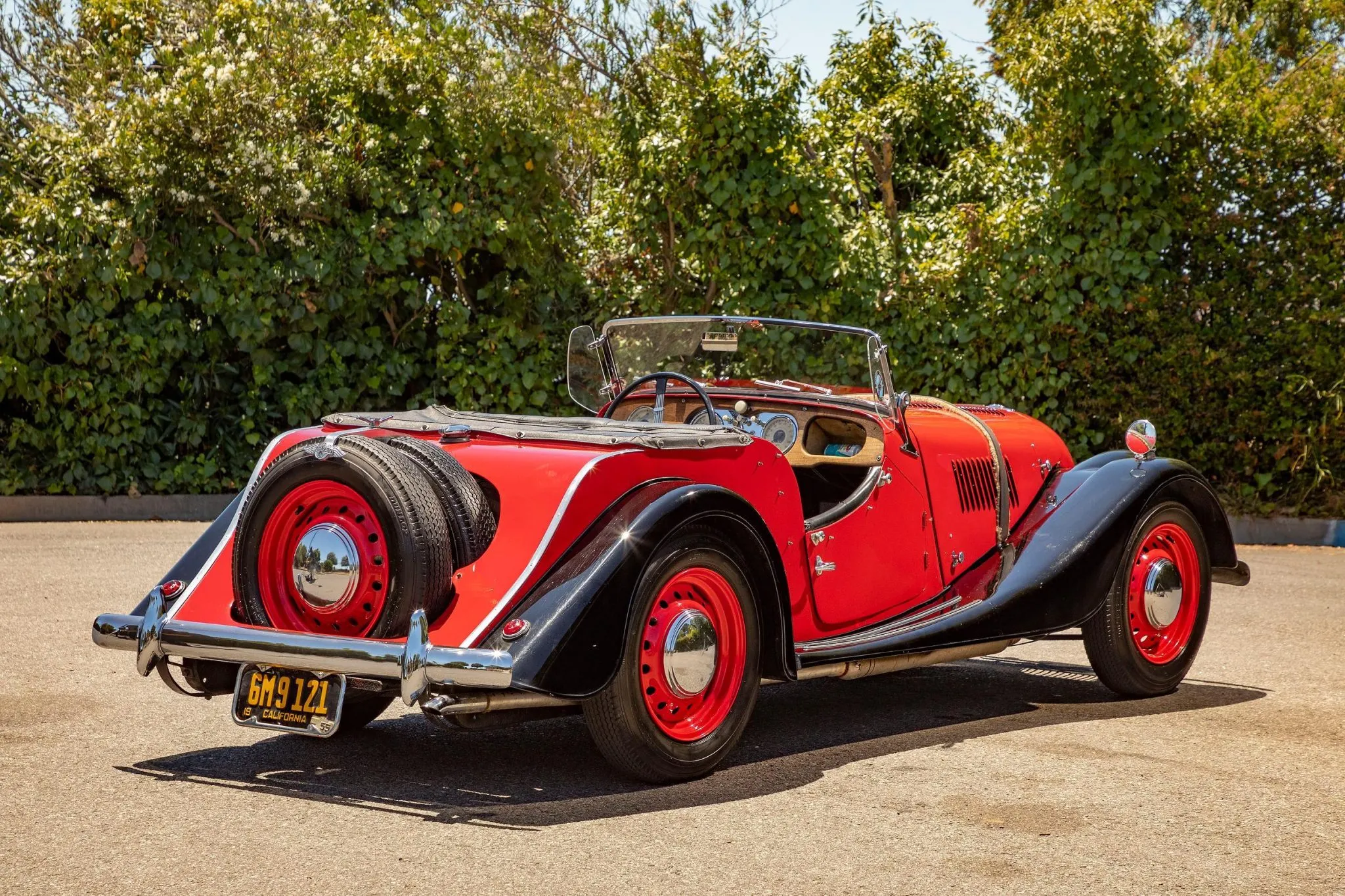
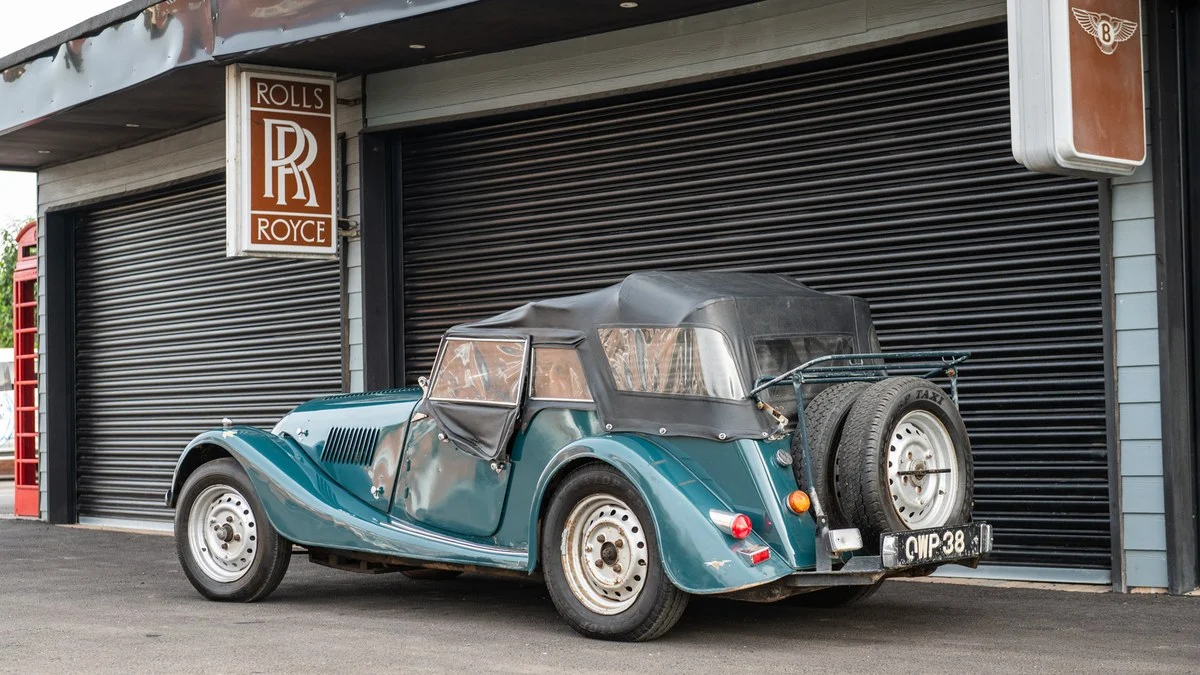
To understand the monumental significance of the 1954 Morgan Plus 4 Series I Phase 2, one must look at the rapidly shifting landscape of the mid-1950s British motor industry. Competitors in Coventry and Abingdon were entirely consumed by the pursuit of aerodynamic modernity and envelope bodies, birthing the sleek MG MGA and the muscular Austin-Healey 100. Yet, in the Malvern Hills, Peter Morgan was orchestrating a brilliant, defiant stand for traditionalism. The preceding Phase 1 of the Plus 4, launched in 1950, had been a sturdy but ultimately breathless machine, hobbled by the utilitarian 2,088cc Standard Vanguard engine. By 1954, Morgan desperately needed a powerplant that could match the robust nature of their chassis. A historic handshake with Sir John Black of Standard-Triumph secured the rights to use the fiery new 1,991cc engine from the Triumph TR2, officially birthing the Phase 2 generation. This crucial mechanical transplant transformed the Plus 4 from a charming anachronism into a ferocious, tail-sliding sports car. Offered in a variety of versatile submodels—including the elemental 2-Seater Roadster, the family-accommodating 4-Seater Roadster, and the luxuriously weather-tight 2-Seater Drophead Coupe—the Phase 2 eventually evolved to include the bespoke, high-performance Super Sports and the aerodynamic SLR. It was a generation that unapologetically retained its pre-war coachbuilding ethos while weaponizing it with genuinely modern, giant-killing horsepower.
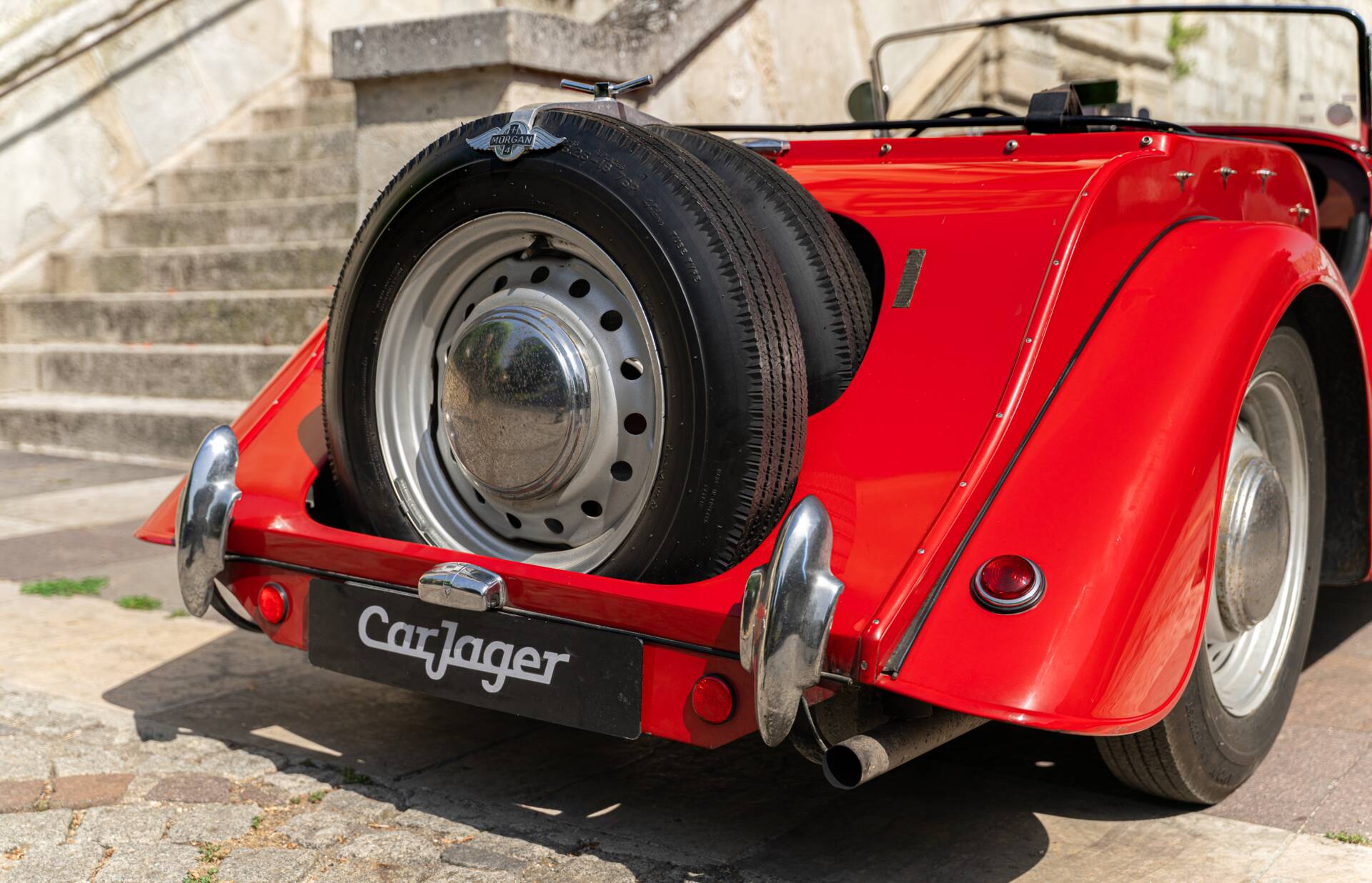
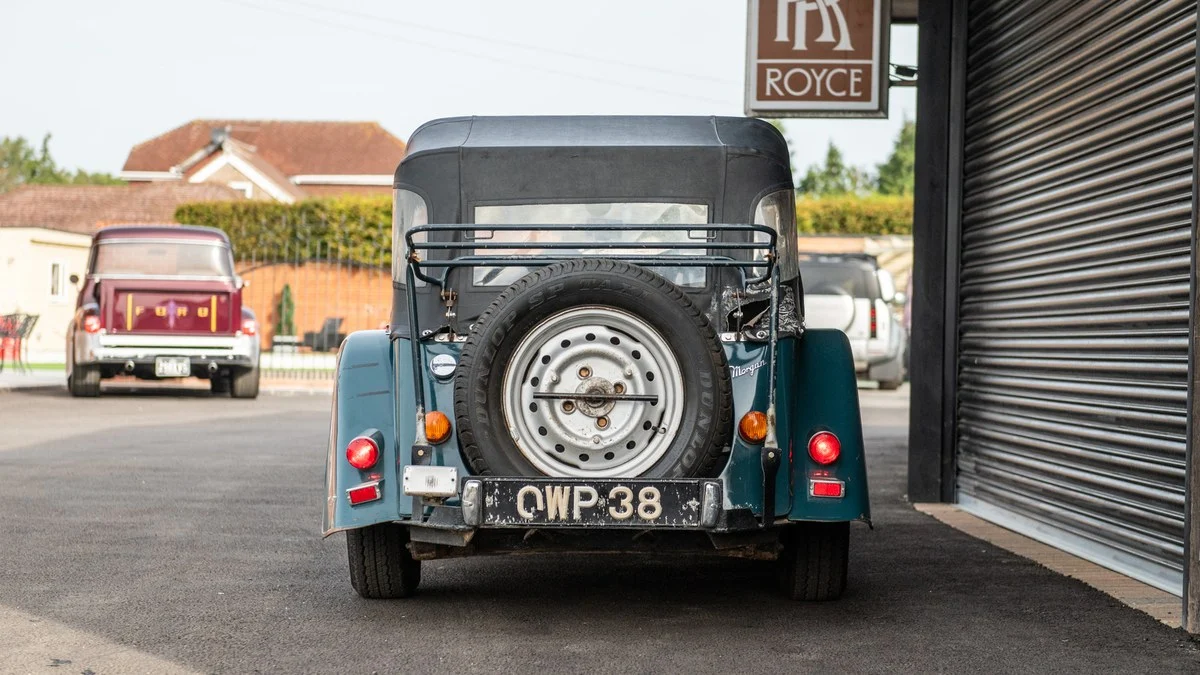
Beneath the sensuous, hand-rolled aluminium or steel bodywork, the Series I Phase 2 was a masterclass in idiosyncratic, time-tested engineering. Visually, 1954 marked a watershed moment for Morgan styling, as the archaic “flat rad” front end was completely replaced by the elegant, curved “cowled” radiator grille that defines the Morgan silhouette to this very day. The structural foundation remained an incredibly low, Z-section steel ladder frame, upon which craftsmen meticulously shaped a skeleton of seasoned English ash wood. The true sorcery of this generation, however, was the integration of the Triumph TR powerplants. The initial TR2 engine produced a punchy 90 brake horsepower, which was subsequently upgraded to the TR3 unit, and ultimately the 2,138cc TR4 engine producing 105 horsepower in the early 1960s. Mated to a heavy, deliberate four-speed Moss gearbox that notoriously lacked synchromesh on first gear, the Plus 4 required a masterful, physical driver to extract its full potential. The suspension utilized H.F.S. Morgan’s patented 1909 sliding pillar design at the front and a live rear axle slung on stiff leaf springs at the back. This setup provided immense, instantaneous steering feedback and a ride that was uncompromisingly firm. As speeds climbed, Morgan continually upgraded the mechanicals, shifting from an all-drum brake setup to front Girling disc brakes by 1959, ensuring the 100-mph roadster could be halted safely. Inside, the cockpit was intimately cramped and beautifully spartan, dominated by a flat wooden or leather-wrapped fascia, a large Bluemel steering wheel, and Morgan’s signature fly-off handbrake—a purposeful environment built for driving, not lounging.
The impact of the Series I Phase 2 on both the commercial survival of the Morgan Motor Company and the global motorsport stage cannot be overstated. In the United States, the car became a sensation among the amateur racing elite. Stripped of its bumpers and windscreen, the Plus 4 was a terror in the Sports Car Club of America (SCCA) production classes, utilizing its remarkable power-to-weight ratio and rigid chassis to out-corner vastly more sophisticated machinery. However, the Phase 2’s absolute mythological zenith occurred across the channel at the 1962 24 Hours of Le Mans. The factory was initially reluctant to support an entry, but privateer tuner and racer Chris Lawrence, alongside co-driver Richard Shepherd-Barron, entered a highly modified, aluminium-bodied Phase 2 known as TOK 258. Powered by a LawrenceTune-fettled Triumph TR4 engine and utilizing a specialized hardtop, the ash-framed Morgan battled through the grueling 24-hour marathon to secure a miraculous victory in the 2.0-liter GT class, humiliating factory efforts from Porsche and Alfa Romeo. This legendary triumph directly birthed the limited-production Plus 4 Super Sports submodel, featuring Weber carburettors and lightweight bodywork, which remains one of the most fiercely coveted Morgans in existence.
The legacy of the 1954 Morgan Plus 4 Series I Phase 2 is the story of how stubborn, uncompromising tradition conquered the world. It remained in continuous production until 1969, its lifespan only curtailed because Triumph finally ceased production of the legendary TR four-cylinder engine, forcing Morgan to pivot to the Rover V8-powered Plus 8. The Phase 2 proved that independent front suspension and monocoque chassis were not strict prerequisites for driving joy or racing success. It cemented the visual and mechanical identity of the Morgan Motor Company for the next half-century, ensuring the survival of the ash-framed sports car. Today, a well-driven Phase 2 Plus 4 is a highly prized blue-chip classic, revered not just for its breathtaking Le Mans pedigree, but as a visceral, oil-scented time machine. It occupies a deeply romantic place in the pantheon of motoring as the ultimate manifestation of the classic British roadster—a car built by hand, powered by Triumph, and driven by heroes.
Portal
Model line
Model generation
Brand
Produced from
Vehicle category
Generation Overview
To understand the monumental significance of the 1954 Morgan Plus 4 Series I Phase 2, one must look at the rapidly shifting landscape of the mid-1950s British motor industry. Competitors in Coventry and Abingdon were entirely consumed by the pursuit of aerodynamic modernity and envelope bodies, birthing the sleek MG MGA and the muscular Austin-Healey 100. Yet, in the Malvern Hills, Peter Morgan was orchestrating a brilliant, defiant stand for traditionalism. The preceding Phase 1 of the Plus 4, launched in 1950, had been a sturdy but ultimately breathless machine, hobbled by the utilitarian 2,088cc Standard Vanguard engine. By 1954, Morgan desperately needed a powerplant that could match the robust nature of their chassis. A historic handshake with Sir John Black of Standard-Triumph secured the rights to use the fiery new 1,991cc engine from the Triumph TR2, officially birthing the Phase 2 generation. This crucial mechanical transplant transformed the Plus 4 from a charming anachronism into a ferocious, tail-sliding sports car. Offered in a variety of versatile submodels—including the elemental 2-Seater Roadster, the family-accommodating 4-Seater Roadster, and the luxuriously weather-tight 2-Seater Drophead Coupe—the Phase 2 eventually evolved to include the bespoke, high-performance Super Sports and the aerodynamic SLR. It was a generation that unapologetically retained its pre-war coachbuilding ethos while weaponizing it with genuinely modern, giant-killing horsepower.
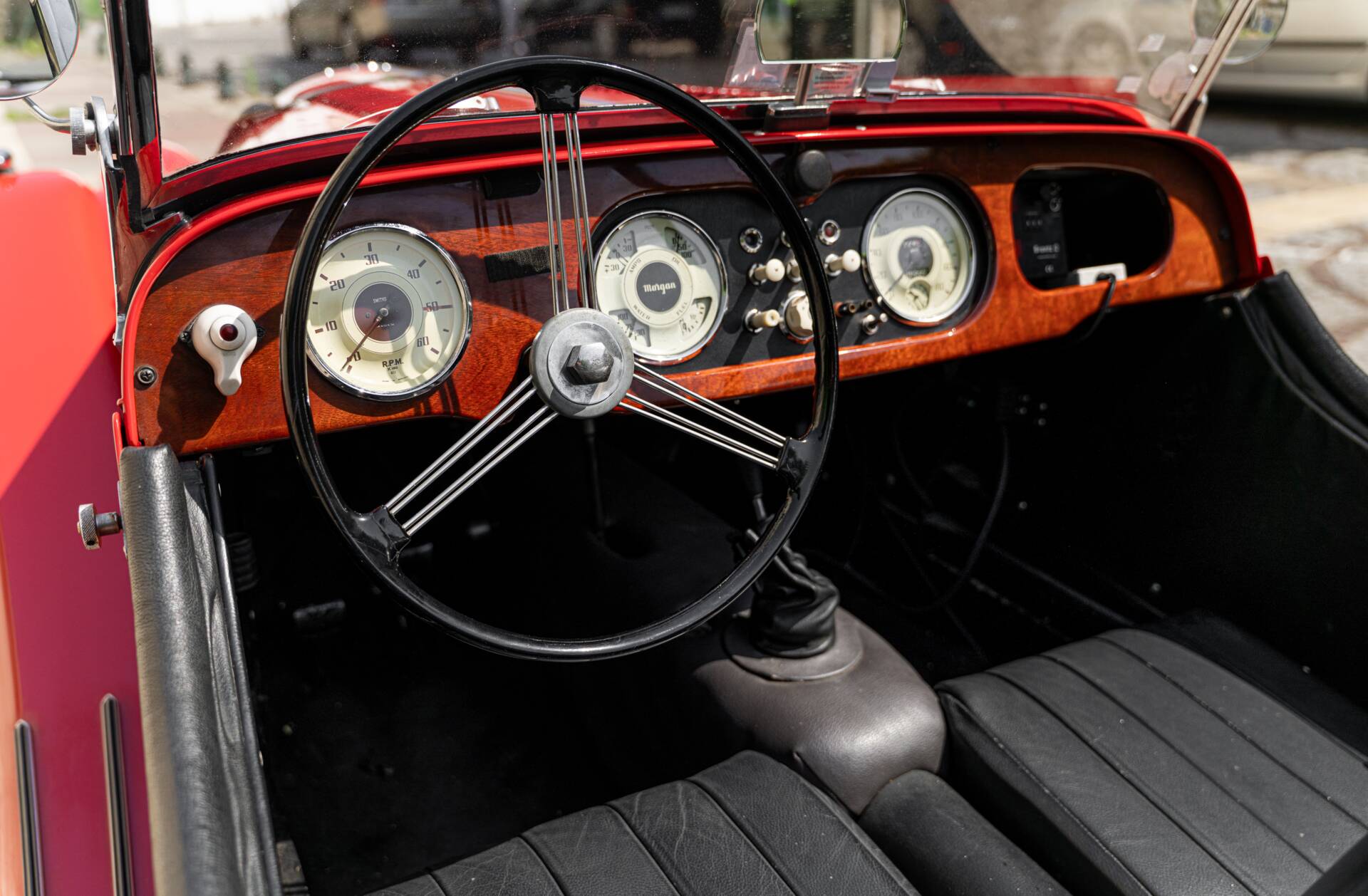
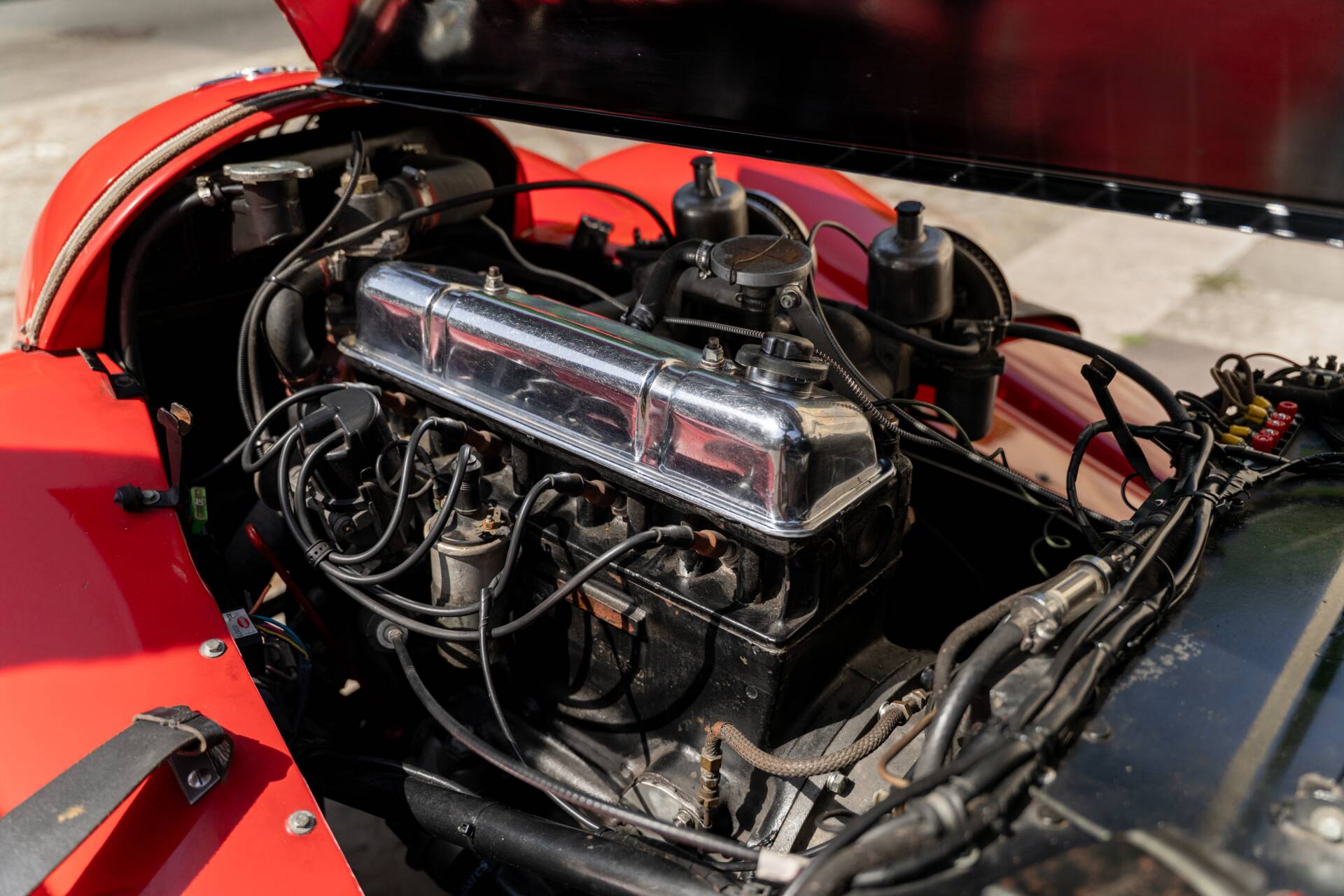
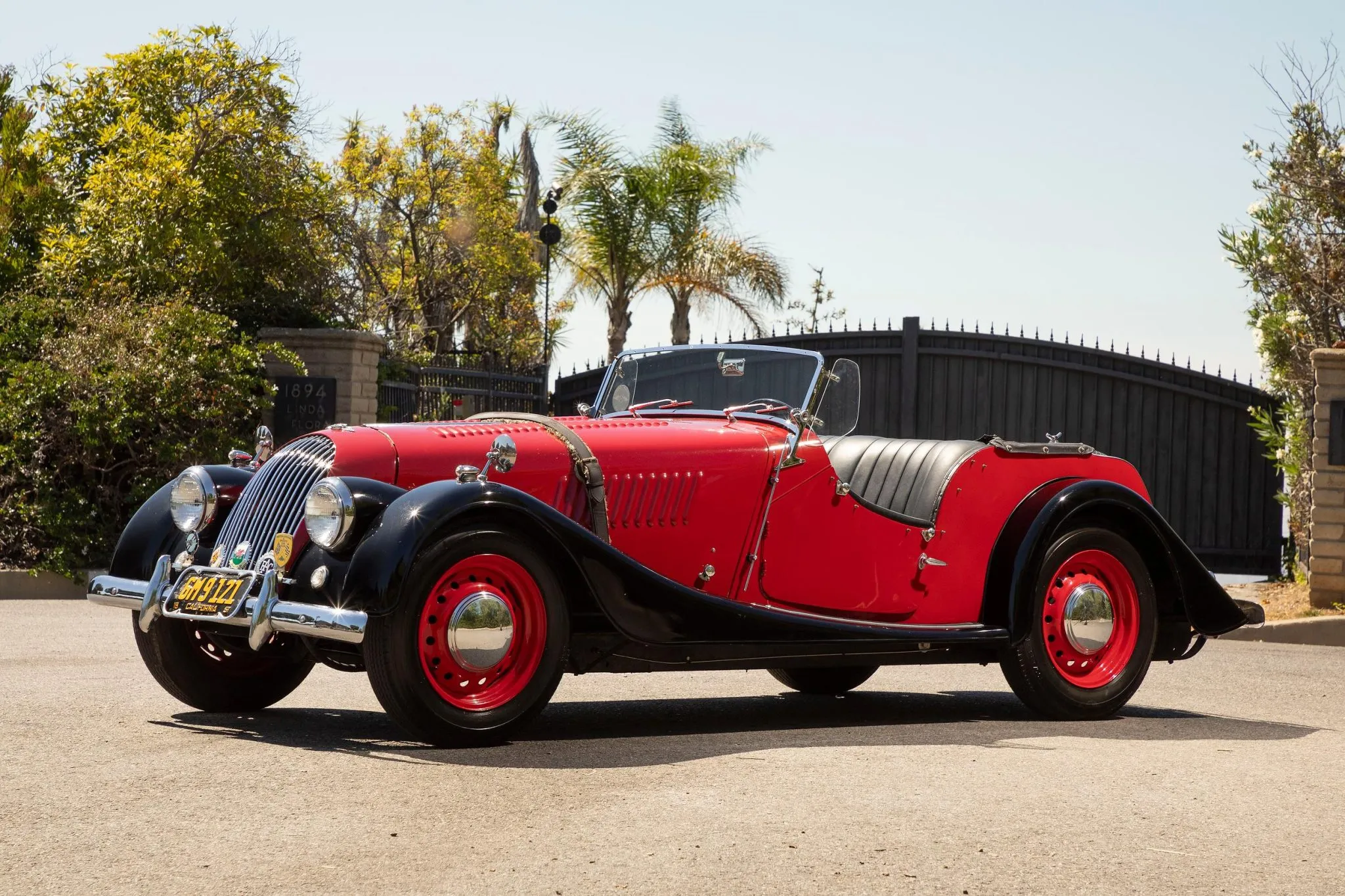
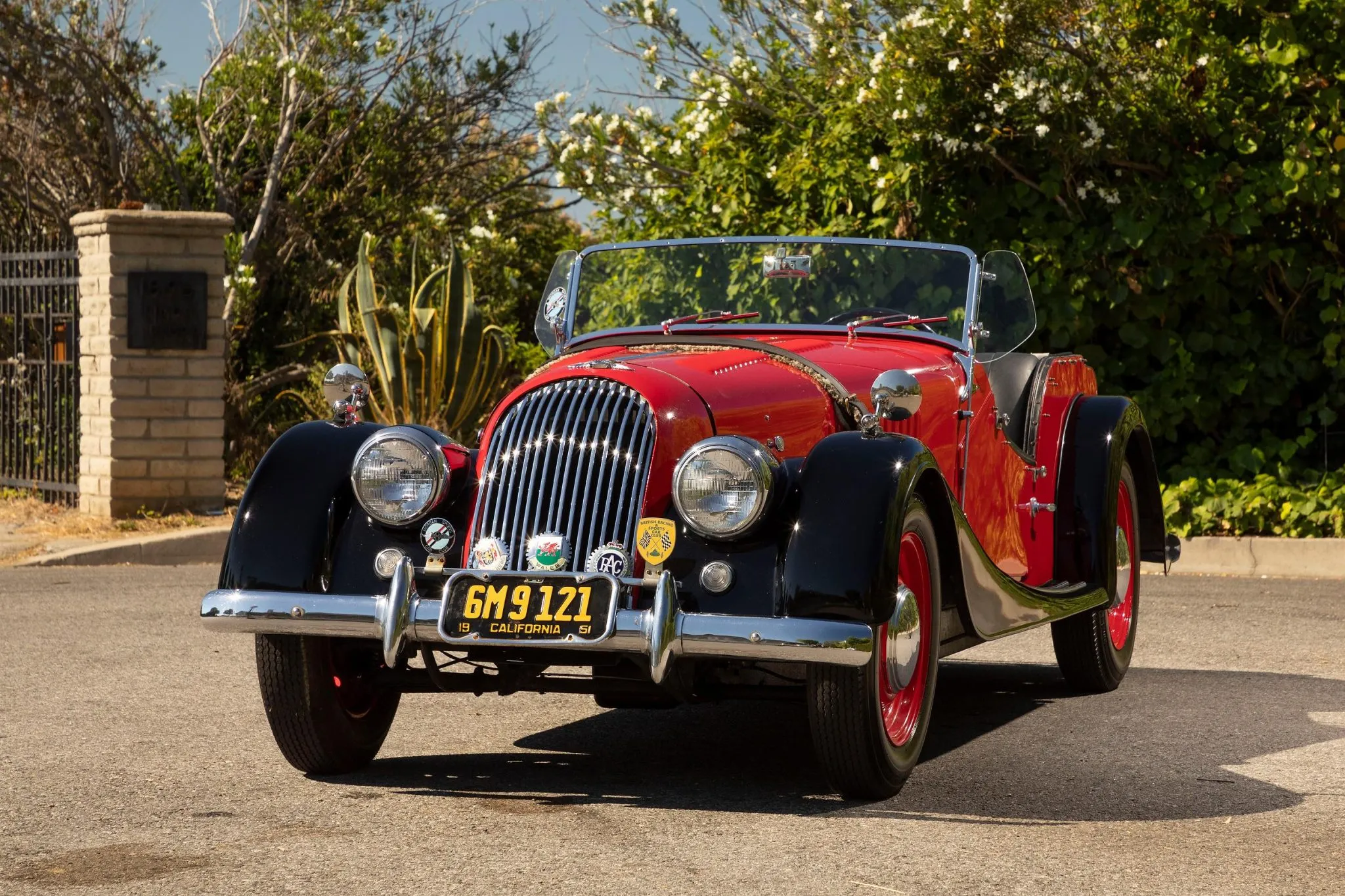
Beneath the sensuous, hand-rolled aluminium or steel bodywork, the Series I Phase 2 was a masterclass in idiosyncratic, time-tested engineering. Visually, 1954 marked a watershed moment for Morgan styling, as the archaic “flat rad” front end was completely replaced by the elegant, curved “cowled” radiator grille that defines the Morgan silhouette to this very day. The structural foundation remained an incredibly low, Z-section steel ladder frame, upon which craftsmen meticulously shaped a skeleton of seasoned English ash wood. The true sorcery of this generation, however, was the integration of the Triumph TR powerplants. The initial TR2 engine produced a punchy 90 brake horsepower, which was subsequently upgraded to the TR3 unit, and ultimately the 2,138cc TR4 engine producing 105 horsepower in the early 1960s. Mated to a heavy, deliberate four-speed Moss gearbox that notoriously lacked synchromesh on first gear, the Plus 4 required a masterful, physical driver to extract its full potential. The suspension utilized H.F.S. Morgan’s patented 1909 sliding pillar design at the front and a live rear axle slung on stiff leaf springs at the back. This setup provided immense, instantaneous steering feedback and a ride that was uncompromisingly firm. As speeds climbed, Morgan continually upgraded the mechanicals, shifting from an all-drum brake setup to front Girling disc brakes by 1959, ensuring the 100-mph roadster could be halted safely. Inside, the cockpit was intimately cramped and beautifully spartan, dominated by a flat wooden or leather-wrapped fascia, a large Bluemel steering wheel, and Morgan’s signature fly-off handbrake—a purposeful environment built for driving, not lounging.
The impact of the Series I Phase 2 on both the commercial survival of the Morgan Motor Company and the global motorsport stage cannot be overstated. In the United States, the car became a sensation among the amateur racing elite. Stripped of its bumpers and windscreen, the Plus 4 was a terror in the Sports Car Club of America (SCCA) production classes, utilizing its remarkable power-to-weight ratio and rigid chassis to out-corner vastly more sophisticated machinery. However, the Phase 2’s absolute mythological zenith occurred across the channel at the 1962 24 Hours of Le Mans. The factory was initially reluctant to support an entry, but privateer tuner and racer Chris Lawrence, alongside co-driver Richard Shepherd-Barron, entered a highly modified, aluminium-bodied Phase 2 known as TOK 258. Powered by a LawrenceTune-fettled Triumph TR4 engine and utilizing a specialized hardtop, the ash-framed Morgan battled through the grueling 24-hour marathon to secure a miraculous victory in the 2.0-liter GT class, humiliating factory efforts from Porsche and Alfa Romeo. This legendary triumph directly birthed the limited-production Plus 4 Super Sports submodel, featuring Weber carburettors and lightweight bodywork, which remains one of the most fiercely coveted Morgans in existence.
The legacy of the 1954 Morgan Plus 4 Series I Phase 2 is the story of how stubborn, uncompromising tradition conquered the world. It remained in continuous production until 1969, its lifespan only curtailed because Triumph finally ceased production of the legendary TR four-cylinder engine, forcing Morgan to pivot to the Rover V8-powered Plus 8. The Phase 2 proved that independent front suspension and monocoque chassis were not strict prerequisites for driving joy or racing success. It cemented the visual and mechanical identity of the Morgan Motor Company for the next half-century, ensuring the survival of the ash-framed sports car. Today, a well-driven Phase 2 Plus 4 is a highly prized blue-chip classic, revered not just for its breathtaking Le Mans pedigree, but as a visceral, oil-scented time machine. It occupies a deeply romantic place in the pantheon of motoring as the ultimate manifestation of the classic British roadster—a car built by hand, powered by Triumph, and driven by heroes.
Submodels