Shelby Cobra Mk III
Brand
Produced from
Vehicle category
Portal
Model line
Model generation
Predecessor
Generation Overview
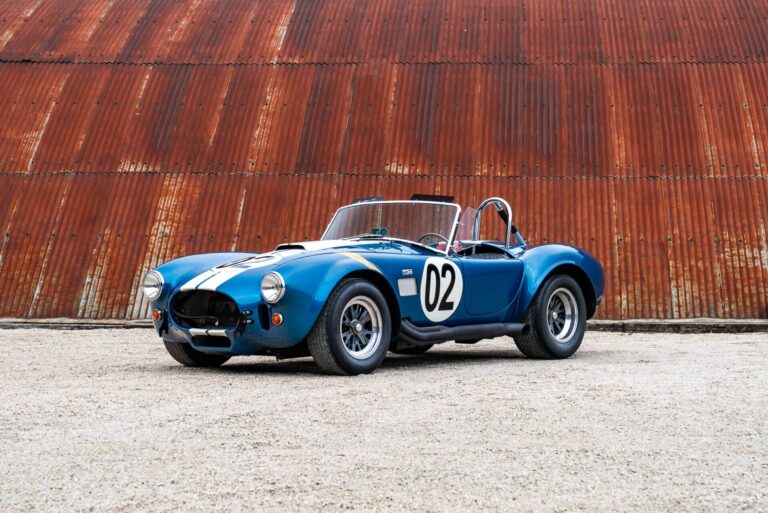
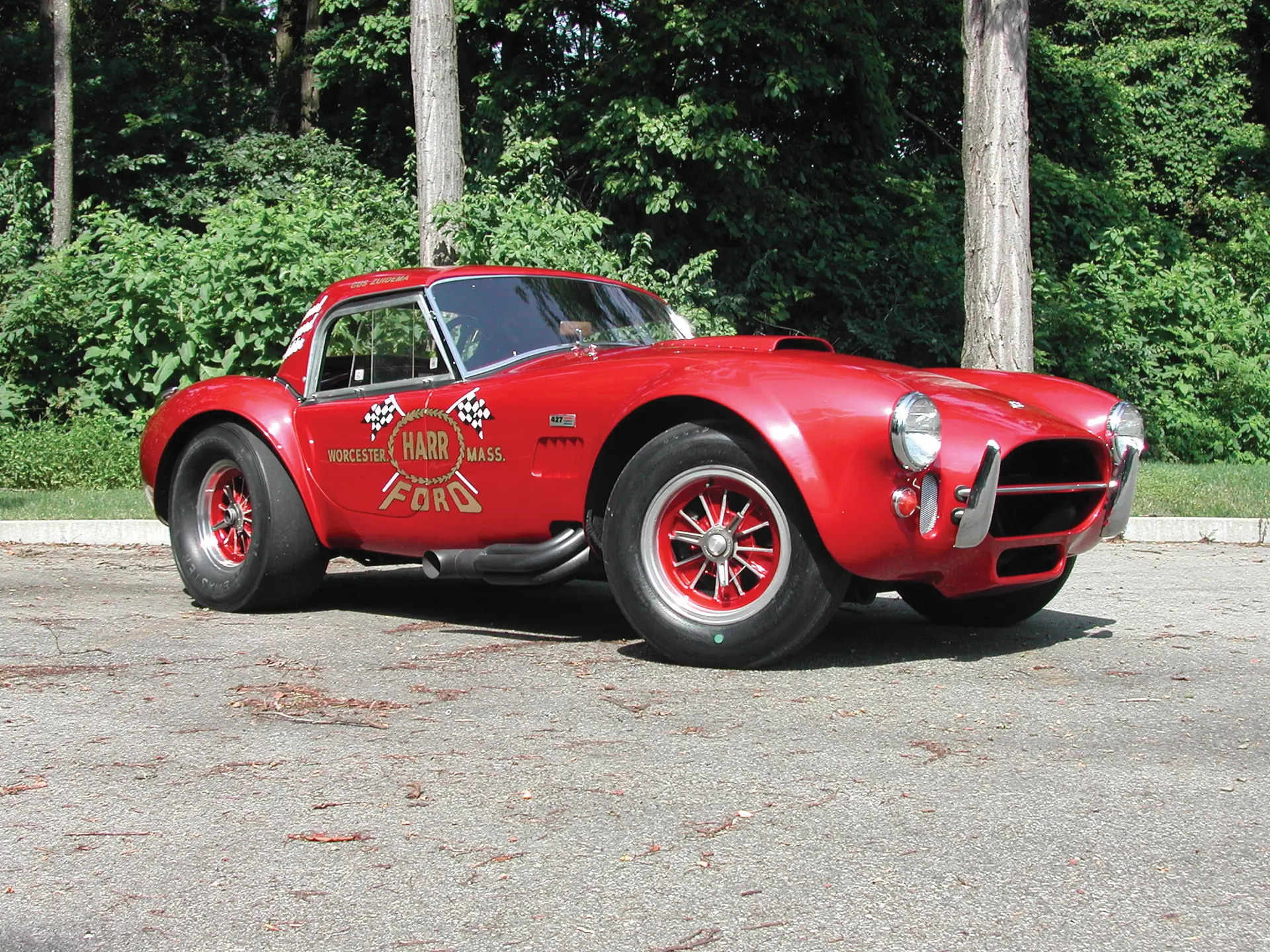
To fully grasp the magnitude of the 1965 Shelby Cobra Mk III, one must first confront the terrifying reality of its conception. By 1964, Carroll Shelby’s brilliantly sorted 289-powered Mk II Cobra had already achieved mythological status, bloodying the noses of Chevrolet Corvettes in America and harassing Ferrari GTOs across Europe. However, the automotive arms race of the mid-1960s was accelerating at a frightening pace. Chevrolet was quietly developing its monstrous 396 and 427 cubic-inch big-block V8s, while Maranello’s prototypes were achieving unimaginable top speeds. Shelby knew that the nimble, 289 cubic-inch small block had reached its absolute developmental ceiling. To maintain absolute supremacy, he needed a vastly bigger hammer. The solution was Ford’s colossal 427 cubic-inch (7.0-liter) FE big-block V8—an engine originally designed to dominate the banked ovals of NASCAR. But dropping a torque-monster of that magnitude into the archaic, leaf-sprung AC Ace chassis was a recipe for instant fatality; the immense twist of the 427 would literally bend the old frame into a pretzel. Thus, the Mk III was born not merely as an engine swap, but as a complete, ground-up re-engineering of the Anglo-American hybrid, birthing a family of submodels that included the raw Competition cars, the legendary S/C (Semi-Competition), and the slightly more civilized street roadsters.
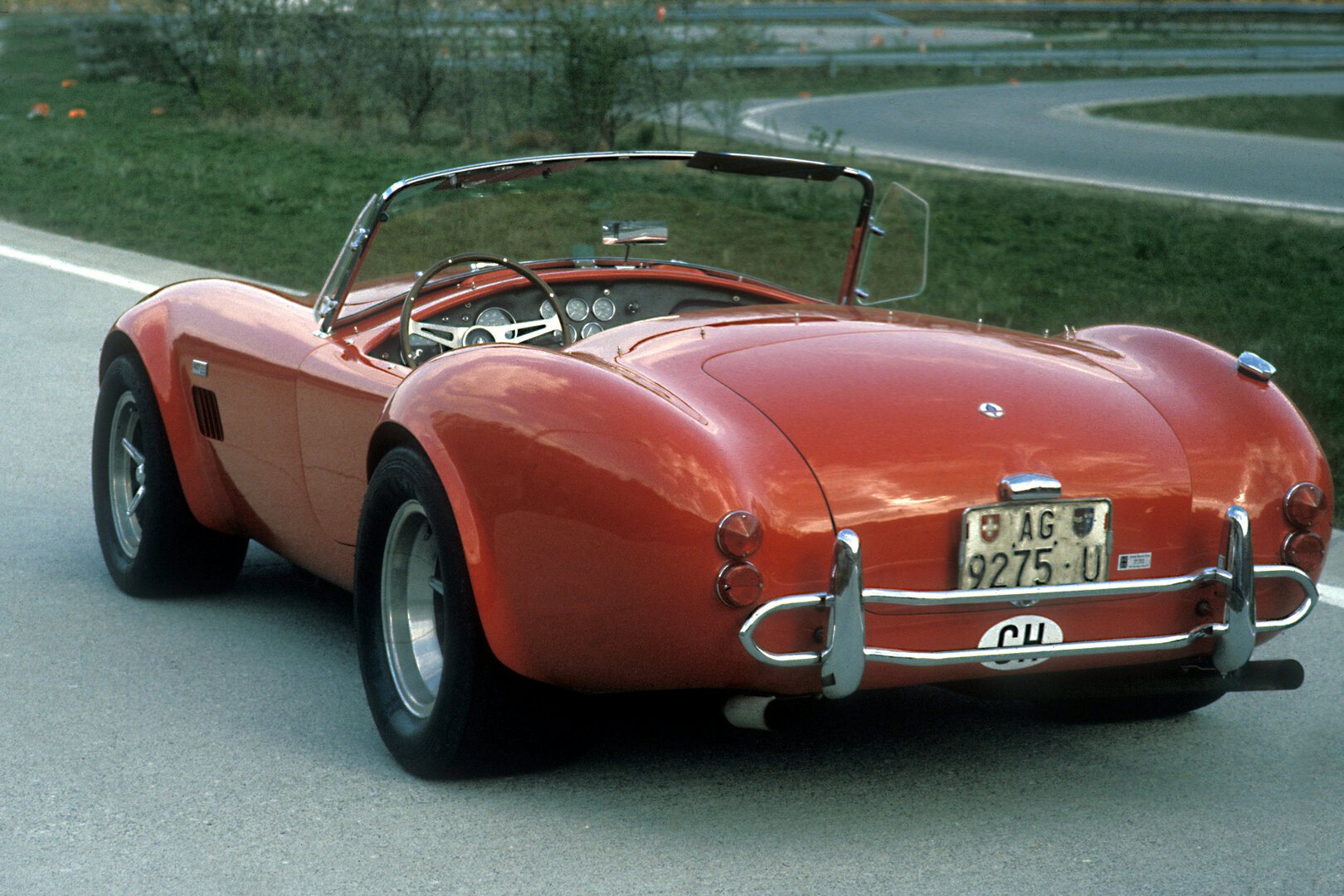
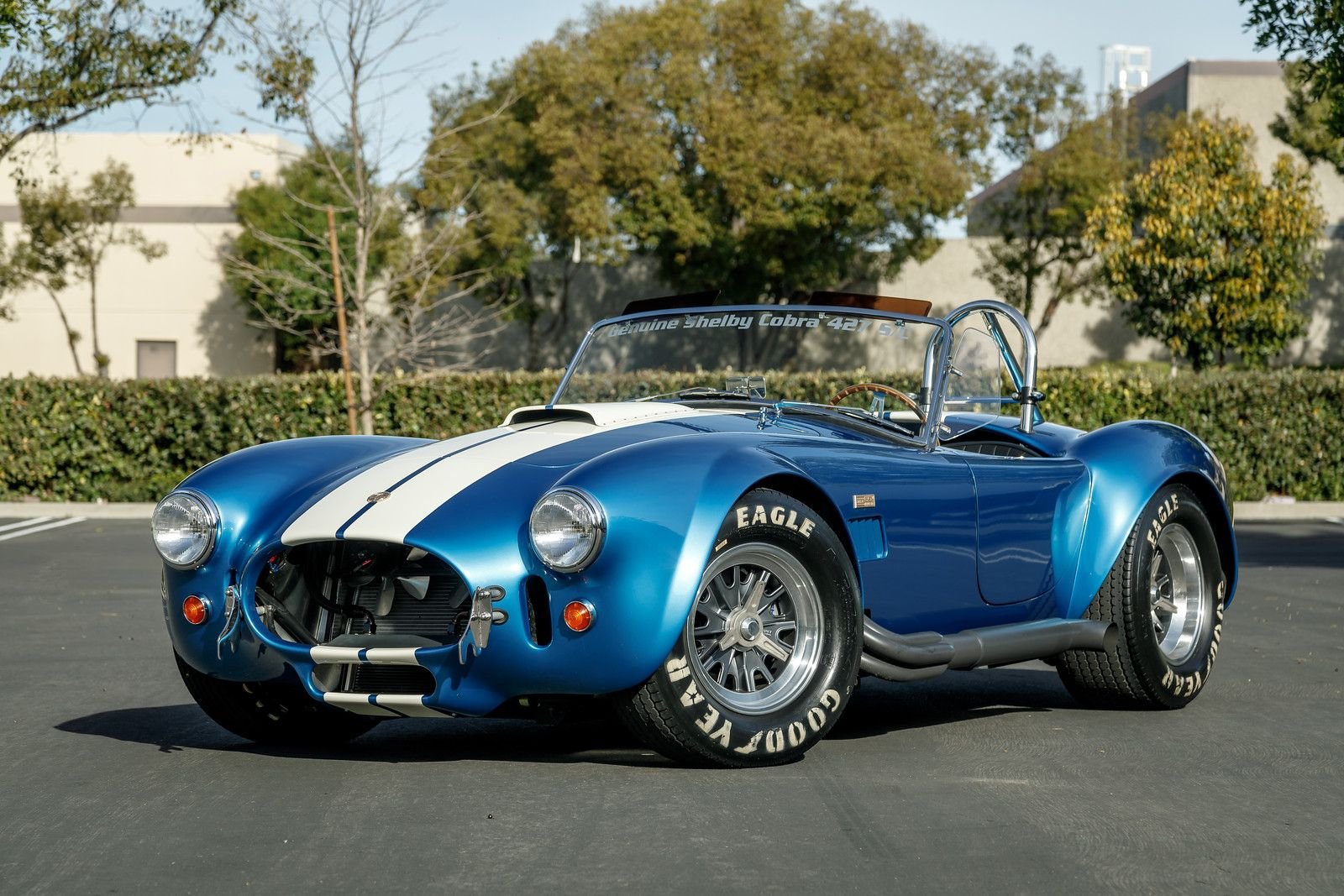
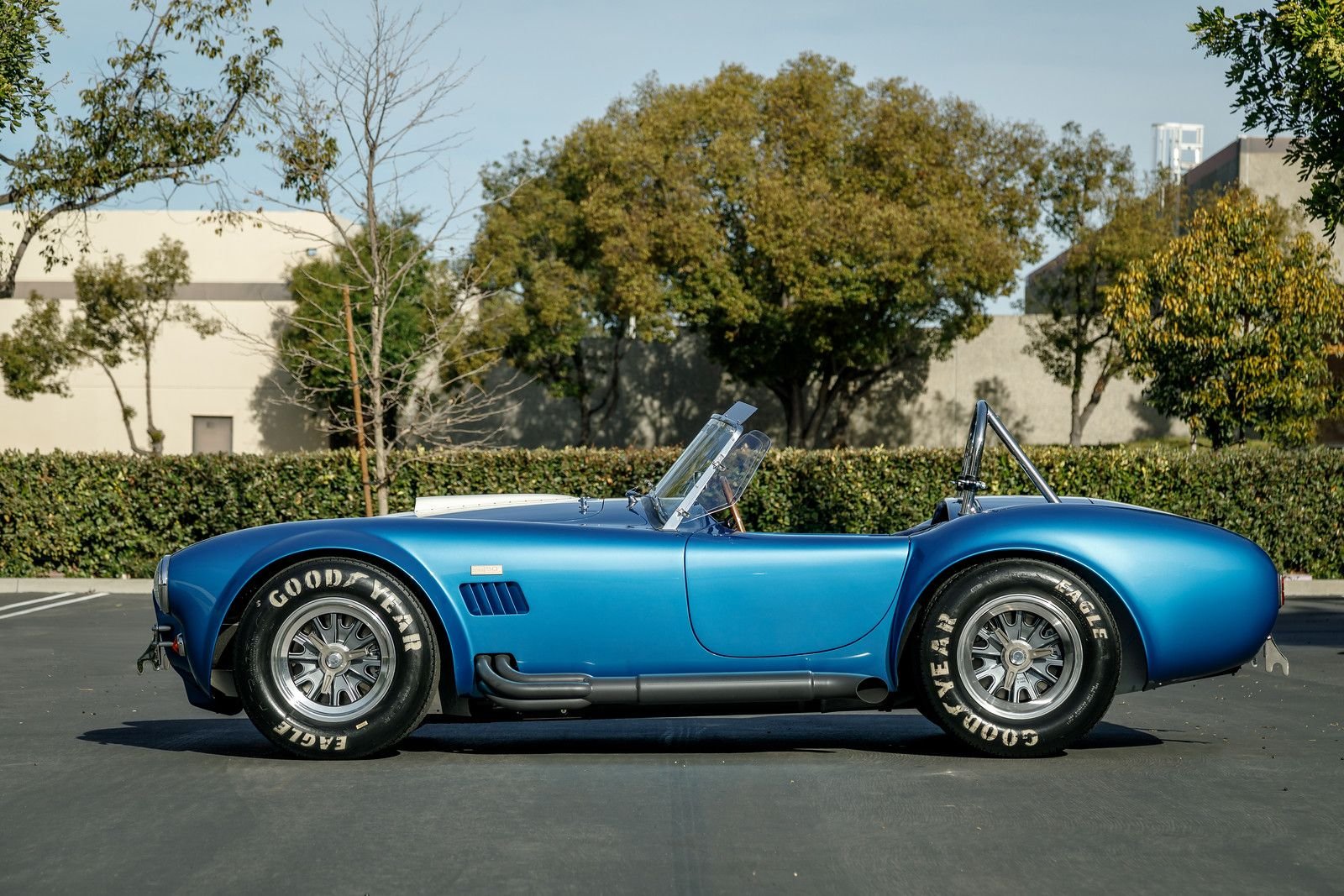
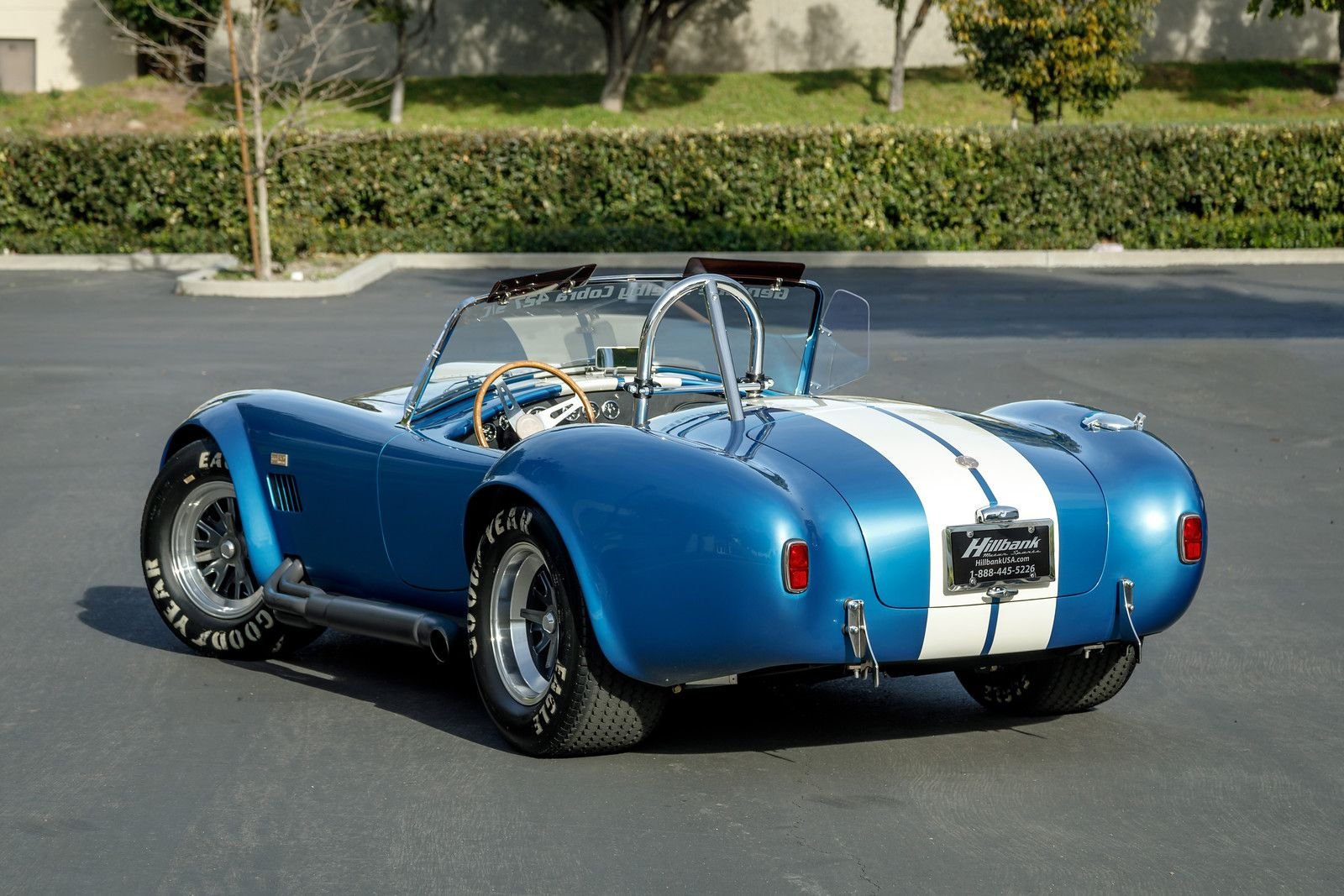
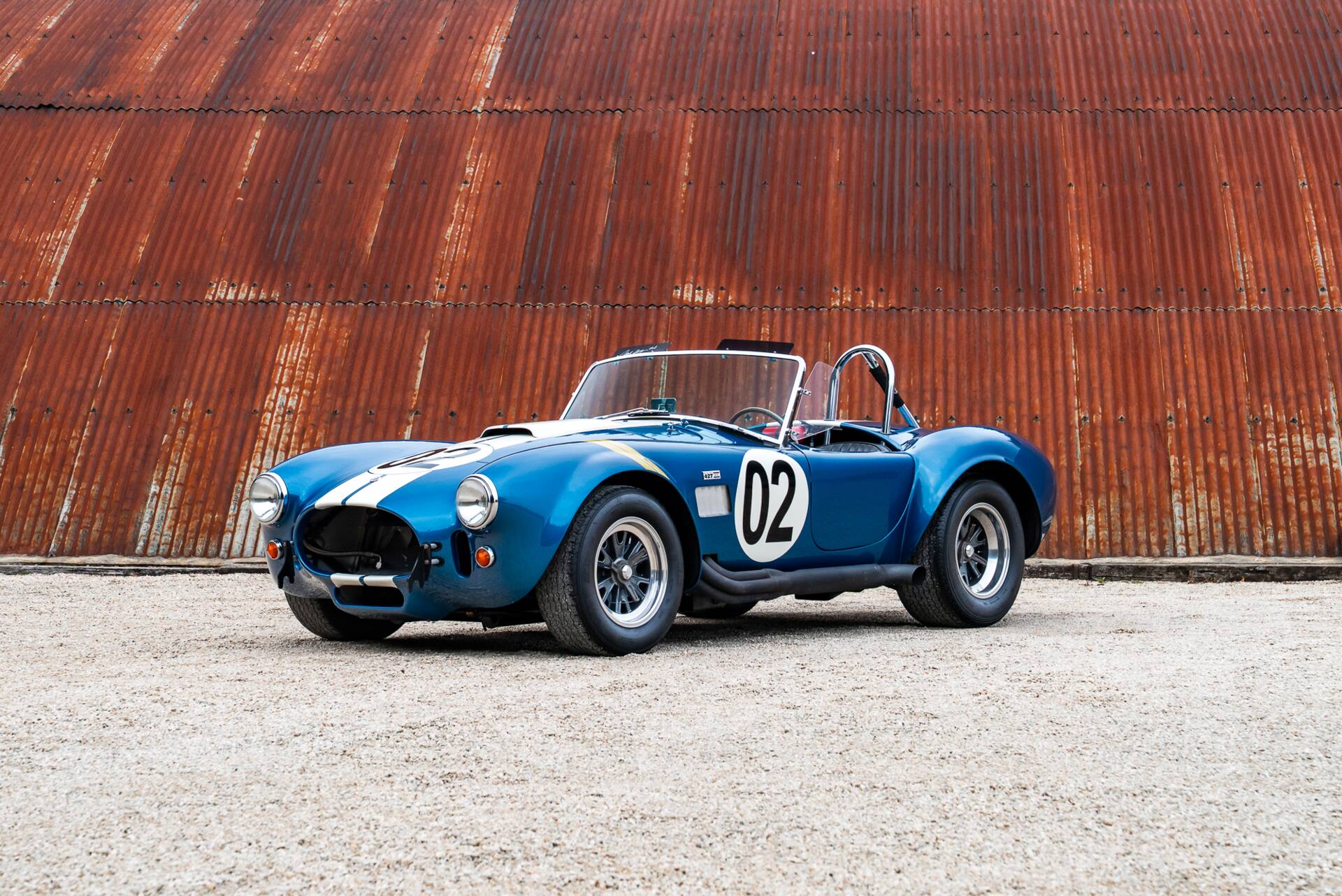
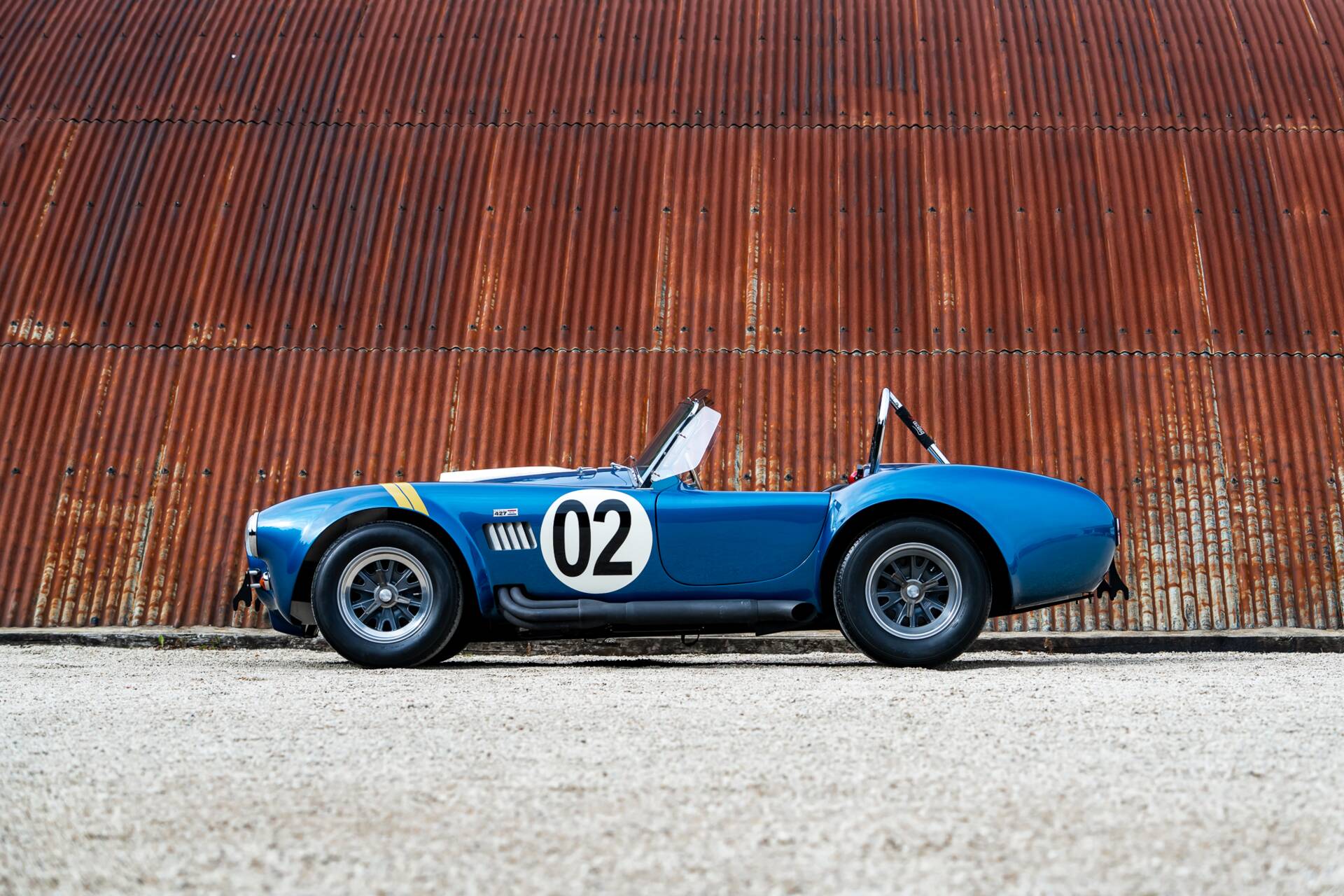
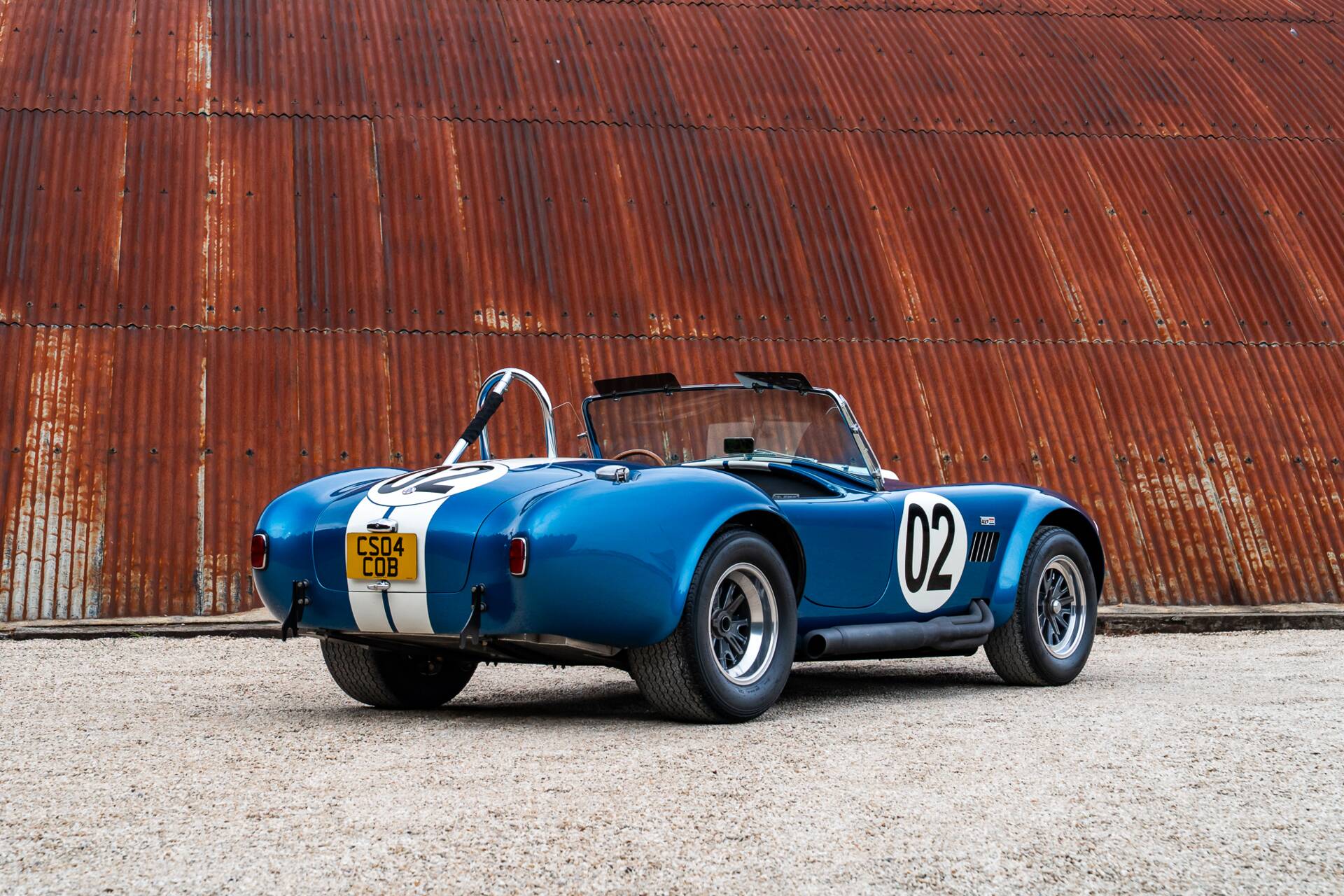
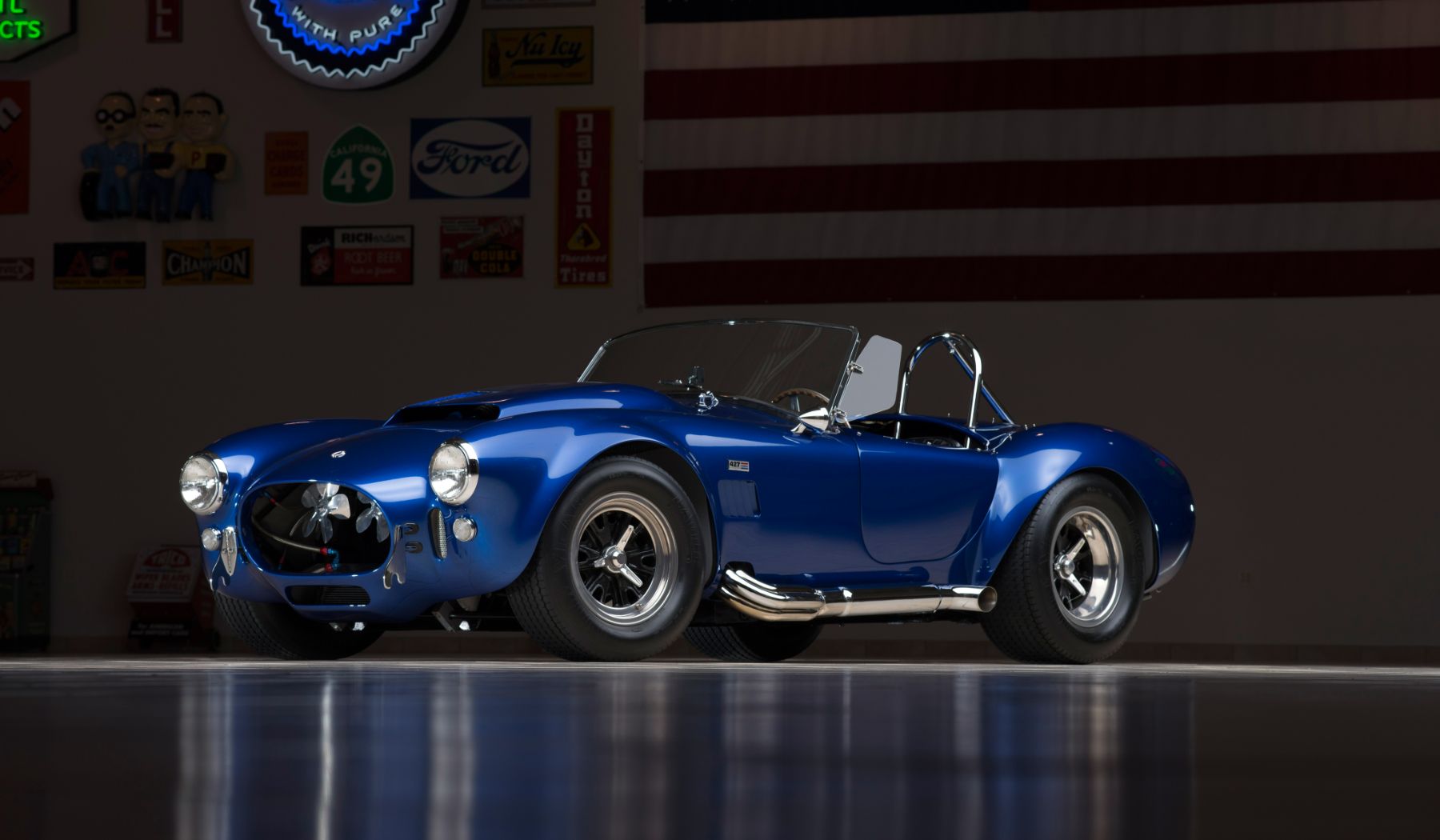
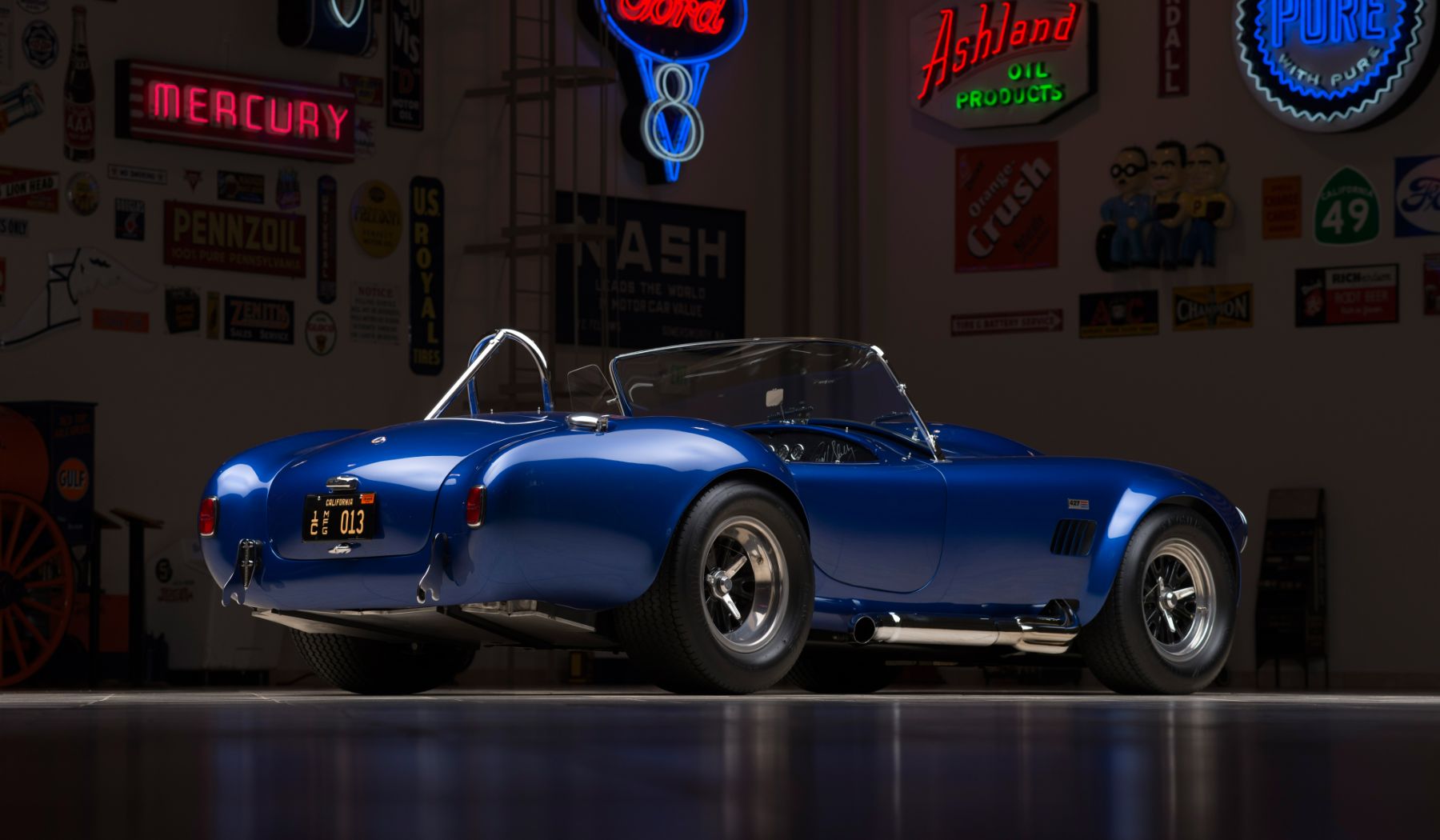
The technical metamorphosis from the Mk II to the Mk III is a masterclass in brute-force engineering. Working closely with Ford engineers, specifically the brilliant Bob Negstad, Shelby completely discarded the obsolete transverse leaf springs that had underpinned the AC chassis since the 1950s. In their place, a state-of-the-art, fully independent suspension system utilizing coil springs over Koni shock absorbers was installed at all four corners. To handle the apocalyptic torque of the big block, the main chassis tubes were thickened from three inches to a massive four inches in diameter, increasing structural rigidity exponentially. Aesthetically, the Mk III was transformed into a cartoonishly aggressive, testosterone-fueled caricature of its former self. To shroud the massive Halibrand pin-drive magnesium wheels and vast expanses of Goodyear racing rubber, the aluminum bodywork was violently stretched, resulting in the iconic, wildly flared wheel arches that define the car’s menacing stance. The radiator opening was gapingly enlarged to feed air to the massive powerplant. At the heart of the beast sat the legendary Ford 427 “side-oiler” V8. In full competition trim, breathing through a single Holley four-barrel carburetor or sometimes dual quads, this iron-block leviathan produced a reliable, ground-shaking 500-plus horsepower. Power was channeled through a nearly indestructible Ford Toploader four-speed manual transmission. To haul this 2,350-pound missile down from speed, massive Girling disc brakes were fitted. Inside the cockpit, the environment remained a spartan, heat-soaked crucible. The driver faced a simple array of Stewart-Warner gauges and a reverse-sweep speedometer, sitting perilously close to the side-exit exhaust pipes that would eagerly brand the calves of the unwary.
The historical footprint of the Mk III Cobra is defined by a heartbreaking bureaucratic technicality that ultimately birthed its greatest legend. Shelby American built the first 50 full-competition 427 Cobras with the explicit goal of homologating them for the 1965 FIA World Sportscar Championship GT class. However, when the FIA inspectors arrived, the production quota had not been fully met, and the car was denied homologation. Relegated to the Prototype class against bespoke, mid-engined thoroughbreds, the 427 Cobra’s international endurance racing ambitions were effectively castrated. Yet, this boardroom defeat sparked a stroke of marketing genius. Shelby was left with 31 unsold competition chassis. His team added rudimentary street windshields, slightly detuned the engines, and sold them to the public as the Cobra S/C (Semi-Competition). Today, the S/C is widely considered the most uncompromising, ferocious, and desirable street-legal sports car ever produced, a literal race car with a license plate. Back on American soil, the Mk III absolutely terrorized the SCCA A-Production class, with legendary drivers like Dick Smith pushing the car to an astonishing 318 km/h (198 mph) at Daytona, cementing its domestic dominance. As for the standard street versions, a fascinating commercial reality often eludes casual enthusiasts: because the 427 racing engines were expensive and in short supply, many of the later street-going Mk III Cobras were actually fitted with Ford’s 428 cubic-inch Police Interceptor V8. While lacking the high-revving racing pedigree of the 427, the 428 was cheaper, more tractable for street driving, and still produced enough torque to alter the earth’s rotation. The Mk III also achieved immortal pop-culture status, most notably through the creation of the ‘Super Snake’—a twin-supercharged, 800-horsepower automatic 427 Cobra built personally for Carroll Shelby, one of which was sold to comedian Bill Cosby, inspiring his famous, terrifying “200 MPH” stand-up routine.
The Shelby Cobra Mk III represents the absolute zenith of the front-engined, rear-wheel-drive analog era—the final, most extreme escalation of the muscle car ethos before aerodynamics and mid-engine layouts rewrote the rulebook. It was the car that forced the world to respect American brute force, possessing a power-to-weight ratio that wouldn’t be rivaled by production supercars for another three decades. Because of its unmistakable, wide-hipped silhouette, the Mk III 427 has become the most replicated and cloned vehicle in automotive history, a testament to its enduring, visceral appeal. While it marked the end of Shelby’s independent roadster production as his focus shifted to the Ford GT40 program, the Mk III’s spirit lived on, serving as the direct philosophical blueprint for the Dodge Viper in the 1990s.
Portal
Model line
Model generation
Predecessor
Brand
Produced from
Vehicle category
Generation Overview
To fully grasp the magnitude of the 1965 Shelby Cobra Mk III, one must first confront the terrifying reality of its conception. By 1964, Carroll Shelby’s brilliantly sorted 289-powered Mk II Cobra had already achieved mythological status, bloodying the noses of Chevrolet Corvettes in America and harassing Ferrari GTOs across Europe. However, the automotive arms race of the mid-1960s was accelerating at a frightening pace. Chevrolet was quietly developing its monstrous 396 and 427 cubic-inch big-block V8s, while Maranello’s prototypes were achieving unimaginable top speeds. Shelby knew that the nimble, 289 cubic-inch small block had reached its absolute developmental ceiling. To maintain absolute supremacy, he needed a vastly bigger hammer. The solution was Ford’s colossal 427 cubic-inch (7.0-liter) FE big-block V8—an engine originally designed to dominate the banked ovals of NASCAR. But dropping a torque-monster of that magnitude into the archaic, leaf-sprung AC Ace chassis was a recipe for instant fatality; the immense twist of the 427 would literally bend the old frame into a pretzel. Thus, the Mk III was born not merely as an engine swap, but as a complete, ground-up re-engineering of the Anglo-American hybrid, birthing a family of submodels that included the raw Competition cars, the legendary S/C (Semi-Competition), and the slightly more civilized street roadsters.
The technical metamorphosis from the Mk II to the Mk III is a masterclass in brute-force engineering. Working closely with Ford engineers, specifically the brilliant Bob Negstad, Shelby completely discarded the obsolete transverse leaf springs that had underpinned the AC chassis since the 1950s. In their place, a state-of-the-art, fully independent suspension system utilizing coil springs over Koni shock absorbers was installed at all four corners. To handle the apocalyptic torque of the big block, the main chassis tubes were thickened from three inches to a massive four inches in diameter, increasing structural rigidity exponentially. Aesthetically, the Mk III was transformed into a cartoonishly aggressive, testosterone-fueled caricature of its former self. To shroud the massive Halibrand pin-drive magnesium wheels and vast expanses of Goodyear racing rubber, the aluminum bodywork was violently stretched, resulting in the iconic, wildly flared wheel arches that define the car’s menacing stance. The radiator opening was gapingly enlarged to feed air to the massive powerplant. At the heart of the beast sat the legendary Ford 427 “side-oiler” V8. In full competition trim, breathing through a single Holley four-barrel carburetor or sometimes dual quads, this iron-block leviathan produced a reliable, ground-shaking 500-plus horsepower. Power was channeled through a nearly indestructible Ford Toploader four-speed manual transmission. To haul this 2,350-pound missile down from speed, massive Girling disc brakes were fitted. Inside the cockpit, the environment remained a spartan, heat-soaked crucible. The driver faced a simple array of Stewart-Warner gauges and a reverse-sweep speedometer, sitting perilously close to the side-exit exhaust pipes that would eagerly brand the calves of the unwary.
The historical footprint of the Mk III Cobra is defined by a heartbreaking bureaucratic technicality that ultimately birthed its greatest legend. Shelby American built the first 50 full-competition 427 Cobras with the explicit goal of homologating them for the 1965 FIA World Sportscar Championship GT class. However, when the FIA inspectors arrived, the production quota had not been fully met, and the car was denied homologation. Relegated to the Prototype class against bespoke, mid-engined thoroughbreds, the 427 Cobra’s international endurance racing ambitions were effectively castrated. Yet, this boardroom defeat sparked a stroke of marketing genius. Shelby was left with 31 unsold competition chassis. His team added rudimentary street windshields, slightly detuned the engines, and sold them to the public as the Cobra S/C (Semi-Competition). Today, the S/C is widely considered the most uncompromising, ferocious, and desirable street-legal sports car ever produced, a literal race car with a license plate. Back on American soil, the Mk III absolutely terrorized the SCCA A-Production class, with legendary drivers like Dick Smith pushing the car to an astonishing 318 km/h (198 mph) at Daytona, cementing its domestic dominance. As for the standard street versions, a fascinating commercial reality often eludes casual enthusiasts: because the 427 racing engines were expensive and in short supply, many of the later street-going Mk III Cobras were actually fitted with Ford’s 428 cubic-inch Police Interceptor V8. While lacking the high-revving racing pedigree of the 427, the 428 was cheaper, more tractable for street driving, and still produced enough torque to alter the earth’s rotation. The Mk III also achieved immortal pop-culture status, most notably through the creation of the ‘Super Snake’—a twin-supercharged, 800-horsepower automatic 427 Cobra built personally for Carroll Shelby, one of which was sold to comedian Bill Cosby, inspiring his famous, terrifying “200 MPH” stand-up routine.
The Shelby Cobra Mk III represents the absolute zenith of the front-engined, rear-wheel-drive analog era—the final, most extreme escalation of the muscle car ethos before aerodynamics and mid-engine layouts rewrote the rulebook. It was the car that forced the world to respect American brute force, possessing a power-to-weight ratio that wouldn’t be rivaled by production supercars for another three decades. Because of its unmistakable, wide-hipped silhouette, the Mk III 427 has become the most replicated and cloned vehicle in automotive history, a testament to its enduring, visceral appeal. While it marked the end of Shelby’s independent roadster production as his focus shifted to the Ford GT40 program, the Mk III’s spirit lived on, serving as the direct philosophical blueprint for the Dodge Viper in the 1990s.
Submodels