
Chevron B8 BMW M10
Brand
Produced from
Portal
Vehicle category
Model line
Predecessor
Successor
Submodel Overview
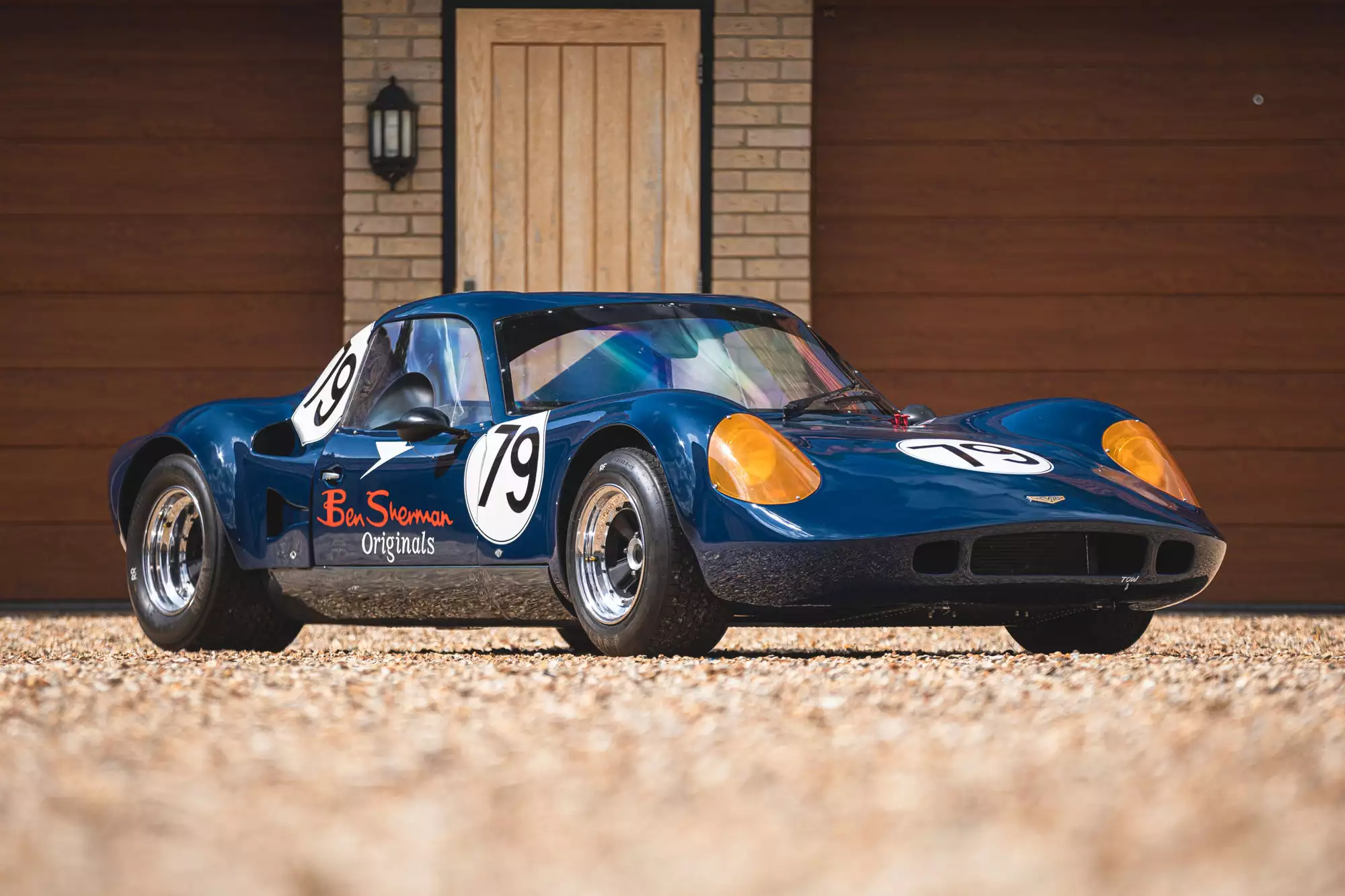
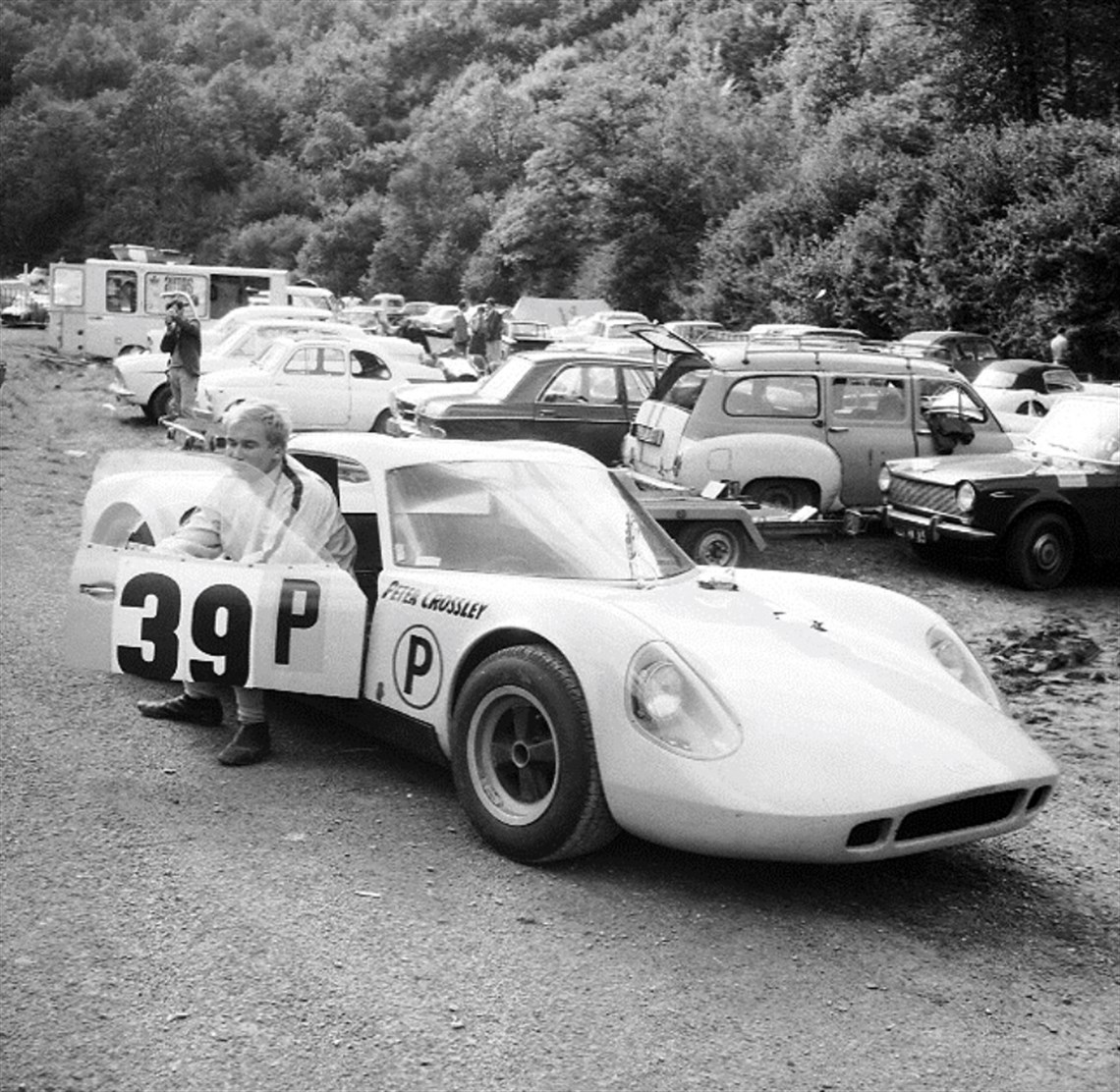
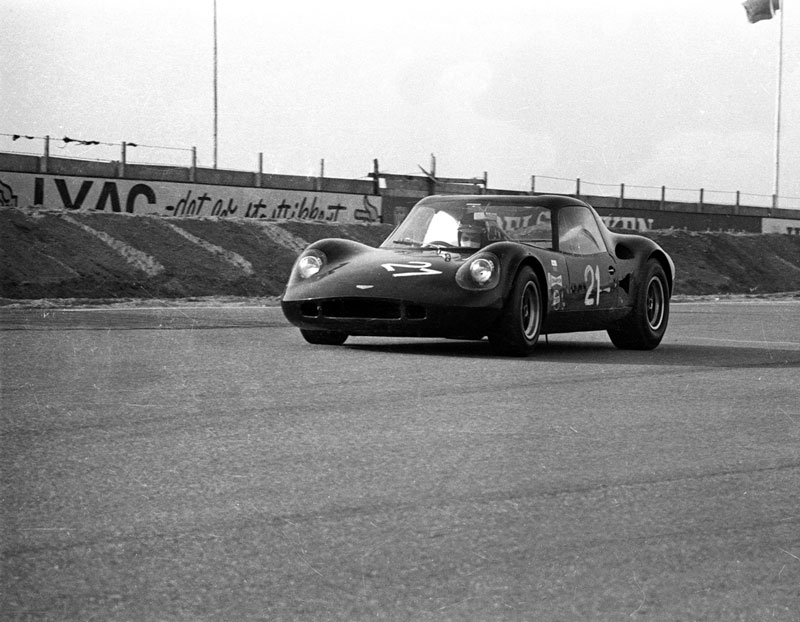
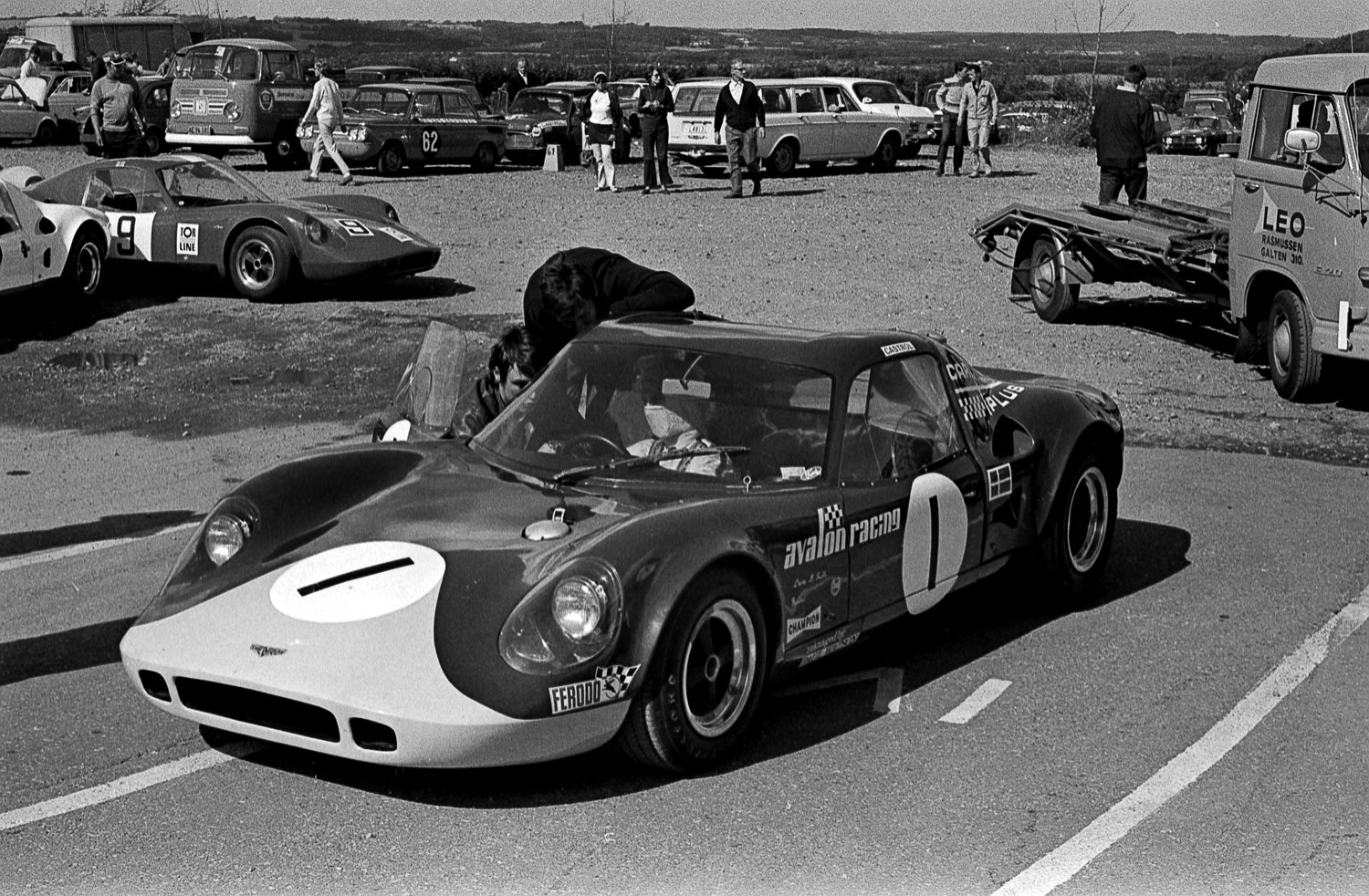
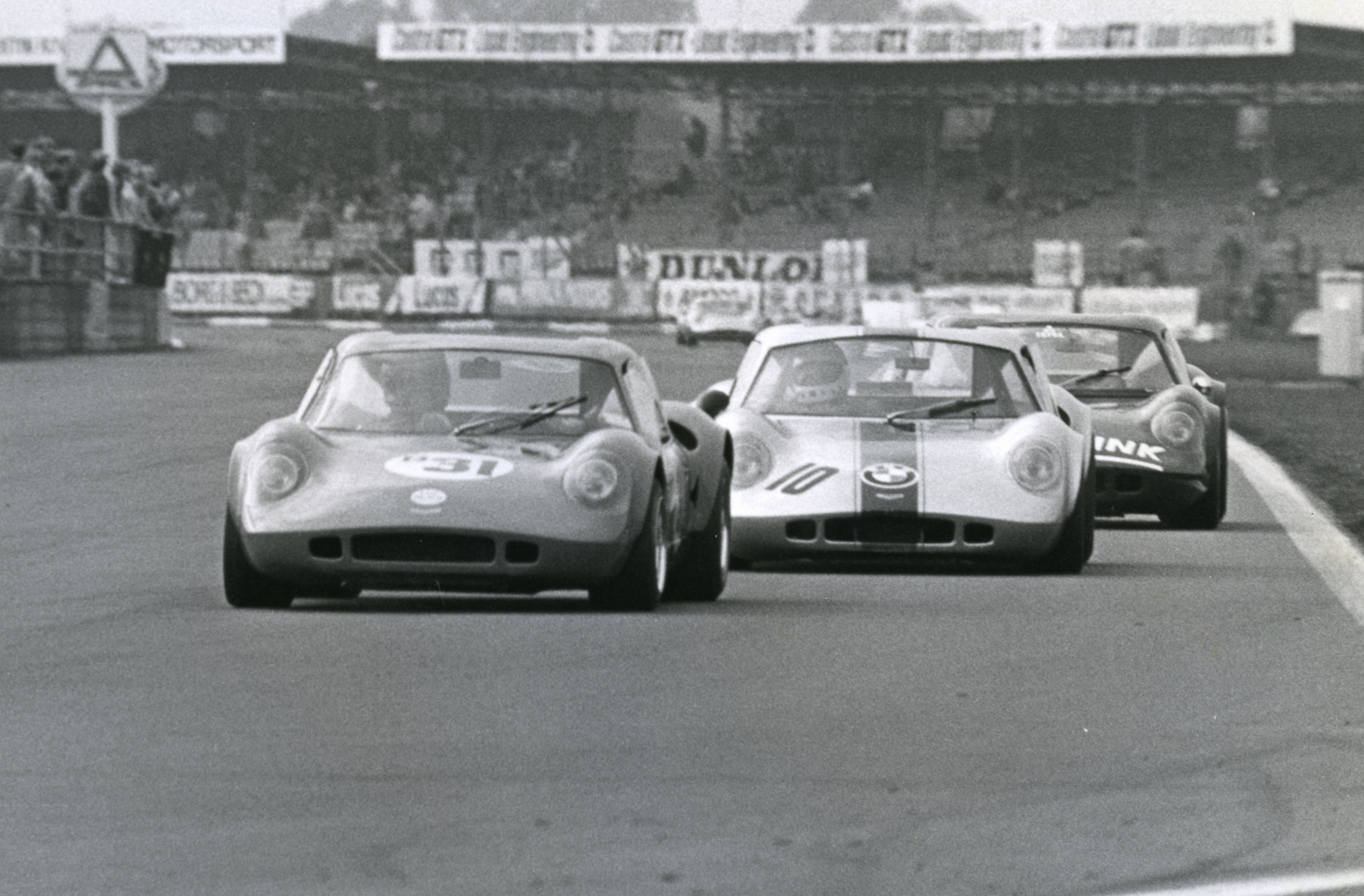
In the golden, brutal era of 1960s sports car racing, the 2.0-litre Group 4 class was a war of philosophies. In one corner, you had the thoroughbreds: the factory-backed, jewel-like Porsche 910s and the screaming, exotic V8-powered Alfa Romeo Tipo 33/2s. These were cars from automotive aristocracy, built with “works” budgets. In the other corner, you had the garagistes. And the king of the garagistes, the ultimate privateer’s champion, was a small, brilliant engineer from Manchester named Derek Bennett. His 1968 Chevron B8 was his masterpiece, a customer car built with such pragmatic genius that it didn’t just compete with the factory giants; it humiliated them.
The B8 was a model defined by its engine bay, a universal chassis that could accept different hearts. While the 1.6-litre FVA-powered car was a high-revving class-winner, the B8 BMW M10 was the workhorse. This was the endurance hero, the 2.0-litre car built to win 1000km races. It was the “giant-killer” specification, the car that would, in a single day, forge the entire Chevron legend.
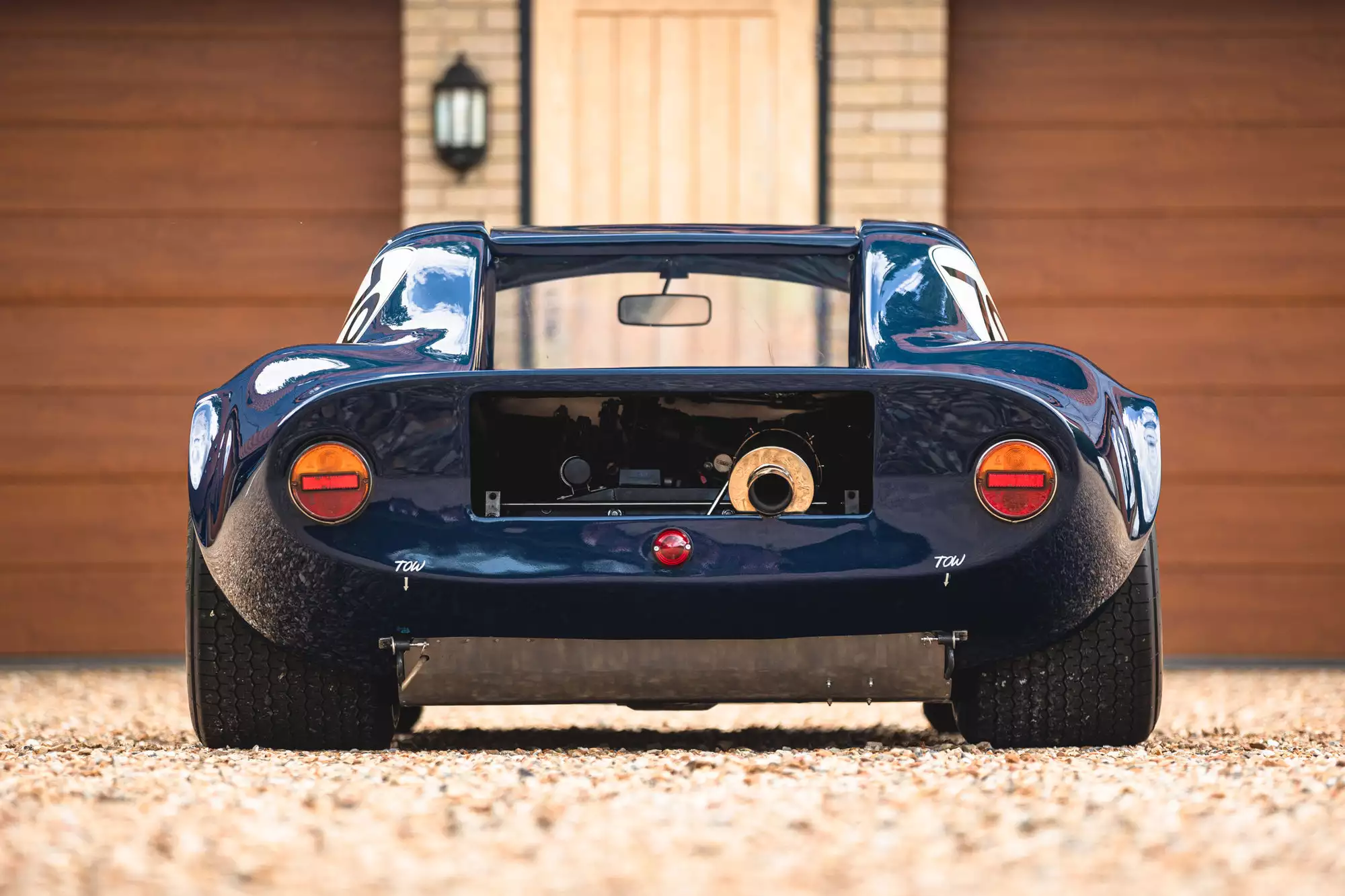
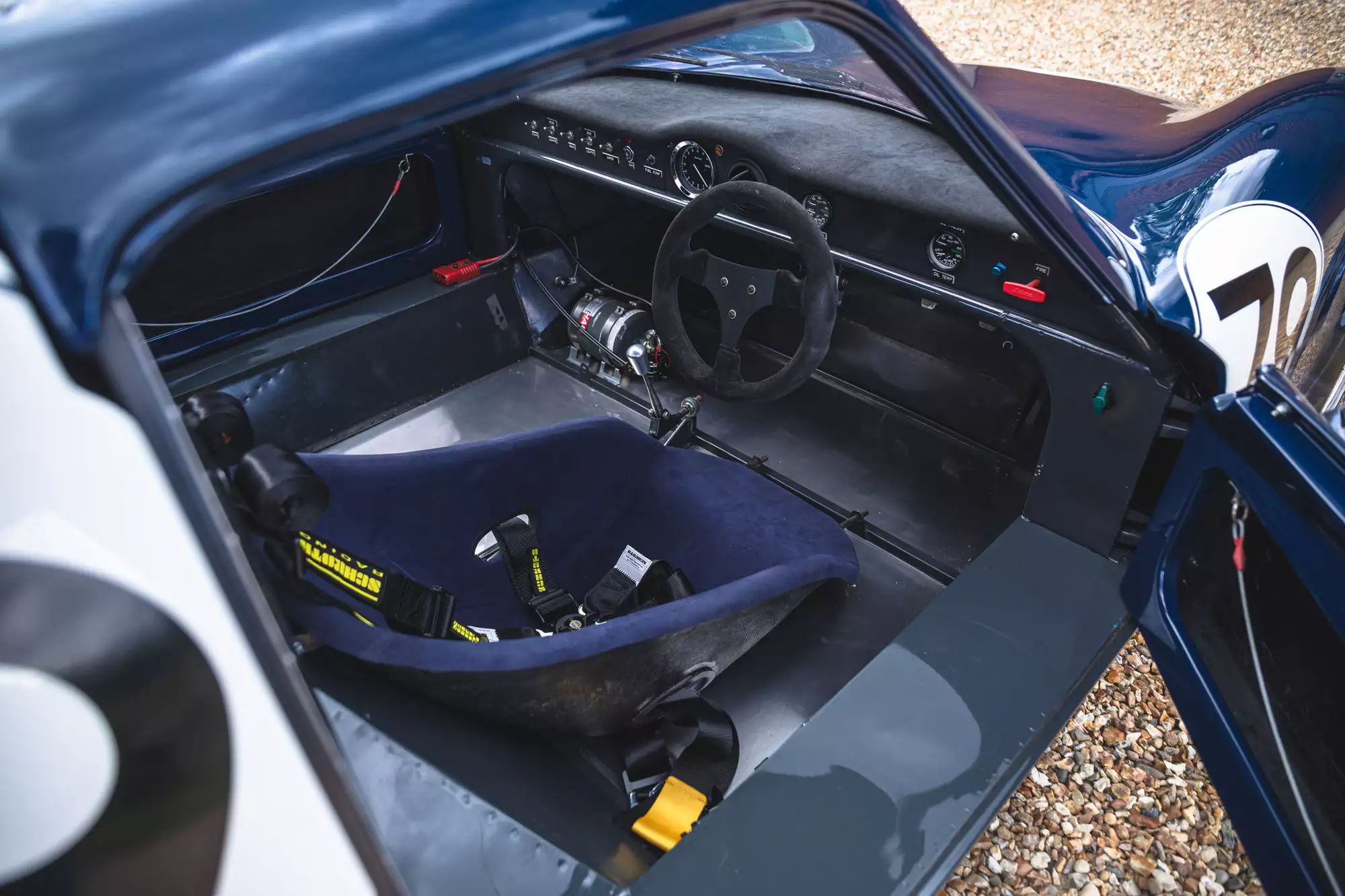
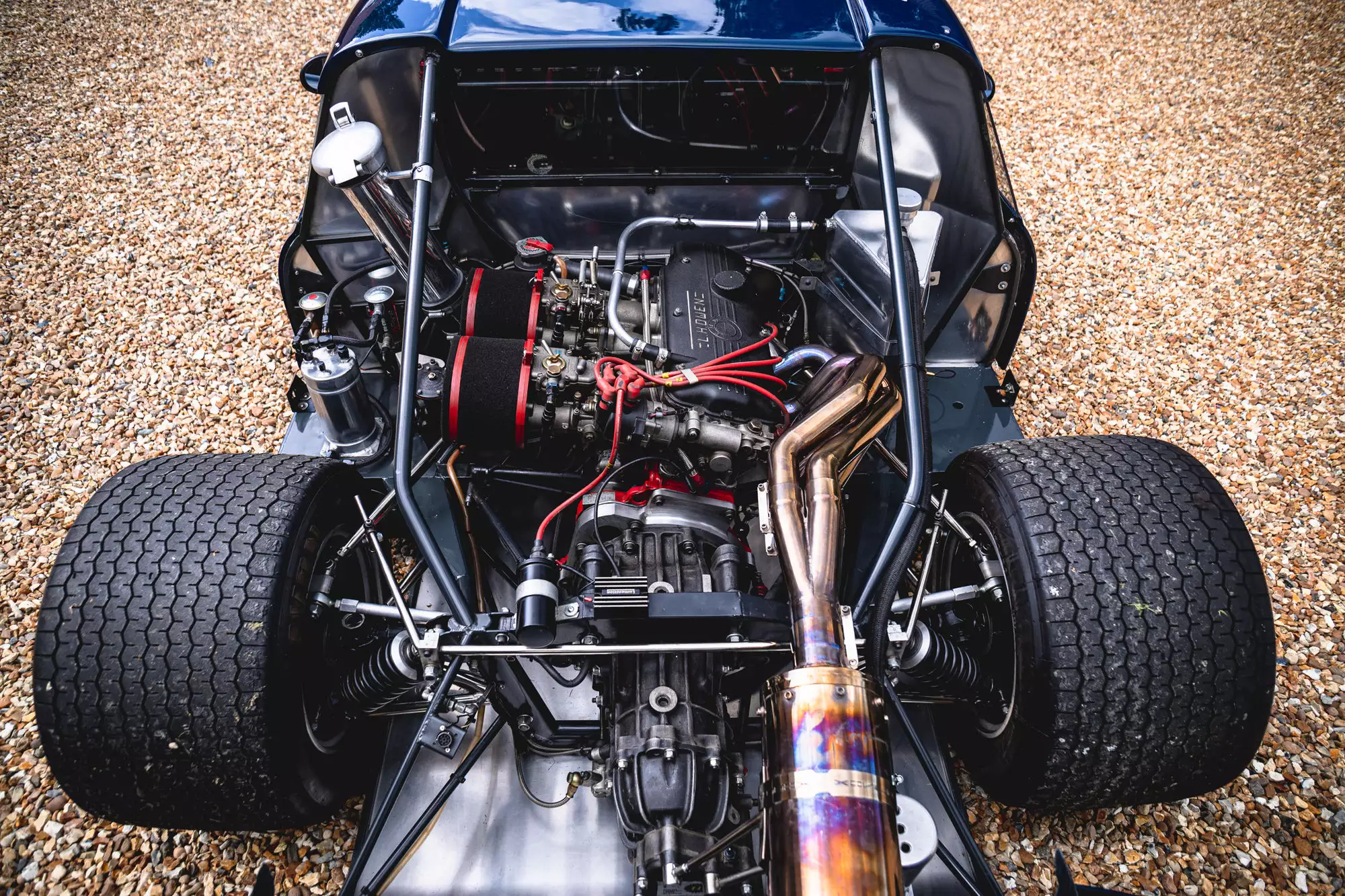
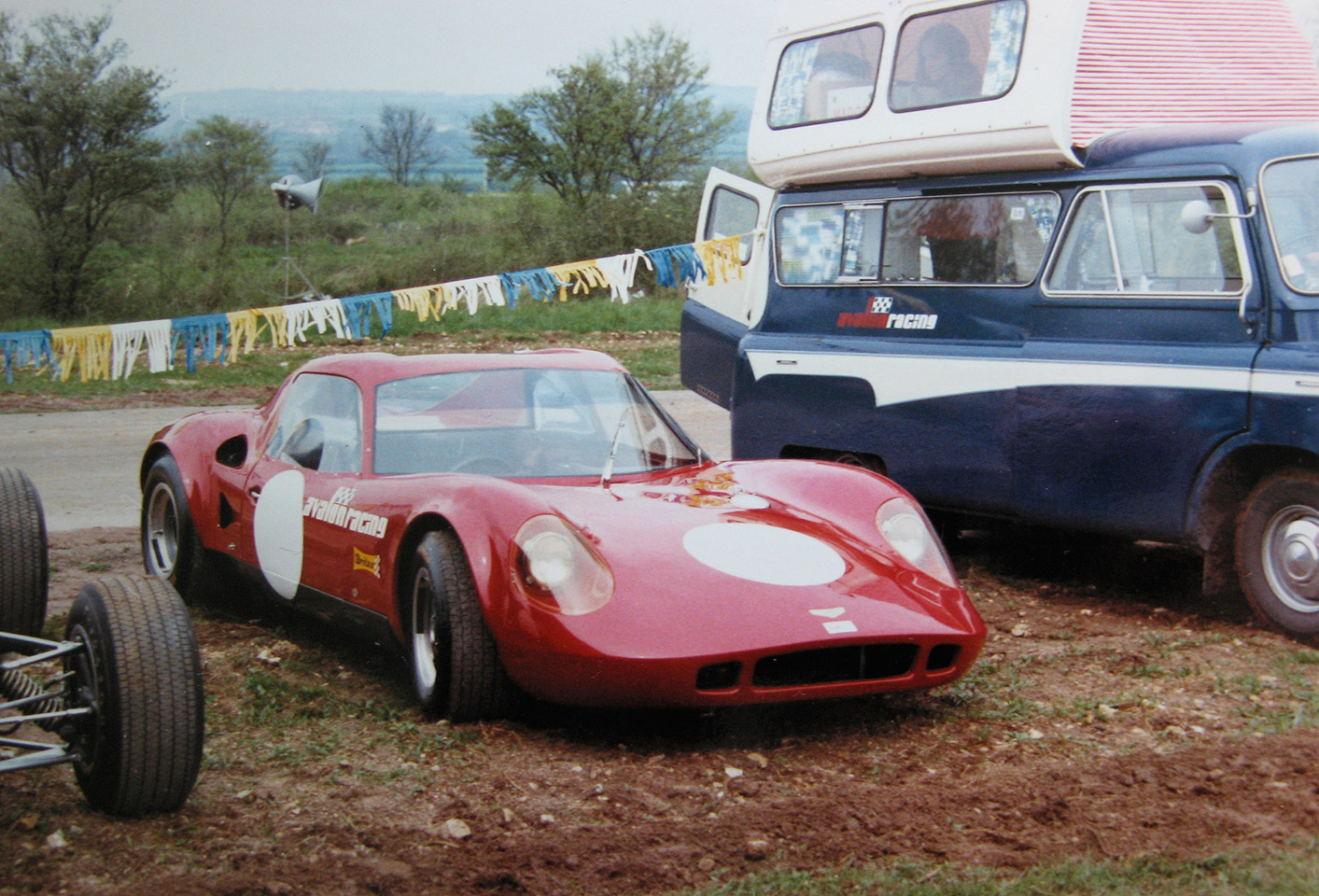
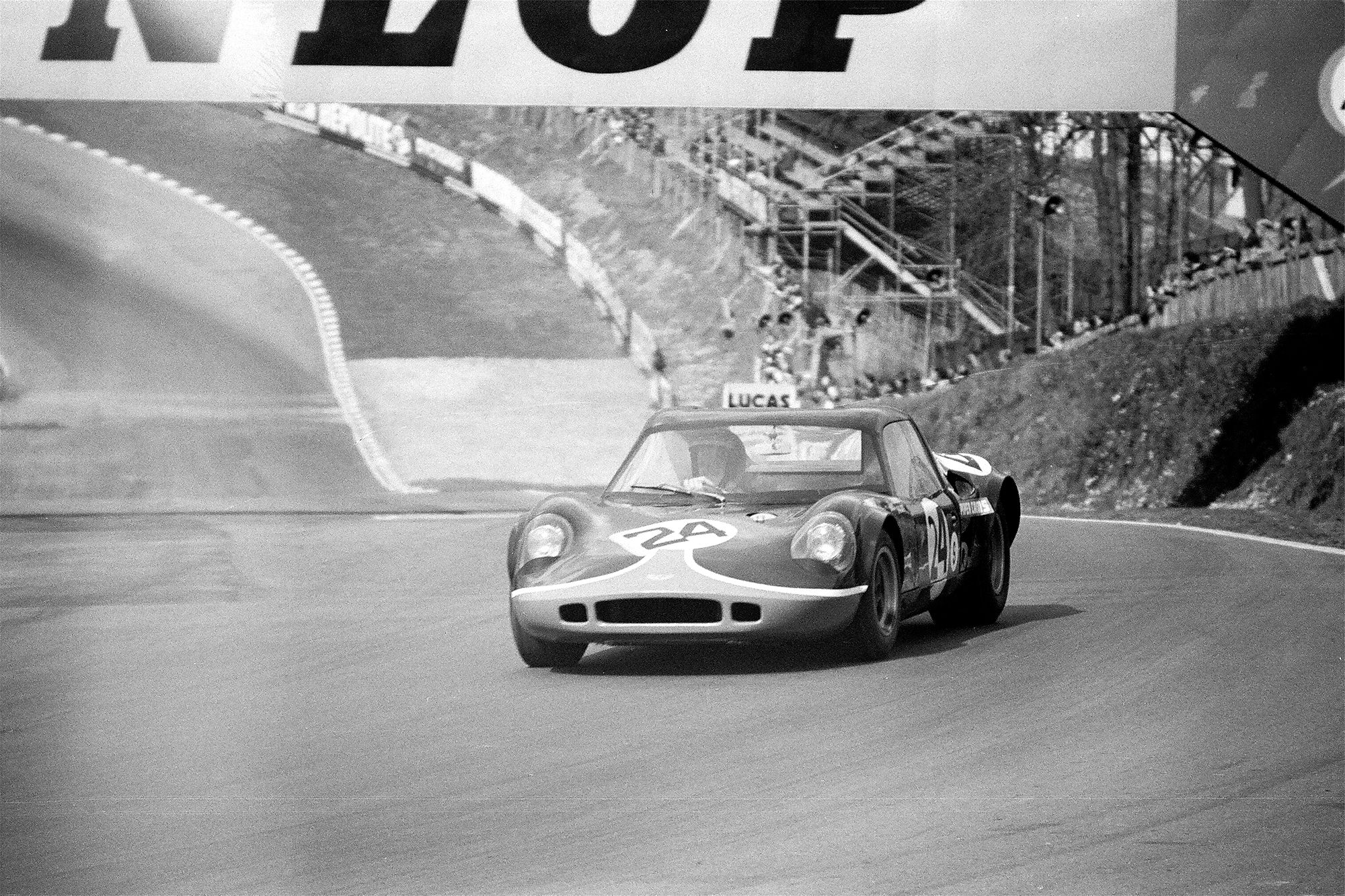
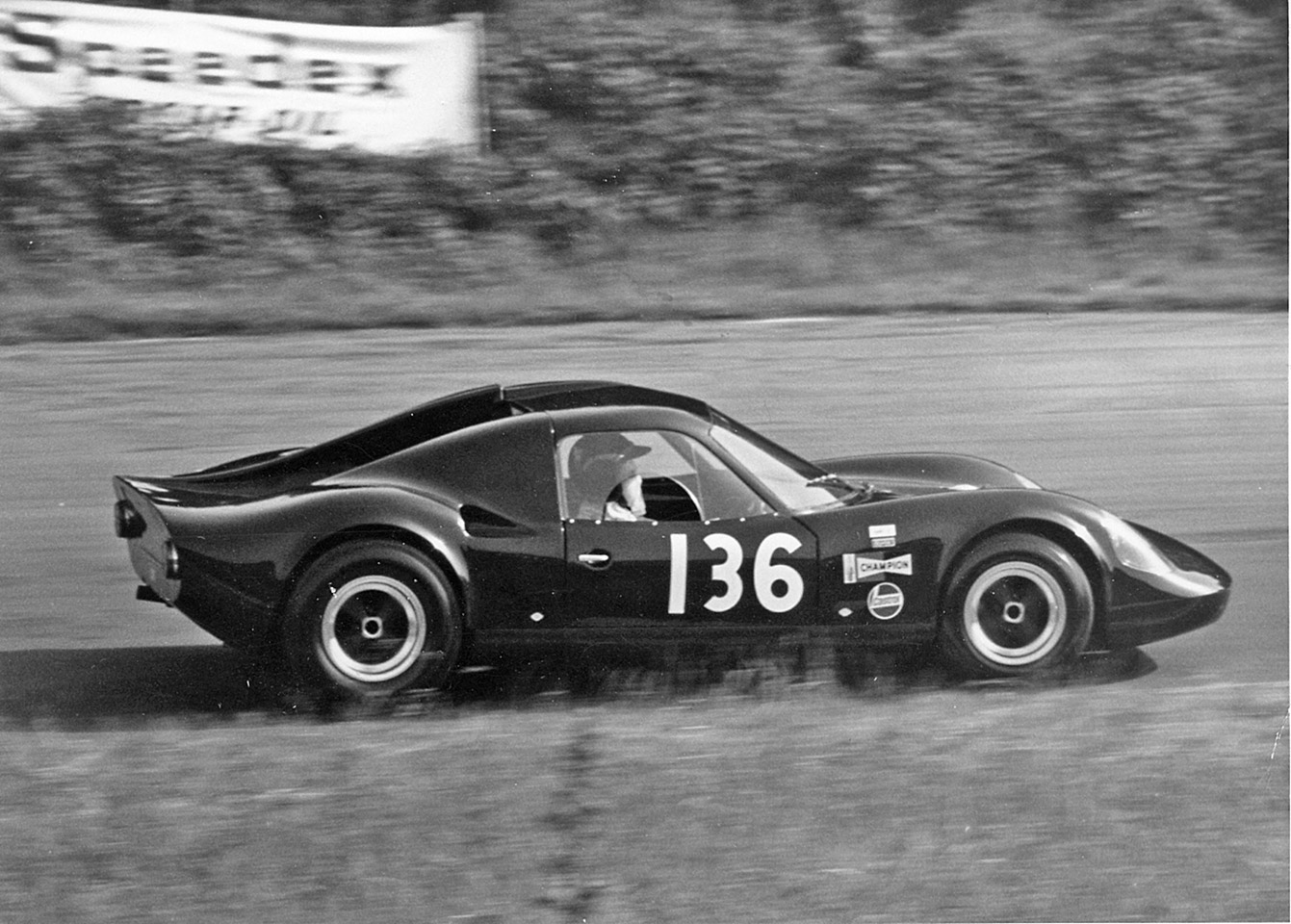
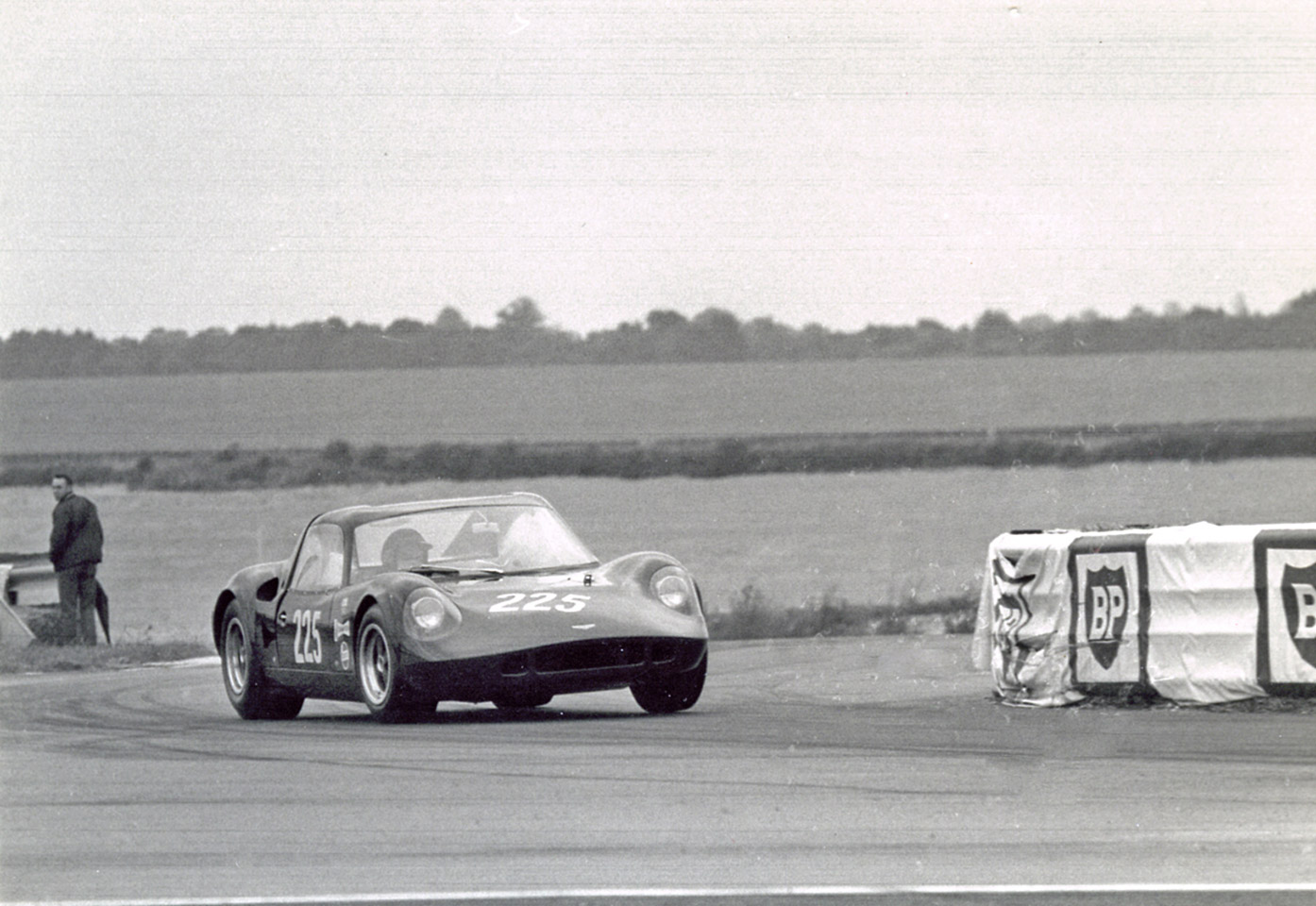
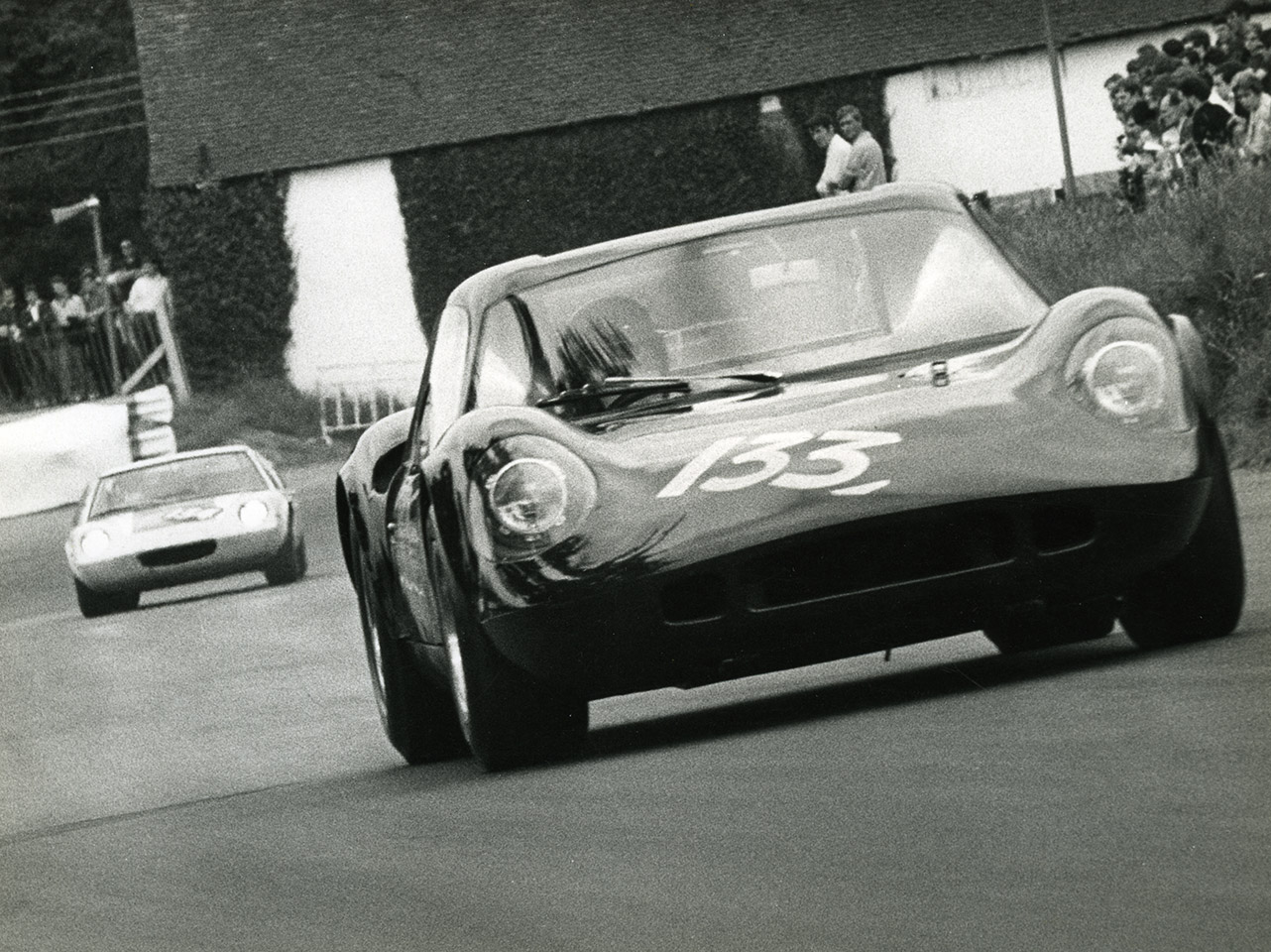
The B8’s beauty was profound, but its genius was practical. While rivals like Porsche were using fragile, exotic materials, Derek Bennett built his car to be raced, fixed, and raced again. The chassis was not a complex monocoque, but a highly rigid, TIG-welded steel space frame. This was Bennett’s signature. It was strong, it was stiff, and, most importantly, if a gentleman driver had an “off” at the Nürburgring, his small team could repair it in the paddock. This tough skeleton was wrapped in a breathtakingly low, wide, and slippery fibreglass body. At just 650kg, the car was a true lightweight, with its double-wishbone suspension and Girling disc brakes perfectly optimized for its mission.
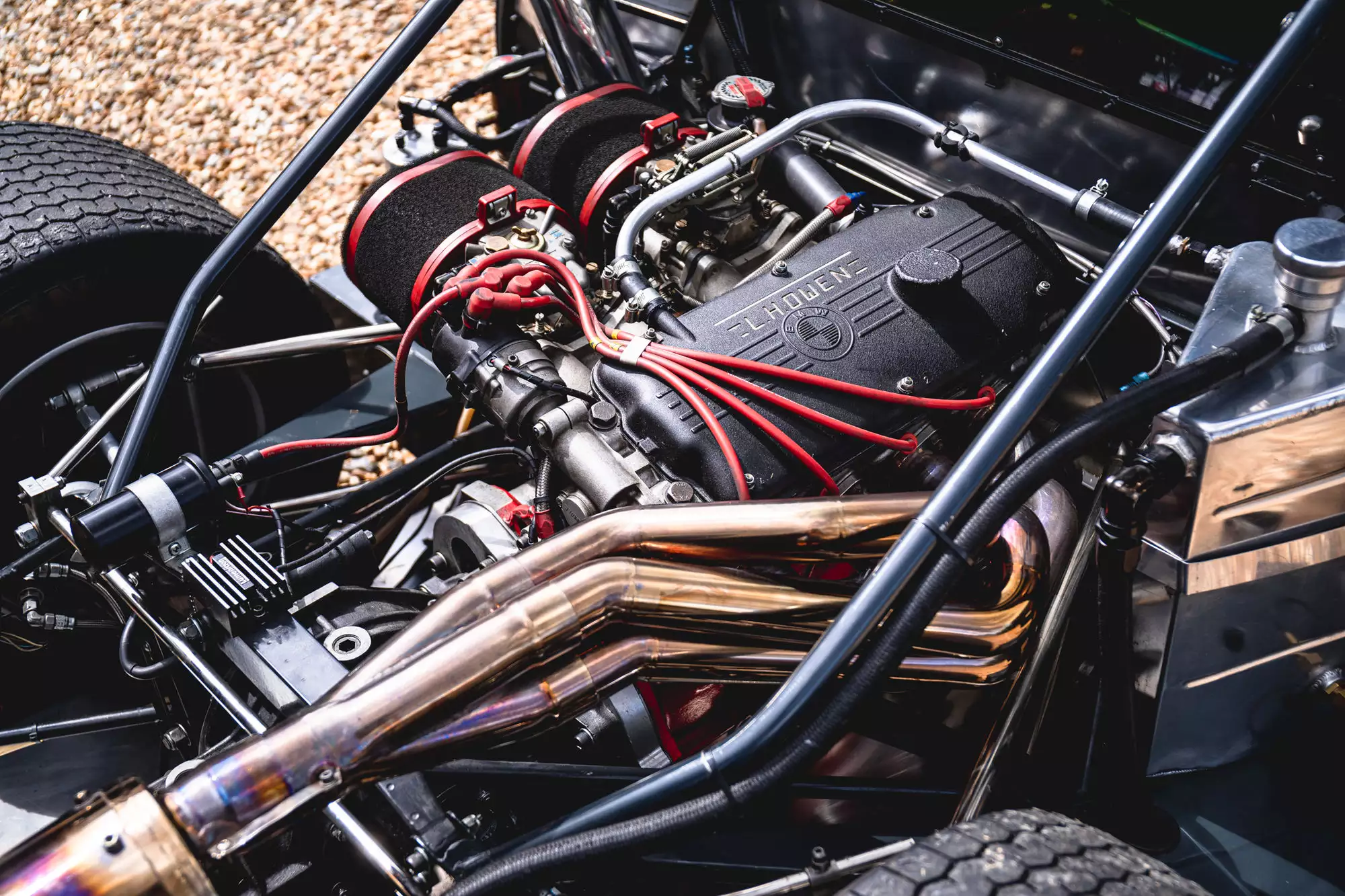
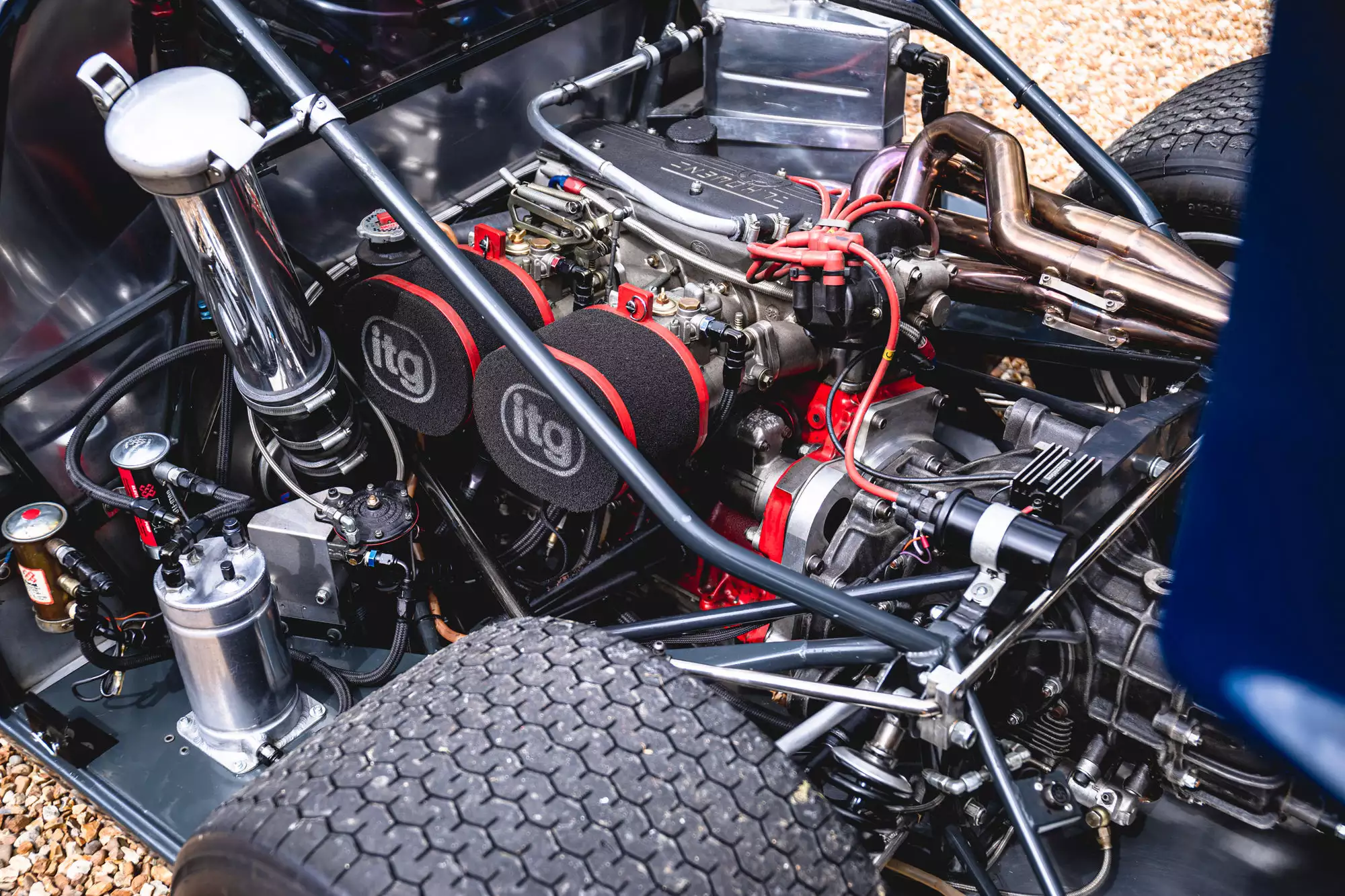
The heart of this specific submodel was the 2.0-litre BMW M10 four-cylinder. This was not the high-strung, 9,000-rpm screamer of its FVA sibling; this was the “torque” motor. It was the same indestructible M10 block that powered BMW’s 2002 saloons, but in race-prep (often M12-headed) from tuners like Schnitzer, it was a 16-valve, Kugelfischer-injected, 220-240-hp powerhouse. Its broad, usable torque curve was its secret weapon. Where the FVA was frantic, the M10 was flexible, allowing drivers to power out of the Nürburgring’s 170 corners and defend themselves against larger 3.0-litre prototypes on the straights.
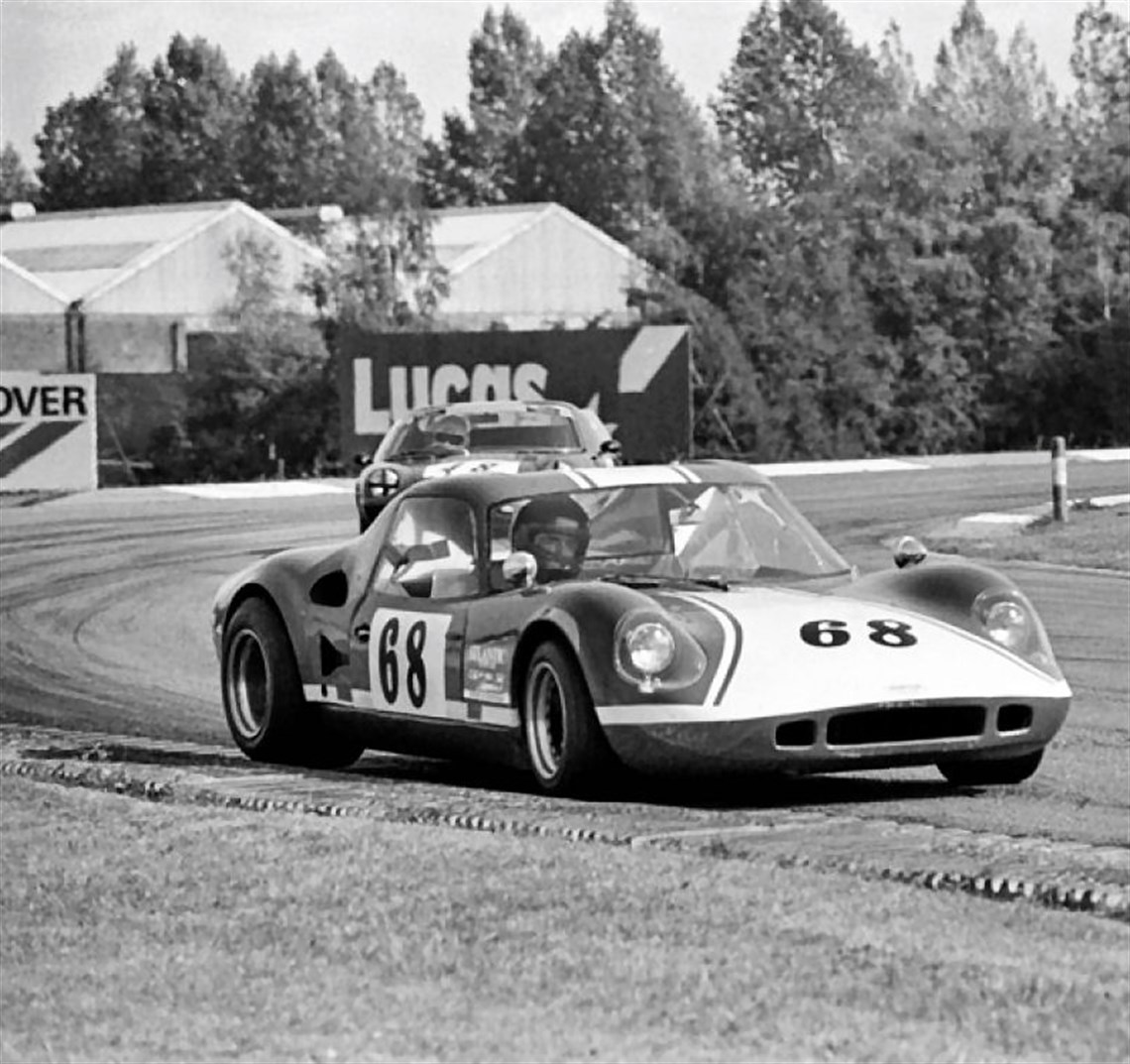
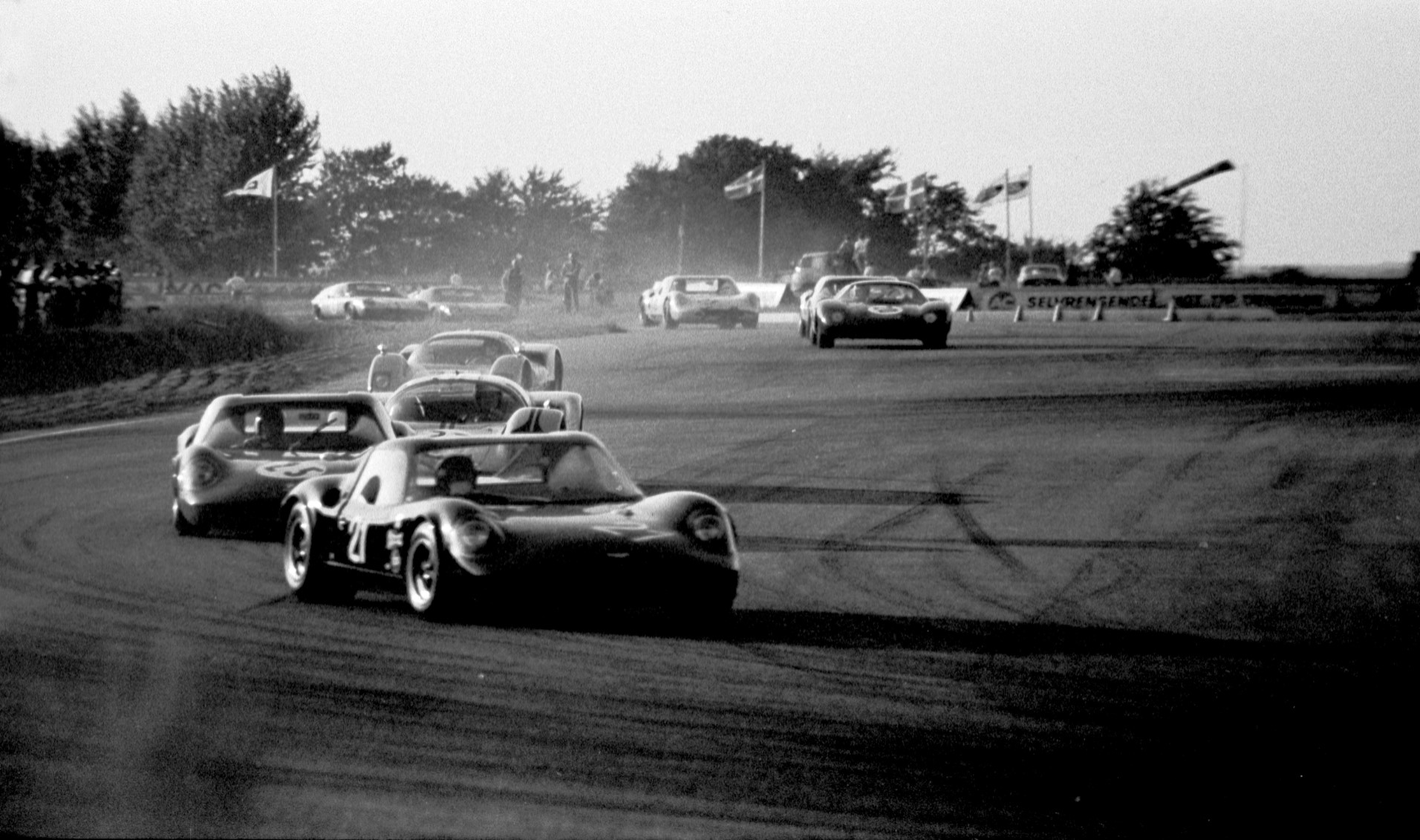
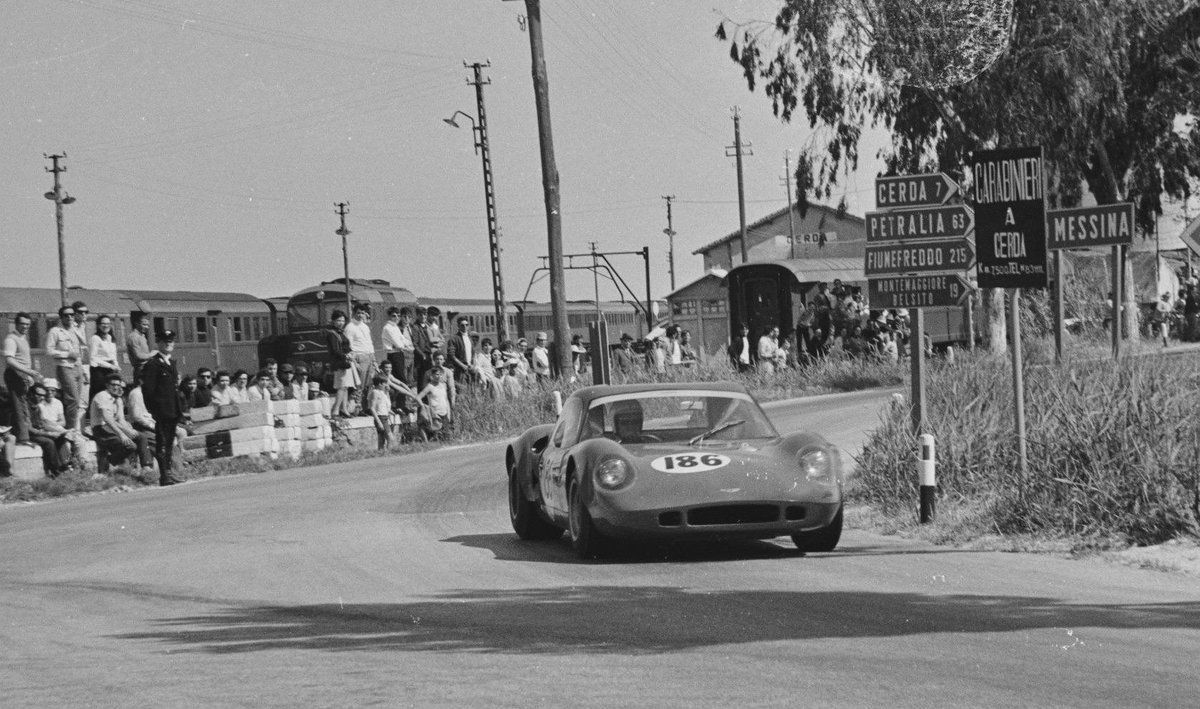
The B8-BMW’s competition history is the stuff of legend. It debuted at the 1968 24 Hours of Daytona and was immediately on the pace, finishing 3rd in class. But its spiritual home was the Nürburgring Nordschleife. At the 1968 Nürburgring 1000km, the B8-BMW of Digby Martland and Brian Robinson was a revelation. It didn’t just win its 2.0-litre class; it finished 6th overall, vanquishing the factory-backed Alfa Romeo T33/2s. It repeated the feat at the 1968 Targa Florio, its nimble chassis and reliable BMW torque proving perfect for the treacherous Sicilian mountain roads.
But the car’s single greatest moment—the one that cemented the B8 in the pantheon—came at the 1969 Nürburgring 500km. This was a major international event. Brian Redman, Chevron’s works driver, was at the wheel of a 2.0-litre B8-BMW. He was not expected to win. The grid was full of larger, more powerful 3.0-litre Group 6 prototypes. But in a display of utter mastery, Redman and the B8 didn’t just win their class. They won the race overall. A 2.0-litre, customer-spec Group 4 car, powered by a 4-cylinder BMW saloon engine, had beaten the entire field. It was the ultimate “David vs. Goliath” triumph, a moment that defined the privateer era.
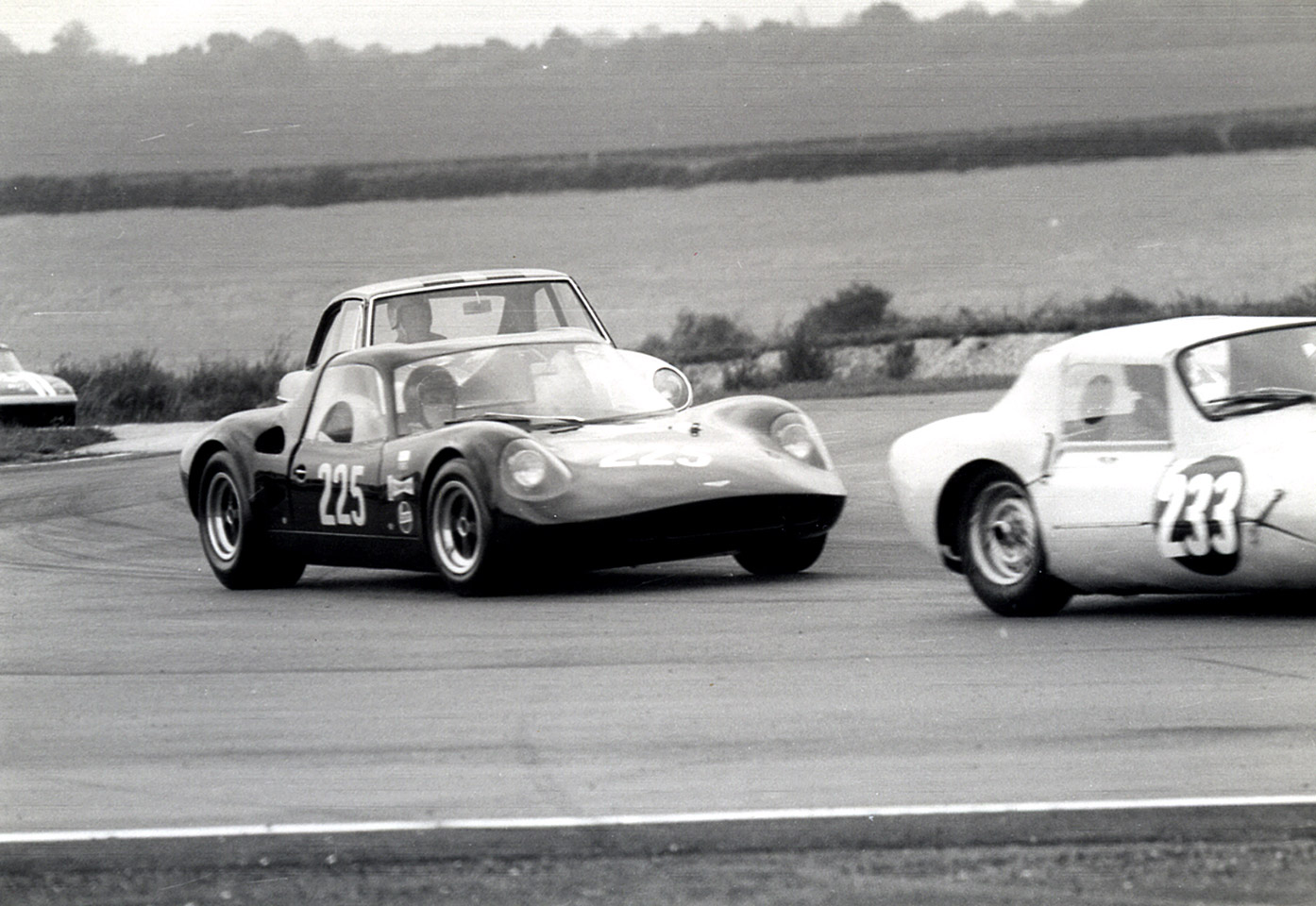
The B8-BMW was the car that launched Chevron into the big leagues. It was so perfectly designed that it remained a competitive, front-running car for years, and it is still the car to beat in historic racing today. It was the direct predecessor to the B16 and the dynasty of 2.0-litre Chevrons that would follow, but the B8 was the original. It was Derek Bennett’s pragmatic philosophy made beautiful: a car that proved you didn’t need a factory budget to build a world-beater.
Brand
Produced from
Portal
Vehicle category
Model line
Predecessor
Sucessor
Brand
Produced from
Portal
Vehicle category
Model line
Model generation
Predecessor
Sucessor
Submodel Overview
In the golden, brutal era of 1960s sports car racing, the 2.0-litre Group 4 class was a war of philosophies. In one corner, you had the thoroughbreds: the factory-backed, jewel-like Porsche 910s and the screaming, exotic V8-powered Alfa Romeo Tipo 33/2s. These were cars from automotive aristocracy, built with “works” budgets. In the other corner, you had the garagistes. And the king of the garagistes, the ultimate privateer’s champion, was a small, brilliant engineer from Manchester named Derek Bennett. His 1968 Chevron B8 was his masterpiece, a customer car built with such pragmatic genius that it didn’t just compete with the factory giants; it humiliated them.
The B8 was a model defined by its engine bay, a universal chassis that could accept different hearts. While the 1.6-litre FVA-powered car was a high-revving class-winner, the B8 BMW M10 was the workhorse. This was the endurance hero, the 2.0-litre car built to win 1000km races. It was the “giant-killer” specification, the car that would, in a single day, forge the entire Chevron legend.
The B8’s beauty was profound, but its genius was practical. While rivals like Porsche were using fragile, exotic materials, Derek Bennett built his car to be raced, fixed, and raced again. The chassis was not a complex monocoque, but a highly rigid, TIG-welded steel space frame. This was Bennett’s signature. It was strong, it was stiff, and, most importantly, if a gentleman driver had an “off” at the Nürburgring, his small team could repair it in the paddock. This tough skeleton was wrapped in a breathtakingly low, wide, and slippery fibreglass body. At just 650kg, the car was a true lightweight, with its double-wishbone suspension and Girling disc brakes perfectly optimized for its mission.
The heart of this specific submodel was the 2.0-litre BMW M10 four-cylinder. This was not the high-strung, 9,000-rpm screamer of its FVA sibling; this was the “torque” motor. It was the same indestructible M10 block that powered BMW’s 2002 saloons, but in race-prep (often M12-headed) from tuners like Schnitzer, it was a 16-valve, Kugelfischer-injected, 220-240-hp powerhouse. Its broad, usable torque curve was its secret weapon. Where the FVA was frantic, the M10 was flexible, allowing drivers to power out of the Nürburgring’s 170 corners and defend themselves against larger 3.0-litre prototypes on the straights.
The B8-BMW’s competition history is the stuff of legend. It debuted at the 1968 24 Hours of Daytona and was immediately on the pace, finishing 3rd in class. But its spiritual home was the Nürburgring Nordschleife. At the 1968 Nürburgring 1000km, the B8-BMW of Digby Martland and Brian Robinson was a revelation. It didn’t just win its 2.0-litre class; it finished 6th overall, vanquishing the factory-backed Alfa Romeo T33/2s. It repeated the feat at the 1968 Targa Florio, its nimble chassis and reliable BMW torque proving perfect for the treacherous Sicilian mountain roads.
But the car’s single greatest moment—the one that cemented the B8 in the pantheon—came at the 1969 Nürburgring 500km. This was a major international event. Brian Redman, Chevron’s works driver, was at the wheel of a 2.0-litre B8-BMW. He was not expected to win. The grid was full of larger, more powerful 3.0-litre Group 6 prototypes. But in a display of utter mastery, Redman and the B8 didn’t just win their class. They won the race overall. A 2.0-litre, customer-spec Group 4 car, powered by a 4-cylinder BMW saloon engine, had beaten the entire field. It was the ultimate “David vs. Goliath” triumph, a moment that defined the privateer era.
The B8-BMW was the car that launched Chevron into the big leagues. It was so perfectly designed that it remained a competitive, front-running car for years, and it is still the car to beat in historic racing today. It was the direct predecessor to the B16 and the dynasty of 2.0-litre Chevrons that would follow, but the B8 was the original. It was Derek Bennett’s pragmatic philosophy made beautiful: a car that proved you didn’t need a factory budget to build a world-beater.
Tech Specs
Technical Specifications
Tech Specs
Technical Specifications
Engine
01
03
Internal combustion engine
Configuration
BMW M10, Inline-4
Location
Mid, longitudinally mounted
Construction
Cast iron block, aluminium alloy head
Displacement (cc)
1,990 cc
Displacement (cu in)
121.4 cu in
Compression
-
Bore x Stroke
89.0 mm x 80.0 mm
Valvetrain
2 valves per cylinder, SOHC
Fuel feed
2 x Weber 48 DCOE carturettors
Lubrication
Dry sump
Aspiration
Naturally aspirated
Output
Power (hp)
195 hp
Power (kW)
145 kW
Max power at
7,300 RPM
Torque (Nm)
-
Torque (ft lbs)
-
Max torque at
-
Drivetrain
02
03
Chassis
Type
Tubular frame
Material
Steel and aluminium
Body
Material
Fibreglass
Transmission
Gearbox
5-speed manual
Drive
Rear Wheel Drive
Suspension
Front
Double wishbones, coil springs over dampers, anti-roll bar
Rear
Lower wishbones, top links, twin trail arms, coil springs over dampers, anti-roll bar
Steering
Type
Rack and pinion
Brakes
Front
Discs
Rear
Discs
Wheels
Front
-
Rear
-
Tires
Front
-
Rear
-
Dimensions and performance
03
03
Dimensions
Length (mm)
4,070 mm
Length (in)
160.2 in
Width (mm)
1,690 mm
Width (in)
66.5 in
Height (mm)
940 mm
Height (in)
37 in
Wheelbase (mm)
2,340 mm
Wheelbase (in)
92.1 in
Weight (kg)
580 kg
Weight (lbs)
1,279 lbs
Performance
Power to weight
0.33 hp/kg
Top speed (km/h)
275 km/h
Top speed (mph)
171 mph
0-100 km/h (0-60 mph)
-