
Lola T600 Chevrolet Small Block 5.7L (350) V8 Coupé
Brand
Produced from
Portal
Vehicle category
Model line
Predecessor
Successor
Submodel Overview
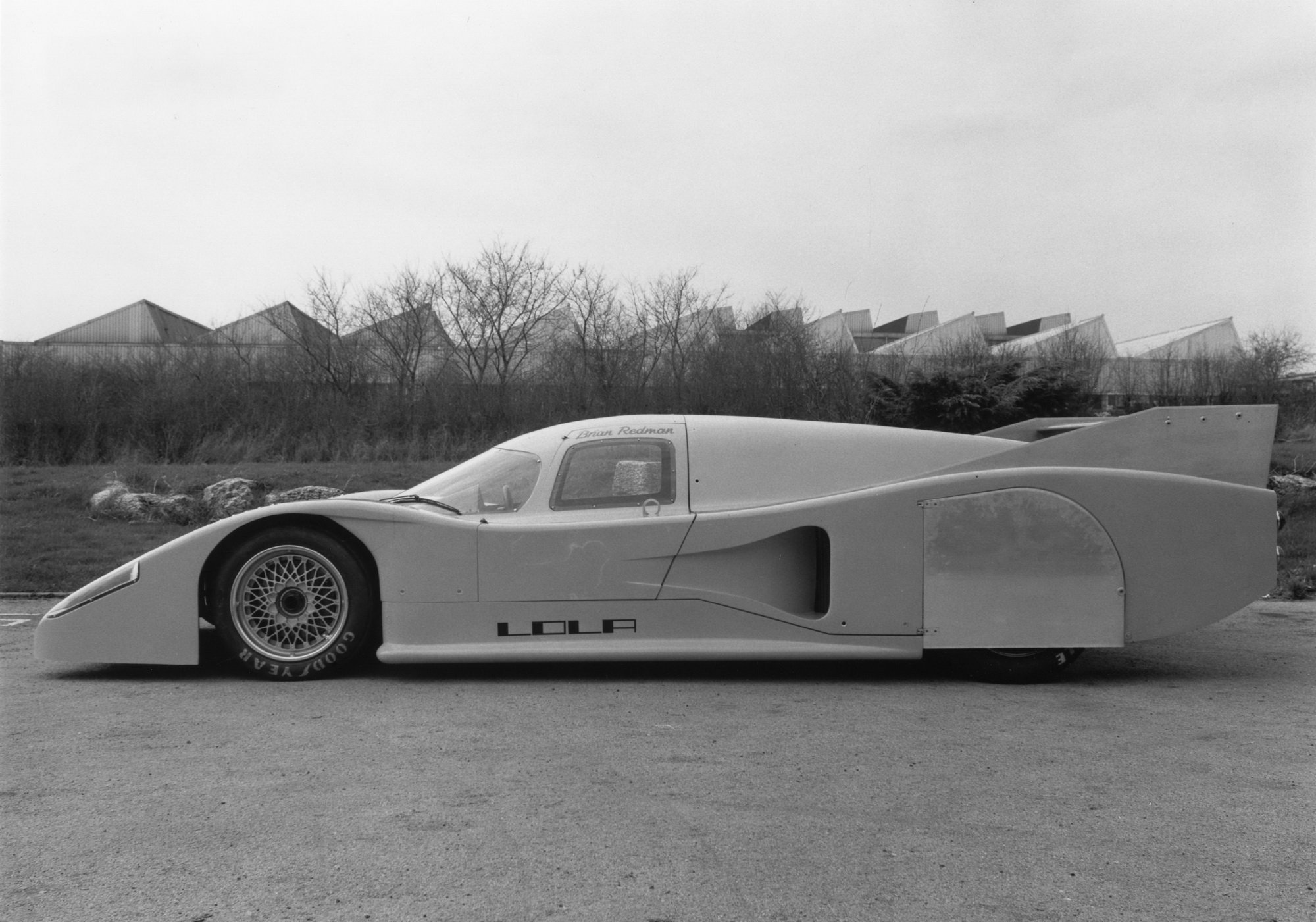
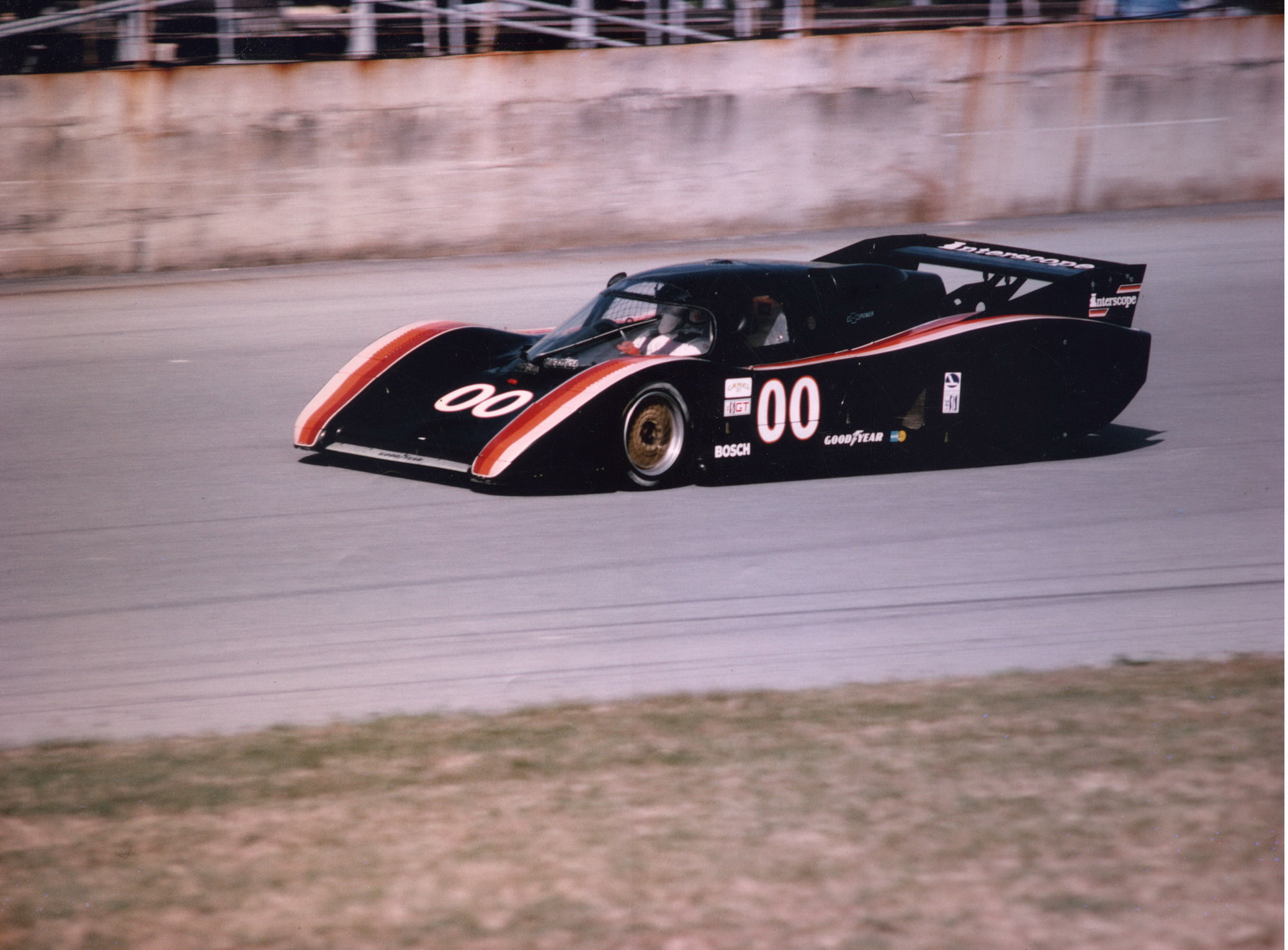
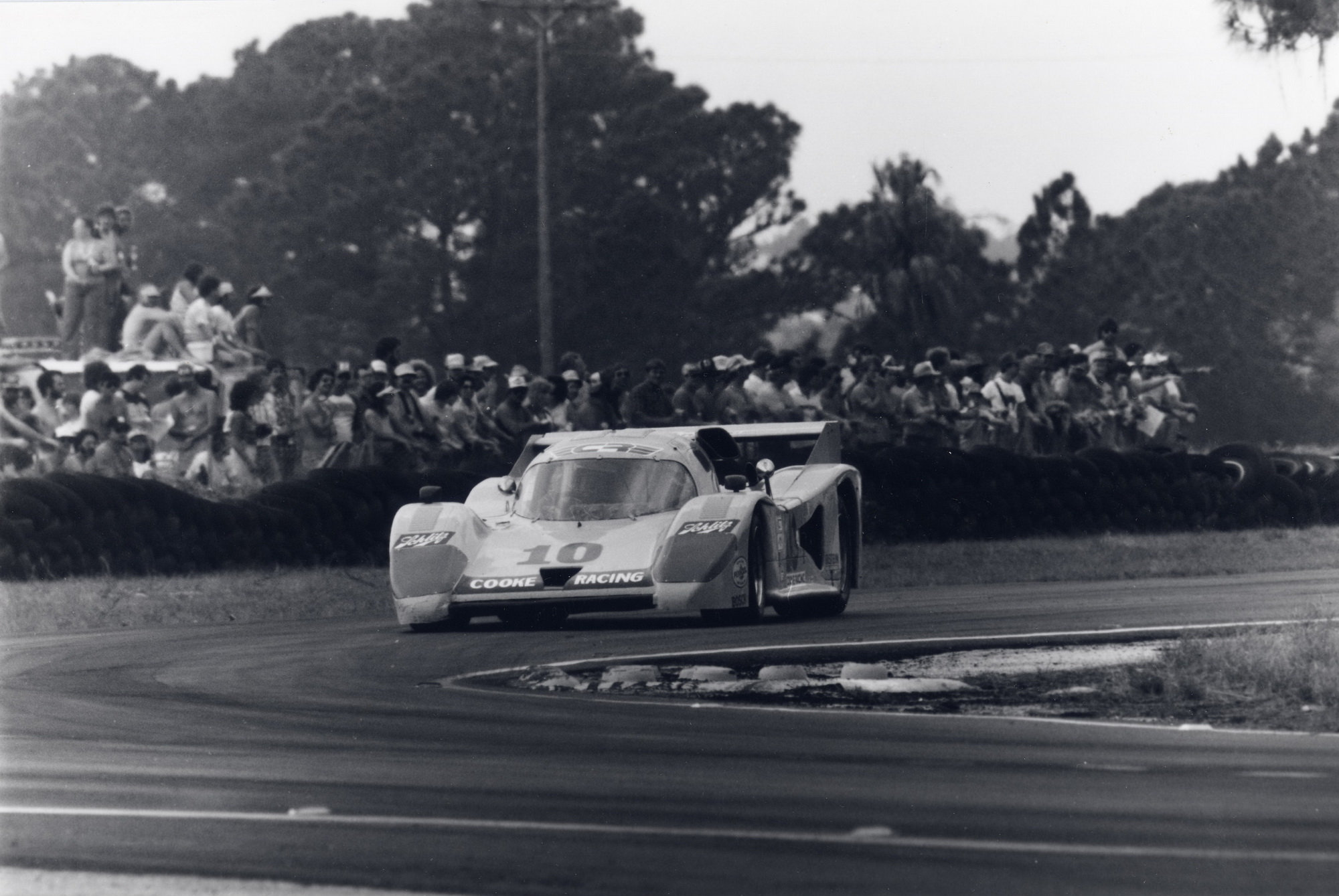
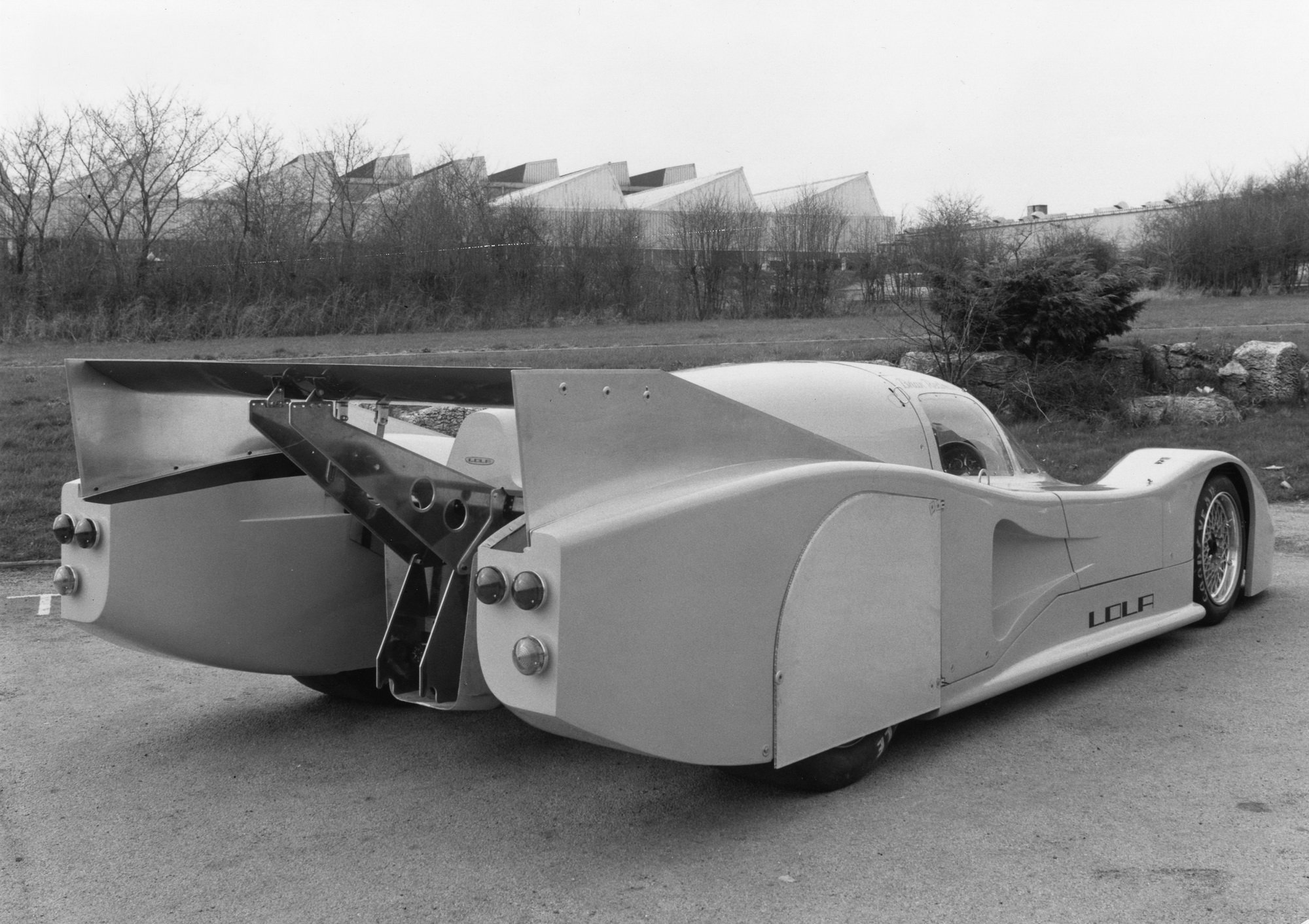
The arrival of the 1981 Lola T600 Chevrolet Small Block V8 on the grids of the IMSA GT Championship was less a vehicle launch and more an extinction event. For years, the North American endurance racing scene had been a fiefdom ruled by the Porsche 935. These turbocharged, production-based silhouettes were spectacular, flame-spitting monsters, but aerodynamically, they were bricks relying on brute horsepower to bludgeon the air into submission. Eric Broadley, the pragmatic genius behind Lola Cars, saw the writing on the wall. Commissioned by gentleman driver Ralph Kent-Cooke and the legendary Brian Redman, Broadley realized that the future lay not in turbocharging, but in suction. Drawing inspiration from the ground-effect revolution that Colin Chapman had unleashed in Formula 1 with the Lotus 79, the T600 was the first sports prototype designed from the keel up to harness the dark arts of negative pressure. It was a wedge of honeycomb aluminium and fiberglass that looked like it had landed from another planet to feast on the antiquated German machinery, and it arrived with a heart of pure, unadulterated American iron.
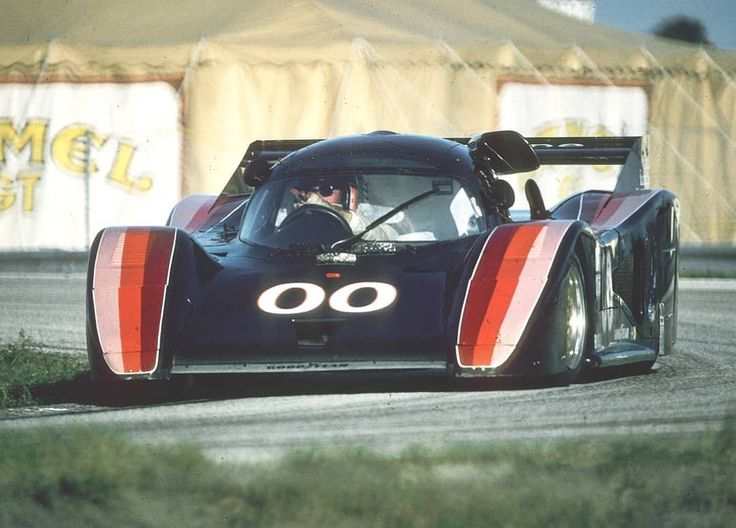
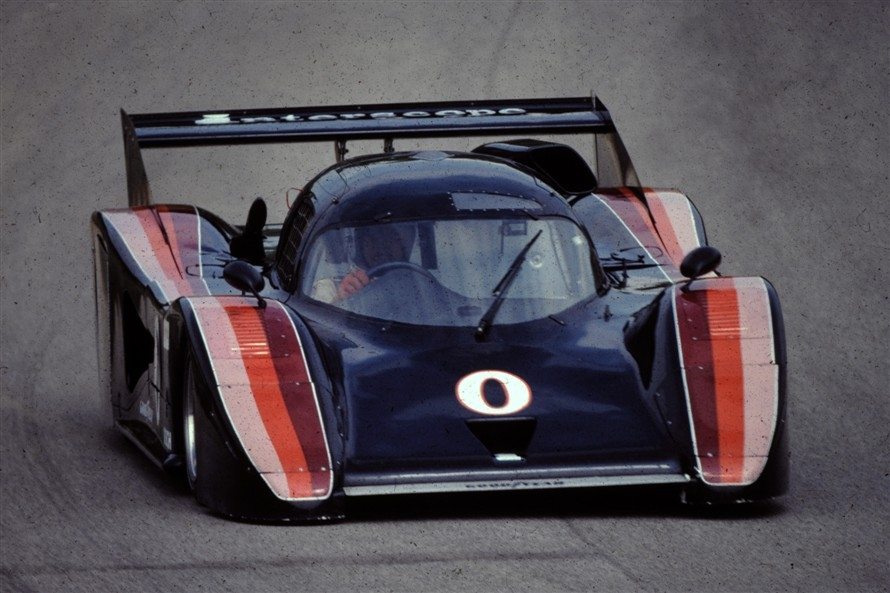
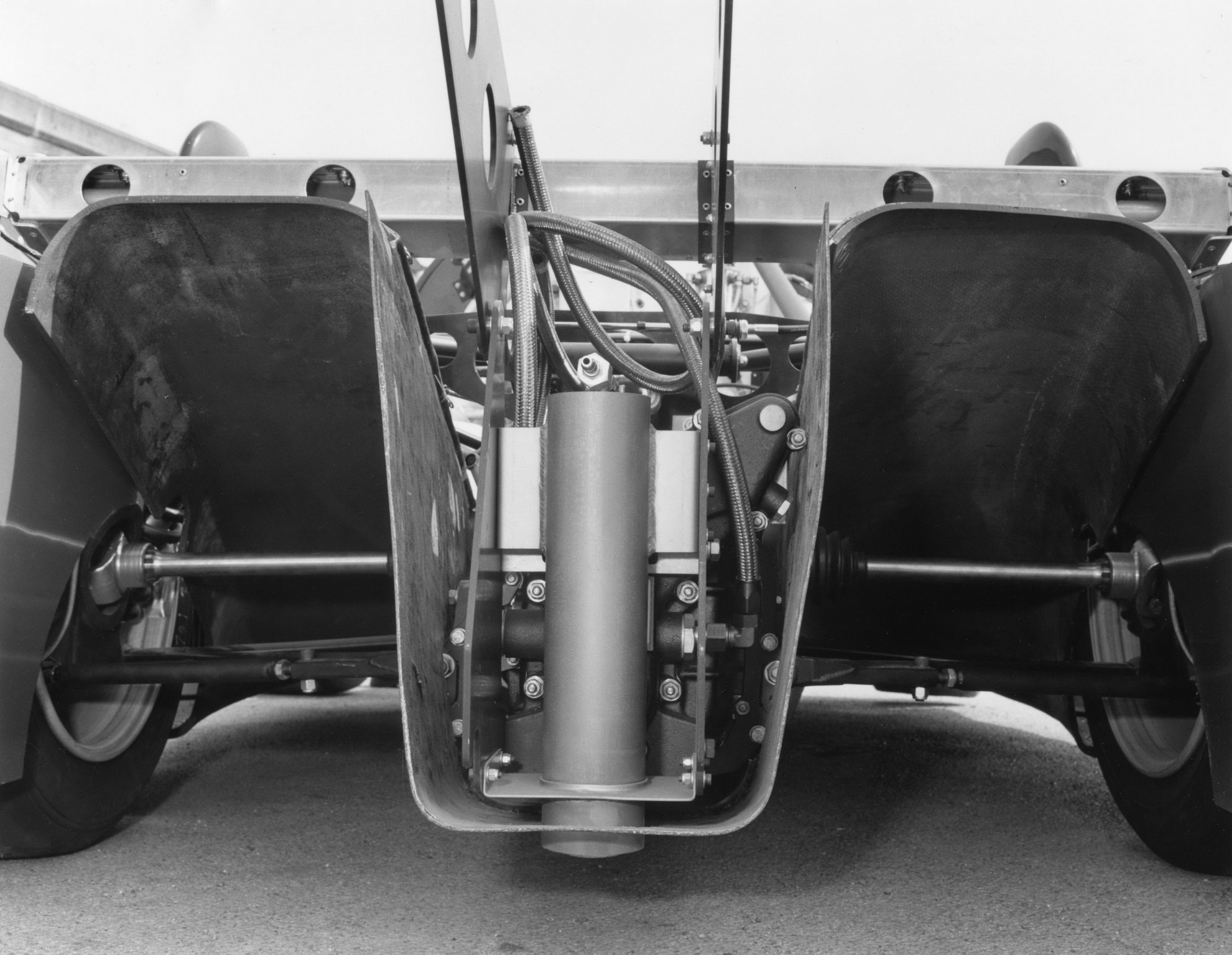
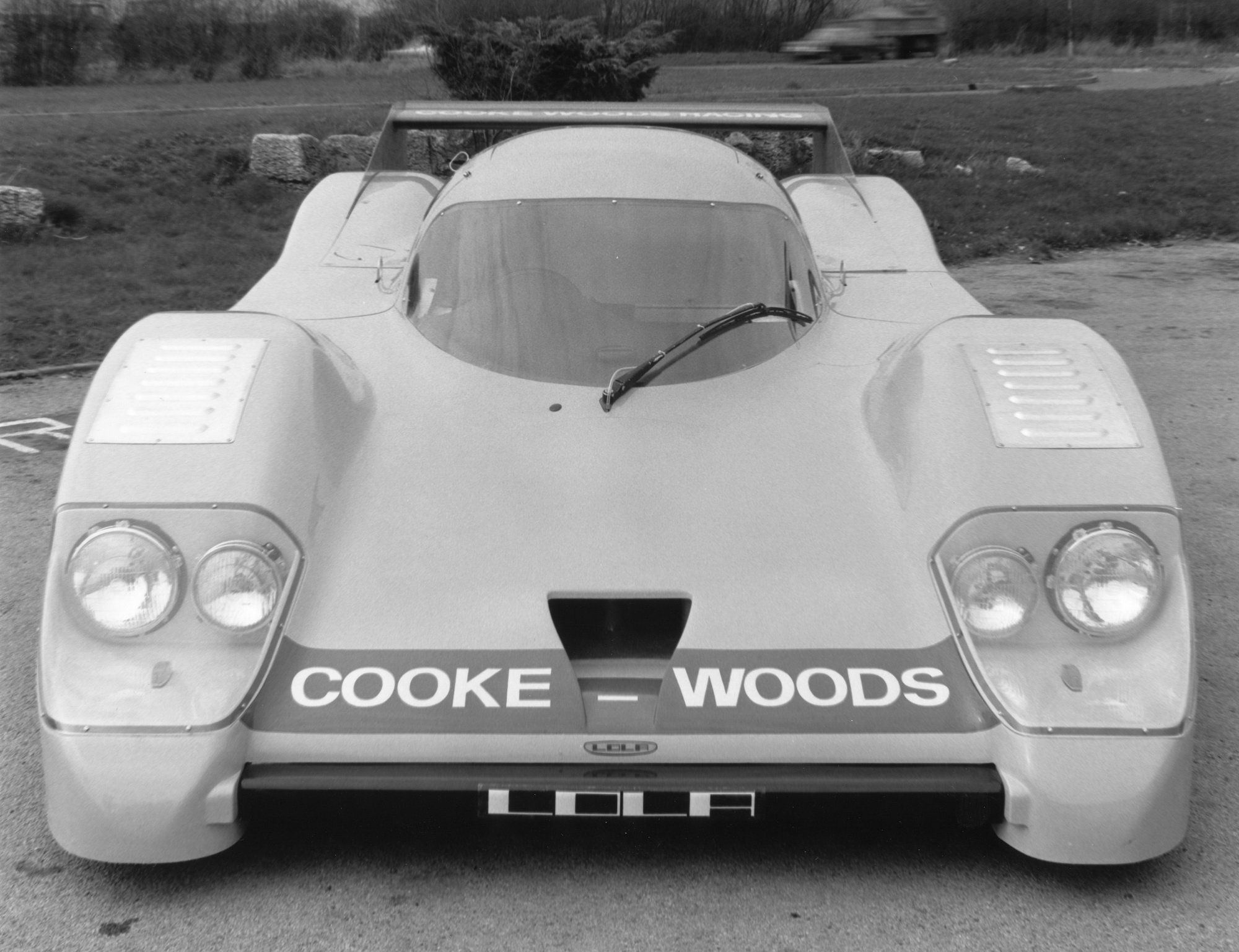
Technically, the T600 was a radical departure from the tube-frame, big-banger norms of the previous decade. The car’s defining feature was its underfloor. Broadley and French aerodynamicist Dr. Max Sardou sculpted the chassis to feature two massive Venturi tunnels running the length of the wheelbase. As the car accelerated, air was accelerated through these tunnels, creating a low-pressure zone that sucked the car down onto the tarmac with a force that increased exponentially with speed. To maintain the vacuum seal, the T600 utilized sliding skirts along its flanks—technology that was being legislated out of F1 but found a legal loophole in IMSA. The bodywork, characterized by its distinctive “lobster claw” front pontoons, was designed solely to feed clean air into these tunnels and the rear-mounted radiators.
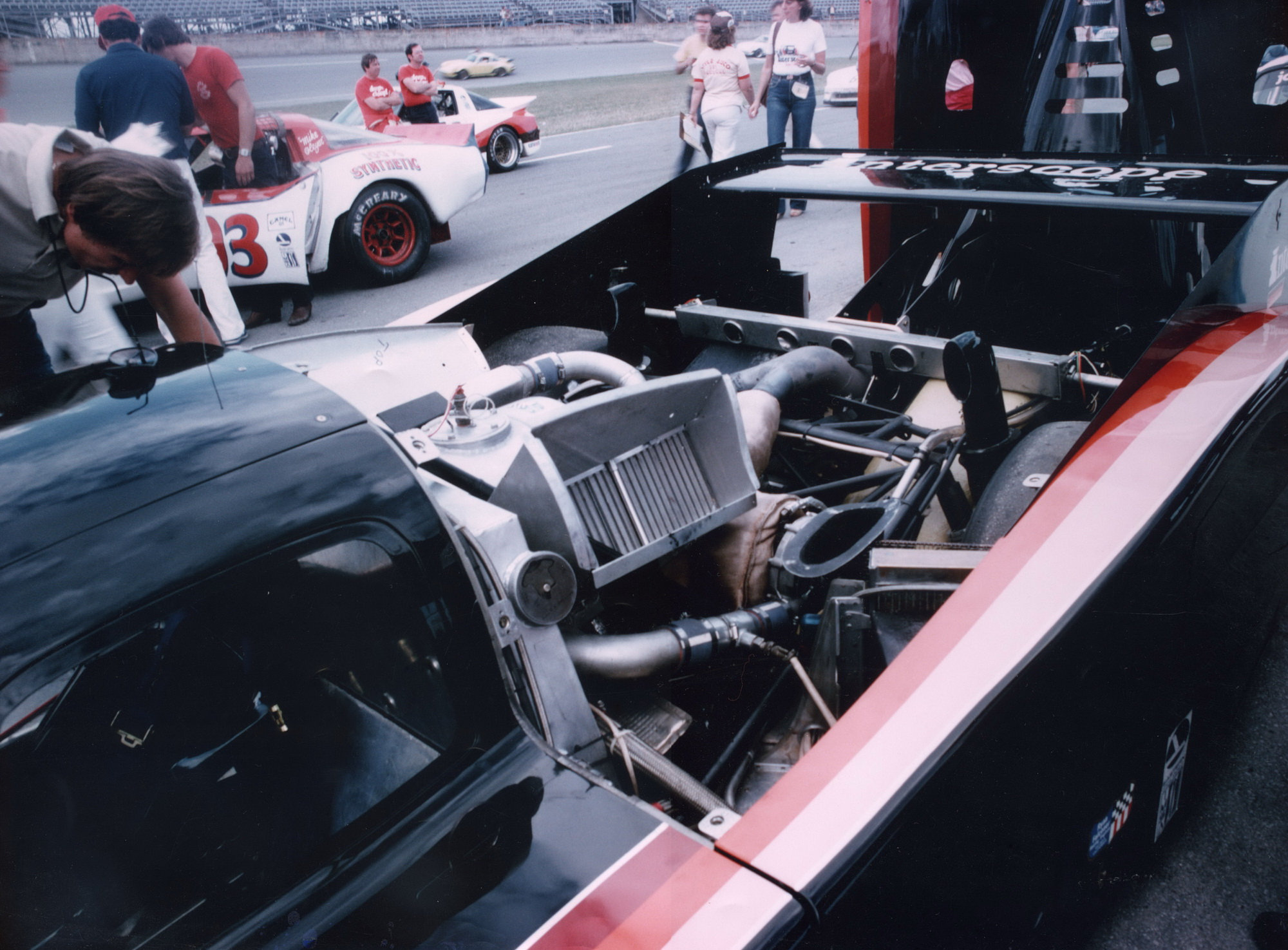
However, the genius of this specific model lay in its propulsion. While European teams fiddled with fragile Cosworth DFLs or complex Porsche turbos, the Cooke-Woods Racing team opted for the nuclear option: a 5.7-litre (350 cubic inch) Chevrolet Small Block V8. Prepared by engine wizards like Franz Weis or Chaparral, this was a pushrod, iron-block engine of almost agricultural simplicity. It featured a carburettor when rivals were using mechanical injection, and two valves per cylinder when others had four. Yet, it was the perfect partner for the chassis. It was compact enough to sit neatly between the massive air tunnels without disrupting the airflow. It was reliable, cheap to rebuild, and produced a mountainous wave of torque—over 600 bhp—that allowed the driver to hold gears and let the aero work without upsetting the car’s balance with frantic shifting. The suspension was virtually solid; to keep the aerodynamic center of pressure stable, the spring rates were rock-hard, offering zero compliance. Driving the T600 Chevy was a visceral, violent experience, vibrating the driver’s vision and pummeling their spine, but the grip it generated was simply astronomical.
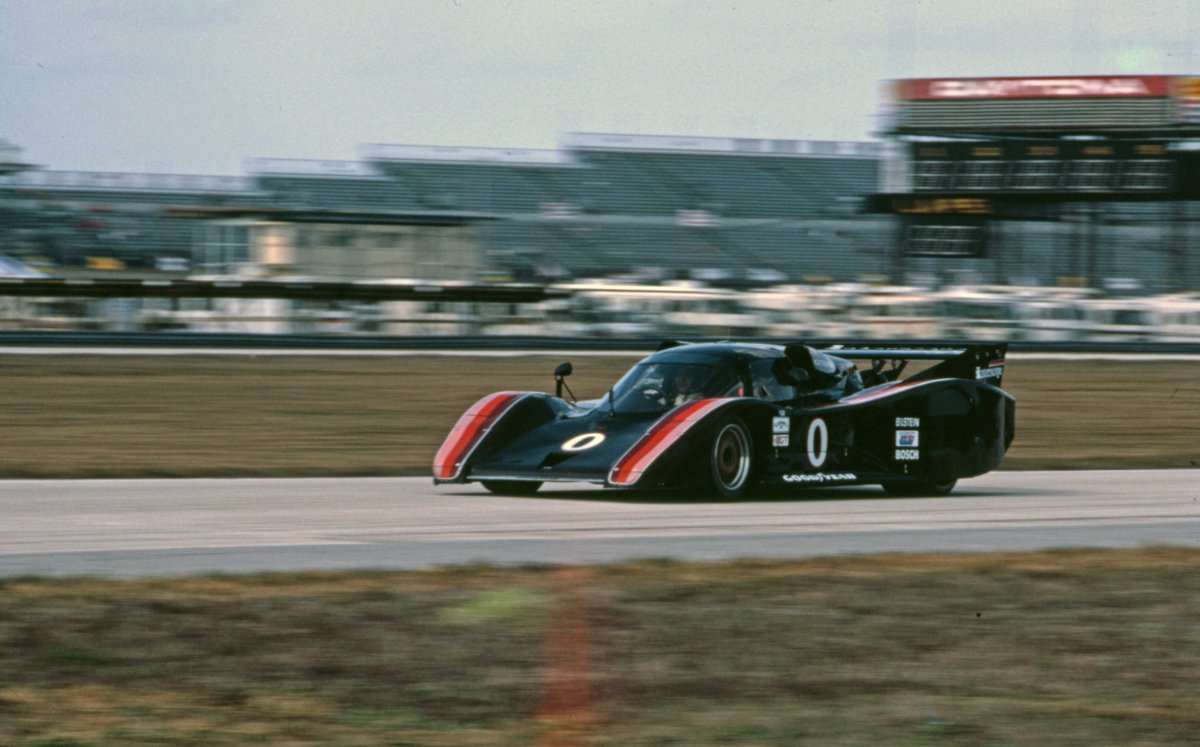
The impact of the 1981 T600 Chevy was immediate and absolute. It debuted mid-season at Laguna Seca, a track where aerodynamic grip is king. Brian Redman, a man who had driven everything from the Porsche 917 to F1 Coopers, put the car on pole and vanished into the distance, leaving the turbo Porsches gasping in his wake. The Chevy V8’s throttle response was instantaneous, allowing Redman to power out of the corners while the Porsches were still waiting for their turbos to spool. The car went on to win five races that season, securing the IMSA GTP title for Redman despite missing the opening rounds. It fundamentally broke the spirit of the Porsche 935 teams. They realized that their 800-horsepower engines were useless if they couldn’t carry speed through the corners. The T600 Chevy proved that a “low-tech” pushrod engine, when packaged in a high-tech ground-effect chassis, was the deadliest weapon in the arsenal.
The success of the T600 also highlighted a peculiar phenomenon known as “porpoising”. Because the downforce was generated by airflow, if the car hit a bump or the ride height changed too much, the airflow would stall, the car would pop up, catch air again, and slam down. This rhythmic bouncing was terrifying at 180 mph on the banking of Daytona, yet drivers like Redman and John Paul Jr. learned to live with it, trusting the Chevy torque to pull them through the instability. The T600 became the standard-bearer for the “GTP” (Grand Touring Prototype) class, forcing IMSA to rewrite the rulebook to accommodate these purpose-built racers.
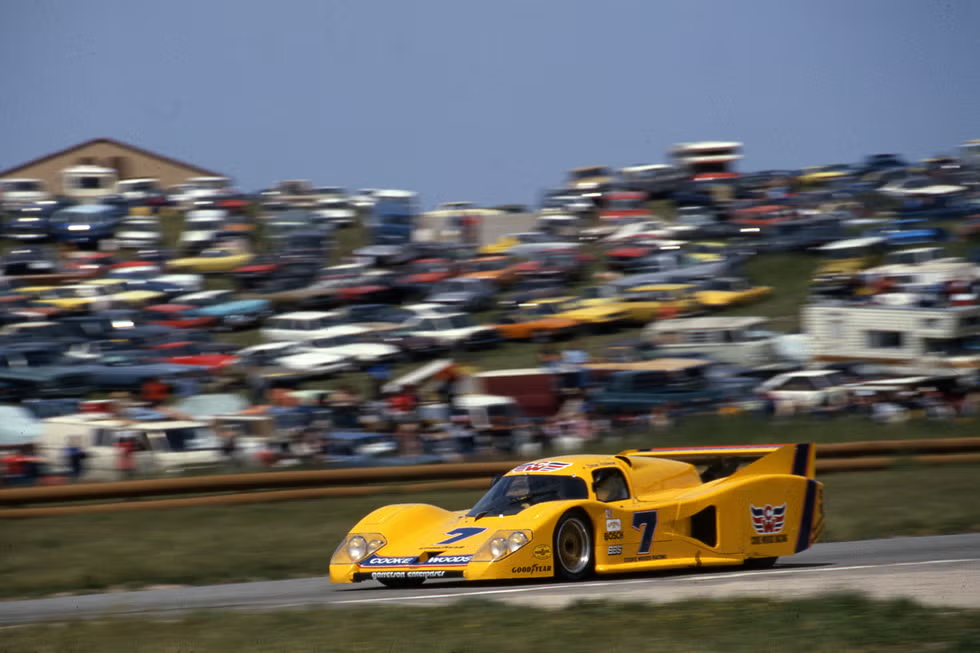
The legacy of the 1981 Lola T600 Chevrolet is monumental. It is the grandfather of the modern American sports prototype. It paved the way for the March 82G, the Jaguar XJR-5, and eventually forced Porsche to build the ground-effect 956/962 to compete. It bridged the gap between the wild, unlimited Can-Am era and the structured, manufacturer-heavy Group C era. But more than that, it was a triumph of privateer ingenuity. It proved that you didn’t need a factory budget or a complex turbo engine to win. You just needed a Chevy small block, a clever chassis, and the bravery to keep your foot planted while the car tried to suck the asphalt off the ground. The T600 remains a cultural icon of early 80s motorsport, a blue-and-yellow wedge of thunder that silenced the German dominance and brought the noise back to American racing.
Brand
Produced from
Portal
Vehicle category
Model line
Predecessor
Sucessor
Brand
Produced from
Portal
Vehicle category
Model line
Model generation
Predecessor
Sucessor
Submodel Overview
The arrival of the 1981 Lola T600 Chevrolet Small Block V8 on the grids of the IMSA GT Championship was less a vehicle launch and more an extinction event. For years, the North American endurance racing scene had been a fiefdom ruled by the Porsche 935. These turbocharged, production-based silhouettes were spectacular, flame-spitting monsters, but aerodynamically, they were bricks relying on brute horsepower to bludgeon the air into submission. Eric Broadley, the pragmatic genius behind Lola Cars, saw the writing on the wall. Commissioned by gentleman driver Ralph Kent-Cooke and the legendary Brian Redman, Broadley realized that the future lay not in turbocharging, but in suction. Drawing inspiration from the ground-effect revolution that Colin Chapman had unleashed in Formula 1 with the Lotus 79, the T600 was the first sports prototype designed from the keel up to harness the dark arts of negative pressure. It was a wedge of honeycomb aluminium and fiberglass that looked like it had landed from another planet to feast on the antiquated German machinery, and it arrived with a heart of pure, unadulterated American iron.
Technically, the T600 was a radical departure from the tube-frame, big-banger norms of the previous decade. The car’s defining feature was its underfloor. Broadley and French aerodynamicist Dr. Max Sardou sculpted the chassis to feature two massive Venturi tunnels running the length of the wheelbase. As the car accelerated, air was accelerated through these tunnels, creating a low-pressure zone that sucked the car down onto the tarmac with a force that increased exponentially with speed. To maintain the vacuum seal, the T600 utilized sliding skirts along its flanks—technology that was being legislated out of F1 but found a legal loophole in IMSA. The bodywork, characterized by its distinctive “lobster claw” front pontoons, was designed solely to feed clean air into these tunnels and the rear-mounted radiators.
However, the genius of this specific model lay in its propulsion. While European teams fiddled with fragile Cosworth DFLs or complex Porsche turbos, the Cooke-Woods Racing team opted for the nuclear option: a 5.7-litre (350 cubic inch) Chevrolet Small Block V8. Prepared by engine wizards like Franz Weis or Chaparral, this was a pushrod, iron-block engine of almost agricultural simplicity. It featured a carburettor when rivals were using mechanical injection, and two valves per cylinder when others had four. Yet, it was the perfect partner for the chassis. It was compact enough to sit neatly between the massive air tunnels without disrupting the airflow. It was reliable, cheap to rebuild, and produced a mountainous wave of torque—over 600 bhp—that allowed the driver to hold gears and let the aero work without upsetting the car’s balance with frantic shifting. The suspension was virtually solid; to keep the aerodynamic center of pressure stable, the spring rates were rock-hard, offering zero compliance. Driving the T600 Chevy was a visceral, violent experience, vibrating the driver’s vision and pummeling their spine, but the grip it generated was simply astronomical.
The impact of the 1981 T600 Chevy was immediate and absolute. It debuted mid-season at Laguna Seca, a track where aerodynamic grip is king. Brian Redman, a man who had driven everything from the Porsche 917 to F1 Coopers, put the car on pole and vanished into the distance, leaving the turbo Porsches gasping in his wake. The Chevy V8’s throttle response was instantaneous, allowing Redman to power out of the corners while the Porsches were still waiting for their turbos to spool. The car went on to win five races that season, securing the IMSA GTP title for Redman despite missing the opening rounds. It fundamentally broke the spirit of the Porsche 935 teams. They realized that their 800-horsepower engines were useless if they couldn’t carry speed through the corners. The T600 Chevy proved that a “low-tech” pushrod engine, when packaged in a high-tech ground-effect chassis, was the deadliest weapon in the arsenal.
The success of the T600 also highlighted a peculiar phenomenon known as “porpoising”. Because the downforce was generated by airflow, if the car hit a bump or the ride height changed too much, the airflow would stall, the car would pop up, catch air again, and slam down. This rhythmic bouncing was terrifying at 180 mph on the banking of Daytona, yet drivers like Redman and John Paul Jr. learned to live with it, trusting the Chevy torque to pull them through the instability. The T600 became the standard-bearer for the “GTP” (Grand Touring Prototype) class, forcing IMSA to rewrite the rulebook to accommodate these purpose-built racers.
The legacy of the 1981 Lola T600 Chevrolet is monumental. It is the grandfather of the modern American sports prototype. It paved the way for the March 82G, the Jaguar XJR-5, and eventually forced Porsche to build the ground-effect 956/962 to compete. It bridged the gap between the wild, unlimited Can-Am era and the structured, manufacturer-heavy Group C era. But more than that, it was a triumph of privateer ingenuity. It proved that you didn’t need a factory budget or a complex turbo engine to win. You just needed a Chevy small block, a clever chassis, and the bravery to keep your foot planted while the car tried to suck the asphalt off the ground. The T600 remains a cultural icon of early 80s motorsport, a blue-and-yellow wedge of thunder that silenced the German dominance and brought the noise back to American racing.
Tech Specs
Technical Specifications
Tech Specs
Technical Specifications
Engine
01
03
Internal combustion engine
Configuration
Chevrolet Small Block (Race prepared), V8 - 90º
Location
Mid, longitudinally mounted
Construction
Cast iron block, Aluminium cylinder heads
Displacement (cc)
5,735 cc
Displacement (cu in)
350.0 cu in
Compression
12.5:1
Bore x Stroke
101.6 mm x 88.4 mm
Valvetrain
2 valves per cylinder, OHV (Pushrod)
Fuel feed
Lucas mechanical fuel injection
Lubrication
Dry sump
Aspiration
Naturally aspirated
Output
Power (hp)
600 hp
Power (kW)
447 kW
Max power at
7,000 RPM
Torque (Nm)
650 Nm
Torque (ft lbs)
479 ft lbs
Max torque at
5,500 RPM
Drivetrain
02
03
Chassis
Type
Monocoque with rear subframe
Material
Aluminium and steel
Body
Material
Kevlar and Fibreglass composite
Transmission
Gearbox
Hewland VG-500, 5-speed manual
Drive
Rear Wheel Drive (Limited Slip Differential)
Suspension
Front
Independent, double wishbones, inboard coil springs over dampers (rocker arm actuated), anti-roll bar
Rear
Independent, double wishbones, coil springs over dampers, anti-roll bar
Steering
Type
Rack and pinion
Brakes
Front
Ventilated discs Ø330 mm, 4-piston calipers (AP Racing)
Rear
Ventilated discs Ø330 mm, 4-piston calipers (AP Racing)
Wheels
Front
11" x 16" (BBS Modular)
Rear
14" x 16" (BBS Modular)
Tires
Front
265/600-16
Rear
350/680-16
Dimensions and performance
03
03
Dimensions
Length (mm)
4,800 mm
Length (in)
189.0 in
Width (mm)
2,000 mm
Width (in)
78.7 in
Height (mm)
1,020 mm
Height (in)
40.2 in
Wheelbase (mm)
2,720 mm
Wheelbase (in)
107.1 in
Weight (kg)
~940 kg
Weight (lbs)
~2,072 lbs
Performance
Power to weight
~0.64 hp/kg
Top speed (km/h)
330 km/h
Top speed (mph)
205 mph
0-100 km/h (0-60 mph)
~3.1 s