
ALD C289 Ford Cosworth DFL
Brand
Produced from
Portal
Vehicle category
Predecessor
Successor
Submodel Overview
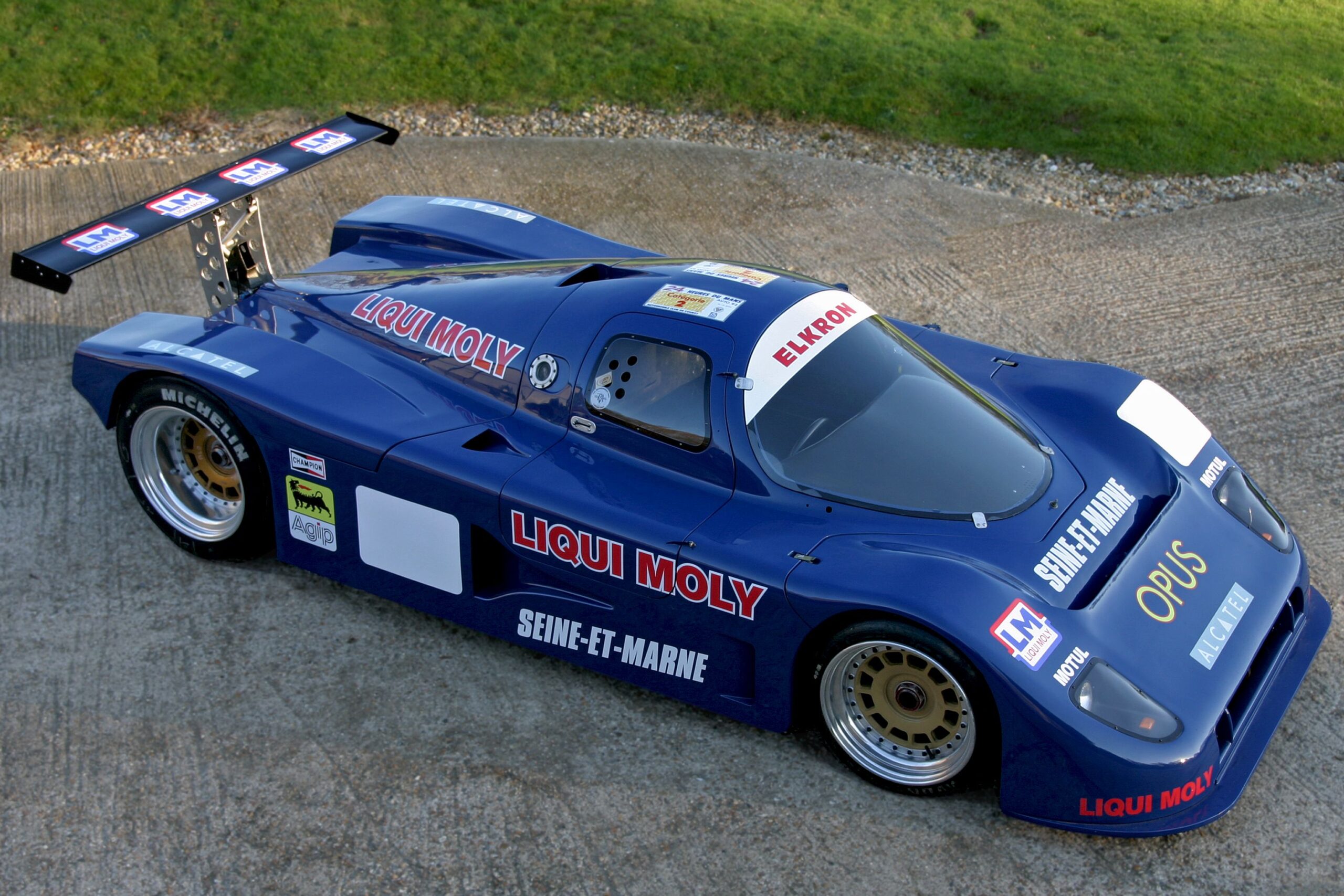
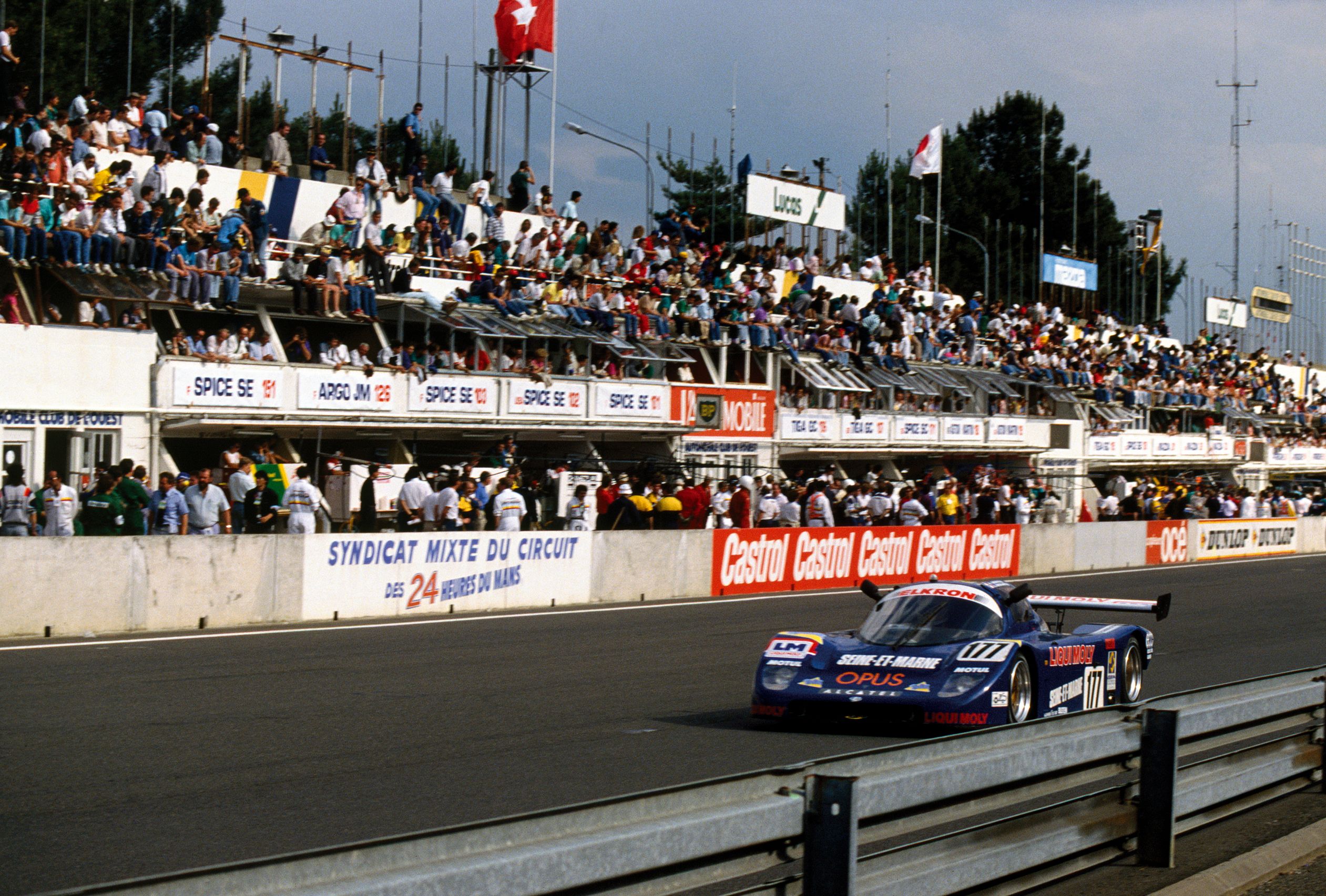
The late 1980s represented the magnificent, sunset years of the Group C era, a time when the World Sportscar Championship was a sprawling ecosystem of factory titans and heroic, small-scale “garagiste” constructors. Within the C2 junior category, the spirit of the privateer was embodied by Louis Descartes and his firm, ALD (Automobiles Louis Descartes). By 1989, the technical bar had been raised significantly by the likes of Spice Engineering and Ecurie Ecosse, who were essentially running factory-level programs. In response, ALD unleashed the C289, a car that stood as a defiant, gallic evolution of the earlier C286 and C288 models. It arrived at a moment when the C2 class was facing its impending obsolescence due to the move toward 3.5-liter atmospheric regulations, yet the C289 stepped into the arena to challenge the dominant Spice SE88C and the Tiga GC289. It was a machine built on a shoestring budget compared to the giants, but it possessed a gritty, blue-collar determination that made it a perennial favorite at the 24 Hours of Le Mans.
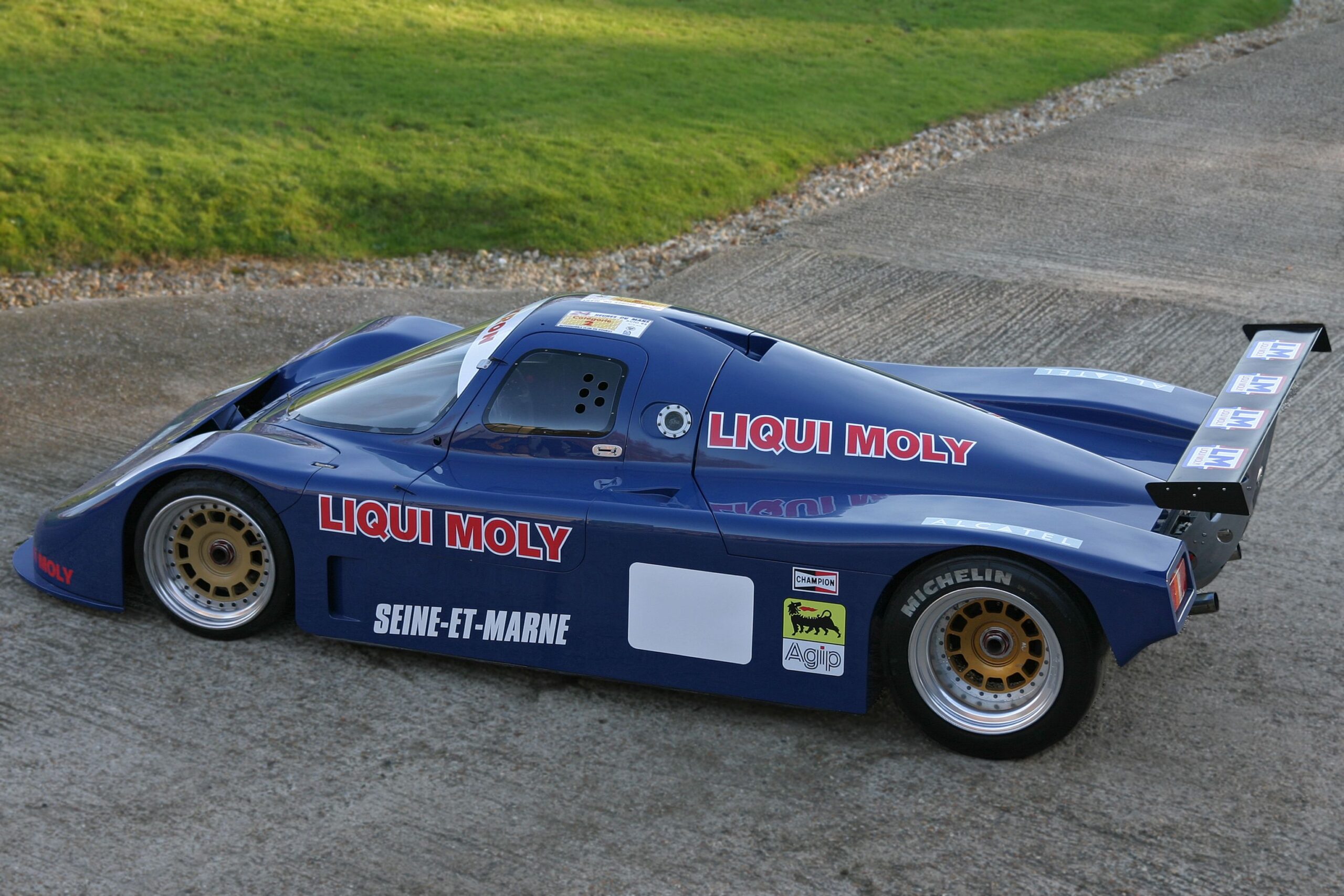
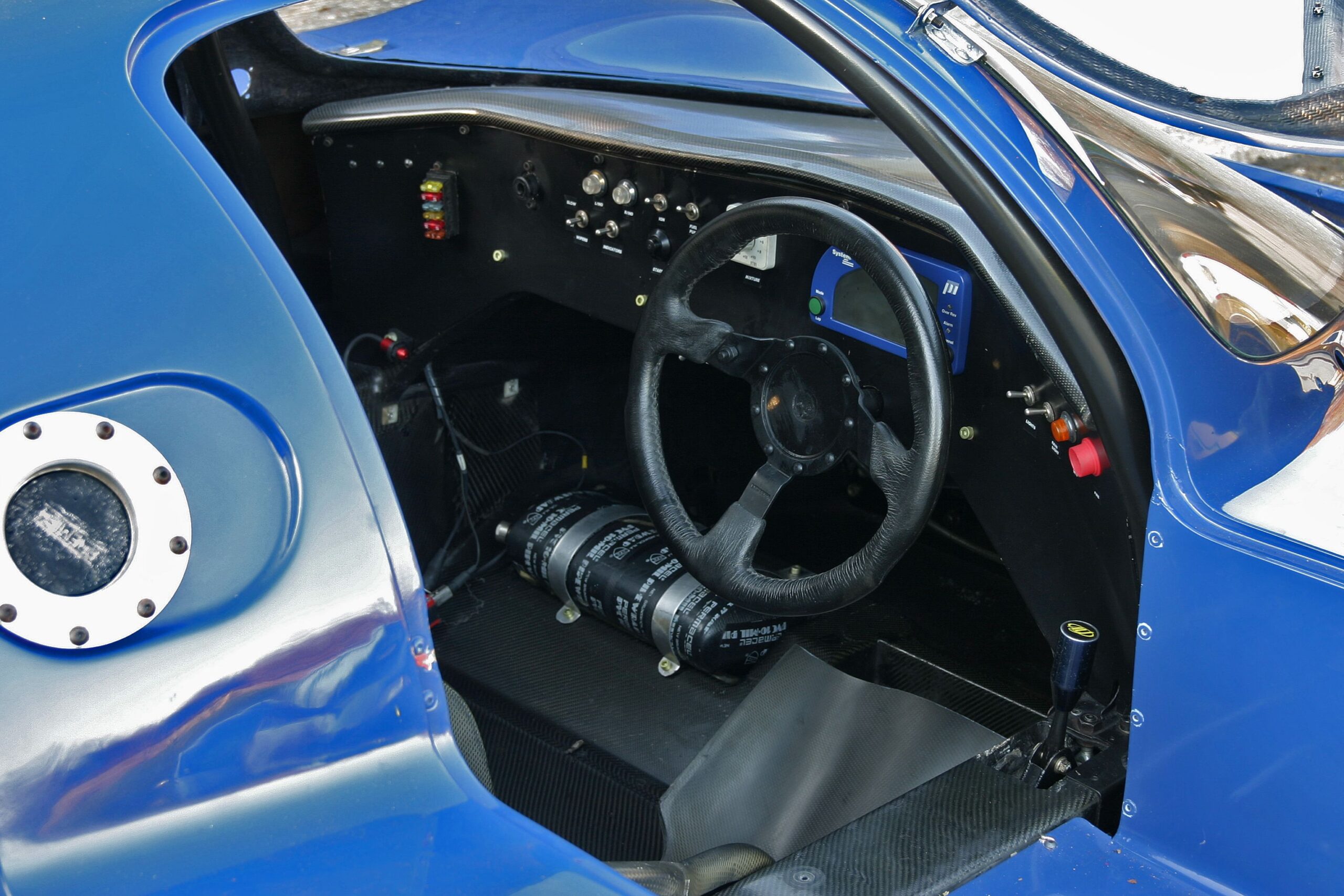
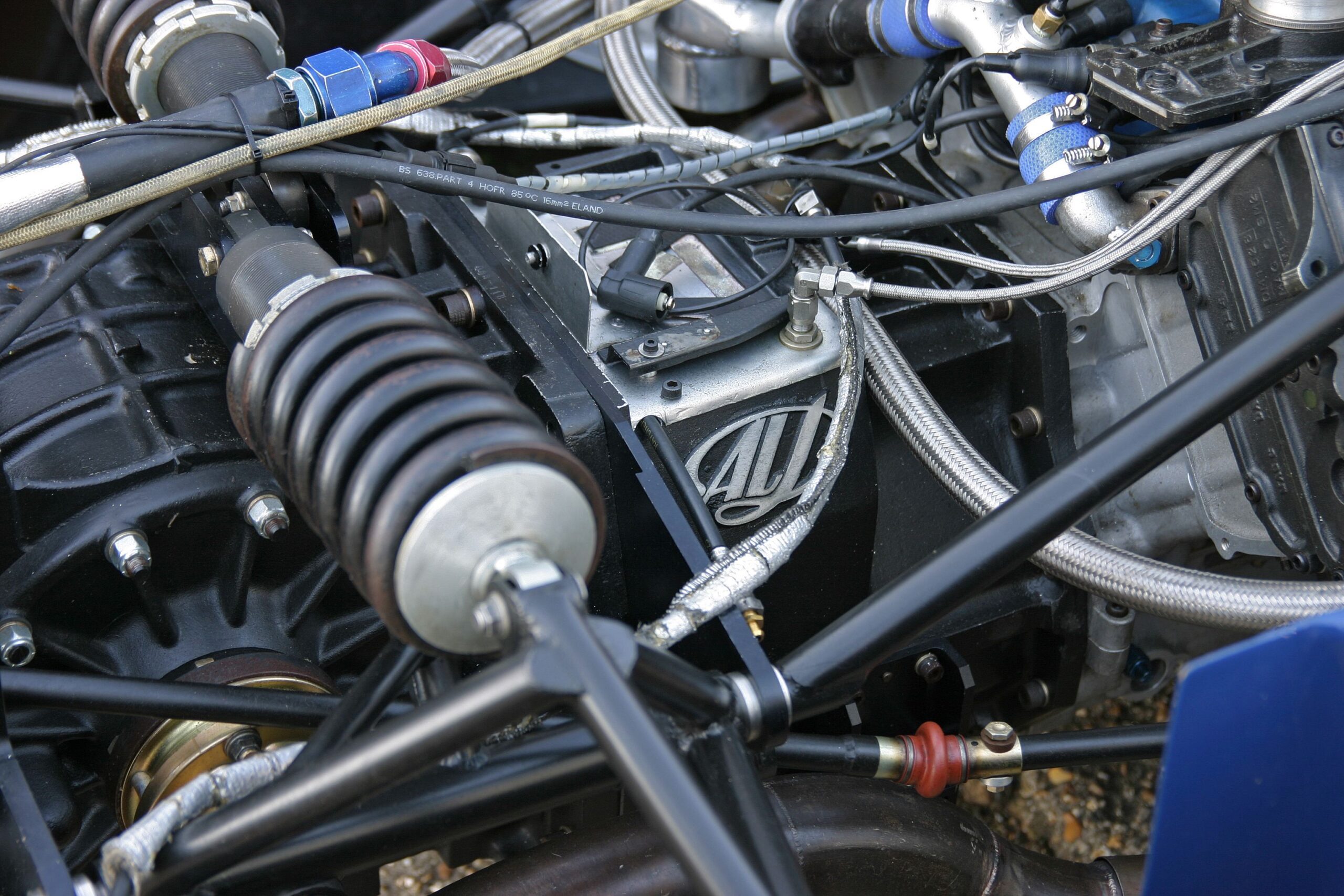
Technically, the ALD C289 was a fascinating mix of proven traditionalism and necessary modern adaptation. While the elite Category 1 cars were transitioning to carbon fiber, the C289 relied on a robust aluminium honeycomb monocoque chassis, a hallmark of Descartes’ design philosophy which prioritized repairability and cost-effectiveness for the independent racer. The bodywork was a distinct departure from its predecessors, featuring a sleeker, more aerodynamically refined profile intended to maximize the ground-effect tunnels that were mandatory for competitive pace in the late 80s. The nose was lower and more pointed, channeling air more efficiently toward the rear wing and the cooling ducts. However, the true heartbeat of this submodel was the legendary Ford Cosworth DFL. While some ALD variants experimented with BMW power, the 1989 C289 was built to house the 3.3-liter V8 DFL—the long-stroke endurance evolution of the famous DFV. Breathing through Lucas mechanical fuel injection and producing approximately 490 horsepower, the DFL provided the rhythmic, baritone roar that became the soundtrack of the C2 class. Mated to a Hewland five-speed manual gearbox and featuring massive ventilated steel brakes, the C289 was a physical, analogue machine that required a driver of immense stamina to wrestle through a double stint at La Sarthe.
The history of the ALD C289 is essentially a story of endurance and the “Spirit of Le Mans”. In the 1989 World Sportscar Championship, the car, often campaigned by Louis Descartes himself alongside pilots like Yves Hervet and Jean-Paul Libert, fought a valiant uphill battle. While it lacked the outright qualifying speed to topple the factory-supported Spices, its reliability was its greatest asset. The C289’s finest hour was its persistent presence at the 24 Hours of Le Mans. In an era where many high-tech prototypes would flame out before dawn, the blue and white ALDs seemed to have a stubborn refusal to quit. A curious and poignant note in its history is the sheer passion of Louis Descartes; he was one of the last true “constructeurs-pilotes,” a man who designed the car, built it in his modest workshop, and then strapped himself into the cockpit to face the Mulsanne Straight. This romantic, almost anachronistic approach earned ALD a dedicated following among the “tifosi” of endurance racing who appreciated the underdog’s struggle against the corporate giants of the late Group C period.
The legacy of the 1989 ALD C289 Ford Cosworth DFL is its status as a survivor. It represents the final, matured expression of the small-displacement C2 prototype before the class was officially folded into the unified 3.5-liter formula. When ALD eventually moved toward the C91 and beyond, the charm of the C289—the marriage of the aluminium tub and the screaming Cosworth V8—remained the high-water mark for the firm. Today, the C289 is a highly respected participant in historic Group C racing, a car that continues to prove its durability at the Le Mans Classic. It sits in the pantheon of motorsport as a testament to the French privateer spirit, a machine that proved you didn’t need a wind tunnel and a limitless budget to leave your mark on the most famous race track in the world.
Brand
Produced from
Portal
Vehicle category
Predecessor
Sucessor
Brand
Produced from
Portal
Vehicle category
Model generation
Predecessor
Sucessor
Submodel Overview
The late 1980s represented the magnificent, sunset years of the Group C era, a time when the World Sportscar Championship was a sprawling ecosystem of factory titans and heroic, small-scale “garagiste” constructors. Within the C2 junior category, the spirit of the privateer was embodied by Louis Descartes and his firm, ALD (Automobiles Louis Descartes). By 1989, the technical bar had been raised significantly by the likes of Spice Engineering and Ecurie Ecosse, who were essentially running factory-level programs. In response, ALD unleashed the C289, a car that stood as a defiant, gallic evolution of the earlier C286 and C288 models. It arrived at a moment when the C2 class was facing its impending obsolescence due to the move toward 3.5-liter atmospheric regulations, yet the C289 stepped into the arena to challenge the dominant Spice SE88C and the Tiga GC289. It was a machine built on a shoestring budget compared to the giants, but it possessed a gritty, blue-collar determination that made it a perennial favorite at the 24 Hours of Le Mans.
Technically, the ALD C289 was a fascinating mix of proven traditionalism and necessary modern adaptation. While the elite Category 1 cars were transitioning to carbon fiber, the C289 relied on a robust aluminium honeycomb monocoque chassis, a hallmark of Descartes’ design philosophy which prioritized repairability and cost-effectiveness for the independent racer. The bodywork was a distinct departure from its predecessors, featuring a sleeker, more aerodynamically refined profile intended to maximize the ground-effect tunnels that were mandatory for competitive pace in the late 80s. The nose was lower and more pointed, channeling air more efficiently toward the rear wing and the cooling ducts. However, the true heartbeat of this submodel was the legendary Ford Cosworth DFL. While some ALD variants experimented with BMW power, the 1989 C289 was built to house the 3.3-liter V8 DFL—the long-stroke endurance evolution of the famous DFV. Breathing through Lucas mechanical fuel injection and producing approximately 490 horsepower, the DFL provided the rhythmic, baritone roar that became the soundtrack of the C2 class. Mated to a Hewland five-speed manual gearbox and featuring massive ventilated steel brakes, the C289 was a physical, analogue machine that required a driver of immense stamina to wrestle through a double stint at La Sarthe.
The history of the ALD C289 is essentially a story of endurance and the “Spirit of Le Mans”. In the 1989 World Sportscar Championship, the car, often campaigned by Louis Descartes himself alongside pilots like Yves Hervet and Jean-Paul Libert, fought a valiant uphill battle. While it lacked the outright qualifying speed to topple the factory-supported Spices, its reliability was its greatest asset. The C289’s finest hour was its persistent presence at the 24 Hours of Le Mans. In an era where many high-tech prototypes would flame out before dawn, the blue and white ALDs seemed to have a stubborn refusal to quit. A curious and poignant note in its history is the sheer passion of Louis Descartes; he was one of the last true “constructeurs-pilotes,” a man who designed the car, built it in his modest workshop, and then strapped himself into the cockpit to face the Mulsanne Straight. This romantic, almost anachronistic approach earned ALD a dedicated following among the “tifosi” of endurance racing who appreciated the underdog’s struggle against the corporate giants of the late Group C period.
The legacy of the 1989 ALD C289 Ford Cosworth DFL is its status as a survivor. It represents the final, matured expression of the small-displacement C2 prototype before the class was officially folded into the unified 3.5-liter formula. When ALD eventually moved toward the C91 and beyond, the charm of the C289—the marriage of the aluminium tub and the screaming Cosworth V8—remained the high-water mark for the firm. Today, the C289 is a highly respected participant in historic Group C racing, a car that continues to prove its durability at the Le Mans Classic. It sits in the pantheon of motorsport as a testament to the French privateer spirit, a machine that proved you didn’t need a wind tunnel and a limitless budget to leave your mark on the most famous race track in the world.
Tech Specs
Technical Specifications
Tech Specs
Technical Specifications
Engine
01
03
Internal combustion engine
Configuration
Ford Cosworth DFL, V8 - 90º
Location
Mid, longitudinally mounted (Stressed member)
Construction
Aluminium alloy block and heads
Displacement (cc)
3,298 cc
Displacement (cu in)
201.3 cu in
Compression
11.0:1
Bore x Stroke
90.0 mm x 64.8 mm
Valvetrain
4 valves per cylinder, DOHC
Fuel feed
Lucas mechanical fuel injection
Lubrication
Dry sump
Aspiration
Naturally aspirated
Output
Power (hp)
490 hp
Power (kW)
365 kW
Max power at
9,500 RPM
Torque (Nm)
395 Nm
Torque (ft lbs)
291 ft lbs
Max torque at
7,000 RPM
Drivetrain
02
03
Chassis
Type
Monocoque unibody
Material
Aluminium honeycomb
Body
Material
Kevlar and Carbon-fibre composite
Transmission
Gearbox
Hewland DGB, 5-speed manual
Drive
Rear Wheel Drive (Limited Slip Differential)
Suspension
Front
Independent, double wishbones, pushrod-actuated coil springs over telescopic dampers, anti-roll bar
Rear
Independent, double wishbones, pushrod-actuated coil springs over telescopic dampers, anti-roll bar
Steering
Type
Rack and pinion, unassisted
Brakes
Front
Ventilated steel discs Ø330 mm, 4-piston calipers (AP Racing)
Rear
Ventilated steel discs Ø330 mm, 4-piston calipers (AP Racing)
Wheels
Front
11" x 16" (Cast Magnesium alloy)
Rear
14" x 16" (Cast Magnesium alloy)
Tires
Front
270/600-16
Rear
330/700-16
Dimensions and performance
03
03
Dimensions
Length (mm)
4,550 mm
Length (in)
179.1 in
Width (mm)
1,980 mm
Width (in)
78.0 in
Height (mm)
1,010 mm
Height (in)
39.8 in
Wheelbase (mm)
2,650 mm
Wheelbase (in)
104.3 in
Weight (kg)
750 kg
Weight (lbs)
1,653 lbs
Performance
Power to weight
0.65 hp/kg
Top speed (km/h)
~335 km/h
Top speed (mph)
~208 mph
0-100 km/h (0-60 mph)
~3.5 s