
Alfa Romeo Tipo B (P3) 3.2L Monoposto
Brand
Produced from
Portal
Vehicle category
Model line
Predecessor
Successor
Submodel Overview
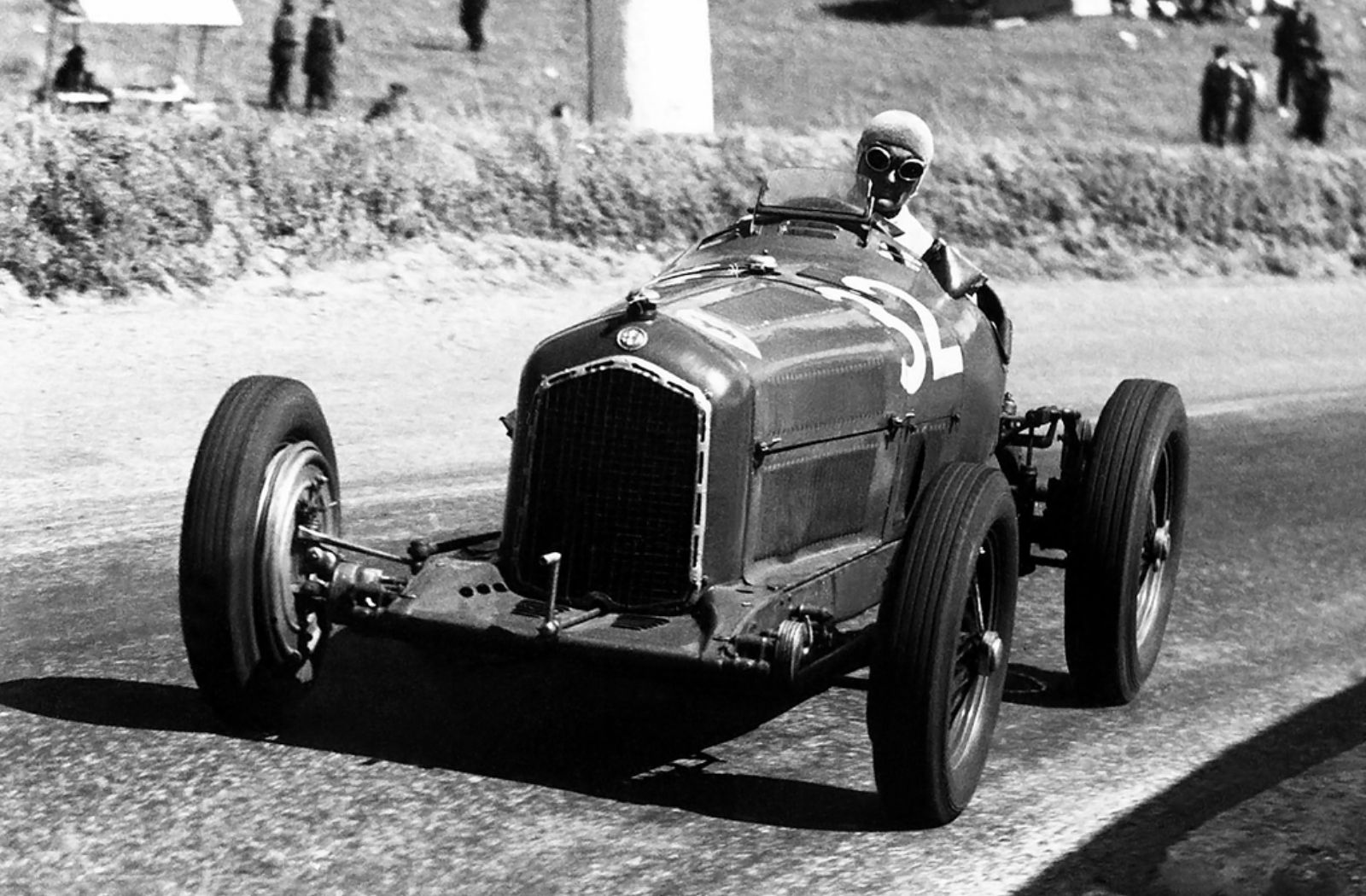
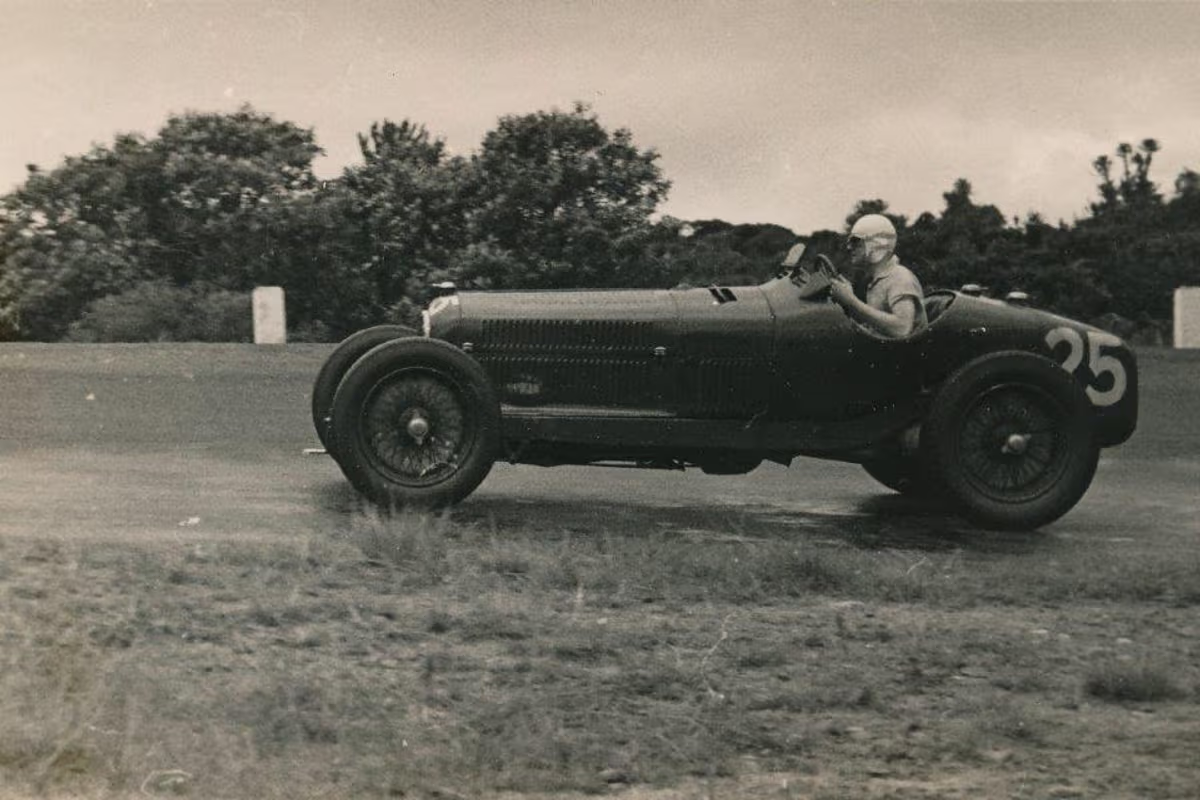
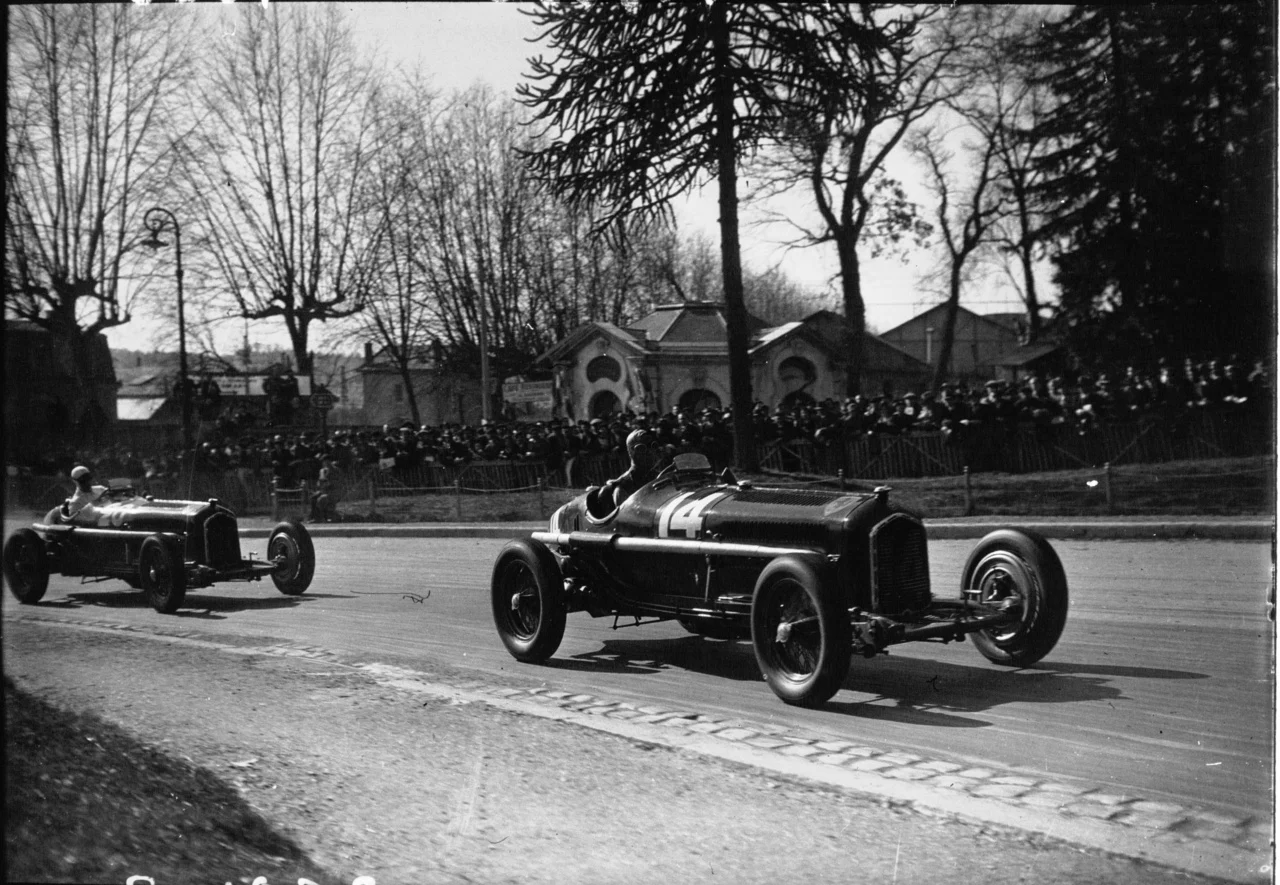
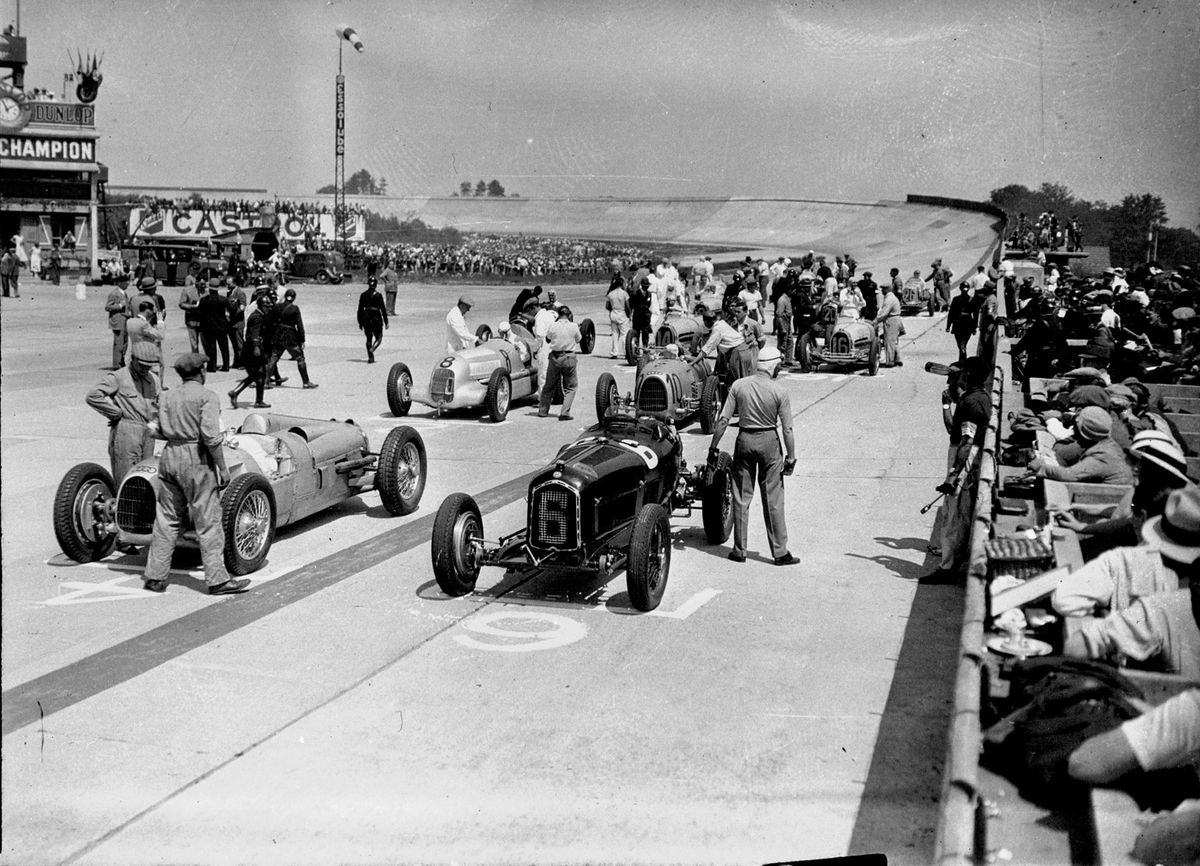
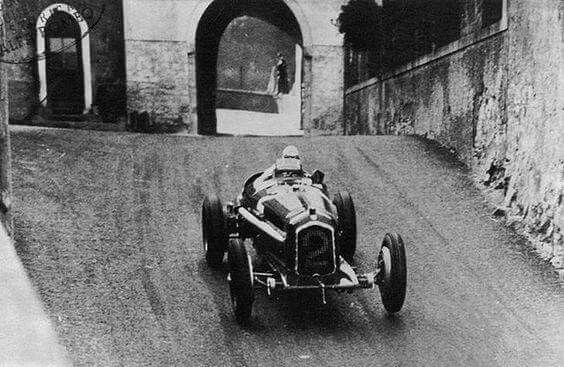
The air at Montlhéry in the summer of 1934 was thick with the scent of castor oil and impending doom. The newly introduced 750 kg (1653 lbs) weight formula had just unleashed a terrifying new breed of state-funded German leviathans upon the Grand Prix circuits of Europe. To face the overwhelming industrial might of the Mercedes-Benz W25 and the radical, rear-engined Auto Union Type A, Scuderia Ferrari—acting as the embattled racing arm of Alfa Romeo—unsheathed a sharpened, enlarged weapon: the Alfa Romeo Tipo B (P3) 3.2-litre Monoposto. Conceived by the engineering genius Vittorio Jano as the successor to the mighty P2, the original 2.6-litre (159 cu in) P3 had already rewritten the rulebooks in 1932 by introducing the world’s first true single-seat architecture. Yet, by 1934, absolute power was paramount. To stave off obsolescence against the Teutonic onslaught and traditional foes like the Maserati 8CM and Bugatti Type 59, Jano pushed his masterpiece to new extremes, boring out the legendary engine to keep the Italian tricolour flying at the sharp end of the grid.
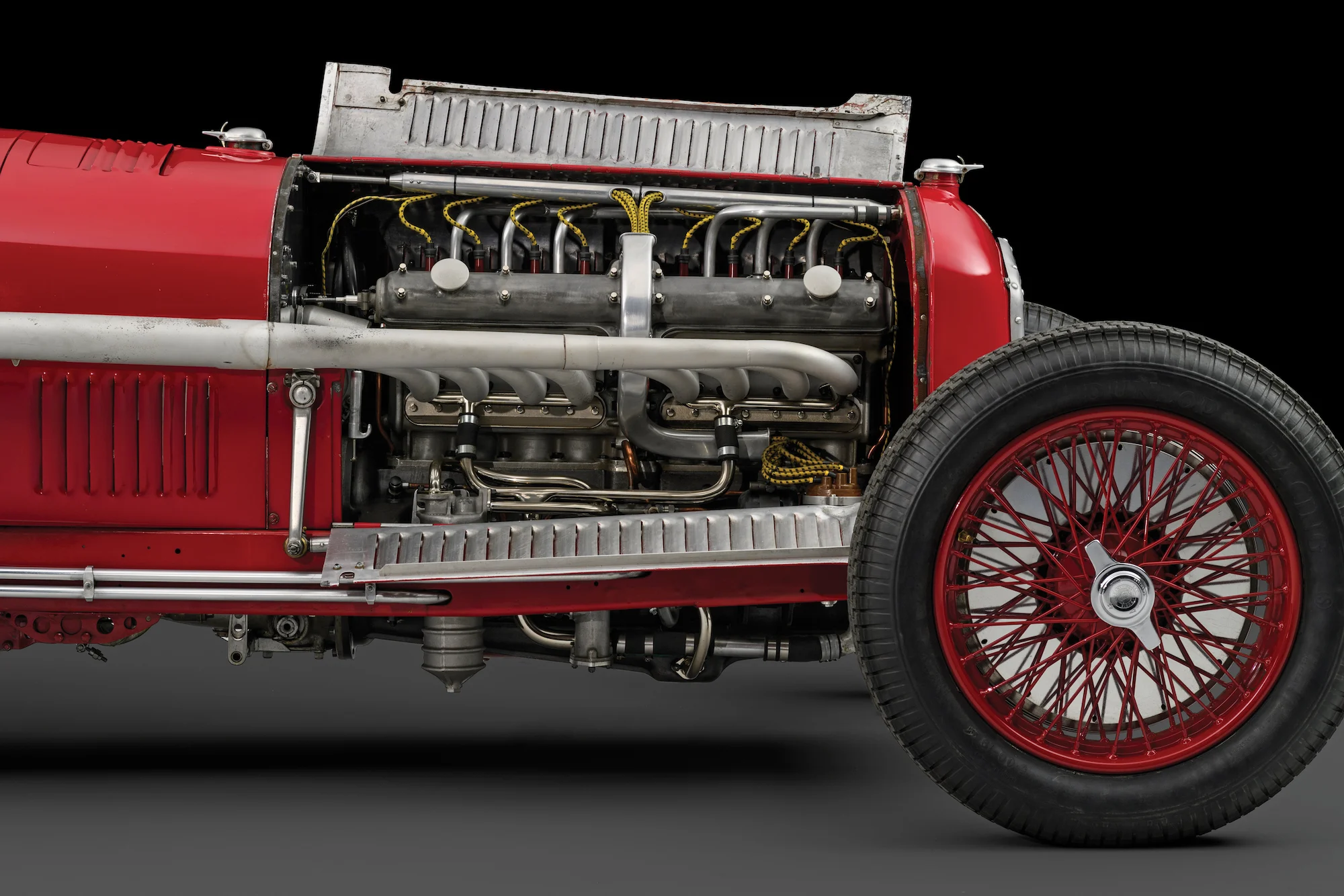
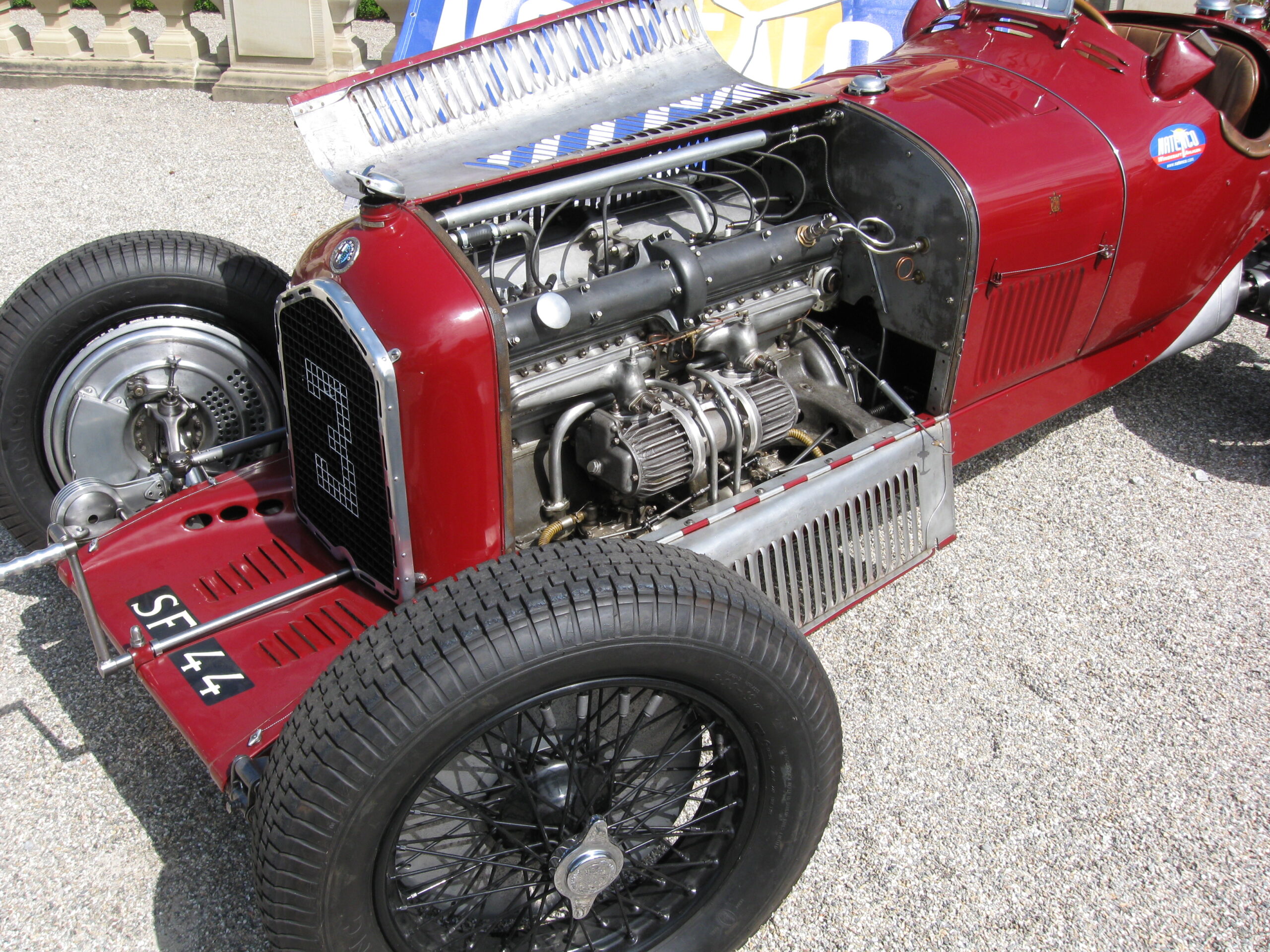
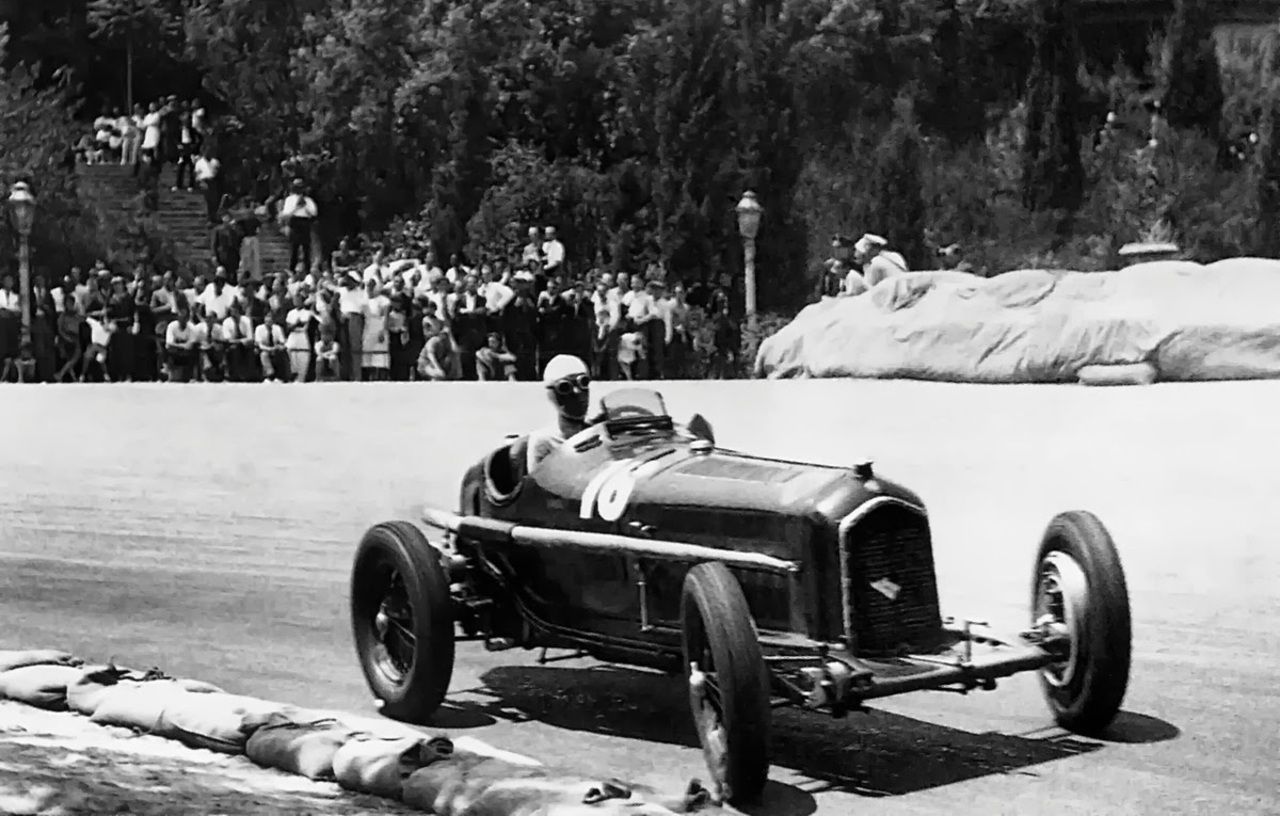
To stand beside the 3.2-litre P3 is to marvel at the brutal elegance of 1930s Milanese engineering. Beneath its long, louvred aluminium bonnet lay an enlarged version of Jano’s mechanical jewel: a 3.2-litre (195 cu in) inline-eight, ingeniously split into two four-cylinder blocks. By placing the gear train dead centre, Jano entirely eliminated camshaft whip, allowing the twin Roots-type superchargers to force-feed the engine to a shrieking 265 bhp. When fired, the engine did not merely run; it erupted with a deafening, metallic clatter that smoothed into a piercing, supercharged wail as the revs climbed. Power flowed through a sturdy manual gearbox, but the defining stroke of genius lay directly beneath the driver. Jano split the differential just aft of the transmission, sending power to the rear wheels via twin angled driveshafts forming a ‘V’. This layout allowed the driver to sit intimately low between the spinning shafts, drastically lowering the centre of gravity of the 700 kg (1543 lbs) machine. The chassis itself remained a traditional ladder frame suspended on semi-elliptic leaf springs, combined with friction dampers.
Wrestling the car required immense physical endurance; the pilot was assaulted by supercharger whine and searing exhaust heat, dancing on the pedals in a cramped, sweltering cockpit whilst gripping a cord-bound steering wheel. Stopping the scarlet dart relied on massive cable-operated, finned aluminium drum brakes, which fought a constant, fading battle against physics to rein in speeds exceeding 260 km/h (161 mph) on the narrow cross-ply tyres.
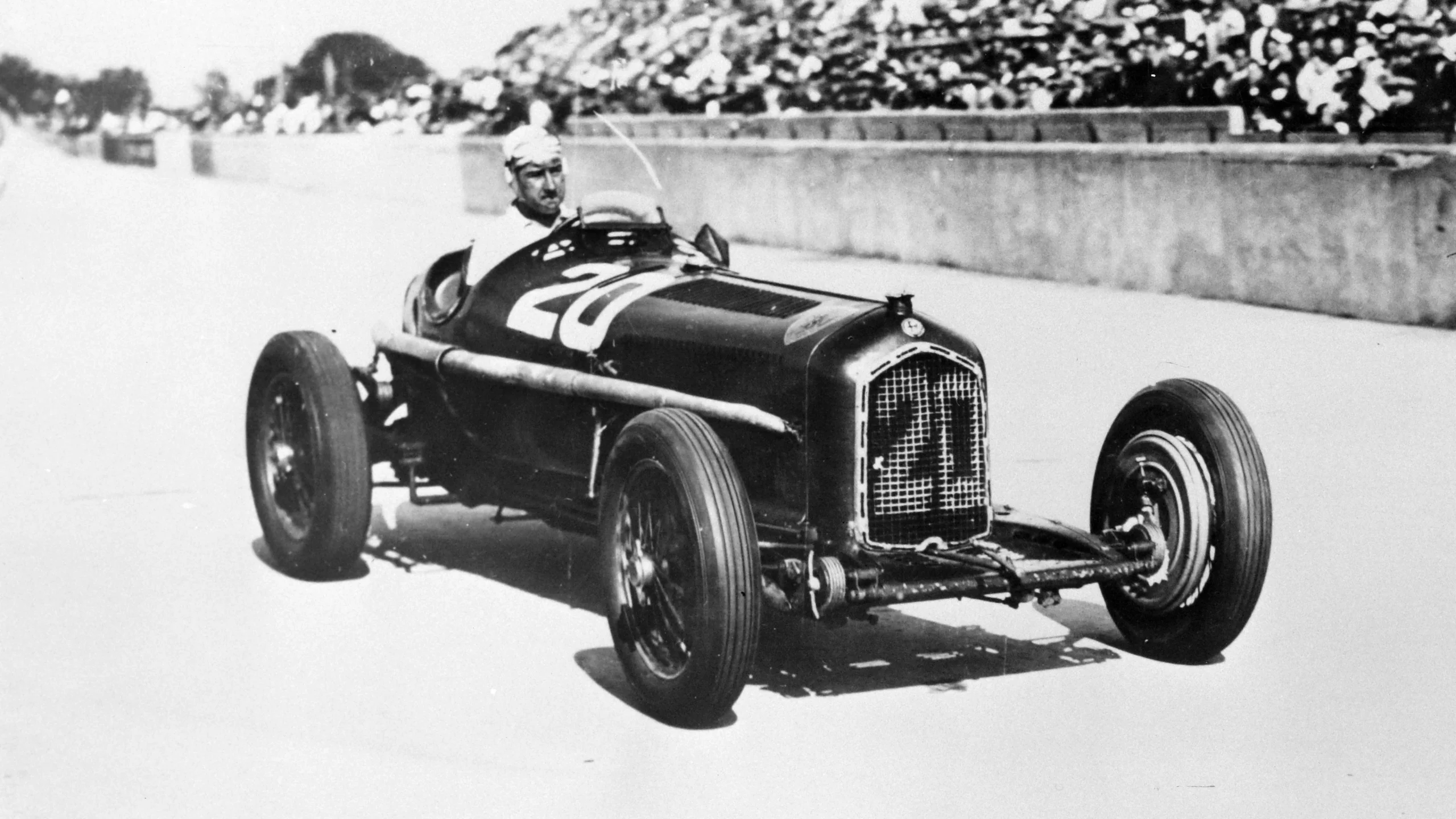
The 1934 season was a magnificent, desperate rearguard action for the Tipo B. Managed under the shrewd, ruthless command of Enzo Ferrari, whose Prancing Horse shields adorned the scarlet flanks, the 3.2-litre Monoposto was hurled into battle by legendary pilots like Louis Chiron, Achille Varzi, and the brilliant young Guy Moll. The car possessed an innate, delicate balance that the immensely powerful but nose-heavy German machines sorely lacked. Drivers could aggressively throw the P3 into spectacular four-wheel drifts, steering the car through fast sweeps predominantly with the throttle pedal. This supreme agility allowed the outgunned Alfa Romeo to embarrass the Silver Arrows on tighter, more technical circuits. Chiron took a glorious, attrition-filled victory at the French Grand Prix at Montlhéry, outlasting the fragile German machinery, whilst Moll secured a sensational win at the Monaco Grand Prix, sliding the P3 flawlessly through the perilous street circuit. Even as the Auto Union and Mercedes-Benz began to cure their reliability woes and dominate the high-speed straights later in the season, the 3.2-litre P3 refused to yield, scoring vital victories at Alessandria and Tripoli. It was a machine that demanded the utmost bravery, rewarding absolute commitment with telepathic chassis response.
The legacy of the 3.2-litre P3 is that of a glorious, screaming defiant. It represents the absolute zenith of the traditional, solid-axle Grand Prix car before independent suspension and massive engine displacement irrevocably changed the sport. By the end of 1935, despite heroic, impossible victories by men like Tazio Nuvolari, the Tipo B was finally overwhelmed, leading Alfa Romeo to develop the independently sprung 8C-35 and the majestic 12C-36. Yet, Jano’s Monoposto had already etched its name into immortality. It was the chariot that cemented Scuderia Ferrari’s reputation on the global stage, a masterpiece of Italian artistry that held the line when the rest of the racing world trembled.
Brand
Produced from
Portal
Vehicle category
Model line
Predecessor
Sucessor
Brand
Produced from
Portal
Vehicle category
Model line
Model generation
Predecessor
Sucessor
Submodel Overview
The air at Montlhéry in the summer of 1934 was thick with the scent of castor oil and impending doom. The newly introduced 750 kg (1653 lbs) weight formula had just unleashed a terrifying new breed of state-funded German leviathans upon the Grand Prix circuits of Europe. To face the overwhelming industrial might of the Mercedes-Benz W25 and the radical, rear-engined Auto Union Type A, Scuderia Ferrari—acting as the embattled racing arm of Alfa Romeo—unsheathed a sharpened, enlarged weapon: the Alfa Romeo Tipo B (P3) 3.2-litre Monoposto. Conceived by the engineering genius Vittorio Jano as the successor to the mighty P2, the original 2.6-litre (159 cu in) P3 had already rewritten the rulebooks in 1932 by introducing the world’s first true single-seat architecture. Yet, by 1934, absolute power was paramount. To stave off obsolescence against the Teutonic onslaught and traditional foes like the Maserati 8CM and Bugatti Type 59, Jano pushed his masterpiece to new extremes, boring out the legendary engine to keep the Italian tricolour flying at the sharp end of the grid.
To stand beside the 3.2-litre P3 is to marvel at the brutal elegance of 1930s Milanese engineering. Beneath its long, louvred aluminium bonnet lay an enlarged version of Jano’s mechanical jewel: a 3.2-litre (195 cu in) inline-eight, ingeniously split into two four-cylinder blocks. By placing the gear train dead centre, Jano entirely eliminated camshaft whip, allowing the twin Roots-type superchargers to force-feed the engine to a shrieking 265 bhp. When fired, the engine did not merely run; it erupted with a deafening, metallic clatter that smoothed into a piercing, supercharged wail as the revs climbed. Power flowed through a sturdy manual gearbox, but the defining stroke of genius lay directly beneath the driver. Jano split the differential just aft of the transmission, sending power to the rear wheels via twin angled driveshafts forming a ‘V’. This layout allowed the driver to sit intimately low between the spinning shafts, drastically lowering the centre of gravity of the 700 kg (1543 lbs) machine. The chassis itself remained a traditional ladder frame suspended on semi-elliptic leaf springs, combined with friction dampers.
Wrestling the car required immense physical endurance; the pilot was assaulted by supercharger whine and searing exhaust heat, dancing on the pedals in a cramped, sweltering cockpit whilst gripping a cord-bound steering wheel. Stopping the scarlet dart relied on massive cable-operated, finned aluminium drum brakes, which fought a constant, fading battle against physics to rein in speeds exceeding 260 km/h (161 mph) on the narrow cross-ply tyres.
The 1934 season was a magnificent, desperate rearguard action for the Tipo B. Managed under the shrewd, ruthless command of Enzo Ferrari, whose Prancing Horse shields adorned the scarlet flanks, the 3.2-litre Monoposto was hurled into battle by legendary pilots like Louis Chiron, Achille Varzi, and the brilliant young Guy Moll. The car possessed an innate, delicate balance that the immensely powerful but nose-heavy German machines sorely lacked. Drivers could aggressively throw the P3 into spectacular four-wheel drifts, steering the car through fast sweeps predominantly with the throttle pedal. This supreme agility allowed the outgunned Alfa Romeo to embarrass the Silver Arrows on tighter, more technical circuits. Chiron took a glorious, attrition-filled victory at the French Grand Prix at Montlhéry, outlasting the fragile German machinery, whilst Moll secured a sensational win at the Monaco Grand Prix, sliding the P3 flawlessly through the perilous street circuit. Even as the Auto Union and Mercedes-Benz began to cure their reliability woes and dominate the high-speed straights later in the season, the 3.2-litre P3 refused to yield, scoring vital victories at Alessandria and Tripoli. It was a machine that demanded the utmost bravery, rewarding absolute commitment with telepathic chassis response.
The legacy of the 3.2-litre P3 is that of a glorious, screaming defiant. It represents the absolute zenith of the traditional, solid-axle Grand Prix car before independent suspension and massive engine displacement irrevocably changed the sport. By the end of 1935, despite heroic, impossible victories by men like Tazio Nuvolari, the Tipo B was finally overwhelmed, leading Alfa Romeo to develop the independently sprung 8C-35 and the majestic 12C-36. Yet, Jano’s Monoposto had already etched its name into immortality. It was the chariot that cemented Scuderia Ferrari’s reputation on the global stage, a masterpiece of Italian artistry that held the line when the rest of the racing world trembled.
Tech Specs
Technical Specifications
Tech Specs
Technical Specifications
Engine
01
03
Internal combustion engine
Configuration
Alfa Romeo Inline-8
Location
Front, longitudinally mounted (implied by the propeller shafts running to the rear axle)
Construction
Aluminium alloy blocks with steel liners, fixed cylinder head, Elektron (magnesium) crankcase
Displacement (cc)
3,165 cc
Displacement (cu in)
193.1 cu in
Compression
7.0:1
Bore x Stroke
71.0 mm x 100.0 mm
Valvetrain
2 valves per cylinder, DOHC
Fuel feed
2 x carburettors
Lubrication
Dry sump
Aspiration
Supercharged (Twin Roots-type superchargers)
Output
Power (hp)
265 hp
Power (kW)
198 kW
Max power at
5,400 RPM
Torque (Nm)
-
Torque (ft lbs)
-
Max torque at
-
Drivetrain
02
03
Chassis
Type
Ladder frame
Material
Steel
Body
Material
Aluminium
Transmission
Gearbox
3-speed manual
Drive
Rear Wheel Drive with the differential mounted immediately behind the gearbox, driving twin propeller shafts enclosed in torque tubes configured in a V
Suspension
Front
Beam axle, semi-elliptic leaf springs, radius arms, friction dampers
Rear
Live axle, semi-elliptic leaf springs, double friction shock absorbers
Steering
Type
Worm and sector, unassisted
Brakes
Front
Mechanical rod-operated drum brakes Ø400 mm (15.75 in)
Rear
Mechanical rod-operated drum brakes Ø400 mm (15.75 in)
Wheels
Front
19"
Rear
19"
Tires
Front
-
Rear
-
Dimensions and performance
03
03
Dimensions
Length (mm)
3,840 mm
Length (in)
151.2 in
Width (mm)
~1,650 mm
Width (in)
~65.0 in
Height (mm)
1,165 mm
Height (in)
45.9 in
Wheelbase (mm)
2,642 mm
Wheelbase (in)
104.0 in
Weight (kg)
720 kg
Weight (lbs)
1,587 lbs
Performance
Power to weight
0.37 hp/kg
Top speed (km/h)
~275 km/h
Top speed (mph)
~171 mph
0-100 km/h (0-60 mph)
-