
Aston Martin DBRS9
Brand
Produced from
Portal
Vehicle category
Model line
Predecessor
Successor
Submodel Overview
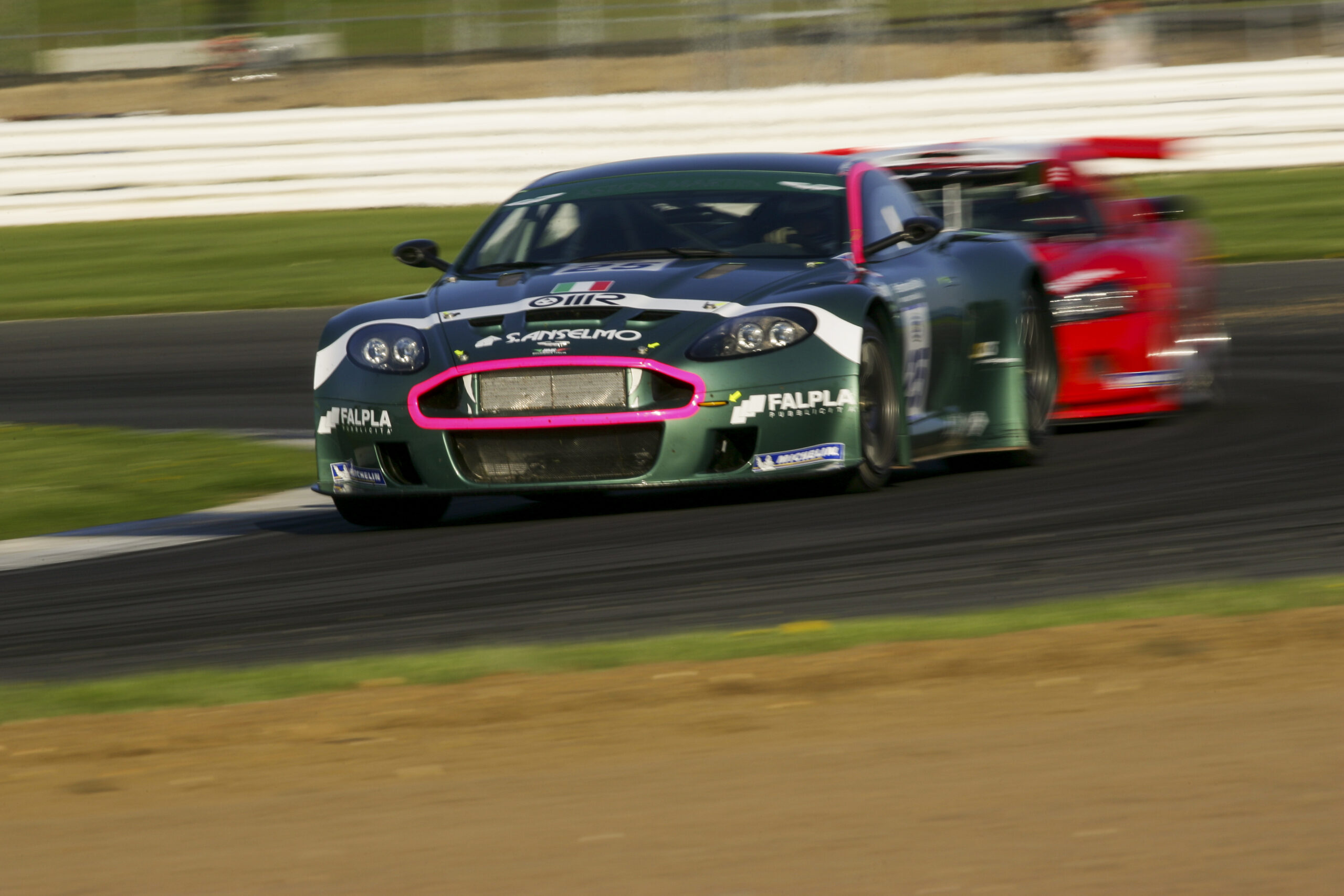
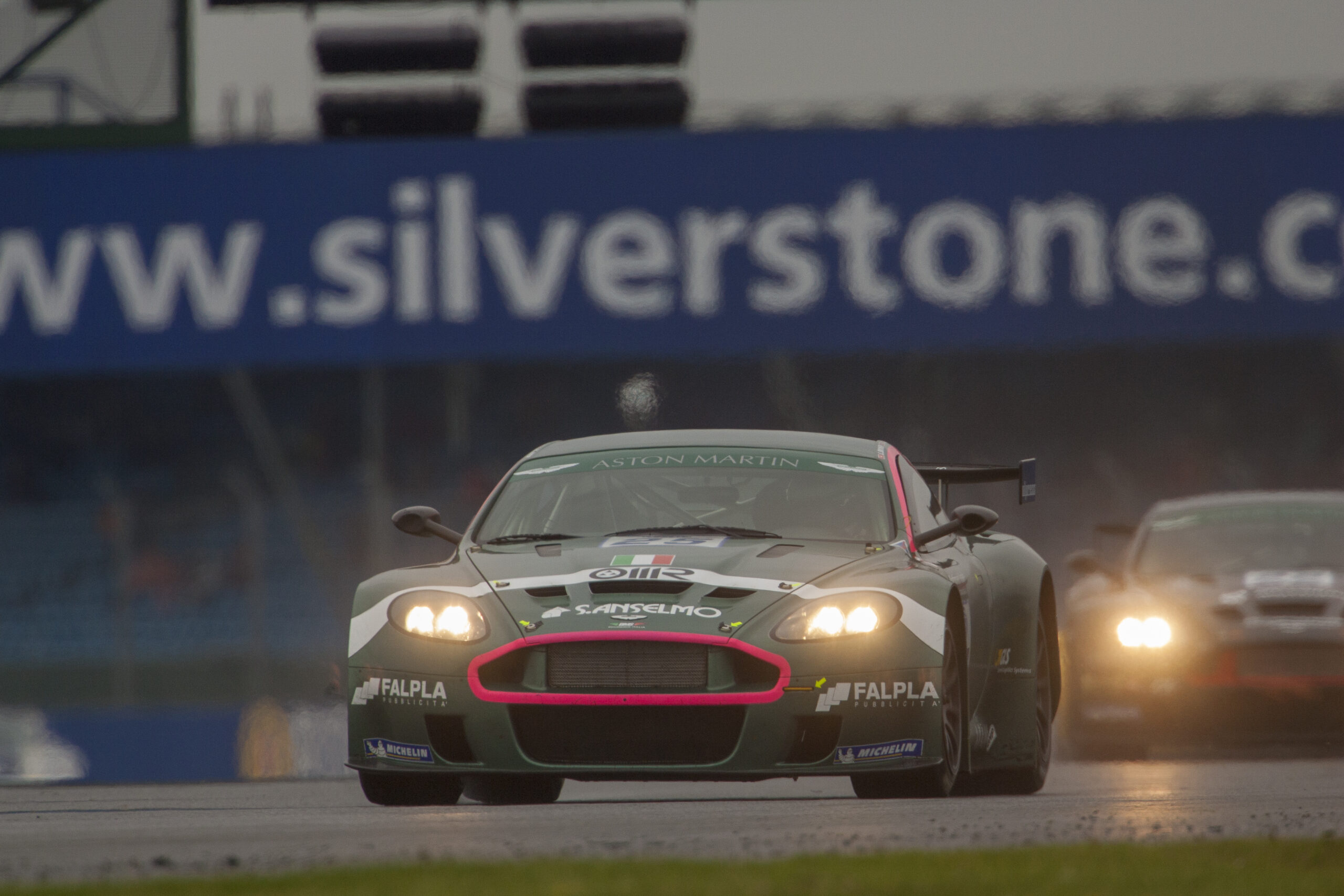
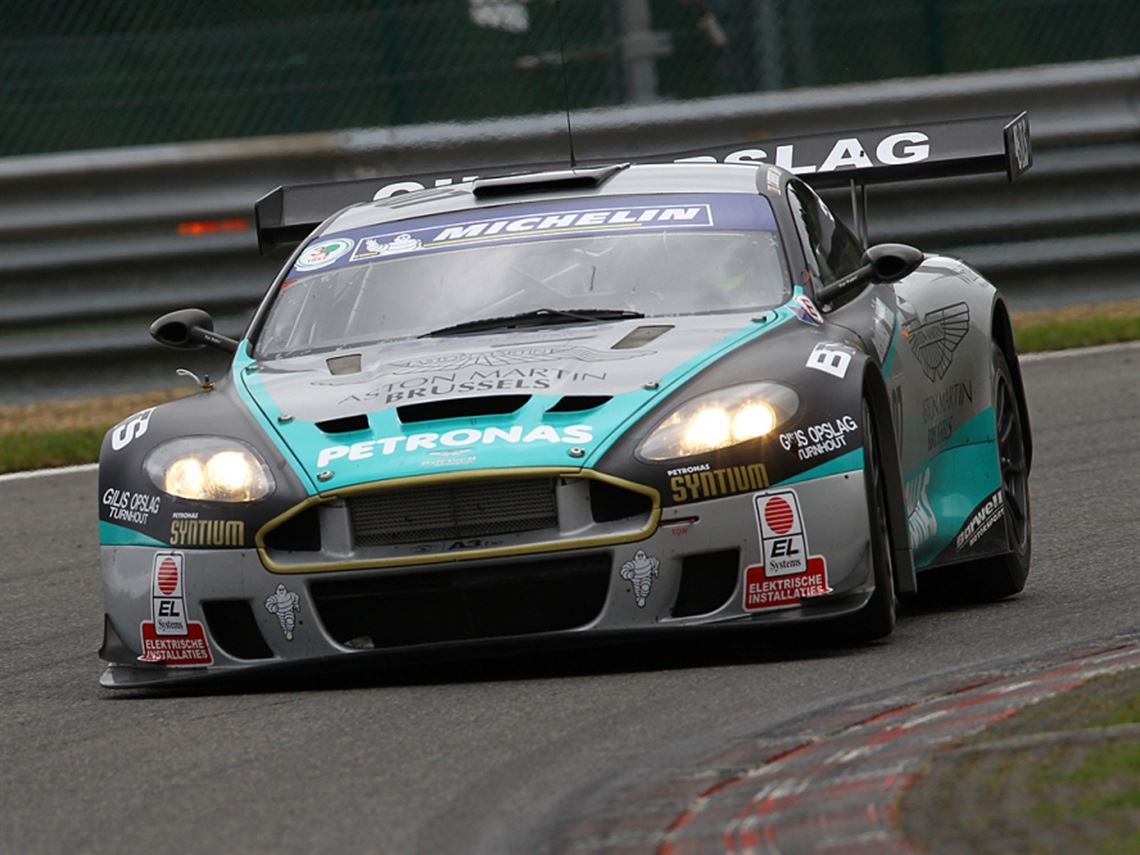
To truly appreciate the significance of the 2006 Aston Martin DBRS9, one must step back into a pivotal, transformative moment in modern sports car racing. In the mid-2000s, the international GT landscape was awe-inspiring but financially terrifying. The GT1 category had evolved into a realm of carbon-tubbed, bespoke spaceships, while GT2 remained a fiercely expensive playground for factory-backed efforts. Recognizing the urgent need to tempt the wealthy gentleman driver back to the grid, motorsport visionary Stéphane Ratel launched the FIA GT3 European Championship in 2006. It was a brilliantly simple premise: take high-performance road cars, modify them for the track with strict cost caps, and equalize their performance using a balancing formula. Aston Martin, riding a tidal wave of global adoration thanks to the GT1-class DBR9, saw an unmissable opportunity. Tasking David Richards’ legendary Prodrive operation—the brilliant minds behind Aston Martin Racing (AMR)—to create a turnkey GT3 weapon, the DBRS9 was born. Based on the elegant DB9 road car, it was engineered to bring the fight directly to the brutal Dodge Viper Competition Coupes, the agile Ferrari F430 GT3s, and the ubiquitous Porsche 911s. It wasn’t just a racing car; it was the founding father of Aston Martin’s modern, massively successful customer racing empire.
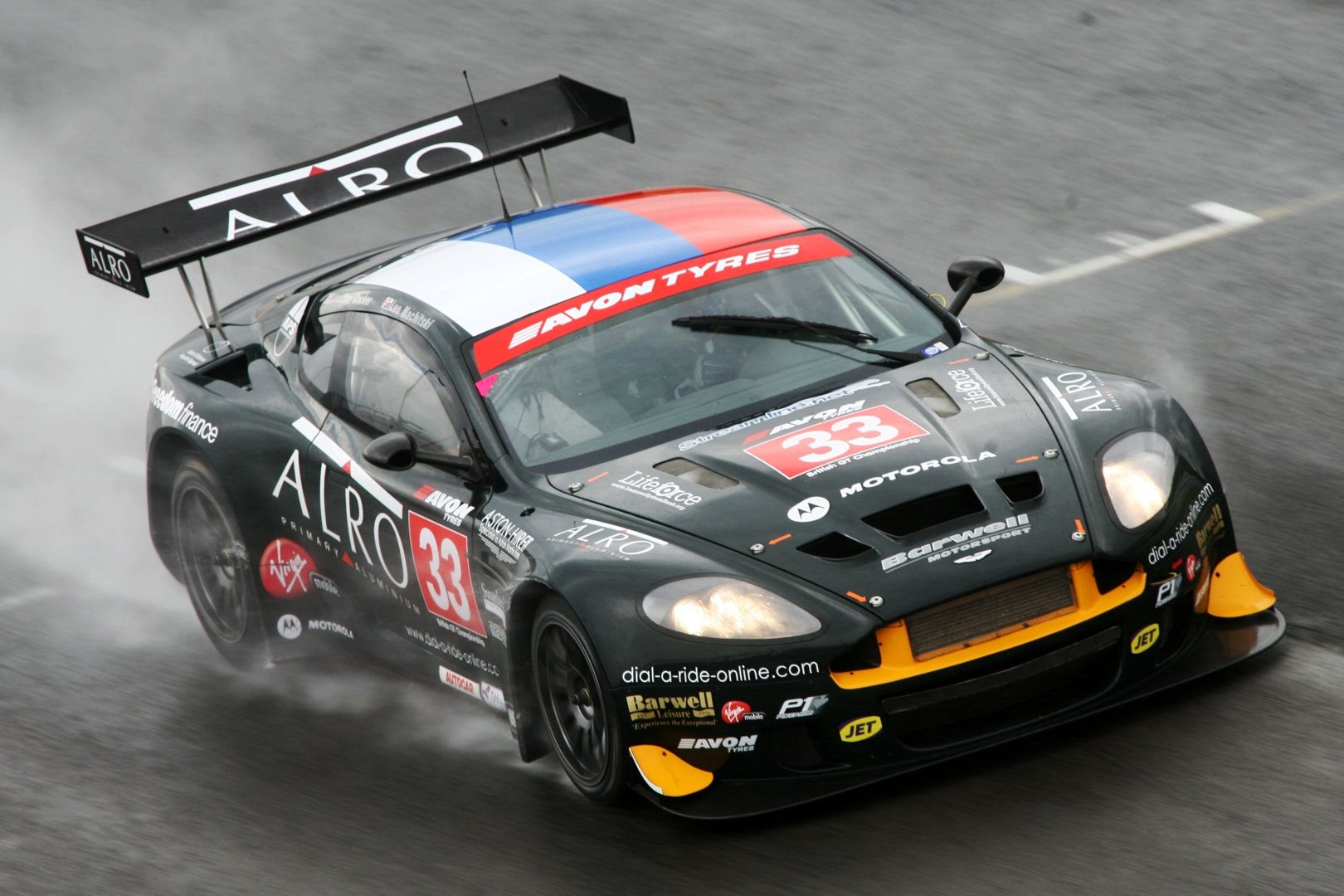
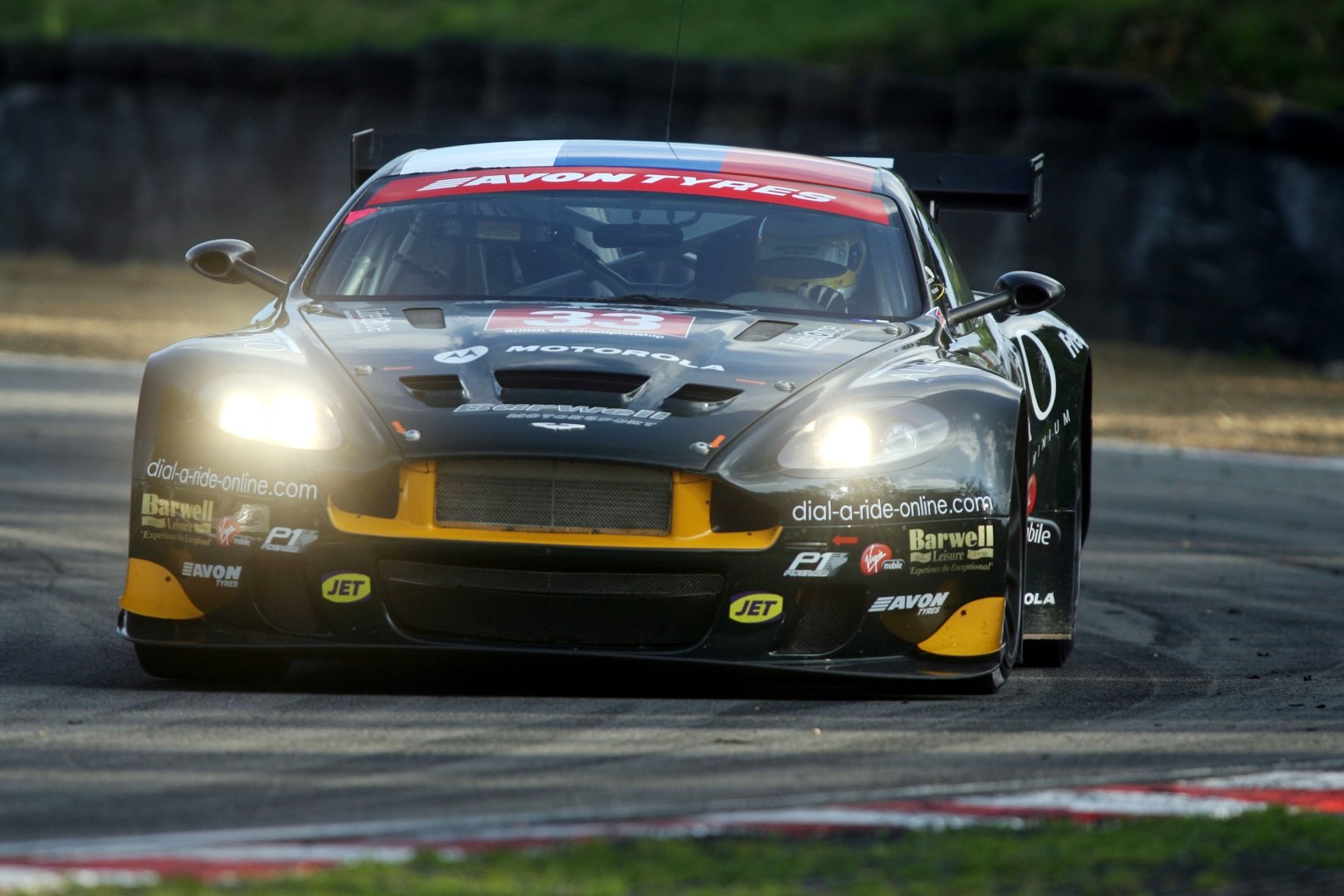
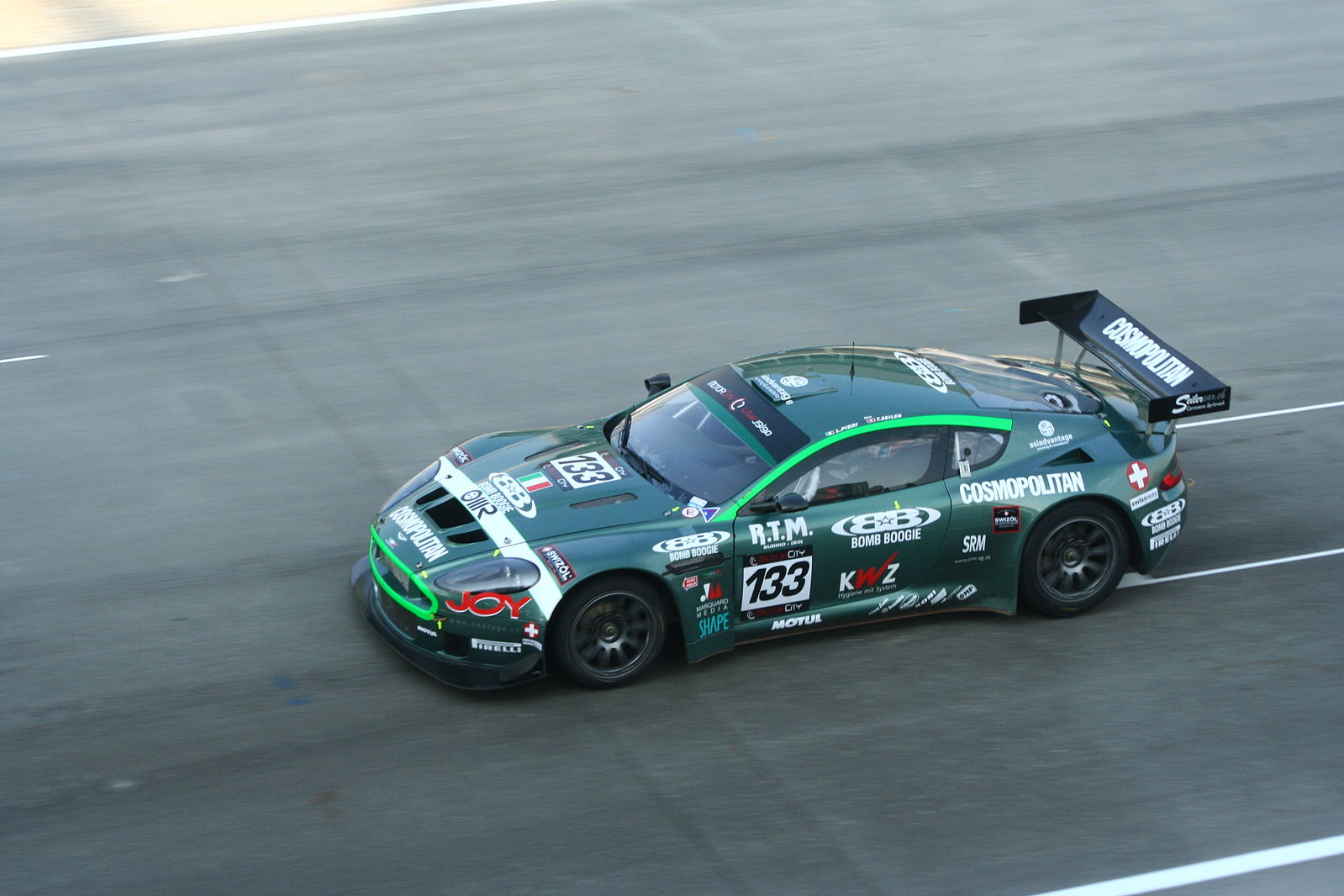
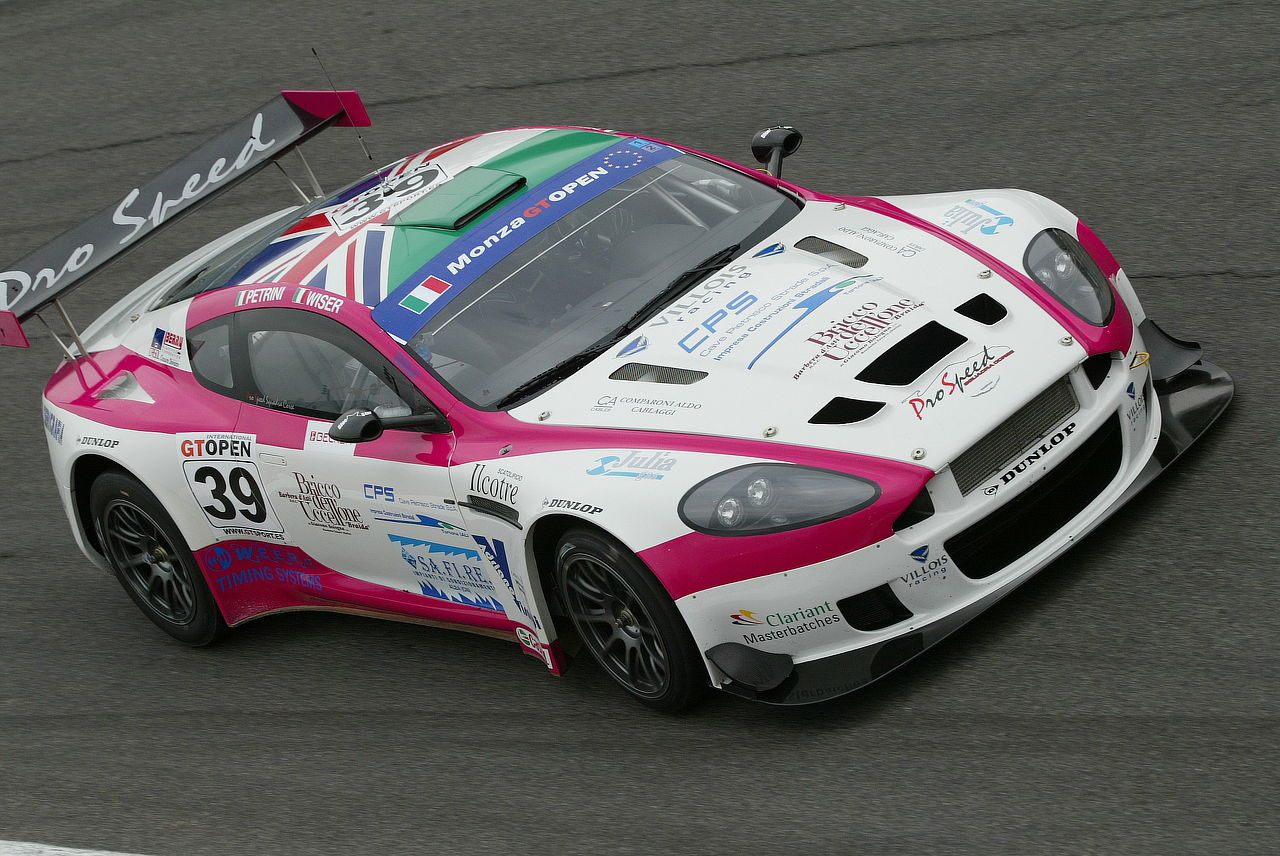
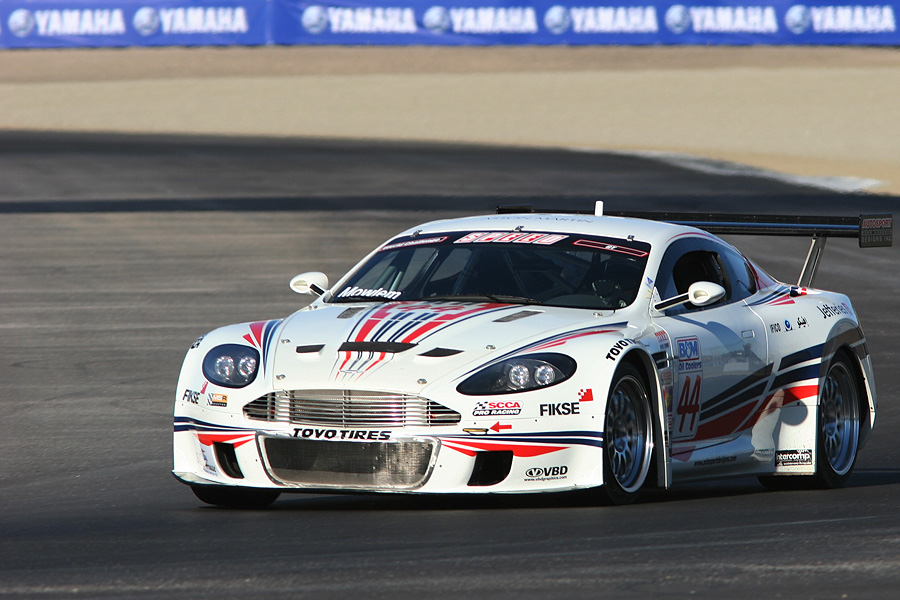
Stripping away the drawing-room luxury of the DB9 road car revealed the exceptional rigidity of Aston Martin’s bonded aluminum VH architecture, which provided a remarkably stiff foundation for Prodrive’s motorsport sorcery. The metamorphosis from grand tourer to GT3 brawler involved a ruthless diet. The heavy leather seats, wood veneers, and sound deadening were entirely banished, replaced by a comprehensive FIA-spec roll cage and a Spartan carbon-composite dashboard. The standard steel body panels were swapped for lightweight carbon fiber and composite equivalents, dropping the car’s weight by over 400 kilograms to a lean 1,280 kg. Visually, the DBRS9 retained the breathtaking, Ian Callum and Henrik Fisker-penned elegance of the DB9 but added a distinct, purposeful aggression. A deep front splitter, dive planes, a vented hood, and a prominent, adjustable carbon fiber rear wing generated vital downforce without the extreme, wind-tunnel-dictated exaggerations of its GT1 older sibling. At the heart of the machine lay a highly tuned variant of Aston Martin’s majestic 5.9-liter naturally aspirated V12. Relieved of its emissions strangulation and fitted with a competition exhaust, the all-alloy leviathan produced a reliable 550 brake horsepower and an auditory experience that could only be described as symphonic. Interestingly, AMR initially offered the DBRS9 with a choice of transmissions: a traditional six-speed H-pattern manual for purists, or a six-speed sequential Xtrac gearbox, which quickly became the standard for serious competition. Massive AP Racing steel brakes with race-tuned ABS ensured that the gentleman driver could confidently haul the V12 thunder down from triple-digit speeds.
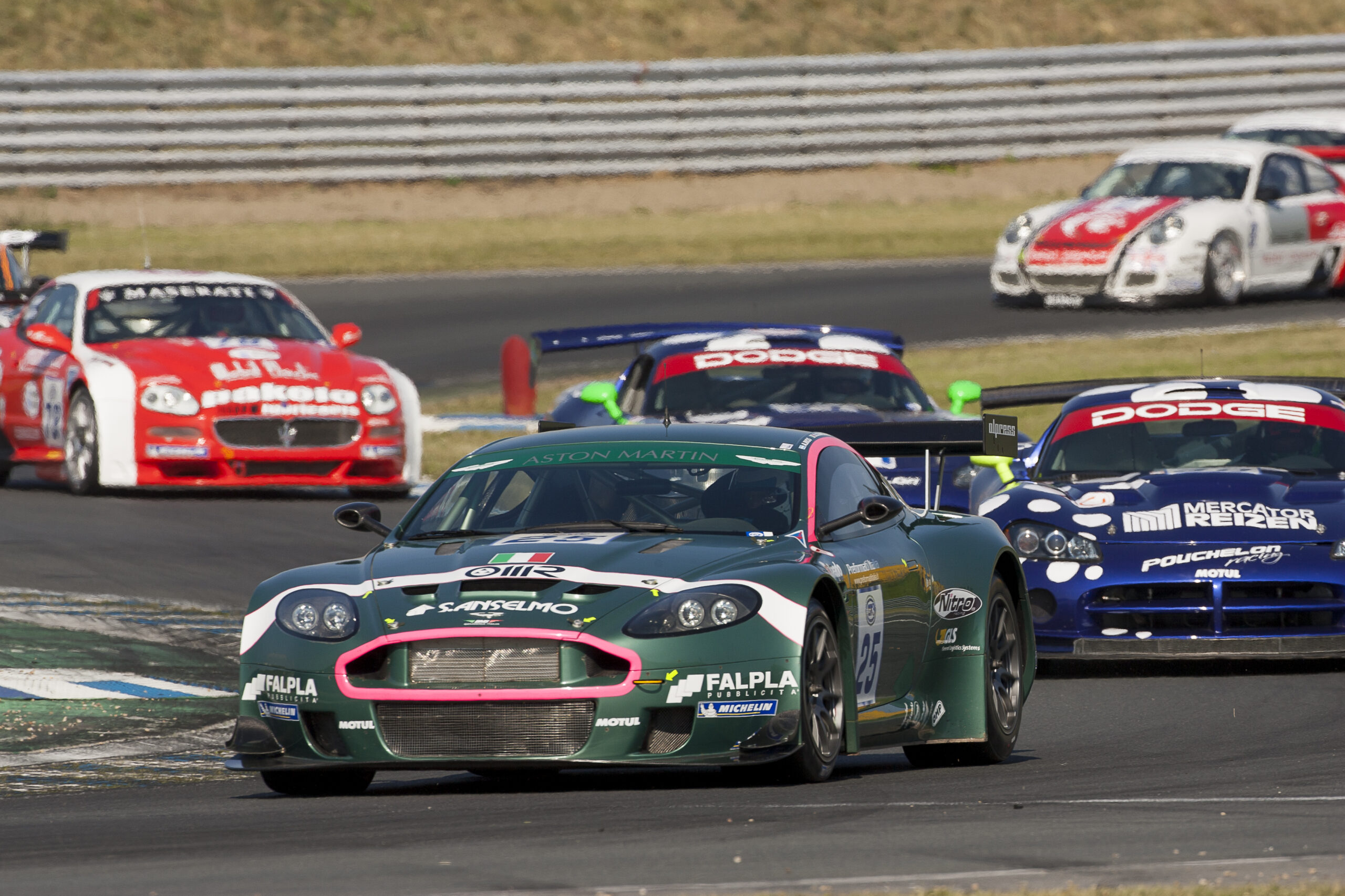
When the DBRS9 was unleashed onto the circuits in 2006, it immediately captivated the paddock. In the inaugural season of the FIA GT3 European Championship, a grid of these bellowing British brutes lined up at Silverstone, signaling a new, golden era of customer racing. Teams like Barwell Motorsport, Hexis Racing, and BMS Scuderia Italia adopted the DBRS9, drawn not only to its immense straight-line speed and predictable, front-engine/rear-drive handling balance, but to the sheer prestige of campaigning a V12 Aston Martin. The car was incredibly successful in national series, particularly in the British GT Championship, where it became a dominant, crowd-pleasing force on the undulating tarmac of Oulton Park and Brands Hatch. While it demanded respect—especially when the rear tires began to degrade under the immense torque of the heavy V12—the DBRS9 was widely praised for being accessible to the amateur driver yet highly rewarding for the professional “Pro” co-driver. It was a machine that brought a sense of old-world motorsport romance back to the pits; an era where privateers could buy a stunning, V12-powered GT car directly from the factory, tow it to Spa-Francorchamps, and genuinely fight for outright victories.
The legacy of the 2006 Aston Martin DBRS9 is load-bearing in the architecture of contemporary GT racing. By the time it was officially succeeded by the V12 Vantage GT3 in 2012, AMR had built roughly 30 examples, proving the immense commercial and competitive viability of the customer GT3 program. The DBRS9 validated Stéphane Ratel’s GT3 concept, showing that a balanced, cost-capped formula could produce breathtaking, highly desirable grid fillers that sounded and looked like true supercars. Today, the DBRS9 holds a revered status in the historic endurance racing community, cherished as one of the pioneering machines of the GT3 era. It stands immortal in the Aston Martin pantheon not just as a beautiful, roaring brute, but as the crucial, V12-powered stepping stone that allowed the winged badge of Gaydon to conquer the customer racing world.
Brand
Produced from
Portal
Vehicle category
Model line
Predecessor
Sucessor
Brand
Produced from
Portal
Vehicle category
Model line
Model generation
Predecessor
Sucessor
Submodel Overview
To truly appreciate the significance of the 2006 Aston Martin DBRS9, one must step back into a pivotal, transformative moment in modern sports car racing. In the mid-2000s, the international GT landscape was awe-inspiring but financially terrifying. The GT1 category had evolved into a realm of carbon-tubbed, bespoke spaceships, while GT2 remained a fiercely expensive playground for factory-backed efforts. Recognizing the urgent need to tempt the wealthy gentleman driver back to the grid, motorsport visionary Stéphane Ratel launched the FIA GT3 European Championship in 2006. It was a brilliantly simple premise: take high-performance road cars, modify them for the track with strict cost caps, and equalize their performance using a balancing formula. Aston Martin, riding a tidal wave of global adoration thanks to the GT1-class DBR9, saw an unmissable opportunity. Tasking David Richards’ legendary Prodrive operation—the brilliant minds behind Aston Martin Racing (AMR)—to create a turnkey GT3 weapon, the DBRS9 was born. Based on the elegant DB9 road car, it was engineered to bring the fight directly to the brutal Dodge Viper Competition Coupes, the agile Ferrari F430 GT3s, and the ubiquitous Porsche 911s. It wasn’t just a racing car; it was the founding father of Aston Martin’s modern, massively successful customer racing empire.
Stripping away the drawing-room luxury of the DB9 road car revealed the exceptional rigidity of Aston Martin’s bonded aluminum VH architecture, which provided a remarkably stiff foundation for Prodrive’s motorsport sorcery. The metamorphosis from grand tourer to GT3 brawler involved a ruthless diet. The heavy leather seats, wood veneers, and sound deadening were entirely banished, replaced by a comprehensive FIA-spec roll cage and a Spartan carbon-composite dashboard. The standard steel body panels were swapped for lightweight carbon fiber and composite equivalents, dropping the car’s weight by over 400 kilograms to a lean 1,280 kg. Visually, the DBRS9 retained the breathtaking, Ian Callum and Henrik Fisker-penned elegance of the DB9 but added a distinct, purposeful aggression. A deep front splitter, dive planes, a vented hood, and a prominent, adjustable carbon fiber rear wing generated vital downforce without the extreme, wind-tunnel-dictated exaggerations of its GT1 older sibling. At the heart of the machine lay a highly tuned variant of Aston Martin’s majestic 5.9-liter naturally aspirated V12. Relieved of its emissions strangulation and fitted with a competition exhaust, the all-alloy leviathan produced a reliable 550 brake horsepower and an auditory experience that could only be described as symphonic. Interestingly, AMR initially offered the DBRS9 with a choice of transmissions: a traditional six-speed H-pattern manual for purists, or a six-speed sequential Xtrac gearbox, which quickly became the standard for serious competition. Massive AP Racing steel brakes with race-tuned ABS ensured that the gentleman driver could confidently haul the V12 thunder down from triple-digit speeds.
When the DBRS9 was unleashed onto the circuits in 2006, it immediately captivated the paddock. In the inaugural season of the FIA GT3 European Championship, a grid of these bellowing British brutes lined up at Silverstone, signaling a new, golden era of customer racing. Teams like Barwell Motorsport, Hexis Racing, and BMS Scuderia Italia adopted the DBRS9, drawn not only to its immense straight-line speed and predictable, front-engine/rear-drive handling balance, but to the sheer prestige of campaigning a V12 Aston Martin. The car was incredibly successful in national series, particularly in the British GT Championship, where it became a dominant, crowd-pleasing force on the undulating tarmac of Oulton Park and Brands Hatch. While it demanded respect—especially when the rear tires began to degrade under the immense torque of the heavy V12—the DBRS9 was widely praised for being accessible to the amateur driver yet highly rewarding for the professional “Pro” co-driver. It was a machine that brought a sense of old-world motorsport romance back to the pits; an era where privateers could buy a stunning, V12-powered GT car directly from the factory, tow it to Spa-Francorchamps, and genuinely fight for outright victories.
The legacy of the 2006 Aston Martin DBRS9 is load-bearing in the architecture of contemporary GT racing. By the time it was officially succeeded by the V12 Vantage GT3 in 2012, AMR had built roughly 30 examples, proving the immense commercial and competitive viability of the customer GT3 program. The DBRS9 validated Stéphane Ratel’s GT3 concept, showing that a balanced, cost-capped formula could produce breathtaking, highly desirable grid fillers that sounded and looked like true supercars. Today, the DBRS9 holds a revered status in the historic endurance racing community, cherished as one of the pioneering machines of the GT3 era. It stands immortal in the Aston Martin pantheon not just as a beautiful, roaring brute, but as the crucial, V12-powered stepping stone that allowed the winged badge of Gaydon to conquer the customer racing world.
Tech Specs
Technical Specifications
Tech Specs
Technical Specifications
Engine
01
03
Internal combustion engine
Configuration
Aston Martin Racing V12 - 60º
Location
Front-Mid, longitudinally mounted
Construction
Aluminium alloy block and heads
Displacement (cc)
5,935 cc
Displacement (cu in)
362.2 cu in
Compression
10.8:1
Bore x Stroke
89.0 mm x 79.5 mm
Valvetrain
4 valves per cylinder, DOHC
Fuel feed
Electronic sequential fuel injection
Lubrication
Dry sump
Aspiration
Naturally aspirated
Output
Power (hp)
550 hp
Power (kW)
410 kW
Max power at
6,250 RPM
Torque (Nm)
620 Nm
Torque (ft lbs)
457 ft lbs
Max torque at
5,000 RPM
Drivetrain
02
03
Chassis
Type
Monocoque with integrated FIA roll cage
Material
Aluminium and Steel
Body
Material
Carbon-fibre composite and Polycarbonate windows
Transmission
Gearbox
Xtrac 6-speed sequential (A 6-speed H-pattern manual was also available)
Drive
Rear Wheel Drive (Limited Slip Differential)
Suspension
Front
Independent, double wishbones, adjustable Koni dampers, Eibach coil springs, anti-roll bar
Rear
Independent, double wishbones, adjustable Koni dampers, Eibach coil springs, anti-roll bar
Steering
Type
Rack and pinion, power assisted
Brakes
Front
Ventilated steel discs Ø380 mm, 6-piston Brembo racing calipers
Rear
Ventilated steel discs Ø313 mm, 4-piston Brembo racing calipers
Wheels
Front
11" x 18" (Center-lock forged magnesium)
Rear
13" x 18" (Center-lock forged magnesium)
Tires
Front
300/680-18
Rear
310/710-18
Dimensions and performance
03
03
Dimensions
Length (mm)
4,687 mm
Length (in)
184.5 in
Width (mm)
1,978 mm
Width (in)
77.9 in
Height (mm)
1,195 mm
Height (in)
47.0 in
Wheelbase (mm)
2,741 mm
Wheelbase (in)
107.9 in
Weight (kg)
1,280 kg
Weight (lbs)
2,822 lbs
Performance
Power to weight
0.43 hp/kg
Top speed (km/h)
~314 km/h
Top speed (mph)
~195 mph
0-100 km/h (0-60 mph)
~3.4 s