
Maserati Tipo 61 ‘Birdcage’
Brand
Produced from
Portal
Vehicle category
Predecessor
Successor
Submodel Overview
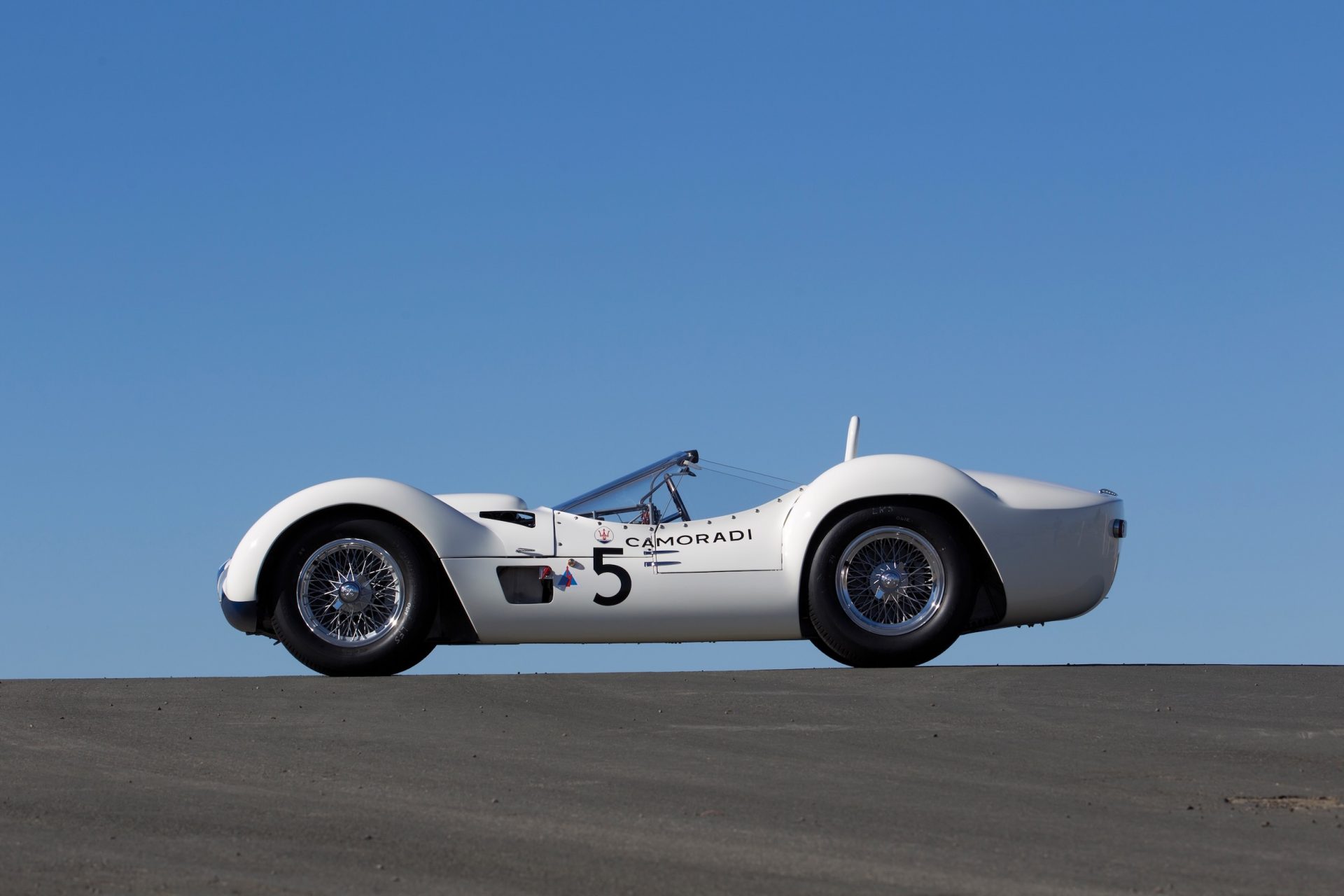
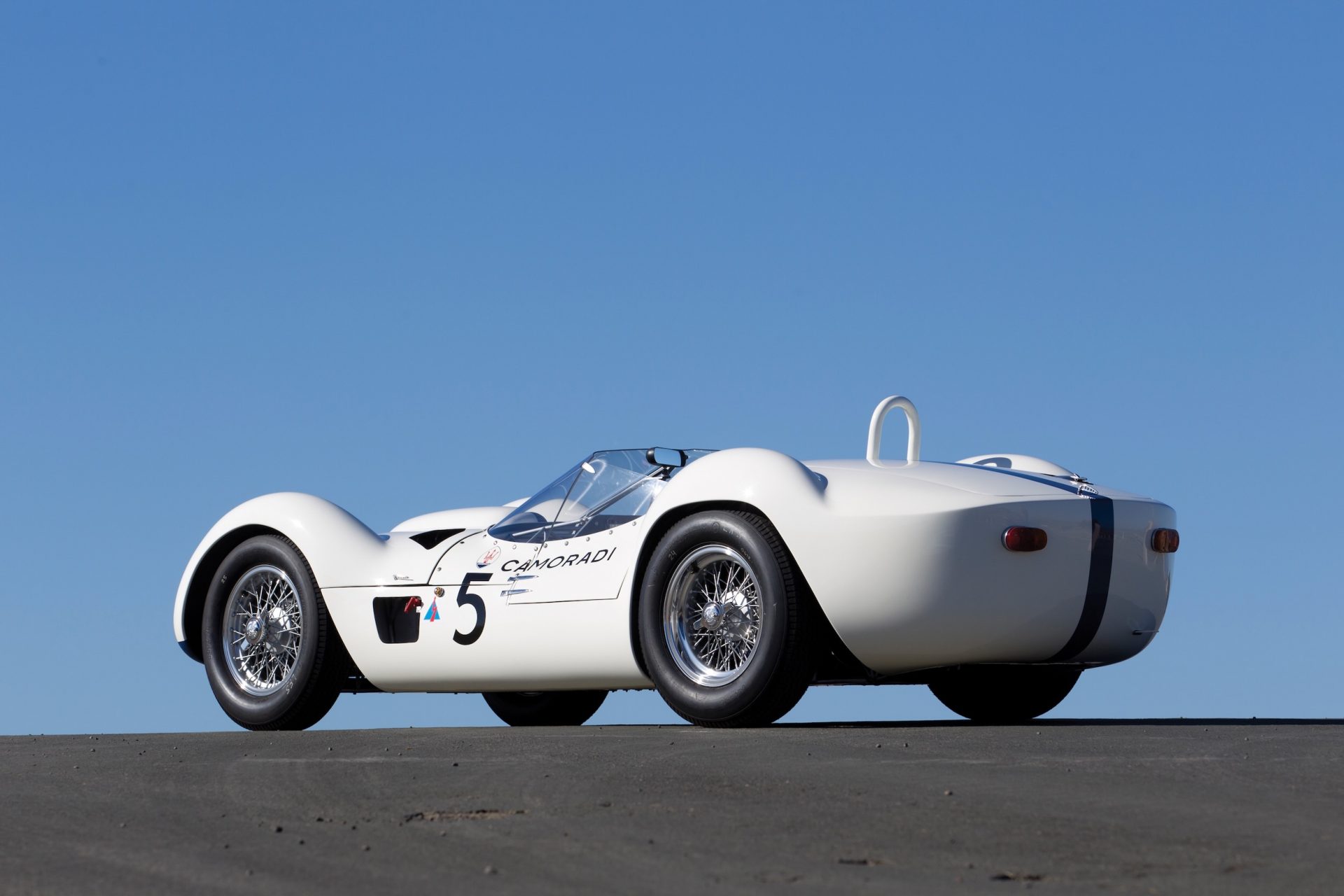
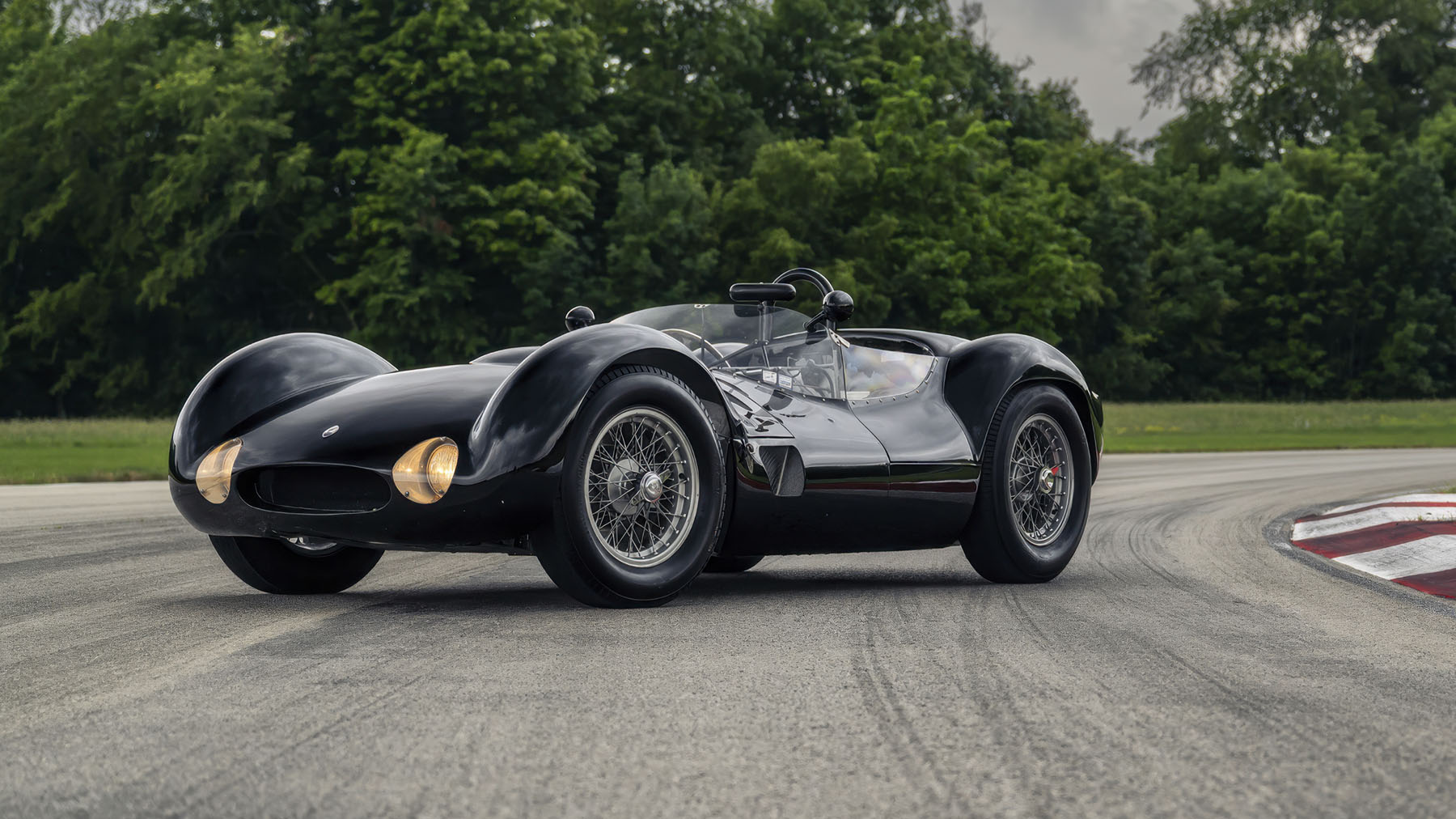
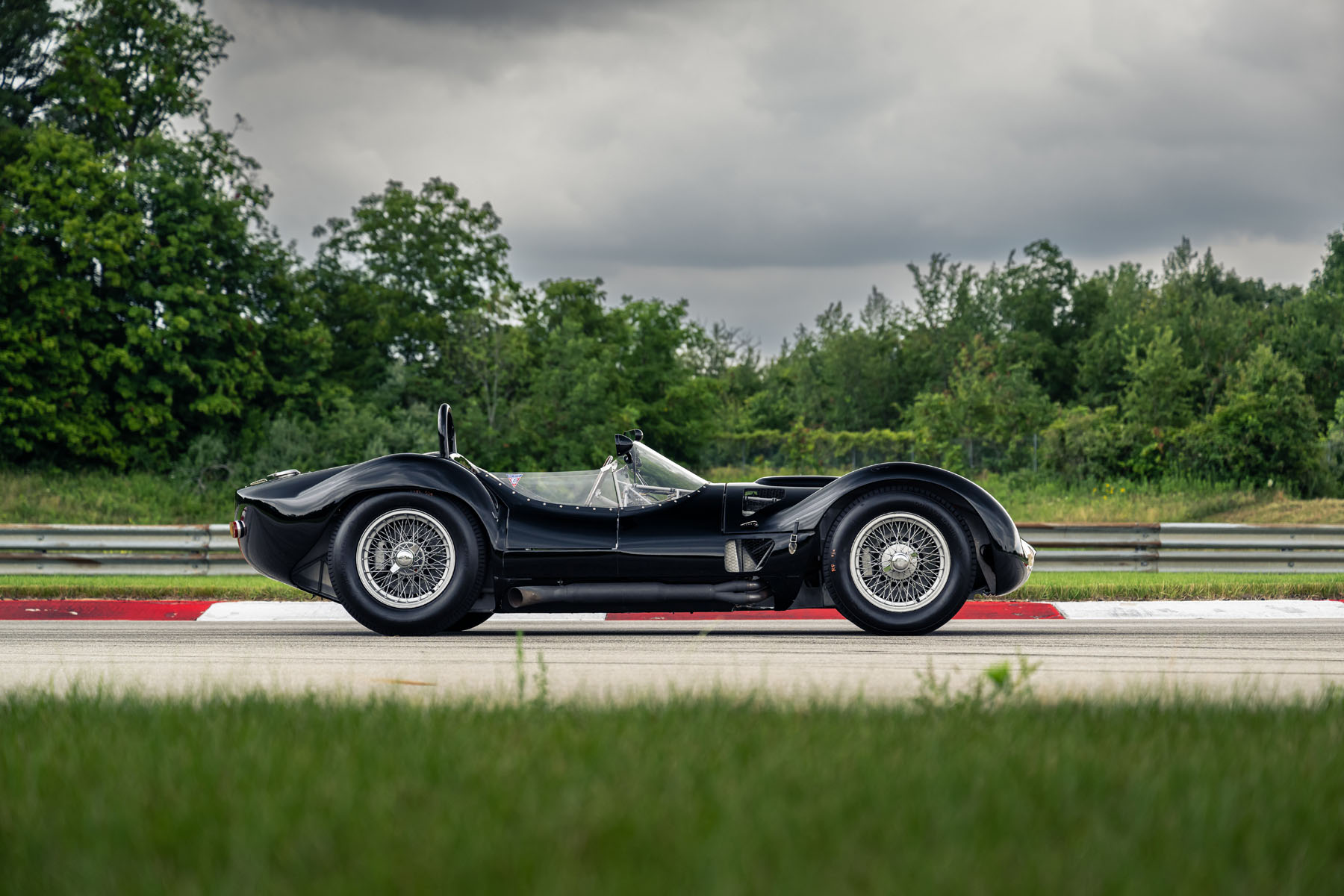
By the late 1950s, the Trident of Modena was financially battered and bruised. Following the tragic events of 1957 and escalating debts, Maserati had officially withdrawn its factory racing team from the World Sportscar Championship. Yet, the racing blood within the Orsi-owned marque refused to cool. The privateer market was booming, and wealthy sportsmen were clamoring for a weapon capable of dismantling the dominance of the mighty Ferrari 250 Testa Rossa and the elegant Aston Martin DBR1. Chief engineer Giulio Alfieri knew he could not rely on the massive, thirsty V8s of the bygone 450S era, nor did he have the budget to develop an all-new V12. Instead, he turned to the darkest, most intricate arts of structural engineering. In 1959, he unleashed a machine so radically designed, so visually arresting, that it instantly earned a moniker that would echo through eternity: the ‘Birdcage’. Officially designated the Tipo 61—the 2.9-liter evolution of the earlier 2.0-liter Tipo 60—it was a magnificent, desperate stroke of genius. It represented the absolute, glorious twilight of the front-engined sports racing car, a featherweight assassin designed to out-corner, out-brake, and out-smart the thundering leviathans of Maranello.
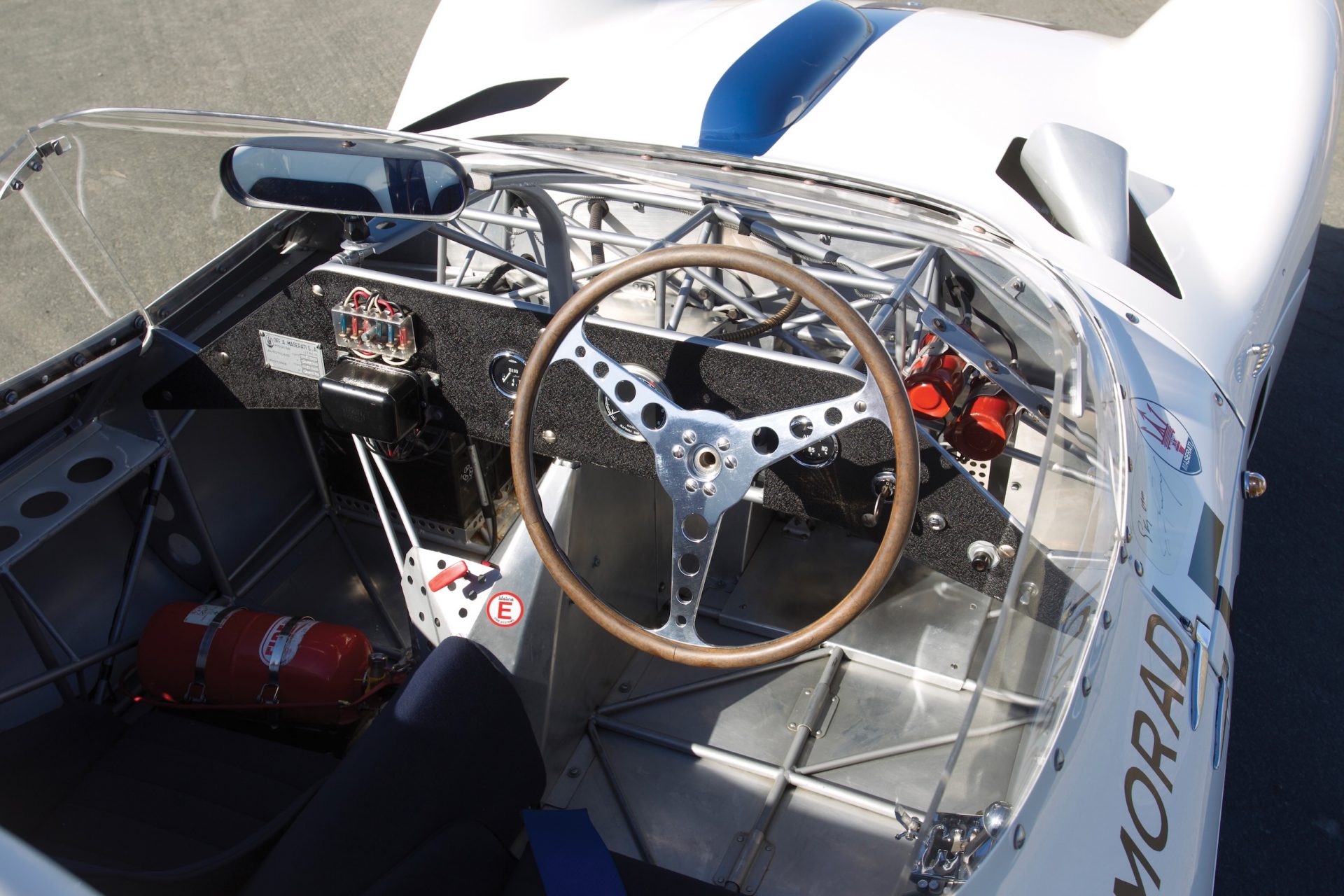
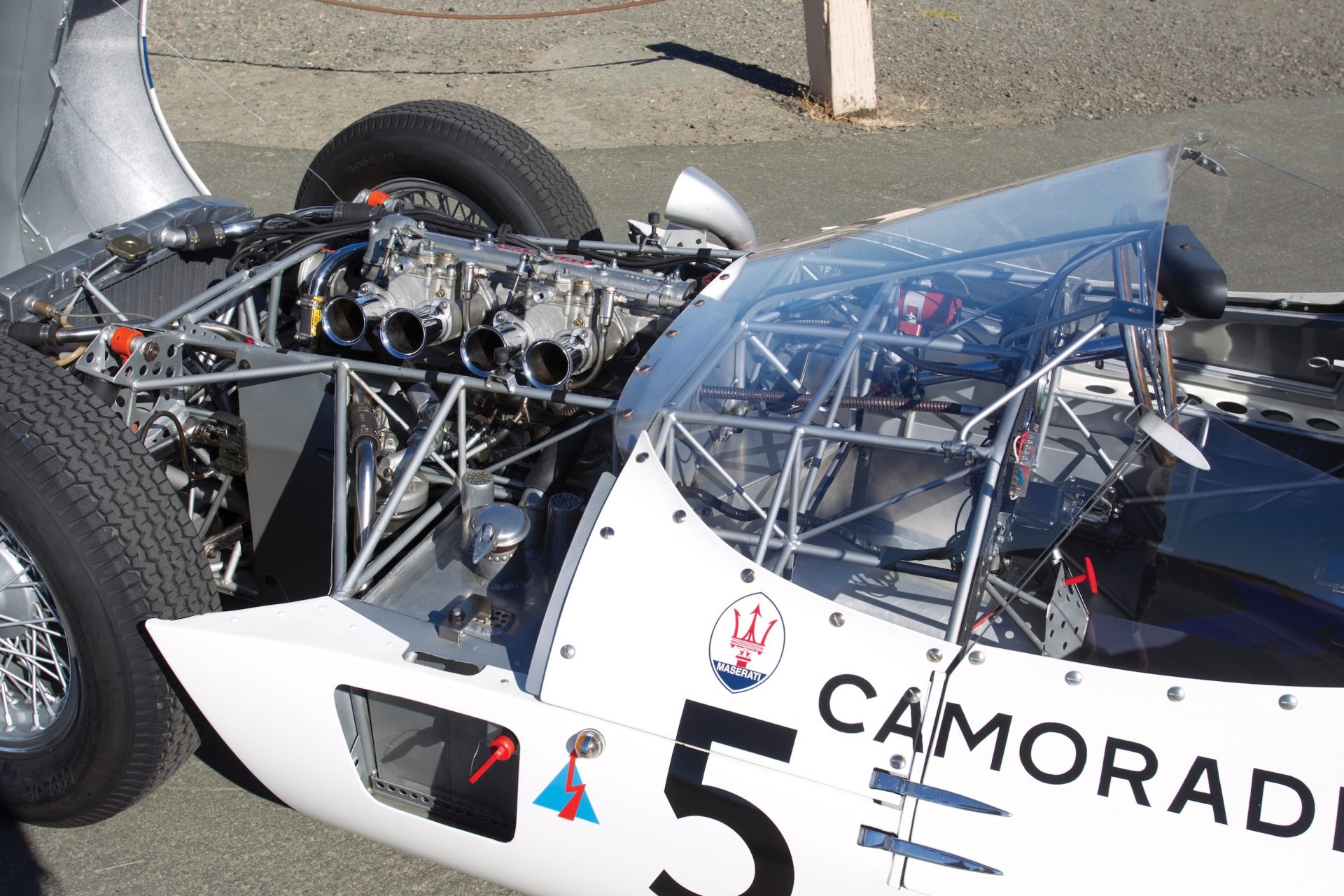
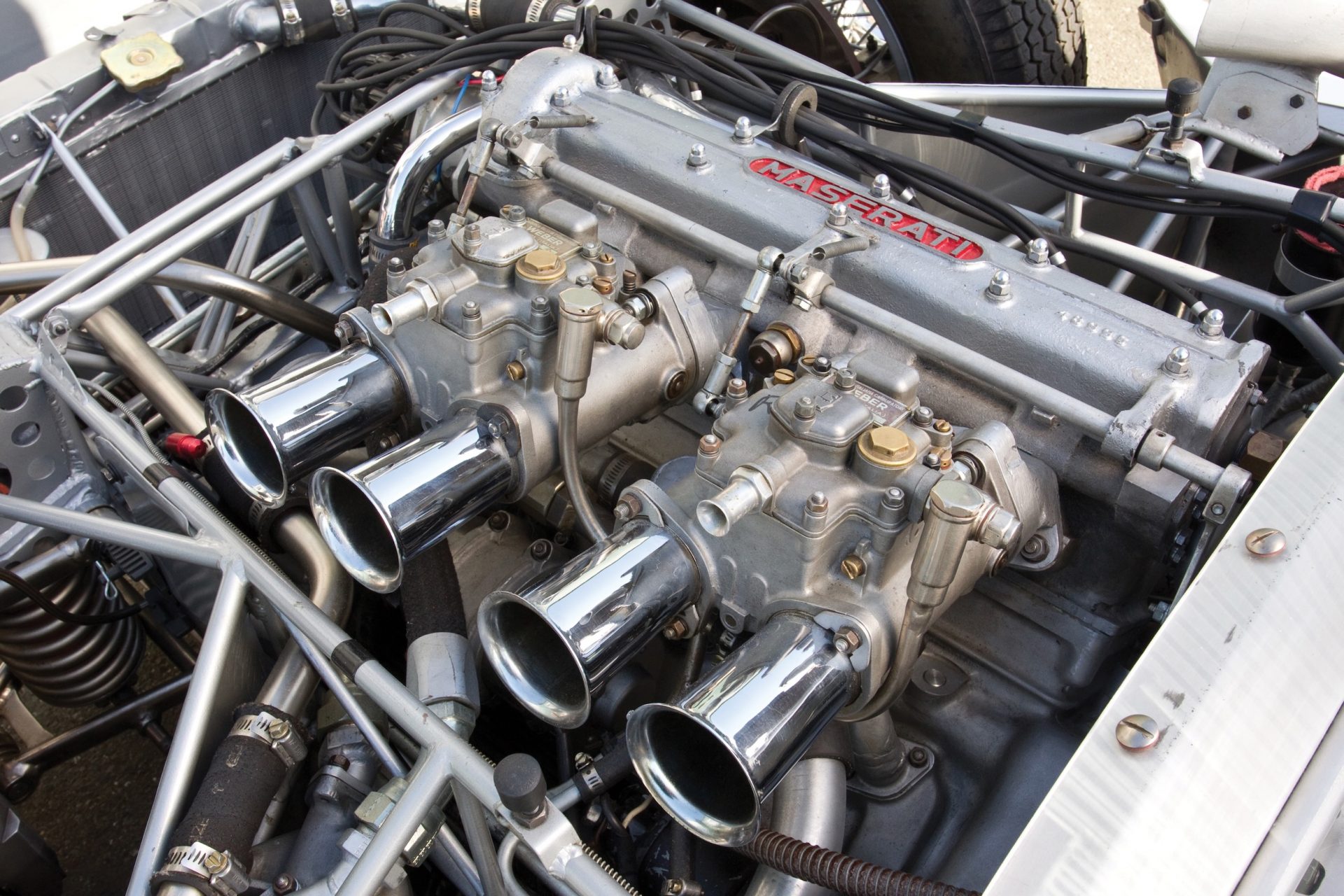
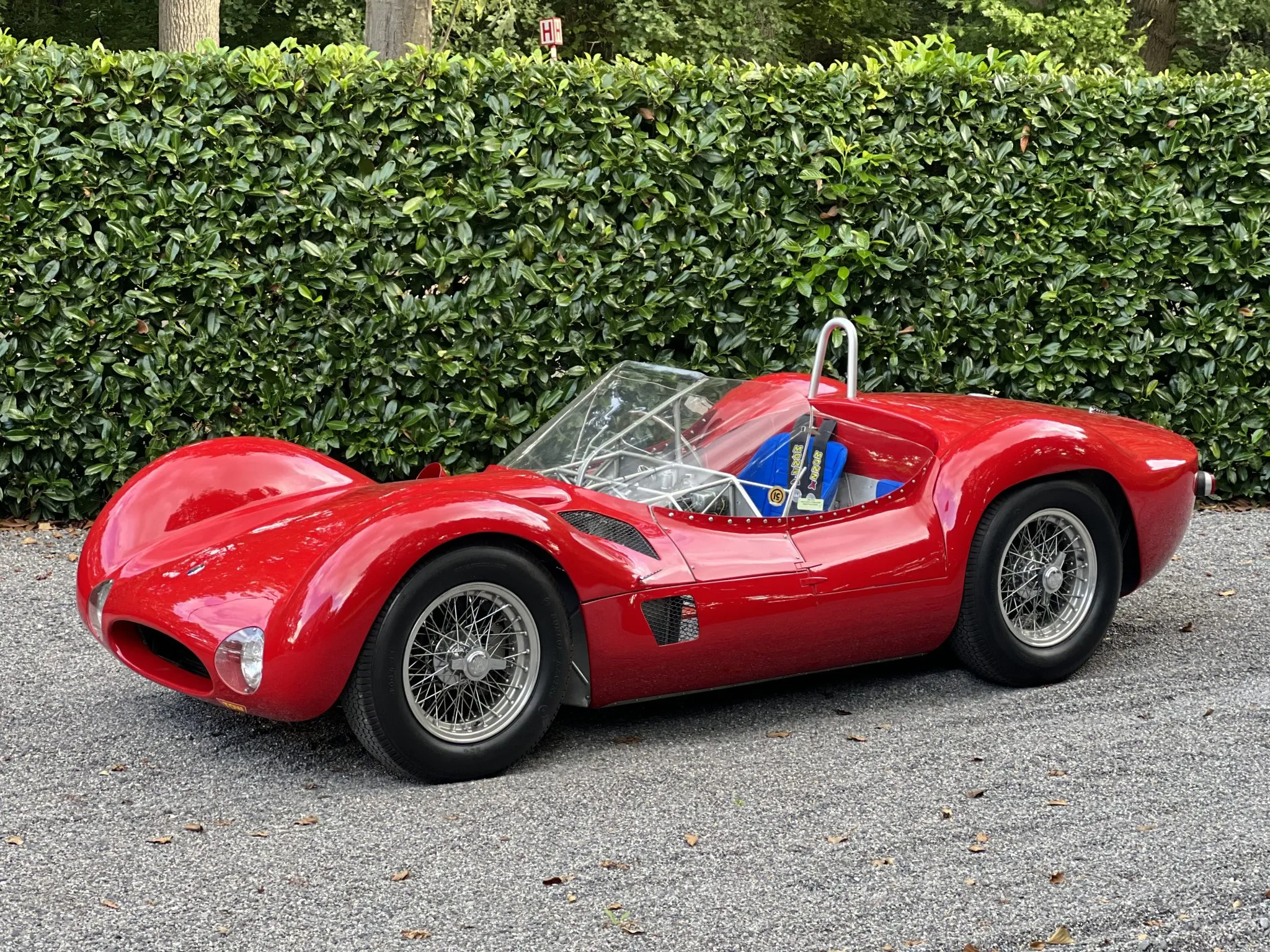
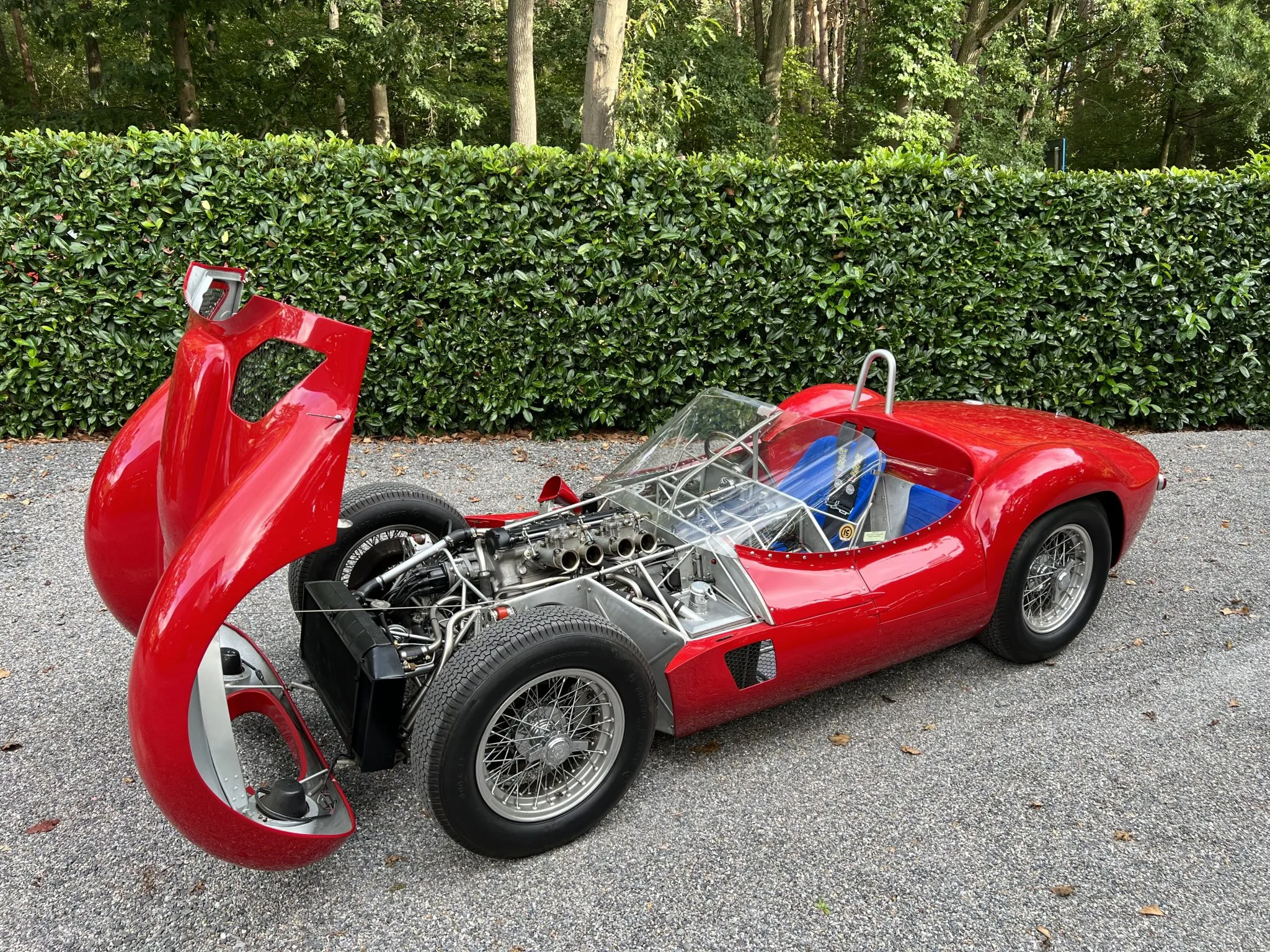
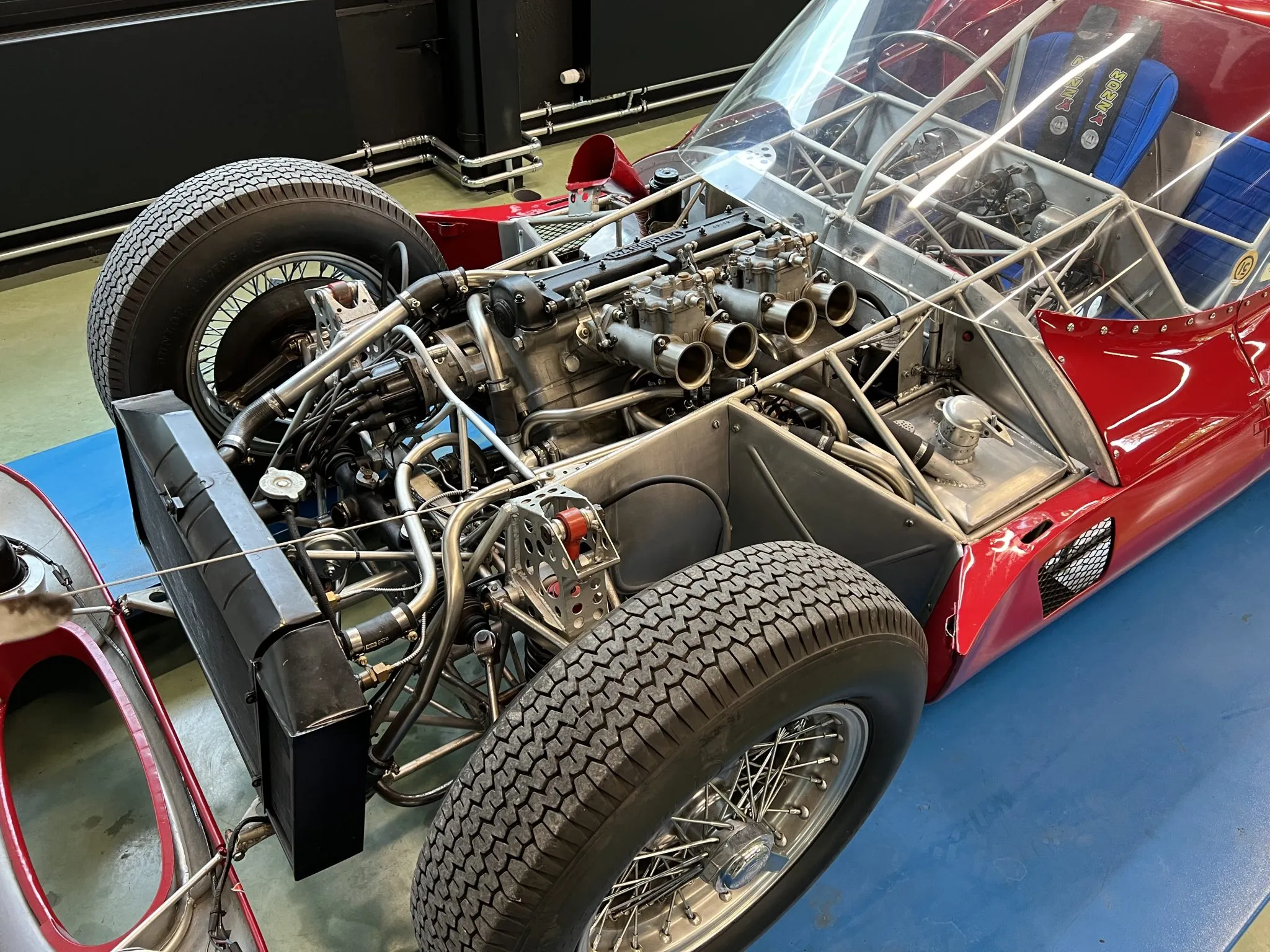
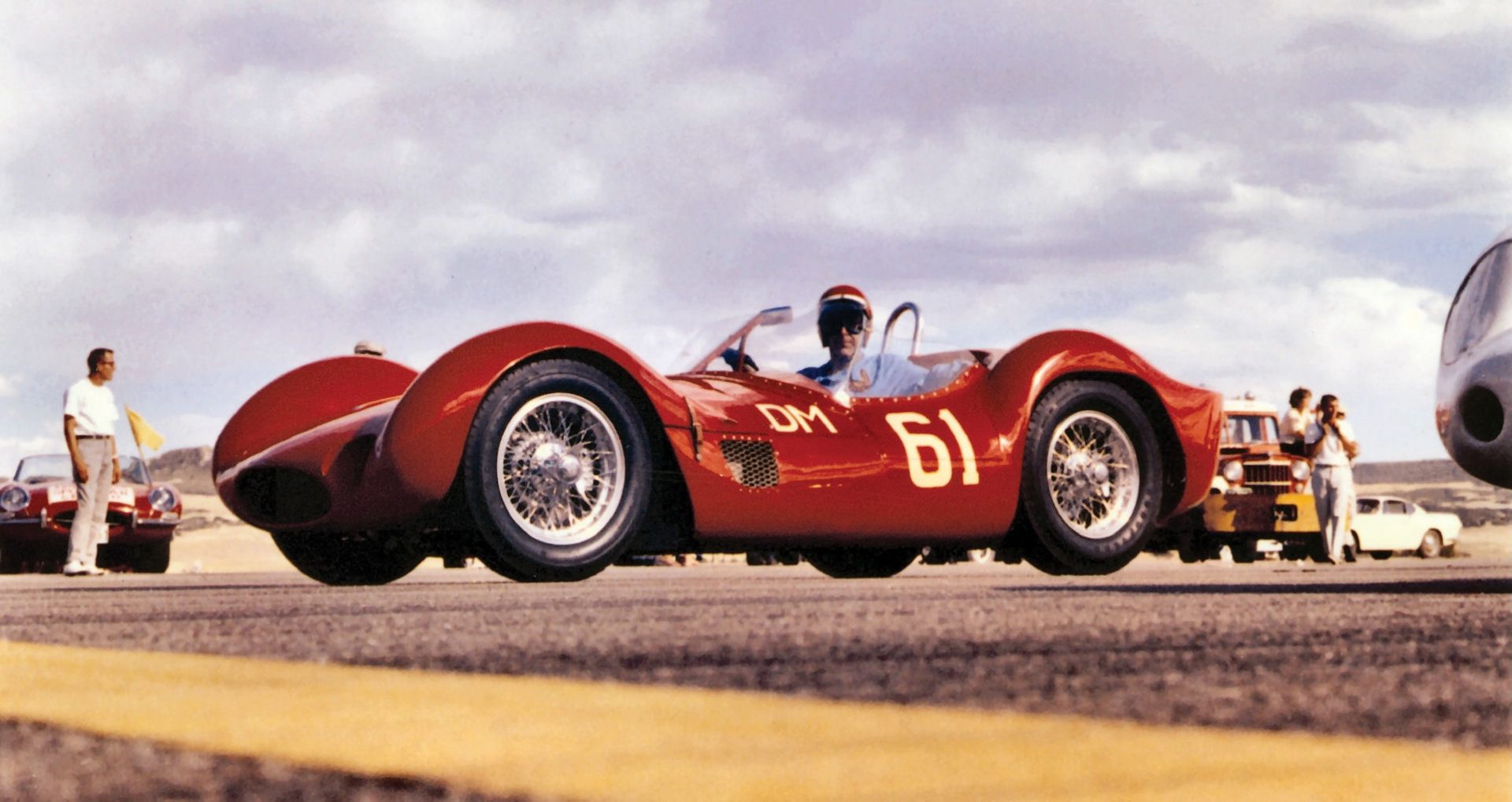
To strip away the remarkably low, tightly wrapped aluminum coachwork crafted by Medardo Fantuzzi is to gaze upon a masterpiece of mechanical filigree. The ‘Birdcage’ nomenclature was born from Alfieri’s revolutionary chassis design. Rather than utilizing a conventional ladder frame or large-diameter tubes, Alfieri constructed a mind-boggling latticework of over 200 small-diameter (between 10mm and 15mm) chro-moly steel tubes. This intricate web created an incredibly rigid spaceframe that weighed a scarcely believable 30 kilograms (around 66 pounds). It was a breathtaking piece of structural alchemy, visibly protruding through the base of the massive, sweeping perspex windscreen, reminding the driver exactly what was keeping them alive. To achieve an impossibly low frontal area and drop the center of gravity to the tarmac, Alfieri took the 2,890cc inline-four engine—a heavily breathed-upon evolution of the 250S powerplant—and tilted it at a severe, 45-degree angle to the right. Breathing through massive twin-choke Weber carburetors, this canted four-cylinder produced a highly tractable 250 brake horsepower. Power was routed to a five-speed transaxle mounted at the rear, working in harmony with a De Dion axle to provide the same telepathic, perfectly balanced weight distribution that had made the earlier 300S a legend. Up front, independent suspension with coil springs kept the nose darting into apexes with scalpel-like precision. Furthermore, Maserati finally adopted four-wheel disc brakes, giving the 600-kilogram Birdcage a colossal stopping advantage over the drum-braked Ferraris of the era.
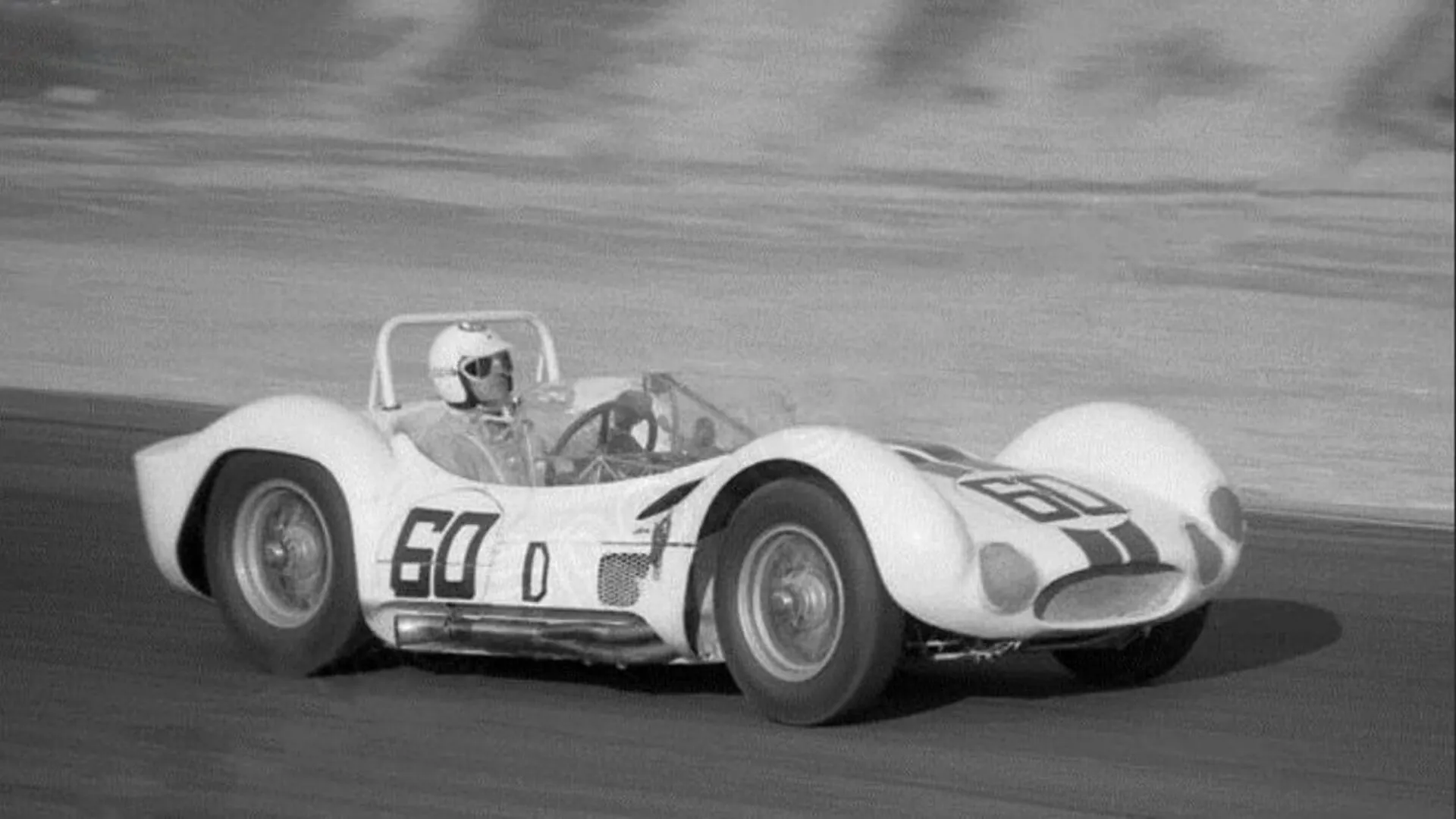
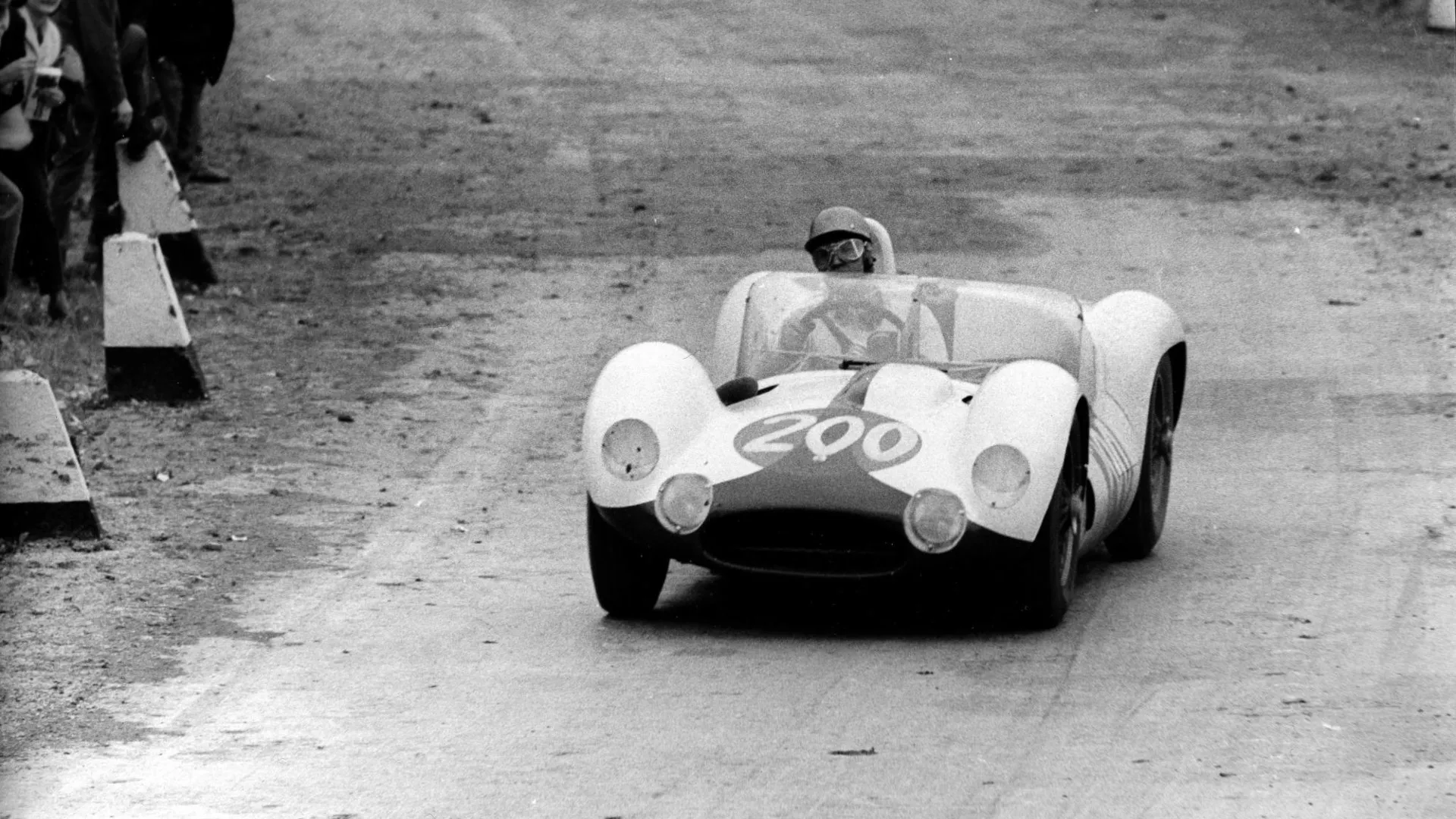
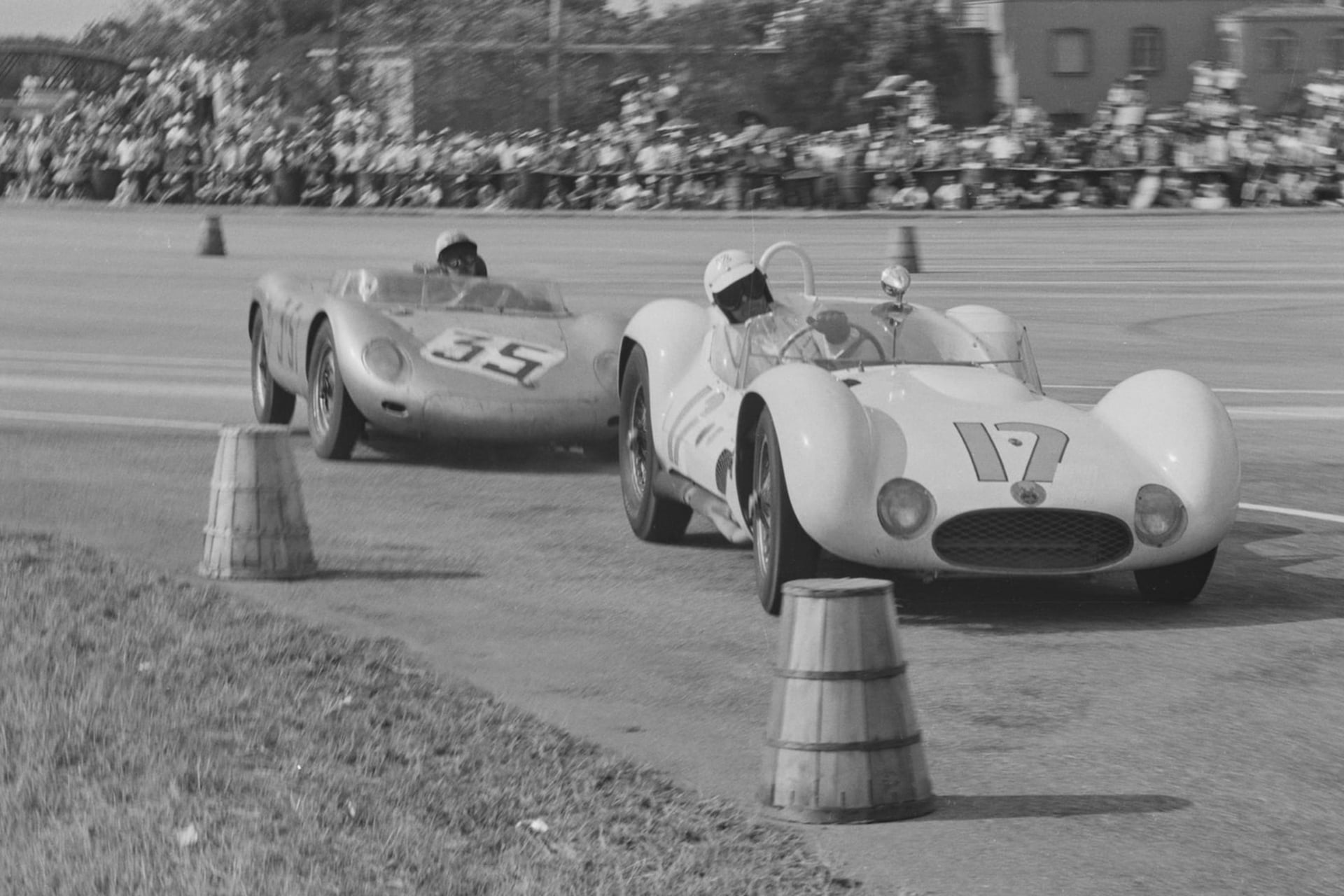
Because Maserati was no longer fielding a works team, the destiny of the Tipo 61 fell into the hands of elite privateers, most notably the American-backed Camoradi (Casner Motor Racing Division) team founded by Lloyd “Lucky” Casner. Painted in a striking white and blue livery, the Camoradi Birdcages essentially functioned as the unofficial Maserati factory effort on the global stage. On the track, the Tipo 61 was devastatingly fast, but it carried a reputation for fragility; the relentless vibrations of the big four-cylinder engine occasionally cracked the delicate chassis welds or drivetrain components over 24-hour marathons. Yet, when the Birdcage held together, it was utterly untouchable. The car’s mythological zenith was achieved on the treacherous, punishing asphalt of the Nürburgring Nordschleife. At the 1960 1000km of Nürburgring, Sir Stirling Moss and Dan Gurney drove a Camoradi Tipo 61 in a race that defied logic. Despite a ruptured oil pipe that forced Moss to limp back to the pits, the duo fought back through the blinding Eifel mountain fog and rain, utilizing the Birdcage’s supreme agility to shatter the lap record and secure a monumental overall victory against Porsche and Ferrari. Proving it was no fluke, the Camoradi team returned in 1961 with Masten Gregory and Lloyd Casner himself behind the wheel, repeating the feat and securing back-to-back Nürburgring 1000km victories for the Tipo 61. Across the Atlantic, the car was equally lethal; legends like Carroll Shelby, Jim Rathmann, and a young Roger Penske utilized the Birdcage’s nimble chassis to dominate the SCCA National Sports Car Championship and USAC road racing events.
The legacy of the 1959 Maserati Tipo 61 ‘Birdcage’ is suspended in the amber of a pivotal transitional era. It was the ultimate, highly strung expression of the front-engine philosophy, arriving just as the mid-engine Cooper revolution was rewriting the laws of physics. Alfieri would later attempt to adapt the intricate Birdcage spaceframe to a mid-engine layout with the Tipo 63 and 64, but the original magic—the perfect harmony of the transaxle and the 45-degree tilted four-cylinder—could never quite be replicated. Today, the surviving Tipo 61s are crown jewels of the historic racing world, multi-million-dollar rolling sculptures that captivate crowds at the Goodwood Revival and the Monterey Motorsports Reunion. The Birdcage stands immortalized in the pantheon of motorsport not merely for the races it won, but for the sheer, audacious brilliance of its engineering. It was a gossamer web of steel tubes that captured the absolute, uncompromising soul of Modena.
Brand
Produced from
Portal
Vehicle category
Predecessor
Sucessor
Brand
Produced from
Portal
Vehicle category
Model generation
Predecessor
Sucessor
Submodel Overview
By the late 1950s, the Trident of Modena was financially battered and bruised. Following the tragic events of 1957 and escalating debts, Maserati had officially withdrawn its factory racing team from the World Sportscar Championship. Yet, the racing blood within the Orsi-owned marque refused to cool. The privateer market was booming, and wealthy sportsmen were clamoring for a weapon capable of dismantling the dominance of the mighty Ferrari 250 Testa Rossa and the elegant Aston Martin DBR1. Chief engineer Giulio Alfieri knew he could not rely on the massive, thirsty V8s of the bygone 450S era, nor did he have the budget to develop an all-new V12. Instead, he turned to the darkest, most intricate arts of structural engineering. In 1959, he unleashed a machine so radically designed, so visually arresting, that it instantly earned a moniker that would echo through eternity: the ‘Birdcage’. Officially designated the Tipo 61—the 2.9-liter evolution of the earlier 2.0-liter Tipo 60—it was a magnificent, desperate stroke of genius. It represented the absolute, glorious twilight of the front-engined sports racing car, a featherweight assassin designed to out-corner, out-brake, and out-smart the thundering leviathans of Maranello.
To strip away the remarkably low, tightly wrapped aluminum coachwork crafted by Medardo Fantuzzi is to gaze upon a masterpiece of mechanical filigree. The ‘Birdcage’ nomenclature was born from Alfieri’s revolutionary chassis design. Rather than utilizing a conventional ladder frame or large-diameter tubes, Alfieri constructed a mind-boggling latticework of over 200 small-diameter (between 10mm and 15mm) chro-moly steel tubes. This intricate web created an incredibly rigid spaceframe that weighed a scarcely believable 30 kilograms (around 66 pounds). It was a breathtaking piece of structural alchemy, visibly protruding through the base of the massive, sweeping perspex windscreen, reminding the driver exactly what was keeping them alive. To achieve an impossibly low frontal area and drop the center of gravity to the tarmac, Alfieri took the 2,890cc inline-four engine—a heavily breathed-upon evolution of the 250S powerplant—and tilted it at a severe, 45-degree angle to the right. Breathing through massive twin-choke Weber carburetors, this canted four-cylinder produced a highly tractable 250 brake horsepower. Power was routed to a five-speed transaxle mounted at the rear, working in harmony with a De Dion axle to provide the same telepathic, perfectly balanced weight distribution that had made the earlier 300S a legend. Up front, independent suspension with coil springs kept the nose darting into apexes with scalpel-like precision. Furthermore, Maserati finally adopted four-wheel disc brakes, giving the 600-kilogram Birdcage a colossal stopping advantage over the drum-braked Ferraris of the era.
Because Maserati was no longer fielding a works team, the destiny of the Tipo 61 fell into the hands of elite privateers, most notably the American-backed Camoradi (Casner Motor Racing Division) team founded by Lloyd “Lucky” Casner. Painted in a striking white and blue livery, the Camoradi Birdcages essentially functioned as the unofficial Maserati factory effort on the global stage. On the track, the Tipo 61 was devastatingly fast, but it carried a reputation for fragility; the relentless vibrations of the big four-cylinder engine occasionally cracked the delicate chassis welds or drivetrain components over 24-hour marathons. Yet, when the Birdcage held together, it was utterly untouchable. The car’s mythological zenith was achieved on the treacherous, punishing asphalt of the Nürburgring Nordschleife. At the 1960 1000km of Nürburgring, Sir Stirling Moss and Dan Gurney drove a Camoradi Tipo 61 in a race that defied logic. Despite a ruptured oil pipe that forced Moss to limp back to the pits, the duo fought back through the blinding Eifel mountain fog and rain, utilizing the Birdcage’s supreme agility to shatter the lap record and secure a monumental overall victory against Porsche and Ferrari. Proving it was no fluke, the Camoradi team returned in 1961 with Masten Gregory and Lloyd Casner himself behind the wheel, repeating the feat and securing back-to-back Nürburgring 1000km victories for the Tipo 61. Across the Atlantic, the car was equally lethal; legends like Carroll Shelby, Jim Rathmann, and a young Roger Penske utilized the Birdcage’s nimble chassis to dominate the SCCA National Sports Car Championship and USAC road racing events.
The legacy of the 1959 Maserati Tipo 61 ‘Birdcage’ is suspended in the amber of a pivotal transitional era. It was the ultimate, highly strung expression of the front-engine philosophy, arriving just as the mid-engine Cooper revolution was rewriting the laws of physics. Alfieri would later attempt to adapt the intricate Birdcage spaceframe to a mid-engine layout with the Tipo 63 and 64, but the original magic—the perfect harmony of the transaxle and the 45-degree tilted four-cylinder—could never quite be replicated. Today, the surviving Tipo 61s are crown jewels of the historic racing world, multi-million-dollar rolling sculptures that captivate crowds at the Goodwood Revival and the Monterey Motorsports Reunion. The Birdcage stands immortalized in the pantheon of motorsport not merely for the races it won, but for the sheer, audacious brilliance of its engineering. It was a gossamer web of steel tubes that captured the absolute, uncompromising soul of Modena.
Tech Specs
Technical Specifications
Tech Specs
Technical Specifications
Engine
01
03
Internal combustion engine
Configuration
Maserati Tipo 61, Inline-4 (Canted 45º to the right)
Location
Front-Mid, longitudinally mounted
Construction
Aluminium alloy block and head
Displacement (cc)
2,890 cc
Displacement (cu in)
176.4 cu in
Compression
9.8:1
Bore x Stroke
100.0 mm x 92.0 mm
Valvetrain
2 valves per cylinder, DOHC
Fuel feed
2 x Weber 45 DCO3 carburetors
Lubrication
Dry sump
Aspiration
Naturally aspirated
Output
Power (hp)
250 hp
Power (kW)
186 kW
Max power at
6,800 RPM
Torque (Nm)
285 Nm
Torque (ft lbs)
210 ft lbs
Max torque at
5,500 RPM
Drivetrain
02
03
Chassis
Type
Intricate multi-tubular spaceframe (~200 small diameter tubes)
Material
Chrome-molybdenum steel
Body
Material
Aluminium
Transmission
Gearbox
Maserati 5-speed manual (Transaxle mounted)
Drive
Rear Wheel Drive (Limited Slip Differential)
Suspension
Front
Independent, unequal length double wishbones, coil springs, telescopic dampers, anti-roll bar
Rear
De Dion tube, transverse semi-elliptic leaf spring, telescopic dampers
Steering
Type
Rack and pinion
Brakes
Front
Solid discs Ø310 mm (Girling)
Rear
Solid discs Ø285 mm (Girling, Inboard mounted)
Wheels
Front
5" x 16" (Borrani wire wheels)
Rear
5.5" x 16" (Borrani wire wheels)
Tires
Front
5.50-16
Rear
6.50-16
Dimensions and performance
03
03
Dimensions
Length (mm)
3,800 mm
Length (in)
149.6 in
Width (mm)
1,500 mm
Width (in)
59.1 in
Height (mm)
1,000 mm
Height (in)
39.4 in
Wheelbase (mm)
2,200 mm
Wheelbase (in)
86.6 in
Weight (kg)
600 kg
Weight (lbs)
1,323 lbs
Performance
Power to weight
~0.42 hp/kg
Top speed (km/h)
285 km/h
Top speed (mph)
177 mph
0-100 km/h (0-60 mph)
~4.0 s