
Shelby Cobra 260 Competition
Brand
Produced from
Portal
Vehicle category
Model line
Model generation
Predecessor
Successor
Submodel Overview
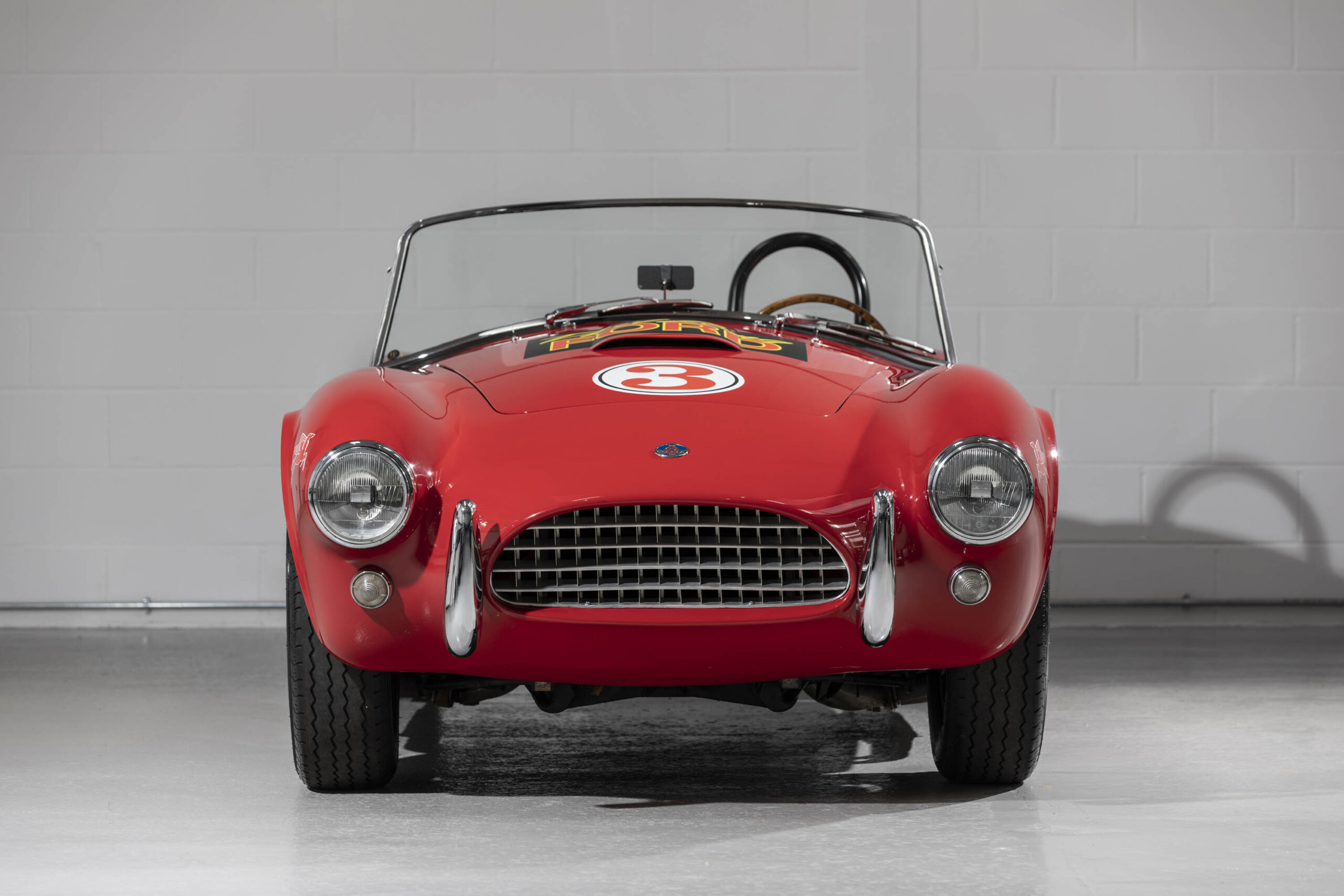
To fully comprehend the seismic shockwave generated by the 1962 Shelby Cobra 260 Competition, one must look at the deeply entrenched hierarchy of American sports car racing at the dawn of the decade. The Sports Car Club of America (SCCA) paddocks were largely ruled by the heavy, fuel-injected Chevrolet Corvettes, while European thoroughbreds from Ferrari and Jaguar dominated the international consciousness. Carroll Shelby, a fiercely ambitious Texan whose driving career had been prematurely halted by a heart condition, recognized a glaring vulnerability in the establishment. The Corvettes possessed immense power but suffered from tremendous mass, while the Europeans had the agility but lacked the sledgehammer reliability of American iron. Shelby’s grand, audacious vision was to marry an obsolete but featherweight British roadster chassis with the brand-new, lightweight Ford small-block V8. The very first competition-spec iterations of this unholy alliance—the 1962 Cobra 260 Competition—were not merely sports cars; they were purpose-built, bare-knuckle track weapons explicitly designed to shatter the Corvette’s domestic supremacy and put Shelby American on the global map.
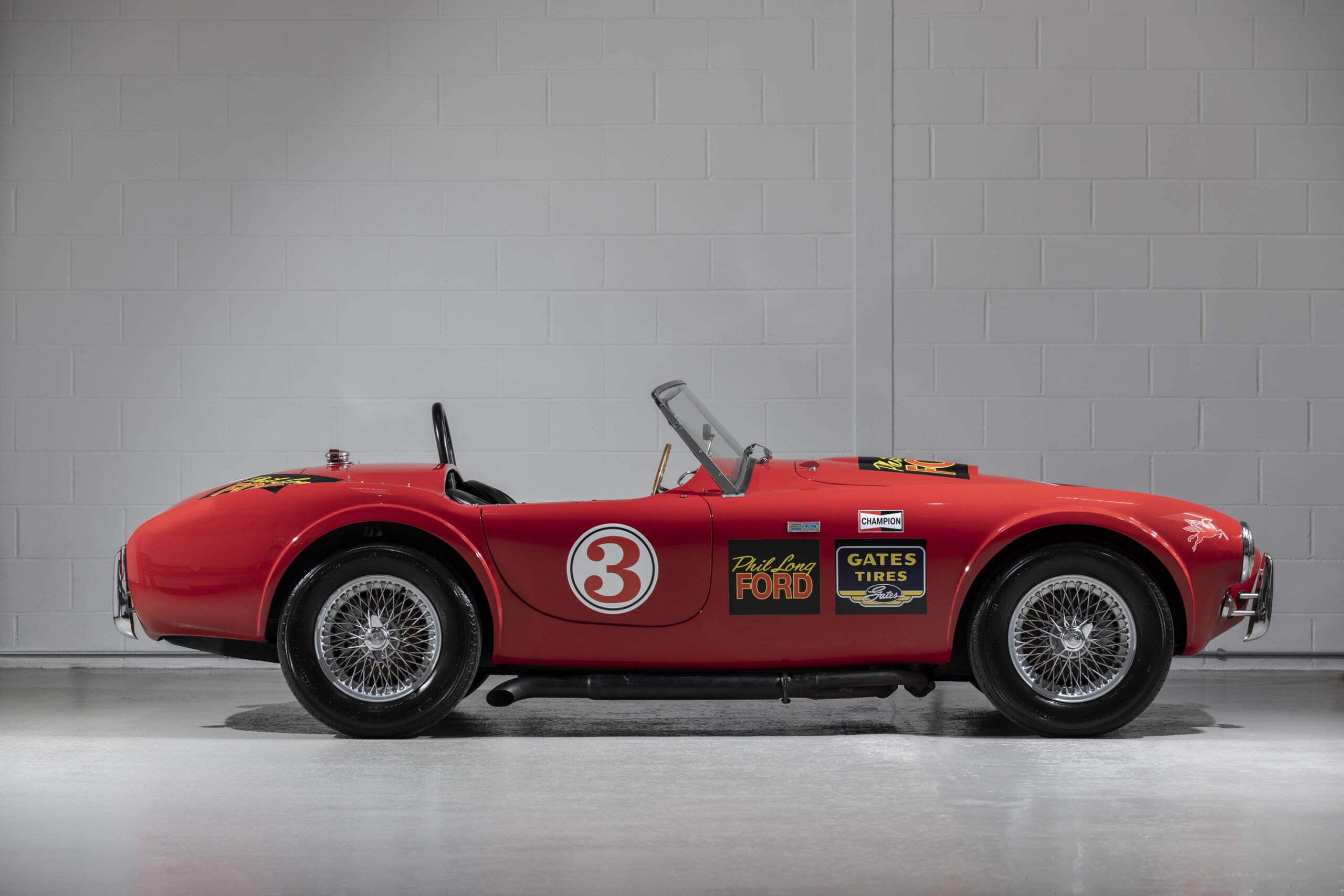
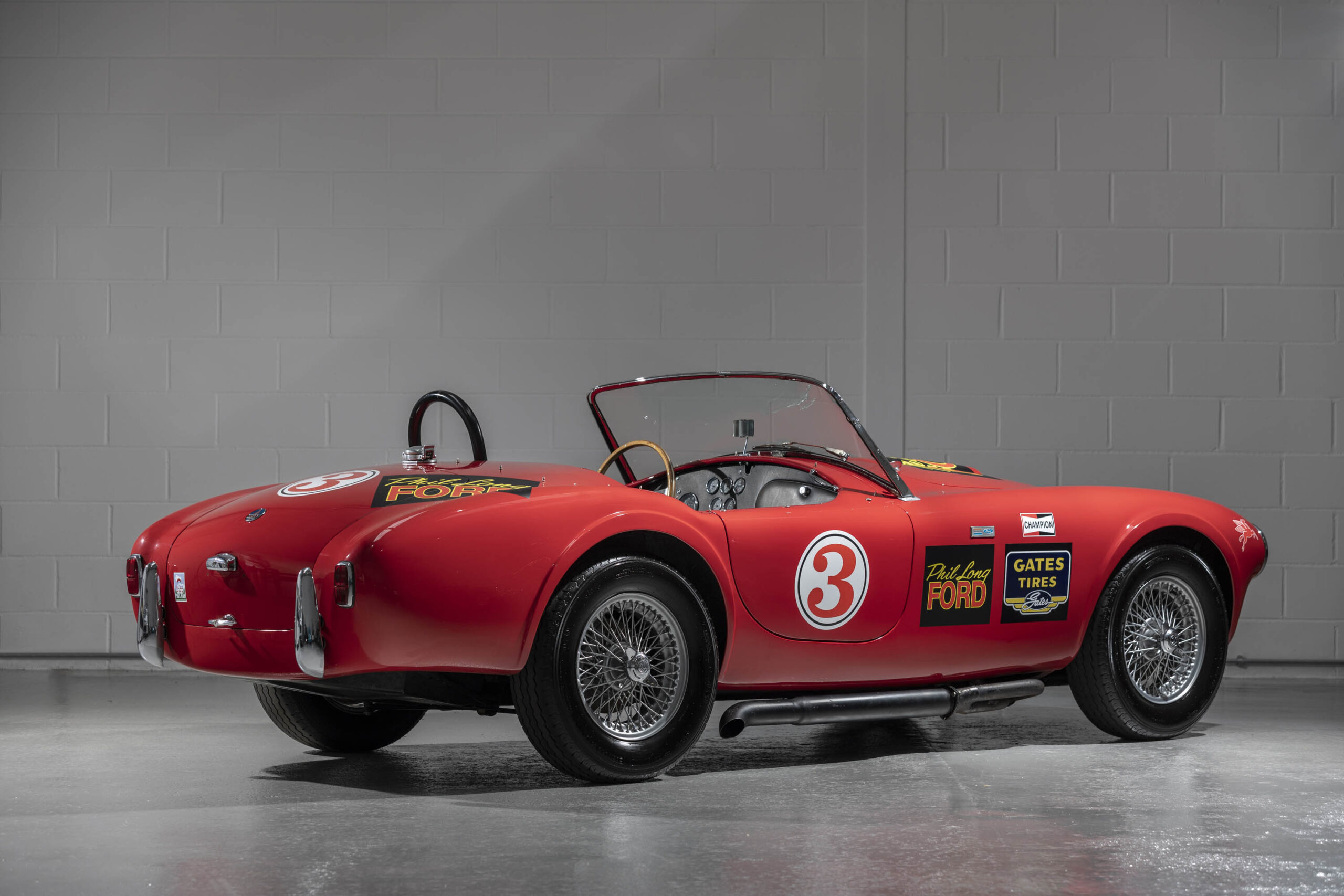
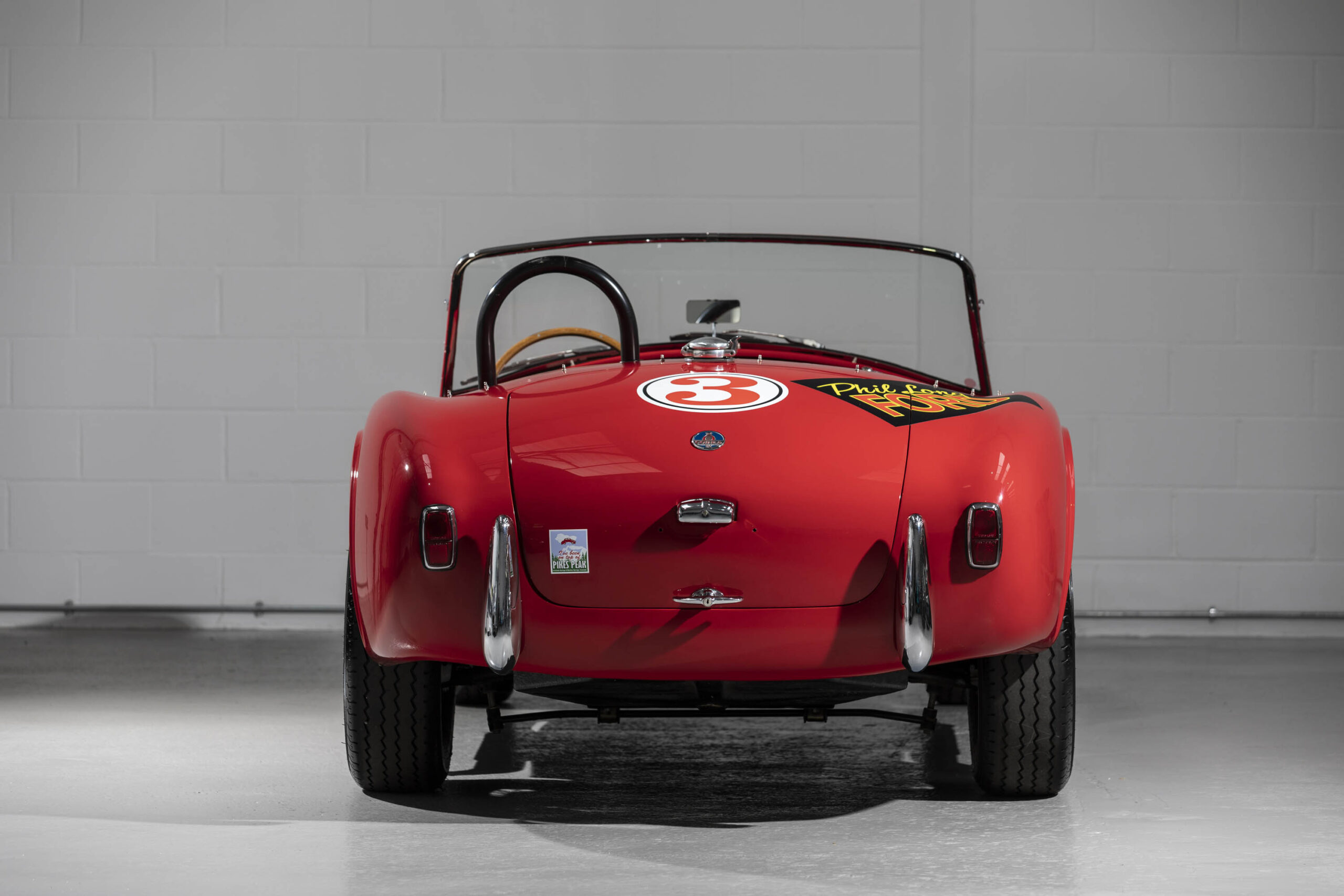
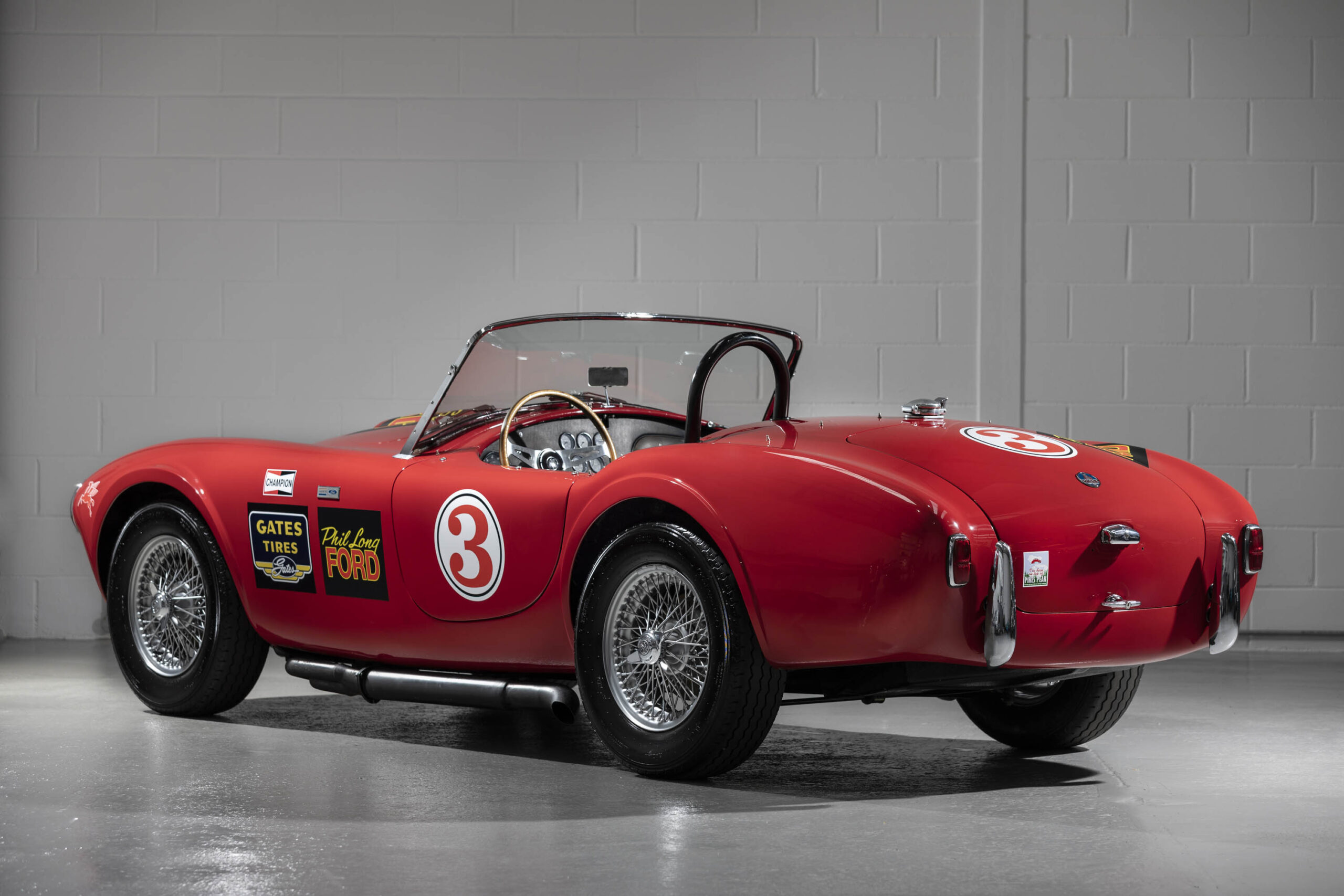
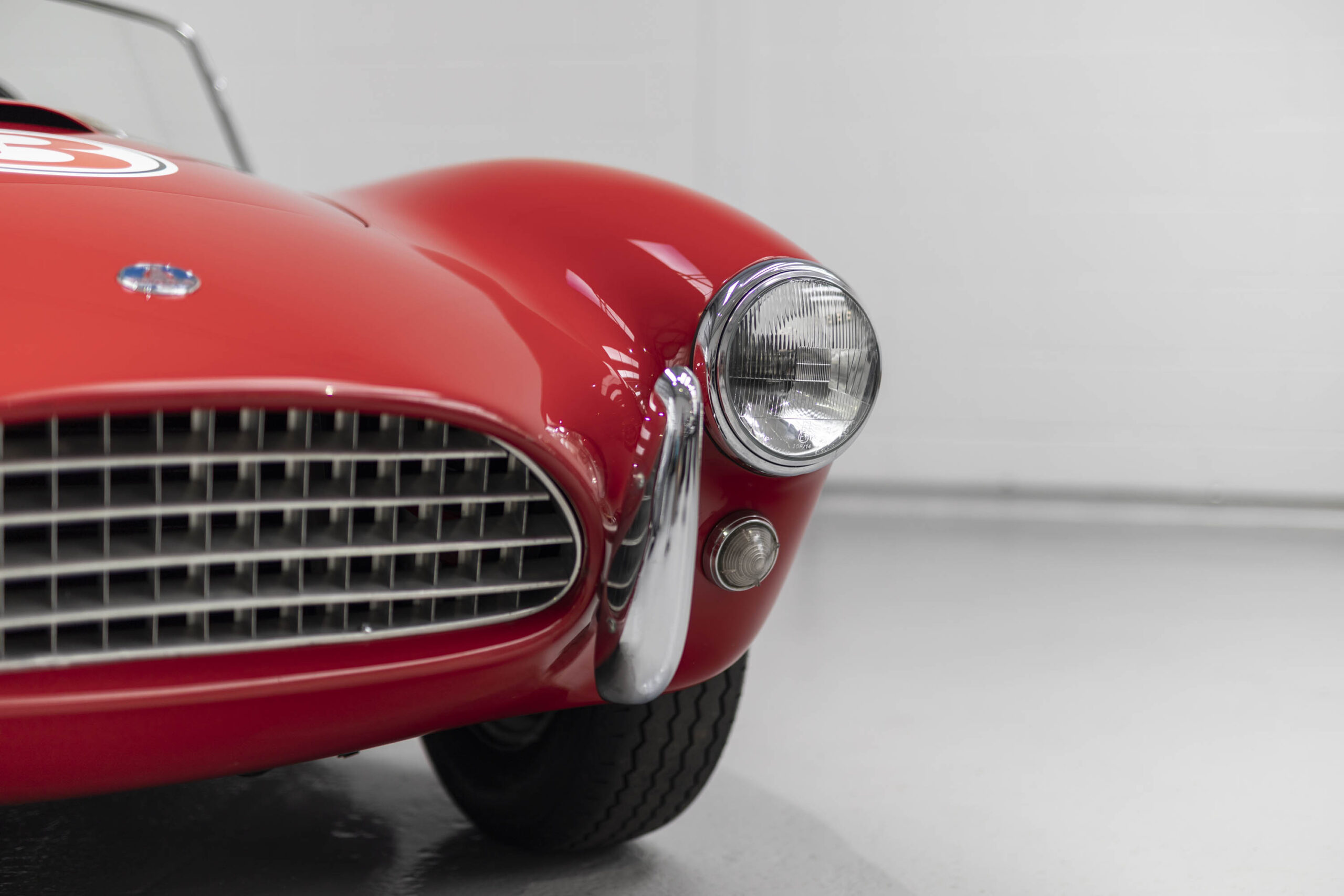
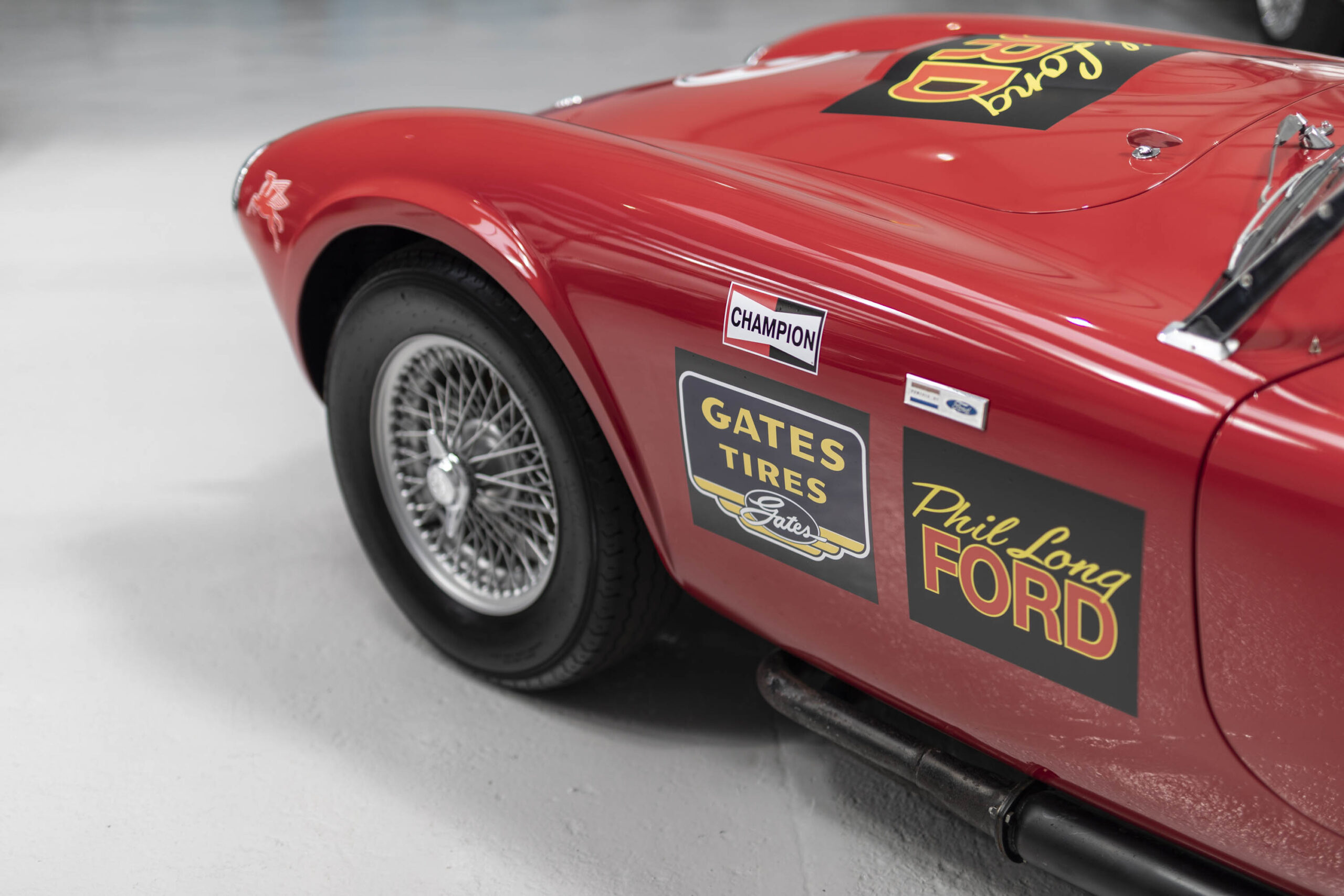
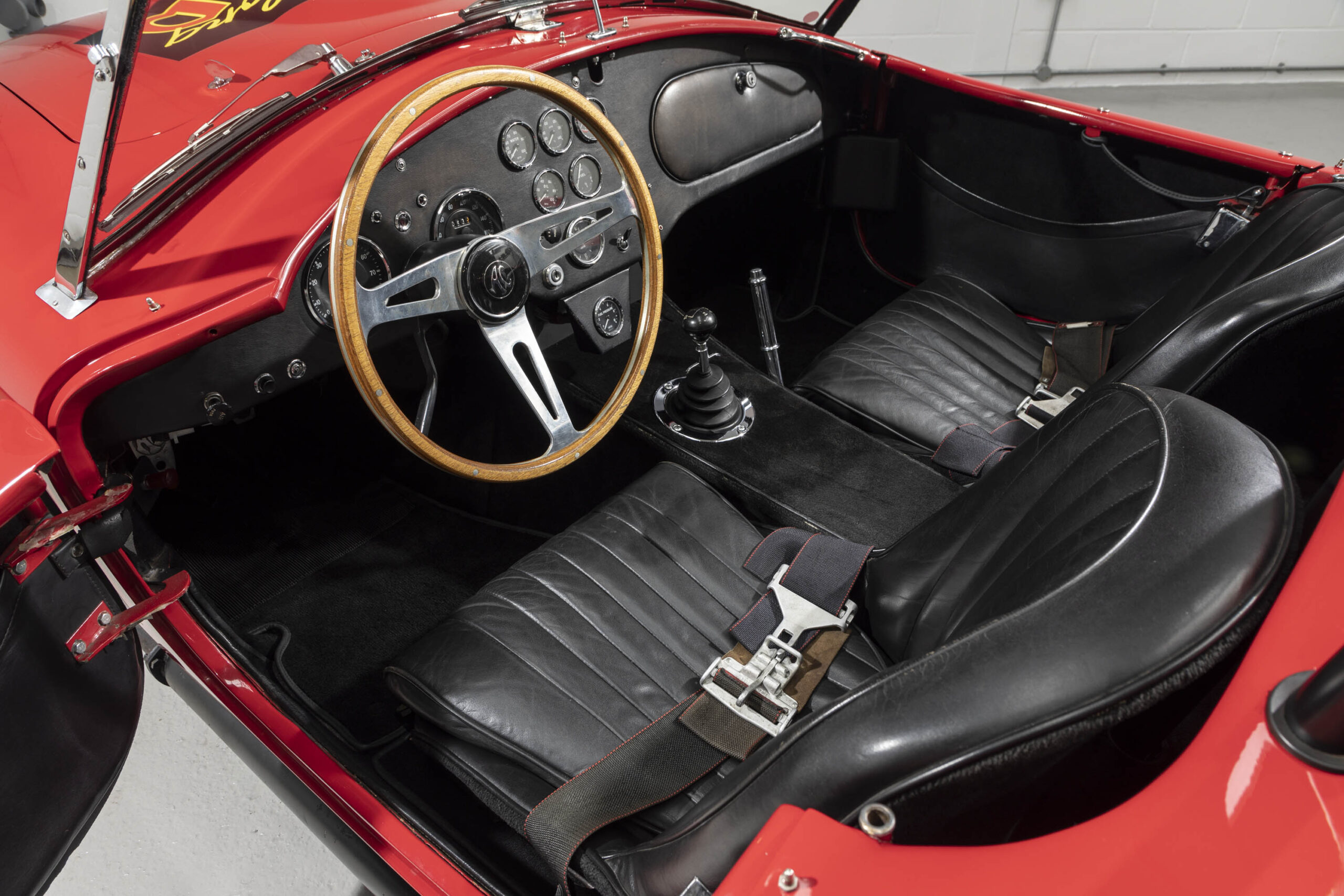
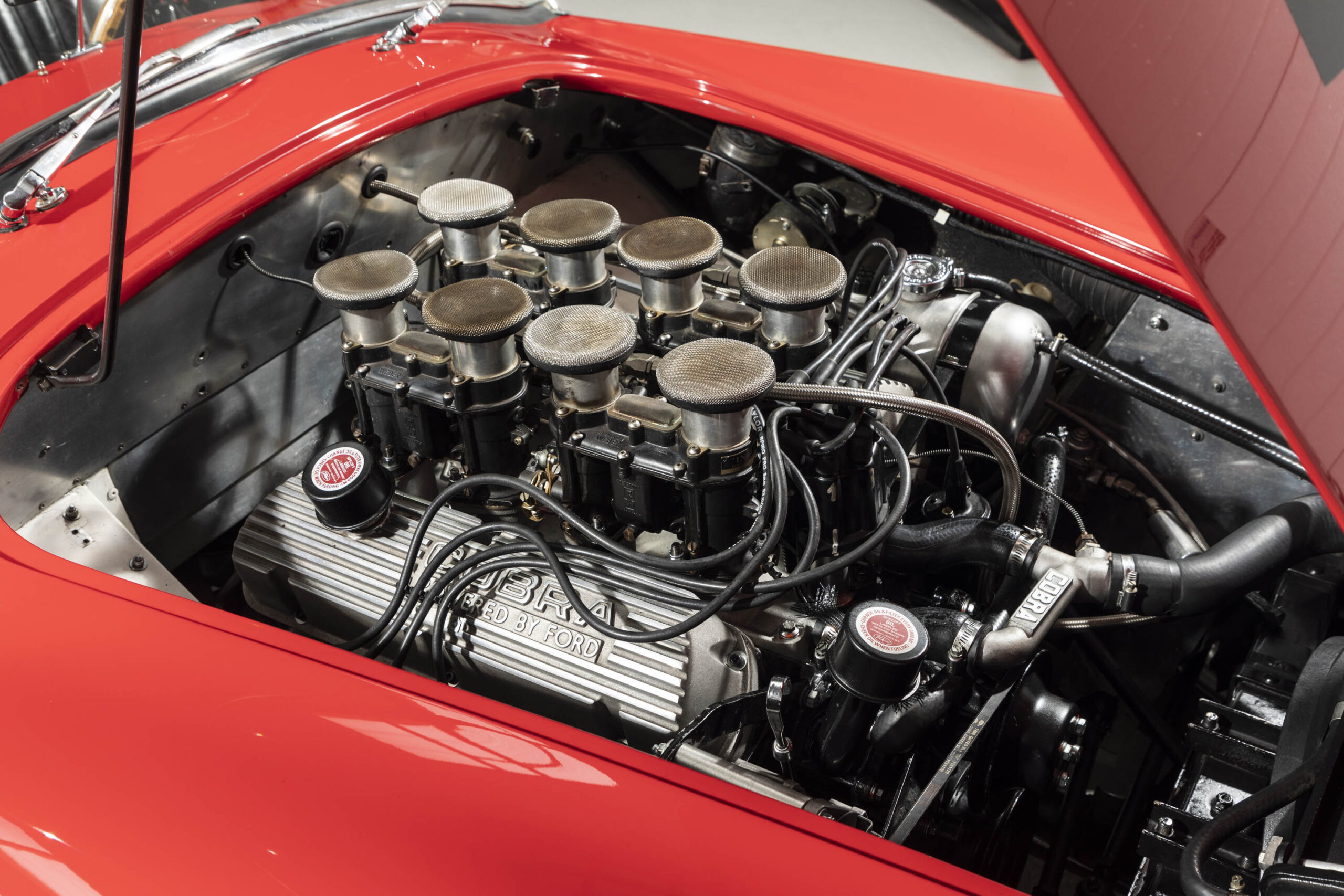
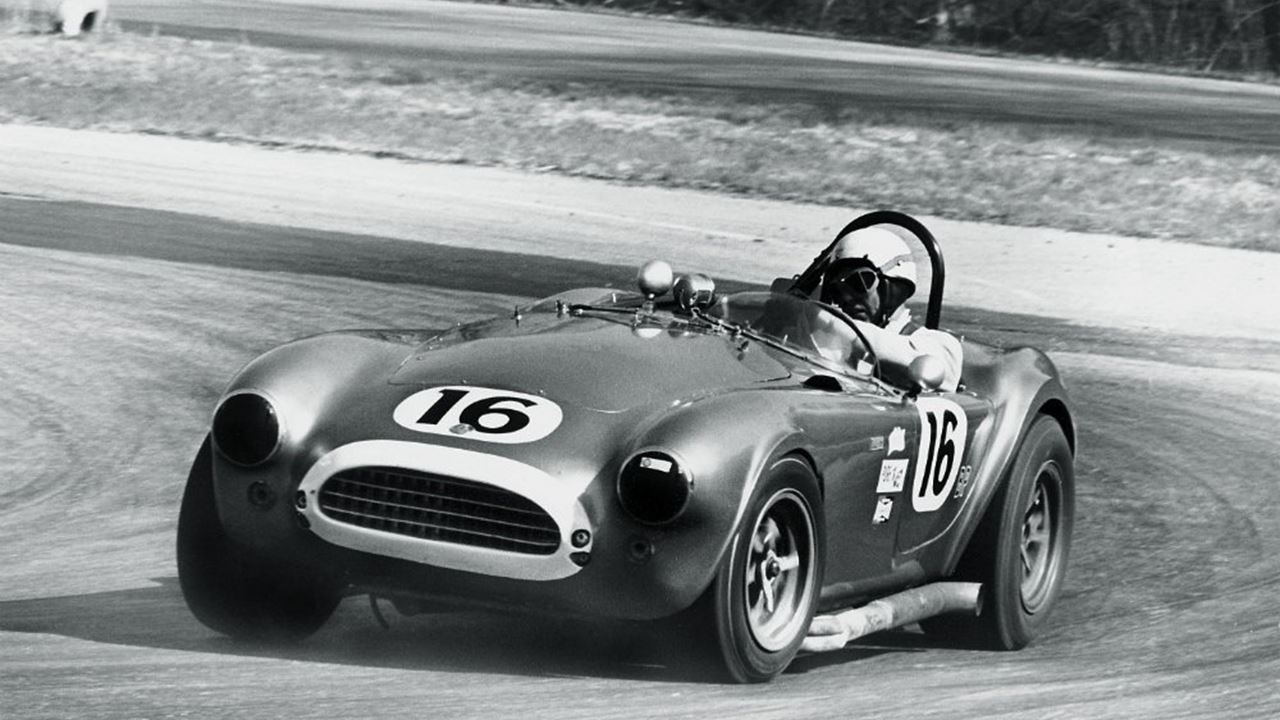
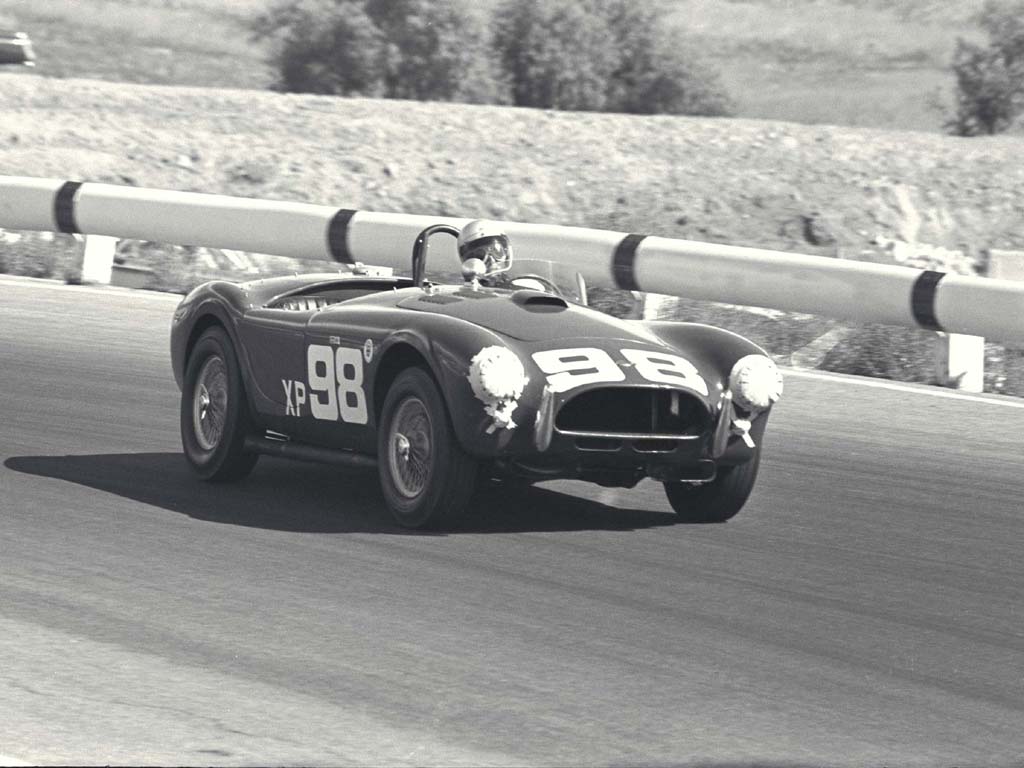
Beneath its flowing, hand-beaten aluminum skin, the 260 Competition Cobra was a fascinating paradox of archaic British tradition and cutting-edge American brute force. The foundation was the AC Ace chassis, a twin-tube ladder frame that still utilized transverse leaf spring suspension at both the front and rear. Critically, these early 1962 cars retained the antiquated worm-and-sector steering box, a heavy, vague mechanism that required the muscular forearms of a lumberjack to tame at racing speeds. Yet, despite its antiquated underpinnings, the chassis was incredibly light. When the wizards at Shelby’s cramped Venice, California workshop prepared the car for competition, they stripped away every ounce of unnecessary luxury. They added a rudimentary roll hoop, cut back the doors for easier driver access, and fitted wider wire wheels to handle the newfound power. The beating heart of the car was Ford’s new 260 cubic-inch (4.3-liter) V8 engine. In street trim, it was a respectable motor, but in competition spec, breathing through a massive four-barrel Holley carburetor or a battery of Weber twin-chokes, it was transformed into a screaming, solid-lifter monster producing well over 330 brake horsepower. Mated to a rugged Borg-Warner T-10 four-speed manual transmission, the engine possessed a power-to-weight ratio that bordered on the suicidal. To keep this 2,000-pound missile from flying off the circuit, Shelby relied on four-wheel Girling disc brakes, which were highly advanced for the era and crucial to the car’s giant-killing potential. The cockpit was a masterclass in spartan utility: a minimalist aluminum dashboard filled with vital Stewart-Warner gauges, a massive wood-rimmed steering wheel, and a low-backed bucket seat that offered little protection from the blistering heat radiating through the firewall.
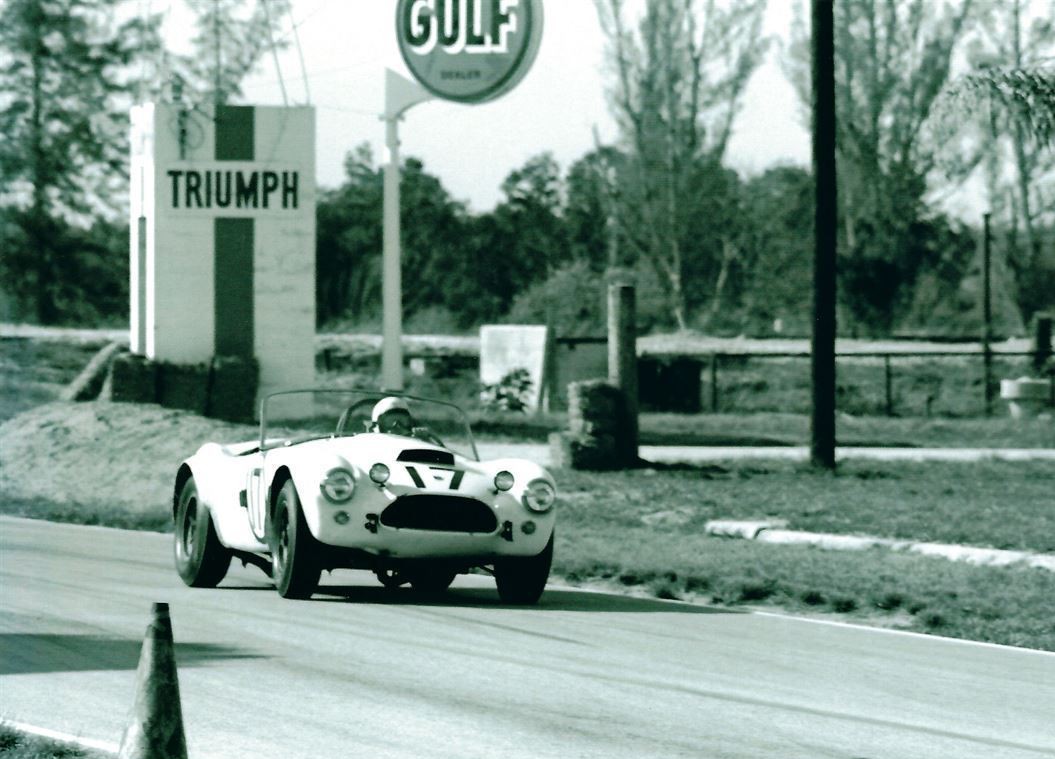
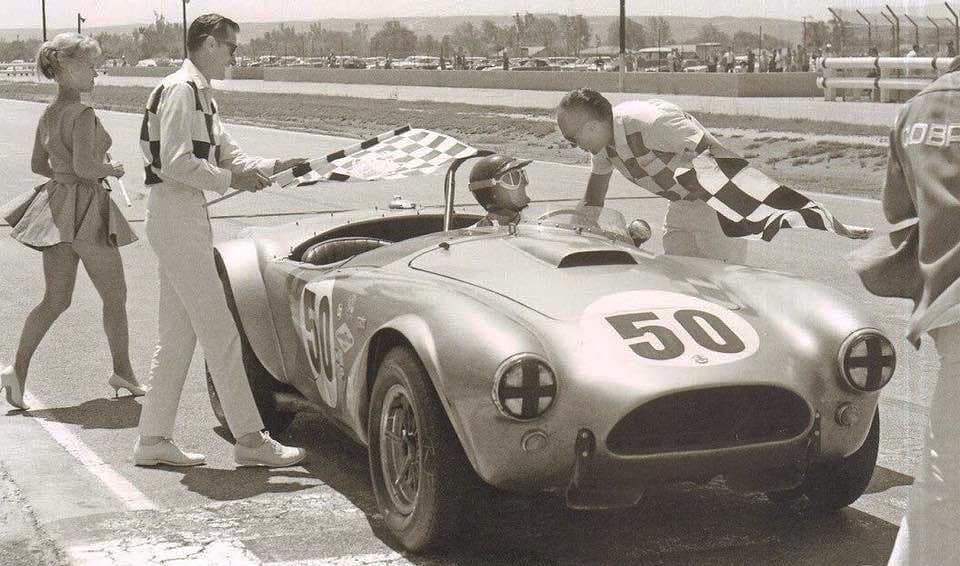
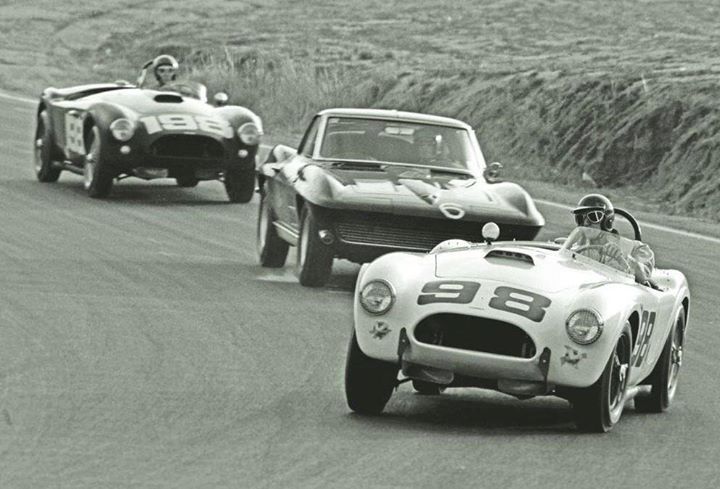
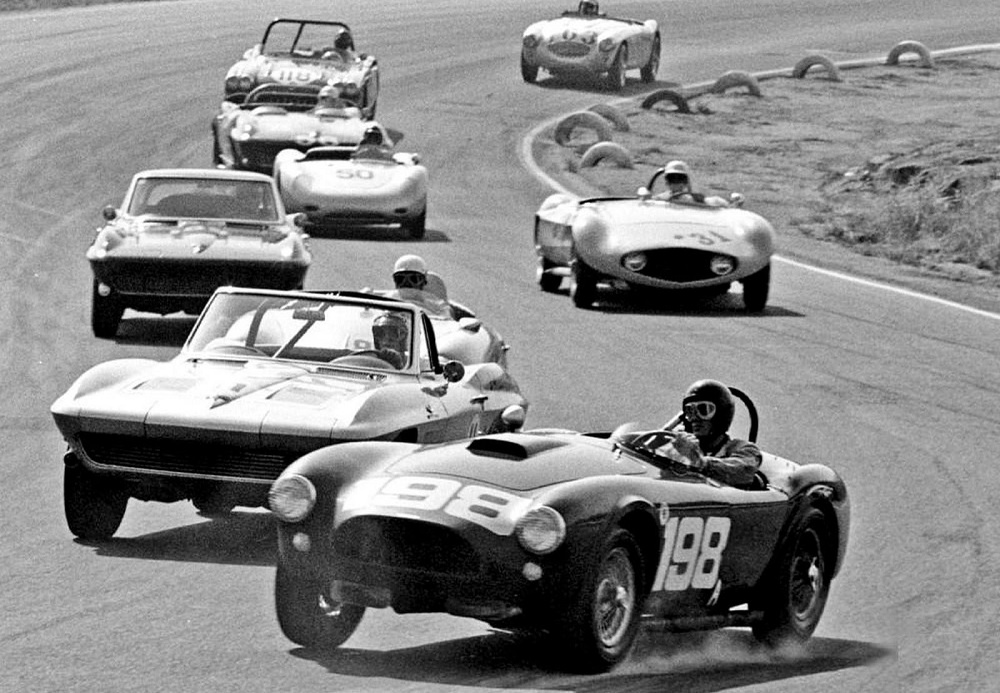
The historical footprint of the 260 Competition Cobra is defined by one of the most explosive, jaw-dropping debuts in motorsport history. In October 1962, at the prestigious Los Angeles Times Grand Prix held at the dusty, high-speed Riverside International Raceway, Shelby American unleashed chassis CSX2002. Piloted by the talented local hotshoe Bill Krause, the raw, unpainted aluminum Cobra rolled onto the grid against a fleet of brand-new, highly touted Corvette Sting Ray Z06s. From the drop of the green flag, Krause absolutely humiliated the General Motors establishment. The featherweight Cobra blasted past the heavier Corvettes, building a commanding lead and proving that Shelby’s hot-rod alchemy was a devastating success. Although Krause was ultimately forced to retire due to a broken rear hub—a casualty of the immense V8 torque overwhelming the delicate British components—the message had been delivered. The Cobra was terrifyingly fast. By early 1963, after Shelby’s chief mechanic Phil Remington and test driver Ken Miles had ironed out the reliability issues, the 260 Competition cars began their reign of terror. Legendary drivers like Dave MacDonald scored the Cobra’s first historic victories, utterly dominating the SCCA ranks and validating the Anglo-American hybrid concept before the world.
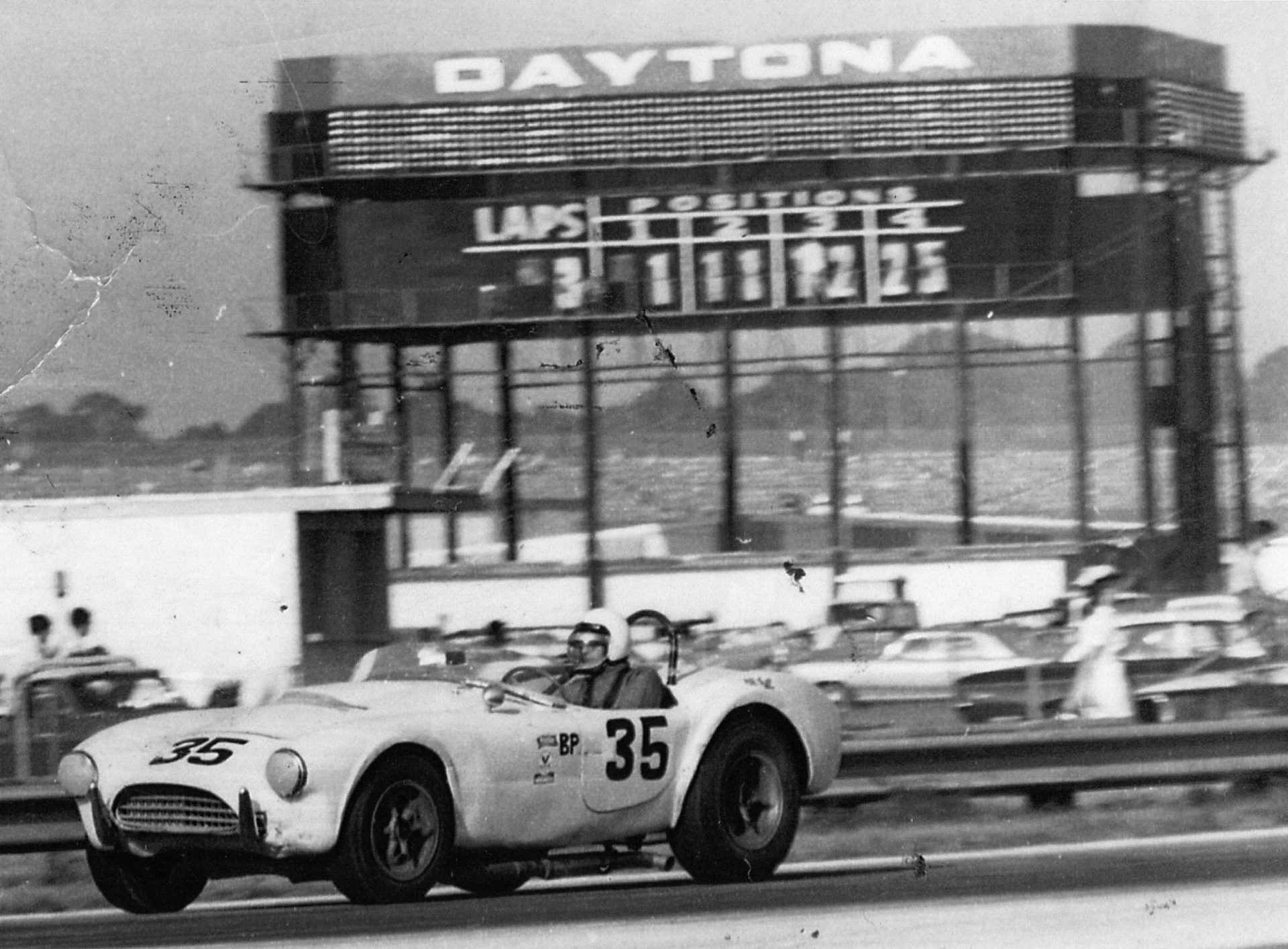
Because it was so rapidly superseded by the famous 289 cubic-inch variant, the pure 260 Competition cars remain incredibly rare, almost mythical artifacts of Shelby’s earliest days. They were the crucial, visceral prototypes that proved the concept worked. They suffered from the flex of an older chassis and the heavy, imprecise steering of a bygone era, making them incredibly difficult and physical machines to drive on the limit. Yet, they were the absolute genesis. The 260 Competition car was the slingshot that launched Shelby American from a tiny Californian garage into a global motorsport empire, laying the unshakeable foundation for the 289 FIA Roadsters, the Daytona Coupes, and eventually the mighty 427s that would conquer Le Mans.
Brand
Produced from
Portal
Vehicle category
Model line
Model generation
Predecessor
Sucessor
Brand
Produced from
Portal
Vehicle category
Model line
Model generation
Predecessor
Sucessor
Submodel Overview
To fully comprehend the seismic shockwave generated by the 1962 Shelby Cobra 260 Competition, one must look at the deeply entrenched hierarchy of American sports car racing at the dawn of the decade. The Sports Car Club of America (SCCA) paddocks were largely ruled by the heavy, fuel-injected Chevrolet Corvettes, while European thoroughbreds from Ferrari and Jaguar dominated the international consciousness. Carroll Shelby, a fiercely ambitious Texan whose driving career had been prematurely halted by a heart condition, recognized a glaring vulnerability in the establishment. The Corvettes possessed immense power but suffered from tremendous mass, while the Europeans had the agility but lacked the sledgehammer reliability of American iron. Shelby’s grand, audacious vision was to marry an obsolete but featherweight British roadster chassis with the brand-new, lightweight Ford small-block V8. The very first competition-spec iterations of this unholy alliance—the 1962 Cobra 260 Competition—were not merely sports cars; they were purpose-built, bare-knuckle track weapons explicitly designed to shatter the Corvette’s domestic supremacy and put Shelby American on the global map.
Beneath its flowing, hand-beaten aluminum skin, the 260 Competition Cobra was a fascinating paradox of archaic British tradition and cutting-edge American brute force. The foundation was the AC Ace chassis, a twin-tube ladder frame that still utilized transverse leaf spring suspension at both the front and rear. Critically, these early 1962 cars retained the antiquated worm-and-sector steering box, a heavy, vague mechanism that required the muscular forearms of a lumberjack to tame at racing speeds. Yet, despite its antiquated underpinnings, the chassis was incredibly light. When the wizards at Shelby’s cramped Venice, California workshop prepared the car for competition, they stripped away every ounce of unnecessary luxury. They added a rudimentary roll hoop, cut back the doors for easier driver access, and fitted wider wire wheels to handle the newfound power. The beating heart of the car was Ford’s new 260 cubic-inch (4.3-liter) V8 engine. In street trim, it was a respectable motor, but in competition spec, breathing through a massive four-barrel Holley carburetor or a battery of Weber twin-chokes, it was transformed into a screaming, solid-lifter monster producing well over 330 brake horsepower. Mated to a rugged Borg-Warner T-10 four-speed manual transmission, the engine possessed a power-to-weight ratio that bordered on the suicidal. To keep this 2,000-pound missile from flying off the circuit, Shelby relied on four-wheel Girling disc brakes, which were highly advanced for the era and crucial to the car’s giant-killing potential. The cockpit was a masterclass in spartan utility: a minimalist aluminum dashboard filled with vital Stewart-Warner gauges, a massive wood-rimmed steering wheel, and a low-backed bucket seat that offered little protection from the blistering heat radiating through the firewall.
The historical footprint of the 260 Competition Cobra is defined by one of the most explosive, jaw-dropping debuts in motorsport history. In October 1962, at the prestigious Los Angeles Times Grand Prix held at the dusty, high-speed Riverside International Raceway, Shelby American unleashed chassis CSX2002. Piloted by the talented local hotshoe Bill Krause, the raw, unpainted aluminum Cobra rolled onto the grid against a fleet of brand-new, highly touted Corvette Sting Ray Z06s. From the drop of the green flag, Krause absolutely humiliated the General Motors establishment. The featherweight Cobra blasted past the heavier Corvettes, building a commanding lead and proving that Shelby’s hot-rod alchemy was a devastating success. Although Krause was ultimately forced to retire due to a broken rear hub—a casualty of the immense V8 torque overwhelming the delicate British components—the message had been delivered. The Cobra was terrifyingly fast. By early 1963, after Shelby’s chief mechanic Phil Remington and test driver Ken Miles had ironed out the reliability issues, the 260 Competition cars began their reign of terror. Legendary drivers like Dave MacDonald scored the Cobra’s first historic victories, utterly dominating the SCCA ranks and validating the Anglo-American hybrid concept before the world.
Because it was so rapidly superseded by the famous 289 cubic-inch variant, the pure 260 Competition cars remain incredibly rare, almost mythical artifacts of Shelby’s earliest days. They were the crucial, visceral prototypes that proved the concept worked. They suffered from the flex of an older chassis and the heavy, imprecise steering of a bygone era, making them incredibly difficult and physical machines to drive on the limit. Yet, they were the absolute genesis. The 260 Competition car was the slingshot that launched Shelby American from a tiny Californian garage into a global motorsport empire, laying the unshakeable foundation for the 289 FIA Roadsters, the Daytona Coupes, and eventually the mighty 427s that would conquer Le Mans.
Tech Specs
Technical Specifications
Tech Specs
Technical Specifications
Engine
01
03
Internal combustion engine
Configuration
Ford Windsor 260, V8 - 90º
Location
Front-mid, longitudinally mounted
Construction
Cast iron block and heads
Displacement (cc)
4,261 cc
Displacement (cu in)
260.0 cu in
Compression
~10.0:1
Bore x Stroke
96.5 mm x 72.9 mm
Valvetrain
2 valves per cylinder, OHV (Pushrod)
Fuel feed
4 x Weber 48 IDA downdraft carburetors
Lubrication
Wet sump
Aspiration
Naturally aspirated
Output
Power (hp)
~335 hp
Power (kW)
~250 kW
Max power at
6,500 RPM
Torque (Nm)
~407 Nm
Torque (ft lbs)
~300 ft lbs
Max torque at
4,500 RPM
Drivetrain
02
03
Chassis
Type
Twin-tube ladder frame
Material
Steel
Body
Material
Aluminium
Transmission
Gearbox
Borg-Warner T-10, 4-speed manual
Drive
Rear Wheel Drive (Salisbury Limited Slip Differential)
Suspension
Front
Independent, lower wishbones, transverse semi-elliptic leaf spring, telescopic dampers, anti-roll bar
Rear
Independent, lower wishbones, transverse semi-elliptic leaf spring, telescopic dampers
Steering
Type
Worm and sector, unassisted
Brakes
Front
Solid steel discs Ø305 mm, Girling calipers
Rear
Solid steel discs Ø280 mm, Girling calipers
Wheels
Front
5.5" x 15"
Rear
6.0" x 15"
Tires
Front
6.50-15
Rear
6.50-15
Dimensions and performance
03
03
Dimensions
Length (mm)
3,848 mm
Length (in)
151.5 in
Width (mm)
1,549 mm
Width (in)
61.0 in
Height (mm)
1,245 mm
Height (in)
49.0 in
Wheelbase (mm)
2,286 mm
Wheelbase (in)
90.0 in
Weight (kg)
~915 kg
Weight (lbs)
~2,017 lbs
Performance
Power to weight
0.36 hp/kg
Top speed (km/h)
~245 km/h
Top speed (mph)
~152 mph
0-100 km/h (0-60 mph)
~4.5 s