
Sunbeam Alpine Competition Roadster
Brand
Produced from
Portal
Vehicle category
Model line
Model generation
Predecessor
Successor
Submodel Overview
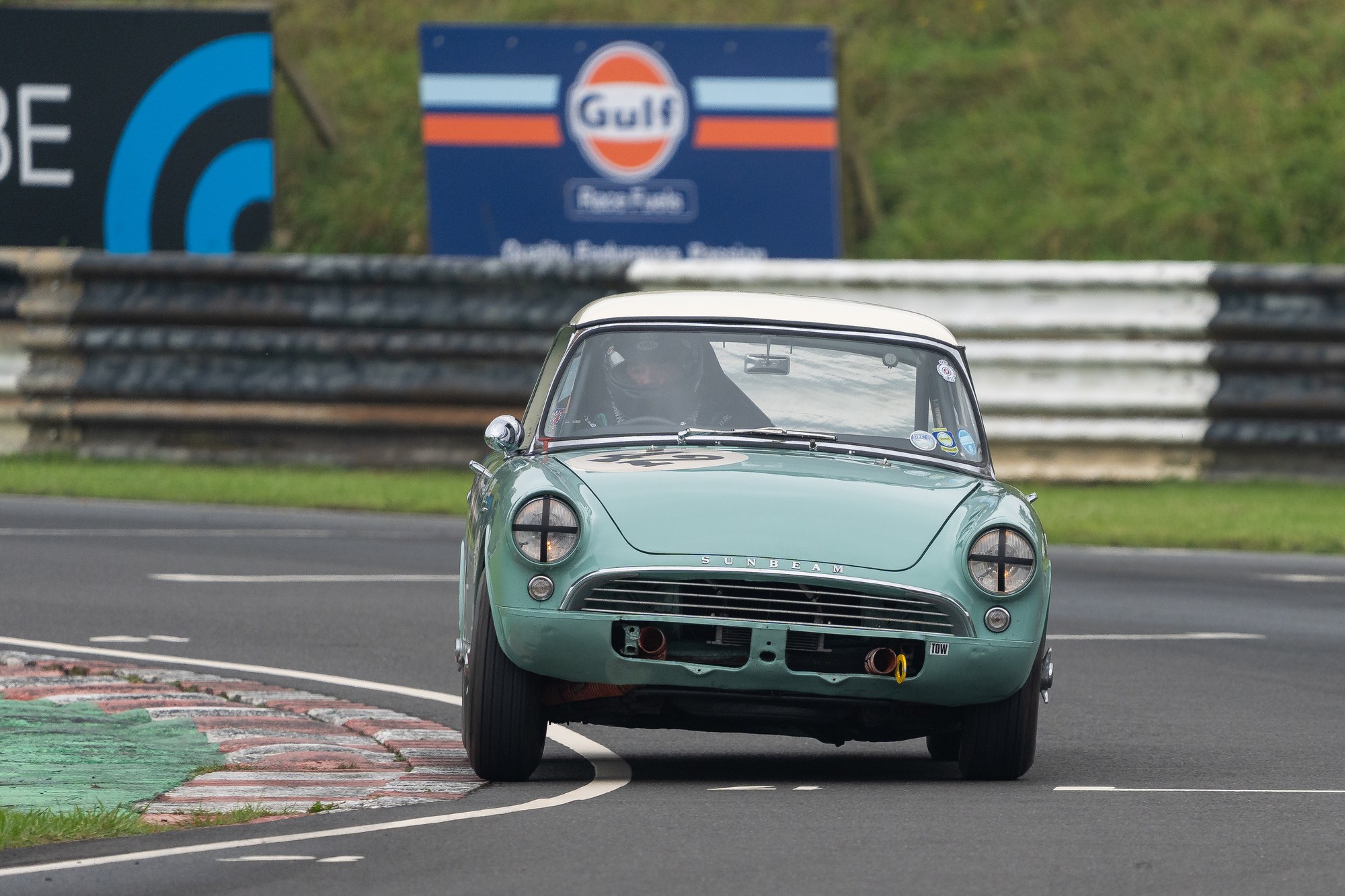
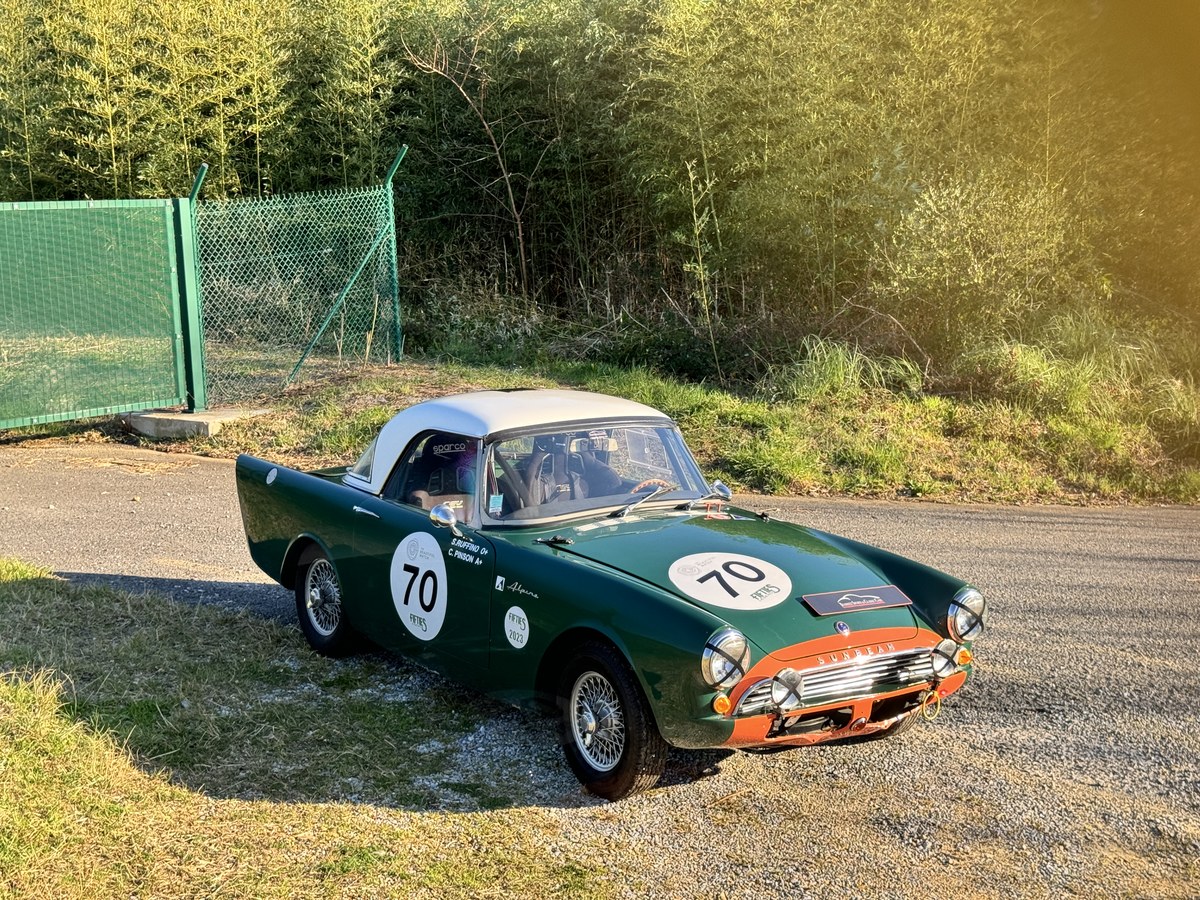
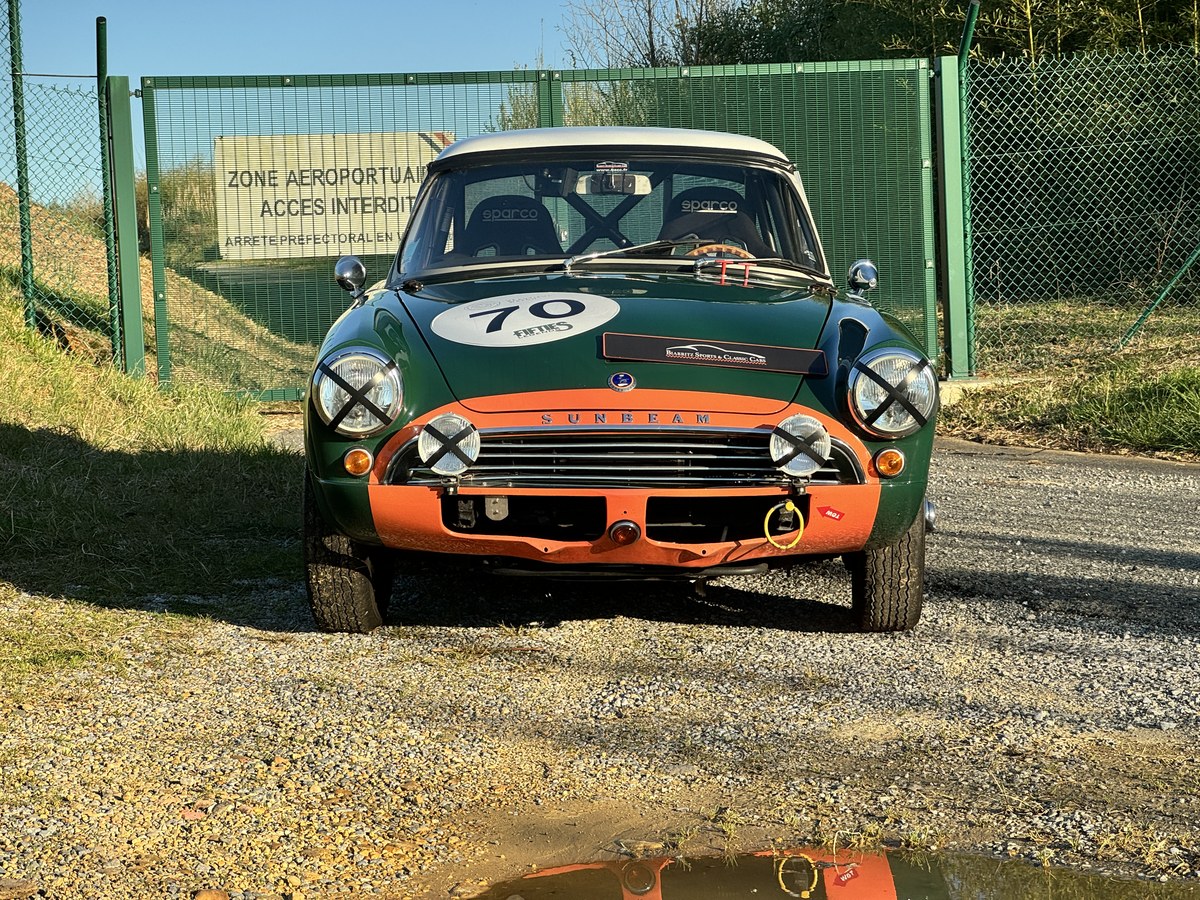
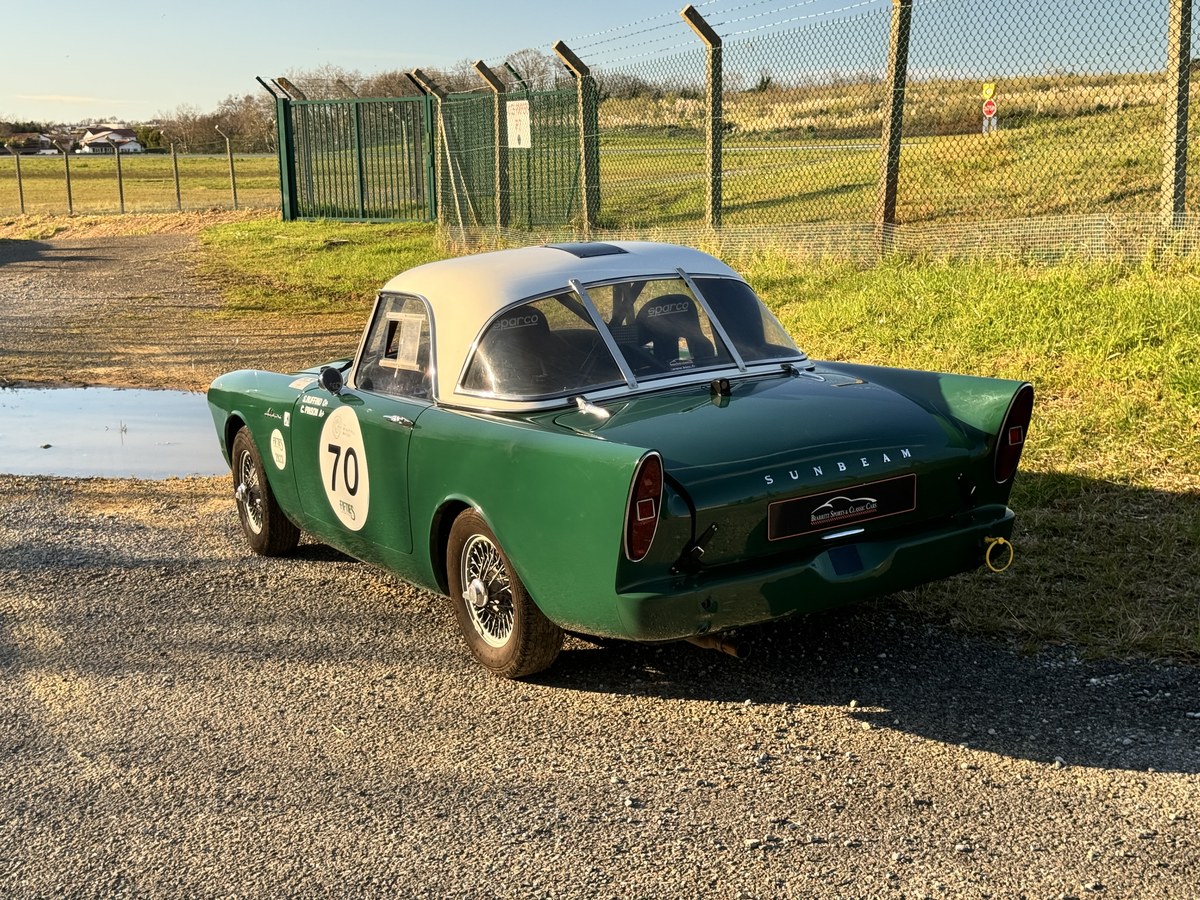
By 1960, the newly introduced Sunbeam Alpine Series II had firmly established itself as a beautifully styled, highly civilized grand tourer, offering roll-up windows and a comfortable ride that shamed its drafty contemporaries. However, Norman Garrad, the famously competitive head of the Rootes Group Competitions Department, knew that to truly sell sports cars to the enthusiast market, you had to win on Sunday. The standard Alpine was viewed by hardcore racers as a bit soft—a “boulevardier”—especially when compared to the visceral, bone-shaking Triumph TR3A or the highly strung MGA Twin Cam. To shatter this perception and legitimize the Audax-derived unibody platform, Rootes developed the Sunbeam Alpine Competition Roadster. These were bespoke, factory-prepared weapons built by the competition department to tackle the grueling crucibles of international endurance racing, specifically aimed at taking the fight directly to dominant class rivals like the Porsche 356 Carrera and the Alfa Romeo Giulietta Spider Veloce.
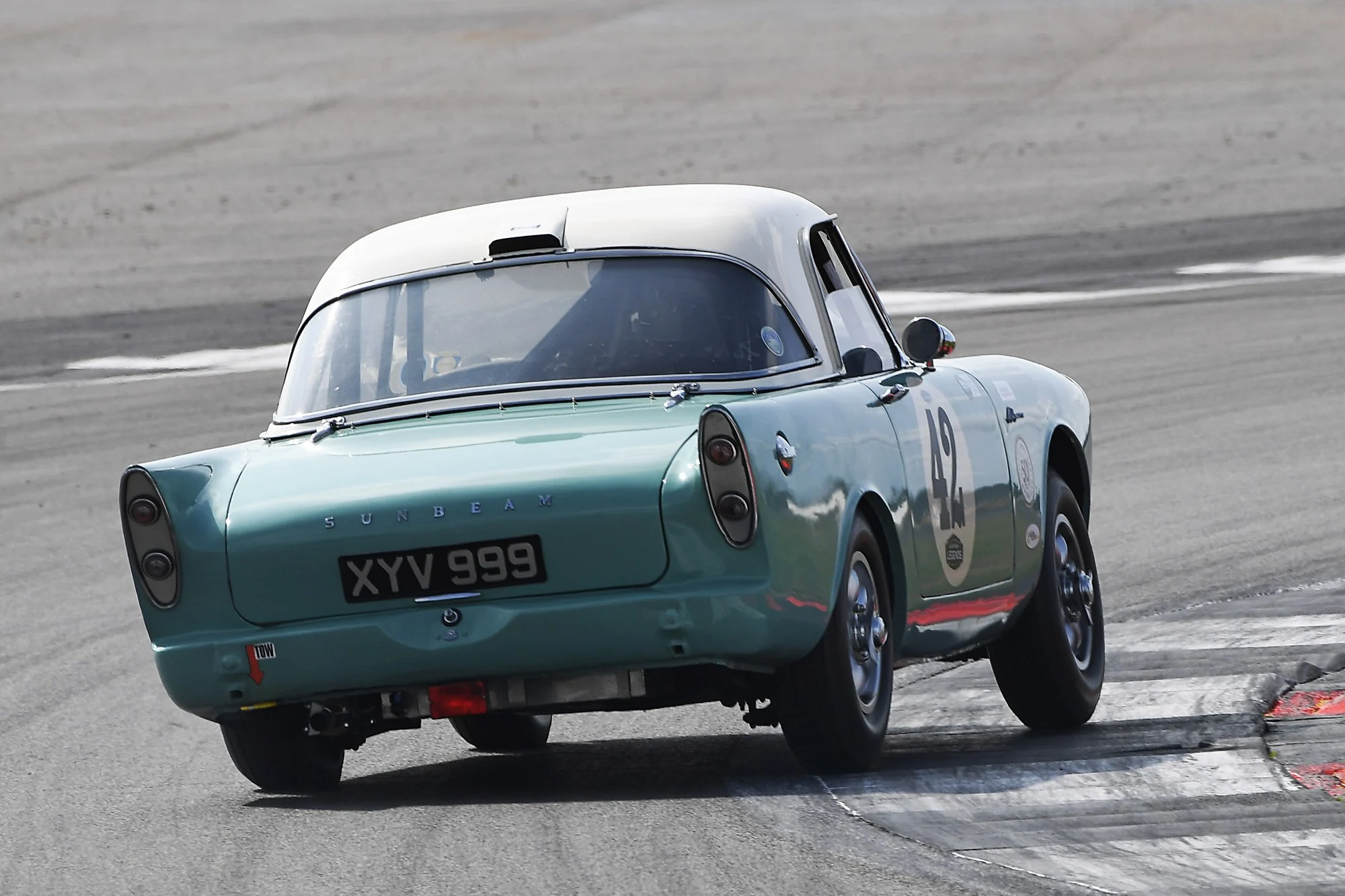
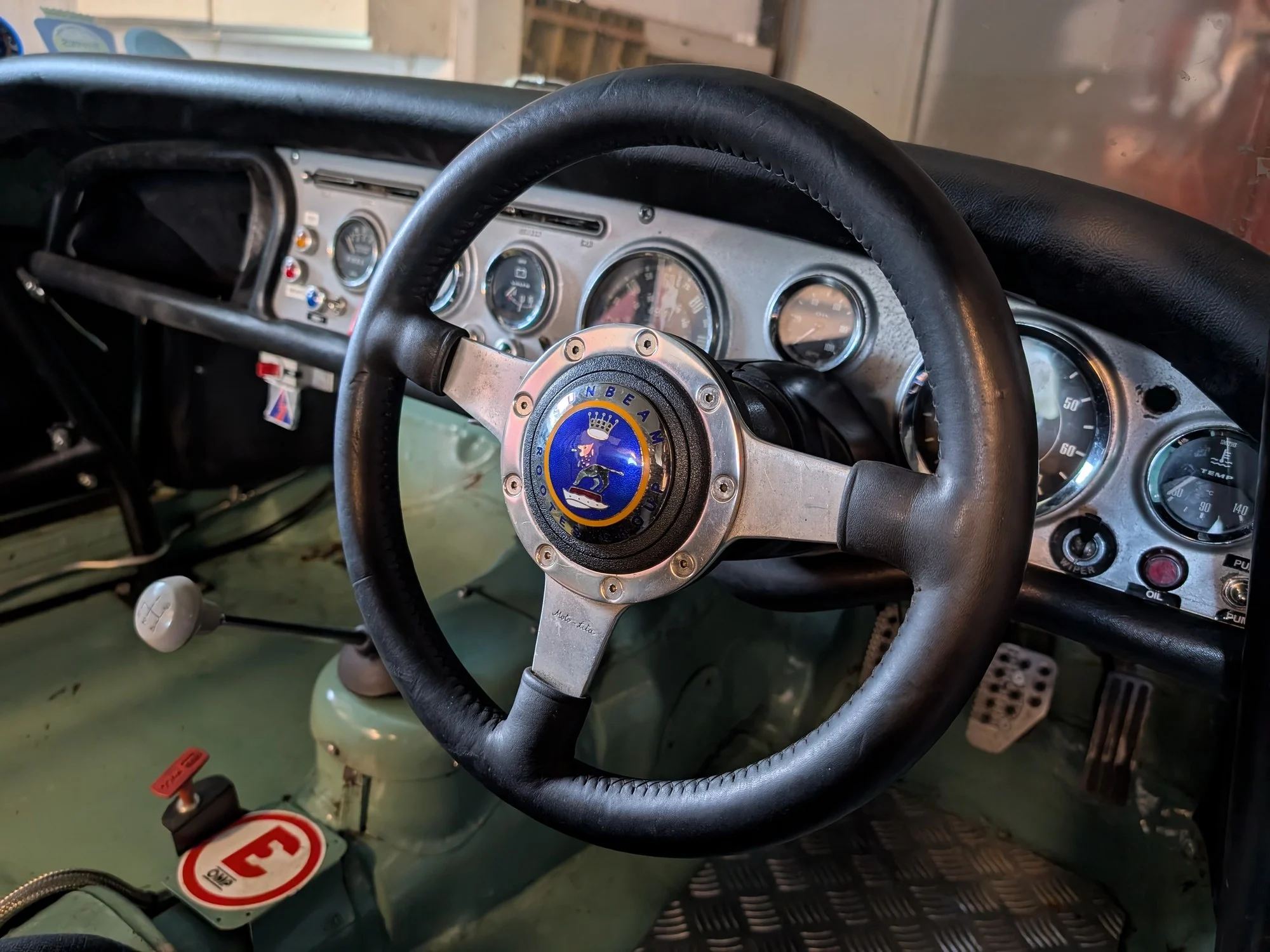
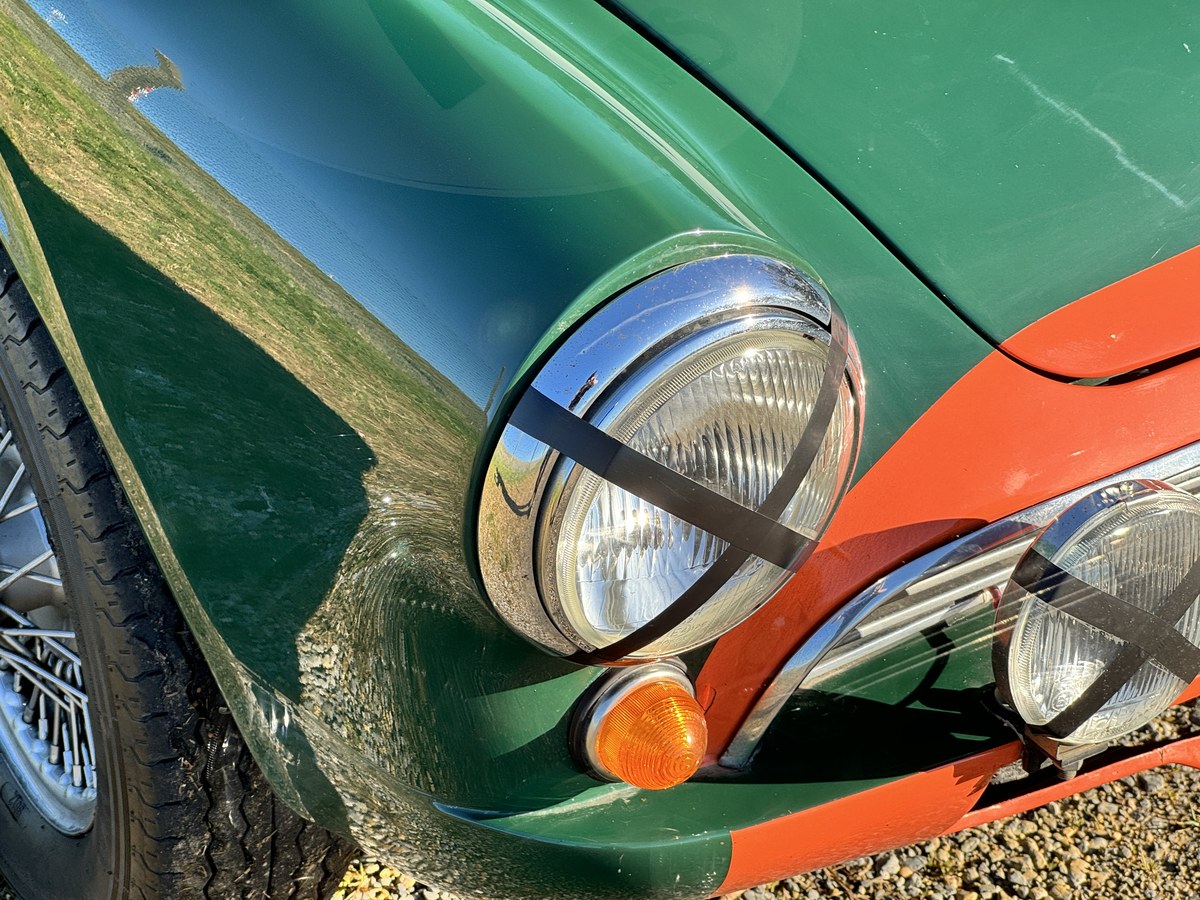
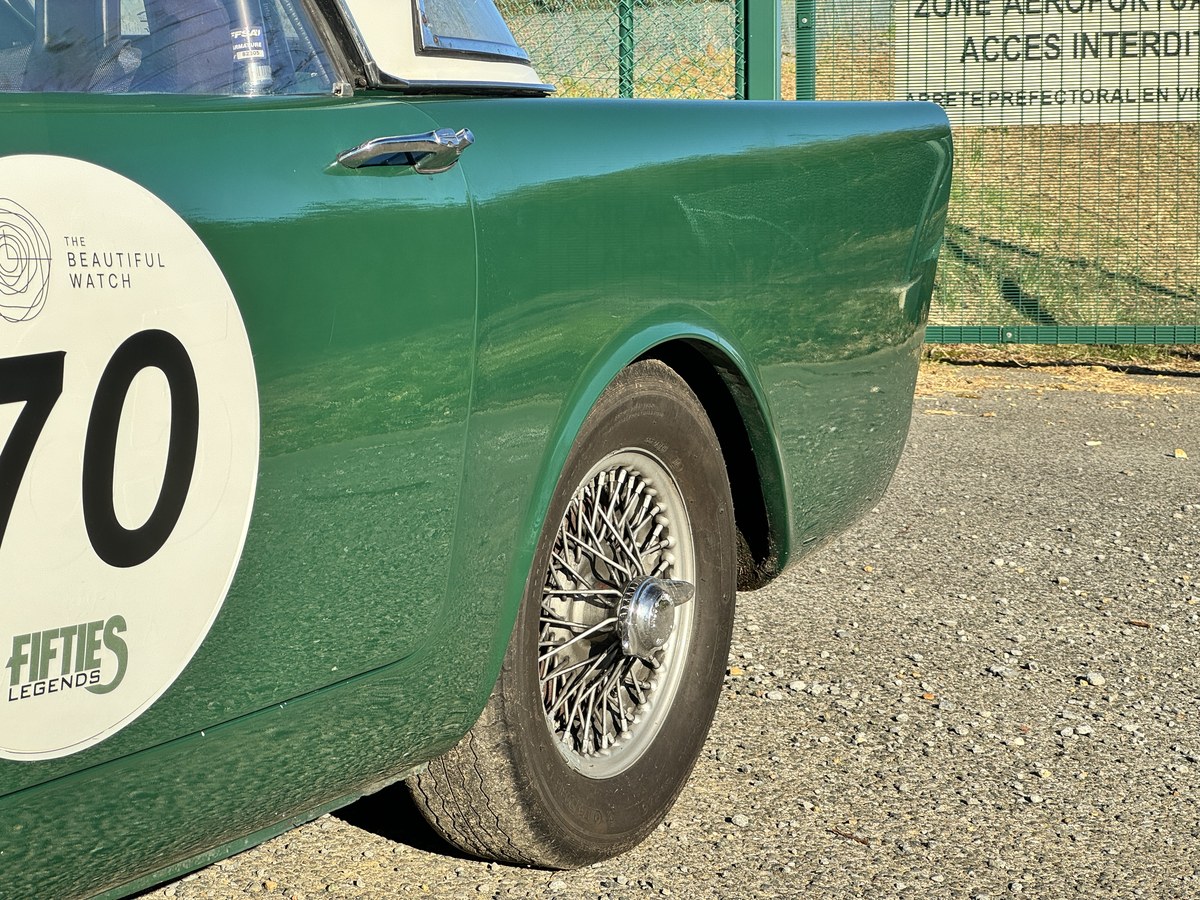
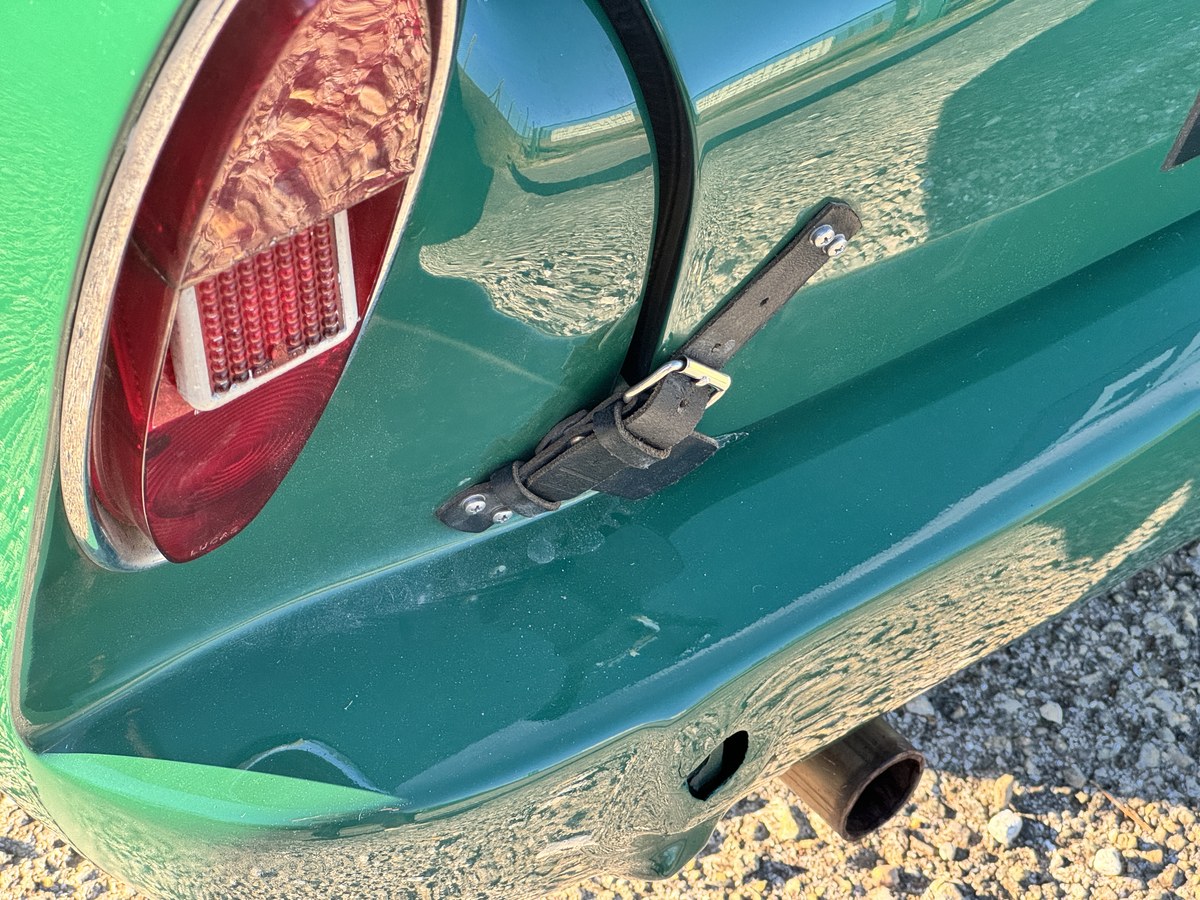
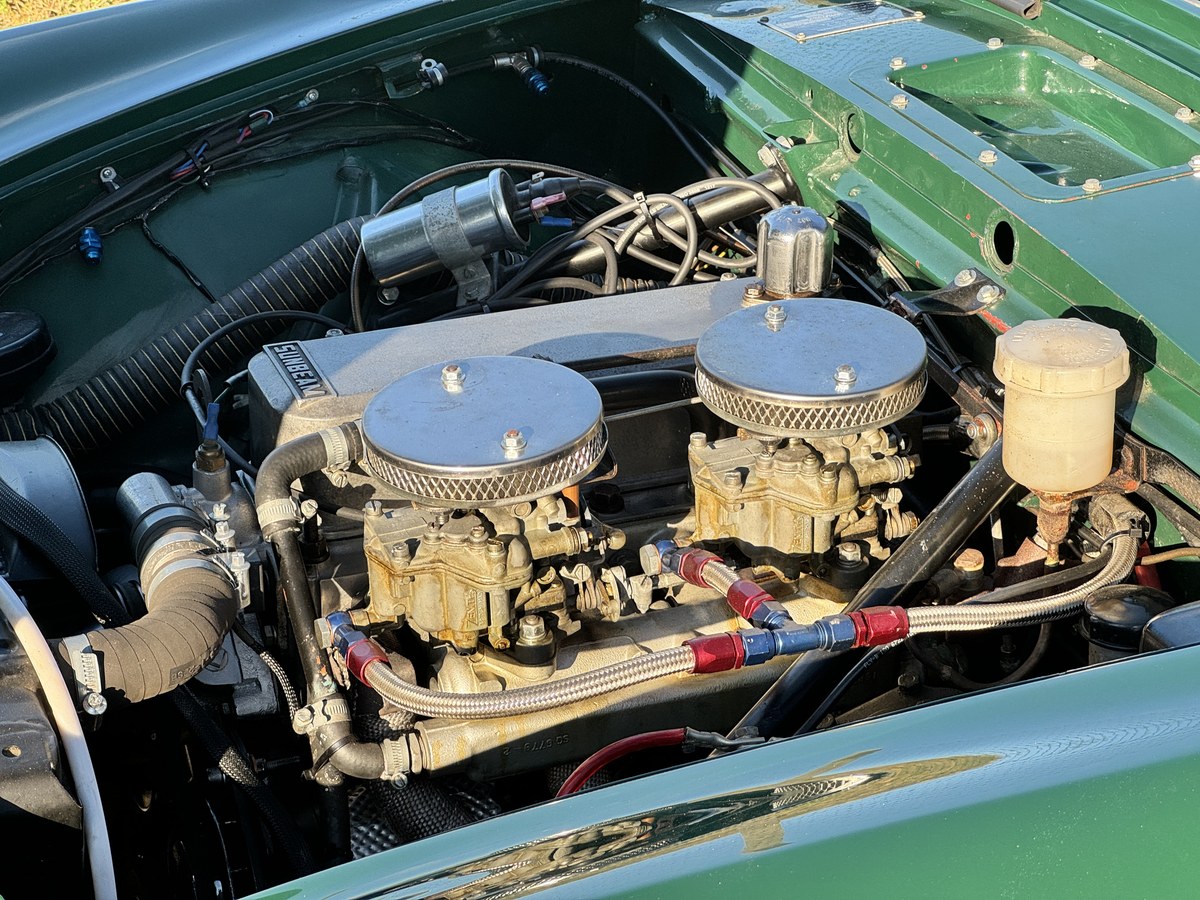
Underneath the glamorous, transatlantic finned styling, the Competition Roadster was a radically hardened machine. The standard 1.6-liter (1592cc) B-Series four-cylinder engine was handed over to the tuning wizards at the factory, often with input from renowned tuning specialist George Hartwell. Fitted with aggressive camshaft profiles, high-compression pistons, polished cylinder heads, and free-flowing racing exhausts—and frequently breathing through massive twin Weber carburetors instead of the standard Zeniths—power jumped significantly, turning the reliable cruiser into a high-revving screamer. The sophisticated unibody was stiffened and, wherever possible, brutally stripped of excess weight. Heavy chrome bumpers were discarded, and lightweight aluminum panels were frequently utilized for the doors, hood, and trunk lid. The suspension received heavy-duty dampers, a thicker anti-roll bar, and stiffer coil springs, drastically lowering the stance and eliminating the standard car’s comfortable touring roll. Stopping power was vastly improved with uprated, fade-resistant pads for the front Girling disc brakes, essential for hauling the car down from high speeds on long endurance straights. Inside, the luxurious wood veneer and thick carpeting were violently excised. The cabin was reduced to spartan aluminum door cards, lightweight racing bucket seats, a thick roll hoop, and a stripped dashboard populated only by essential Smiths telemetry and toggle switches.
When the Rootes Works team unleashed the Competition Roadsters onto the global stage, the results were spectacular, proving definitively that the Alpine possessed genuine fangs. The open-top works cars became a highly respected presence at both the 12 Hours of Sebring and the 24 Hours of Le Mans. At Sebring, the robust nature of the heavily tuned 1.6-liter engine shone through, allowing the Sunbeams to outlast faster, more fragile European exotics on the punishing concrete airfield. Piloted by legendary drivers like Peter Harper, Peter Procter, and a young Paddy Hopkirk, the Competition Roadsters frequently dominated their displacement class. They were incredibly agile, their stiff monocoque chassis allowing drivers to hustle through technical sections with immense confidence. A defining moment occurred during the 1960 and 1961 seasons when these open-cockpit warriors laid the groundwork for Rootes’ eventual domination of the Index of Thermal Efficiency. While they lacked the aerodynamic slipperiness of the closed-roof Harrington coupes that would follow, the sheer, unburstable durability of the Competition Roadster proved that British four-cylinder efficiency could humiliate bespoke prototype machinery over 24 hours of relentless abuse.
The 1960 Sunbeam Alpine Competition Roadster proved that a comfortable, unibody chassis could be transformed into a world-class endurance racer with the right engineering focus. More importantly, the mechanical lessons learned from wringing every ounce of performance out of these open-top racers directly birthed the aerodynamic Harrington Le Mans fastbacks, and ultimately, validated the absolute structural integrity required for Carroll Shelby to later shoehorn a Ford V8 into the engine bay to create the Tiger.
Brand
Produced from
Portal
Vehicle category
Model line
Model generation
Predecessor
Sucessor
Brand
Produced from
Portal
Vehicle category
Model line
Model generation
Predecessor
Sucessor
Submodel Overview
By 1960, the newly introduced Sunbeam Alpine Series II had firmly established itself as a beautifully styled, highly civilized grand tourer, offering roll-up windows and a comfortable ride that shamed its drafty contemporaries. However, Norman Garrad, the famously competitive head of the Rootes Group Competitions Department, knew that to truly sell sports cars to the enthusiast market, you had to win on Sunday. The standard Alpine was viewed by hardcore racers as a bit soft—a “boulevardier”—especially when compared to the visceral, bone-shaking Triumph TR3A or the highly strung MGA Twin Cam. To shatter this perception and legitimize the Audax-derived unibody platform, Rootes developed the Sunbeam Alpine Competition Roadster. These were bespoke, factory-prepared weapons built by the competition department to tackle the grueling crucibles of international endurance racing, specifically aimed at taking the fight directly to dominant class rivals like the Porsche 356 Carrera and the Alfa Romeo Giulietta Spider Veloce.
Underneath the glamorous, transatlantic finned styling, the Competition Roadster was a radically hardened machine. The standard 1.6-liter (1592cc) B-Series four-cylinder engine was handed over to the tuning wizards at the factory, often with input from renowned tuning specialist George Hartwell. Fitted with aggressive camshaft profiles, high-compression pistons, polished cylinder heads, and free-flowing racing exhausts—and frequently breathing through massive twin Weber carburetors instead of the standard Zeniths—power jumped significantly, turning the reliable cruiser into a high-revving screamer. The sophisticated unibody was stiffened and, wherever possible, brutally stripped of excess weight. Heavy chrome bumpers were discarded, and lightweight aluminum panels were frequently utilized for the doors, hood, and trunk lid. The suspension received heavy-duty dampers, a thicker anti-roll bar, and stiffer coil springs, drastically lowering the stance and eliminating the standard car’s comfortable touring roll. Stopping power was vastly improved with uprated, fade-resistant pads for the front Girling disc brakes, essential for hauling the car down from high speeds on long endurance straights. Inside, the luxurious wood veneer and thick carpeting were violently excised. The cabin was reduced to spartan aluminum door cards, lightweight racing bucket seats, a thick roll hoop, and a stripped dashboard populated only by essential Smiths telemetry and toggle switches.
When the Rootes Works team unleashed the Competition Roadsters onto the global stage, the results were spectacular, proving definitively that the Alpine possessed genuine fangs. The open-top works cars became a highly respected presence at both the 12 Hours of Sebring and the 24 Hours of Le Mans. At Sebring, the robust nature of the heavily tuned 1.6-liter engine shone through, allowing the Sunbeams to outlast faster, more fragile European exotics on the punishing concrete airfield. Piloted by legendary drivers like Peter Harper, Peter Procter, and a young Paddy Hopkirk, the Competition Roadsters frequently dominated their displacement class. They were incredibly agile, their stiff monocoque chassis allowing drivers to hustle through technical sections with immense confidence. A defining moment occurred during the 1960 and 1961 seasons when these open-cockpit warriors laid the groundwork for Rootes’ eventual domination of the Index of Thermal Efficiency. While they lacked the aerodynamic slipperiness of the closed-roof Harrington coupes that would follow, the sheer, unburstable durability of the Competition Roadster proved that British four-cylinder efficiency could humiliate bespoke prototype machinery over 24 hours of relentless abuse.
The 1960 Sunbeam Alpine Competition Roadster proved that a comfortable, unibody chassis could be transformed into a world-class endurance racer with the right engineering focus. More importantly, the mechanical lessons learned from wringing every ounce of performance out of these open-top racers directly birthed the aerodynamic Harrington Le Mans fastbacks, and ultimately, validated the absolute structural integrity required for Carroll Shelby to later shoehorn a Ford V8 into the engine bay to create the Tiger.
Tech Specs
Technical Specifications
Tech Specs
Technical Specifications
Engine
01
03
Internal combustion engine
Configuration
Rootes Group 1.6L, Inline-4
Location
Front, longitudinally mounted
Construction
Cast iron block and Aluminium alloy head
Displacement (cc)
1,592 cc
Displacement (cu in)
97.1 cu in
Compression
9.5:1
Bore x Stroke
81.5 mm x 76.2 mm
Valvetrain
2 valves per cylinder, OHV
Fuel feed
Twin Weber 40 DCOE carburettors
Lubrication
Wet sump
Aspiration
Naturally aspirated
Output
Power (hp)
~104 hp
Power (kW)
~77 kW
Max power at
6,000 RPM
Torque (Nm)
~140 Nm
Torque (ft lbs)
~103 ft lbs
Max torque at
4,500 RPM
Drivetrain
02
03
Chassis
Type
Monocoque unibody with cruciform bracing
Material
Steel
Body
Material
Steel with some lightweight aluminium panels
Transmission
Gearbox
Rootes 4-speed manual
Drive
Rear Wheel Drive
Suspension
Front
Independent, unequal length wishbones, coil springs, telescopic dampers, anti-roll bar
Rear
Live axle, semi-elliptic leaf springs, lever-arm dampers
Steering
Type
Burman recirculating ball, unassisted
Brakes
Front
Solid steel discs Ø241 mm (9.5 in), Girling calipers
Rear
Drum brakes Ø229 mm (9.0 in)
Wheels
Front
4.5" x 13" or 5.0" x 13"
Rear
4.5" x 13" or 5.0" x 13"
Tires
Front
5.50-13 or 6.00-13
Rear
5.50-13 or 6.00-13
Dimensions and performance
03
03
Dimensions
Length (mm)
3,943 mm
Length (in)
155.2 in
Width (mm)
1,537 mm
Width (in)
60.5 in
Height (mm)
~1,250 mm
Height (in)
~49.2 in
Wheelbase (mm)
2,184 mm
Wheelbase (in)
86.0 in
Weight (kg)
~930 kg
Weight (lbs)
~2,050 lbs
Performance
Power to weight
~0.11 hp/kg
Top speed (km/h)
~182 km/h
Top speed (mph)
~113 mph
0-100 km/h (0-60 mph)
~10.2 s