
TOJ SC206 2.0 BMW M12
Submodel Overview
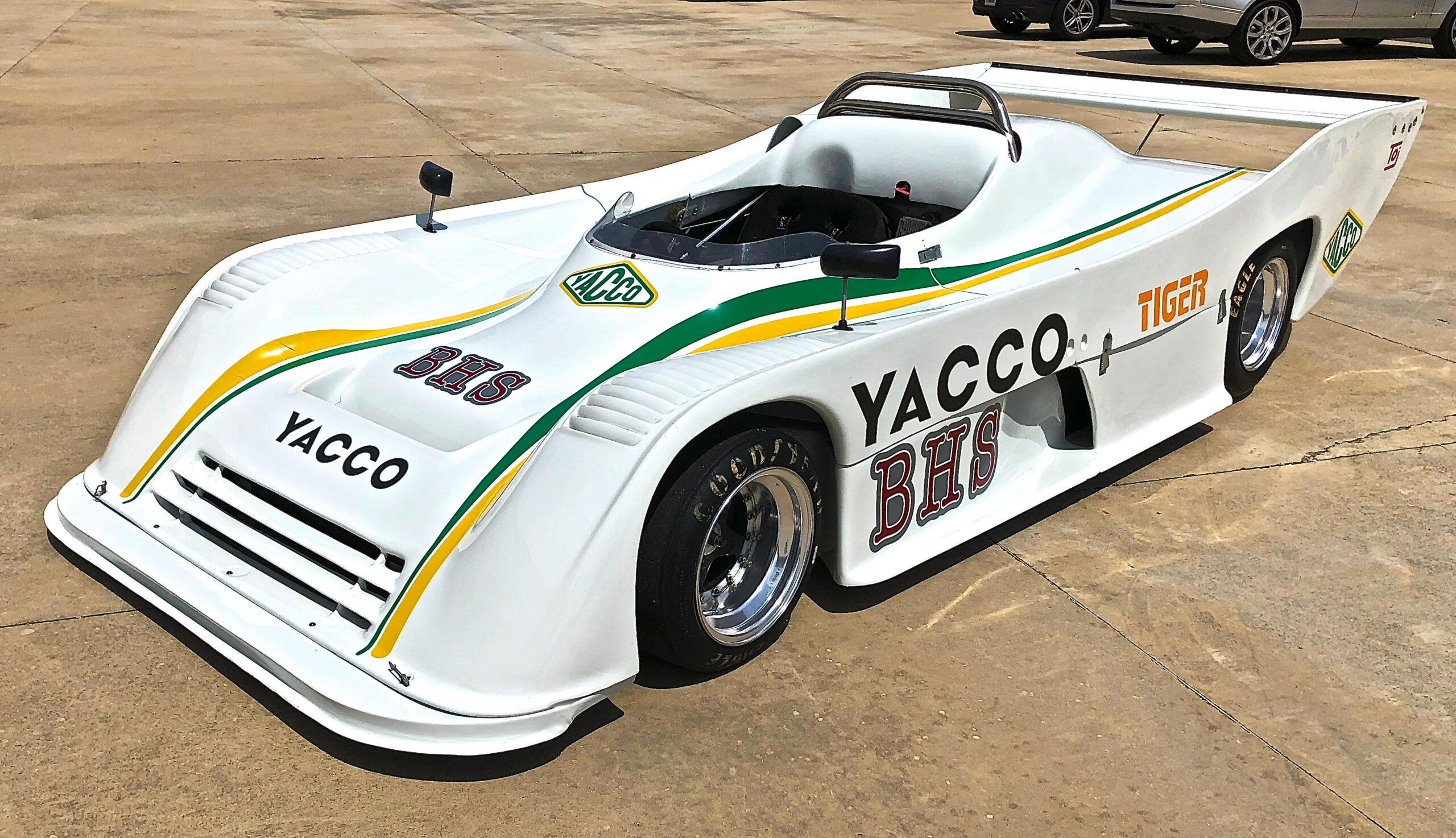
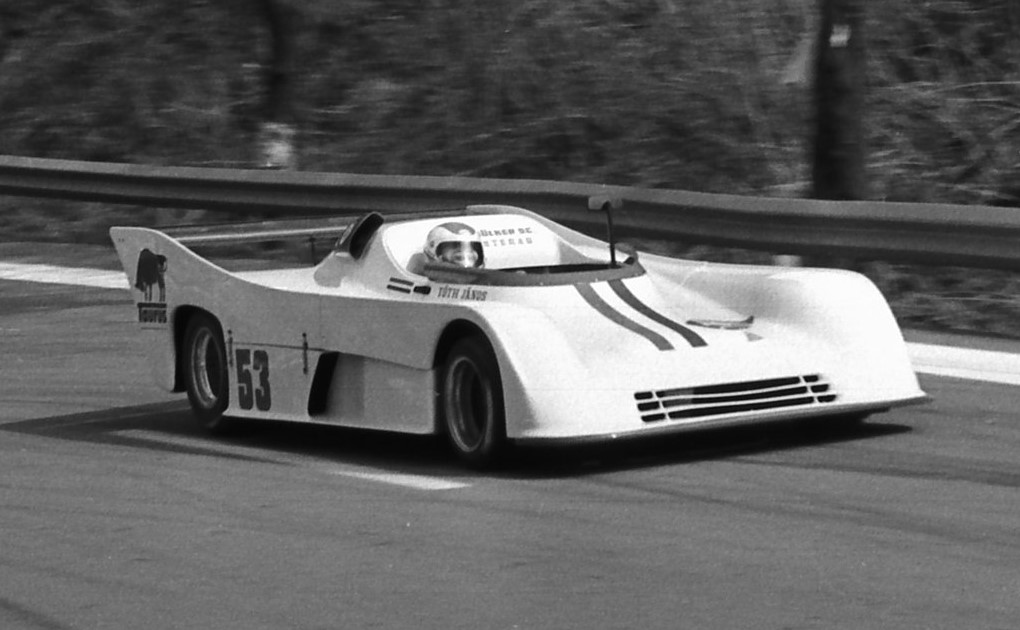
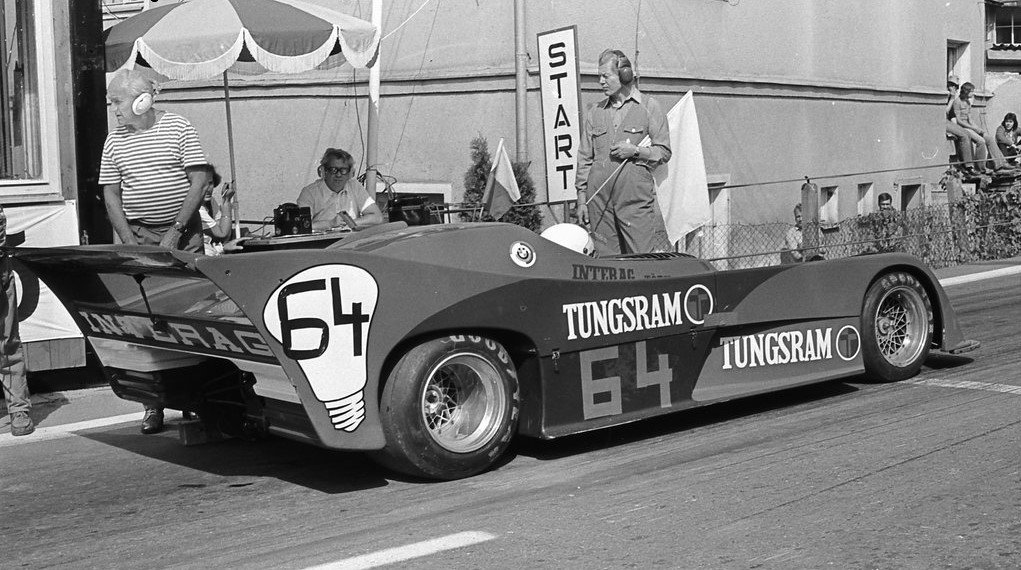
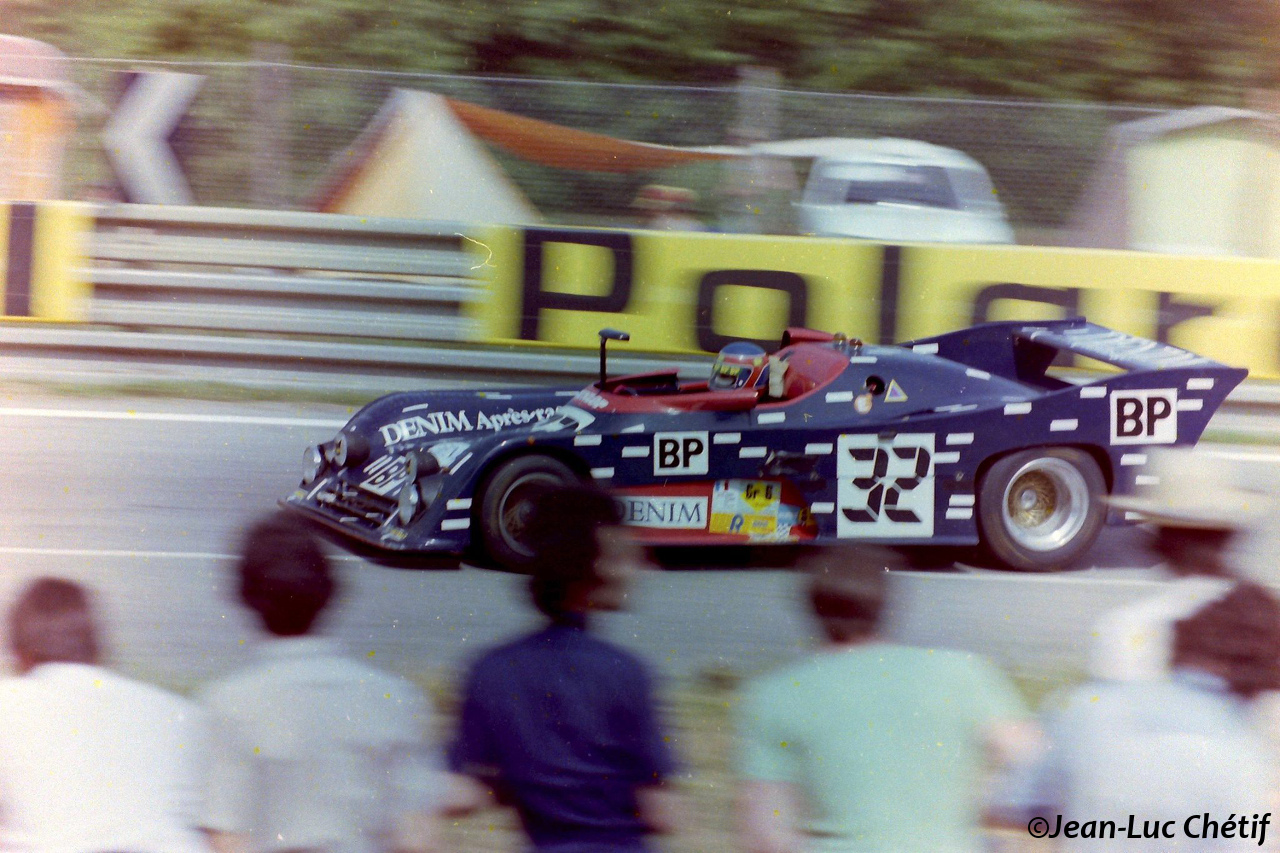
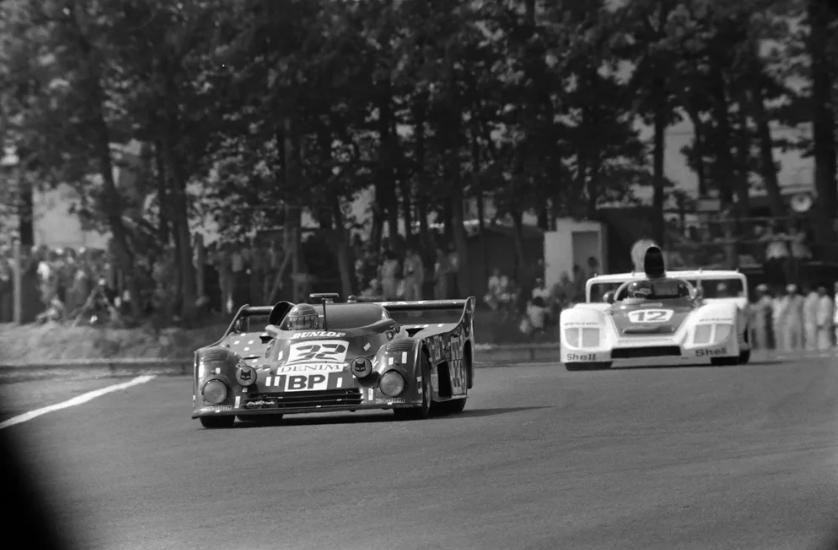
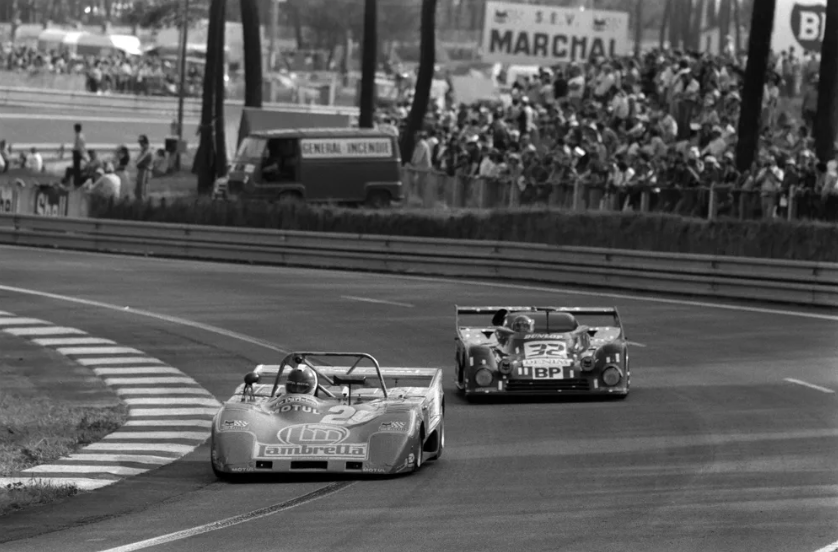
In the fiercely contested crucible of late-1970s European sports prototype racing, the 2.0-liter Group 6 category was an absolute hornet’s nest of independent ambition. While the public’s attention was often captured by the 3.0-liter titans or the monstrous turbocharged Group 5 silhouettes, the 2.0-liter class provided the most visceral, tightly packed, and technically diverse racing on the continent. It was here that British constructors like Lola and Chevron clashed relentlessly with Italian artisans such as Osella. Yet, emerging from Germany with fierce patriotic pride and formidable engineering was Team Obermoser Jörg (TOJ). Founded by driver and entrepreneur Jörg Obermoser, the firm had steadily refined its open-cockpit prototypes throughout the decade. By 1978, the evolutionary tree reached a magnificent peak with the TOJ SC206. Designed as the ultimate riposte to the Lola T297 and the Chevron B36, the SC206 abandoned the occasionally fragile engines of its predecessors in favor of a legendary Bavarian heart. It was a purpose-built, uncompromising track weapon that combined meticulous German chassis fabrication with the undisputed king of 2.0-liter racing engines: the BMW M12.
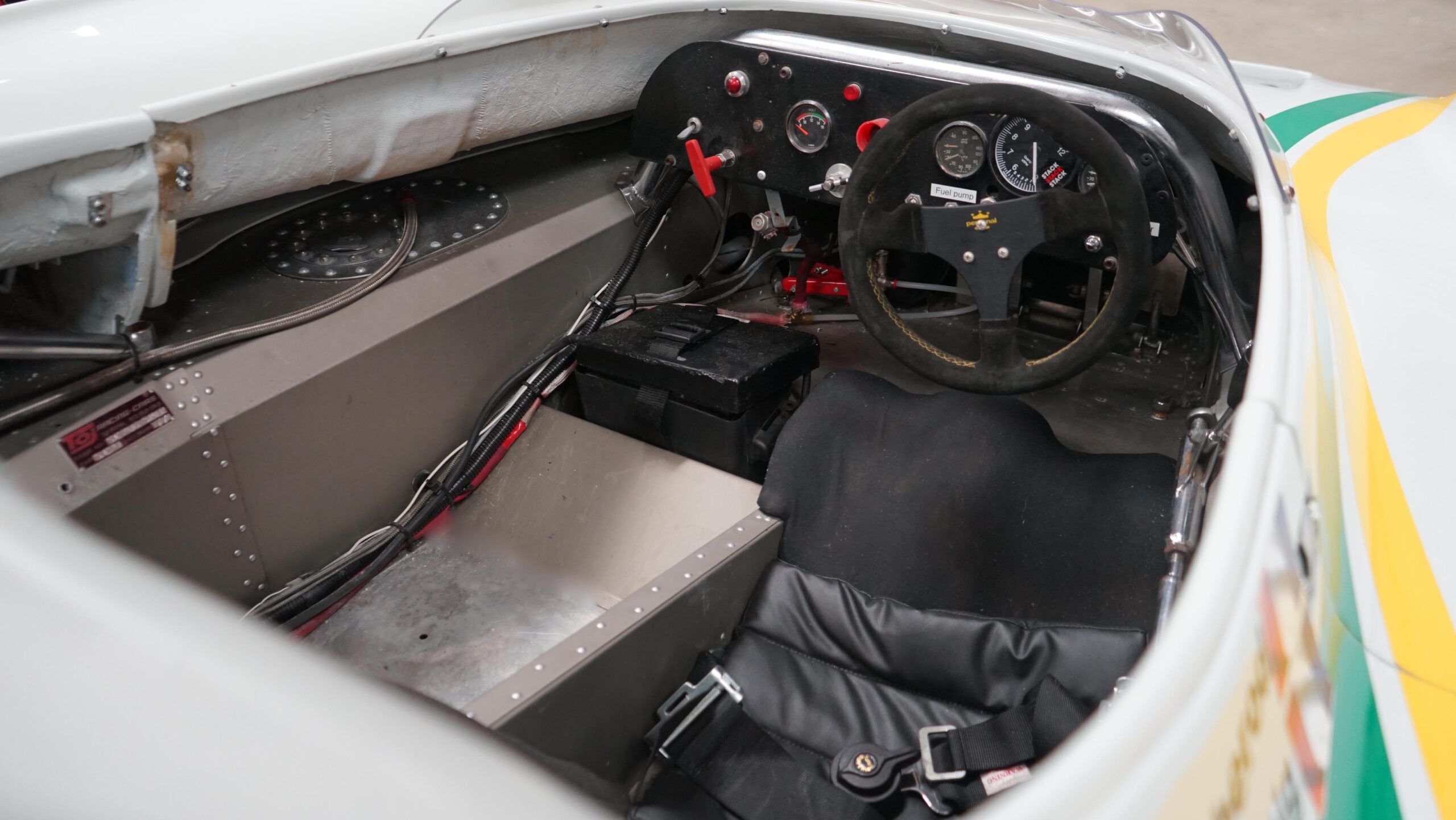
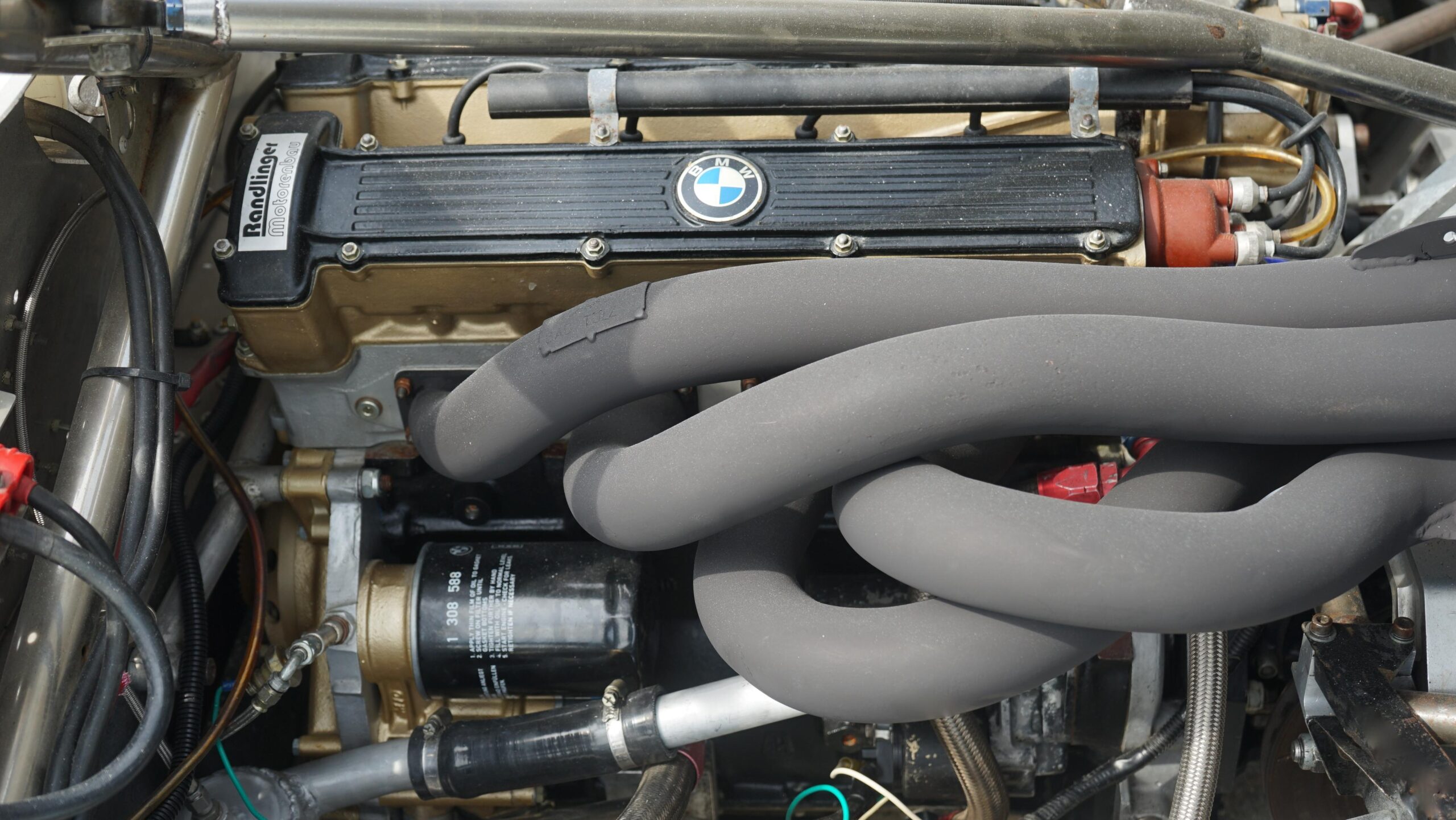
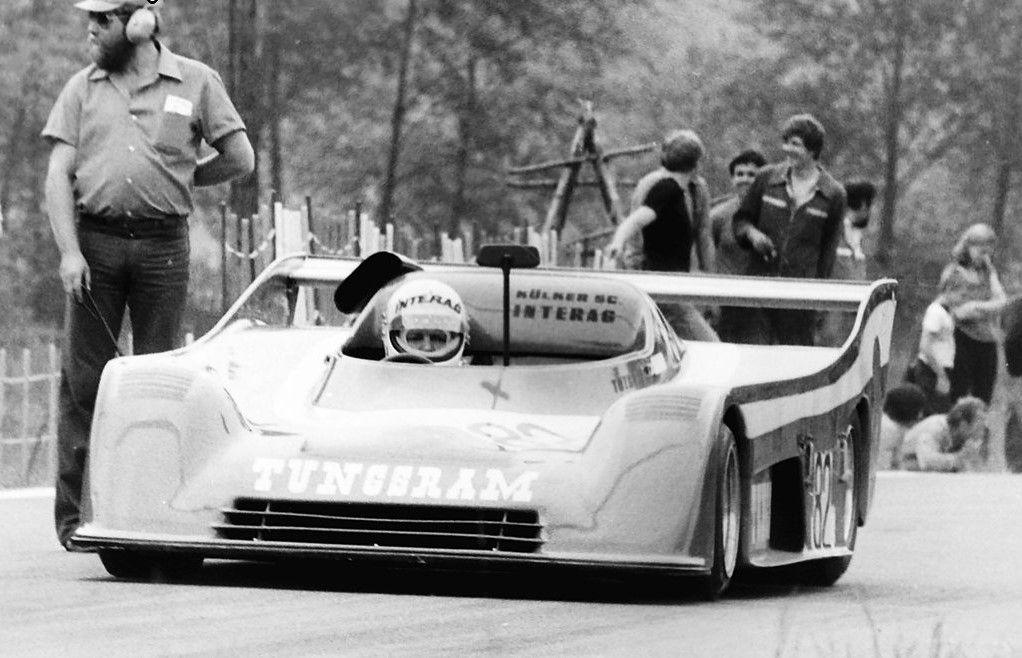
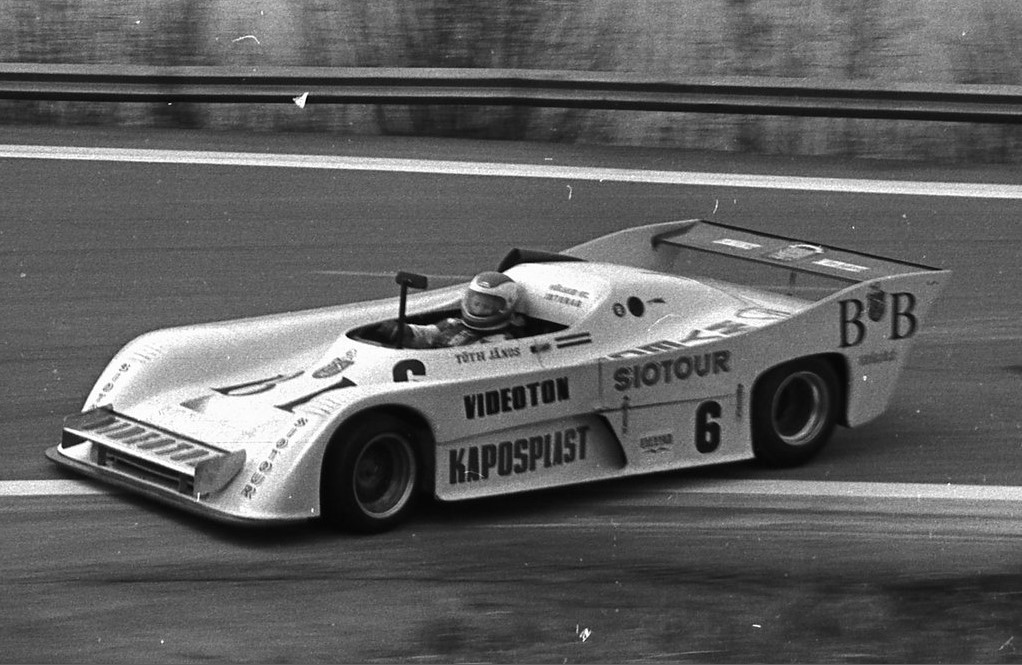
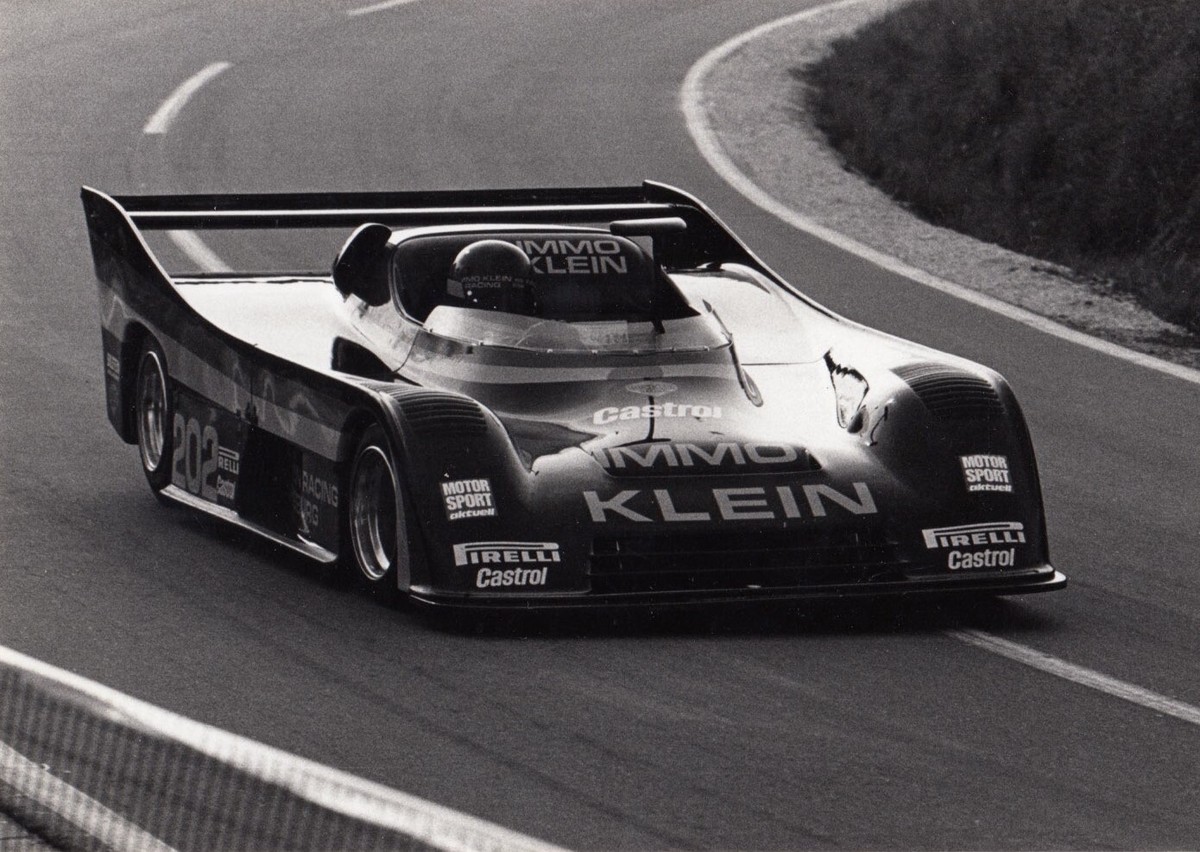
To strip away the sleek, wedge-shaped fiberglass bodywork of the SC206 is to witness a beautiful exercise in pragmatic, lightweight engineering. At its core lay an immensely stiff, folded aluminium monocoque, a significant structural evolution over the tubular spaceframes of earlier, cheaper prototypes. The exterior design was aggressively flat and low, featuring a chisel-like nose that directed air over the open cockpit, while a massive, adjustable rear wing hung off the back to provide essential high-speed stability. But the defining characteristic of this specific submodel was nestled longitudinally behind the driver’s firewall. The 2.0-liter BMW M12/7 inline-four was a masterpiece drafted by the legendary Paul Rosche. Originally developed for Formula 2, this 16-valve, twin-cam unit utilized Kugelfischer mechanical fuel injection to produce a staggering 300 brake horsepower. It was a highly strung, vibrating, and violently loud engine that shrieked all the way to a 9,000-rpm redline. Mated to a heavy-duty five-speed Hewland FT200 transaxle, the powertrain offered an intoxicating blend of instantaneous throttle response and bulletproof reliability. The suspension utilized a classic, fully adjustable double-wishbone setup at all four corners, allowing privateers to dial in the car perfectly for the disparate demands of European circuits. Stopping this featherweight, 600-kilogram missile relied on massive ventilated disc brakes from ATE or Lockheed, squeezed by four-pot calipers. The cockpit was an exercise in minimalist, analog functionality, featuring a tiny Momo steering wheel, a right-hand-drive seating position for clockwise circuits, and a cluster of vital VDO gauges to monitor the screaming Bavarian engine.
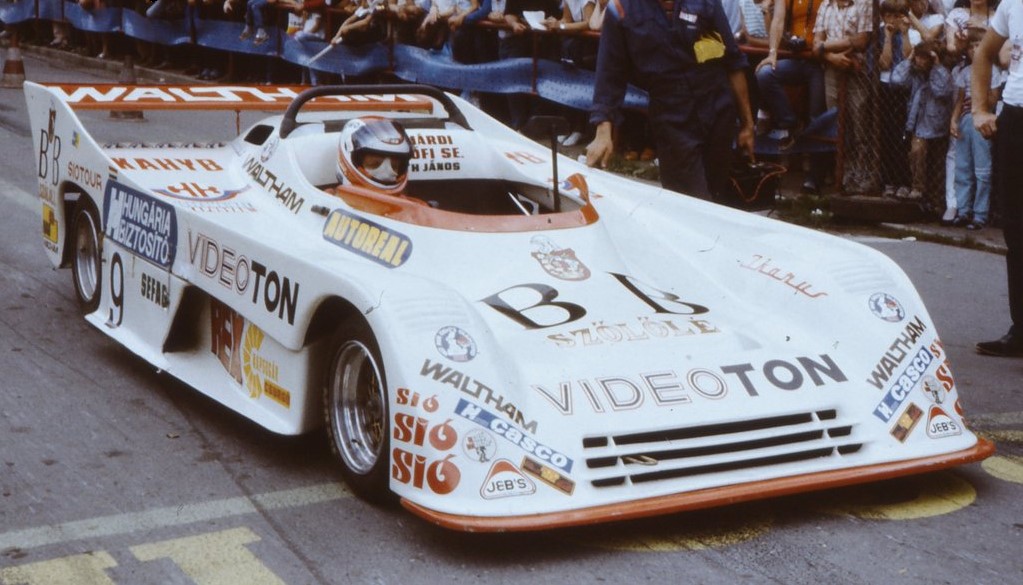
When the SC206 2.0 hit the tarmac, it immediately established itself as a lethal weapon in the hands of capable privateers. Competing primarily in the European 2-Litre Sportscar Championship, the German Deutsche Rennsport Meisterschaft (DRM), and the Interserie, the BMW-powered TOJ was a relentless giant-killer. In the tight, technical sections of tracks like Zolder or the twists of the Nürburgring, the SC206’s immense mechanical grip and the M12 engine’s explosive mid-range torque allowed it to out-accelerate heavier, more powerful machinery. Drivers like Jörg Obermoser himself, along with a cadre of dedicated European privateers, found the car to be incredibly communicative, albeit unforgiving if pushed past its aerodynamic limits. The marriage of the TOJ chassis with the BMW M12 engine cured the reliability woes that had occasionally plagued earlier models fitted with ROC or Ford powerplants, allowing the SC206 to consistently fight for class podiums and overall victories in domestic sprint races. It was a crowd favorite; draped in iconic liveries—often the striking gold of Warsteiner beer—the car’s arrival was always preceded by the unmistakable, ear-splitting metallic wail of the Paul Rosche-designed four-cylinder engine.
The legacy of the 1978 TOJ SC206 2.0 BMW M12 is deeply romantic, marking the glorious twilight of the traditional open-cockpit Group 6 era. As the 1970s closed, the aerodynamic revolution of ground effects and the impending dawn of the enclosed Group C and C2 regulations would soon render these wedge-shaped roadsters obsolete. Yet, the SC206 stands proudly as the zenith of TOJ’s 2.0-liter program, proving that a small, dedicated German garagiste could build a chassis capable of maximizing the potential of the era’s greatest racing engine.
Brand
Produced from
Portal
Vehicle category
Model generation
Predecessor
Sucessor
Submodel Overview
In the fiercely contested crucible of late-1970s European sports prototype racing, the 2.0-liter Group 6 category was an absolute hornet’s nest of independent ambition. While the public’s attention was often captured by the 3.0-liter titans or the monstrous turbocharged Group 5 silhouettes, the 2.0-liter class provided the most visceral, tightly packed, and technically diverse racing on the continent. It was here that British constructors like Lola and Chevron clashed relentlessly with Italian artisans such as Osella. Yet, emerging from Germany with fierce patriotic pride and formidable engineering was Team Obermoser Jörg (TOJ). Founded by driver and entrepreneur Jörg Obermoser, the firm had steadily refined its open-cockpit prototypes throughout the decade. By 1978, the evolutionary tree reached a magnificent peak with the TOJ SC206. Designed as the ultimate riposte to the Lola T297 and the Chevron B36, the SC206 abandoned the occasionally fragile engines of its predecessors in favor of a legendary Bavarian heart. It was a purpose-built, uncompromising track weapon that combined meticulous German chassis fabrication with the undisputed king of 2.0-liter racing engines: the BMW M12.
To strip away the sleek, wedge-shaped fiberglass bodywork of the SC206 is to witness a beautiful exercise in pragmatic, lightweight engineering. At its core lay an immensely stiff, folded aluminium monocoque, a significant structural evolution over the tubular spaceframes of earlier, cheaper prototypes. The exterior design was aggressively flat and low, featuring a chisel-like nose that directed air over the open cockpit, while a massive, adjustable rear wing hung off the back to provide essential high-speed stability. But the defining characteristic of this specific submodel was nestled longitudinally behind the driver’s firewall. The 2.0-liter BMW M12/7 inline-four was a masterpiece drafted by the legendary Paul Rosche. Originally developed for Formula 2, this 16-valve, twin-cam unit utilized Kugelfischer mechanical fuel injection to produce a staggering 300 brake horsepower. It was a highly strung, vibrating, and violently loud engine that shrieked all the way to a 9,000-rpm redline. Mated to a heavy-duty five-speed Hewland FT200 transaxle, the powertrain offered an intoxicating blend of instantaneous throttle response and bulletproof reliability. The suspension utilized a classic, fully adjustable double-wishbone setup at all four corners, allowing privateers to dial in the car perfectly for the disparate demands of European circuits. Stopping this featherweight, 600-kilogram missile relied on massive ventilated disc brakes from ATE or Lockheed, squeezed by four-pot calipers. The cockpit was an exercise in minimalist, analog functionality, featuring a tiny Momo steering wheel, a right-hand-drive seating position for clockwise circuits, and a cluster of vital VDO gauges to monitor the screaming Bavarian engine.
When the SC206 2.0 hit the tarmac, it immediately established itself as a lethal weapon in the hands of capable privateers. Competing primarily in the European 2-Litre Sportscar Championship, the German Deutsche Rennsport Meisterschaft (DRM), and the Interserie, the BMW-powered TOJ was a relentless giant-killer. In the tight, technical sections of tracks like Zolder or the twists of the Nürburgring, the SC206’s immense mechanical grip and the M12 engine’s explosive mid-range torque allowed it to out-accelerate heavier, more powerful machinery. Drivers like Jörg Obermoser himself, along with a cadre of dedicated European privateers, found the car to be incredibly communicative, albeit unforgiving if pushed past its aerodynamic limits. The marriage of the TOJ chassis with the BMW M12 engine cured the reliability woes that had occasionally plagued earlier models fitted with ROC or Ford powerplants, allowing the SC206 to consistently fight for class podiums and overall victories in domestic sprint races. It was a crowd favorite; draped in iconic liveries—often the striking gold of Warsteiner beer—the car’s arrival was always preceded by the unmistakable, ear-splitting metallic wail of the Paul Rosche-designed four-cylinder engine.
The legacy of the 1978 TOJ SC206 2.0 BMW M12 is deeply romantic, marking the glorious twilight of the traditional open-cockpit Group 6 era. As the 1970s closed, the aerodynamic revolution of ground effects and the impending dawn of the enclosed Group C and C2 regulations would soon render these wedge-shaped roadsters obsolete. Yet, the SC206 stands proudly as the zenith of TOJ’s 2.0-liter program, proving that a small, dedicated German garagiste could build a chassis capable of maximizing the potential of the era’s greatest racing engine.
Tech Specs
Technical Specifications
Tech Specs
Technical Specifications
Engine
01
03
Internal combustion engine
Configuration
BMW M12/7, Inline-4
Location
Mid, longitudinally mounted
Construction
Cast iron block and Aluminium alloy head
Displacement (cc)
1,990 cc
Displacement (cu in)
121.4 cu in
Compression
11.5:1
Bore x Stroke
89.2 mm x 80.0 mm
Valvetrain
4 valves per cylinder, DOHC
Fuel feed
Kugelfischer mechanical fuel injection
Lubrication
Dry sump
Aspiration
Naturally aspirated
Output
Power (hp)
~315 hp
Power (kW)
~235 kW
Max power at
9,200 RPM
Torque (Nm)
~260 Nm
Torque (ft lbs)
~192 ft lbs
Max torque at
6,800 RPM
Drivetrain
02
03
Chassis
Type
Monocoque unibody
Material
Aluminium sheet
Body
Material
Fibreglass reinforced plastic
Transmission
Gearbox
Hewland FT200, 5-speed manual transaxle
Drive
Rear Wheel Drive (Limited Slip Differential)
Suspension
Front
Independent, double wishbones, coil springs over telescopic dampers, anti-roll bar
Rear
Independent, double wishbones, coil springs over telescopic dampers, anti-roll bar
Steering
Type
Rack and pinion, unassisted
Brakes
Front
Ventilated steel discs, 4-piston aluminium calipers
Rear
Ventilated steel discs, 4-piston aluminium calipers
Wheels
Front
10" x 13" (Cast magnesium alloy)
Rear
14" x 13" (Cast magnesium alloy)
Tires
Front
-
Rear
-
Dimensions and performance
03
03
Dimensions
Length (mm)
~4,100 mm
Length (in)
~161.4 in
Width (mm)
~1,950 mm
Width (in)
~76.8 in
Height (mm)
~950 mm
Height (in)
~37.4 in
Wheelbase (mm)
~2,400 mm
Wheelbase (in)
~94.5 in
Weight (kg)
~590 kg
Weight (lbs)
~1,300 lbs
Performance
Power to weight
~0.53 hp/kg
Top speed (km/h)
~275 km/h
Top speed (mph)
~171 mph
0-100 km/h (0-60 mph)
~3.5 s