
TOJ SC304 3.0 Ford Cosworth DFV
Submodel Overview
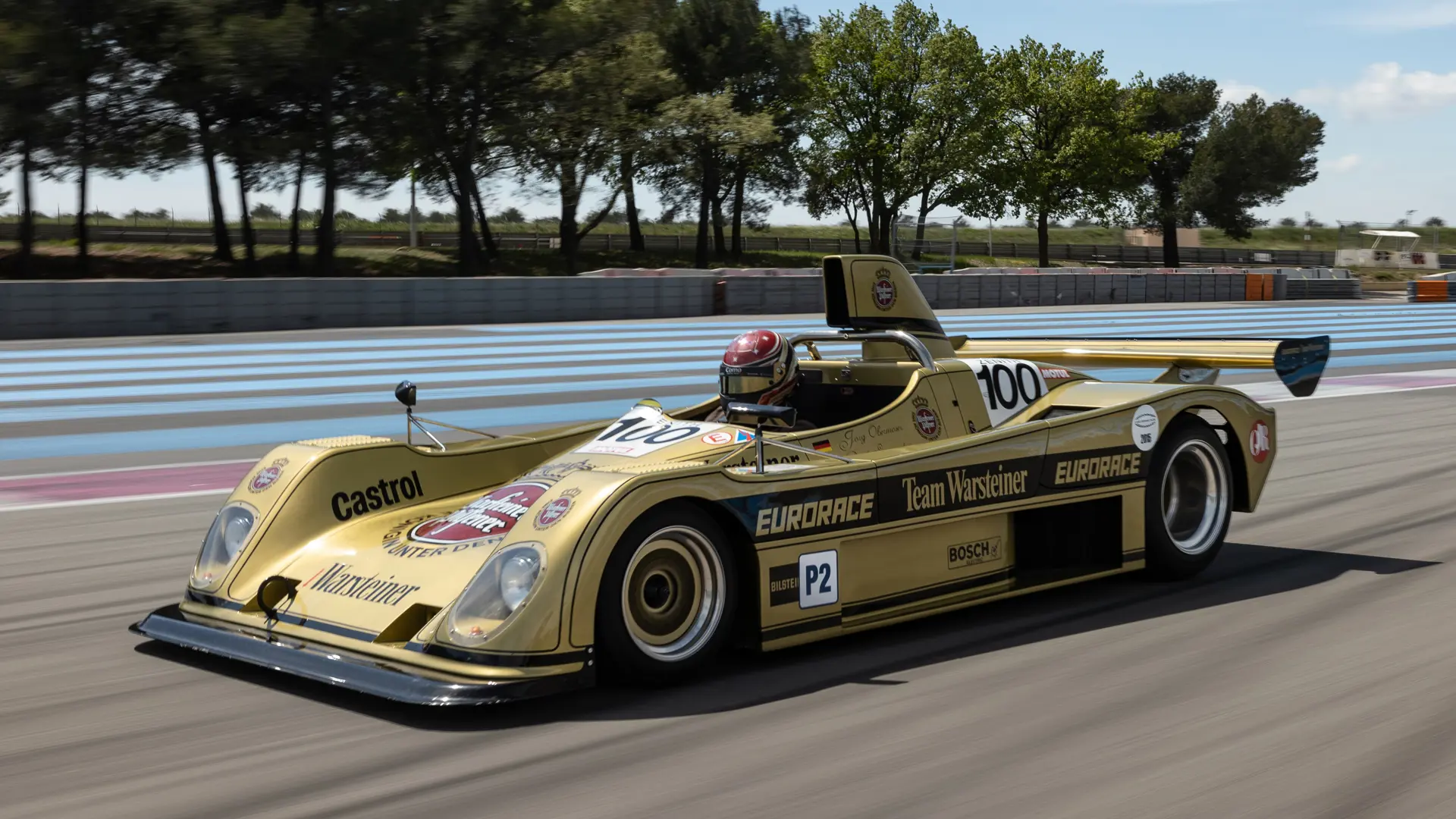
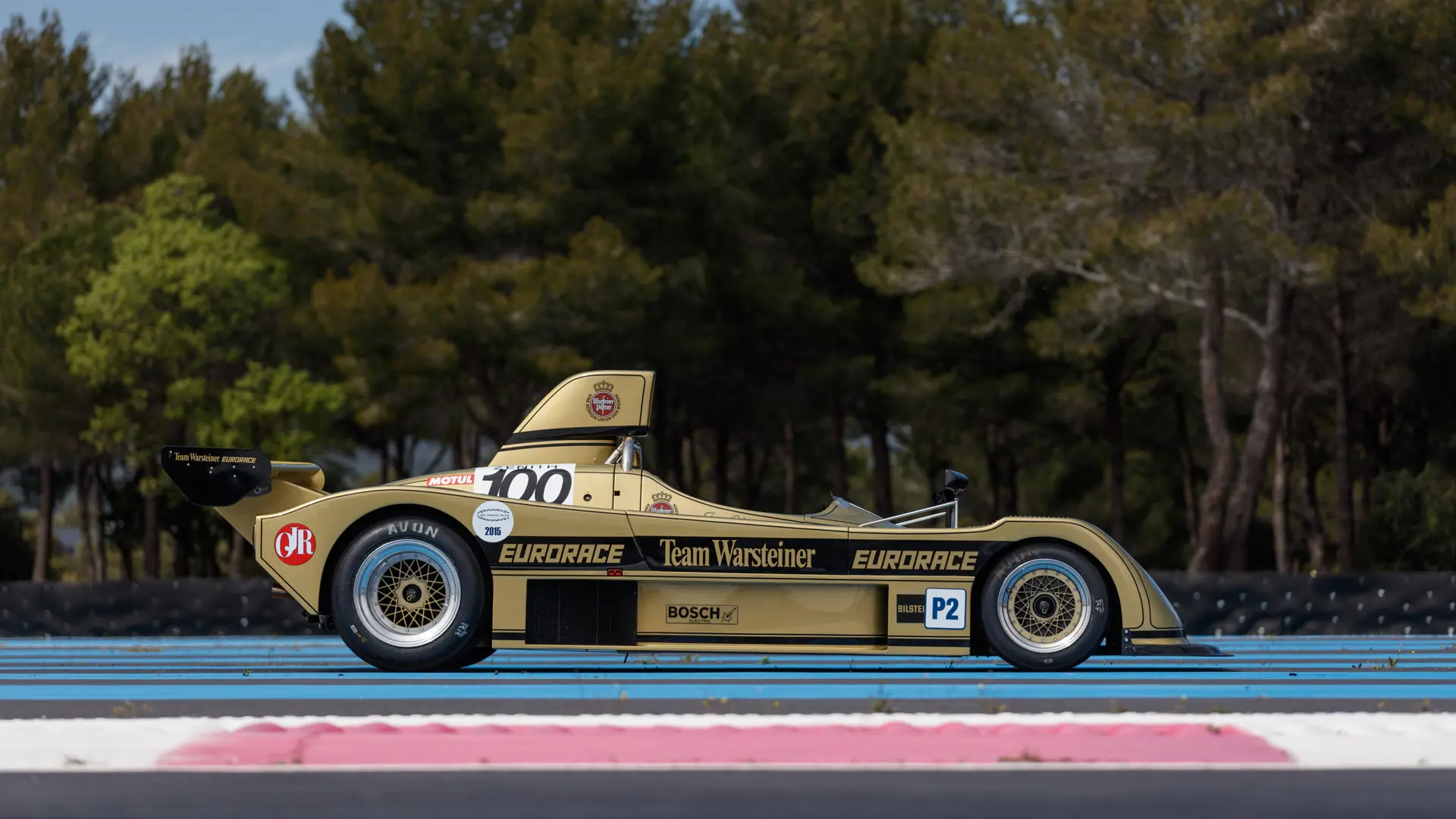
In the mid-1970s, the World Sportscar Championship was a landscape of transition and raw ambition. The era of the monstrous 5.0-liter giants had passed, replaced by the nimble 3.0-liter sports-prototypes that prioritized agility and engineering finesse. While the headlines were often dominated by the works efforts of Alfa Romeo with the T33 and the burgeoning dominance of the Renault-Alpine turbocharged project, a small, fiercely determined team from Germany was carving out a reputation for punching well above its weight. Team Obermoser Jörg, better known by the acronym TOJ, was the brainchild of racing driver and entrepreneur Jörg Obermoser. After finding success in the smaller displacement classes with the SC03, Obermoser set his sights on the premier category. The result was the 1976 TOJ SC304, a machine that perfectly encapsulated the “garagiste” spirit of the decade—a car built to take on the world’s greatest manufacturers using the most lethal engine of the era: the Ford Cosworth DFV. It was the quintessential German underdog, stepping into a ring filled with the Lola T286, the March 75S, and the ubiquitous Mirage-Ford.
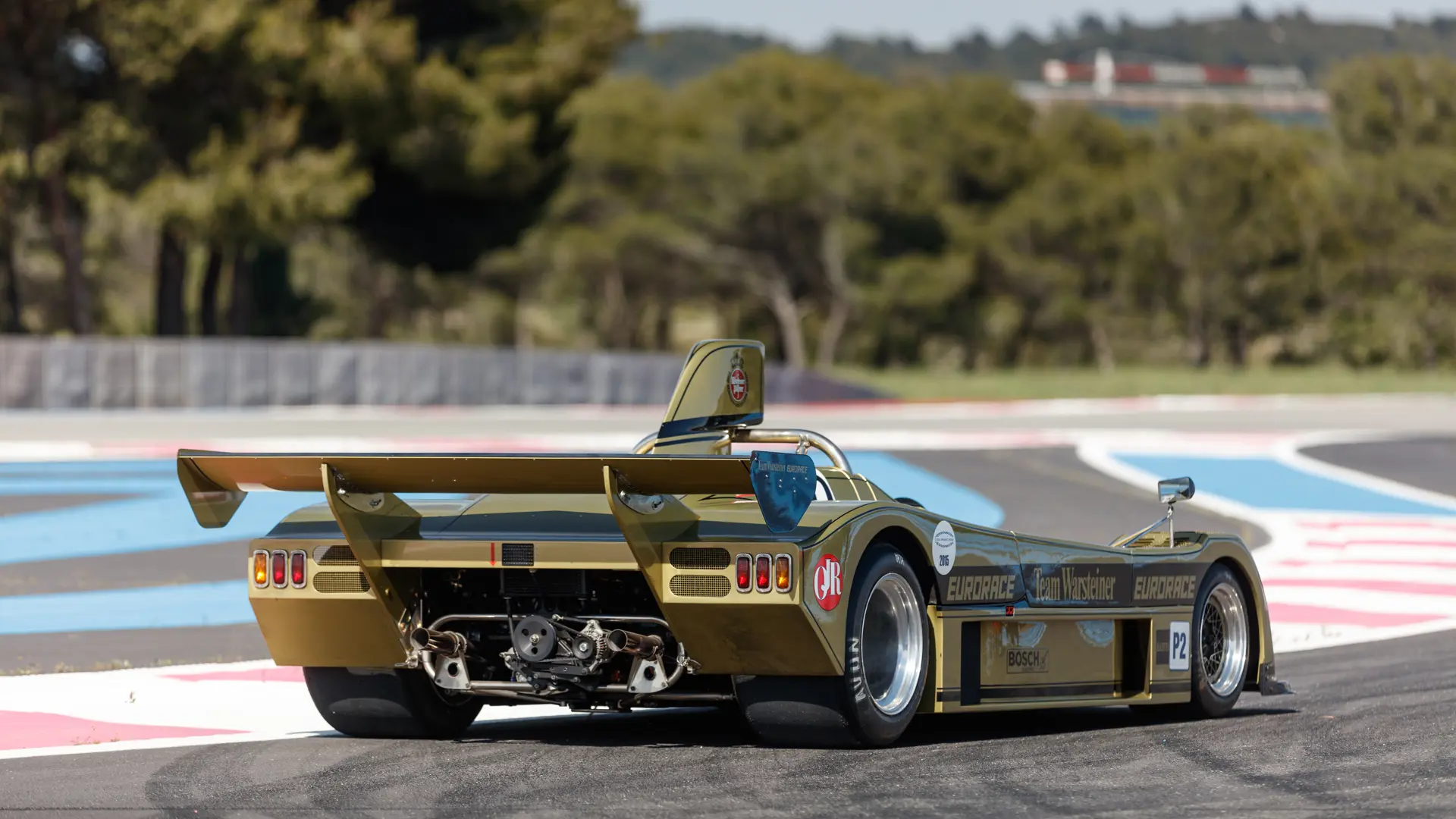
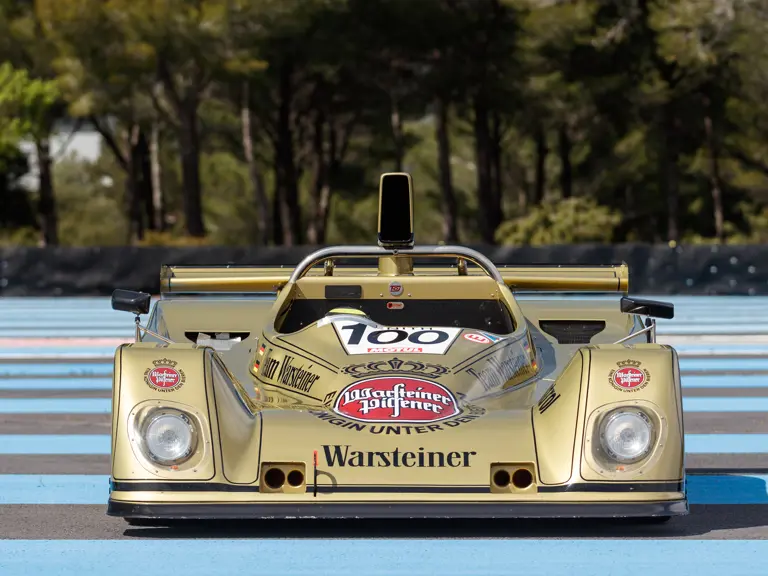
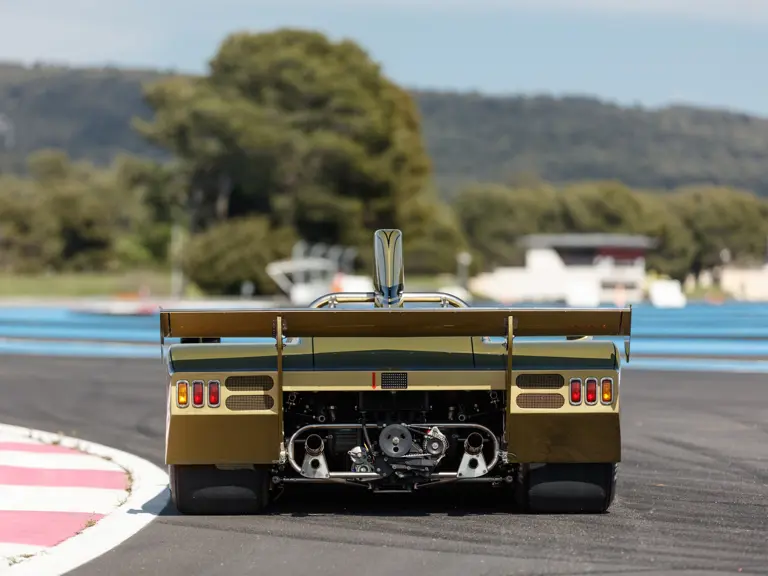
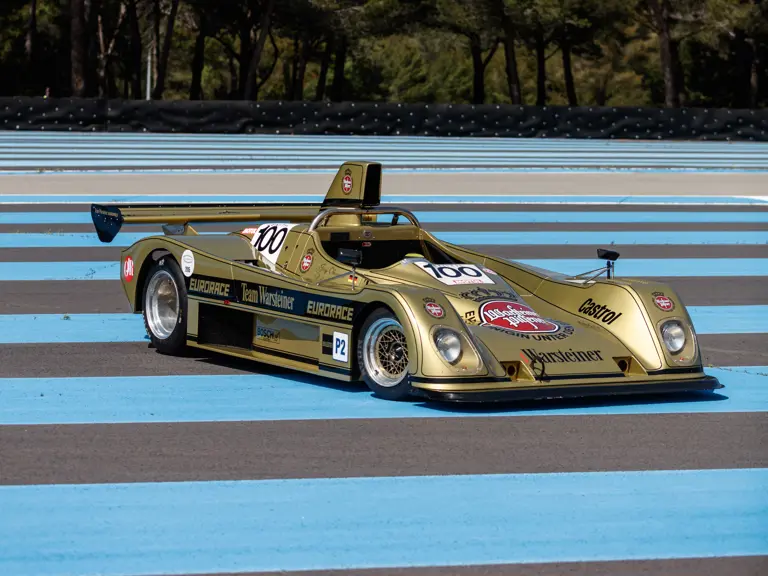
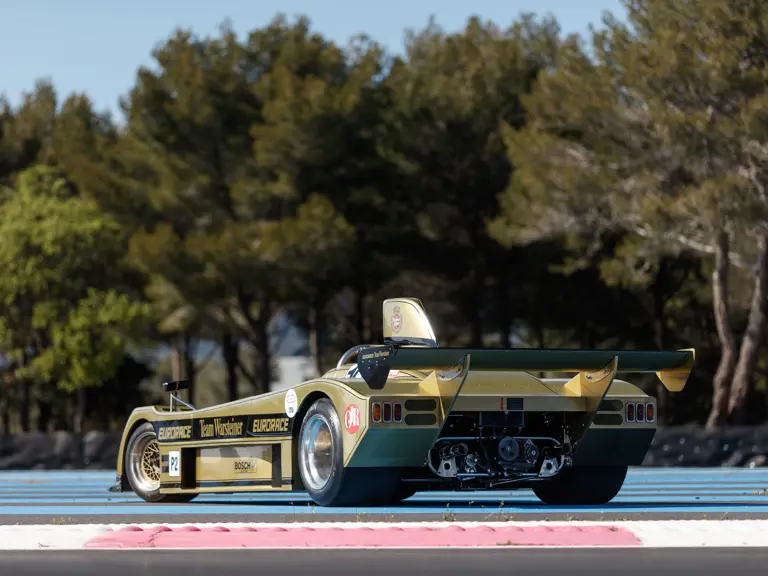
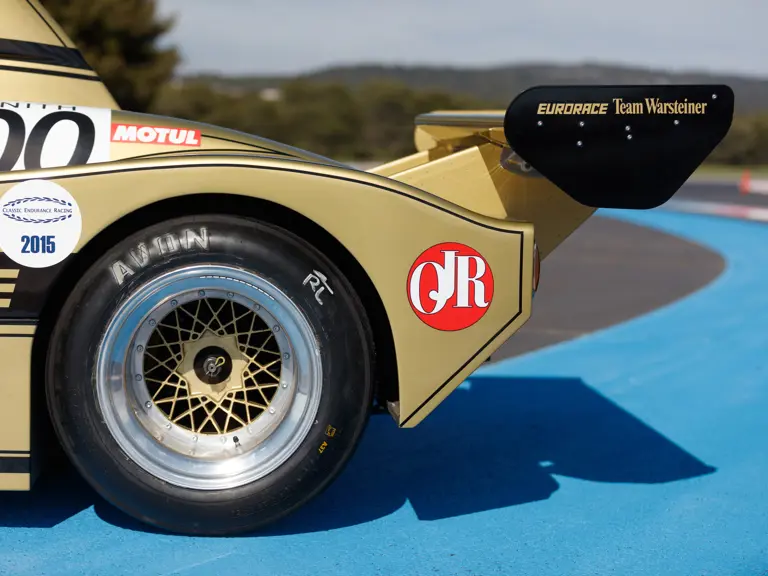
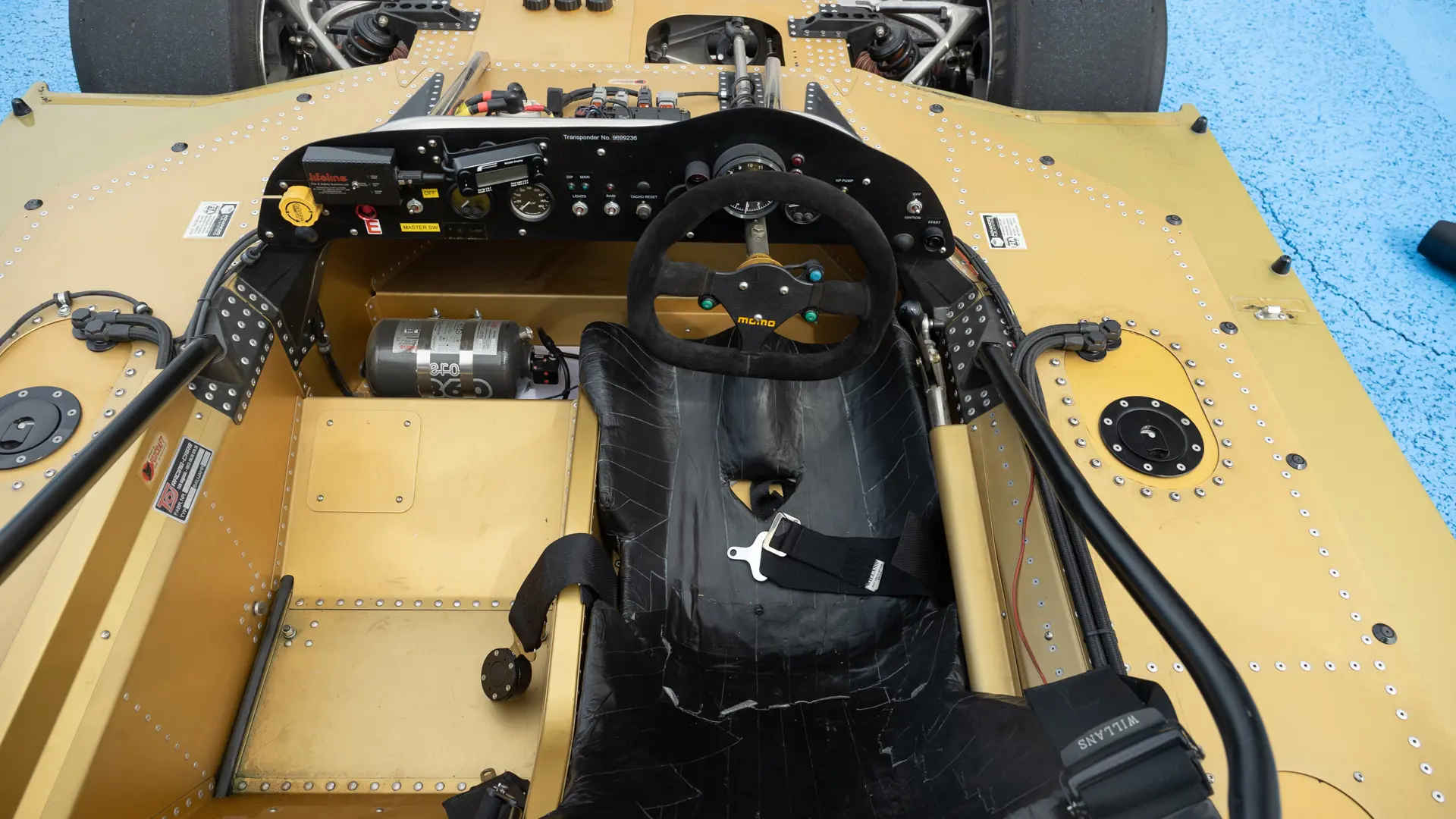
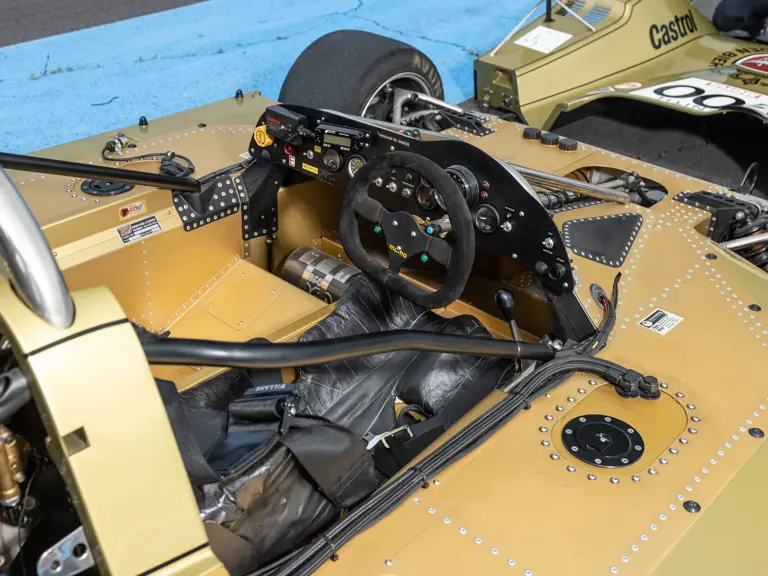
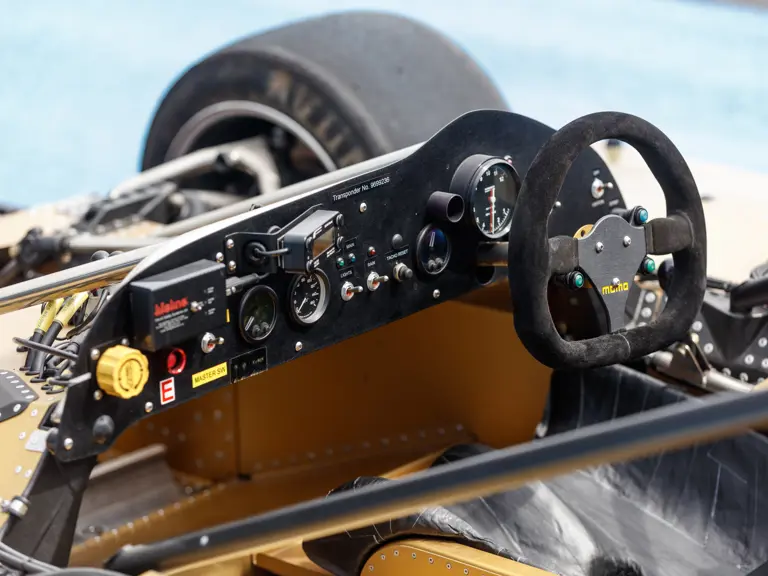
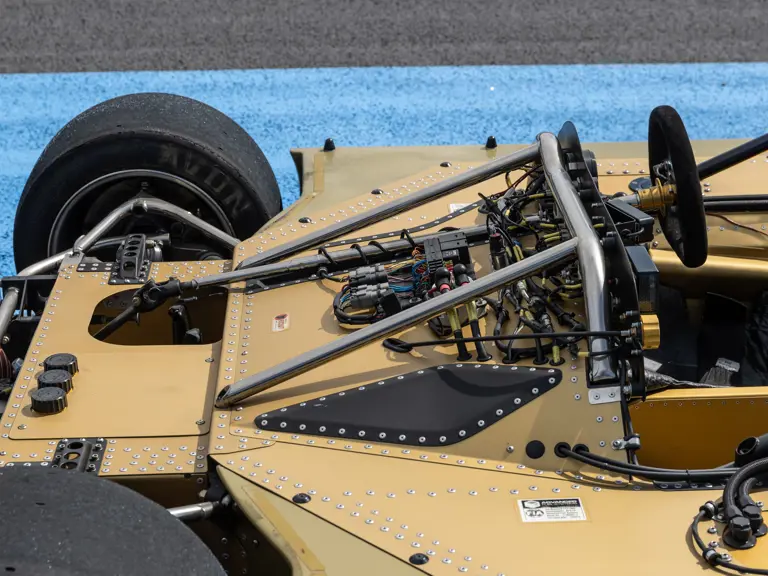
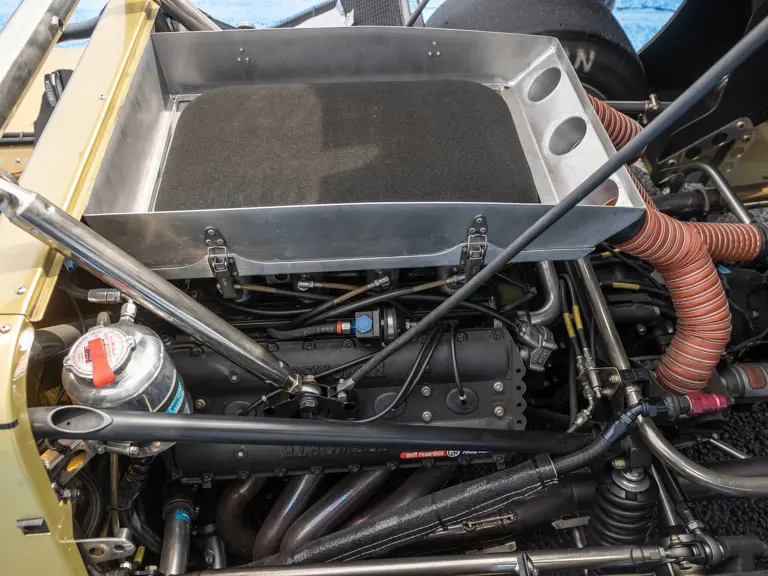
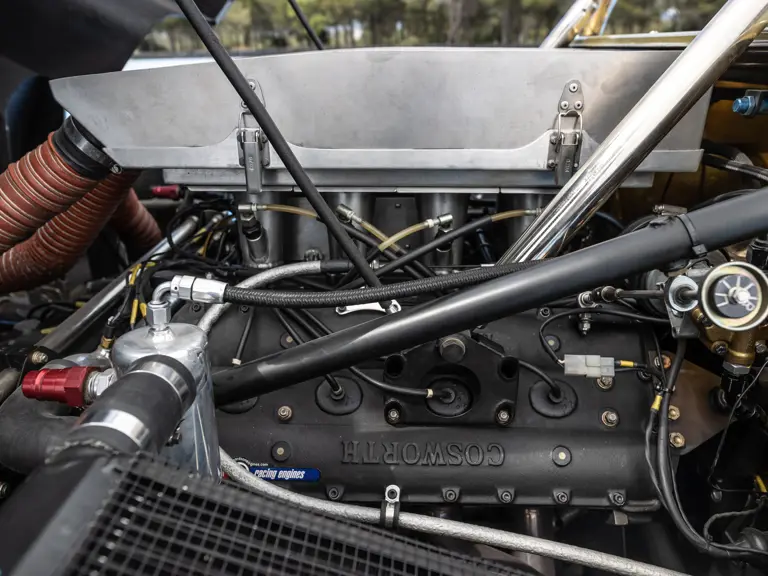
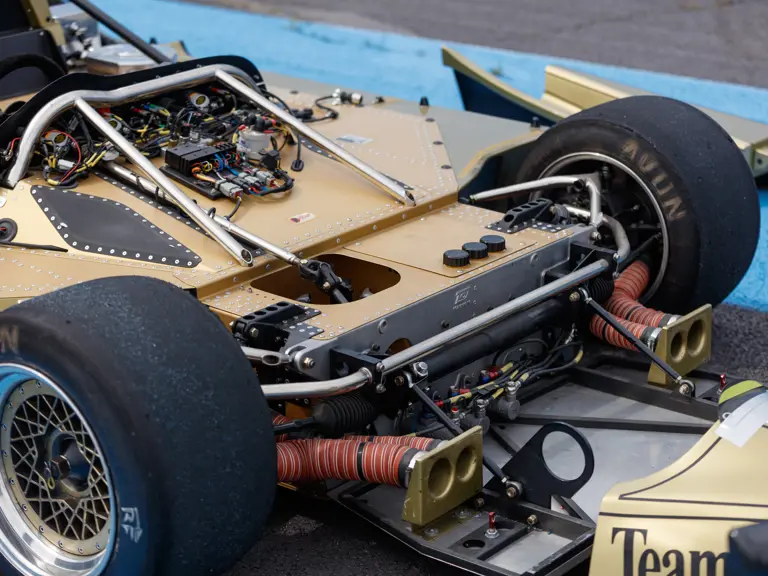
Technically, the TOJ SC304 was a masterclass in pragmatic, high-performance architecture. Built around a lightweight and remarkably rigid aluminium monocoque, the SC304 was designed to be as slippery as possible. Its fiberglass bodywork was a low-slung, wedge-shaped affair, featuring a broad, flat nose and a towering rear wing designed to keep the car pinned through the high-speed sweepers of the Osterreichring or the Nürburgring. But the true soul of the SC304 resided behind the driver’s head. TOJ opted for the legendary 3.0-liter Ford Cosworth DFV V8. By 1976, the DFV was the undisputed king of Formula 1, and in sports-prototype trim, it was a screaming, vibrating heart of pure mechanical violence. Producing roughly 445 brake horsepower, the DFV transformed the featherweight TOJ into a 290 km/h (180-mph) missile. This power was managed through a five-speed Hewland DG400 manual transaxle, a unit renowned for its robust nature in endurance racing. The suspension utilized a classic double-wishbone setup at the front and a multi-link arrangement at the rear, allowing for the precise tuning required for the vastly different circuits of the European season. Braking was entrusted to massive ventilated Lockheed discs, which were essential for hauling the car down from speed at the end of the long Mulsanne Straight.
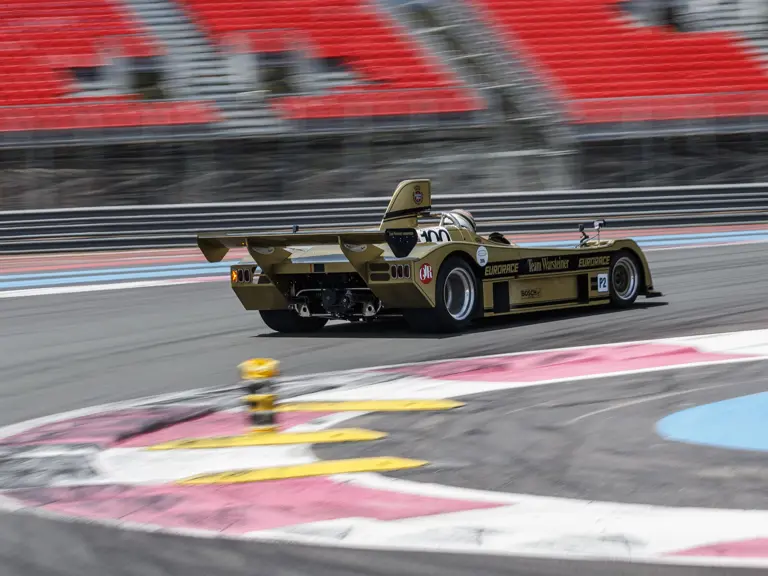
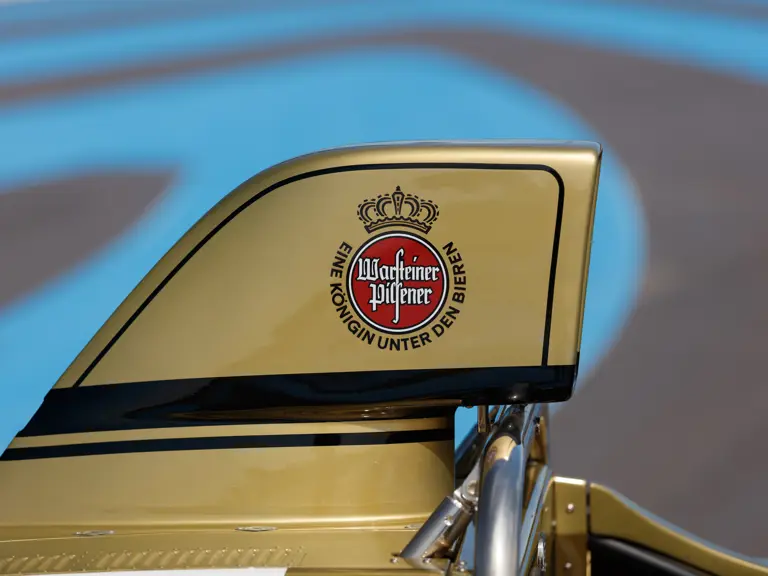
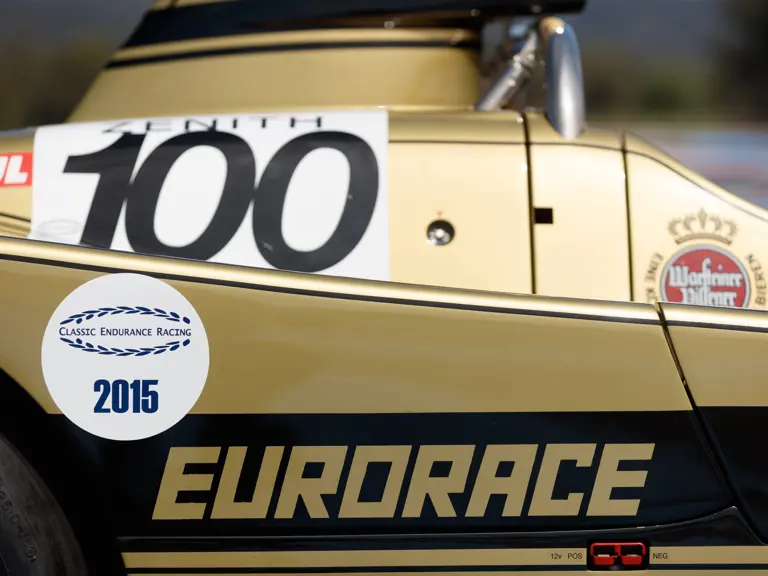
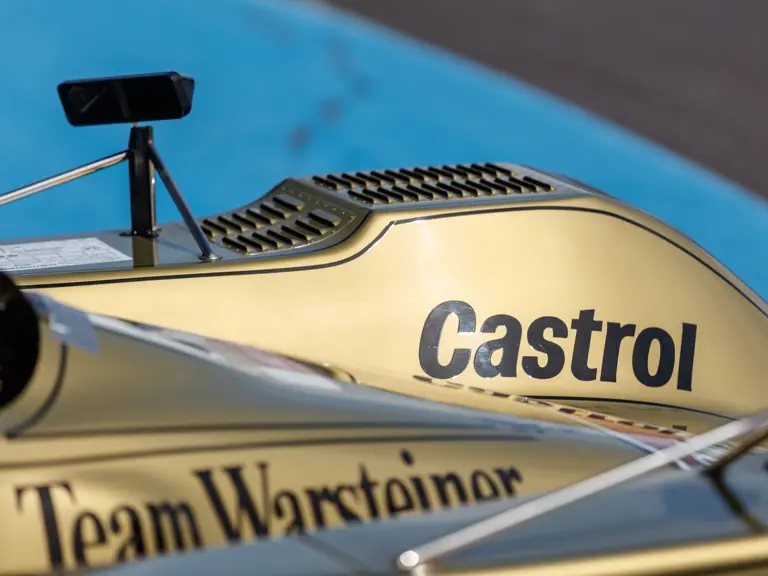
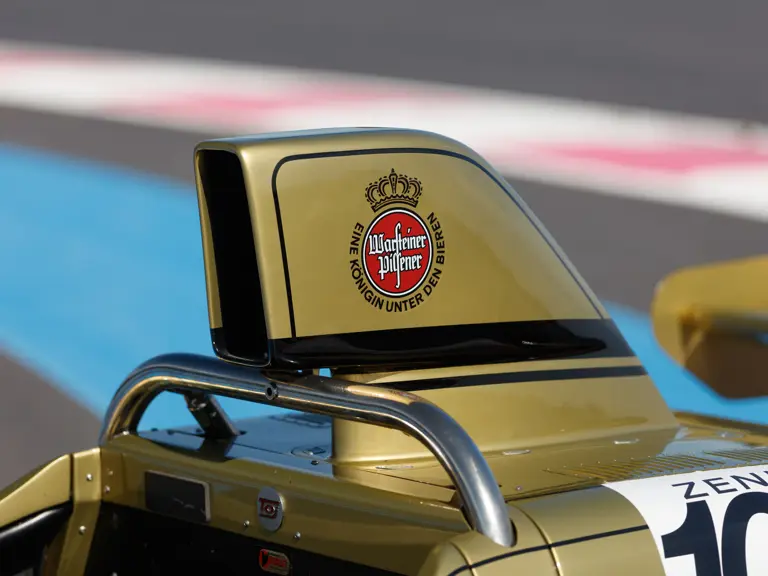
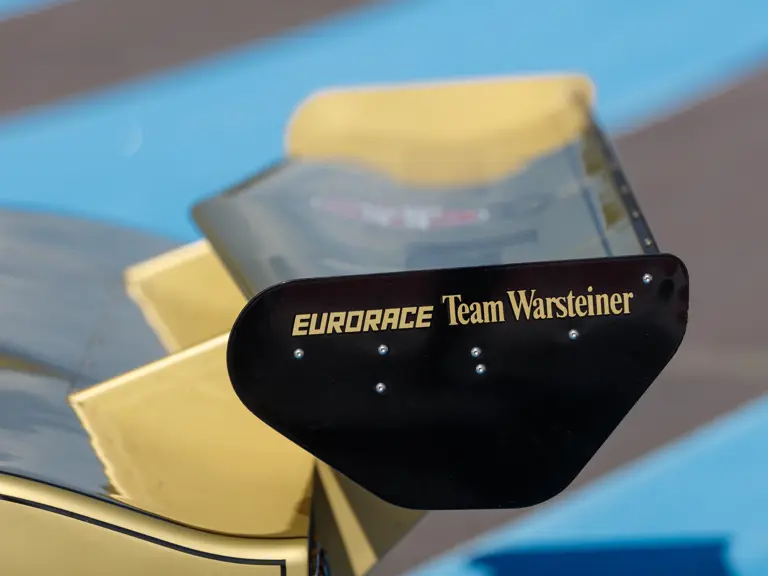
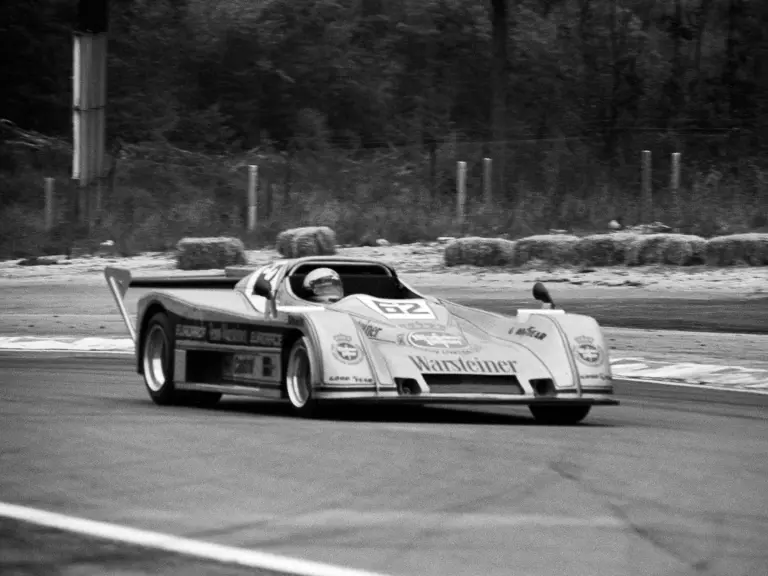
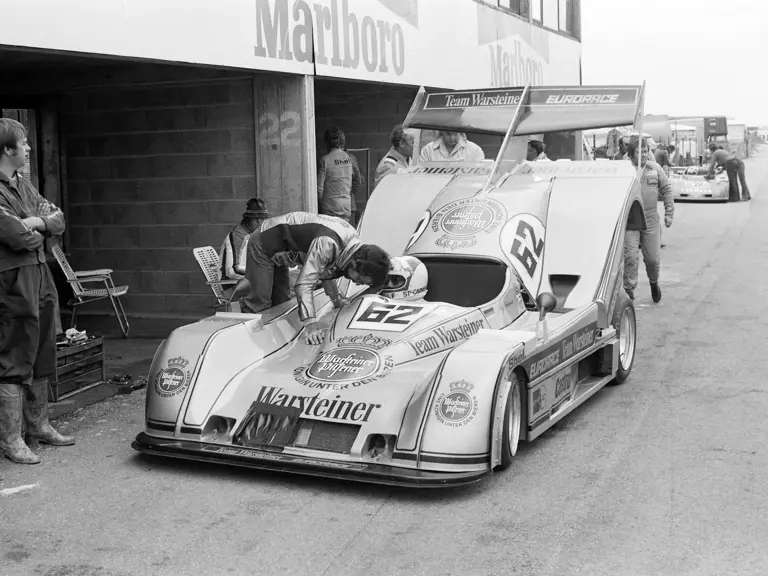
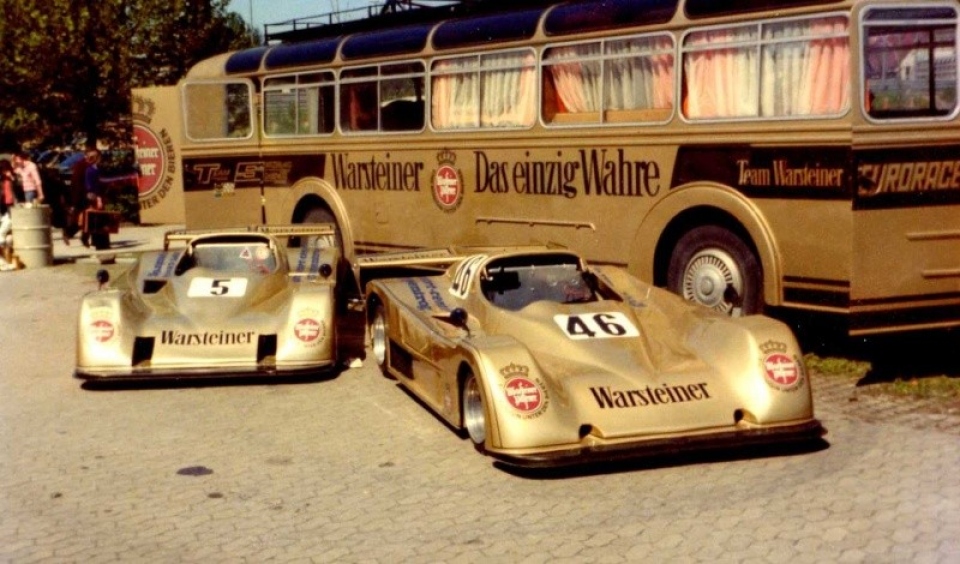
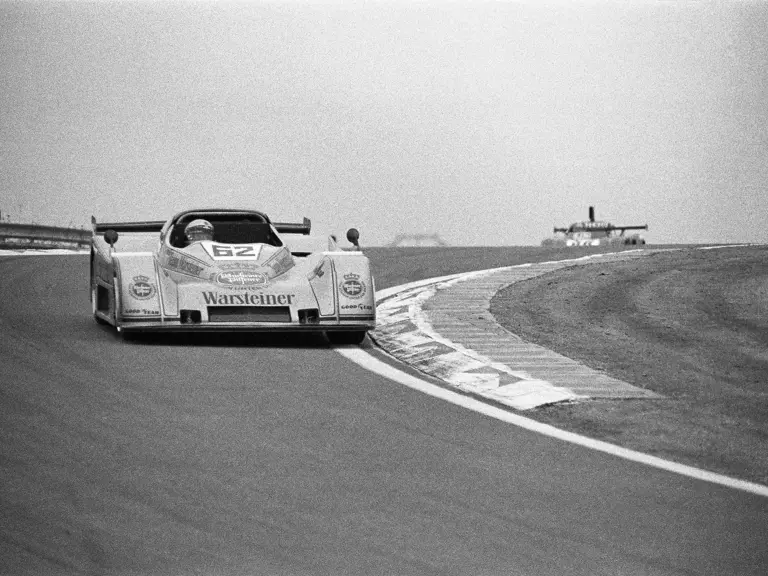
The racing history of the TOJ SC304 is a narrative of grit and occasional brilliance. Draped in the iconic gold livery of Warsteiner—a partnership that would become legendary in German motorsport—the SC304 became a fan favorite. In the hands of Jörg Obermoser himself, along with talented pilots like Rolf Stommelen and the versatile Derek Bell, the SC304 proved to be an exceptionally fast qualifier. Its defining moment of the 1976 season came at the 1000km of Nürburgring. On the most demanding circuit on earth, the TOJ demonstrated that it wasn’t just a straight-line sprinter; it was a balanced, communicative racer that could dance through the Eifel mountains. While it often struggled with the ultimate budget to match the factory Renaults or Alfas over a full season, the SC304 was a constant threat for podium finishes and a dominant force in the Interserie championship. It was a car that represented the peak of the privateer’s art—a German chassis, a British heart, and the audacity to challenge the titans of the sport.
The legacy of the 1976 TOJ SC304 3.0 Ford Cosworth DFV is that of a defiant, high-revving survivor. It remains one of the most beautiful and technically interesting sports-prototypes of the mid-70s, a testament to what a small, dedicated team could achieve before the Group C era brought about a massive increase in complexity and cost. After the SC304, TOJ continued to develop chassis, including the SC305 and SC306, but the ’76 car remains the purest expression of Obermoser’s vision.
Brand
Produced from
Portal
Vehicle category
Model generation
Predecessor
Sucessor
Submodel Overview
In the mid-1970s, the World Sportscar Championship was a landscape of transition and raw ambition. The era of the monstrous 5.0-liter giants had passed, replaced by the nimble 3.0-liter sports-prototypes that prioritized agility and engineering finesse. While the headlines were often dominated by the works efforts of Alfa Romeo with the T33 and the burgeoning dominance of the Renault-Alpine turbocharged project, a small, fiercely determined team from Germany was carving out a reputation for punching well above its weight. Team Obermoser Jörg, better known by the acronym TOJ, was the brainchild of racing driver and entrepreneur Jörg Obermoser. After finding success in the smaller displacement classes with the SC03, Obermoser set his sights on the premier category. The result was the 1976 TOJ SC304, a machine that perfectly encapsulated the “garagiste” spirit of the decade—a car built to take on the world’s greatest manufacturers using the most lethal engine of the era: the Ford Cosworth DFV. It was the quintessential German underdog, stepping into a ring filled with the Lola T286, the March 75S, and the ubiquitous Mirage-Ford.
Technically, the TOJ SC304 was a masterclass in pragmatic, high-performance architecture. Built around a lightweight and remarkably rigid aluminium monocoque, the SC304 was designed to be as slippery as possible. Its fiberglass bodywork was a low-slung, wedge-shaped affair, featuring a broad, flat nose and a towering rear wing designed to keep the car pinned through the high-speed sweepers of the Osterreichring or the Nürburgring. But the true soul of the SC304 resided behind the driver’s head. TOJ opted for the legendary 3.0-liter Ford Cosworth DFV V8. By 1976, the DFV was the undisputed king of Formula 1, and in sports-prototype trim, it was a screaming, vibrating heart of pure mechanical violence. Producing roughly 445 brake horsepower, the DFV transformed the featherweight TOJ into a 290 km/h (180-mph) missile. This power was managed through a five-speed Hewland DG400 manual transaxle, a unit renowned for its robust nature in endurance racing. The suspension utilized a classic double-wishbone setup at the front and a multi-link arrangement at the rear, allowing for the precise tuning required for the vastly different circuits of the European season. Braking was entrusted to massive ventilated Lockheed discs, which were essential for hauling the car down from speed at the end of the long Mulsanne Straight.
The racing history of the TOJ SC304 is a narrative of grit and occasional brilliance. Draped in the iconic gold livery of Warsteiner—a partnership that would become legendary in German motorsport—the SC304 became a fan favorite. In the hands of Jörg Obermoser himself, along with talented pilots like Rolf Stommelen and the versatile Derek Bell, the SC304 proved to be an exceptionally fast qualifier. Its defining moment of the 1976 season came at the 1000km of Nürburgring. On the most demanding circuit on earth, the TOJ demonstrated that it wasn’t just a straight-line sprinter; it was a balanced, communicative racer that could dance through the Eifel mountains. While it often struggled with the ultimate budget to match the factory Renaults or Alfas over a full season, the SC304 was a constant threat for podium finishes and a dominant force in the Interserie championship. It was a car that represented the peak of the privateer’s art—a German chassis, a British heart, and the audacity to challenge the titans of the sport.
The legacy of the 1976 TOJ SC304 3.0 Ford Cosworth DFV is that of a defiant, high-revving survivor. It remains one of the most beautiful and technically interesting sports-prototypes of the mid-70s, a testament to what a small, dedicated team could achieve before the Group C era brought about a massive increase in complexity and cost. After the SC304, TOJ continued to develop chassis, including the SC305 and SC306, but the ’76 car remains the purest expression of Obermoser’s vision.
Tech Specs
Technical Specifications
Tech Specs
Technical Specifications
Engine
01
03
Internal combustion engine
Configuration
Ford Cosworth DFV, V8 - 90º
Location
Mid, longitudinally mounted
Construction
Aluminium alloy block and heads
Displacement (cc)
2,993 cc
Displacement (cu in)
182.6 cu in
Compression
11.5:1
Bore x Stroke
85.7 mm x 64.8 mm
Valvetrain
4 valves per cylinder, DOHC
Fuel feed
Lucas mechanical fuel injection
Lubrication
Dry sump
Aspiration
Naturally aspirated
Output
Power (hp)
~460 hp
Power (kW)
~343 kW
Max power at
10,000 RPM
Torque (Nm)
~339 Nm
Torque (ft lbs)
~250 ft lbs
Max torque at
8,500 RPM
Drivetrain
02
03
Chassis
Type
Monocoque unibody
Material
Aluminium sheet
Body
Material
Fibreglass reinforced plastic
Transmission
Gearbox
Hewland FG400, 5-speed manual transaxle
Drive
Rear Wheel Drive (Limited Slip Differential)
Suspension
Front
Independent, double wishbones, coil springs over telescopic dampers, anti-roll bar
Rear
Independent, double wishbones, coil springs over telescopic dampers, anti-roll bar
Steering
Type
Rack and pinion, unassisted
Brakes
Front
Ventilated steel discs, 4-piston aluminium calipers
Rear
Ventilated steel discs, 4-piston aluminium calipers
Wheels
Front
11" x 13" (Cast magnesium alloy)
Rear
14" x 15" (Cast magnesium alloy)
Tires
Front
-
Rear
-
Dimensions and performance
03
03
Dimensions
Length (mm)
~4,100 mm
Length (in)
~161.4 in
Width (mm)
~1,950 mm
Width (in)
~76.8 in
Height (mm)
~950 mm
Height (in)
~37.4 in
Wheelbase (mm)
~2,400 mm
Wheelbase (in)
~94.5 in
Weight (kg)
~620 kg
Weight (lbs)
~1,366 lbs
Performance
Power to weight
~0.74 hp/kg
Top speed (km/h)
~310 km/h
Top speed (mph)
~192 mph
0-100 km/h (0-60 mph)
~3.2 s