
Triumph Dolomite Sprint Group 1
Brand
Produced from
Portal
Vehicle category
Model line
Model generation
Predecessor
Successor
Submodel Overview
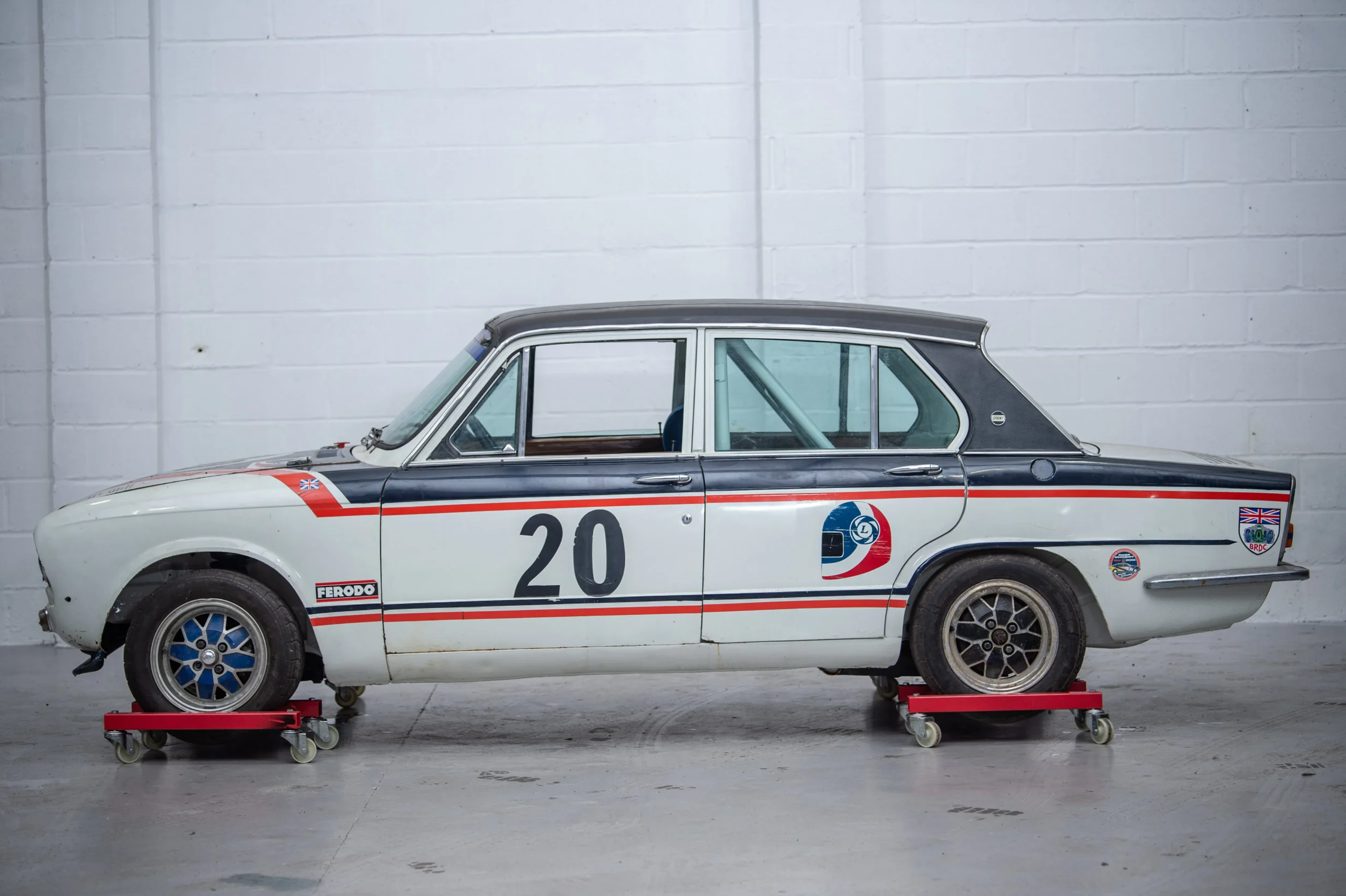
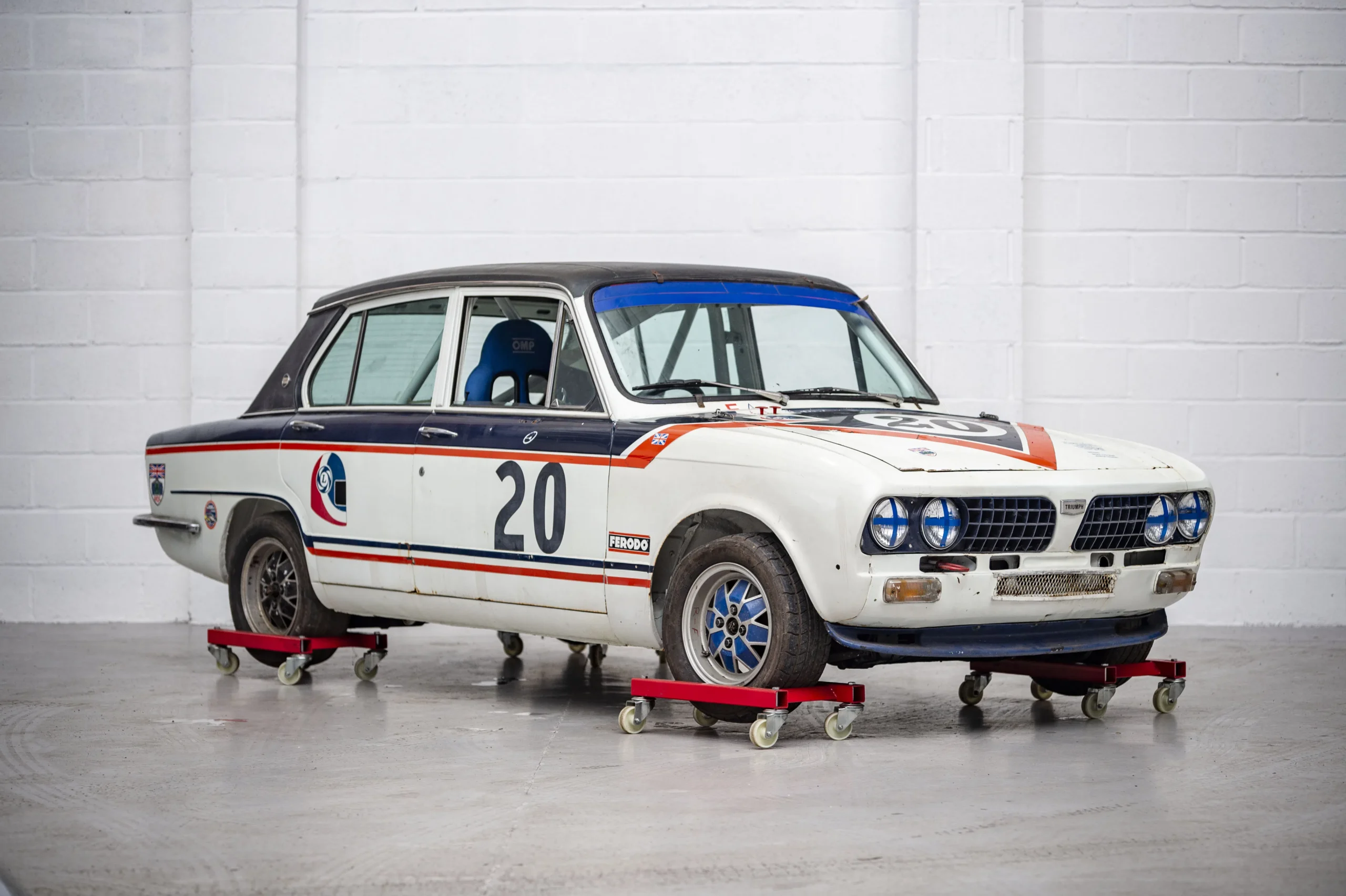
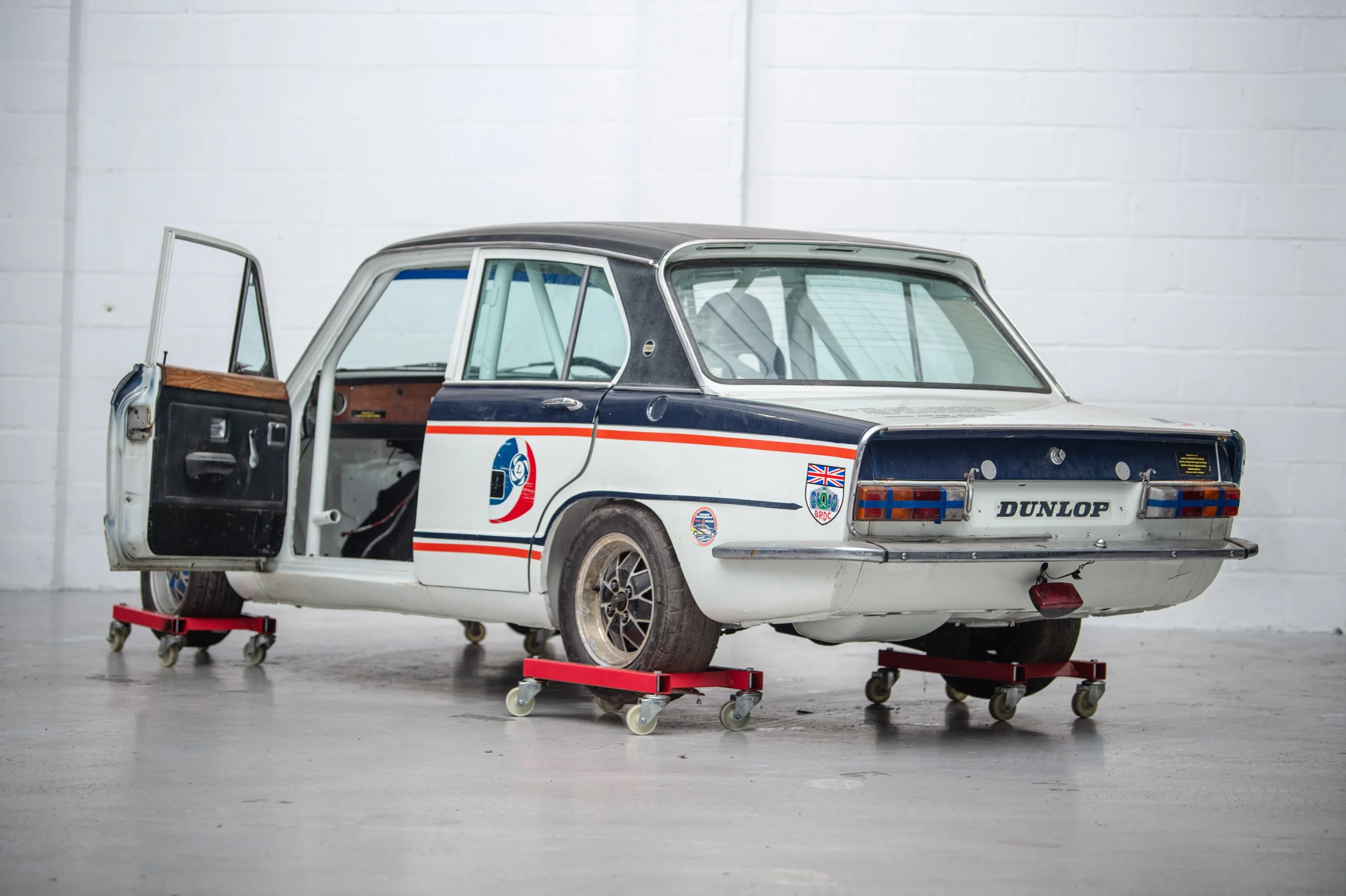
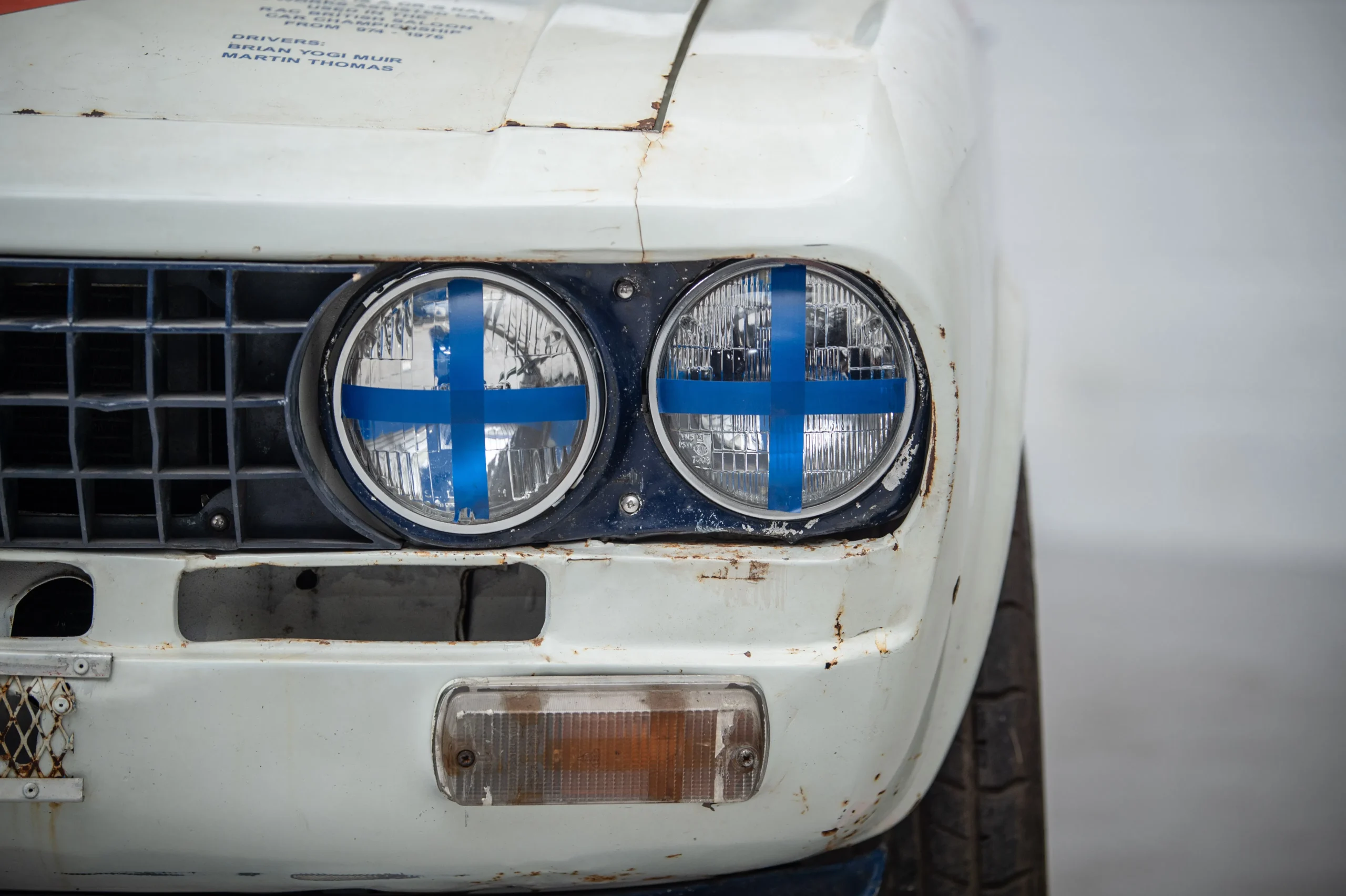
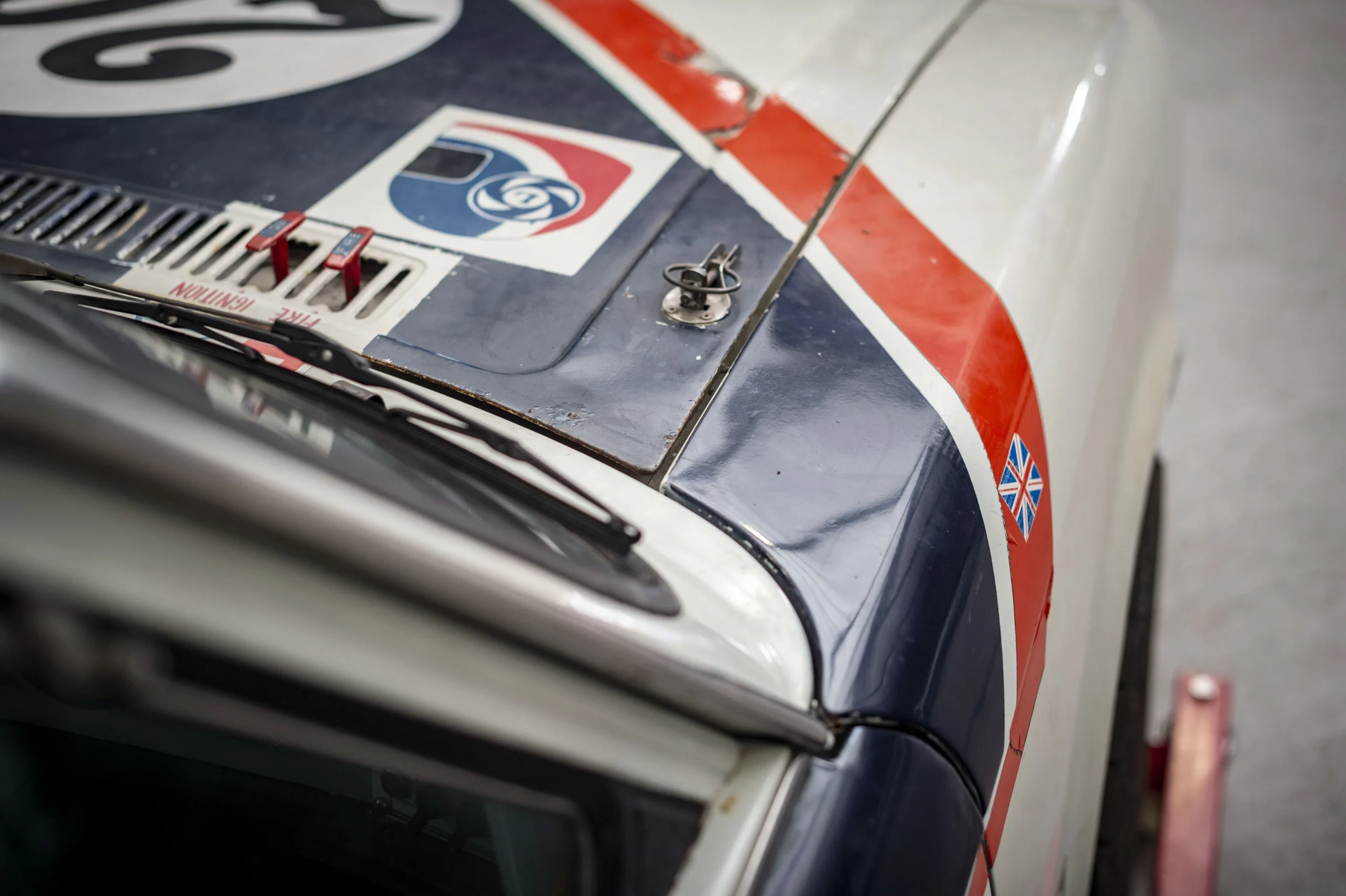
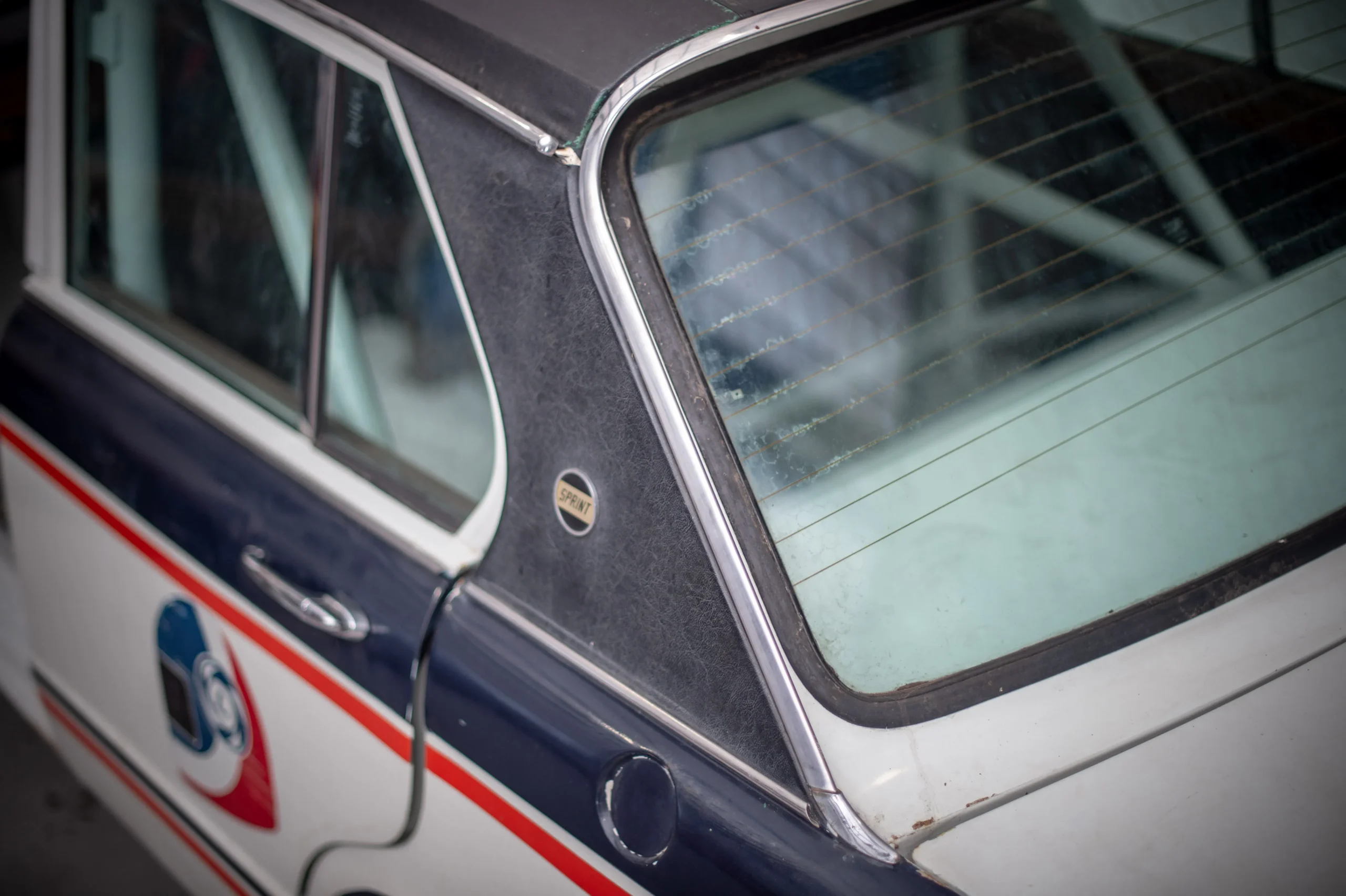
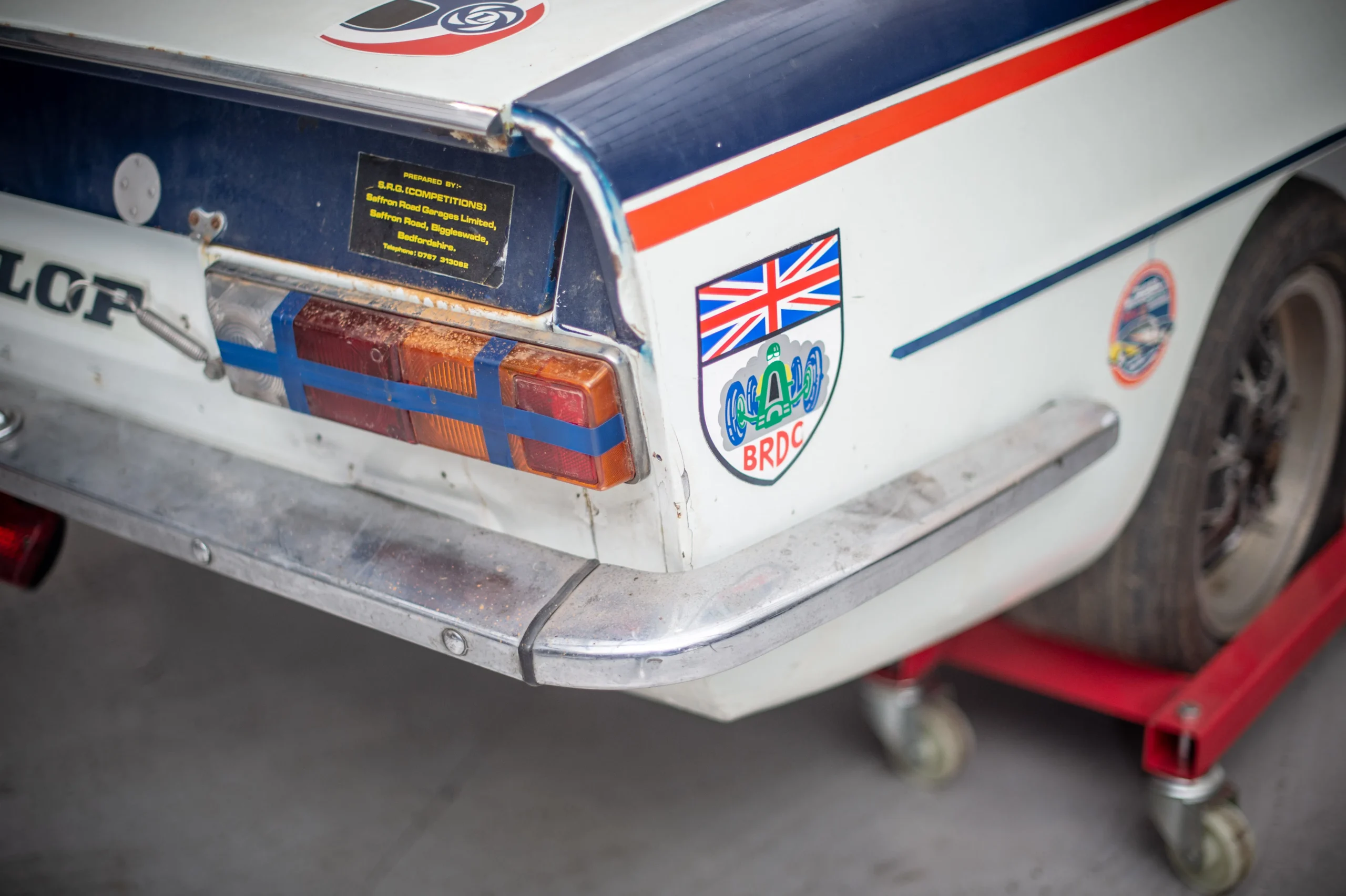
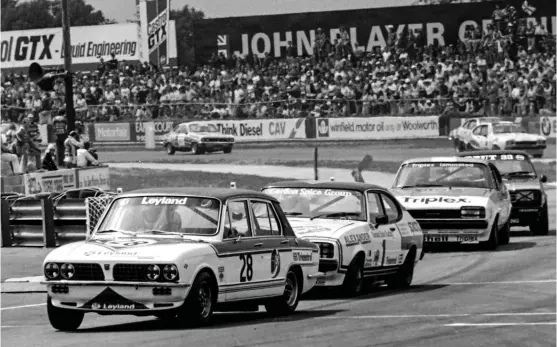
The starting grid of a 1974 British Saloon Car Championship round was a deafening, hydrocarbon-soaked cathedral of brute force. At the sharp end of the pack, massive American-sourced V8s inside Chevrolet Camaros and Ford Capris idled with a ground-shaking, guttural rhythm. Yet, tucked menacingly just behind these monolithic heavyweights sat a fleet of relatively upright, compact British saloons ready to disrupt the natural order of motorsport. This was the 1974 Triumph Dolomite Sprint Group 1. British Leyland, the corporate behemoth behind Triumph, was infamous during this era for crippling strikes and boardroom chaos, yet from that industrial turmoil emerged an absolute giant-killer. The car was engineered specifically to dominate the 2.0-litre touring car class, a fiercely contested battleground previously ruled by the surgically precise BMW 2002tii, the twin-cam Alfa Romeo 2000 GTV, and the ubiquitous Ford Escort RS. To beat them, Triumph utilized a masterstroke of homologation. By equipping the showroom-spec Dolomite Sprint with a revolutionary multi-valve engine, they ensured that the strictly regulated Group 1 racing versions—which demanded cars remain astonishingly close to their road-going counterparts—arrived at the circuit with an insurmountable, baked-in technological advantage.
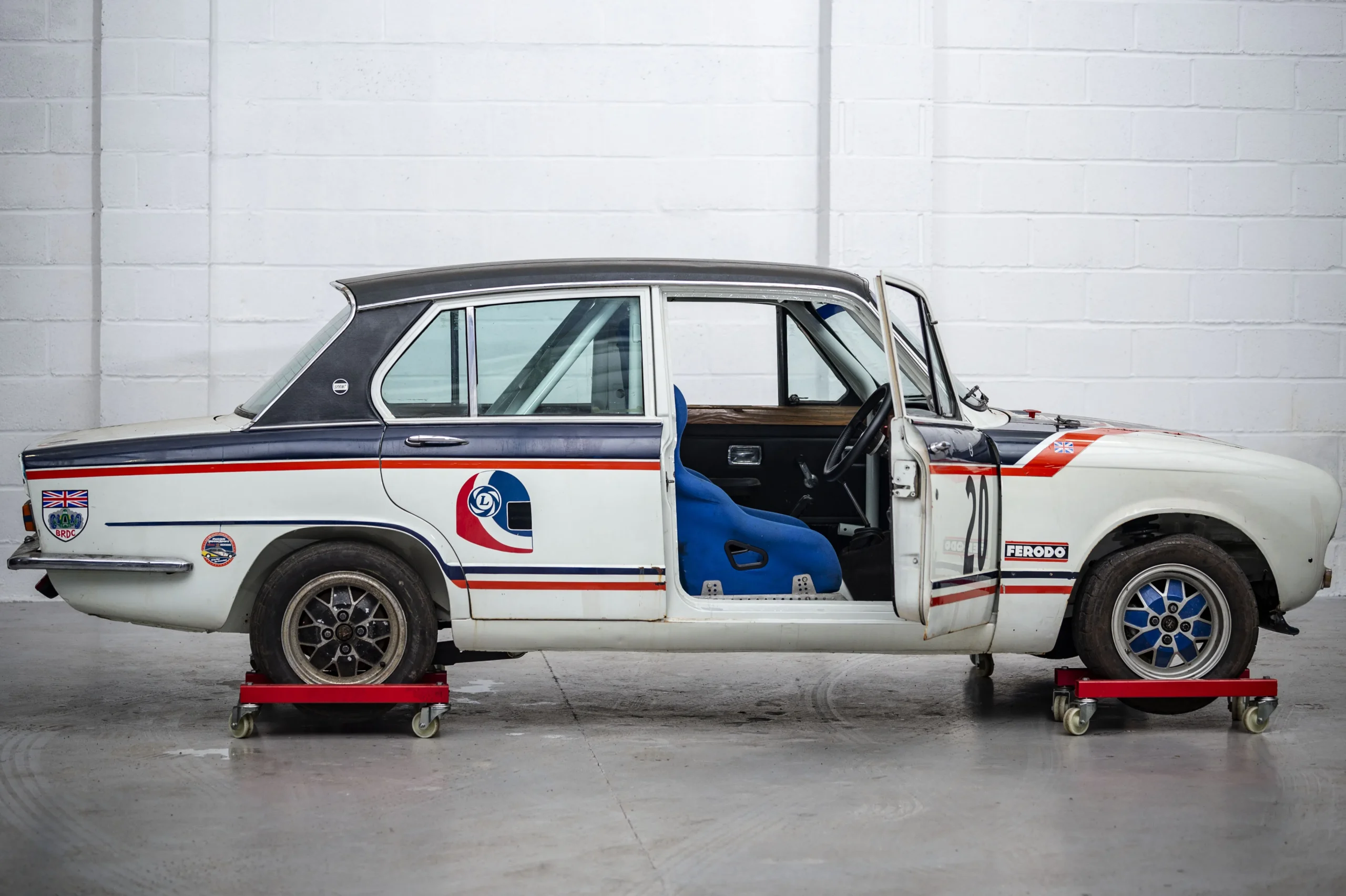
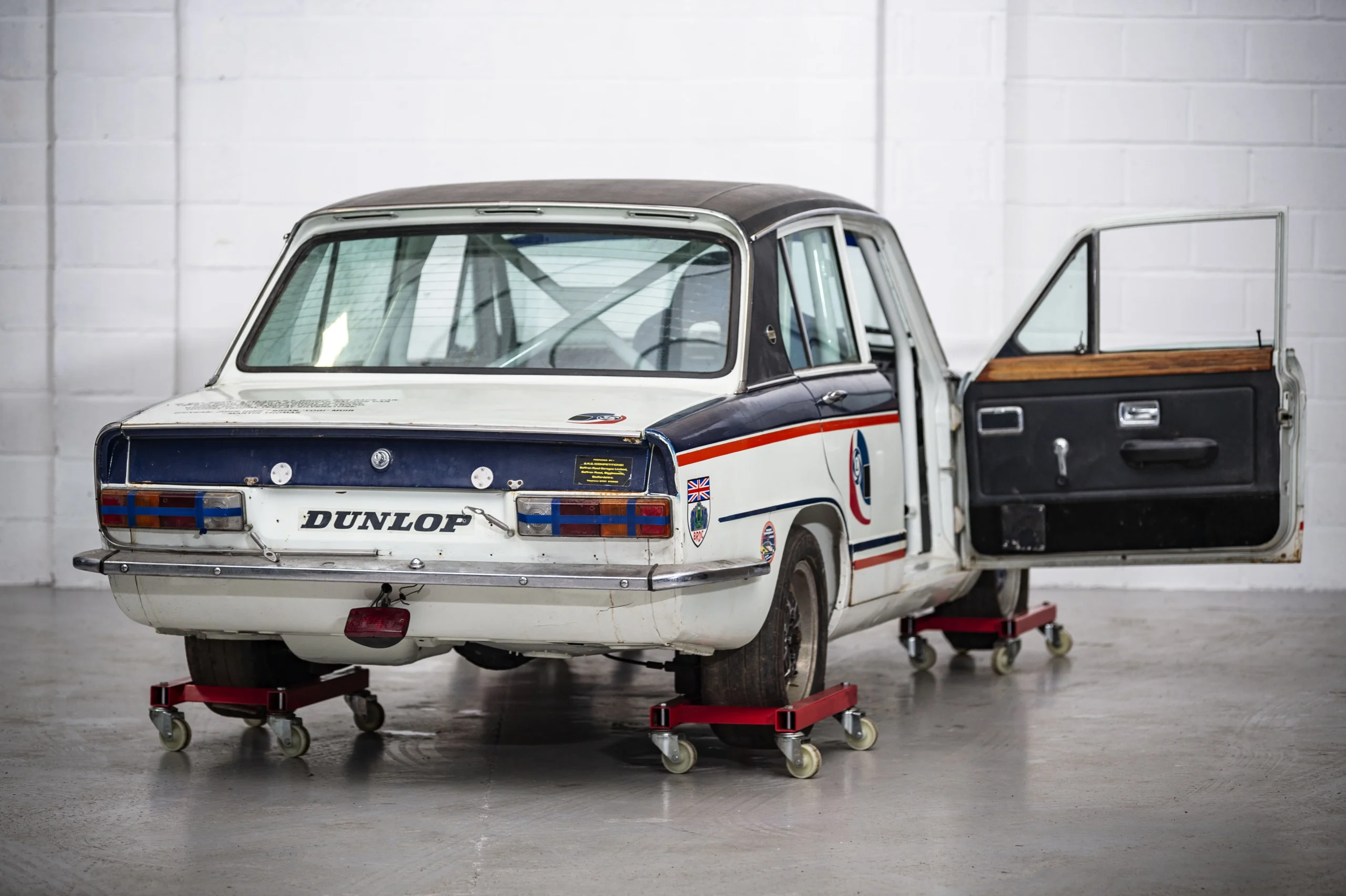
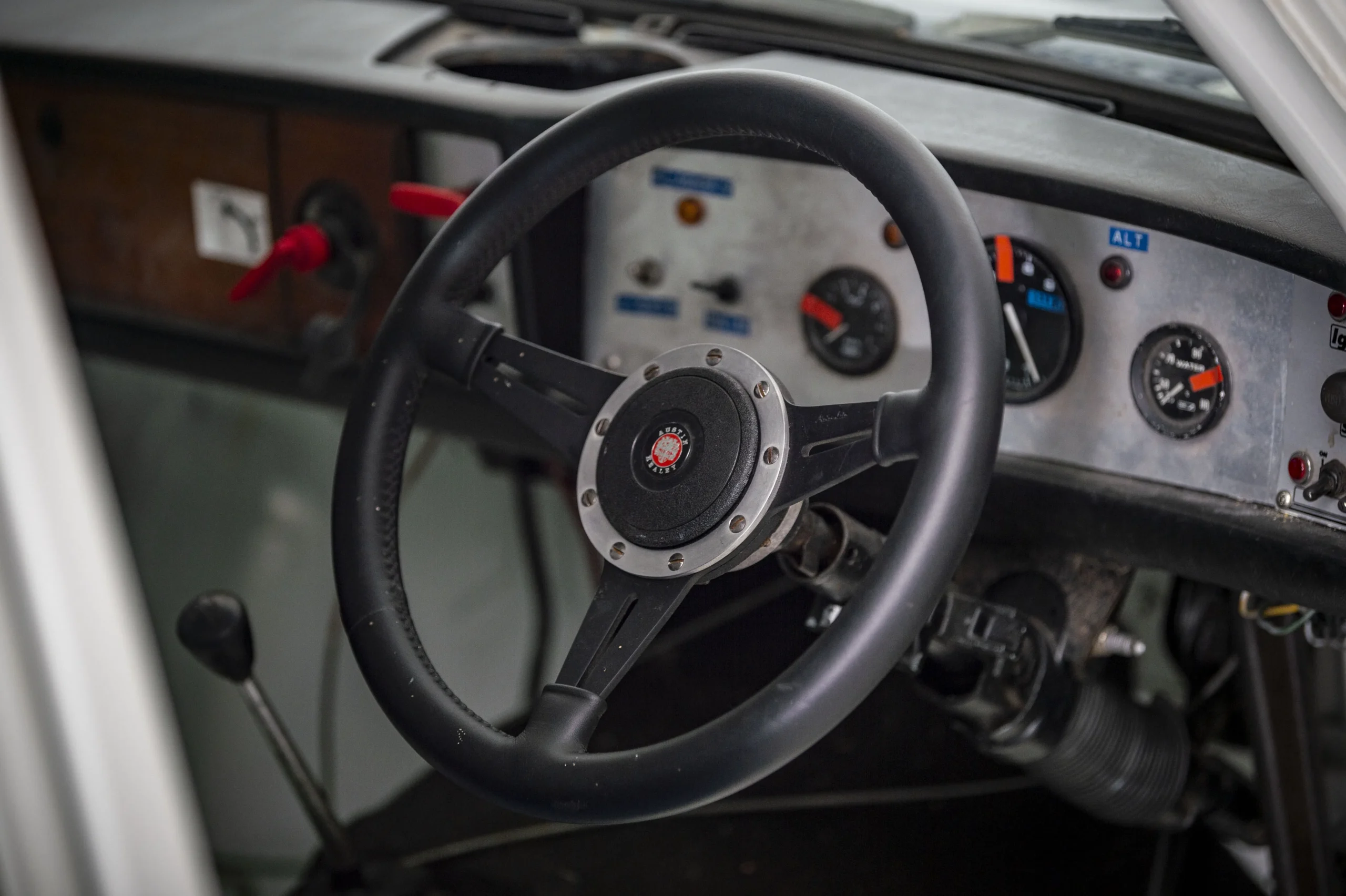
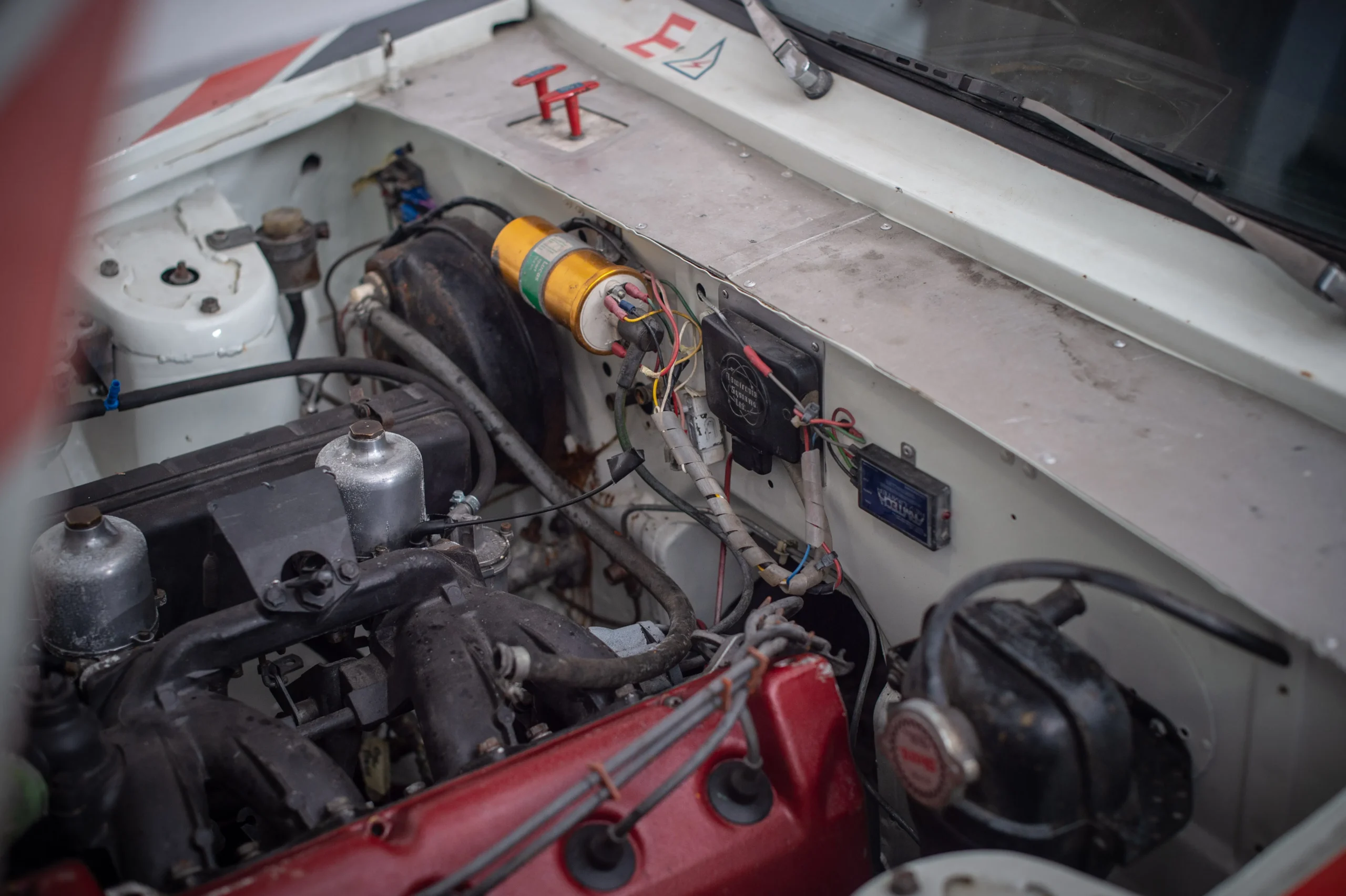
To adhere to the draconian FIA Group 1 regulations of 1974, a racing car had to remain fundamentally identical to the vehicle available in the local dealership. This meant that the engineering brilliance of the Dolomite Sprint had to come straight from the factory floor. The absolute centerpiece of the machine was Spen King’s ingenious 1,998cc “slant-four” engine. King had devised a brilliant cast-alloy cylinder head that utilized a single overhead camshaft to actuate 16 valves, directly pressing the intake valves while operating the exhaust valves via rockers. Because Group 1 rules severely restricted aftermarket modifications, race preparers like the legendary Ralph Broad of Broadspeed relied on meticulous blueprinting and balancing. By perfectly matching the internal components, polishing the ports, and optimizing the twin SU HS6 carburetors, builders coaxed the factory 127 brake horsepower to a highly strung, reliable output north of 160 horsepower. The chassis modifications were equally constrained but highly effective. The live rear axle and independent front suspension were fitted with stiffer, lower competition coil springs, heavy-duty dampers, and thicker anti-roll bars, transforming the plush executive ride into a stiff, darting track weapon. Power was sent through the standard heavy-duty gearbox equipped with an uprated competition overdrive. In the braking department, the rules dictated the retention of the stock front disc and rear drum setup, heavily reliant on high-friction racing pads and shoes to survive the punishment of a 50-lap sprint. Inside, the Group 1 Sprint was a hilarious paradox; FIA rules mandated the retention of original interior trim, meaning drivers were strapped into a bolted roll cage and racing bucket seat while staring at a polished walnut veneer dashboard and factory door cards.
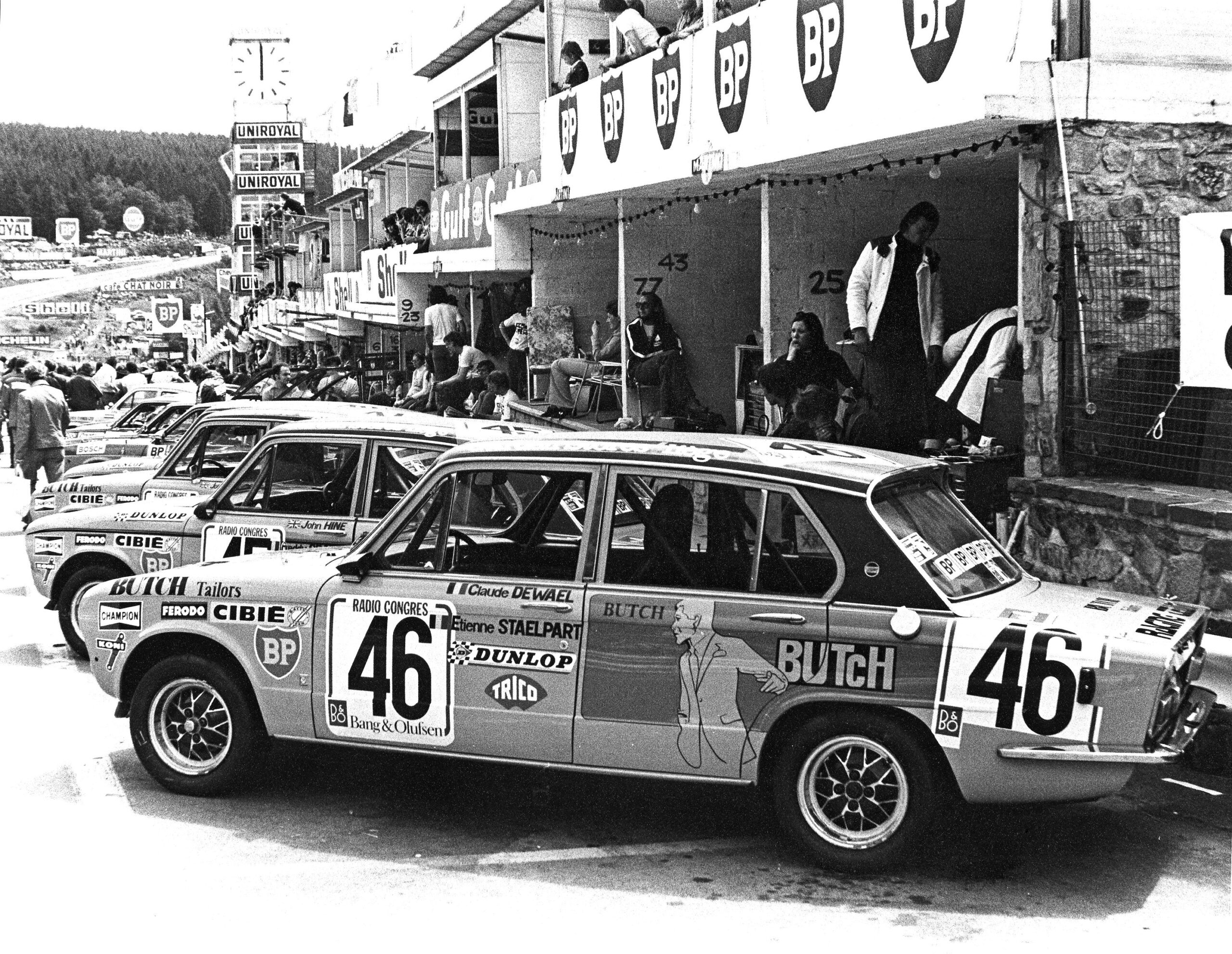
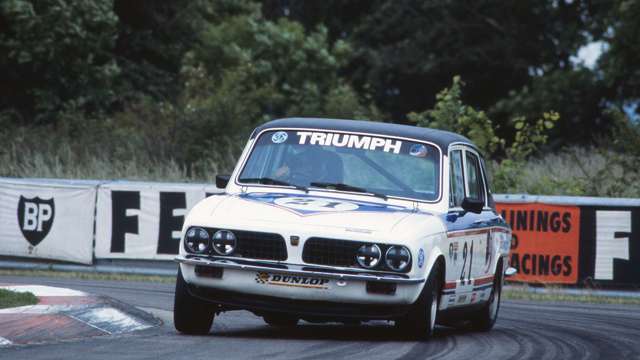
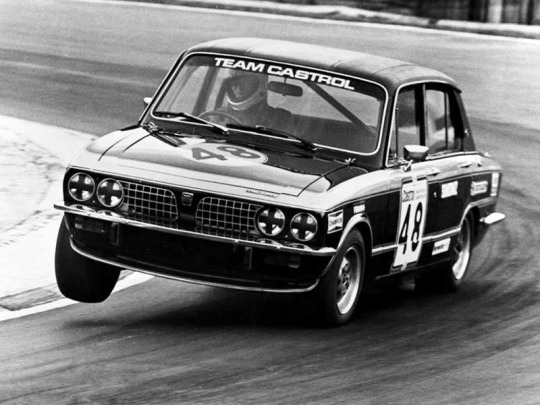
When unleashed in anger, the Group 1 Dolomite Sprint orchestrated an absolute massacre in the 2.0-litre class. In the hands of brilliant tuning outfits like Broadspeed, and piloted by incredibly talented drivers such as Andy Rouse and Tony Dron, the boxy saloons became the undisputed stars of the British circuits. The 1974 season served as the vital proving ground, a year of intense development where the 16-valve engine demonstrated its terrifying high-revving capability. The Sprint possessed a highly distinctive cornering attitude; drivers would aggressively hurl the car into corners like Druids at Brands Hatch, frequently lifting the inside front wheel completely off the tarmac while the screaming slant-four engine bounced off its 7,000-rpm redline. While it easily dispatched its direct 2.0-litre rivals from BMW and Ford, the real spectacle was watching the nimble Sprints harass the massive 3.0-litre Capris and 5.7-litre Camaros in the wet, utilizing their superior traction and mechanical grip. This tireless 1974 campaign laid the unbreakable foundation that allowed Andy Rouse to secure the overall BSCC drivers’ title the following year. Beyond Britain, the Group 1 Sprint also proved its unburstable reliability in Europe, frequently giant-killing at the gruelling 24 Hours of Spa, where its sophisticated cylinder head allowed for superior fuel efficiency and top-end speed against the continental elite.
The Triumph Dolomite Sprint Group 1 proved unequivocally that sophisticated, multi-valve cylinder head design could overcome the limitations of a heavy, traditional cast-iron block and a live rear axle. It was the crucial pioneer that brought 16-valve technology out of the esoteric world of Formula 1 and into the blood-and-thunder arena of production-based touring cars, pre-dating the likes of the Cosworth Mercedes and BMW M3 by a full decade.
Brand
Produced from
Portal
Vehicle category
Model line
Model generation
Predecessor
Sucessor
Brand
Produced from
Portal
Vehicle category
Model line
Model generation
Predecessor
Sucessor
Submodel Overview
The starting grid of a 1974 British Saloon Car Championship round was a deafening, hydrocarbon-soaked cathedral of brute force. At the sharp end of the pack, massive American-sourced V8s inside Chevrolet Camaros and Ford Capris idled with a ground-shaking, guttural rhythm. Yet, tucked menacingly just behind these monolithic heavyweights sat a fleet of relatively upright, compact British saloons ready to disrupt the natural order of motorsport. This was the 1974 Triumph Dolomite Sprint Group 1. British Leyland, the corporate behemoth behind Triumph, was infamous during this era for crippling strikes and boardroom chaos, yet from that industrial turmoil emerged an absolute giant-killer. The car was engineered specifically to dominate the 2.0-litre touring car class, a fiercely contested battleground previously ruled by the surgically precise BMW 2002tii, the twin-cam Alfa Romeo 2000 GTV, and the ubiquitous Ford Escort RS. To beat them, Triumph utilized a masterstroke of homologation. By equipping the showroom-spec Dolomite Sprint with a revolutionary multi-valve engine, they ensured that the strictly regulated Group 1 racing versions—which demanded cars remain astonishingly close to their road-going counterparts—arrived at the circuit with an insurmountable, baked-in technological advantage.
To adhere to the draconian FIA Group 1 regulations of 1974, a racing car had to remain fundamentally identical to the vehicle available in the local dealership. This meant that the engineering brilliance of the Dolomite Sprint had to come straight from the factory floor. The absolute centerpiece of the machine was Spen King’s ingenious 1,998cc “slant-four” engine. King had devised a brilliant cast-alloy cylinder head that utilized a single overhead camshaft to actuate 16 valves, directly pressing the intake valves while operating the exhaust valves via rockers. Because Group 1 rules severely restricted aftermarket modifications, race preparers like the legendary Ralph Broad of Broadspeed relied on meticulous blueprinting and balancing. By perfectly matching the internal components, polishing the ports, and optimizing the twin SU HS6 carburetors, builders coaxed the factory 127 brake horsepower to a highly strung, reliable output north of 160 horsepower. The chassis modifications were equally constrained but highly effective. The live rear axle and independent front suspension were fitted with stiffer, lower competition coil springs, heavy-duty dampers, and thicker anti-roll bars, transforming the plush executive ride into a stiff, darting track weapon. Power was sent through the standard heavy-duty gearbox equipped with an uprated competition overdrive. In the braking department, the rules dictated the retention of the stock front disc and rear drum setup, heavily reliant on high-friction racing pads and shoes to survive the punishment of a 50-lap sprint. Inside, the Group 1 Sprint was a hilarious paradox; FIA rules mandated the retention of original interior trim, meaning drivers were strapped into a bolted roll cage and racing bucket seat while staring at a polished walnut veneer dashboard and factory door cards.
When unleashed in anger, the Group 1 Dolomite Sprint orchestrated an absolute massacre in the 2.0-litre class. In the hands of brilliant tuning outfits like Broadspeed, and piloted by incredibly talented drivers such as Andy Rouse and Tony Dron, the boxy saloons became the undisputed stars of the British circuits. The 1974 season served as the vital proving ground, a year of intense development where the 16-valve engine demonstrated its terrifying high-revving capability. The Sprint possessed a highly distinctive cornering attitude; drivers would aggressively hurl the car into corners like Druids at Brands Hatch, frequently lifting the inside front wheel completely off the tarmac while the screaming slant-four engine bounced off its 7,000-rpm redline. While it easily dispatched its direct 2.0-litre rivals from BMW and Ford, the real spectacle was watching the nimble Sprints harass the massive 3.0-litre Capris and 5.7-litre Camaros in the wet, utilizing their superior traction and mechanical grip. This tireless 1974 campaign laid the unbreakable foundation that allowed Andy Rouse to secure the overall BSCC drivers’ title the following year. Beyond Britain, the Group 1 Sprint also proved its unburstable reliability in Europe, frequently giant-killing at the gruelling 24 Hours of Spa, where its sophisticated cylinder head allowed for superior fuel efficiency and top-end speed against the continental elite.
The Triumph Dolomite Sprint Group 1 proved unequivocally that sophisticated, multi-valve cylinder head design could overcome the limitations of a heavy, traditional cast-iron block and a live rear axle. It was the crucial pioneer that brought 16-valve technology out of the esoteric world of Formula 1 and into the blood-and-thunder arena of production-based touring cars, pre-dating the likes of the Cosworth Mercedes and BMW M3 by a full decade.
Tech Specs
Technical Specifications
Tech Specs
Technical Specifications
Engine
01
03
Internal combustion engine
Configuration
Triumph "Slant-4", Inline-4 (45º slant)
Location
Front, longitudinally mounted
Construction
Cast iron block and Aluminium alloy head
Displacement (cc)
1,998 cc
Displacement (cu in)
121.9 cu in
Compression
10.5:1
Bore x Stroke
90.3 mm x 78.0 mm
Valvetrain
4 valves per cylinder, SOHC
Fuel feed
Twin SU HS6 carburettors
Lubrication
Wet sump
Aspiration
Naturally aspirated
Output
Power (hp)
~155 hp
Power (kW)
~115 kW
Max power at
6,500 RPM
Torque (Nm)
~185 Nm
Torque (ft lbs)
~136 ft lbs
Max torque at
4,500 RPM
Drivetrain
02
03
Chassis
Type
Monocoque unibody
Material
Steel
Body
Material
Steel
Transmission
Gearbox
Triumph 4-speed manual
Drive
Rear Wheel Drive (Limited Slip Differential)
Suspension
Front
Independent, unequal length wishbones, coil springs over telescopic dampers, anti-roll bar
Rear
Live axle, trailing arms, coil springs, telescopic dampers, anti-roll bar
Steering
Type
Rack and pinion, unassisted
Brakes
Front
Solid steel discs Ø248 mm (9.75 in), 2-piston calipers
Rear
Drum brakes Ø229 mm (9.0 in)
Wheels
Front
5.5" x 13"
Rear
5.5" x 13"
Tires
Front
175/70 VR13
Rear
175/70 VR13
Dimensions and performance
03
03
Dimensions
Length (mm)
4,115 mm
Length (in)
162.0 in
Width (mm)
1,562 mm
Width (in)
61.5 in
Height (mm)
~1,320 mm
Height (in)
~52.0 in
Wheelbase (mm)
2,451 mm
Wheelbase (in)
96.5 in
Weight (kg)
~980 kg
Weight (lbs)
~2,160 lbs
Performance
Power to weight
~0.16 hp/kg
Top speed (km/h)
~205 km/h
Top speed (mph)
~127 mph
0-100 km/h (0-60 mph)
~7.5 s