
Alfa Romeo 158/159 Alfetta
Brand
Produced from
Vehicle category
Portal
Model line
Model generation
Predecessor
Sucessor
Model Overview
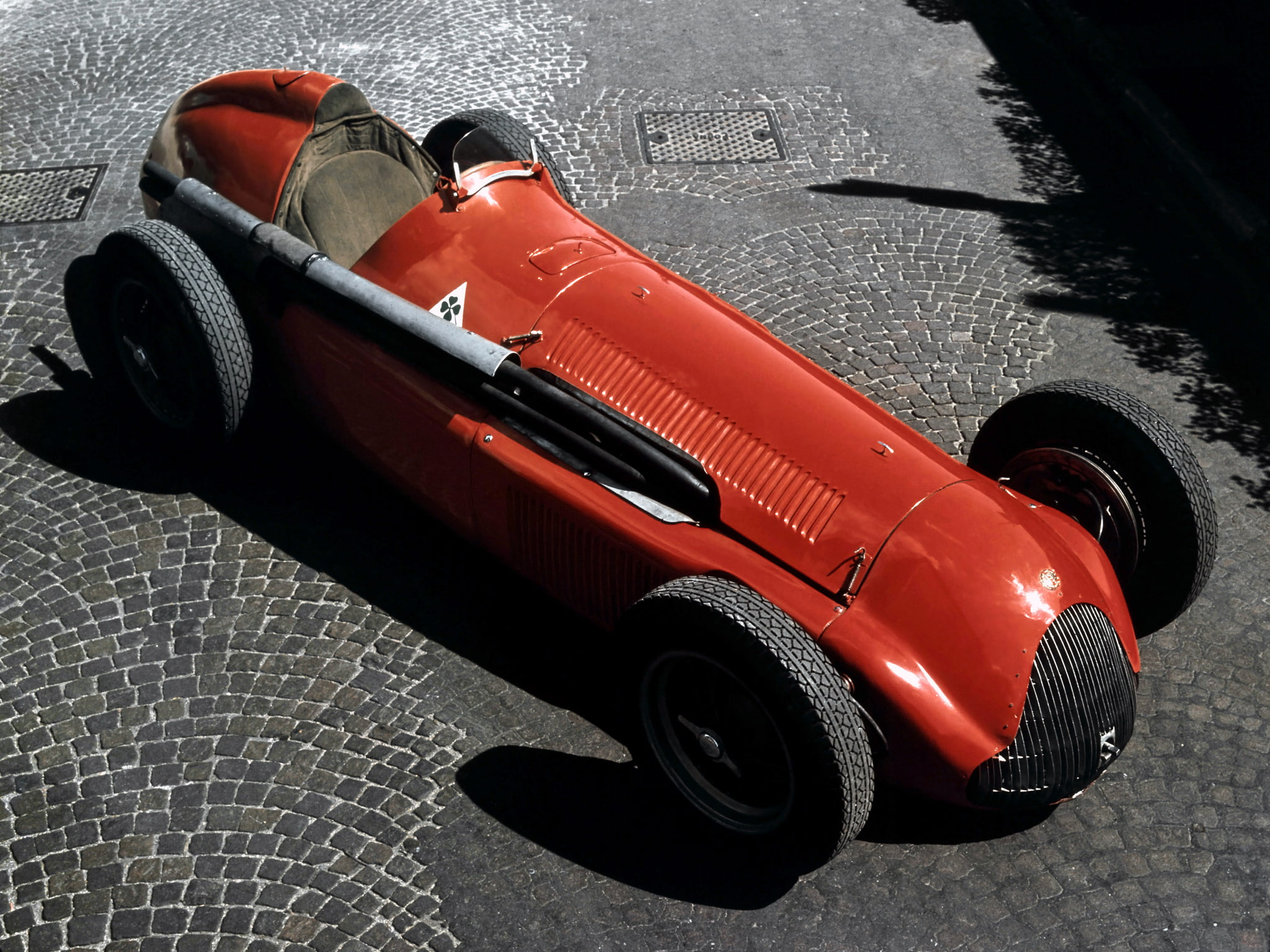
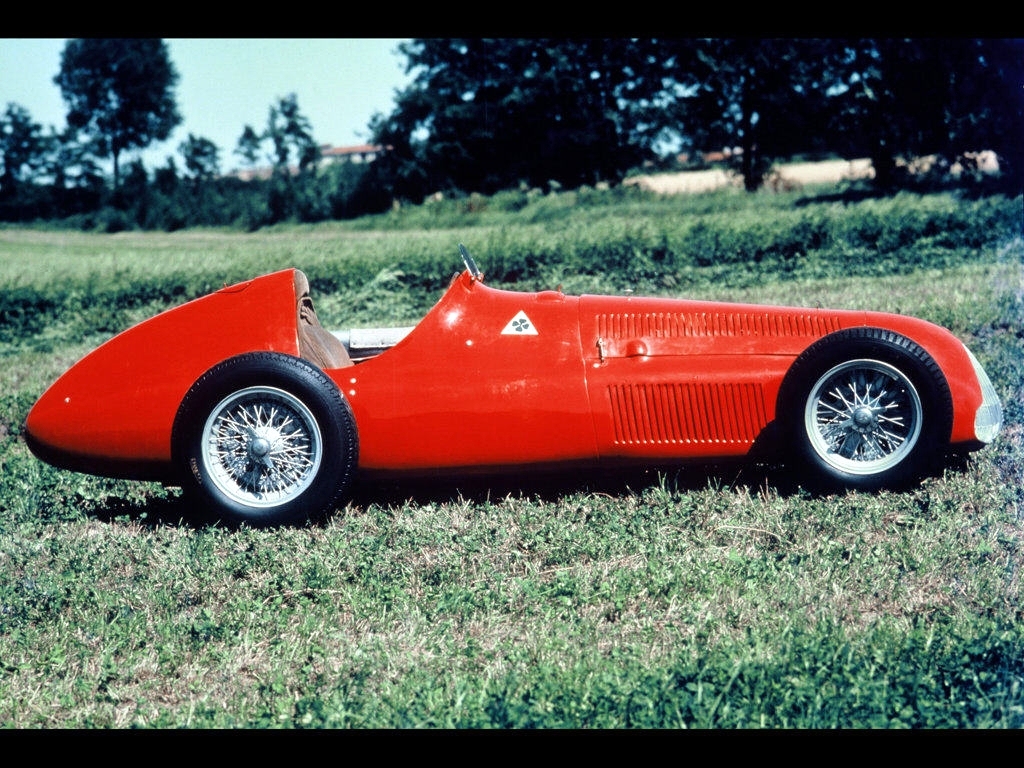
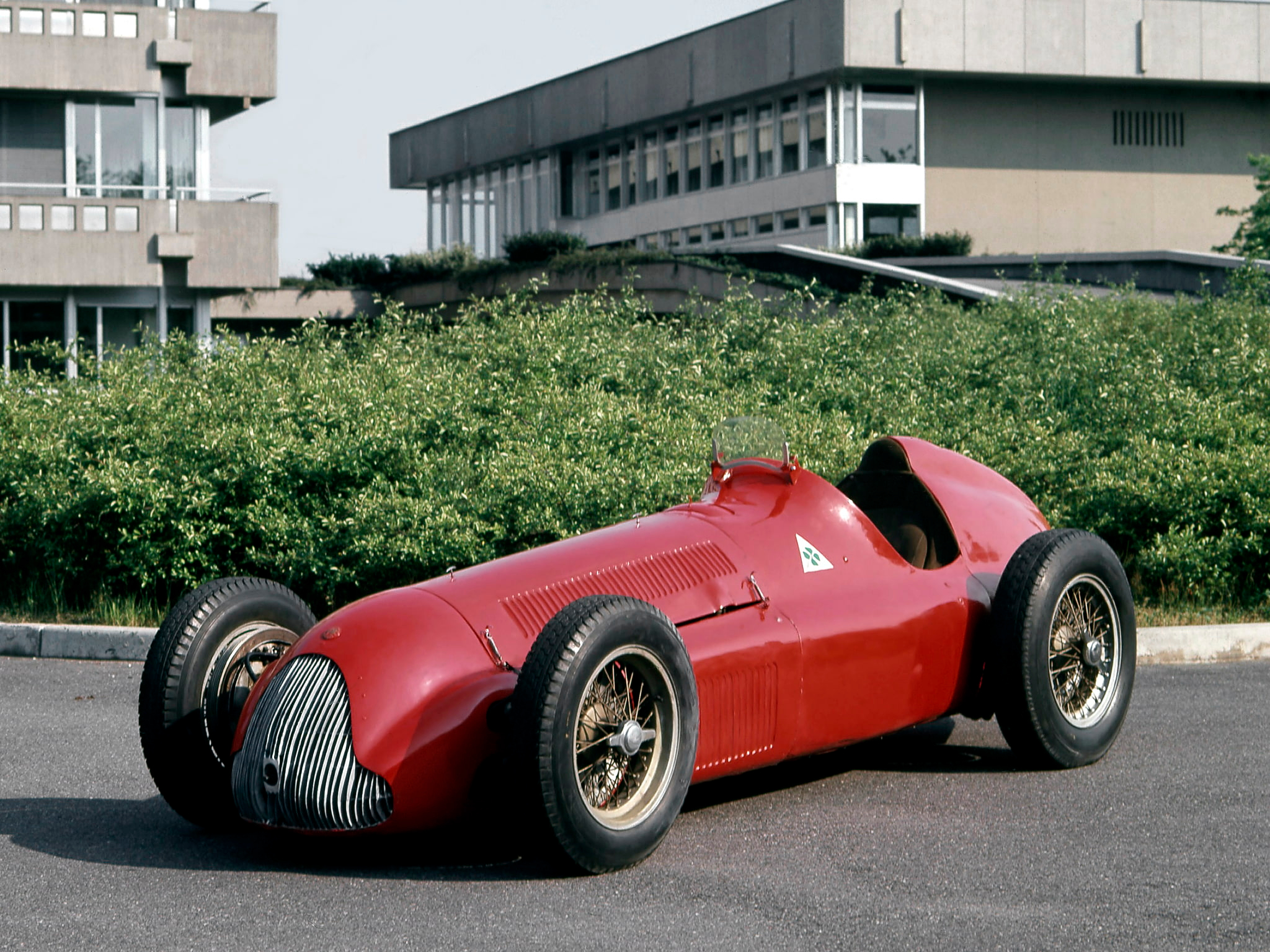
In the vast, adrenaline-soaked tapestry of motorsport history, there is no single machine that boasts a timeline as dramatic, as resilient, or as victorious as the Alfa Romeo 158 and its evolution, the 159. Known affectionately as the ‘Alfetta’ (Little Alfa) due to its diminutive engine displacement relative to the gargantuan Grand Prix cars of the 1930s, this vehicle stands as the bridge between two distinct eras of human history. It was born in the shadow of impending global conflict, survived the devastation of World War II hidden beneath a pile of cheese, and re-emerged to crown the first-ever Formula One World Champions. To understand the Alfetta is to understand the very genesis of modern Grand Prix racing. It was a car that refused to die, a mechanical Lazarus that maintained a stranglehold on the sport for thirteen years, a feat of longevity that is mathematically impossible in the modern age of rapid obsolescence.
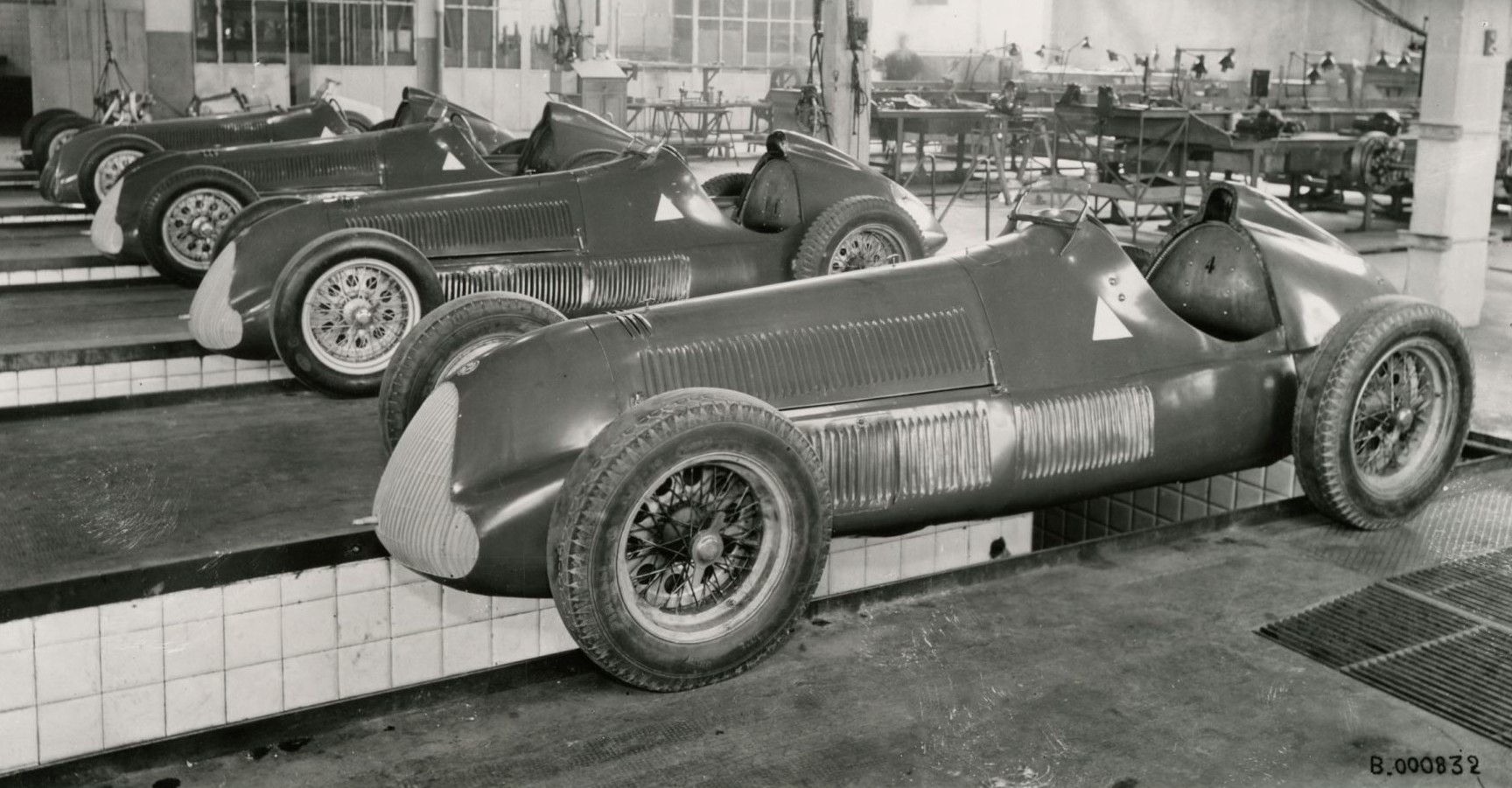
The genesis of the 158 dates back to 1937. At the time, the top tier of Grand Prix racing was being utterly decimated by the state-funded might of Germany. The Mercedes-Benz and Auto Union “Silver Arrows” were unbeatable. Enzo Ferrari, then managing Alfa Romeo’s racing division (Scuderia Ferrari), along with engineer Gioacchino Colombo, realized that fighting the Germans head-on was futile. Instead, they looked to the Voiturette class—the Formula 2 of its day—limited to 1.5-litre engines. The result was the 158 (1.5 litres, 8 cylinders). It was a masterpiece of miniaturization. When it debuted at the Coppa Ciano in 1938, it took the first two places. It then famously won the Tripoli Grand Prix in 1940 against the surprise entry of the Mercedes W165. But then, the world went dark. As war consumed Europe, the precious Alfettas were not melted down for munitions; they were smuggled out of the Portello factory and hidden in a cheese factory in Melzo, arguably the most important game of hide-and-seek in automotive history.
When peace returned, the Alfettas were dusted off, and the 158/47 specification emerged to dominate a broken Europe. Technically, the car was a marvel that evolved from a scalpel into a sledgehammer. The heart of the machine was a 1,479cc straight-eight engine, a jewel of metallurgy using a light-alloy block and DOHC cylinder head. In 1938, with a single-stage Roots supercharger, it produced 195 bhp. By 1947, Alfa Romeo had introduced two-stage supercharging—a smaller blower feeding a larger one—which rammed air into the cylinders with ferocious pressure. Power skyrocketed to 275 bhp, then 300 bhp, and by the time the 1950 Formula One World Championship began (the 158/50 specification), it was producing 350 bhp at a screaming 8,500 rpm. The chassis was a simple tubular ladder frame, initially using a transverse leaf spring front suspension and a swing-axle rear. The swing-axle was the car’s only dynamic weak point, leading to tricky oversteer, but the chassis balance was otherwise sublime, thanks to the transaxle layout which placed the four-speed gearbox at the rear, integrated with the differential.
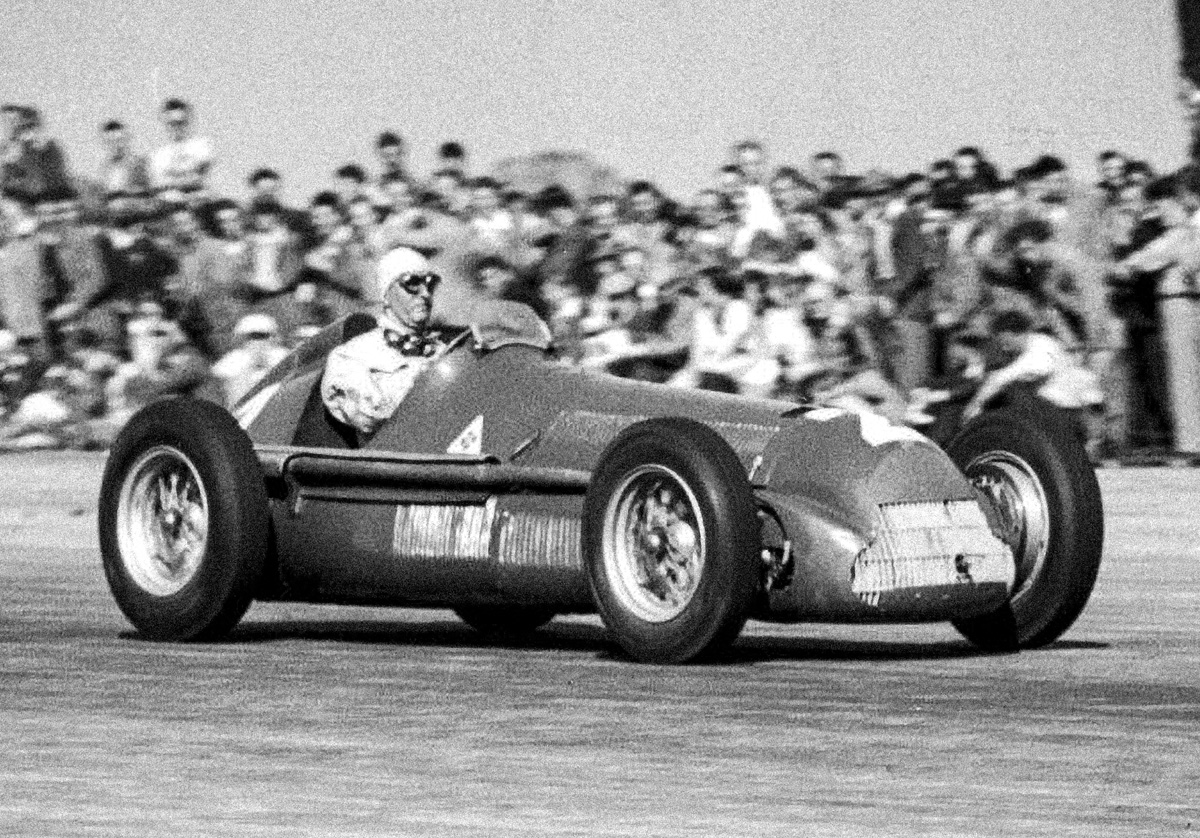
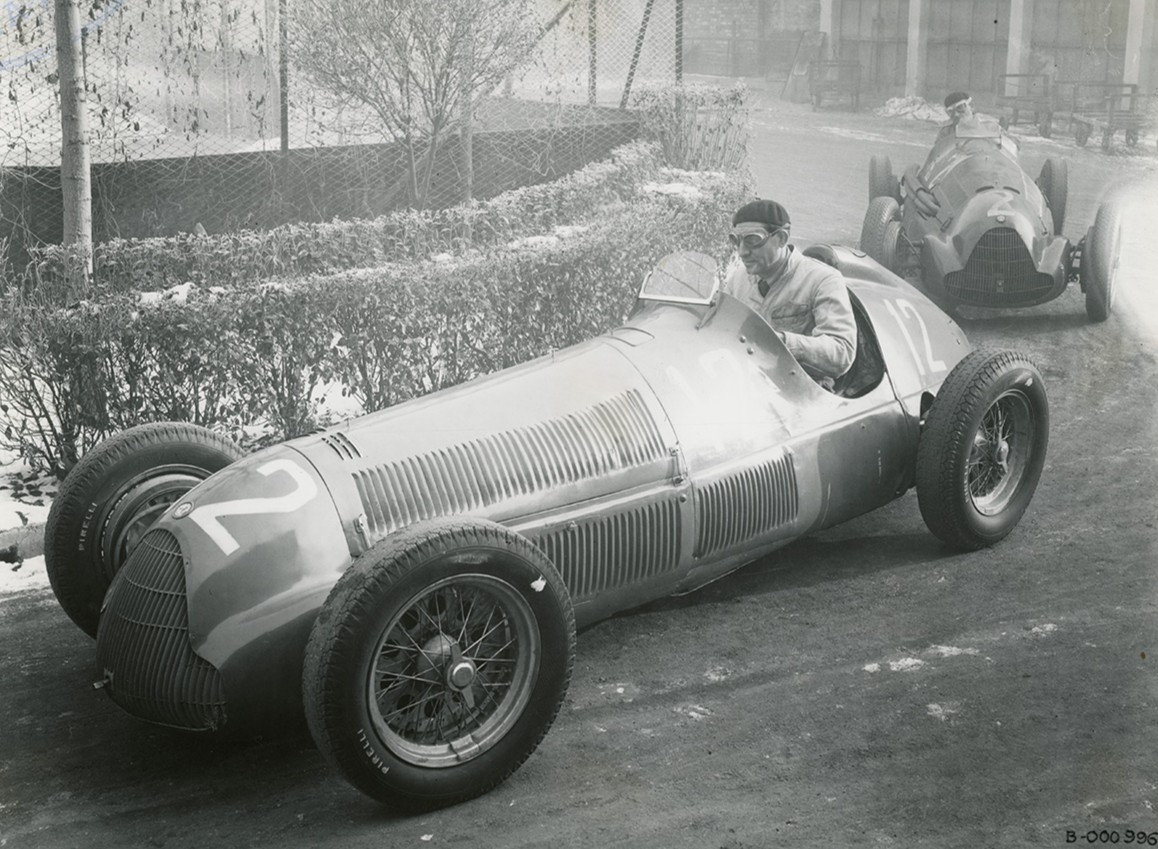
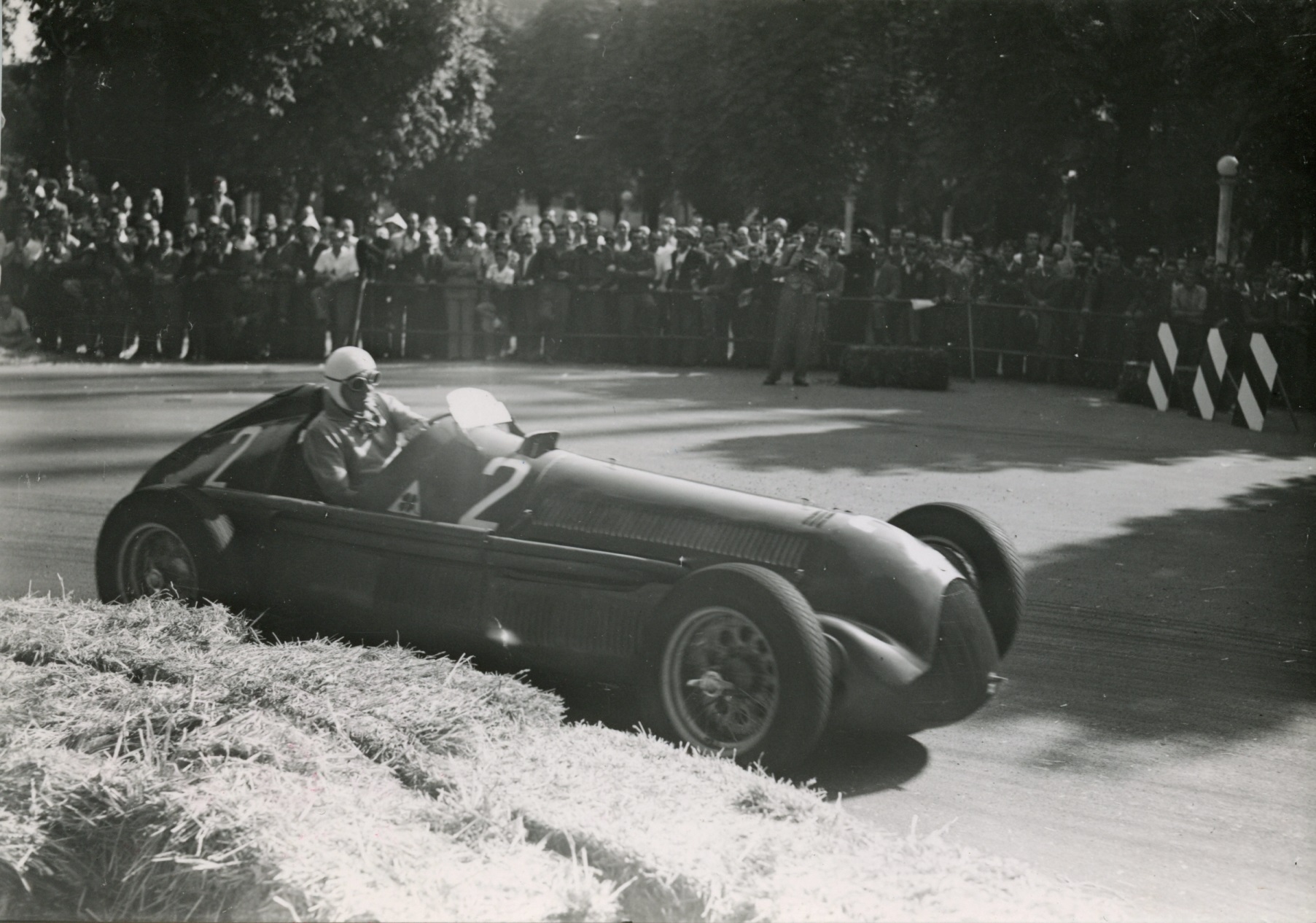
The 1950 season, the inaugural FIA World Championship, was nothing short of a procession. The Alfa Romeo team, featuring the legendary “Three Fs”—Giuseppe “Nino” Farina, Juan Manuel Fangio, and Luigi Fagioli—won every single race they entered. Farina took the title, and the 13-year-old design was undisputed king. However, the competition was waking up. Ferrari was developing a 4.5-litre naturally aspirated V12 that consumed significantly less fuel. To counter this, Alfa Romeo squeezed the lemon one last time, creating the Alfa Romeo 159 for 1951. This was the Alfetta pushed to the absolute limit of physics. The engine, now producing a terrified 425 bhp (and up to 450 bhp in test mules) from just 1.5 litres, required such massive supercharger boost that fuel consumption dropped to a comically inefficient 1.5 miles per gallon. The 159 required enormous fuel tanks and frequent pit stops, often carrying nearly its own weight in methanol.
To tame this newfound power, the 159 featured significant chassis upgrades. The treacherous swing-axle rear was finally replaced by a sophisticated De Dion tube setup (seen in the 159A and refined in the 159M or “Maggiorata”), which kept the rear wheels perpendicular to the road, vastly improving traction and stability. The frame was reinforced, the brakes were enlarged to massive drums to halt the heavy, fuel-laden beast, and the bodywork was subtly reshaped to feed the insatiable appetite of the carburettors and radiators. The 159 was no longer the nimble Voiturette of 1938; it was a fire-breathing monster that exhausted its drivers with heat and noise.
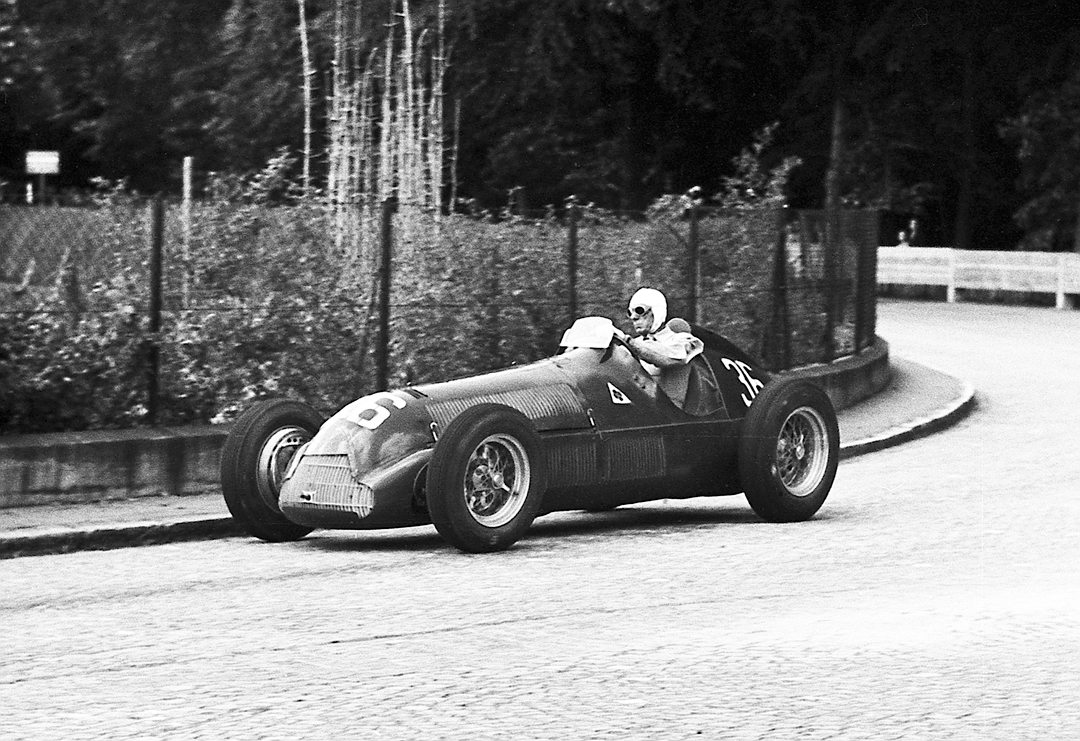
The 1951 season was a titanic duel between the screaming, supercharged Alfa 159s and the thundering, atmospheric Ferrari 375s. It was the battle of efficiency versus specific output. While the Ferraris could run longer stints, the Alfas were still faster over a single lap. It came down to the genius of Juan Manuel Fangio. Wrestling the 159B and 159M through the streets of Pedralbes in Spain, Fangio secured the title, giving the Alfetta its second consecutive World Championship. But the writing was on the wall. At the British Grand Prix at Silverstone earlier that year, José Froilán González had scored Ferrari’s first win, beating the Alfas on pure pace and fuel strategy. Enzo Ferrari famously cried, declaring he had “killed his mother.”
Realizing that the 158/159 concept could be stretched no further, and facing a lack of funding from the Italian government, Alfa Romeo withdrew from Grand Prix racing at the end of 1951 to focus on the production 1900 saloon. The Alfetta retired with a record that will likely never be beaten: in 54 Grands Prix entered between 1938 and 1951, the 158/159 claimed 47 victories. It is the car that defined the aesthetic, the sound, and the drama of early Formula 1. It represents the pinnacle of the supercharged era, a machine that survived a world war to teach the world how to race again. It is, without hyperbole, the most successful racing car design in history.
Portal
Model line
Model generation
Predecessor
Sucessor
Brand
Produced from
Vehicle category
Portal
Model line
Model generation
Predecessor
Sucessor
Model Overview
In the vast, adrenaline-soaked tapestry of motorsport history, there is no single machine that boasts a timeline as dramatic, as resilient, or as victorious as the Alfa Romeo 158 and its evolution, the 159. Known affectionately as the ‘Alfetta’ (Little Alfa) due to its diminutive engine displacement relative to the gargantuan Grand Prix cars of the 1930s, this vehicle stands as the bridge between two distinct eras of human history. It was born in the shadow of impending global conflict, survived the devastation of World War II hidden beneath a pile of cheese, and re-emerged to crown the first-ever Formula One World Champions. To understand the Alfetta is to understand the very genesis of modern Grand Prix racing. It was a car that refused to die, a mechanical Lazarus that maintained a stranglehold on the sport for thirteen years, a feat of longevity that is mathematically impossible in the modern age of rapid obsolescence.
The genesis of the 158 dates back to 1937. At the time, the top tier of Grand Prix racing was being utterly decimated by the state-funded might of Germany. The Mercedes-Benz and Auto Union “Silver Arrows” were unbeatable. Enzo Ferrari, then managing Alfa Romeo’s racing division (Scuderia Ferrari), along with engineer Gioacchino Colombo, realized that fighting the Germans head-on was futile. Instead, they looked to the Voiturette class—the Formula 2 of its day—limited to 1.5-litre engines. The result was the 158 (1.5 litres, 8 cylinders). It was a masterpiece of miniaturization. When it debuted at the Coppa Ciano in 1938, it took the first two places. It then famously won the Tripoli Grand Prix in 1940 against the surprise entry of the Mercedes W165. But then, the world went dark. As war consumed Europe, the precious Alfettas were not melted down for munitions; they were smuggled out of the Portello factory and hidden in a cheese factory in Melzo, arguably the most important game of hide-and-seek in automotive history.
When peace returned, the Alfettas were dusted off, and the 158/47 specification emerged to dominate a broken Europe. Technically, the car was a marvel that evolved from a scalpel into a sledgehammer. The heart of the machine was a 1,479cc straight-eight engine, a jewel of metallurgy using a light-alloy block and DOHC cylinder head. In 1938, with a single-stage Roots supercharger, it produced 195 bhp. By 1947, Alfa Romeo had introduced two-stage supercharging—a smaller blower feeding a larger one—which rammed air into the cylinders with ferocious pressure. Power skyrocketed to 275 bhp, then 300 bhp, and by the time the 1950 Formula One World Championship began (the 158/50 specification), it was producing 350 bhp at a screaming 8,500 rpm. The chassis was a simple tubular ladder frame, initially using a transverse leaf spring front suspension and a swing-axle rear. The swing-axle was the car’s only dynamic weak point, leading to tricky oversteer, but the chassis balance was otherwise sublime, thanks to the transaxle layout which placed the four-speed gearbox at the rear, integrated with the differential.
The 1950 season, the inaugural FIA World Championship, was nothing short of a procession. The Alfa Romeo team, featuring the legendary “Three Fs”—Giuseppe “Nino” Farina, Juan Manuel Fangio, and Luigi Fagioli—won every single race they entered. Farina took the title, and the 13-year-old design was undisputed king. However, the competition was waking up. Ferrari was developing a 4.5-litre naturally aspirated V12 that consumed significantly less fuel. To counter this, Alfa Romeo squeezed the lemon one last time, creating the Alfa Romeo 159 for 1951. This was the Alfetta pushed to the absolute limit of physics. The engine, now producing a terrified 425 bhp (and up to 450 bhp in test mules) from just 1.5 litres, required such massive supercharger boost that fuel consumption dropped to a comically inefficient 1.5 miles per gallon. The 159 required enormous fuel tanks and frequent pit stops, often carrying nearly its own weight in methanol.
To tame this newfound power, the 159 featured significant chassis upgrades. The treacherous swing-axle rear was finally replaced by a sophisticated De Dion tube setup (seen in the 159A and refined in the 159M or “Maggiorata”), which kept the rear wheels perpendicular to the road, vastly improving traction and stability. The frame was reinforced, the brakes were enlarged to massive drums to halt the heavy, fuel-laden beast, and the bodywork was subtly reshaped to feed the insatiable appetite of the carburettors and radiators. The 159 was no longer the nimble Voiturette of 1938; it was a fire-breathing monster that exhausted its drivers with heat and noise.
The 1951 season was a titanic duel between the screaming, supercharged Alfa 159s and the thundering, atmospheric Ferrari 375s. It was the battle of efficiency versus specific output. While the Ferraris could run longer stints, the Alfas were still faster over a single lap. It came down to the genius of Juan Manuel Fangio. Wrestling the 159B and 159M through the streets of Pedralbes in Spain, Fangio secured the title, giving the Alfetta its second consecutive World Championship. But the writing was on the wall. At the British Grand Prix at Silverstone earlier that year, José Froilán González had scored Ferrari’s first win, beating the Alfas on pure pace and fuel strategy. Enzo Ferrari famously cried, declaring he had “killed his mother.”
Realizing that the 158/159 concept could be stretched no further, and facing a lack of funding from the Italian government, Alfa Romeo withdrew from Grand Prix racing at the end of 1951 to focus on the production 1900 saloon. The Alfetta retired with a record that will likely never be beaten: in 54 Grands Prix entered between 1938 and 1951, the 158/159 claimed 47 victories. It is the car that defined the aesthetic, the sound, and the drama of early Formula 1. It represents the pinnacle of the supercharged era, a machine that survived a world war to teach the world how to race again. It is, without hyperbole, the most successful racing car design in history.
Generations
Model Generations
Submodels