

BMW 328
Brand
Produced from
Vehicle category
Portal
Model line
Model generation
Predecessor
Sucessor
About this model
To fully grasp the magnitude of the BMW 328, one must journey back to the mid-1930s, an era when European motorsport was a theatre of brute force and nationalistic pride. On the Grand Prix circuits, the supercharged leviathans of Mercedes-Benz and Auto Union were rewriting the laws of physics, deafening crowds with their immense displacement and terrifying speed. Yet, amidst this obsession with absolute power, a quiet, profoundly intelligent revolution was brewing in Munich. BMW was a relatively nascent automaker, having only transitioned from aircraft engines and motorcycles to building cars by acquiring Dixi in 1928. Their early sports cars, the 315/1 and 319/1, were nimble and charming, but they were not world-beaters. The established sports car aristocracy—embodied by the jewel-like Bugattis, the robust Aston Martins, and the aristocratic Alfa Romeo 6Cs—looked down upon the Bavarian upstarts. That all changed violently and irrevocably in 1936. Conceived by the brilliant engineering minds of Fritz Fiedler and Rudolf Schleicher, the BMW 328 arrived not with a supercharged roar, but with a symphony of lightweight efficiency, aerodynamic purity, and handling balance that instantly rendered its heavy, traditional rivals obsolete. It was a paradigm shift, proving that a lithe, perfectly balanced 2.0-liter machine could not only compete with the heavyweights but utterly humiliate them.
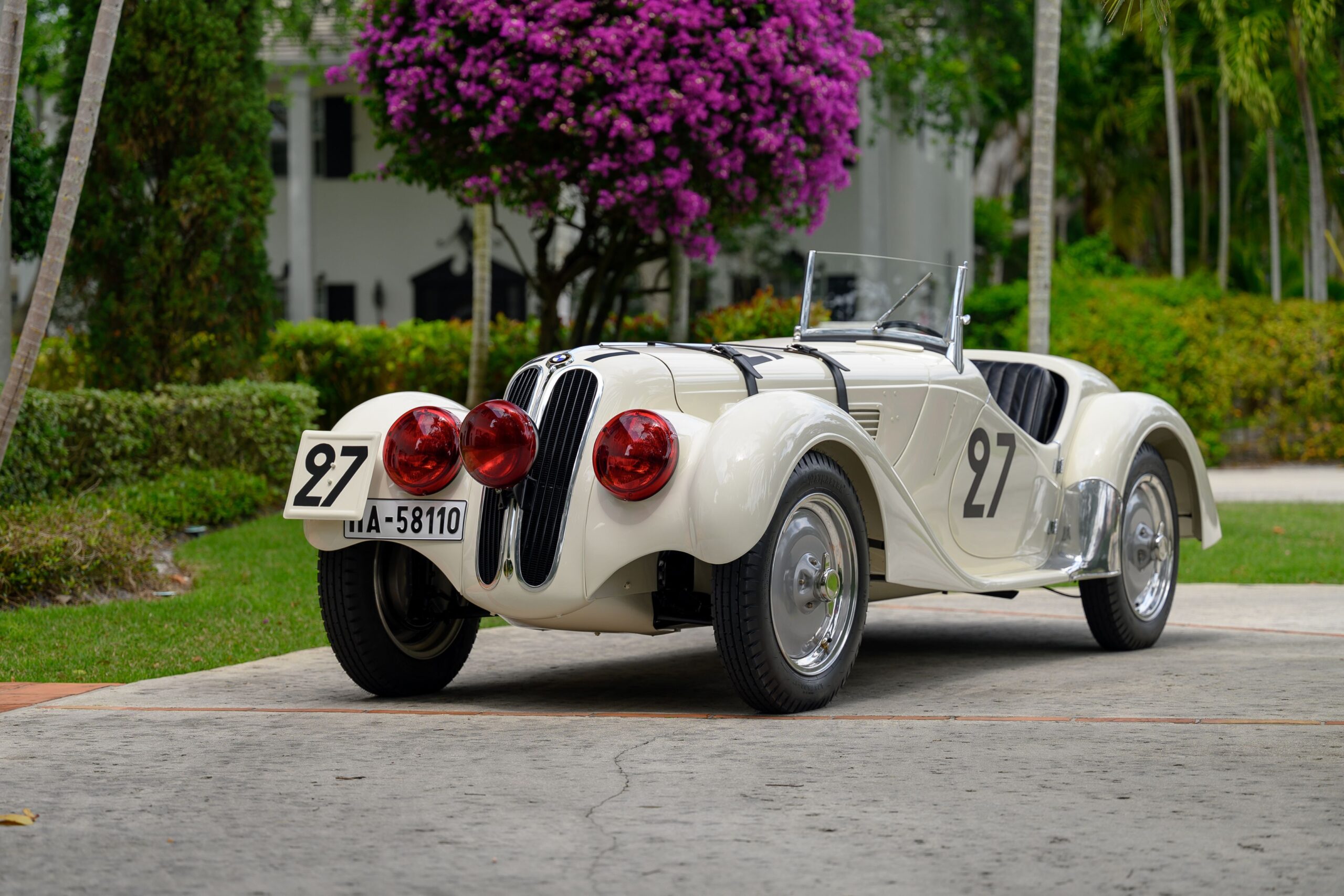
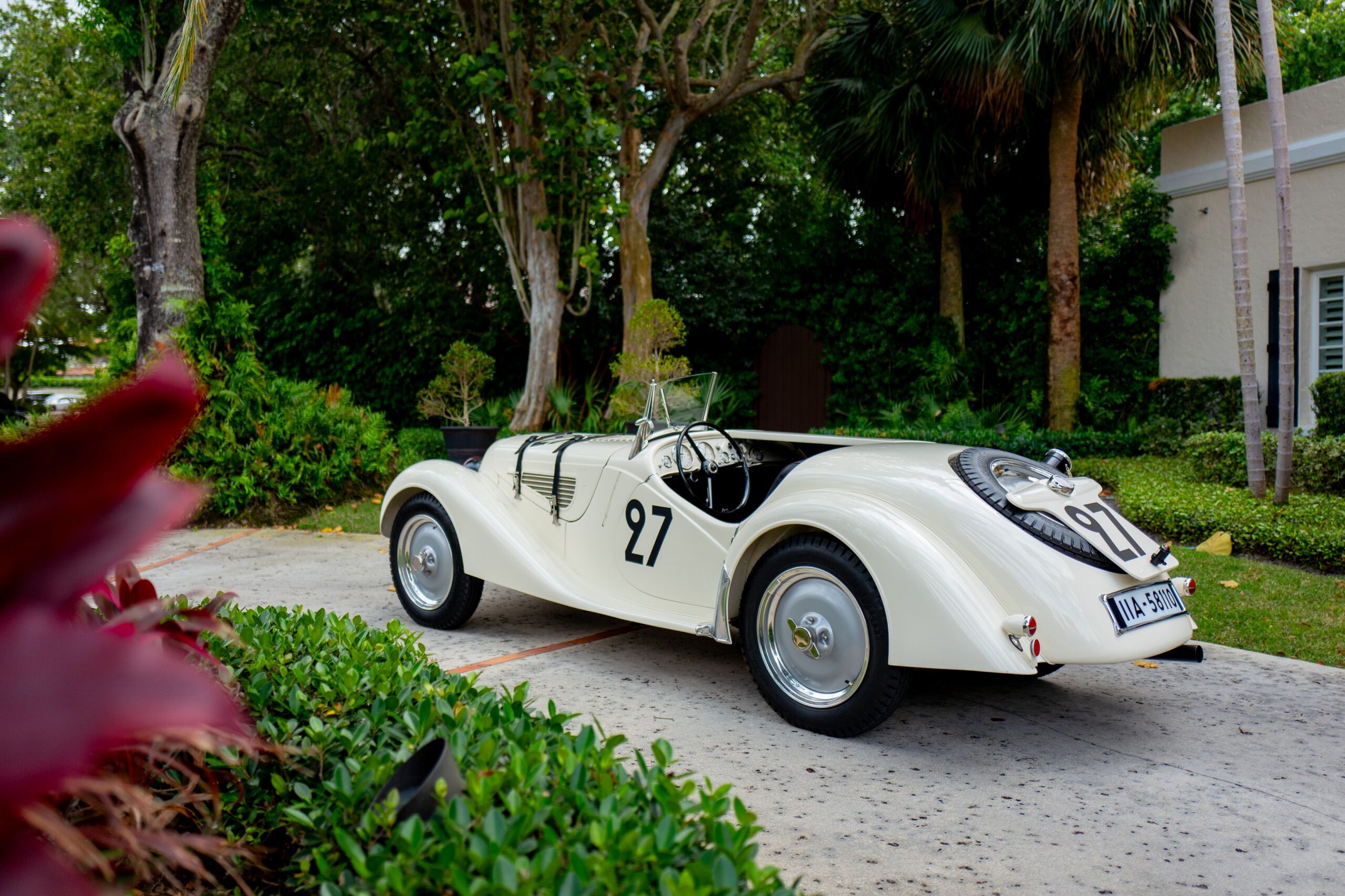
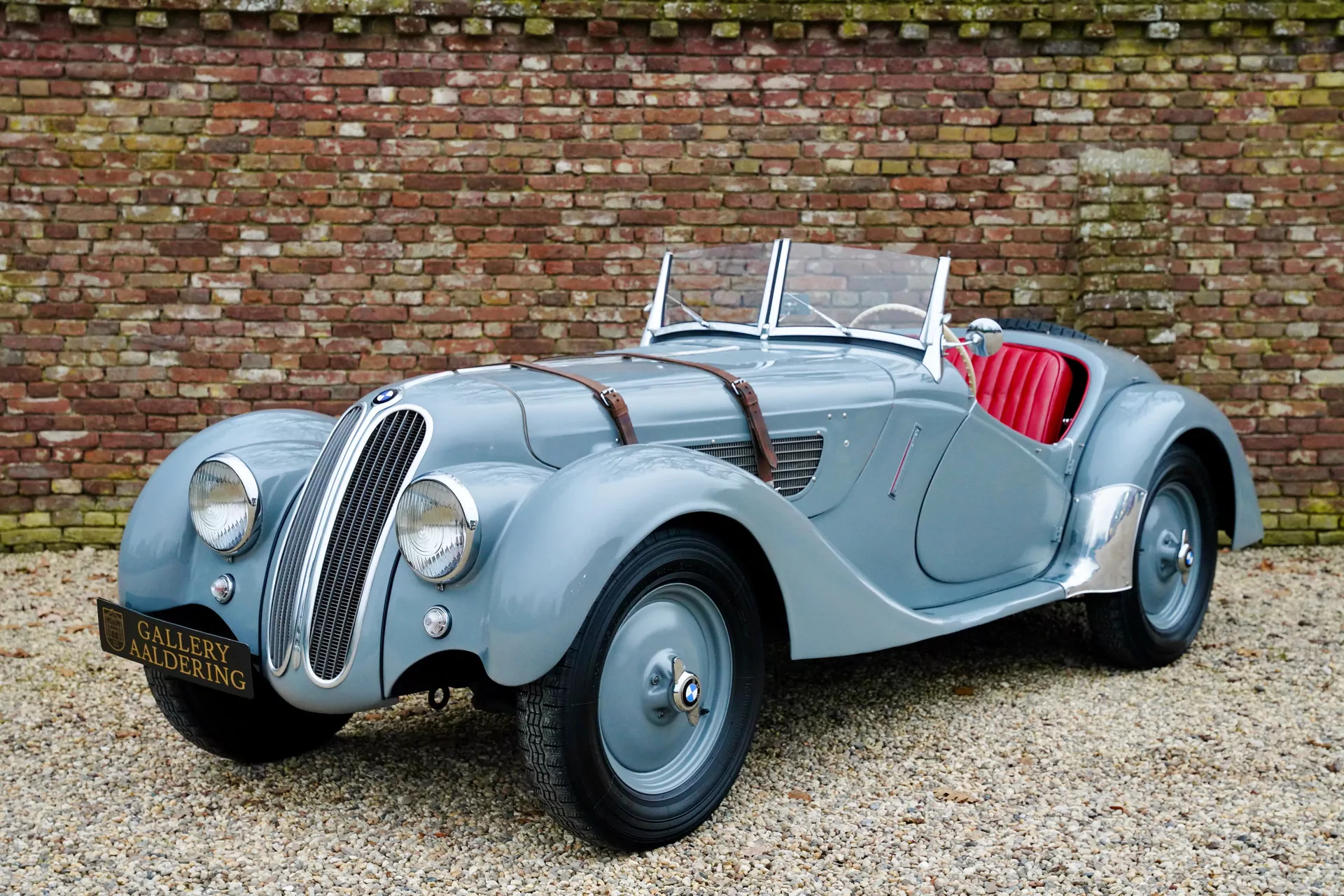
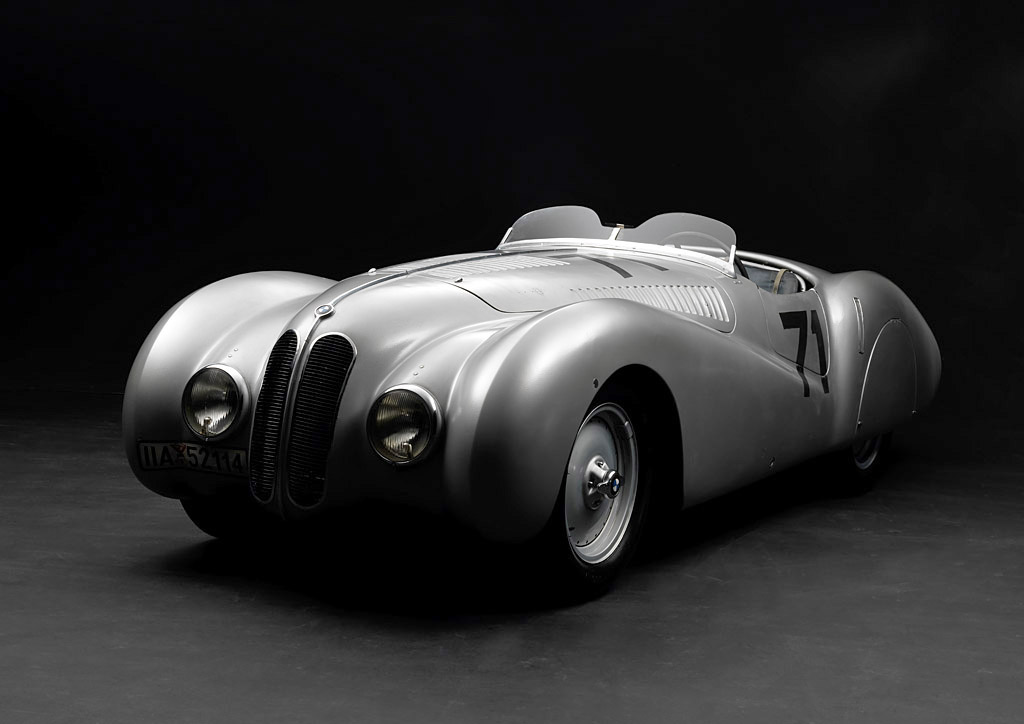
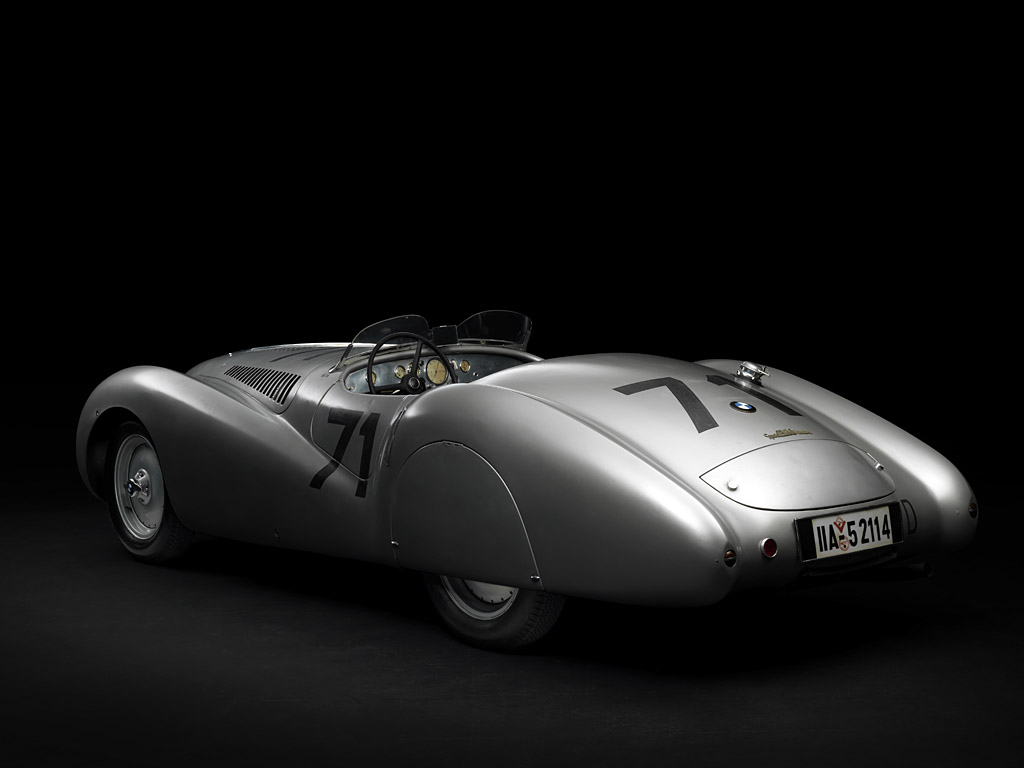
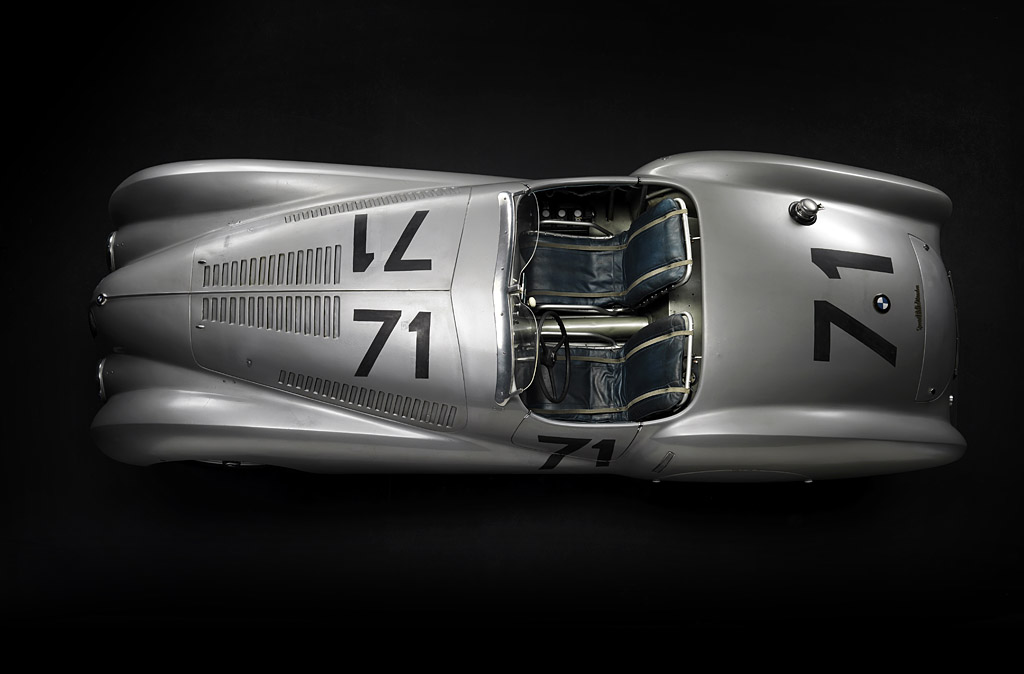
To strip away the sensual, sweeping aluminum bodywork of the BMW 328 is to gaze upon a masterclass in pragmatic, teutonic engineering. Fiedler designed a lightweight, exceptionally rigid tubular A-frame chassis, stepping away from the heavy ladder frames that plagued the era’s sports cars. The suspension was highly advanced for its day, utilizing an independent front setup with a transverse leaf spring and a live rear axle. But the undisputed crown jewel of the 328 was its engine: the legendary M328 1,971cc naturally aspirated straight-six. Schleicher faced a conundrum; he wanted hemispherical combustion chambers with opposed valves for optimal breathing, but designing a complex, expensive twin-overhead-camshaft layout was out of the question for a production car. His solution was an absolute masterstroke of mechanical ingenuity. He utilized a single, block-mounted camshaft. The intake valves were operated by conventional pushrods, while the exhaust valves were actuated by an ingenious system of transverse pushrods running horizontally right across the top of the cylinder head, operated by bell cranks. This brilliant architecture provided all the breathing advantages of a twin-cam engine without the weight, cost, or complexity. Breathing through a trio of Solex 30 JF downdraft carburetors, the engine produced 80 brake horsepower at 5,000 rpm in standard road trim. While 80 horsepower might sound modest today, when mounted in a beautifully streamlined, aluminum-bodied roadster weighing a scant 830 kilograms, the performance was explosive. The 328 could touch 150 km/h (93 mph), an astonishing figure for a 2.0-liter unsupercharged car of the late 1930s. The exterior was equally purposeful, defined by its leather-strapped bonnet, integrated headlamps, and the now-iconic, vertical twin-kidney grille that seemed to inhale the road ahead. Inside, the cabin was a beautifully spartan affair, featuring a large, thin-rimmed steering wheel and a pair of massive, legible dials that provided the pilot with only the most vital mechanical telemetry.
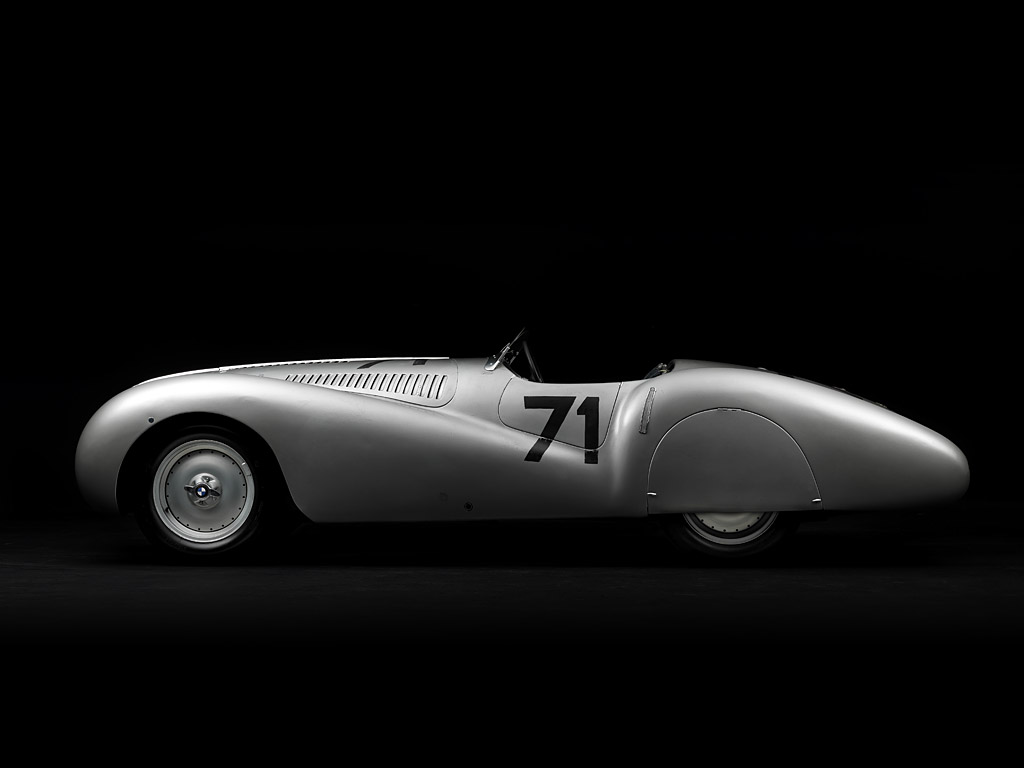
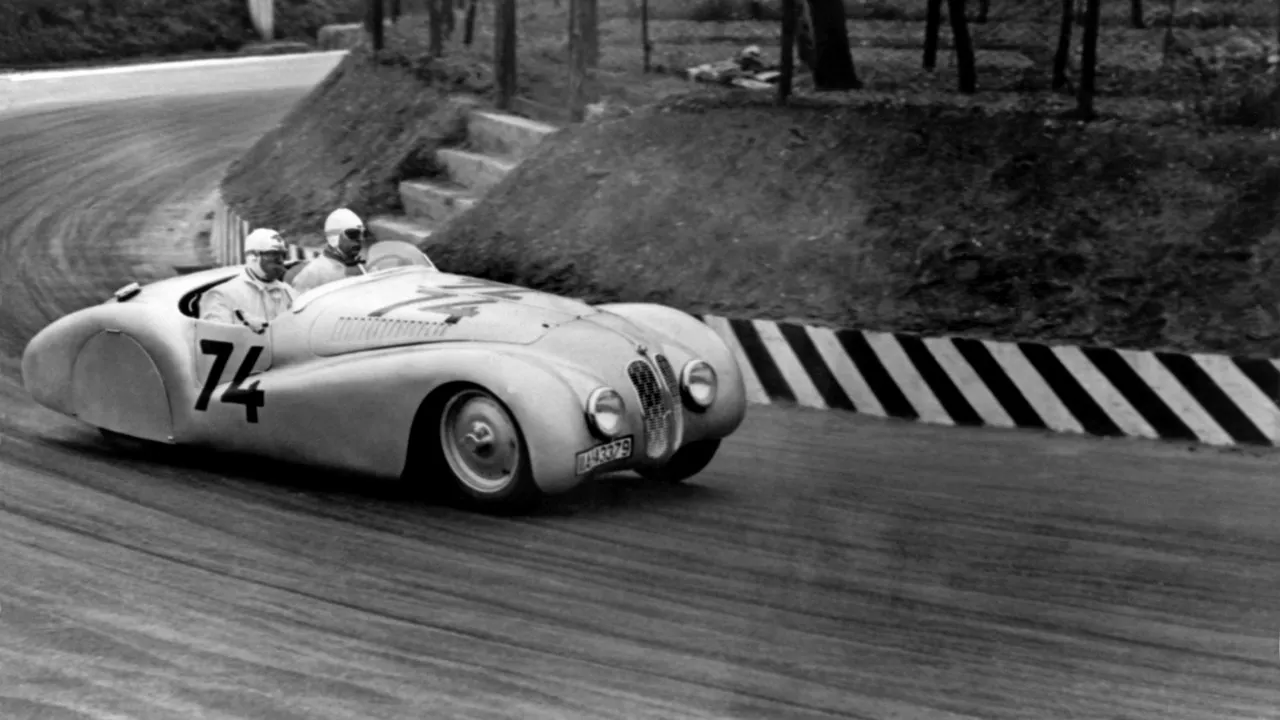
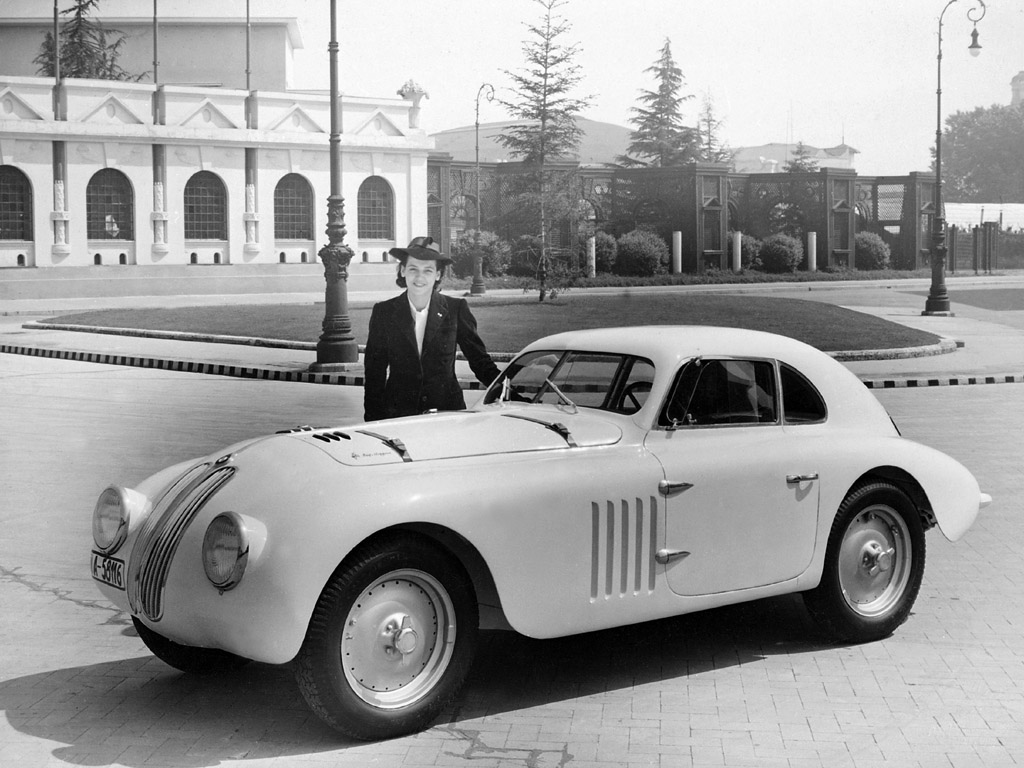
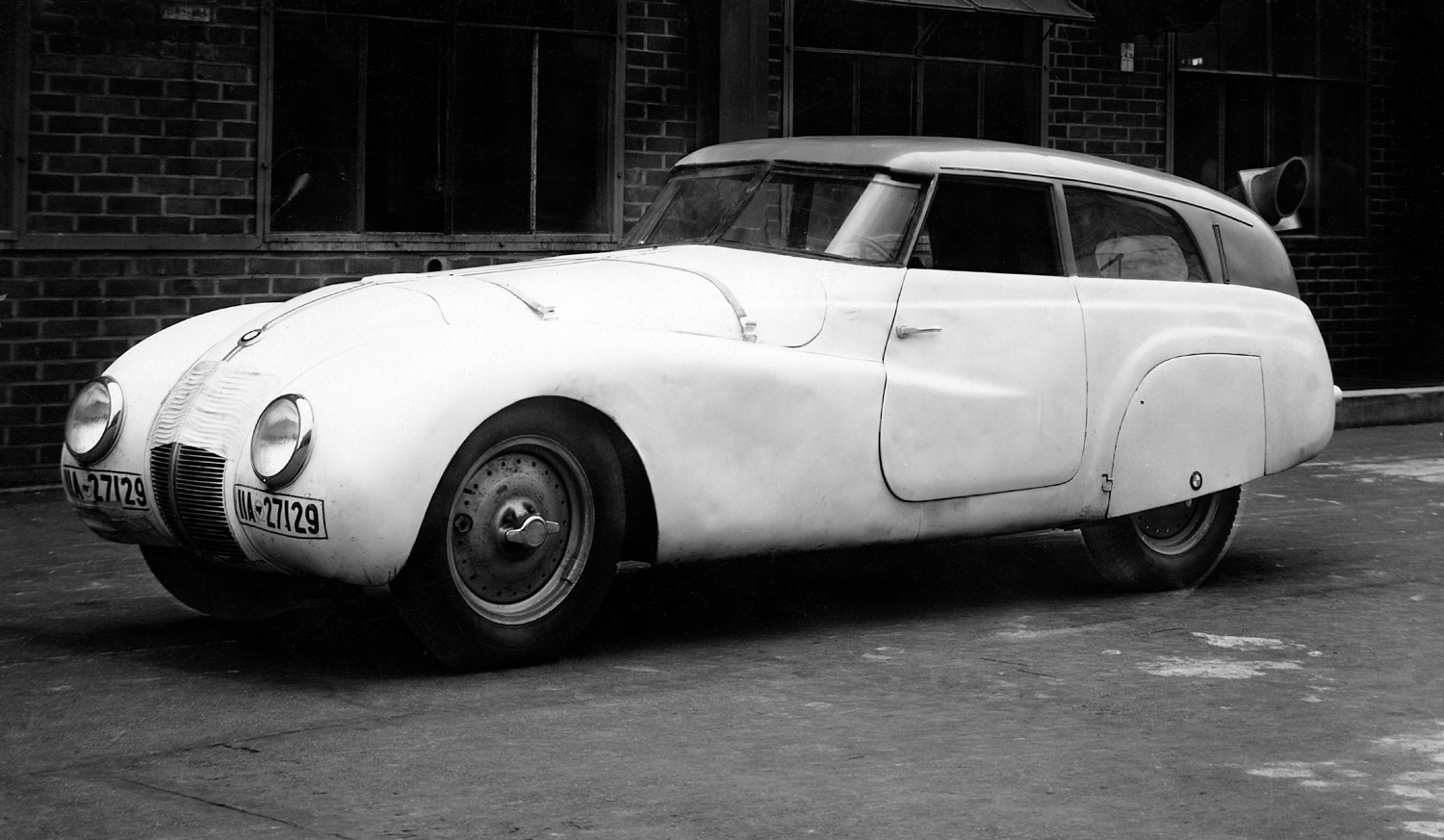
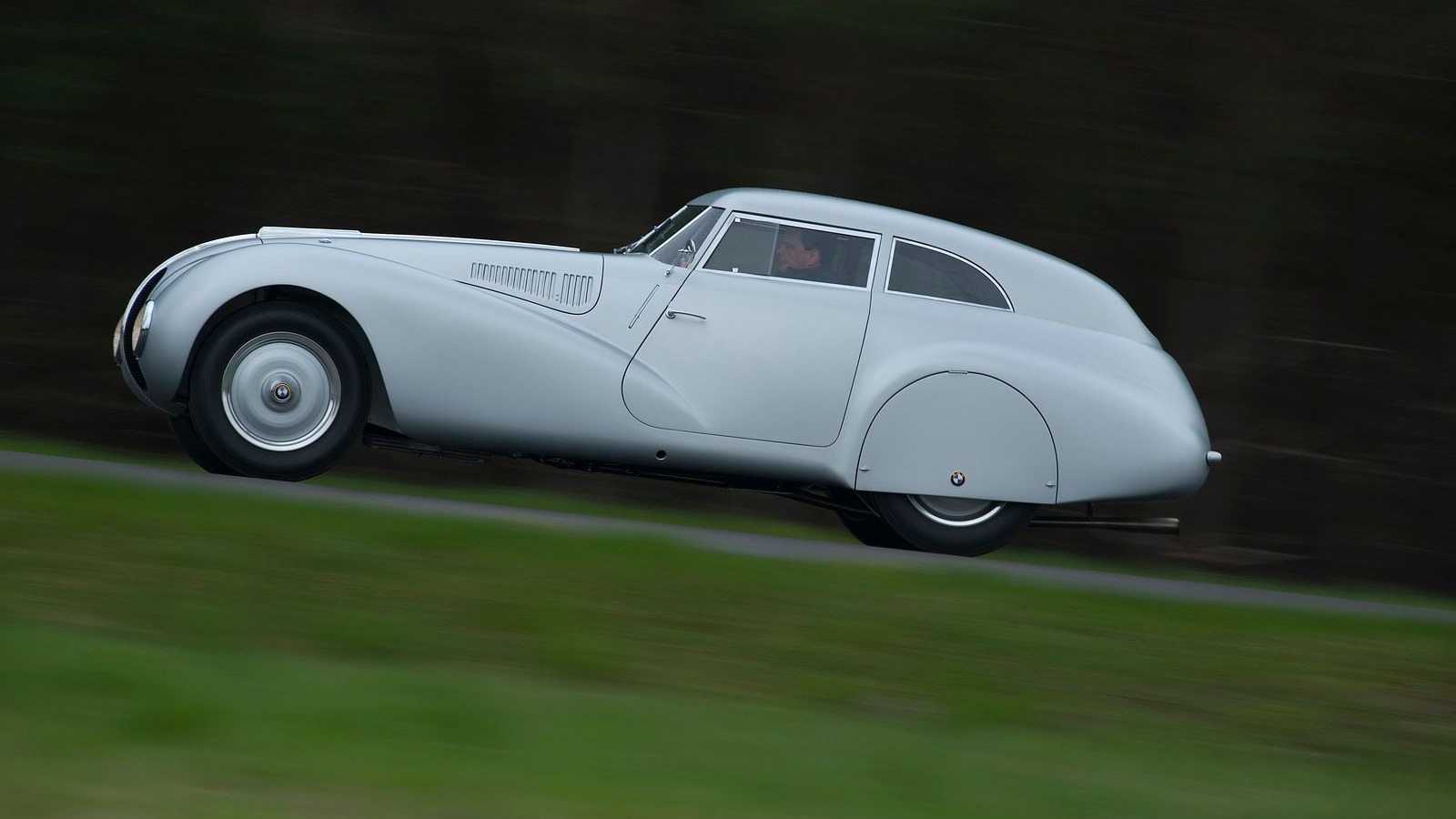
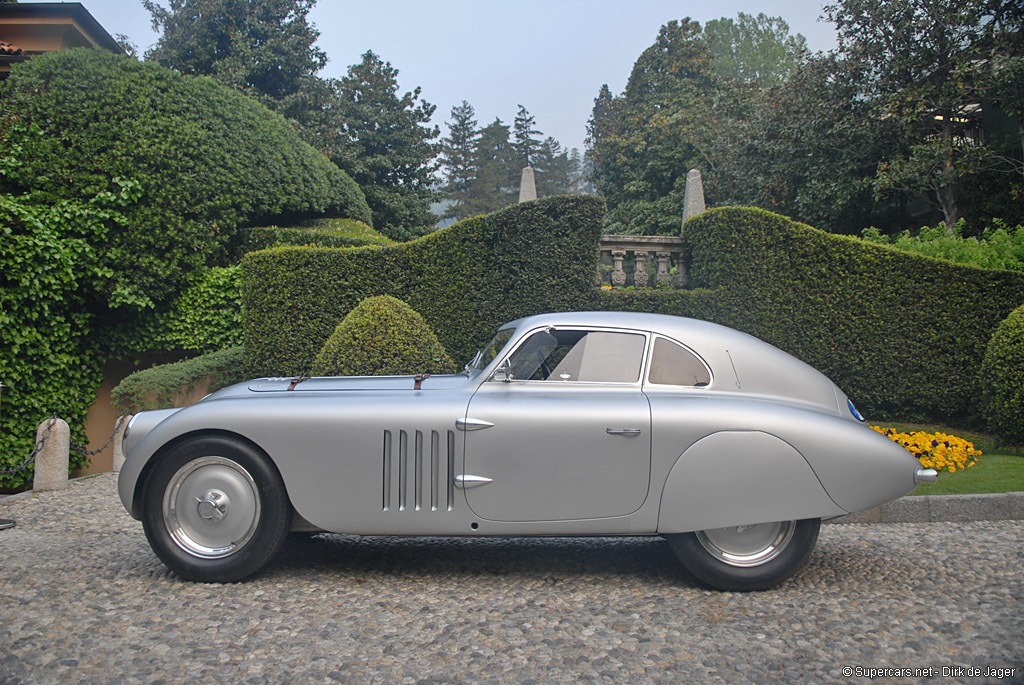
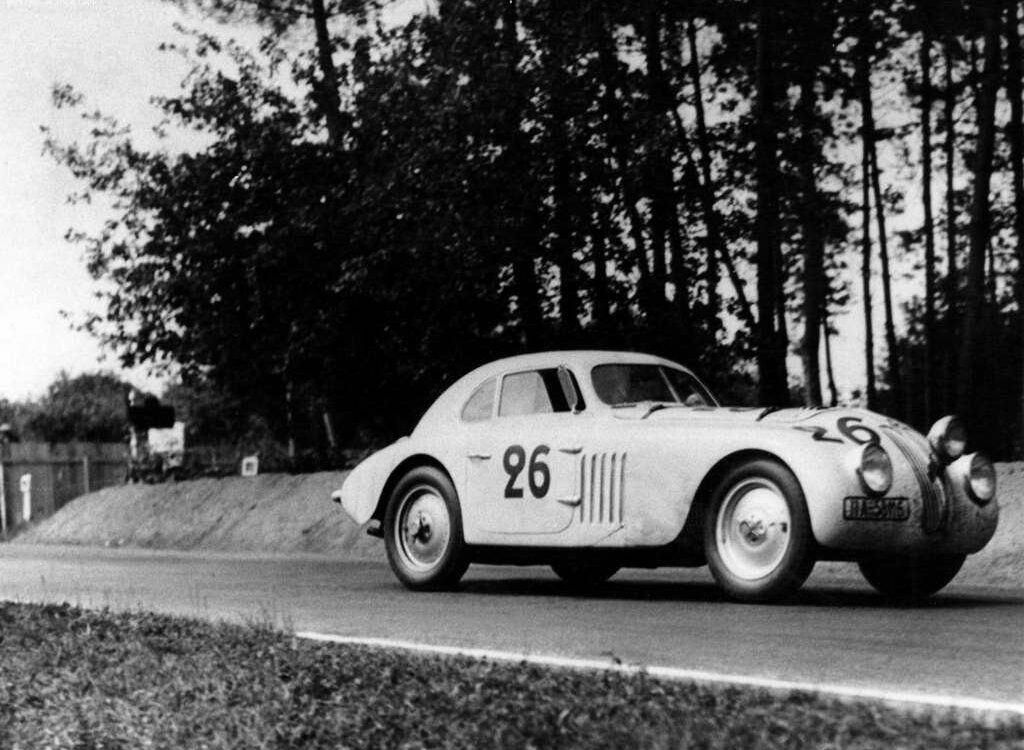
The competitive impact of the BMW 328 was immediate, devastating, and far-reaching. It did not require years of development to find its footing; it arrived as an apex predator. On June 14, 1936, at the treacherous Nürburgring Nordschleife during the Eifelrennen, the 328 made its racing debut. Driven by the legendary motorcycle speed-record holder Ernst Henne, the unsupercharged 2.0-liter BMW obliterated a field of supercharged heavyweights, shattering the class lap record and securing an astonishing victory that sent shockwaves through the paddock. From that moment, the 328 became the absolute weapon of choice for privateers and factory racers alike. It dominated the 2.0-liter class across Europe, securing over 100 class wins in 1937 alone. However, the car’s magnum opus, the race that etched its name permanently into the bedrock of motorsport mythology, was the 1940 Mille Miglia. Conducted on a triangular course around Brescia due to the looming shadows of the Second World War, BMW entered a specialized fleet of highly tuned 328s. The crown jewel of this effort was the aerodynamically flawless 328 Touring Coupé, clothed in lightweight Superleggera coachwork by Carrozzeria Touring of Milan. Producing upwards of 130 horsepower, this slippery, closed-cockpit teardrop was piloted by Fritz Huschke von Hanstein and Walter Bäumer. They didn’t just win their class; they secured an overwhelming overall victory, humiliating the larger Alfa Romeos and averaging a staggering 165 km/h (103 mph) over the 1,000-mile race—a record that stands as a testament to the absolute superiority of Fiedler and Schleicher’s creation. Commercially, the 328 was an exclusive halo car, with only 464 units produced before the outbreak of war halted civilian production. Yet, its cultural repercussion was immense; it was the car that established BMW’s identity as the creator of the “Ultimate Driving Machine”, decades before the marketing slogan was even conceived.
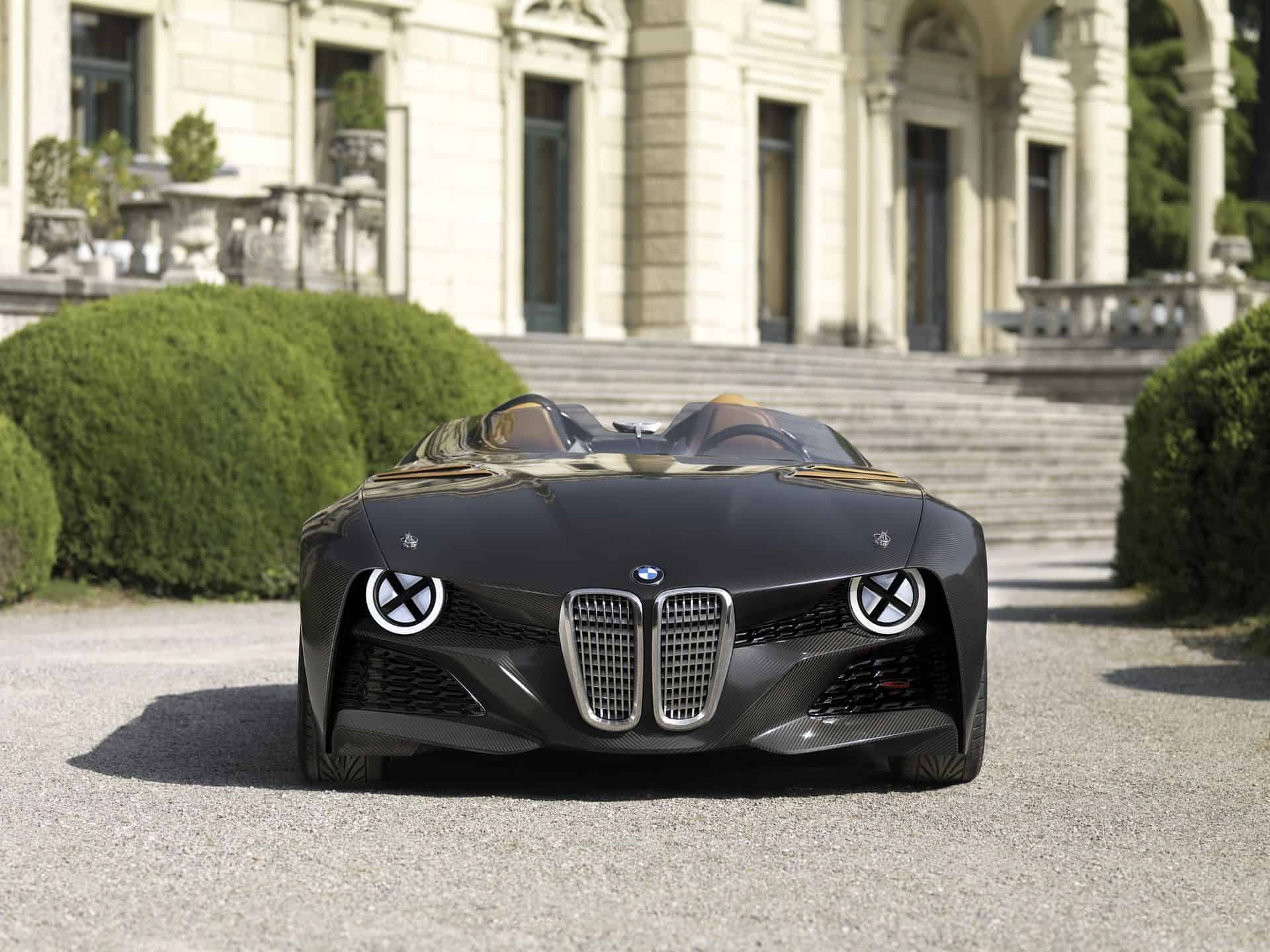
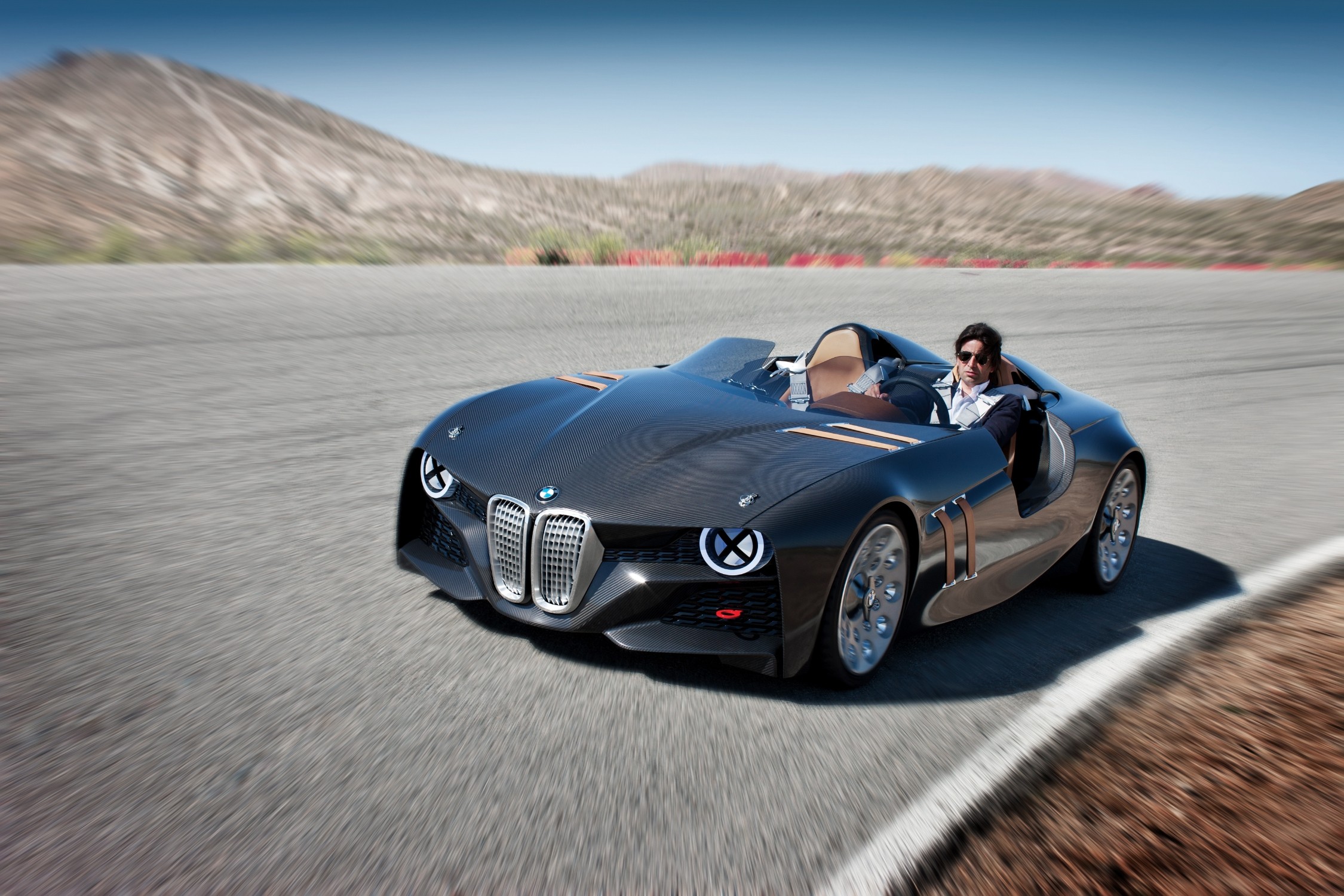
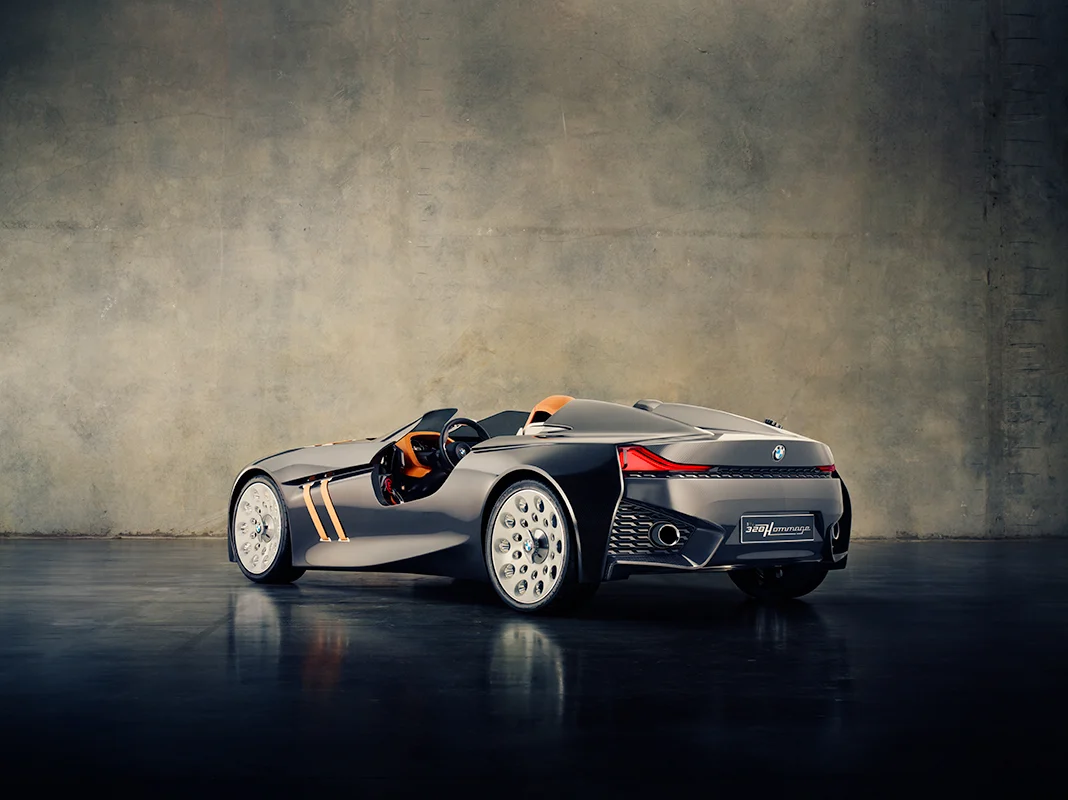
The legacy of the BMW 328 transcends the pre-war era, serving as the foundational DNA for some of the most beloved sports cars in history. Following the devastation of World War II, the blueprints, tooling, and even the chief engineer, Fritz Fiedler, were claimed as war reparations by the British. The brilliant M328 engine design became the beating heart of the post-war British sports car industry. It was manufactured by Bristol Cars, powering their elegant early coupes, and was famously shoehorned into the chassis of the AC Ace—the very car that Carroll Shelby would later stuff with a Ford V8 to create the legendary Cobra. Without the BMW 328, the lineage of British sports cars would look profoundly different. Within Munich, the ghost of the 328 guided the brand’s post-war renaissance, directly inspiring the breathtaking BMW 507 roadster in the 1950s and remaining the spiritual ancestor of every straight-six M-car that followed. Today, the BMW 328 occupies a sovereign place in the pantheon of motorsport. It is universally revered as the most advanced, beautifully engineered, and dominant 2.0-liter sports car of the pre-war era. It was a machine that proved that handling, aerodynamics, and lightweight mechanical brilliance could conquer brute force, forever changing the trajectory of performance driving.
Portal
Model line
Model generation
Predecessor
Sucessor
Brand
Produced from
Vehicle category
Portal
Model line
Model generation
Predecessor
Sucessor
About this model
To fully grasp the magnitude of the BMW 328, one must journey back to the mid-1930s, an era when European motorsport was a theatre of brute force and nationalistic pride. On the Grand Prix circuits, the supercharged leviathans of Mercedes-Benz and Auto Union were rewriting the laws of physics, deafening crowds with their immense displacement and terrifying speed. Yet, amidst this obsession with absolute power, a quiet, profoundly intelligent revolution was brewing in Munich. BMW was a relatively nascent automaker, having only transitioned from aircraft engines and motorcycles to building cars by acquiring Dixi in 1928. Their early sports cars, the 315/1 and 319/1, were nimble and charming, but they were not world-beaters. The established sports car aristocracy—embodied by the jewel-like Bugattis, the robust Aston Martins, and the aristocratic Alfa Romeo 6Cs—looked down upon the Bavarian upstarts. That all changed violently and irrevocably in 1936. Conceived by the brilliant engineering minds of Fritz Fiedler and Rudolf Schleicher, the BMW 328 arrived not with a supercharged roar, but with a symphony of lightweight efficiency, aerodynamic purity, and handling balance that instantly rendered its heavy, traditional rivals obsolete. It was a paradigm shift, proving that a lithe, perfectly balanced 2.0-liter machine could not only compete with the heavyweights but utterly humiliate them.
To strip away the sensual, sweeping aluminum bodywork of the BMW 328 is to gaze upon a masterclass in pragmatic, teutonic engineering. Fiedler designed a lightweight, exceptionally rigid tubular A-frame chassis, stepping away from the heavy ladder frames that plagued the era’s sports cars. The suspension was highly advanced for its day, utilizing an independent front setup with a transverse leaf spring and a live rear axle. But the undisputed crown jewel of the 328 was its engine: the legendary M328 1,971cc naturally aspirated straight-six. Schleicher faced a conundrum; he wanted hemispherical combustion chambers with opposed valves for optimal breathing, but designing a complex, expensive twin-overhead-camshaft layout was out of the question for a production car. His solution was an absolute masterstroke of mechanical ingenuity. He utilized a single, block-mounted camshaft. The intake valves were operated by conventional pushrods, while the exhaust valves were actuated by an ingenious system of transverse pushrods running horizontally right across the top of the cylinder head, operated by bell cranks. This brilliant architecture provided all the breathing advantages of a twin-cam engine without the weight, cost, or complexity. Breathing through a trio of Solex 30 JF downdraft carburetors, the engine produced 80 brake horsepower at 5,000 rpm in standard road trim. While 80 horsepower might sound modest today, when mounted in a beautifully streamlined, aluminum-bodied roadster weighing a scant 830 kilograms, the performance was explosive. The 328 could touch 150 km/h (93 mph), an astonishing figure for a 2.0-liter unsupercharged car of the late 1930s. The exterior was equally purposeful, defined by its leather-strapped bonnet, integrated headlamps, and the now-iconic, vertical twin-kidney grille that seemed to inhale the road ahead. Inside, the cabin was a beautifully spartan affair, featuring a large, thin-rimmed steering wheel and a pair of massive, legible dials that provided the pilot with only the most vital mechanical telemetry.
The competitive impact of the BMW 328 was immediate, devastating, and far-reaching. It did not require years of development to find its footing; it arrived as an apex predator. On June 14, 1936, at the treacherous Nürburgring Nordschleife during the Eifelrennen, the 328 made its racing debut. Driven by the legendary motorcycle speed-record holder Ernst Henne, the unsupercharged 2.0-liter BMW obliterated a field of supercharged heavyweights, shattering the class lap record and securing an astonishing victory that sent shockwaves through the paddock. From that moment, the 328 became the absolute weapon of choice for privateers and factory racers alike. It dominated the 2.0-liter class across Europe, securing over 100 class wins in 1937 alone. However, the car’s magnum opus, the race that etched its name permanently into the bedrock of motorsport mythology, was the 1940 Mille Miglia. Conducted on a triangular course around Brescia due to the looming shadows of the Second World War, BMW entered a specialized fleet of highly tuned 328s. The crown jewel of this effort was the aerodynamically flawless 328 Touring Coupé, clothed in lightweight Superleggera coachwork by Carrozzeria Touring of Milan. Producing upwards of 130 horsepower, this slippery, closed-cockpit teardrop was piloted by Fritz Huschke von Hanstein and Walter Bäumer. They didn’t just win their class; they secured an overwhelming overall victory, humiliating the larger Alfa Romeos and averaging a staggering 165 km/h (103 mph) over the 1,000-mile race—a record that stands as a testament to the absolute superiority of Fiedler and Schleicher’s creation. Commercially, the 328 was an exclusive halo car, with only 464 units produced before the outbreak of war halted civilian production. Yet, its cultural repercussion was immense; it was the car that established BMW’s identity as the creator of the “Ultimate Driving Machine”, decades before the marketing slogan was even conceived.
The legacy of the BMW 328 transcends the pre-war era, serving as the foundational DNA for some of the most beloved sports cars in history. Following the devastation of World War II, the blueprints, tooling, and even the chief engineer, Fritz Fiedler, were claimed as war reparations by the British. The brilliant M328 engine design became the beating heart of the post-war British sports car industry. It was manufactured by Bristol Cars, powering their elegant early coupes, and was famously shoehorned into the chassis of the AC Ace—the very car that Carroll Shelby would later stuff with a Ford V8 to create the legendary Cobra. Without the BMW 328, the lineage of British sports cars would look profoundly different. Within Munich, the ghost of the 328 guided the brand’s post-war renaissance, directly inspiring the breathtaking BMW 507 roadster in the 1950s and remaining the spiritual ancestor of every straight-six M-car that followed. Today, the BMW 328 occupies a sovereign place in the pantheon of motorsport. It is universally revered as the most advanced, beautifully engineered, and dominant 2.0-liter sports car of the pre-war era. It was a machine that proved that handling, aerodynamics, and lightweight mechanical brilliance could conquer brute force, forever changing the trajectory of performance driving.
Submodels