Fiat 124 Spider
Brand
Produced from
Vehicle category
Portal
Model line
Model generation
Predecessor
Sucessor
Model Overview
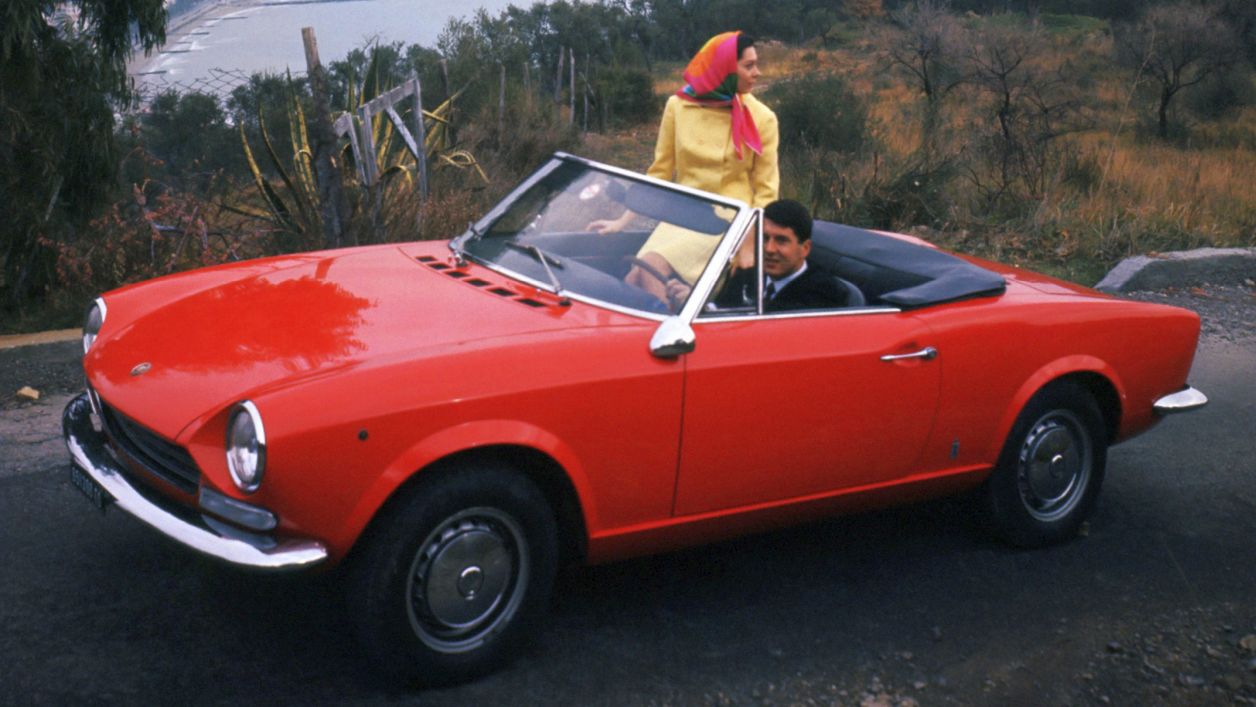
When the automotive world descended upon the Turin Auto Show in the crisp November of 1966, the market for open-top sports cars was largely dominated by the British establishment. Roadsters like the MGB and the Triumph TR series possessed undeniable charm, but they were fundamentally agrarian in their engineering, relying on wheezy pushrod engines and archaic cart-sprung rear axles. Alfa Romeo’s breathtaking Duetto Spider offered a far more sophisticated Italian alternative, but it carried a price tag that placed it out of reach for the average enthusiast. Recognizing this glaring void, Fiat, then riding the crest of an industrial and economic boom, unleashed a masterpiece that would democratize the glamorous dolce vita lifestyle: the Fiat 124 Sport Spider. It was a vehicle that wrapped exotic, race-bred engineering in a bespoke, hand-drawn suit, yet it was priced for the everyman. Exactly fifty years later, in a stunning act of corporate pragmatism and automotive resurrection, the nameplate was revived. The 2016 Fiat 124 Spider was born of an unprecedented transcontinental marriage with Mazda, borrowing the brilliant ND-generation MX-5 chassis but injecting it with a thoroughly Italian, turbocharged soul. Together, these two distinct epochs form a singular, legendary model line that spans half a century, bound by an unwavering commitment to accessible, wind-in-the-hair joy.
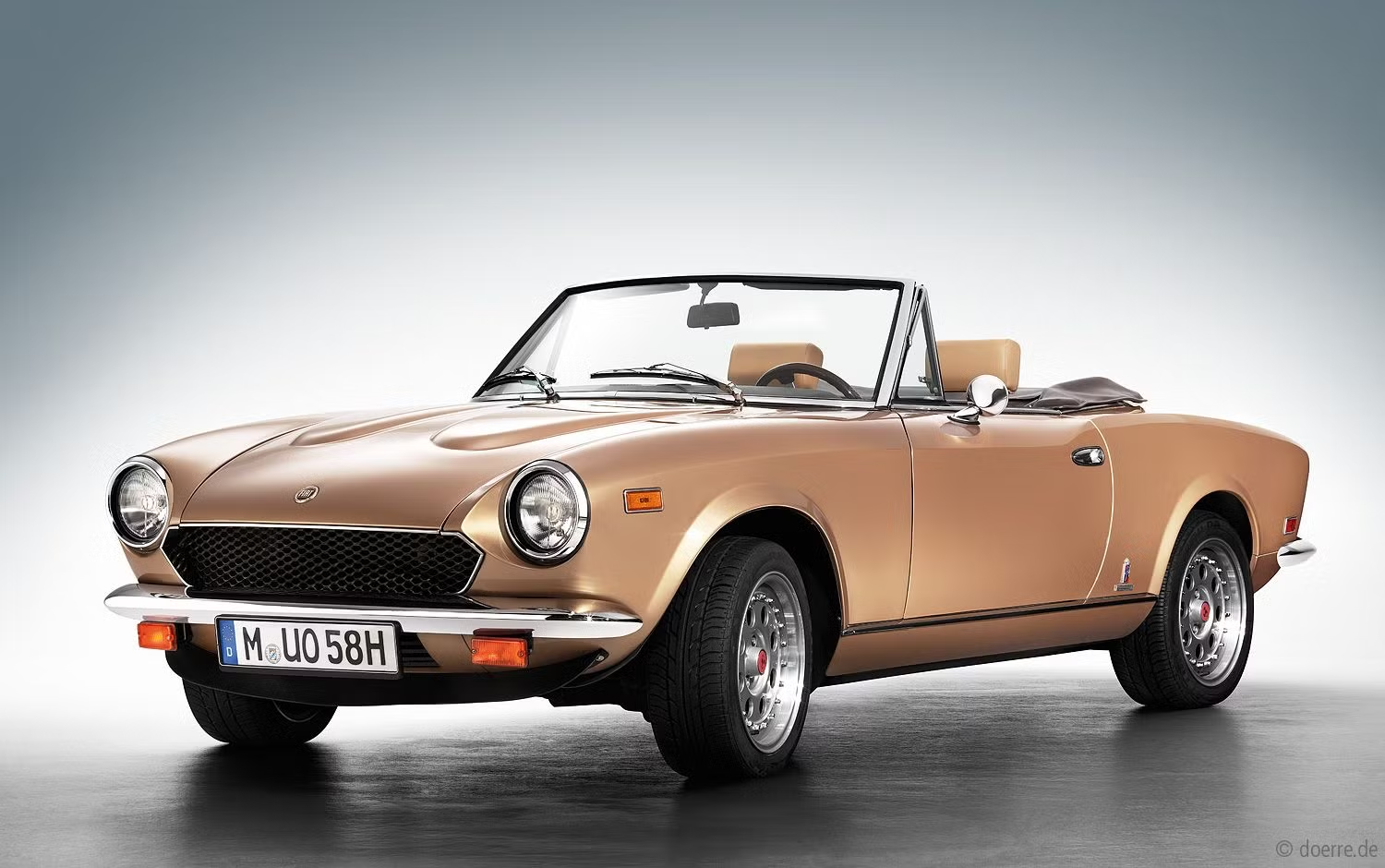
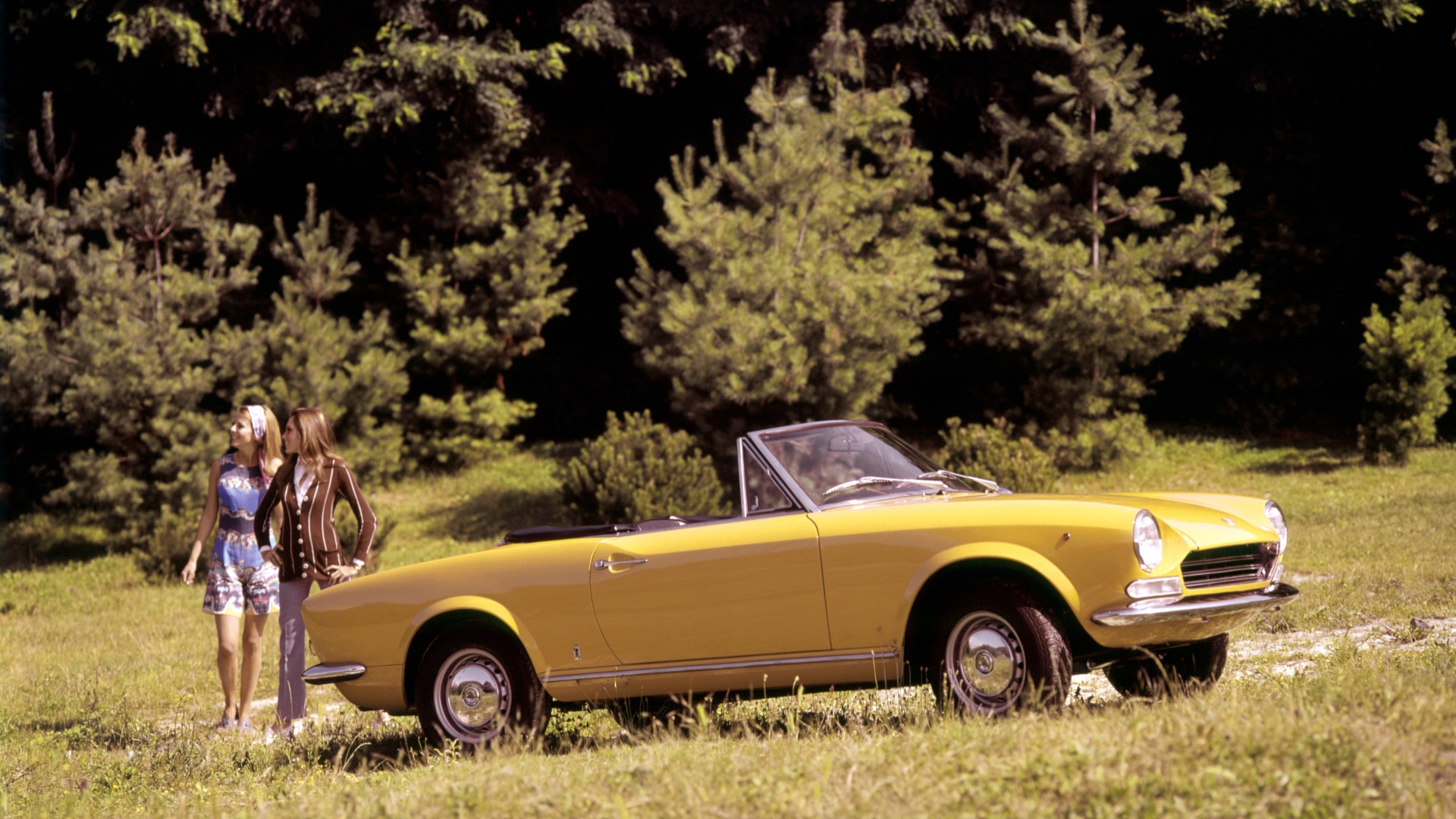
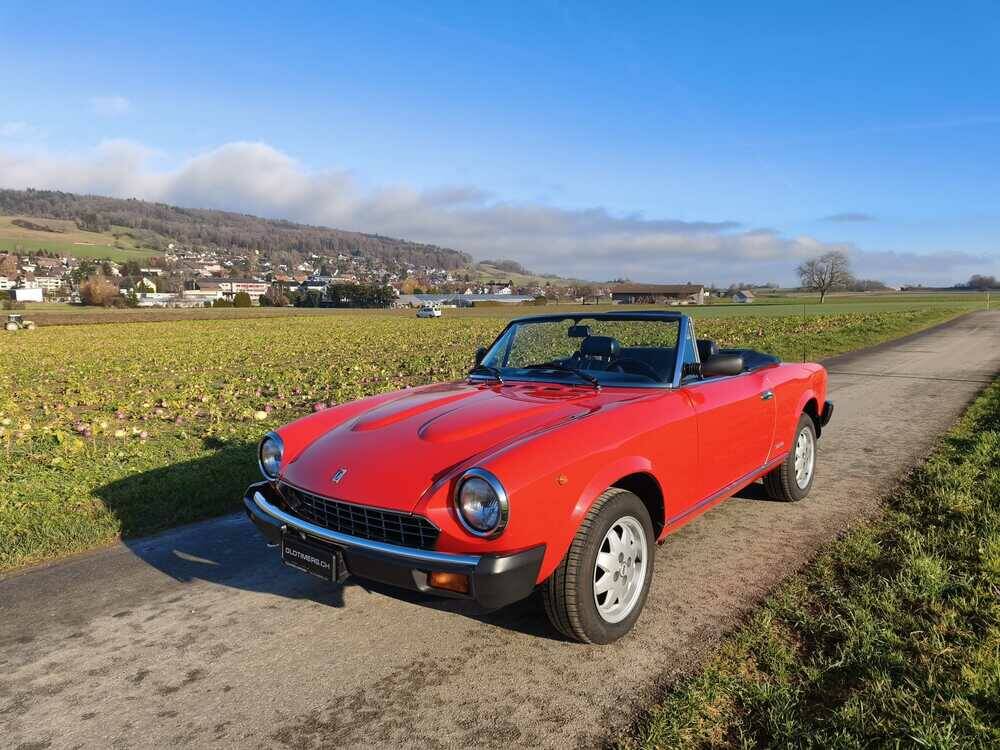
The mechanical anatomy of the classic 124 Sport Spider was nothing short of a revelation for its era and price point. While its underlying floorpan was loosely derived from the humble 124 sedan, the wheelbase was shortened, and the proportions were perfected. The exterior was penned by the incredibly talented American-born designer Tom Tjaarda, working at Carrozzeria Pininfarina. The shape was timeless, characterized by its swallowed-tail rear end, gently swelling front fenders, and the iconic hexagonal grille. But the true magic resided beneath the long, elegant hood. Fiat employed the genius of Aurelio Lampredi, a former Ferrari engineer, to design the legendary Bialbero (twin-cam) inline-four engine. Featuring an aluminium crossflow cylinder head and belt-driven double overhead camshafts—a specification normally reserved for exotic supercars in the 1960s—the engine loved to rev, singing a raspy, induction-heavy symphony. Over its astonishing two-decade production run, the engine evolved beautifully. It began as a lively 1.4-liter in the early AS and BS models, grew to 1.6 and 1.8 liters in the CS and CS1 variants, and ultimately culminated in the 2.0-liter CS2 and fuel-injected CS0 models of the late 1970s and early 1980s.
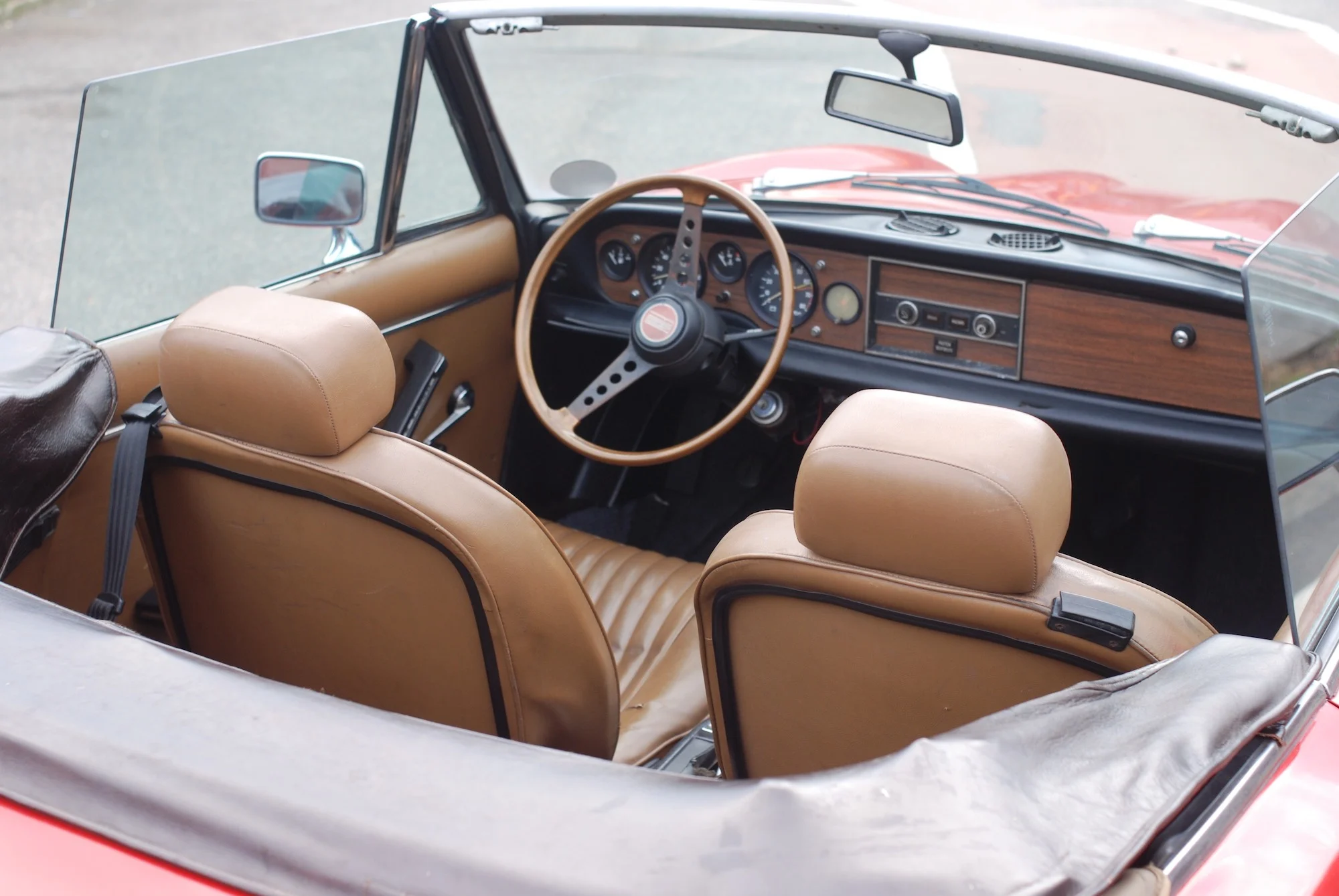
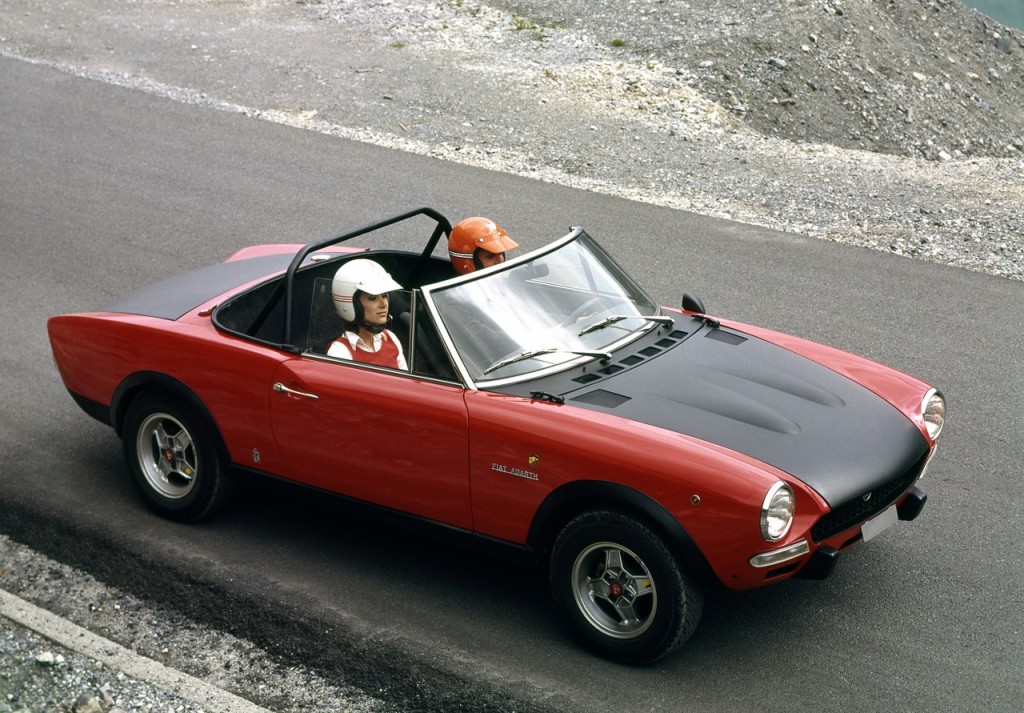
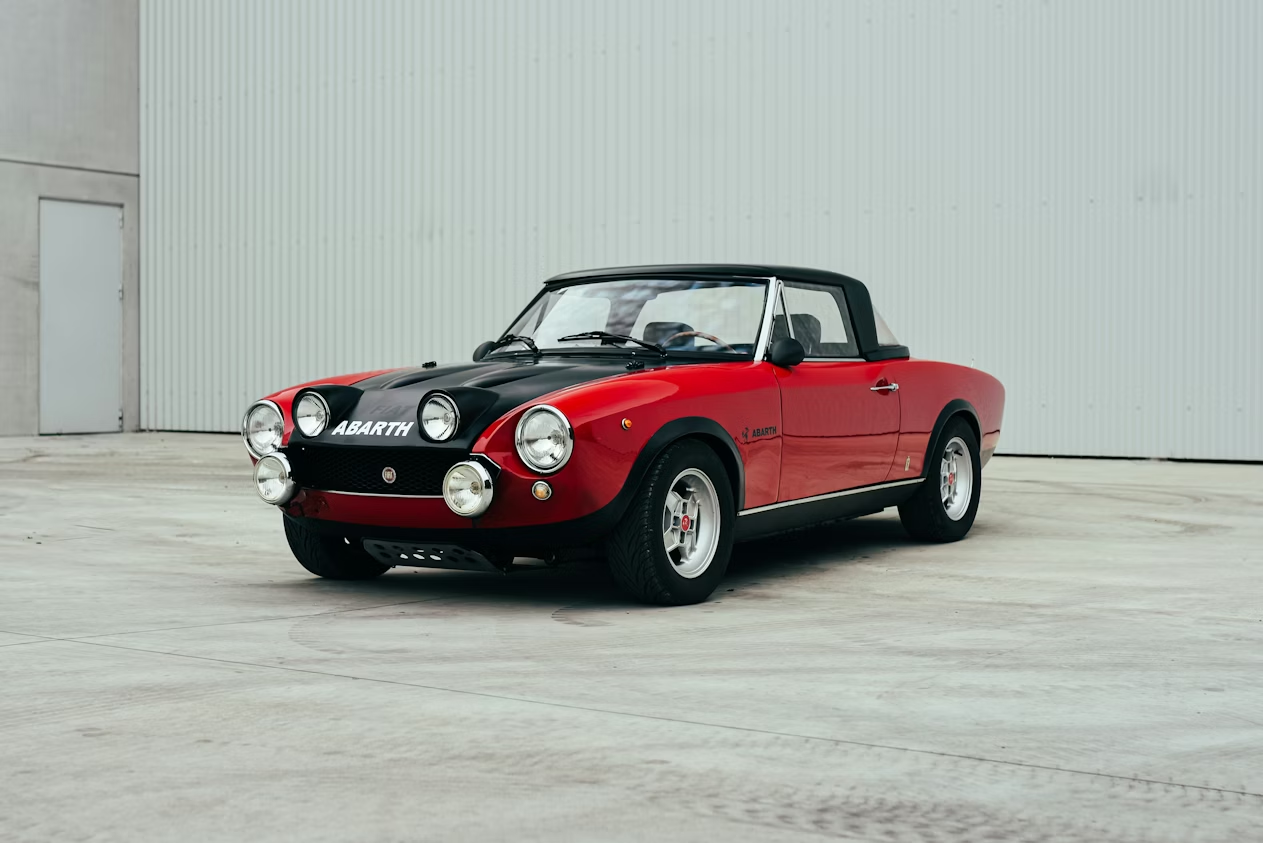
Unlike its British rivals, the Fiat featured four-wheel disc brakes and coil springs all around from the very beginning. Inside, the cabin was a tactile delight, boasting genuine wood veneer, deeply dished steering wheels, and gorgeous Veglia Borletti dials. The canvas roof was an absolute triumph of packaging; it was so brilliantly engineered that a driver could unlatch it and throw it back with one hand while waiting at a traffic light. However, the 124 Spider’s mechanical envelope was pushed to its absolute limits with the introduction of the Abarth Stradale (CSA) in 1972. Built to homologate the car for the Group 4 World Rally Championship, the Abarth variant discarded the live rear axle in favor of fully independent McPherson struts, replaced the steel body panels with lightweight fiberglass, and added a matte-black anti-glare hood. Towards the end of the classic era, when Fiat officially dropped the model, Pininfarina took over complete production, rebranding it as the Spidereuropa (or Azzurra in the US). This final chapter even birthed incredibly rare forced-induction unicorns, such as the Pininfarina Spidereuropa “Volumex” (VX), which utilized a Roots-type supercharger, and the limited-run 2000 Turbo built by Legend Industries for the American market.
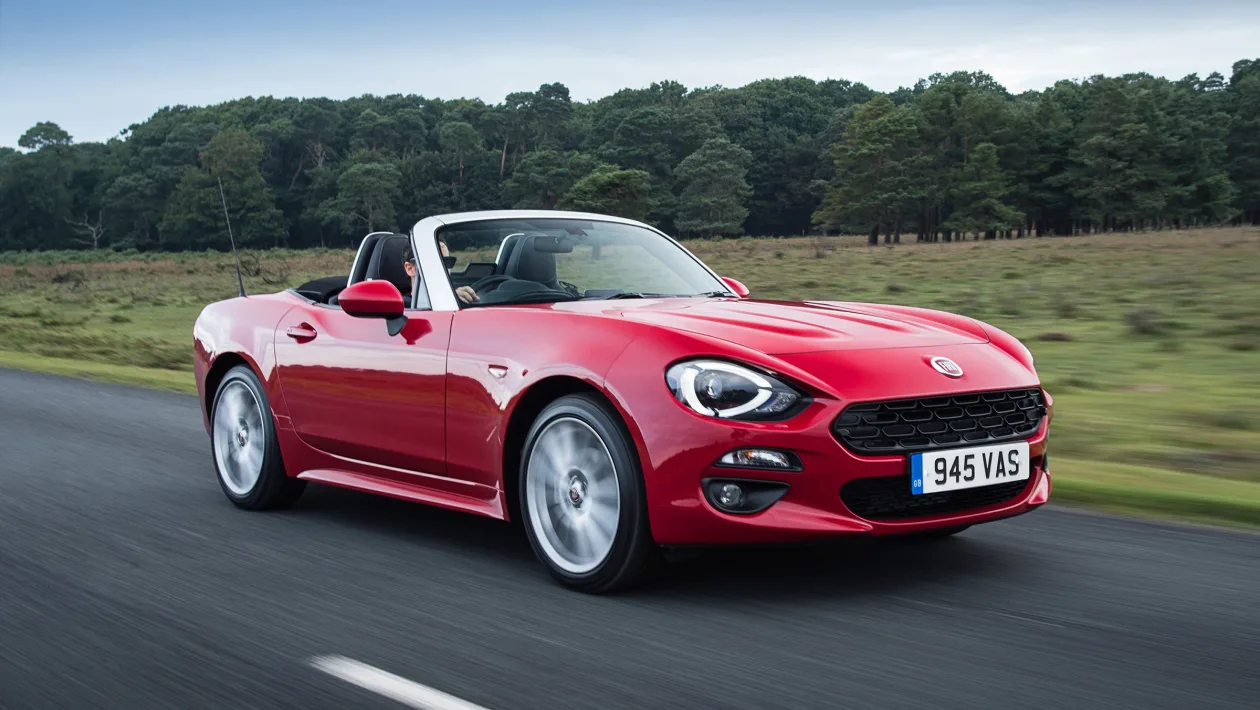
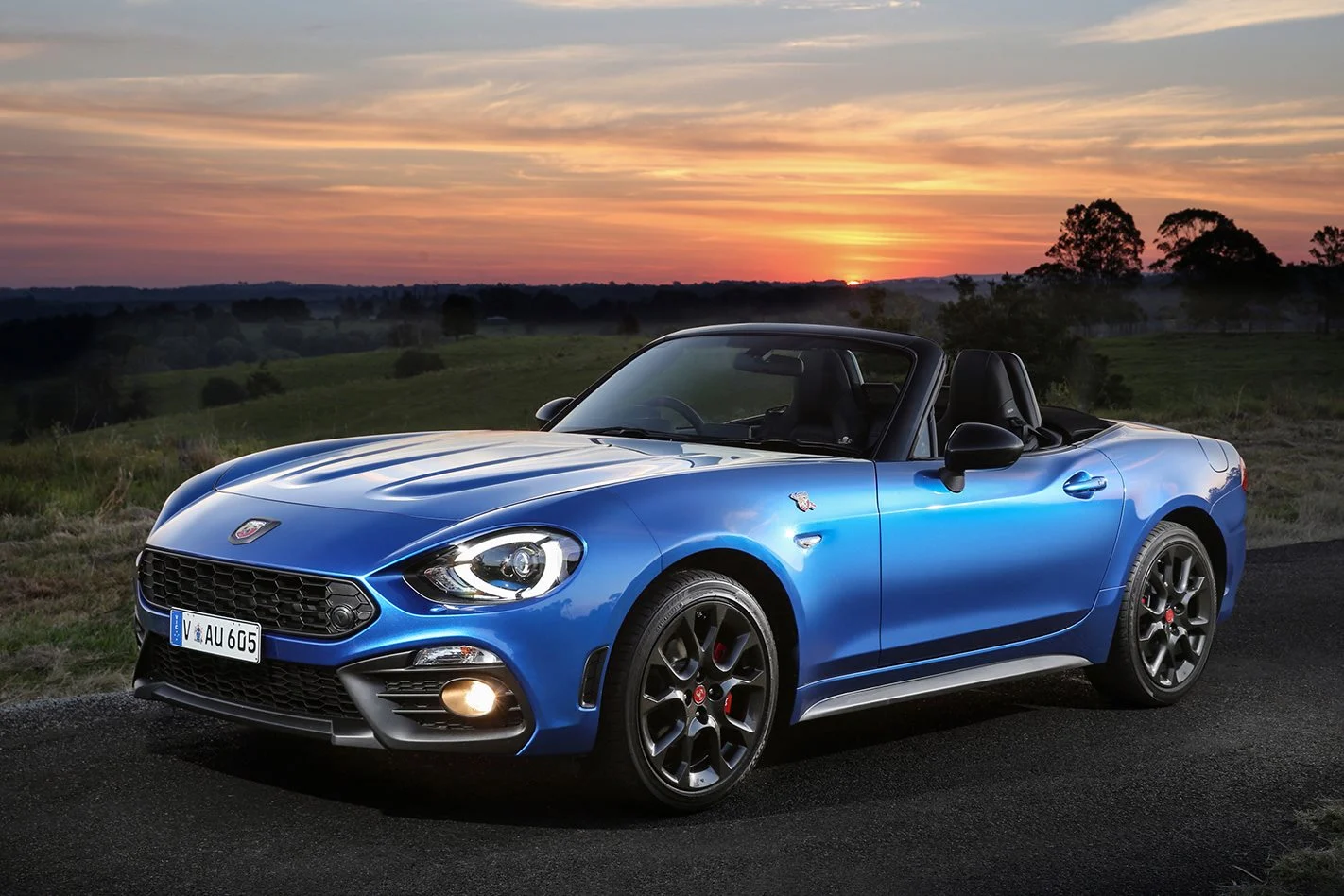
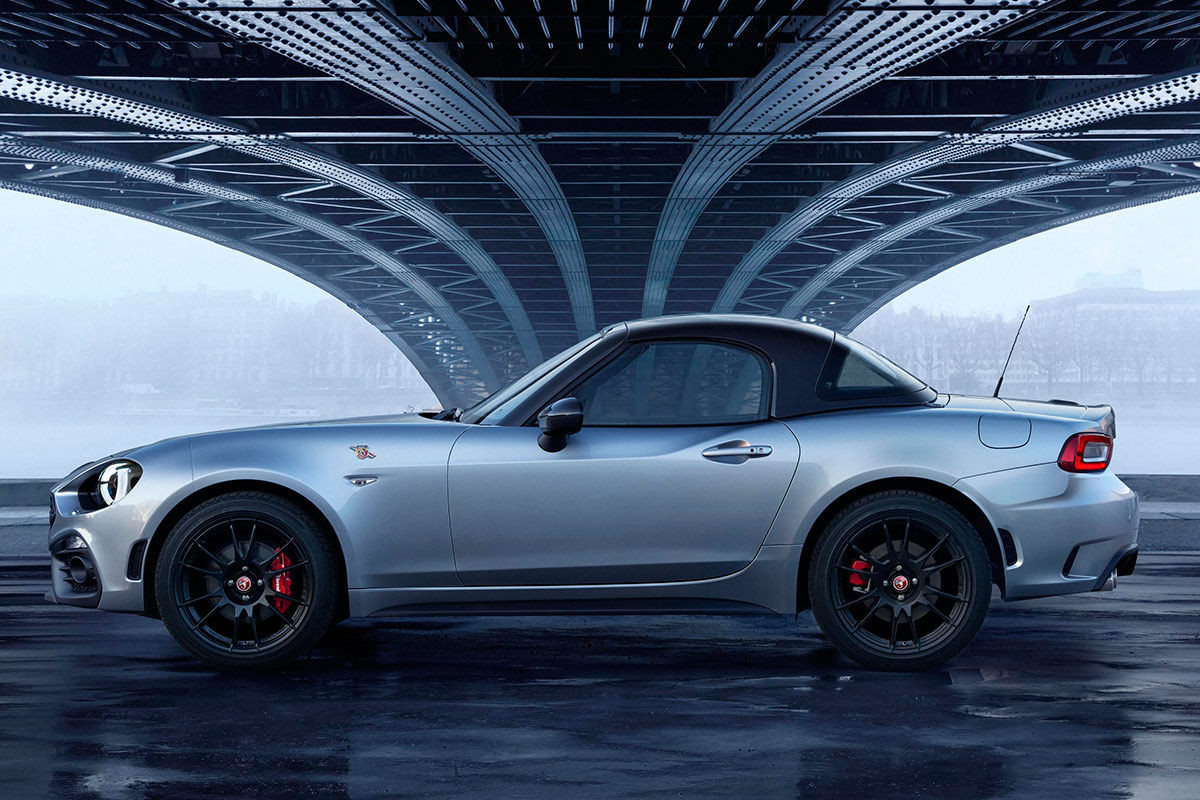
Fast forward to the 2010s, and the roadster market had shrunk to a fraction of its former size. Developing a bespoke rear-wheel-drive platform from scratch was financially unviable, prompting Fiat Chrysler’s CEO Sergio Marchionne to strike a deal with Mazda. The resulting 2016 Fiat 124 Spider utilized the phenomenally capable MX-5 architecture, but Fiat’s Centro Stile completely redesigned the exterior. The modern car was stretched by several inches to echo Tjaarda’s classic proportions, incorporating the twin power bulges on the hood and the signature hexagonal grille. Crucially, Fiat discarded Mazda’s naturally aspirated engines, opting to ship its own 1.4-liter MultiAir turbocharged inline-four from Italy to the assembly line in Hiroshima. This transformed the car’s dynamic character; it rode a thick wave of mid-range torque, making the standard Fiat 124 a relaxed, effortless grand tourer. For the purists, however, the Abarth 124 Spider cranked the aggression to eleven. It featured a mechanical limited-slip differential, stiffened Bilstein sport dampers, Brembo brakes, and the raucous, popping Record Monza dual-mode exhaust system. The lineup was further enhanced by the Anniversary 50 editions and the stunning Abarth 124 GT in 2018, which featured a lightweight carbon-fiber hardtop and forged OZ Racing wheels.
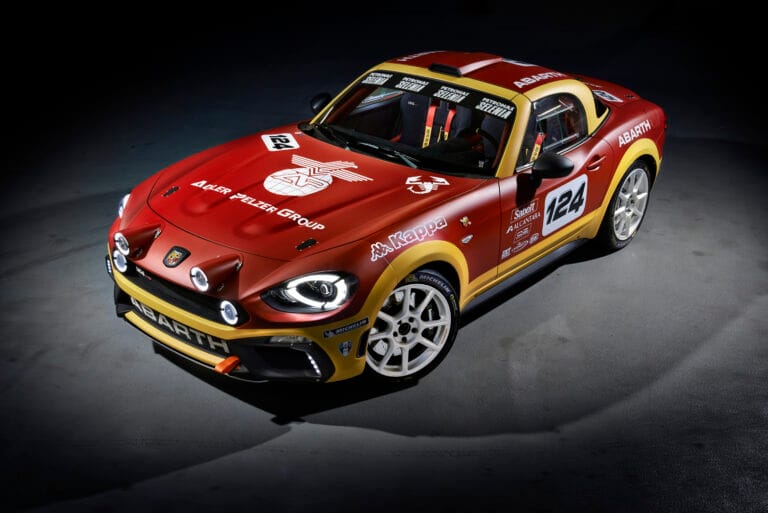
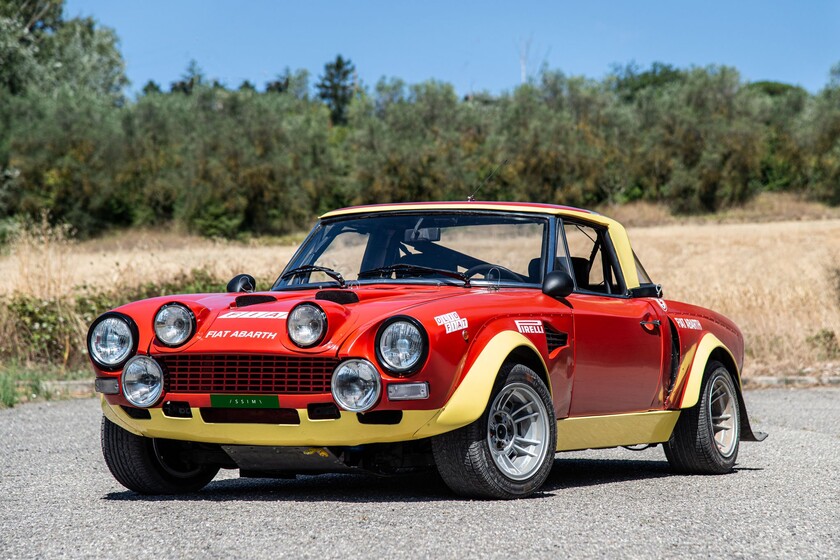
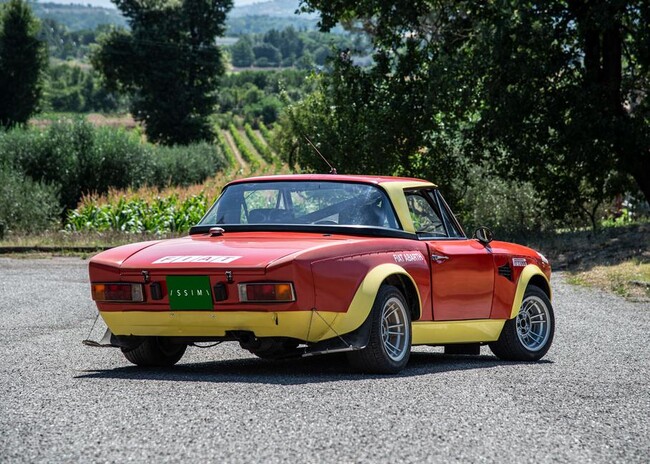
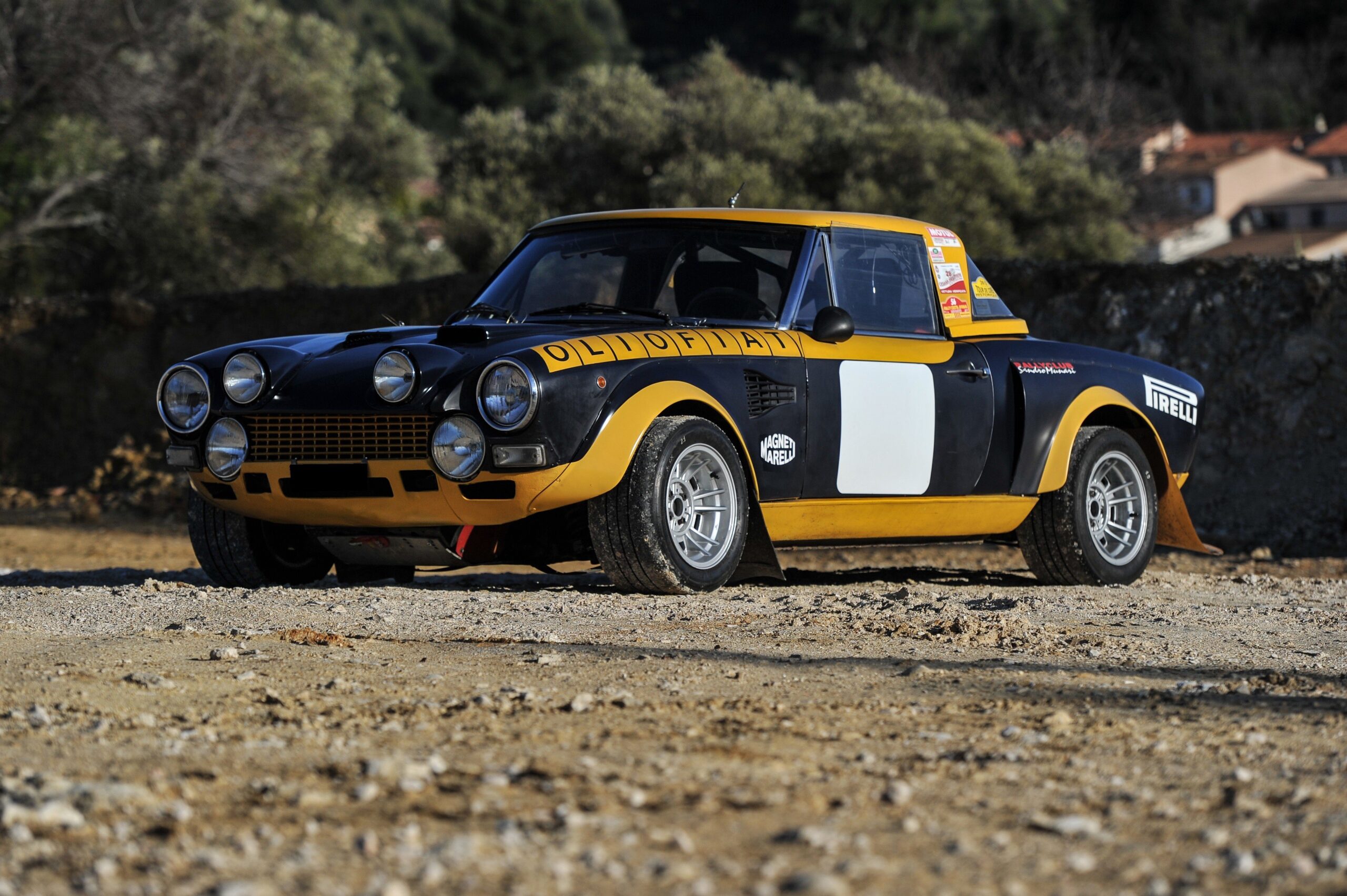
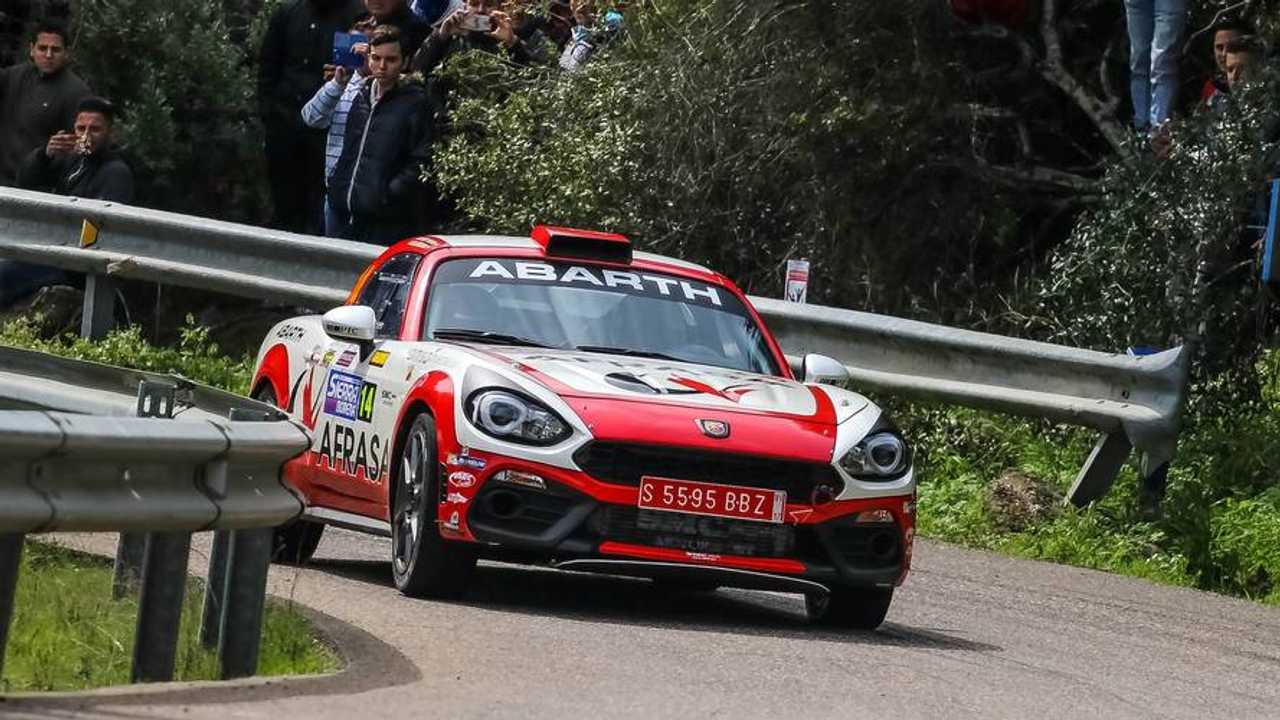
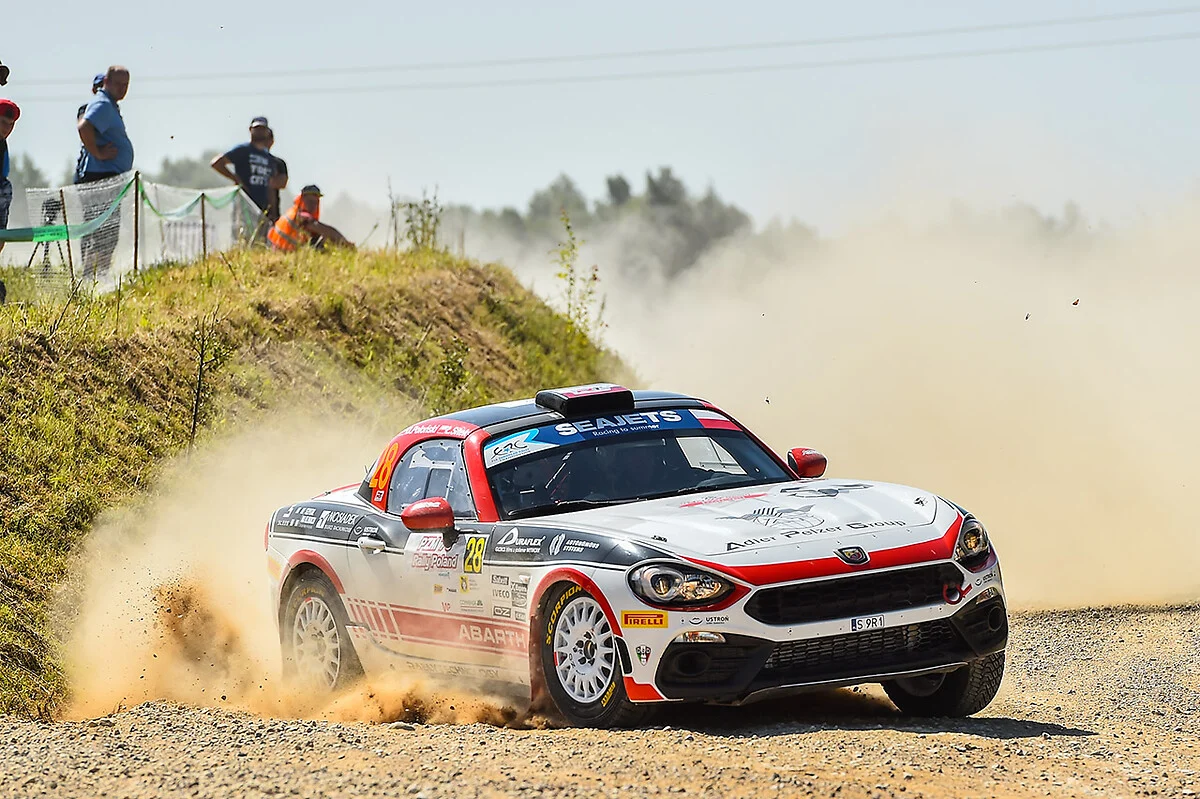
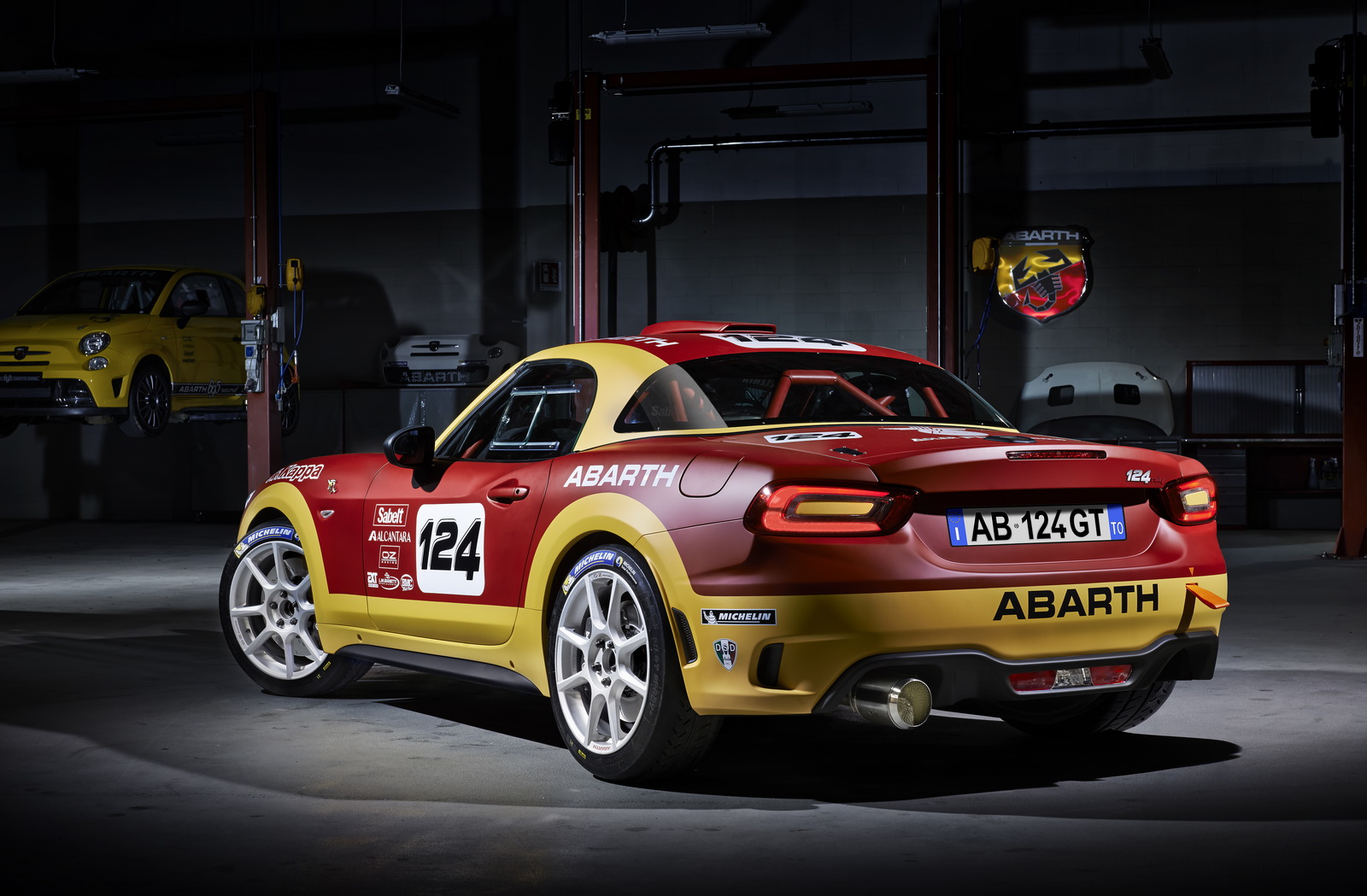
The historical impact of the 124 Spider line is deeply anchored in both its massive commercial success and its spectacular motorsport pedigree. Commercially, the classic Spider was an absolute juggernaut in the United States, which consumed over 170,000 of the nearly 200,000 units produced. It became the quintessential affordable Italian classic, offering a slice of Riviera glamour to college students and executives alike, firmly embedding itself in American pop culture. But its soul was baptized in the mud, snow, and gravel of the 1970s rally stages. The Fiat 124 Abarth Rally Gr.4 was a fire-breathing monster. Driven by fearless legends like Markku Alén, Raffaele Pinto, and Maurizio Verini, the Abarth 124 secured the European Rally Championship in 1974 and 1975, dancing sideways through the Col de Turini against the Lancia Stratos and Alpine A110. Astonishingly, this racing heritage was perfectly echoed by the modern generation. Abarth developed the spectacular 124 Rally R-GT, a 300-horsepower, sequential-gearbox weapon that brought the glorious spectacle of rear-wheel-drive dynamics back to modern rallying. Campaigned by veterans like François Delecour and Raphael Astier, it conquered the FIA R-GT Cup, proving that the modern chassis possessed a phenomenal, race-winning balance that honored its ancestors.
The legacy of the Fiat 124 Spider model line is one of enduring joy and mechanical passion. It serves as a beautiful bridge between two vastly different eras of the automotive industry. The classic generation proved that high-revving twin-cam engines, sophisticated suspension, and stunning Pininfarina coachwork did not have to be reserved for the wealthy elite; it democratized the true sports car experience. The modern generation, affectionately dubbed the “Fiata”, demonstrated how a clever cross-cultural alliance could revive a dormant legend without losing its essential, torque-rich Italian character. Together, they secure the 124 Spider’s sovereign place in the pantheon of motoring. It is not remembered as a highly strung, fragile exotic, but rather as the ultimate expression of accessible, joyful, and deeply passionate Italian open-top motoring—a car that taught multiple generations the simple, unadulterated pleasure of dropping the roof and chasing the horizon.
Portal
Model line
Model generation
Predecessor
Sucessor
Brand
Produced from
Vehicle category
Portal
Model line
Model generation
Predecessor
Sucessor
Model Overview
When the automotive world descended upon the Turin Auto Show in the crisp November of 1966, the market for open-top sports cars was largely dominated by the British establishment. Roadsters like the MGB and the Triumph TR series possessed undeniable charm, but they were fundamentally agrarian in their engineering, relying on wheezy pushrod engines and archaic cart-sprung rear axles. Alfa Romeo’s breathtaking Duetto Spider offered a far more sophisticated Italian alternative, but it carried a price tag that placed it out of reach for the average enthusiast. Recognizing this glaring void, Fiat, then riding the crest of an industrial and economic boom, unleashed a masterpiece that would democratize the glamorous dolce vita lifestyle: the Fiat 124 Sport Spider. It was a vehicle that wrapped exotic, race-bred engineering in a bespoke, hand-drawn suit, yet it was priced for the everyman. Exactly fifty years later, in a stunning act of corporate pragmatism and automotive resurrection, the nameplate was revived. The 2016 Fiat 124 Spider was born of an unprecedented transcontinental marriage with Mazda, borrowing the brilliant ND-generation MX-5 chassis but injecting it with a thoroughly Italian, turbocharged soul. Together, these two distinct epochs form a singular, legendary model line that spans half a century, bound by an unwavering commitment to accessible, wind-in-the-hair joy.
The mechanical anatomy of the classic 124 Sport Spider was nothing short of a revelation for its era and price point. While its underlying floorpan was loosely derived from the humble 124 sedan, the wheelbase was shortened, and the proportions were perfected. The exterior was penned by the incredibly talented American-born designer Tom Tjaarda, working at Carrozzeria Pininfarina. The shape was timeless, characterized by its swallowed-tail rear end, gently swelling front fenders, and the iconic hexagonal grille. But the true magic resided beneath the long, elegant hood. Fiat employed the genius of Aurelio Lampredi, a former Ferrari engineer, to design the legendary Bialbero (twin-cam) inline-four engine. Featuring an aluminium crossflow cylinder head and belt-driven double overhead camshafts—a specification normally reserved for exotic supercars in the 1960s—the engine loved to rev, singing a raspy, induction-heavy symphony. Over its astonishing two-decade production run, the engine evolved beautifully. It began as a lively 1.4-liter in the early AS and BS models, grew to 1.6 and 1.8 liters in the CS and CS1 variants, and ultimately culminated in the 2.0-liter CS2 and fuel-injected CS0 models of the late 1970s and early 1980s.
Unlike its British rivals, the Fiat featured four-wheel disc brakes and coil springs all around from the very beginning. Inside, the cabin was a tactile delight, boasting genuine wood veneer, deeply dished steering wheels, and gorgeous Veglia Borletti dials. The canvas roof was an absolute triumph of packaging; it was so brilliantly engineered that a driver could unlatch it and throw it back with one hand while waiting at a traffic light. However, the 124 Spider’s mechanical envelope was pushed to its absolute limits with the introduction of the Abarth Stradale (CSA) in 1972. Built to homologate the car for the Group 4 World Rally Championship, the Abarth variant discarded the live rear axle in favor of fully independent McPherson struts, replaced the steel body panels with lightweight fiberglass, and added a matte-black anti-glare hood. Towards the end of the classic era, when Fiat officially dropped the model, Pininfarina took over complete production, rebranding it as the Spidereuropa (or Azzurra in the US). This final chapter even birthed incredibly rare forced-induction unicorns, such as the Pininfarina Spidereuropa “Volumex” (VX), which utilized a Roots-type supercharger, and the limited-run 2000 Turbo built by Legend Industries for the American market.
Fast forward to the 2010s, and the roadster market had shrunk to a fraction of its former size. Developing a bespoke rear-wheel-drive platform from scratch was financially unviable, prompting Fiat Chrysler’s CEO Sergio Marchionne to strike a deal with Mazda. The resulting 2016 Fiat 124 Spider utilized the phenomenally capable MX-5 architecture, but Fiat’s Centro Stile completely redesigned the exterior. The modern car was stretched by several inches to echo Tjaarda’s classic proportions, incorporating the twin power bulges on the hood and the signature hexagonal grille. Crucially, Fiat discarded Mazda’s naturally aspirated engines, opting to ship its own 1.4-liter MultiAir turbocharged inline-four from Italy to the assembly line in Hiroshima. This transformed the car’s dynamic character; it rode a thick wave of mid-range torque, making the standard Fiat 124 a relaxed, effortless grand tourer. For the purists, however, the Abarth 124 Spider cranked the aggression to eleven. It featured a mechanical limited-slip differential, stiffened Bilstein sport dampers, Brembo brakes, and the raucous, popping Record Monza dual-mode exhaust system. The lineup was further enhanced by the Anniversary 50 editions and the stunning Abarth 124 GT in 2018, which featured a lightweight carbon-fiber hardtop and forged OZ Racing wheels.
The historical impact of the 124 Spider line is deeply anchored in both its massive commercial success and its spectacular motorsport pedigree. Commercially, the classic Spider was an absolute juggernaut in the United States, which consumed over 170,000 of the nearly 200,000 units produced. It became the quintessential affordable Italian classic, offering a slice of Riviera glamour to college students and executives alike, firmly embedding itself in American pop culture. But its soul was baptized in the mud, snow, and gravel of the 1970s rally stages. The Fiat 124 Abarth Rally Gr.4 was a fire-breathing monster. Driven by fearless legends like Markku Alén, Raffaele Pinto, and Maurizio Verini, the Abarth 124 secured the European Rally Championship in 1974 and 1975, dancing sideways through the Col de Turini against the Lancia Stratos and Alpine A110. Astonishingly, this racing heritage was perfectly echoed by the modern generation. Abarth developed the spectacular 124 Rally R-GT, a 300-horsepower, sequential-gearbox weapon that brought the glorious spectacle of rear-wheel-drive dynamics back to modern rallying. Campaigned by veterans like François Delecour and Raphael Astier, it conquered the FIA R-GT Cup, proving that the modern chassis possessed a phenomenal, race-winning balance that honored its ancestors.
The legacy of the Fiat 124 Spider model line is one of enduring joy and mechanical passion. It serves as a beautiful bridge between two vastly different eras of the automotive industry. The classic generation proved that high-revving twin-cam engines, sophisticated suspension, and stunning Pininfarina coachwork did not have to be reserved for the wealthy elite; it democratized the true sports car experience. The modern generation, affectionately dubbed the “Fiata”, demonstrated how a clever cross-cultural alliance could revive a dormant legend without losing its essential, torque-rich Italian character. Together, they secure the 124 Spider’s sovereign place in the pantheon of motoring. It is not remembered as a highly strung, fragile exotic, but rather as the ultimate expression of accessible, joyful, and deeply passionate Italian open-top motoring—a car that taught multiple generations the simple, unadulterated pleasure of dropping the roof and chasing the horizon.
Generations
Model Generations

Submodels