Fiat 500
Brand
Produced from
Vehicle category
Portal
Model line
Model generation
Predecessor
Sucessor
Model Overview
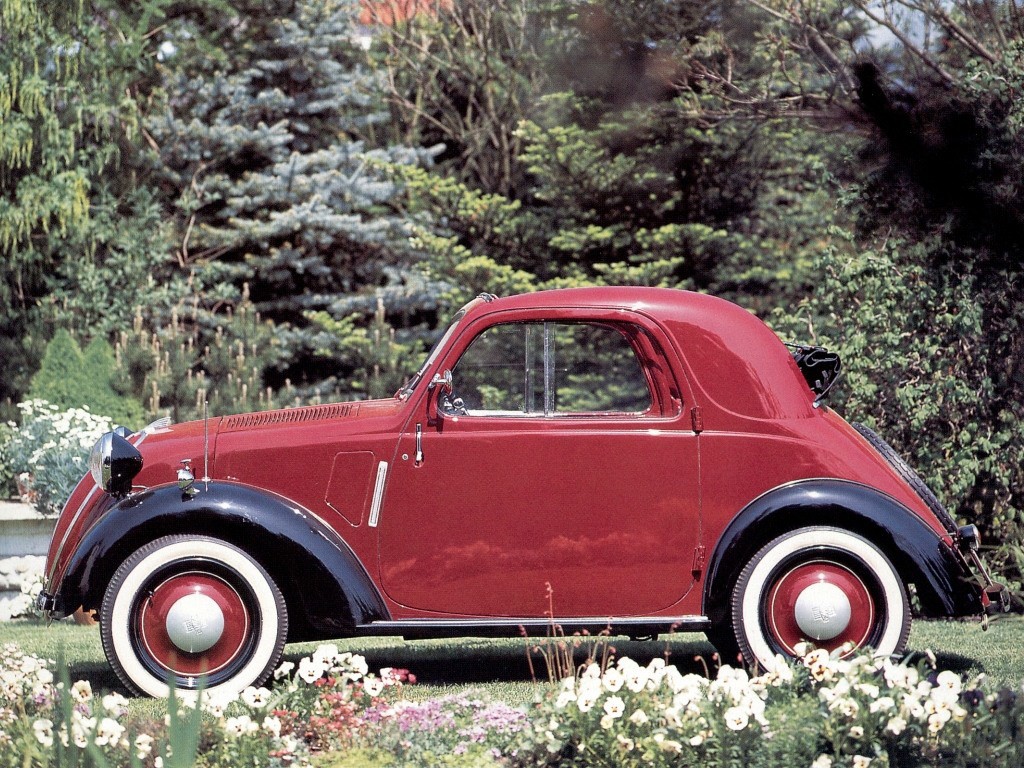
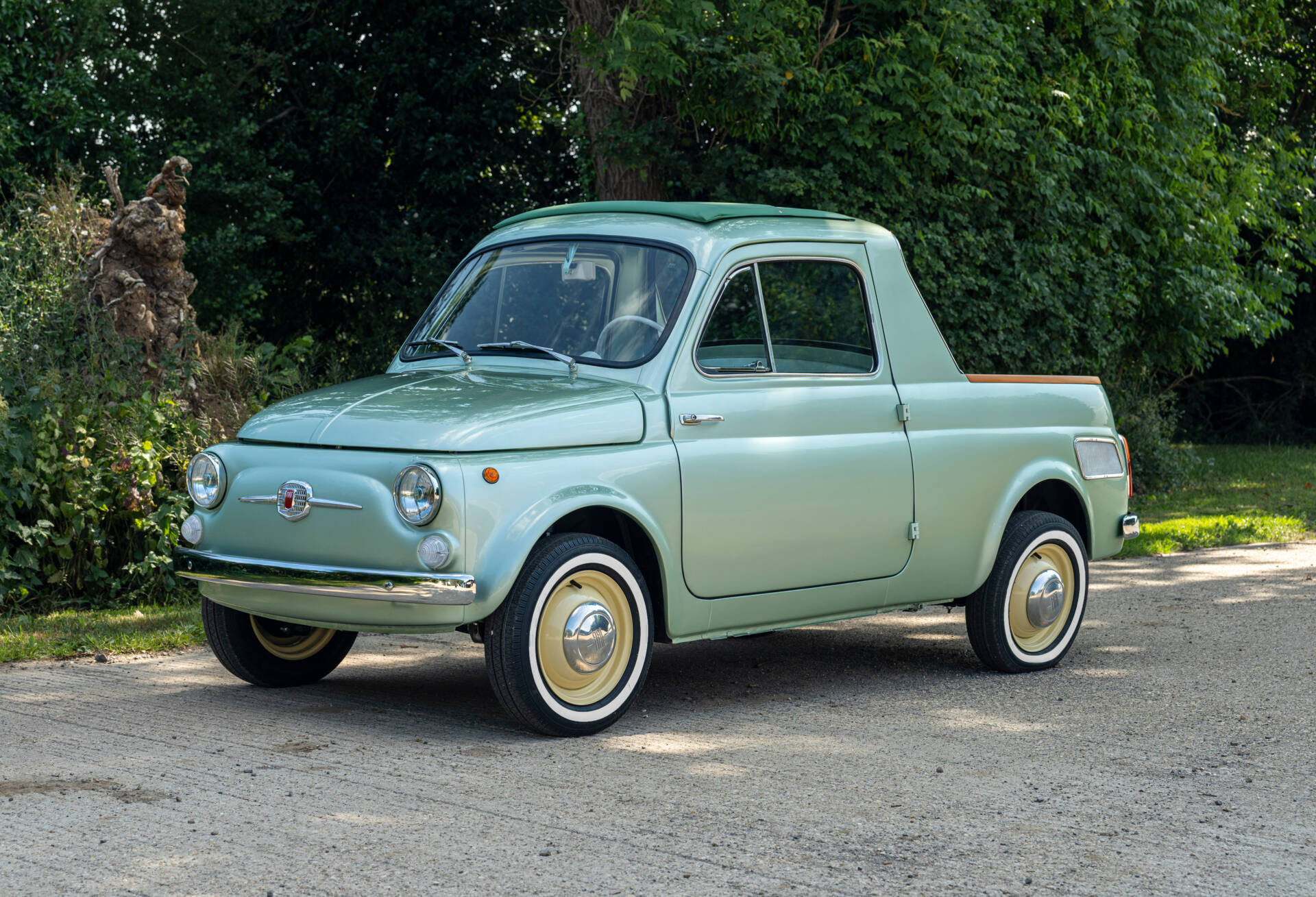
To understand the monumental legacy of the Fiat 500, one must first discard the notion that automotive greatness is measured strictly by displacement, horsepower, or top speed. True greatness is often found in the democratization of mobility, the ingenious packaging of components, and the sheer, unadulterated character of a machine. Long before the glittering supercars of Maranello and Sant’Agata Bolognese dominated teenage bedroom walls, it was a tiny, canvas-roofed teardrop that physically and socially mobilized an entire nation. The Fiat 500 Model Line is not merely a chapter in the history of the automobile; it is the absolute cornerstone of twentieth-century Italian culture. The lineage began in 1936 with the brilliant Fiat 500 “Topolino” (Little Mouse), a front-engined, water-cooled marvel designed by the legendary Dante Giacosa, which gave Italians their first taste of mass-produced freedom before the outbreak of the Second World War. However, it was Giacosa’s post-war masterpiece, the 1957 Nuova 500, that cemented the legend. Arriving to combat the rising tide of scooters and microcars, the Nuova 500 locked horns with the Volkswagen Beetle in Germany, the Citroën 2CV in France, and later, the Alec Issigonis-designed Austin Mini in Britain. Yet, none of its rivals possessed the inescapable charm or the sun-drenched, La Dolce Vita romance of the Cinquecento. Over decades, this platform fractured into a dizzying array of submodels: from the utilitarian Giardiniera and the luxurious Lusso, to the bespoke Vignale Gamine and the yacht-tending Ghia Jolly, up to the ferocious, giant-killing track weapons birthed by Carlo Abarth and the Giannini brothers.
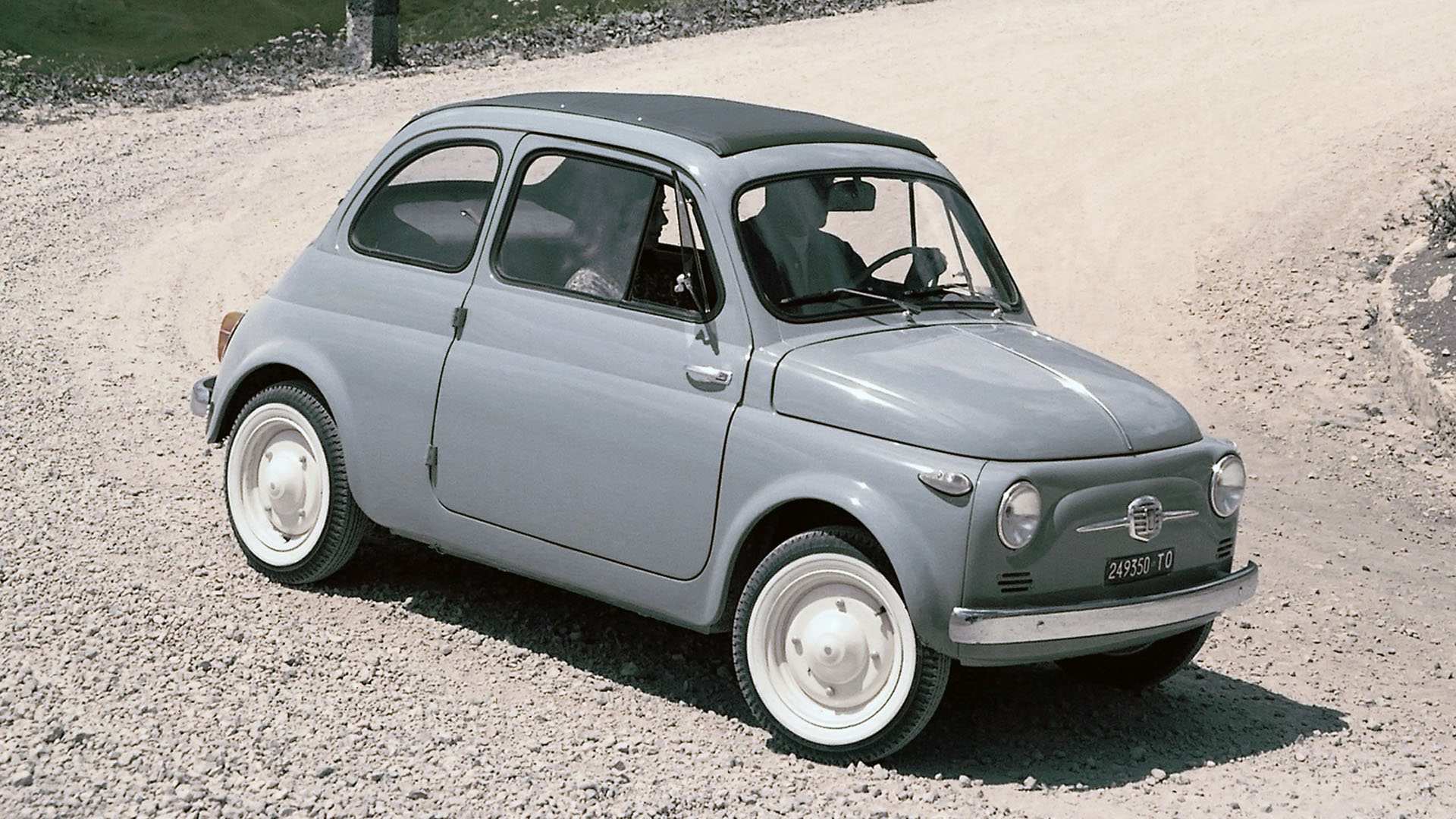
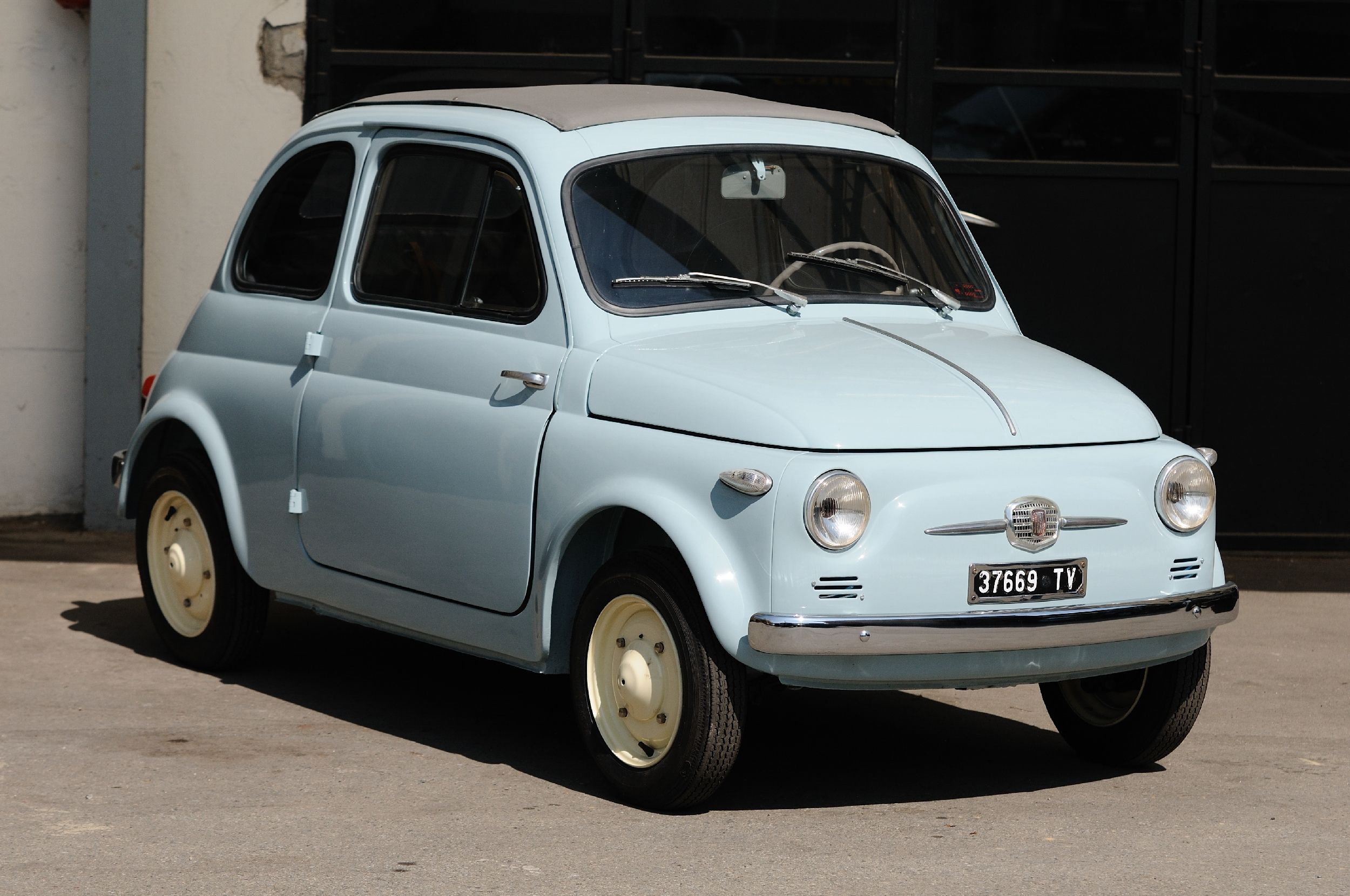
The engineering brilliance of the 1957 Nuova 500 lay in its ruthless, uncompromising simplicity. To maximize cabin space within a chassis that measured precisely 2.97 meters (117 inches) from nose to tail, Giacosa placed the engine at the rear. This air-cooled, 479cc vertical twin-cylinder engine initially produced a mere 13 brake horsepower. It was mated to a non-synchronized four-speed crash gearbox that demanded a deft hand and precise double-declutching from the driver. The suspension was highly unconventional yet incredibly effective for navigating the rutted, cobblestone streets of Rome and Naples; it utilized a transverse leaf spring at the front that doubled as an anti-roll bar, and independent semi-trailing arms at the rear. The interior was a study in postwar austerity, featuring bare painted metal, a single speedometer housing, and toggle switches. Crucially, early models—such as the ‘Normale’ and ‘Economica’—featured a canvas roof that rolled back entirely. This was not a luxury feature, but a pragmatic engineering decision to save precious steel and to allow the deafening, booming resonance of the air-cooled twin to escape the cabin. As the model line evolved through the D, F, L, and R variants, engine capacity grew to 499cc and finally 594cc, bringing synchronized gearboxes and improved creature comforts. Yet, perhaps the greatest display of packaging genius was the 500 Giardiniera estate. To create a flat rear load floor, Giacosa completely redesigned the engine, laying the cylinders on their sides to create a horizontally opposed, under-floor profile—a masterstroke of industrial design later adopted by Autobianchi for their Furgoncino vans.
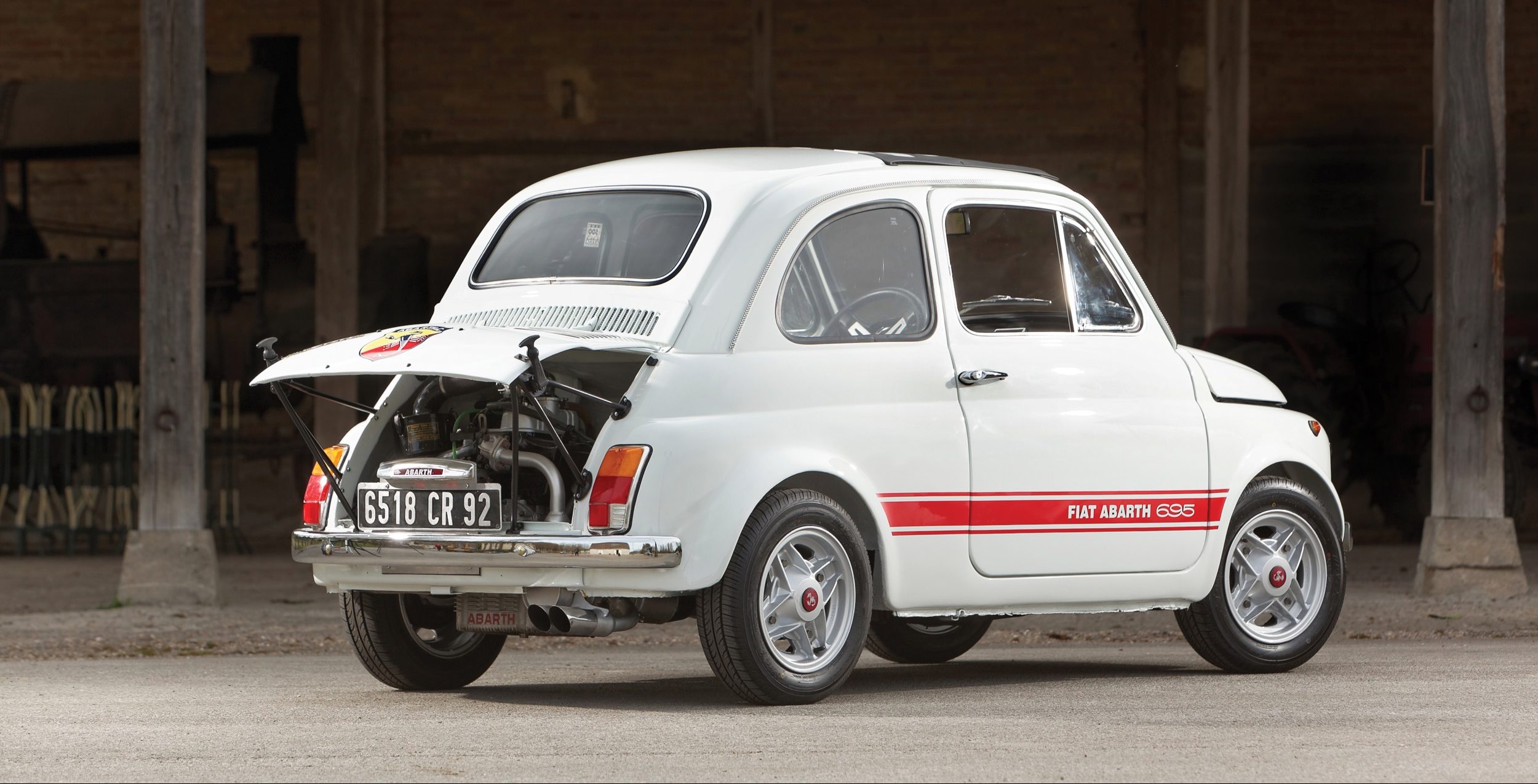
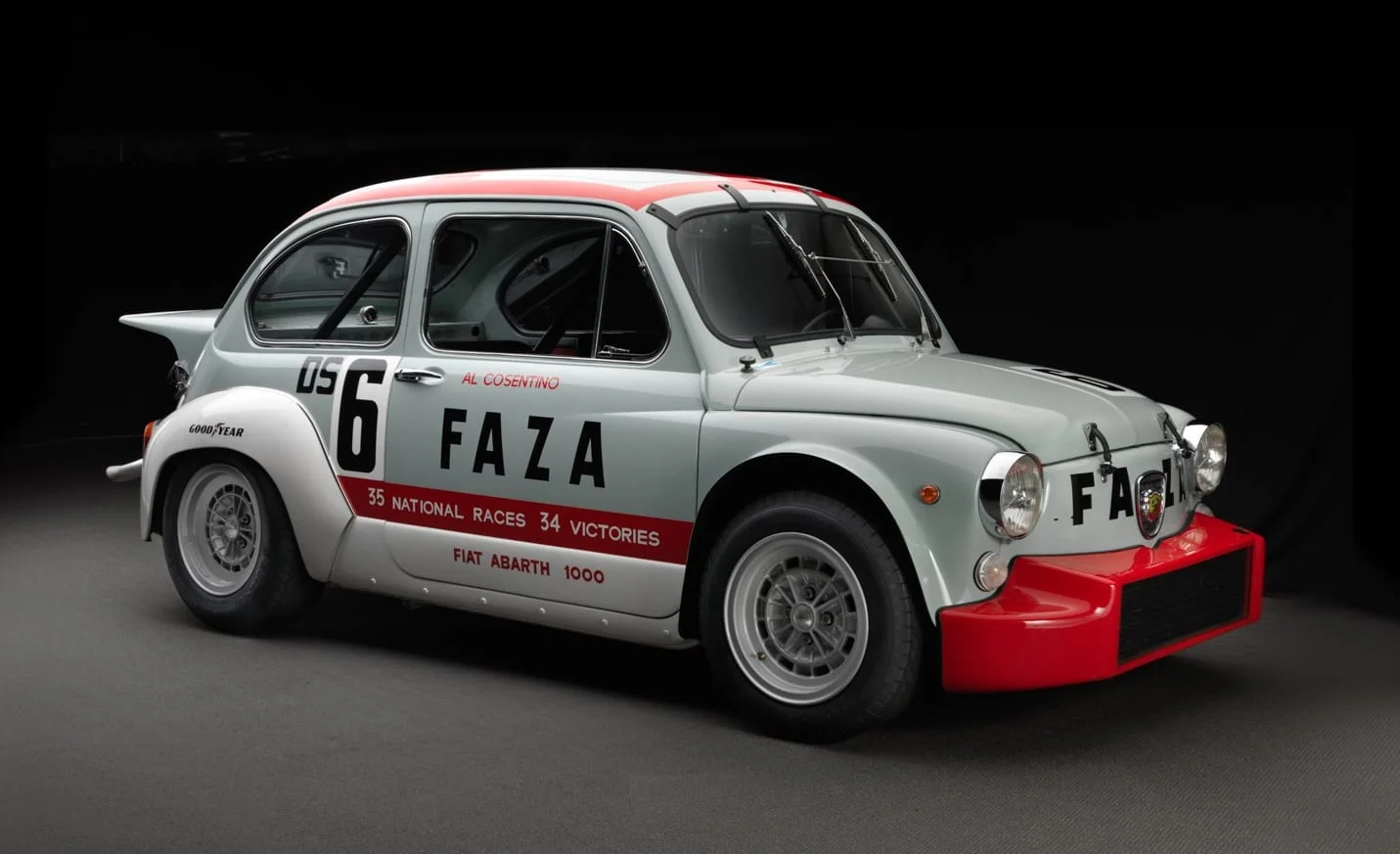
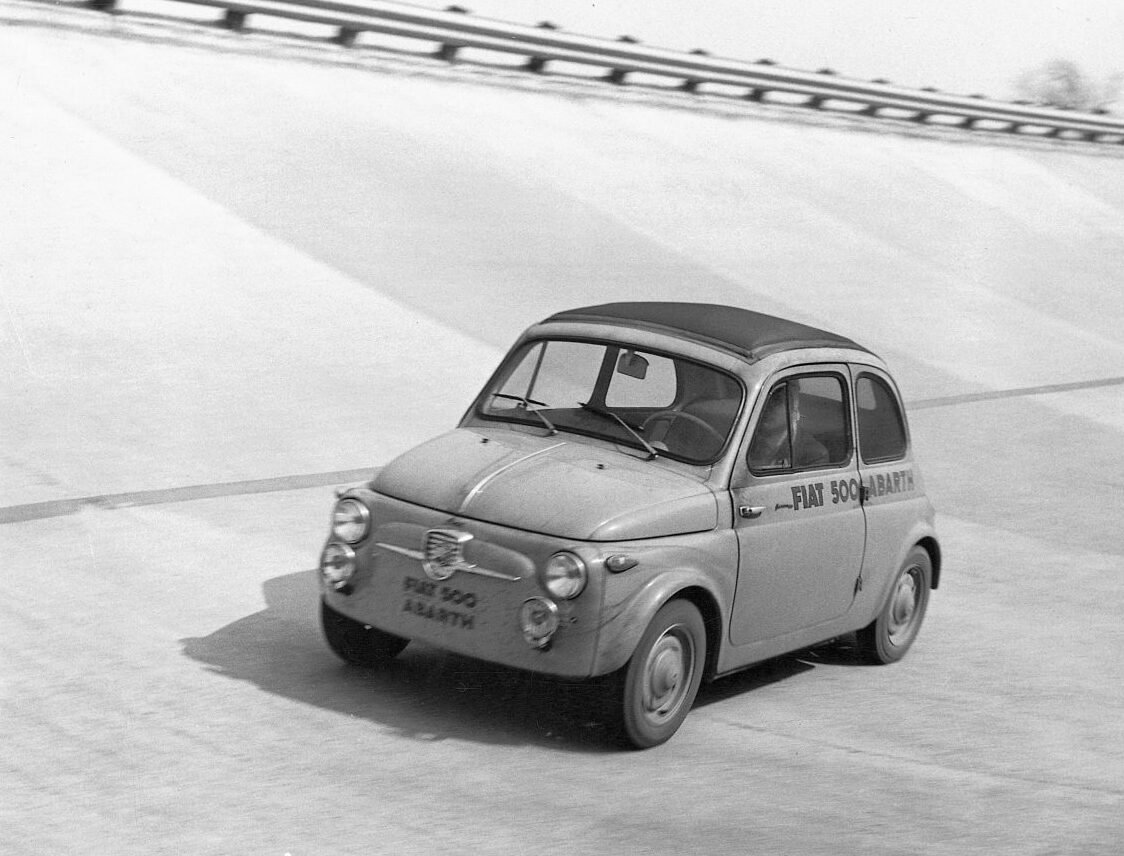
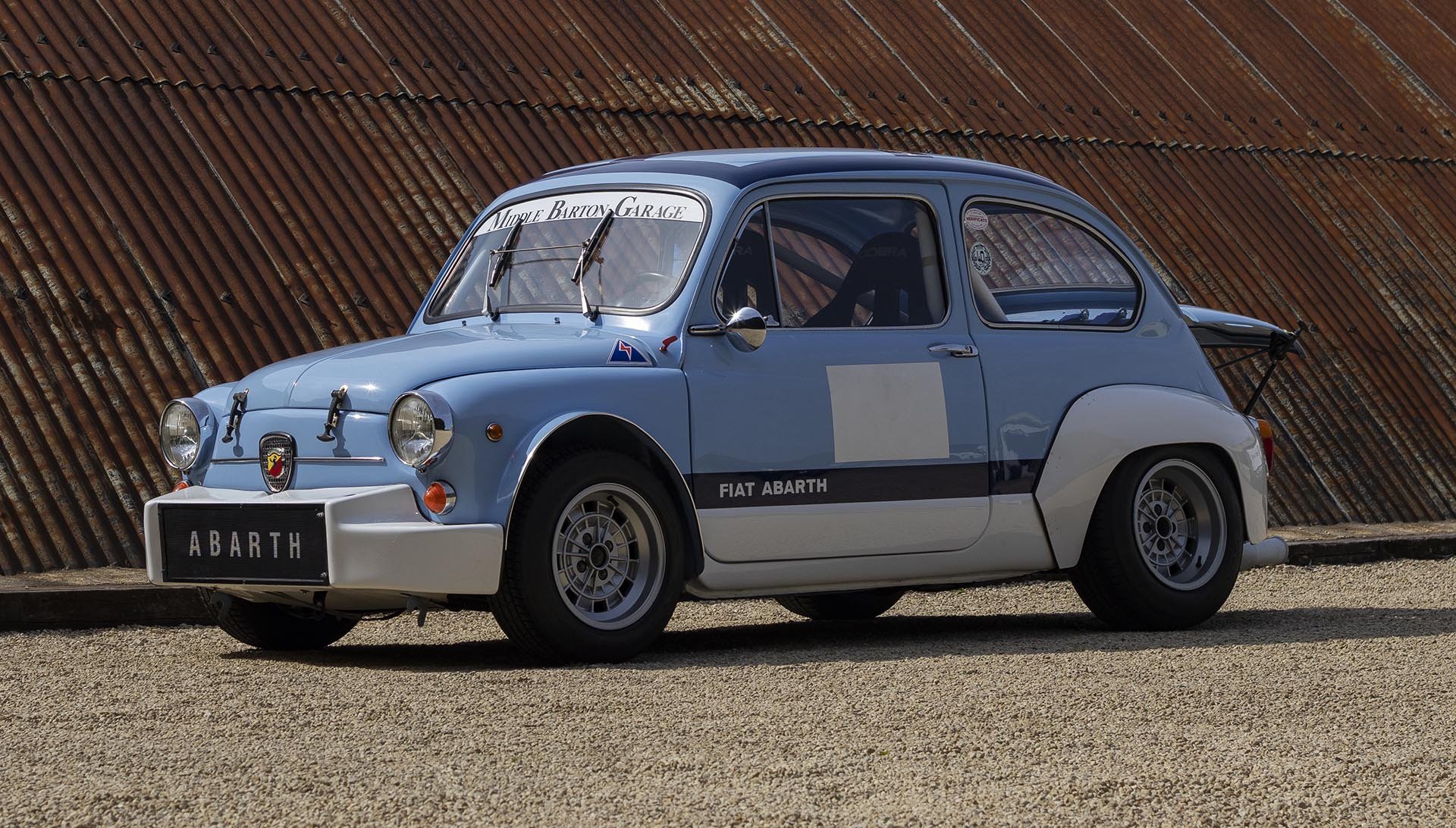
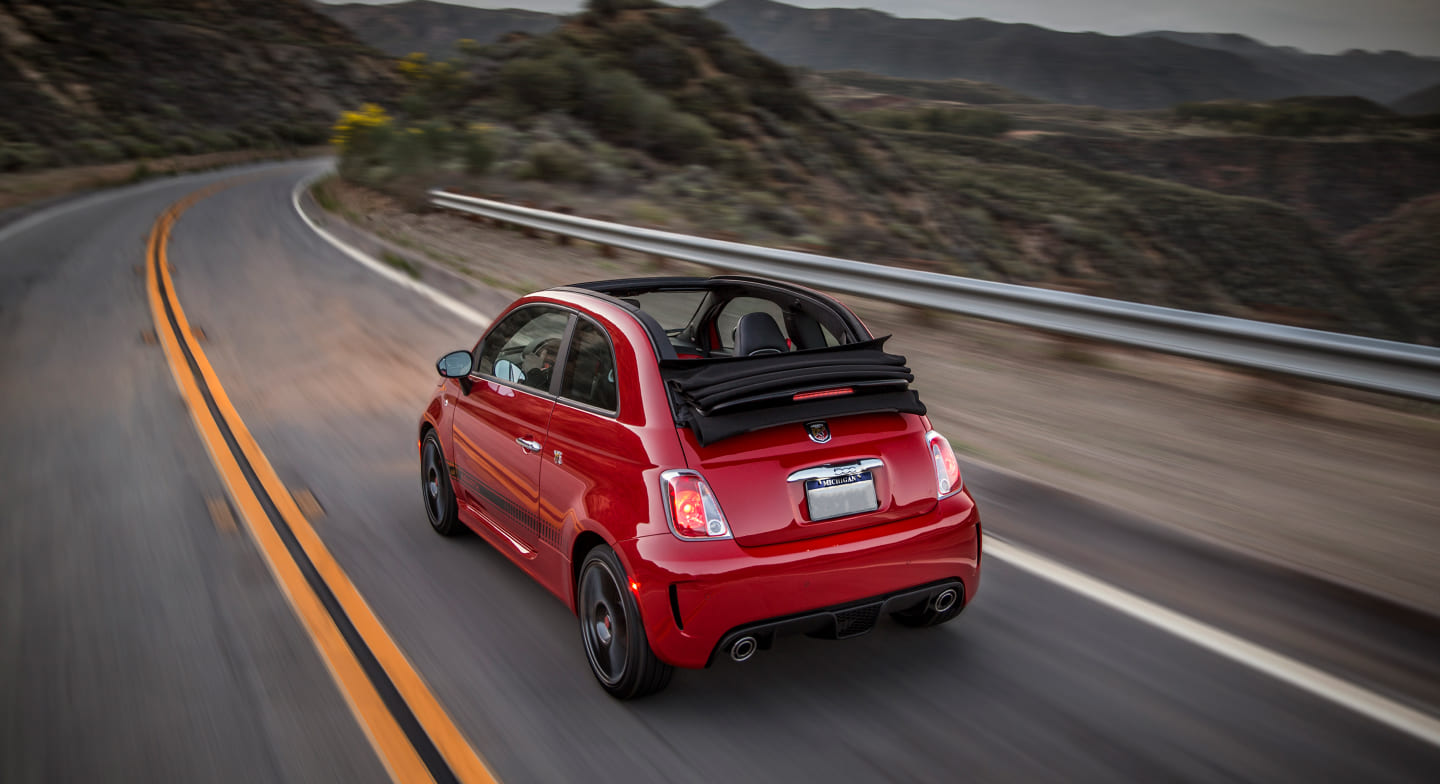
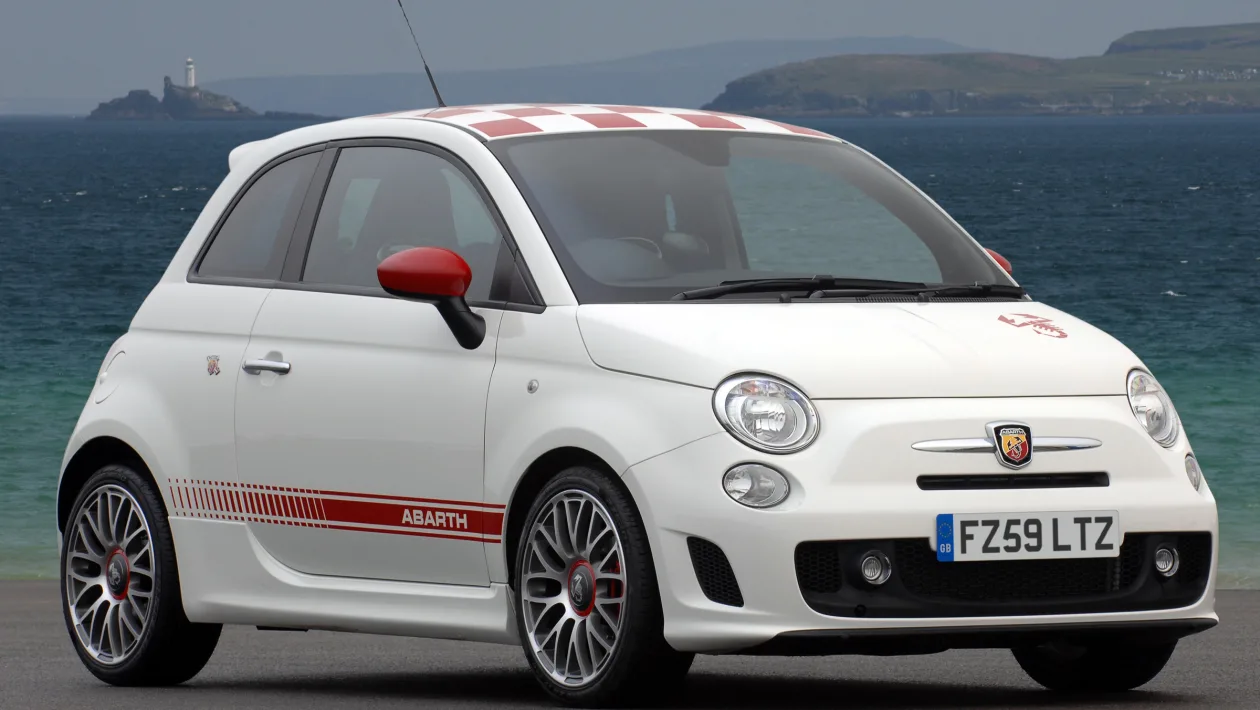
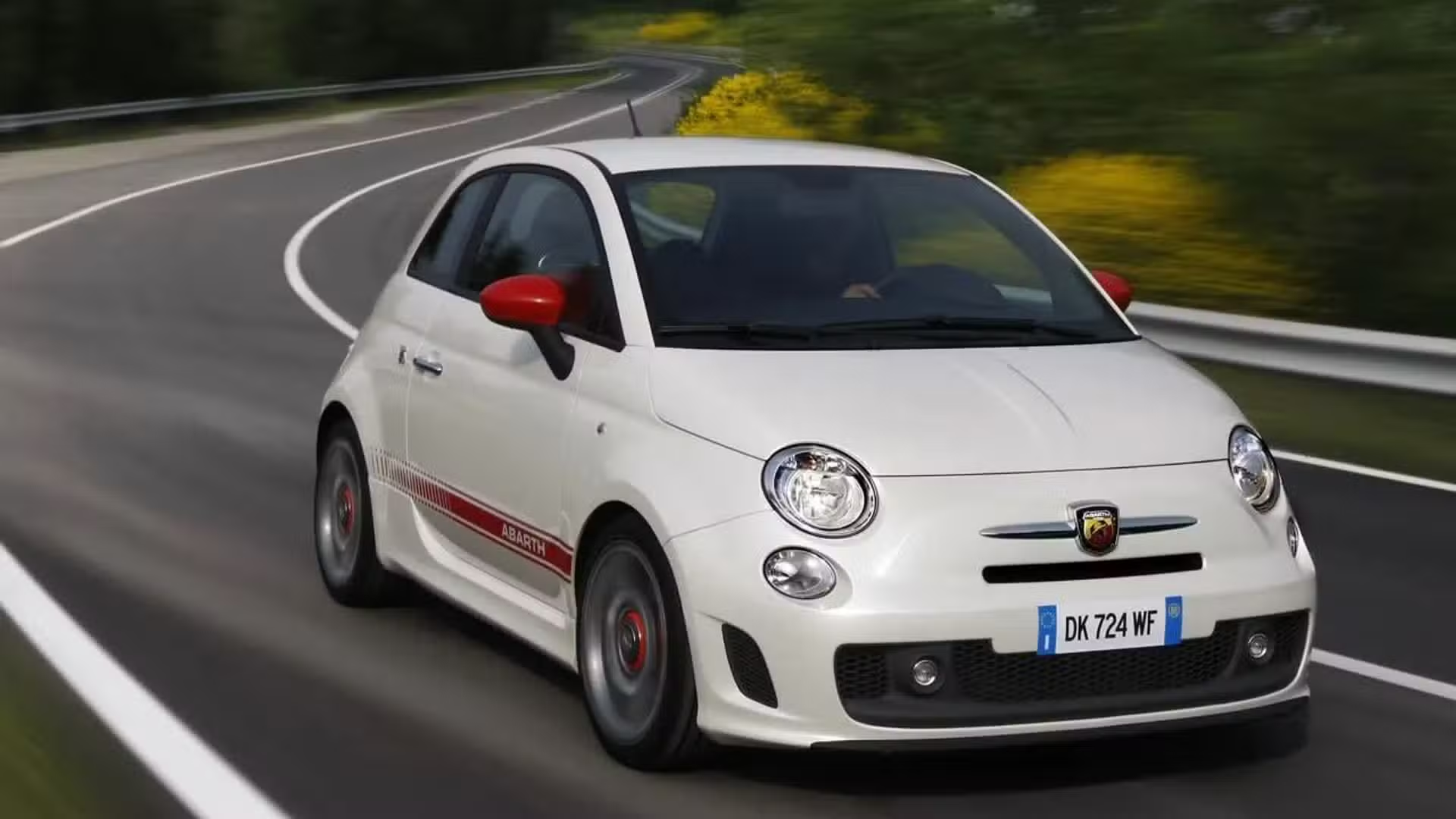
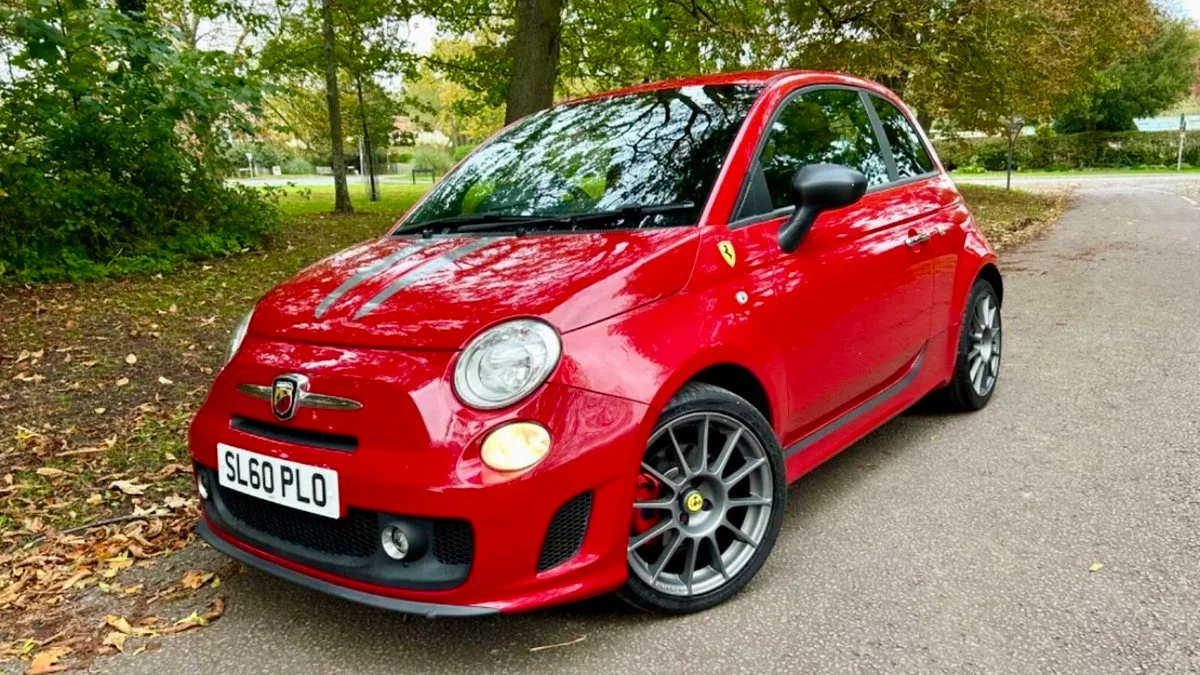
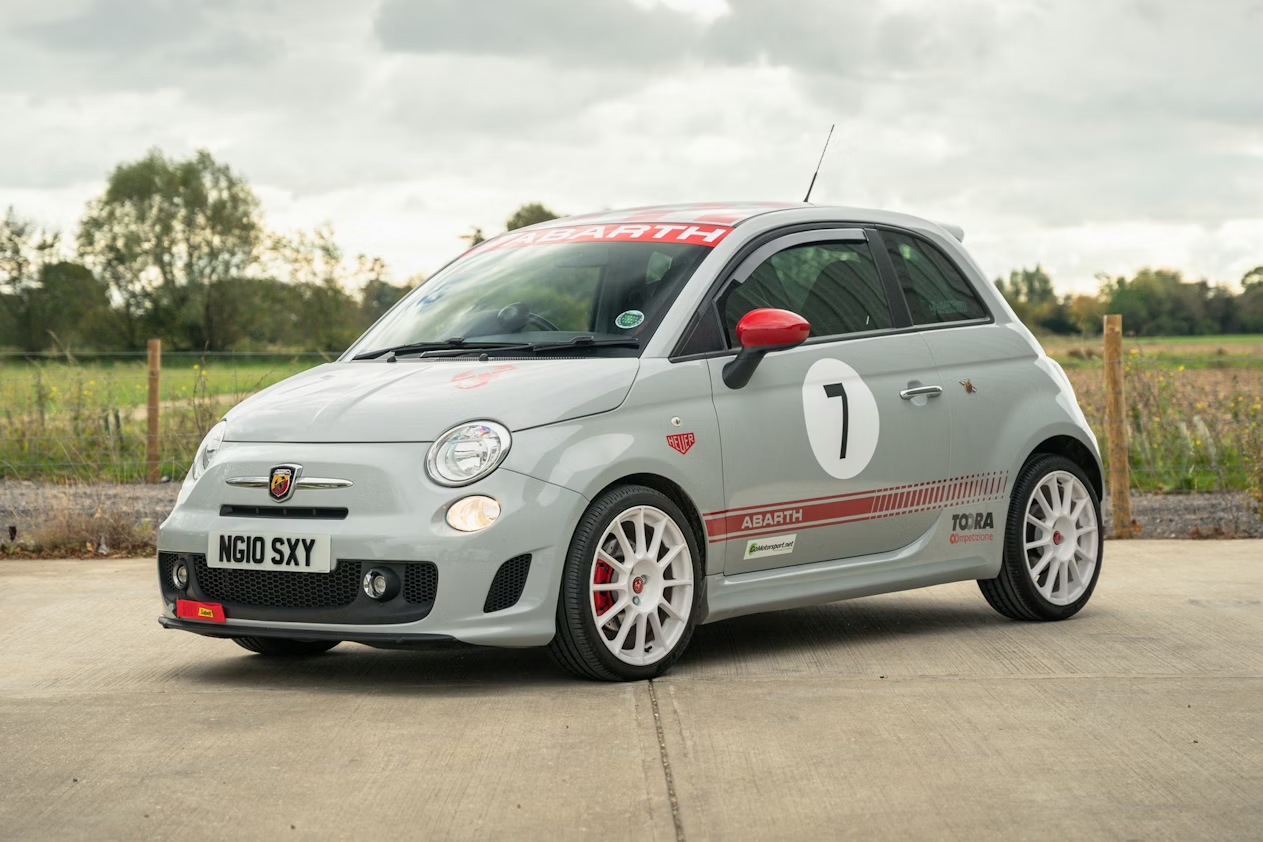
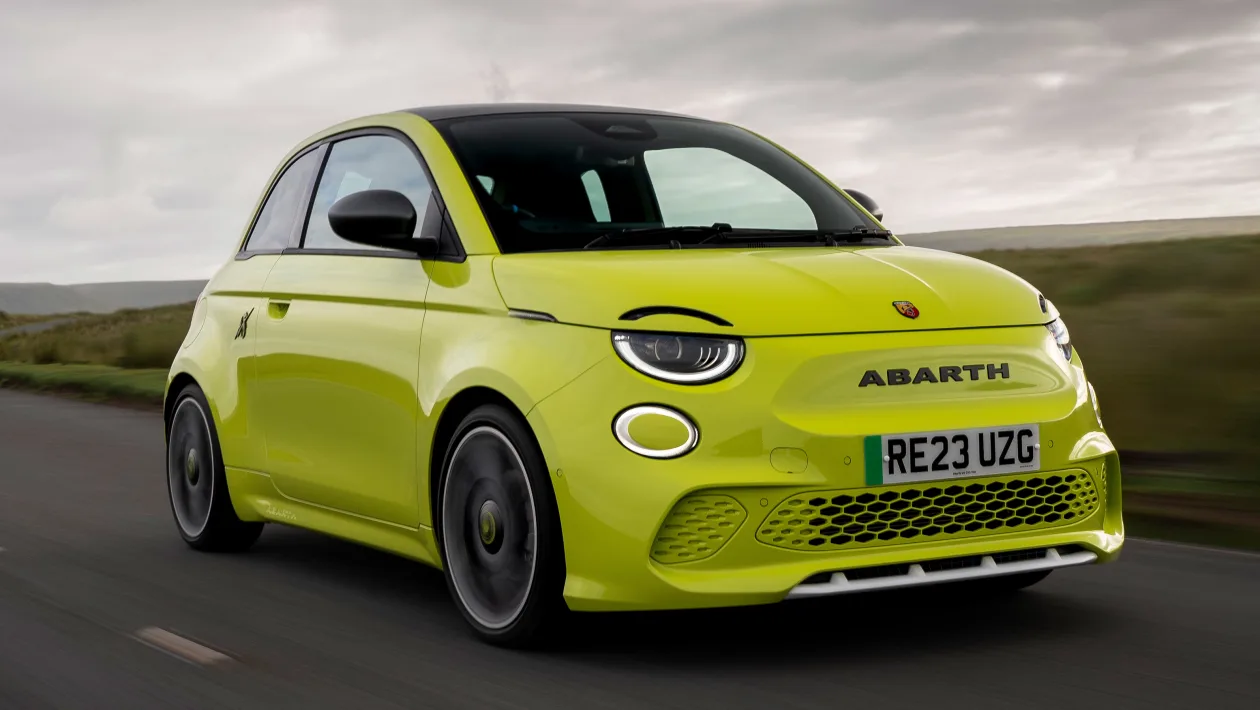
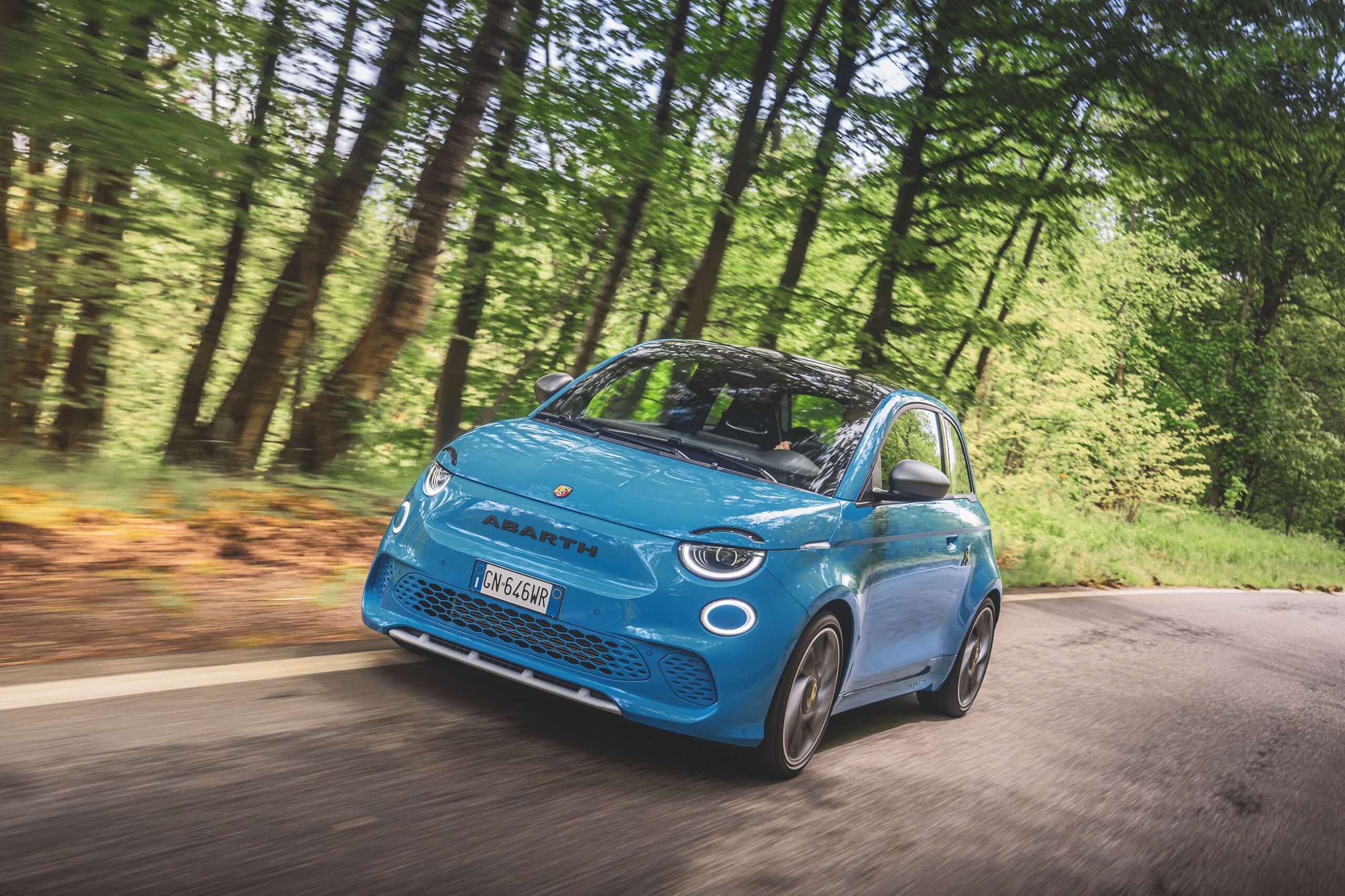
While the standard Fiat 500 was busy conquering the narrow alleys of Europe, its inherent lightness and robust mechanicals caught the attention of Italy’s most passionate tuners. The unassuming city car was about to become a holy terror on the racetrack. The Austrian-born engineering wizard Carlo Abarth saw the 500 not as a commuter, but as a blank canvas. By boring out the twin-cylinder engine, fitting high-compression pistons, aggressive camshafts, and his signature free-flowing exhausts, he created the Abarth 595 and the ferocious 695 SS. These cars were transformed from docile runabouts into barking, spitting circuit racers. Because the tuned engines generated immense heat, Abarth engineers permanently propped open the rear engine cover with brackets. In a serendipitous twist of physics, this open lid acted as a highly effective aerodynamic spoiler, increasing top speed and rear-end stability. The Abarths, alongside the equally brilliant variants tuned by the Roman Giannini brothers (such as the 500 TV), absolutely dominated the sub-1000cc touring car classes across Europe. They engaged in deafening, wheel-lifting battles at Monza and Vallelunga, humiliating much larger, more powerful machinery in the corners. Decades later, this motorsport spirit was violently resurrected in the 21st century with the modern Abarth 500 R3T, a turbocharged, sequentially shifted rally weapon that brought the scorpion badge back to the muddy, gravel-strewn stages of the FIA R3T category.
Beyond the race track, the cultural impact of the Fiat 500 is immeasurable. It transcended its status as a mere mode of transport to become a canvas for Italy’s greatest coachbuilders. Carrozzeria Ghia stripped the roof and doors off the 500, adding wicker seats and a fringed surrey top to create the 500 Jolly. It became the ultimate status symbol of the global elite, serving as a pit-lane runabout for Formula 1 drivers and a dockside yacht tender for billionaires like Aristotle Onassis and Gianni Agnelli. Meanwhile, Carrozzeria Vignale produced the Gamine, a quirky, retro-styled roadster that traded on 1930s nostalgia. The sheer versatility of the platform meant that a single factory assembly line could birth a plumber’s Autobianchi van, a thrifty housewife’s Berlina, an oligarch’s beach cruiser, and a track-day fanatic’s Abarth 695 SS. Over 3.8 million units of the Nuova 500 were sold between 1957 and 1975, mobilizing the Italian working class and embedding the syncopated, puttering exhaust note of the twin-cylinder engine deep into the national consciousness.
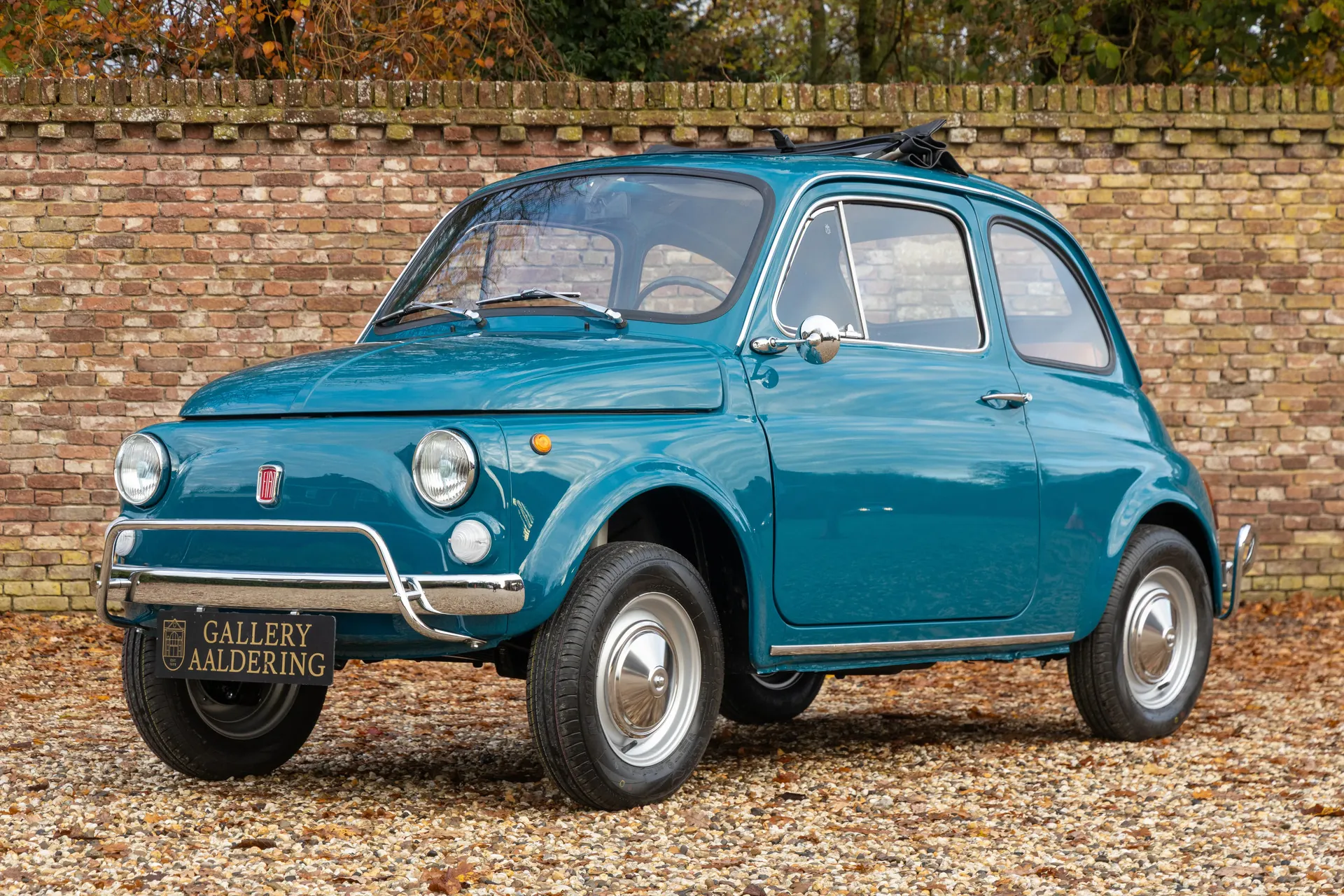
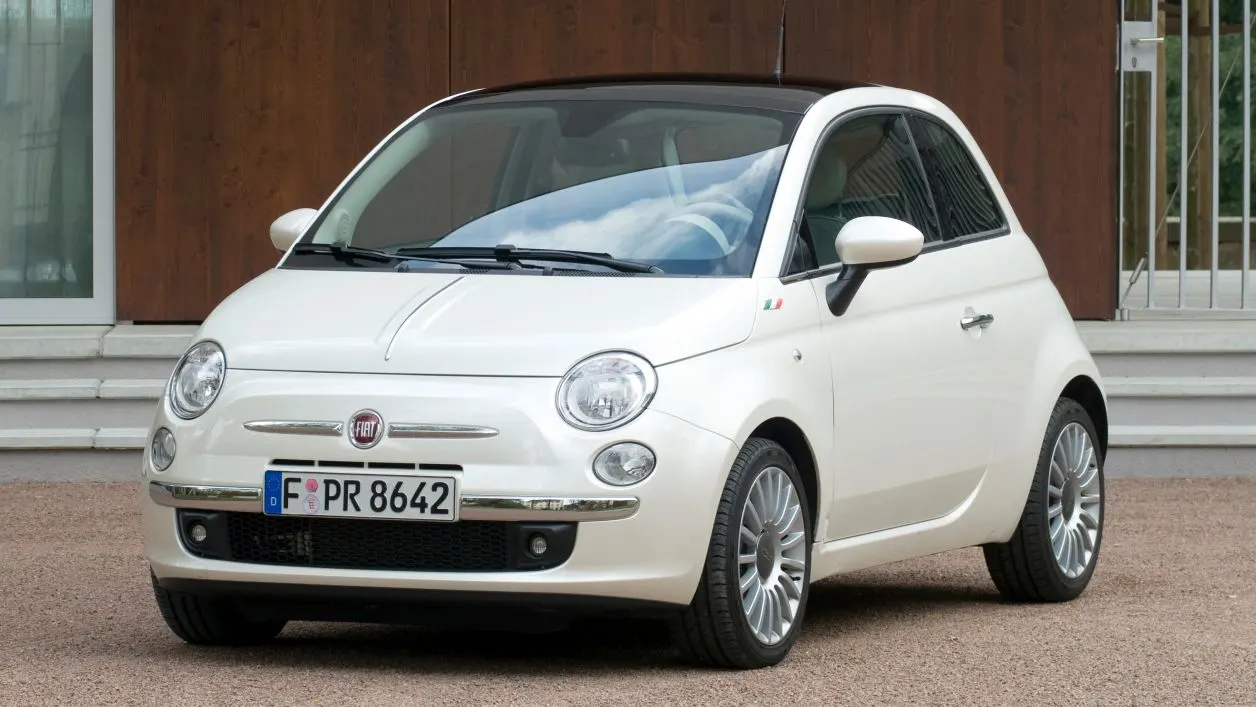
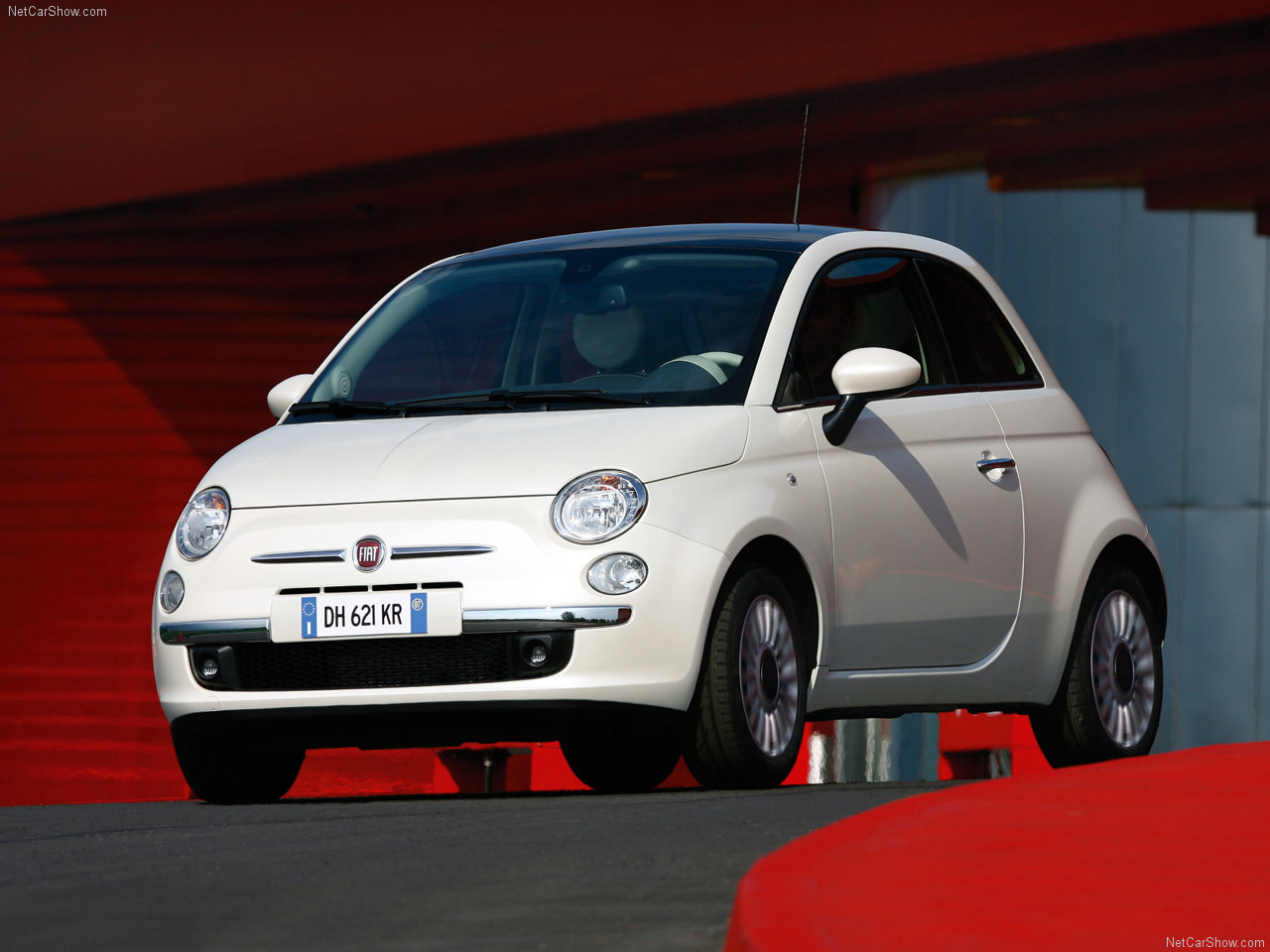
When the classic Fiat 500 R finally bowed out in 1975 to make way for the squared-off Fiat 126, it left behind a legacy that is virtually unrivaled in the history of the automobile. It proved that maximum character could reside in minimal dimensions. It was the chariot of the Italian economic miracle, a giant-killing titan on the race track, and an enduring icon of mid-century industrial design. Its influence was so profound that in 2007, Fiat resurrected the 500 badge for the modern era, riding a massive wave of retro-futuristic nostalgia to global commercial success. Yet, whether one is driving a perfectly restored 1936 Topolino, fighting the crash gearbox of a 1957 Nuova, or clinging to the steering wheel of a screaming Abarth 695 SS, the soul of the Fiat 500 model line remains the same. It stands sovereign in the pantheon of motoring as the ultimate automotive bonsai—a miniature masterpiece that captured the heart of Italy and taught the entire world how to smile behind the wheel.
Portal
Model line
Model generation
Predecessor
Sucessor
Brand
Produced from
Vehicle category
Portal
Model line
Model generation
Predecessor
Sucessor
Model Overview
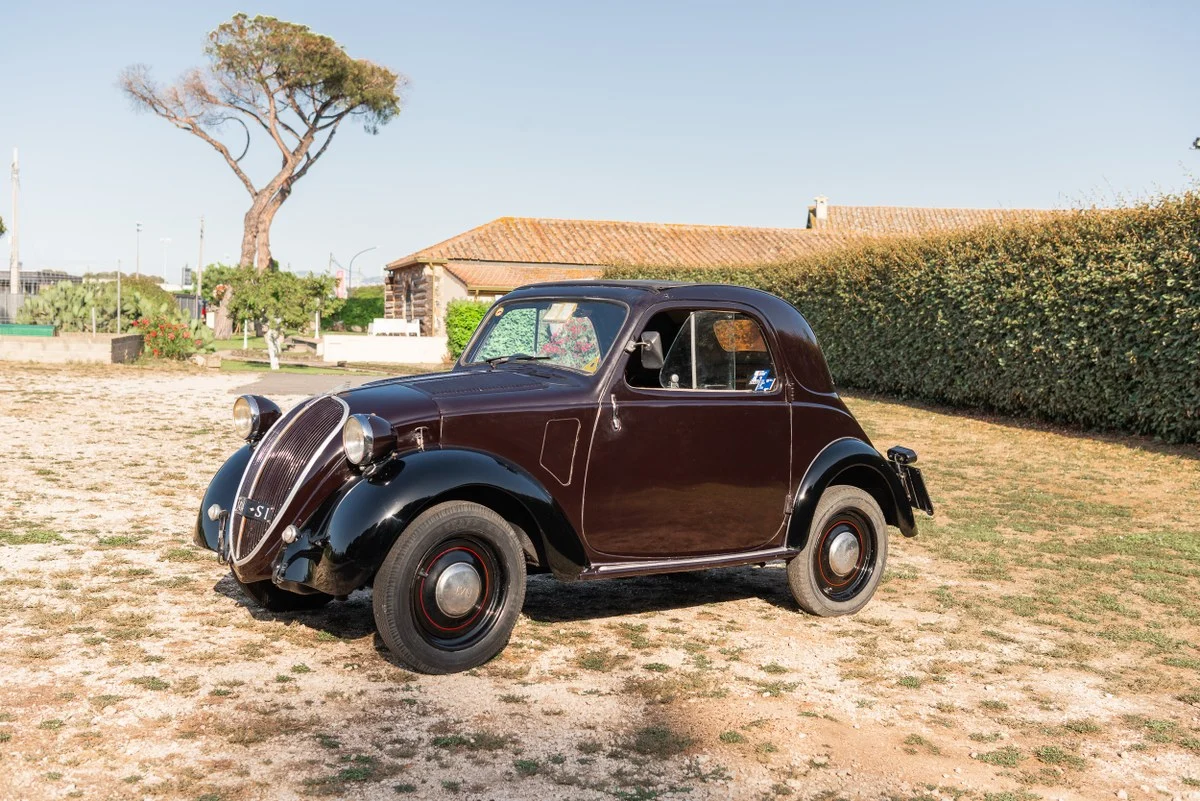
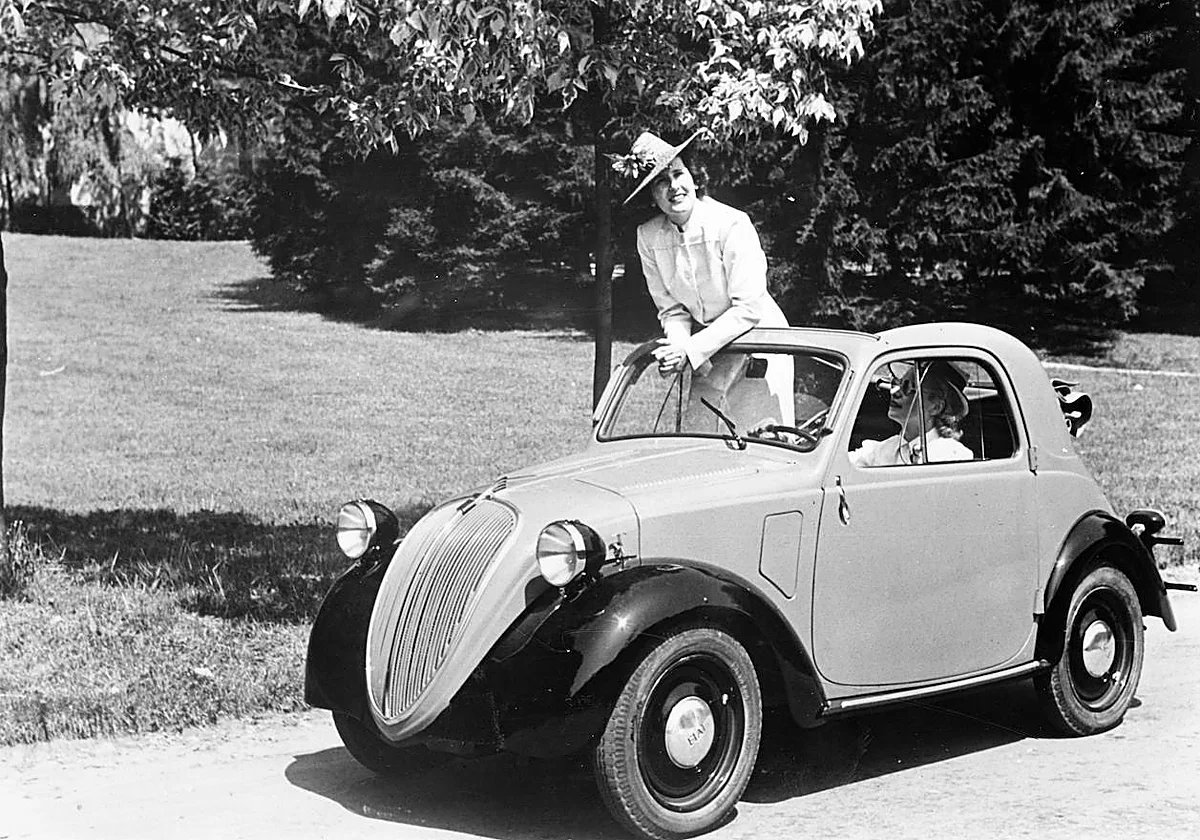
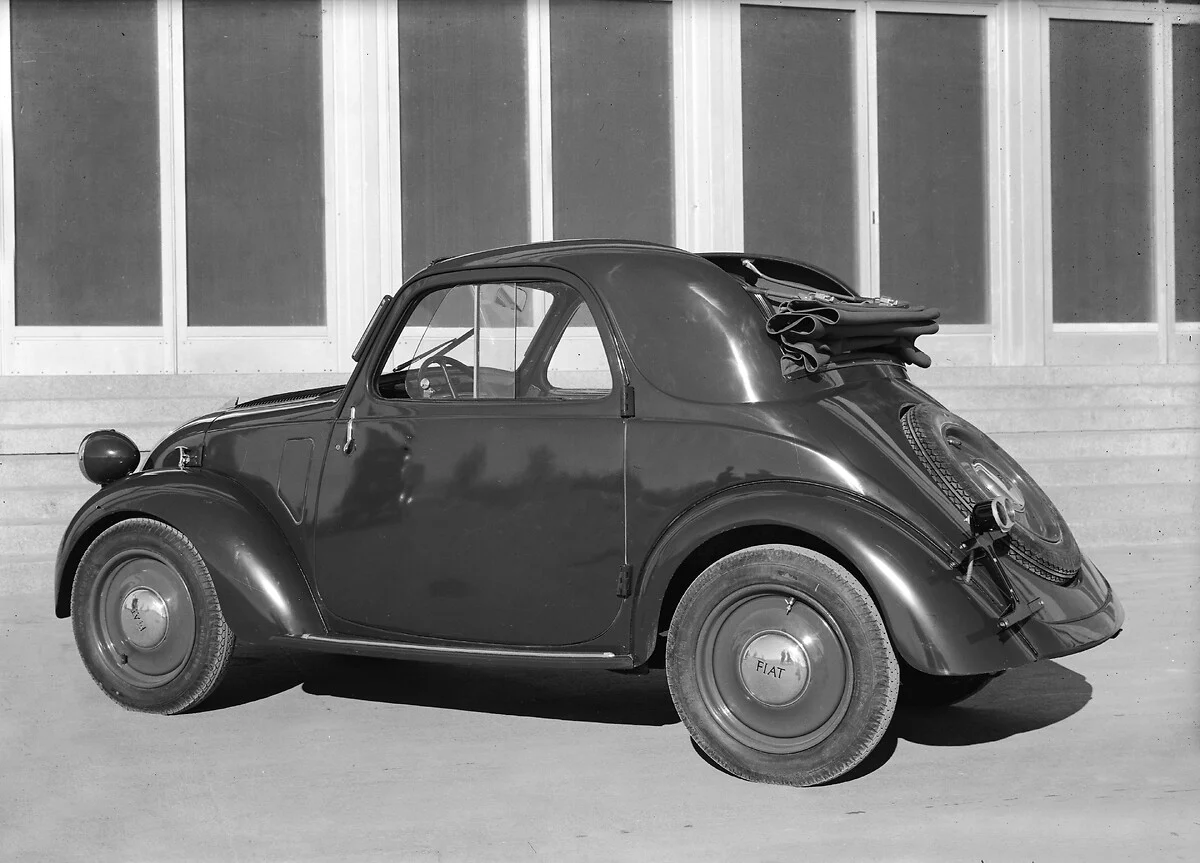
To understand the monumental legacy of the Fiat 500, one must first discard the notion that automotive greatness is measured strictly by displacement, horsepower, or top speed. True greatness is often found in the democratization of mobility, the ingenious packaging of components, and the sheer, unadulterated character of a machine. Long before the glittering supercars of Maranello and Sant’Agata Bolognese dominated teenage bedroom walls, it was a tiny, canvas-roofed teardrop that physically and socially mobilized an entire nation. The Fiat 500 Model Line is not merely a chapter in the history of the automobile; it is the absolute cornerstone of twentieth-century Italian culture. The lineage began in 1936 with the brilliant Fiat 500 “Topolino” (Little Mouse), a front-engined, water-cooled marvel designed by the legendary Dante Giacosa, which gave Italians their first taste of mass-produced freedom before the outbreak of the Second World War. However, it was Giacosa’s post-war masterpiece, the 1957 Nuova 500, that cemented the legend. Arriving to combat the rising tide of scooters and microcars, the Nuova 500 locked horns with the Volkswagen Beetle in Germany, the Citroën 2CV in France, and later, the Alec Issigonis-designed Austin Mini in Britain. Yet, none of its rivals possessed the inescapable charm or the sun-drenched, La Dolce Vita romance of the Cinquecento. Over decades, this platform fractured into a dizzying array of submodels: from the utilitarian Giardiniera and the luxurious Lusso, to the bespoke Vignale Gamine and the yacht-tending Ghia Jolly, up to the ferocious, giant-killing track weapons birthed by Carlo Abarth and the Giannini brothers.
The engineering brilliance of the 1957 Nuova 500 lay in its ruthless, uncompromising simplicity. To maximize cabin space within a chassis that measured precisely 2.97 meters (117 inches) from nose to tail, Giacosa placed the engine at the rear. This air-cooled, 479cc vertical twin-cylinder engine initially produced a mere 13 brake horsepower. It was mated to a non-synchronized four-speed crash gearbox that demanded a deft hand and precise double-declutching from the driver. The suspension was highly unconventional yet incredibly effective for navigating the rutted, cobblestone streets of Rome and Naples; it utilized a transverse leaf spring at the front that doubled as an anti-roll bar, and independent semi-trailing arms at the rear. The interior was a study in postwar austerity, featuring bare painted metal, a single speedometer housing, and toggle switches. Crucially, early models—such as the ‘Normale’ and ‘Economica’—featured a canvas roof that rolled back entirely. This was not a luxury feature, but a pragmatic engineering decision to save precious steel and to allow the deafening, booming resonance of the air-cooled twin to escape the cabin. As the model line evolved through the D, F, L, and R variants, engine capacity grew to 499cc and finally 594cc, bringing synchronized gearboxes and improved creature comforts. Yet, perhaps the greatest display of packaging genius was the 500 Giardiniera estate. To create a flat rear load floor, Giacosa completely redesigned the engine, laying the cylinders on their sides to create a horizontally opposed, under-floor profile—a masterstroke of industrial design later adopted by Autobianchi for their Furgoncino vans.
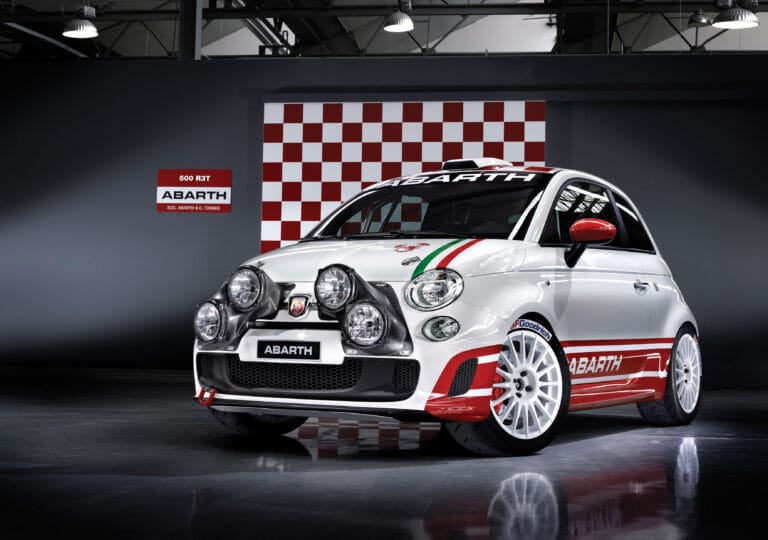
While the standard Fiat 500 was busy conquering the narrow alleys of Europe, its inherent lightness and robust mechanicals caught the attention of Italy’s most passionate tuners. The unassuming city car was about to become a holy terror on the racetrack. The Austrian-born engineering wizard Carlo Abarth saw the 500 not as a commuter, but as a blank canvas. By boring out the twin-cylinder engine, fitting high-compression pistons, aggressive camshafts, and his signature free-flowing exhausts, he created the Abarth 595 and the ferocious 695 SS. These cars were transformed from docile runabouts into barking, spitting circuit racers. Because the tuned engines generated immense heat, Abarth engineers permanently propped open the rear engine cover with brackets. In a serendipitous twist of physics, this open lid acted as a highly effective aerodynamic spoiler, increasing top speed and rear-end stability. The Abarths, alongside the equally brilliant variants tuned by the Roman Giannini brothers (such as the 500 TV), absolutely dominated the sub-1000cc touring car classes across Europe. They engaged in deafening, wheel-lifting battles at Monza and Vallelunga, humiliating much larger, more powerful machinery in the corners. Decades later, this motorsport spirit was violently resurrected in the 21st century with the modern Abarth 500 R3T, a turbocharged, sequentially shifted rally weapon that brought the scorpion badge back to the muddy, gravel-strewn stages of the FIA R3T category.
Beyond the race track, the cultural impact of the Fiat 500 is immeasurable. It transcended its status as a mere mode of transport to become a canvas for Italy’s greatest coachbuilders. Carrozzeria Ghia stripped the roof and doors off the 500, adding wicker seats and a fringed surrey top to create the 500 Jolly. It became the ultimate status symbol of the global elite, serving as a pit-lane runabout for Formula 1 drivers and a dockside yacht tender for billionaires like Aristotle Onassis and Gianni Agnelli. Meanwhile, Carrozzeria Vignale produced the Gamine, a quirky, retro-styled roadster that traded on 1930s nostalgia. The sheer versatility of the platform meant that a single factory assembly line could birth a plumber’s Autobianchi van, a thrifty housewife’s Berlina, an oligarch’s beach cruiser, and a track-day fanatic’s Abarth 695 SS. Over 3.8 million units of the Nuova 500 were sold between 1957 and 1975, mobilizing the Italian working class and embedding the syncopated, puttering exhaust note of the twin-cylinder engine deep into the national consciousness.
When the classic Fiat 500 R finally bowed out in 1975 to make way for the squared-off Fiat 126, it left behind a legacy that is virtually unrivaled in the history of the automobile. It proved that maximum character could reside in minimal dimensions. It was the chariot of the Italian economic miracle, a giant-killing titan on the race track, and an enduring icon of mid-century industrial design. Its influence was so profound that in 2007, Fiat resurrected the 500 badge for the modern era, riding a massive wave of retro-futuristic nostalgia to global commercial success. Yet, whether one is driving a perfectly restored 1936 Topolino, fighting the crash gearbox of a 1957 Nuova, or clinging to the steering wheel of a screaming Abarth 695 SS, the soul of the Fiat 500 model line remains the same. It stands sovereign in the pantheon of motoring as the ultimate automotive bonsai—a miniature masterpiece that captured the heart of Italy and taught the entire world how to smile behind the wheel.
Generations
Model Generations

Submodels