
Lotus XI (Lotus 11)


Brand
Produced from
Vehicle category
Portal
Model line
Model generation
Predecessor
Sucessor
Model Overview
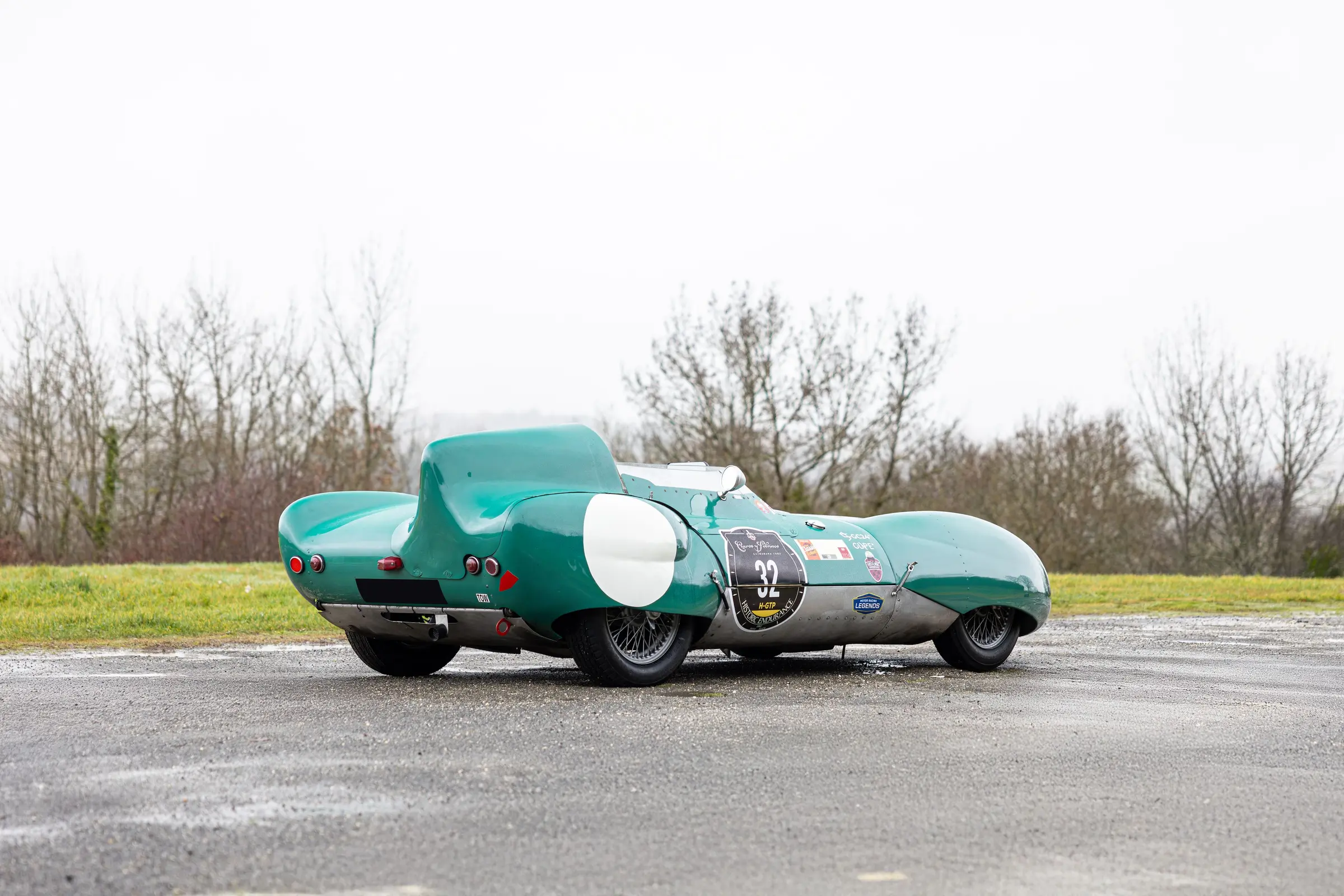
In the mid-1950s, the global motorsport landscape was undergoing a profound philosophical shift. The era of the thundering, heavy-displacement leviathans was being challenged by a new breed of featherweight, aerodynamically surgical machines. At the epicentre of this British engineering renaissance was a brilliant, relentlessly driven man named Colin Chapman. Operating initially out of cramped premises in Hornsey, London, Chapman had already demonstrated his obsession with saving weight through his early Mark VIII, IX, and X sports racers. However, in 1956, he sought to distill his mantra of “simplify, then add lightness” into a definitive, world-beating package. The result was the Lotus Eleven—often written as the XI, and notably the car that officially birthed Lotus’s enduring tradition of naming its models with words starting with the letter ‘E’. The Eleven arrived in a fiercely competitive 1.1-liter and 1.5-liter sports car grid, locking horns with John Cooper’s brilliant, rear-engined T39 ‘Bobtail’, the emerging Elva Mk II, and on the continent, the mighty, highly engineered Porsche 550 Spyders and Maserati 150S barchettas. Yet, the Lotus possessed a devastating trump card: an aerodynamic purity and a power-to-weight ratio that bordered on the miraculous.
To strip away the breathtaking aluminium skin of the Lotus Eleven is to witness the absolute apex of 1950s chassis engineering. Chapman designed an intricate, multi-tubular spaceframe that resembled an aircraft fuselage more than a traditional automobile chassis. Constructed from thin-gauge steel tubes, this skeletal masterpiece weighed an astonishing 70 pounds (approx. 32 kilograms), yet it possessed immense torsional rigidity. The mechanical architecture evolved across two distinct generations. The 1956 Series 1 utilized a heavily modified Ford swing-axle front suspension, which, while incredibly light, produced peculiar camber changes under heavy cornering. For the 1957 Series 2, Chapman perfected the handling by introducing a conventional, fully independent double-wishbone front suspension with a modern anti-roll bar. The rear of the car in the top-tier ‘Le Mans’ specification featured a sophisticated De Dion tube setup, equipped with inboard Girling disc brakes to drastically reduce unsprung weight. However, Chapman was also a pragmatic businessman; to fund his racing ambitions, he offered the Eleven in three distinct trims. The ultimate ‘Le Mans’ spec featured the De Dion rear and disc brakes; the ‘Club’ spec utilized a live rear axle and drum brakes; and the budget-friendly ‘Sport’ spec was powered by a humble Ford side-valve engine for the amateur weekend warrior.
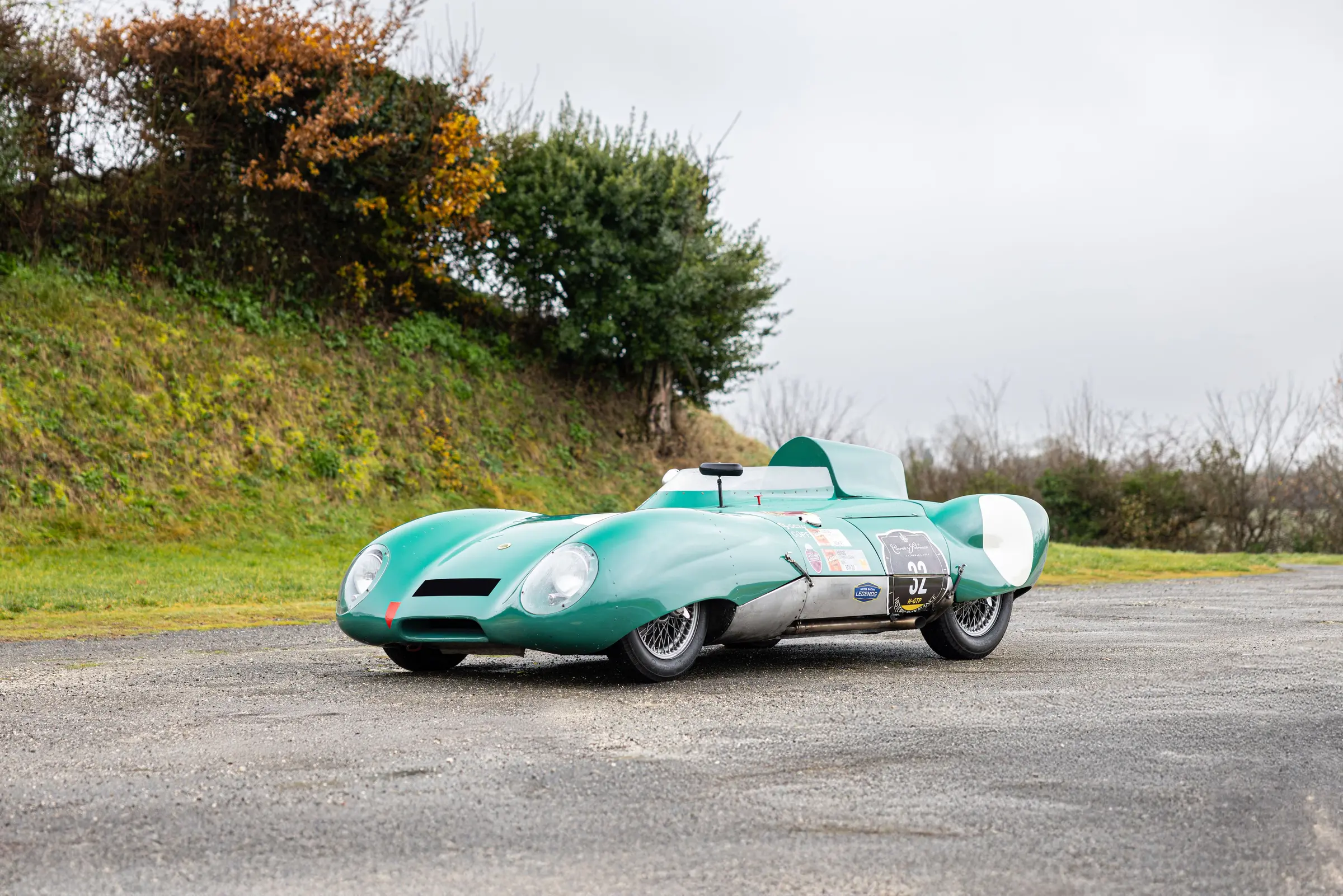
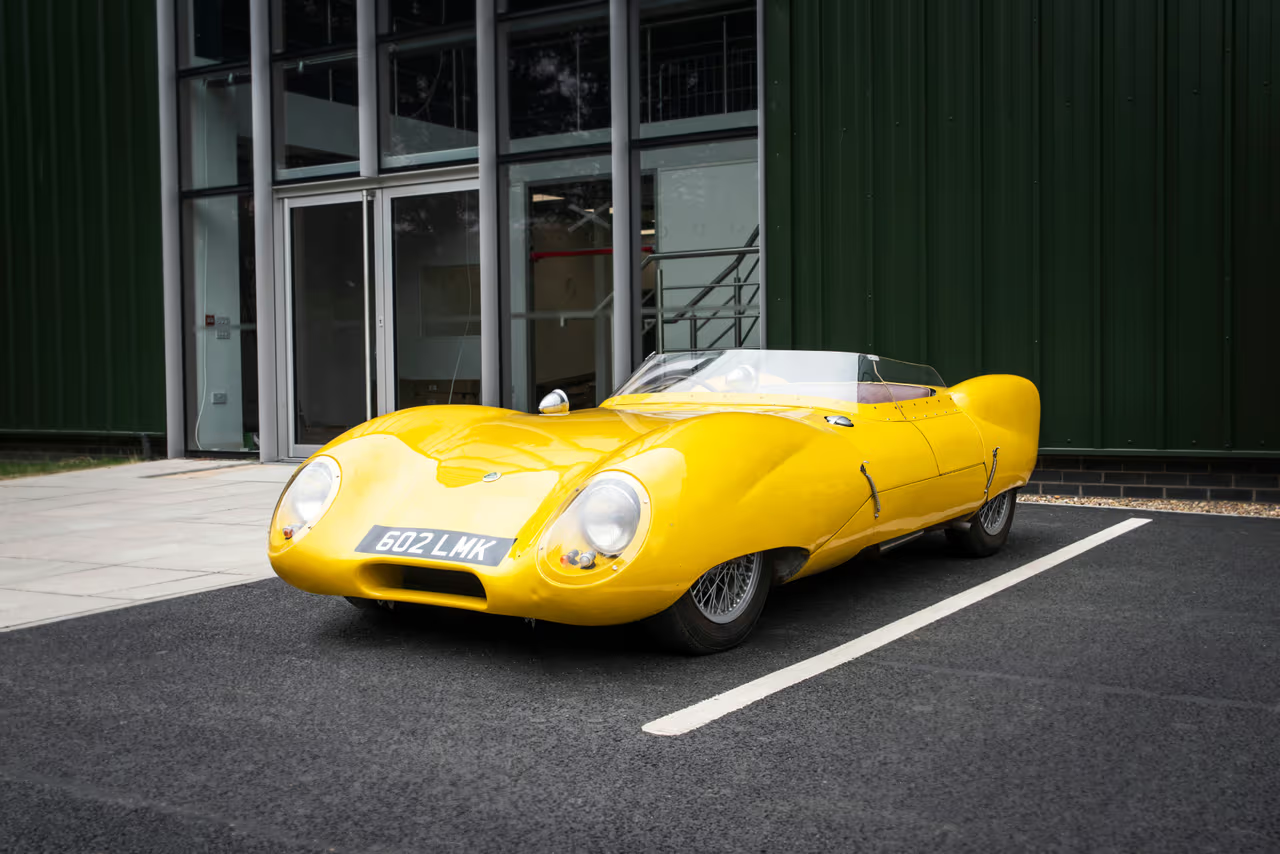
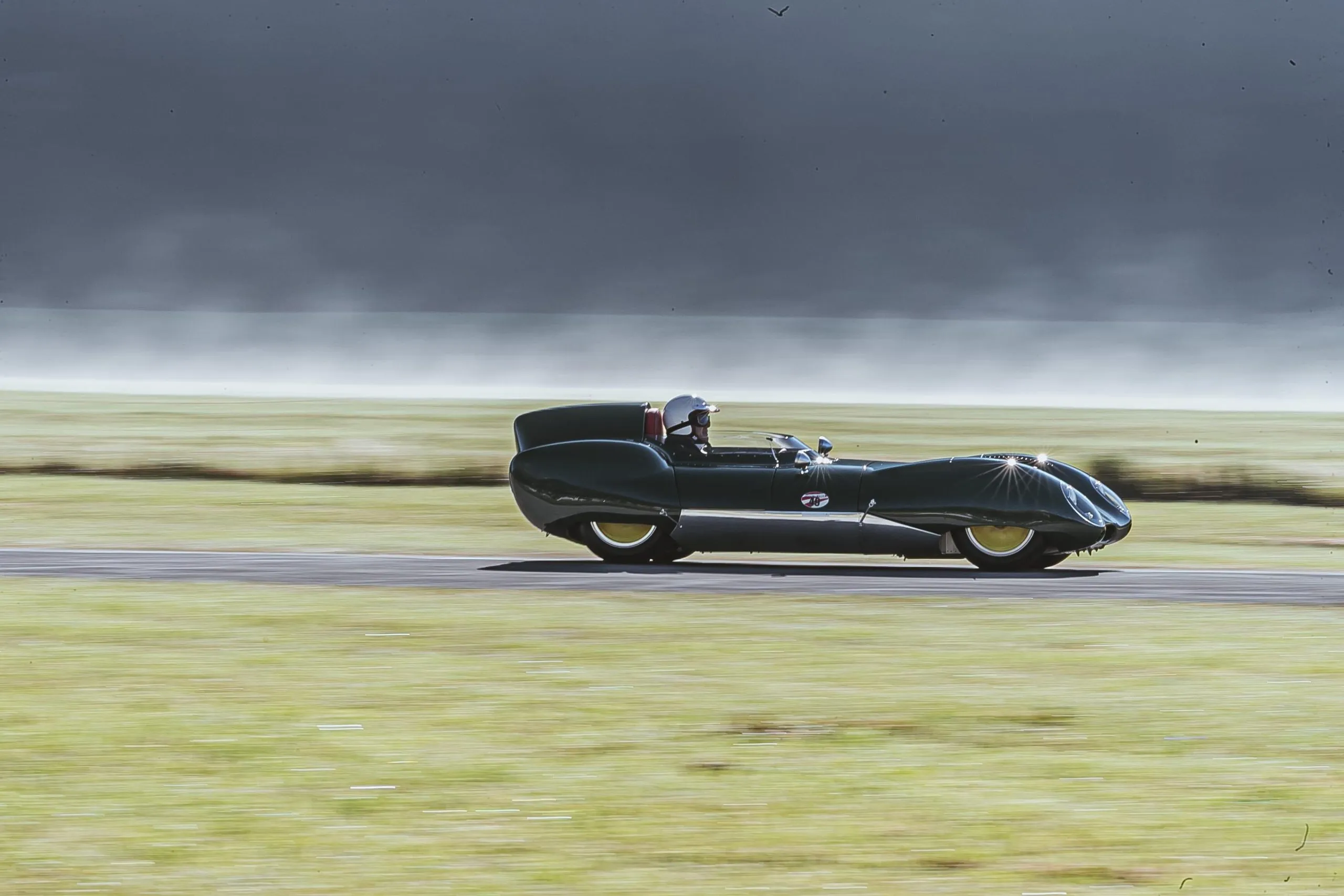
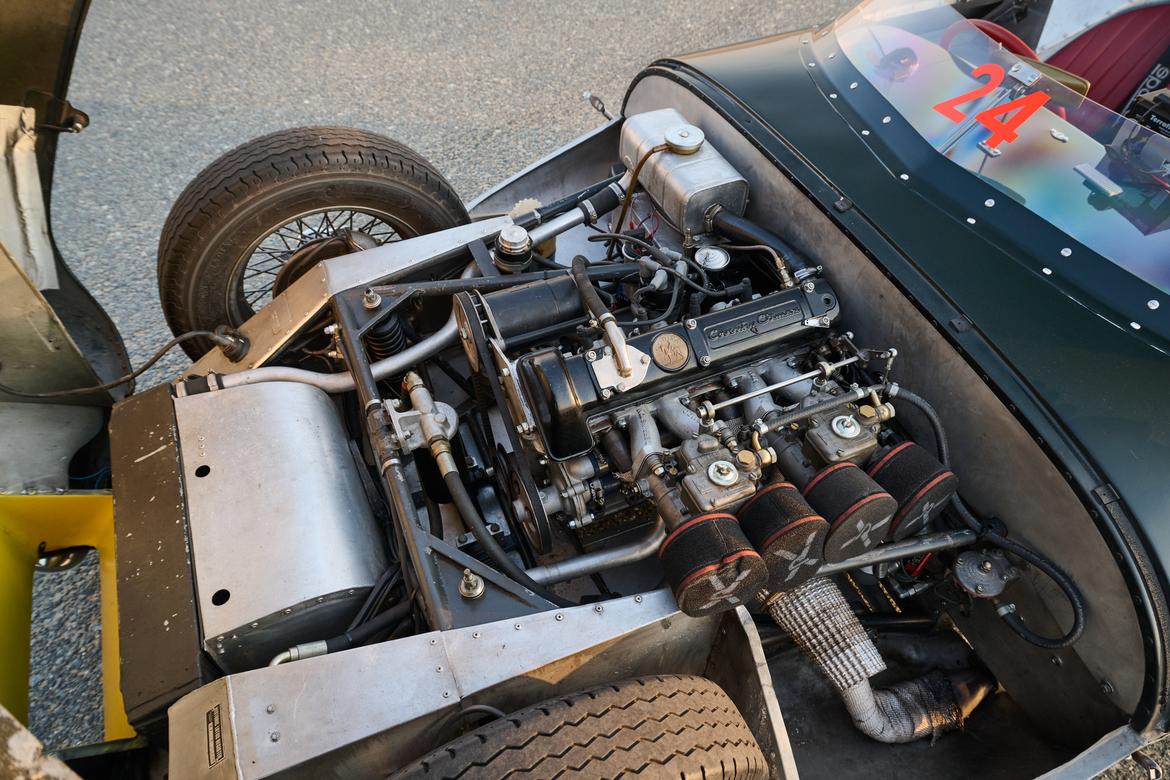
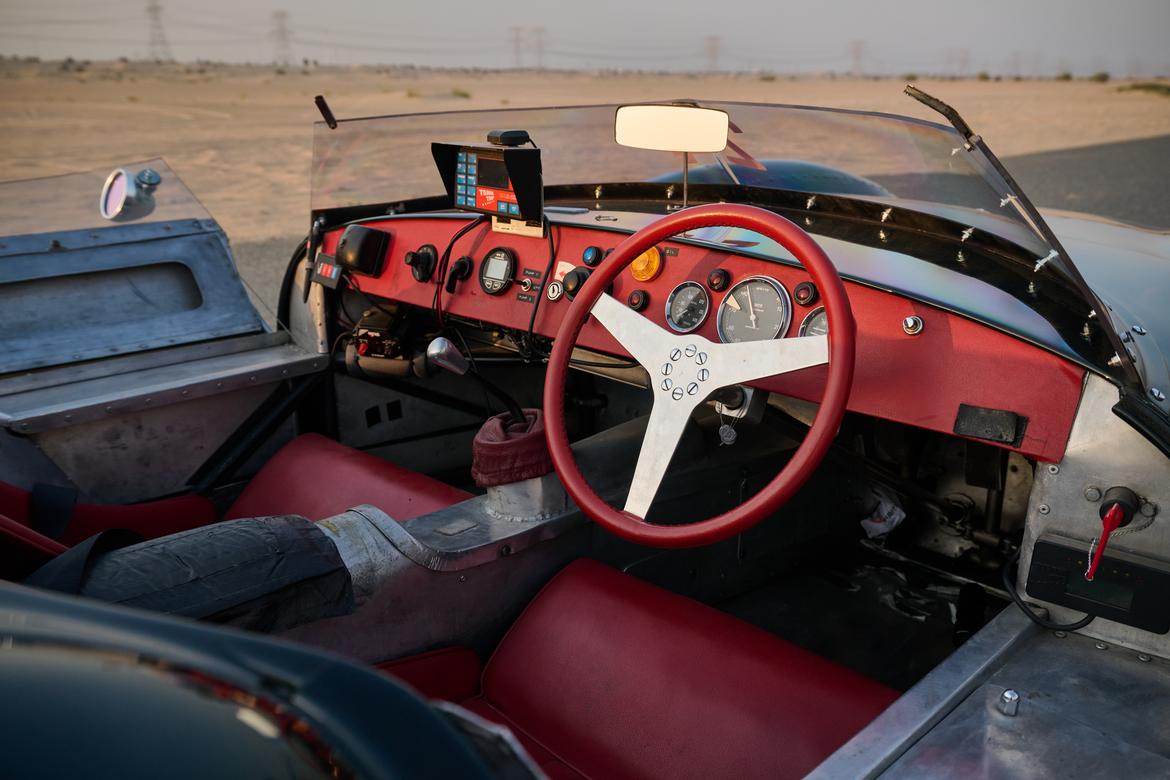
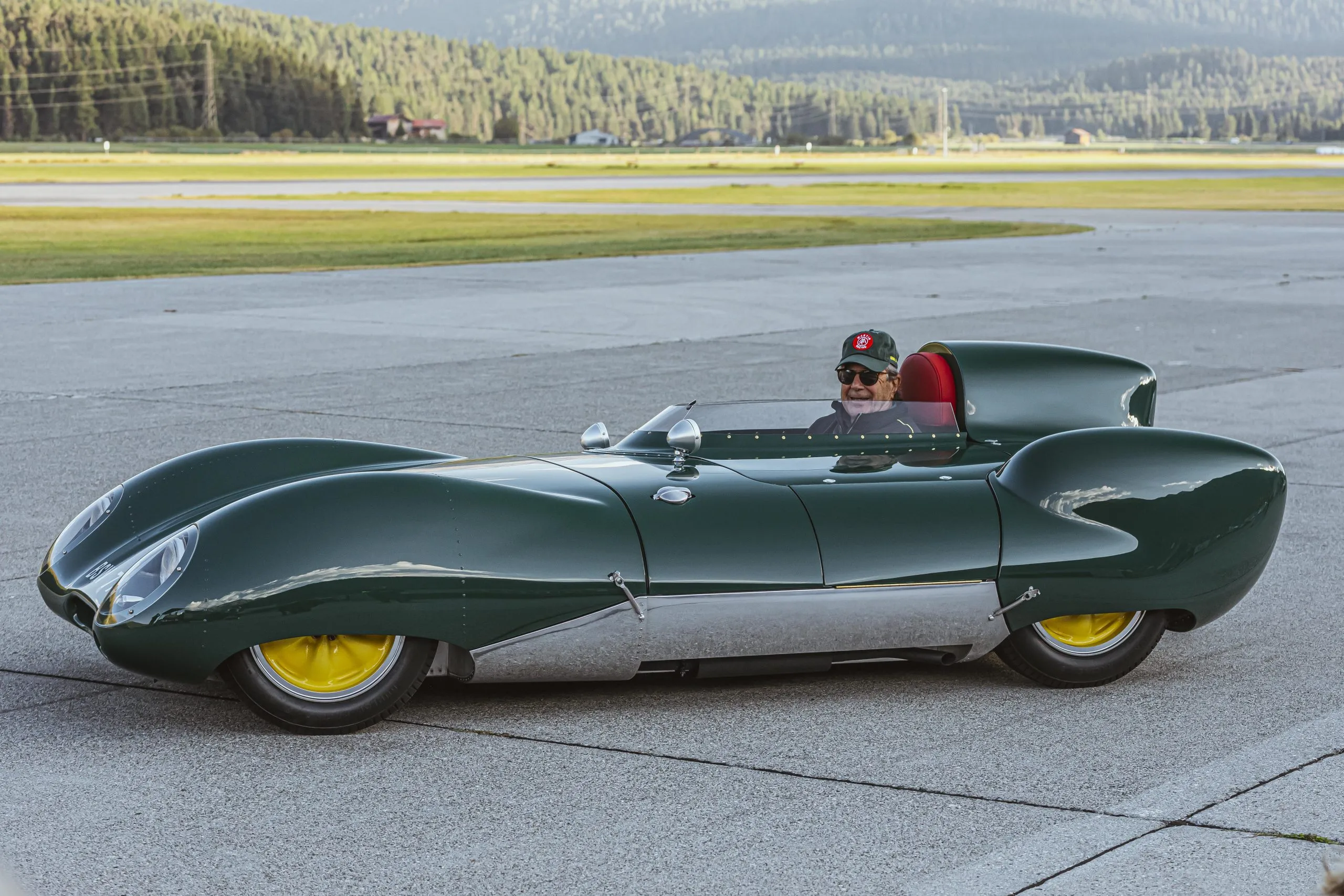
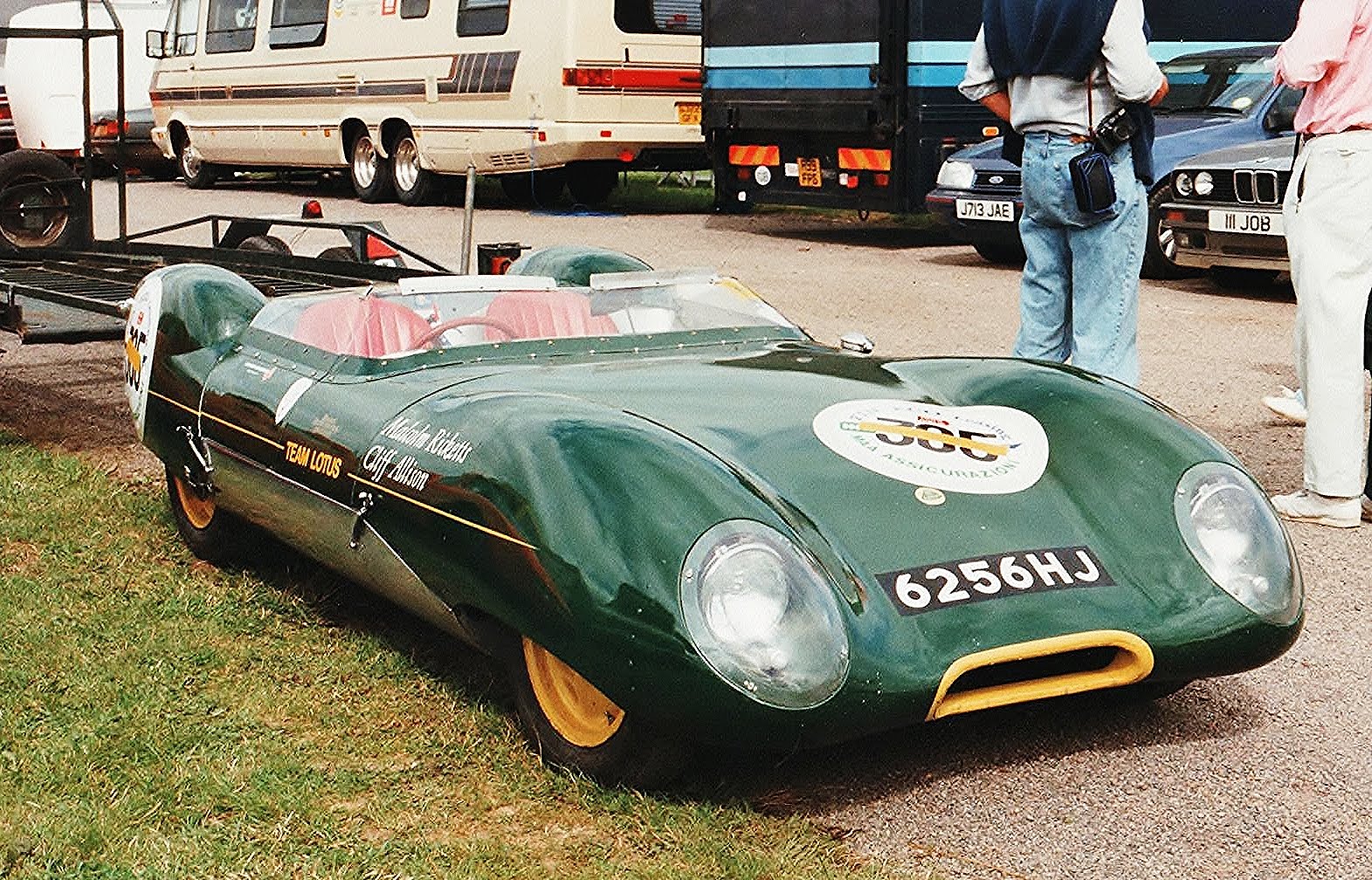
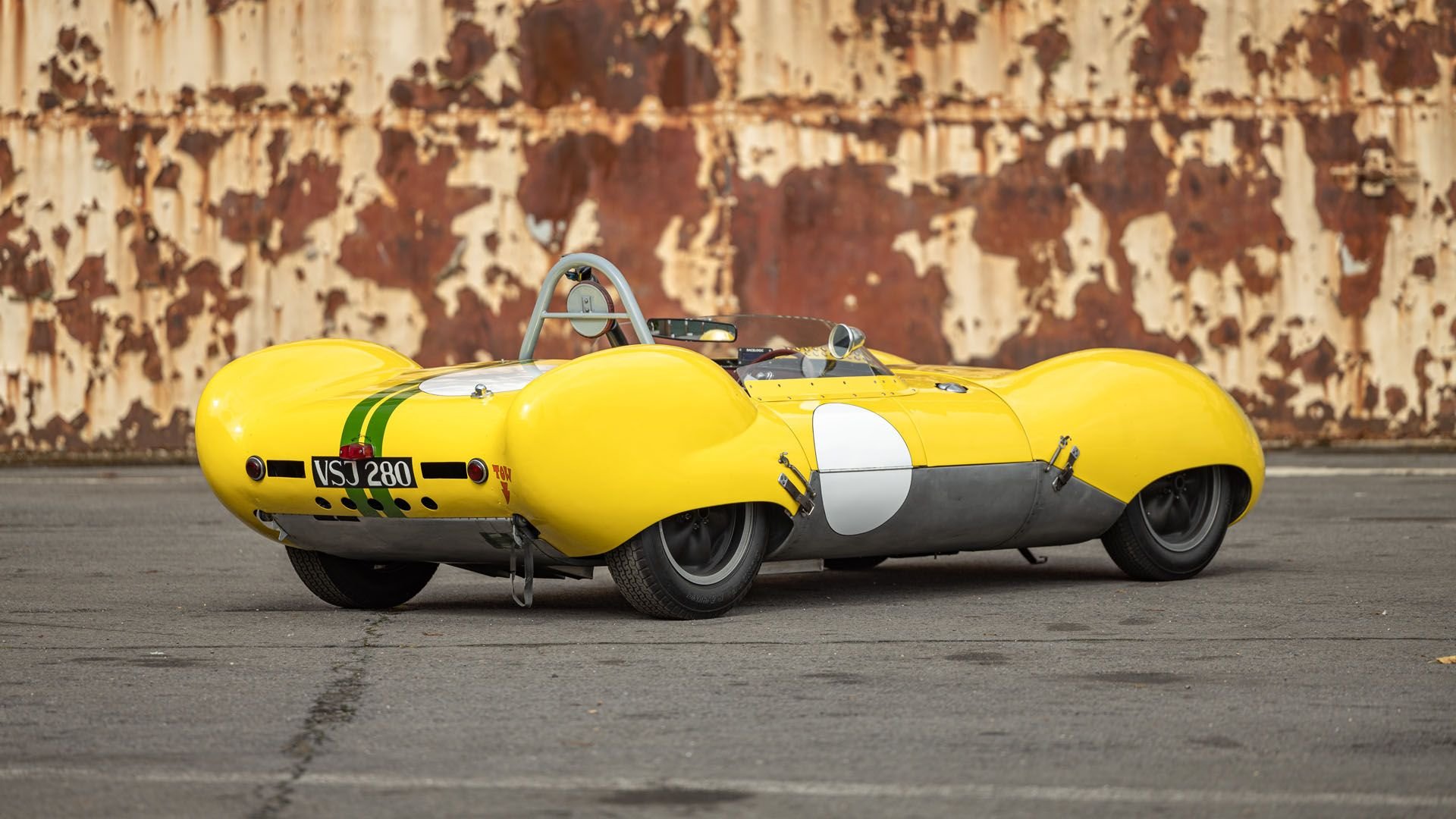
The beating heart of the definitive Lotus Eleven was the Coventry Climax engine. Originally designed by Walter Hassan and Harry Mundy as a lightweight, reliable water pump engine for the British fire brigade, the all-aluminium Climax FWA (1098cc) and later FWB (1460cc) overhead-cam engines were transformed into high-revving motorsport jewels. In the Eleven, a tuned 1.1-liter Climax produced roughly 75 to 85 brake horsepower. While that figure sounds modest today, the entire car weighed merely 1,000 pounds (450 kilograms) wet. Draping this mechanical package was a body of exquisite, teardrop perfection crafted by Frank Costin, an aerodynamicist borrowed from the De Havilland Aircraft Company. Costin ignored aesthetic styling in favor of pure, mathematical airflow. He utilized a smooth, low-slung nose, deeply faired-in headlights, a wrap-around perspex screen, and a tapering tail section with an optional driver headrest fairing. The result was a car that punched an incredibly small hole in the air, allowing it to reach speeds approaching 140 mph down the Mulsanne Straight on a mere 85 horsepower. Inside, the cockpit was a stark, unadulterated workspace of stressed aluminium panels, a minimalist array of essential Smiths gauges, and a slim, wood-rimmed steering wheel that communicated every single pebble on the tarmac directly to the driver’s fingertips.
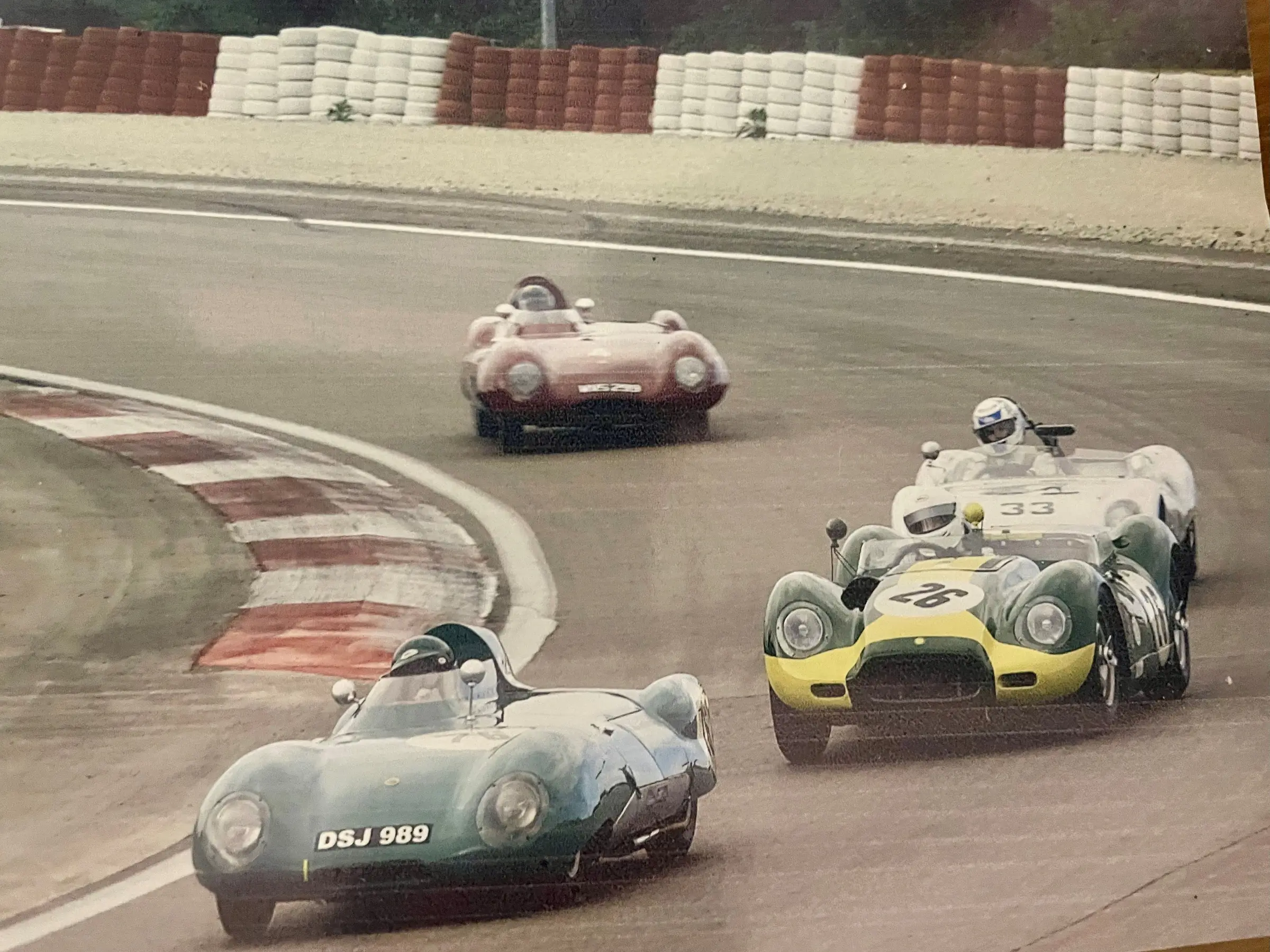
The competition history of the Lotus Eleven is a testament to the absolute validity of Chapman’s engineering philosophy. The car was an immediate, giant-killing sensation. In 1956, Peter Jopp and Reg Bicknell took a Series 1 Eleven to the 24 Hours of Le Mans, securing a dominant victory in the 1100cc class and finishing an astonishing seventh overall, humiliating cars with engines three times their size. But it was in 1957 that the Series 2 Eleven cemented its immortality. At Le Mans that year, the Coventry Climax-powered Elevens orchestrated a crushing display of superiority, finishing first, second, third, and fourth in the 1100cc class, while Cliff Allison and Keith Hall secured the highly coveted Index of Performance—a prize awarded for the greatest achievement relative to engine displacement, effectively naming the Lotus the most efficient sports car in the world. The Eleven was not just a Le Mans specialist; it was an absolute terror on short, twisting circuits. Drivers like Mike Hawthorn, Graham Hill, and the legendary Stirling Moss threw the diminutive Lotus around the tracks of Europe with devastating effect. Moss famously took a specially modified Eleven to the high-banked Monza oval, setting a raft of international class speed records, including averaging over 143 mph for 100 kilometers.
Beyond the factory efforts, the true cultural impact of the Lotus Eleven lay in its commercial brilliance. To circumvent the punishing Purchase Tax levied on new cars in post-war Britain, Chapman sold the Eleven in kit form. A passionate privateer could purchase the chassis, body, and running gear, assemble it in their home garage over a few weekends, and drive it to the local track to battle factory-supported teams. Over 270 units were produced, flooding the grids of Europe and America, and providing the crucial financial bedrock that allowed Lotus to transition from a cramped garage operation into a global motorsport powerhouse. The Eleven democratized prototype-level racing, proving that a well-engineered, aerodynamically efficient car built by a dedicated amateur could conquer the world.
The legacy of the 1956 Lotus Eleven is absolute and unassailable. It was the crucial inflection point in the history of Lotus Cars, the machine that proved Colin Chapman was not merely a clever tinkerer, but a world-class constructor capable of beating Porsche and Ferrari on the greatest stage of all. It laid the direct architectural and aerodynamic groundwork for the subsequent Lotus 15 and 17 sports racers, and its philosophy of extreme lightness and slippery aerodynamics echoed through every single Lotus Formula 1 car that followed. Today, the Lotus Eleven stands as the quintessential 1950s British sports racing car. Whether screaming around the Goodwood Motor Circuit during the Madgwick Cup or sitting quietly as a masterpiece of mid-century industrial art, it remains a breathtaking monument to an era when brains, aerodynamics, and a lightweight Coventry Climax engine could rewrite the rules of motorsport.
Brand
Produced from
Vehicle category
Portal
Model line
Model generation
Predecessor
Sucessor
Brand
Produced from
Vehicle category
Portal
Model line
Model generation
Predecessor
Sucessor
Model Overview
In the mid-1950s, the global motorsport landscape was undergoing a profound philosophical shift. The era of the thundering, heavy-displacement leviathans was being challenged by a new breed of featherweight, aerodynamically surgical machines. At the epicentre of this British engineering renaissance was a brilliant, relentlessly driven man named Colin Chapman. Operating initially out of cramped premises in Hornsey, London, Chapman had already demonstrated his obsession with saving weight through his early Mark VIII, IX, and X sports racers. However, in 1956, he sought to distill his mantra of “simplify, then add lightness” into a definitive, world-beating package. The result was the Lotus Eleven—often written as the XI, and notably the car that officially birthed Lotus’s enduring tradition of naming its models with words starting with the letter ‘E’. The Eleven arrived in a fiercely competitive 1.1-liter and 1.5-liter sports car grid, locking horns with John Cooper’s brilliant, rear-engined T39 ‘Bobtail’, the emerging Elva Mk II, and on the continent, the mighty, highly engineered Porsche 550 Spyders and Maserati 150S barchettas. Yet, the Lotus possessed a devastating trump card: an aerodynamic purity and a power-to-weight ratio that bordered on the miraculous.
To strip away the breathtaking aluminium skin of the Lotus Eleven is to witness the absolute apex of 1950s chassis engineering. Chapman designed an intricate, multi-tubular spaceframe that resembled an aircraft fuselage more than a traditional automobile chassis. Constructed from thin-gauge steel tubes, this skeletal masterpiece weighed an astonishing 70 pounds (approx. 32 kilograms), yet it possessed immense torsional rigidity. The mechanical architecture evolved across two distinct generations. The 1956 Series 1 utilized a heavily modified Ford swing-axle front suspension, which, while incredibly light, produced peculiar camber changes under heavy cornering. For the 1957 Series 2, Chapman perfected the handling by introducing a conventional, fully independent double-wishbone front suspension with a modern anti-roll bar. The rear of the car in the top-tier ‘Le Mans’ specification featured a sophisticated De Dion tube setup, equipped with inboard Girling disc brakes to drastically reduce unsprung weight. However, Chapman was also a pragmatic businessman; to fund his racing ambitions, he offered the Eleven in three distinct trims. The ultimate ‘Le Mans’ spec featured the De Dion rear and disc brakes; the ‘Club’ spec utilized a live rear axle and drum brakes; and the budget-friendly ‘Sport’ spec was powered by a humble Ford side-valve engine for the amateur weekend warrior.
The beating heart of the definitive Lotus Eleven was the Coventry Climax engine. Originally designed by Walter Hassan and Harry Mundy as a lightweight, reliable water pump engine for the British fire brigade, the all-aluminium Climax FWA (1098cc) and later FWB (1460cc) overhead-cam engines were transformed into high-revving motorsport jewels. In the Eleven, a tuned 1.1-liter Climax produced roughly 75 to 85 brake horsepower. While that figure sounds modest today, the entire car weighed merely 1,000 pounds (450 kilograms) wet. Draping this mechanical package was a body of exquisite, teardrop perfection crafted by Frank Costin, an aerodynamicist borrowed from the De Havilland Aircraft Company. Costin ignored aesthetic styling in favor of pure, mathematical airflow. He utilized a smooth, low-slung nose, deeply faired-in headlights, a wrap-around perspex screen, and a tapering tail section with an optional driver headrest fairing. The result was a car that punched an incredibly small hole in the air, allowing it to reach speeds approaching 140 mph down the Mulsanne Straight on a mere 85 horsepower. Inside, the cockpit was a stark, unadulterated workspace of stressed aluminium panels, a minimalist array of essential Smiths gauges, and a slim, wood-rimmed steering wheel that communicated every single pebble on the tarmac directly to the driver’s fingertips.
The competition history of the Lotus Eleven is a testament to the absolute validity of Chapman’s engineering philosophy. The car was an immediate, giant-killing sensation. In 1956, Peter Jopp and Reg Bicknell took a Series 1 Eleven to the 24 Hours of Le Mans, securing a dominant victory in the 1100cc class and finishing an astonishing seventh overall, humiliating cars with engines three times their size. But it was in 1957 that the Series 2 Eleven cemented its immortality. At Le Mans that year, the Coventry Climax-powered Elevens orchestrated a crushing display of superiority, finishing first, second, third, and fourth in the 1100cc class, while Cliff Allison and Keith Hall secured the highly coveted Index of Performance—a prize awarded for the greatest achievement relative to engine displacement, effectively naming the Lotus the most efficient sports car in the world. The Eleven was not just a Le Mans specialist; it was an absolute terror on short, twisting circuits. Drivers like Mike Hawthorn, Graham Hill, and the legendary Stirling Moss threw the diminutive Lotus around the tracks of Europe with devastating effect. Moss famously took a specially modified Eleven to the high-banked Monza oval, setting a raft of international class speed records, including averaging over 143 mph for 100 kilometers.
Beyond the factory efforts, the true cultural impact of the Lotus Eleven lay in its commercial brilliance. To circumvent the punishing Purchase Tax levied on new cars in post-war Britain, Chapman sold the Eleven in kit form. A passionate privateer could purchase the chassis, body, and running gear, assemble it in their home garage over a few weekends, and drive it to the local track to battle factory-supported teams. Over 270 units were produced, flooding the grids of Europe and America, and providing the crucial financial bedrock that allowed Lotus to transition from a cramped garage operation into a global motorsport powerhouse. The Eleven democratized prototype-level racing, proving that a well-engineered, aerodynamically efficient car built by a dedicated amateur could conquer the world.
The legacy of the 1956 Lotus Eleven is absolute and unassailable. It was the crucial inflection point in the history of Lotus Cars, the machine that proved Colin Chapman was not merely a clever tinkerer, but a world-class constructor capable of beating Porsche and Ferrari on the greatest stage of all. It laid the direct architectural and aerodynamic groundwork for the subsequent Lotus 15 and 17 sports racers, and its philosophy of extreme lightness and slippery aerodynamics echoed through every single Lotus Formula 1 car that followed. Today, the Lotus Eleven stands as the quintessential 1950s British sports racing car. Whether screaming around the Goodwood Motor Circuit during the Madgwick Cup or sitting quietly as a masterpiece of mid-century industrial art, it remains a breathtaking monument to an era when brains, aerodynamics, and a lightweight Coventry Climax engine could rewrite the rules of motorsport.
Generations
Model Generations

Submodels