
March 85G
Brand
Produced from
Vehicle category
Portal
Model line
Model generation
Predecessor
Sucessor
Model Overview
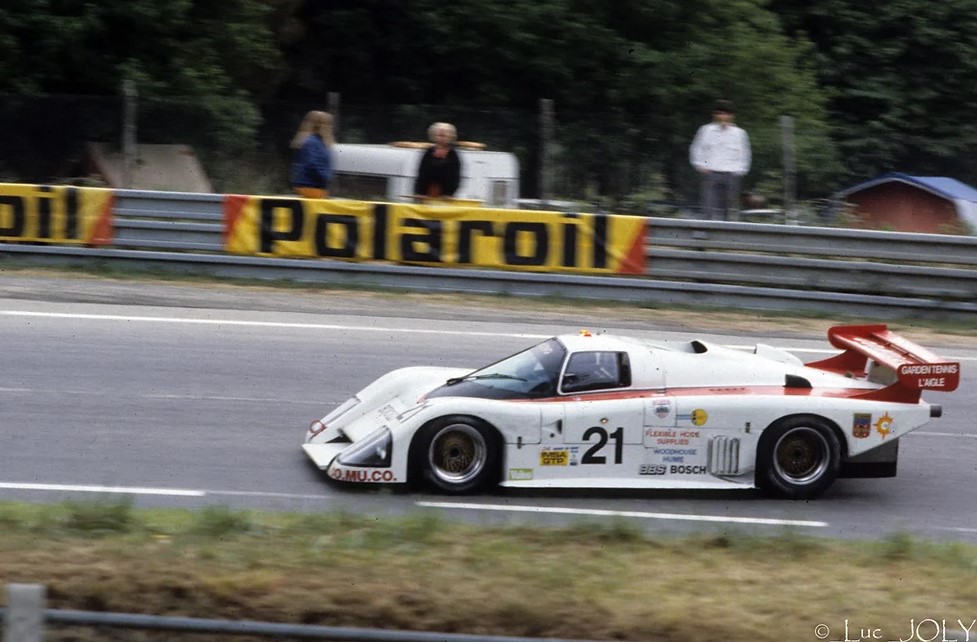
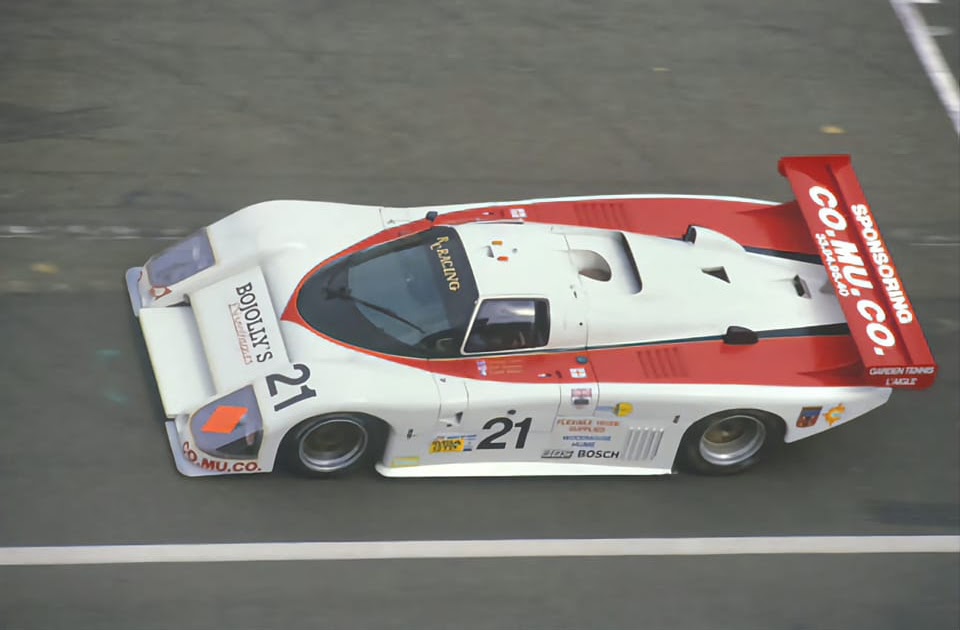
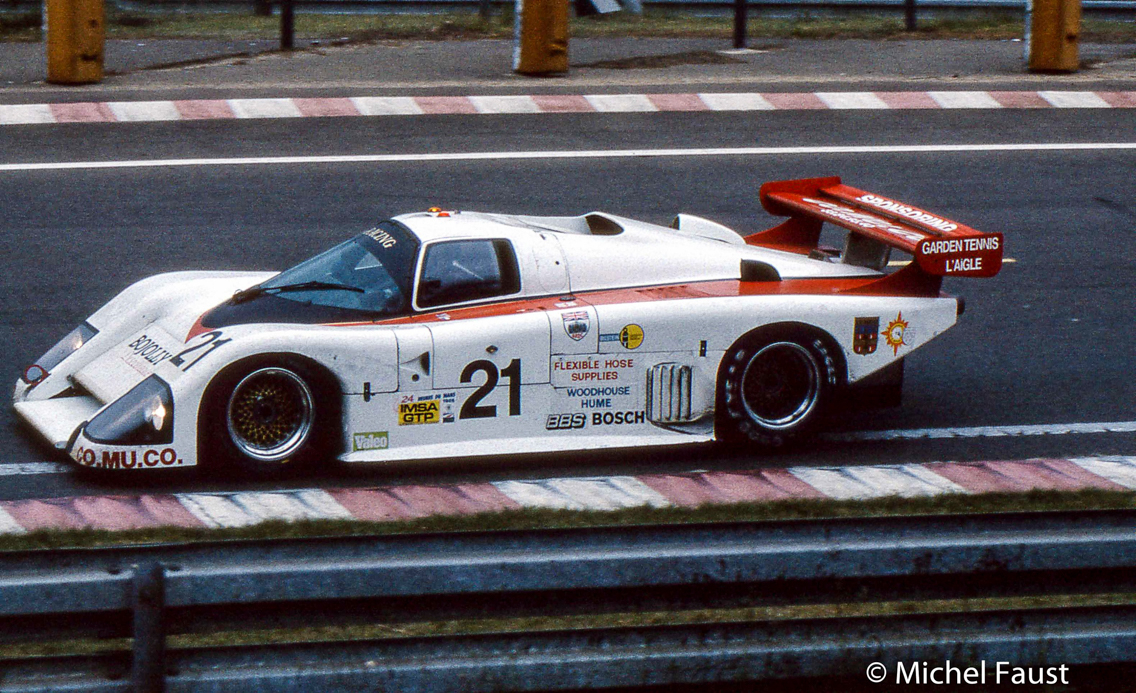
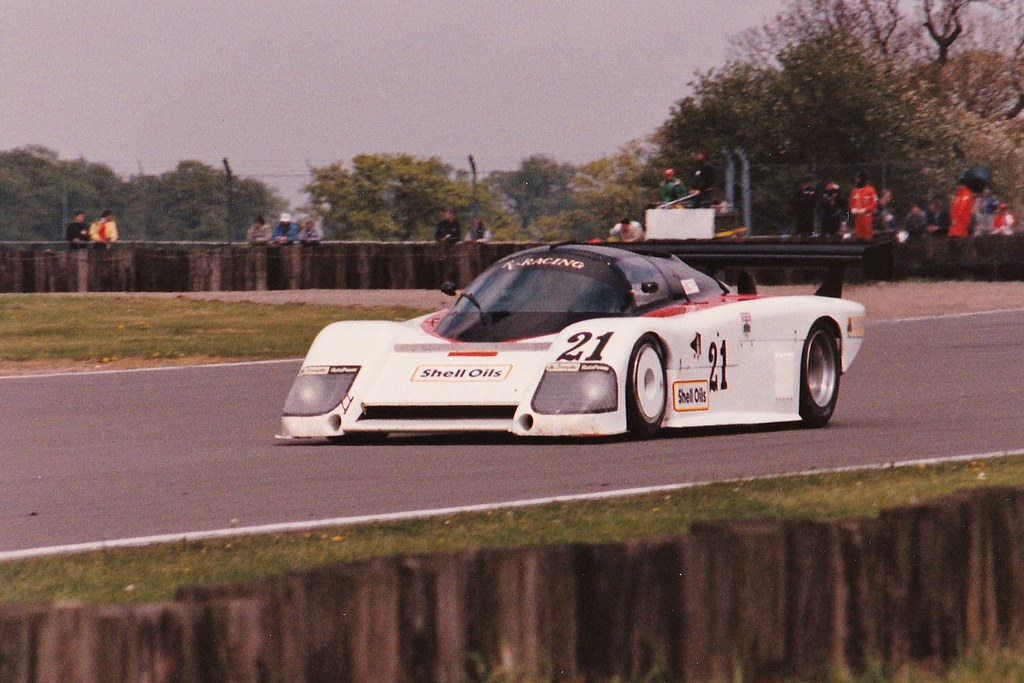
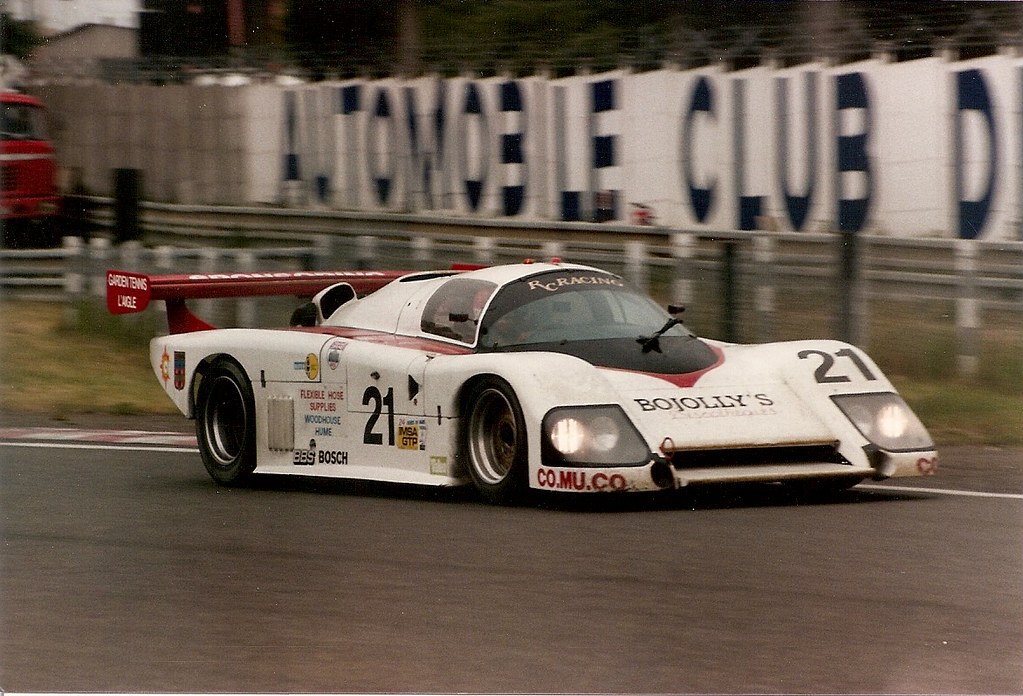
The mid-1980s represented a period of glorious, unadulterated madness in the world of endurance racing. On both sides of the Atlantic, the FIA Group C and IMSA GTP regulations had birthed a generation of enclosed-cockpit prototypes that were as beautiful as they were terrifyingly fast. By 1985, however, a shadow had fallen over the privateer paddocks. Porsche had unleashed the 962, a devastatingly effective, turn-key customer prototype that threatened to monopolize the podiums from Daytona to Le Mans. For the independent teams who refused to bow to Stuttgart’s dominance, there was an alternative weapon forged in the quiet English market town of Bicester. March Engineering, led by the brilliant Robin Herd, had carved out a lucrative niche as the ultimate mercenary constructor. Following the IMSA GTP championship-winning successes of the Adrian Newey-penned March 83G and 84G, the 1985 March 85G arrived as the ultimate evolutionary refinement of the customer prototype concept. It stepped into the gladiatorial arenas of global motorsport to battle not only the mighty Porsche 962, but also the screaming V12 Jaguar XJR-5s and the beautiful Lancia LC2s. Yet, the 85G possessed a unique, defining characteristic that elevated it above a mere chassis: it was a blank, highly sophisticated canvas. It was a car designed from the ground up to accept virtually any engine a team could dream of bolting into its bulkhead, an adaptability that would eventually attract the attention of a Japanese automotive giant looking for a shortcut to international racing glory.
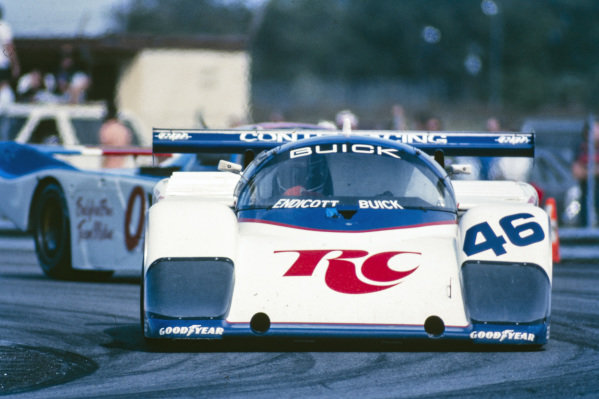
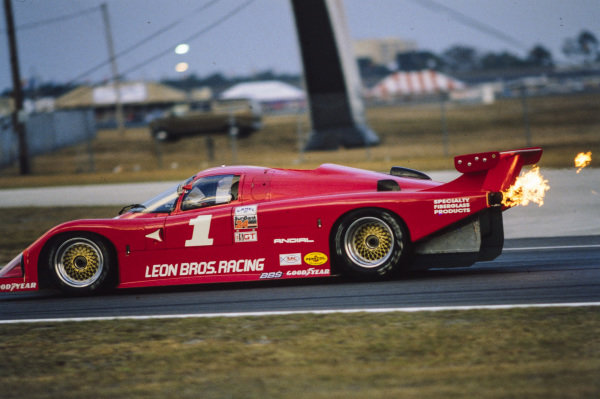
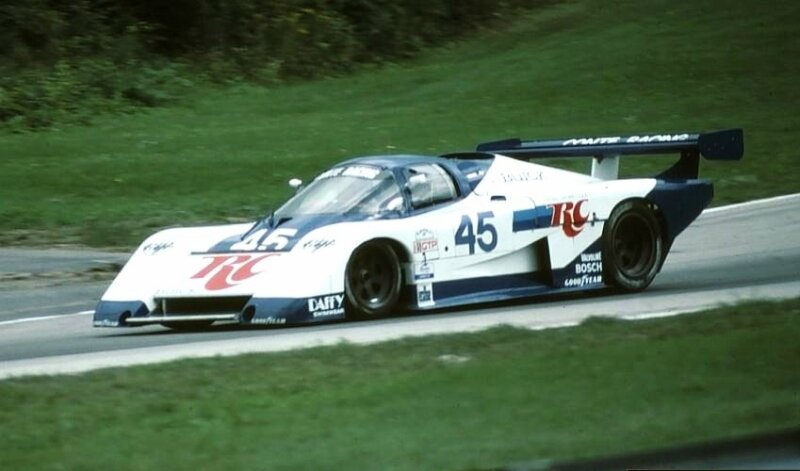
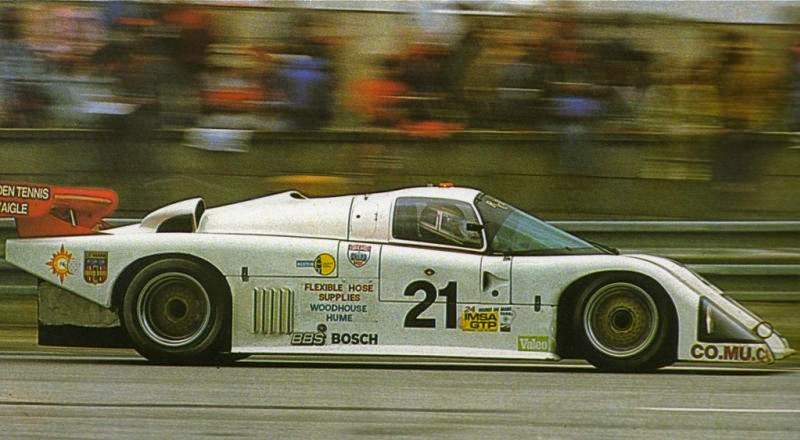
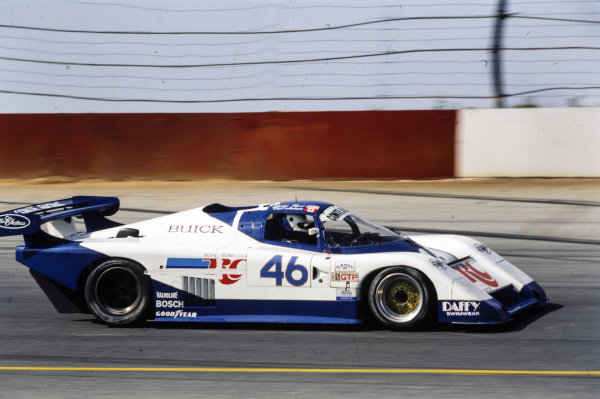
To strip away the sweeping, aerodynamic bodywork of the March 85G is to witness a masterclass in pragmatic, modular race car engineering. The foundation of the vehicle was an immensely rigid, lightweight aluminium honeycomb monocoque tub. While carbon fiber was beginning to permeate the Formula 1 grid, aluminium honeycomb remained the favored material for endurance constructors due to its cost-effectiveness, repairability in the pits, and proven structural integrity over twenty-four hours of punishing abuse. Aerodynamically, the 85G smoothed out the distinctive, blunt “lobster claw” front end of the earlier 82G, replacing it with a sleeker, more refined nose that channeled air cleanly over the canopy and, crucially, into the massive venturi tunnels that dominated the car’s underside. Ground effect was the dark art of the era, and the 85G generated immense, neck-straining levels of aerodynamic downforce, sucking the chassis to the tarmac at speeds exceeding 200 mph. But the true engineering sorcery lay behind the driver’s firewall. The engine bay was deliberately designed to be cavernous and adaptable. In the United States, IMSA privateers like Conte Racing shoehorned in explosive, turbocharged Buick V6 engines, creating flame-spitting monsters that produced apocalyptic horsepower but suffered from fragile reliability. Others opted for the thunderous reliability of naturally aspirated Chevrolet V8s or even the proven Porsche flat-six. However, the most significant mechanical marriage occurred when the Japanese factory Nissan motorsport division, Nismo, purchased 85G chassis. They seamlessly integrated their own VG30T 3.0-liter, twin-turbocharged V6 engine, effectively transforming the British mercenary into the Nissan R85V. To reign in the ferocious power of these varied engines, the 85G utilized a conventional but robust suspension setup of double wishbones with inboard coilover shock absorbers, while stopping power relied on massive, ventilated AP Racing iron disc brakes that glowed a violent, cherry red deep into the night at Le Mans. Inside, the cockpit was a brutal, claustrophobic workspace; the driver sat enveloped by aluminium bulkheads, fighting incredibly heavy, unassisted steering while monitoring a dizzying array of analog gauges that dictated the life or death of the highly stressed engine behind them.
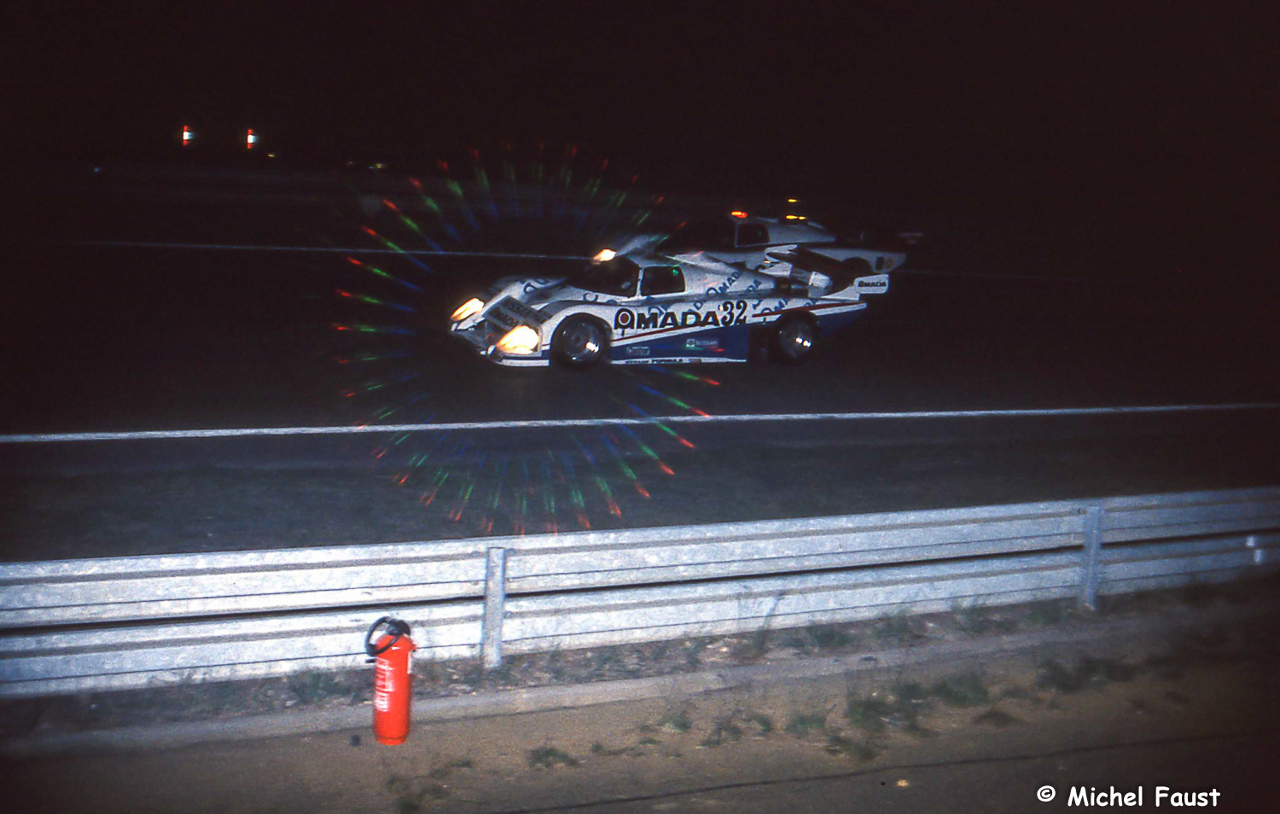
The racing history of the March 85G is a fascinating tale of David versus Goliath, defined by flashes of sheer brilliance against the overwhelming tide of the Porsche 962. In the American IMSA GTP championship, the Buick-powered 85Gs were incredibly fast over a single qualifying lap. Drivers like John Paul Jr. manhandled the unruly, turbo-lag-heavy beasts to stunning pole positions, only to have the engine or drivetrain expire under the punishing strain of race distance. However, the 85G’s true immortality was secured not in America or Europe, but in the Far East. Nissan, desperate to accelerate their fledgling Group C program to challenge Toyota and Porsche, realized that developing a chassis from scratch would take years. The March 85G provided the perfect shortcut. Rebranded as the Nissan R85V, the car was entered into the 1985 FIA World Endurance Championship round at the Fuji 1000km. The race was held in absolutely torrential, typhoon-like conditions that leveled the playing field and negated the outright speed advantage of the Porsches. Driven by the legendary Kazuyoshi Hoshino—the “Fastest Man in Japan”—alongside Akira Hagiwara and Keiji Matsumoto, the Nissan-powered March cut through the blinding spray with flawless reliability. As the European factory teams faltered and drowned in the deluge, Hoshino drove an absolute masterclass, bringing the R85V home to secure an astonishing overall victory. It was Nissan’s very first world championship endurance race win, a monumental moment of national pride that validated their turbo V6 engine program and cemented their commitment to Group C. The R85V would also carry Nissan to the 24 Hours of Le Mans in 1986. While it did not win the French classic, the sight of the March-built, Japanese-powered prototype blasting down the Mulsanne Straight served as the official warning shot that Nissan had arrived on the global stage.
The legacy of the 1985 March 85G is often overshadowed by the cars it raced against and the cars it eventually birthed, yet its importance in the grand tapestry of 1980s motorsport cannot be overstated. It was the ultimate privateer chameleon, a vehicle that allowed independent teams to challenge factory giants with their own chosen engines. More importantly, it served as the crucial, foundational stepping stone for Nissan’s legendary Group C dynasty. The success of the 85G-based R85V led to a continued partnership resulting in the March 86G (which became the Nissan R86V and the IMSA BMW GTP), eventually paving the way for Nissan’s incredible, bespoke in-house prototypes like the R89C and the pole-sitting R90CK. The March 85G represents the twilight of the true customer chassis era, a time when a small British constructor could build a tubular and honeycomb canvas, ship it across the world, and watch as an explosive Buick V8 or a high-tech Japanese twin-turbo V6 turned it into a motorsport legend. It sits proudly in the pantheon of endurance racing as the unsung hero of Group C, the quintessential mercenary machine that gave Nissan their first taste of the champagne and kept the spirit of the independent racer fiercely alive.
Portal
Model line
Model generation
Predecessor
Sucessor
Brand
Produced from
Vehicle category
Portal
Model line
Model generation
Predecessor
Sucessor
Model Overview
The mid-1980s represented a period of glorious, unadulterated madness in the world of endurance racing. On both sides of the Atlantic, the FIA Group C and IMSA GTP regulations had birthed a generation of enclosed-cockpit prototypes that were as beautiful as they were terrifyingly fast. By 1985, however, a shadow had fallen over the privateer paddocks. Porsche had unleashed the 962, a devastatingly effective, turn-key customer prototype that threatened to monopolize the podiums from Daytona to Le Mans. For the independent teams who refused to bow to Stuttgart’s dominance, there was an alternative weapon forged in the quiet English market town of Bicester. March Engineering, led by the brilliant Robin Herd, had carved out a lucrative niche as the ultimate mercenary constructor. Following the IMSA GTP championship-winning successes of the Adrian Newey-penned March 83G and 84G, the 1985 March 85G arrived as the ultimate evolutionary refinement of the customer prototype concept. It stepped into the gladiatorial arenas of global motorsport to battle not only the mighty Porsche 962, but also the screaming V12 Jaguar XJR-5s and the beautiful Lancia LC2s. Yet, the 85G possessed a unique, defining characteristic that elevated it above a mere chassis: it was a blank, highly sophisticated canvas. It was a car designed from the ground up to accept virtually any engine a team could dream of bolting into its bulkhead, an adaptability that would eventually attract the attention of a Japanese automotive giant looking for a shortcut to international racing glory.
To strip away the sweeping, aerodynamic bodywork of the March 85G is to witness a masterclass in pragmatic, modular race car engineering. The foundation of the vehicle was an immensely rigid, lightweight aluminium honeycomb monocoque tub. While carbon fiber was beginning to permeate the Formula 1 grid, aluminium honeycomb remained the favored material for endurance constructors due to its cost-effectiveness, repairability in the pits, and proven structural integrity over twenty-four hours of punishing abuse. Aerodynamically, the 85G smoothed out the distinctive, blunt “lobster claw” front end of the earlier 82G, replacing it with a sleeker, more refined nose that channeled air cleanly over the canopy and, crucially, into the massive venturi tunnels that dominated the car’s underside. Ground effect was the dark art of the era, and the 85G generated immense, neck-straining levels of aerodynamic downforce, sucking the chassis to the tarmac at speeds exceeding 200 mph. But the true engineering sorcery lay behind the driver’s firewall. The engine bay was deliberately designed to be cavernous and adaptable. In the United States, IMSA privateers like Conte Racing shoehorned in explosive, turbocharged Buick V6 engines, creating flame-spitting monsters that produced apocalyptic horsepower but suffered from fragile reliability. Others opted for the thunderous reliability of naturally aspirated Chevrolet V8s or even the proven Porsche flat-six. However, the most significant mechanical marriage occurred when the Japanese factory Nissan motorsport division, Nismo, purchased 85G chassis. They seamlessly integrated their own VG30T 3.0-liter, twin-turbocharged V6 engine, effectively transforming the British mercenary into the Nissan R85V. To reign in the ferocious power of these varied engines, the 85G utilized a conventional but robust suspension setup of double wishbones with inboard coilover shock absorbers, while stopping power relied on massive, ventilated AP Racing iron disc brakes that glowed a violent, cherry red deep into the night at Le Mans. Inside, the cockpit was a brutal, claustrophobic workspace; the driver sat enveloped by aluminium bulkheads, fighting incredibly heavy, unassisted steering while monitoring a dizzying array of analog gauges that dictated the life or death of the highly stressed engine behind them.
The racing history of the March 85G is a fascinating tale of David versus Goliath, defined by flashes of sheer brilliance against the overwhelming tide of the Porsche 962. In the American IMSA GTP championship, the Buick-powered 85Gs were incredibly fast over a single qualifying lap. Drivers like John Paul Jr. manhandled the unruly, turbo-lag-heavy beasts to stunning pole positions, only to have the engine or drivetrain expire under the punishing strain of race distance. However, the 85G’s true immortality was secured not in America or Europe, but in the Far East. Nissan, desperate to accelerate their fledgling Group C program to challenge Toyota and Porsche, realized that developing a chassis from scratch would take years. The March 85G provided the perfect shortcut. Rebranded as the Nissan R85V, the car was entered into the 1985 FIA World Endurance Championship round at the Fuji 1000km. The race was held in absolutely torrential, typhoon-like conditions that leveled the playing field and negated the outright speed advantage of the Porsches. Driven by the legendary Kazuyoshi Hoshino—the “Fastest Man in Japan”—alongside Akira Hagiwara and Keiji Matsumoto, the Nissan-powered March cut through the blinding spray with flawless reliability. As the European factory teams faltered and drowned in the deluge, Hoshino drove an absolute masterclass, bringing the R85V home to secure an astonishing overall victory. It was Nissan’s very first world championship endurance race win, a monumental moment of national pride that validated their turbo V6 engine program and cemented their commitment to Group C. The R85V would also carry Nissan to the 24 Hours of Le Mans in 1986. While it did not win the French classic, the sight of the March-built, Japanese-powered prototype blasting down the Mulsanne Straight served as the official warning shot that Nissan had arrived on the global stage.
The legacy of the 1985 March 85G is often overshadowed by the cars it raced against and the cars it eventually birthed, yet its importance in the grand tapestry of 1980s motorsport cannot be overstated. It was the ultimate privateer chameleon, a vehicle that allowed independent teams to challenge factory giants with their own chosen engines. More importantly, it served as the crucial, foundational stepping stone for Nissan’s legendary Group C dynasty. The success of the 85G-based R85V led to a continued partnership resulting in the March 86G (which became the Nissan R86V and the IMSA BMW GTP), eventually paving the way for Nissan’s incredible, bespoke in-house prototypes like the R89C and the pole-sitting R90CK. The March 85G represents the twilight of the true customer chassis era, a time when a small British constructor could build a tubular and honeycomb canvas, ship it across the world, and watch as an explosive Buick V8 or a high-tech Japanese twin-turbo V6 turned it into a motorsport legend. It sits proudly in the pantheon of endurance racing as the unsung hero of Group C, the quintessential mercenary machine that gave Nissan their first taste of the champagne and kept the spirit of the independent racer fiercely alive.
Submodels