
McLaren M8
Brand
Produced from
Vehicle category
Portal
Model line
Model generation
Predecessor
Sucessor
Model Overview
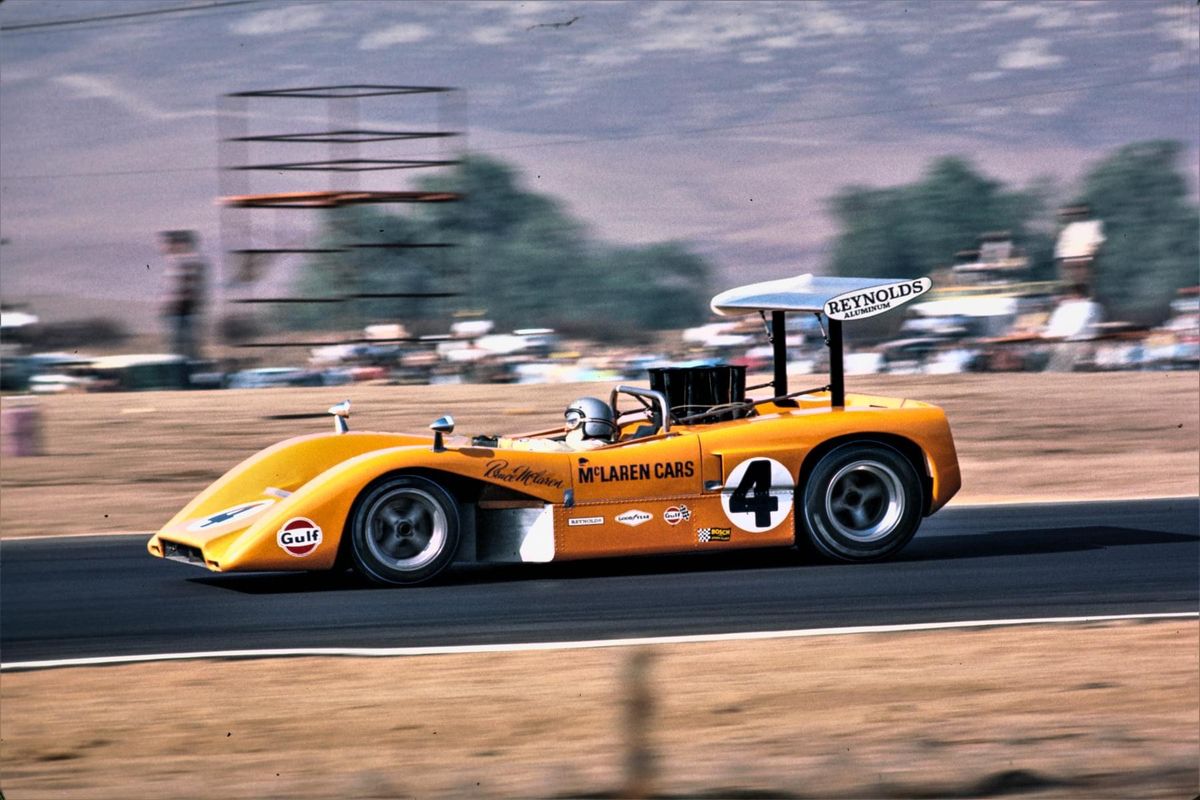
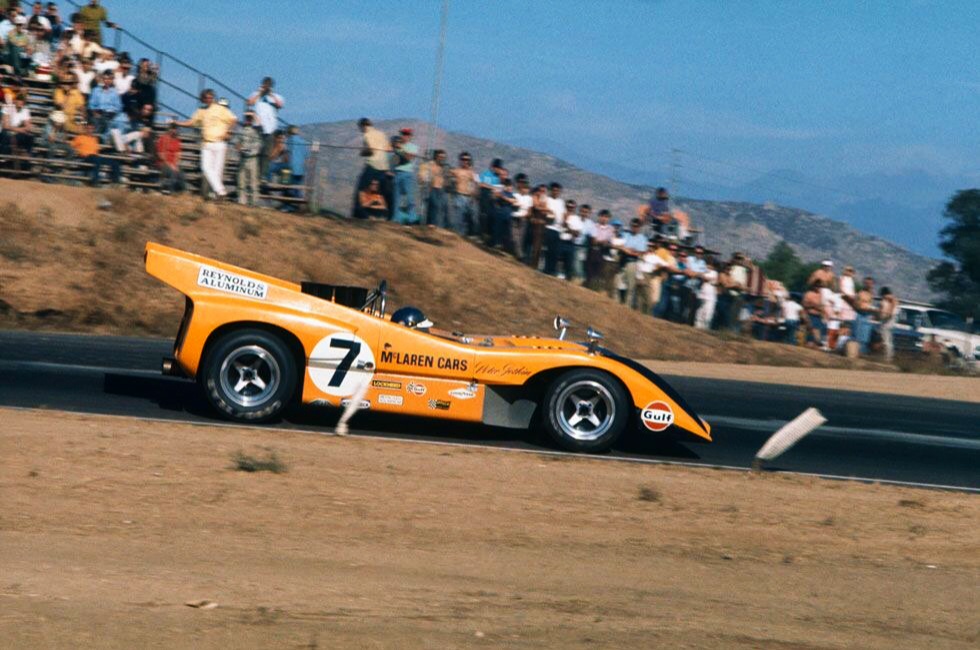
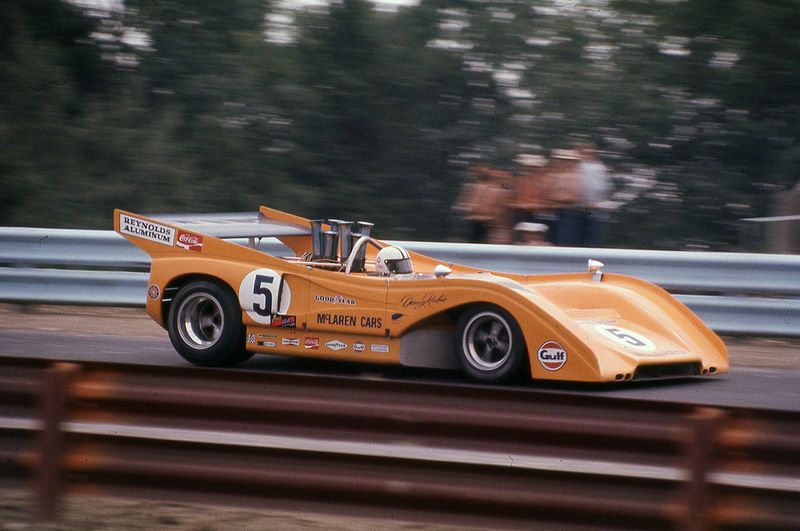
To fully grasp the magnitude of the McLaren M8 lineage, one must first transport themselves back to the late 1960s, to an era when the Canadian-American Challenge Cup—universally revered as Can-Am—was the most spectacular, terrifying, and unrestricted theater in global motorsport. Governed by FIA Group 7 regulations, Can-Am essentially had no rules: no engine displacement limits, no weight minimums, and virtually boundless aerodynamic freedom. It was a blank canvas for mad scientists and brave pilots. Bruce McLaren’s fledgling team had already tasted championship champagne with the M6A in 1967, establishing the “papaya orange” livery as a warning sign to the paddock. However, standing still in Can-Am meant moving backward. With Eric Broadley’s Lola unleashing the T160 and Jim Hall’s Chaparral constantly threatening with radical aerodynamic witchcraft, McLaren knew they needed a paradigm shift to maintain their supremacy. The result was not just a single car, but an entire dynasty of speed: the McLaren M8. Evolving from the M8A in 1968 through the monstrous M8F in 1971, this lineage did not simply compete in Can-Am; it violently bent the series to its will, birthing the legendary “Bruce and Denny Show” and forging McLaren’s reputation as an indomitable engineering powerhouse.
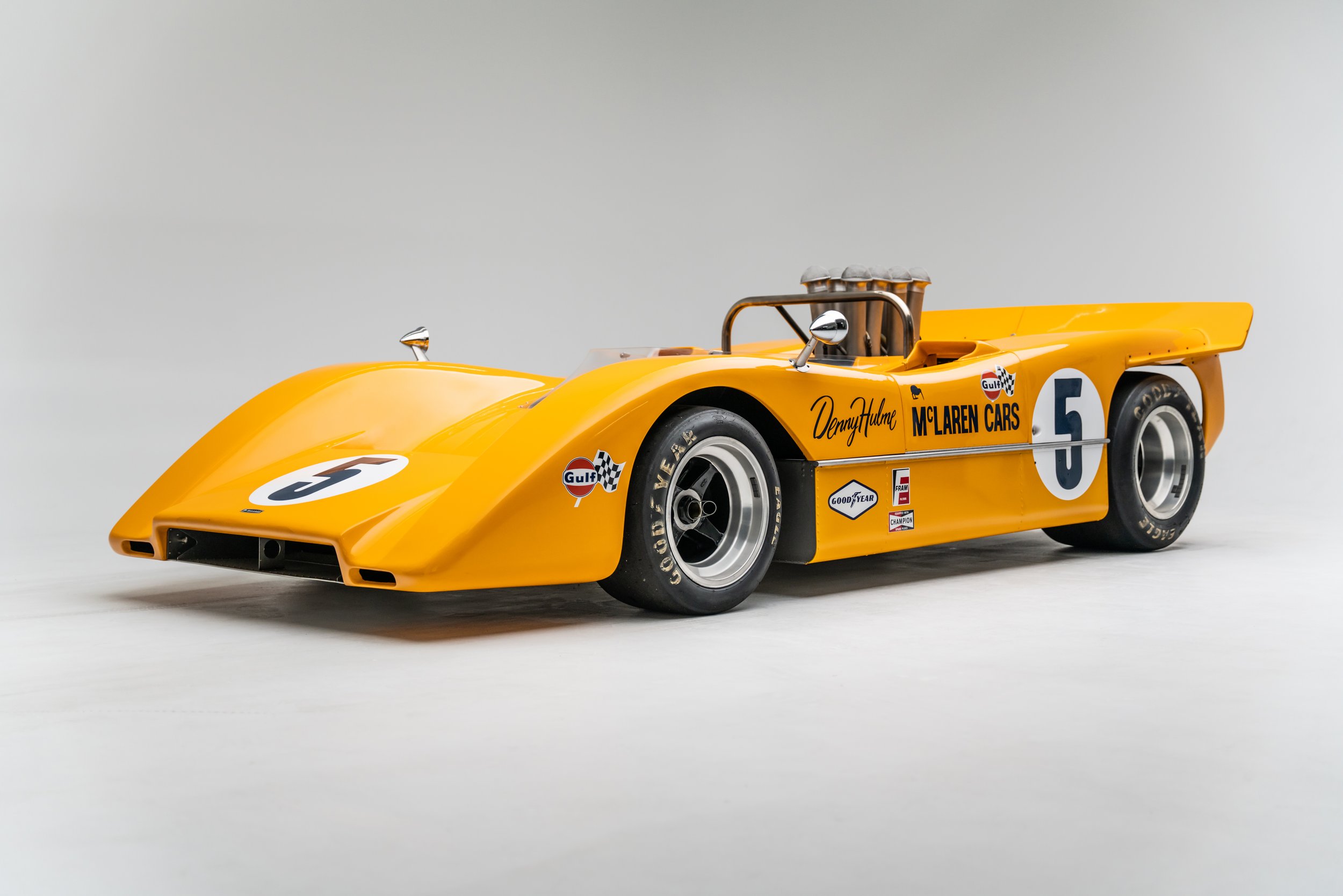
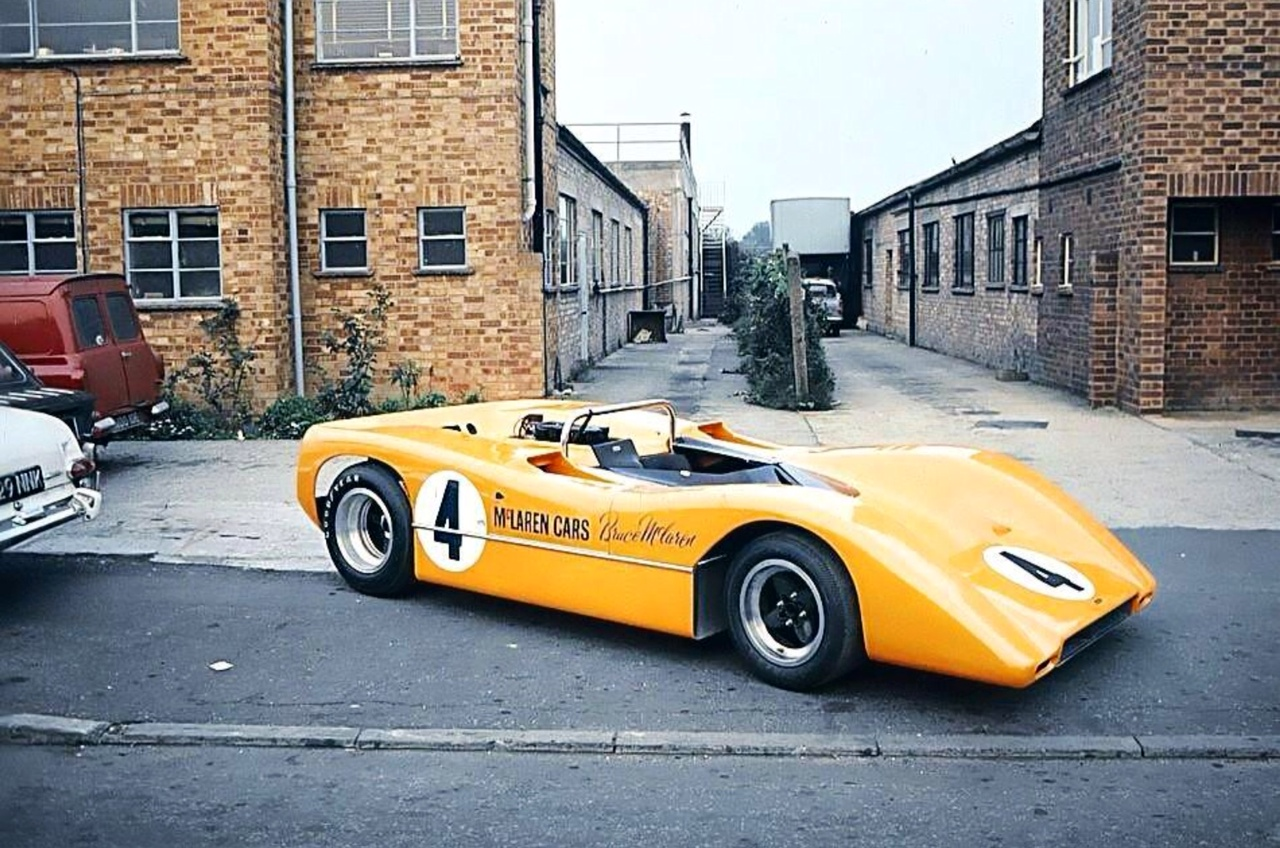
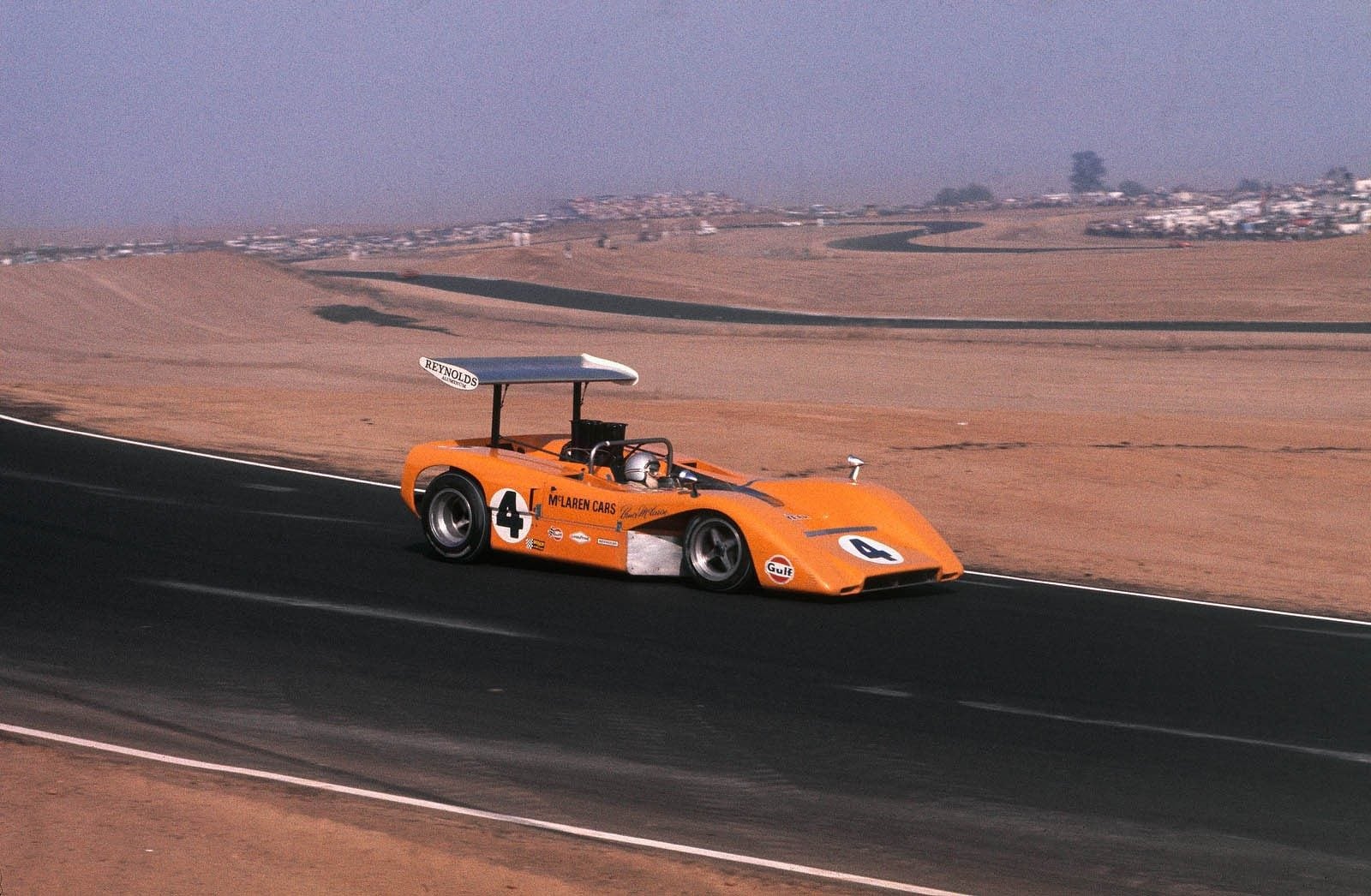
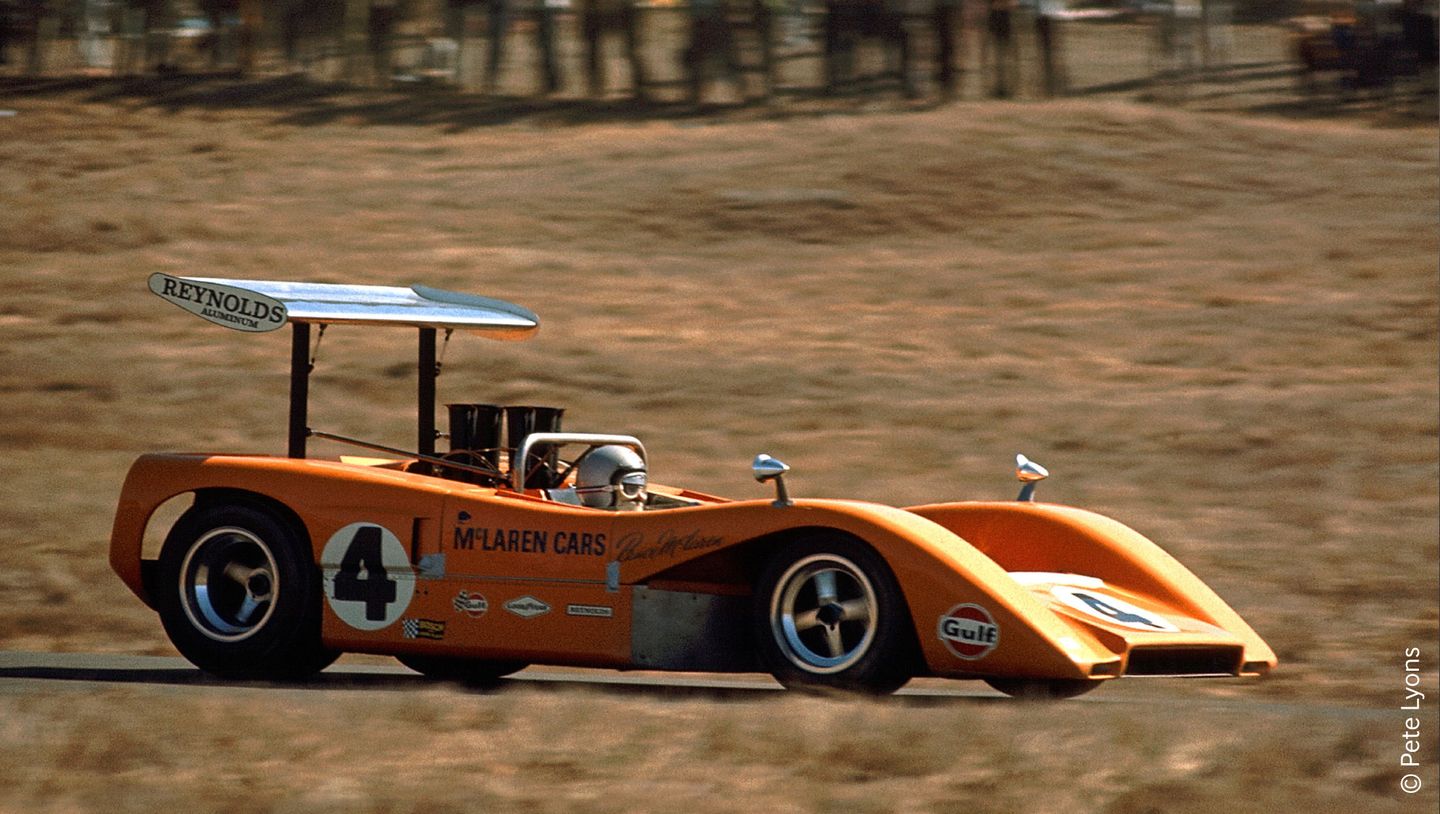
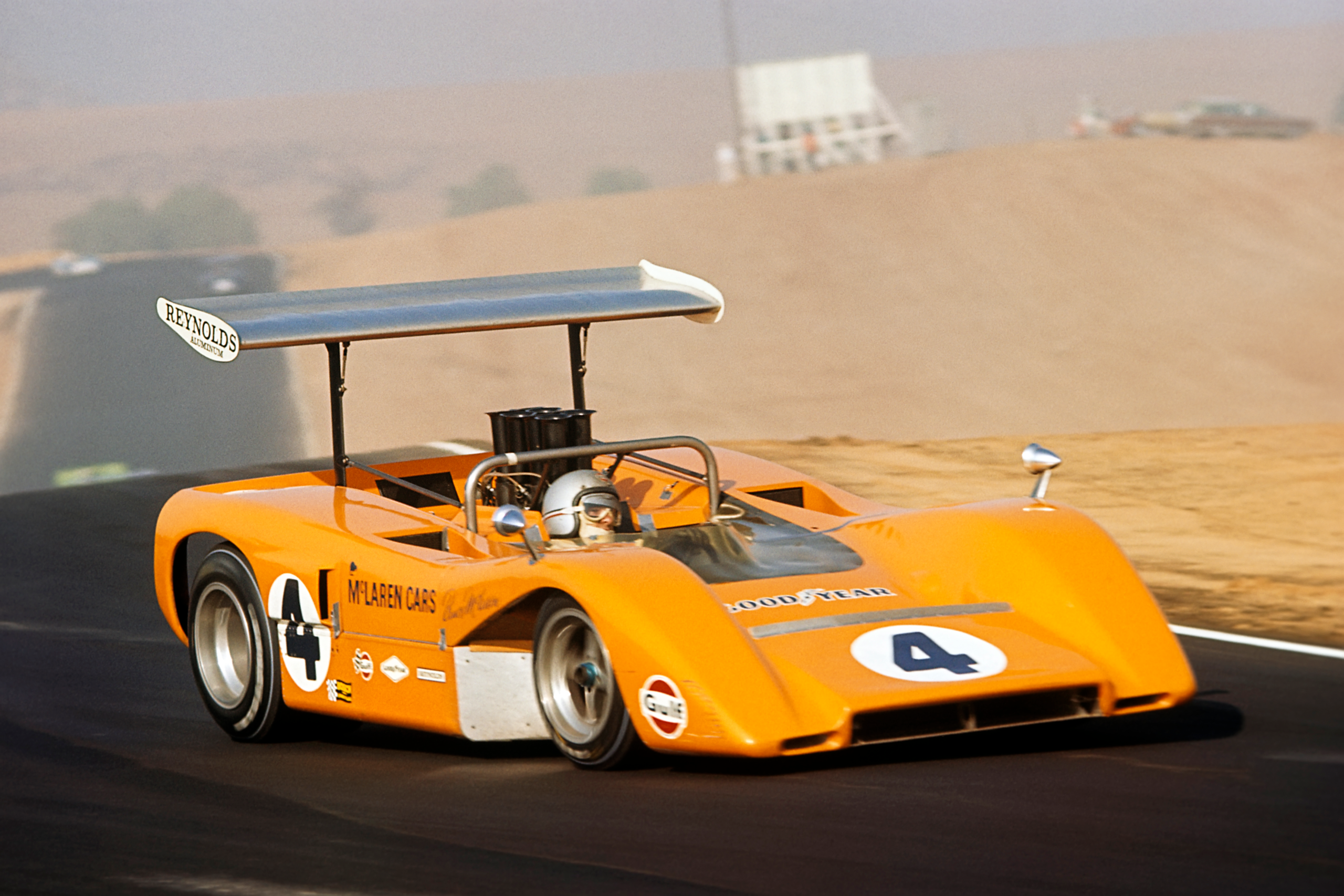
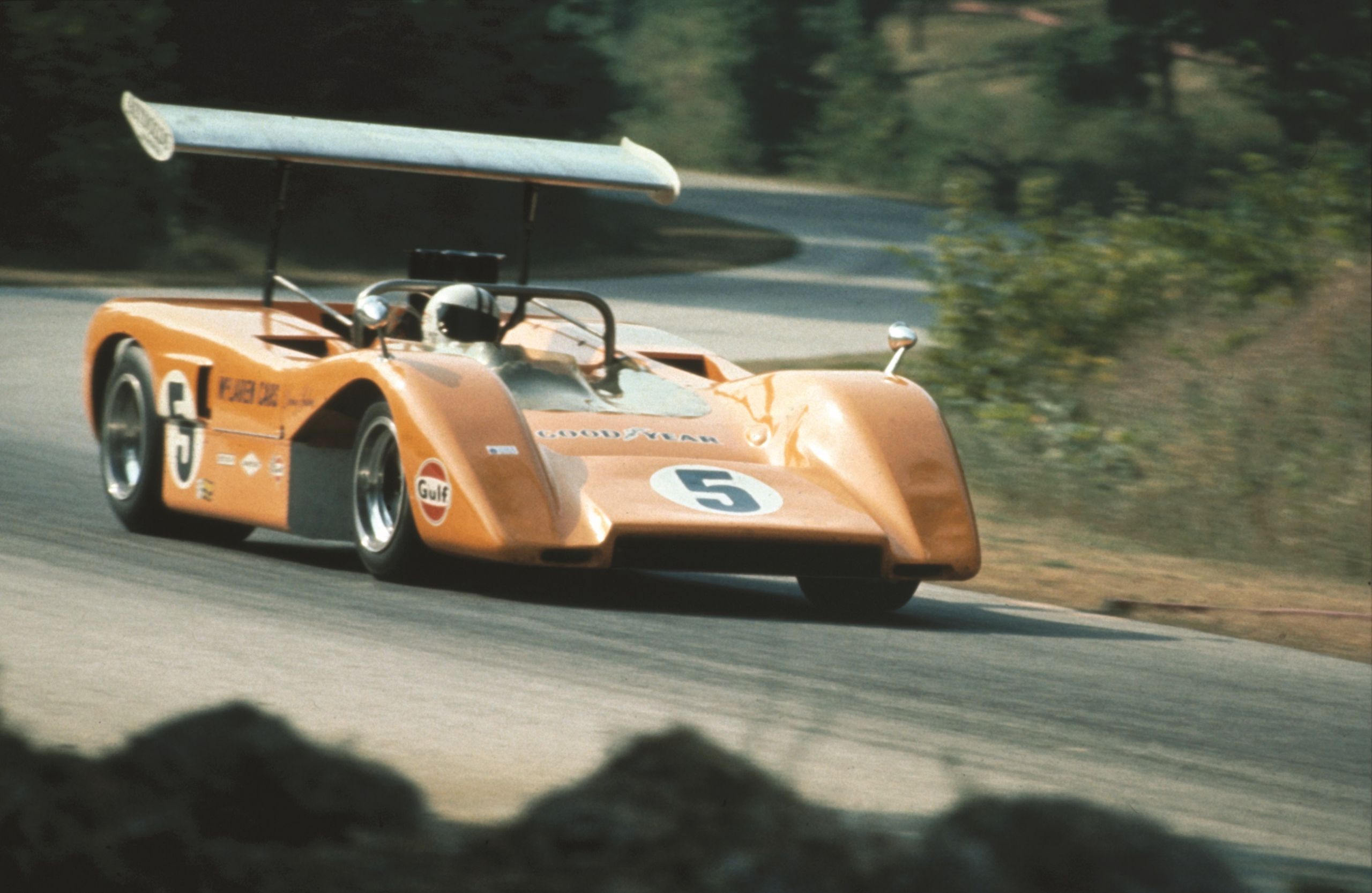
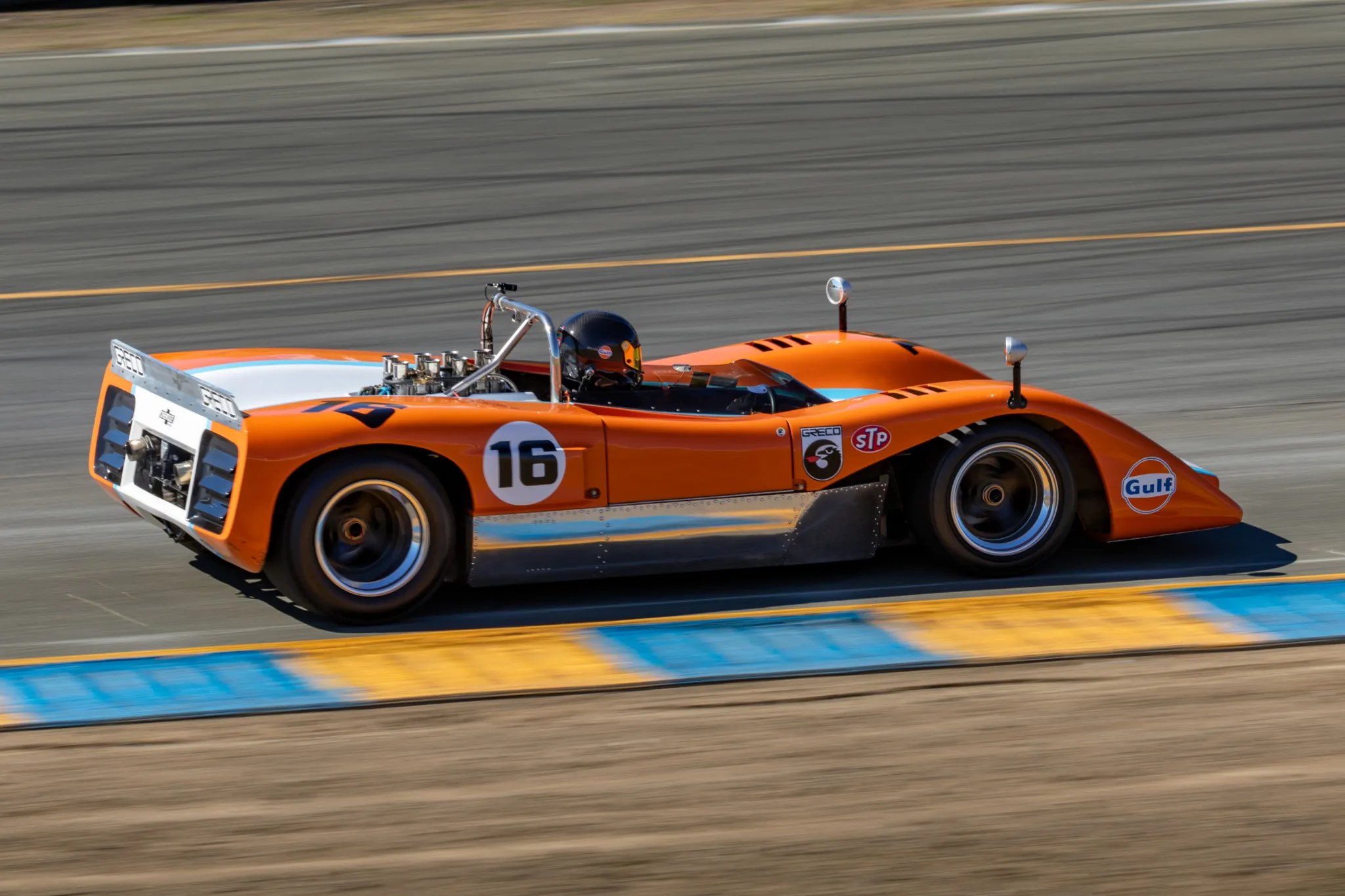
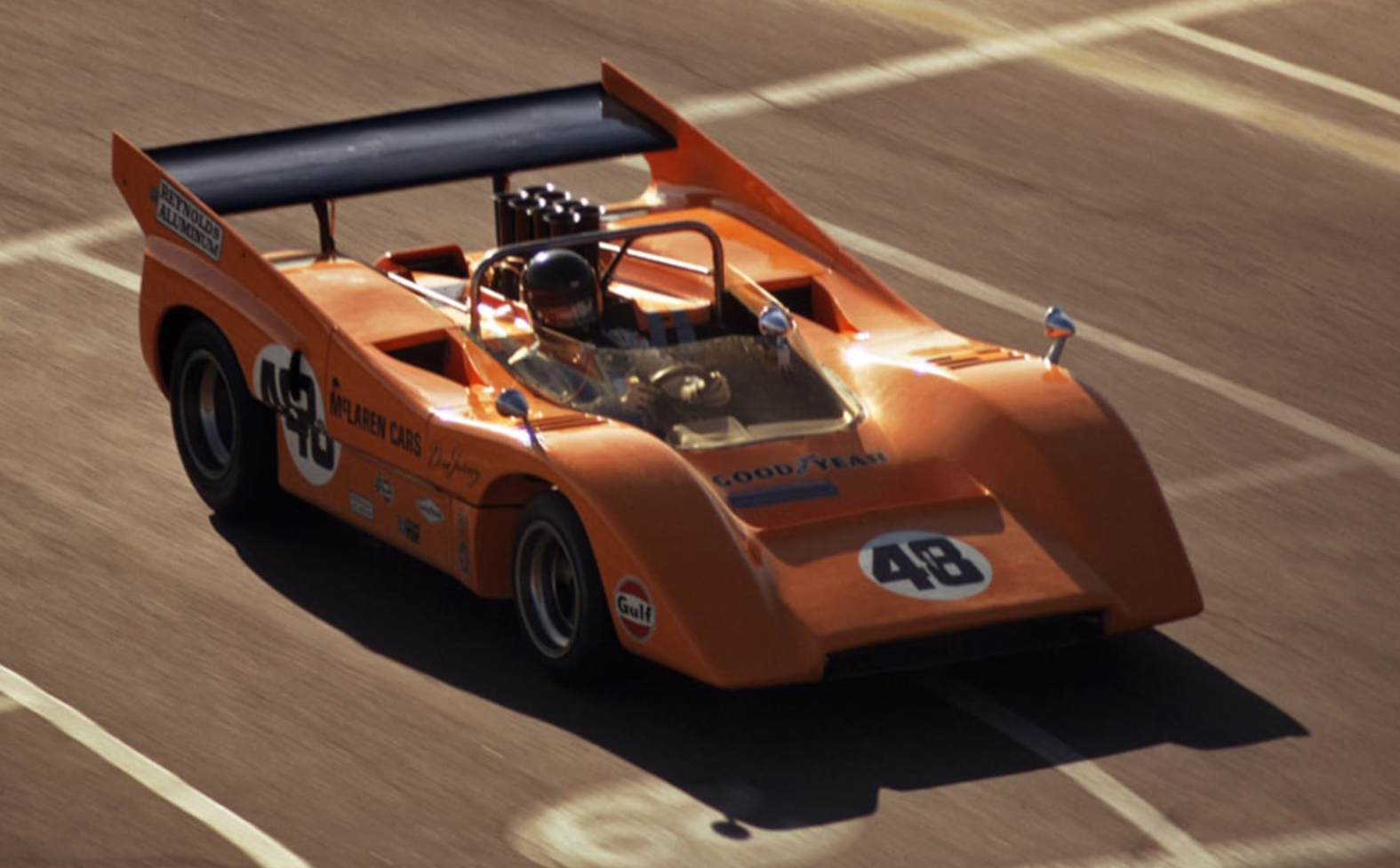
Peeling back the impossibly wide, sweeping fiberglass bodywork of the M8 reveals a masterclass in pragmatic, ruthless racing engineering. Unlike the delicate, highly complex endurance prototypes emerging from Europe at the time, the McLaren M8 was designed with a sledgehammer philosophy executed with surgical precision. The foundation of the 1968 M8A was a brilliant aluminium sheet and magnesium monocoque, remarkably light yet immensely rigid. The defining structural leap of the M8A, however, was the integration of its powerplant. Designer Gordon Coppuck and the team utilized the massive Chevrolet V8 engine as a fully stressed chassis member, a technique pioneered in Formula 1 but adapted here to withstand the tectonic twisting forces of a big-block American V8. And what a V8 it was. Built around an all-aluminium 7.0-liter (427 cubic inch) ZL1-derived Chevrolet block, and breathing through a staggering vertical stack of Lucas fuel-injection trumpets, the engine produced a reliable 620 brake horsepower. Mated to a robust Hewland LG600 manual transaxle, the M8A possessed a power-to-weight ratio that defied comprehension, propelling the 1,450-pound missile with explosive, visceral ferocity.
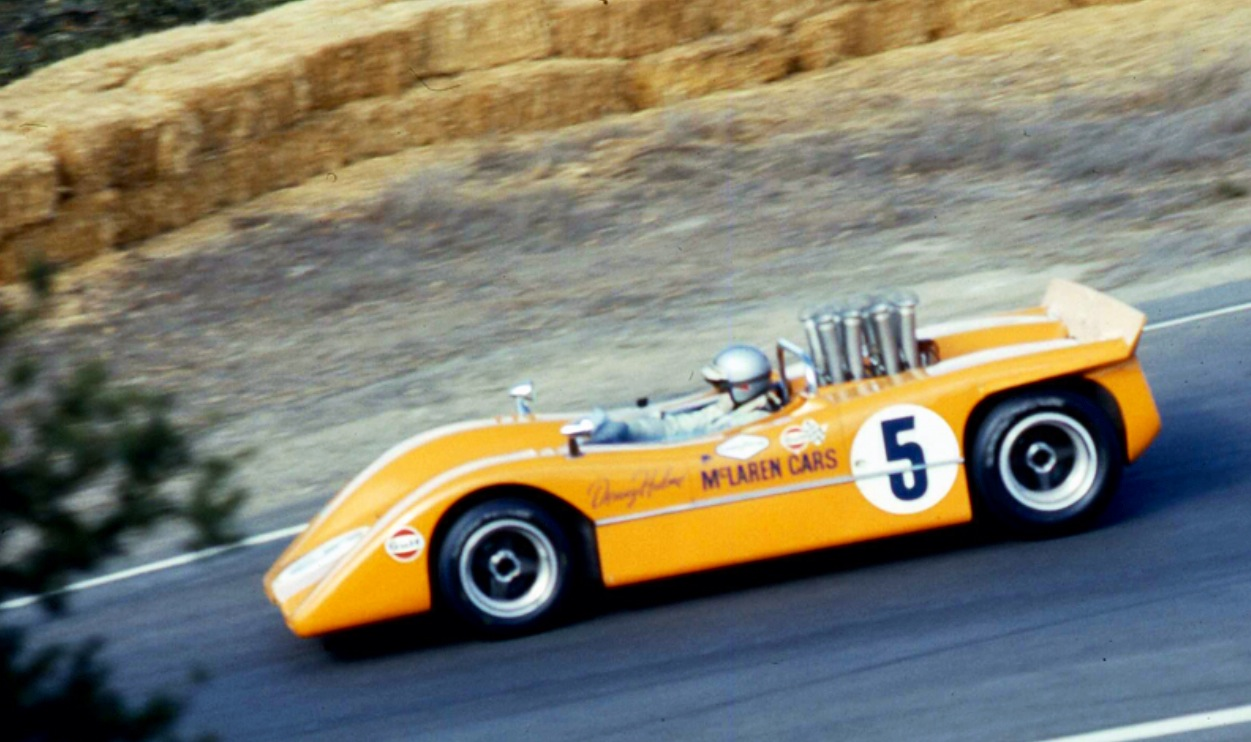
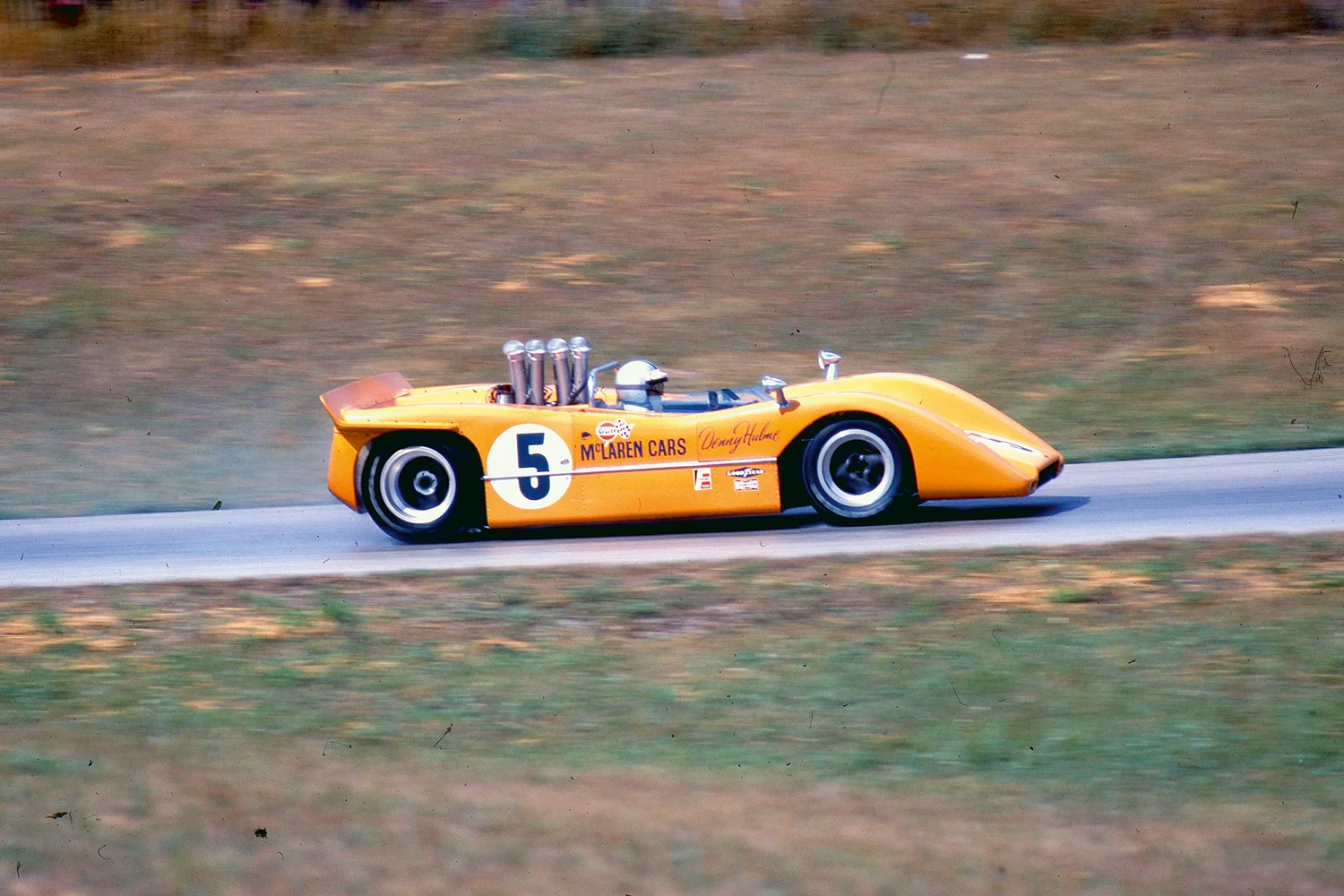
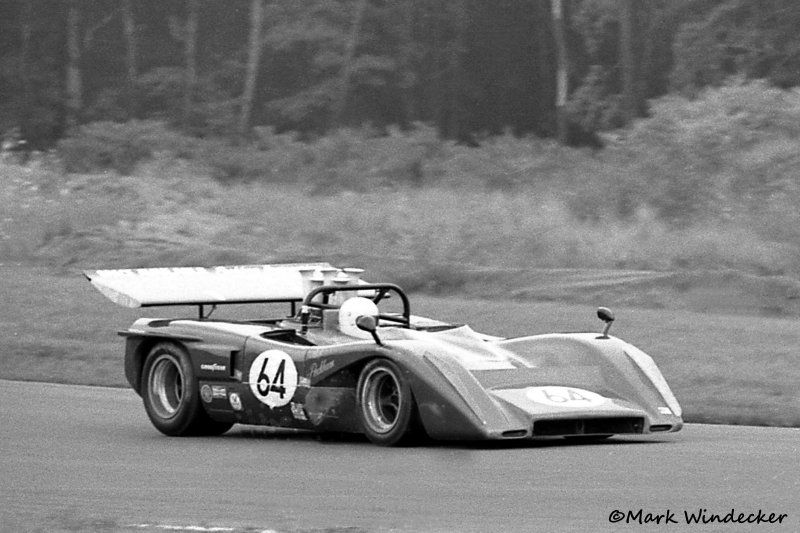
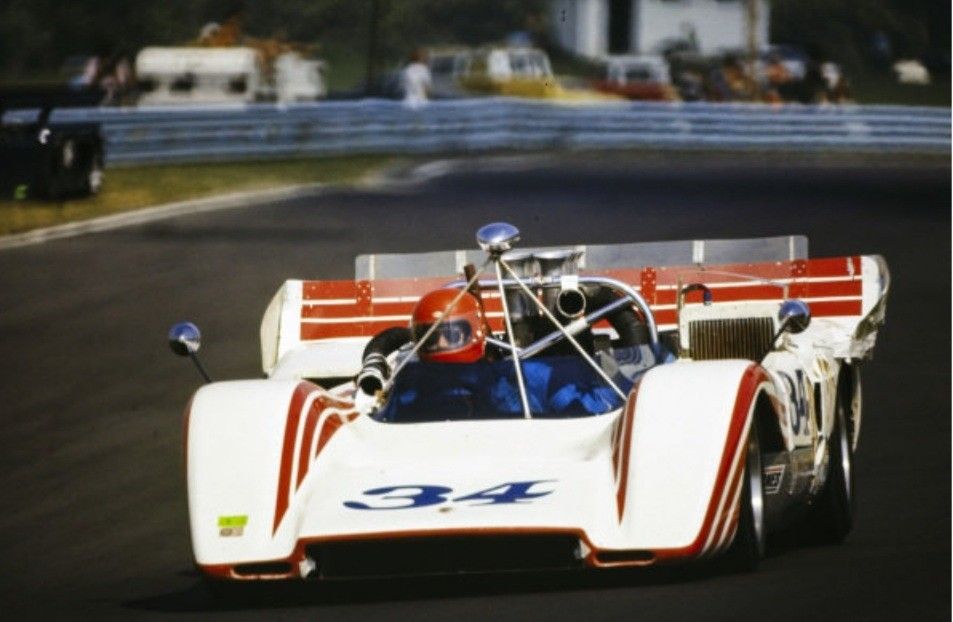
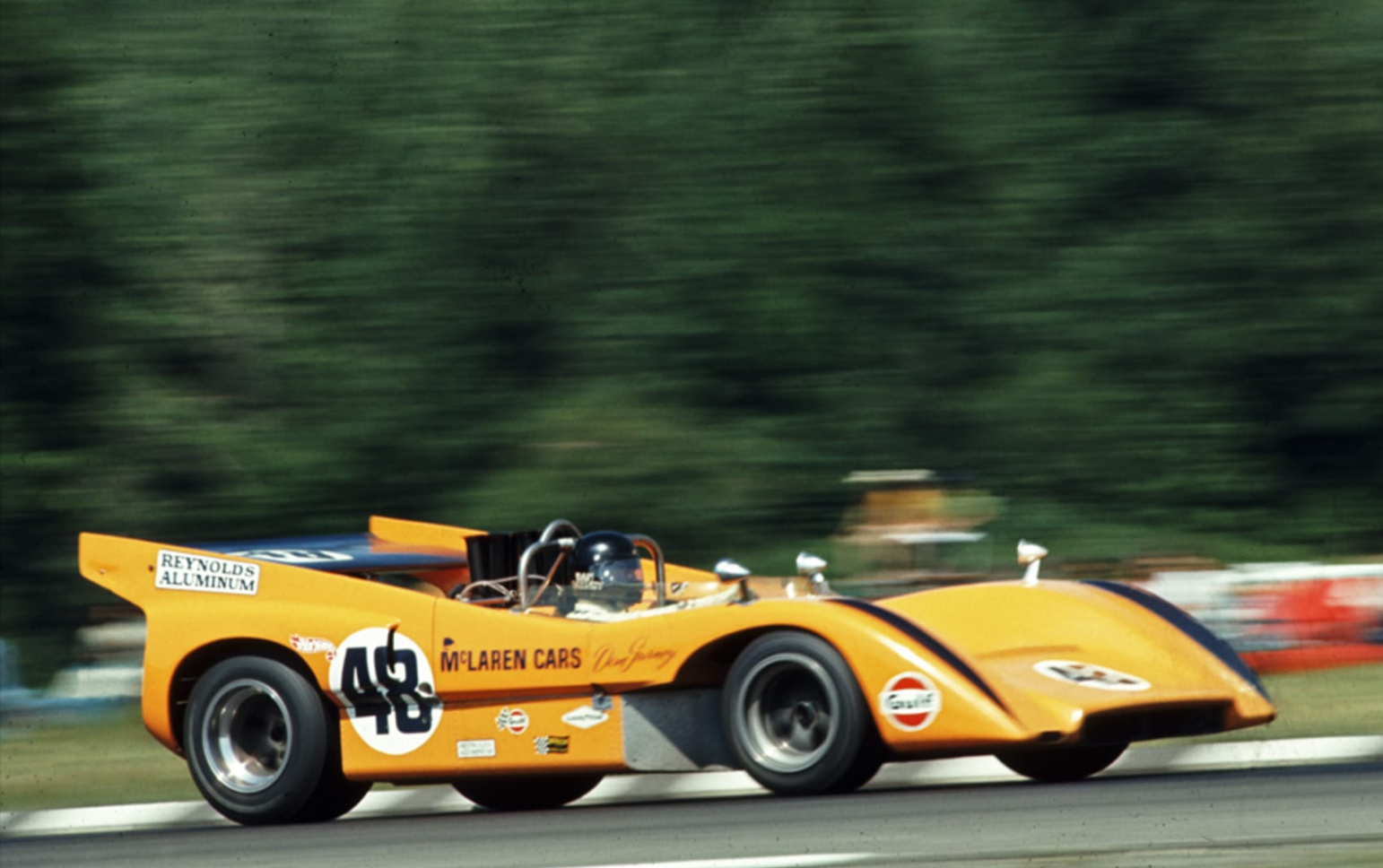
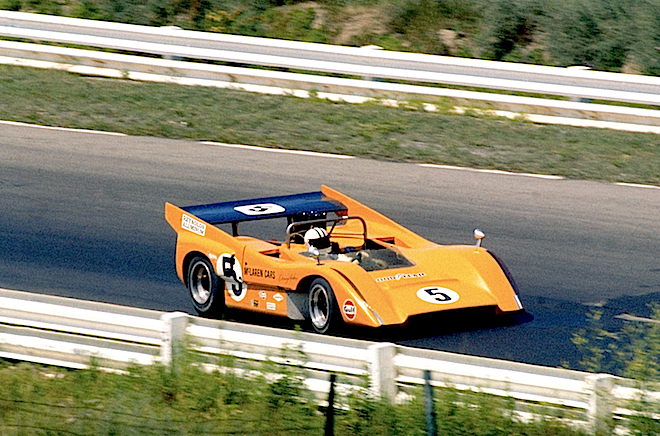
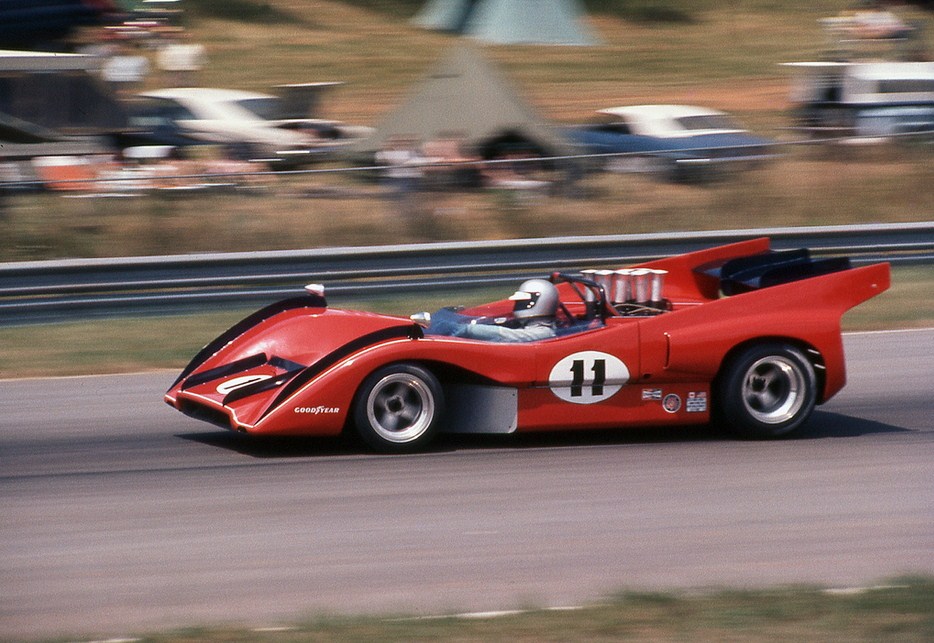
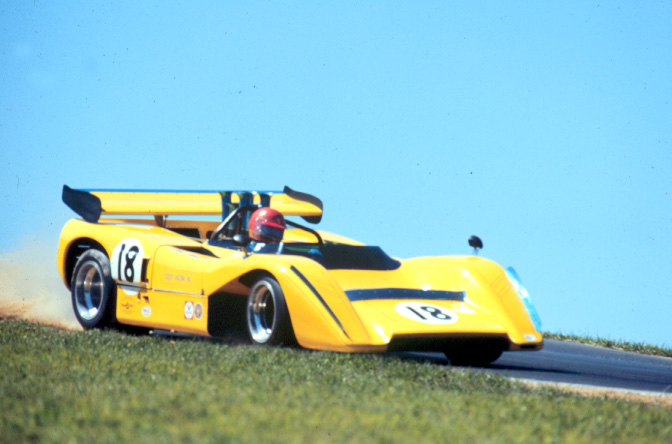
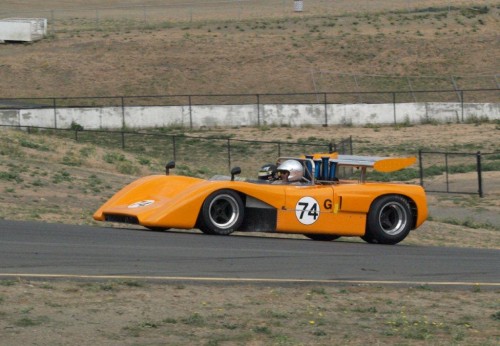
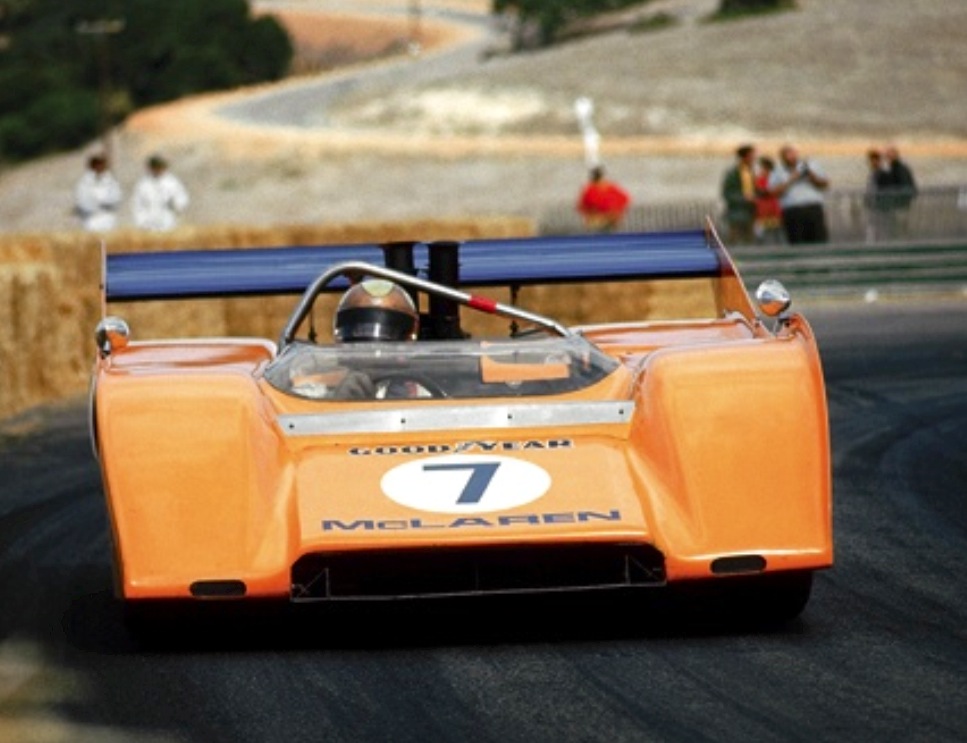
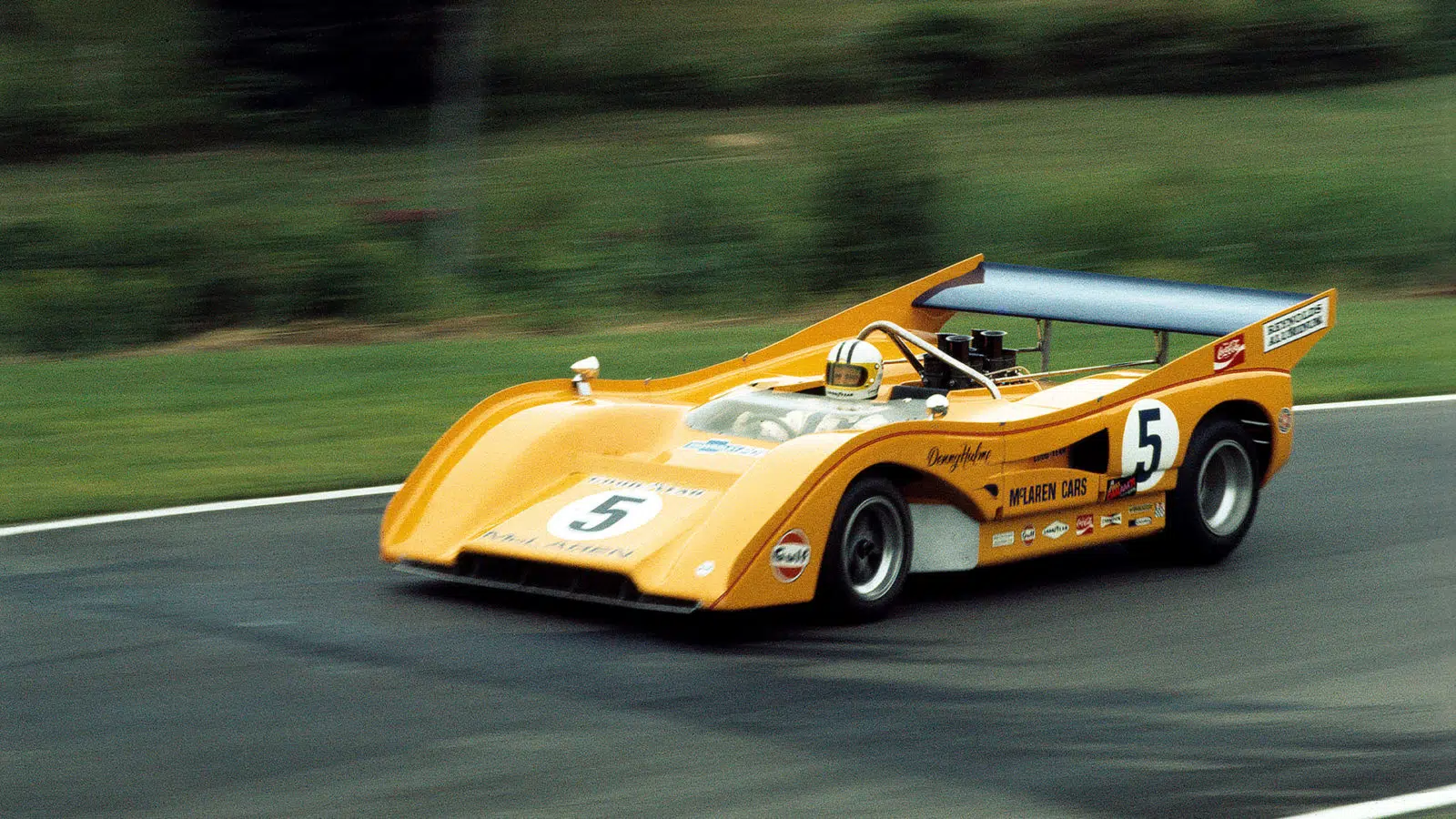
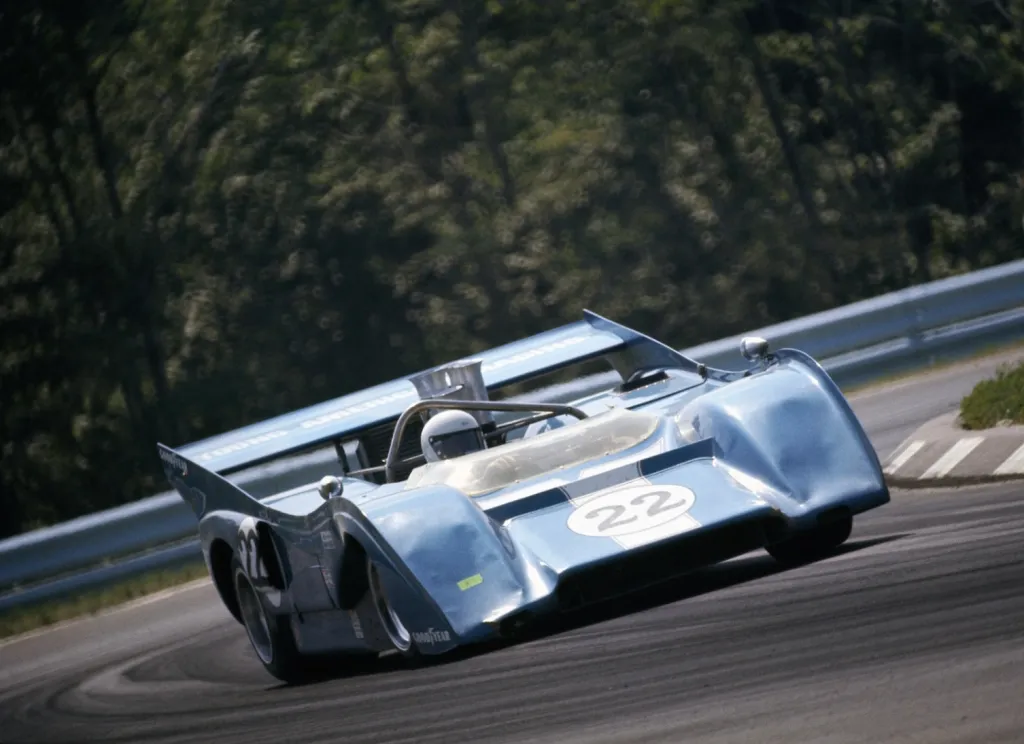
As the Can-Am aerodynamic wars escalated, the M8 evolved with terrifying rapidity. The 1969 M8B represents the pinnacle of the unrestricted aero era. Recognizing the immense value of clean airflow, McLaren mounted a towering, colossal rear wing high above the rear deck. Crucially, this wing was attached directly to the rear suspension uprights rather than the bodywork, driving the immense aerodynamic downforce directly into the massive Goodyear tires without compressing the suspension springs. The cornering speeds achieved were physically punishing for the drivers, but the results were absolute. The M8B was virtually glued to the tarmac. When international sporting authorities abruptly banned these strut-mounted high wings on safety grounds, Gordon Coppuck returned to the drawing board for the 1970 season, penning the immortal M8D. Because the rear wing now had to be mounted low and attached to the chassis, Coppuck designed massive, prominent rear fender struts—or fences—to channel turbulent air over the lowered wing. This gave the car an incredibly sinister, aggressive profile, instantly earning it the nickname ‘The Batmobile’. The mechanical arms race also continued unabated; by the time the M8F arrived in 1971, McLaren was utilizing an 8.0-liter (495 cubic inch) Reynolds-block aluminum Chevrolet V8 that generated an earth-shaking 740 horsepower. To arrest this kinetic energy, the M8 relied on colossal ventilated Lockheed iron disc brakes, which would famously glow cherry-red under the immense strain of hauling the car down from speeds well over 200 mph.
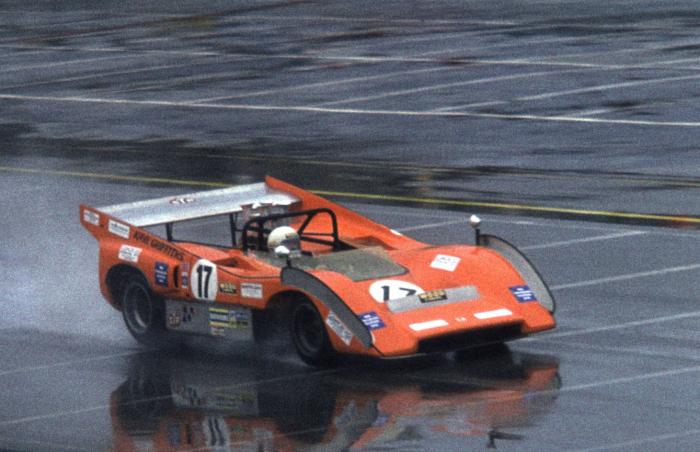
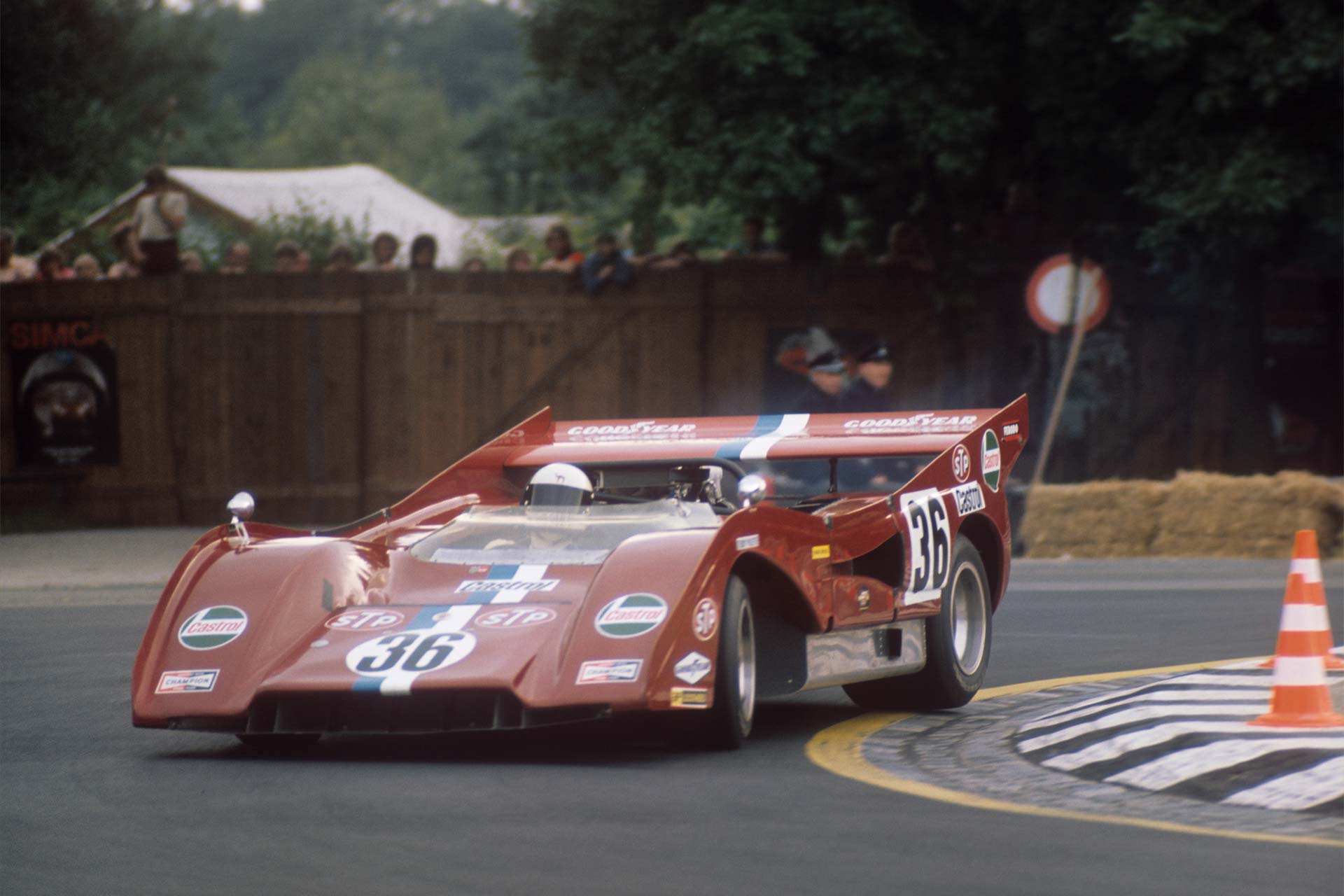
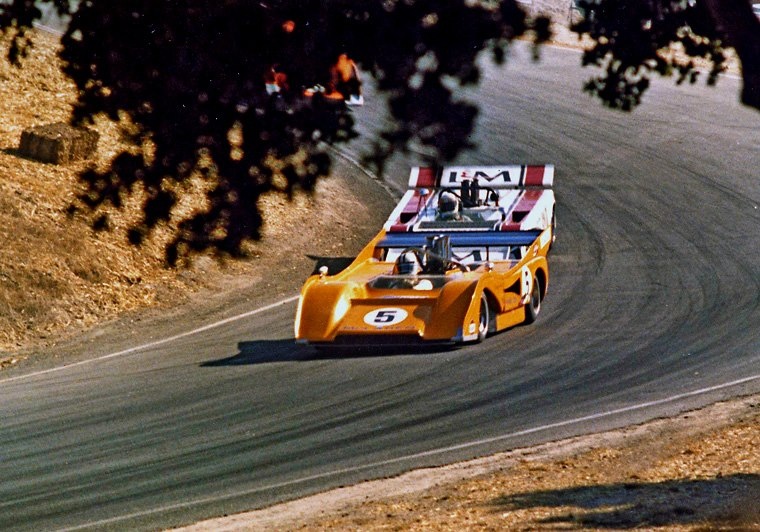
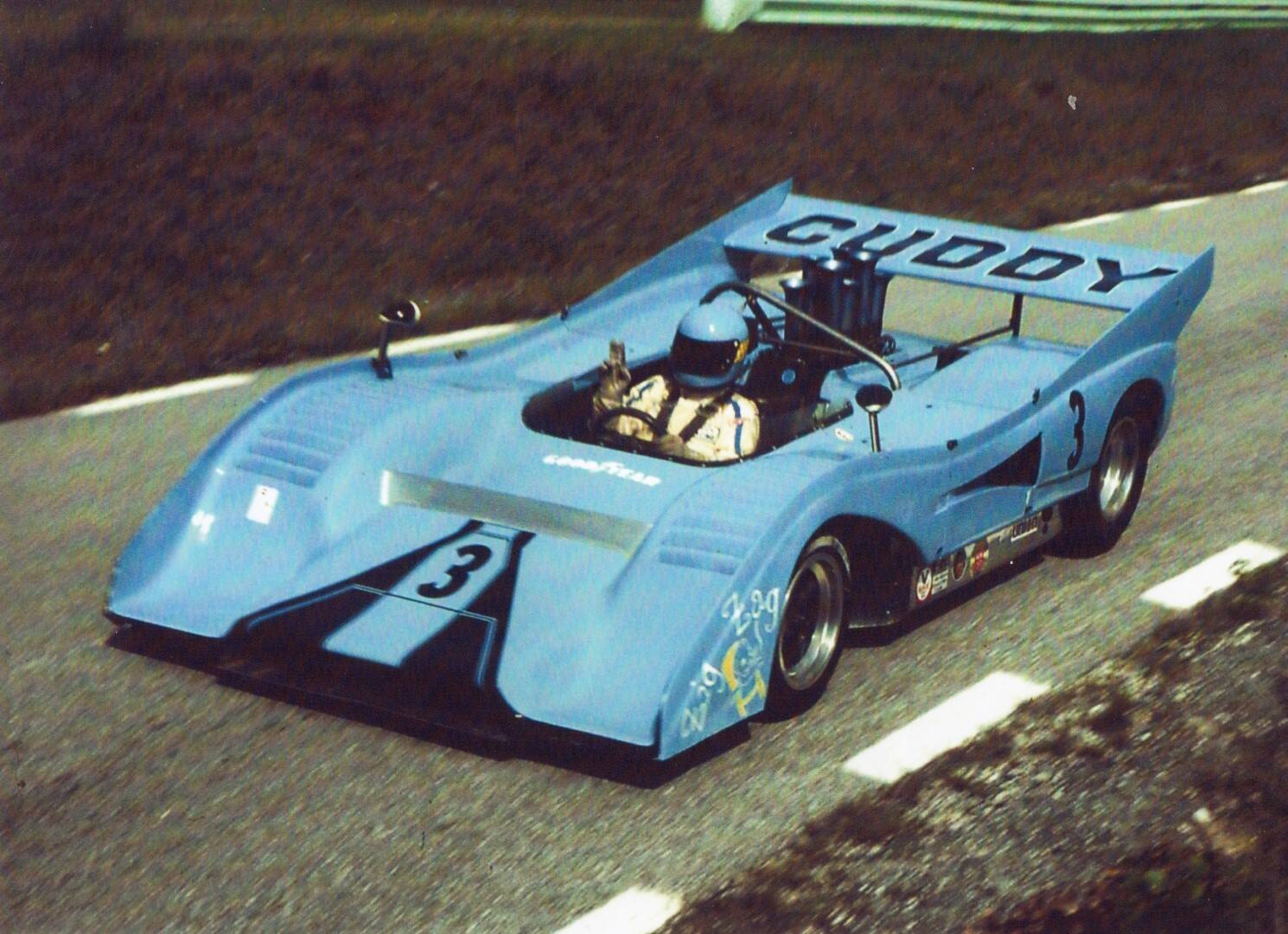
The competitive saga of the M8 lineage is written in gold, but forever scarred by profound tragedy. In 1968, the M8A crushed the opposition, with Bruce McLaren and Denny Hulme trading victories in a display of total dominance. The following year, the high-winged M8B achieved the impossible: the team won all eleven races of the 1969 Can-Am season. It was the absolute zenith of the “Bruce and Denny Show”, an era where arriving at a circuit in anything other than a works McLaren was essentially an exercise in futility. Concurrently, McLaren authorized Trojan, a British manufacturing firm, to construct customer versions of the cars—designated the M8C and later the M8E. This brilliant commercial move ensured that even the privateer ranks were flooded with papaya orange machinery, making the M8 the undeniable backbone of the Can-Am grid.
Yet, the entire motorsport world stopped spinning on June 2, 1970. While testing the new M8D at the Goodwood Circuit in West Sussex, the rear bodywork of Bruce McLaren’s car detached at 170 mph. Instantly robbed of aerodynamic downforce, the car spun off the circuit and struck a bunker, claiming the life of the 32-year-old visionary founder. The team was shattered. But in a display of unfathomable grit and loyalty, Teddy Mayer, Gordon Coppuck, and the grieving mechanics refused to fold. They rallied to keep Bruce’s dream alive. Dan Gurney stepped into the vacant seat just weeks later, miraculously winning the season opener at Mosport, and Denny Hulme—driving with hands severely burned from an earlier Indy 500 crash—piloted the ‘Batmobile’ M8D to the 1970 championship. It was one of the most emotional, heroic seasons in the history of racing. The momentum carried into 1971, where American driver Peter Revson dominated the series in the monstrous M8F, securing McLaren’s fifth consecutive Can-Am title.
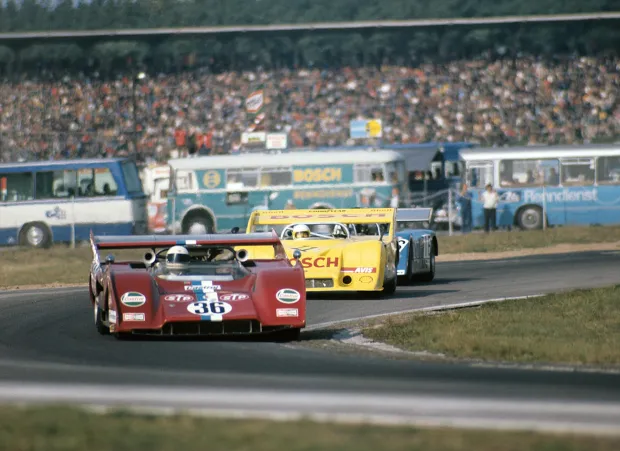
The reign of the McLaren M8 lineage finally waned in 1972. The paradigm of horsepower shifted irrevocably when Porsche arrived with the 917/10, utilizing turbochargers to unlock four-figure horsepower outputs that even the 8.0-liter Chevrolets could not match. McLaren introduced the M20 as a successor, but the golden, naturally aspirated era of the M8 was officially over. Nevertheless, the M8’s place in the pantheon of motorsport is sovereign. It is the definitive symbol of the Can-Am series—a thunderous, untamed epoch when aerodynamic limits were explored by the seat of the pants, and engine displacement had no ceiling. The M8 lineage proved that a small team from Colnbrook could out-engineer the world, dominating a series so thoroughly that they became its very synonym. Today, to hear an M8 fire its big-block V8 at the Monterey Motorsports Reunion is to feel the ground shake and to witness the rawest, most visceral chapter of racing history. It is the absolute, thundering embodiment of Bruce McLaren’s enduring legacy, a papaya-orange dynasty that conquered the continent and conquered our hearts.
Portal
Model line
Model generation
Predecessor
Sucessor
Brand
Produced from
Vehicle category
Portal
Model line
Model generation
Predecessor
Sucessor
Model Overview
To fully grasp the magnitude of the McLaren M8 lineage, one must first transport themselves back to the late 1960s, to an era when the Canadian-American Challenge Cup—universally revered as Can-Am—was the most spectacular, terrifying, and unrestricted theater in global motorsport. Governed by FIA Group 7 regulations, Can-Am essentially had no rules: no engine displacement limits, no weight minimums, and virtually boundless aerodynamic freedom. It was a blank canvas for mad scientists and brave pilots. Bruce McLaren’s fledgling team had already tasted championship champagne with the M6A in 1967, establishing the “papaya orange” livery as a warning sign to the paddock. However, standing still in Can-Am meant moving backward. With Eric Broadley’s Lola unleashing the T160 and Jim Hall’s Chaparral constantly threatening with radical aerodynamic witchcraft, McLaren knew they needed a paradigm shift to maintain their supremacy. The result was not just a single car, but an entire dynasty of speed: the McLaren M8. Evolving from the M8A in 1968 through the monstrous M8F in 1971, this lineage did not simply compete in Can-Am; it violently bent the series to its will, birthing the legendary “Bruce and Denny Show” and forging McLaren’s reputation as an indomitable engineering powerhouse.
Peeling back the impossibly wide, sweeping fiberglass bodywork of the M8 reveals a masterclass in pragmatic, ruthless racing engineering. Unlike the delicate, highly complex endurance prototypes emerging from Europe at the time, the McLaren M8 was designed with a sledgehammer philosophy executed with surgical precision. The foundation of the 1968 M8A was a brilliant aluminium sheet and magnesium monocoque, remarkably light yet immensely rigid. The defining structural leap of the M8A, however, was the integration of its powerplant. Designer Gordon Coppuck and the team utilized the massive Chevrolet V8 engine as a fully stressed chassis member, a technique pioneered in Formula 1 but adapted here to withstand the tectonic twisting forces of a big-block American V8. And what a V8 it was. Built around an all-aluminium 7.0-liter (427 cubic inch) ZL1-derived Chevrolet block, and breathing through a staggering vertical stack of Lucas fuel-injection trumpets, the engine produced a reliable 620 brake horsepower. Mated to a robust Hewland LG600 manual transaxle, the M8A possessed a power-to-weight ratio that defied comprehension, propelling the 1,450-pound missile with explosive, visceral ferocity.
As the Can-Am aerodynamic wars escalated, the M8 evolved with terrifying rapidity. The 1969 M8B represents the pinnacle of the unrestricted aero era. Recognizing the immense value of clean airflow, McLaren mounted a towering, colossal rear wing high above the rear deck. Crucially, this wing was attached directly to the rear suspension uprights rather than the bodywork, driving the immense aerodynamic downforce directly into the massive Goodyear tires without compressing the suspension springs. The cornering speeds achieved were physically punishing for the drivers, but the results were absolute. The M8B was virtually glued to the tarmac. When international sporting authorities abruptly banned these strut-mounted high wings on safety grounds, Gordon Coppuck returned to the drawing board for the 1970 season, penning the immortal M8D. Because the rear wing now had to be mounted low and attached to the chassis, Coppuck designed massive, prominent rear fender struts—or fences—to channel turbulent air over the lowered wing. This gave the car an incredibly sinister, aggressive profile, instantly earning it the nickname ‘The Batmobile’. The mechanical arms race also continued unabated; by the time the M8F arrived in 1971, McLaren was utilizing an 8.0-liter (495 cubic inch) Reynolds-block aluminum Chevrolet V8 that generated an earth-shaking 740 horsepower. To arrest this kinetic energy, the M8 relied on colossal ventilated Lockheed iron disc brakes, which would famously glow cherry-red under the immense strain of hauling the car down from speeds well over 200 mph.
The competitive saga of the M8 lineage is written in gold, but forever scarred by profound tragedy. In 1968, the M8A crushed the opposition, with Bruce McLaren and Denny Hulme trading victories in a display of total dominance. The following year, the high-winged M8B achieved the impossible: the team won all eleven races of the 1969 Can-Am season. It was the absolute zenith of the “Bruce and Denny Show”, an era where arriving at a circuit in anything other than a works McLaren was essentially an exercise in futility. Concurrently, McLaren authorized Trojan, a British manufacturing firm, to construct customer versions of the cars—designated the M8C and later the M8E. This brilliant commercial move ensured that even the privateer ranks were flooded with papaya orange machinery, making the M8 the undeniable backbone of the Can-Am grid.
Yet, the entire motorsport world stopped spinning on June 2, 1970. While testing the new M8D at the Goodwood Circuit in West Sussex, the rear bodywork of Bruce McLaren’s car detached at 170 mph. Instantly robbed of aerodynamic downforce, the car spun off the circuit and struck a bunker, claiming the life of the 32-year-old visionary founder. The team was shattered. But in a display of unfathomable grit and loyalty, Teddy Mayer, Gordon Coppuck, and the grieving mechanics refused to fold. They rallied to keep Bruce’s dream alive. Dan Gurney stepped into the vacant seat just weeks later, miraculously winning the season opener at Mosport, and Denny Hulme—driving with hands severely burned from an earlier Indy 500 crash—piloted the ‘Batmobile’ M8D to the 1970 championship. It was one of the most emotional, heroic seasons in the history of racing. The momentum carried into 1971, where American driver Peter Revson dominated the series in the monstrous M8F, securing McLaren’s fifth consecutive Can-Am title.
The reign of the McLaren M8 lineage finally waned in 1972. The paradigm of horsepower shifted irrevocably when Porsche arrived with the 917/10, utilizing turbochargers to unlock four-figure horsepower outputs that even the 8.0-liter Chevrolets could not match. McLaren introduced the M20 as a successor, but the golden, naturally aspirated era of the M8 was officially over. Nevertheless, the M8’s place in the pantheon of motorsport is sovereign. It is the definitive symbol of the Can-Am series—a thunderous, untamed epoch when aerodynamic limits were explored by the seat of the pants, and engine displacement had no ceiling. The M8 lineage proved that a small team from Colnbrook could out-engineer the world, dominating a series so thoroughly that they became its very synonym. Today, to hear an M8 fire its big-block V8 at the Monterey Motorsports Reunion is to feel the ground shake and to witness the rawest, most visceral chapter of racing history. It is the absolute, thundering embodiment of Bruce McLaren’s enduring legacy, a papaya-orange dynasty that conquered the continent and conquered our hearts.
Generations
Model Generations

Submodels

