Panoz Esperante
Brand
Produced from
Vehicle category
Portal
Model line
Model generation
Predecessor
Sucessor
Model Overview
To fully grasp the magnificent, thunderous anomaly that is the Panoz Esperante model line, one must cast their mind back to the late 1990s—a period when top-tier sports car racing was undergoing a radical, space-age transformation. The GT1 category had been hijacked by mid-engined, carbon-fiber spaceships from Porsche, Mercedes-Benz, and McLaren. The established orthodoxy dictated that to win at the Circuit de la Sarthe or in the FIA GT Championship, the engine absolutely had to sit behind the driver. Enter Don Panoz, a pharmaceutical magnate turned motorsport impresario, who possessed a beautifully stubborn, distinctly American vision. Panoz believed that a race car should look like a race car, with a long, sweeping hood and the driver sitting right over the rear axle, wrangling a massive V8. It was a philosophy of brute force and mechanical charisma. The ‘Esperante’ badge was chosen to adorn this audacious dream, and over the next two decades, it would represent one of the most wildly diverse and thrilling family trees in automotive history, spanning from earth-shattering homologation specials and pioneering hybrid prototypes to bespoke, hand-crafted road cars that challenged the European elite.
The technical anatomy of the Esperante lineage is a fascinating tale of two distinct but philosophically linked worlds: the unhinged racing prototypes and the sophisticated road-going grand tourers.
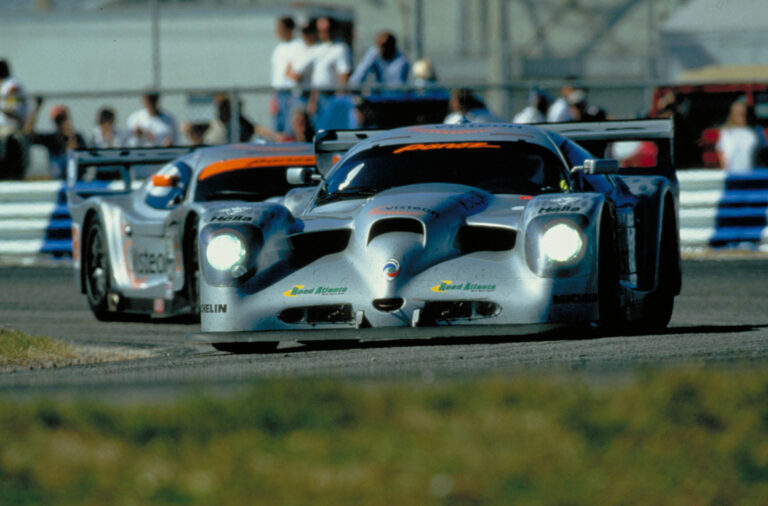
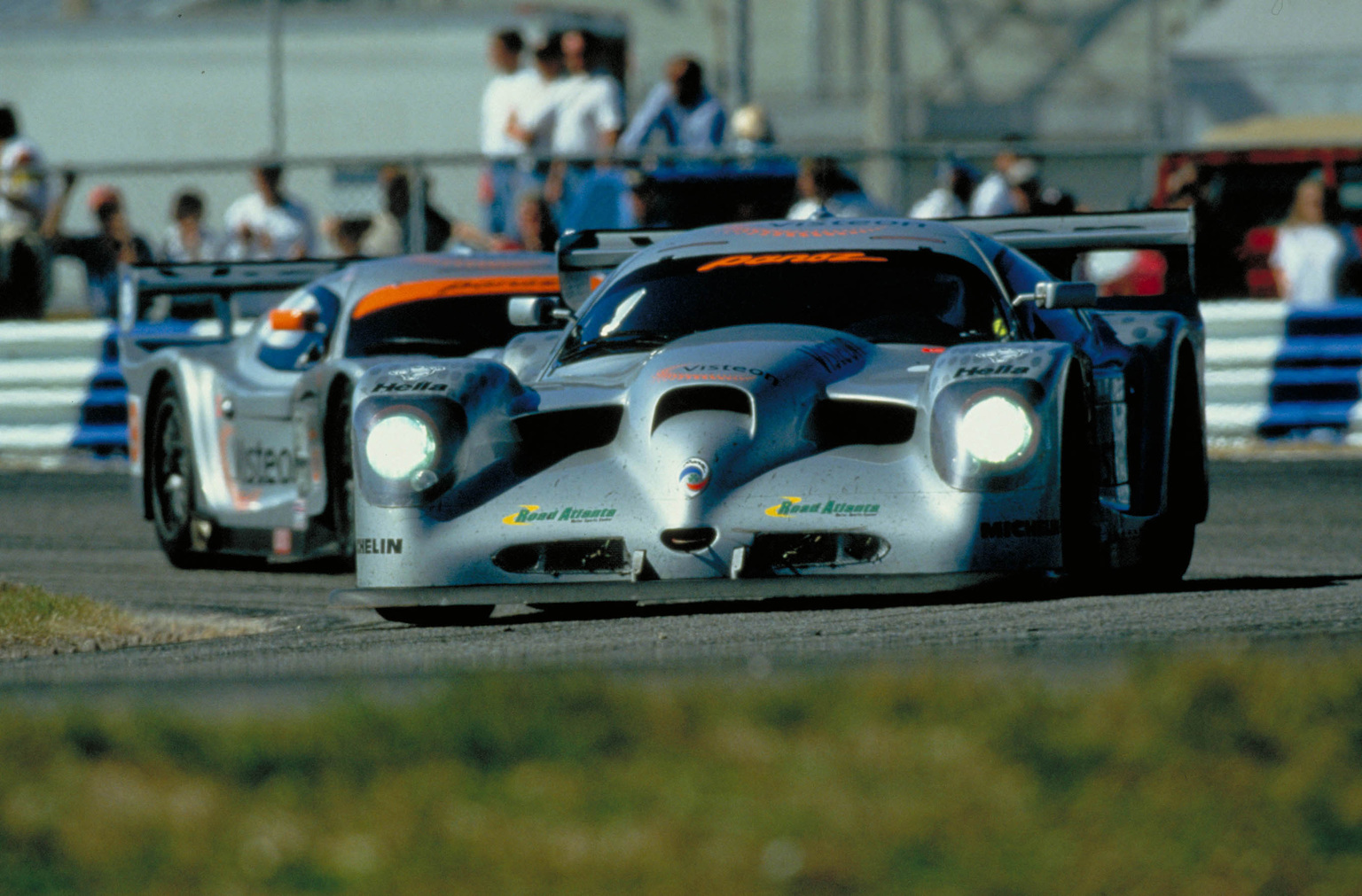
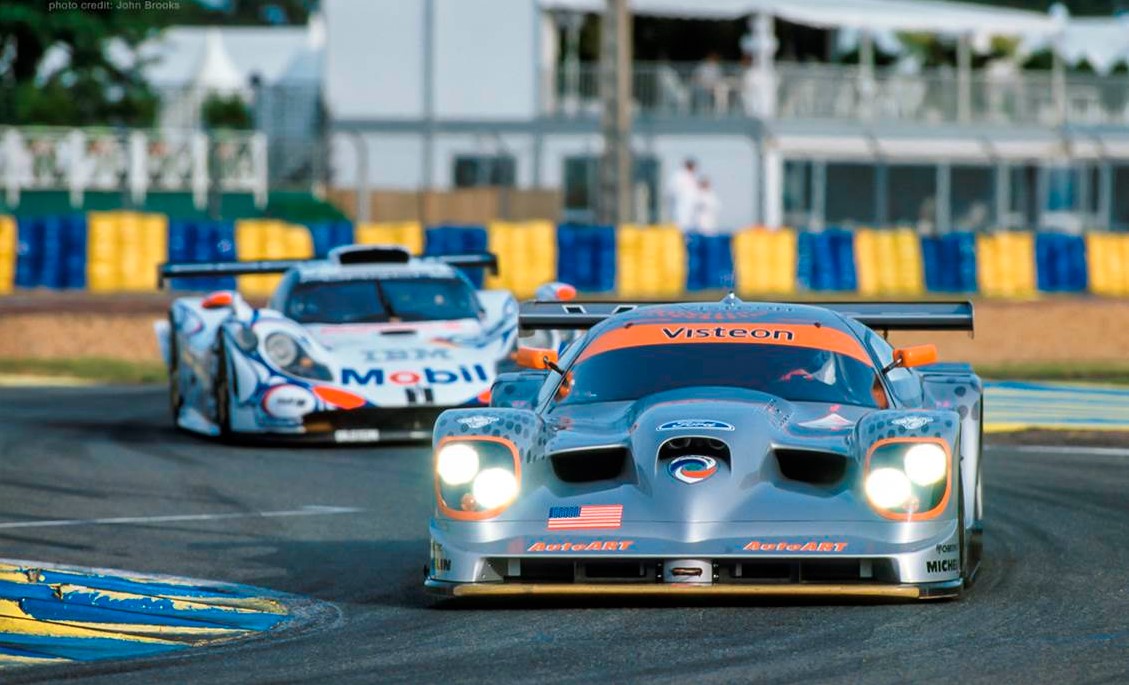
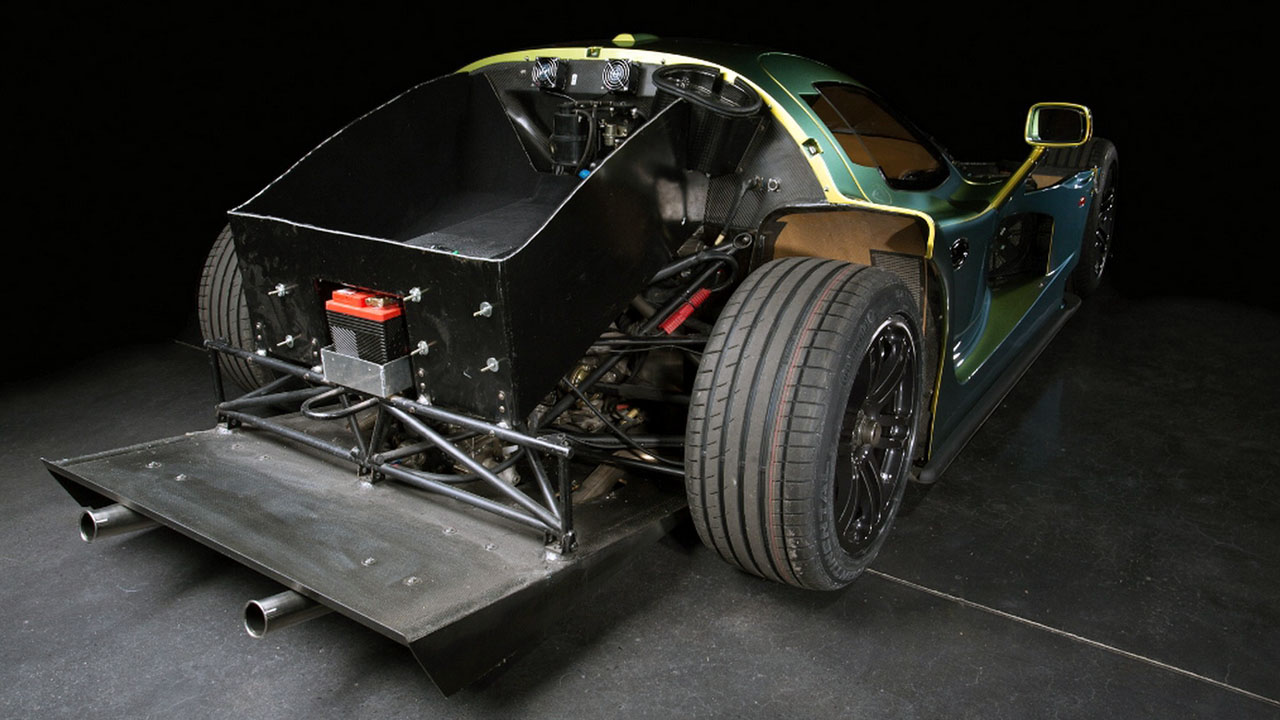
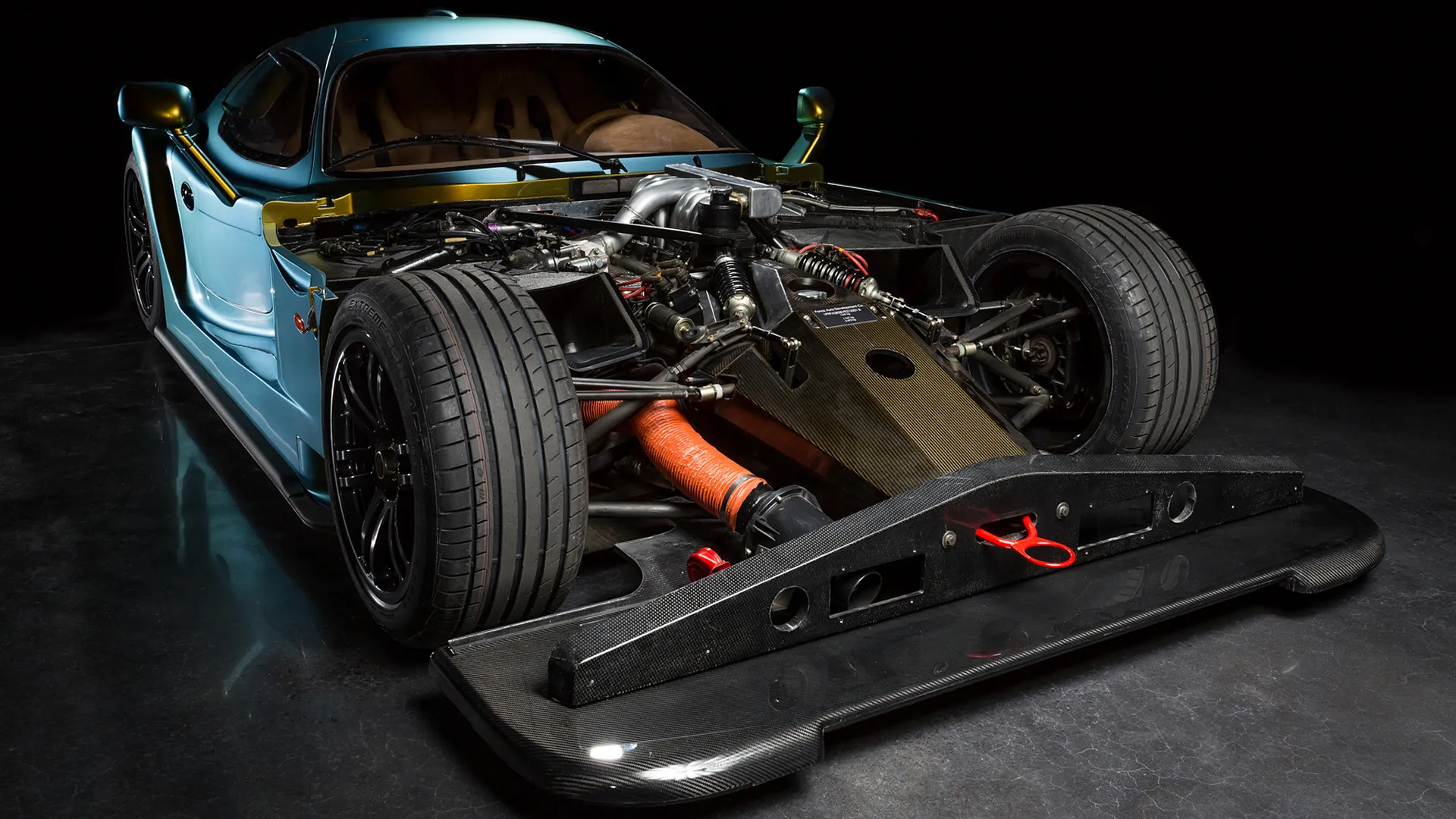
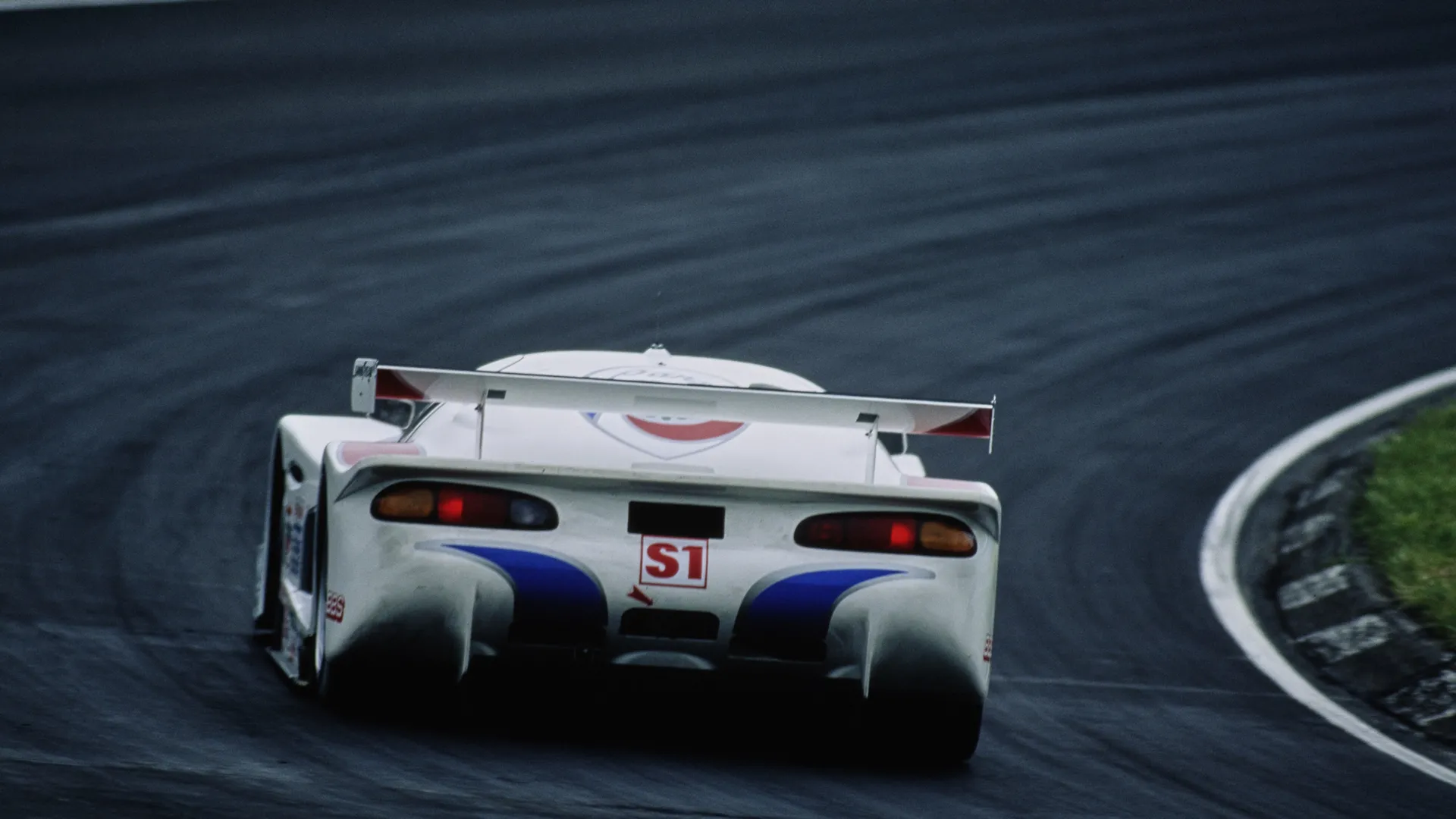
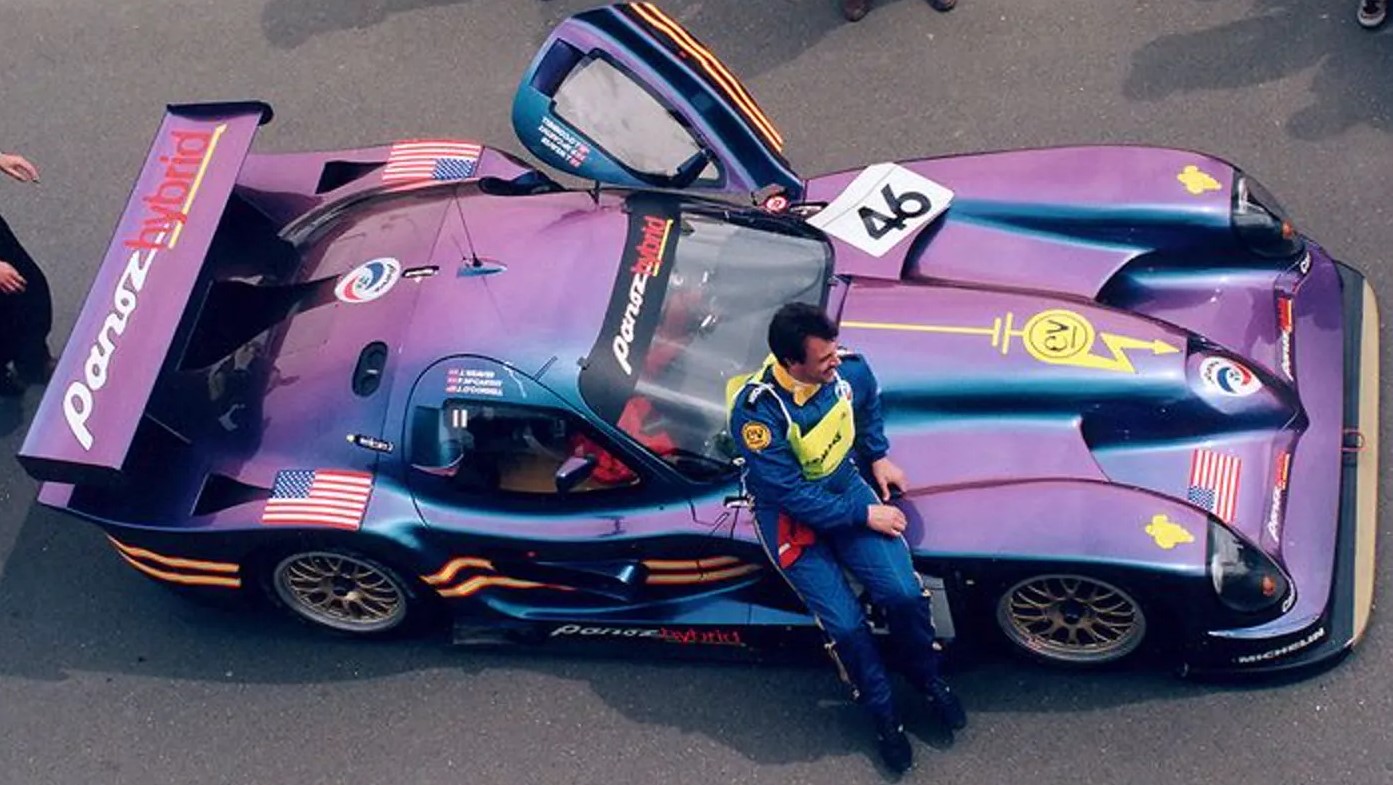
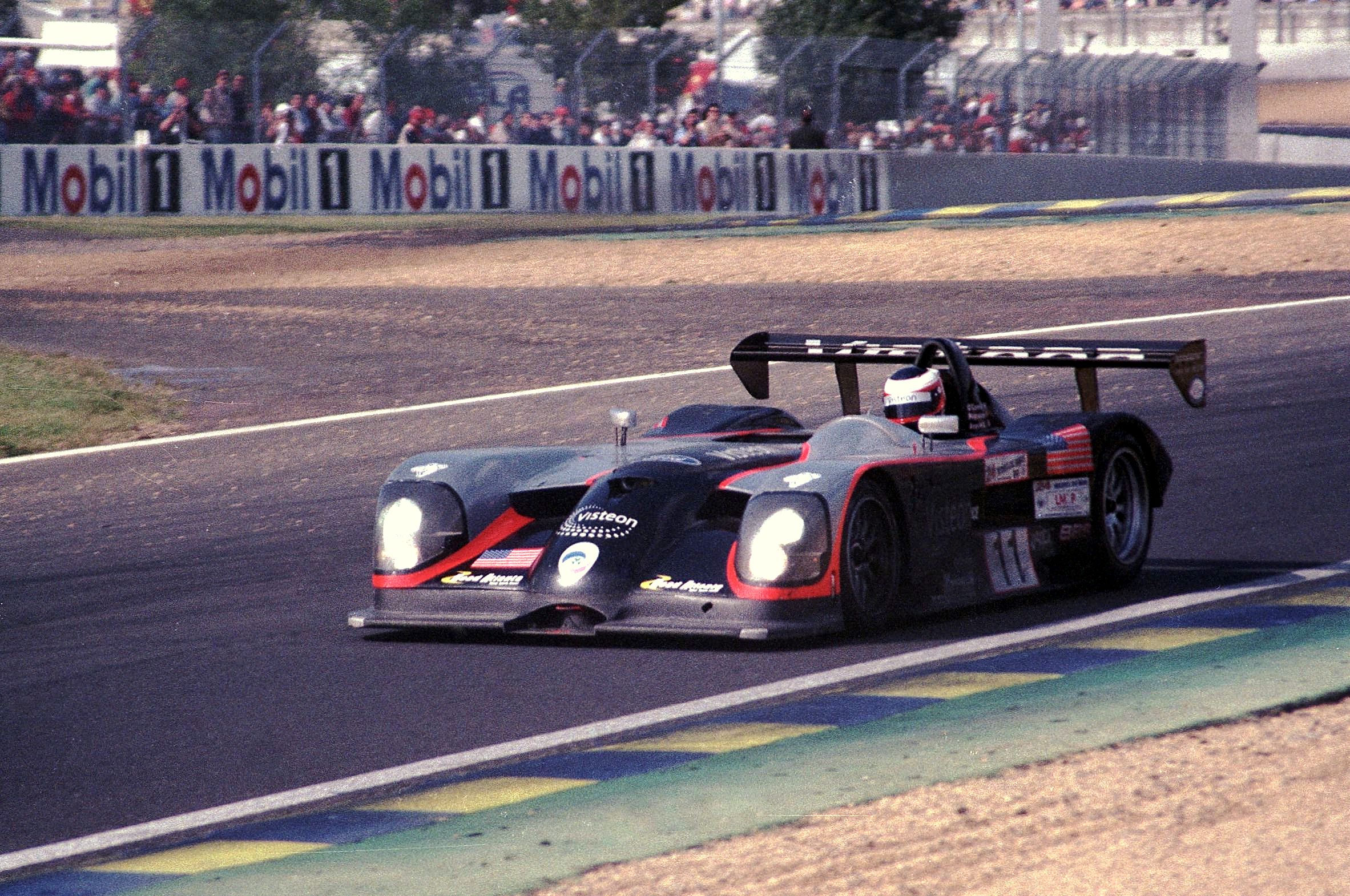
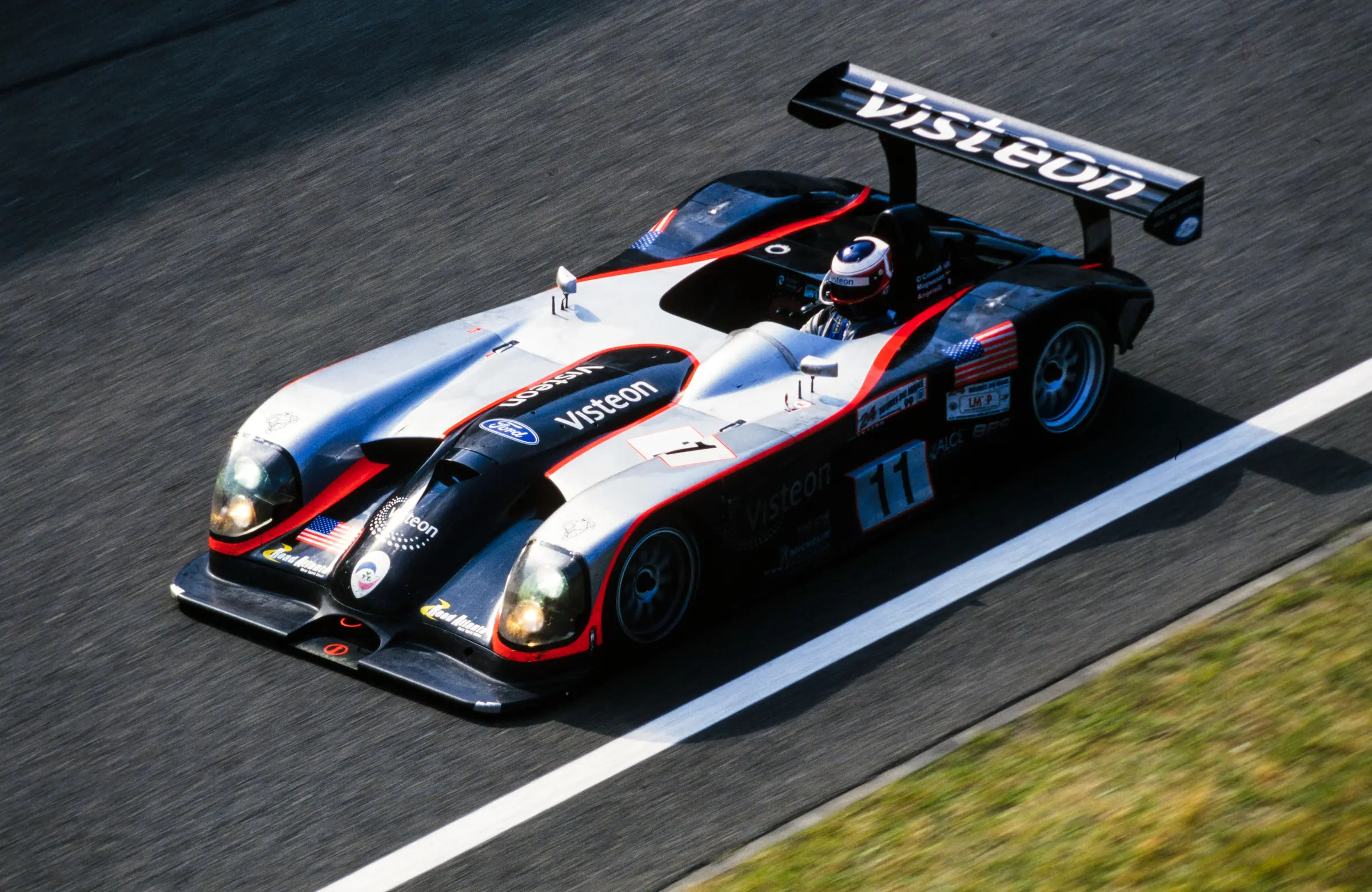
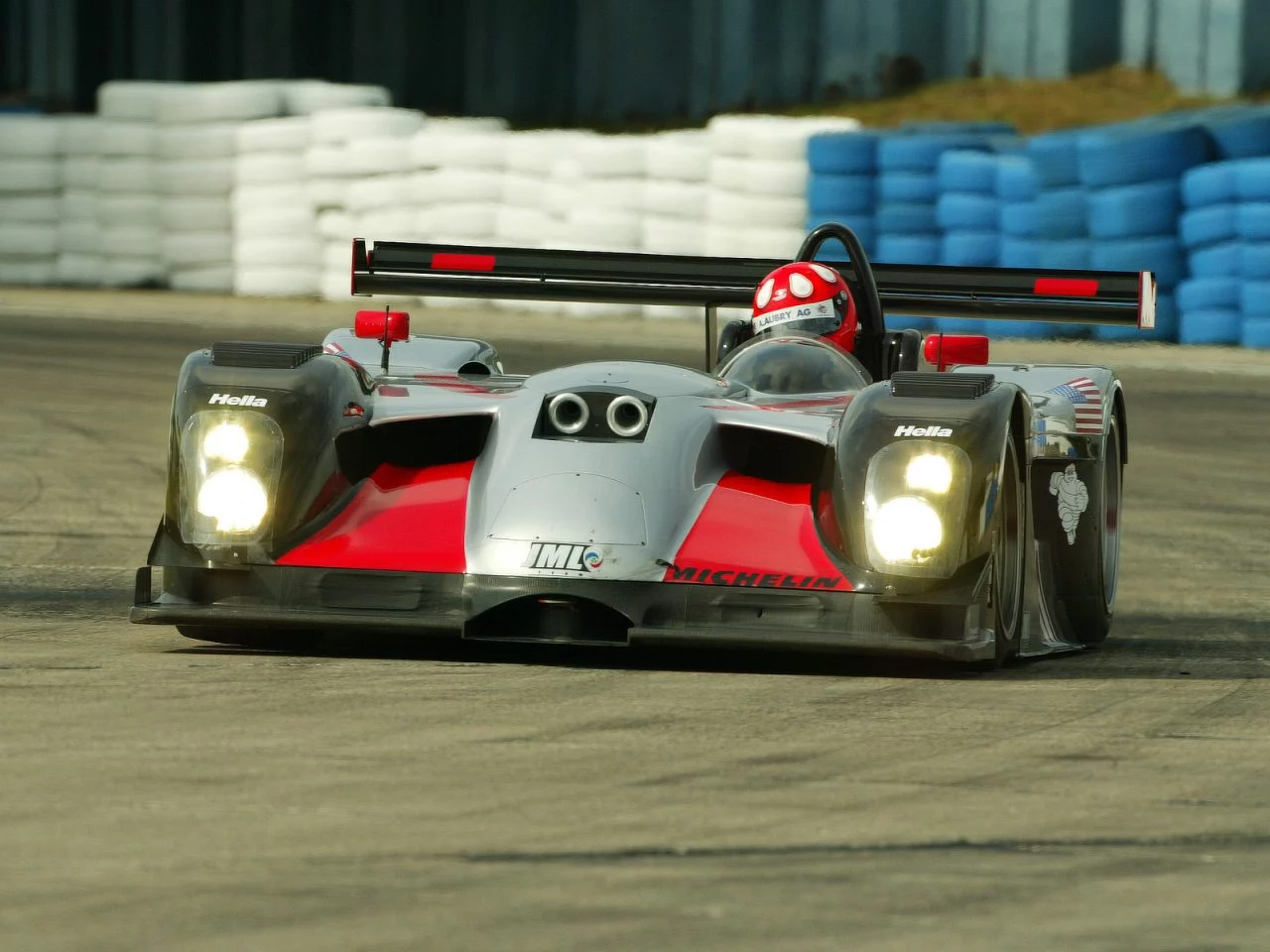
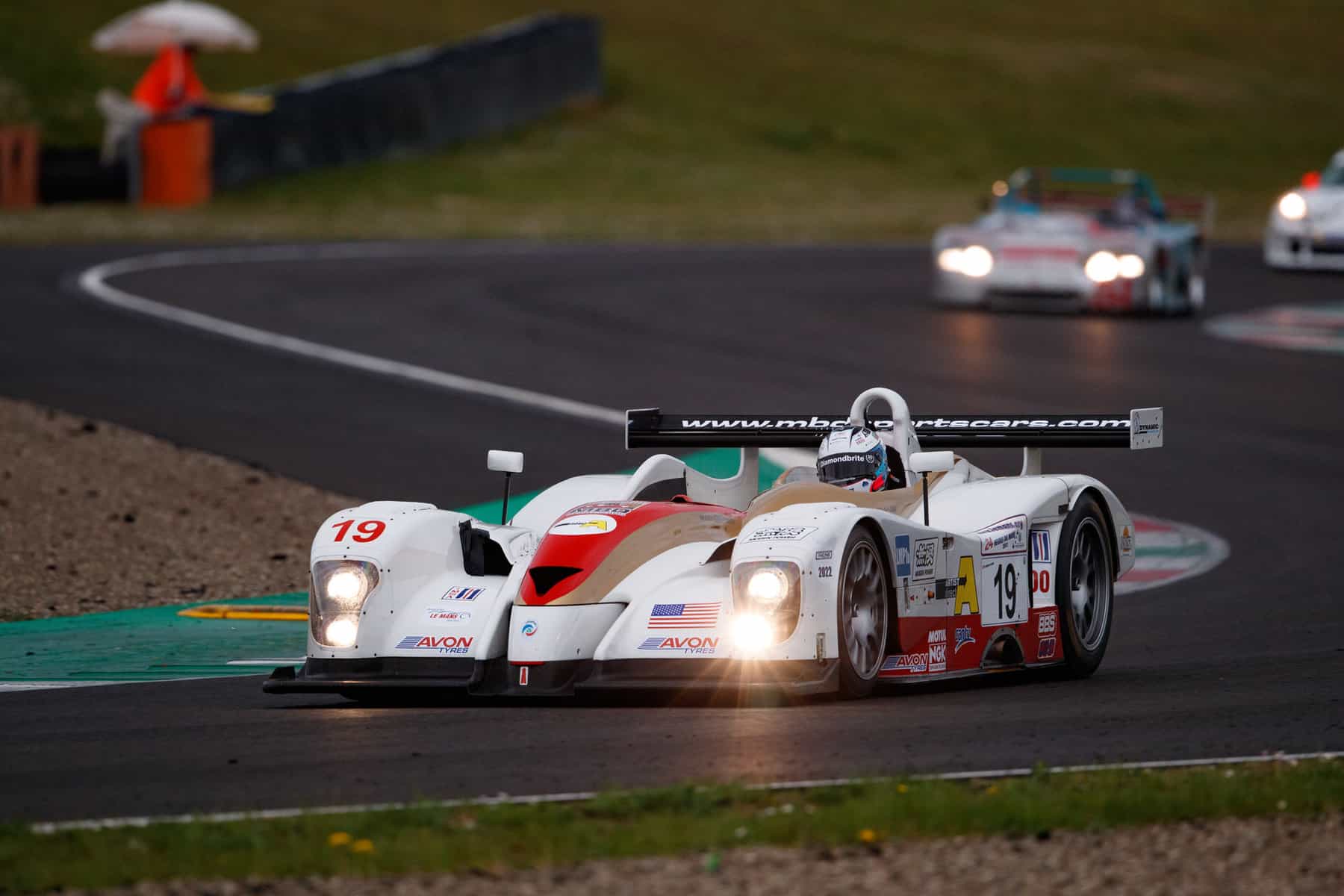
The motorsport genesis was the 1997 Panoz Esperante GTR-1, famously dubbed the ‘Batmobile’. To create this front-mid-engined leviathan, Panoz enlisted Reynard Motorsport to build a carbon-fiber monocoque tub. To achieve the necessary 50/50 weight distribution, the Roush-prepared 6.0-liter Ford V8 was pushed so far back into the chassis that the driver effectively sat beside the transmission, staring down an impossibly long, louvered nose. It was a sensory overload of heat, noise, and vibration. To satisfy FIA homologation rules, a single, street-legal Esperante GTR-1 ‘Homologation Special’ was built, featuring a 6-speed ZF manual gearbox and a slightly trimmed interior, creating a priceless, one-of-one unicorn. Panoz’s willingness to experiment was limitless, leading to the 1998 Esperante GTR-1 Q9 Hybrid, affectionately known as ‘Sparky’. Developed in partnership with Zytek, it utilized a battery-electric hybrid system nearly a decade and a half before Audi and Porsche brought hybrids to Le Mans LMP1 dominance. By 1999, the roof was chopped off to create the open-cockpit Esperante LMP-1 Roadster S, an elemental sports prototype that terrorized the American Le Mans Series with its deafening, unsilenced V8 roar and raw mechanical grip.
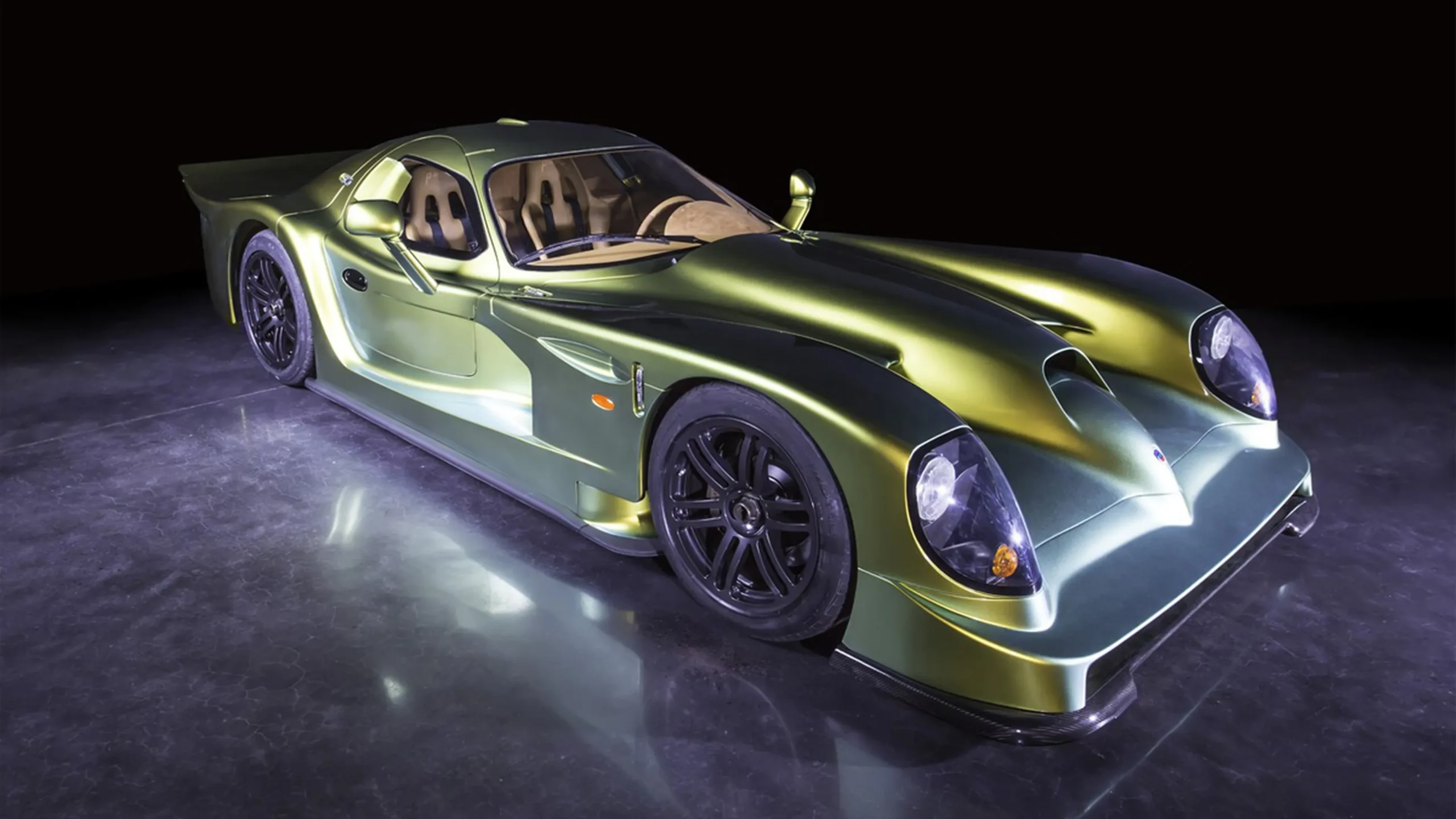
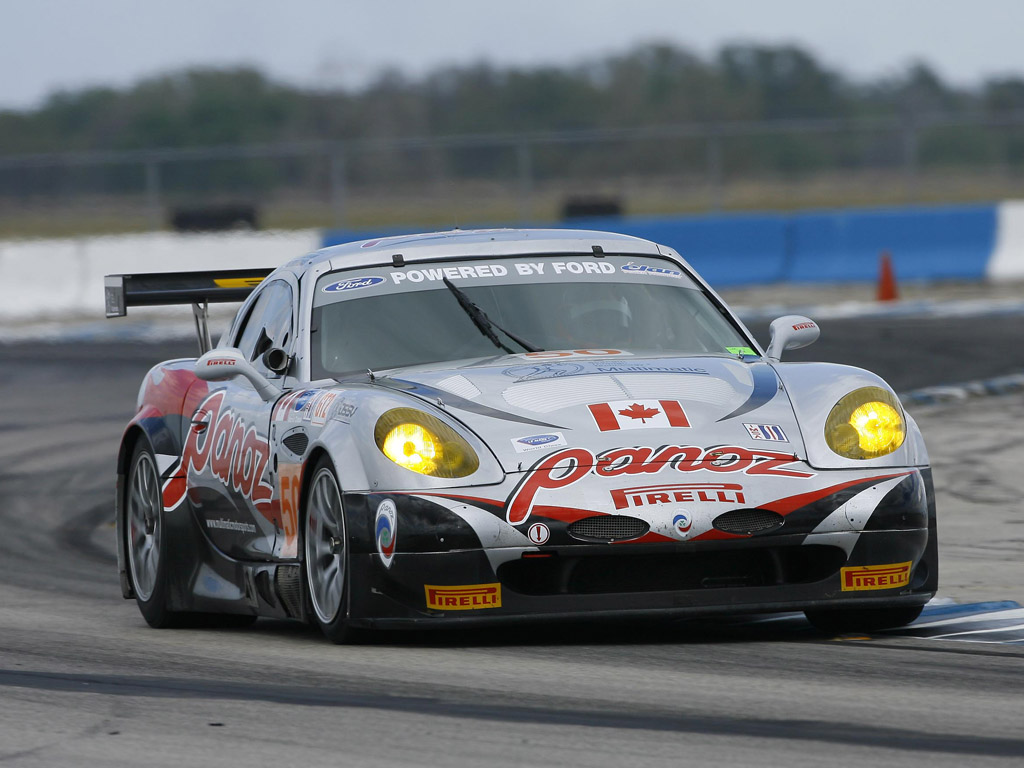
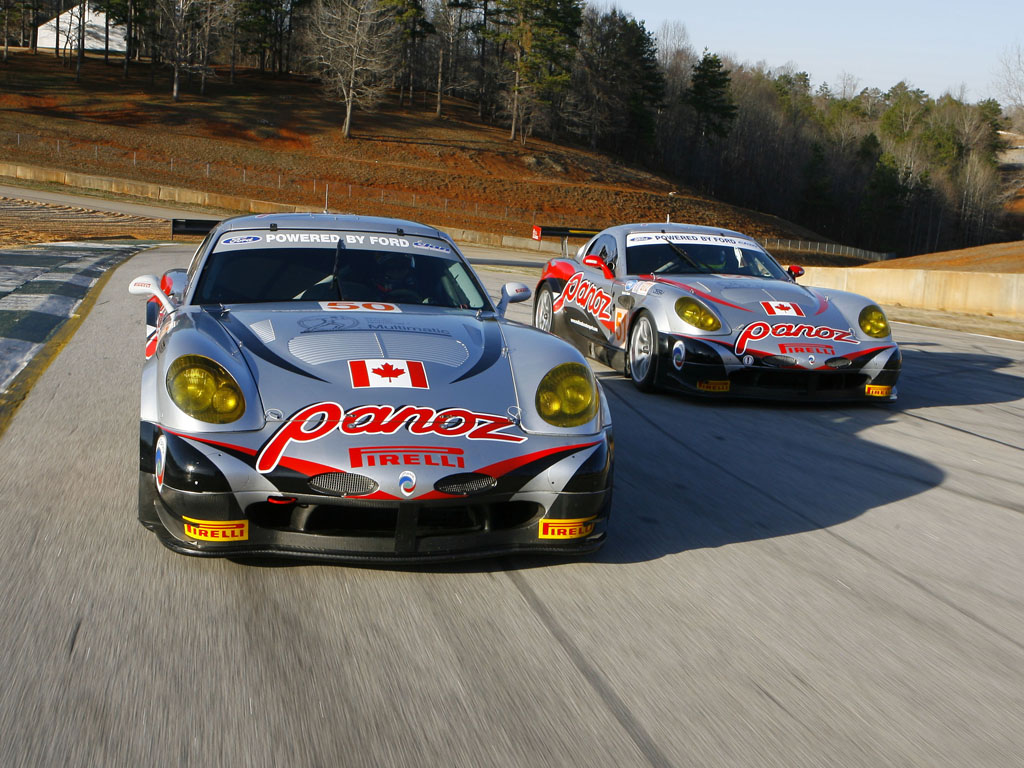
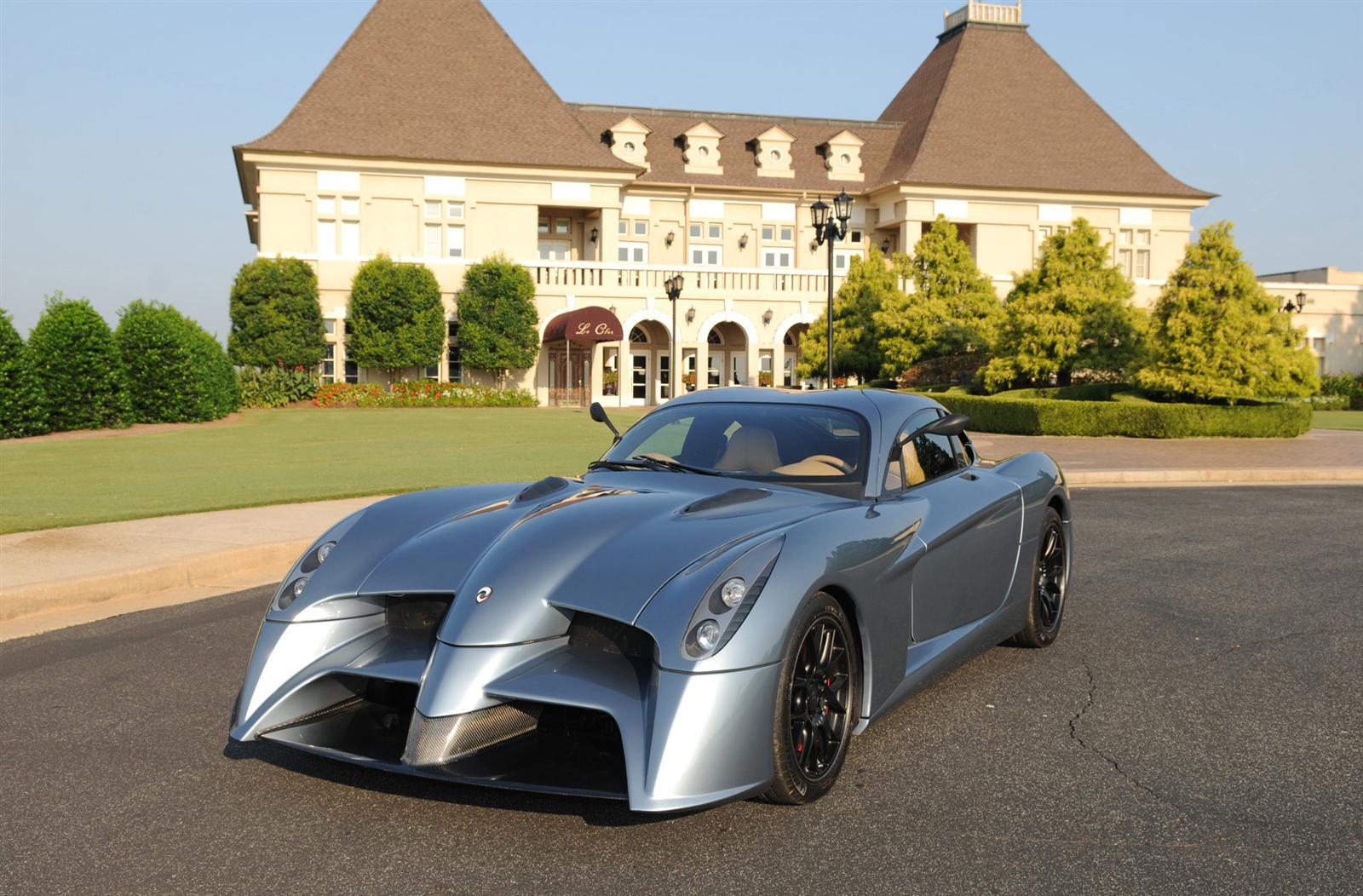
While the GTR-1 and LMP-1 conquered the world’s circuits, Panoz simultaneously developed the street-legal Esperante production car. Though it shared its name and front-mid-engine philosophy with the prototypes, it was built on an entirely different, highly innovative architecture. The production Esperante (available as a Convertible and a Coupe) utilized a modular, extruded aluminium chassis—a technology patented by Panoz—which provided immense rigidity without the weight penalty of a traditional steel frame. The sweeping, retro-modern body panels were crafted using Superplastic Forming (SPF), a high-tech aerospace process that heated aluminium and blew it into complex molds using compressed air, resulting in stunning, seamless curves. Beneath the hood, Panoz wisely utilized reliable Detroit muscle, specifically Ford’s SVT 4.6-liter modular V8 engines. In standard trim, it offered brisk, grand-touring performance, mated to either a 5-speed manual or a 4-speed automatic. However, the true enthusiasts gravitated toward the Esperante GTLM road cars of the mid-2000s, which featured an Eaton-supercharged version of the 4.6L V8 producing 420 horsepower, mated to a robust 6-speed Tremec manual. Boutique tuning firm JRD also created highly bespoke Signature Edition Coupes and Convertibles, offering elevated luxury and bespoke performance tuning. Inside, the road-going Esperante was a charmingly eccentric mix of deep-pile carpets, hand-stitched leather, and a centrally mounted instrument cluster, reminding the driver that this was a hand-built, low-volume exotic assembled by passionate artisans in Braselton, Georgia.
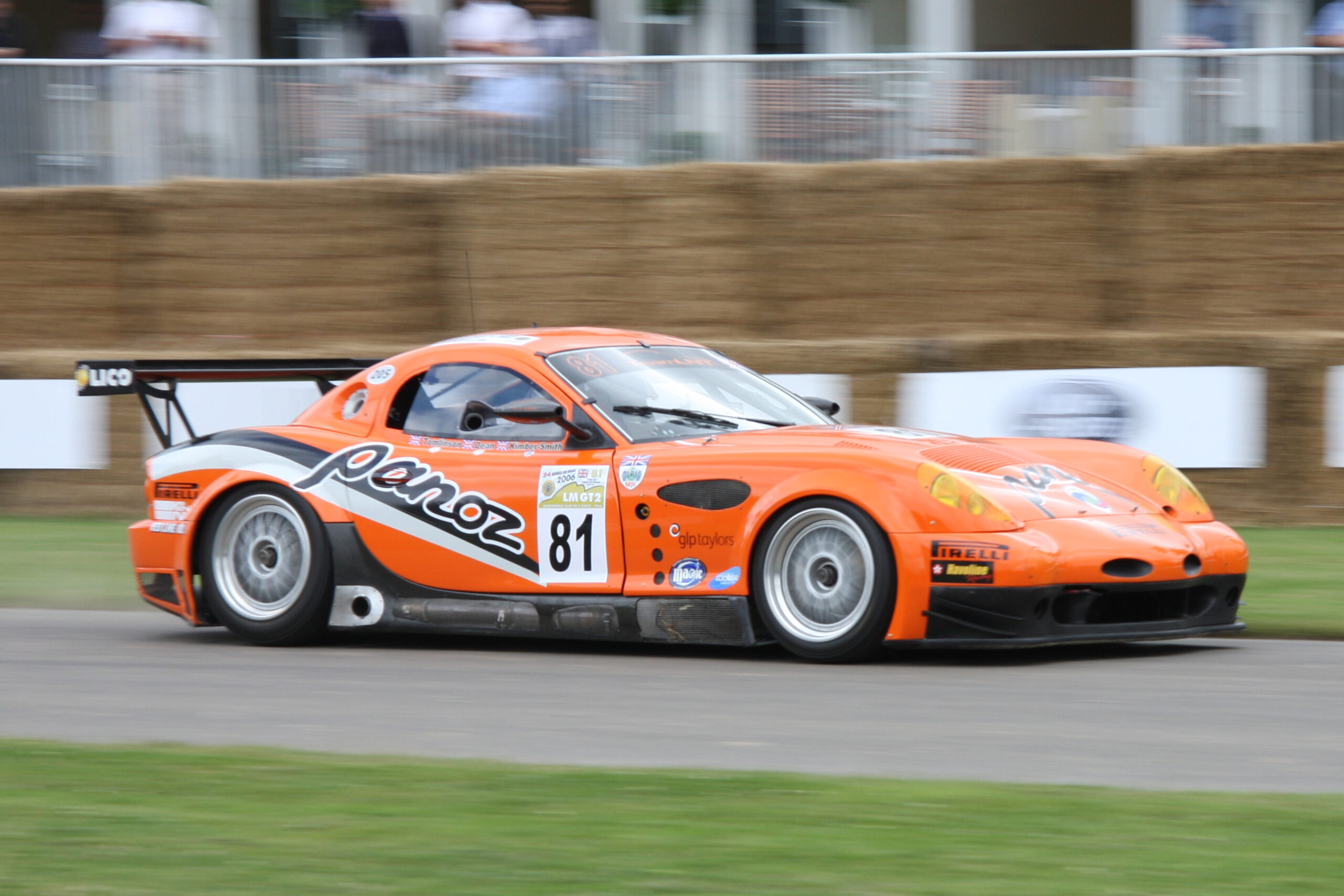
The competitive impact of the Esperante nameplate is etched in gold within the annals of endurance racing. The GTR-1 proved to be a formidable thorn in the side of the European factory teams, taking overall victories in the IMSA GT Championship and fighting valiantly in the FIA GT series. But the ultimate vindication of Don Panoz’s front-engine philosophy came with the LMP-1 Roadster S. At the 1999 Petit Le Mans, held at Panoz’s own Road Atlanta circuit, David Brabham, Éric Bernard, and Andy Wallace drove the thundering LMP-1 to a spectacular overall victory, defeating the might of the mid-engined BMW V12 LMR and the early Audi R8s. It was a triumph of American muscle and independent engineering. Yet, perhaps the most romantic chapter was written by the racing version of the production car: the Esperante GTLM. In 2006, the privateer Team LNT took their Esperante GTLM to the 24 Hours of Le Mans and, against all conceivable odds, won the GT2 class, outlasting and out-racing the armada of factory-supported Porsche 911s and Ferrari F430s. It was a monumental David-versus-Goliath victory that validated the entire production car program. Commercially, the Esperante road car remained a niche, exclusive alternative to a Corvette or a Porsche 911. Its lifespan stretched impressively, culminating in the 2014 Spyder 25th Anniversary and Spyder GT models, which featured updated styling, massive brakes, and outputs of up to 560 horsepower, serving as a roaring swan song for the lineage.
The legacy of the Panoz Esperante is that of defiance, passion, and unparalleled mechanical charisma. In an era where sports car design became increasingly homogenized and dictated purely by wind-tunnel data, Don Panoz proved that a front-engined, V8-powered brute could still conquer the world’s most grueling endurance races. The Esperante bridged the gap between a boutique American muscle car and an exotic European grand tourer, offering a driving experience that was deeply analog and profoundly emotional. Today, whether it is the ear-splitting roar of an LMP-1 Roadster S shaking the grandstands at a historic racing event, or the sleek, sculpted aluminium lines of an Esperante GTLM cruising down a coastal highway, the Panoz emblem commands absolute respect. It stands immortal in the pantheon of motorsport as a symbol of independent American spirit—a bold, thundering dynasty that dared to do it differently and won.
Portal
Model line
Model generation
Predecessor
Sucessor
Brand
Produced from
Vehicle category
Portal
Model line
Model generation
Predecessor
Sucessor
Model Overview
To fully grasp the magnificent, thunderous anomaly that is the Panoz Esperante model line, one must cast their mind back to the late 1990s—a period when top-tier sports car racing was undergoing a radical, space-age transformation. The GT1 category had been hijacked by mid-engined, carbon-fiber spaceships from Porsche, Mercedes-Benz, and McLaren. The established orthodoxy dictated that to win at the Circuit de la Sarthe or in the FIA GT Championship, the engine absolutely had to sit behind the driver. Enter Don Panoz, a pharmaceutical magnate turned motorsport impresario, who possessed a beautifully stubborn, distinctly American vision. Panoz believed that a race car should look like a race car, with a long, sweeping hood and the driver sitting right over the rear axle, wrangling a massive V8. It was a philosophy of brute force and mechanical charisma. The ‘Esperante’ badge was chosen to adorn this audacious dream, and over the next two decades, it would represent one of the most wildly diverse and thrilling family trees in automotive history, spanning from earth-shattering homologation specials and pioneering hybrid prototypes to bespoke, hand-crafted road cars that challenged the European elite.
The technical anatomy of the Esperante lineage is a fascinating tale of two distinct but philosophically linked worlds: the unhinged racing prototypes and the sophisticated road-going grand tourers.
The motorsport genesis was the 1997 Panoz Esperante GTR-1, famously dubbed the ‘Batmobile’. To create this front-mid-engined leviathan, Panoz enlisted Reynard Motorsport to build a carbon-fiber monocoque tub. To achieve the necessary 50/50 weight distribution, the Roush-prepared 6.0-liter Ford V8 was pushed so far back into the chassis that the driver effectively sat beside the transmission, staring down an impossibly long, louvered nose. It was a sensory overload of heat, noise, and vibration. To satisfy FIA homologation rules, a single, street-legal Esperante GTR-1 ‘Homologation Special’ was built, featuring a 6-speed ZF manual gearbox and a slightly trimmed interior, creating a priceless, one-of-one unicorn. Panoz’s willingness to experiment was limitless, leading to the 1998 Esperante GTR-1 Q9 Hybrid, affectionately known as ‘Sparky’. Developed in partnership with Zytek, it utilized a battery-electric hybrid system nearly a decade and a half before Audi and Porsche brought hybrids to Le Mans LMP1 dominance. By 1999, the roof was chopped off to create the open-cockpit Esperante LMP-1 Roadster S, an elemental sports prototype that terrorized the American Le Mans Series with its deafening, unsilenced V8 roar and raw mechanical grip.
While the GTR-1 and LMP-1 conquered the world’s circuits, Panoz simultaneously developed the street-legal Esperante production car. Though it shared its name and front-mid-engine philosophy with the prototypes, it was built on an entirely different, highly innovative architecture. The production Esperante (available as a Convertible and a Coupe) utilized a modular, extruded aluminium chassis—a technology patented by Panoz—which provided immense rigidity without the weight penalty of a traditional steel frame. The sweeping, retro-modern body panels were crafted using Superplastic Forming (SPF), a high-tech aerospace process that heated aluminium and blew it into complex molds using compressed air, resulting in stunning, seamless curves. Beneath the hood, Panoz wisely utilized reliable Detroit muscle, specifically Ford’s SVT 4.6-liter modular V8 engines. In standard trim, it offered brisk, grand-touring performance, mated to either a 5-speed manual or a 4-speed automatic. However, the true enthusiasts gravitated toward the Esperante GTLM road cars of the mid-2000s, which featured an Eaton-supercharged version of the 4.6L V8 producing 420 horsepower, mated to a robust 6-speed Tremec manual. Boutique tuning firm JRD also created highly bespoke Signature Edition Coupes and Convertibles, offering elevated luxury and bespoke performance tuning. Inside, the road-going Esperante was a charmingly eccentric mix of deep-pile carpets, hand-stitched leather, and a centrally mounted instrument cluster, reminding the driver that this was a hand-built, low-volume exotic assembled by passionate artisans in Braselton, Georgia.
The competitive impact of the Esperante nameplate is etched in gold within the annals of endurance racing. The GTR-1 proved to be a formidable thorn in the side of the European factory teams, taking overall victories in the IMSA GT Championship and fighting valiantly in the FIA GT series. But the ultimate vindication of Don Panoz’s front-engine philosophy came with the LMP-1 Roadster S. At the 1999 Petit Le Mans, held at Panoz’s own Road Atlanta circuit, David Brabham, Éric Bernard, and Andy Wallace drove the thundering LMP-1 to a spectacular overall victory, defeating the might of the mid-engined BMW V12 LMR and the early Audi R8s. It was a triumph of American muscle and independent engineering. Yet, perhaps the most romantic chapter was written by the racing version of the production car: the Esperante GTLM. In 2006, the privateer Team LNT took their Esperante GTLM to the 24 Hours of Le Mans and, against all conceivable odds, won the GT2 class, outlasting and out-racing the armada of factory-supported Porsche 911s and Ferrari F430s. It was a monumental David-versus-Goliath victory that validated the entire production car program. Commercially, the Esperante road car remained a niche, exclusive alternative to a Corvette or a Porsche 911. Its lifespan stretched impressively, culminating in the 2014 Spyder 25th Anniversary and Spyder GT models, which featured updated styling, massive brakes, and outputs of up to 560 horsepower, serving as a roaring swan song for the lineage.
The legacy of the Panoz Esperante is that of defiance, passion, and unparalleled mechanical charisma. In an era where sports car design became increasingly homogenized and dictated purely by wind-tunnel data, Don Panoz proved that a front-engined, V8-powered brute could still conquer the world’s most grueling endurance races. The Esperante bridged the gap between a boutique American muscle car and an exotic European grand tourer, offering a driving experience that was deeply analog and profoundly emotional. Today, whether it is the ear-splitting roar of an LMP-1 Roadster S shaking the grandstands at a historic racing event, or the sleek, sculpted aluminium lines of an Esperante GTLM cruising down a coastal highway, the Panoz emblem commands absolute respect. It stands immortal in the pantheon of motorsport as a symbol of independent American spirit—a bold, thundering dynasty that dared to do it differently and won.
Submodels