Porsche 914
Brand
Produced from
Vehicle category
Portal
Model line
Model generation
Predecessor
Sucessor
Model Overview
To fully grasp the fascinating, often misunderstood genesis of the Porsche 914, one must step into the complex boardroom dynamics of the late 1960s German automotive industry. Porsche, riding high on the undeniable brilliance of the 911, faced a looming commercial dilemma. Their entry-level offering, the four-cylinder 912, was fundamentally an aging 911 body saddled with the antiquated pushrod engine of the 356. It was becoming too expensive to manufacture alongside the flagship six-cylinder cars, leaving Porsche vulnerable at the lower end of the market. Concurrently, the giant in Wolfsburg, Volkswagen, desperately needed a modern, halo sports car to replace the aging, albeit charming, Karmann Ghia. Recognizing their mutual needs, Ferry Porsche and Volkswagen’s managing director, Heinz Nordhoff, struck a pragmatic gentlemen’s agreement over a handshake. They would collaboratively design a brand-new, mid-engined sports car: VW would sell the four-cylinder versions, and Porsche would market a six-cylinder variant. However, Nordhoff’s sudden death in 1968 threw the project into chaos. His successor, Kurt Lotz, lacked the familial ties to the Porsche dynasty and demanded a more rigid, less favorable corporate restructuring. The resulting compromise birthed the “VW-Porsche” brand in Europe—a badge engineering decision that initially clouded the car’s pedigree. Yet, when the Porsche 914 finally debuted at the 1969 Frankfurt Motor Show, it boldly stepped into a fiercely contested arena. It challenged traditional, front-engined British roadsters like the Triumph TR6 and MGB, while establishing a sophisticated, mid-engined benchmark against emerging Italian wedge experiments like the Fiat X1/9.
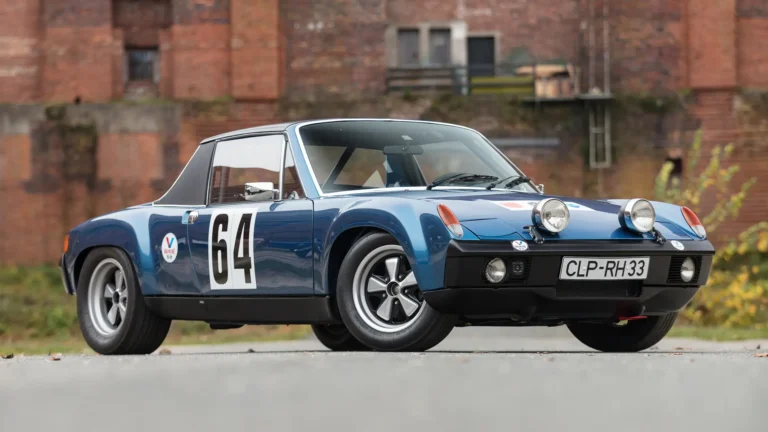
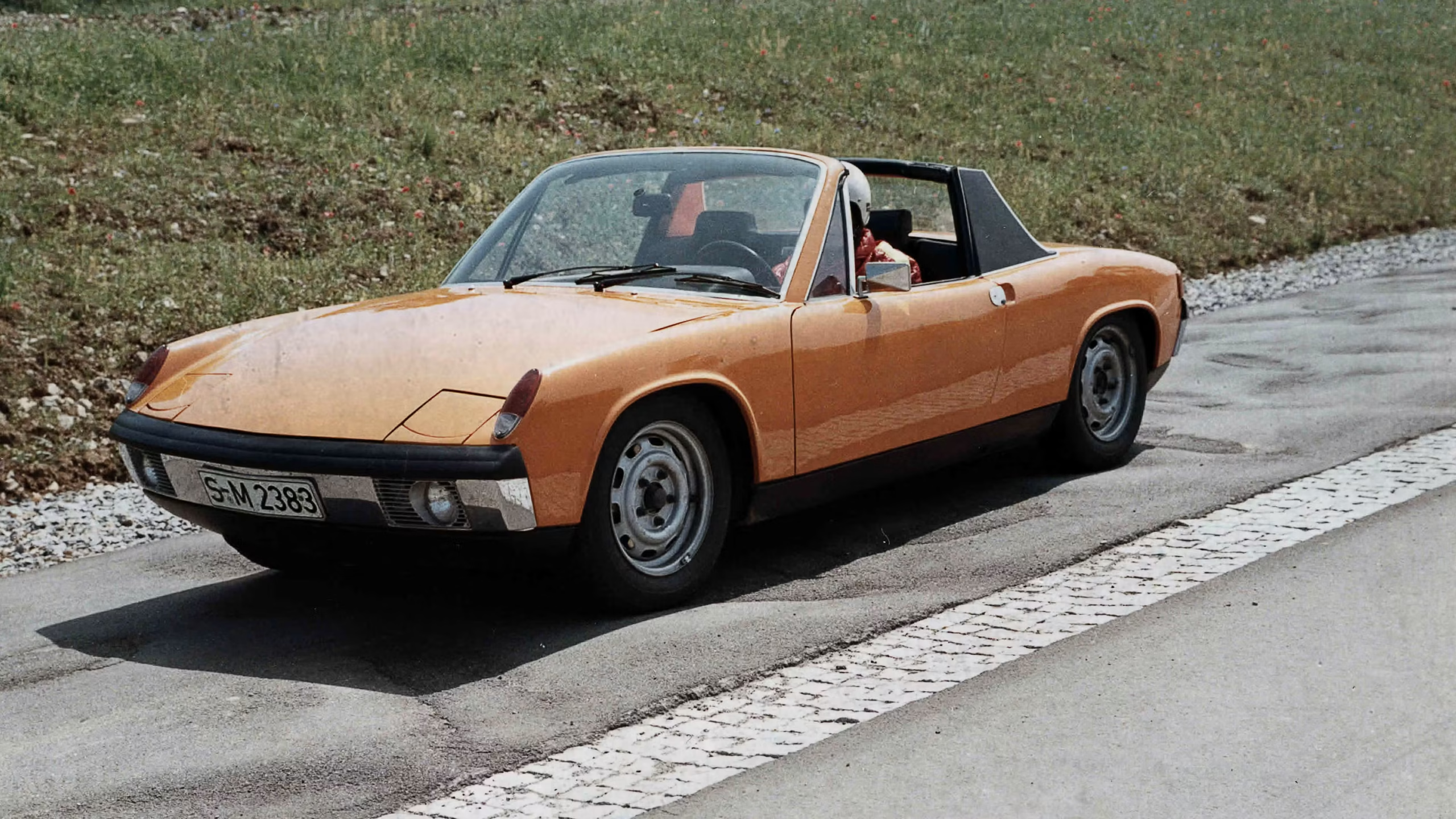
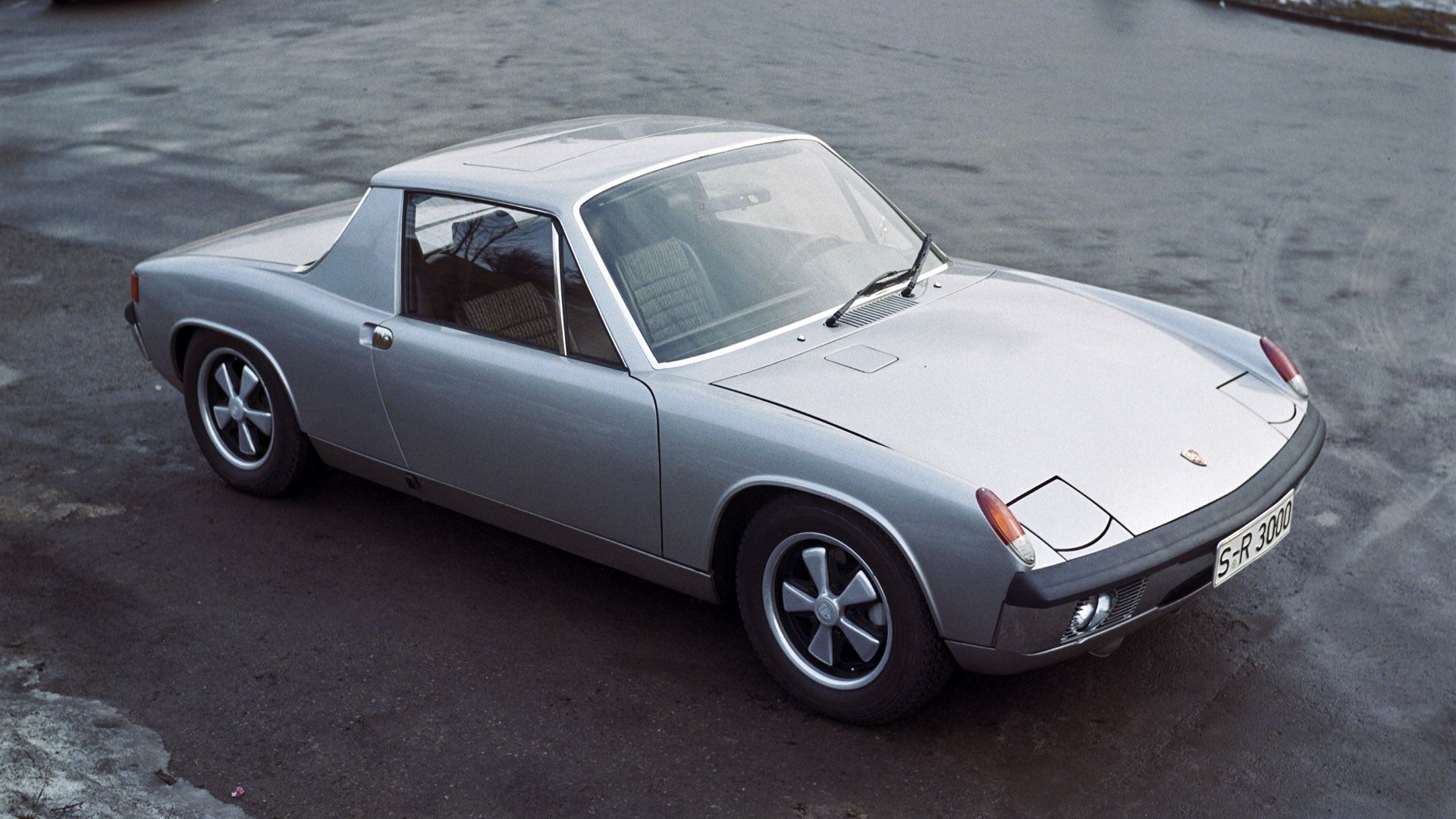
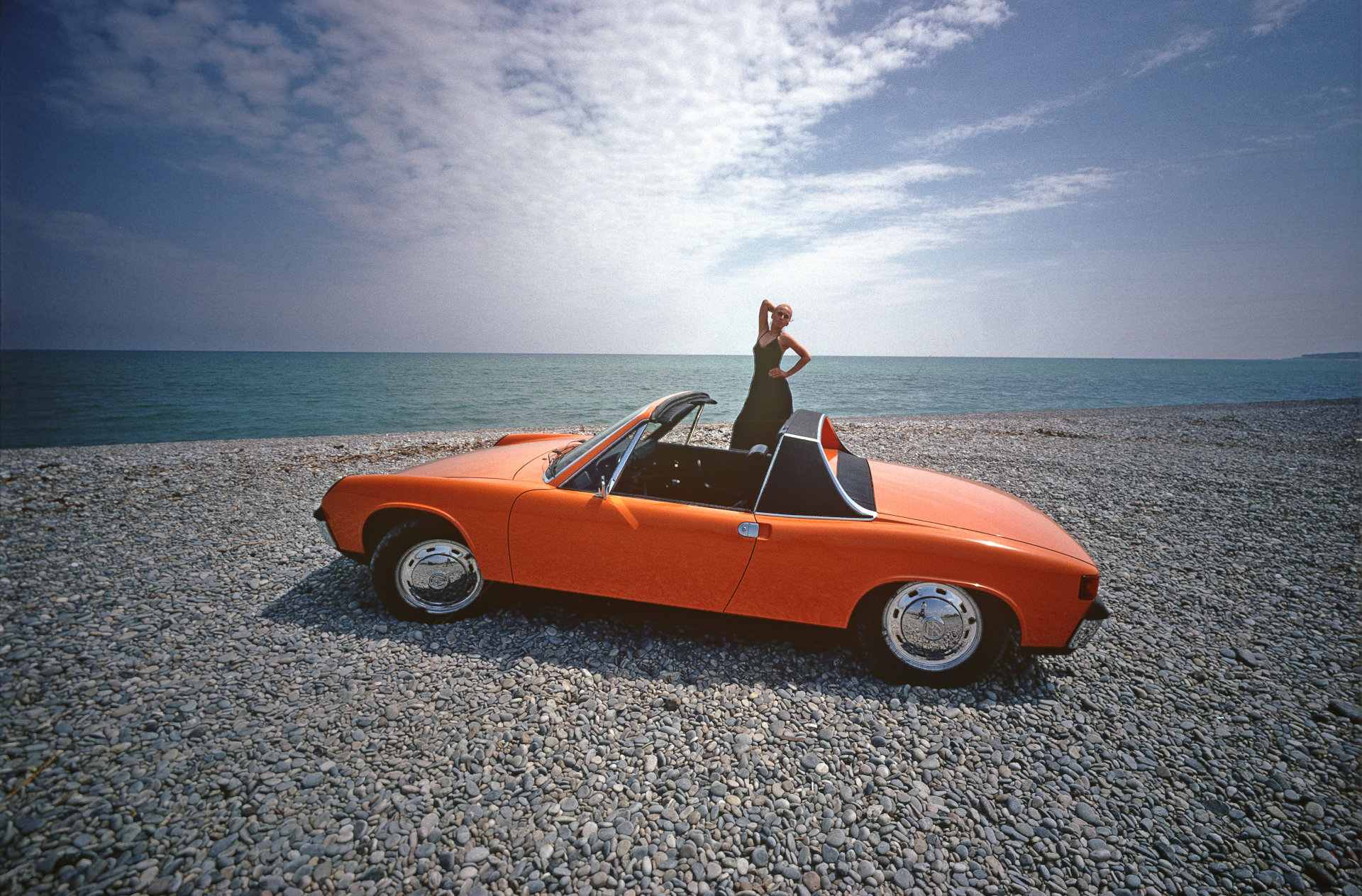
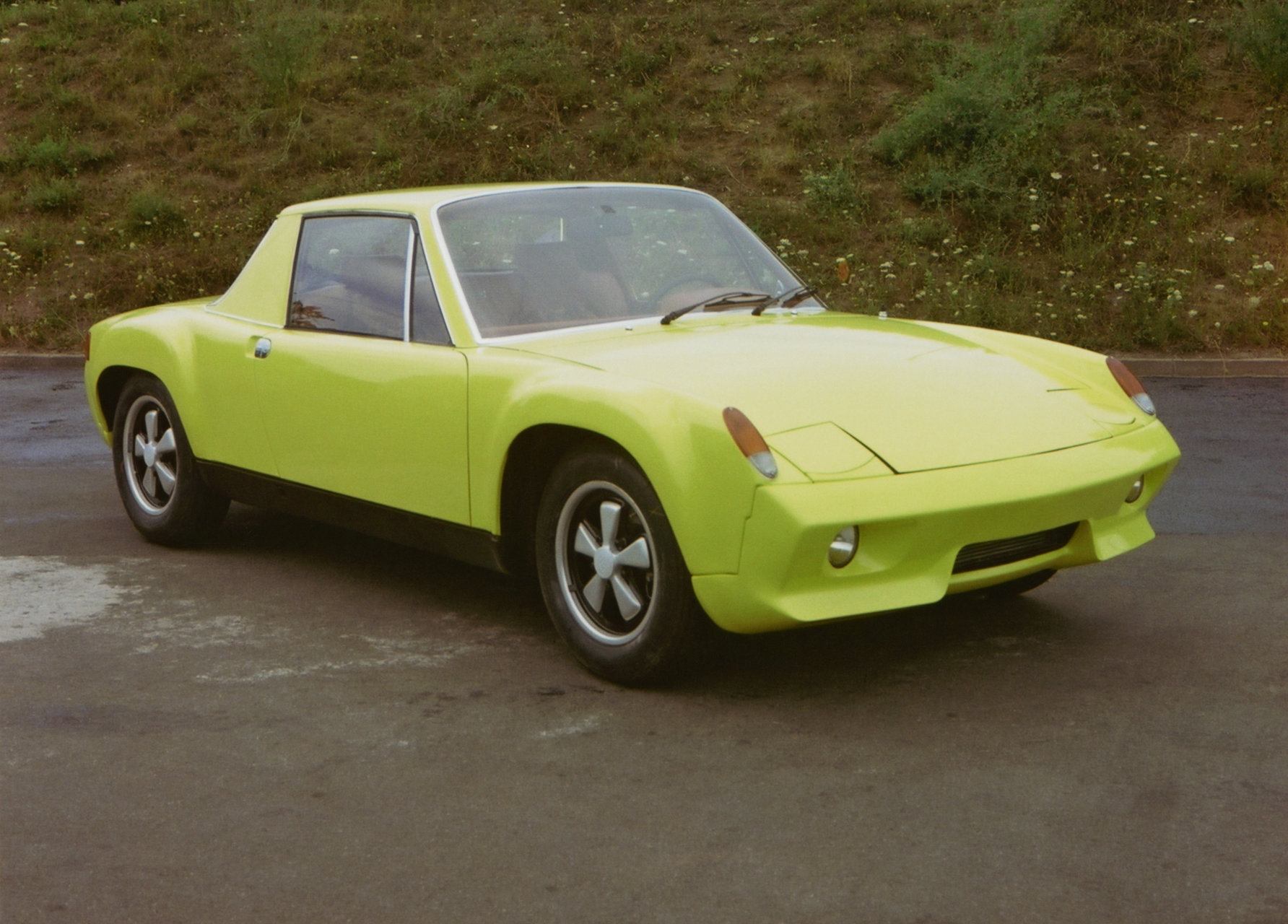
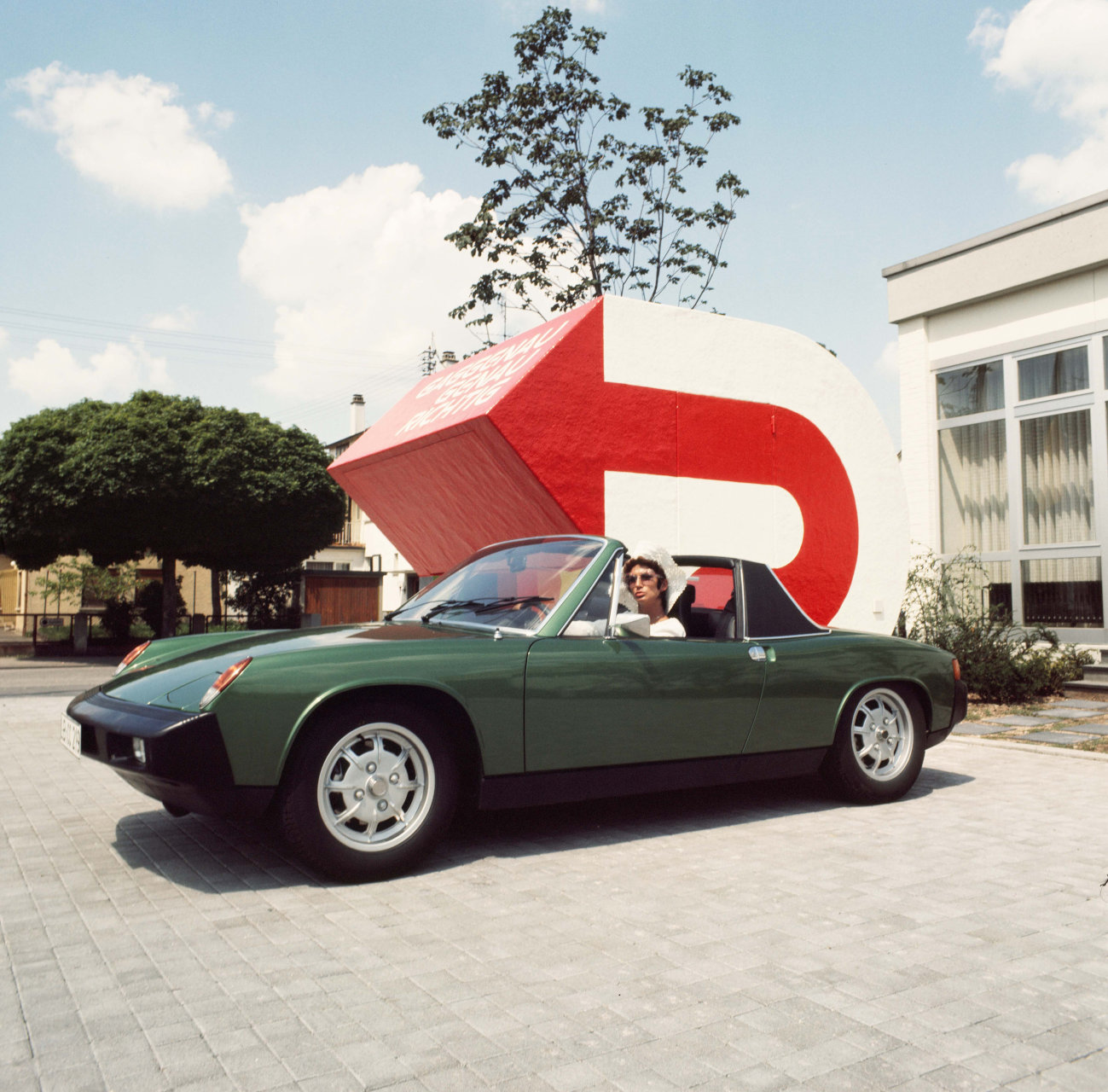
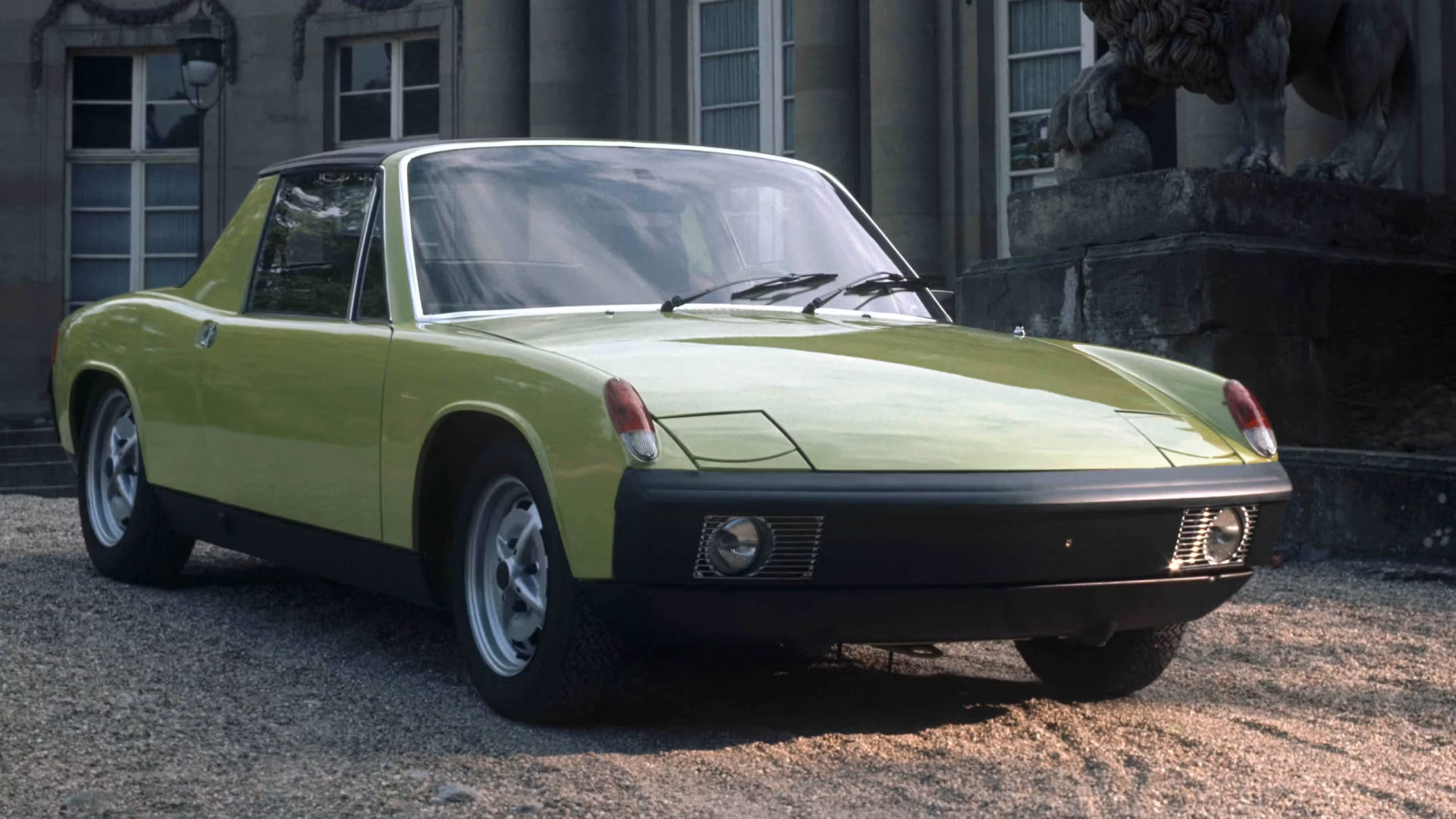
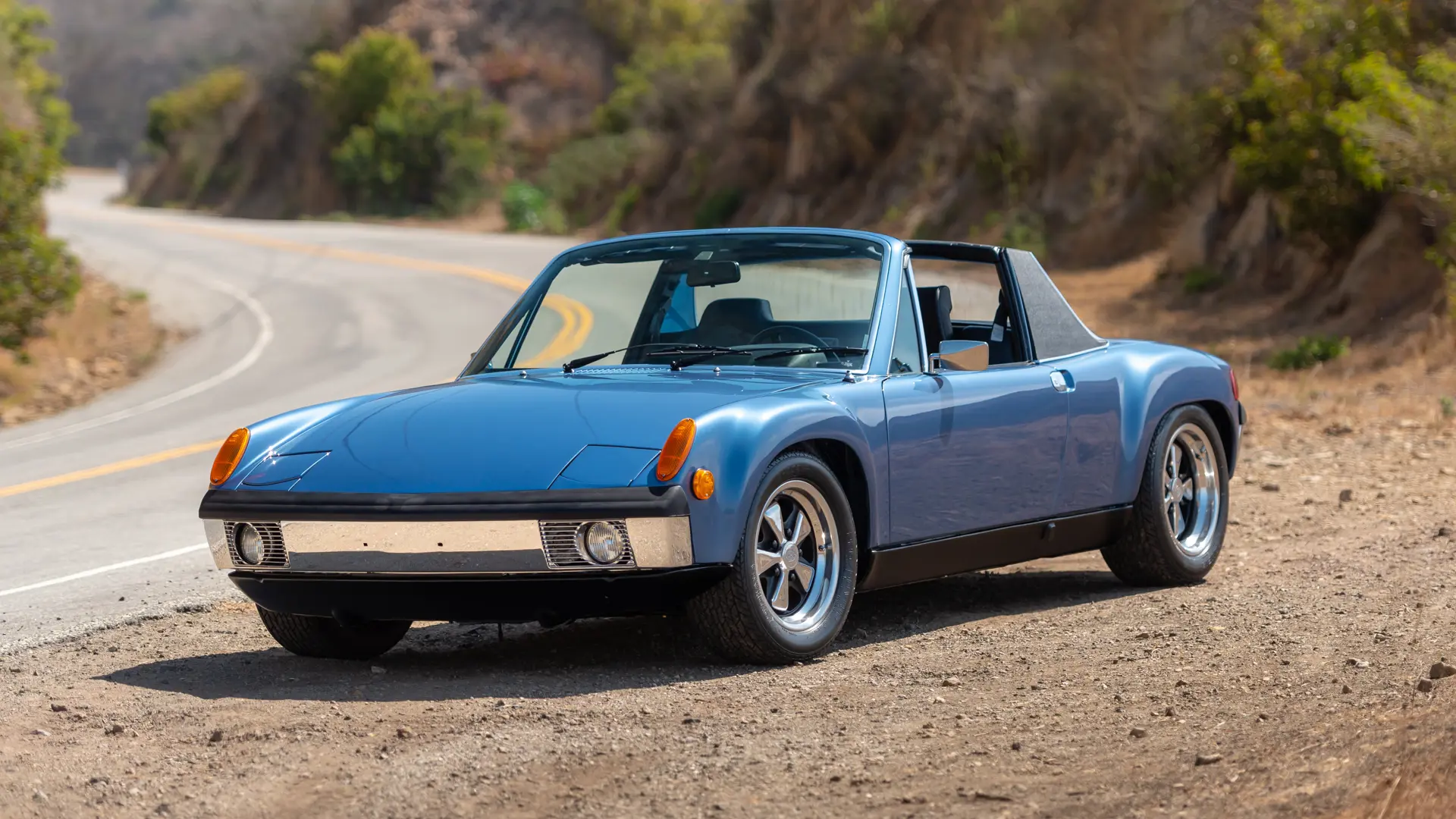
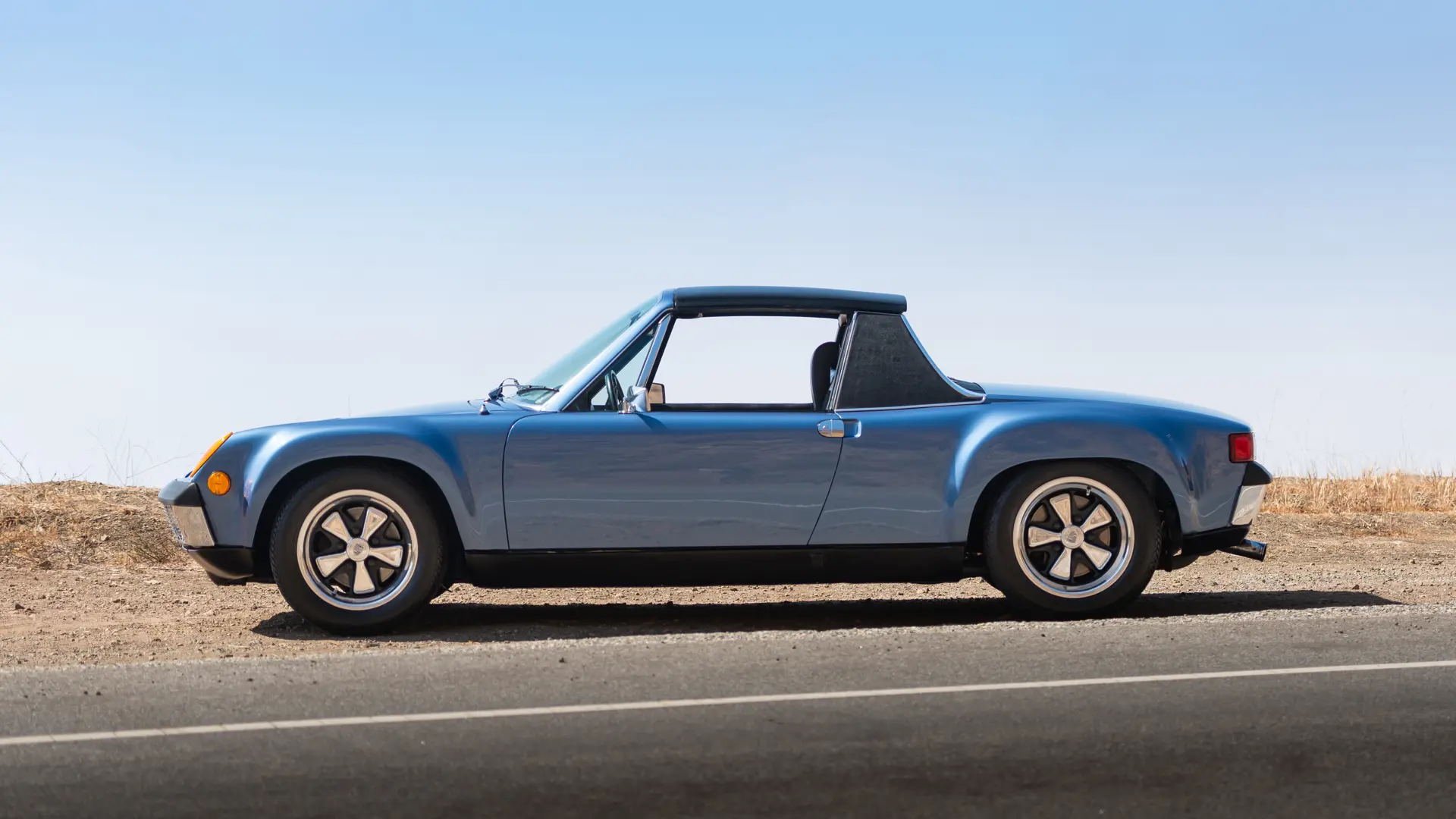
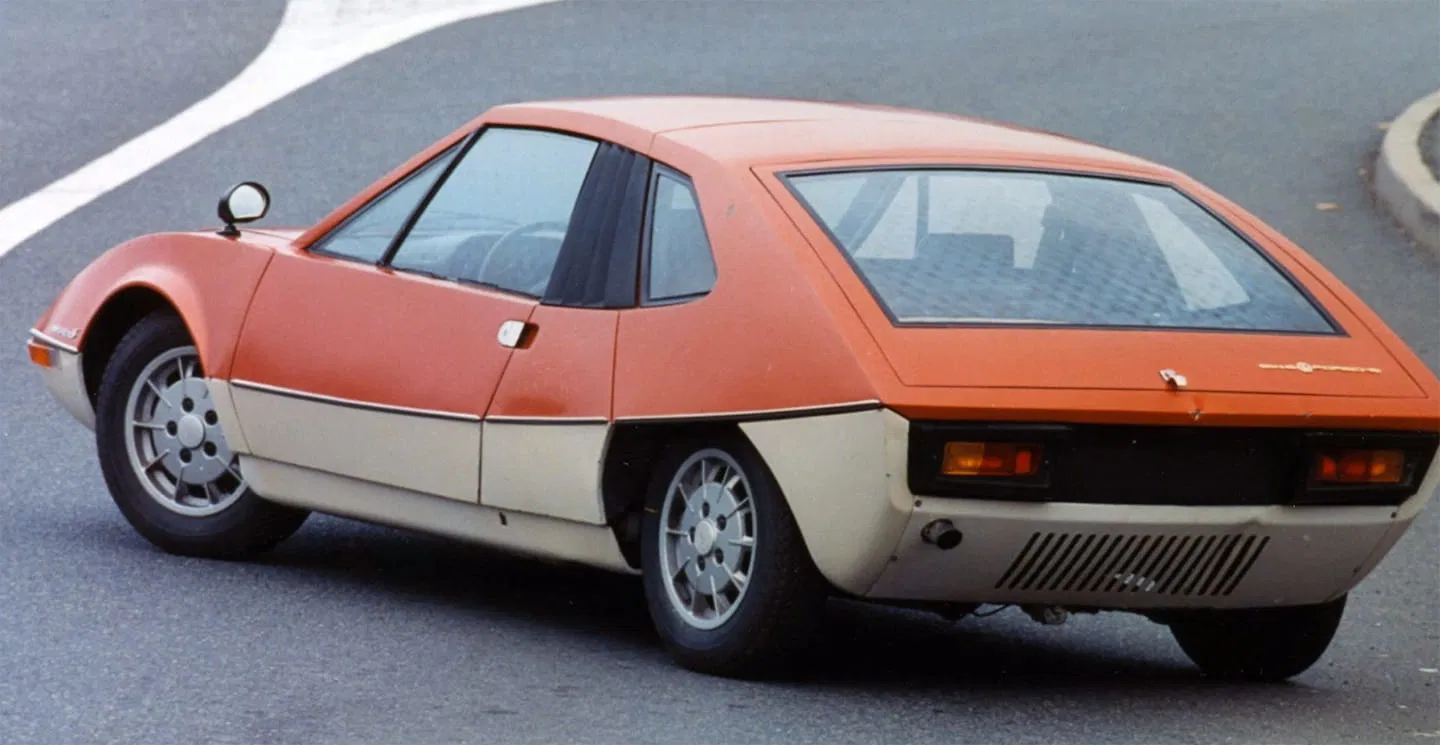
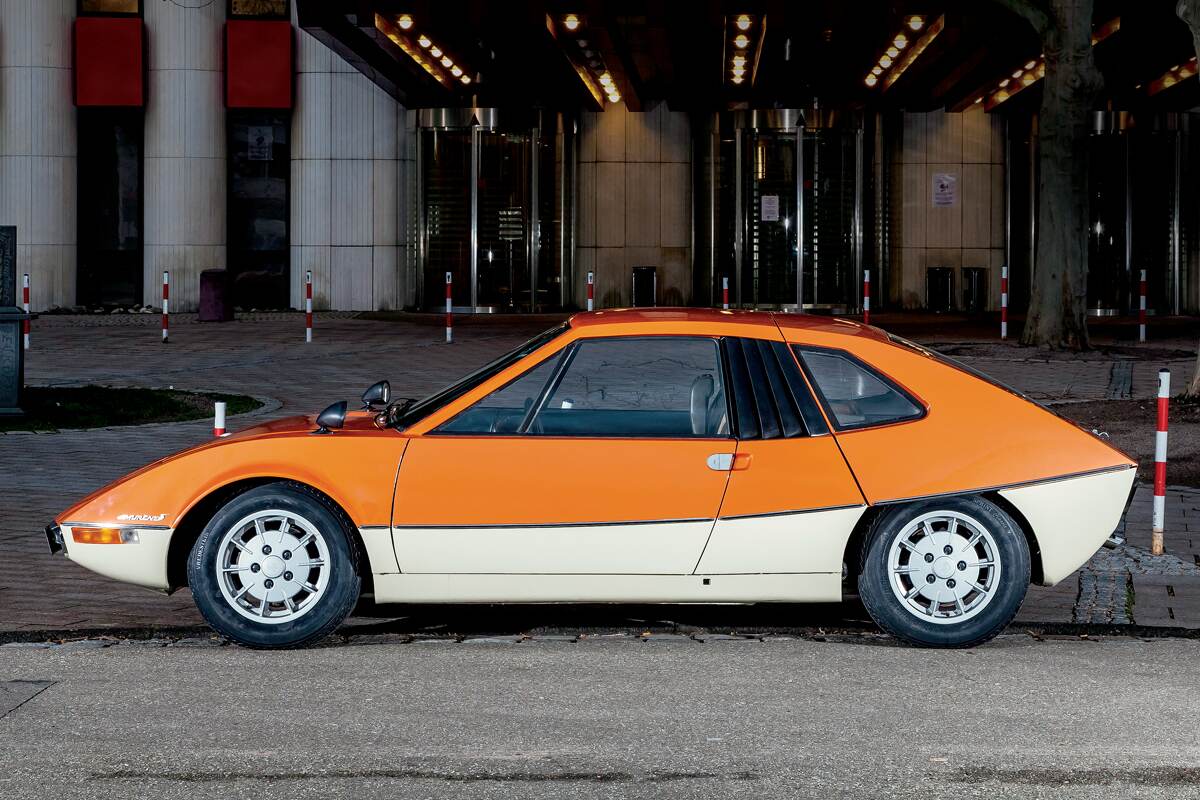
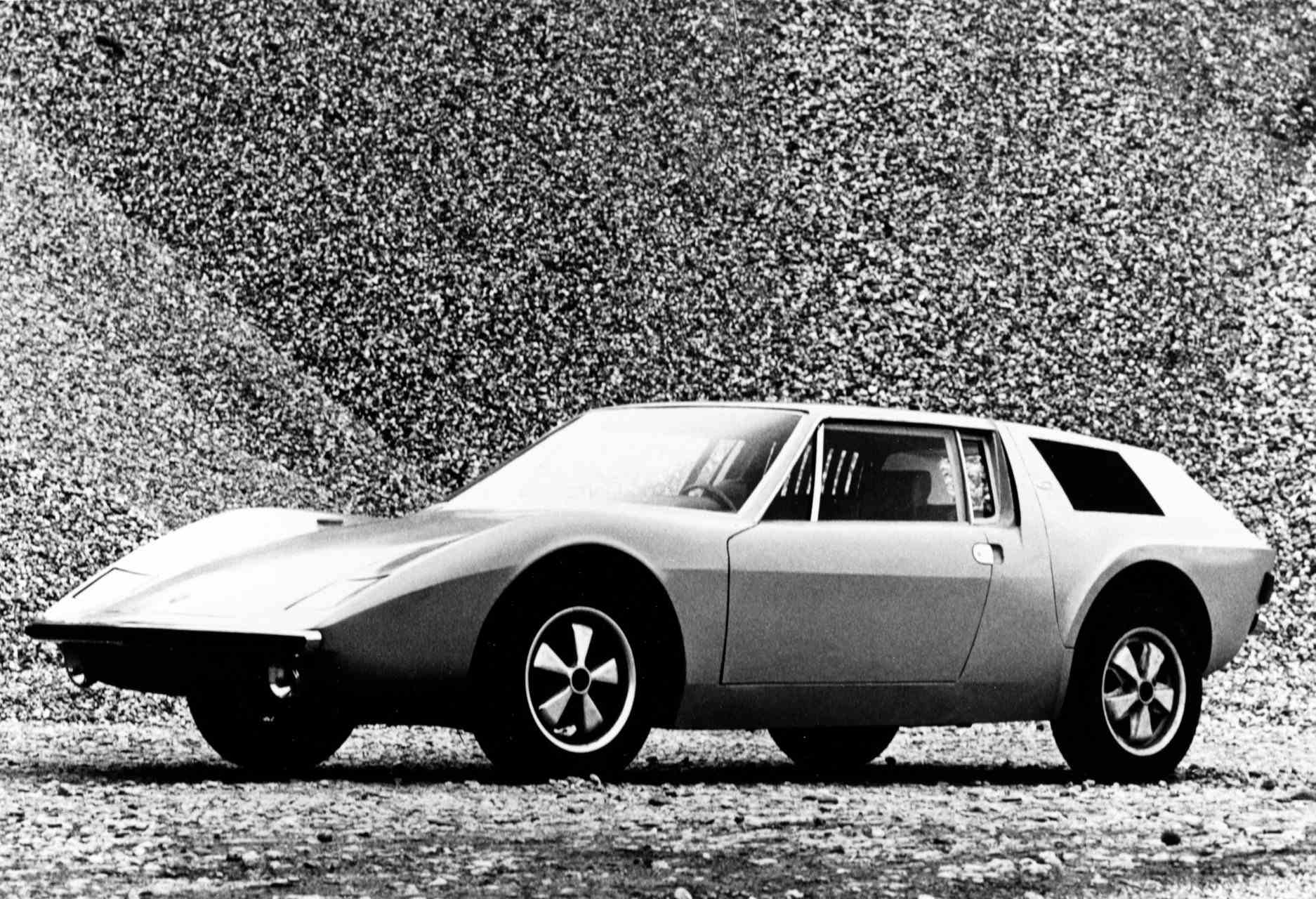
Stripping away the complex corporate politics reveals the Porsche 914 as an absolute masterclass in mid-century automotive packaging and chassis dynamics. Designed primarily by Heinrich Klie, the 914 abandoned the sensual, plunging curves of the 911 in favor of a stark, utilitarian, and strikingly modern aesthetic. It was a low-slung, boxy dart, defined by its long wheelbase, incredibly short overhangs, pop-up headlights, and a distinctive, removable fiberglass Targa roof that could be neatly stowed in the rear trunk. The brilliance of Klie’s design was its sheer practicality; by placing the engine amidships, just behind the driver, the 914 boasted two surprisingly capacious trunks—one in the front and one in the rear. Mechanically, the 914 was split into two distinct personalities. The high-volume 914/4 was powered by Volkswagen’s new Type 4 air-cooled, fuel-injected flat-four engine, initially displacing 1.7 liters and later evolving into 1.8 and 2.0-liter variants, producing up to 100 horsepower. But the crown jewel for purists was the rare 914/6. This variant utilized the glorious 2.0-liter, 110-horsepower flat-six engine lifted directly from the Porsche 911 T, mated to the proven Type 901 five-speed transaxle with its racing-style “dog-leg” first gear. Regardless of the engine, the true magic of the 914 lay in its chassis. The mid-engine layout provided a near-perfect 46/54 weight distribution and a phenomenally low center of gravity. Suspended by McPherson struts up front and semi-trailing arms in the rear, the 914 eradicated the terrifying, pendulum-like snap-oversteer that plagued early 911s. It offered surgical, kart-like handling, allowing drivers to carry immense momentum through corners with absolute, unwavering confidence. Stopping power was provided by four-wheel disc brakes, a highly sophisticated feature for an entry-level sports car of that era. Inside, the cabin was spartan and functional, dominated by a trio of VDO gauges and a low, purposeful driving position that made the driver feel intrinsically hardwired to the tarmac.
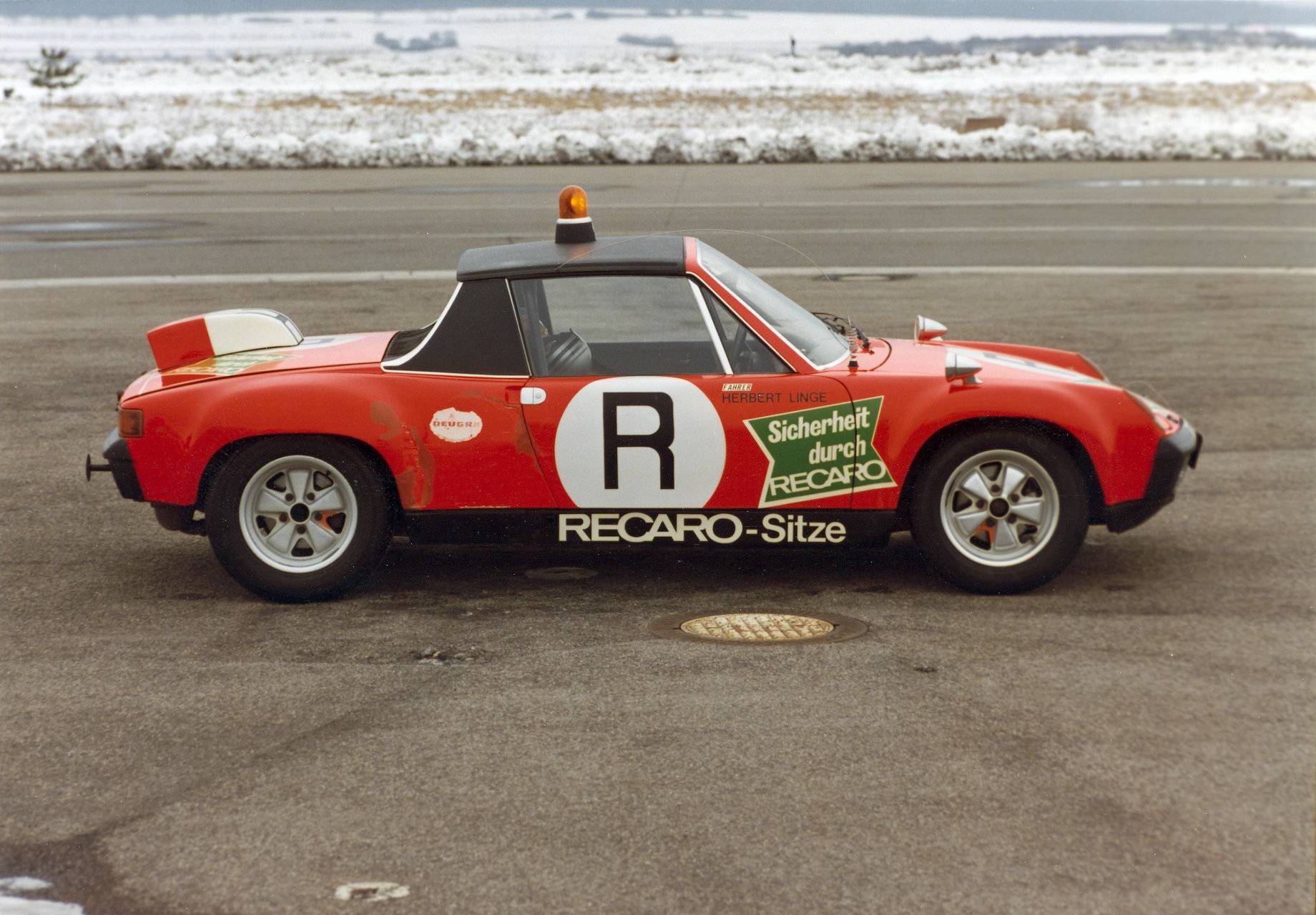
The historical footprint of the Porsche 914 is a compelling tale of overwhelming commercial success juxtaposed with a hard-fought battle for motorsport respect. On the showroom floor, the 914 was an absolute triumph. Despite the European “VoPo” (Volks-Porsche) stigma, it became Porsche’s top-selling model during its production run, moving over 118,000 units globally and effectively keeping the company financially buoyant. In the crucial North American market, it was wisely badged and sold strictly as a Porsche, where it gained a massive, loyal following among enthusiasts who recognized its supreme handling capabilities. However, it was on the racetrack where the 914 truly validated its Porsche crest. The factory developed the 914/6 GT, a widened, stripped-out, 210-horsepower homologation special that terrorized the international endurance racing circuit. The car’s absolute zenith occurred at the 1970 24 Hours of Le Mans. While the titanic Porsche 917s battled the Ferrari 512s for the overall win, a privately entered, factory-supported 914/6 GT driven by Claude Ballot-Léna and Guy Chasseuil ran a flawless, metronomic race. In torrential rain, the perfectly balanced, mid-engined underdog outlasted and out-cornered vastly more powerful machinery, finishing an astonishing 6th overall and comprehensively winning the GT class. Just weeks later, a trio of 914/6 GTs utterly dominated the gruelling 84-hour Marathon de la Route at the Nürburgring Nordschleife, crossing the line in an orchestrated 1-2-3 sweep. The chassis was so inherently capable that Ferdinand Piëch even commissioned two experimental 914/8 prototypes, shoehorning a 300-horsepower flat-eight racing engine from the 908 prototype into the tiny bay, proving that the 914 could handle virtually anything Stuttgart could throw at it.
The legacy of the Porsche 914 Model Line is one of ultimate vindication. For decades, it was unfairly maligned by certain purists who could not look past its Volkswagen ties or its unconventional, boxy silhouette. When it was finally discontinued in 1976 to make way for the front-engined, water-cooled 924, it seemed the mid-engine Porsche experiment had concluded. Yet, time has proven the 914 to be a visionary masterpiece. It democratized Porsche’s engineering brilliance, introducing an entire generation to the sublime, uncorrupted balance of a mid-engine chassis.
Portal
Model line
Model generation
Predecessor
Sucessor
Brand
Produced from
Vehicle category
Portal
Model line
Model generation
Predecessor
Sucessor
Model Overview
To fully grasp the fascinating, often misunderstood genesis of the Porsche 914, one must step into the complex boardroom dynamics of the late 1960s German automotive industry. Porsche, riding high on the undeniable brilliance of the 911, faced a looming commercial dilemma. Their entry-level offering, the four-cylinder 912, was fundamentally an aging 911 body saddled with the antiquated pushrod engine of the 356. It was becoming too expensive to manufacture alongside the flagship six-cylinder cars, leaving Porsche vulnerable at the lower end of the market. Concurrently, the giant in Wolfsburg, Volkswagen, desperately needed a modern, halo sports car to replace the aging, albeit charming, Karmann Ghia. Recognizing their mutual needs, Ferry Porsche and Volkswagen’s managing director, Heinz Nordhoff, struck a pragmatic gentlemen’s agreement over a handshake. They would collaboratively design a brand-new, mid-engined sports car: VW would sell the four-cylinder versions, and Porsche would market a six-cylinder variant. However, Nordhoff’s sudden death in 1968 threw the project into chaos. His successor, Kurt Lotz, lacked the familial ties to the Porsche dynasty and demanded a more rigid, less favorable corporate restructuring. The resulting compromise birthed the “VW-Porsche” brand in Europe—a badge engineering decision that initially clouded the car’s pedigree. Yet, when the Porsche 914 finally debuted at the 1969 Frankfurt Motor Show, it boldly stepped into a fiercely contested arena. It challenged traditional, front-engined British roadsters like the Triumph TR6 and MGB, while establishing a sophisticated, mid-engined benchmark against emerging Italian wedge experiments like the Fiat X1/9.
Stripping away the complex corporate politics reveals the Porsche 914 as an absolute masterclass in mid-century automotive packaging and chassis dynamics. Designed primarily by Heinrich Klie, the 914 abandoned the sensual, plunging curves of the 911 in favor of a stark, utilitarian, and strikingly modern aesthetic. It was a low-slung, boxy dart, defined by its long wheelbase, incredibly short overhangs, pop-up headlights, and a distinctive, removable fiberglass Targa roof that could be neatly stowed in the rear trunk. The brilliance of Klie’s design was its sheer practicality; by placing the engine amidships, just behind the driver, the 914 boasted two surprisingly capacious trunks—one in the front and one in the rear. Mechanically, the 914 was split into two distinct personalities. The high-volume 914/4 was powered by Volkswagen’s new Type 4 air-cooled, fuel-injected flat-four engine, initially displacing 1.7 liters and later evolving into 1.8 and 2.0-liter variants, producing up to 100 horsepower. But the crown jewel for purists was the rare 914/6. This variant utilized the glorious 2.0-liter, 110-horsepower flat-six engine lifted directly from the Porsche 911 T, mated to the proven Type 901 five-speed transaxle with its racing-style “dog-leg” first gear. Regardless of the engine, the true magic of the 914 lay in its chassis. The mid-engine layout provided a near-perfect 46/54 weight distribution and a phenomenally low center of gravity. Suspended by McPherson struts up front and semi-trailing arms in the rear, the 914 eradicated the terrifying, pendulum-like snap-oversteer that plagued early 911s. It offered surgical, kart-like handling, allowing drivers to carry immense momentum through corners with absolute, unwavering confidence. Stopping power was provided by four-wheel disc brakes, a highly sophisticated feature for an entry-level sports car of that era. Inside, the cabin was spartan and functional, dominated by a trio of VDO gauges and a low, purposeful driving position that made the driver feel intrinsically hardwired to the tarmac.
The historical footprint of the Porsche 914 is a compelling tale of overwhelming commercial success juxtaposed with a hard-fought battle for motorsport respect. On the showroom floor, the 914 was an absolute triumph. Despite the European “VoPo” (Volks-Porsche) stigma, it became Porsche’s top-selling model during its production run, moving over 118,000 units globally and effectively keeping the company financially buoyant. In the crucial North American market, it was wisely badged and sold strictly as a Porsche, where it gained a massive, loyal following among enthusiasts who recognized its supreme handling capabilities. However, it was on the racetrack where the 914 truly validated its Porsche crest. The factory developed the 914/6 GT, a widened, stripped-out, 210-horsepower homologation special that terrorized the international endurance racing circuit. The car’s absolute zenith occurred at the 1970 24 Hours of Le Mans. While the titanic Porsche 917s battled the Ferrari 512s for the overall win, a privately entered, factory-supported 914/6 GT driven by Claude Ballot-Léna and Guy Chasseuil ran a flawless, metronomic race. In torrential rain, the perfectly balanced, mid-engined underdog outlasted and out-cornered vastly more powerful machinery, finishing an astonishing 6th overall and comprehensively winning the GT class. Just weeks later, a trio of 914/6 GTs utterly dominated the gruelling 84-hour Marathon de la Route at the Nürburgring Nordschleife, crossing the line in an orchestrated 1-2-3 sweep. The chassis was so inherently capable that Ferdinand Piëch even commissioned two experimental 914/8 prototypes, shoehorning a 300-horsepower flat-eight racing engine from the 908 prototype into the tiny bay, proving that the 914 could handle virtually anything Stuttgart could throw at it.
The legacy of the Porsche 914 Model Line is one of ultimate vindication. For decades, it was unfairly maligned by certain purists who could not look past its Volkswagen ties or its unconventional, boxy silhouette. When it was finally discontinued in 1976 to make way for the front-engined, water-cooled 924, it seemed the mid-engine Porsche experiment had concluded. Yet, time has proven the 914 to be a visionary masterpiece. It democratized Porsche’s engineering brilliance, introducing an entire generation to the sublime, uncorrupted balance of a mid-engine chassis.
Submodels