
BMW 635 CSi Group A


Brand
Produced from
Portal
Vehicle category
Model line
Model generation
Predecessor
Successor
Submodel Overview
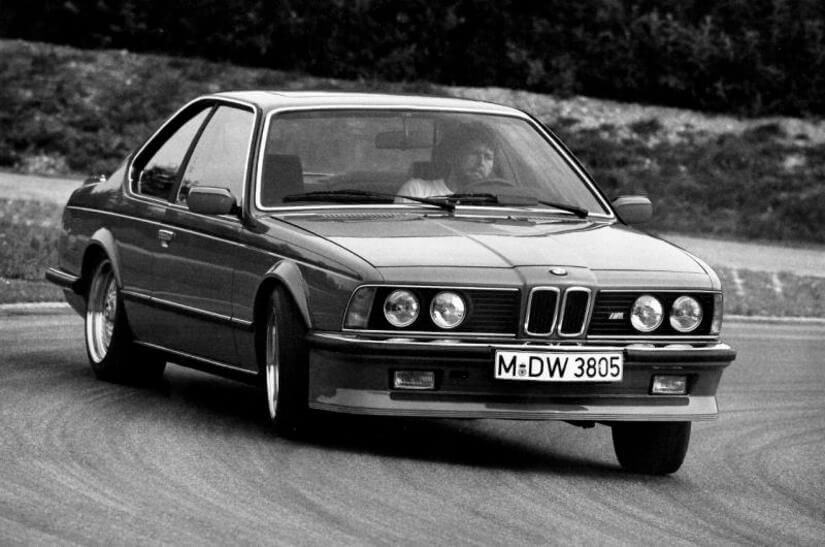
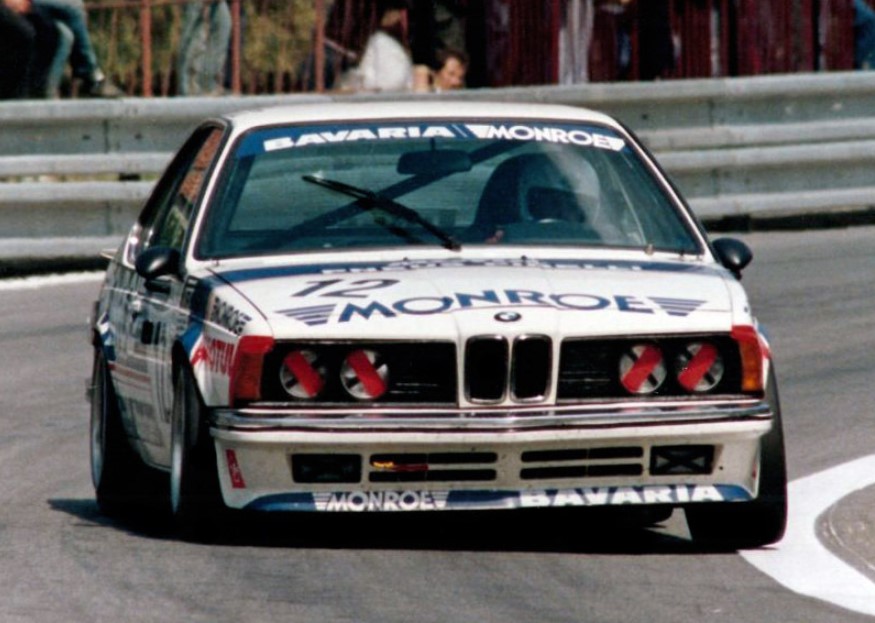
The 3.0 CSL “Batmobile” was a legend, but by the dawn of the 1A. It was a winged, specialized, Group 2 “homologation special.” The sport was changing, moving towards the new, production-based Group A regulations. BMW’s new grand tourer, the magnificent E24 6 Series, was a car of grace and autobahn-crushing power, but it was a heavy, luxurious machine. It seemed an unlikely candidate for a touring car war, especially when its predecessor was an aluminium-doored lightweight. But BMW M, and the privateer wizards at Schnitzer and Hartge, saw the “Shark’s” potential. They saw its unburstable M30 engine and its brilliant chassis. The 1982 BMW 635 CSi Group A was born, not from a designer’s flight of fancy, but from the need to create a tough, reliable, and powerful brawler.
This car was not built to fight small, nimble Alfas. It was built to fight monsters. Its arrival on the ETCC grid was the start of a new, glorious, “big-engine” war. Its rivals were a pantheon of 1980s muscle: the thundering, 5.3-litre, V12-powered Jaguar XJ-S, run by the meticulous TWR. It was the brutish, 3.5-litre V8-powered Rover SD1 Vitesse, also run by TWR. And soon, it would be the boxy, whistling Volvo 240 Turbo, “The Flying Brick.” This was Division 3, the top class, a thunderous battle of disparate engineering philosophies: a German straight-six, a British V8, a British V12, and a Swedish turbo-four.
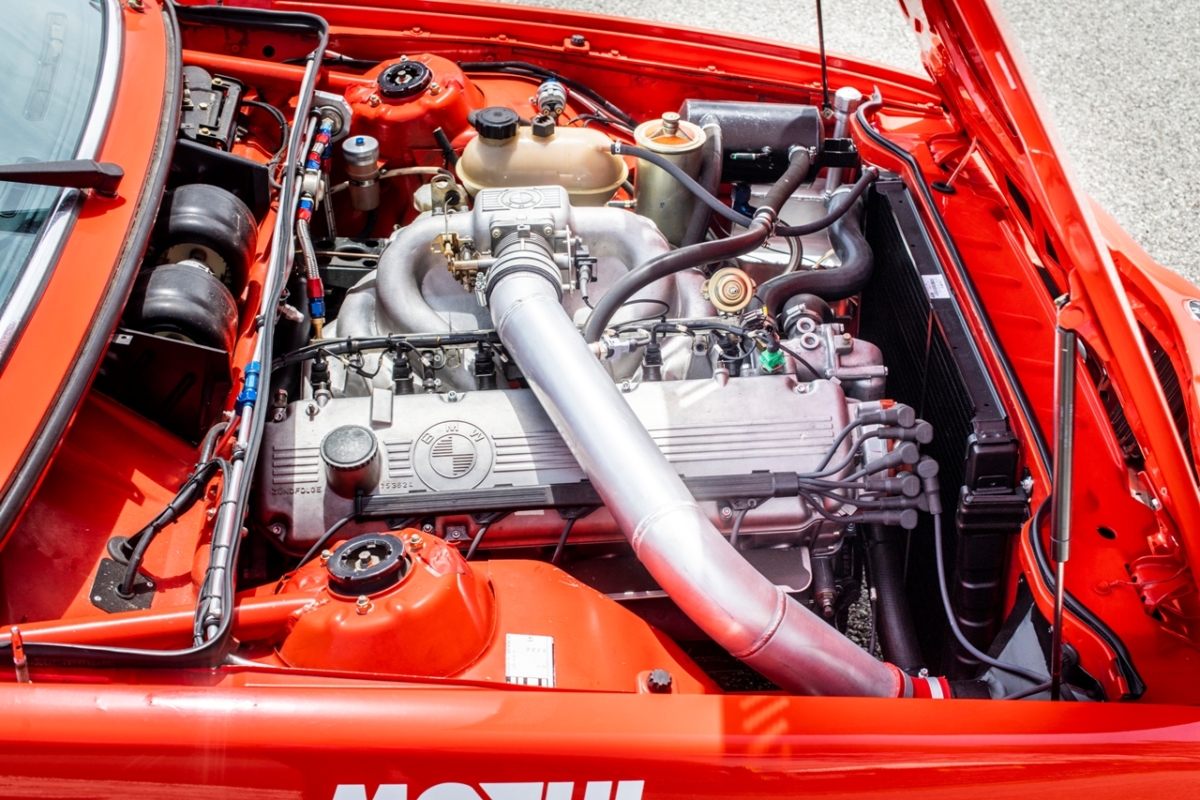
The genius of the Group A 635 CSi was its “production” heart. Unlike the CSL, this was a real 635. The regulations demanded it. The car retained its standard, Karmann-built steel body shell. The heavy, luxurious glass windows and electric motors stayed. The full dashboard remained. A roll cage was simply threaded through the opulent, leather-trimmed cabin. This was a 1,300kg heavyweight, but it was a heavyweight with a 12-valve, single-overhead-cam secret weapon: the M30B34 engine. This 3.5-litre straight-six was not a high-strung, 24-valve screamer like the M1’s M88 (which would later appear in the road-going M635CSi); it was a tractor-tough, torque-laden workhorse. The M division and tuners like Schnitzer took this magnificent lump, blueprinted it, fitted a forged crank, higher-compression pistons, a wilder camshaft, and a set of slide-throttles or a massive single throttle body for the Bosch fuel injection. The result was a reliable 300 hp, with a powerband as wide as the car itself.
This engine was mated to a 5-speed Getrag “dog-leg” gearbox and a robust limited-slip differential. The E24’s 5-Series-derived chassis (MacPherson strut front, semi-trailing arm rear) was its other great asset. With solid bushings, rock-hard Bilstein dampers, and enormous anti-roll bars, the car’s handling defied its size. It would corner with a characteristic, elegant, three-wheel “hike,” the inside front wheel lifting slightly, its M30 engine singing a clear, creamy, straight-six howl that provided a perfect tenor to the V8’s bass-line rumble.
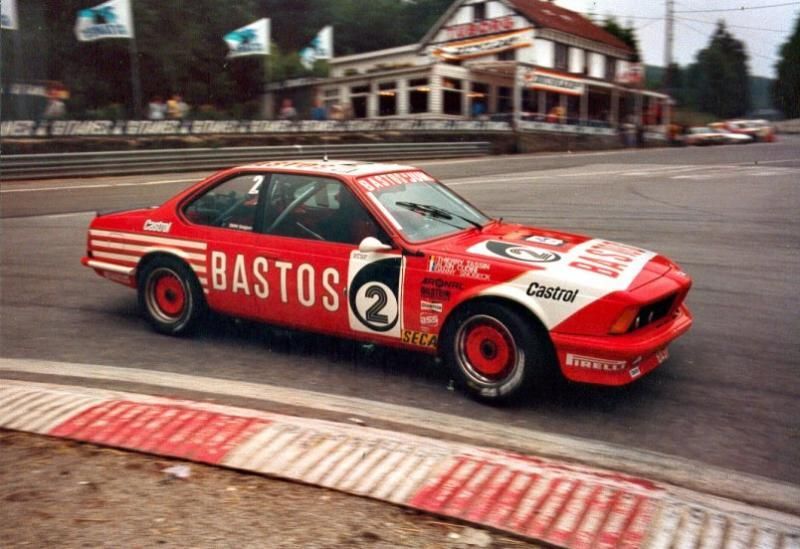
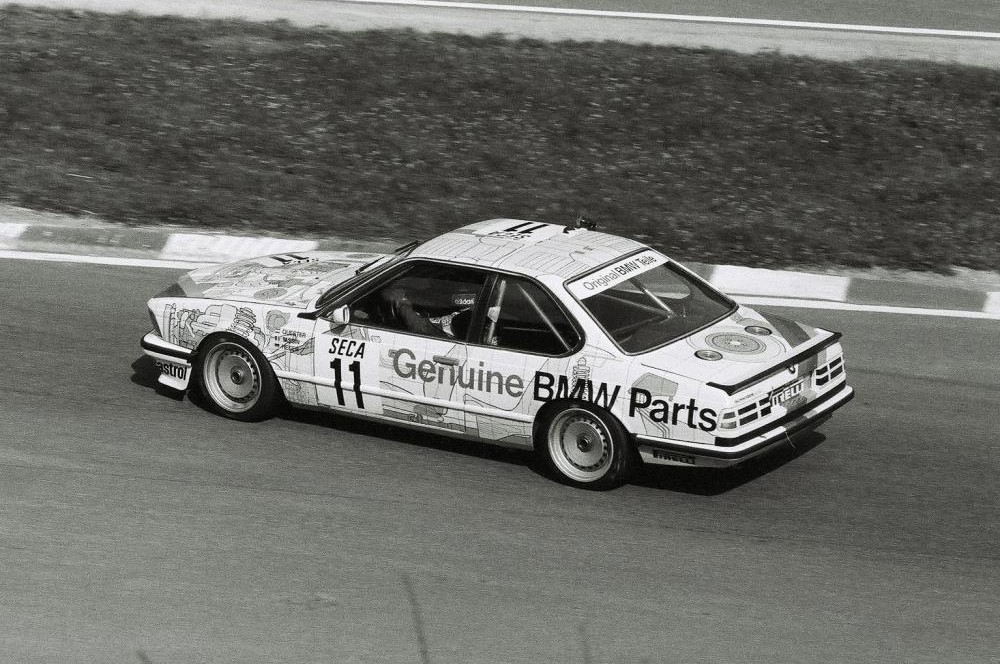
The 635 CSi Group A’s history is one of relentless, consistent, and brutal success. It was the ultimate privateer’s car. It was fast, it was predictable, and, crucially, it did not break. While the more-exotic Jaguars and Rovers often fell by the wayside, the “Shark” would just keep coming. Its defining battleground was the 24 Hours of Spa. This was the race that mattered. In 1983, a Schnitzer-run 635 CSi (driven by Hans-Joachim Stuck, Thierry Tassin, and Dieter Quester) outlasted the TWR Jaguars and Rovers to take a stunning overall victory. It was a triumph of reliability over pure speed. The car was so good, so dominant in the hands of privateers, that it won the 1983 European Touring Car Championship driver’s title (with Dieter Quester).
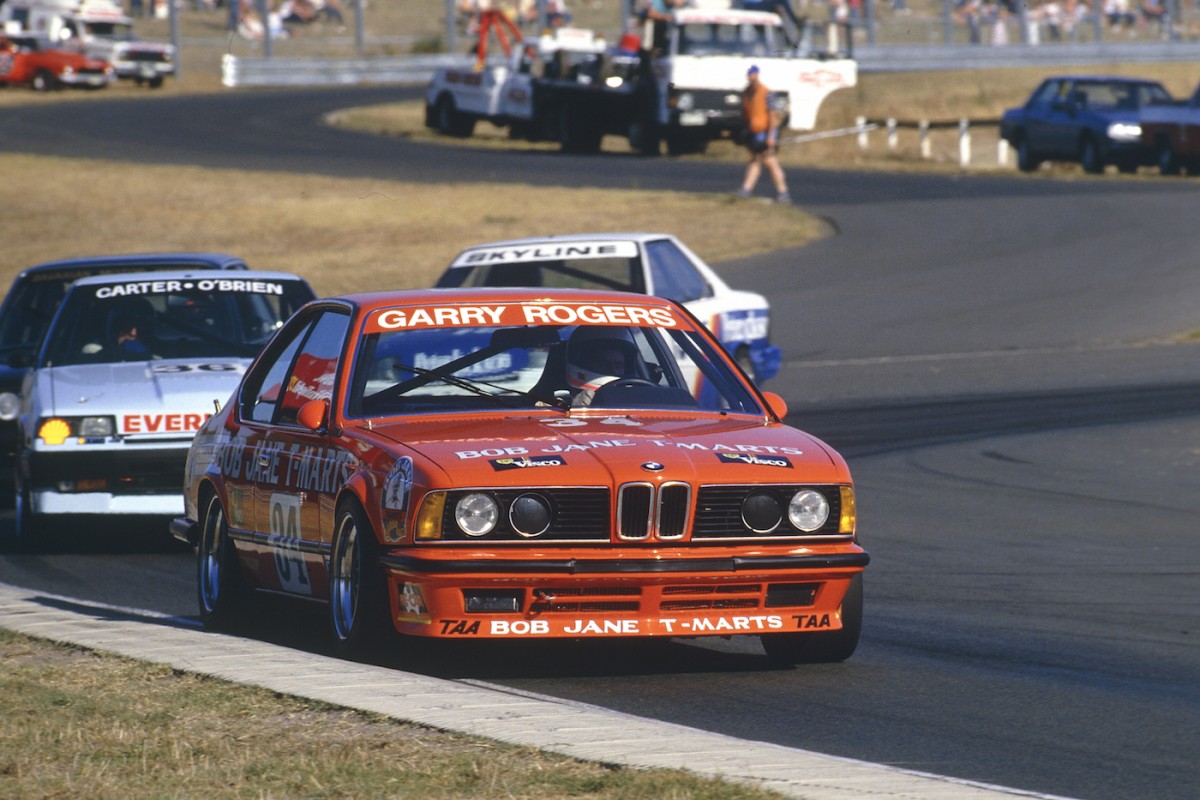
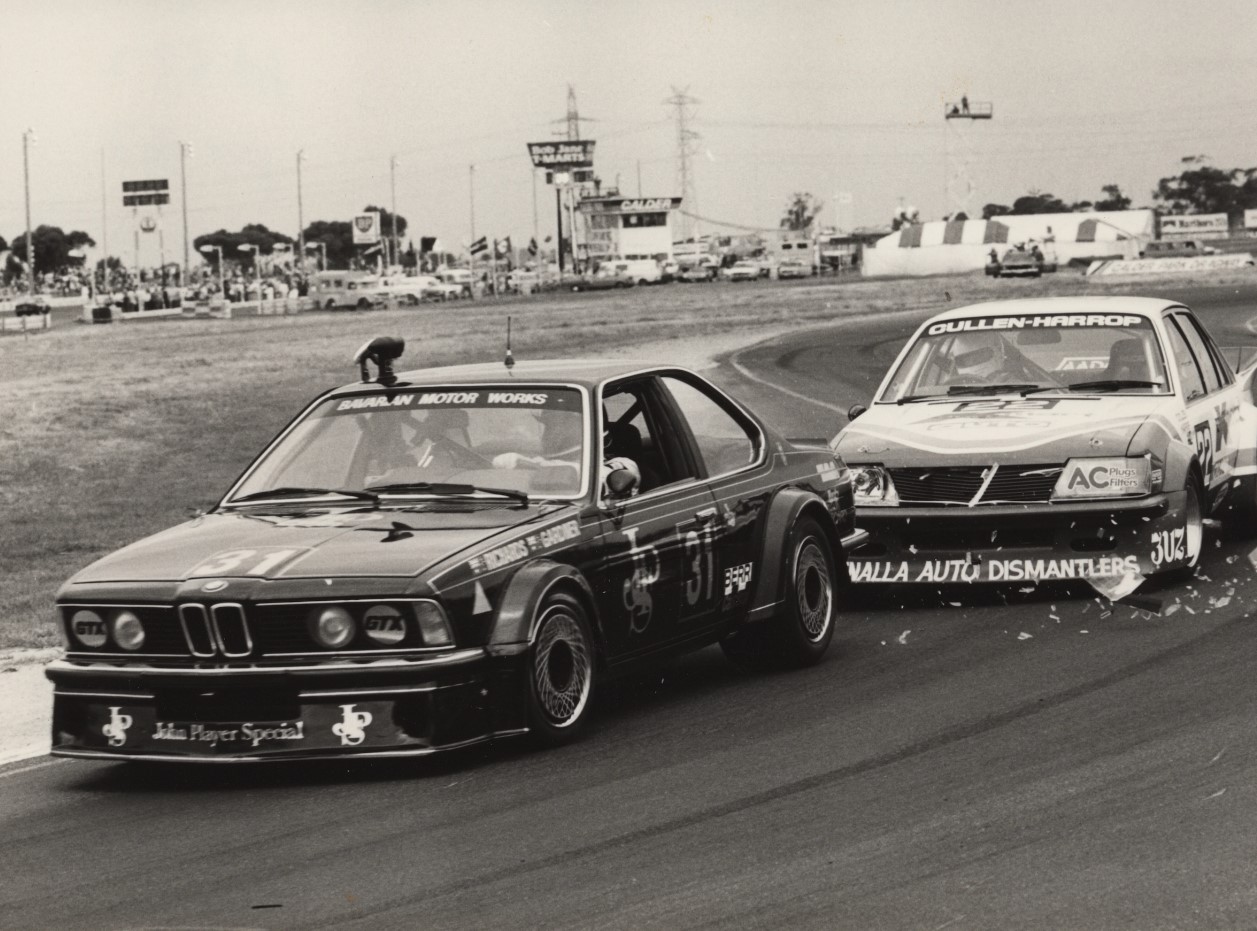
But its greatest period was yet to come. It won the 24 Hours of Nürburgring back-to-back in 1984 and 1985. It returned to Spa in 1985 and won again. It won again in 1986. Three victories at Spa, in the most competitive era of touring car racing, was a legendary feat. Its success was global. In Australia, the iconic, black-and-gold “JPS” 635 CSi, driven by the masterful Jim Richards, was a god-like machine. Richards wrestled the big coupé around the tight, bumpy Australian circuits, winning the Australian Touring Car Championship in 1985.
The 635 CSi Group A was the last of the “big coupés” to dominate touring car racing. By 1986, its reign was coming to an end. It was out-gunned by the new, lightweight, 500-hp Ford Sierra RS500 “Turbo” and, in a case of internal assassination, its own, smaller, more nimble stablemate: the E30 M3. The 635 CSi was the M3’s “big brother,” the car that held the line for BMW, the car that fought the V8s and V12s while the “wunderkind” was being prepared. It was a bridge between the “Batmobile” and the M3, a car that proved a luxurious, 1,300kg grand tourer could be a tough, reliable, and utterly dominant world champion.
Brand
Produced from
Portal
Vehicle category
Model line
Predecessor
Sucessor
Brand
Produced from
Portal
Vehicle category
Model line
Model generation
Predecessor
Sucessor
Submodel Overview
The 3.0 CSL “Batmobile” was a legend, but by the dawn of the 1A. It was a winged, specialized, Group 2 “homologation special.” The sport was changing, moving towards the new, production-based Group A regulations. BMW’s new grand tourer, the magnificent E24 6 Series, was a car of grace and autobahn-crushing power, but it was a heavy, luxurious machine. It seemed an unlikely candidate for a touring car war, especially when its predecessor was an aluminium-doored lightweight. But BMW M, and the privateer wizards at Schnitzer and Hartge, saw the “Shark’s” potential. They saw its unburstable M30 engine and its brilliant chassis. The 1982 BMW 635 CSi Group A was born, not from a designer’s flight of fancy, but from the need to create a tough, reliable, and powerful brawler.
This car was not built to fight small, nimble Alfas. It was built to fight monsters. Its arrival on the ETCC grid was the start of a new, glorious, “big-engine” war. Its rivals were a pantheon of 1980s muscle: the thundering, 5.3-litre, V12-powered Jaguar XJ-S, run by the meticulous TWR. It was the brutish, 3.5-litre V8-powered Rover SD1 Vitesse, also run by TWR. And soon, it would be the boxy, whistling Volvo 240 Turbo, “The Flying Brick.” This was Division 3, the top class, a thunderous battle of disparate engineering philosophies: a German straight-six, a British V8, a British V12, and a Swedish turbo-four.
The genius of the Group A 635 CSi was its “production” heart. Unlike the CSL, this was a real 635. The regulations demanded it. The car retained its standard, Karmann-built steel body shell. The heavy, luxurious glass windows and electric motors stayed. The full dashboard remained. A roll cage was simply threaded through the opulent, leather-trimmed cabin. This was a 1,300kg heavyweight, but it was a heavyweight with a 12-valve, single-overhead-cam secret weapon: the M30B34 engine. This 3.5-litre straight-six was not a high-strung, 24-valve screamer like the M1’s M88 (which would later appear in the road-going M635CSi); it was a tractor-tough, torque-laden workhorse. The M division and tuners like Schnitzer took this magnificent lump, blueprinted it, fitted a forged crank, higher-compression pistons, a wilder camshaft, and a set of slide-throttles or a massive single throttle body for the Bosch fuel injection. The result was a reliable 300 hp, with a powerband as wide as the car itself.
This engine was mated to a 5-speed Getrag “dog-leg” gearbox and a robust limited-slip differential. The E24’s 5-Series-derived chassis (MacPherson strut front, semi-trailing arm rear) was its other great asset. With solid bushings, rock-hard Bilstein dampers, and enormous anti-roll bars, the car’s handling defied its size. It would corner with a characteristic, elegant, three-wheel “hike,” the inside front wheel lifting slightly, its M30 engine singing a clear, creamy, straight-six howl that provided a perfect tenor to the V8’s bass-line rumble.
The 635 CSi Group A’s history is one of relentless, consistent, and brutal success. It was the ultimate privateer’s car. It was fast, it was predictable, and, crucially, it did not break. While the more-exotic Jaguars and Rovers often fell by the wayside, the “Shark” would just keep coming. Its defining battleground was the 24 Hours of Spa. This was the race that mattered. In 1983, a Schnitzer-run 635 CSi (driven by Hans-Joachim Stuck, Thierry Tassin, and Dieter Quester) outlasted the TWR Jaguars and Rovers to take a stunning overall victory. It was a triumph of reliability over pure speed. The car was so good, so dominant in the hands of privateers, that it won the 1983 European Touring Car Championship driver’s title (with Dieter Quester).
But its greatest period was yet to come. It won the 24 Hours of Nürburgring back-to-back in 1984 and 1985. It returned to Spa in 1985 and won again. It won again in 1986. Three victories at Spa, in the most competitive era of touring car racing, was a legendary feat. Its success was global. In Australia, the iconic, black-and-gold “JPS” 635 CSi, driven by the masterful Jim Richards, was a god-like machine. Richards wrestled the big coupé around the tight, bumpy Australian circuits, winning the Australian Touring Car Championship in 1985.
The 635 CSi Group A was the last of the “big coupés” to dominate touring car racing. By 1986, its reign was coming to an end. It was out-gunned by the new, lightweight, 500-hp Ford Sierra RS500 “Turbo” and, in a case of internal assassination, its own, smaller, more nimble stablemate: the E30 M3. The 635 CSi was the M3’s “big brother,” the car that held the line for BMW, the car that fought the V8s and V12s while the “wunderkind” was being prepared. It was a bridge between the “Batmobile” and the M3, a car that proved a luxurious, 1,300kg grand tourer could be a tough, reliable, and utterly dominant world champion.
Tech Specs
Technical Specifications
Tech Specs
Technical Specifications
Engine
01
03
Internal combustion engine
Configuration
BMW M30B34, Inline-6
Location
Front, longitudinally mounted
Construction
Iron cast block and aluminium alloy head
Displacement (cc)
3,475 cc
Displacement (cu in)
212 cu in
Compression
-
Bore x Stroke
92.6 mm x 86.0 mm
Valvetrain
2 valves per cylinder, SOHC
Fuel feed
Bosch Fuel Injection
Lubrication
-
Aspiration
Naturally aspirated
Output
Power (hp)
295 hp
Power (kW)
220 kW
Max power at
6,900 RPM
Torque (Nm)
-
Torque (ft lbs)
-
Max torque at
-
Drivetrain
02
03
Chassis
Type
Monocoque unibody
Material
Steel
Body
Material
-
Transmission
Gearbox
5-speed manual
Drive
Rear Wheel Drive
Suspension
Front
-
Rear
-
Steering
Type
Rack and pinion
Brakes
Front
Ventilated discs Ø356 mm, 4-piston
Rear
Discs Ø280 mm, 4-piston
Wheels
Front
9.5 X 16
Rear
9.5 X 16
Tires
Front
Dunlop 250/610 R16
Rear
Dunlop 250/610 R16
Dimensions and performance
03
03
Dimensions
Length (mm)
-
Length (in)
-
Width (mm)
-
Width (in)
-
Height (mm)
-
Height (in)
-
Wheelbase (mm)
-
Wheelbase (in)
-
Weight (kg)
1,185 kg
Weight (lbs)
2,613 lbs
Performance
Power to weight
0.25 hp/kg
Top speed (km/h)
260 km/h
Top speed (mph)
162 mph
0-100 km/h (0-60 mph)
-