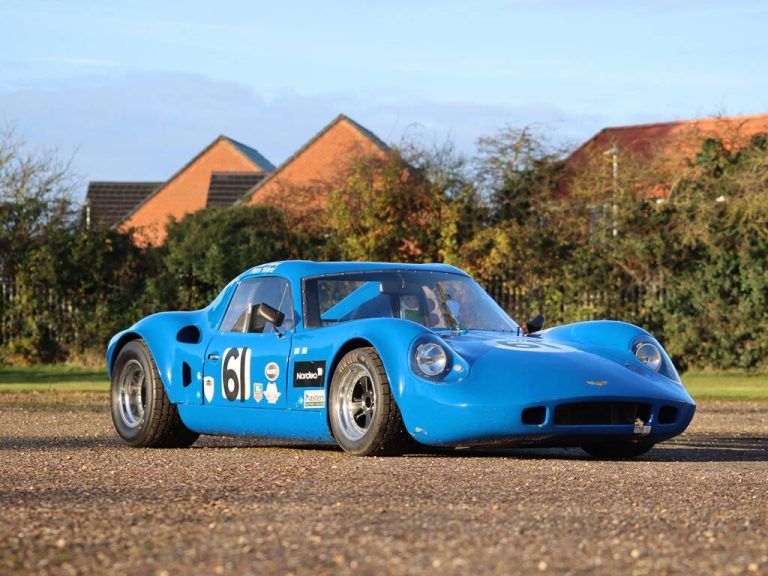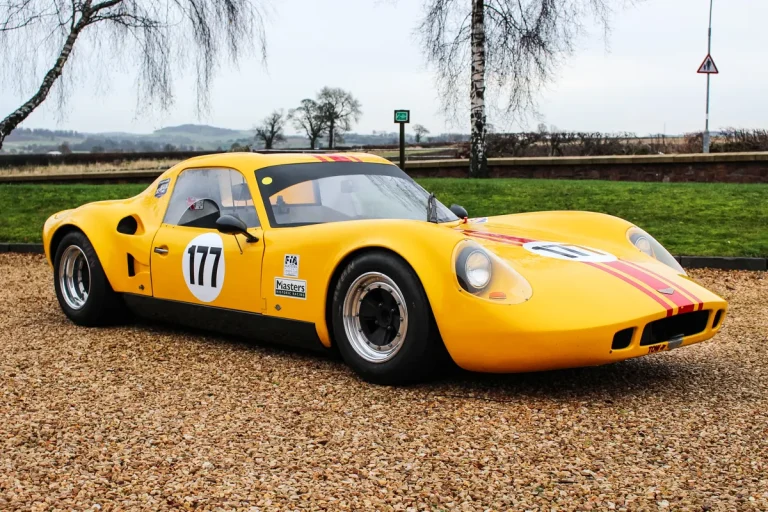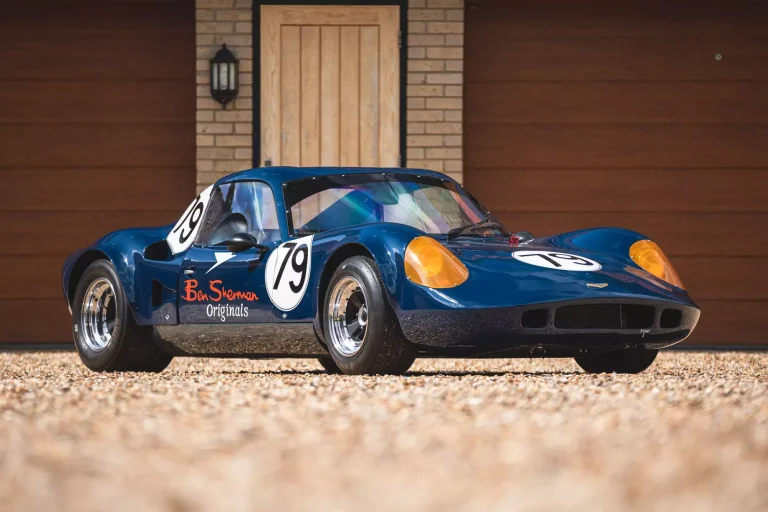
Chevron B8
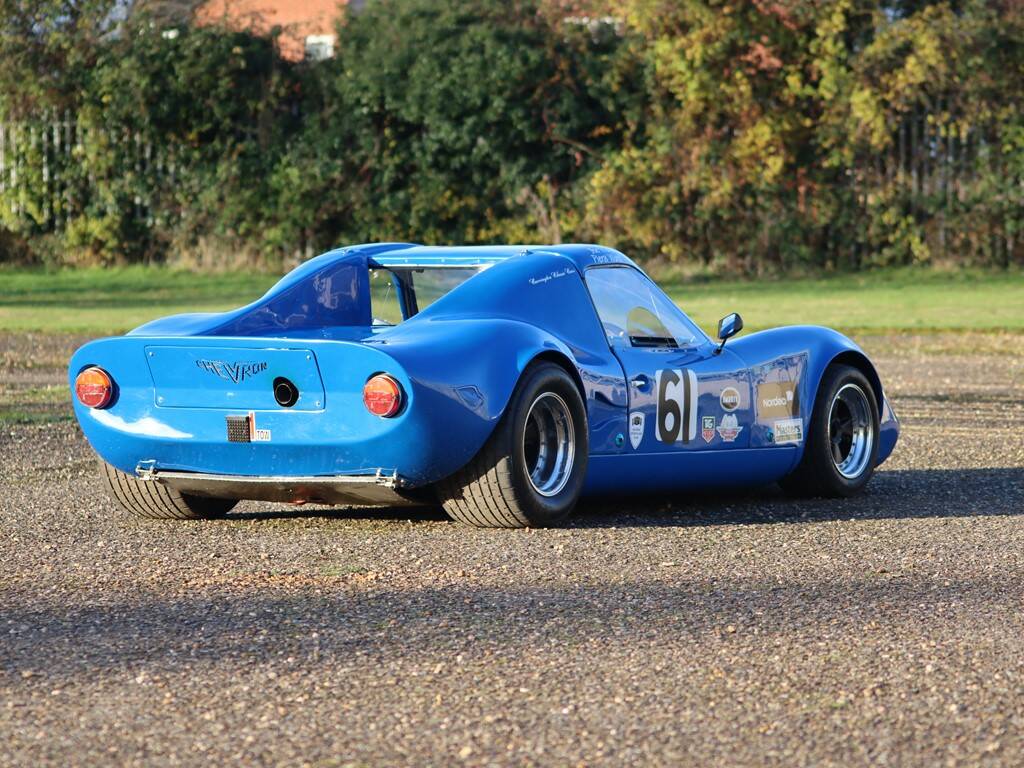
Brand
Produced from
Vehicle category
Portal
Model line
Model generation
Predecessor
Sucessor
Model Overview
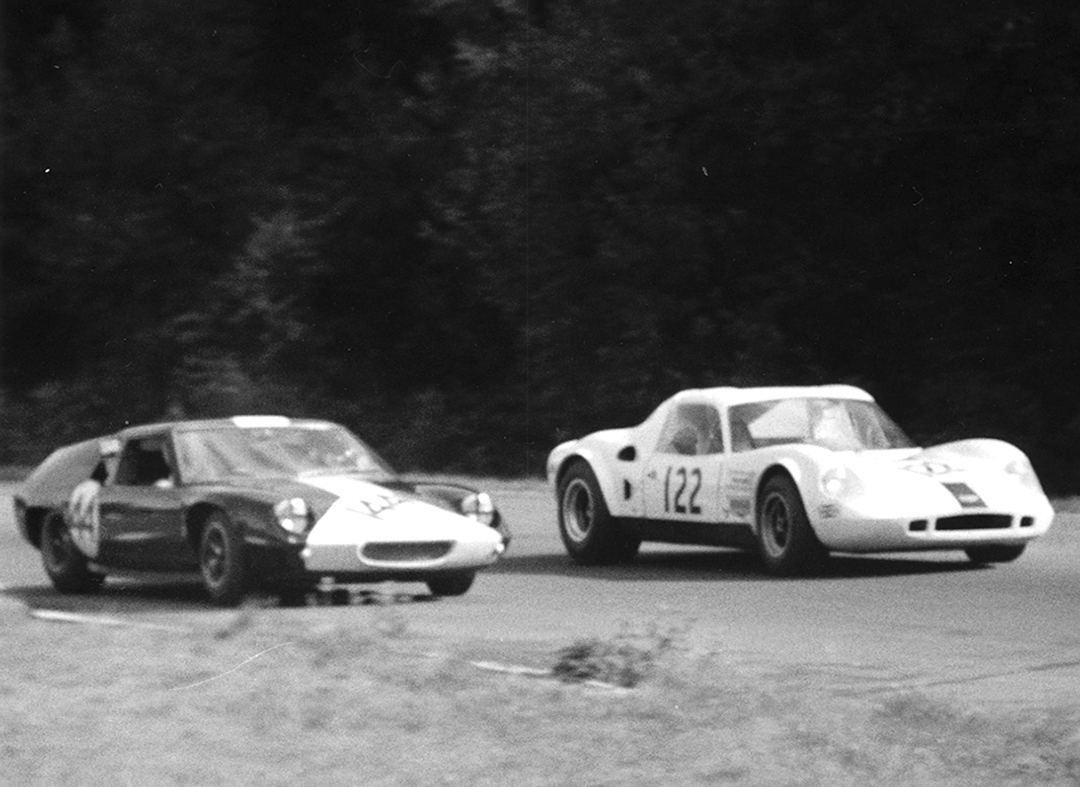
In the mid-1960s, a brilliant, self-taught engineer from Manchester named Derek Bennett was building a reputation. His philosophy was simple: build cars that were light, strong, beautiful, and, above all, forgiving to drive. His small company, Chevron, had found success with club racers, but with the 1968 Chevron B8, he created his first true masterpiece. This was not just another sports car; it was the ultimate privateer’s weapon, a “customer car” so brilliantly conceived and executed that it would go on to humiliate factory-backed Goliaths on the world’s most demanding circuits.
The B8 was born into the golden era of sports car racing, the 2.0-litre Group 4 class. This was a warzone. Its rivals were the thoroughbred, exotic, and expensive factory racers: the delicate Porsche 910 and its 906 predecessor, the screaming V8-powered Alfa Romeo Tipo 33/2, and the various Abarth 2000s. These were cars from automotive royal houses. The B8, by contrast, was the commoner’s champion, a car that, by its very design, invited the gentleman driver to take the fight to the professionals. It succeeded its B6 predecessor, but where the B6 was a stepping stone, the B8 was the definitive statement.
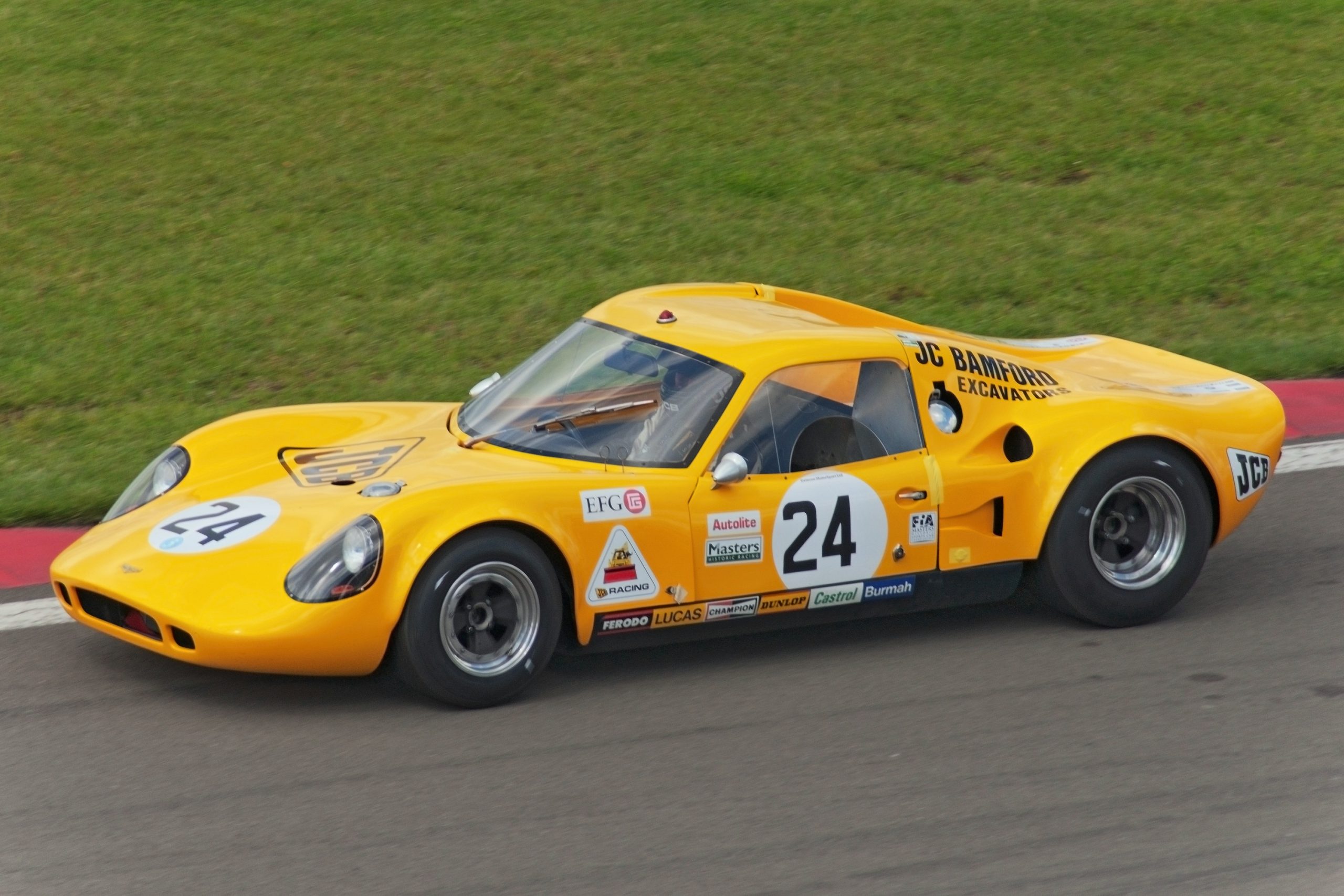
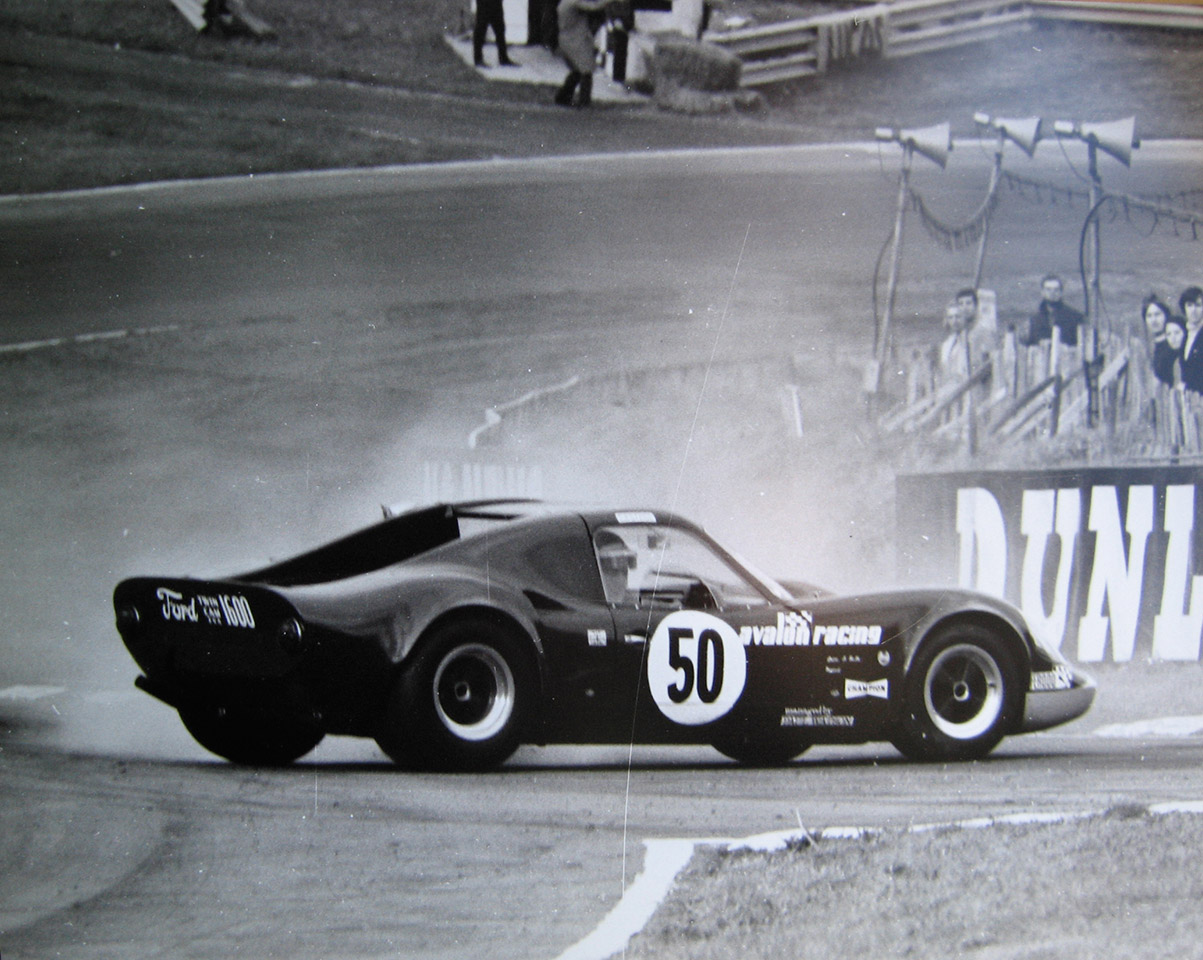
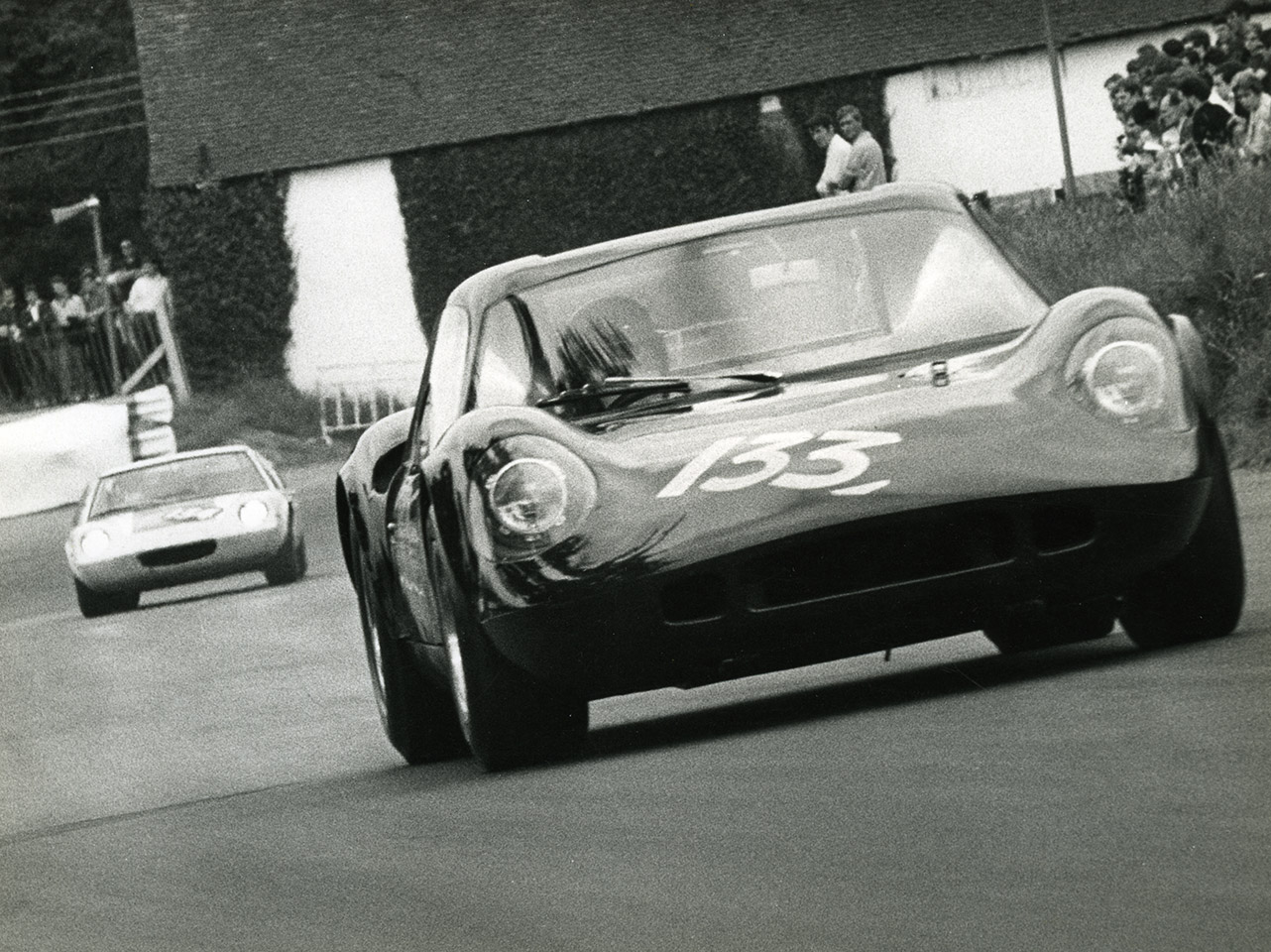
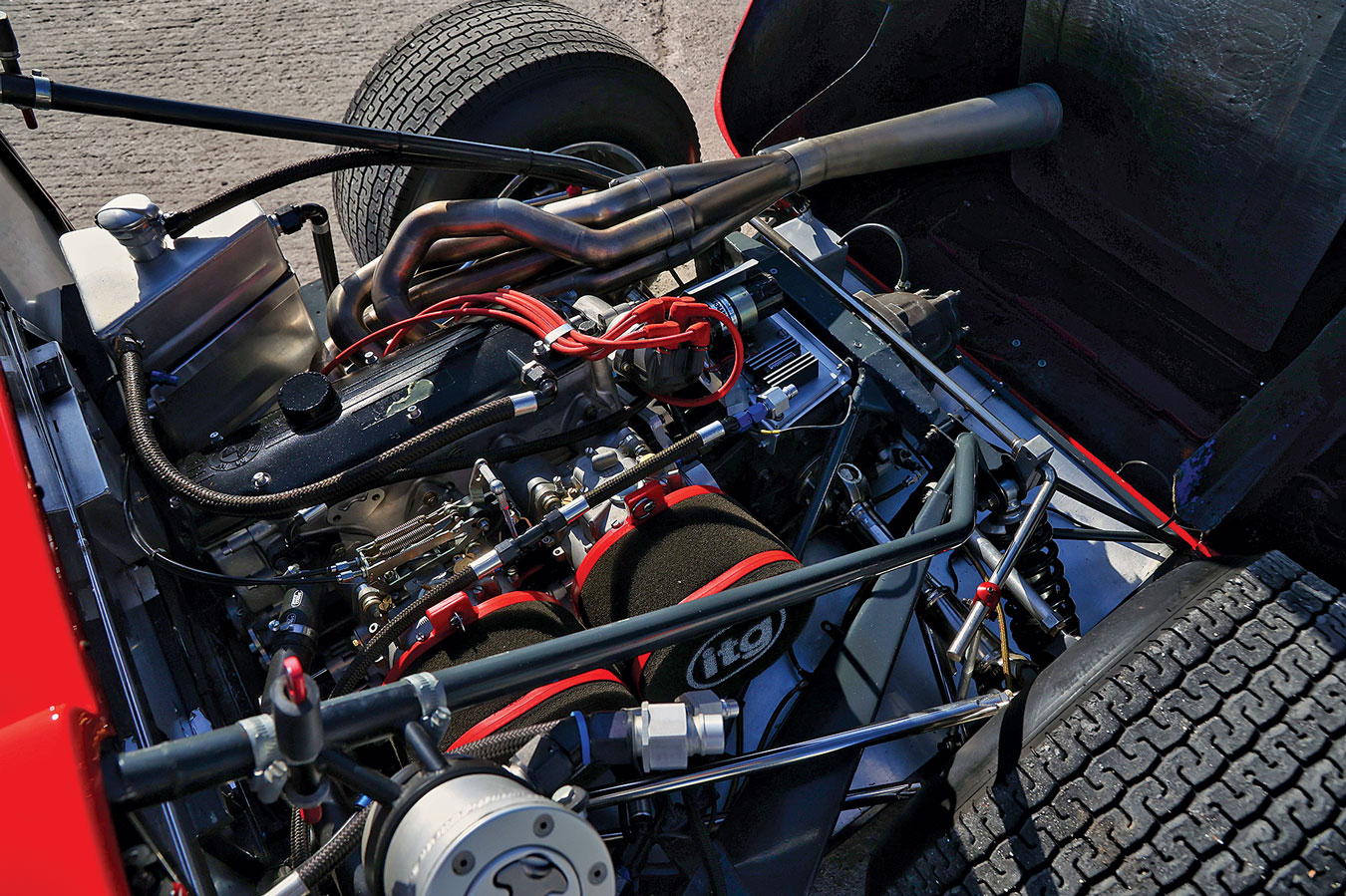
The B8’s genius was not in exotic, unobtainable technology, but in the perfection of known principles. The heart of the car was a robust, highly-rigid steel space frame chassis. While rivals were moving to complex aluminium monocoques—which were lighter but fragile and impossible for a small team to repair after a shunt—Bennett stuck with steel. His TIG-welded, multi-tubular frame was incredibly strong, provided a stiff platform for the suspension, and could be fixed in a team’s garage. This was the car’s most important, and most pragmatic, feature. Wrapped around this strong skeleton was a breathtakingly beautiful and slippery fibreglass body. It was low, wide, and perfectly proportioned, a shape that, to this day, is regarded as one of the most beautiful of its kind.
Its other great design feature was its versatility. The B8 was a a chassis designed as a universal platform to accept the “best-in-class” engine for any given category. This gave privateers an incredible level of choice. The most common and, arguably, most effective combination was the Chevron B8 BMW. This used the 2.0-litre BMW M10 four-cylinder engine (often M12-headed), tuned by specialists like Schnitzer or Alpina to produce a reliable 220-240 hp. This was the endurance workhorse. For the smaller 1.6-litre class, there was the Chevron B8 Ford Cosworth FVA. This engine was a 1.6-litre, 16-valve F2 screamer, producing 220 hp at a frenetic 9,000 rpm. What it lacked in torque, it made up for in high-revving power and class-defining speed. Other engines were also used, including the “old-faithful” Coventry Climax FPF 2.0.
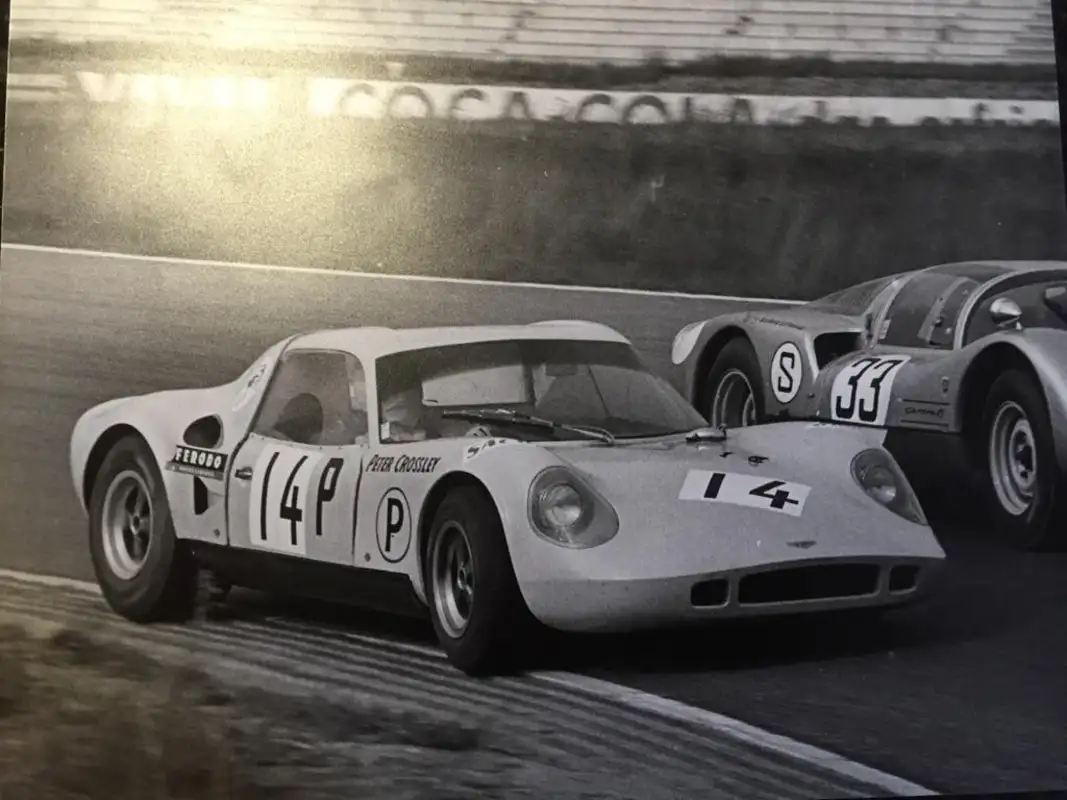
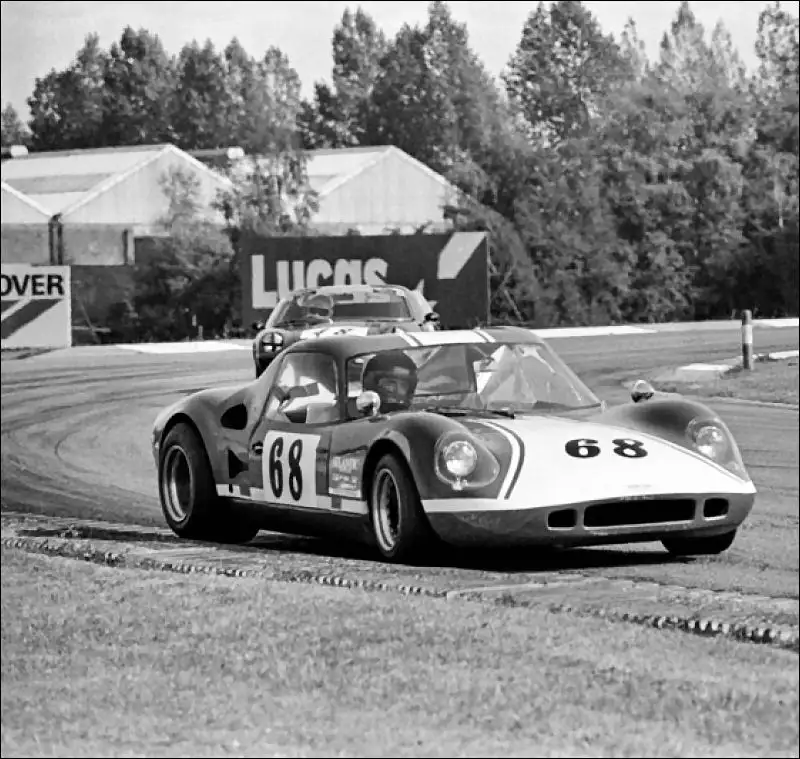
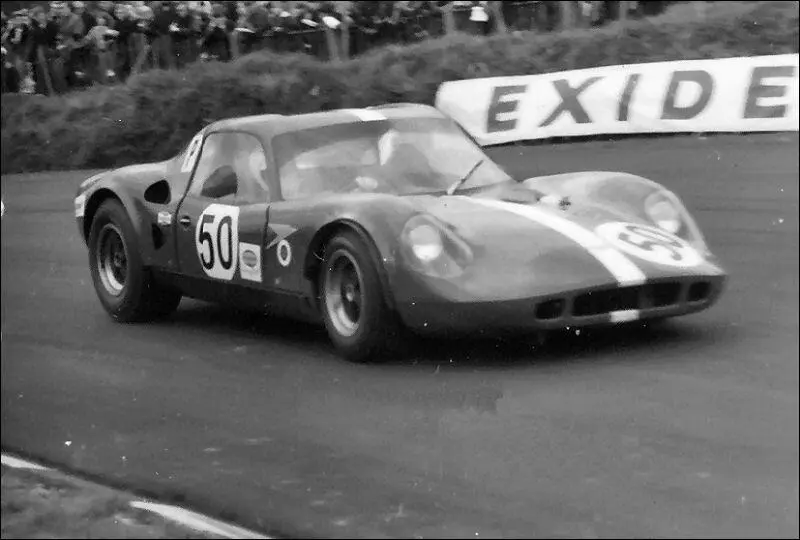
The B8’s competition history is not one of a few “hero” moments; it is a relentless, crushing catalogue of victories. From the moment it debuted in 1968, it dominated. On the national scene, it was simply unbeatable, winning the British Sports Car Championship. But it was on the international stage that it forged its legend as a “giant-killer.” At the 1968 Nürburgring 1000km, a B8 driven by Digby Martland and Brian Robinson won the 2.0-litre class, finishing a stunning 6th overall against the factory Porsche 908s. At the 1968 Targa Florio, its nimble, forgiving chassis was perfect for the treacherous Sicilian mountain roads, where it again took class honours. The 1.6L FVA-powered B8s were equally dominant, with a class victory at the 1968 24 Hours of Le Mans.
The B8’s single greatest moment, the one that perfectly captured its ethos, may have been the 1969 Nürburgring 500km. This was a major international event, and a 2.0-litre B8-BMW, driven by “works” driver Brian Redman, didn’t just win its class—it won the race overall. A 2.0-litre, customer-spec Group 4 car had beaten the more powerful 3.0-litre Group 6 prototypes. This was the ultimate “David vs. Goliath” triumph. The B8 was so good, so “right,” that it remained competitive for years, and it is still the car to beat in historic racing today, a testament to Derek Bennett’s “right-first-time” philosophy.
The legacy of the B8 is that of the ultimate privateer’s car. It was the machine that launched countless driving careers, a car that democratised speed. It cemented Chevron’s reputation, proving that Derek Bennett’s small team in Bolton could build a car that was not only as good as a Porsche 910, but in many ways, better. It was the direct predecessor to the B16, and the B19/B21/B31 line of 2.0-litre prototypes that would dominate the 1970s. The B8 is Derek Bennett’s masterpiece, a perfect, tragic blend of engineering pragmatism and artistic beauty.
Portal
Model line
Brand
Produced from
Vehicle category
Model Overview
In the mid-1960s, a brilliant, self-taught engineer from Manchester named Derek Bennett was building a reputation. His philosophy was simple: build cars that were light, strong, beautiful, and, above all, forgiving to drive. His small company, Chevron, had found success with club racers, but with the 1968 Chevron B8, he created his first true masterpiece. This was not just another sports car; it was the ultimate privateer’s weapon, a “customer car” so brilliantly conceived and executed that it would go on to humiliate factory-backed Goliaths on the world’s most demanding circuits.
The B8 was born into the golden era of sports car racing, the 2.0-litre Group 4 class. This was a warzone. Its rivals were the thoroughbred, exotic, and expensive factory racers: the delicate Porsche 910 and its 906 predecessor, the screaming V8-powered Alfa Romeo Tipo 33/2, and the various Abarth 2000s. These were cars from automotive royal houses. The B8, by contrast, was the commoner’s champion, a car that, by its very design, invited the gentleman driver to take the fight to the professionals. It succeeded its B6 predecessor, but where the B6 was a stepping stone, the B8 was the definitive statement.
The B8’s genius was not in exotic, unobtainable technology, but in the perfection of known principles. The heart of the car was a robust, highly-rigid steel space frame chassis. While rivals were moving to complex aluminium monocoques—which were lighter but fragile and impossible for a small team to repair after a shunt—Bennett stuck with steel. His TIG-welded, multi-tubular frame was incredibly strong, provided a stiff platform for the suspension, and could be fixed in a team’s garage. This was the car’s most important, and most pragmatic, feature. Wrapped around this strong skeleton was a breathtakingly beautiful and slippery fibreglass body. It was low, wide, and perfectly proportioned, a shape that, to this day, is regarded as one of the most beautiful of its kind.
Its other great design feature was its versatility. The B8 was a a chassis designed as a universal platform to accept the “best-in-class” engine for any given category. This gave privateers an incredible level of choice. The most common and, arguably, most effective combination was the Chevron B8 BMW. This used the 2.0-litre BMW M10 four-cylinder engine (often M12-headed), tuned by specialists like Schnitzer or Alpina to produce a reliable 220-240 hp. This was the endurance workhorse. For the smaller 1.6-litre class, there was the Chevron B8 Ford Cosworth FVA. This engine was a 1.6-litre, 16-valve F2 screamer, producing 220 hp at a frenetic 9,000 rpm. What it lacked in torque, it made up for in high-revving power and class-defining speed. Other engines were also used, including the “old-faithful” Coventry Climax FPF 2.0.
The B8’s competition history is not one of a few “hero” moments; it is a relentless, crushing catalogue of victories. From the moment it debuted in 1968, it dominated. On the national scene, it was simply unbeatable, winning the British Sports Car Championship. But it was on the international stage that it forged its legend as a “giant-killer.” At the 1968 Nürburgring 1000km, a B8 driven by Digby Martland and Brian Robinson won the 2.0-litre class, finishing a stunning 6th overall against the factory Porsche 908s. At the 1968 Targa Florio, its nimble, forgiving chassis was perfect for the treacherous Sicilian mountain roads, where it again took class honours. The 1.6L FVA-powered B8s were equally dominant, with a class victory at the 1968 24 Hours of Le Mans.
The B8’s single greatest moment, the one that perfectly captured its ethos, may have been the 1969 Nürburgring 500km. This was a major international event, and a 2.0-litre B8-BMW, driven by “works” driver Brian Redman, didn’t just win its class—it won the race overall. A 2.0-litre, customer-spec Group 4 car had beaten the more powerful 3.0-litre Group 6 prototypes. This was the ultimate “David vs. Goliath” triumph. The B8 was so good, so “right,” that it remained competitive for years, and it is still the car to beat in historic racing today, a testament to Derek Bennett’s “right-first-time” philosophy.
The legacy of the B8 is that of the ultimate privateer’s car. It was the machine that launched countless driving careers, a car that democratised speed. It cemented Chevron’s reputation, proving that Derek Bennett’s small team in Bolton could build a car that was not only as good as a Porsche 910, but in many ways, better. It was the direct predecessor to the B16, and the B19/B21/B31 line of 2.0-litre prototypes that would dominate the 1970s. The B8 is Derek Bennett’s masterpiece, a perfect, tragic blend of engineering pragmatism and artistic beauty.
Submodels