Ferrari F430
Brand
Produced from
Vehicle category
Portal
Model line
Model generation
Predecessor
Sucessor
Model Overview
The year was 2004, and the air in Maranello was thick with the intoxicating scent of victory. Scuderia Ferrari was in the midst of its golden era, with Michael Schumacher and Rubens Barrichello ruthlessly dismantling the Formula 1 opposition. Yet, on the road car front, the revered 360 Modena, while a commercial triumph, was beginning to feel the heat. The threat came not from the grand touring aristocrats, but from a brazen bull down the road in Sant’Agata; the Lamborghini Gallardo had arrived with ten cylinders and four-wheel drive, threatening to eclipse the Prancing Horse’s V8 lineage. Ferrari’s response had to be emphatic. It had to bridge the widening gap between the pit lane and the showroom. The answer was the Ferrari F430, a machine that did not merely replace the 360 but completely rewrote the rulebook on how electronic systems could enhance, rather than dilute, the visceral experience of driving. It was the car that brought the Manettino from the steering wheel of the F2004 F1 car to the hands of the public, marking the dawn of the modern, digitally-assisted supercar era while frantically clinging to the last vestiges of the analog past.
From a technical perspective, the F430 was a revolution dressed in evolution. While the aluminium spaceframe chassis was a development of the 360’s Alcoa-built architecture—stiffened and refined—the heart of the beast was entirely new. The F430 marked the end of the Dino-derived V8 lineage that had powered Ferrari’s mid-engine cars since the 1970s. In its place sat the F136 E, a 4.3-litre, 90-degree V8 developed jointly with Maserati. This engine was a masterpiece of compact engineering, featuring a flat-plane crankshaft, variable valve timing, and, crucially, timing chains instead of the maintenance-heavy belts of its predecessors. It produced 490 cv (483 bhp) at 8,500 rpm, a substantial leap over the 360, and delivered a torque curve so flat and muscular that it banished the accusation of “peakiness” that dogged the earlier V8s.
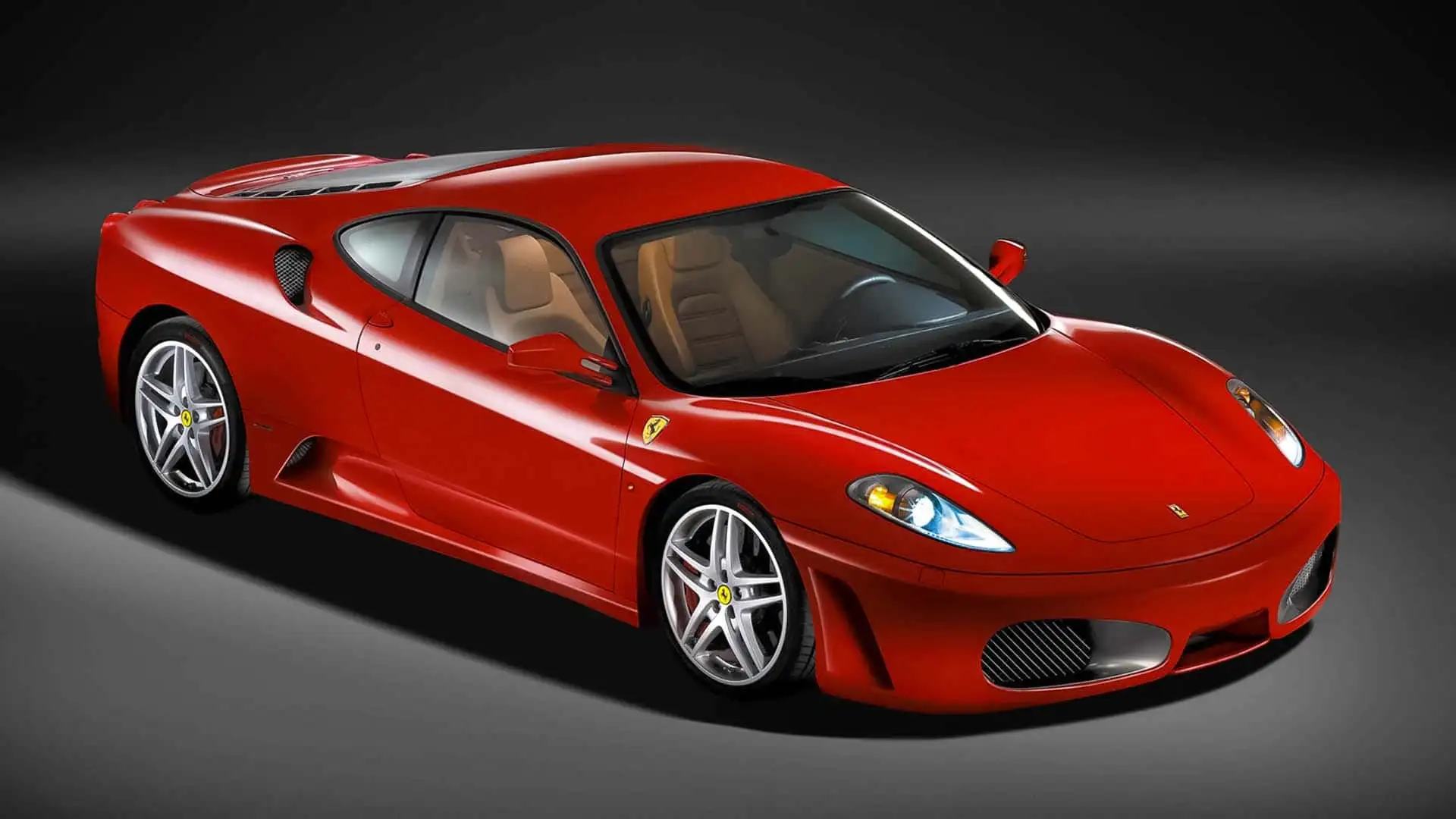
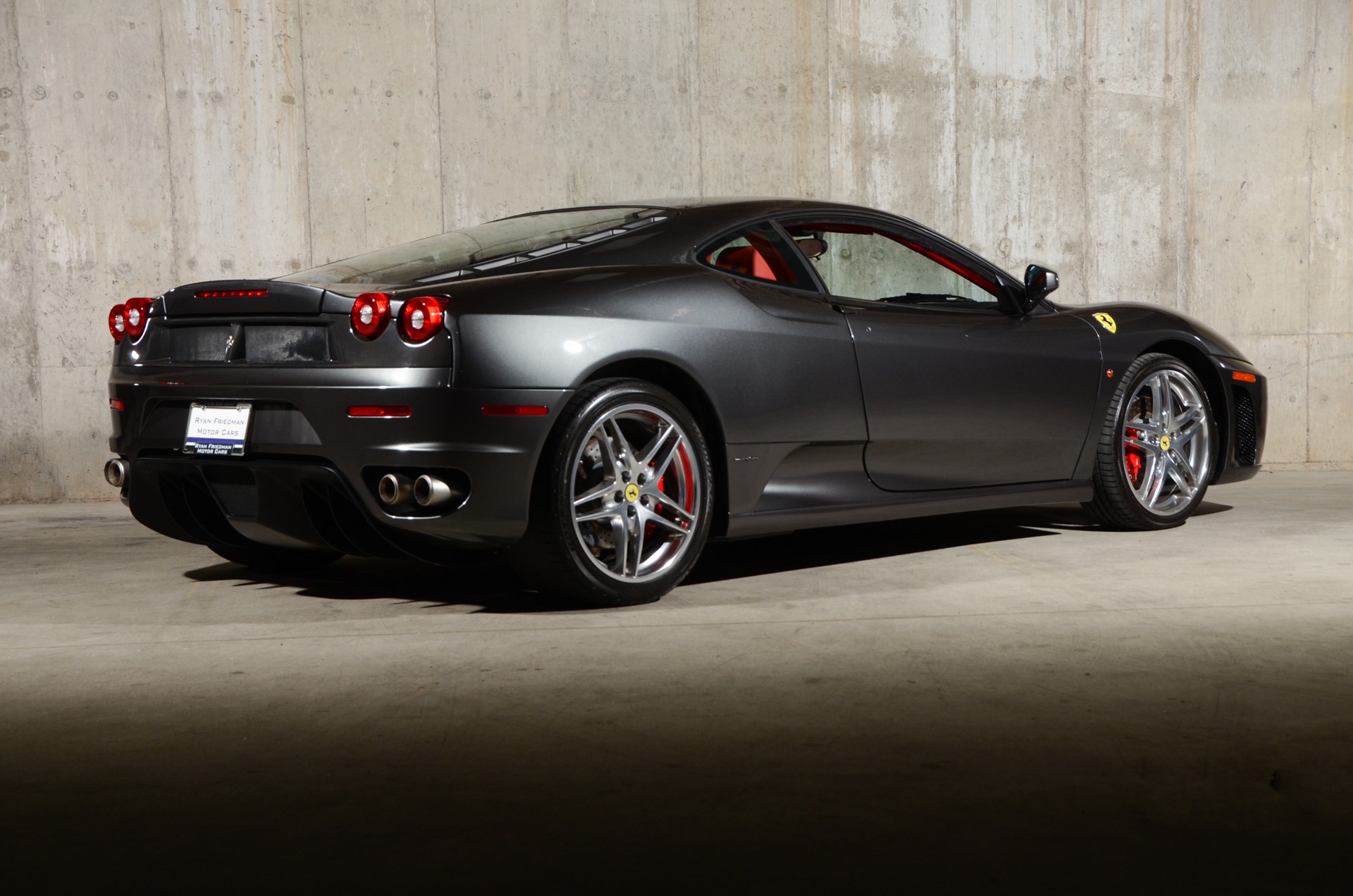
Visually, the car was a lesson in aerodynamic nostalgia penned by Frank Stephenson at Pininfarina. The twin ovoid air intakes at the front were a direct homage to the Phil Hill-driven 156 “Sharknose” F1 car of 1961, while the protruding tail lights echoed the Enzo hypercar. But the wind tunnel dictated the form; the massive rear diffuser and the flat underbody generated tangible downforce without the need for unsightly wings. However, the F430’s greatest innovation was hidden within its differential. It was the first production car to feature the E-Diff (electronic differential), a system that could transfer torque between the rear wheels with hydraulic precision, virtually eliminating understeer and allowing the car to power out of corners with frightening efficiency. Controlled by the aforementioned Manettino switch, the driver could toggle between ‘Ice’, ‘Low Grip’, ‘Sport’, ‘Race’, and the brave ‘CST Off’, altering the shift speed, suspension damping, and traction control intervention instantly.
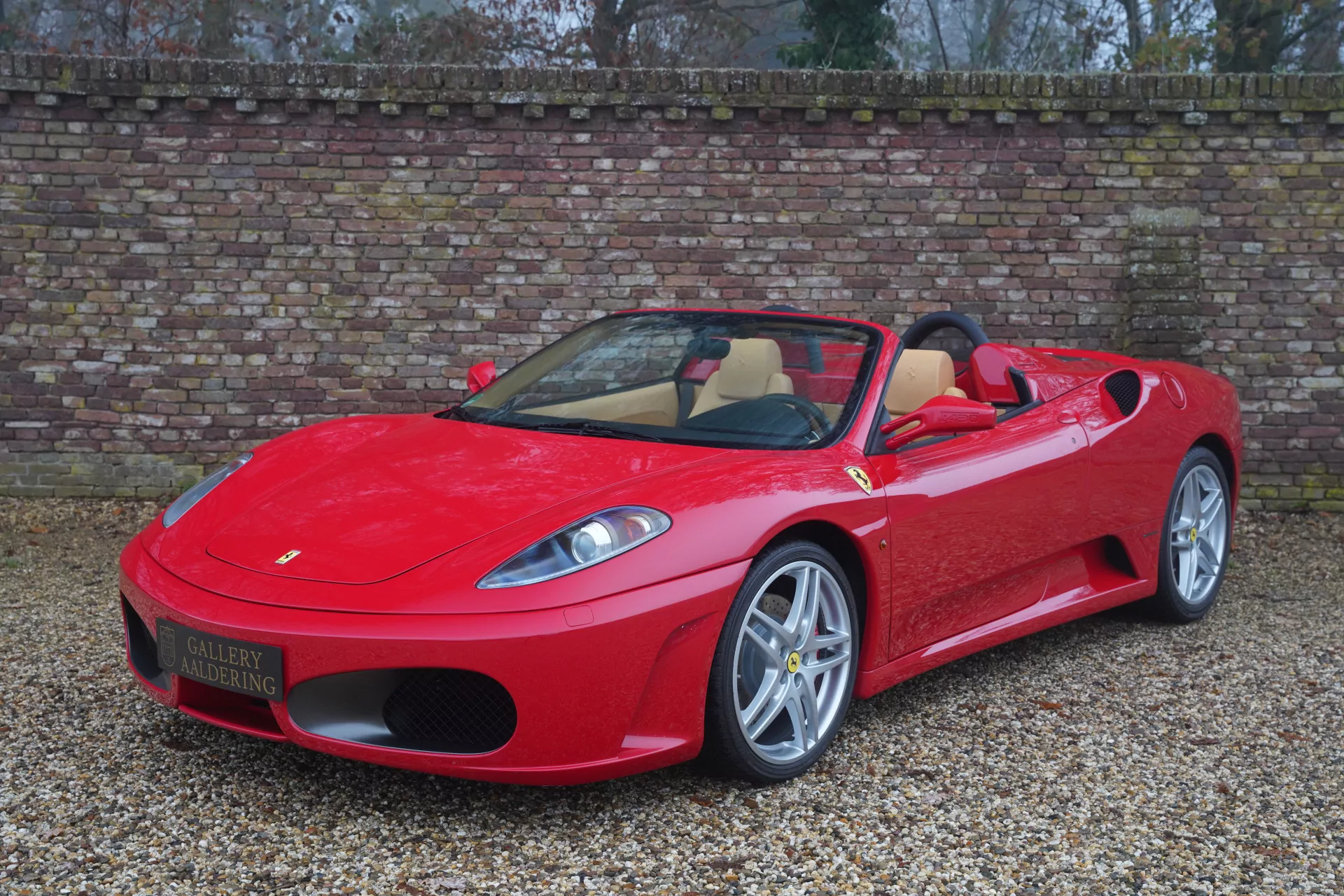
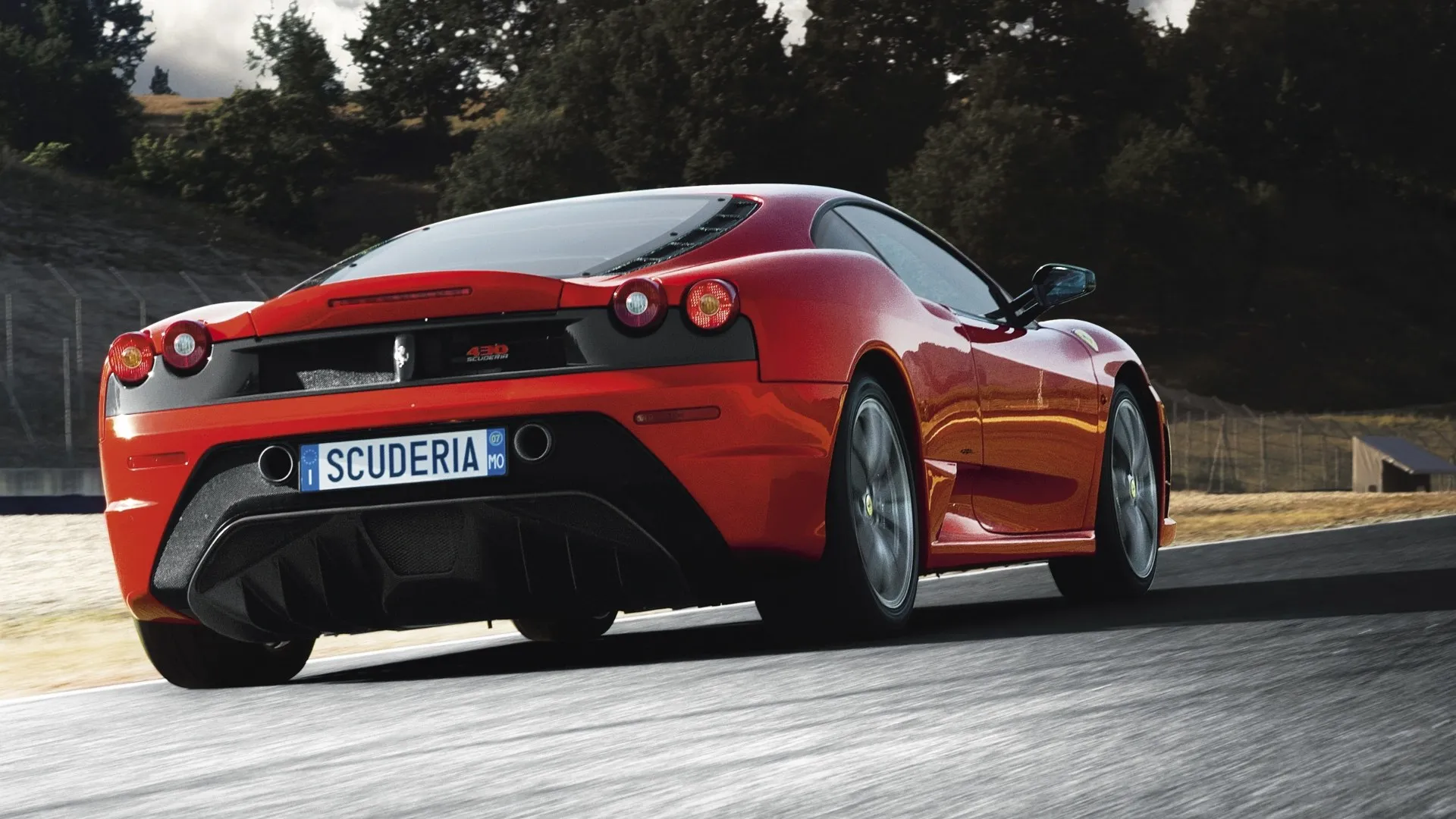
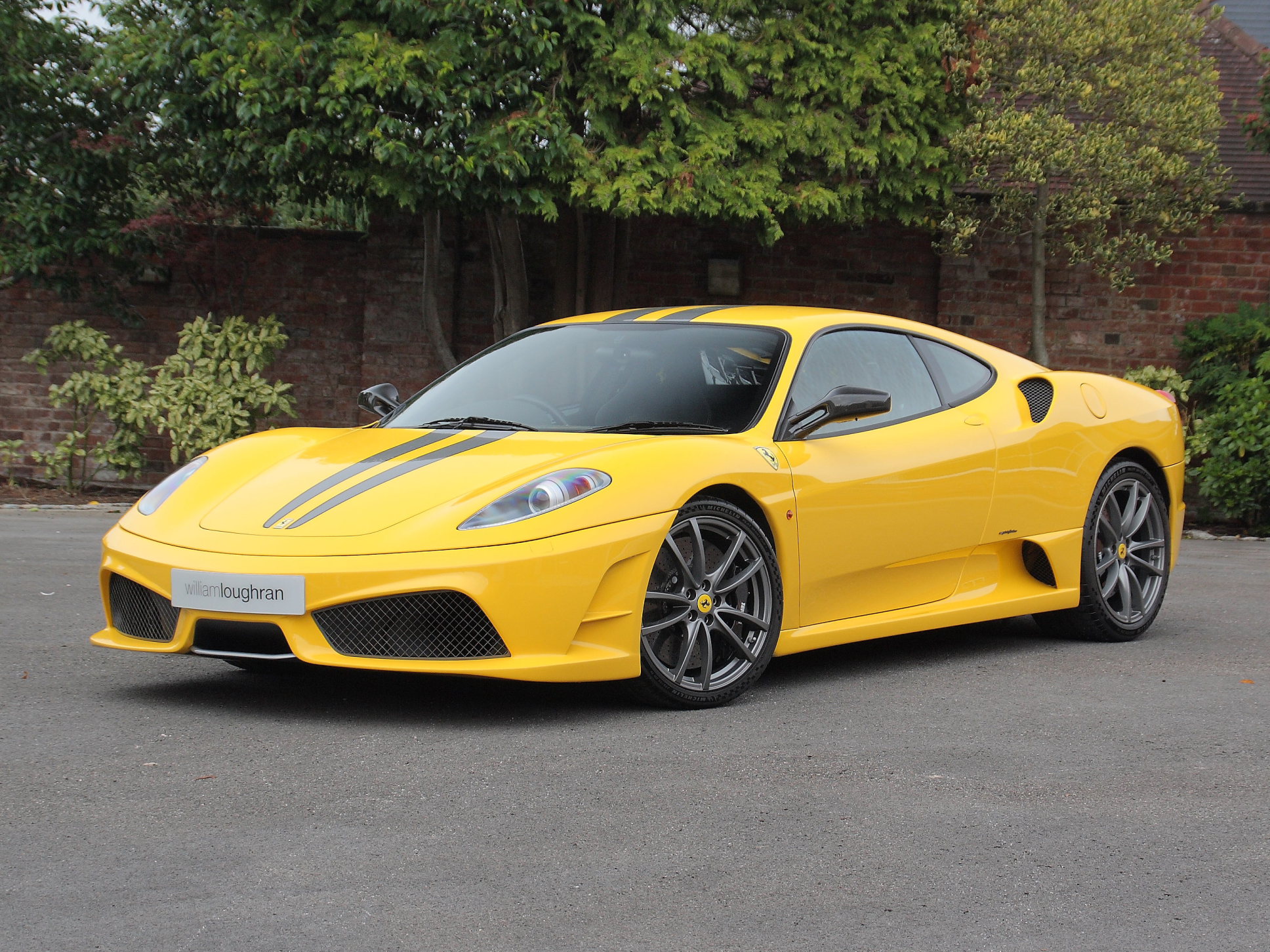
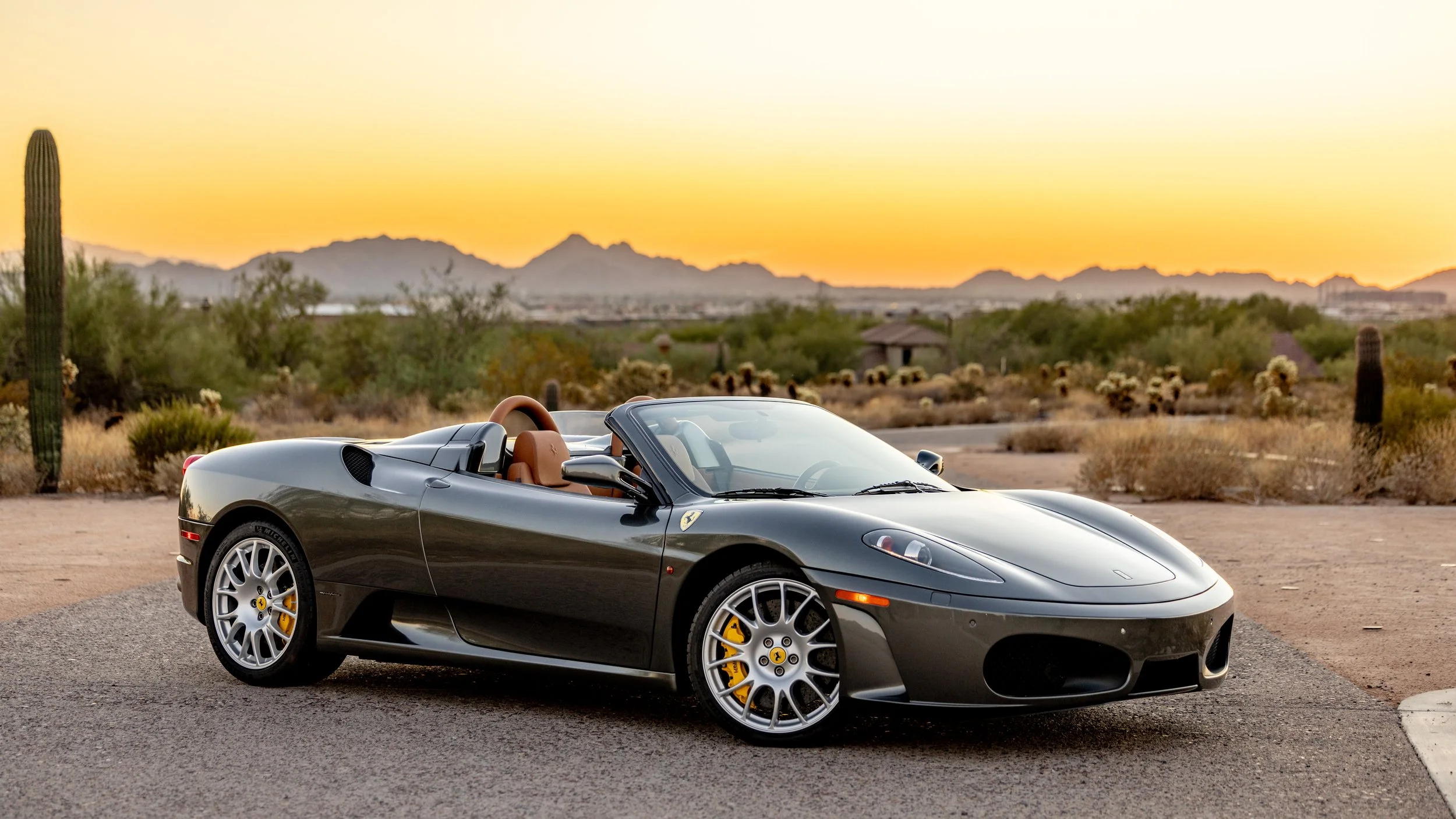
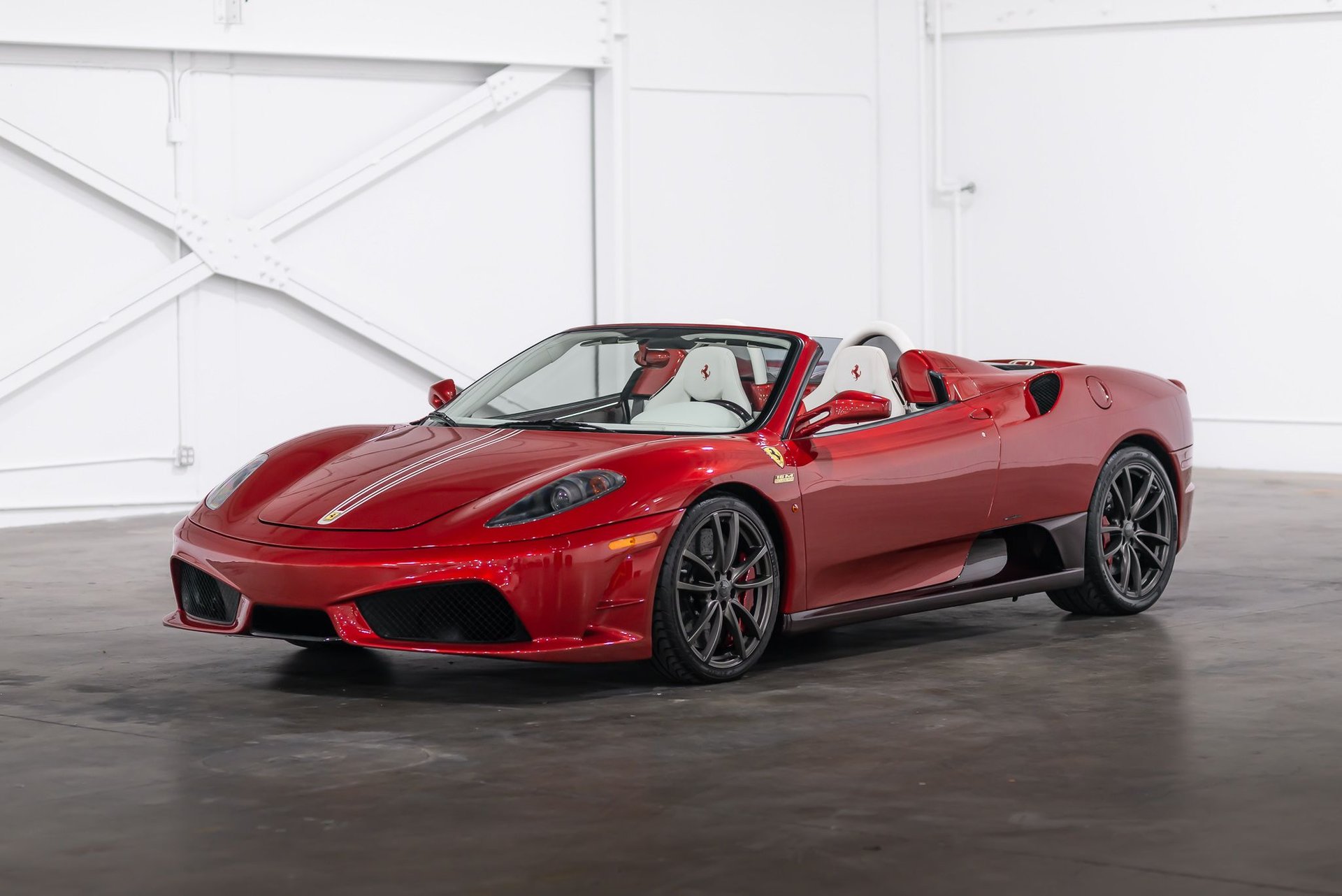
The model line expanded to cover every facet of the supercar spectrum. The F430 Spider arrived in 2005, a marvel of packaging that retained the coupe’s engine window despite the folding roof mechanism, ensuring the V8 soundtrack remained the star of the show. But the true zenith of the lineage appeared in 2007: the 430 Scuderia. Developed with direct input from Michael Schumacher, the Scuderia was Maranello’s answer to the Porsche 911 GT3 RS. It shed 100kg, gained 20 horsepower (bringing the total to 503 bhp), and introduced the “Superfast2” software to the F1 gearbox, slashing shift times to 60 milliseconds. The result was a car that lapped the Fiorano test track faster than the Enzo. To celebrate their 16th F1 Constructors’ Championship, Ferrari sliced the roof off the Scuderia to create the Scuderia Spider 16M, a limited-run auditory assault that remains one of the most collectible open-top Ferraris of the modern age.
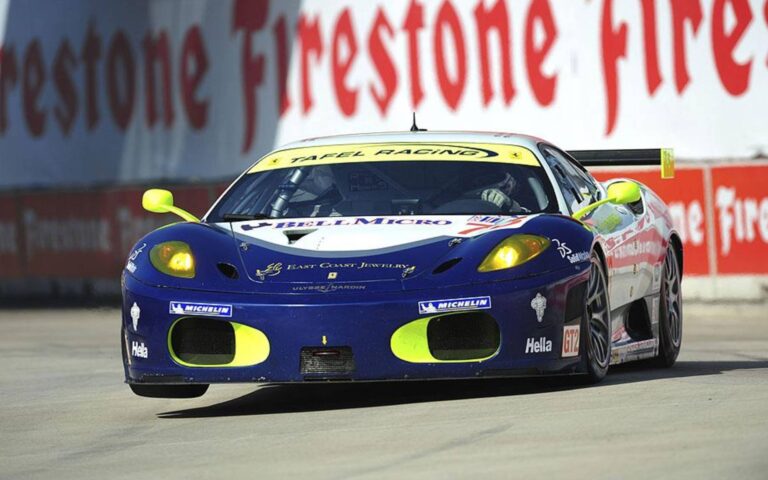
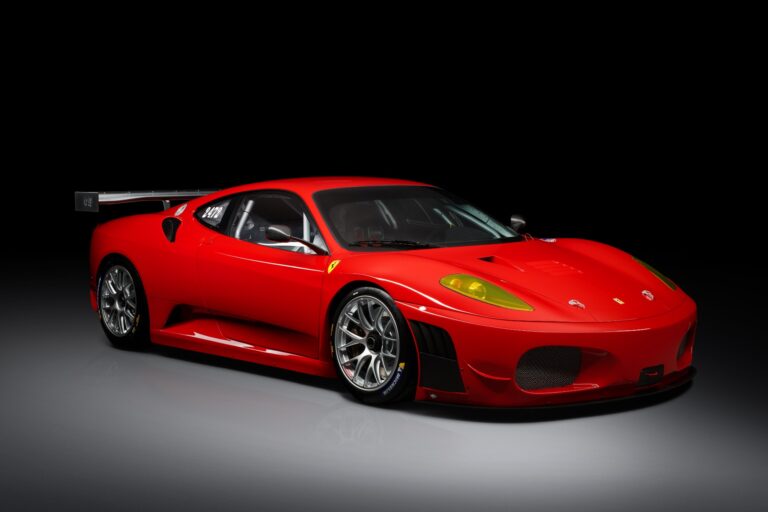
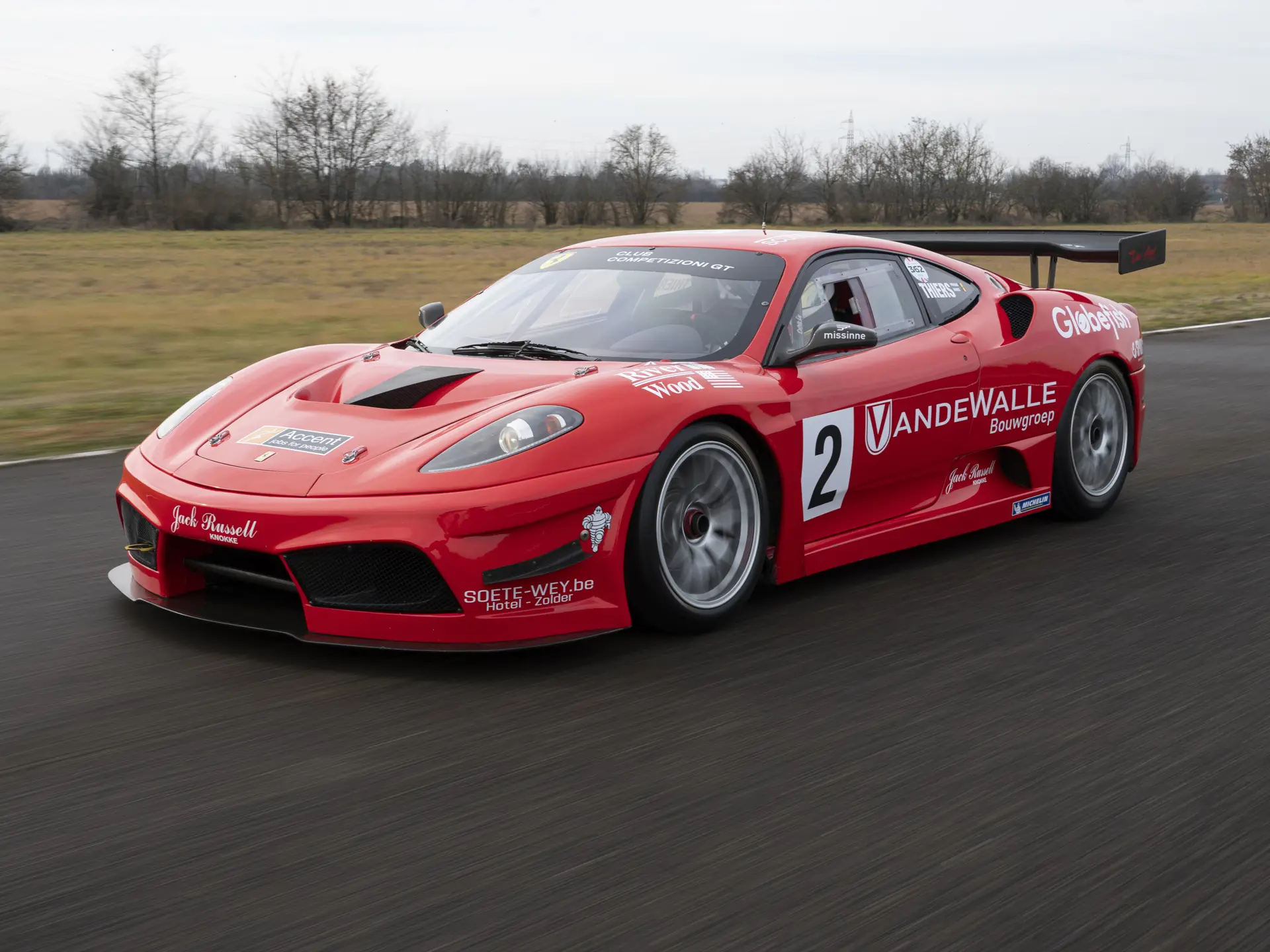
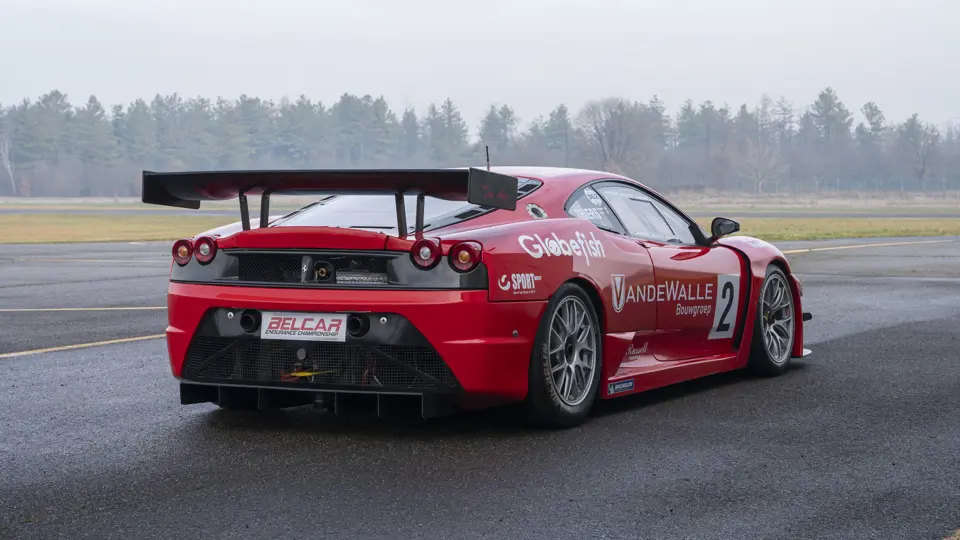
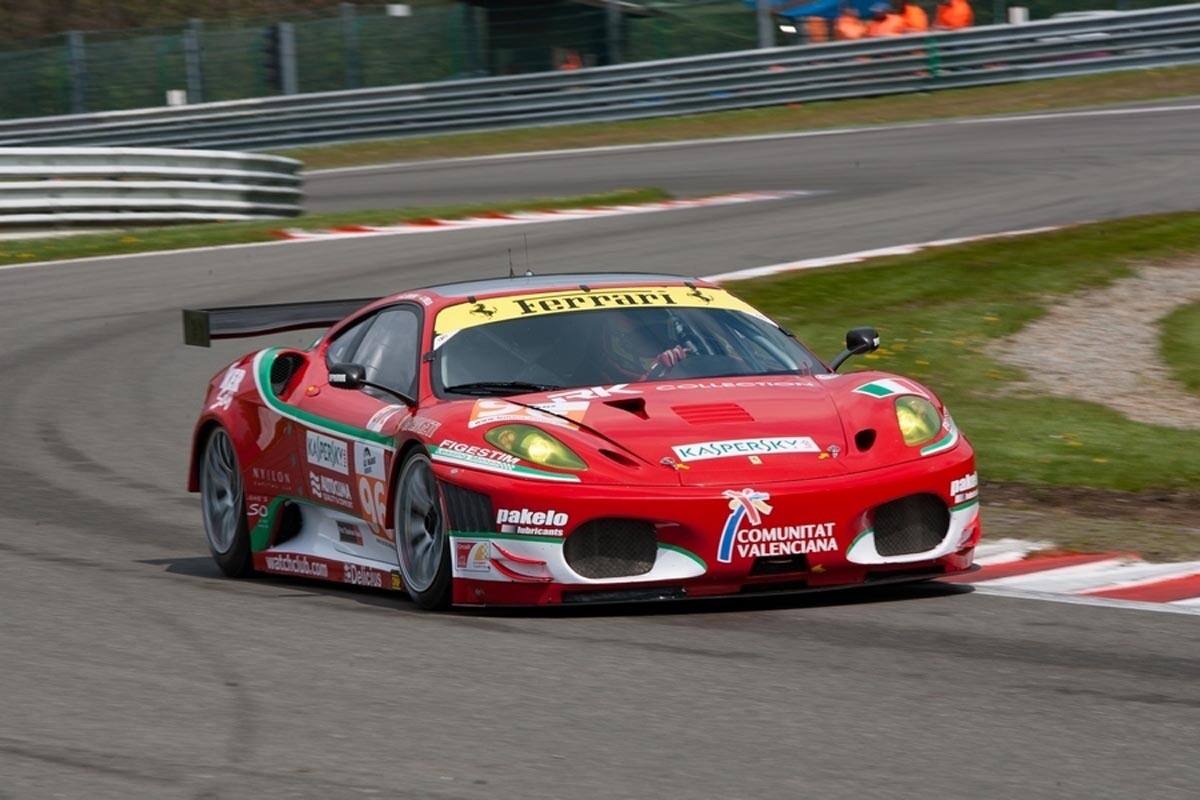
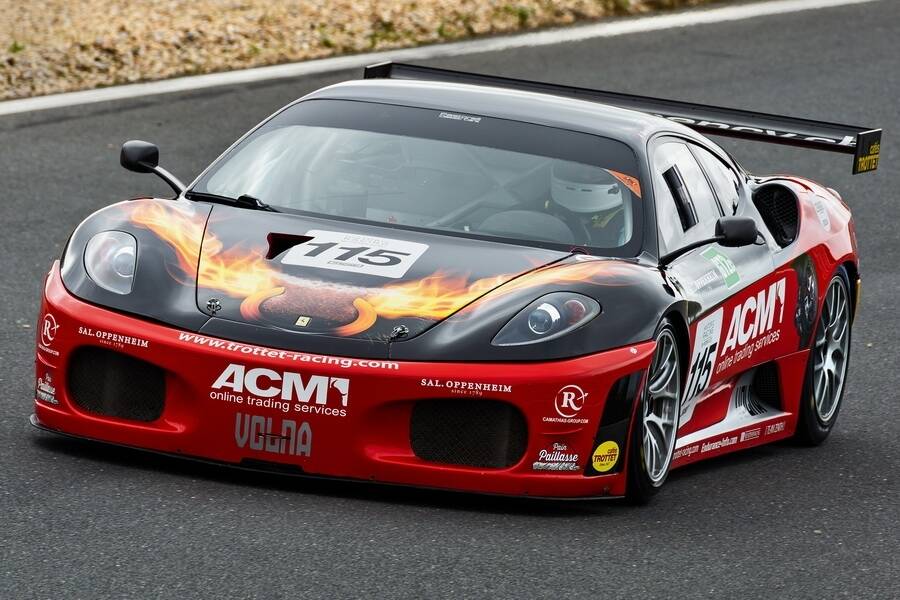
On the race track, the F430 was nothing short of a juggernaut. The F430 GTC, developed by Michelotto Automobili, became the benchmark for the GT2 class in international endurance racing. In the hands of teams like Risi Competizione in the US and AF Corse in Europe, the F430 GTC engaged in legendary dogfights with the Porsche 911 GT3 RSR and the Panoz Esperante. It was a machine of incredible durability and pace, securing the GT2 class victory at the 24 Hours of Le Mans in 2008 and 2009, as well as multiple ALMS and FIA GT championships. The wail of the unrestricted F136 GT engine at 9,000 rpm down the Mulsanne Straight became the definitive soundtrack of mid-2000s GT racing. The F430 Challenge also served as the chariot for the Ferrari Challenge series, introducing hundreds of gentleman drivers to the realities of slick tires and carbon-ceramic brakes.
The commercial impact of the F430 was profound. It normalized the 300km/h supercar as a usable daily driver, offering reliability that the 355 and 360 could only dream of. Yet, its historical significance has shifted in recent years. The F430 occupies a unique, melancholic place in history as the final mid-engined V8 Ferrari available with a gated six-speed manual transmission. While the vast majority of buyers opted for the paddle-shift F1 gearbox, the handful of cars spec’d with the stick shift have become the holy grails of the collector market, representing the last time a driver could mechanically engage with a mid-engine Ferrari V8.
The legacy of the Ferrari F430 is that of the perfect bridge. It spanned the chasm between the mechanical purity of the 20th century and the digital performance of the 21st. When it was replaced by the 458 Italia in 2009, the new car was faster, more powerful, and technologically superior, but it lacked the manual option and the slightly more compact, pugnacious stance of the 430. The F430 proved that electronics—when tuned by people with racing fuel in their veins—could heighten the senses rather than dull them. The 430 Scuderia, in particular, stands as a high-water mark for track-focused road cars, a machine that feels alive, communicative, and gloriously aggressive. In the pantheon of the Prancing Horse, the F430 is the car that secured Ferrari’s dominance in the new millennium, a Sharknose-inspired predator that devoured the competition on Sunday and turned heads on the boulevard on Monday.
Portal
Model line
Brand
Produced from
Vehicle category
Portal
Model line
Model generation
Predecessor
Sucessor
Model Overview
The year was 2004, and the air in Maranello was thick with the intoxicating scent of victory. Scuderia Ferrari was in the midst of its golden era, with Michael Schumacher and Rubens Barrichello ruthlessly dismantling the Formula 1 opposition. Yet, on the road car front, the revered 360 Modena, while a commercial triumph, was beginning to feel the heat. The threat came not from the grand touring aristocrats, but from a brazen bull down the road in Sant’Agata; the Lamborghini Gallardo had arrived with ten cylinders and four-wheel drive, threatening to eclipse the Prancing Horse’s V8 lineage. Ferrari’s response had to be emphatic. It had to bridge the widening gap between the pit lane and the showroom. The answer was the Ferrari F430, a machine that did not merely replace the 360 but completely rewrote the rulebook on how electronic systems could enhance, rather than dilute, the visceral experience of driving. It was the car that brought the Manettino from the steering wheel of the F2004 F1 car to the hands of the public, marking the dawn of the modern, digitally-assisted supercar era while frantically clinging to the last vestiges of the analog past.
From a technical perspective, the F430 was a revolution dressed in evolution. While the aluminium spaceframe chassis was a development of the 360’s Alcoa-built architecture—stiffened and refined—the heart of the beast was entirely new. The F430 marked the end of the Dino-derived V8 lineage that had powered Ferrari’s mid-engine cars since the 1970s. In its place sat the F136 E, a 4.3-litre, 90-degree V8 developed jointly with Maserati. This engine was a masterpiece of compact engineering, featuring a flat-plane crankshaft, variable valve timing, and, crucially, timing chains instead of the maintenance-heavy belts of its predecessors. It produced 490 cv (483 bhp) at 8,500 rpm, a substantial leap over the 360, and delivered a torque curve so flat and muscular that it banished the accusation of “peakiness” that dogged the earlier V8s.
Visually, the car was a lesson in aerodynamic nostalgia penned by Frank Stephenson at Pininfarina. The twin ovoid air intakes at the front were a direct homage to the Phil Hill-driven 156 “Sharknose” F1 car of 1961, while the protruding tail lights echoed the Enzo hypercar. But the wind tunnel dictated the form; the massive rear diffuser and the flat underbody generated tangible downforce without the need for unsightly wings. However, the F430’s greatest innovation was hidden within its differential. It was the first production car to feature the E-Diff (electronic differential), a system that could transfer torque between the rear wheels with hydraulic precision, virtually eliminating understeer and allowing the car to power out of corners with frightening efficiency. Controlled by the aforementioned Manettino switch, the driver could toggle between ‘Ice’, ‘Low Grip’, ‘Sport’, ‘Race’, and the brave ‘CST Off’, altering the shift speed, suspension damping, and traction control intervention instantly.
The model line expanded to cover every facet of the supercar spectrum. The F430 Spider arrived in 2005, a marvel of packaging that retained the coupe’s engine window despite the folding roof mechanism, ensuring the V8 soundtrack remained the star of the show. But the true zenith of the lineage appeared in 2007: the 430 Scuderia. Developed with direct input from Michael Schumacher, the Scuderia was Maranello’s answer to the Porsche 911 GT3 RS. It shed 100kg, gained 20 horsepower (bringing the total to 503 bhp), and introduced the “Superfast2” software to the F1 gearbox, slashing shift times to 60 milliseconds. The result was a car that lapped the Fiorano test track faster than the Enzo. To celebrate their 16th F1 Constructors’ Championship, Ferrari sliced the roof off the Scuderia to create the Scuderia Spider 16M, a limited-run auditory assault that remains one of the most collectible open-top Ferraris of the modern age.
On the race track, the F430 was nothing short of a juggernaut. The F430 GTC, developed by Michelotto Automobili, became the benchmark for the GT2 class in international endurance racing. In the hands of teams like Risi Competizione in the US and AF Corse in Europe, the F430 GTC engaged in legendary dogfights with the Porsche 911 GT3 RSR and the Panoz Esperante. It was a machine of incredible durability and pace, securing the GT2 class victory at the 24 Hours of Le Mans in 2008 and 2009, as well as multiple ALMS and FIA GT championships. The wail of the unrestricted F136 GT engine at 9,000 rpm down the Mulsanne Straight became the definitive soundtrack of mid-2000s GT racing. The F430 Challenge also served as the chariot for the Ferrari Challenge series, introducing hundreds of gentleman drivers to the realities of slick tires and carbon-ceramic brakes.
The commercial impact of the F430 was profound. It normalized the 300km/h supercar as a usable daily driver, offering reliability that the 355 and 360 could only dream of. Yet, its historical significance has shifted in recent years. The F430 occupies a unique, melancholic place in history as the final mid-engined V8 Ferrari available with a gated six-speed manual transmission. While the vast majority of buyers opted for the paddle-shift F1 gearbox, the handful of cars spec’d with the stick shift have become the holy grails of the collector market, representing the last time a driver could mechanically engage with a mid-engine Ferrari V8.
The legacy of the Ferrari F430 is that of the perfect bridge. It spanned the chasm between the mechanical purity of the 20th century and the digital performance of the 21st. When it was replaced by the 458 Italia in 2009, the new car was faster, more powerful, and technologically superior, but it lacked the manual option and the slightly more compact, pugnacious stance of the 430. The F430 proved that electronics—when tuned by people with racing fuel in their veins—could heighten the senses rather than dull them. The 430 Scuderia, in particular, stands as a high-water mark for track-focused road cars, a machine that feels alive, communicative, and gloriously aggressive. In the pantheon of the Prancing Horse, the F430 is the car that secured Ferrari’s dominance in the new millennium, a Sharknose-inspired predator that devoured the competition on Sunday and turned heads on the boulevard on Monday.
Submodels