Ford GT


Brand
Produced from
Vehicle category
Portal
Model line
Model generation
Predecessor
Sucessor
Model Overview
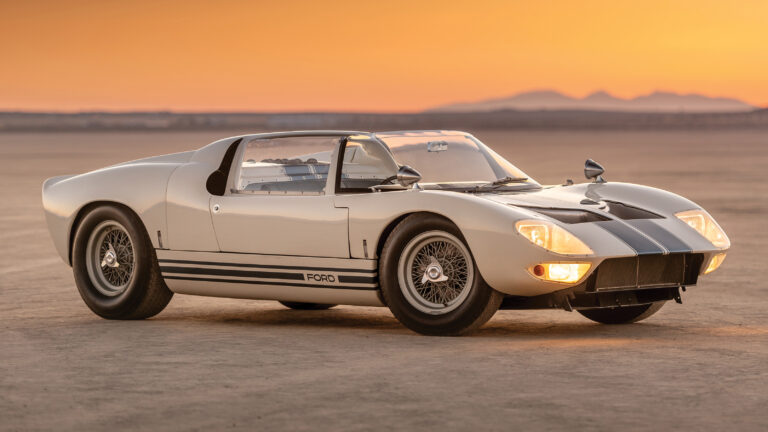
The story of the Ford GT is not merely a chronicle of automotive engineering; it is a Shakespearean drama forged in the fires of corporate vengeance. It is the only American model line that exists solely because a colossal business deal went sour. In 1963, Henry Ford II was poised to buy Ferrari to secure a sporting image for the Blue Oval. When Enzo Ferrari abruptly walked away from the table, unwilling to cede control of his racing team, “The Deuce” didn’t just get angry; he declared war. He issued a blank check with a singular directive: build a car that would humiliate Ferrari at the 24 Hours of Le Mans. Thus, the Ford GT40 was born, a low-slung, mid-engined projectile that would evolve into a dynasty. Unlike the Corvette, which was a sports car trying to be a racer, the Ford GT lineage—spanning the original 1960s icons, the retro-futurist 2004 revival, and the carbon-fibre 2016 Le Mans winner—represents the only time an American manufacturer has built a dedicated supercar capable of beating the European aristocracy on their own soil.
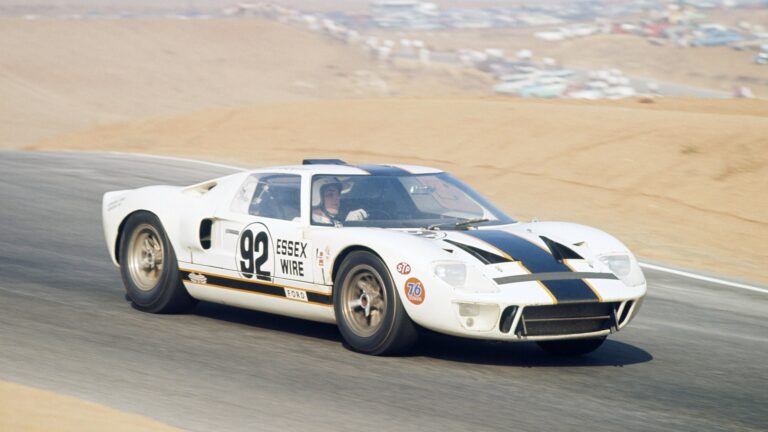
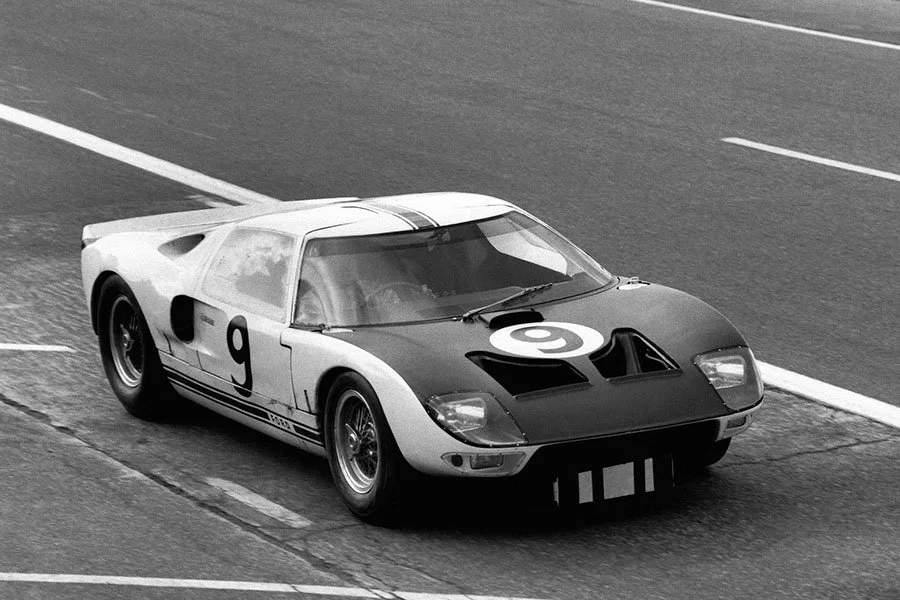
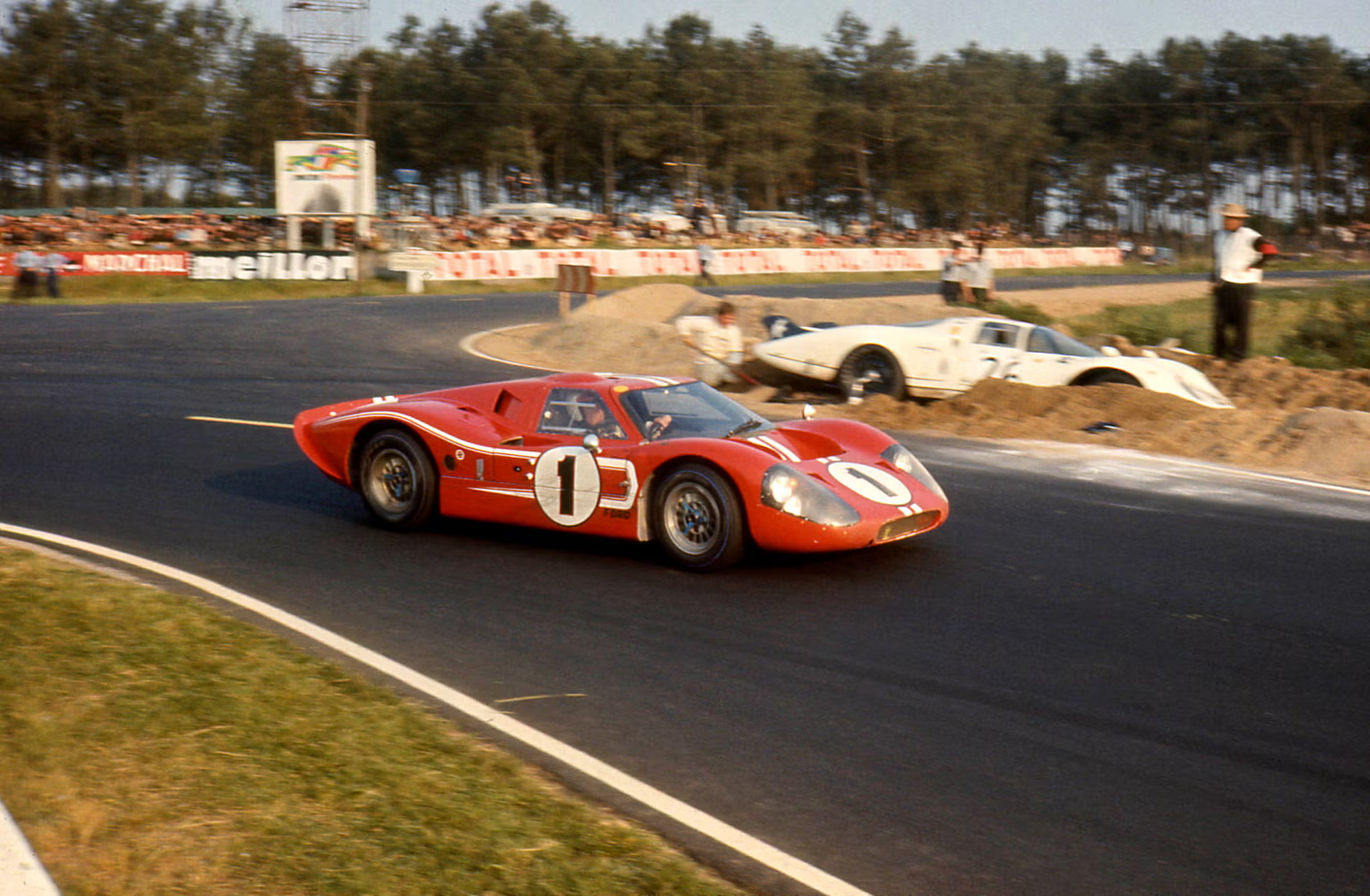
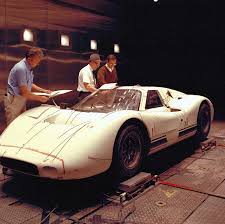
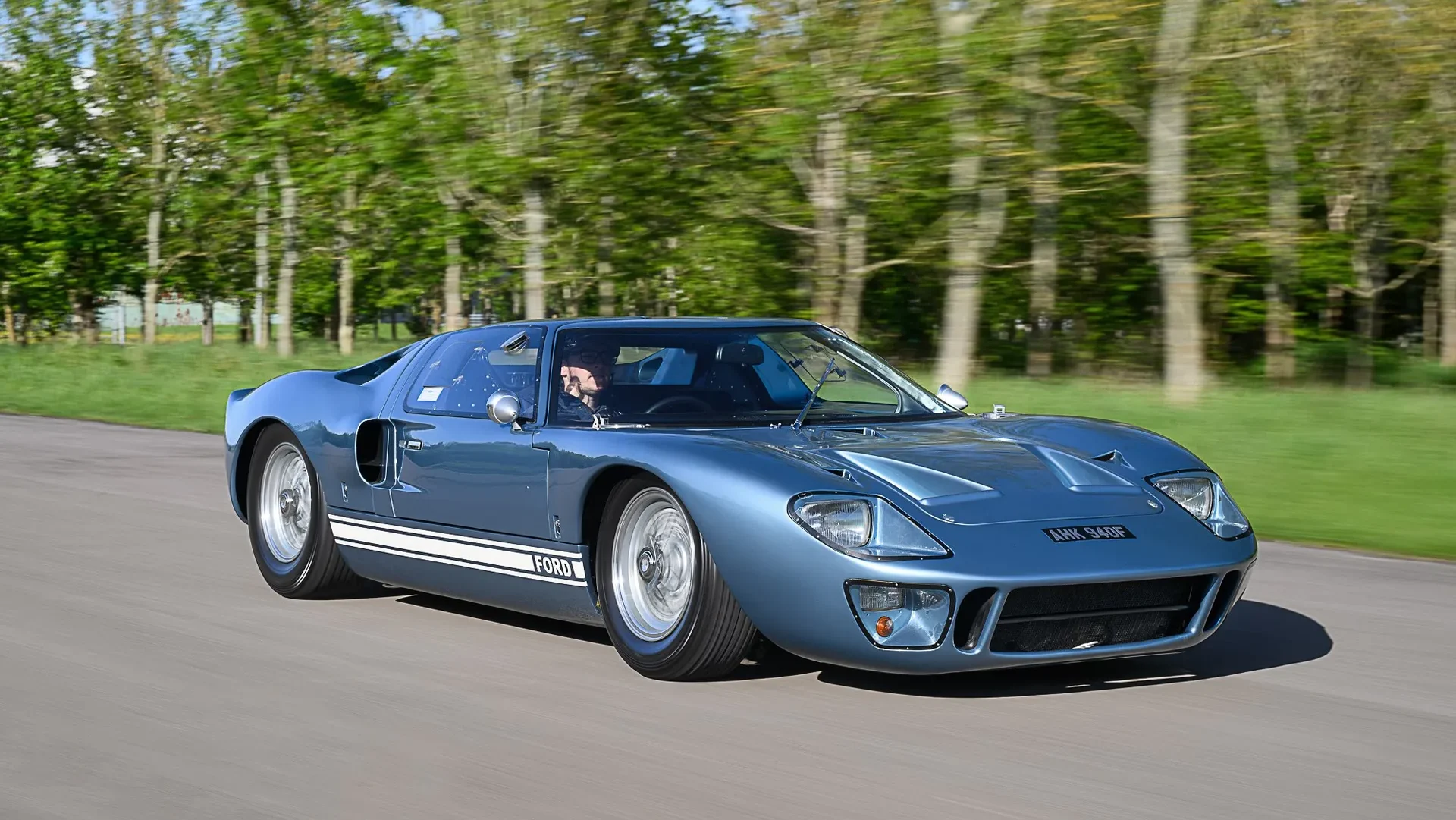
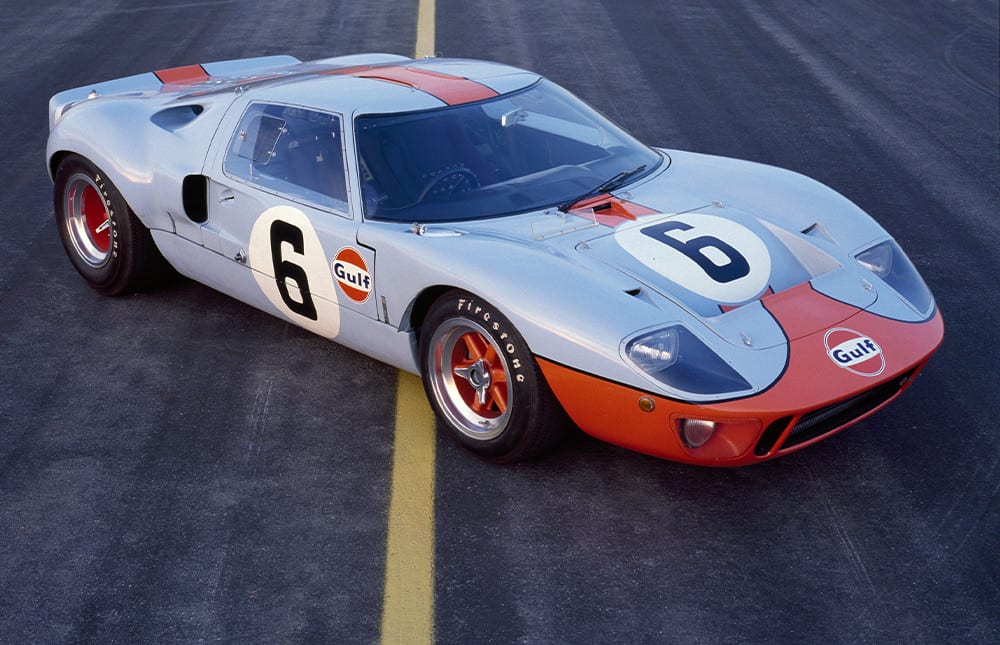
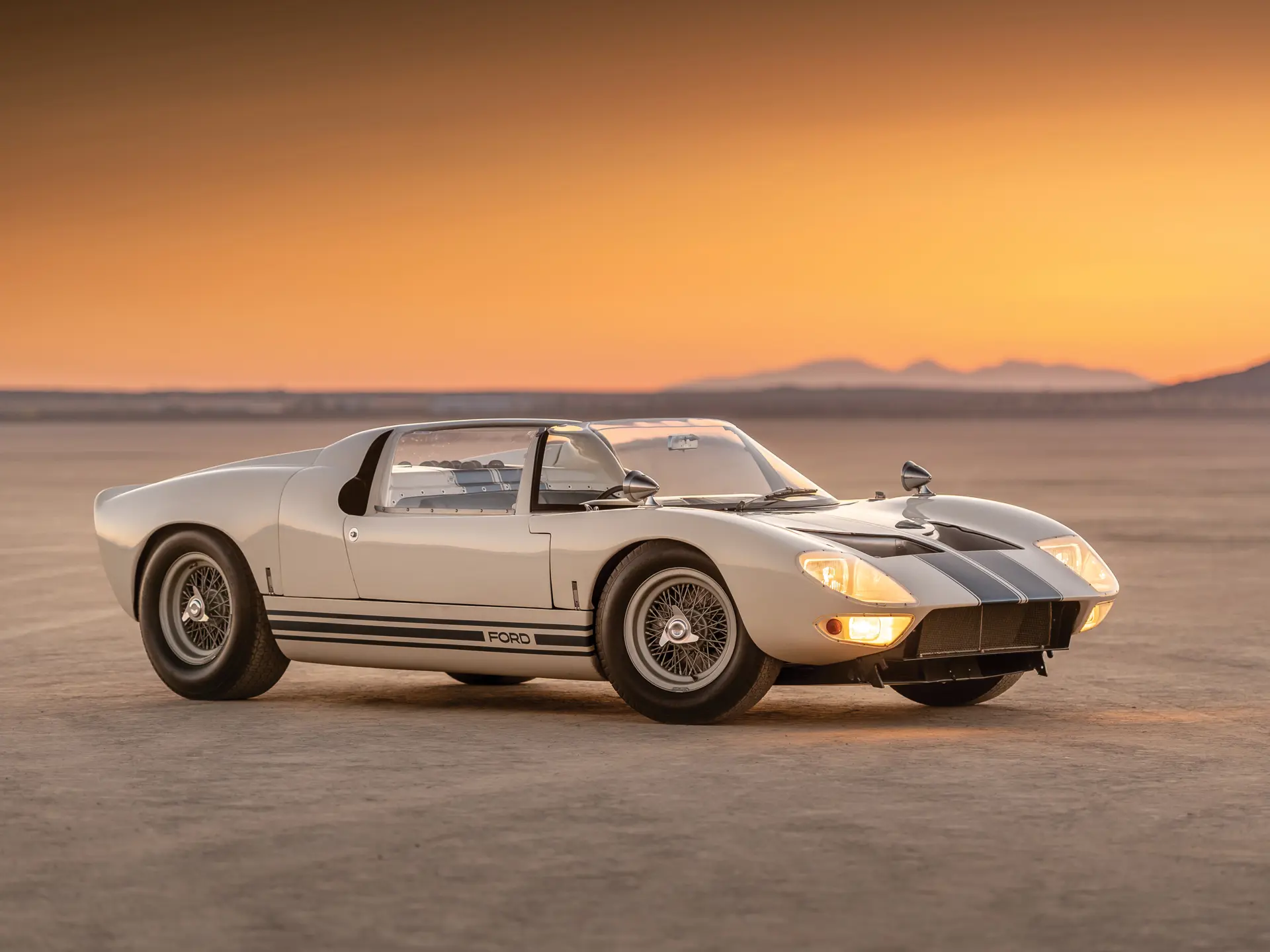
The technical evolution of this bloodline is a fascinating study in how speed has changed over fifty years. The original Ford GT40 (so named for its 40-inch height) was a brute-force instrument. Built around a steel semi-monocoque chassis with a fiberglass body, it was a Anglo-American hybrid. The early Mk I cars used the rev-happy 289 cubic inch (4.7-litre) small-block V8, but to conquer the Mulsanne Straight, Ford unleashed the Mk II, stuffing the gargantuan 427 cubic inch (7.0-litre) NASCAR V8 into the rear deck. This engine didn’t scream; it thundered, pushing the car to over 200 mph. The suspension was a complex double-wishbone setup, and the aerodynamics were initially terrifying until Carroll Shelby and Ken Miles fixed the lift issues. The lineage included the road-softened Mk III (a commercial failure but a rarity today) and the Mk IV, a radically different, American-built car featuring an aluminium honeycomb chassis that was lightyears ahead of its time.
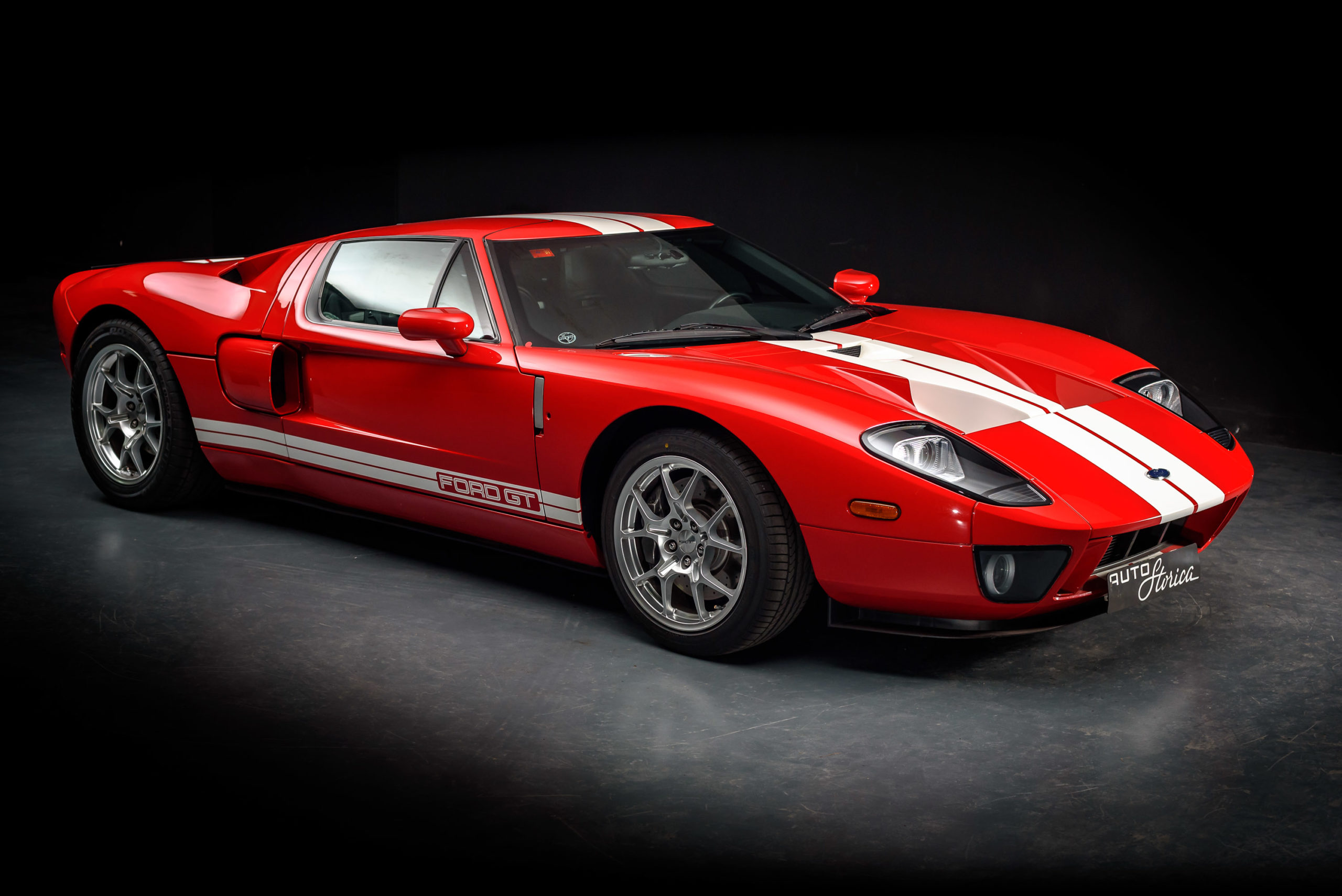
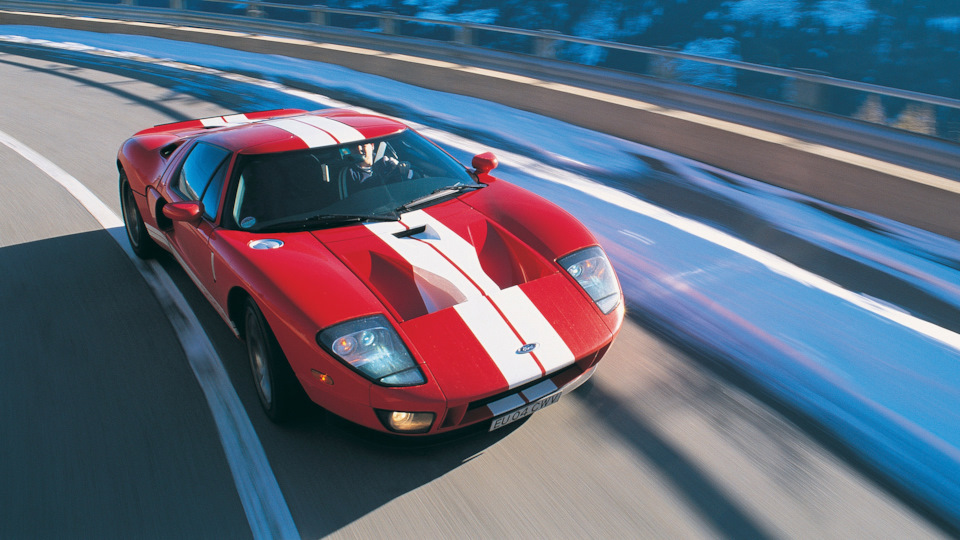
Fast forward to 2004. To celebrate the company’s centennial, Ford released the Ford GT (Gen I). Designed by Camilo Pardo, it was a “greatest hits” album in metal—visually nearly identical to the Mk I, but 10% larger in every dimension. Under the aluminium skin lay a superplastic-formed aluminium spaceframe. The heart was a 5.4-litre supercharged modular V8, producing 550 bhp. It was a love letter to analog driving: a Ricardo six-speed manual transaxle, no stability control, and a soundtrack that combined the whine of a Lysholm supercharger with the burble of a muscle car. It was a surprisingly usable supercar, a “pace car for an entire company” that proved Detroit could build a Ferrari 360 fighter with cup holders and air conditioning.
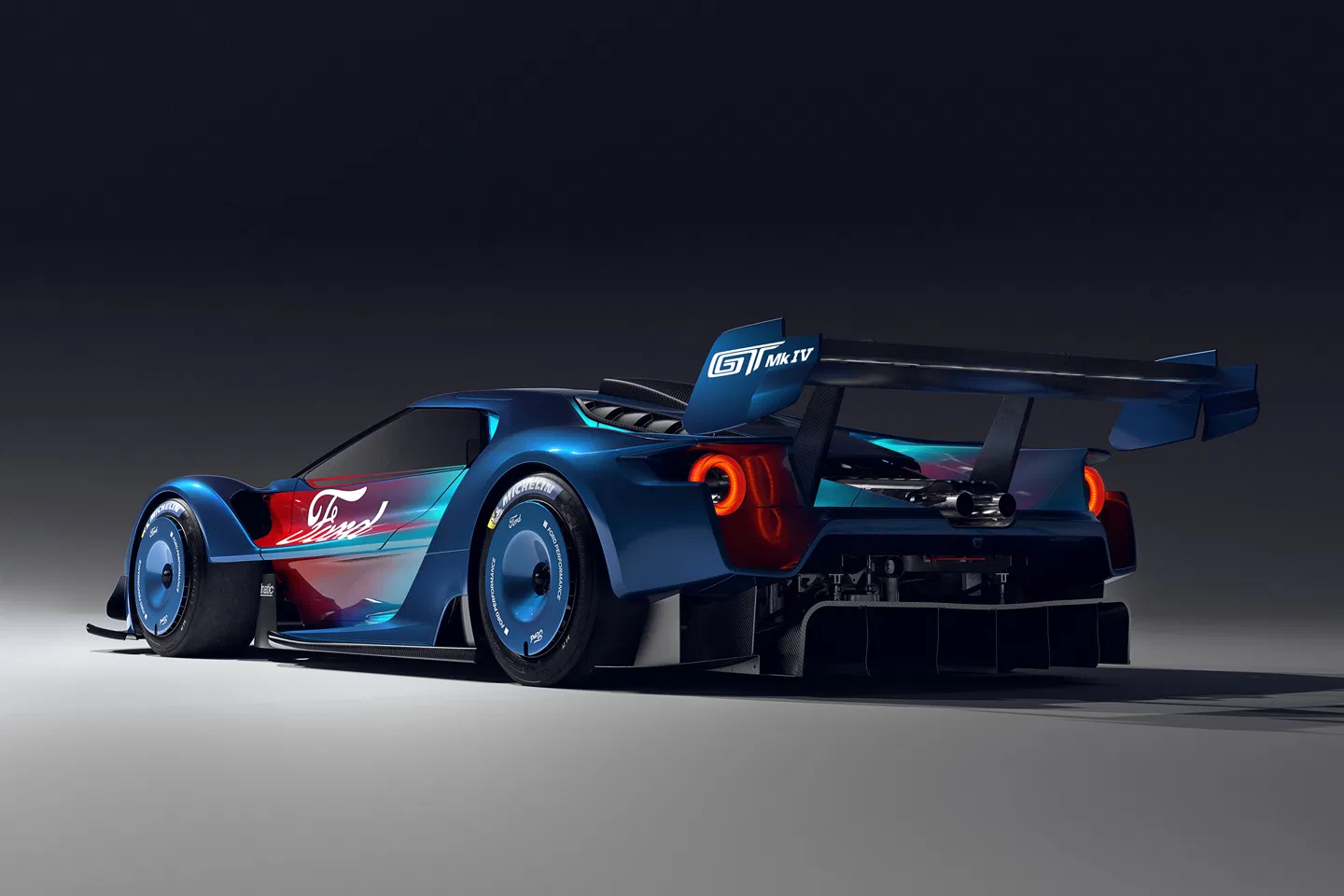
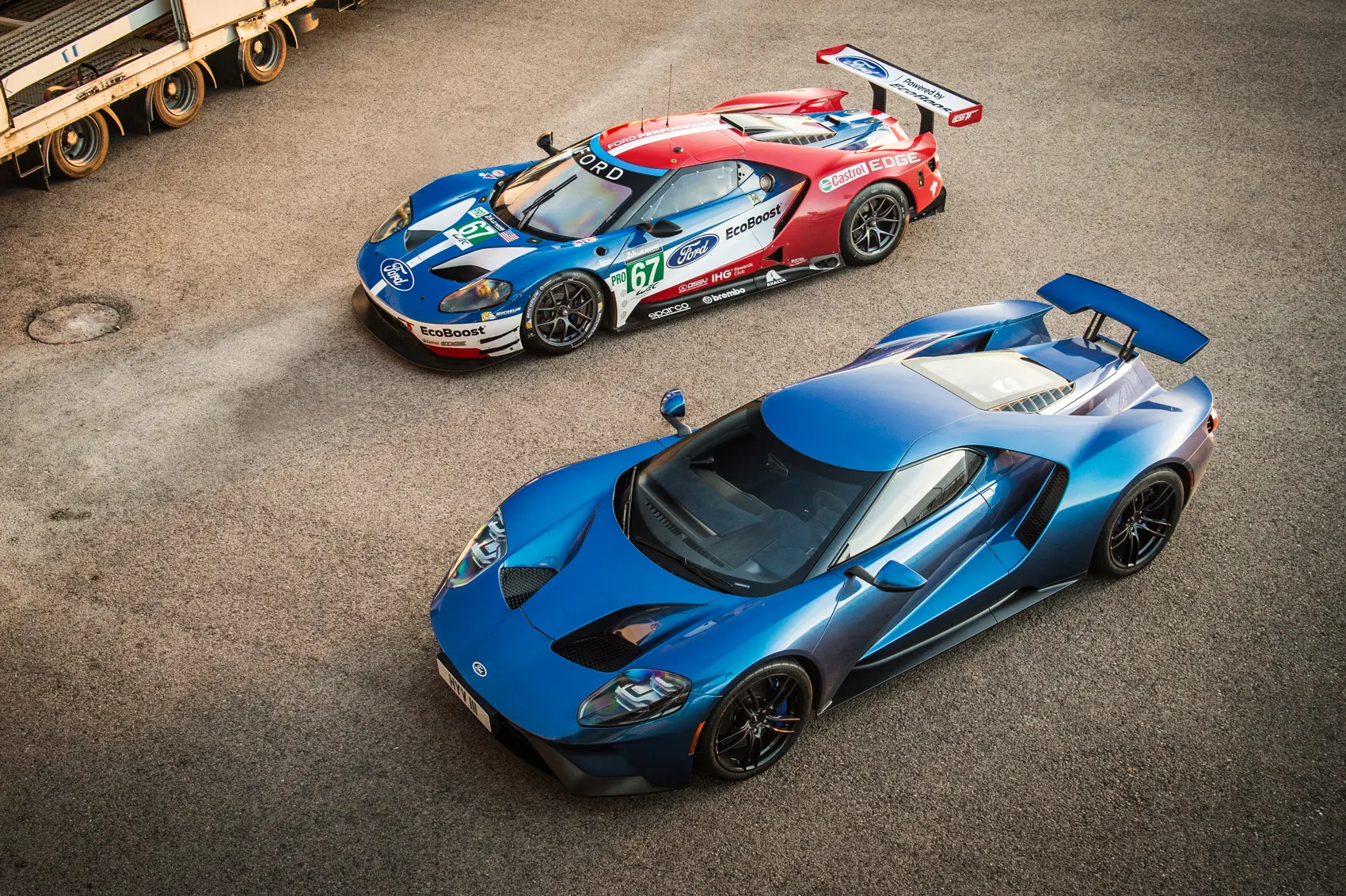
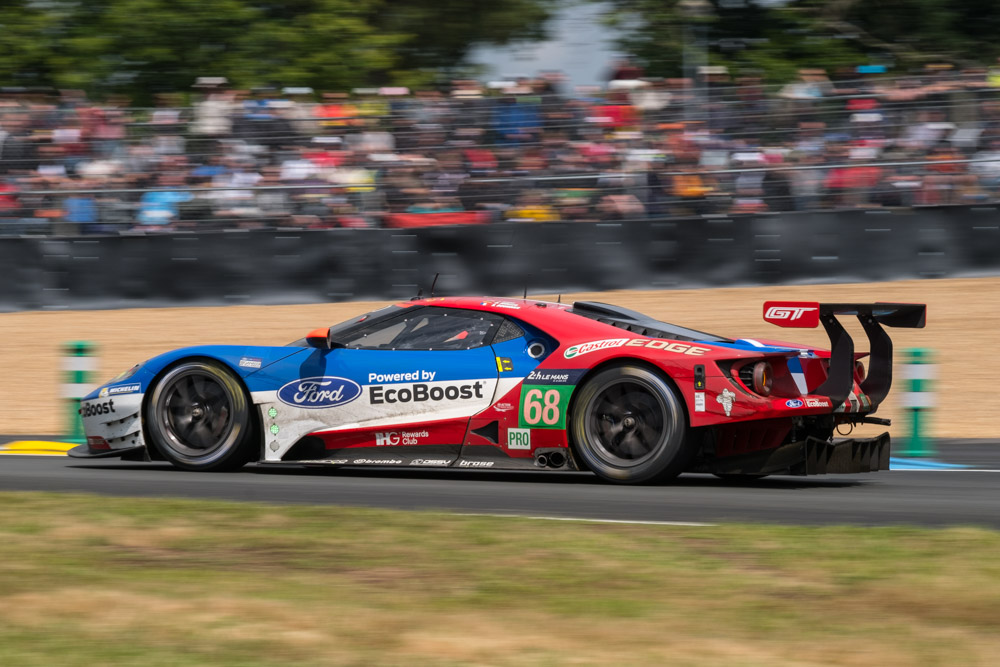
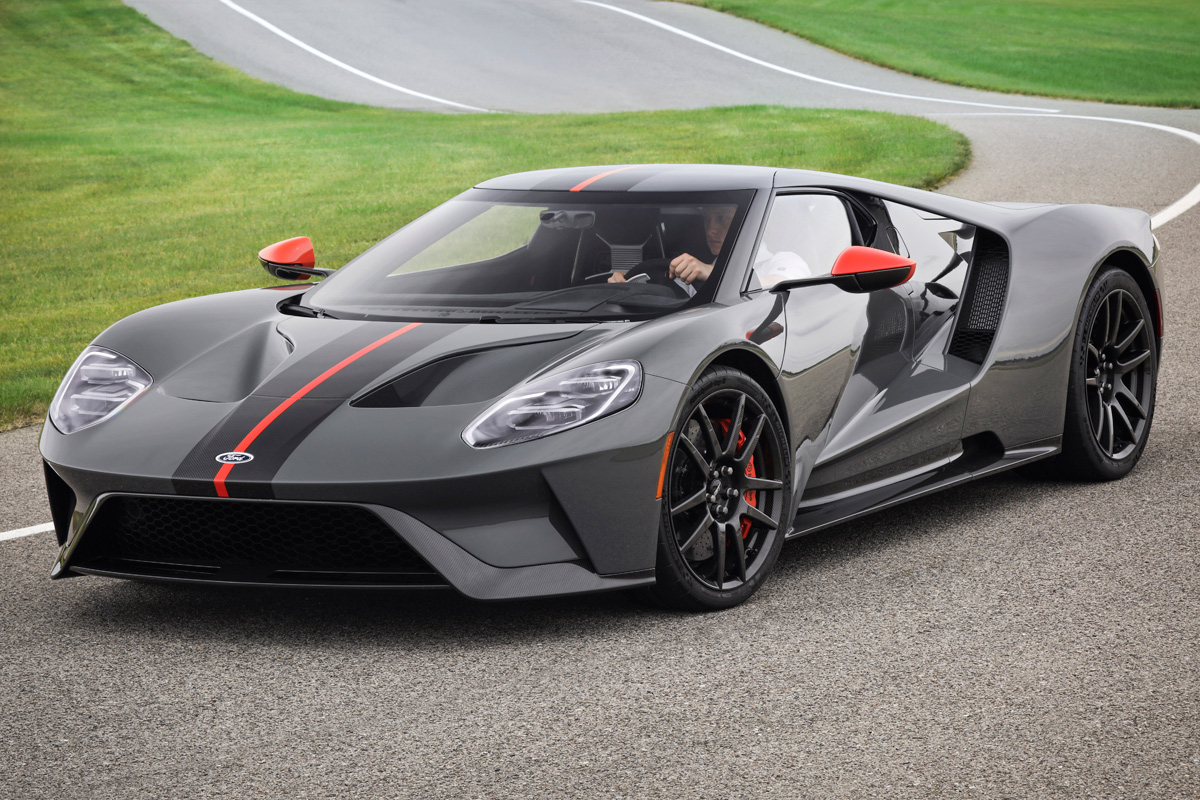
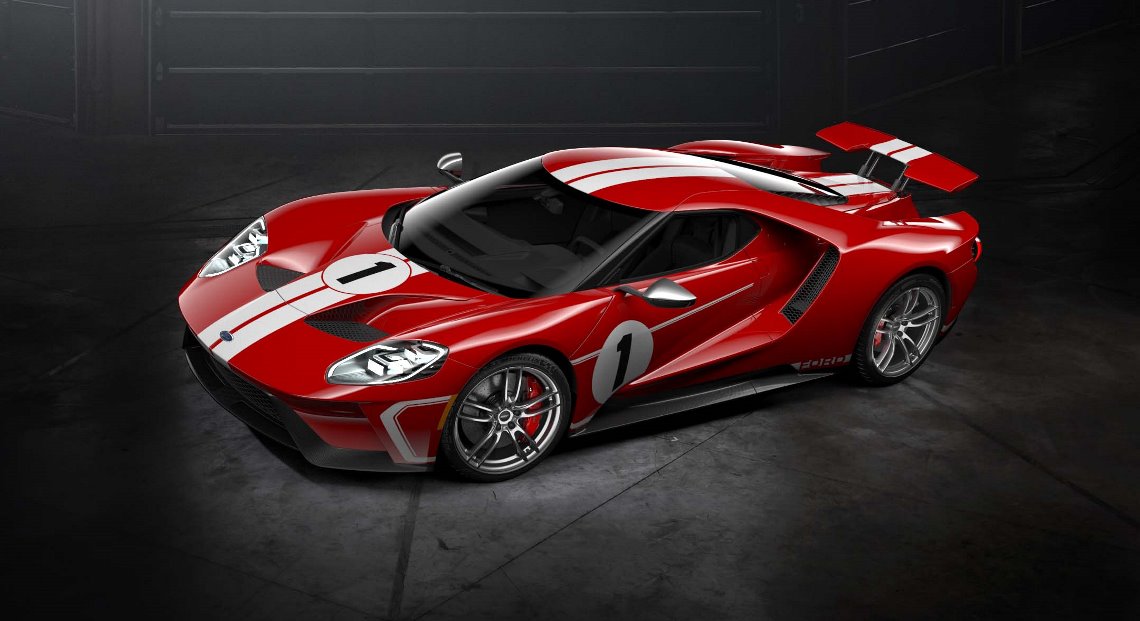
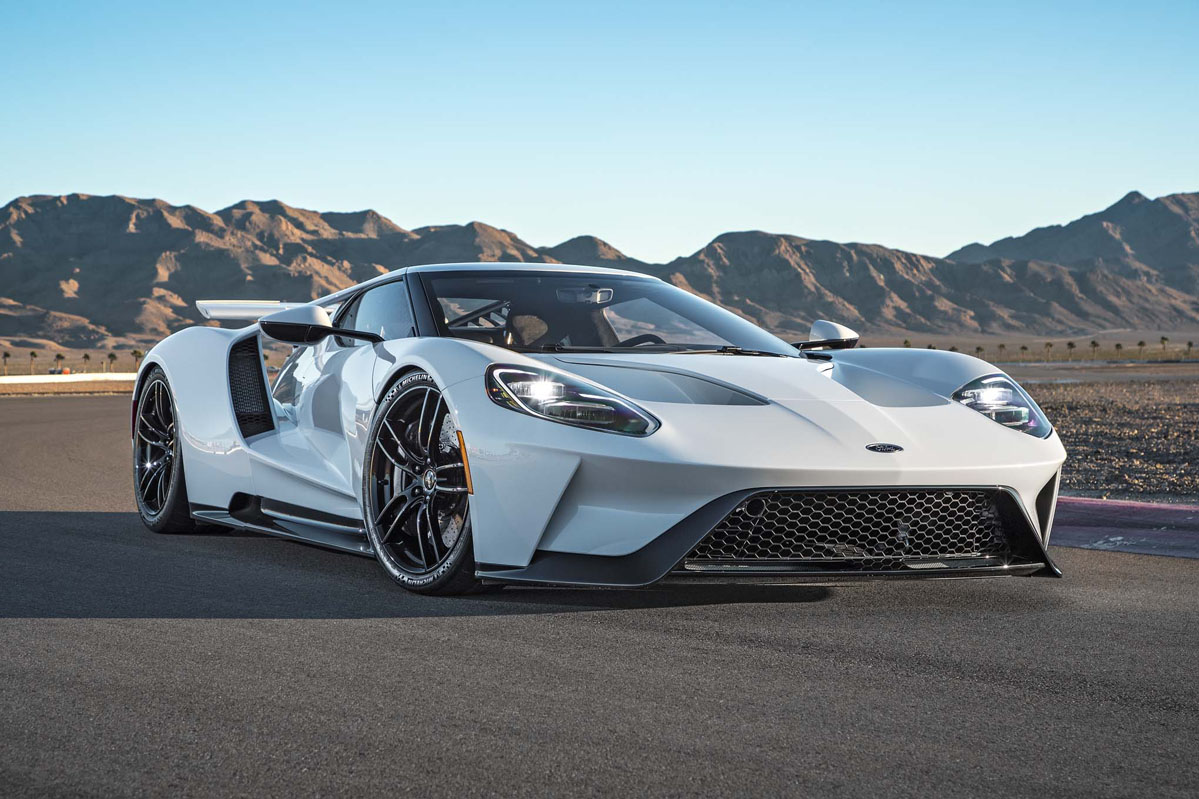
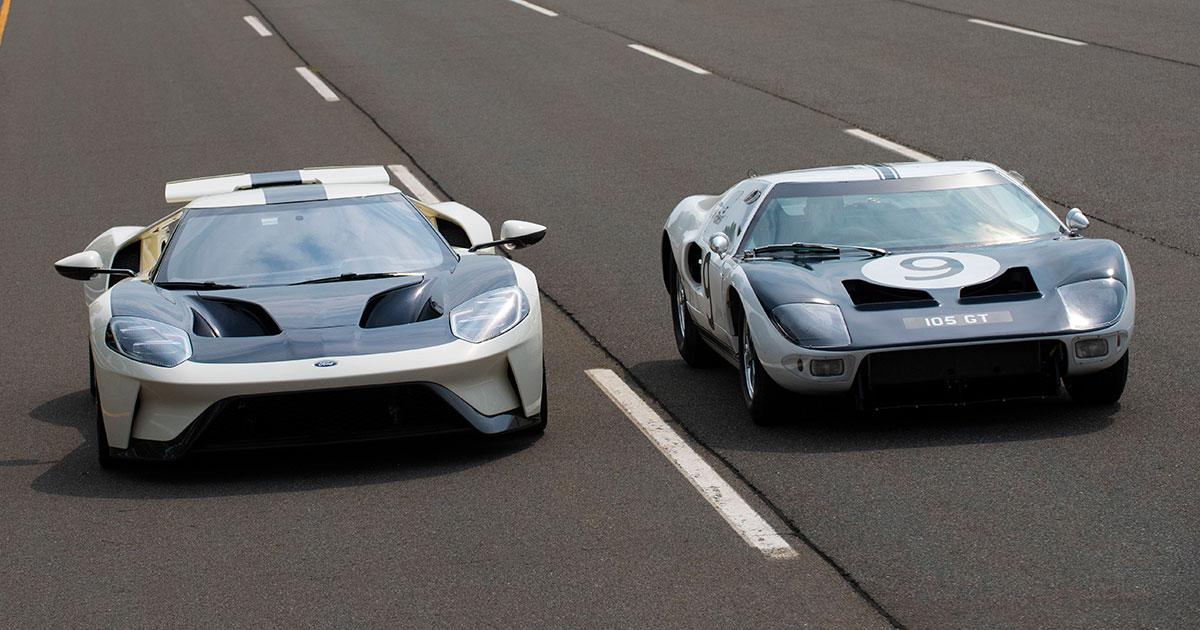
Then came the 2016 Ford GT (Gen II). If the 2004 car was a tribute, the 2016 car was a weapon. Developed in secret in a basement at Ford, it was built to win Le Mans on the 50th anniversary of the 1966 victory. The V8 was gone, replaced by a 3.5-litre twin-turbo EcoBoost V6. While purists scoffed at the cylinder count, the engine was chosen for packaging; its compact size allowed for the car’s defining “flying buttress” aerodynamics, which channeled air through the bodywork to generate massive downforce. The chassis was a carbon-fibre passenger cell, and the suspension was a pushrod design with torsion bars, capable of dropping the ride height by 50mm in “Track Mode.” This generation also spawned track-only monsters like the GT Mk II and the GT Mk IV, the latter being a boundless, long-tail expression of what the car could do without FIA regulations, unleashing over 800 horsepower.
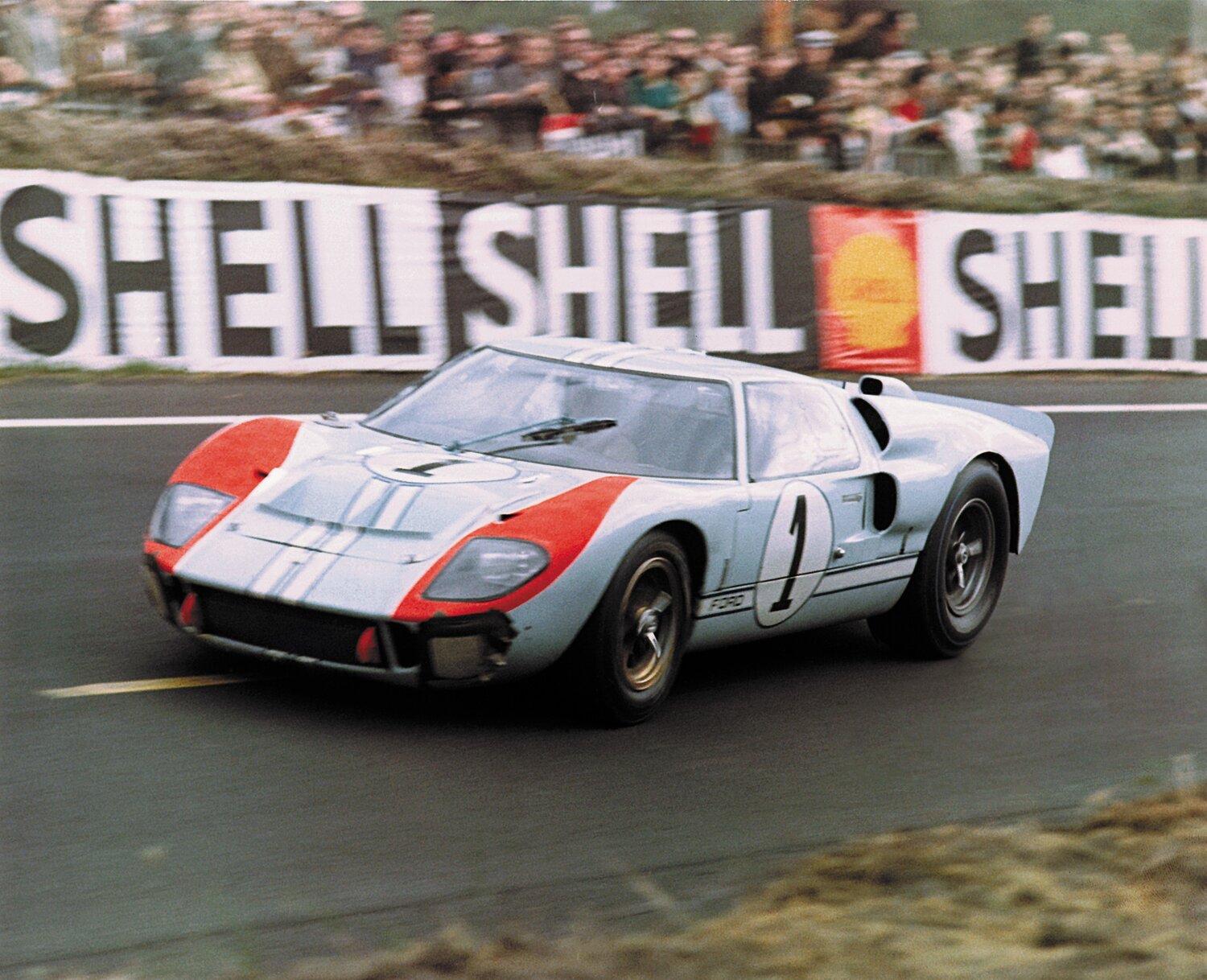
The impact of the Ford GT on motorsport is the stuff of legend. The 1966 24 Hours of Le Mans remains the high-water mark of American racing. The Mk II GT40s finished 1-2-3, breaking Ferrari’s six-year winning streak and fulfilling Henry Ford II’s vendetta. The GT40 went on to win Le Mans four consecutive times (1966-1969), with the 1969 victory by Jacky Ickx in the aging GT40 Mk I (Chassis 1075) being one of the closest finishes in history. The car didn’t just win; it broke the spirit of the competition.
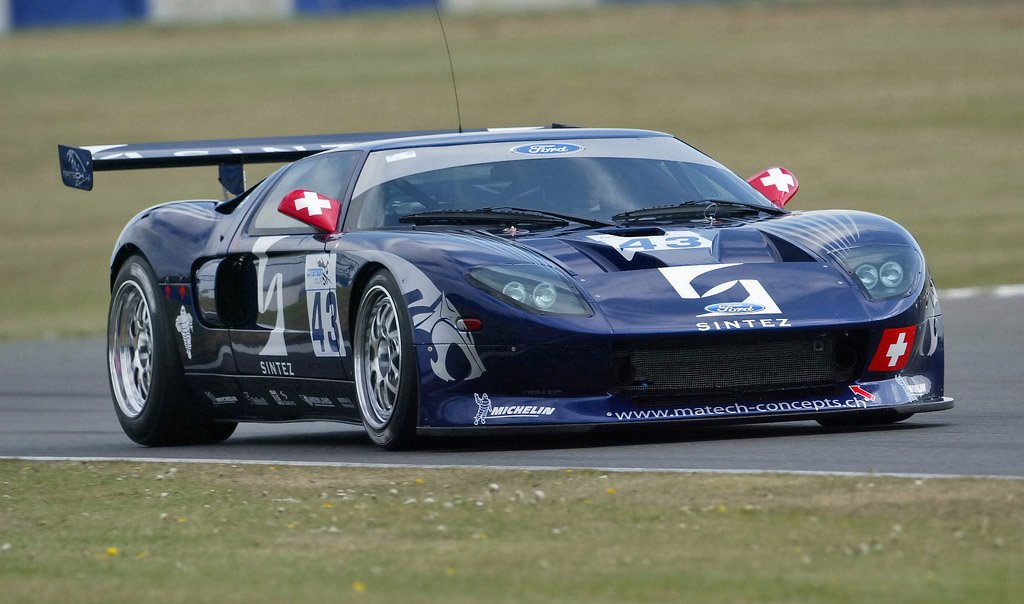
The 2004 generation was largely a street car, though privateers raced it in GT3 categories with moderate success (the Matech cars). However, the 2016 GT was born to race. In a story that would be dismissed as bad fiction if it weren’t true, the Ford Chip Ganassi Racing team took the new Ford GT to Le Mans in 2016 and won the GTE Pro class on its debut, exactly 50 years after the first win, beating Ferrari once again. It was a mic-drop moment for the ages. On the street, the Ford GT has always been an icon. The 2004 model is one of the few cars from the early 2000s that has appreciated in value, renowned for its bulletproof durability and timeless design. The 2016 model, with its strict application process and limited production, became an instant blue-chip collectible, a piece of rolling sculpture that looked like a spaceship compared to its peers.
The legacy of the Ford GT is unique. It is not a model line born of market research; it is a model line born of passion and pride. It stands as the ultimate proof that when the American automotive industrial complex focuses its immense resources on a singular goal, it is unbeatable. The GT40 ended the European hegemony in the 60s; the 2004 GT proved American design could be timeless; and the 2016 GT demonstrated that Ford could innovate with carbon fiber and aerodynamics at a Formula 1 level. It is the American supercar, a machine that doesn’t need to apologize for its roots. From the thunder of the 7.0-litre Mk II to the whistle of the EcoBoost, the Ford GT is the trans-Atlantic bridge between Detroit muscle and European finesse, forever holding a place in the pantheon as the car that beat Ferrari at its own game.
Portal
Model line
Model generation
Predecessor
Sucessor
Brand
Produced from
Vehicle category
Portal
Model line
Model generation
Predecessor
Sucessor
Model Overview
The story of the Ford GT is not merely a chronicle of automotive engineering; it is a Shakespearean drama forged in the fires of corporate vengeance. It is the only American model line that exists solely because a colossal business deal went sour. In 1963, Henry Ford II was poised to buy Ferrari to secure a sporting image for the Blue Oval. When Enzo Ferrari abruptly walked away from the table, unwilling to cede control of his racing team, “The Deuce” didn’t just get angry; he declared war. He issued a blank check with a singular directive: build a car that would humiliate Ferrari at the 24 Hours of Le Mans. Thus, the Ford GT40 was born, a low-slung, mid-engined projectile that would evolve into a dynasty. Unlike the Corvette, which was a sports car trying to be a racer, the Ford GT lineage—spanning the original 1960s icons, the retro-futurist 2004 revival, and the carbon-fibre 2016 Le Mans winner—represents the only time an American manufacturer has built a dedicated supercar capable of beating the European aristocracy on their own soil.
The technical evolution of this bloodline is a fascinating study in how speed has changed over fifty years. The original Ford GT40 (so named for its 40-inch height) was a brute-force instrument. Built around a steel semi-monocoque chassis with a fiberglass body, it was a Anglo-American hybrid. The early Mk I cars used the rev-happy 289 cubic inch (4.7-litre) small-block V8, but to conquer the Mulsanne Straight, Ford unleashed the Mk II, stuffing the gargantuan 427 cubic inch (7.0-litre) NASCAR V8 into the rear deck. This engine didn’t scream; it thundered, pushing the car to over 200 mph. The suspension was a complex double-wishbone setup, and the aerodynamics were initially terrifying until Carroll Shelby and Ken Miles fixed the lift issues. The lineage included the road-softened Mk III (a commercial failure but a rarity today) and the Mk IV, a radically different, American-built car featuring an aluminium honeycomb chassis that was lightyears ahead of its time.
Fast forward to 2004. To celebrate the company’s centennial, Ford released the Ford GT (Gen I). Designed by Camilo Pardo, it was a “greatest hits” album in metal—visually nearly identical to the Mk I, but 10% larger in every dimension. Under the aluminium skin lay a superplastic-formed aluminium spaceframe. The heart was a 5.4-litre supercharged modular V8, producing 550 bhp. It was a love letter to analog driving: a Ricardo six-speed manual transaxle, no stability control, and a soundtrack that combined the whine of a Lysholm supercharger with the burble of a muscle car. It was a surprisingly usable supercar, a “pace car for an entire company” that proved Detroit could build a Ferrari 360 fighter with cup holders and air conditioning.
Then came the 2016 Ford GT (Gen II). If the 2004 car was a tribute, the 2016 car was a weapon. Developed in secret in a basement at Ford, it was built to win Le Mans on the 50th anniversary of the 1966 victory. The V8 was gone, replaced by a 3.5-litre twin-turbo EcoBoost V6. While purists scoffed at the cylinder count, the engine was chosen for packaging; its compact size allowed for the car’s defining “flying buttress” aerodynamics, which channeled air through the bodywork to generate massive downforce. The chassis was a carbon-fibre passenger cell, and the suspension was a pushrod design with torsion bars, capable of dropping the ride height by 50mm in “Track Mode.” This generation also spawned track-only monsters like the GT Mk II and the GT Mk IV, the latter being a boundless, long-tail expression of what the car could do without FIA regulations, unleashing over 800 horsepower.
The impact of the Ford GT on motorsport is the stuff of legend. The 1966 24 Hours of Le Mans remains the high-water mark of American racing. The Mk II GT40s finished 1-2-3, breaking Ferrari’s six-year winning streak and fulfilling Henry Ford II’s vendetta. The GT40 went on to win Le Mans four consecutive times (1966-1969), with the 1969 victory by Jacky Ickx in the aging GT40 Mk I (Chassis 1075) being one of the closest finishes in history. The car didn’t just win; it broke the spirit of the competition.
The 2004 generation was largely a street car, though privateers raced it in GT3 categories with moderate success (the Matech cars). However, the 2016 GT was born to race. In a story that would be dismissed as bad fiction if it weren’t true, the Ford Chip Ganassi Racing team took the new Ford GT to Le Mans in 2016 and won the GTE Pro class on its debut, exactly 50 years after the first win, beating Ferrari once again. It was a mic-drop moment for the ages. On the street, the Ford GT has always been an icon. The 2004 model is one of the few cars from the early 2000s that has appreciated in value, renowned for its bulletproof durability and timeless design. The 2016 model, with its strict application process and limited production, became an instant blue-chip collectible, a piece of rolling sculpture that looked like a spaceship compared to its peers.
The legacy of the Ford GT is unique. It is not a model line born of market research; it is a model line born of passion and pride. It stands as the ultimate proof that when the American automotive industrial complex focuses its immense resources on a singular goal, it is unbeatable. The GT40 ended the European hegemony in the 60s; the 2004 GT proved American design could be timeless; and the 2016 GT demonstrated that Ford could innovate with carbon fiber and aerodynamics at a Formula 1 level. It is the American supercar, a machine that doesn’t need to apologize for its roots. From the thunder of the 7.0-litre Mk II to the whistle of the EcoBoost, the Ford GT is the trans-Atlantic bridge between Detroit muscle and European finesse, forever holding a place in the pantheon as the car that beat Ferrari at its own game.
Generations
Model Generations

Submodels