
Alfa Romeo Giulia TZ
Brand
Produced from
Vehicle category
Portal
Model line
Model generation
Predecessor
Sucessor
Model Overview
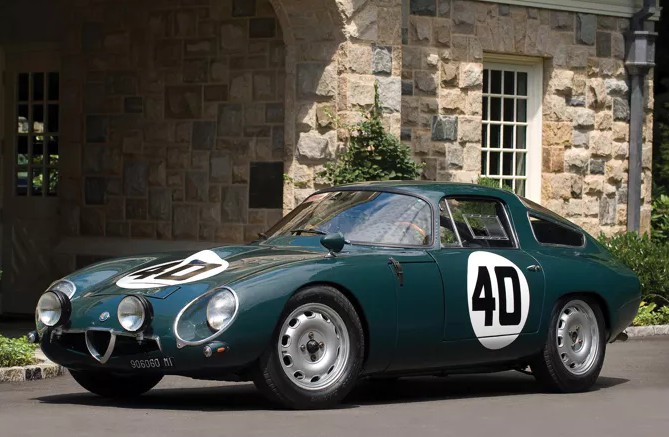
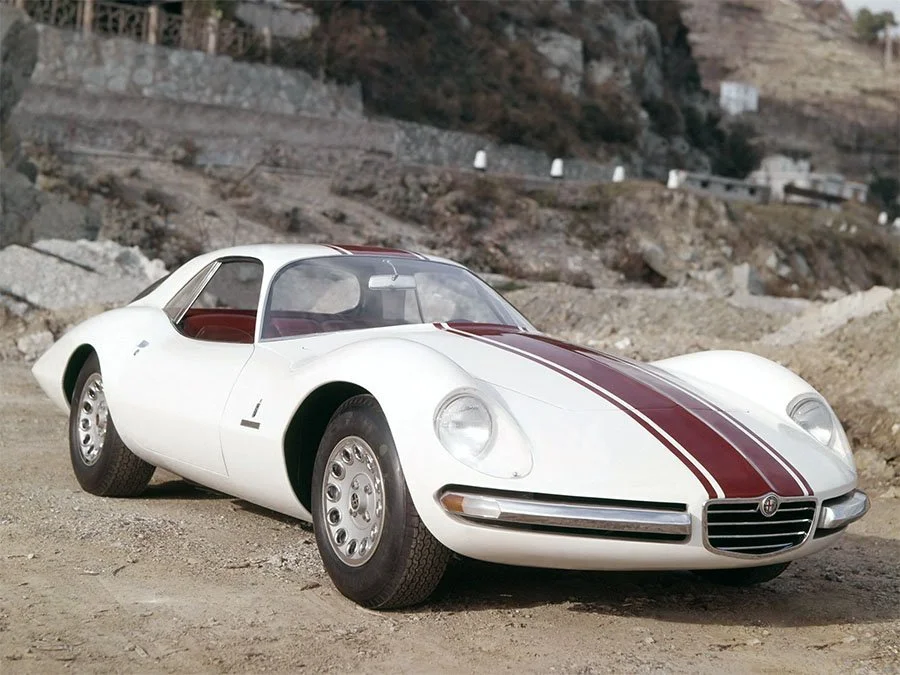
To understand the genesis of the Alfa Romeo TZ lineage is to transport oneself to the early 1960s, a golden epoch of motorsport where the scent of unburnt hydrocarbons mingled with the salty air of Mediterranean road races. Alfa Romeo, carrying the heavy, glorious burden of its pre-war and early post-war dominance, needed a successor to the delightfully bulbous Giulietta SZ. The 1300cc SZ had been a formidable weapon, but the competition was advancing rapidly, and the Milanese marque required a purpose-built giant-killer to dominate the 1600cc Gran Turismo class. The mandate was clear: build a car that could conquer the likes of the Porsche 904 Carrera GTS and the Abarth-Simca 2000 on the world’s most grueling circuits. To achieve this, Alfa Romeo enlisted the holy trinity of Italian automotive performance: the visionary engineers at Autodelta led by the formidable Carlo Chiti, the aerodynamic sorcery of Ercole Spada at Carrozzeria Zagato, and the mechanical beating heart of the Giulia series. The result was the Giulia TZ (Tubolare Zagato), a machine that blurred the line between a road-going sports car and a purebred racing prototype, cementing itself as one of the most sublime and successful front-engined GT cars ever to grace the asphalt.
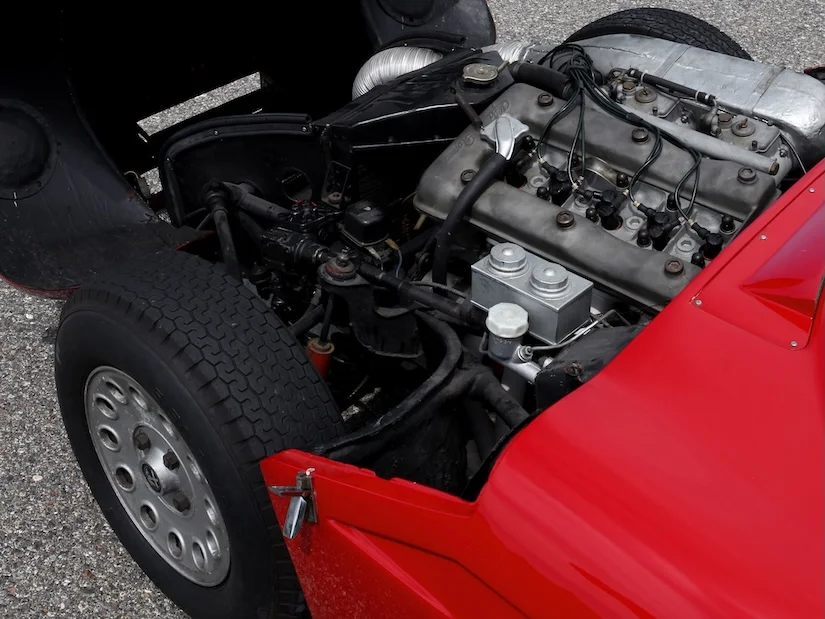
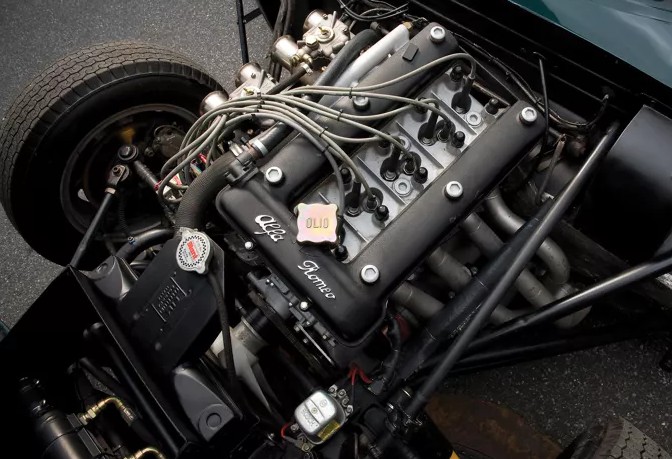
The mechanical philosophy of the TZ was an exercise in absolute, uncompromising reduction, beginning with the very skeleton that gave the car its name. The “Tubolare” in TZ referred to its bespoke spaceframe chassis, a complex, three-dimensional web of nickel-chrome-molybdenum steel tubes. This masterpiece of metallurgy weighed a mere 62 kilograms (137 lbs), yet it provided immense torsional rigidity. To keep the hood line impossibly low for aerodynamic efficiency, the legendary 1,570cc Alfa Romeo Twin Cam (Bialbero) engine was installed at an angle. In its initial TZ1 guise, this alloy four-cylinder jewel, breathing through a pair of twin-choke Weber carburetors, produced a healthy 112 horsepower for the street, and upwards of 160 horsepower in Autodelta racing tune. Power was sent to the rear wheels through a five-speed manual gearbox, but the chassis sophistication didn’t end there. The TZ featured fully independent suspension all around, a rarity for the era, and employed inboard rear disc brakes mounted close to the differential to significantly reduce unsprung weight, a trick learned directly from Formula 1.
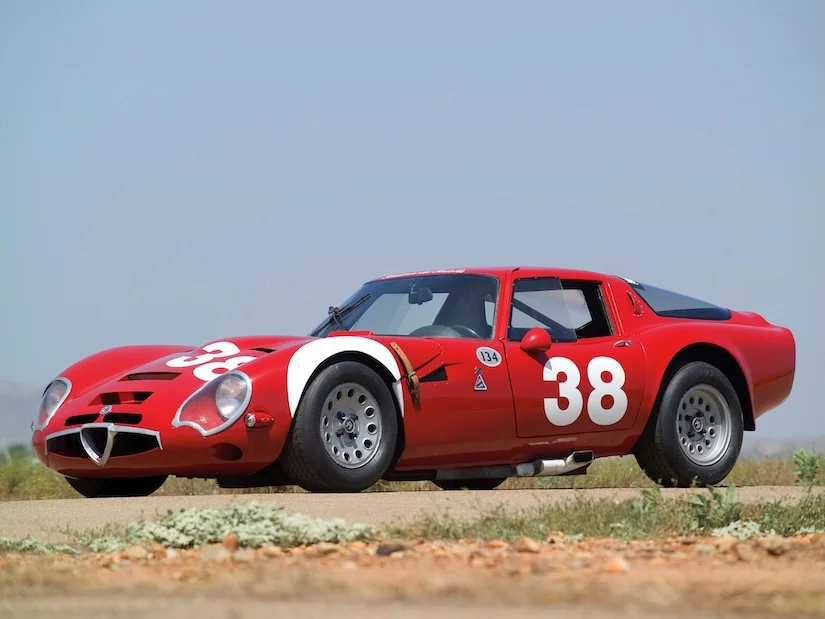
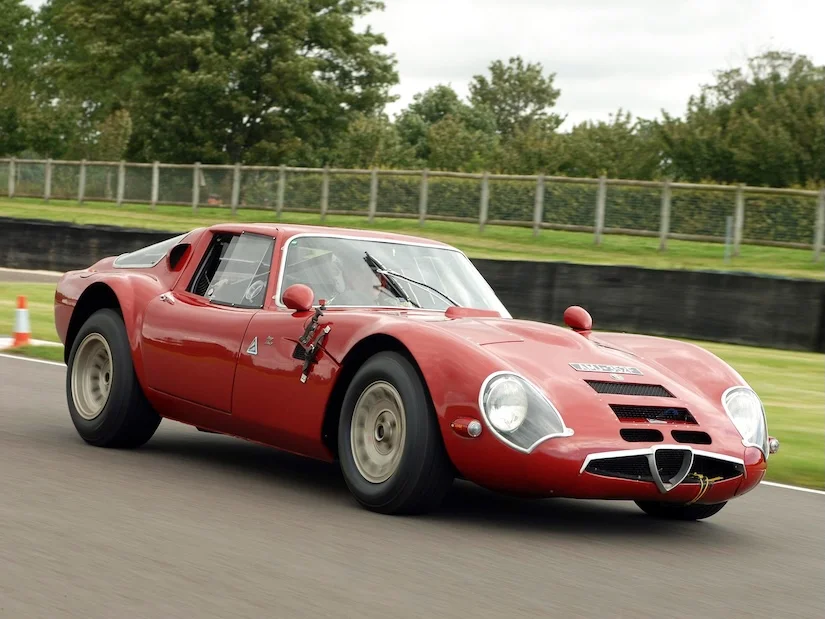
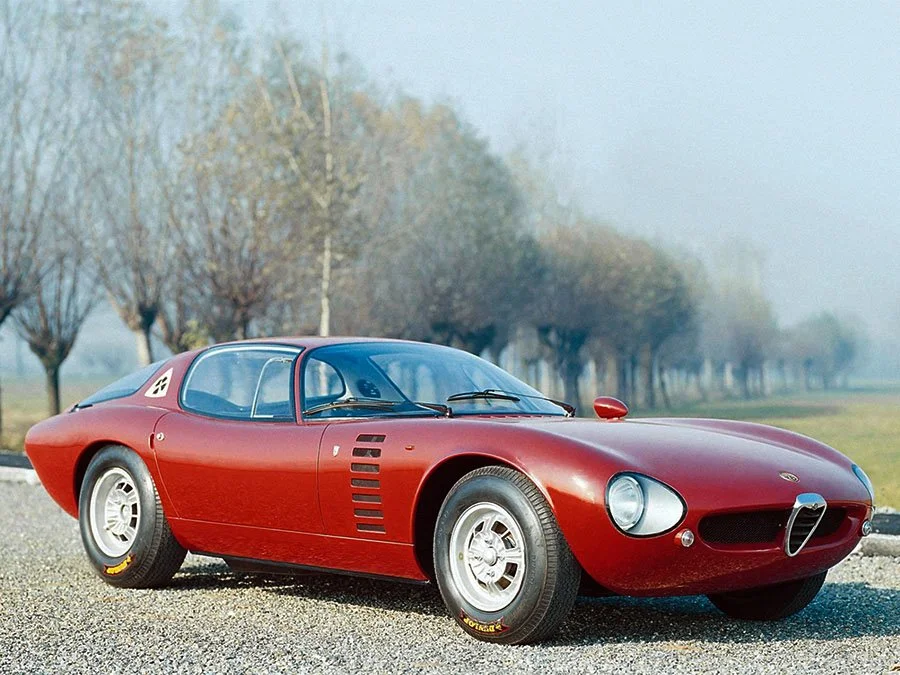
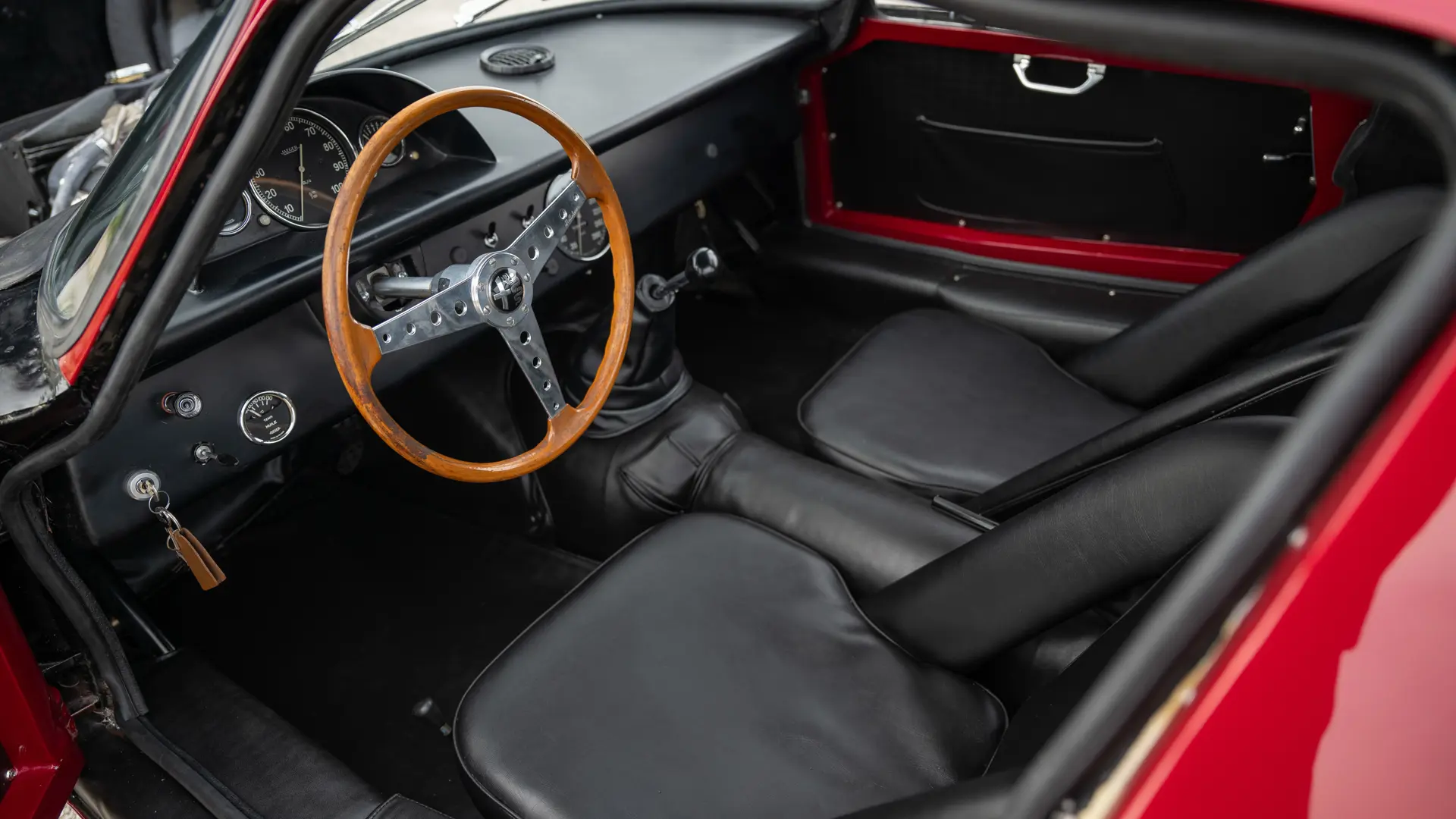
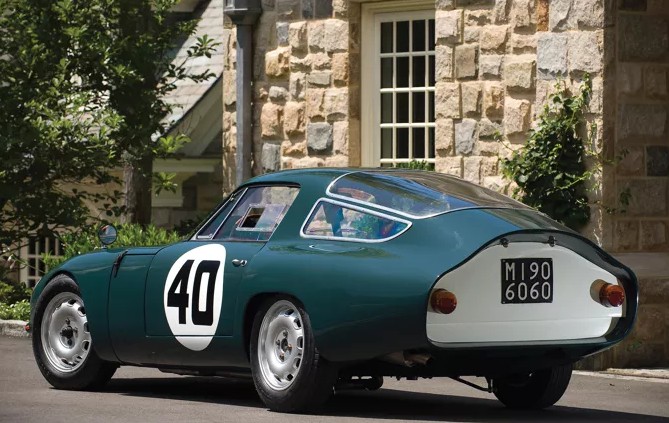
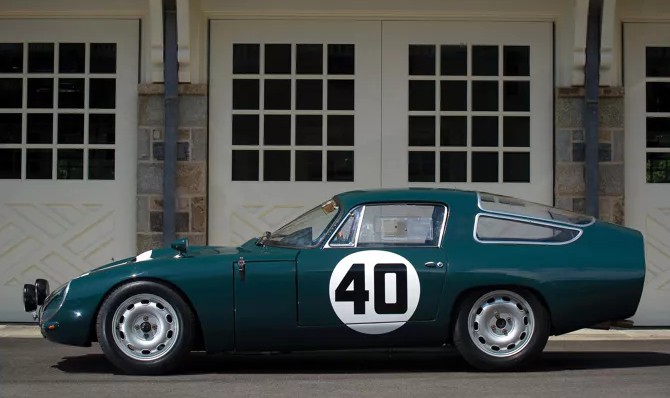
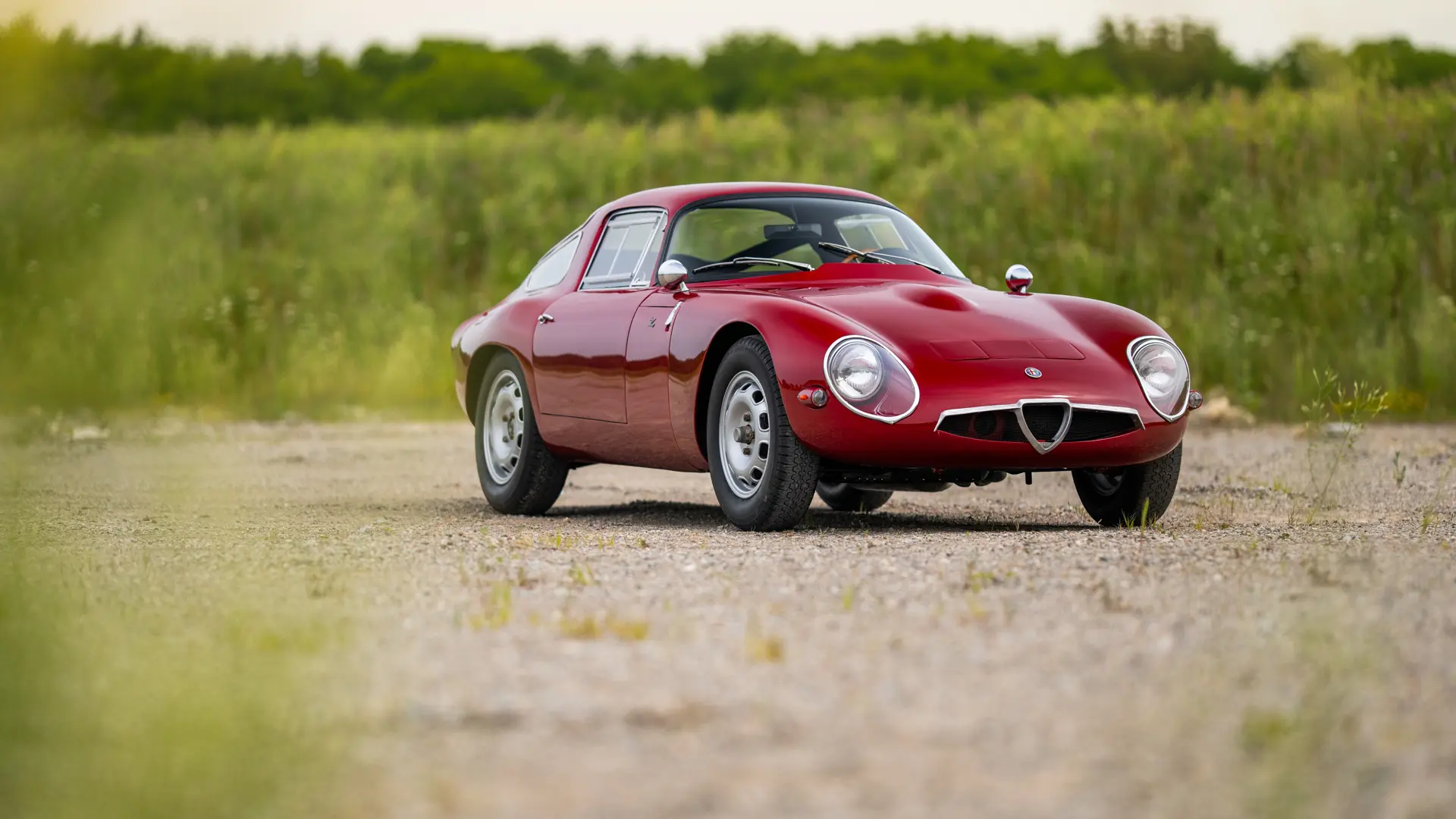
Draped over this cutting-edge lattice was a body of breathtaking functional beauty, hand-beaten from ultra-thin aluminium by Zagato. Ercole Spada’s design was dictated entirely by the wind tunnel. The nose was a low, sweeping shark-like entry that cleaved the air, but the rear was the true aerodynamic masterstroke. Spada utilized the Kamm-tail theory, creating the abrupt, flat rear end known as the Coda Tronca. By cutting the tail off sharply, the design tricked the air into behaving as if the car had a long, teardrop-shaped tail, drastically reducing aerodynamic drag while enhancing high-speed stability. The TZ1 was a homologation special, requiring 100 units to be built for the Gran Turismo class. It featured a Spartan but beautifully purposeful interior: lightweight bucket seats, a large wood-rimmed steering wheel, and a dashboard dominated by the essential Veglia tachometer.
If the TZ1 was a street car that could race, its successor, the mythical TZ2 introduced in 1965, was a pure, unadulterated racing prototype of which only 12 were ever constructed. The TZ2 was the ultimate evolution of the front-engined Alfa Romeo. It was significantly lower, wider, and lighter. To shed further weight, Zagato replaced the aluminium bodywork with incredibly thin fiberglass (vetroresina). The chassis was stiffened, the suspension geometry revised, and the Bialbero engine was gifted with a dry-sump lubrication system and a Twin Spark cylinder head (predating the legendary GTA), allowing it to rev to a screaming 7,500 rpm and produce a reliable 170 horsepower. At a featherweight 620 kilograms (1,366 lbs), the TZ2 was a visceral, violent machine, capable of reaching speeds well over 150 mph on the Mulsanne Straight, outrunning cars with twice the displacement.
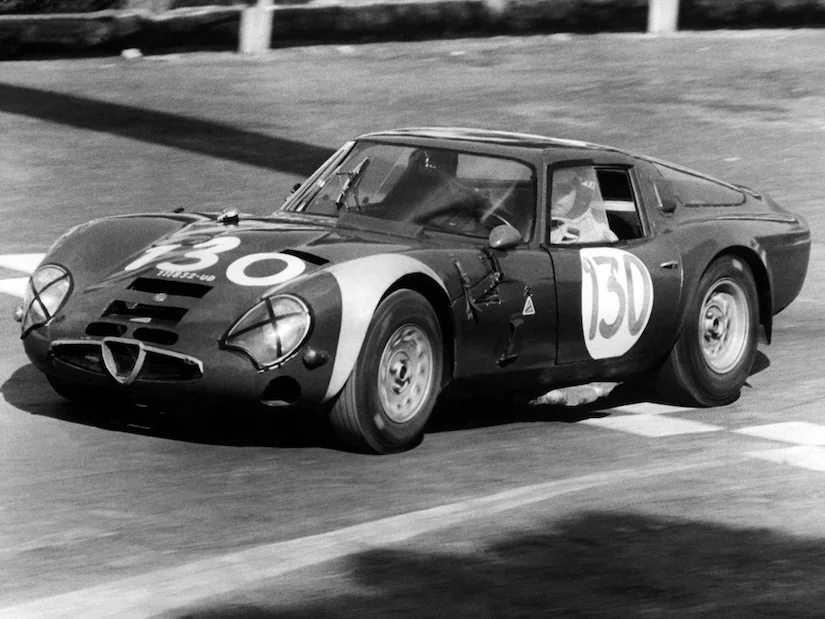
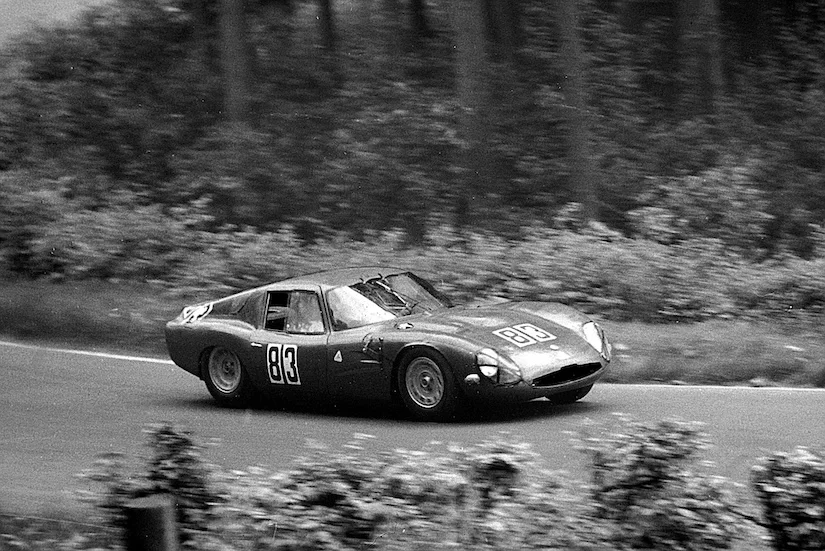
The competition history of the Alfa Romeo TZ is a tapestry of relentless domination. The TZ1 announced its arrival at the 1963 FISA Cup at Monza, utterly destroying the opposition by taking the first four places in its class. In 1964, the Autodelta-prepared TZ1s embarked on a global crusade, securing class victories at the 12 Hours of Sebring, the Targa Florio, the Nürburgring 1000km, and the 24 Hours of Le Mans. It was a nimble, agile boxer dancing around heavyweights. The car’s balance allowed drivers like Lorenzo Bandini and Roberto Bussinello to maintain blistering corner speeds, preserving momentum where American V8s and larger Ferraris had to brake heavily. When the TZ2 arrived, it simply picked up the baton and ran faster, dominating the 1.6-liter class in 1965 and 1966. Its low-slung stance and screaming exhaust note became the terror of the European circuits. The TZ series didn’t just win its class; it frequently embarrassed prototypes in the overall standings, thriving in endurance races where its mechanical robustness and aerodynamic efficiency paid massive dividends.
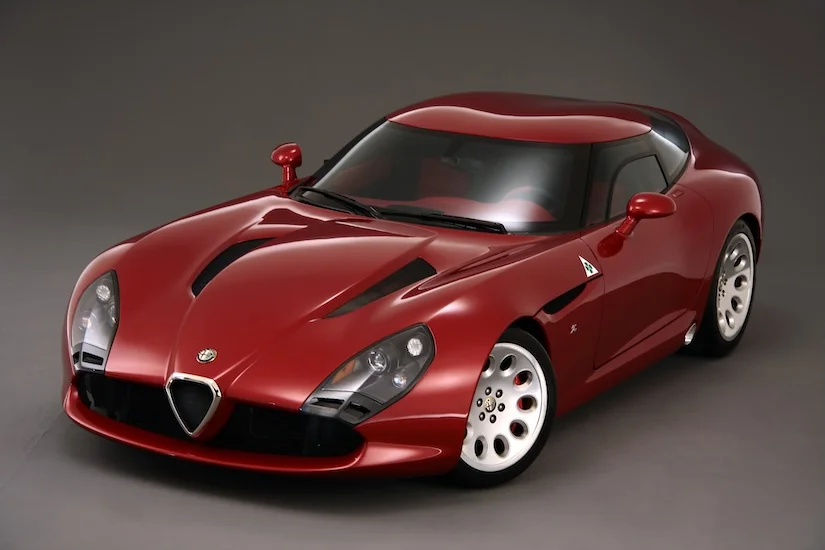
The legacy of the Alfa Romeo TZ lineage is that of the ultimate crescendo. It represents the absolute pinnacle of front-engined, small-displacement sports car design before the relentless march of physics forced the motorsport world to adopt the mid-engine layout. In fact, it was the limits of the TZ2 that prompted Carlo Chiti and Autodelta to develop the mid-engined Alfa Romeo Tipo 33, closing the book on the front-engine era. Today, the TZ1 and the ultra-rare TZ2 are among the most coveted, valuable, and mythologized automobiles on the planet, regular showstoppers at the Pebble Beach Concours and fierce competitors at the Goodwood Revival. They endure as rolling testaments to a time when Italian passion, aerospace aerodynamics, and lightweight engineering collided to create a machine of perfect, predatory grace. The Tubolare Zagato is not merely a chapter in Alfa Romeo’s history; it is the very essence of the brand’s racing soul, distilled into a tubular cage and wrapped in aluminium.
Portal
Model line
Model generation
Predecessor
Sucessor
Brand
Produced from
Vehicle category
Portal
Model line
Model generation
Predecessor
Sucessor
Model Overview
To understand the genesis of the Alfa Romeo TZ lineage is to transport oneself to the early 1960s, a golden epoch of motorsport where the scent of unburnt hydrocarbons mingled with the salty air of Mediterranean road races. Alfa Romeo, carrying the heavy, glorious burden of its pre-war and early post-war dominance, needed a successor to the delightfully bulbous Giulietta SZ. The 1300cc SZ had been a formidable weapon, but the competition was advancing rapidly, and the Milanese marque required a purpose-built giant-killer to dominate the 1600cc Gran Turismo class. The mandate was clear: build a car that could conquer the likes of the Porsche 904 Carrera GTS and the Abarth-Simca 2000 on the world’s most grueling circuits. To achieve this, Alfa Romeo enlisted the holy trinity of Italian automotive performance: the visionary engineers at Autodelta led by the formidable Carlo Chiti, the aerodynamic sorcery of Ercole Spada at Carrozzeria Zagato, and the mechanical beating heart of the Giulia series. The result was the Giulia TZ (Tubolare Zagato), a machine that blurred the line between a road-going sports car and a purebred racing prototype, cementing itself as one of the most sublime and successful front-engined GT cars ever to grace the asphalt.
The mechanical philosophy of the TZ was an exercise in absolute, uncompromising reduction, beginning with the very skeleton that gave the car its name. The “Tubolare” in TZ referred to its bespoke spaceframe chassis, a complex, three-dimensional web of nickel-chrome-molybdenum steel tubes. This masterpiece of metallurgy weighed a mere 62 kilograms (137 lbs), yet it provided immense torsional rigidity. To keep the hood line impossibly low for aerodynamic efficiency, the legendary 1,570cc Alfa Romeo Twin Cam (Bialbero) engine was installed at an angle. In its initial TZ1 guise, this alloy four-cylinder jewel, breathing through a pair of twin-choke Weber carburetors, produced a healthy 112 horsepower for the street, and upwards of 160 horsepower in Autodelta racing tune. Power was sent to the rear wheels through a five-speed manual gearbox, but the chassis sophistication didn’t end there. The TZ featured fully independent suspension all around, a rarity for the era, and employed inboard rear disc brakes mounted close to the differential to significantly reduce unsprung weight, a trick learned directly from Formula 1.
Draped over this cutting-edge lattice was a body of breathtaking functional beauty, hand-beaten from ultra-thin aluminium by Zagato. Ercole Spada’s design was dictated entirely by the wind tunnel. The nose was a low, sweeping shark-like entry that cleaved the air, but the rear was the true aerodynamic masterstroke. Spada utilized the Kamm-tail theory, creating the abrupt, flat rear end known as the Coda Tronca. By cutting the tail off sharply, the design tricked the air into behaving as if the car had a long, teardrop-shaped tail, drastically reducing aerodynamic drag while enhancing high-speed stability. The TZ1 was a homologation special, requiring 100 units to be built for the Gran Turismo class. It featured a Spartan but beautifully purposeful interior: lightweight bucket seats, a large wood-rimmed steering wheel, and a dashboard dominated by the essential Veglia tachometer.
If the TZ1 was a street car that could race, its successor, the mythical TZ2 introduced in 1965, was a pure, unadulterated racing prototype of which only 12 were ever constructed. The TZ2 was the ultimate evolution of the front-engined Alfa Romeo. It was significantly lower, wider, and lighter. To shed further weight, Zagato replaced the aluminium bodywork with incredibly thin fiberglass (vetroresina). The chassis was stiffened, the suspension geometry revised, and the Bialbero engine was gifted with a dry-sump lubrication system and a Twin Spark cylinder head (predating the legendary GTA), allowing it to rev to a screaming 7,500 rpm and produce a reliable 170 horsepower. At a featherweight 620 kilograms (1,366 lbs), the TZ2 was a visceral, violent machine, capable of reaching speeds well over 150 mph on the Mulsanne Straight, outrunning cars with twice the displacement.
The competition history of the Alfa Romeo TZ is a tapestry of relentless domination. The TZ1 announced its arrival at the 1963 FISA Cup at Monza, utterly destroying the opposition by taking the first four places in its class. In 1964, the Autodelta-prepared TZ1s embarked on a global crusade, securing class victories at the 12 Hours of Sebring, the Targa Florio, the Nürburgring 1000km, and the 24 Hours of Le Mans. It was a nimble, agile boxer dancing around heavyweights. The car’s balance allowed drivers like Lorenzo Bandini and Roberto Bussinello to maintain blistering corner speeds, preserving momentum where American V8s and larger Ferraris had to brake heavily. When the TZ2 arrived, it simply picked up the baton and ran faster, dominating the 1.6-liter class in 1965 and 1966. Its low-slung stance and screaming exhaust note became the terror of the European circuits. The TZ series didn’t just win its class; it frequently embarrassed prototypes in the overall standings, thriving in endurance races where its mechanical robustness and aerodynamic efficiency paid massive dividends.
The legacy of the Alfa Romeo TZ lineage is that of the ultimate crescendo. It represents the absolute pinnacle of front-engined, small-displacement sports car design before the relentless march of physics forced the motorsport world to adopt the mid-engine layout. In fact, it was the limits of the TZ2 that prompted Carlo Chiti and Autodelta to develop the mid-engined Alfa Romeo Tipo 33, closing the book on the front-engine era. Today, the TZ1 and the ultra-rare TZ2 are among the most coveted, valuable, and mythologized automobiles on the planet, regular showstoppers at the Pebble Beach Concours and fierce competitors at the Goodwood Revival. They endure as rolling testaments to a time when Italian passion, aerospace aerodynamics, and lightweight engineering collided to create a machine of perfect, predatory grace. The Tubolare Zagato is not merely a chapter in Alfa Romeo’s history; it is the very essence of the brand’s racing soul, distilled into a tubular cage and wrapped in aluminium.
Generations
Model Generations

Submodels