Ford Cortina I
Brand
Produced from
Vehicle category
Portal
Model line
Model generation
Generation Overview
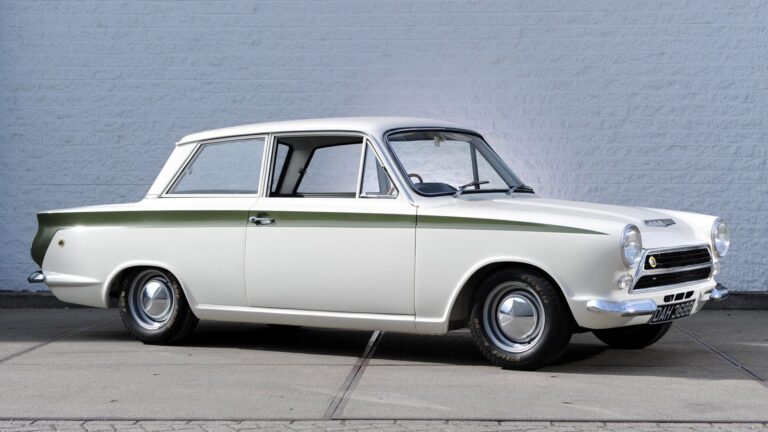
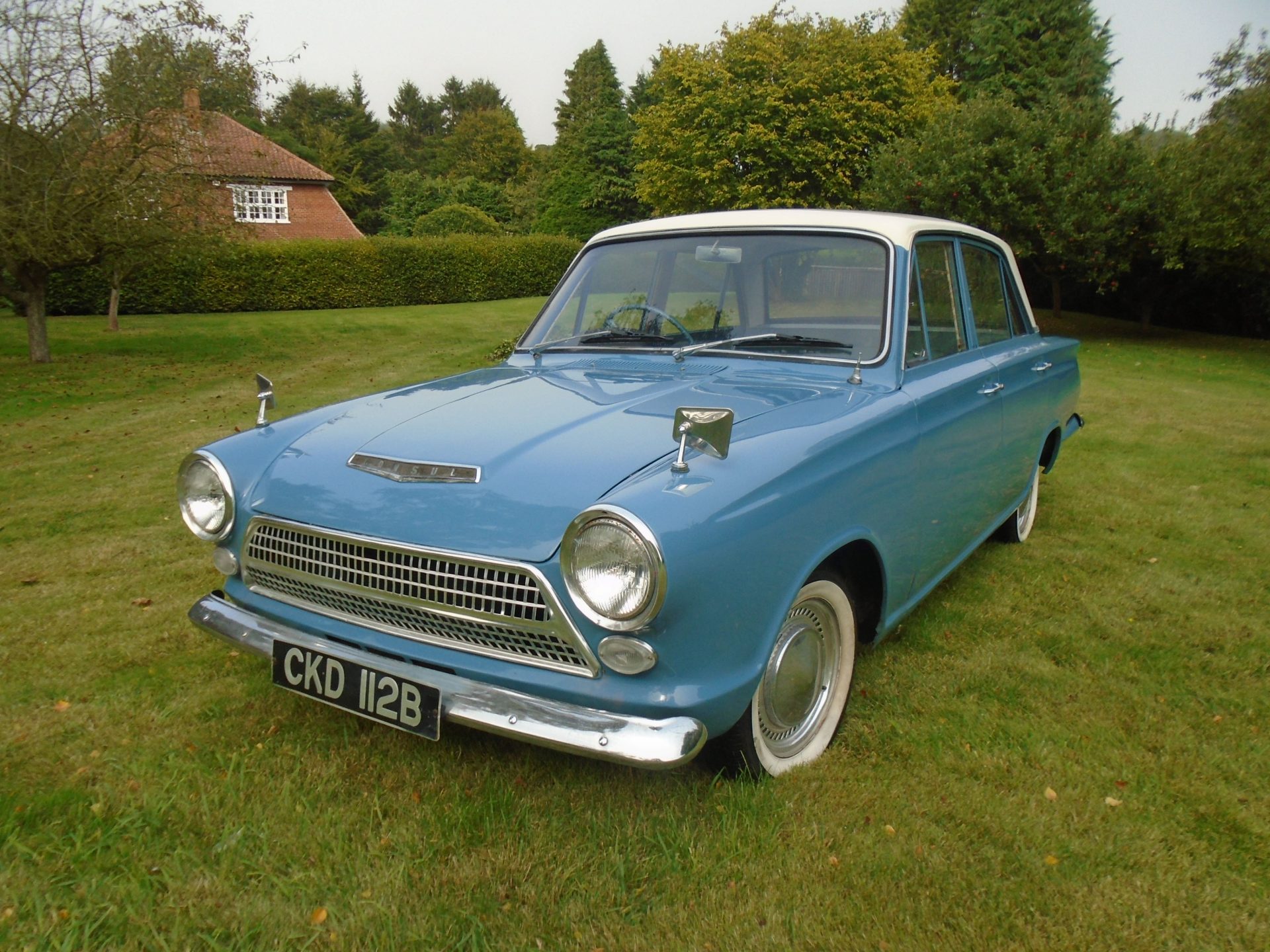
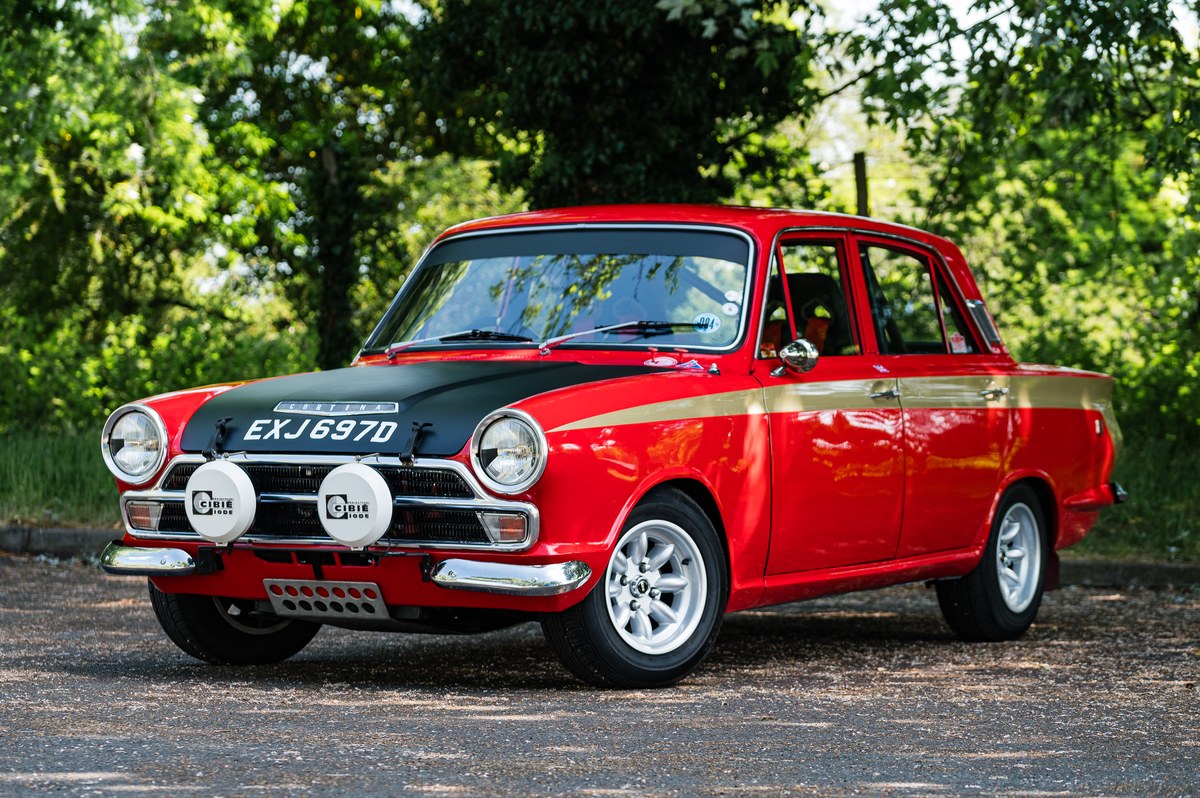
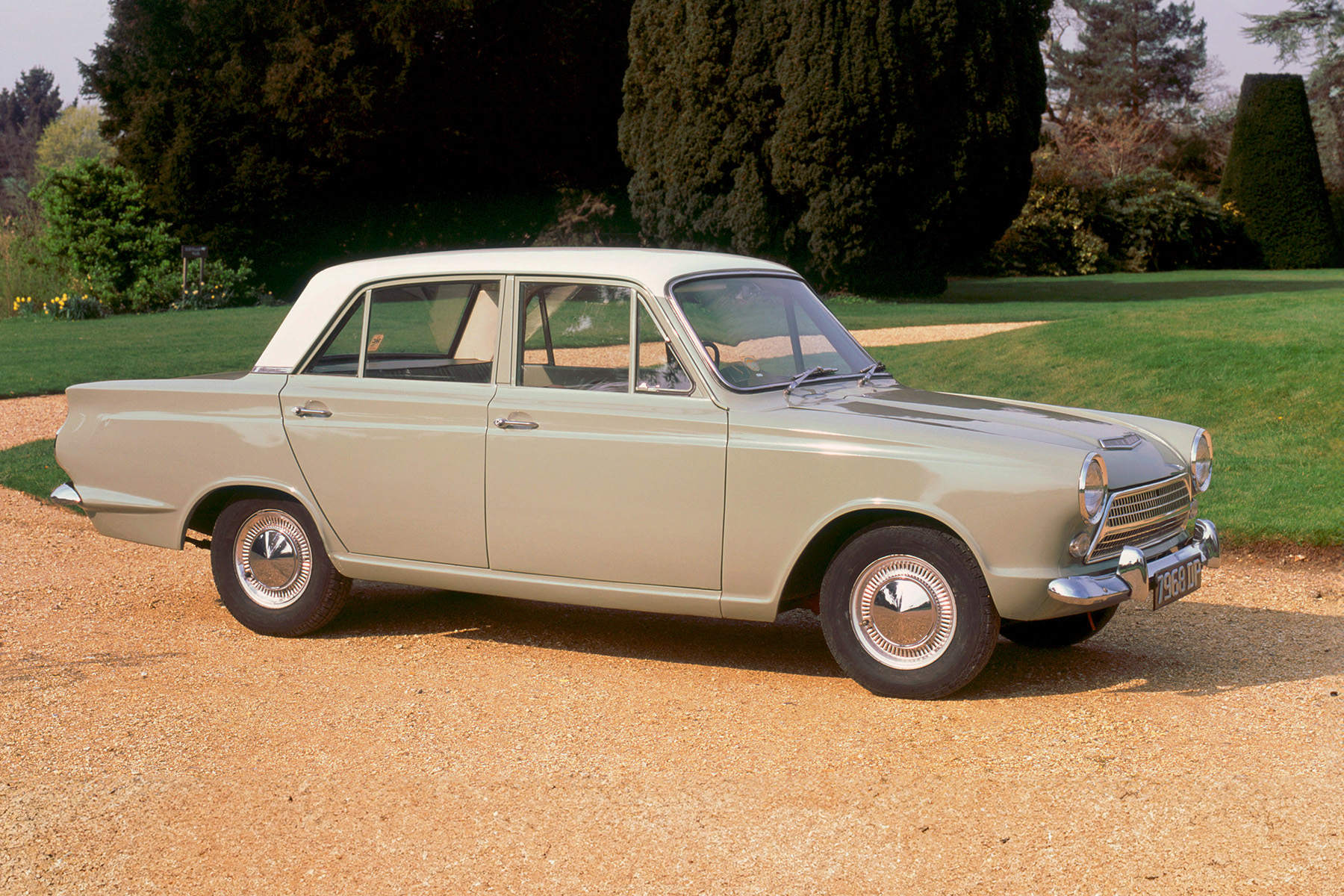
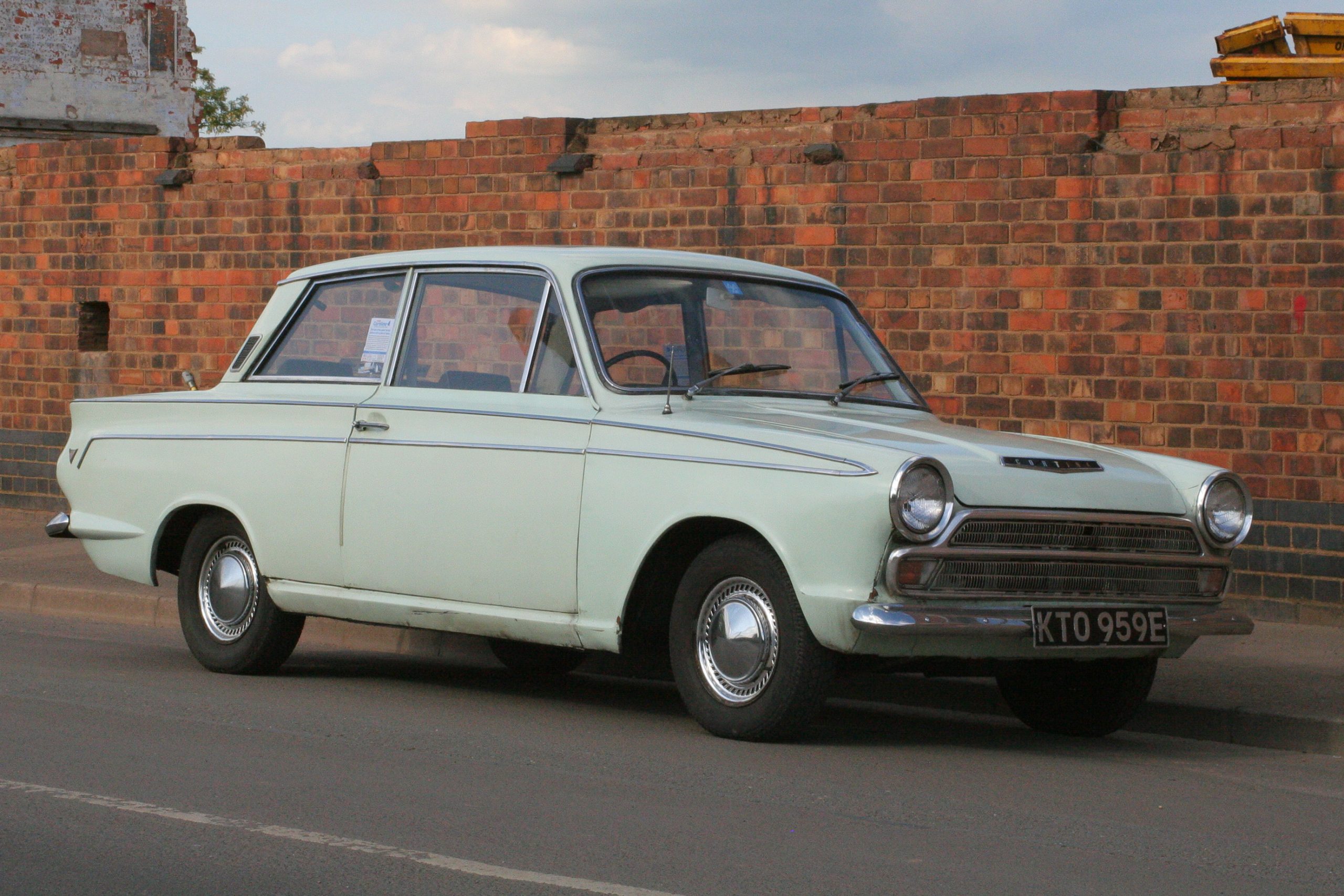
In the early dawn of the 1960s, the British motoring landscape was experiencing a seismic shift. The BMC Mini had just rewritten the rulebook on front-wheel-drive packaging, and the technologically advanced Morris 1100 was on the horizon. Ford of Britain, however, recognized that a vast swath of the buying public was deeply suspicious of such radical engineering. They desired something conventional, reliable, and inexpensive to repair, yet clothed in a sharp, modern silhouette. Born under the internal codename “Project Archbishop”, the 1962 Ford Cortina Mk I was Dearborn and Dagenham’s pragmatic, fiercely brilliant response. Officially replacing the rather awkward Consul Classic, the Cortina arrived as a featherweight, conventional rear-wheel-drive saloon that offered unmatched value. It squared up directly against domestic rivals like the Vauxhall Victor FB and the Triumph Herald, but outclassed them with sheer transatlantic flair and ruthless engineering efficiency. The genius of the Cortina lay in its highly modular lineup. Buyers could opt for the spartan Standard or Deluxe models, upgrade to the chromewrapped Super, seek genuine thrills in the twin-choke-carbureted Cortina GT, or empty their wallets for the homologation deity that was the Lotus Cortina. It was a car that could comfortably trundle down to the local shops or be stripped out to humiliate exotic Italian machinery on the weekend.
The mechanical philosophy of the Mk I Cortina was a masterclass in adding lightness. The exterior was penned by Roy Brown Jr., an American designer seeking redemption after the ill-fated Edsel project. He succeeded magnificently, drafting a crisp, airy three-box shape adorned with subtle tailfins and the Cortina’s signature “ban-the-bomb” circular taillights, segmented by a distinctive Y-shaped chrome insert. The monocoque chassis was a triumph of finite element analysis—long before computers made it easy—resulting in an incredibly rigid yet astoundingly light shell, with early cars weighing under 800 kilograms. Under the bonnet sat Ford’s legendary pre-crossflow “Kent” inline-four engine. Initially displacing 1198cc with a three-bearing crankshaft, it grew to 1498cc with five main bearings for the Super and the sporty GT. The GT variant featured a hotter camshaft, a Weber carburetor, and tubular exhaust headers, effectively turning the humble saloon into a genuine performance car. It was also the GT that brought essential stopping power via front disc brakes, replacing the drums of the lesser models. The suspension was highly conventional: McPherson struts at the front and a live rear axle slung on leaf springs. However, for the legendary Lotus Cortina (Type 28), Colin Chapman’s engineers completely re-engineered the rear end with coil springs and a complex A-bracket layout, though persistent reliability issues eventually forced a reversion to the leaf-spring setup. The Lotus also received bespoke aluminium opening panels and the immortal 1558cc Twin-Cam engine, transforming the car into a highly strung, 105-horsepower weapon. Inside, the Cortina was a paragon of 1960s functionalism, offering unmatched visibility and, in the GT and Lotus models, a sporting array of Smiths gauges and a purposeful tachometer mounted prominently for the driver.
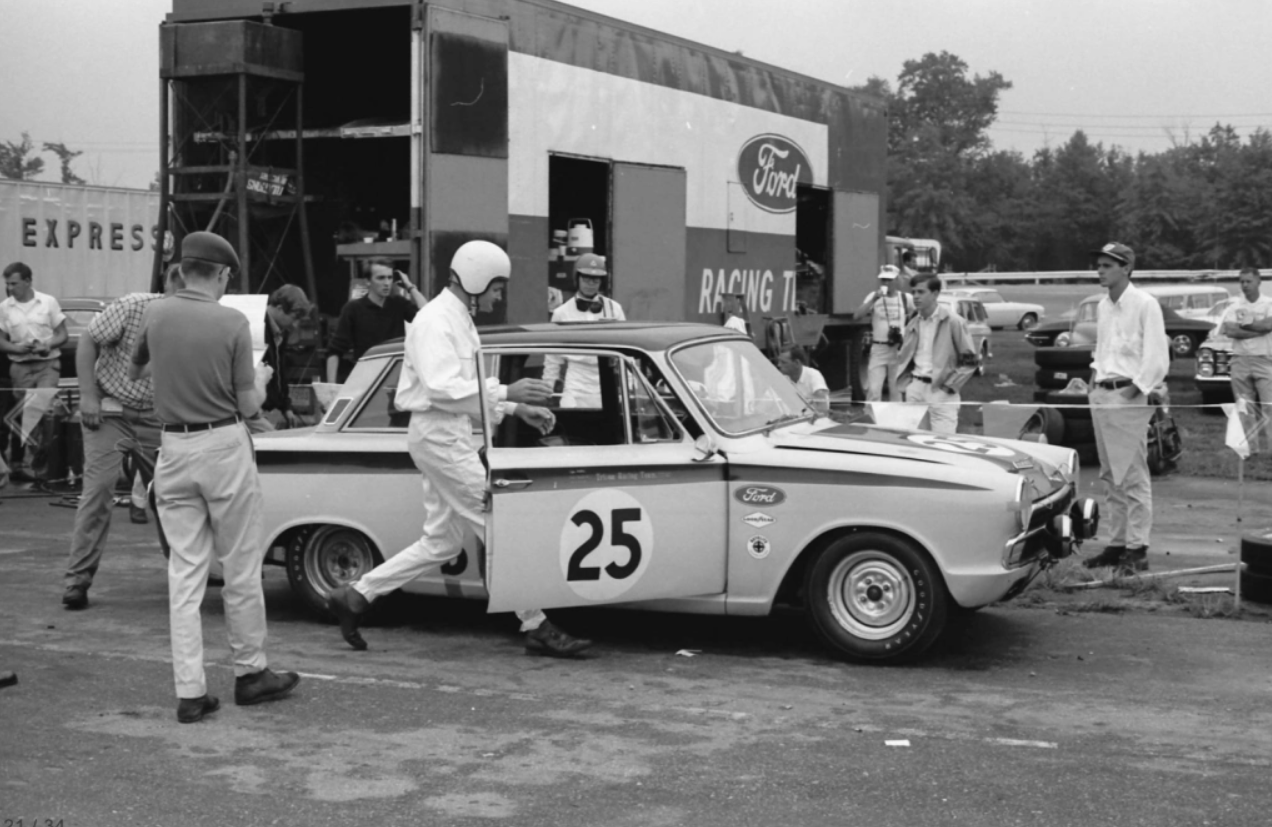
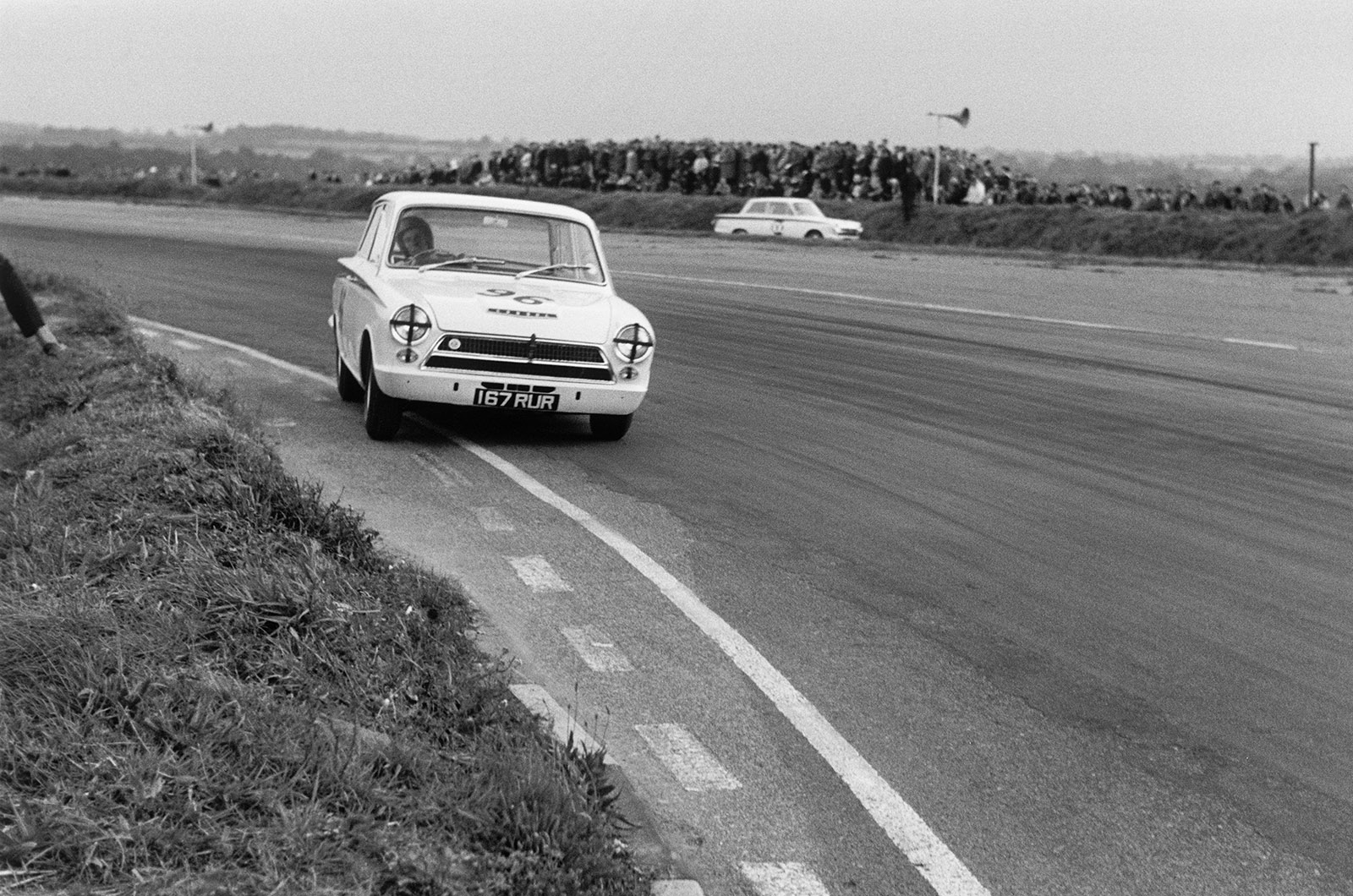
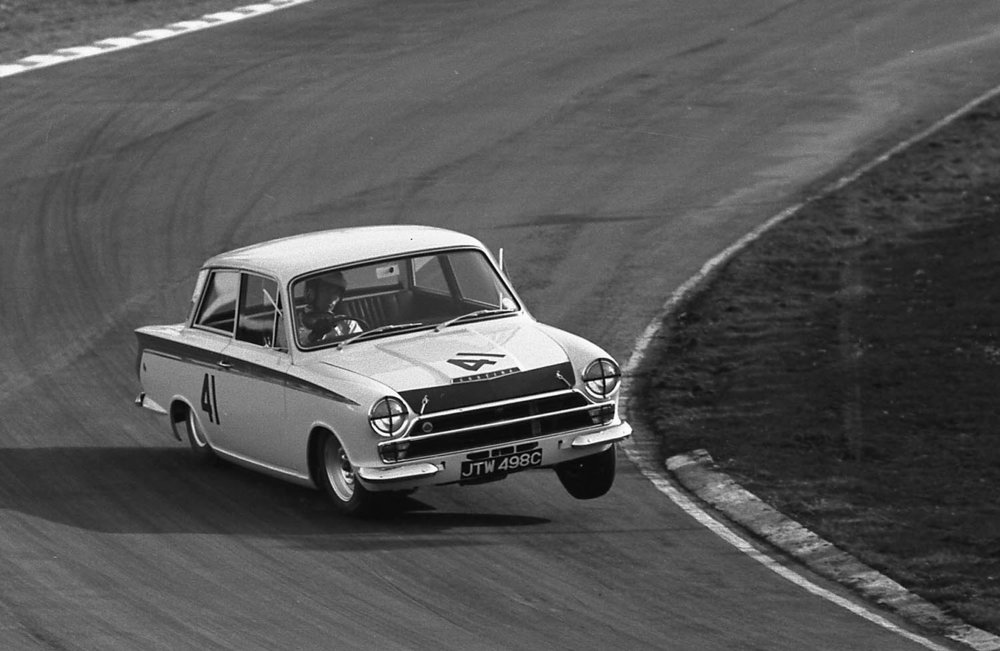
The impact of the Cortina Mk I on global car culture and international motorsport is virtually unquantifiable. Commercially, it was an absolute juggernaut, selling over a million units in its four-year production run and firmly establishing Ford as the dominant force in the UK family car market. But its soul was forged on the world’s most punishing racing circuits and rally stages. The Cortina GT proved its immense structural ruggedness by winning the grueling East African Safari Rally in 1964. However, it was the Lotus Cortina that elevated the Mk I to mythical status. In the British Saloon Car Championship (BSCC), the sight of the Ermine White and Sherwood Green Lotus Cortina utterly decimating the field became a weekend staple. The image of the legendary Jim Clark tossing his works Lotus Cortina through the corners at Crystal Palace or Brands Hatch—the inside front wheel dangling high in the air, the rear end drifting in perfect, throttle-steered harmony—is arguably the most iconic visual in touring car history. The Cortina proved that with the right tuning, a blue-collar family sedan could trade paint with Alfa Romeo Giulia GTAs and large-displacement American V8s. Driven by titans like Sir John Whitmore, who secured the European Touring Car Championship in 1965, and Jack Sears, the Cortina Mk I established the “Win on Sunday, sell on Monday” ethos in Europe like no other car before it.
The legacy of the 1962 Ford Cortina Mk I is the very foundation of the modern fast Ford. It laid the groundwork for an entire philosophy of working-class performance, proving that the common man could purchase a vehicle with genuine motorsport DNA. When it was succeeded by the broader, more squared-off Cortina Mk II in 1966, the original lost none of its luster. The motorsport mantle would eventually be passed to the Escort Mk I, but it was the Mk I Cortina that taught Ford of Europe how to win. Today, whether it is a perfectly restored Deluxe or a battle-scarred Lotus track car, the Mk I Cortina occupies a hallowed position in the pantheon of automobilia. It is the genesis of the performance saloon, a lightweight, tail-happy icon that mobilized a generation and gave ordinary people the chance to drive like Jim Clark.
Portal
Model line
Model generation
Brand
Produced from
Vehicle category
Generation Overview
In the early dawn of the 1960s, the British motoring landscape was experiencing a seismic shift. The BMC Mini had just rewritten the rulebook on front-wheel-drive packaging, and the technologically advanced Morris 1100 was on the horizon. Ford of Britain, however, recognized that a vast swath of the buying public was deeply suspicious of such radical engineering. They desired something conventional, reliable, and inexpensive to repair, yet clothed in a sharp, modern silhouette. Born under the internal codename “Project Archbishop”, the 1962 Ford Cortina Mk I was Dearborn and Dagenham’s pragmatic, fiercely brilliant response. Officially replacing the rather awkward Consul Classic, the Cortina arrived as a featherweight, conventional rear-wheel-drive saloon that offered unmatched value. It squared up directly against domestic rivals like the Vauxhall Victor FB and the Triumph Herald, but outclassed them with sheer transatlantic flair and ruthless engineering efficiency. The genius of the Cortina lay in its highly modular lineup. Buyers could opt for the spartan Standard or Deluxe models, upgrade to the chromewrapped Super, seek genuine thrills in the twin-choke-carbureted Cortina GT, or empty their wallets for the homologation deity that was the Lotus Cortina. It was a car that could comfortably trundle down to the local shops or be stripped out to humiliate exotic Italian machinery on the weekend.
The mechanical philosophy of the Mk I Cortina was a masterclass in adding lightness. The exterior was penned by Roy Brown Jr., an American designer seeking redemption after the ill-fated Edsel project. He succeeded magnificently, drafting a crisp, airy three-box shape adorned with subtle tailfins and the Cortina’s signature “ban-the-bomb” circular taillights, segmented by a distinctive Y-shaped chrome insert. The monocoque chassis was a triumph of finite element analysis—long before computers made it easy—resulting in an incredibly rigid yet astoundingly light shell, with early cars weighing under 800 kilograms. Under the bonnet sat Ford’s legendary pre-crossflow “Kent” inline-four engine. Initially displacing 1198cc with a three-bearing crankshaft, it grew to 1498cc with five main bearings for the Super and the sporty GT. The GT variant featured a hotter camshaft, a Weber carburetor, and tubular exhaust headers, effectively turning the humble saloon into a genuine performance car. It was also the GT that brought essential stopping power via front disc brakes, replacing the drums of the lesser models. The suspension was highly conventional: McPherson struts at the front and a live rear axle slung on leaf springs. However, for the legendary Lotus Cortina (Type 28), Colin Chapman’s engineers completely re-engineered the rear end with coil springs and a complex A-bracket layout, though persistent reliability issues eventually forced a reversion to the leaf-spring setup. The Lotus also received bespoke aluminium opening panels and the immortal 1558cc Twin-Cam engine, transforming the car into a highly strung, 105-horsepower weapon. Inside, the Cortina was a paragon of 1960s functionalism, offering unmatched visibility and, in the GT and Lotus models, a sporting array of Smiths gauges and a purposeful tachometer mounted prominently for the driver.
The impact of the Cortina Mk I on global car culture and international motorsport is virtually unquantifiable. Commercially, it was an absolute juggernaut, selling over a million units in its four-year production run and firmly establishing Ford as the dominant force in the UK family car market. But its soul was forged on the world’s most punishing racing circuits and rally stages. The Cortina GT proved its immense structural ruggedness by winning the grueling East African Safari Rally in 1964. However, it was the Lotus Cortina that elevated the Mk I to mythical status. In the British Saloon Car Championship (BSCC), the sight of the Ermine White and Sherwood Green Lotus Cortina utterly decimating the field became a weekend staple. The image of the legendary Jim Clark tossing his works Lotus Cortina through the corners at Crystal Palace or Brands Hatch—the inside front wheel dangling high in the air, the rear end drifting in perfect, throttle-steered harmony—is arguably the most iconic visual in touring car history. The Cortina proved that with the right tuning, a blue-collar family sedan could trade paint with Alfa Romeo Giulia GTAs and large-displacement American V8s. Driven by titans like Sir John Whitmore, who secured the European Touring Car Championship in 1965, and Jack Sears, the Cortina Mk I established the “Win on Sunday, sell on Monday” ethos in Europe like no other car before it.
The legacy of the 1962 Ford Cortina Mk I is the very foundation of the modern fast Ford. It laid the groundwork for an entire philosophy of working-class performance, proving that the common man could purchase a vehicle with genuine motorsport DNA. When it was succeeded by the broader, more squared-off Cortina Mk II in 1966, the original lost none of its luster. The motorsport mantle would eventually be passed to the Escort Mk I, but it was the Mk I Cortina that taught Ford of Europe how to win. Today, whether it is a perfectly restored Deluxe or a battle-scarred Lotus track car, the Mk I Cortina occupies a hallowed position in the pantheon of automobilia. It is the genesis of the performance saloon, a lightweight, tail-happy icon that mobilized a generation and gave ordinary people the chance to drive like Jim Clark.
Submodels