Ford Fiesta VI
Generation Overview
When the global financial markets began to fracture in 2008, the automotive industry was forced into a profound and immediate reckoning. The era of bloated, gas-guzzling excess was abruptly halted, and manufacturers scrambled to pivot toward efficiency and downsizing. It was within this crucible of economic anxiety that the Ford Motor Company, guided by Alan Mulally’s sweeping “One Ford” global strategy, unleashed the sixth generation of the Ford Fiesta (frequently referred to as the Mk7 by the British faithful). Replacing the boxy, dynamically capable but aesthetically dour Mk5, this new 2008 Fiesta was tasked with an impossible mandate: it had to be a world car, universally appealing from the streets of Milan to the sprawling suburbs of the American Midwest. It entered a fiercely competitive B-segment, locking horns with the clinical perfection of the Volkswagen Polo Mk5, the flair of the Renault Clio III, and the ubiquity of the Opel/Vauxhall Corsa. Yet, Ford brought a weapon to the gunfight that no other manufacturer could replicate: an absolute, uncompromising dedication to driving joy. The lineup spanned from frugal Studio and Zetec trims, to the luxurious Titanium, and ultimately culminated in the holy grail of modern hot hatches, the Fiesta ST.
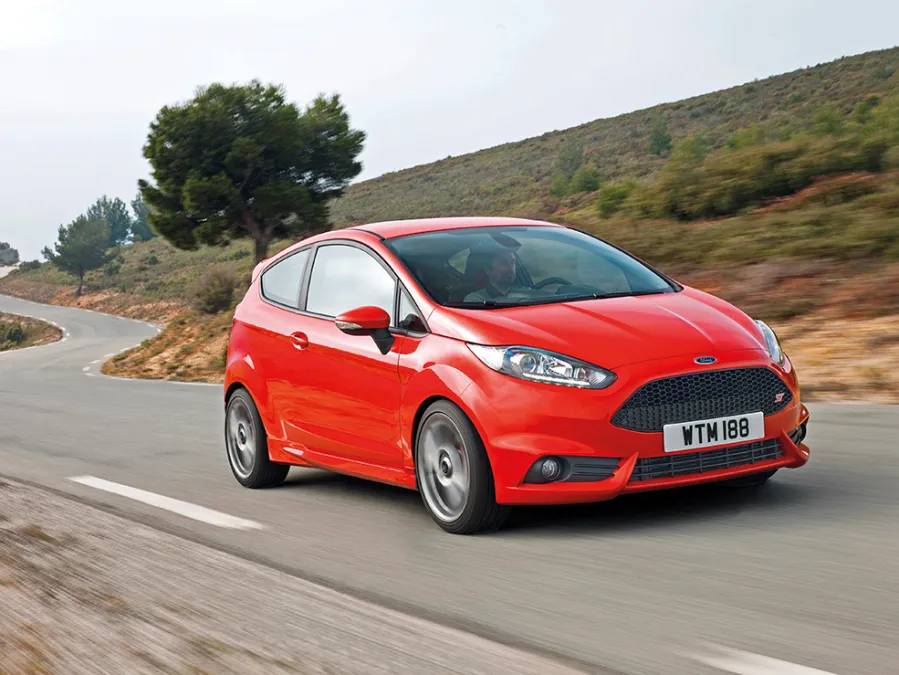
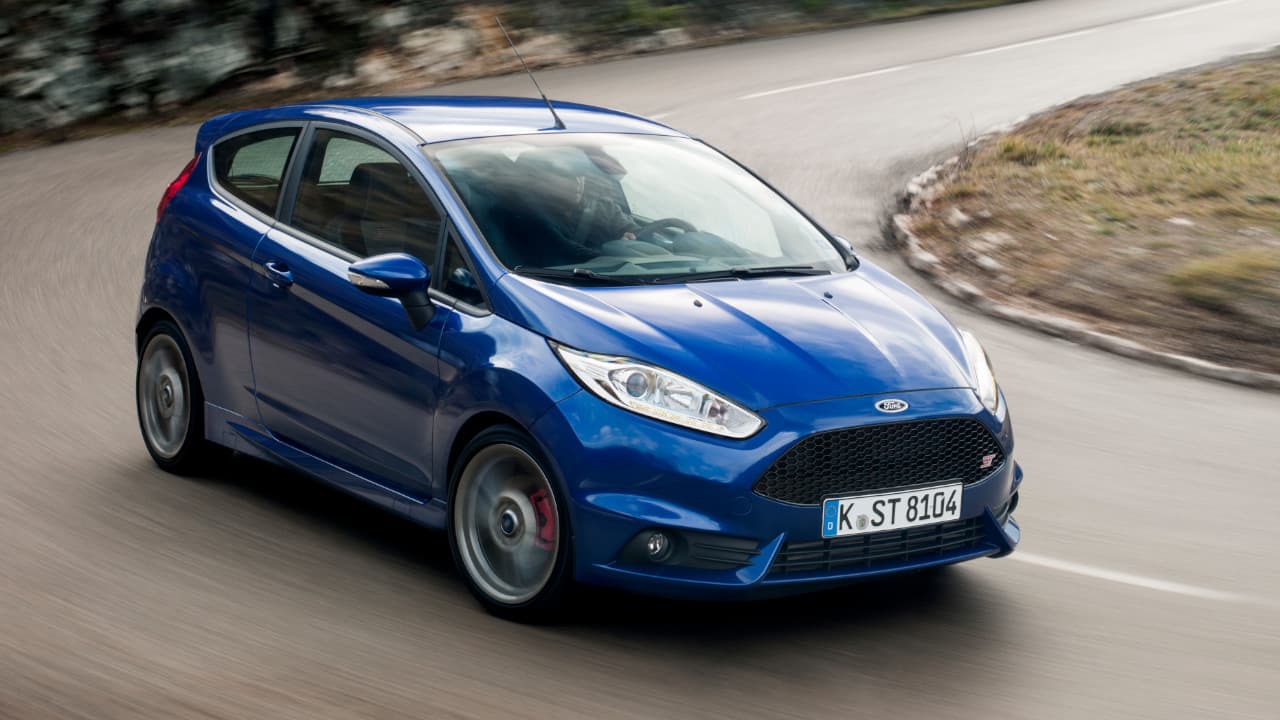
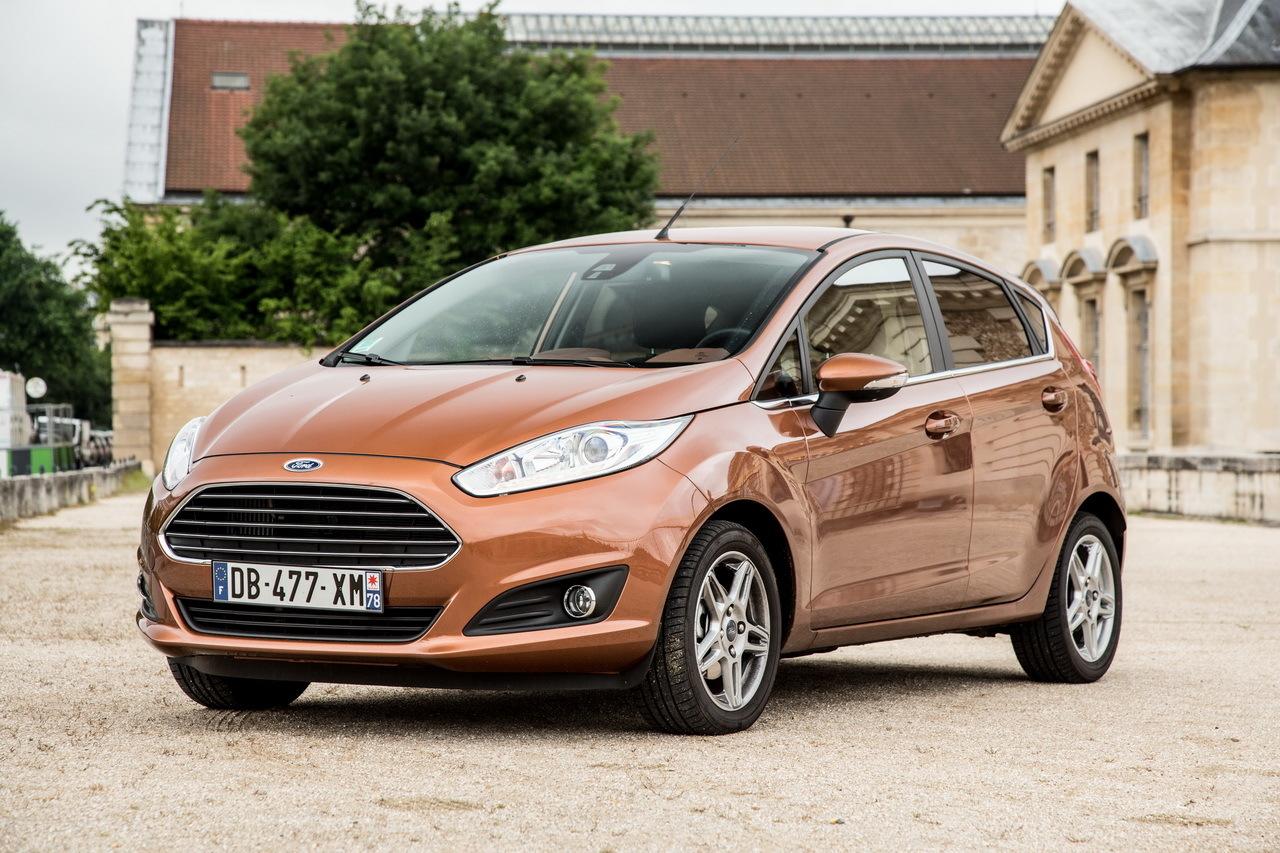
To analyze the physical and mechanical anatomy of the 2008 Fiesta is to witness the absolute zenith of Ford’s “Kinetic Design” language. Spearheaded by Martin Smith, the exterior was a triumph of dynamic tension. With its heavily raked beltline, pronounced wheel arches, and swept-back headlamps that stretched deep into the front fenders, the Fiesta looked as though it were tearing through a rally stage even when parked at a supermarket. Inside, the cabin was a radical departure from the utilitarian dashboards of old. The sweeping center console was famously modeled after the keypad of a Motorola Razr mobile phone—a touch that firmly rooted the car in the late 2000s zeitgeist, yet provided a deeply driver-centric cockpit. But the true sorcery lay beneath the sharp sheet metal. On paper, the suspension setup was entirely conventional for a supermini: McPherson struts at the front and a simple twist-beam rear axle. However, the chassis engineers at Ford’s Team RS worked black magic on the passive damping and bush stiffness. They created a chassis that breathed with the road, offering a pliant ride that could instantly snap into glorious, predictable lift-off oversteer at the mere flick of the steering wheel. Furthermore, the Fiesta proved that Electric Power Assisted Steering (EPAS) didn’t have to be a numb, synthetic experience; it offered genuine, granular feedback that shamed cars costing five times as much.
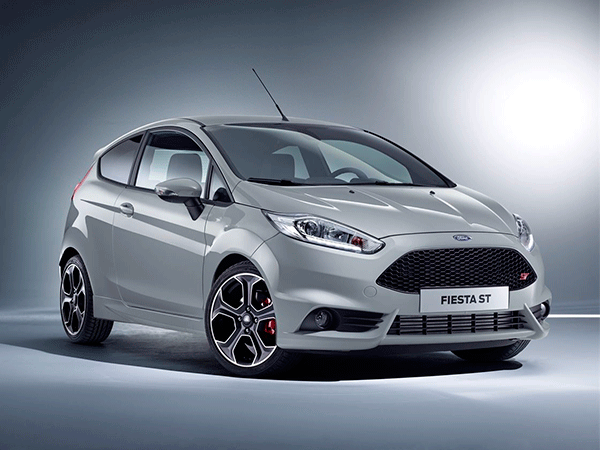
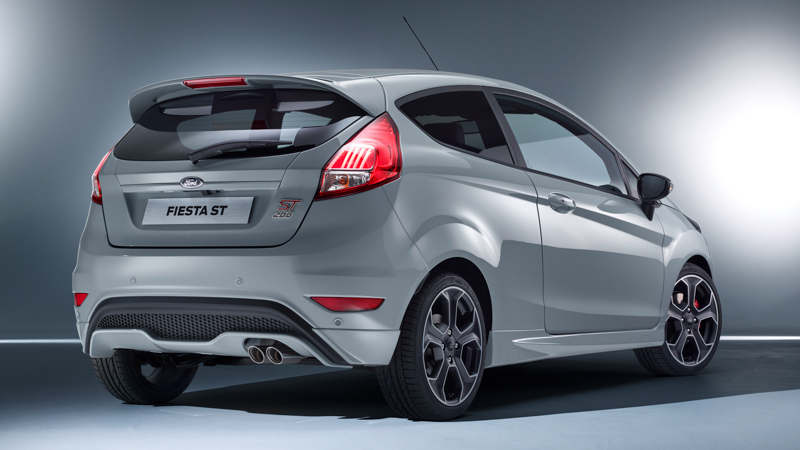
The powertrain evolution of this generation was equally revolutionary. While early models relied on the dependable, free-revving Yamaha-derived 1.25-liter and 1.4-liter Sigma engines, the landscape shifted dramatically in 2012 with the introduction of the 1.0-liter EcoBoost. This microscopic, turbocharged three-cylinder engine was an engineering marvel, featuring an unbalanced flywheel to counteract the inherent vibrations of a three-cylinder block, eliminating the need for heavy balancer shafts. It possessed the thrumming, off-beat soundtrack of a miniature Porsche 911 and won the International Engine of the Year award an unprecedented three times in a row. However, the undisputed king of the range arrived in 2013: the Fiesta ST. Utilizing a 1.6-liter turbocharged EcoBoost four-cylinder engine producing 182 horsepower (200 on temporary overboost), mated strictly to a sweet-shifting six-speed manual gearbox and featuring a torque-vectoring system that violently dragged the nose into corners, the ST did not just enter the hot hatch market; it completely obliterated it.
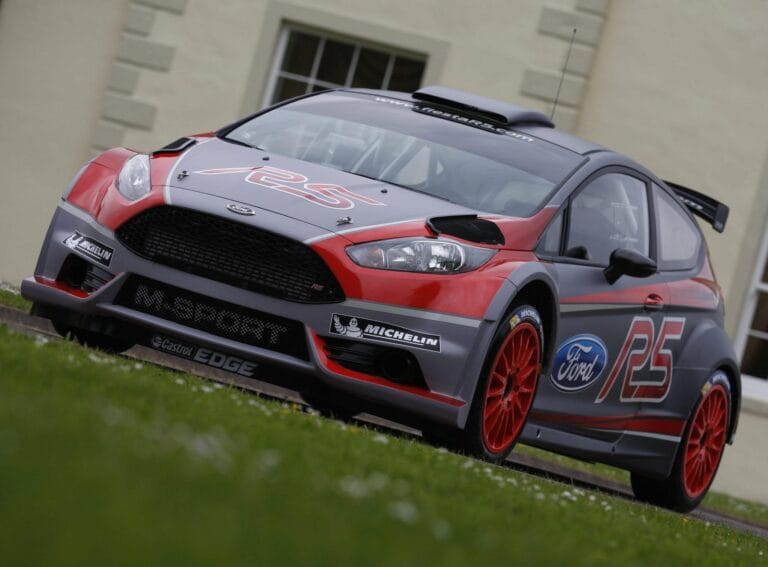
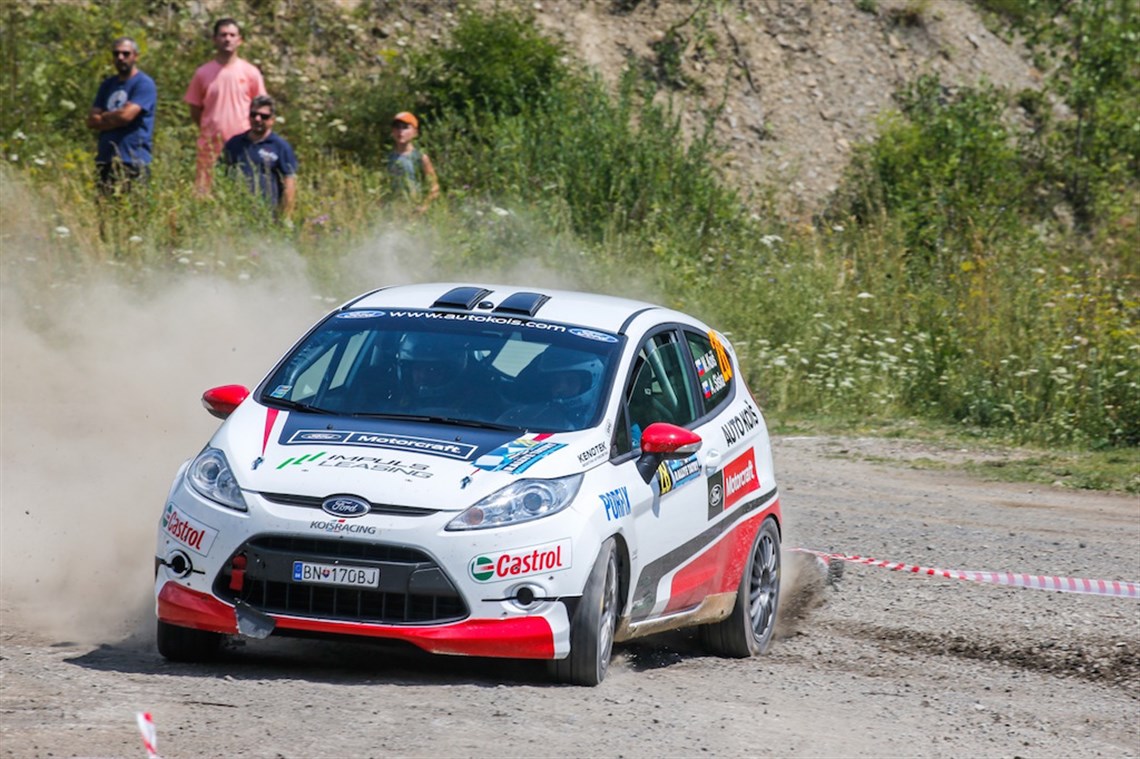
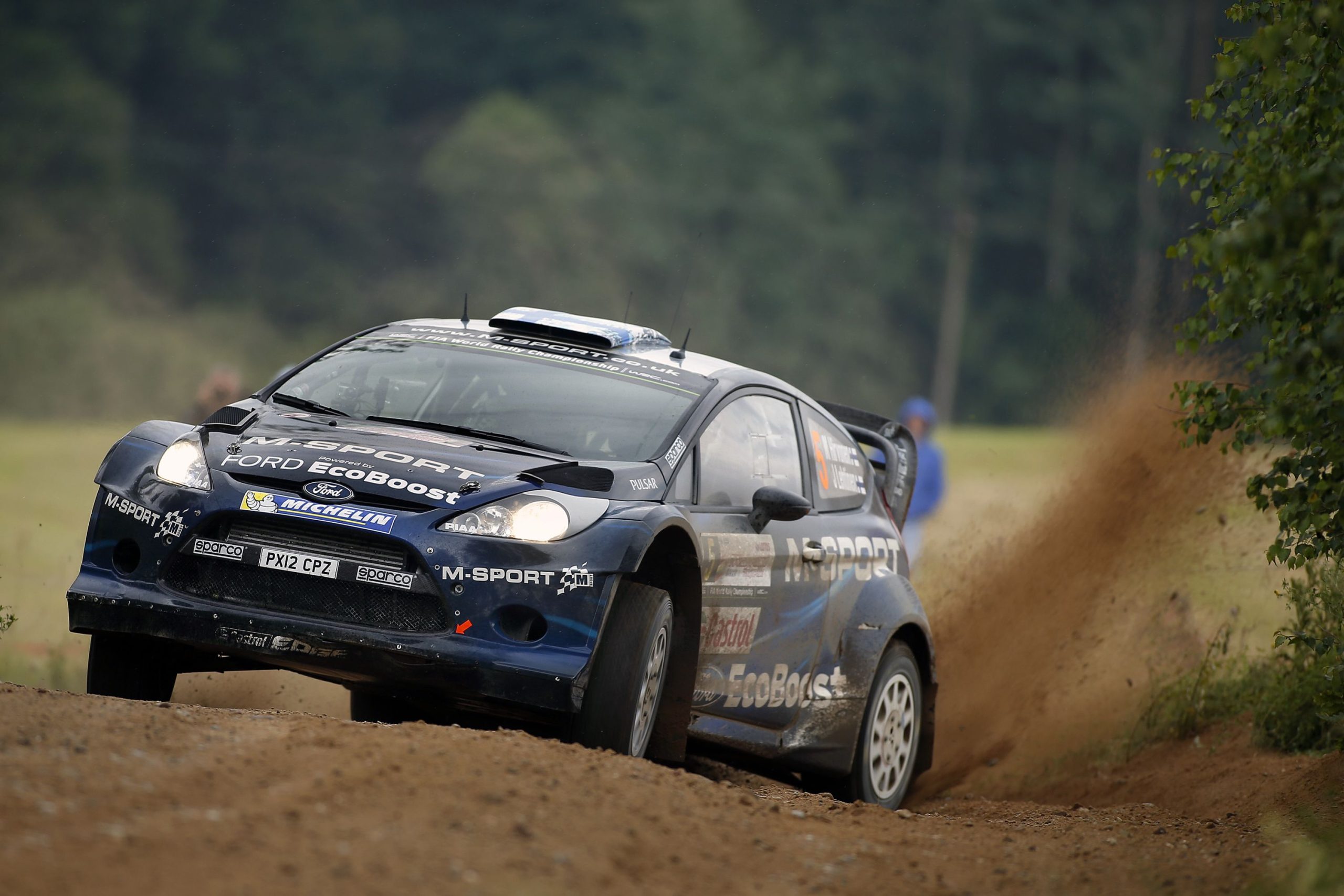
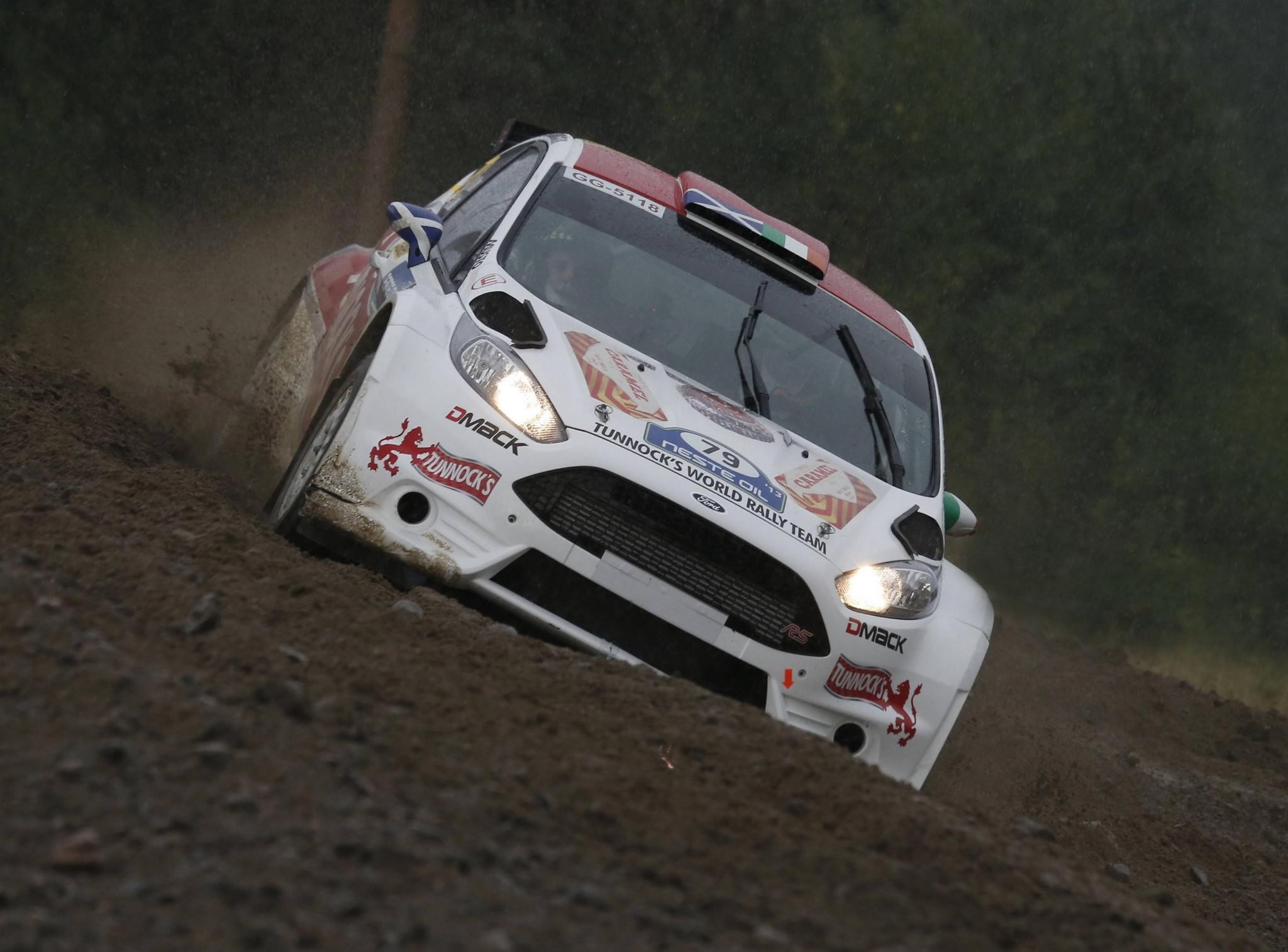
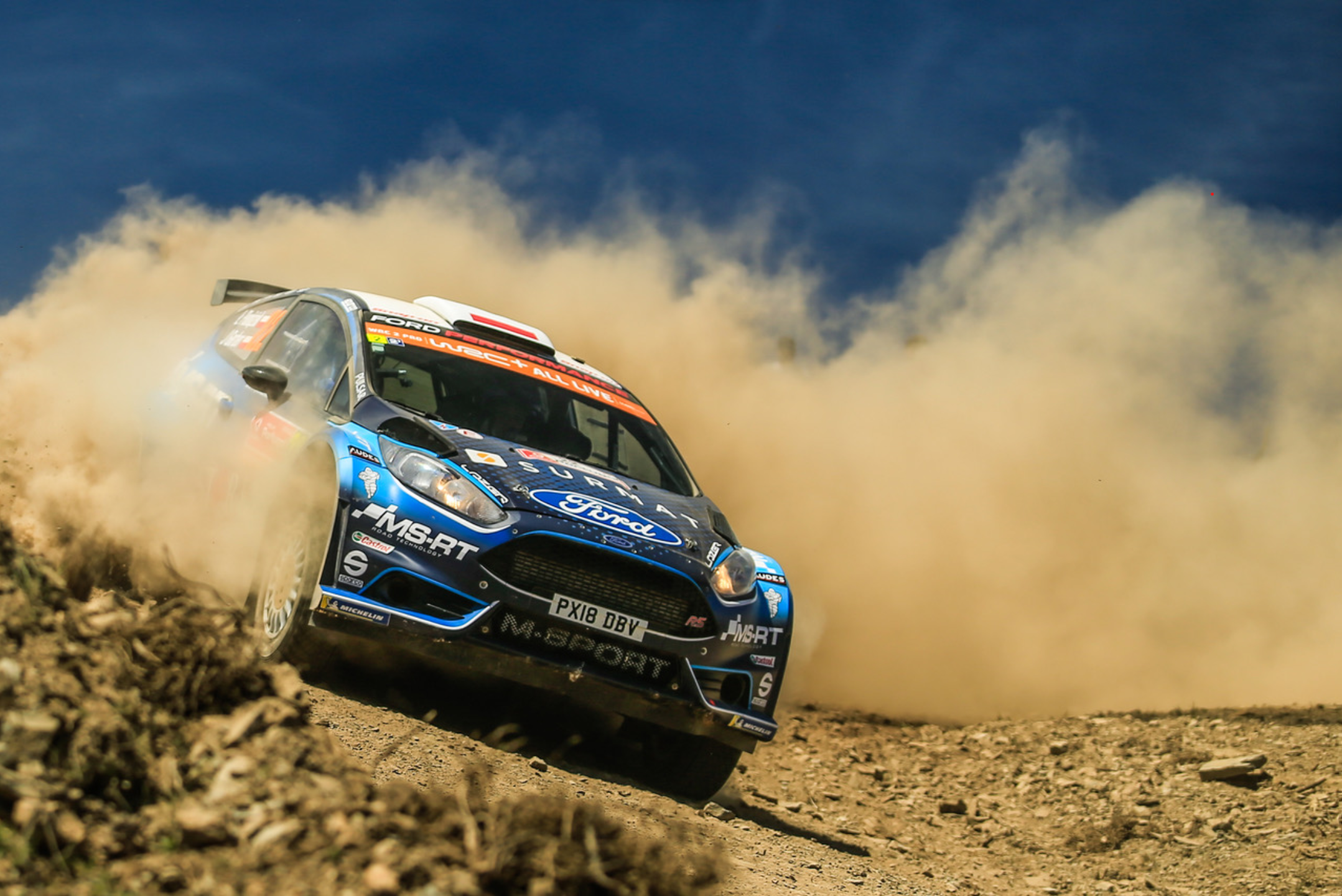
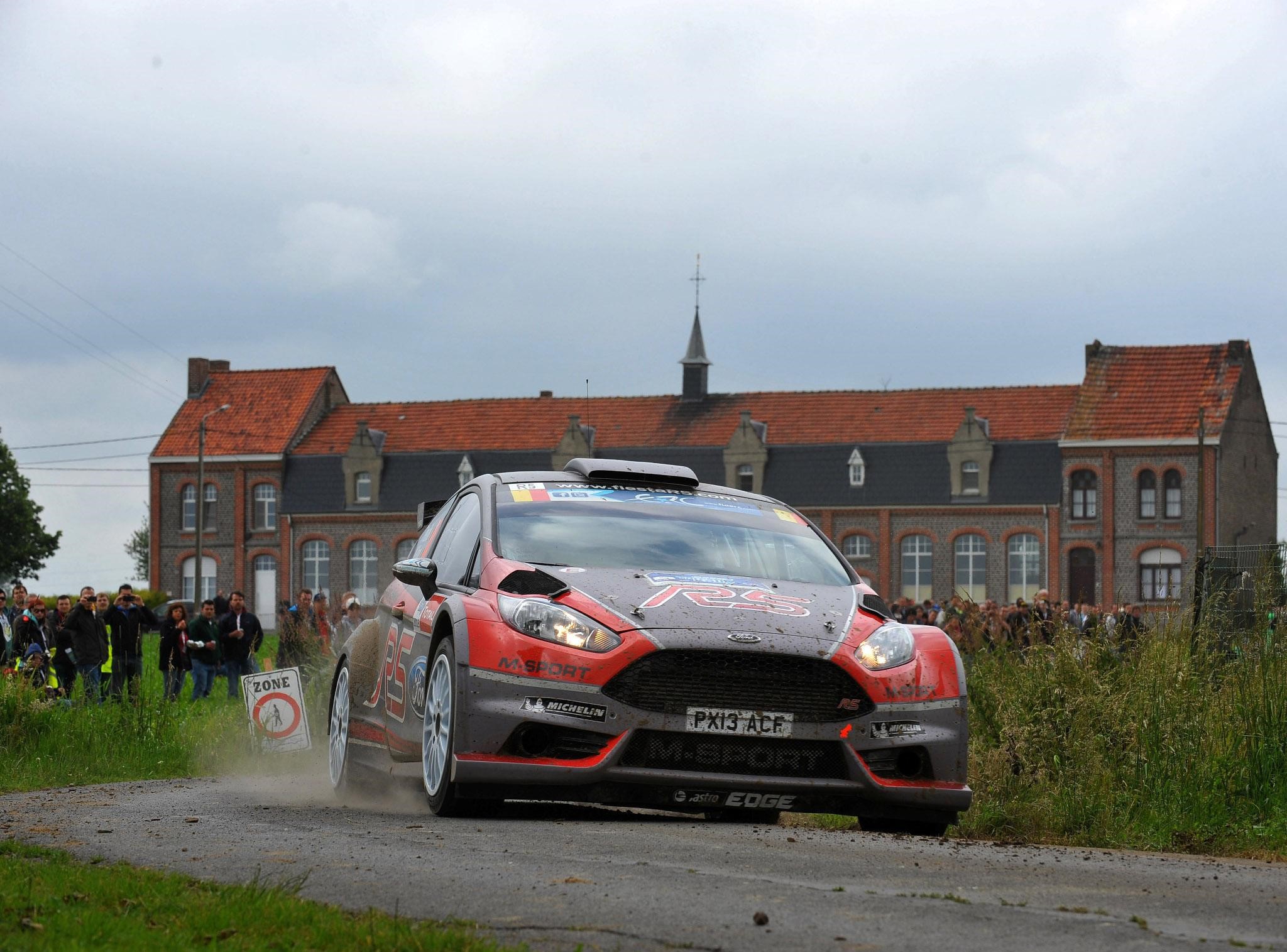
Beyond the showroom, the sixth-generation Fiesta became an absolute titan of global motorsport and pop culture. It was the chosen weapon for the American drift demigod Ken Block, whose Gymkhana 3 video featured a bespoke, 600-horsepower, all-wheel-drive Fiesta literally shredding its tires around the Autodrome de Linas-Montlhéry, introducing the humble supermini to millions of teenagers worldwide. In the upper echelons of professional racing, the Fiesta replaced the venerable Focus as M-Sport’s weapon of choice for the World Rally Championship in 2011. The Fiesta RS WRC, with its 1.6-liter turbocharged engine and flared arches, debuted with a spectacular podium sweep at Rally Sweden. Driven by legends like Jari-Matti Latvala and Mikko Hirvonen, the Fiesta maintained Ford’s rallying prestige, while lower-tier R2 and R5 variants became the absolute default choice for privateer rally teams across the globe, dominating national championships from the British forests to the tarmac of the Mediterranean.
When the assembly lines finally transitioned to the Mk8 generation in 2017, the 2008 Fiesta bowed out not just as the best-selling car in the UK for eight consecutive years, but as a bona fide automotive legend. It proved that the democratization of driving pleasure was still possible in the 21st century. It didn’t rely on massive horsepower, complicated active suspension, or exotic materials. Instead, it utilized brilliant, fundamental chassis engineering to deliver a telepathic connection between driver and machine. In the pantheon of modern motoring, the sixth-generation Ford Fiesta—and particularly the ST—stands tall as the absolute benchmark of the B-segment, a giant-killing masterpiece that taught the world exactly how a small car should handle.
Generation Overview
When the global financial markets began to fracture in 2008, the automotive industry was forced into a profound and immediate reckoning. The era of bloated, gas-guzzling excess was abruptly halted, and manufacturers scrambled to pivot toward efficiency and downsizing. It was within this crucible of economic anxiety that the Ford Motor Company, guided by Alan Mulally’s sweeping “One Ford” global strategy, unleashed the sixth generation of the Ford Fiesta (frequently referred to as the Mk7 by the British faithful). Replacing the boxy, dynamically capable but aesthetically dour Mk5, this new 2008 Fiesta was tasked with an impossible mandate: it had to be a world car, universally appealing from the streets of Milan to the sprawling suburbs of the American Midwest. It entered a fiercely competitive B-segment, locking horns with the clinical perfection of the Volkswagen Polo Mk5, the flair of the Renault Clio III, and the ubiquity of the Opel/Vauxhall Corsa. Yet, Ford brought a weapon to the gunfight that no other manufacturer could replicate: an absolute, uncompromising dedication to driving joy. The lineup spanned from frugal Studio and Zetec trims, to the luxurious Titanium, and ultimately culminated in the holy grail of modern hot hatches, the Fiesta ST.
To analyze the physical and mechanical anatomy of the 2008 Fiesta is to witness the absolute zenith of Ford’s “Kinetic Design” language. Spearheaded by Martin Smith, the exterior was a triumph of dynamic tension. With its heavily raked beltline, pronounced wheel arches, and swept-back headlamps that stretched deep into the front fenders, the Fiesta looked as though it were tearing through a rally stage even when parked at a supermarket. Inside, the cabin was a radical departure from the utilitarian dashboards of old. The sweeping center console was famously modeled after the keypad of a Motorola Razr mobile phone—a touch that firmly rooted the car in the late 2000s zeitgeist, yet provided a deeply driver-centric cockpit. But the true sorcery lay beneath the sharp sheet metal. On paper, the suspension setup was entirely conventional for a supermini: McPherson struts at the front and a simple twist-beam rear axle. However, the chassis engineers at Ford’s Team RS worked black magic on the passive damping and bush stiffness. They created a chassis that breathed with the road, offering a pliant ride that could instantly snap into glorious, predictable lift-off oversteer at the mere flick of the steering wheel. Furthermore, the Fiesta proved that Electric Power Assisted Steering (EPAS) didn’t have to be a numb, synthetic experience; it offered genuine, granular feedback that shamed cars costing five times as much.
The powertrain evolution of this generation was equally revolutionary. While early models relied on the dependable, free-revving Yamaha-derived 1.25-liter and 1.4-liter Sigma engines, the landscape shifted dramatically in 2012 with the introduction of the 1.0-liter EcoBoost. This microscopic, turbocharged three-cylinder engine was an engineering marvel, featuring an unbalanced flywheel to counteract the inherent vibrations of a three-cylinder block, eliminating the need for heavy balancer shafts. It possessed the thrumming, off-beat soundtrack of a miniature Porsche 911 and won the International Engine of the Year award an unprecedented three times in a row. However, the undisputed king of the range arrived in 2013: the Fiesta ST. Utilizing a 1.6-liter turbocharged EcoBoost four-cylinder engine producing 182 horsepower (200 on temporary overboost), mated strictly to a sweet-shifting six-speed manual gearbox and featuring a torque-vectoring system that violently dragged the nose into corners, the ST did not just enter the hot hatch market; it completely obliterated it.
Beyond the showroom, the sixth-generation Fiesta became an absolute titan of global motorsport and pop culture. It was the chosen weapon for the American drift demigod Ken Block, whose Gymkhana 3 video featured a bespoke, 600-horsepower, all-wheel-drive Fiesta literally shredding its tires around the Autodrome de Linas-Montlhéry, introducing the humble supermini to millions of teenagers worldwide. In the upper echelons of professional racing, the Fiesta replaced the venerable Focus as M-Sport’s weapon of choice for the World Rally Championship in 2011. The Fiesta RS WRC, with its 1.6-liter turbocharged engine and flared arches, debuted with a spectacular podium sweep at Rally Sweden. Driven by legends like Jari-Matti Latvala and Mikko Hirvonen, the Fiesta maintained Ford’s rallying prestige, while lower-tier R2 and R5 variants became the absolute default choice for privateer rally teams across the globe, dominating national championships from the British forests to the tarmac of the Mediterranean.
When the assembly lines finally transitioned to the Mk8 generation in 2017, the 2008 Fiesta bowed out not just as the best-selling car in the UK for eight consecutive years, but as a bona fide automotive legend. It proved that the democratization of driving pleasure was still possible in the 21st century. It didn’t rely on massive horsepower, complicated active suspension, or exotic materials. Instead, it utilized brilliant, fundamental chassis engineering to deliver a telepathic connection between driver and machine. In the pantheon of modern motoring, the sixth-generation Ford Fiesta—and particularly the ST—stands tall as the absolute benchmark of the B-segment, a giant-killing masterpiece that taught the world exactly how a small car should handle.
Submodels