Ford Escort I
Brand
Produced from
Vehicle category
Portal
Model line
Model generation
Sucessor
Generation Overview
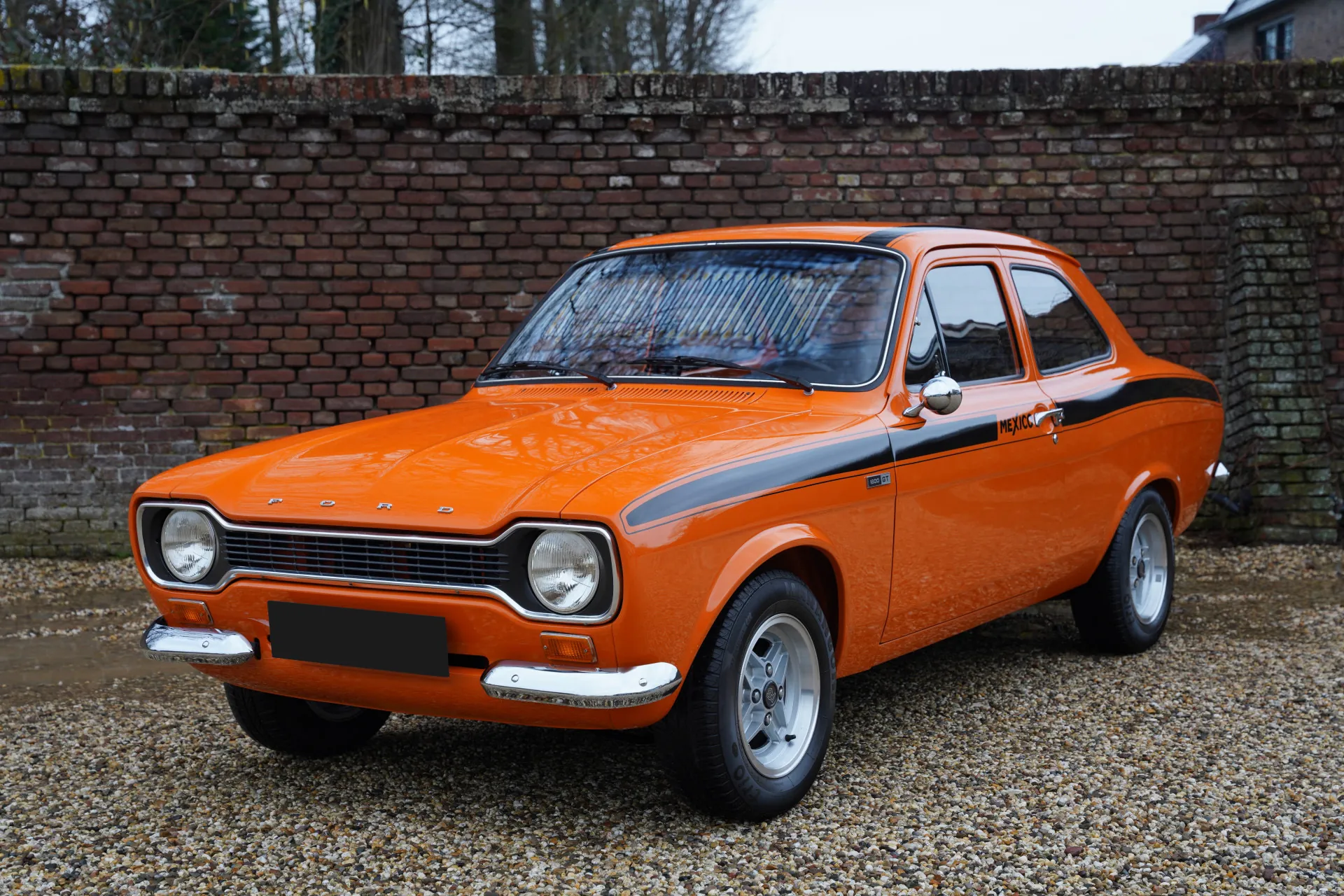
When the curtains were drawn back at the Brussels Motor Show in January 1968, the European automotive landscape was forever altered, though few could have predicted the sheer magnitude of the seismic shift. Ford of Europe—a newly amalgamated entity combining the previously fiercely independent British and German divisions—presented the Ford Escort Mk I as its inaugural joint project. Tasked with replacing the charming but unequivocally antiquated Ford Anglia 105E, the Escort had to be everything to everyone: a cheap, reliable runabout for the masses, and a viable platform for global motorsport dominance. It arrived in a fiercely contested segment, immediately locking horns with the Vauxhall Viva, the Morris Minor, and the brilliant front-wheel-drive BMC ADO16 (1100/1300). Yet, the Escort possessed a transatlantic glamour and a mechanical modularity its rivals simply couldn’t match. Over its spectacular production run, the Mk I fractured into a dizzying array of submodels. While the masses bought the humble 1100 Base, L, and XL trims, the true enthusiasts lusted after the sporting variants: the 1300 GT, the refined 1300E, and the dedicated performance pantheon built at Ford’s Advanced Vehicle Operations (AVO) facility in Aveley, Essex, which included the mythological Twin Cam, the rugged Mexico, the technologically advanced RS1600, and the torquey, approachable RS2000.
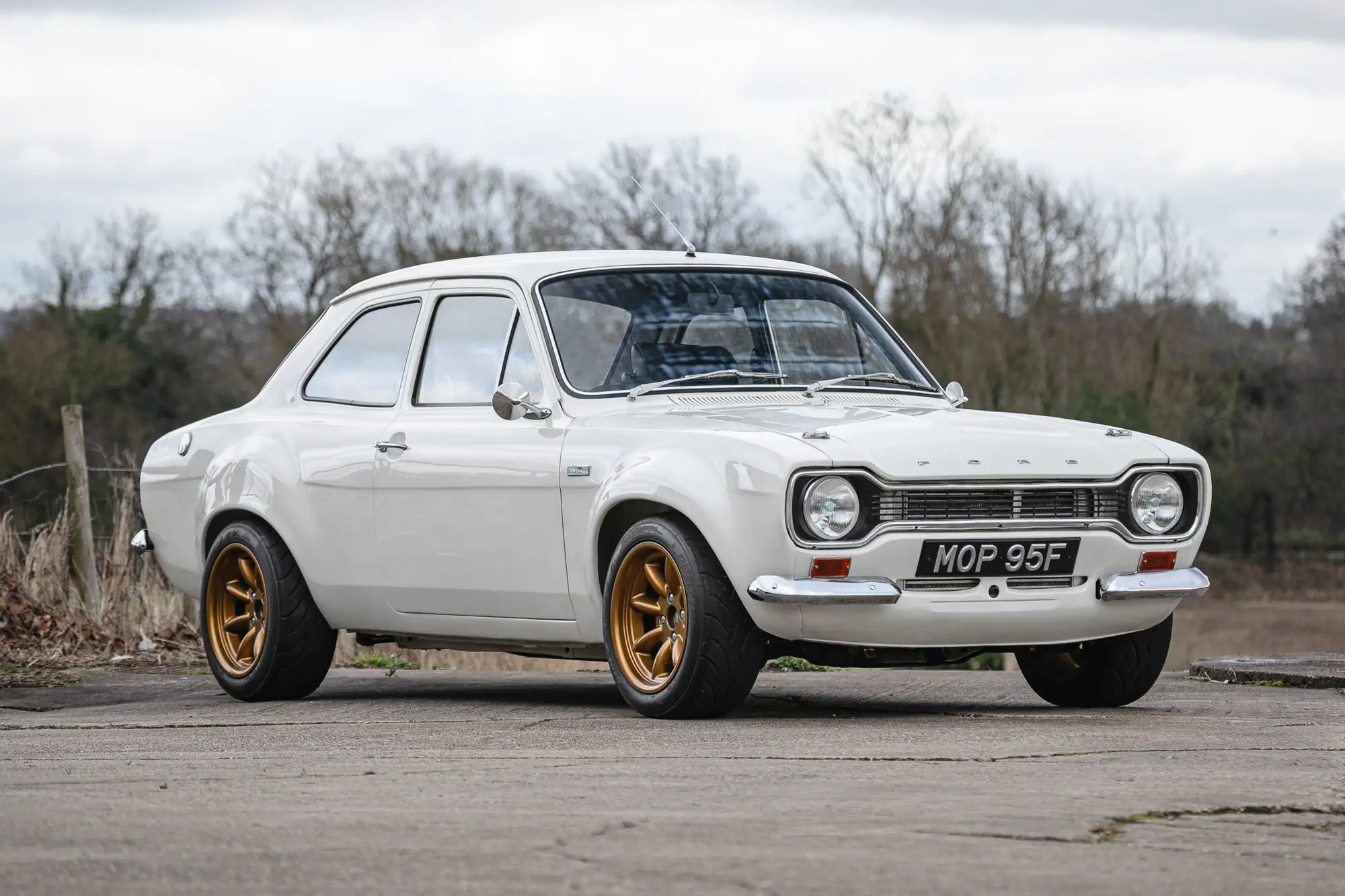
To analyze the engineering of the Mk I Escort is to understand the sheer brilliance of conventionality executed to absolute perfection. Aesthetically, the car was a triumph of 1960s design, introducing Detroit’s “coke-bottle” waistline to the European compact class, perfectly complemented by its iconic “dog-bone” front grille and round headlamps. Beneath this stylish, lightweight unitary shell lay a mechanical layout that prioritized durability and driving joy. The archaic steering box of the Anglia was banished, replaced by a telepathic rack-and-pinion steering system that provided fingertip feedback. The suspension utilized McPherson struts at the front and a live rear axle slung on leaf springs—a setup that sounds agricultural on paper, but in practice, yielded a beautifully predictable, throttle-steerable chassis. The motorization evolved from mundane to magical. Standard cars utilized the robust, pushrod Kent Crossflow engines, but the magic truly began with the 1968 Escort Twin Cam, which borrowed the 1.6-liter Lotus-engineered heart from the Cortina. When the Twin Cam proved too fragile and expensive for mass homologation, Ford turned to Cosworth, birthing the RS1600. Powered by the legendary 16-valve Cosworth BDA (Belt Drive A-Series) engine, the RS1600 was a screaming, 7,000-rpm homologation special that delivered 120 brake horsepower on the street and over 200 in race trim. The interior of these AVO-built cars discarded faux-wood luxury for pure motorsport functionality, featuring deeply bolstered bucket seats, a purposeful six-dial instrument cluster, and a thick-rimmed Springalex steering wheel that connected the driver directly to the tarmac.
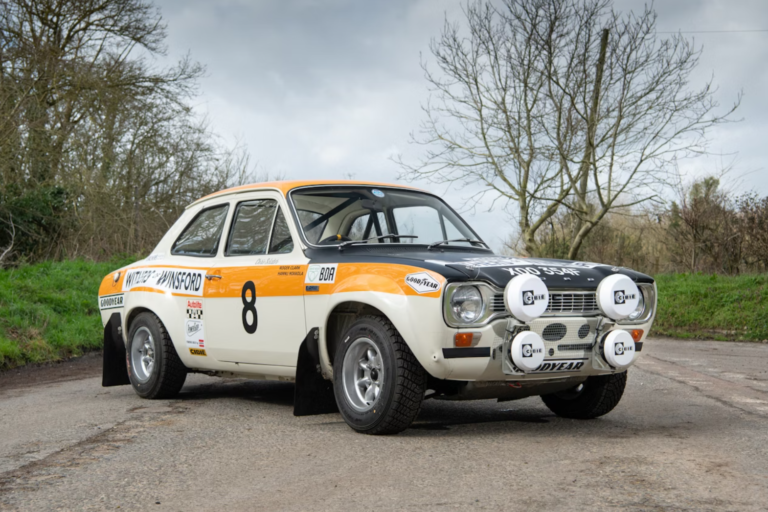
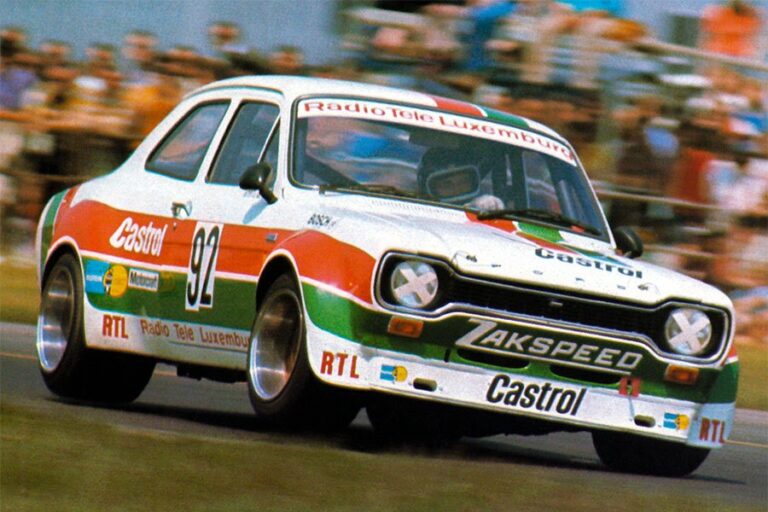
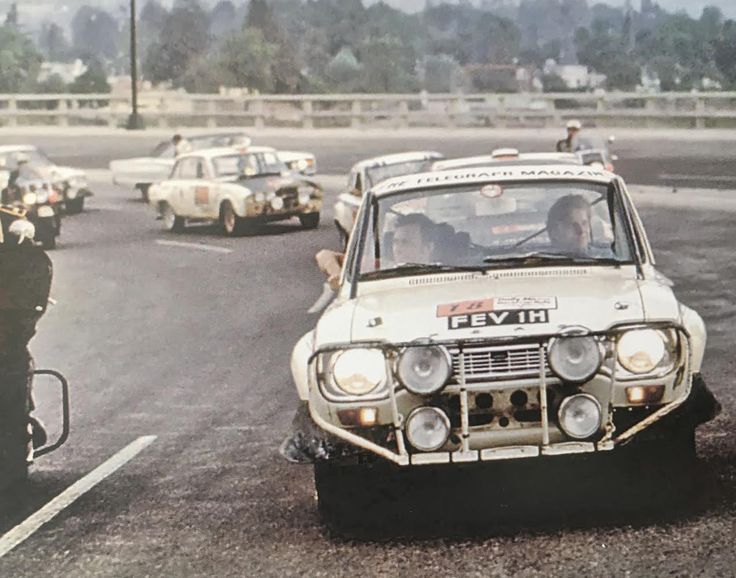
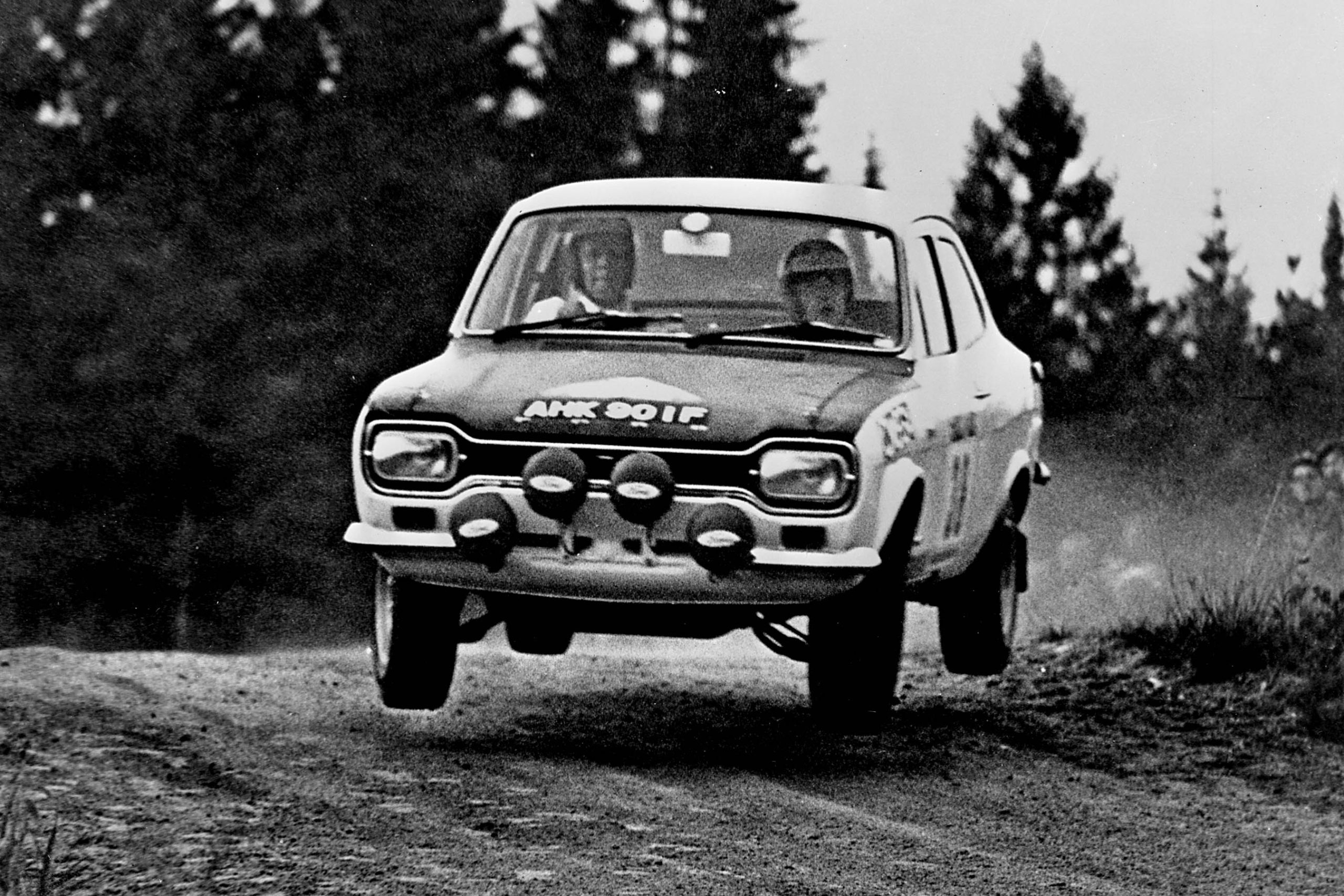
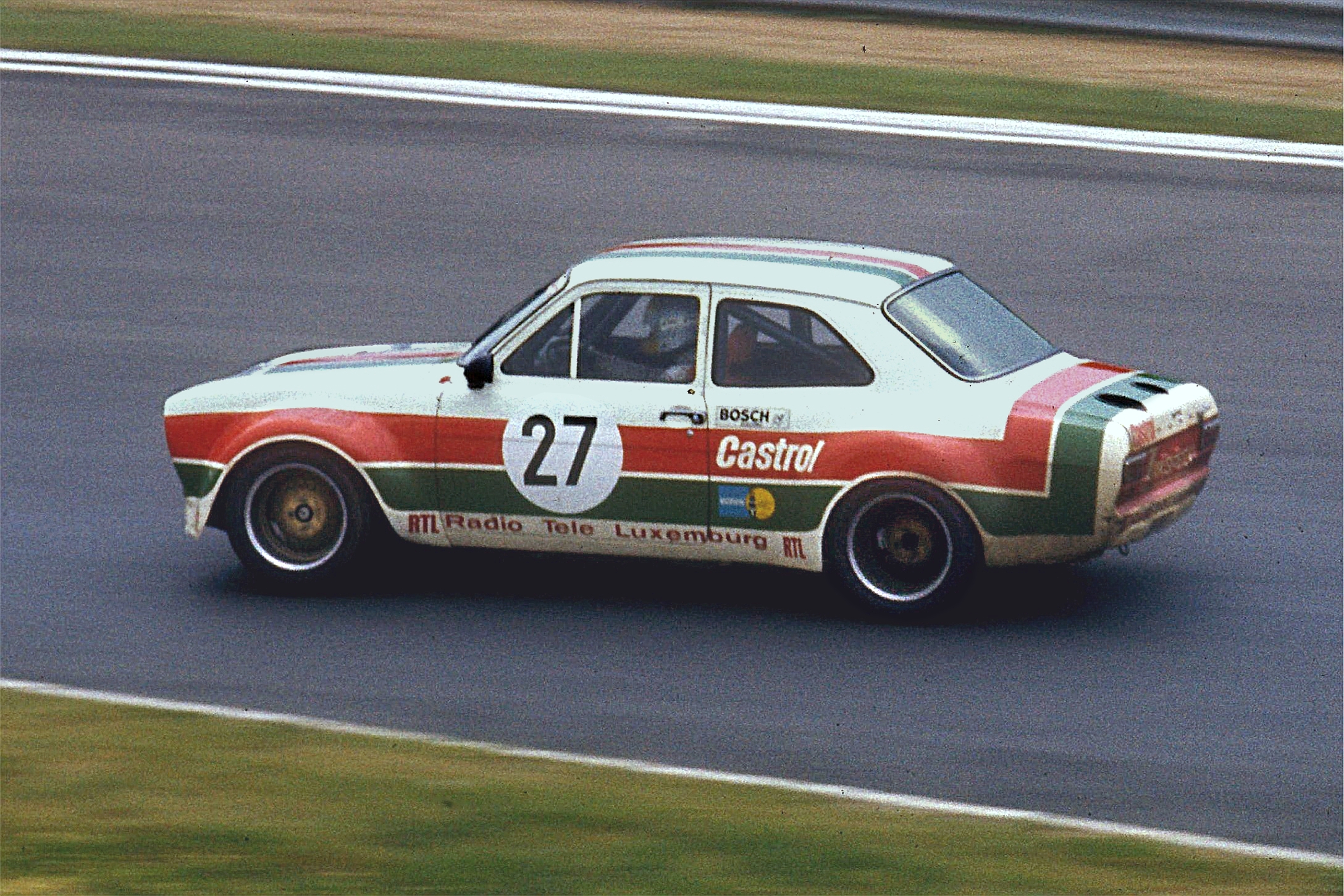
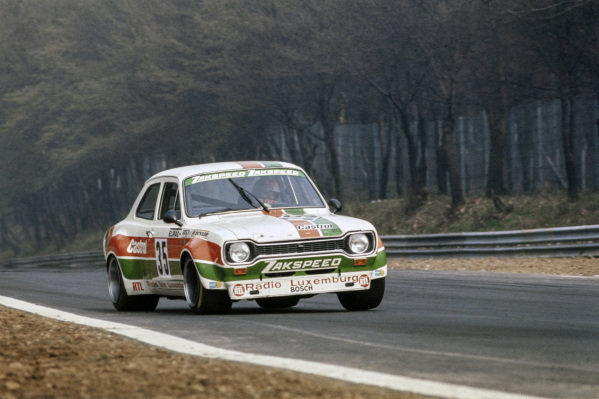
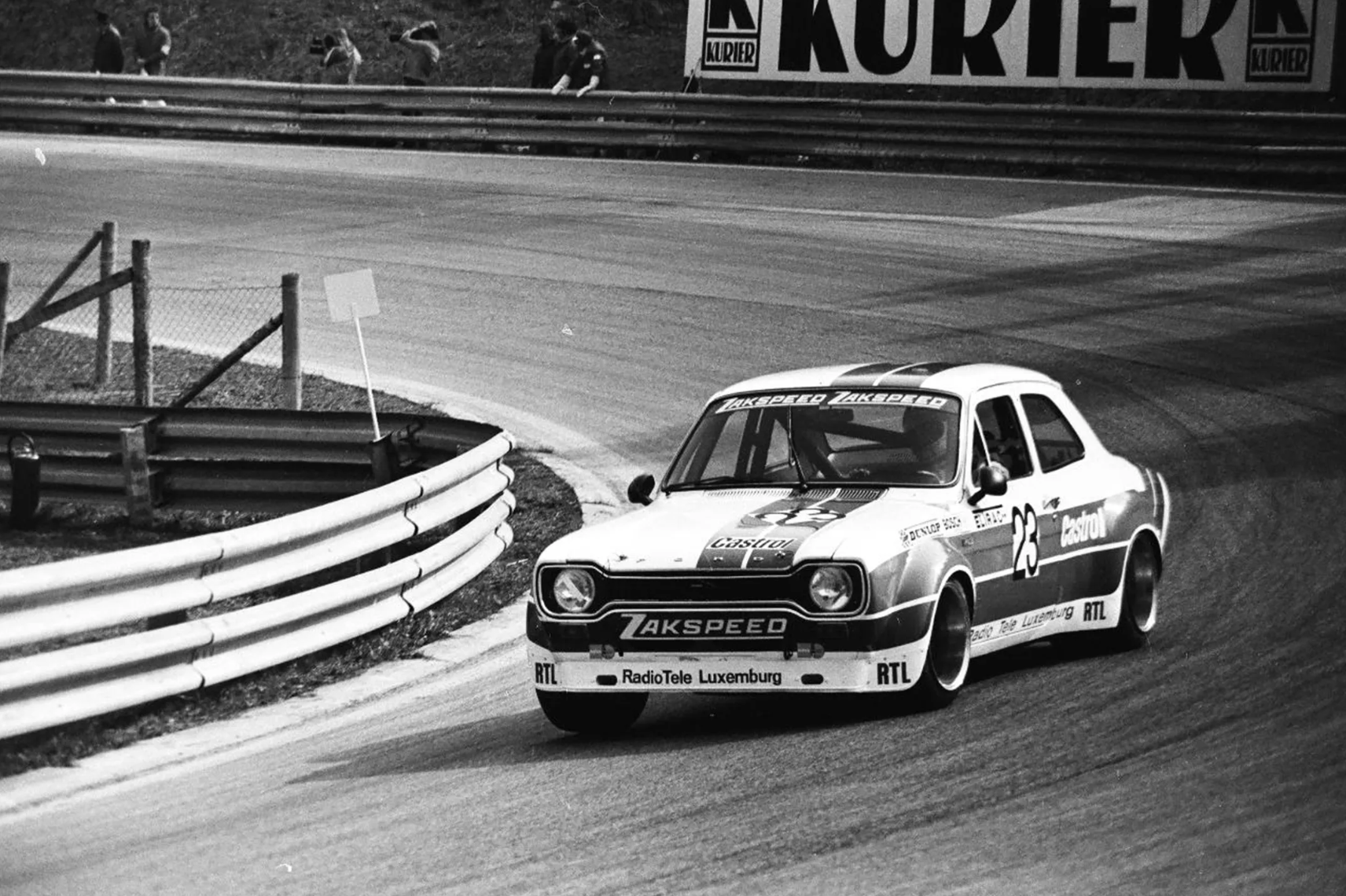
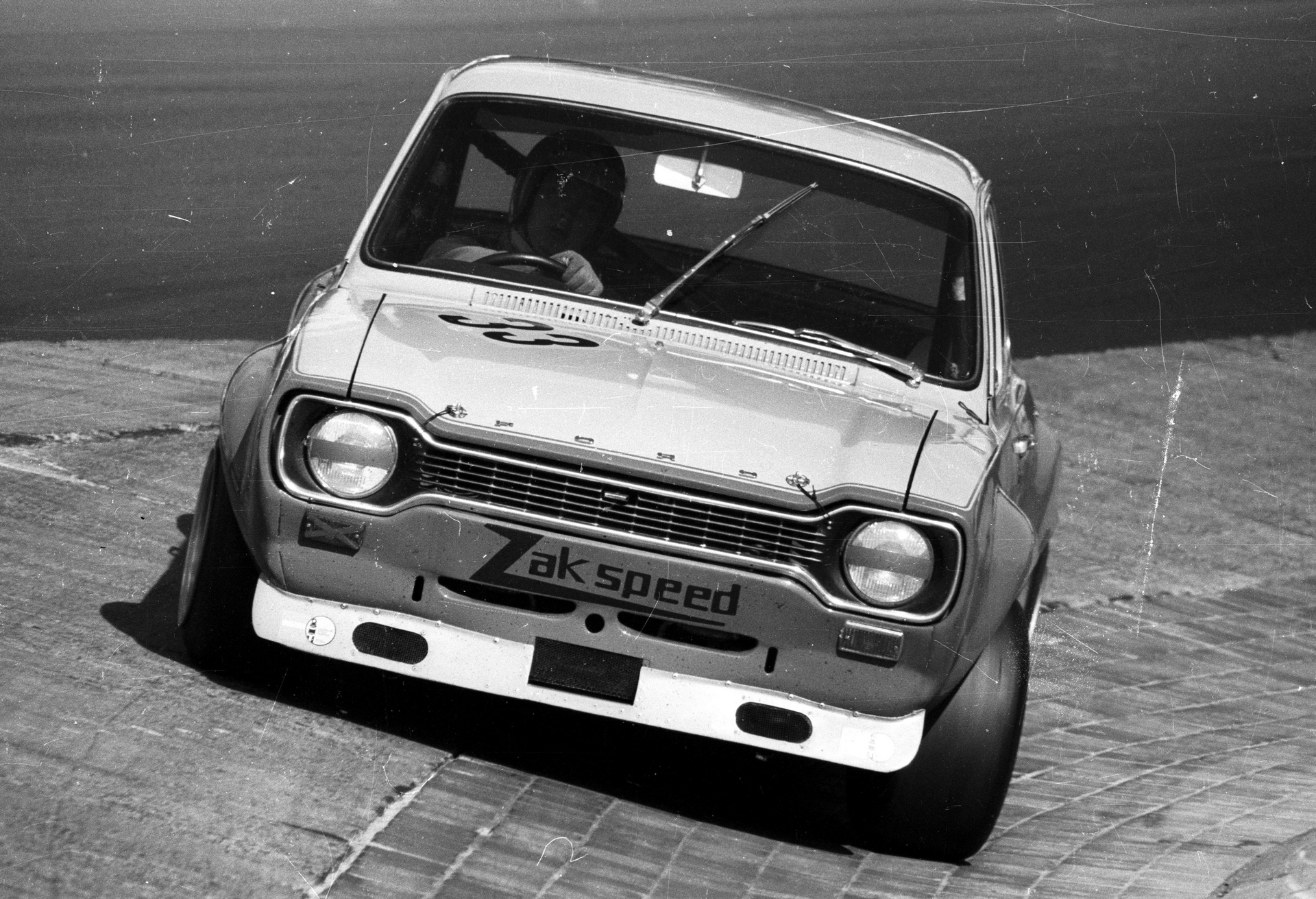
The impact of the Mk I Escort on car culture and motorsport is impossible to overstate; it is the absolute bedrock of the “Fast Ford” legend. Commercially, it was a colossal triumph, becoming the first Ford outside the USA to surpass the two-million production mark. But the Mk I’s soul was baptized in the mud, snow, and gravel of the world’s most unforgiving rally stages. Under the guidance of Stuart Turner at Ford’s Boreham motorsport facility, the Escort became the undisputed king of the forests. Its crowning achievement arrived in 1970 during the brutal 16,000-mile London to Mexico World Cup Rally. Hannu Mikkola and Gunnar Palm piloted an Escort with a 1850cc Kent engine to an astonishing overall victory, surviving treacherous high-altitude passes and car-breaking deserts. Ford celebrated by releasing the Escort Mexico, essentially a strengthened rally-shell equipped with a reliable 1.6-liter pushrod engine, creating the ultimate clubman’s rally car. In the hands of legends like Roger Clark, the RS1600 dominated the RAC Rally, drifting sideways through the Welsh forests in an ear-splitting symphony of BDA induction roar. On the asphalt, the Mk I was equally devastating. Privateer and factory-supported teams like Broadspeed and Zakspeed fitted massive bubble arches to accommodate impossibly wide slick tires, battling BMW 2002s and Alfa Romeo GTAs in the British Saloon Car Championship and the European Touring Car Championship, proving the humble Ford could out-corner the European aristocracy.
When the Mk I bowed out in 1975, making way for the sharper-suited, squared-off Mk II, it left behind a legacy of perfect, uncorrupted purity. The Mk II would carry the rallying torch to even greater heights, but it was the Mk I that laid the foundational blueprint. It democratized performance, proving that a working-class hero with a blue oval badge could defeat the most prestigious exotic machinery on the planet. The 1968 Ford Escort I sits at the absolute pinnacle of the motorsport pantheon not just as a successful racing car, but as a cultural phenomenon—a lightweight, tail-happy icon that taught a generation of Europeans how to drive sideways, ensuring that the raspy bark of a high-revving four-cylinder engine would forever remain the soundtrack of the rally stage.
Portal
Model line
Model generation
Sucessor
Brand
Produced from
Vehicle category
Generation Overview
When the curtains were drawn back at the Brussels Motor Show in January 1968, the European automotive landscape was forever altered, though few could have predicted the sheer magnitude of the seismic shift. Ford of Europe—a newly amalgamated entity combining the previously fiercely independent British and German divisions—presented the Ford Escort Mk I as its inaugural joint project. Tasked with replacing the charming but unequivocally antiquated Ford Anglia 105E, the Escort had to be everything to everyone: a cheap, reliable runabout for the masses, and a viable platform for global motorsport dominance. It arrived in a fiercely contested segment, immediately locking horns with the Vauxhall Viva, the Morris Minor, and the brilliant front-wheel-drive BMC ADO16 (1100/1300). Yet, the Escort possessed a transatlantic glamour and a mechanical modularity its rivals simply couldn’t match. Over its spectacular production run, the Mk I fractured into a dizzying array of submodels. While the masses bought the humble 1100 Base, L, and XL trims, the true enthusiasts lusted after the sporting variants: the 1300 GT, the refined 1300E, and the dedicated performance pantheon built at Ford’s Advanced Vehicle Operations (AVO) facility in Aveley, Essex, which included the mythological Twin Cam, the rugged Mexico, the technologically advanced RS1600, and the torquey, approachable RS2000.
To analyze the engineering of the Mk I Escort is to understand the sheer brilliance of conventionality executed to absolute perfection. Aesthetically, the car was a triumph of 1960s design, introducing Detroit’s “coke-bottle” waistline to the European compact class, perfectly complemented by its iconic “dog-bone” front grille and round headlamps. Beneath this stylish, lightweight unitary shell lay a mechanical layout that prioritized durability and driving joy. The archaic steering box of the Anglia was banished, replaced by a telepathic rack-and-pinion steering system that provided fingertip feedback. The suspension utilized McPherson struts at the front and a live rear axle slung on leaf springs—a setup that sounds agricultural on paper, but in practice, yielded a beautifully predictable, throttle-steerable chassis. The motorization evolved from mundane to magical. Standard cars utilized the robust, pushrod Kent Crossflow engines, but the magic truly began with the 1968 Escort Twin Cam, which borrowed the 1.6-liter Lotus-engineered heart from the Cortina. When the Twin Cam proved too fragile and expensive for mass homologation, Ford turned to Cosworth, birthing the RS1600. Powered by the legendary 16-valve Cosworth BDA (Belt Drive A-Series) engine, the RS1600 was a screaming, 7,000-rpm homologation special that delivered 120 brake horsepower on the street and over 200 in race trim. The interior of these AVO-built cars discarded faux-wood luxury for pure motorsport functionality, featuring deeply bolstered bucket seats, a purposeful six-dial instrument cluster, and a thick-rimmed Springalex steering wheel that connected the driver directly to the tarmac.
The impact of the Mk I Escort on car culture and motorsport is impossible to overstate; it is the absolute bedrock of the “Fast Ford” legend. Commercially, it was a colossal triumph, becoming the first Ford outside the USA to surpass the two-million production mark. But the Mk I’s soul was baptized in the mud, snow, and gravel of the world’s most unforgiving rally stages. Under the guidance of Stuart Turner at Ford’s Boreham motorsport facility, the Escort became the undisputed king of the forests. Its crowning achievement arrived in 1970 during the brutal 16,000-mile London to Mexico World Cup Rally. Hannu Mikkola and Gunnar Palm piloted an Escort with a 1850cc Kent engine to an astonishing overall victory, surviving treacherous high-altitude passes and car-breaking deserts. Ford celebrated by releasing the Escort Mexico, essentially a strengthened rally-shell equipped with a reliable 1.6-liter pushrod engine, creating the ultimate clubman’s rally car. In the hands of legends like Roger Clark, the RS1600 dominated the RAC Rally, drifting sideways through the Welsh forests in an ear-splitting symphony of BDA induction roar. On the asphalt, the Mk I was equally devastating. Privateer and factory-supported teams like Broadspeed and Zakspeed fitted massive bubble arches to accommodate impossibly wide slick tires, battling BMW 2002s and Alfa Romeo GTAs in the British Saloon Car Championship and the European Touring Car Championship, proving the humble Ford could out-corner the European aristocracy.
When the Mk I bowed out in 1975, making way for the sharper-suited, squared-off Mk II, it left behind a legacy of perfect, uncorrupted purity. The Mk II would carry the rallying torch to even greater heights, but it was the Mk I that laid the foundational blueprint. It democratized performance, proving that a working-class hero with a blue oval badge could defeat the most prestigious exotic machinery on the planet. The 1968 Ford Escort I sits at the absolute pinnacle of the motorsport pantheon not just as a successful racing car, but as a cultural phenomenon—a lightweight, tail-happy icon that taught a generation of Europeans how to drive sideways, ensuring that the raspy bark of a high-revving four-cylinder engine would forever remain the soundtrack of the rally stage.
Submodels