Lancia Montecarlo Series 1
Brand
Produced from
Vehicle category
Portal
Model line
Model generation
Generation Overview
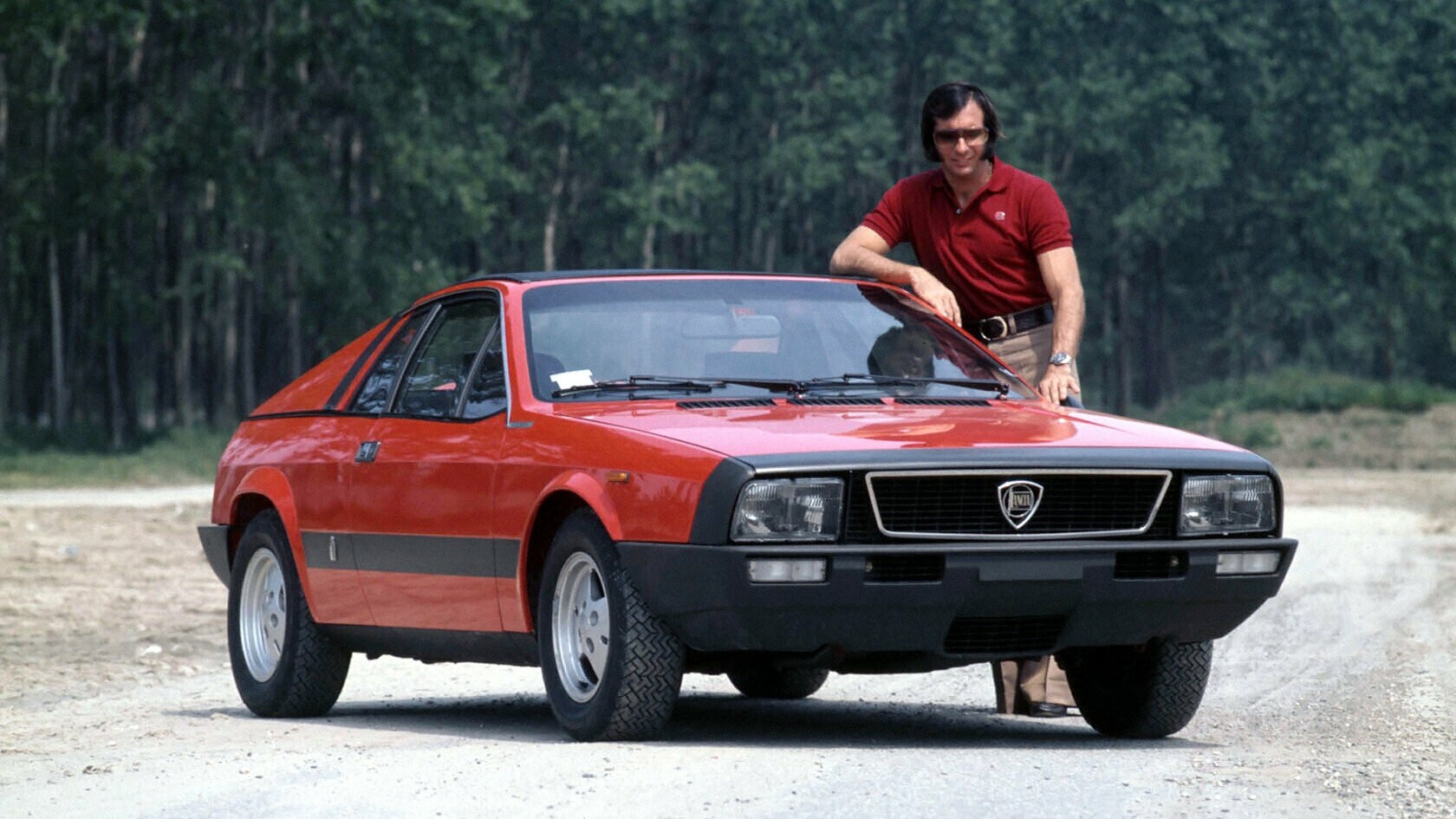
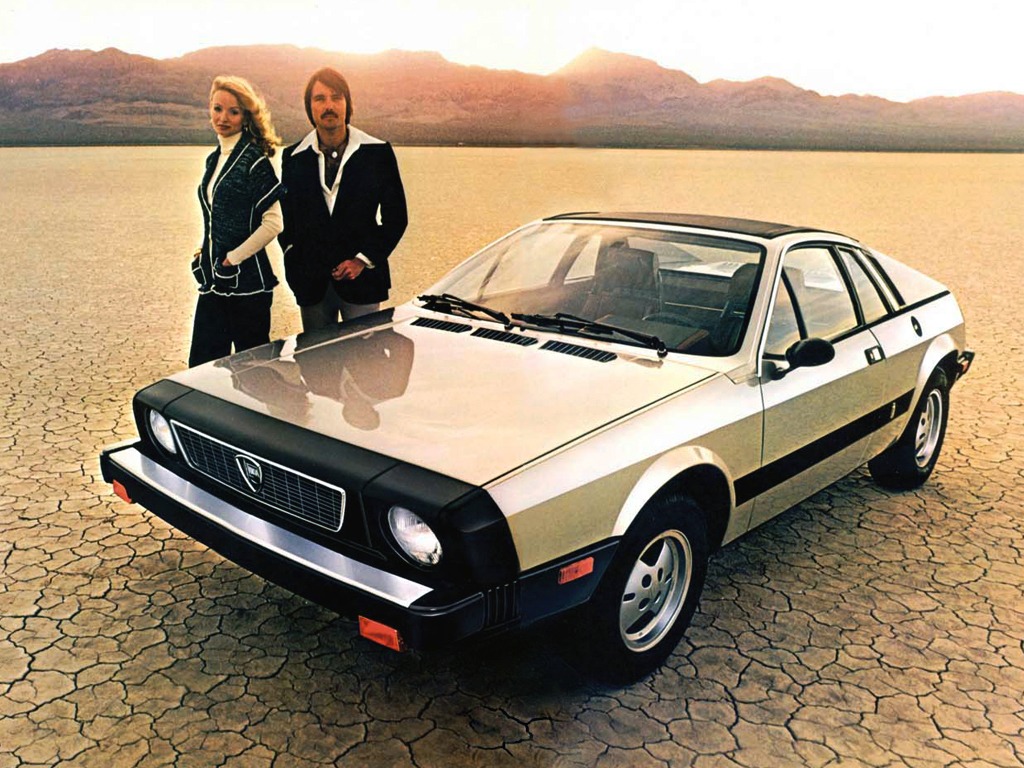
The early 1970s were a period of intense aerodynamic experimentation and mid-engined revolution in Italy, yet simultaneously choked by the grim reality of the global oil crisis. Within the sprawling Fiat empire, a secret hierarchy of sports cars was being plotted. While the Bertone-designed Fiat X1/9 was satisfying the entry-level market, a larger, more ambitious project codenamed X1/20 was brewing at Pininfarina. Originally intended to be Fiat’s flagship 3.0-litre V6 sports car, the fuel crisis forced a pragmatic downsizing. The project was handed over to Lancia to inject a dose of premium prestige into the brand’s revitalized lineup. Unveiled at the 45th Geneva Motor Show in 1975, the Lancia Beta Montecarlo Series 1 emerged as a breathtaking, mid-engined miniature exotic. Available in a sleek fixed-head Coupé or a striking Spider variant featuring a roll-back canvas targa roof, it was thrust into a market eager for accessible mid-engine thrills. It locked horns directly with the quirky, three-seater Matra Bagheera, the aging Porsche 914, and the sharp-suited Triumph TR7. To satisfy the lucrative North American market, Lancia exported the car under the moniker “Lancia Scorpion”—a necessary pivot as Chevrolet owned the ‘Monte Carlo’ trademark—though these US variants were tragically strangled by draconian emissions regulations and fitted with larger, ungainly impact bumpers.
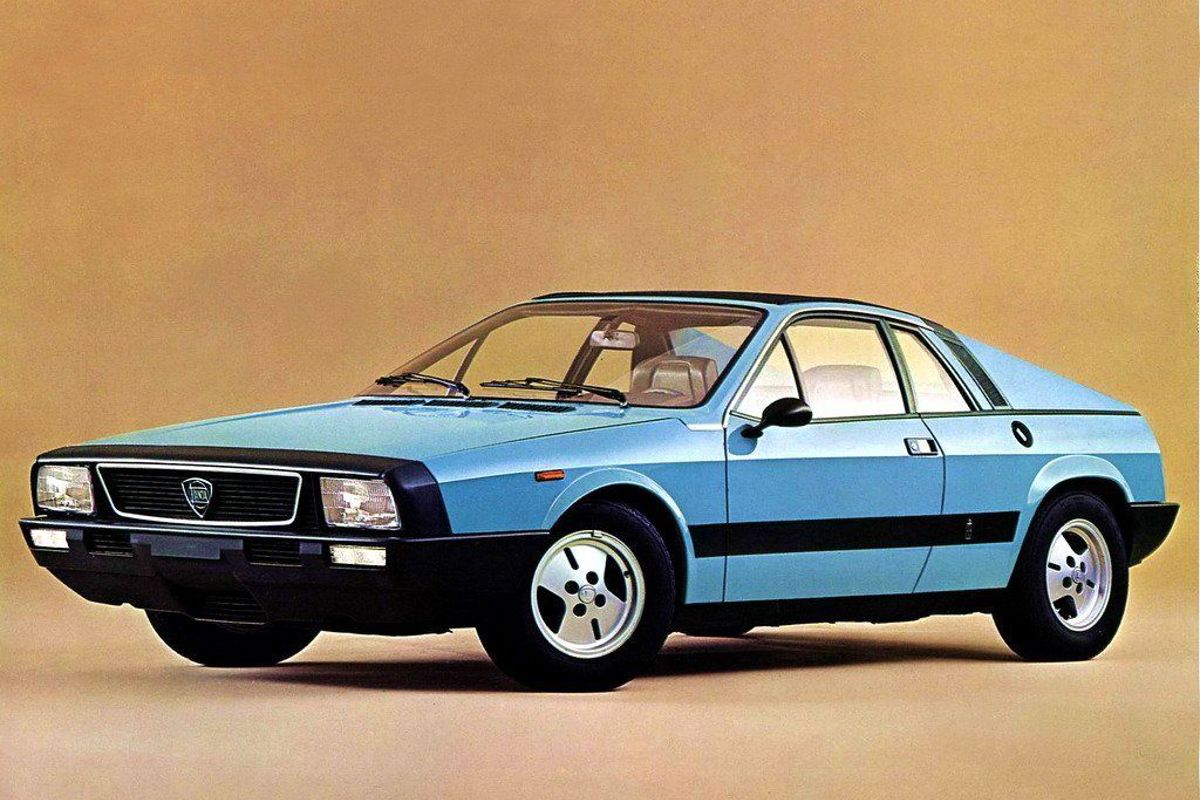
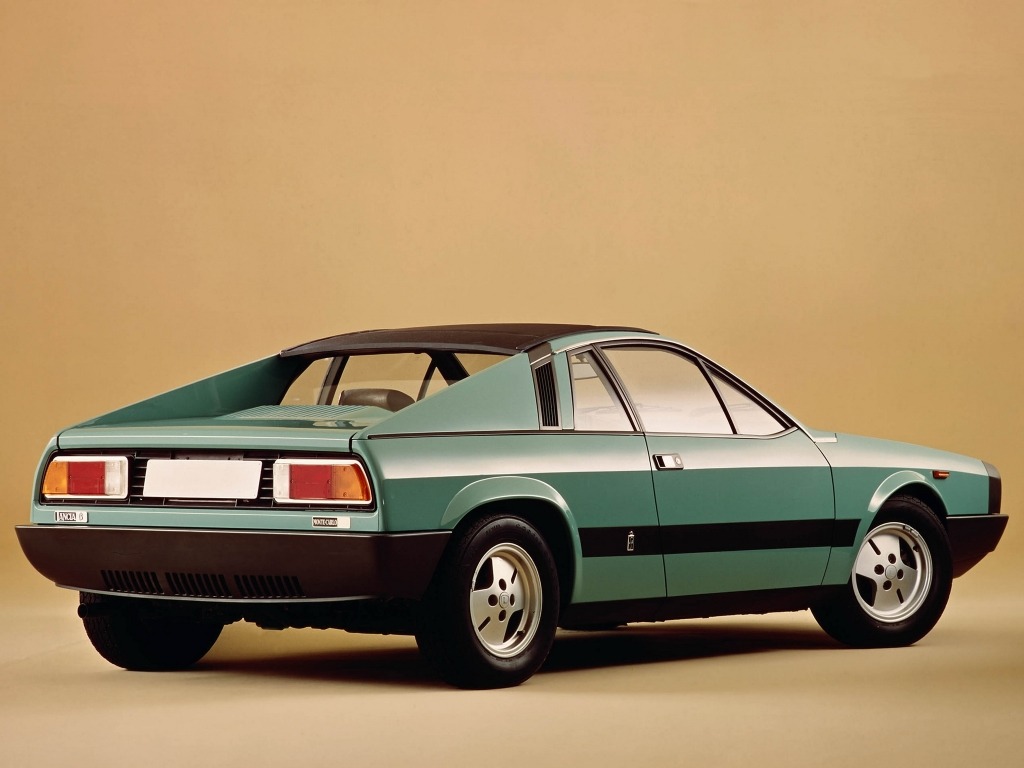
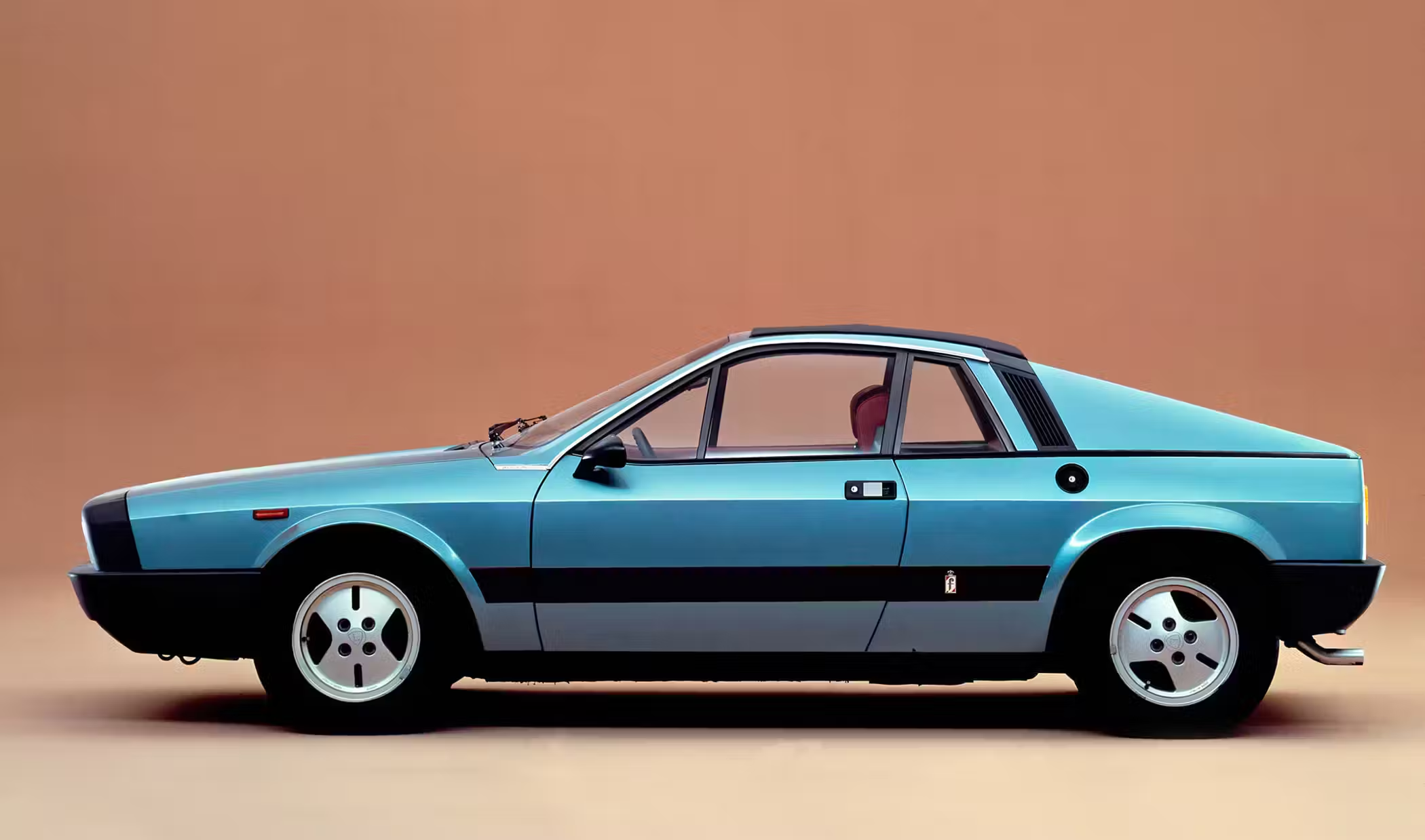
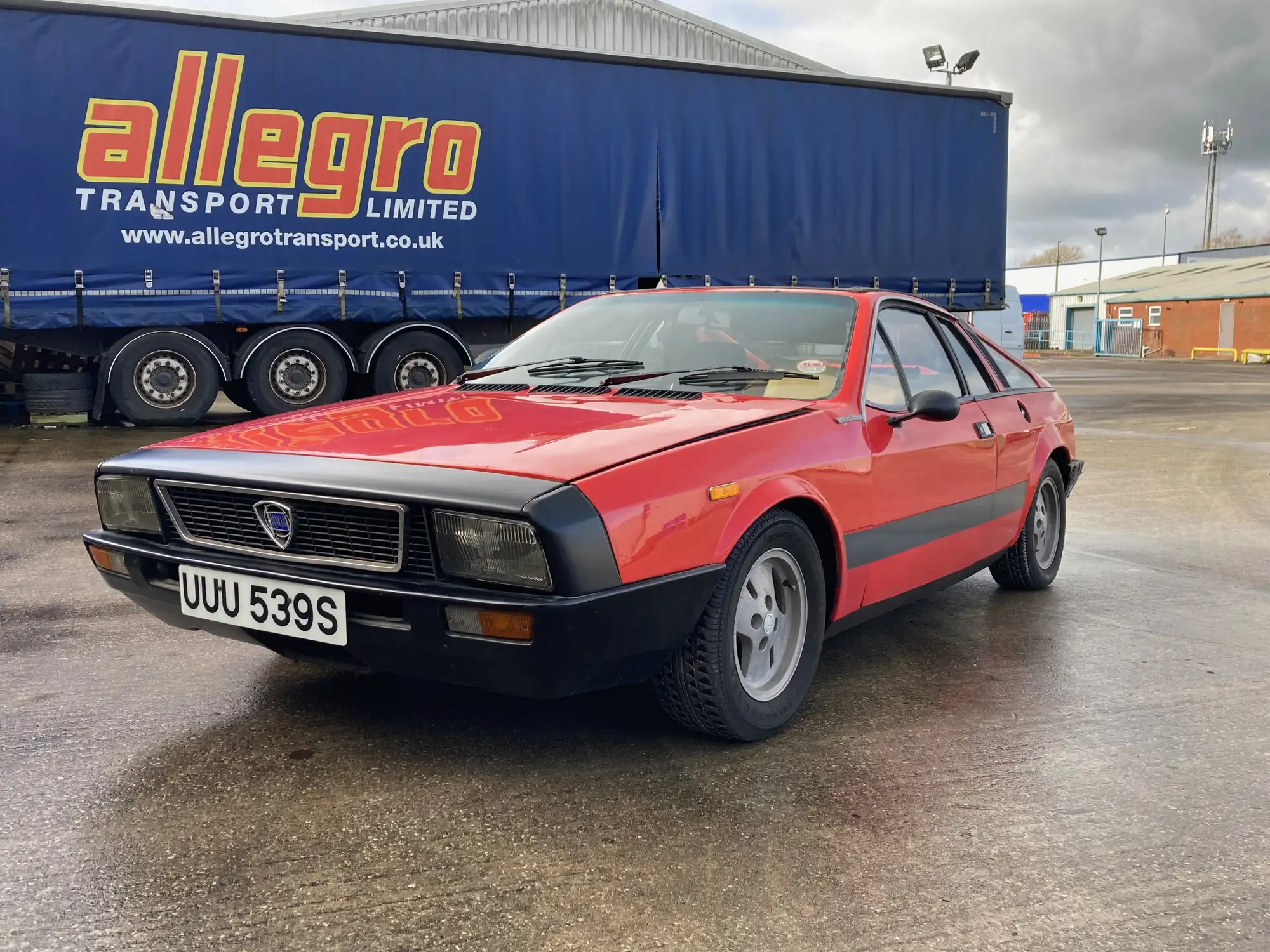
To walk around the Series 1 Montecarlo is to witness the absolute zenith of Pininfarina’s 1970s wedge-design era. Penned under the guidance of Paolo Martin, the silhouette is a masterclass in tension and proportion. It featured a sharp, prowling nose, a steeply raked windshield, and the defining visual signature of the era: dramatic rear flying buttresses that flowed elegantly into a truncated Kamm tail. Uniquely, the front and rear bumpers were constructed of a rubberised plastic resin, blending seamlessly into the bodywork in a way that foreshadowed modern automotive design. Beneath this sartorial elegance lay a transverse, mid-mounted 1,995cc inline-four engine. This was the legendary Lampredi twin-cam, a throaty, robust powerplant borrowed from the Beta family, producing a highly respectable 118 brake horsepower in European guise. It was mated to a five-speed manual transaxle, allowing the sub-ton Montecarlo to sprint to 60 mph in just over nine seconds. The chassis utilized McPherson struts at all four corners, granting the car a phenomenally sharp turn-in and the telepathic rotation inherent to the mid-engine layout. However, the Series 1 was plagued by a notorious mechanical Achilles’ heel: its braking system. The heavily servo-assisted front disc brakes were frighteningly prone to premature lock-up in wet conditions, a flaw so pronounced that Lancia dramatically halted production in 1978 to completely re-engineer the system, eventually removing the servo entirely for the subsequent Series 2. Stepping inside, the Montecarlo was a symphony of 1970s Italian futurism, featuring a deeply dished two-spoke steering wheel, heavily bolstered bucket seats draped in vibrant TV-screen vinyl fabrics, and an instrument binnacle that placed the tachometer and speedometer dead center in the driver’s line of sight.
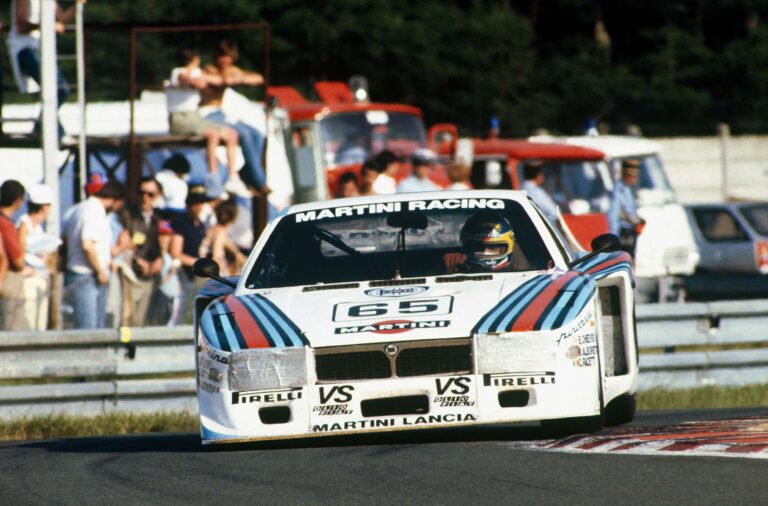
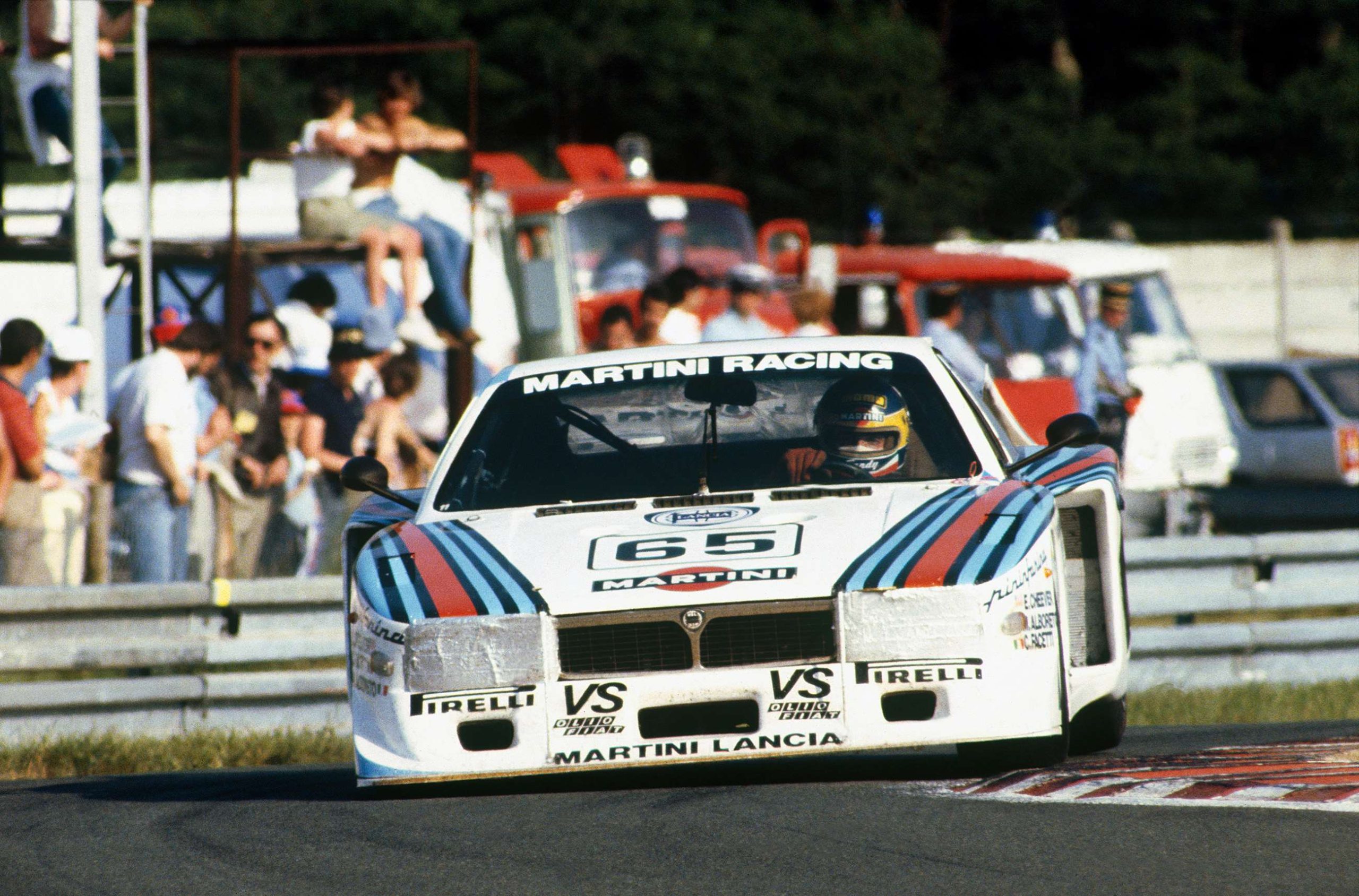
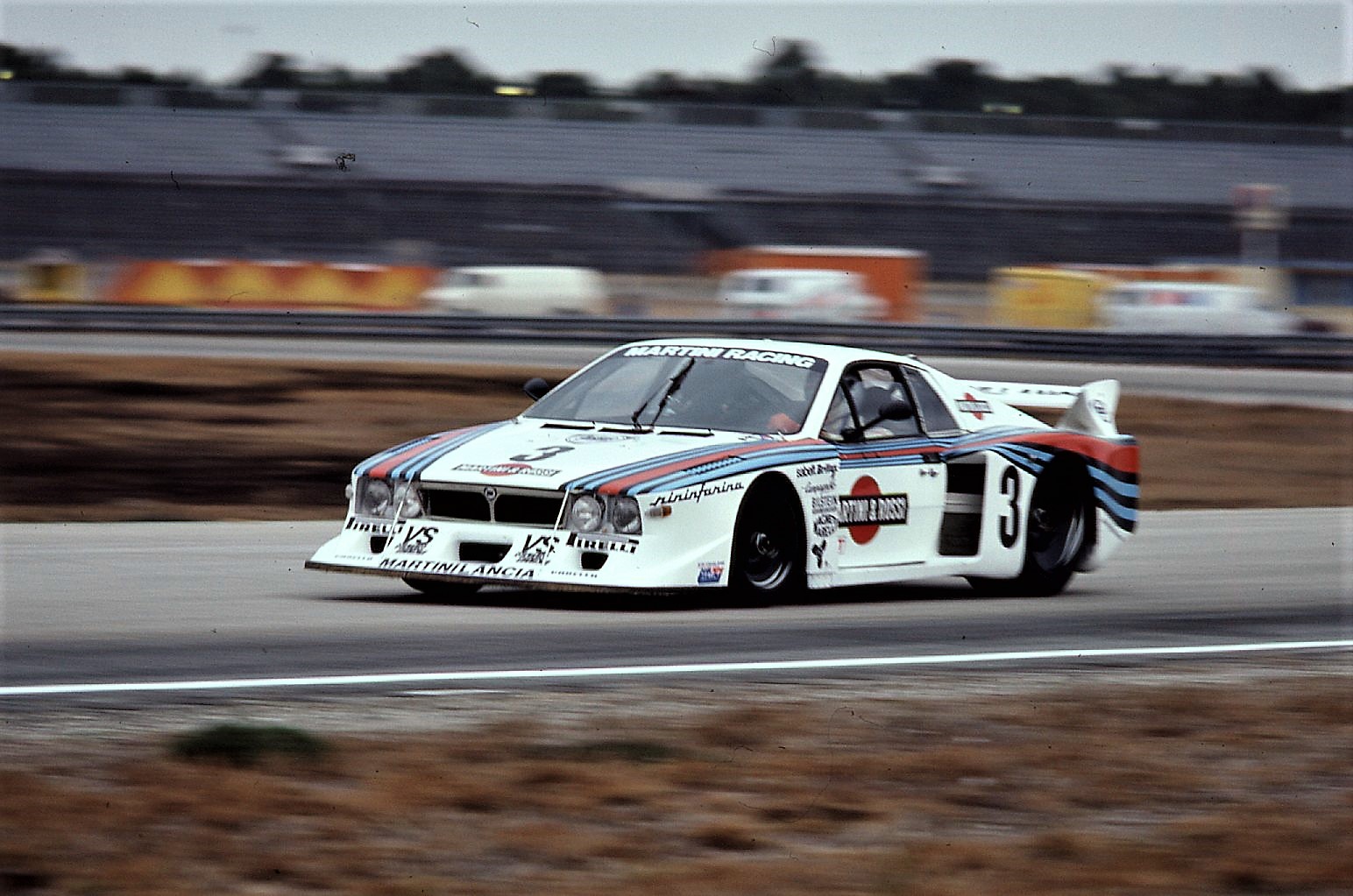
While the street car’s commercial success was stunted by its braking woes and the infamous rust issues that plagued all 1970s Italian steel, the Montecarlo’s impact on global car culture and motorsport was absolutely seismic. In pop culture, a heavily modified Scorpion became a silver-screen star as the villainous, laser-equipped Giselle in Herbie Goes to Monte Carlo. But the true immortality of the Montecarlo was forged in the fiery crucible of the FIA World Sportscar Championship. Lancia and Abarth realized the rigid mid-engine tub was the perfect foundation for a Group 5 Silhouette racing car. The resulting Lancia Beta Montecarlo Turbo was a terrifying, flame-spitting monster draped in massive aerodynamic bodywork and pushed to nearly 500 horsepower by a KKK-turbocharged 1.4-litre Lampredi engine. Driven by titans like Riccardo Patrese, Walter Röhrl, and Michele Alboreto, the Montecarlo Turbo humiliated the mighty Porsche 935s, securing the World Championship for Makes for Lancia in both 1980 and 1981. It was an astonishing display of David-versus-Goliath giant-killing that forever cemented the Montecarlo’s reputation in the paddock.
The legacy of the 1975 Lancia Montecarlo Series 1 is profound and largely misunderstood by the casual observer. It is frequently dismissed as a flawed 1970s curiosity, yet it is actually the absolute foundational cornerstone of Lancia’s golden era of motorsport. Without the central monocoque tub of the Montecarlo, there would be no Lancia Rally 037—the supercharged, mid-engined mythical beast that became the last rear-wheel-drive car to win the World Rally Championship. The Montecarlo also donated its engine block architecture and design philosophy to the Group C Lancia LC1 and LC2 endurance racers. When the Series 1 gave way to the vastly improved Series 2 in 1980, it had already fulfilled its ultimate destiny. It remains an exquisitely styled, flawed, yet undeniably brilliant Italian sports car that transcended its showroom limitations to become the very skeleton of the most romantic racing machines ever to conquer the tarmac and the gravel.
Portal
Model line
Model generation
Brand
Produced from
Vehicle category
Generation Overview
The early 1970s were a period of intense aerodynamic experimentation and mid-engined revolution in Italy, yet simultaneously choked by the grim reality of the global oil crisis. Within the sprawling Fiat empire, a secret hierarchy of sports cars was being plotted. While the Bertone-designed Fiat X1/9 was satisfying the entry-level market, a larger, more ambitious project codenamed X1/20 was brewing at Pininfarina. Originally intended to be Fiat’s flagship 3.0-litre V6 sports car, the fuel crisis forced a pragmatic downsizing. The project was handed over to Lancia to inject a dose of premium prestige into the brand’s revitalized lineup. Unveiled at the 45th Geneva Motor Show in 1975, the Lancia Beta Montecarlo Series 1 emerged as a breathtaking, mid-engined miniature exotic. Available in a sleek fixed-head Coupé or a striking Spider variant featuring a roll-back canvas targa roof, it was thrust into a market eager for accessible mid-engine thrills. It locked horns directly with the quirky, three-seater Matra Bagheera, the aging Porsche 914, and the sharp-suited Triumph TR7. To satisfy the lucrative North American market, Lancia exported the car under the moniker “Lancia Scorpion”—a necessary pivot as Chevrolet owned the ‘Monte Carlo’ trademark—though these US variants were tragically strangled by draconian emissions regulations and fitted with larger, ungainly impact bumpers.
To walk around the Series 1 Montecarlo is to witness the absolute zenith of Pininfarina’s 1970s wedge-design era. Penned under the guidance of Paolo Martin, the silhouette is a masterclass in tension and proportion. It featured a sharp, prowling nose, a steeply raked windshield, and the defining visual signature of the era: dramatic rear flying buttresses that flowed elegantly into a truncated Kamm tail. Uniquely, the front and rear bumpers were constructed of a rubberised plastic resin, blending seamlessly into the bodywork in a way that foreshadowed modern automotive design. Beneath this sartorial elegance lay a transverse, mid-mounted 1,995cc inline-four engine. This was the legendary Lampredi twin-cam, a throaty, robust powerplant borrowed from the Beta family, producing a highly respectable 118 brake horsepower in European guise. It was mated to a five-speed manual transaxle, allowing the sub-ton Montecarlo to sprint to 60 mph in just over nine seconds. The chassis utilized McPherson struts at all four corners, granting the car a phenomenally sharp turn-in and the telepathic rotation inherent to the mid-engine layout. However, the Series 1 was plagued by a notorious mechanical Achilles’ heel: its braking system. The heavily servo-assisted front disc brakes were frighteningly prone to premature lock-up in wet conditions, a flaw so pronounced that Lancia dramatically halted production in 1978 to completely re-engineer the system, eventually removing the servo entirely for the subsequent Series 2. Stepping inside, the Montecarlo was a symphony of 1970s Italian futurism, featuring a deeply dished two-spoke steering wheel, heavily bolstered bucket seats draped in vibrant TV-screen vinyl fabrics, and an instrument binnacle that placed the tachometer and speedometer dead center in the driver’s line of sight.
While the street car’s commercial success was stunted by its braking woes and the infamous rust issues that plagued all 1970s Italian steel, the Montecarlo’s impact on global car culture and motorsport was absolutely seismic. In pop culture, a heavily modified Scorpion became a silver-screen star as the villainous, laser-equipped Giselle in Herbie Goes to Monte Carlo. But the true immortality of the Montecarlo was forged in the fiery crucible of the FIA World Sportscar Championship. Lancia and Abarth realized the rigid mid-engine tub was the perfect foundation for a Group 5 Silhouette racing car. The resulting Lancia Beta Montecarlo Turbo was a terrifying, flame-spitting monster draped in massive aerodynamic bodywork and pushed to nearly 500 horsepower by a KKK-turbocharged 1.4-litre Lampredi engine. Driven by titans like Riccardo Patrese, Walter Röhrl, and Michele Alboreto, the Montecarlo Turbo humiliated the mighty Porsche 935s, securing the World Championship for Makes for Lancia in both 1980 and 1981. It was an astonishing display of David-versus-Goliath giant-killing that forever cemented the Montecarlo’s reputation in the paddock.
The legacy of the 1975 Lancia Montecarlo Series 1 is profound and largely misunderstood by the casual observer. It is frequently dismissed as a flawed 1970s curiosity, yet it is actually the absolute foundational cornerstone of Lancia’s golden era of motorsport. Without the central monocoque tub of the Montecarlo, there would be no Lancia Rally 037—the supercharged, mid-engined mythical beast that became the last rear-wheel-drive car to win the World Rally Championship. The Montecarlo also donated its engine block architecture and design philosophy to the Group C Lancia LC1 and LC2 endurance racers. When the Series 1 gave way to the vastly improved Series 2 in 1980, it had already fulfilled its ultimate destiny. It remains an exquisitely styled, flawed, yet undeniably brilliant Italian sports car that transcended its showroom limitations to become the very skeleton of the most romantic racing machines ever to conquer the tarmac and the gravel.
Submodels