Hyundai i20 II
Brand
Produced from
Vehicle category
Portal
Model line
Model generation
Generation Overview
For decades, the European B-segment was an impenetrable fortress, fiercely guarded by the established aristocracy. If a manufacturer wanted to sell a supermini, it had to face the dynamic brilliance of the Ford Fiesta, the vault-like refinement of the Volkswagen Polo, and the chic allure of the Renault Clio and Peugeot 208. When the Hyundai Motor Company arrived with the first-generation i20, it was politely acknowledged as a sensible, budget-friendly appliance. But in the autumn of 2014, at the Paris Motor Show, the South Korean giant unveiled the second-generation i20 (internally designated GB). This was no longer a mere appliance; it was a declaration of war. Designed at Hyundai’s European headquarters in Rüsselsheim, Germany, the i20 II was engineered explicitly to conquer the old continent. The lineup was beautifully diversified, encompassing the practical five-door hatchback, a strikingly handsome three-door variant dubbed the i20 Coupe, and later, the rugged, plastic-clad i20 Active crossover. It arrived just as the automotive world was recovering from economic turmoil, offering a blend of mature styling, robust build quality, and a sudden, violent injection of world-class motorsport pedigree that would permanently alter the trajectory of the Hyundai brand.
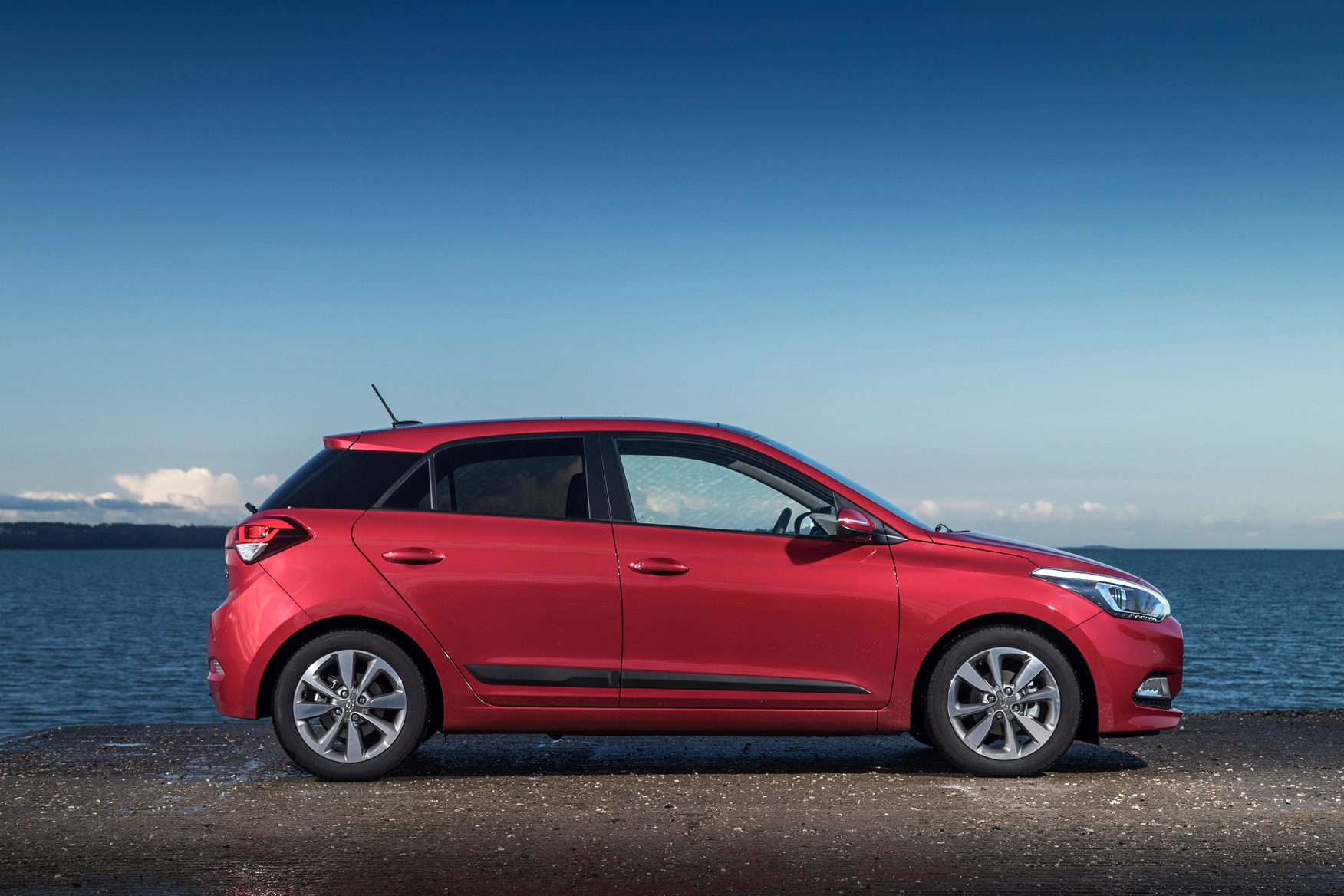
To examine the anatomy of the second-generation i20 is to witness the coming-of-age of Korean automotive engineering. Penned under the “Fluidic Sculpture 2.0” design language by Thomas Bürkle, the exterior was sharp, planted, and effortlessly modern. The defining styling cue was the gloss-black C-pillar, creating a “floating roof” illusion that gave the modest supermini an undeniably premium stance. Beneath this crisp sheet metal lay an all-new platform constructed heavily from advanced high-strength steel, increasing torsional rigidity by a staggering 81 percent over its predecessor. This exceptionally stiff tub allowed engineers to refine the MacPherson strut front and torsion beam rear suspension. While early reviews noted that it lacked the tail-happy, visceral effervescence of the Fiesta on a twisting B-road, it offered a level of high-speed autobahn stability and acoustic refinement that deeply troubled the engineers at Volkswagen. Initially, the engine bay was populated by trusty but uninspiring naturally aspirated 1.2 and 1.4-liter MPI engines, alongside ultra-frugal CRDi diesels. However, the mechanical turning point arrived midway through its lifecycle with the introduction of the 1.0-liter T-GDi. This punchy, turbocharged three-cylinder unit transformed the i20’s character, offering the mid-range torque necessary to exploit the capable, mature chassis. Inside, the cabin was a revelation of ergonomic logic, discarding the cheap, scratchy plastics of the past in favor of soft-touch materials, a driver-focused fascia, and class-leading interior space.
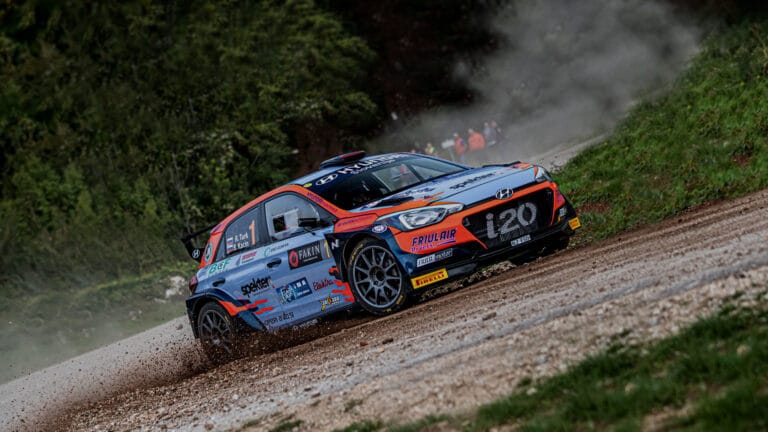
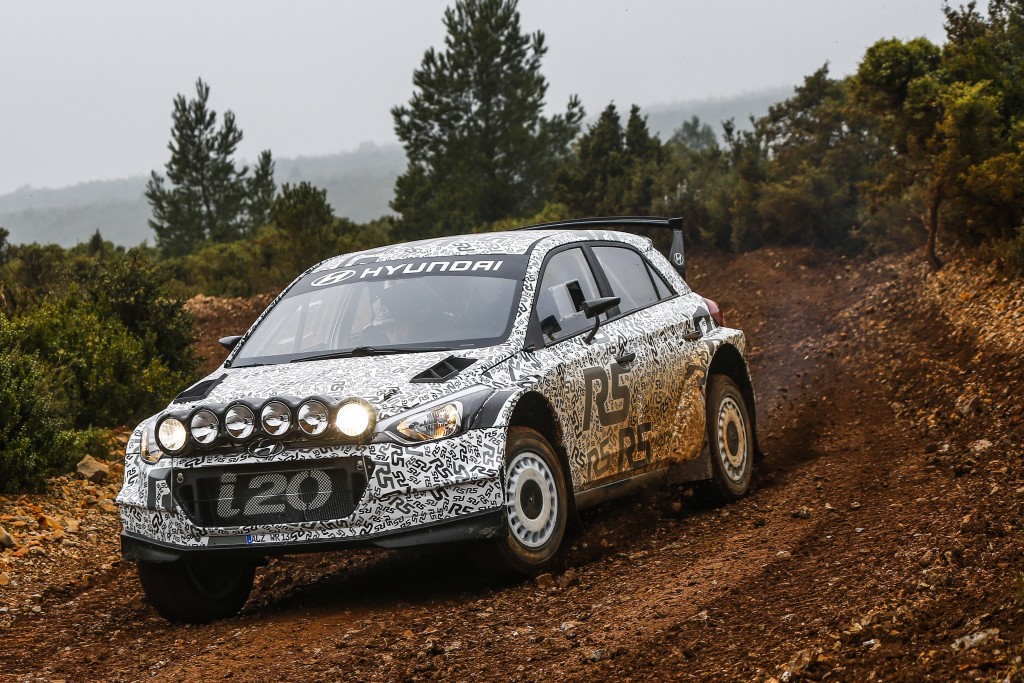
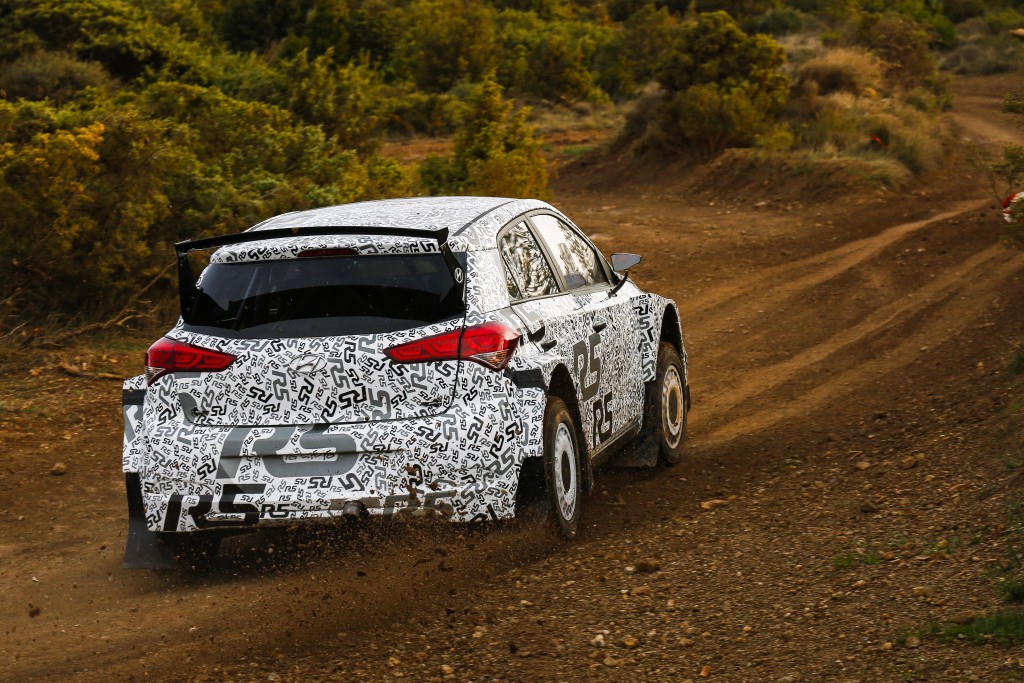
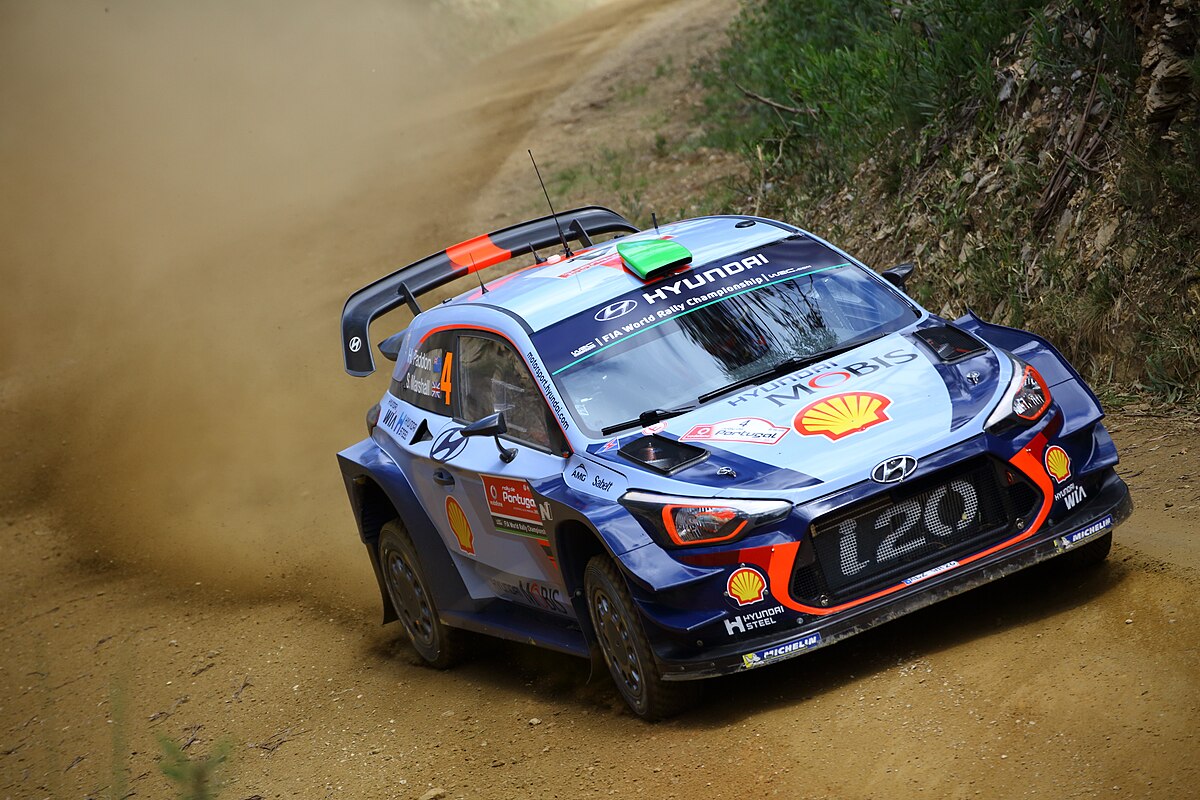
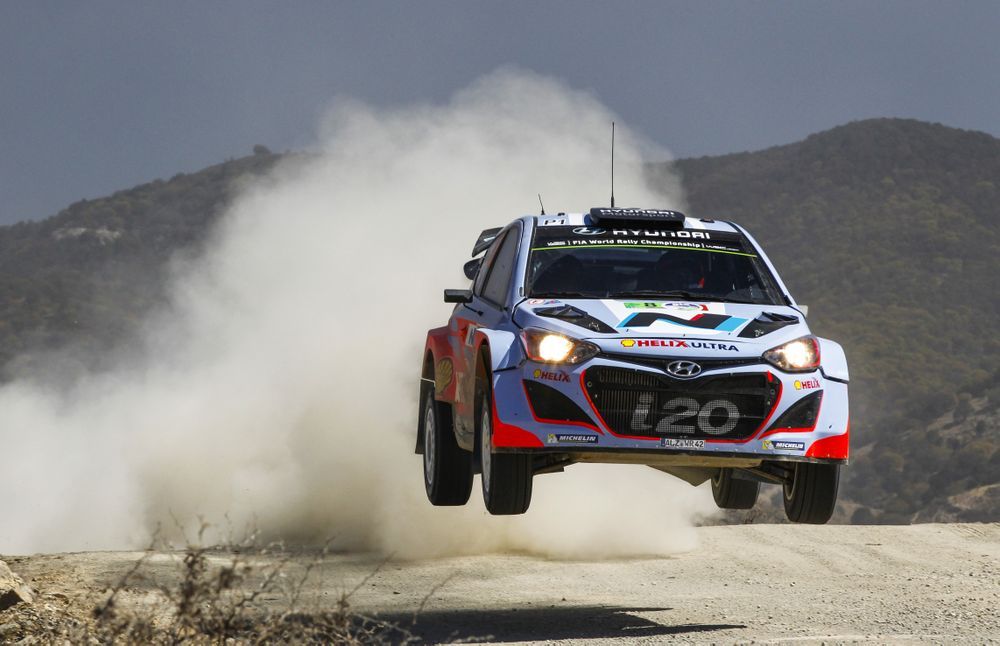
Yet, the true immortality of the second-generation i20 was not forged in the showrooms of Europe, but on the treacherous, gravel-strewn rally stages of the world. Hyundai had established a massive, state-of-the-art motorsport facility in Alzenau, Germany, with a singular, ruthless objective: to win the FIA World Rally Championship. While the first-generation i20 had served as a rolling testbed, it was the second-generation architecture that birthed a titan. The 2016 New Generation i20 WRC proved immediately competitive, but the landscape shifted radically in 2017 with new, aggressive FIA regulations. Hyundai introduced the spectacular i20 Coupe WRC, utilizing the three-door bodyshell as a homologation foundation. With its monstrously flared arches, massive aerodynamic appendages, and a screaming 380-horsepower 1.6-liter turbocharged engine, it was a terrifyingly fast machine. Driven by the relentless Thierry Neuville, alongside tarmac specialist Dani Sordo and gravel maestro Hayden Paddon, the i20 Coupe WRC waged a brutal, multi-year war against the Sébastien Ogier-piloted Ford Fiestas and Toyota Yaris WRCs. Under the fiery, passionate leadership of team principal Andrea Adamo, the i20 finally summited the mountain. Hyundai Motorsport captured the WRC Manufacturers’ Championship in 2019, and successfully defended the crown in 2020. The i20 didn’t just participate; it conquered the absolute pinnacle of off-road motorsport. Furthermore, the Alzenau facility produced the i20 R5, flooding national rally championships across the globe with highly competitive customer racing cars, cementing the silhouette of the Korean supermini in the minds of motorsport fans everywhere.
When the GB-generation i20 bowed out in 2020 to make way for the aggressively styled BC3 generation, its mission had been flawlessly executed. It had dragged Hyundai out from the bargain basement and placed it squarely in the premium mainstream. But more importantly, the second-generation i20 served as the crucial crucible for Hyundai’s high-performance ambitions. The sheer competence of its chassis and the immense technological knowledge gleaned from its WRC dominance laid the absolute bedrock for the spectacular i20 N that would follow in the next generation. It resides in the automotive pantheon not merely as a highly successful supermini, but as the foundational cornerstone of the N brand—the unassuming, handsome hatchback that strapped on a crash helmet, marched into the European forests, and beat the greatest motorsport dynasties at their own game.
Portal
Model line
Model generation
Brand
Produced from
Vehicle category
Generation Overview
For decades, the European B-segment was an impenetrable fortress, fiercely guarded by the established aristocracy. If a manufacturer wanted to sell a supermini, it had to face the dynamic brilliance of the Ford Fiesta, the vault-like refinement of the Volkswagen Polo, and the chic allure of the Renault Clio and Peugeot 208. When the Hyundai Motor Company arrived with the first-generation i20, it was politely acknowledged as a sensible, budget-friendly appliance. But in the autumn of 2014, at the Paris Motor Show, the South Korean giant unveiled the second-generation i20 (internally designated GB). This was no longer a mere appliance; it was a declaration of war. Designed at Hyundai’s European headquarters in Rüsselsheim, Germany, the i20 II was engineered explicitly to conquer the old continent. The lineup was beautifully diversified, encompassing the practical five-door hatchback, a strikingly handsome three-door variant dubbed the i20 Coupe, and later, the rugged, plastic-clad i20 Active crossover. It arrived just as the automotive world was recovering from economic turmoil, offering a blend of mature styling, robust build quality, and a sudden, violent injection of world-class motorsport pedigree that would permanently alter the trajectory of the Hyundai brand.
To examine the anatomy of the second-generation i20 is to witness the coming-of-age of Korean automotive engineering. Penned under the “Fluidic Sculpture 2.0” design language by Thomas Bürkle, the exterior was sharp, planted, and effortlessly modern. The defining styling cue was the gloss-black C-pillar, creating a “floating roof” illusion that gave the modest supermini an undeniably premium stance. Beneath this crisp sheet metal lay an all-new platform constructed heavily from advanced high-strength steel, increasing torsional rigidity by a staggering 81 percent over its predecessor. This exceptionally stiff tub allowed engineers to refine the MacPherson strut front and torsion beam rear suspension. While early reviews noted that it lacked the tail-happy, visceral effervescence of the Fiesta on a twisting B-road, it offered a level of high-speed autobahn stability and acoustic refinement that deeply troubled the engineers at Volkswagen. Initially, the engine bay was populated by trusty but uninspiring naturally aspirated 1.2 and 1.4-liter MPI engines, alongside ultra-frugal CRDi diesels. However, the mechanical turning point arrived midway through its lifecycle with the introduction of the 1.0-liter T-GDi. This punchy, turbocharged three-cylinder unit transformed the i20’s character, offering the mid-range torque necessary to exploit the capable, mature chassis. Inside, the cabin was a revelation of ergonomic logic, discarding the cheap, scratchy plastics of the past in favor of soft-touch materials, a driver-focused fascia, and class-leading interior space.
Yet, the true immortality of the second-generation i20 was not forged in the showrooms of Europe, but on the treacherous, gravel-strewn rally stages of the world. Hyundai had established a massive, state-of-the-art motorsport facility in Alzenau, Germany, with a singular, ruthless objective: to win the FIA World Rally Championship. While the first-generation i20 had served as a rolling testbed, it was the second-generation architecture that birthed a titan. The 2016 New Generation i20 WRC proved immediately competitive, but the landscape shifted radically in 2017 with new, aggressive FIA regulations. Hyundai introduced the spectacular i20 Coupe WRC, utilizing the three-door bodyshell as a homologation foundation. With its monstrously flared arches, massive aerodynamic appendages, and a screaming 380-horsepower 1.6-liter turbocharged engine, it was a terrifyingly fast machine. Driven by the relentless Thierry Neuville, alongside tarmac specialist Dani Sordo and gravel maestro Hayden Paddon, the i20 Coupe WRC waged a brutal, multi-year war against the Sébastien Ogier-piloted Ford Fiestas and Toyota Yaris WRCs. Under the fiery, passionate leadership of team principal Andrea Adamo, the i20 finally summited the mountain. Hyundai Motorsport captured the WRC Manufacturers’ Championship in 2019, and successfully defended the crown in 2020. The i20 didn’t just participate; it conquered the absolute pinnacle of off-road motorsport. Furthermore, the Alzenau facility produced the i20 R5, flooding national rally championships across the globe with highly competitive customer racing cars, cementing the silhouette of the Korean supermini in the minds of motorsport fans everywhere.
When the GB-generation i20 bowed out in 2020 to make way for the aggressively styled BC3 generation, its mission had been flawlessly executed. It had dragged Hyundai out from the bargain basement and placed it squarely in the premium mainstream. But more importantly, the second-generation i20 served as the crucial crucible for Hyundai’s high-performance ambitions. The sheer competence of its chassis and the immense technological knowledge gleaned from its WRC dominance laid the absolute bedrock for the spectacular i20 N that would follow in the next generation. It resides in the automotive pantheon not merely as a highly successful supermini, but as the foundational cornerstone of the N brand—the unassuming, handsome hatchback that strapped on a crash helmet, marched into the European forests, and beat the greatest motorsport dynasties at their own game.
Submodels