
March 85G Porsche
Brand
Produced from
Portal
Vehicle category
Model line
Predecessor
Successor
Submodel Overview
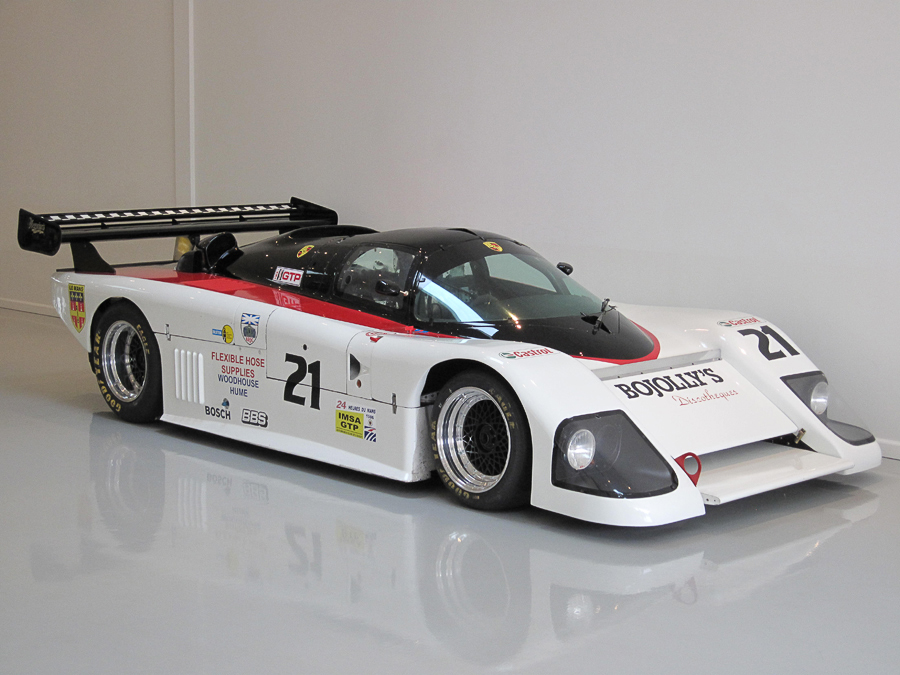
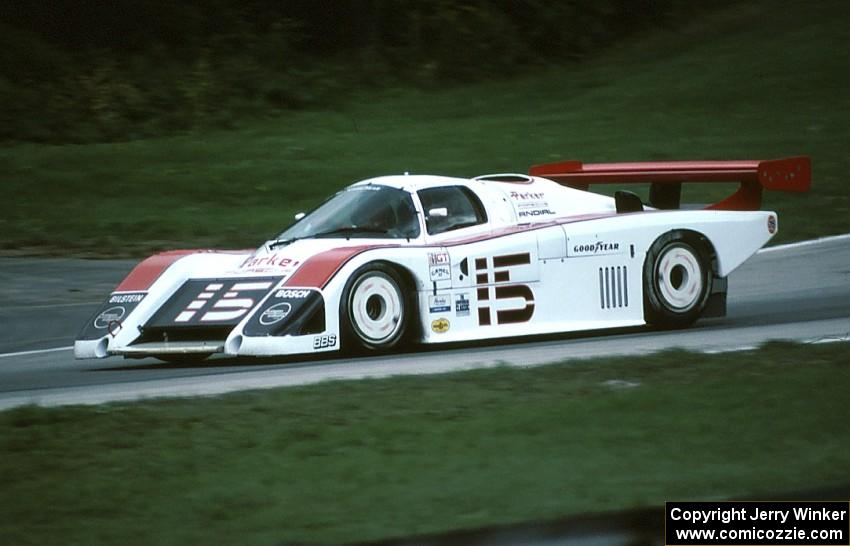
The mid-1980s endurance racing landscape was characterized by the virtually monopolistic grip of Stuttgart. If a privateer team wanted to secure a podium at Daytona or Le Mans, the Porsche 956 and its IMSA-spec 962 sibling were the turn-key weapons of choice, offering an almost unbeatable guarantee of aerodynamic stability and mechanical reliability. Yet, for an independent outfit with a rebellious streak and a desire for a more bespoke approach, purchasing an off-the-shelf 962 felt like surrendering to the establishment. Enter March Engineering of Bicester, England. Guided by the brilliant Robin Herd, March offered the 85G, an immensely capable, modular customer chassis that served as a blank canvas for the engine of a team’s choosing. While some daring American squads wedged explosive, heavily turbocharged Buicks into the engine bay, and Nissan adopted the chassis to fast-track their factory V6 program, the most fascinating and successful amalgamation of the era was arguably the 1985 March 85G Porsche. By mating a highly sophisticated British ground-effect chassis with the bulletproof, fire-breathing flat-six powerplant of a Porsche 935, privateers created the ultimate Anglo-German endurance hybrid—a machine explicitly built to slay the very factory that provided its beating heart.
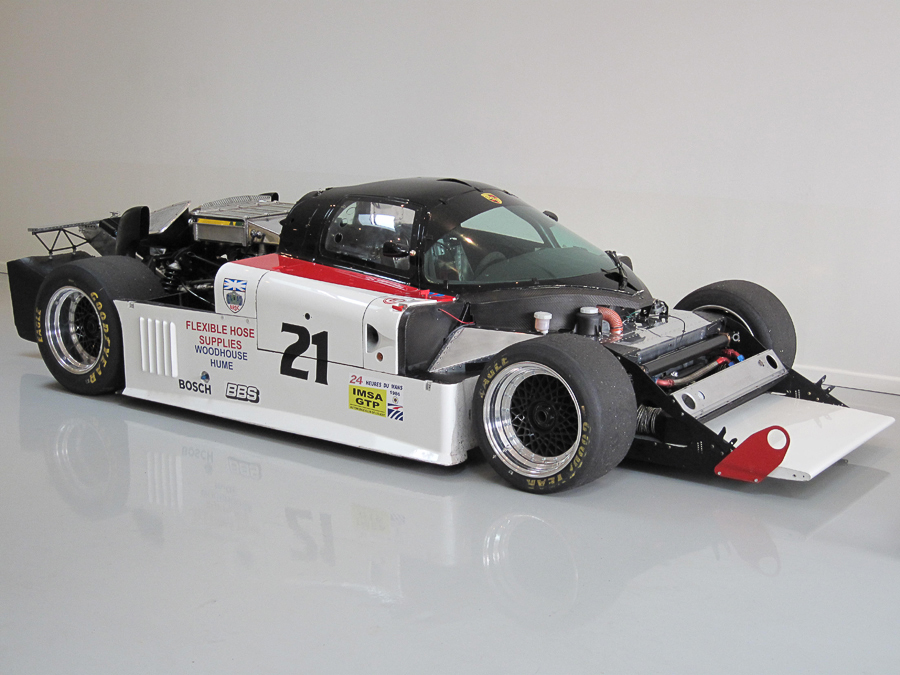
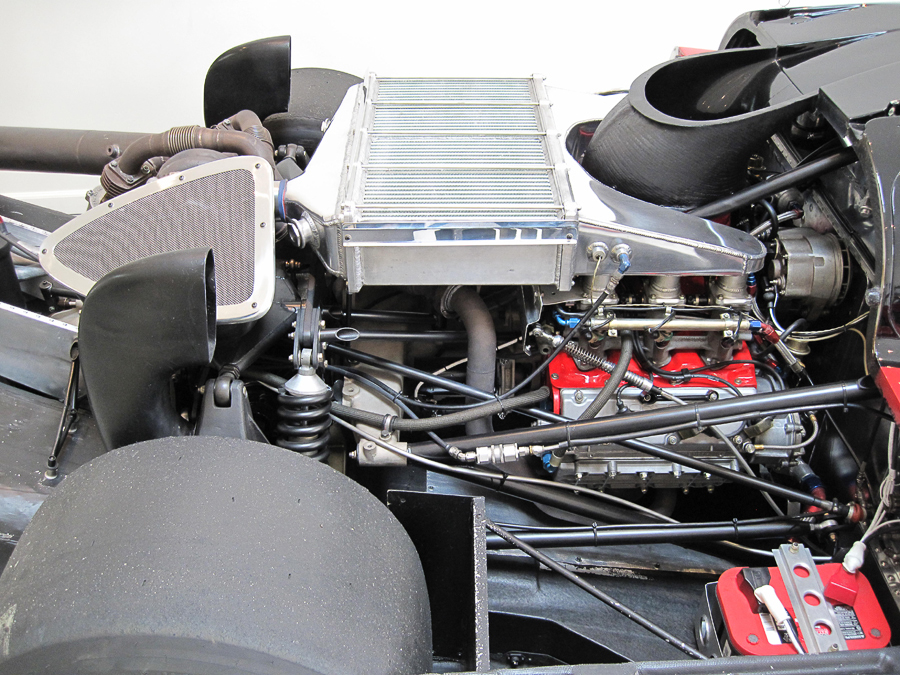
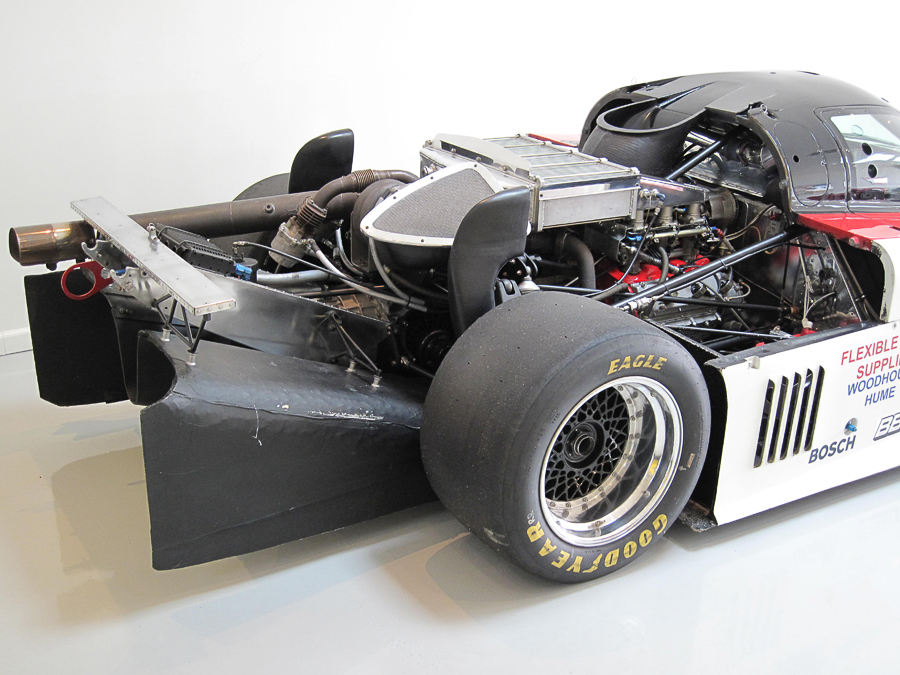
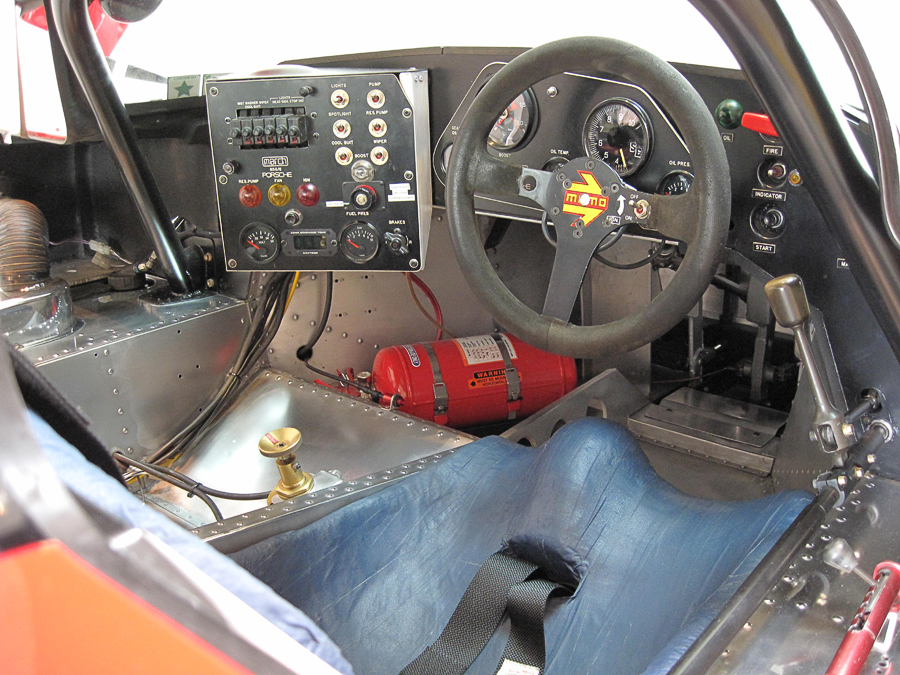
To strip away the sweeping, aerodynamic fiberglass bodywork of the 85G Porsche is to witness a masterclass in pragmatic, modular prototype engineering. The foundation of the vehicle was an exceptionally rigid aluminium honeycomb monocoque. Evolving from the Adrian Newey-penned 82G, 83G, and 84G lineage, the 85G chassis utilized massive underbody venturi tunnels to generate astonishing levels of aerodynamic downforce. This ground-effect sorcery sucked the 850-kilogram prototype to the tarmac at speeds well over 200 mph. But what truly elevated this specific submodel was its phenomenal drivetrain. Nestled amidships was a legendary piece of Stuttgart artillery: the 2.8-liter, single-turbo, air-cooled flat-six engine derived directly from the fearsome Porsche 935. Running at roughly 1.4 bars of boost via a massive KKK turbocharger, this powerplant delivered a reliable, unburstable 690 horsepower. The engine was characterized by a distinct, guttural air-cooled bellow and a violent surge of power when the turbo spooled, demanding immense respect from the driver. To ensure this colossal power reached the rear slicks over twenty-four grueling hours, the engine was mated to a synchronized five-speed transaxle lifted directly from the Porsche 962. It was a masterstroke of common-sense engineering, pairing a highly tunable aero chassis with the most proven endurance drivetrain on the planet. The suspension featured conventional double wishbones with inboard coil-overs, while massive ventilated iron disc brakes fought to arrest the incredible kinetic energy generated at the end of the Mulsanne Straight. Inside the cramped, right-hand-drive cockpit, the driver faced a simple analog tachometer, a boost gauge, and a heavy manual shifter—a spartan, sauna-like workspace that required extreme physical exertion and supreme focus.
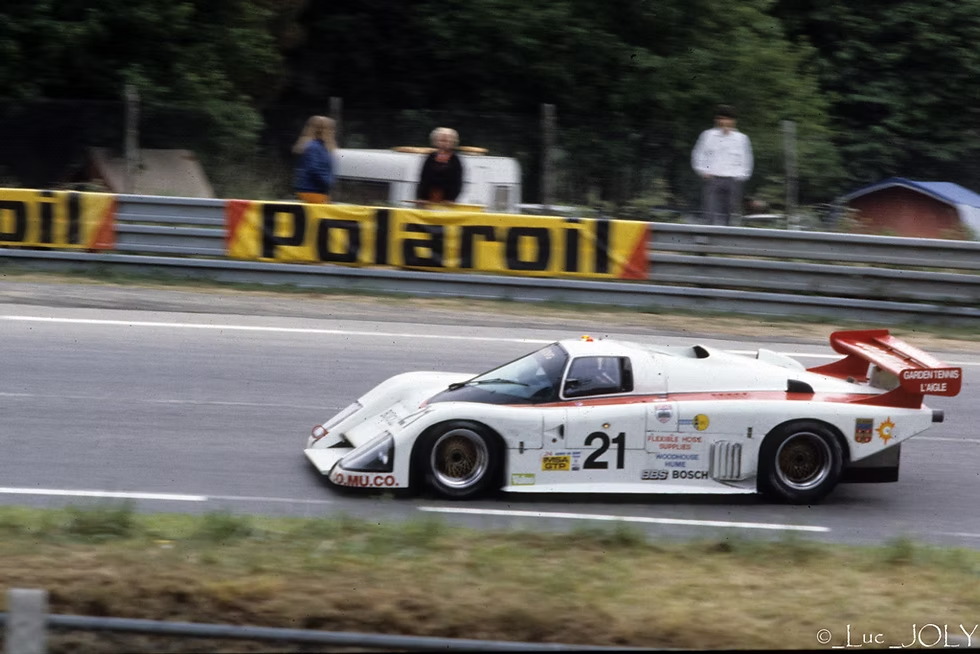
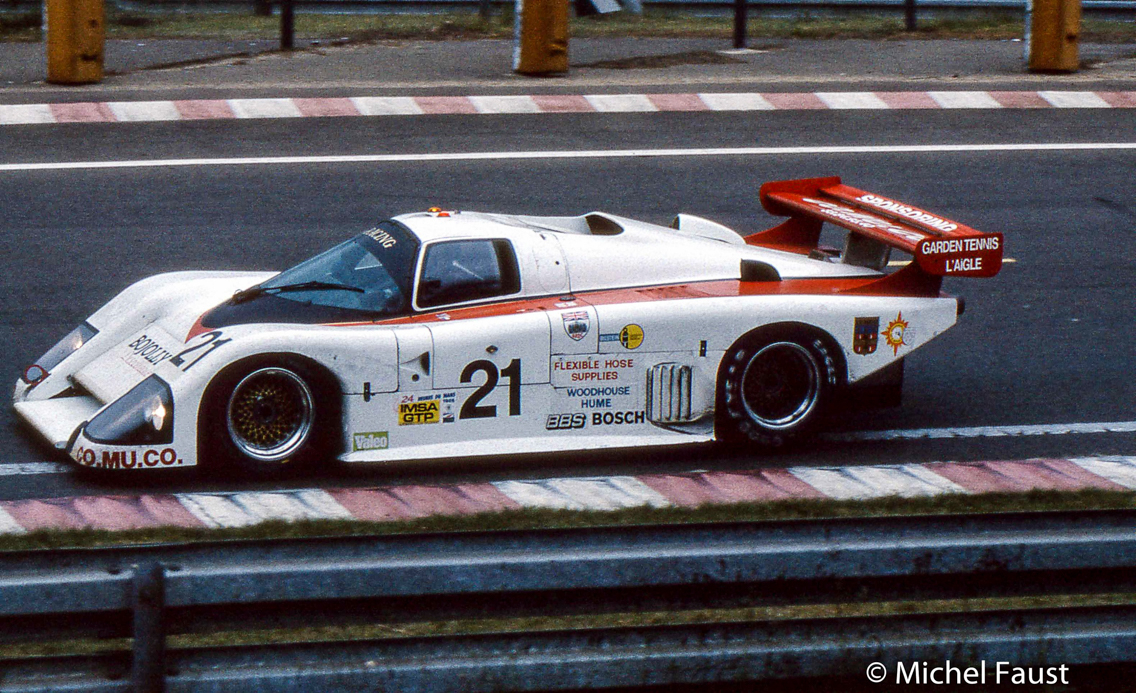
The history of the March 85G Porsche is perfectly encapsulated by the journey of chassis 85G-06. The car began its career in the United States, campaigned in the IMSA Camel GT series by John Kalagian’s team, proving its raw pace on the bumpy, unforgiving American road courses. However, its true immortality was cemented when it was purchased by the British privateer Richard Cleare. Cleare recognized the inherent brilliance of the Anglo-German pairing and entered the 85G Porsche into the 1986 World Sports-Prototype Championship, aiming his crosshairs at the ultimate prize: the 24 Hours of Le Mans. Running in the IMSA GTP class, Cleare, alongside co-drivers Jack Newsum and young French rookie Lionel Robert, waged a spectacular war of attrition against a formidable grid. They weren’t just fighting the factory Porsche 962s and the howling V12 Jaguar XJRs; they were directly battling Nissan’s heavily funded factory effort, which was ironically utilizing the exact same March 85G chassis architecture (badged as the R85V). Through sheer consistency, mechanical sympathy, and the unburstable nature of the 935 flat-six, Richard Cleare Racing drove an absolutely flawless race. As the factory Nissans and numerous European prototypes faltered with gearbox and engine failures, the March 85G Porsche hammered on, crossing the finish line to secure a magnificent, historic victory in the IMSA GTP class and finishing an incredible 14th overall. Defeating the factory-supported Nissans in an identical chassis was a monumental vindication of Cleare’s privateer philosophy, proving that a smartly assembled hybrid could outlast the giants.
The 1985 March 85G Porsche occupies a profoundly romantic and highly respected space in the pantheon of Group C and IMSA GTP racing. It represents the absolute zenith of the privateer constructor era—a fleeting, magical moment when an independent team could purchase a British customer chassis, install a proven German engine, tune it in a small workshop, and conquer the greatest endurance race on earth. While March Engineering would soon transition to the 86G and eventually succumb to the escalating financial warfare of the carbon-fiber factory era, the 85G Porsche stands immortalized. It is the quintessential mercenary prototype, a thunderous testament to the ingenuity of the 1980s independent racer who dared to look beyond the factory catalog to build a bespoke, flat-six-powered giant-killer of their very own.
Brand
Produced from
Portal
Vehicle category
Model line
Predecessor
Sucessor
Brand
Produced from
Portal
Vehicle category
Model line
Model generation
Predecessor
Sucessor
Submodel Overview
The mid-1980s endurance racing landscape was characterized by the virtually monopolistic grip of Stuttgart. If a privateer team wanted to secure a podium at Daytona or Le Mans, the Porsche 956 and its IMSA-spec 962 sibling were the turn-key weapons of choice, offering an almost unbeatable guarantee of aerodynamic stability and mechanical reliability. Yet, for an independent outfit with a rebellious streak and a desire for a more bespoke approach, purchasing an off-the-shelf 962 felt like surrendering to the establishment. Enter March Engineering of Bicester, England. Guided by the brilliant Robin Herd, March offered the 85G, an immensely capable, modular customer chassis that served as a blank canvas for the engine of a team’s choosing. While some daring American squads wedged explosive, heavily turbocharged Buicks into the engine bay, and Nissan adopted the chassis to fast-track their factory V6 program, the most fascinating and successful amalgamation of the era was arguably the 1985 March 85G Porsche. By mating a highly sophisticated British ground-effect chassis with the bulletproof, fire-breathing flat-six powerplant of a Porsche 935, privateers created the ultimate Anglo-German endurance hybrid—a machine explicitly built to slay the very factory that provided its beating heart.
To strip away the sweeping, aerodynamic fiberglass bodywork of the 85G Porsche is to witness a masterclass in pragmatic, modular prototype engineering. The foundation of the vehicle was an exceptionally rigid aluminium honeycomb monocoque. Evolving from the Adrian Newey-penned 82G, 83G, and 84G lineage, the 85G chassis utilized massive underbody venturi tunnels to generate astonishing levels of aerodynamic downforce. This ground-effect sorcery sucked the 850-kilogram prototype to the tarmac at speeds well over 200 mph. But what truly elevated this specific submodel was its phenomenal drivetrain. Nestled amidships was a legendary piece of Stuttgart artillery: the 2.8-liter, single-turbo, air-cooled flat-six engine derived directly from the fearsome Porsche 935. Running at roughly 1.4 bars of boost via a massive KKK turbocharger, this powerplant delivered a reliable, unburstable 690 horsepower. The engine was characterized by a distinct, guttural air-cooled bellow and a violent surge of power when the turbo spooled, demanding immense respect from the driver. To ensure this colossal power reached the rear slicks over twenty-four grueling hours, the engine was mated to a synchronized five-speed transaxle lifted directly from the Porsche 962. It was a masterstroke of common-sense engineering, pairing a highly tunable aero chassis with the most proven endurance drivetrain on the planet. The suspension featured conventional double wishbones with inboard coil-overs, while massive ventilated iron disc brakes fought to arrest the incredible kinetic energy generated at the end of the Mulsanne Straight. Inside the cramped, right-hand-drive cockpit, the driver faced a simple analog tachometer, a boost gauge, and a heavy manual shifter—a spartan, sauna-like workspace that required extreme physical exertion and supreme focus.
The history of the March 85G Porsche is perfectly encapsulated by the journey of chassis 85G-06. The car began its career in the United States, campaigned in the IMSA Camel GT series by John Kalagian’s team, proving its raw pace on the bumpy, unforgiving American road courses. However, its true immortality was cemented when it was purchased by the British privateer Richard Cleare. Cleare recognized the inherent brilliance of the Anglo-German pairing and entered the 85G Porsche into the 1986 World Sports-Prototype Championship, aiming his crosshairs at the ultimate prize: the 24 Hours of Le Mans. Running in the IMSA GTP class, Cleare, alongside co-drivers Jack Newsum and young French rookie Lionel Robert, waged a spectacular war of attrition against a formidable grid. They weren’t just fighting the factory Porsche 962s and the howling V12 Jaguar XJRs; they were directly battling Nissan’s heavily funded factory effort, which was ironically utilizing the exact same March 85G chassis architecture (badged as the R85V). Through sheer consistency, mechanical sympathy, and the unburstable nature of the 935 flat-six, Richard Cleare Racing drove an absolutely flawless race. As the factory Nissans and numerous European prototypes faltered with gearbox and engine failures, the March 85G Porsche hammered on, crossing the finish line to secure a magnificent, historic victory in the IMSA GTP class and finishing an incredible 14th overall. Defeating the factory-supported Nissans in an identical chassis was a monumental vindication of Cleare’s privateer philosophy, proving that a smartly assembled hybrid could outlast the giants.
The 1985 March 85G Porsche occupies a profoundly romantic and highly respected space in the pantheon of Group C and IMSA GTP racing. It represents the absolute zenith of the privateer constructor era—a fleeting, magical moment when an independent team could purchase a British customer chassis, install a proven German engine, tune it in a small workshop, and conquer the greatest endurance race on earth. While March Engineering would soon transition to the 86G and eventually succumb to the escalating financial warfare of the carbon-fiber factory era, the 85G Porsche stands immortalized. It is the quintessential mercenary prototype, a thunderous testament to the ingenuity of the 1980s independent racer who dared to look beyond the factory catalog to build a bespoke, flat-six-powered giant-killer of their very own.
Tech Specs
Technical Specifications
Tech Specs
Technical Specifications
Engine
01
03
Internal combustion engine
Configuration
Porsche Type 962/70, Flat-6
Location
Mid, longitudinally mounted
Construction
Aluminium alloy block and heads
Displacement (cc)
2,869 cc
Displacement (cu in)
175.1 cu in
Compression
7.5:1
Bore x Stroke
95.0 mm x 67.4 mm
Valvetrain
4 valves per cylinder, DOHC
Fuel feed
Bosch Motronic electronic fuel injection
Lubrication
Dry sump
Aspiration
Turbocharged (Single KKK turbocharger for IMSA spec, Twin KKK for Group C)
Output
Power (hp)
680 hp
Power (kW)
507 kW
Max power at
8,200 RPM
Torque (Nm)
630 Nm
Torque (ft lbs)
465 ft lbs
Max torque at
5,000 RPM
Drivetrain
02
03
Chassis
Type
Honeycomb monocoque
Material
Aluminium
Body
Material
Kevlar and Carbon fibre composite
Transmission
Gearbox
March / Hewland 5-speed manual
Drive
Rear Wheel Drive (Limited Slip Differential)
Suspension
Front
Independent, double wishbones, pushrod-actuated coil springs over dampers, anti-roll bar
Rear
Independent, double wishbones, pushrod-actuated coil springs over dampers, anti-roll bar
Steering
Type
Rack and pinion, unassisted
Brakes
Front
Ventilated steel discs Ø330 mm, 4-piston calipers
Rear
Ventilated steel discs Ø330 mm, 4-piston calipers
Wheels
Front
12" x 16"
Rear
16" x 16"
Tires
Front
285/600-16
Rear
350/700-16
Dimensions and performance
03
03
Dimensions
Length (mm)
4,800 mm
Length (in)
189.0 in
Width (mm)
2,000 mm
Width (in)
78.7 in
Height (mm)
1,010 mm
Height (in)
39.8 in
Wheelbase (mm)
2,685 mm
Wheelbase (in)
105.7 in
Weight (kg)
900 kg
Weight (lbs)
1,984 lbs
Performance
Power to weight
0.75 hp/kg
Top speed (km/h)
~350 km/h
Top speed (mph)
~217 mph
0-100 km/h (0-60 mph)
~3.2 s