
Aston Martin DB2/4
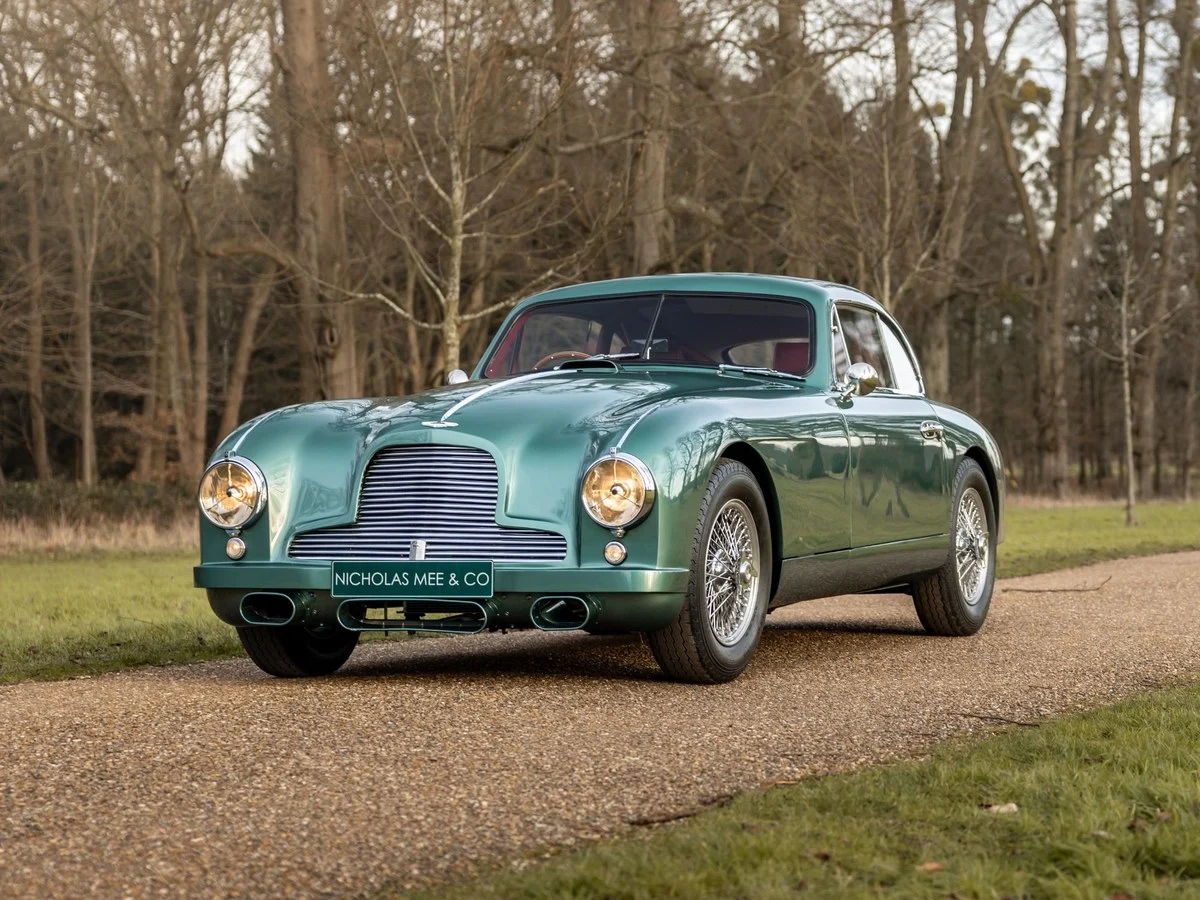
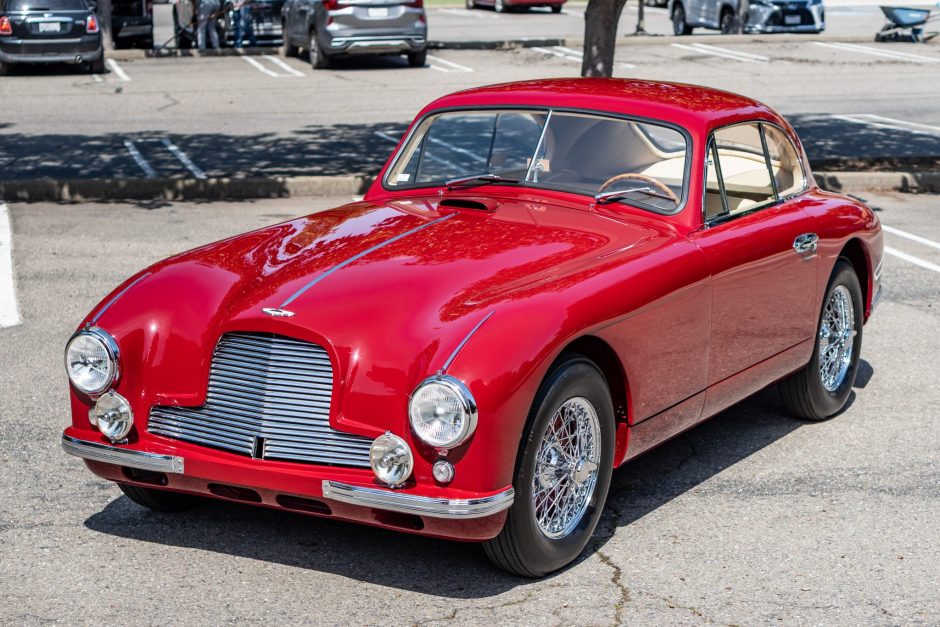
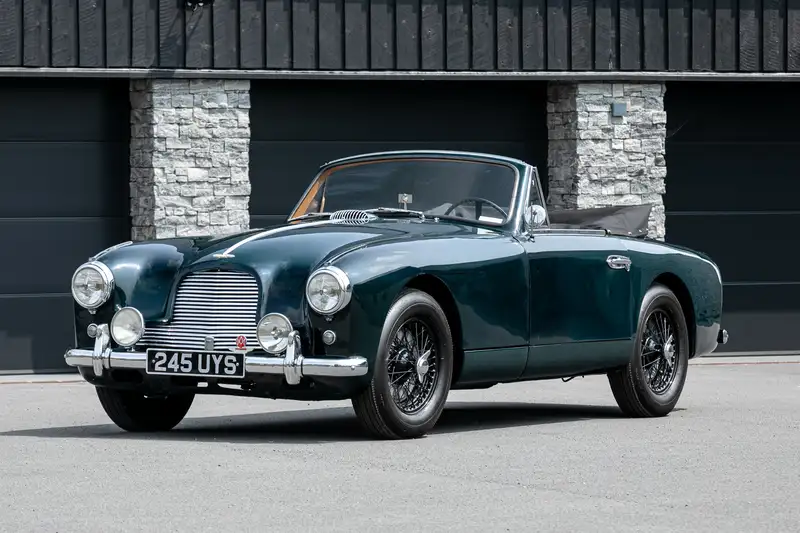
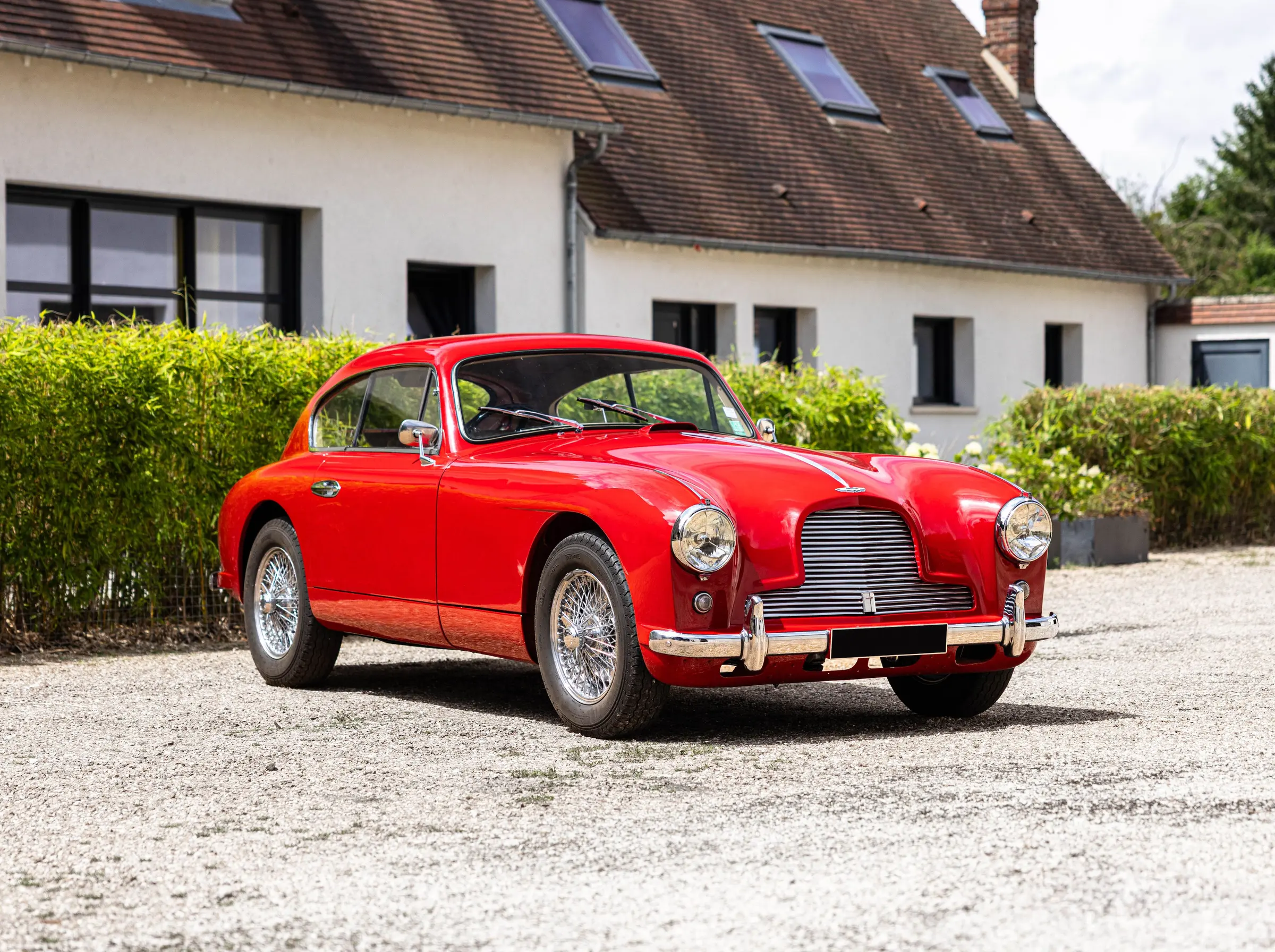
Brand
Produced from
Vehicle category
Portal
Model line
Model generation
Predecessor
Sucessor
Model Overview
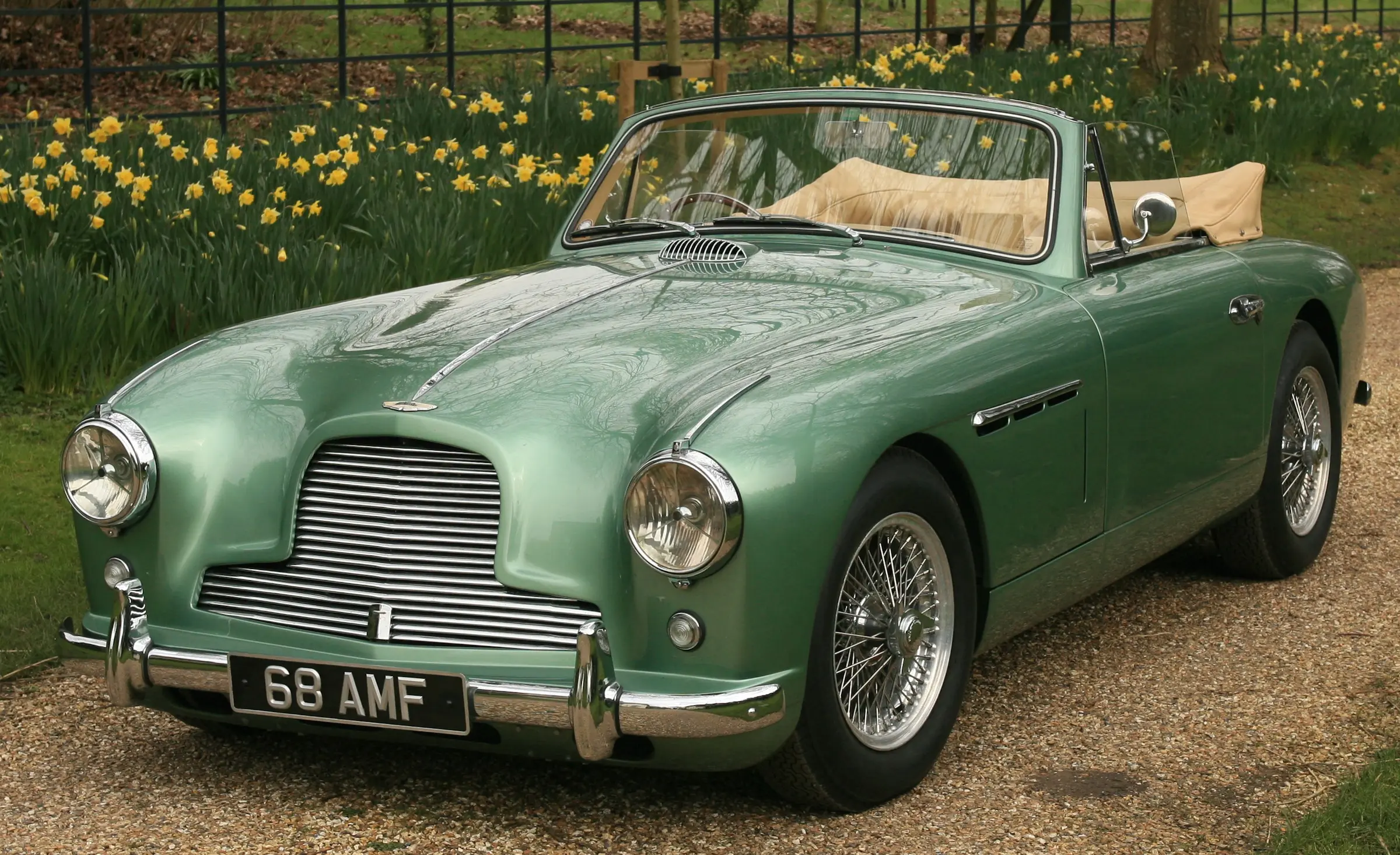
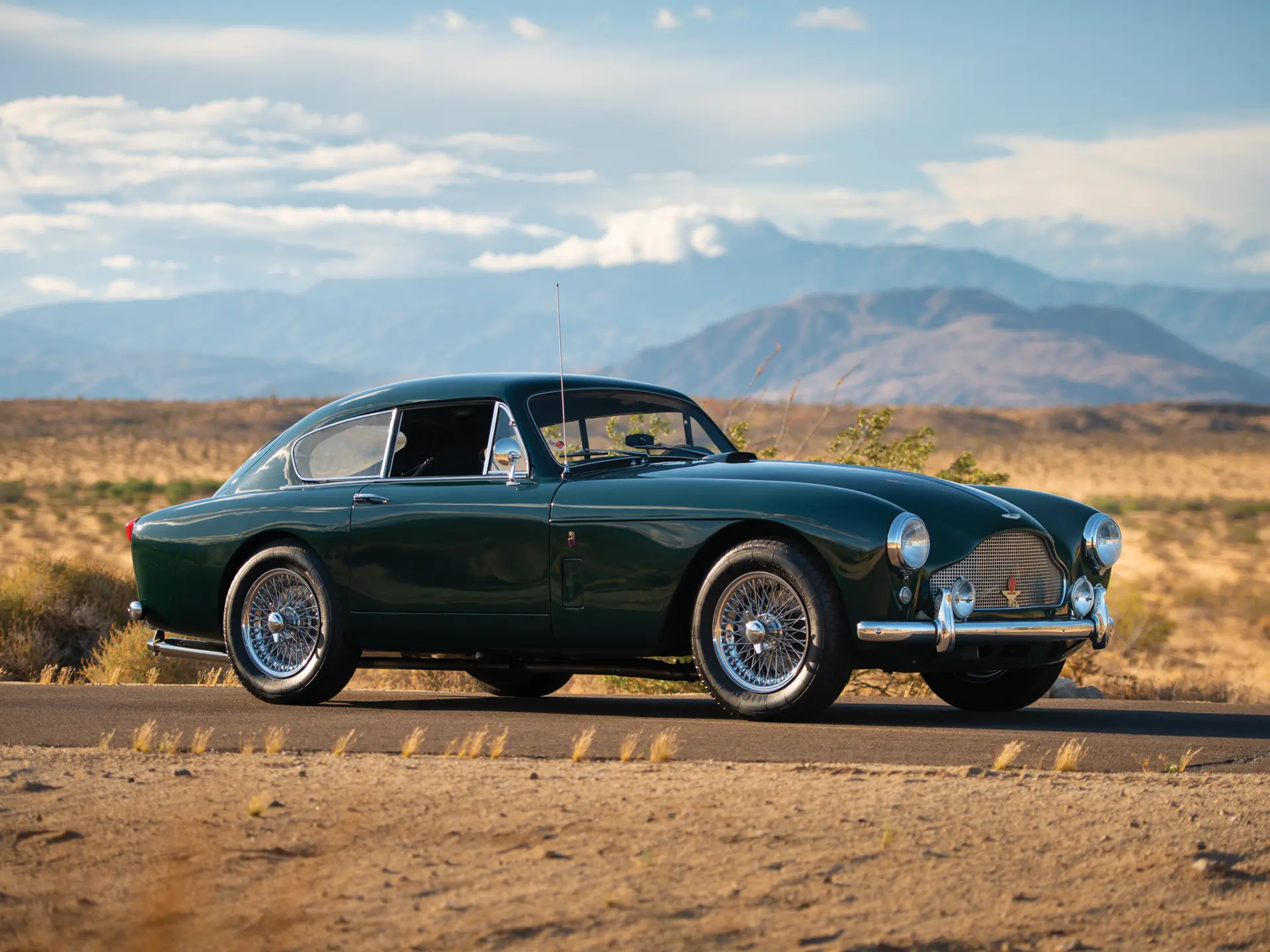
To fully grasp the magnitude and profound historical gravity of the Aston Martin DB2/4, one must first step back into the dimly lit, austerity-laden landscape of post-war Britain. Sir David Brown, a tractor magnate with a burning passion for motorsport, had recently purchased both Aston Martin and Lagonda from the classified pages of The Times. His masterstroke was not just saving the two storied brands, but forcing a shotgun marriage between them. Aston Martin possessed a brilliant, lightweight tubular chassis designed by Claude Hill, but lacked a world-class powerplant. Lagonda, conversely, possessed a masterpiece of an engine designed by none other than W.O. Bentley himself, but lacked a sporting platform. The resulting offspring was the magnificent DB2, a car that cemented Aston Martin’s reputation at Le Mans. However, as the 1950s progressed, the affluent sporting gentleman demanded more than just a cramped, two-seater coupe to cross the continent. He needed space for his tailored luggage, perhaps a pair of occasional rear seats for his children, and the ability to cruise at 100 mph down the sweeping Routes Nationales of France. Enter the Aston Martin DB2/4 in October 1953. It was not merely an evolution; it was a quiet revolution. Facing off against the brutish, sledgehammer performance of the Jaguar XK120 Fixed Head Coupe, the sophisticated V6-powered Lancia Aurelia B20 GT, and the aristocratic Bentley R-Type Continental, the DB2/4 carved out an entirely new niche. It was the world’s first true high-performance hatchback—a sophisticated, aristocratic Grand Tourer that blended Le Mans-derived engineering with unprecedented everyday usability.
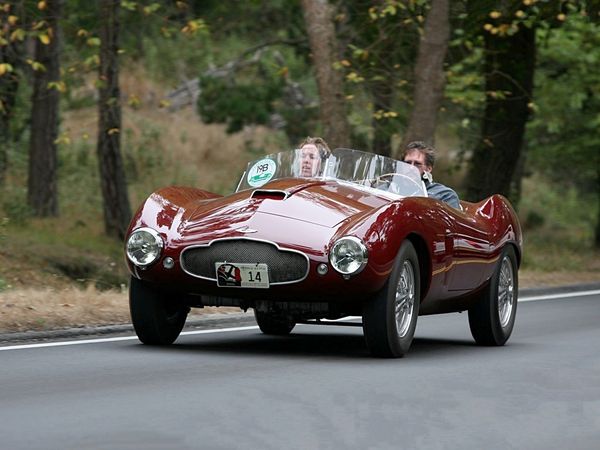
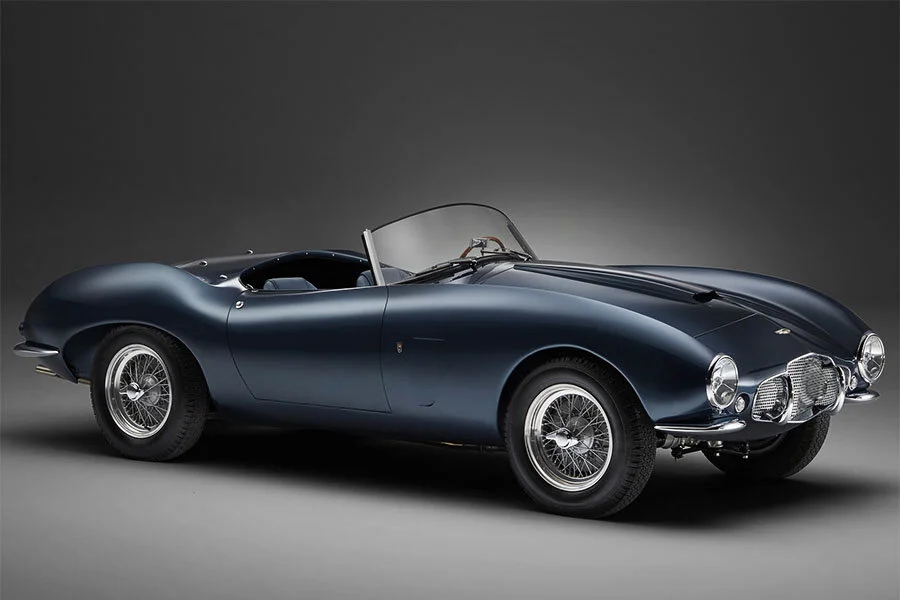
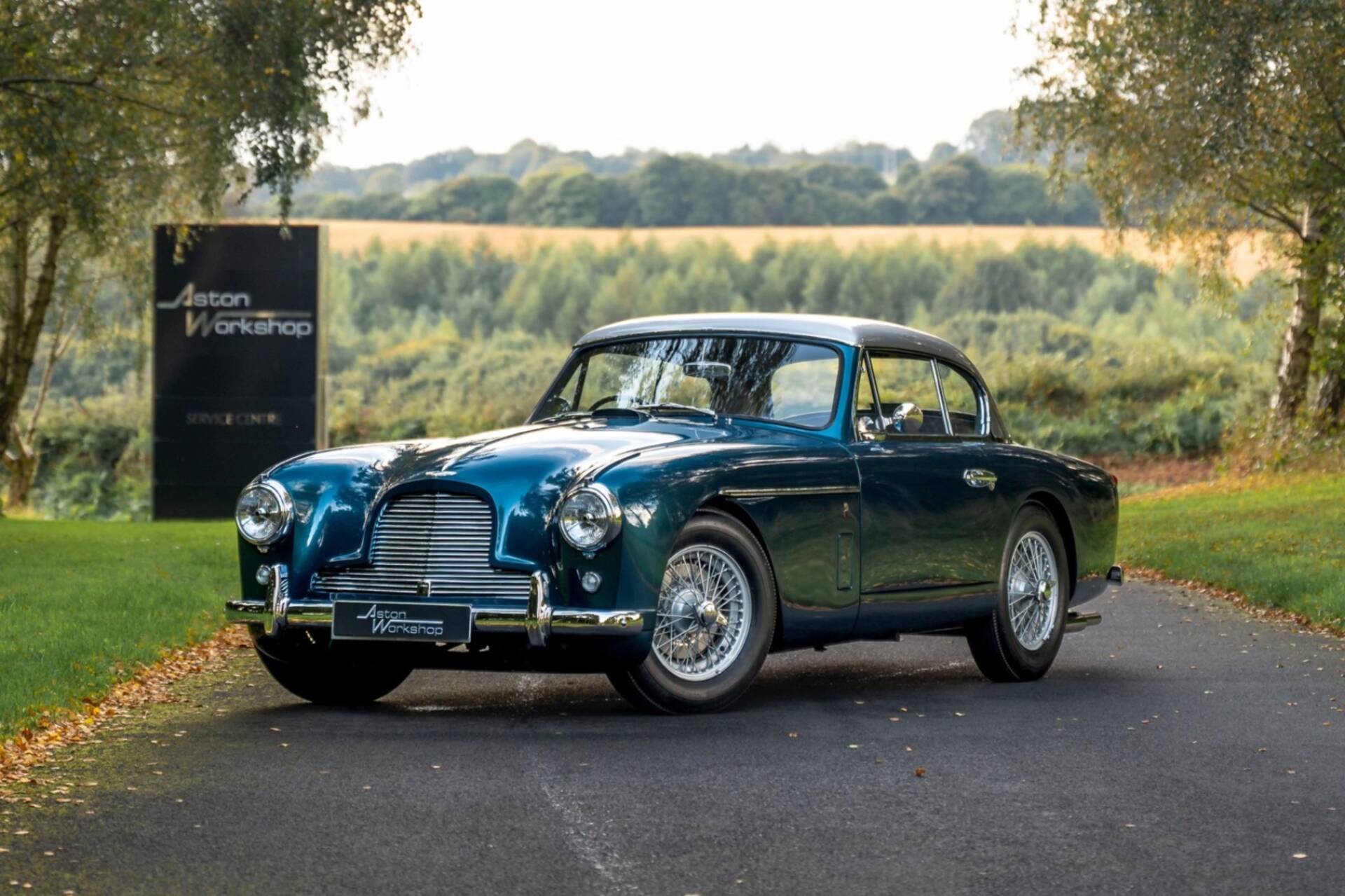
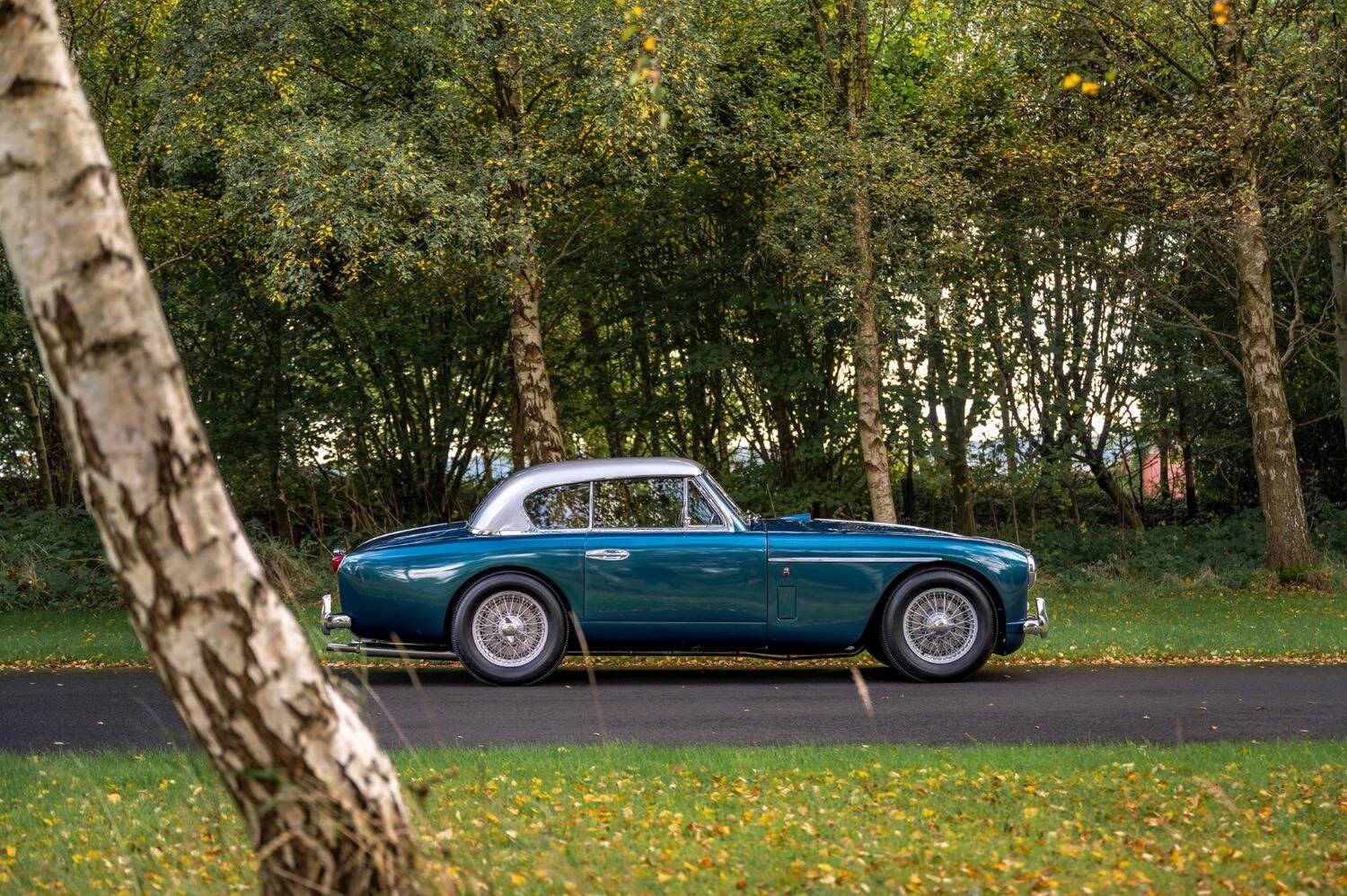
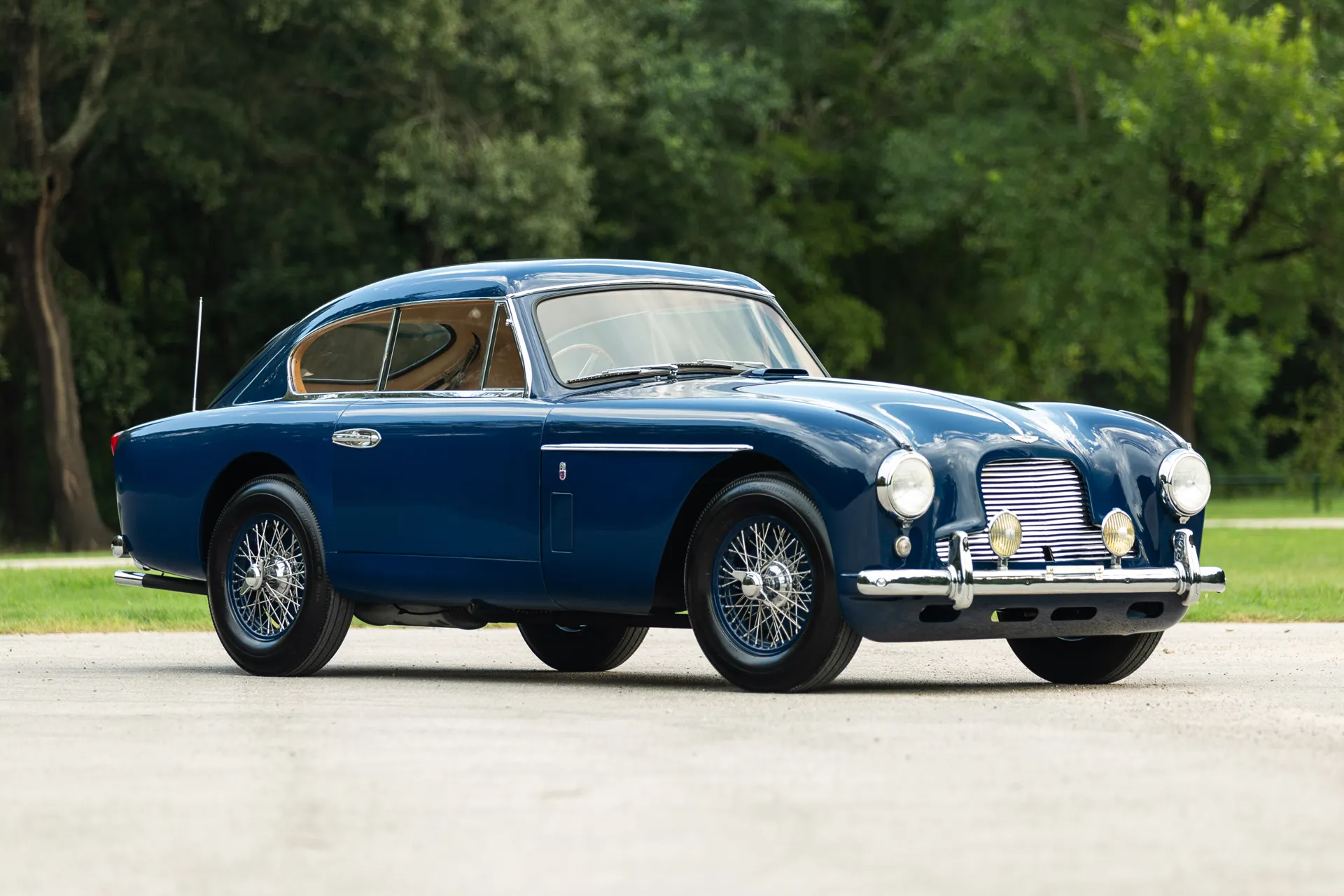
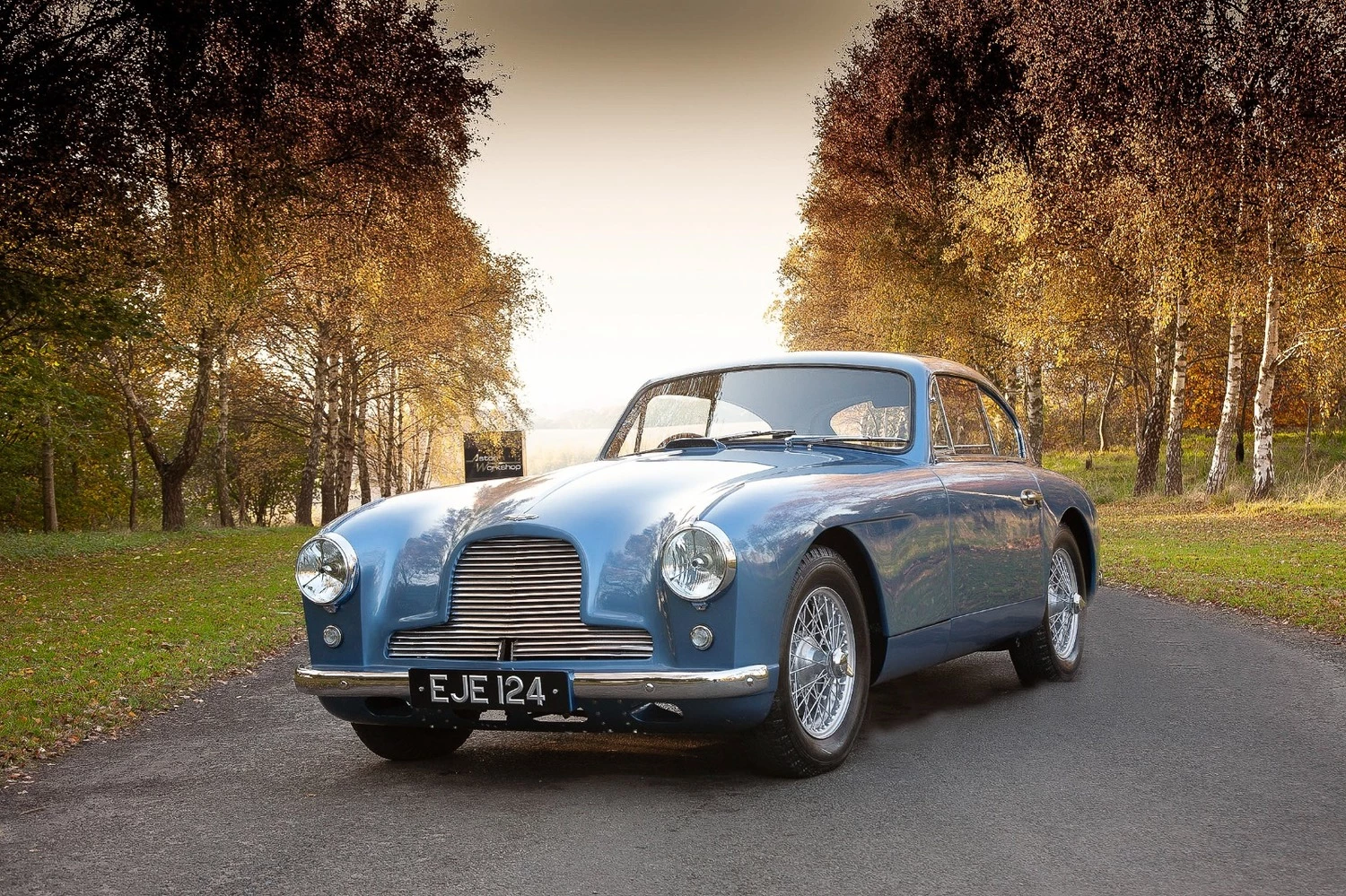
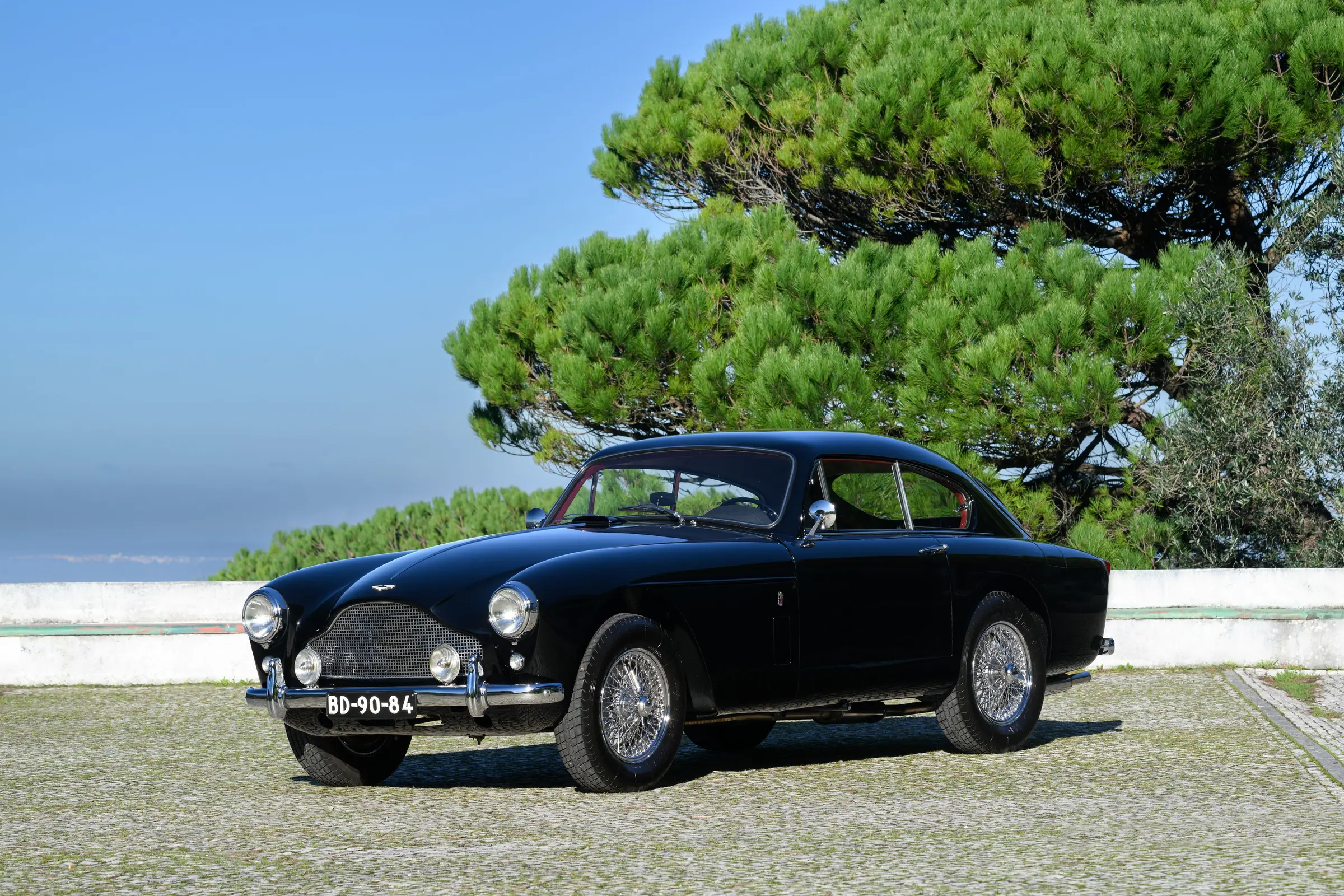
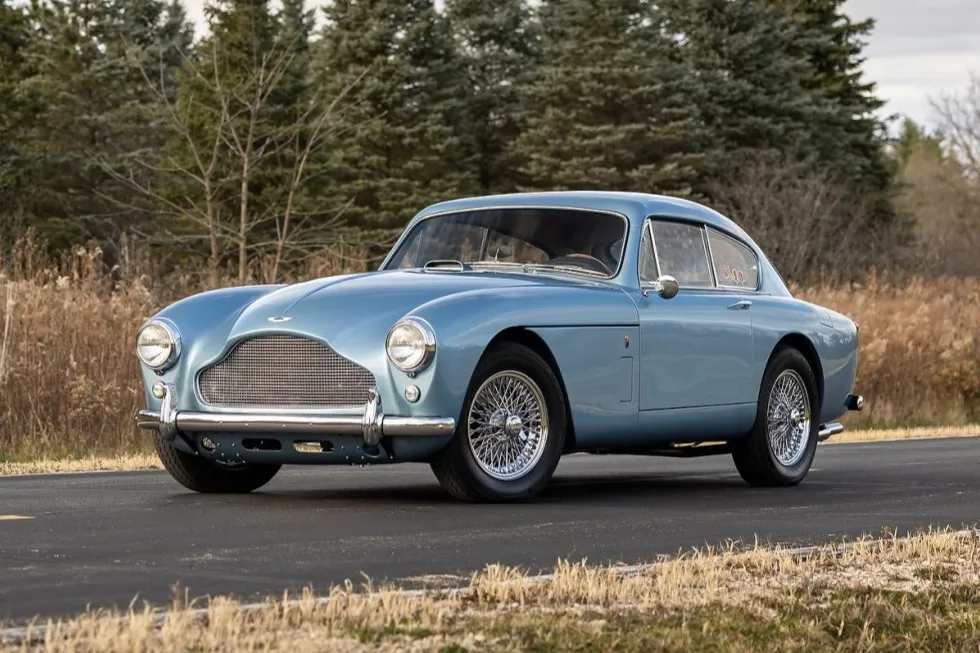
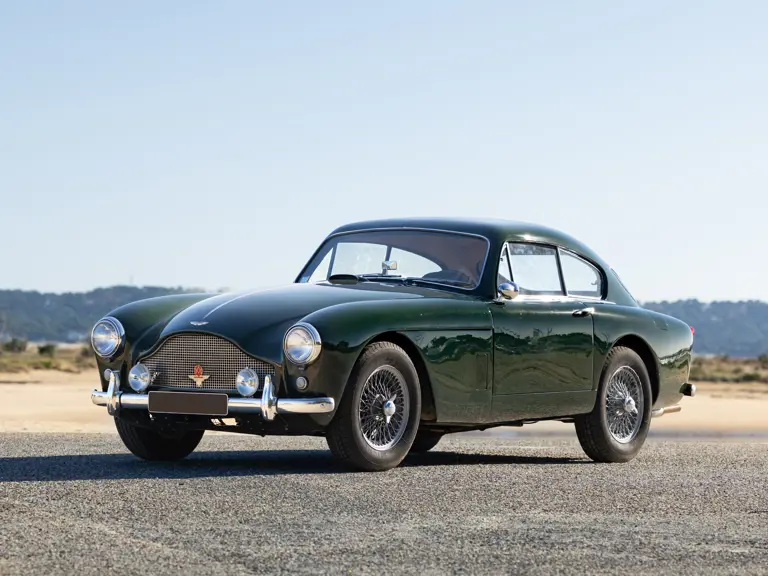
To examine the anatomy of the Aston Martin DB2/4 is to witness a magnificent exercise in British bespoke engineering. The foundation remained an evolution of Claude Hill’s robust rectangular-tube chassis, slightly lengthened to accommodate the new 2+2 seating arrangement that gave the car its “/4” designation. At the front, the DB2/4 utilized a sophisticated trailing-arm independent suspension with coil springs, while the rear relied on a live axle located by a Panhard rod and parallel trailing arms. This setup provided a firm, communicative ride that favored high-speed stability over soft, wafting luxury. However, the absolute jewel in the DB2/4’s crown was the W.O. Bentley-designed straight-six engine. Initially offered in the 2.6-liter Vantage tune producing 125 brake horsepower, it was a mechanical symphony of twin overhead camshafts and hemispherical combustion chambers. By mid-1954, David Brown mandated an upgrade, boring the block to 2.9 liters (2,922cc) to produce a highly tractable 140 horsepower. Breathing through twin SU carburettors, this all-alloy thoroughbred emitted a glorious, raspy straight-six howl, propelling the hand-built coupe to 60 mph in roughly 11 seconds and onward to a top speed nearing 190 km/h (120 mph). To haul the 1180 kg (2,600 pounds) grand tourer down from triple-digit speeds, massive Alfin (aluminium-finned) drum brakes were fitted at all four corners, offering excellent heat dissipation for the era.
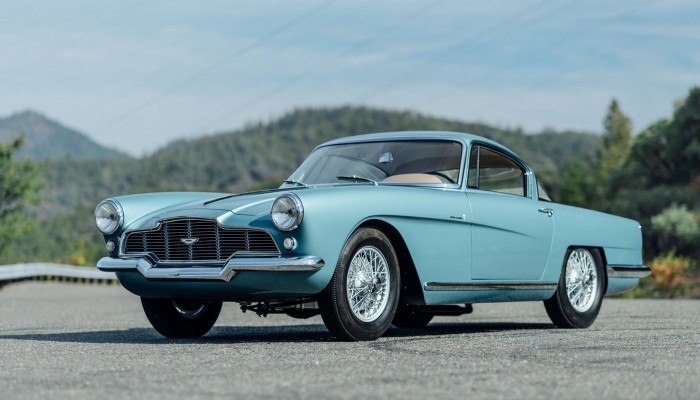
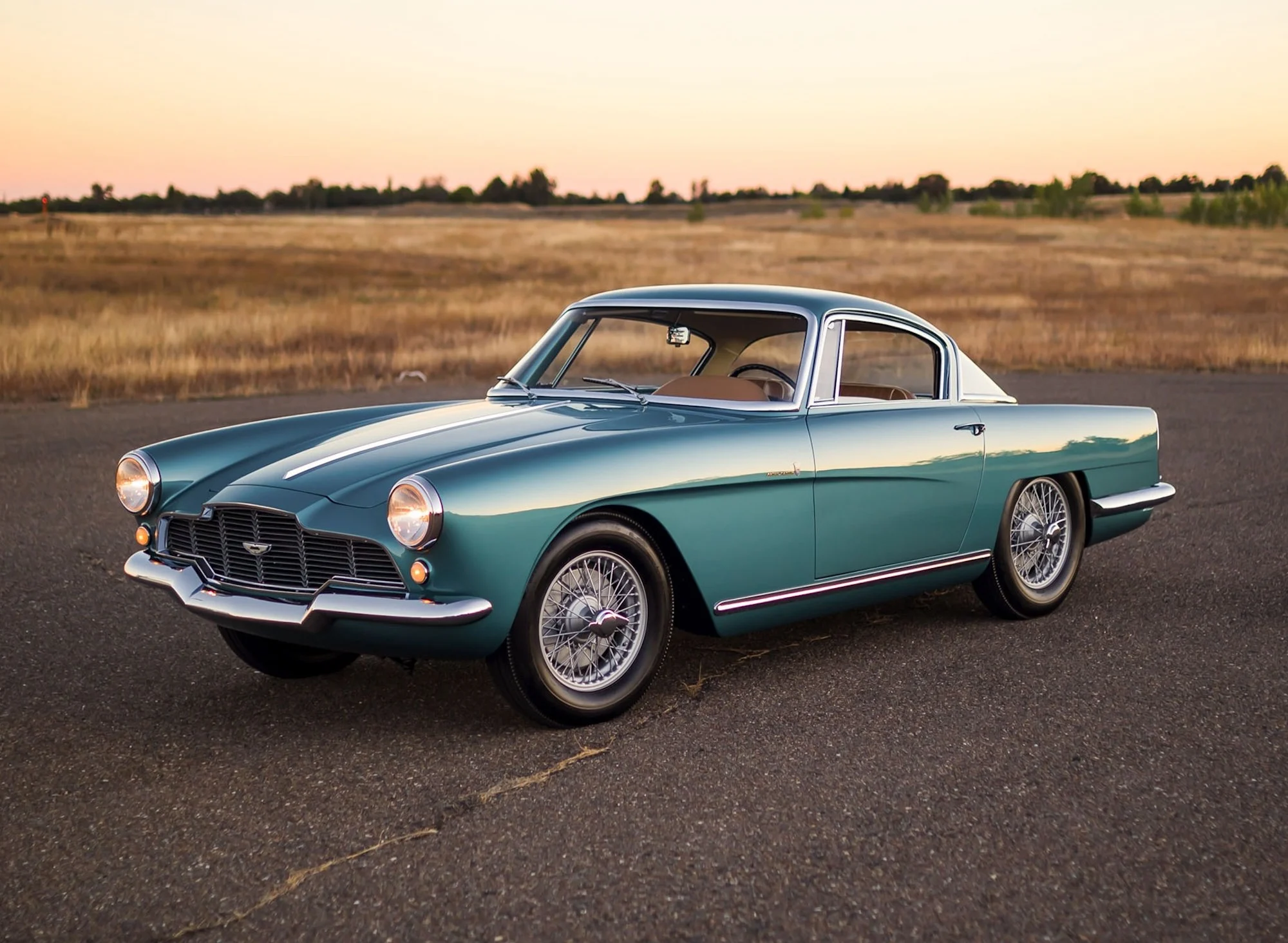
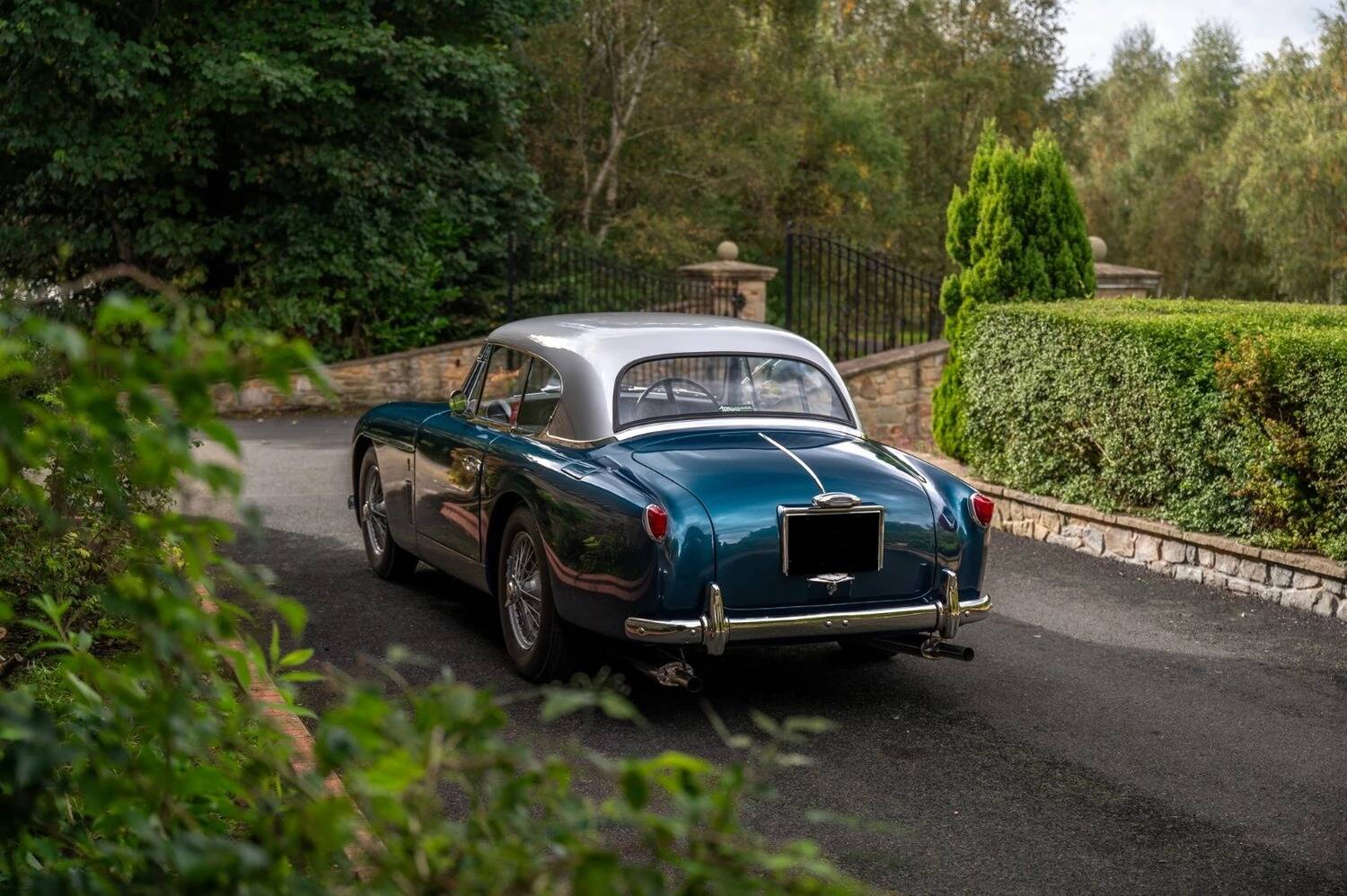
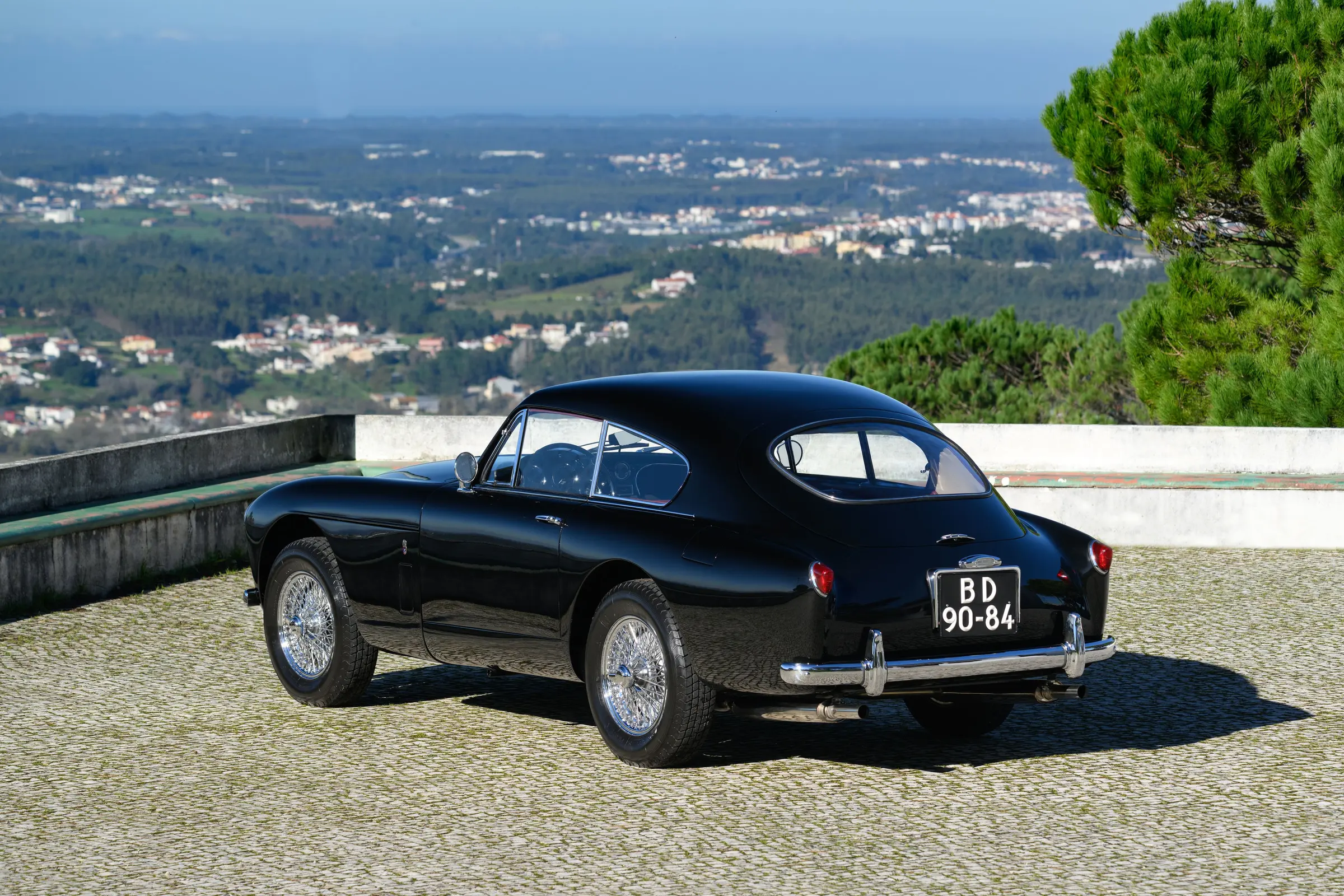
Yet, for all its mechanical brilliance, the most revolutionary aspect of the DB2/4 was its coachwork. To accommodate the rear passengers without ruining the rakish, teardrop silhouette of the original DB2, the roofline was subtly raised and extended. But the true stroke of genius was the inclusion of a top-hinged rear tailgate that incorporated the expansive, wrap-around rear window. Decades before the term “hatchback” would enter the automotive lexicon, Aston Martin had created a remarkably practical sports car. When the occasional rear seats were folded down, they created a massive, flat loading bay perfectly suited for golf clubs, hunting rifles, or enough bespoke luggage for a month-long transcontinental tour. Inside the cabin, the DB2/4 was a masterclass in traditional British craftsmanship. The driver was greeted by a lavish expanse of burr walnut, an array of Smiths instrumentation, and the unmistakable, rich scent of Connolly leather. The steering wheel was a large, thin-rimmed affair, requiring a firm hand to navigate the heavy, unassisted steering at low speeds, but coming alive with delicate, tactile feedback the moment the car breached 50 mph. The David Brown four-speed manual gearbox featured long, deliberate throws, demanding a precise, mechanical sympathy from the driver—a constant reminder that beneath the wood and leather lay a genuine racing pedigree.
While its lighter, purely two-seater DB2 predecessor and the bespoke DB3S racing cars grabbed the international motorsport headlines, the DB2/4 carved out its own remarkable history on both the track and the road. It became the ultimate weapon of choice for the wealthy privateer. The DB2/4 was frequently campaigned in grueling, transcontinental endurance rallies where its blend of high-speed pacing, immense reliability, and luggage capacity proved vital. It was a common and highly successful entrant in the punishing Monte Carlo Rally and the grueling Alpine Rally, proving that David Brown’s grand tourers were as tough as they were beautiful. In 1955, a trio of specially prepared DB2/4s were even entered into the legendary Mille Miglia, thundering across the Italian countryside and further cementing the marque’s reputation for unburstable performance. However, the DB2/4’s most enduring cultural impact occurred away from the racetrack. Among its affluent clientele was a former naval intelligence officer and budding novelist named Ian Fleming. Fleming purchased a DB2/4 Mark I, and the car left such an indelible impression on him that he wrote it into the literary DNA of the world’s most famous spy. In the novel Goldfinger, James Bond is issued an Aston Martin DB Mark III—the ultimate, final evolution of the DB2/4 lineage—complete with concealed compartments and reinforced bumpers. This literary connection forged the unbreakable, immortal link between Aston Martin and 007, long before the cinematic DB5 ever rolled onto the silver screen.
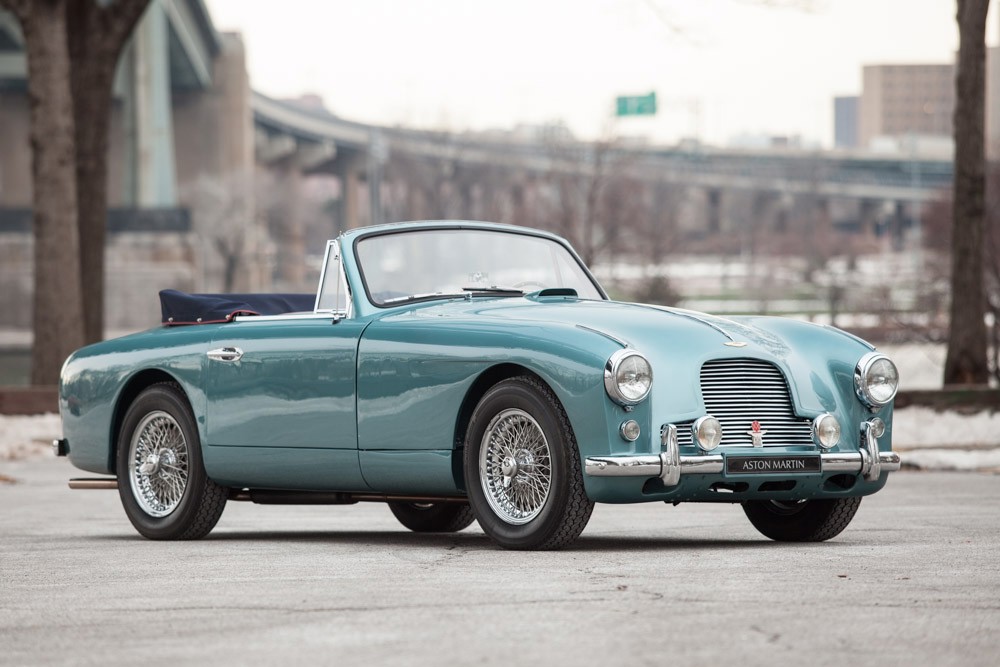
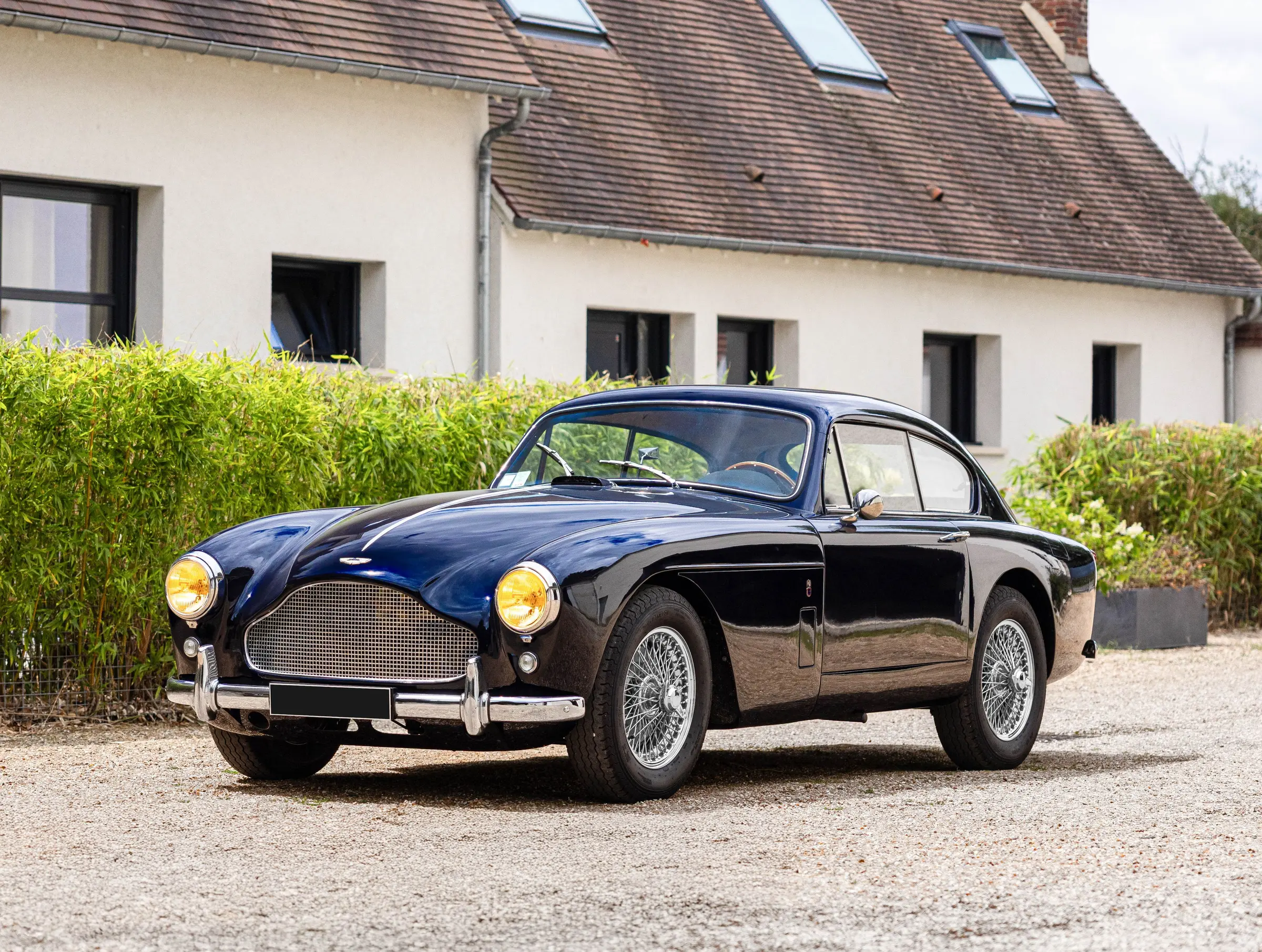
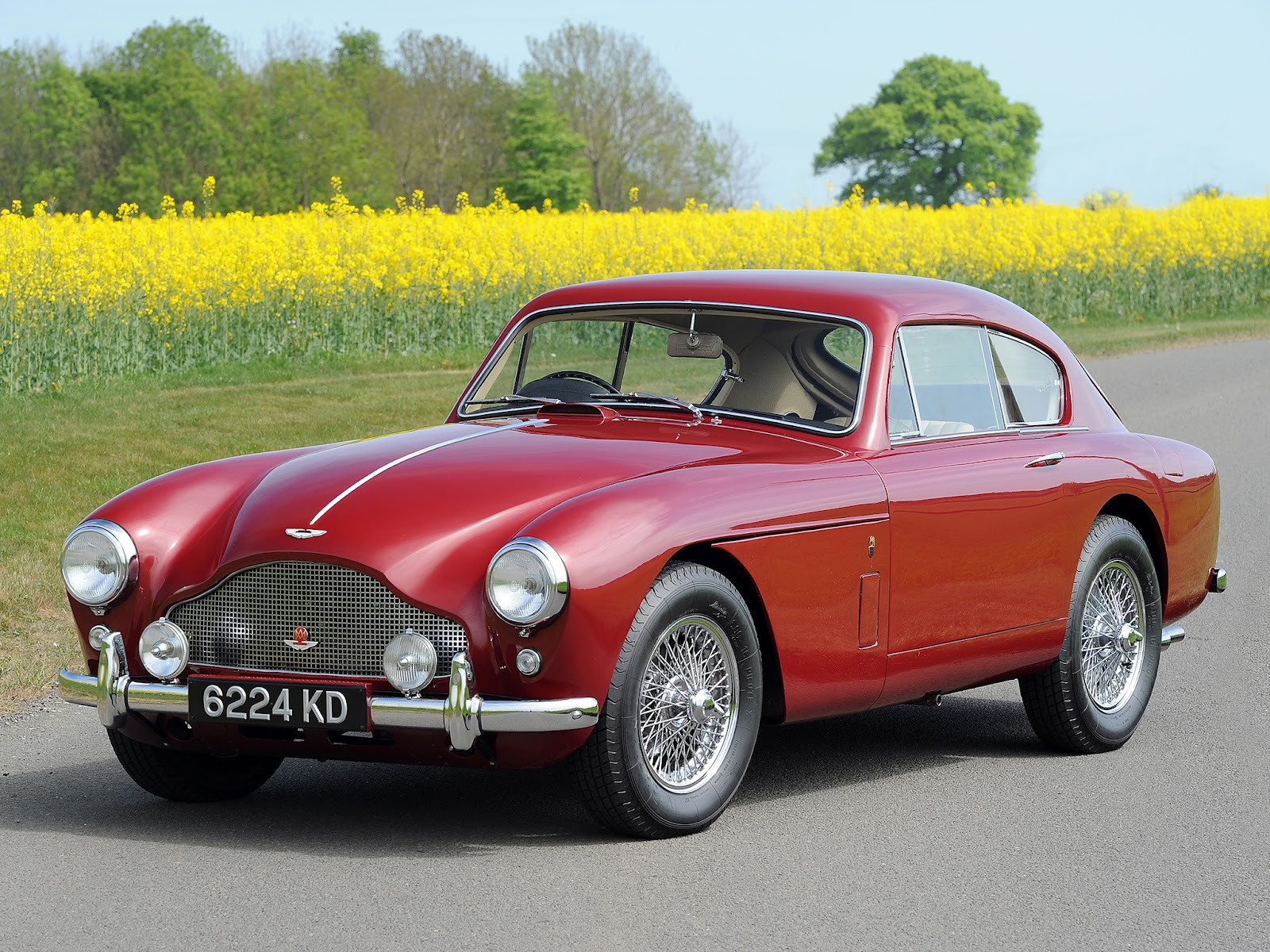
The legacy of the 1953 Aston Martin DB2/4 is profound, representing a vital, load-bearing pillar in the company’s history. It proved that a sports car did not have to be a compromised, entirely selfish machine; it could carry passengers and luggage without sacrificing an ounce of its motorsport soul. The DB2/4 evolved through the Mark II—which introduced subtle tailfins and bodywork by Tickford, a coachbuilder David Brown subsequently purchased to bring body production in-house—and culminated in the magnificent DB Mark III, which introduced front disc brakes and the iconic DB3S-style grille. By the time production ceased in 1957 to make way for the Carrozzeria Touring-designed DB4, the DB2/4 had firmly established the “DB” nomenclature as the absolute gold standard of the British Grand Tourer. Today, the DB2/4 occupies a highly revered place in the pantheon of classic motoring. It is celebrated not merely as the grandfather of the modern performance hatchback, but as a gloriously over-engineered, W.O. Bentley-powered aristocrat that perfectly captured the glamorous, high-speed romance of 1950s continental touring.
Portal
Model line
Brand
Produced from
Vehicle category
Model Overview
To fully grasp the magnitude and profound historical gravity of the Aston Martin DB2/4, one must first step back into the dimly lit, austerity-laden landscape of post-war Britain. Sir David Brown, a tractor magnate with a burning passion for motorsport, had recently purchased both Aston Martin and Lagonda from the classified pages of The Times. His masterstroke was not just saving the two storied brands, but forcing a shotgun marriage between them. Aston Martin possessed a brilliant, lightweight tubular chassis designed by Claude Hill, but lacked a world-class powerplant. Lagonda, conversely, possessed a masterpiece of an engine designed by none other than W.O. Bentley himself, but lacked a sporting platform. The resulting offspring was the magnificent DB2, a car that cemented Aston Martin’s reputation at Le Mans. However, as the 1950s progressed, the affluent sporting gentleman demanded more than just a cramped, two-seater coupe to cross the continent. He needed space for his tailored luggage, perhaps a pair of occasional rear seats for his children, and the ability to cruise at 100 mph down the sweeping Routes Nationales of France. Enter the Aston Martin DB2/4 in October 1953. It was not merely an evolution; it was a quiet revolution. Facing off against the brutish, sledgehammer performance of the Jaguar XK120 Fixed Head Coupe, the sophisticated V6-powered Lancia Aurelia B20 GT, and the aristocratic Bentley R-Type Continental, the DB2/4 carved out an entirely new niche. It was the world’s first true high-performance hatchback—a sophisticated, aristocratic Grand Tourer that blended Le Mans-derived engineering with unprecedented everyday usability.
To examine the anatomy of the Aston Martin DB2/4 is to witness a magnificent exercise in British bespoke engineering. The foundation remained an evolution of Claude Hill’s robust rectangular-tube chassis, slightly lengthened to accommodate the new 2+2 seating arrangement that gave the car its “/4” designation. At the front, the DB2/4 utilized a sophisticated trailing-arm independent suspension with coil springs, while the rear relied on a live axle located by a Panhard rod and parallel trailing arms. This setup provided a firm, communicative ride that favored high-speed stability over soft, wafting luxury. However, the absolute jewel in the DB2/4’s crown was the W.O. Bentley-designed straight-six engine. Initially offered in the 2.6-liter Vantage tune producing 125 brake horsepower, it was a mechanical symphony of twin overhead camshafts and hemispherical combustion chambers. By mid-1954, David Brown mandated an upgrade, boring the block to 2.9 liters (2,922cc) to produce a highly tractable 140 horsepower. Breathing through twin SU carburettors, this all-alloy thoroughbred emitted a glorious, raspy straight-six howl, propelling the hand-built coupe to 60 mph in roughly 11 seconds and onward to a top speed nearing 190 km/h (120 mph). To haul the 1180 kg (2,600 pounds) grand tourer down from triple-digit speeds, massive Alfin (aluminium-finned) drum brakes were fitted at all four corners, offering excellent heat dissipation for the era.
Yet, for all its mechanical brilliance, the most revolutionary aspect of the DB2/4 was its coachwork. To accommodate the rear passengers without ruining the rakish, teardrop silhouette of the original DB2, the roofline was subtly raised and extended. But the true stroke of genius was the inclusion of a top-hinged rear tailgate that incorporated the expansive, wrap-around rear window. Decades before the term “hatchback” would enter the automotive lexicon, Aston Martin had created a remarkably practical sports car. When the occasional rear seats were folded down, they created a massive, flat loading bay perfectly suited for golf clubs, hunting rifles, or enough bespoke luggage for a month-long transcontinental tour. Inside the cabin, the DB2/4 was a masterclass in traditional British craftsmanship. The driver was greeted by a lavish expanse of burr walnut, an array of Smiths instrumentation, and the unmistakable, rich scent of Connolly leather. The steering wheel was a large, thin-rimmed affair, requiring a firm hand to navigate the heavy, unassisted steering at low speeds, but coming alive with delicate, tactile feedback the moment the car breached 50 mph. The David Brown four-speed manual gearbox featured long, deliberate throws, demanding a precise, mechanical sympathy from the driver—a constant reminder that beneath the wood and leather lay a genuine racing pedigree.
While its lighter, purely two-seater DB2 predecessor and the bespoke DB3S racing cars grabbed the international motorsport headlines, the DB2/4 carved out its own remarkable history on both the track and the road. It became the ultimate weapon of choice for the wealthy privateer. The DB2/4 was frequently campaigned in grueling, transcontinental endurance rallies where its blend of high-speed pacing, immense reliability, and luggage capacity proved vital. It was a common and highly successful entrant in the punishing Monte Carlo Rally and the grueling Alpine Rally, proving that David Brown’s grand tourers were as tough as they were beautiful. In 1955, a trio of specially prepared DB2/4s were even entered into the legendary Mille Miglia, thundering across the Italian countryside and further cementing the marque’s reputation for unburstable performance. However, the DB2/4’s most enduring cultural impact occurred away from the racetrack. Among its affluent clientele was a former naval intelligence officer and budding novelist named Ian Fleming. Fleming purchased a DB2/4 Mark I, and the car left such an indelible impression on him that he wrote it into the literary DNA of the world’s most famous spy. In the novel Goldfinger, James Bond is issued an Aston Martin DB Mark III—the ultimate, final evolution of the DB2/4 lineage—complete with concealed compartments and reinforced bumpers. This literary connection forged the unbreakable, immortal link between Aston Martin and 007, long before the cinematic DB5 ever rolled onto the silver screen.
The legacy of the 1953 Aston Martin DB2/4 is profound, representing a vital, load-bearing pillar in the company’s history. It proved that a sports car did not have to be a compromised, entirely selfish machine; it could carry passengers and luggage without sacrificing an ounce of its motorsport soul. The DB2/4 evolved through the Mark II—which introduced subtle tailfins and bodywork by Tickford, a coachbuilder David Brown subsequently purchased to bring body production in-house—and culminated in the magnificent DB Mark III, which introduced front disc brakes and the iconic DB3S-style grille. By the time production ceased in 1957 to make way for the Carrozzeria Touring-designed DB4, the DB2/4 had firmly established the “DB” nomenclature as the absolute gold standard of the British Grand Tourer. Today, the DB2/4 occupies a highly revered place in the pantheon of classic motoring. It is celebrated not merely as the grandfather of the modern performance hatchback, but as a gloriously over-engineered, W.O. Bentley-powered aristocrat that perfectly captured the glamorous, high-speed romance of 1950s continental touring.
Generations
Model Generations

Submodels

