

Audi R8 LMP
About this submodel
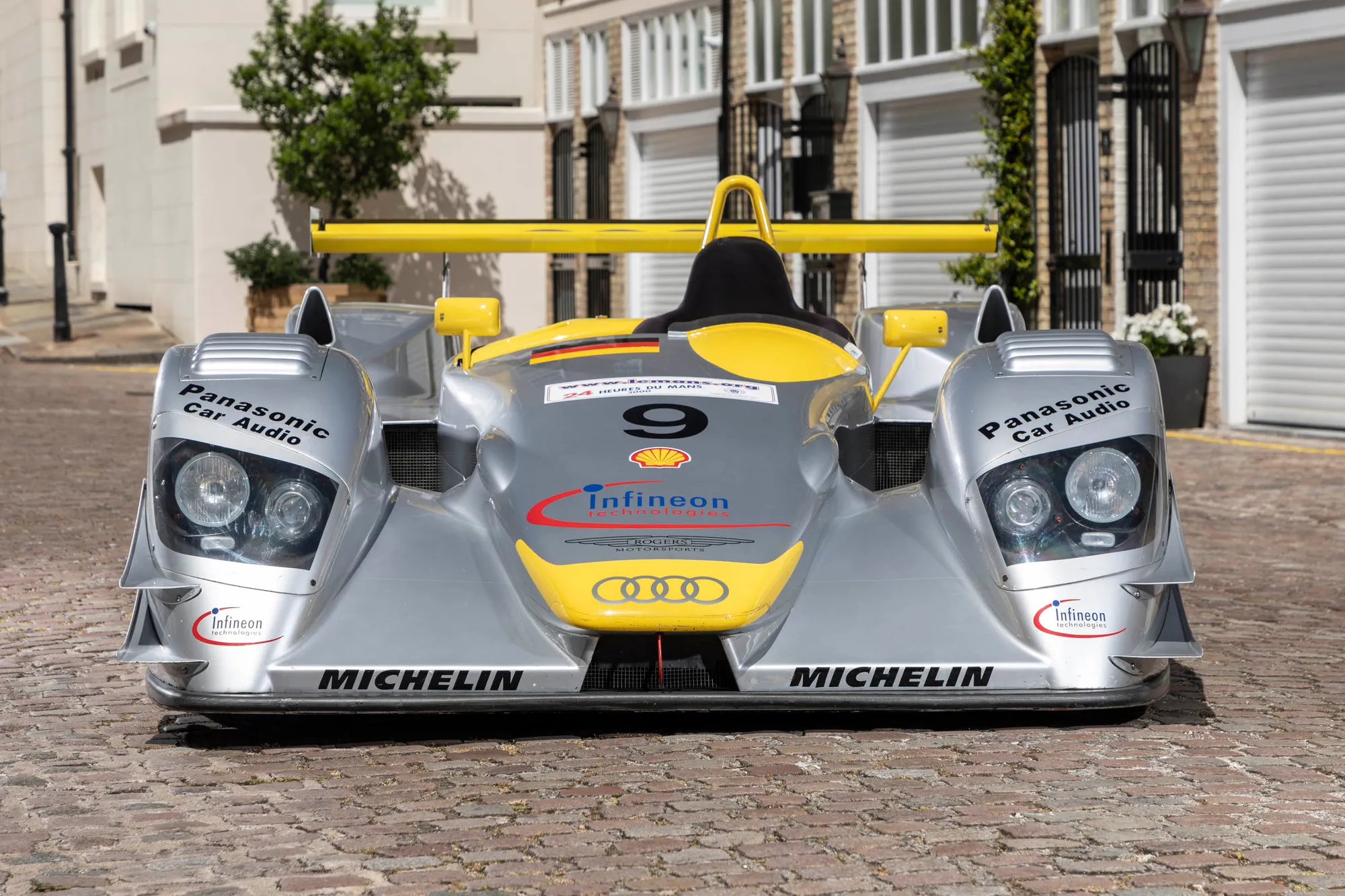
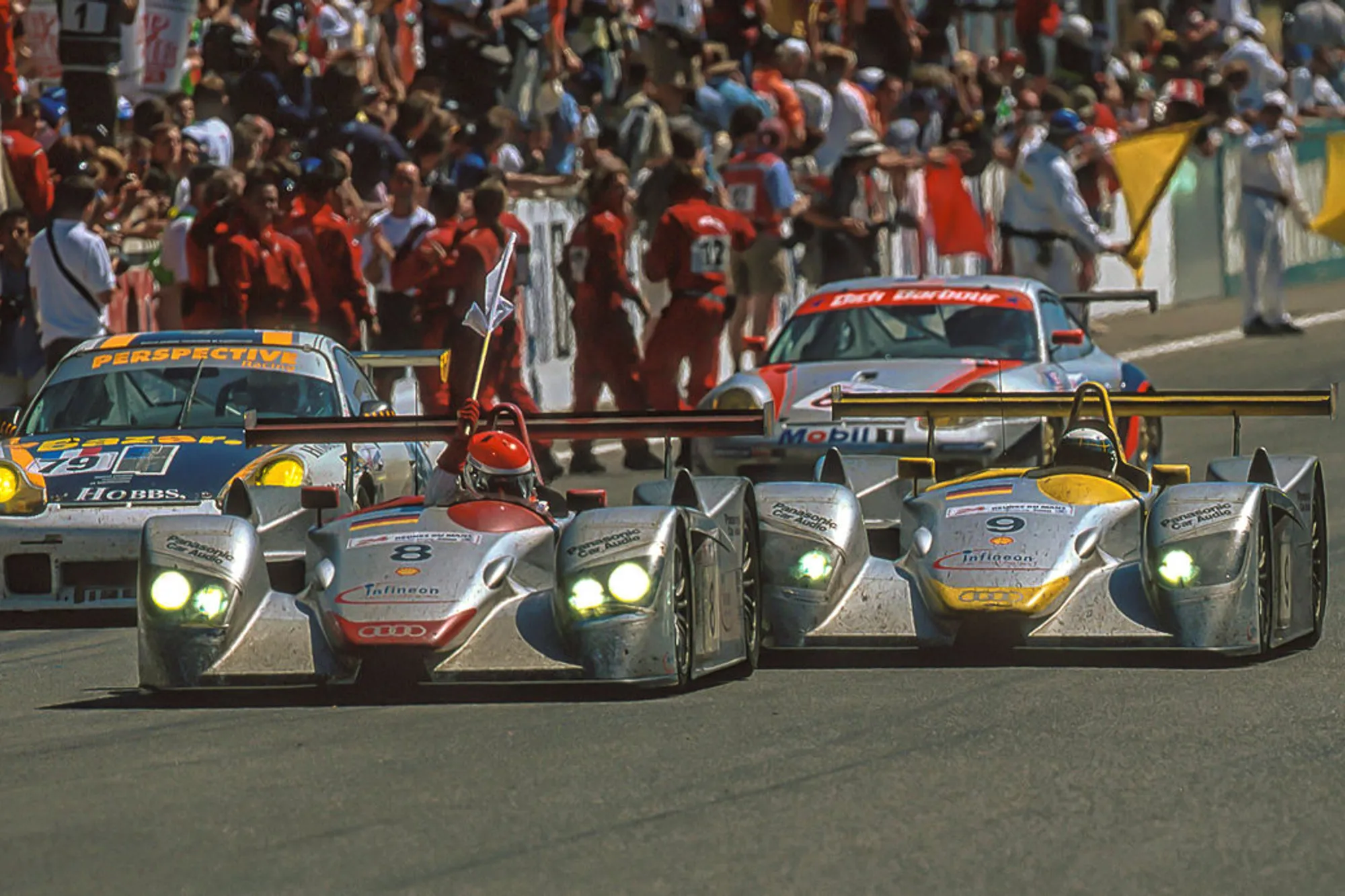
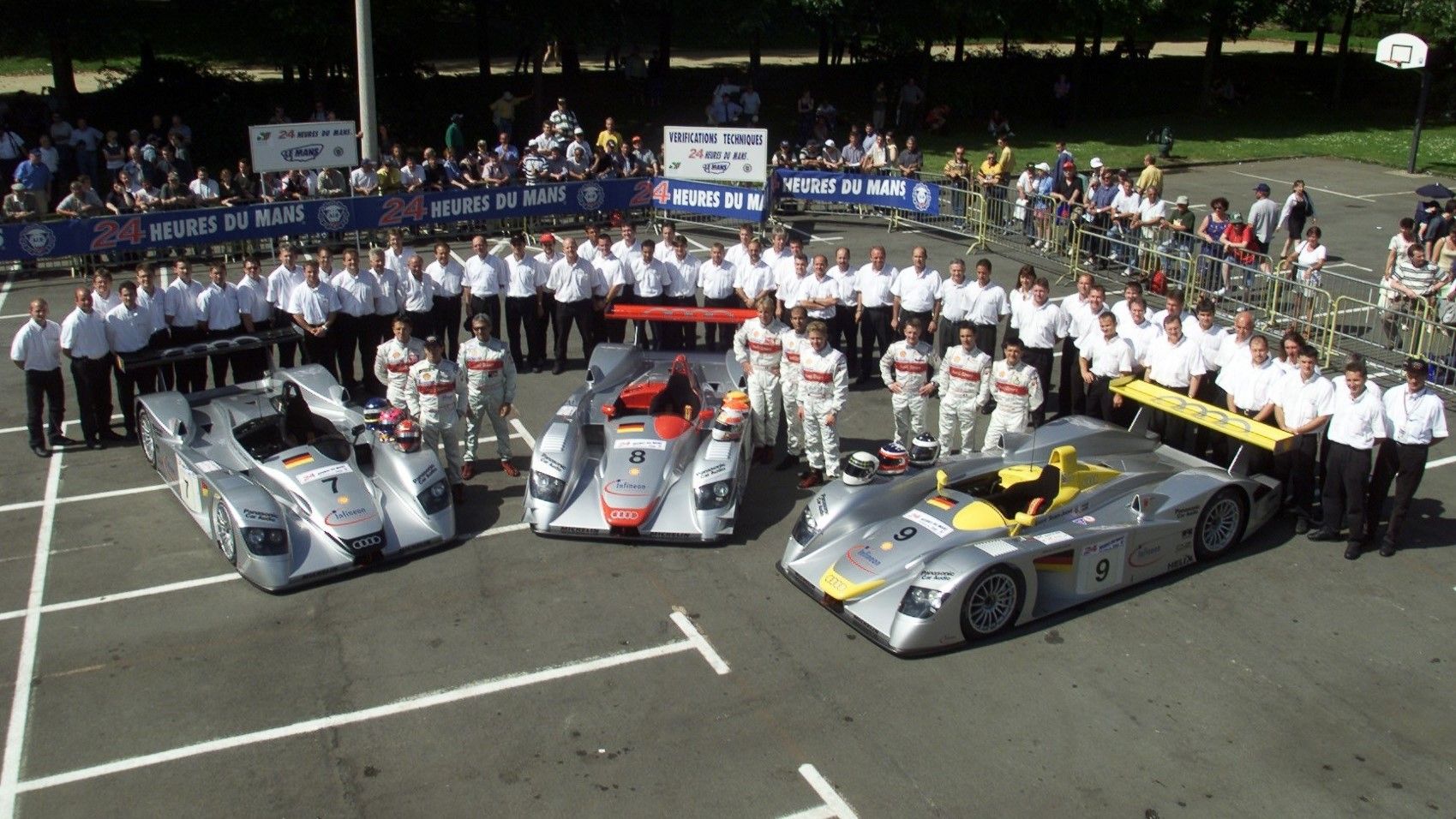
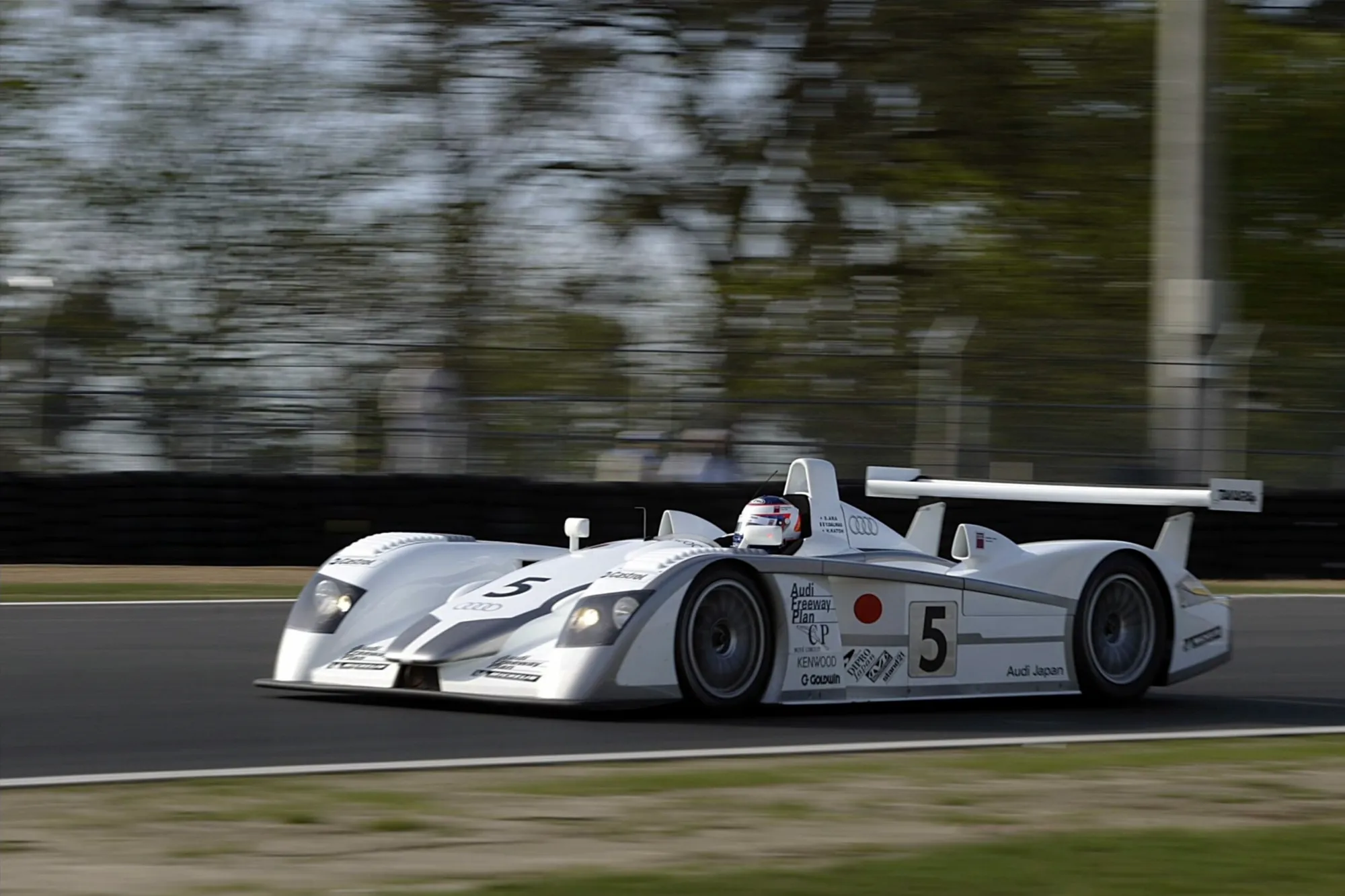
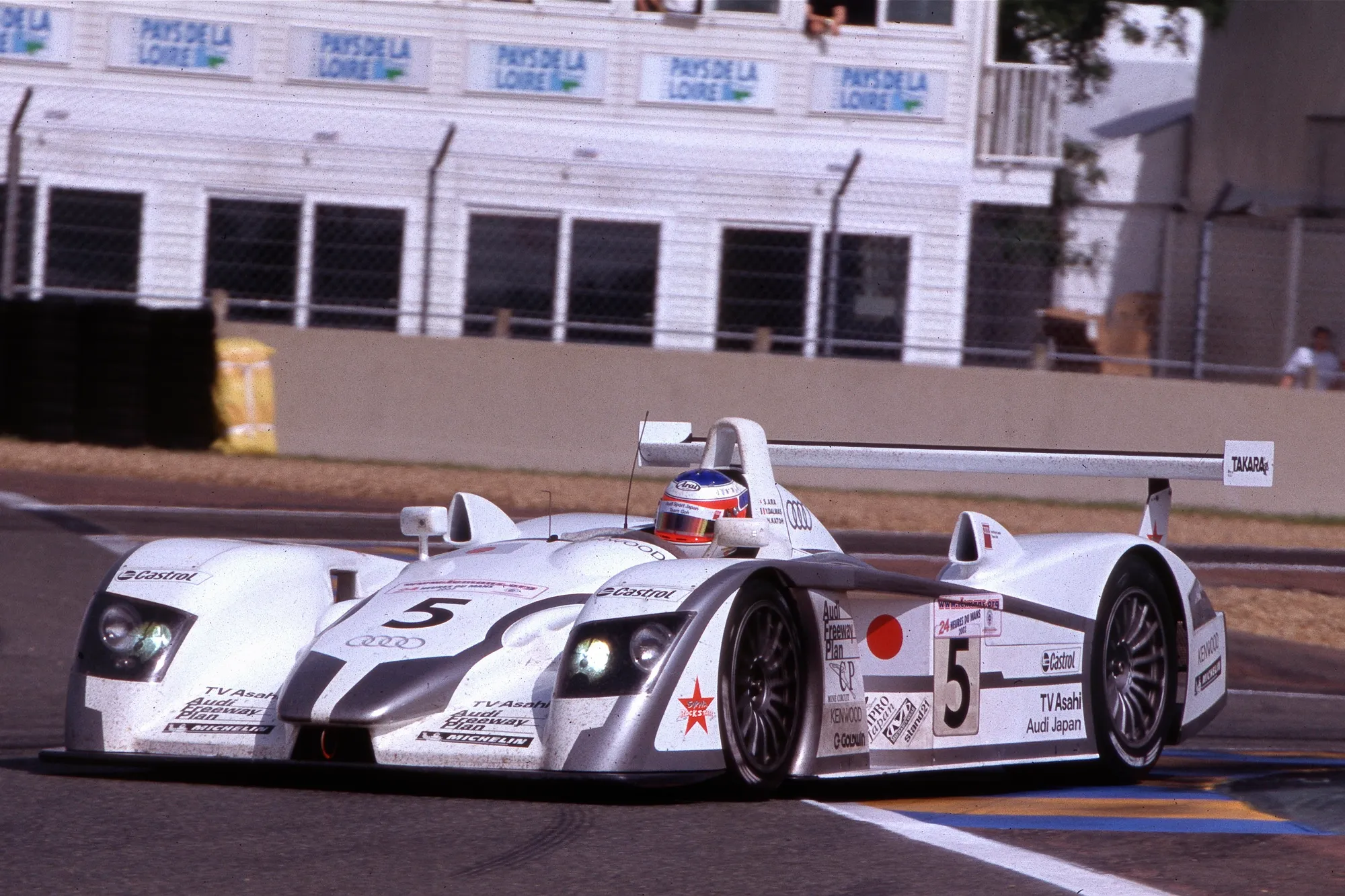
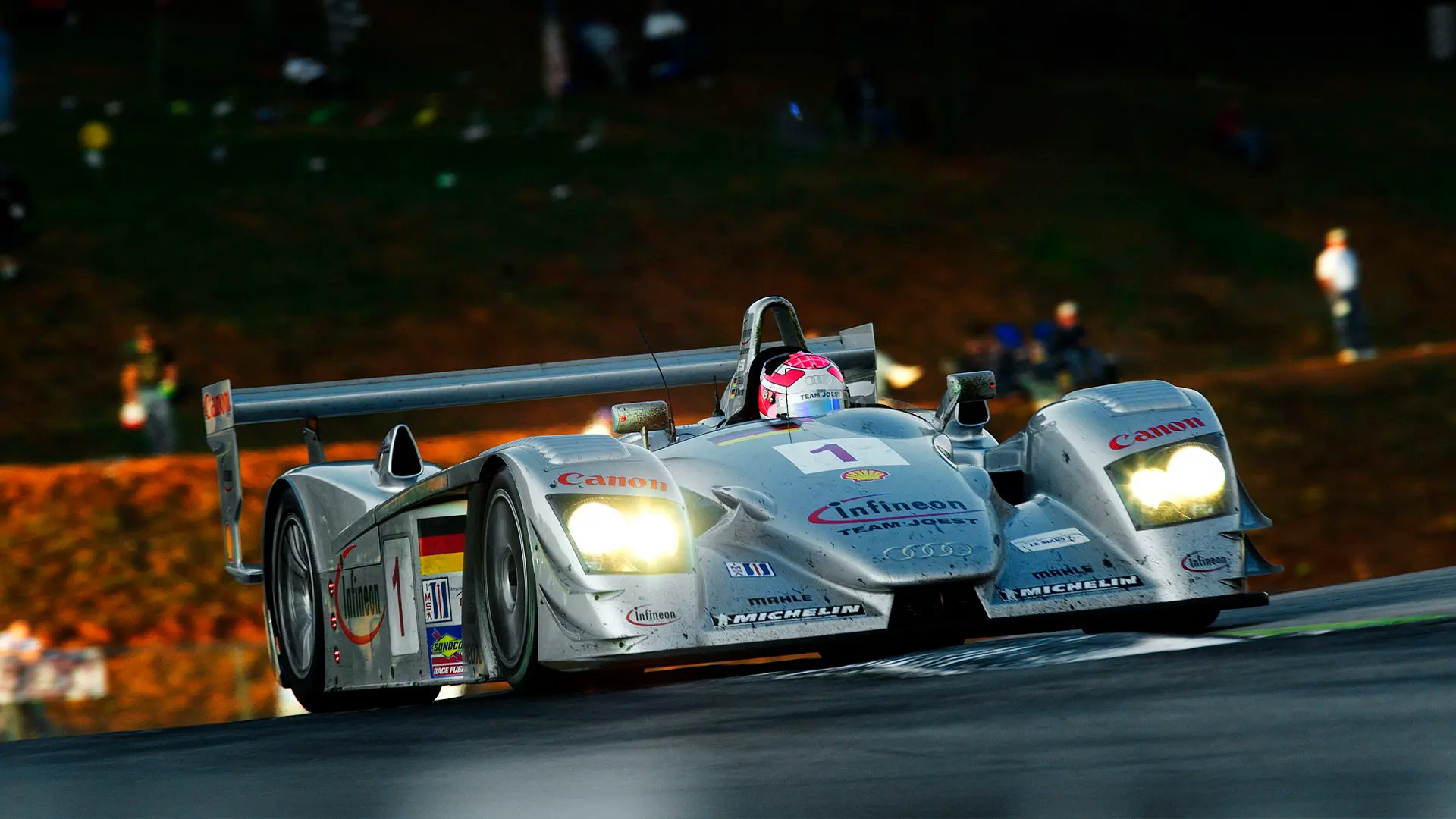
By the turn of the millennium, the landscape of endurance racing was undergoing a radical transformation. The era of the fire-breathing GT1 cars, like the Porsche 911 GT1 and the Mercedes-Benz CLK GTR, had reached its zenith and subsequently imploded under the weight of its own costs. In this void, Audi Sport—having experimented with the cautious R8R and the ill-fated R8C coupe in 1999—decided to unleash a machine that would not merely compete, but would systematically dismantle the opposition. The resulting Audi R8 LMP arrived in 2000, stepping into a gladiatorial arena against the likes of the BMW V12 LMR, the Cadillac Northstar LMP, and later, the spirited Bentley Speed 8. It was a vehicle designed with a singular, ruthless purpose: to win the 24 Hours of Le Mans. For the next six years, it did so with such crushing frequency that it forced a complete rethink of what a prototype racer could and should be.
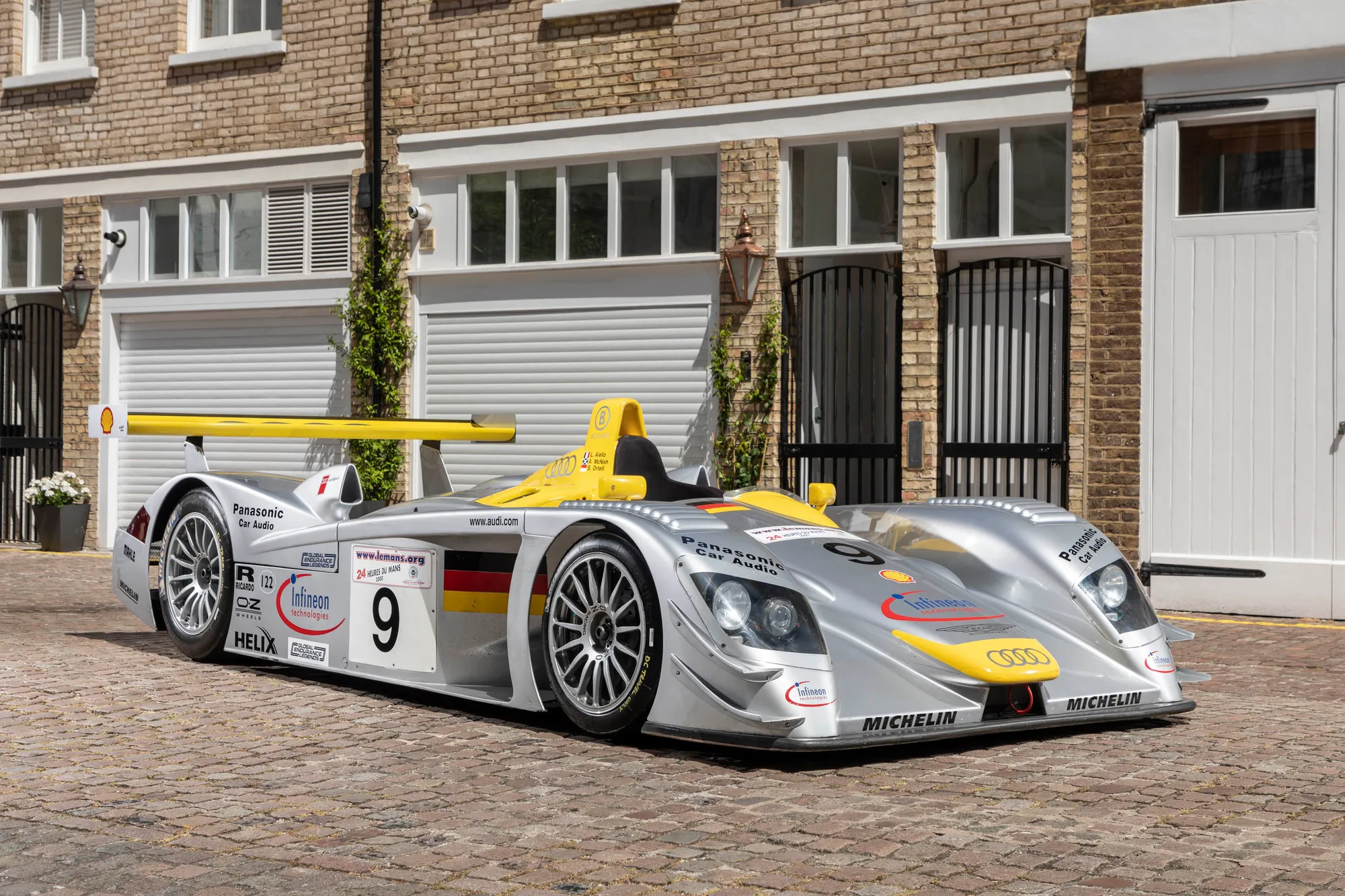
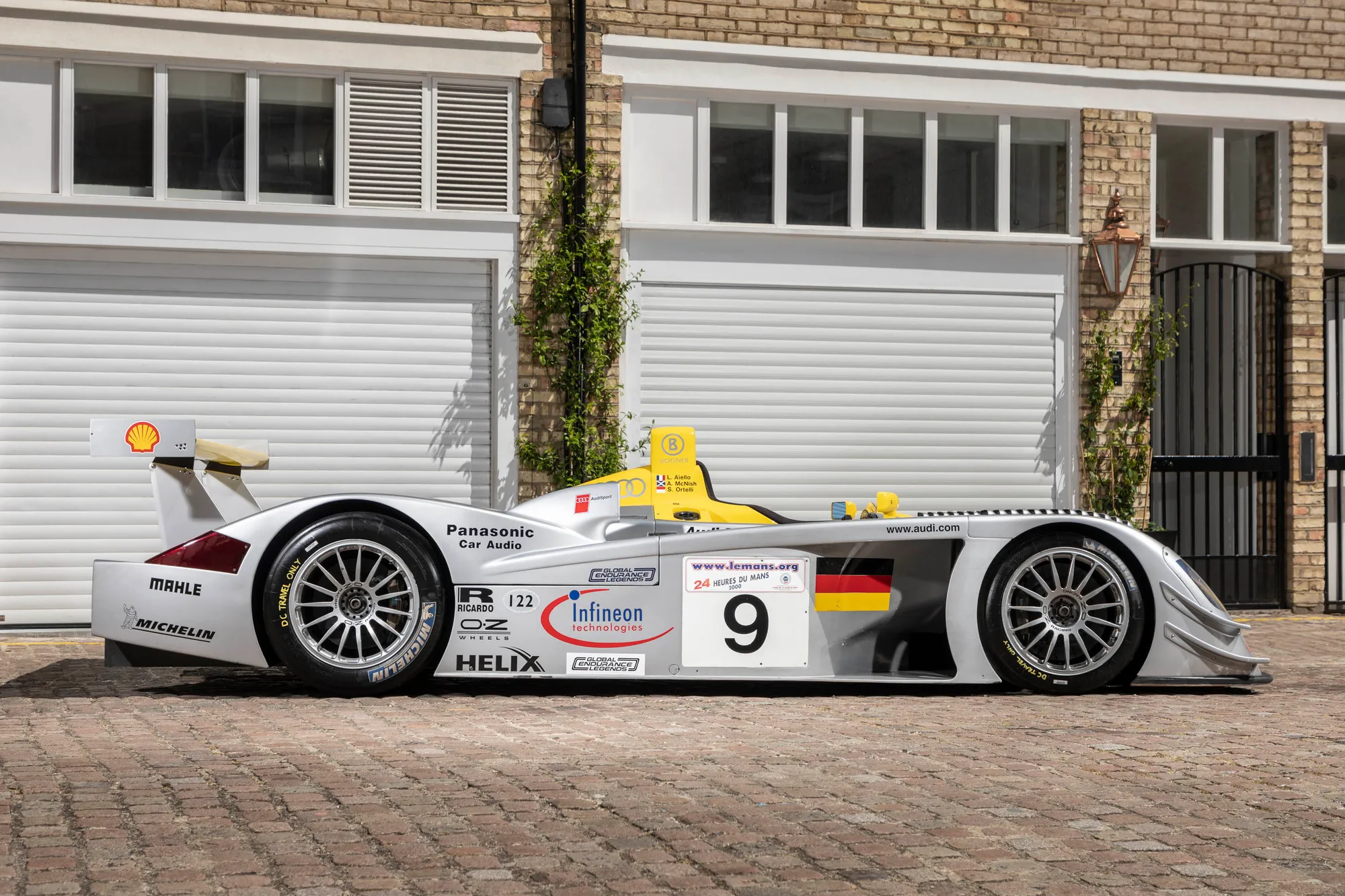
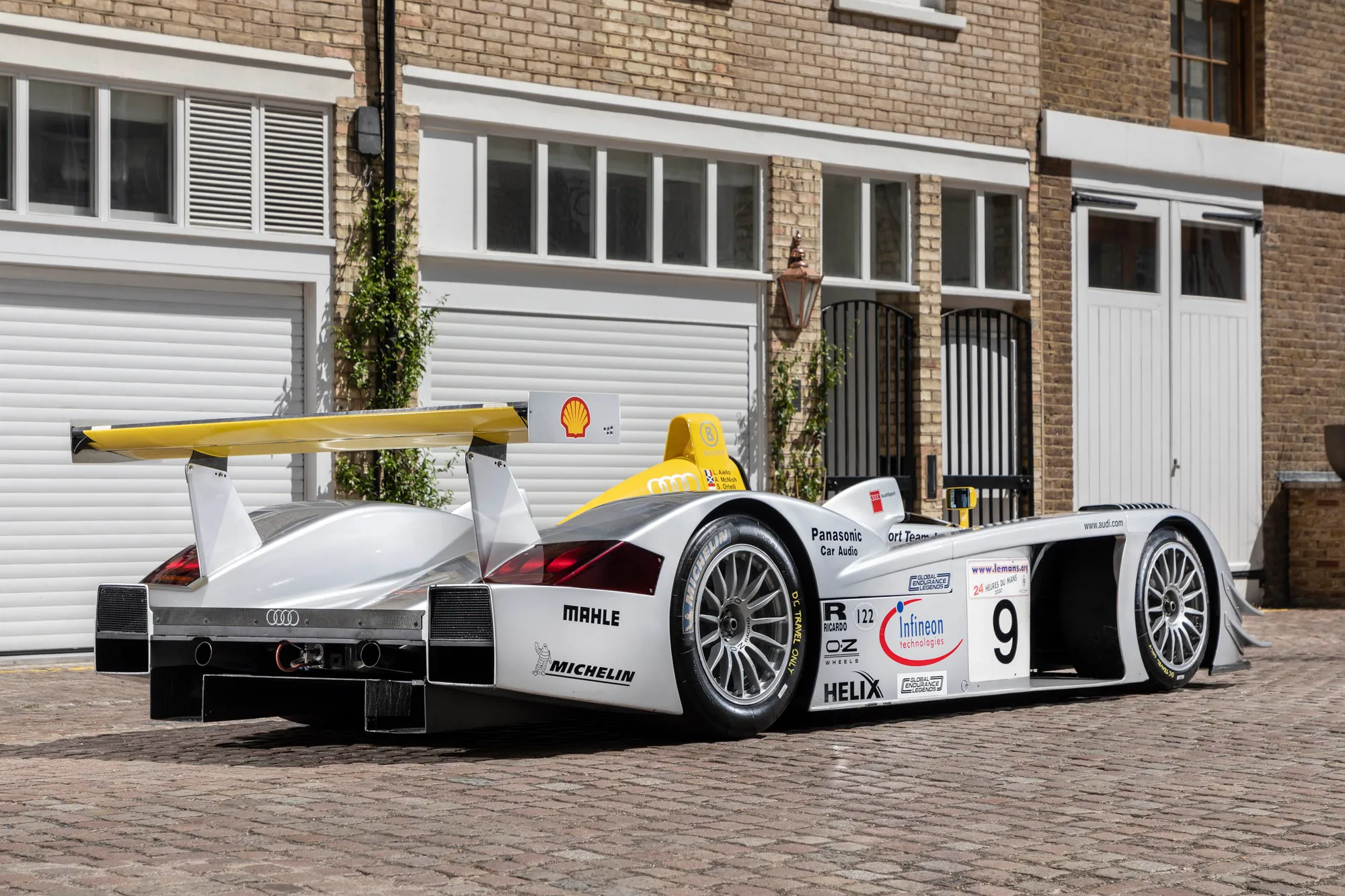
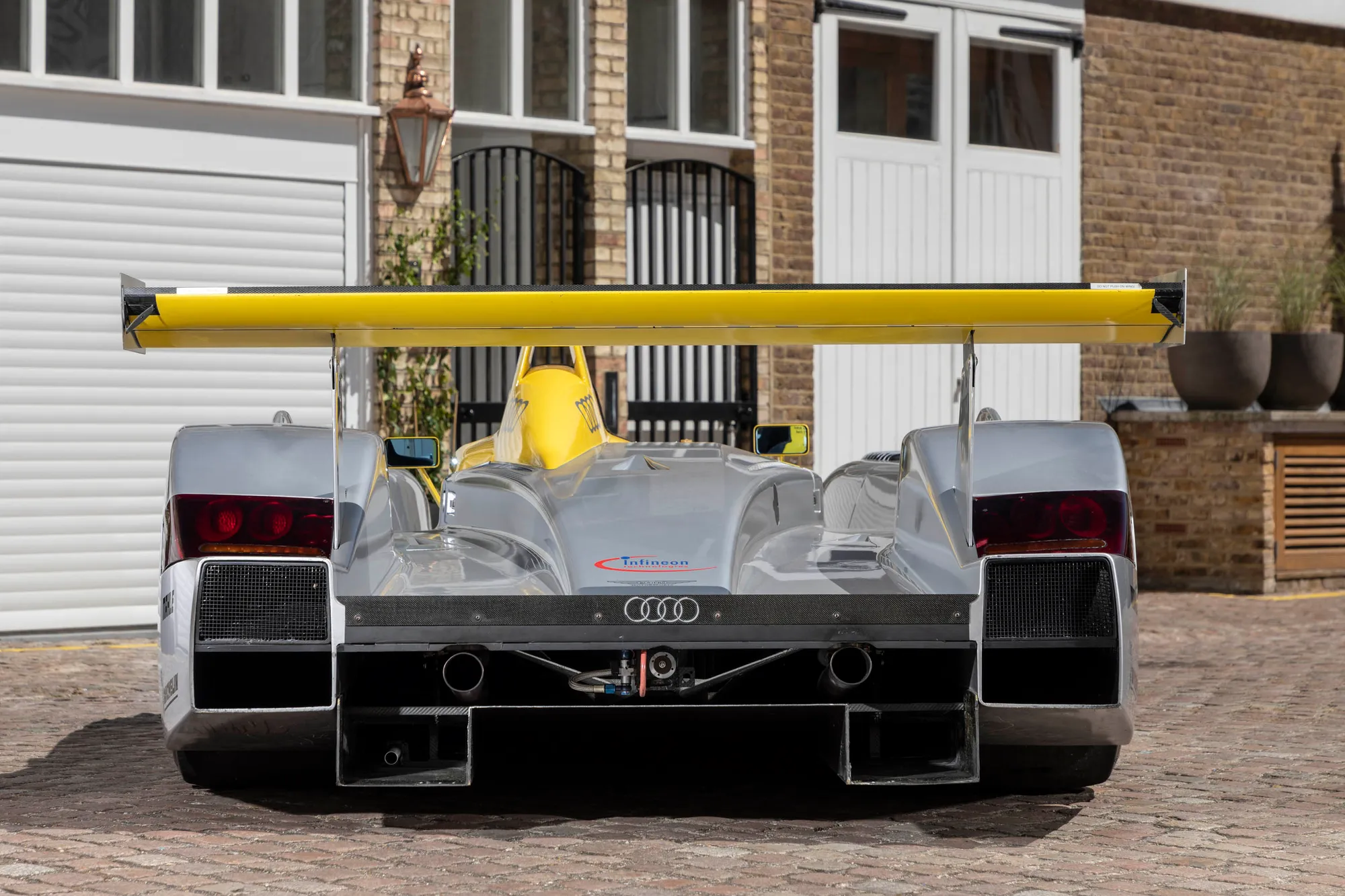
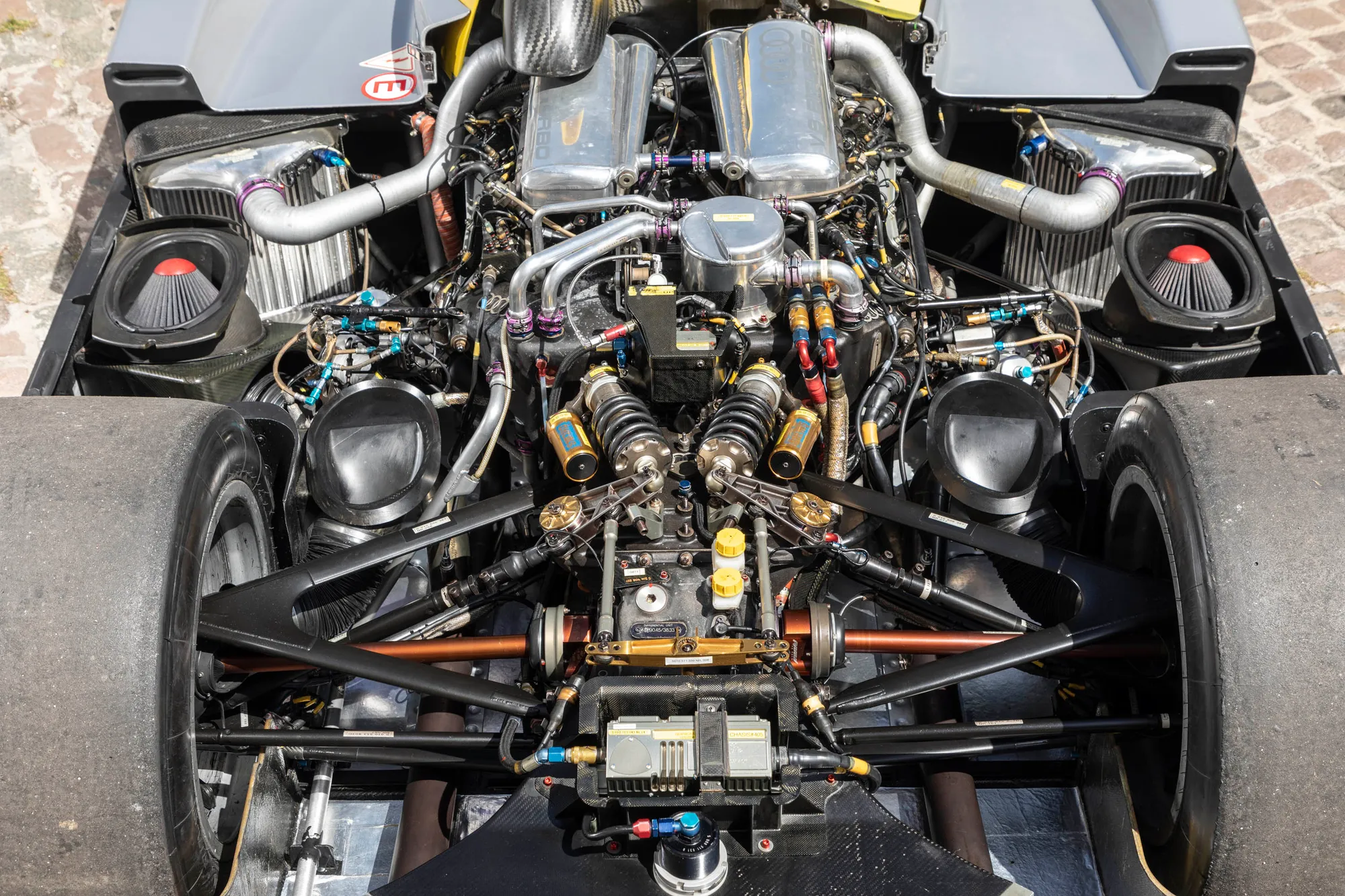
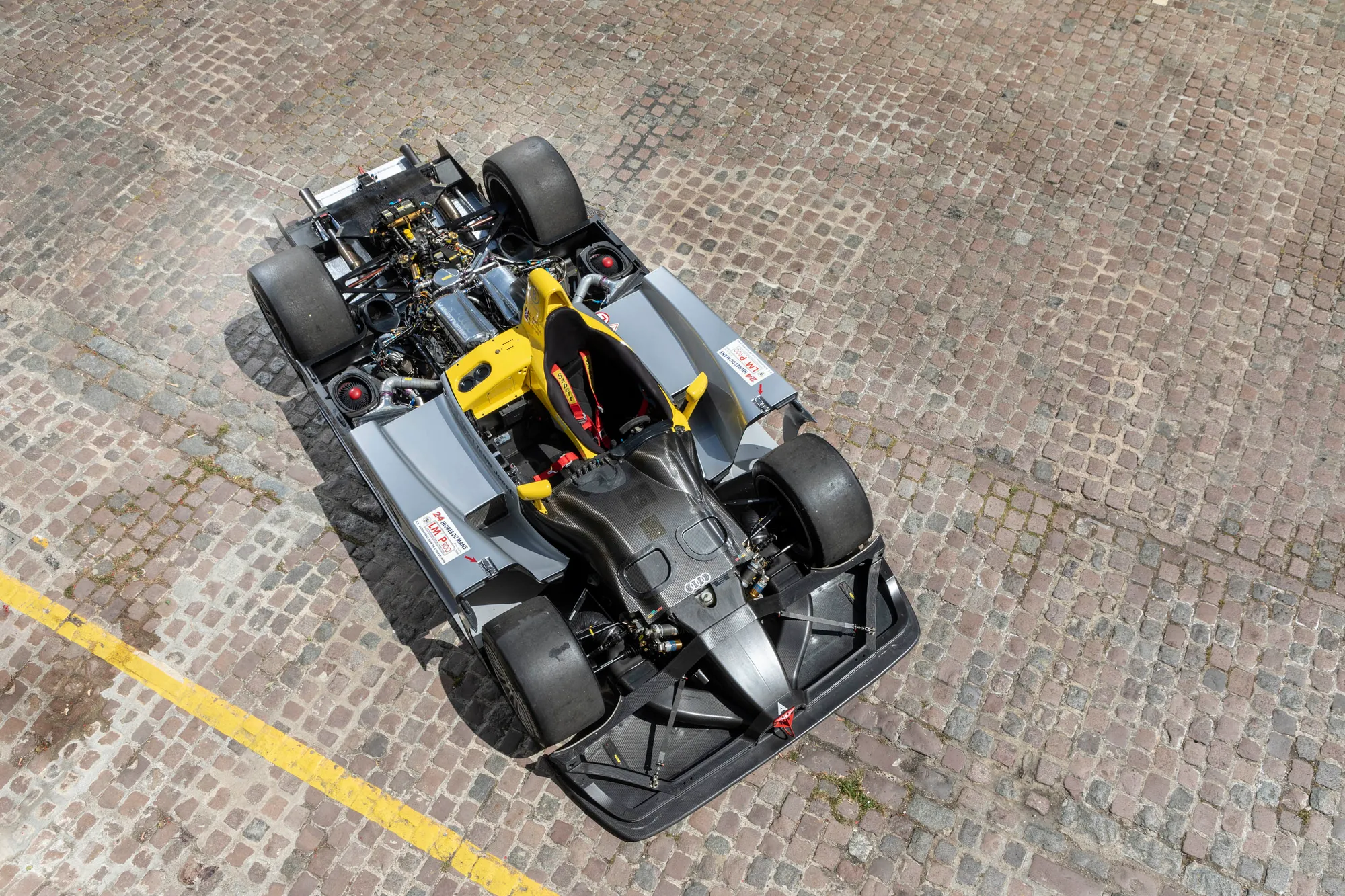
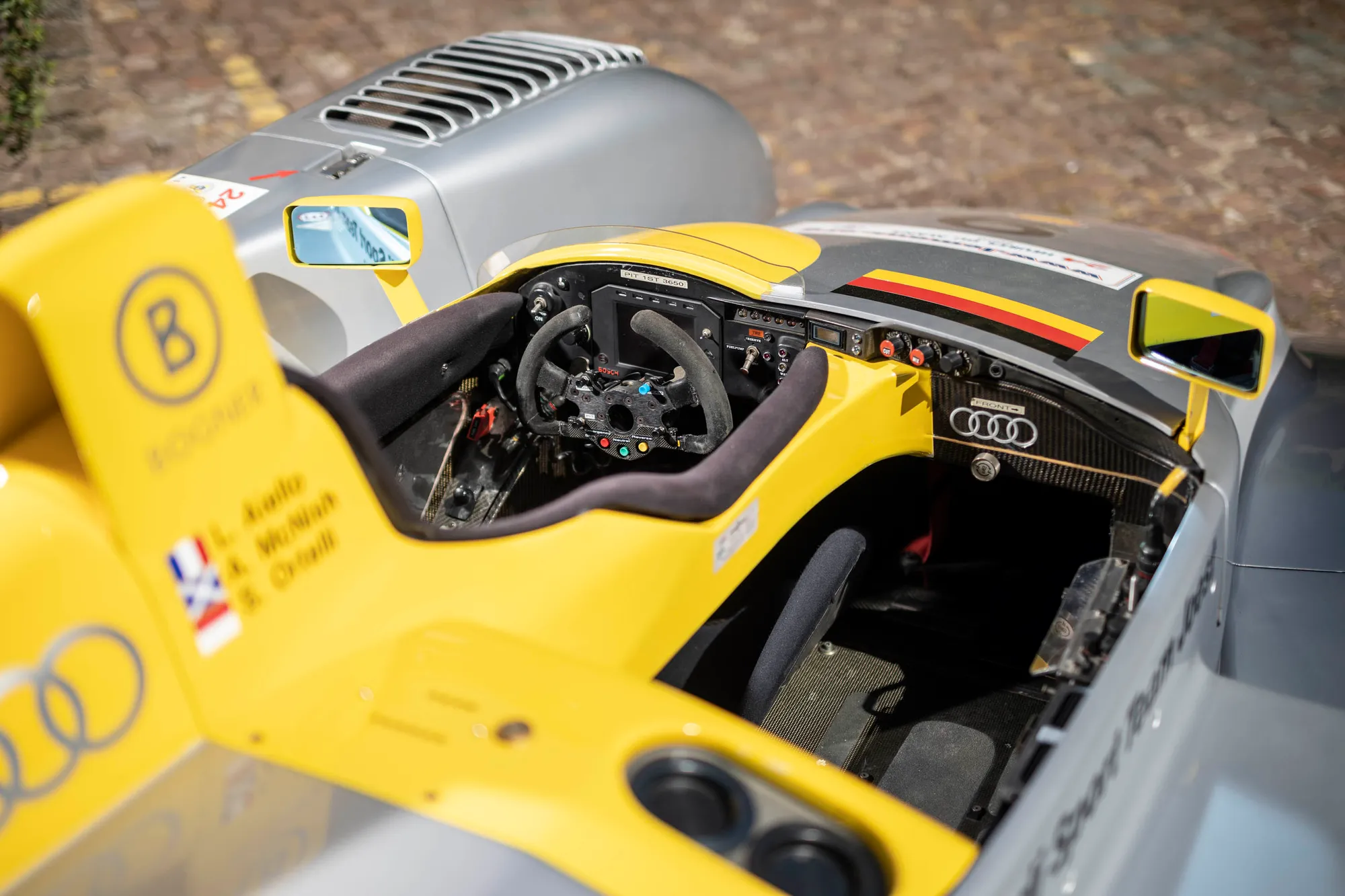
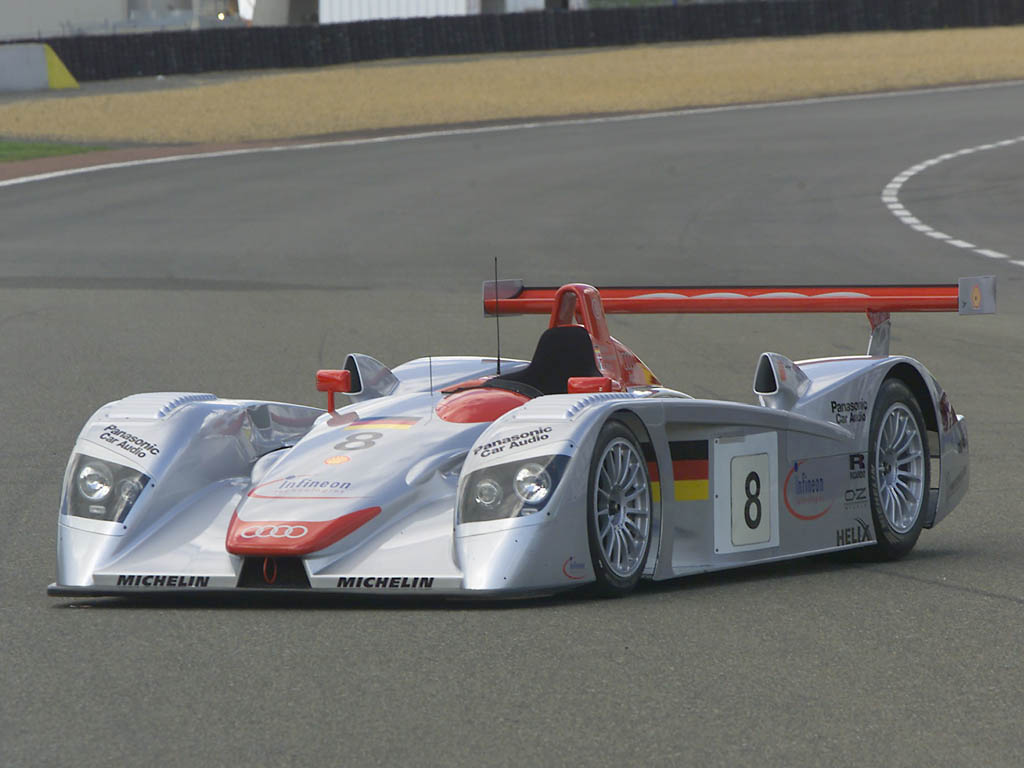
Technically, the R8 LMP was a masterclass in the philosophy of “form follows function”, yet it possessed a stark, minimalist beauty inherent in its silver and red livery. The chassis was a carbon fiber and aluminium honeycomb monocoque, remarkably stiff and significantly safer than its predecessors. However, the true genius of the R8 lay in its modularity. Audi’s engineers, led by Wolfgang Ullrich, designed the car so that entire rear-end assemblies—including the gearbox and suspension—could be swapped out in under four minutes. In the grueling context of a 24-hour race, this wasn’t just clever engineering; it was a psychological weapon that demoralized rivals. Beneath the rear deck sat a 3.6-liter twin-turbocharged V8 engine, an all-alloy masterpiece that featured FSI (Fuel Stratified Injection) technology from 2001 onwards. This didn’t just provide a reliable 600+ horsepower; it offered superior fuel economy and throttle response, allowing the R8 to stay on track longer than its naturally aspirated competitors. The aerodynamics were equally refined, utilizing an open-cockpit “roadster” configuration that offered better visibility for the drivers and easier entry during pit stops, while the underside generated massive ground-effect downforce that kept the car pinned through the high-speed sweepers of the Porsche Curves.
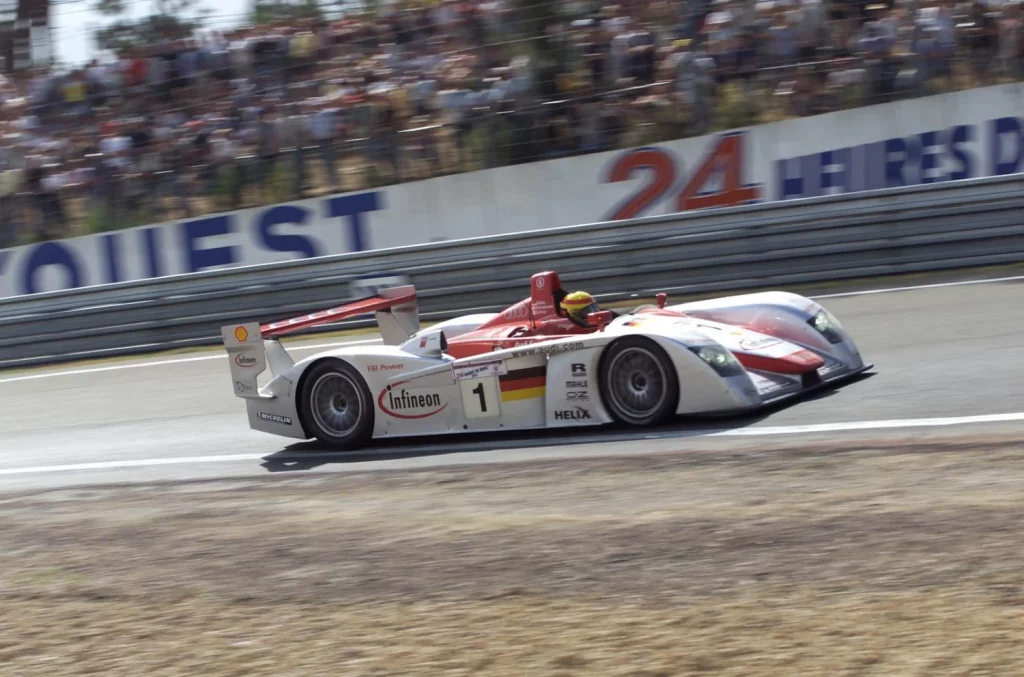
The impact of the R8 LMP on the history of motorsport is almost without parallel in the modern era. Its palmarés is a litany of dominance: five victories at the 24 Hours of Le Mans (2000, 2001, 2002, 2004, and 2005), and six consecutive titles in the American Le Mans Series. It was the car that turned drivers like Tom Kristensen into legends—the “Dane Train” securing his place as the most successful driver in Le Mans history largely behind the wheel of this machine. One of the most fascinating chapters of its history occurred after the factory Audi team shifted focus. Privateer outfits like Champion Racing and Team Goh continued to campaign the R8, proving that even as a “retired” model, it was still more than a match for the newer generation of prototypes. In 2005, a privateer R8 famously beat the much newer, factory-backed Pescarolo-Judds through sheer strategic execution and the unburstable reliability of that V8 heart. It was a car that rarely broke, and when it did, it was fixed faster than anything else in the pit lane.
The legacy of the Audi R8 LMP is defined by the standard of excellence it set for the entire Volkswagen Group. It directly paved the way for the R10 TDI, the world’s first diesel-powered Le Mans winner, and its nameplate was so prestigious that it was bestowed upon Audi’s first mid-engined supercar, the road-going R8. In the pantheon of automobilism, the R8 LMP sits alongside the Porsche 917 and the Ford GT40 as an epoch-defining icon. It wasn’t just a fast car; it was a perfectly executed system of racing that brought professionalization to the endurance paddock on an unprecedented scale. Even today, the silver silhouette of an R8 LMP cutting through the night at Le Mans remains the definitive image of 21st-century endurance racing—a testament to a time when Audi reigned supreme as the undisputed kings of the Sarthe.
Brand
About this submodel
By the turn of the millennium, the landscape of endurance racing was undergoing a radical transformation. The era of the fire-breathing GT1 cars, like the Porsche 911 GT1 and the Mercedes-Benz CLK GTR, had reached its zenith and subsequently imploded under the weight of its own costs. In this void, Audi Sport—having experimented with the cautious R8R and the ill-fated R8C coupe in 1999—decided to unleash a machine that would not merely compete, but would systematically dismantle the opposition. The resulting Audi R8 LMP arrived in 2000, stepping into a gladiatorial arena against the likes of the BMW V12 LMR, the Cadillac Northstar LMP, and later, the spirited Bentley Speed 8. It was a vehicle designed with a singular, ruthless purpose: to win the 24 Hours of Le Mans. For the next six years, it did so with such crushing frequency that it forced a complete rethink of what a prototype racer could and should be.
Technically, the R8 LMP was a masterclass in the philosophy of “form follows function”, yet it possessed a stark, minimalist beauty inherent in its silver and red livery. The chassis was a carbon fiber and aluminium honeycomb monocoque, remarkably stiff and significantly safer than its predecessors. However, the true genius of the R8 lay in its modularity. Audi’s engineers, led by Wolfgang Ullrich, designed the car so that entire rear-end assemblies—including the gearbox and suspension—could be swapped out in under four minutes. In the grueling context of a 24-hour race, this wasn’t just clever engineering; it was a psychological weapon that demoralized rivals. Beneath the rear deck sat a 3.6-liter twin-turbocharged V8 engine, an all-alloy masterpiece that featured FSI (Fuel Stratified Injection) technology from 2001 onwards. This didn’t just provide a reliable 600+ horsepower; it offered superior fuel economy and throttle response, allowing the R8 to stay on track longer than its naturally aspirated competitors. The aerodynamics were equally refined, utilizing an open-cockpit “roadster” configuration that offered better visibility for the drivers and easier entry during pit stops, while the underside generated massive ground-effect downforce that kept the car pinned through the high-speed sweepers of the Porsche Curves.
The impact of the R8 LMP on the history of motorsport is almost without parallel in the modern era. Its palmarés is a litany of dominance: five victories at the 24 Hours of Le Mans (2000, 2001, 2002, 2004, and 2005), and six consecutive titles in the American Le Mans Series. It was the car that turned drivers like Tom Kristensen into legends—the “Dane Train” securing his place as the most successful driver in Le Mans history largely behind the wheel of this machine. One of the most fascinating chapters of its history occurred after the factory Audi team shifted focus. Privateer outfits like Champion Racing and Team Goh continued to campaign the R8, proving that even as a “retired” model, it was still more than a match for the newer generation of prototypes. In 2005, a privateer R8 famously beat the much newer, factory-backed Pescarolo-Judds through sheer strategic execution and the unburstable reliability of that V8 heart. It was a car that rarely broke, and when it did, it was fixed faster than anything else in the pit lane.
The legacy of the Audi R8 LMP is defined by the standard of excellence it set for the entire Volkswagen Group. It directly paved the way for the R10 TDI, the world’s first diesel-powered Le Mans winner, and its nameplate was so prestigious that it was bestowed upon Audi’s first mid-engined supercar, the road-going R8. In the pantheon of automobilism, the R8 LMP sits alongside the Porsche 917 and the Ford GT40 as an epoch-defining icon. It wasn’t just a fast car; it was a perfectly executed system of racing that brought professionalization to the endurance paddock on an unprecedented scale. Even today, the silver silhouette of an R8 LMP cutting through the night at Le Mans remains the definitive image of 21st-century endurance racing—a testament to a time when Audi reigned supreme as the undisputed kings of the Sarthe.
Tech Specs
Discover the technical specifications
Tech Specs