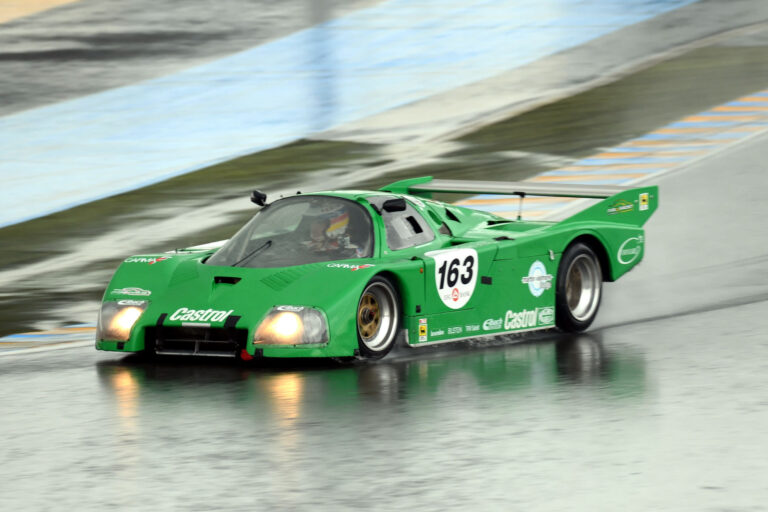
Alba AR2
Brand
Produced from
Vehicle category
Portal
Model line
Model generation
Predecessor
Sucessor
Model Overview
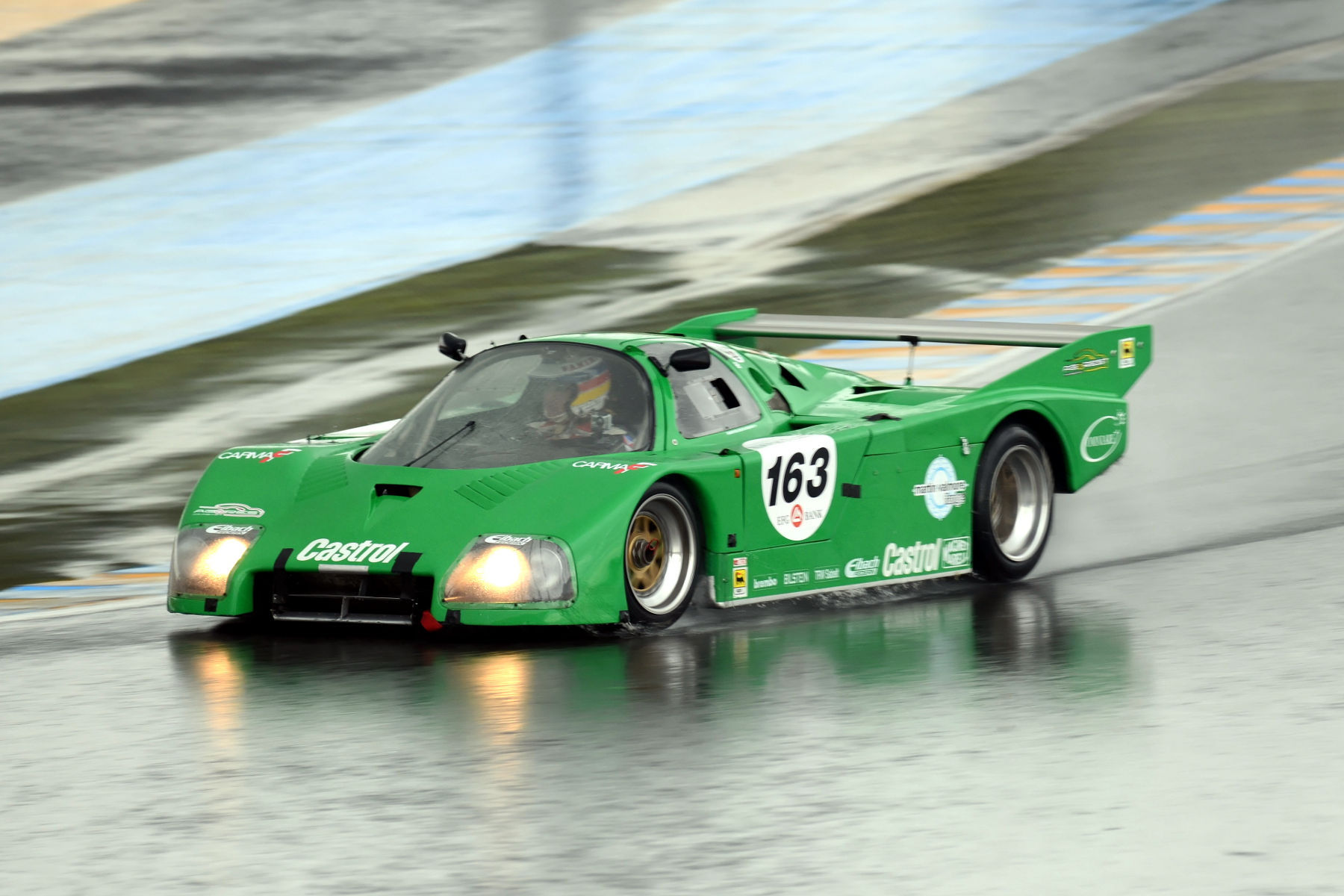
In the early 1980s, the world of endurance racing was undergoing a tectonic shift. The FIA had introduced the Group C regulations in 1982, birthing legends like the Porsche 956 and the Lancia LC2. While these heavyweights hogged the limelight and the headlines of the mainstream press, a more nuanced and strategically fascinating battle was brewing in the junior tier: Group C2 (originally known as Group C Junior). It was here, amidst the privateers and ambitious small-scale constructors, that the 1983 Alba AR2 emerged as a masterpiece of Italian ingenuity. Founded by Giorgio Stirano—a man whose engineering pedigree was forged in the fiery crucible of Formula 1 and Osella—Alba Engineering set out to prove that you didn’t need the industrial might of Stuttgart or the Fiat empire to conquer the world. The AR2 was a surgical response to a very specific set of regulations that prioritized fuel efficiency and weight over the absolute, unbridled horsepower of the senior class. In an era where its rivals were often repurposed open-cockpit prototypes or modified GT cars, the Alba arrived as a purpose-built, ground-effect scalpel, ready to face off against the likes of the Tiga GC284 and the spice-scented Lola T610s.
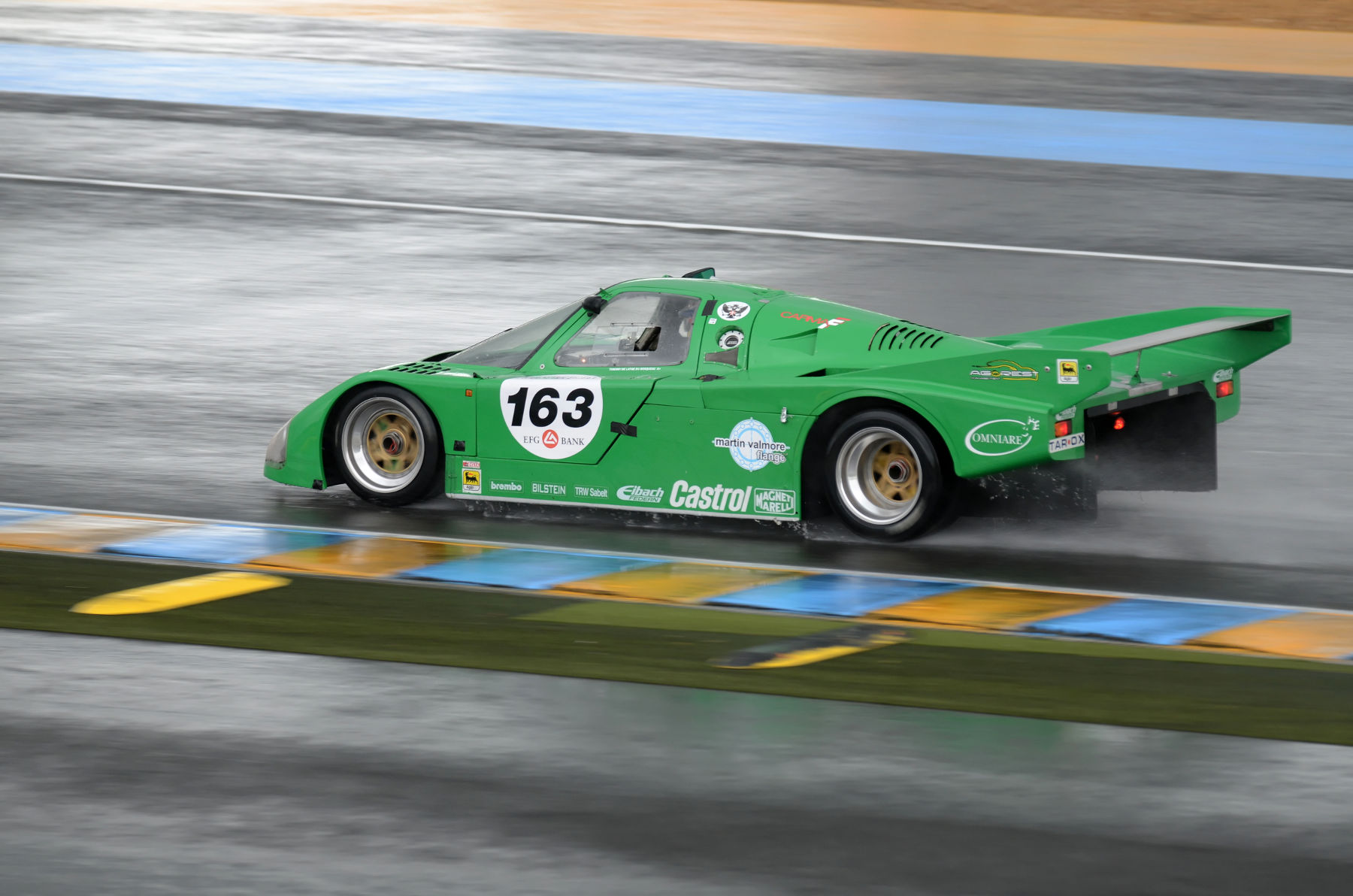
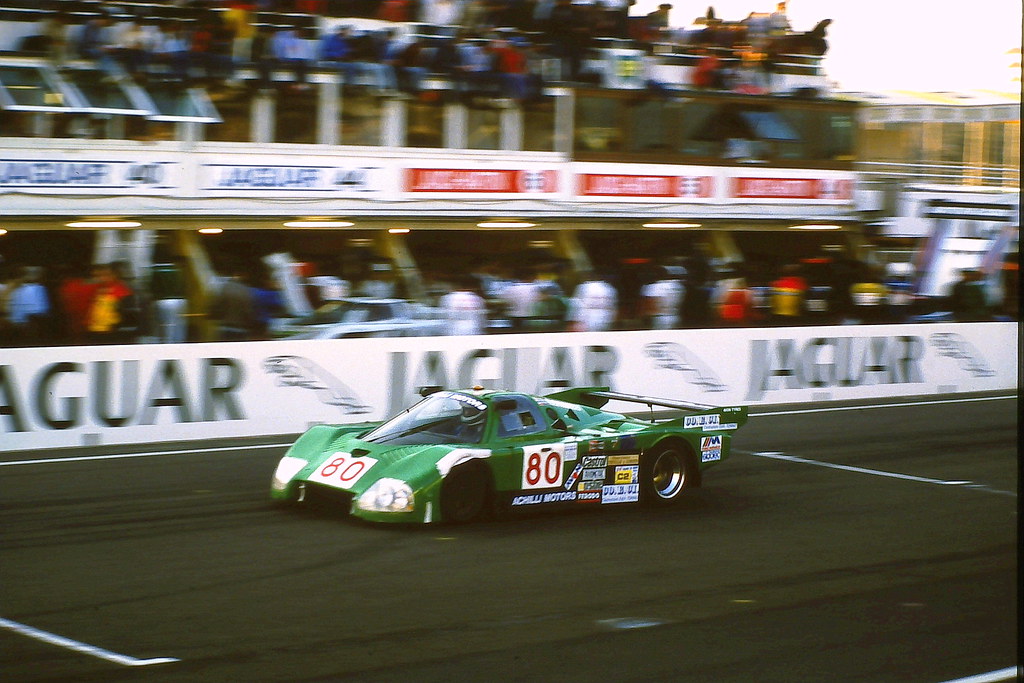
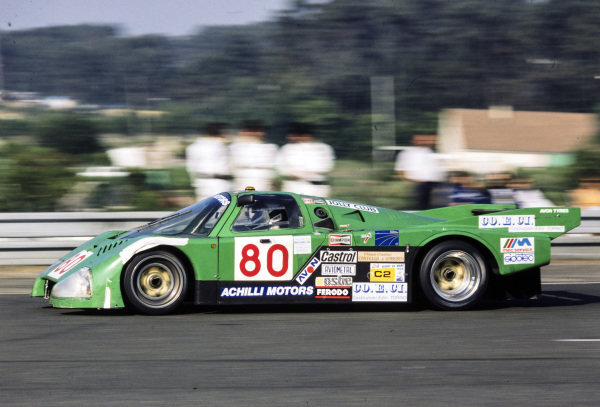
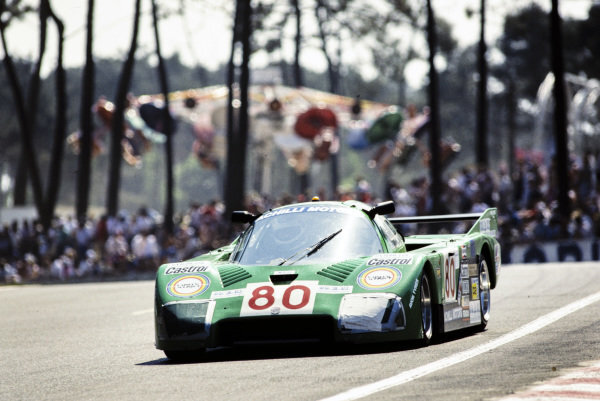
Technically, the Alba AR2 was a fascinating study in early 1980s composite and aerodynamic theory. At its core lay a monocoque constructed from a mix of carbon fiber and Kevlar—a highly advanced choice for a junior category car in 1983, providing immense structural rigidity and safety while keeping the dry weight remarkably close to the 700-kilogram minimum. The bodywork was a masterclass in shrink-wrapped packaging. The AR2 sat incredibly low to the tarmac, featuring a short wheelbase and an aggressive “wedge” profile that optimized the ground-effect venturis running beneath the car. Unlike the slab-sided Porsche 956, the Alba possessed a delicate, almost feline grace, with its cockpit canopy positioned far forward to allow for the most efficient airflow over the rear wing.
However, the soul of the AR2 was defined by its mechanical versatility, specifically through its two distinct submodels. The first, and perhaps most exotic, was the Alba AR2 Carma FF. This version utilized a diminutive 1.8-liter, four-cylinder turbocharged engine developed by Carlo Facetti and Martino Finotto (hence “Car-Ma”). It was a jewel of an engine, capable of producing nearly 450 horsepower in qualifying trim, though it required a delicate touch to balance turbo boost against the FIA’s strict fuel allotments. The second submodel was the Alba AR2 Ford Cosworth DFL. Recognizing that many privateers preferred the rhythmic, naturally aspirated reliability of Northampton’s finest, Stirano adapted the chassis for the 3.3-liter DFL V8. While it lacked the peaky, explosive delivery of the Carma turbo, the DFL provided a flatter torque curve and a legendary soundtrack that echoed through the forests of Spa and the hills of the Eifel. Both variants utilized a robust Hewland five-speed transaxle and massive ventilated disc brakes hidden behind the period-correct, dish-style BBS magnesium wheels. Inside, the cockpit was a textbook example of “functional claustrophobia”, with the driver cocooned by the fuel tank and the carbon bulkheads, peering through a wraparound windshield that made the car feel like a low-flying fighter jet.
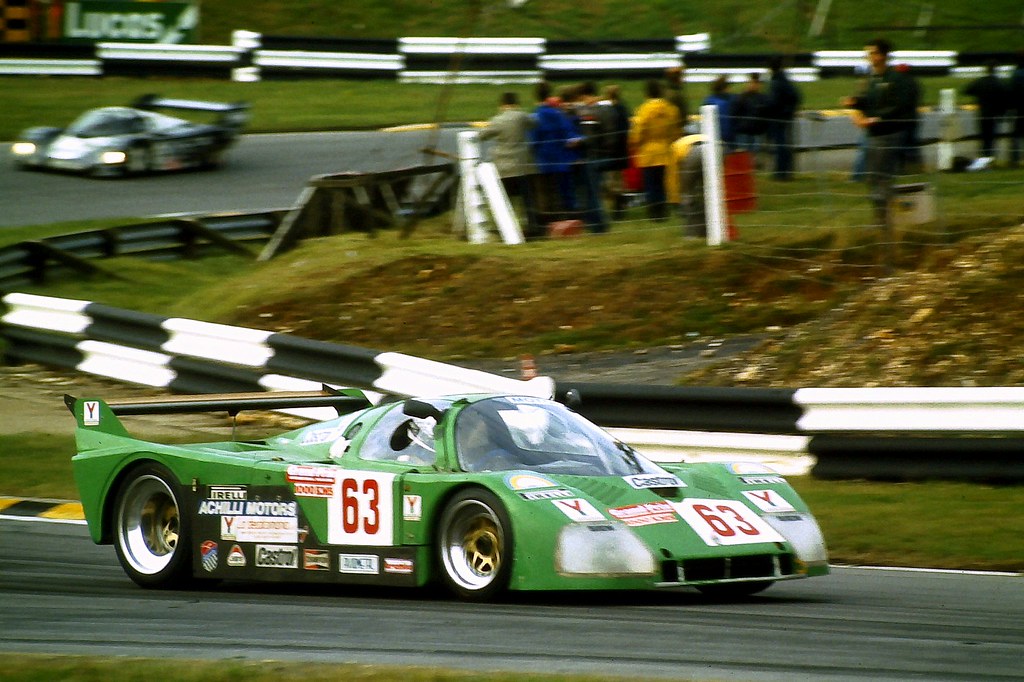
The impact and competitive history of the Alba AR2 are inextricably linked to the dominance of the Gianpiero Moretti and Martino Finotto partnership. In 1983, the AR2 didn’t just participate; it colonized the C2 class. Its debut season was a tour de force, securing the inaugural Group C Junior Trophy. The car’s agility was its greatest weapon; on technical circuits like the Nürburgring or the Brands Hatch GP loop, the AR2 could harass much larger Group C1 machinery through the corners, earning it the respect of factory drivers and the adoration of the hardcore endurance fans. One of the most significant moments in its history came at the 1983 24 Hours of Le Mans. While it didn’t finish due to the mechanical fragility inherent in such a new design, its sheer pace during the practice sessions signaled that a new king of the juniors had arrived. The AR2 would continue to be a staple of the World Sportscar Championship through 1984 and 1985, evolving into the AR3 and AR4, but it was the original AR2 that established Alba as the quintessential choice for the serious privateer. It was a car that embodied the “small shop” spirit of Italian racing—passionate, technically daring, and punching far above its weight class.
The legacy of the Alba AR2 is its role as the architect of the modern Group C2 class. It proved that a dedicated, carbon-tubbed prototype was the only way to consistently win in the fuel-formula era, effectively ending the competitive viability of the tube-frame “specials” that had preceded it. It paved the way for the Spice and Tiga dominance of the late 1980s and served as a crucial bridge between the era of the gentleman driver and the professionalization of the junior endurance ranks. In the pantheon of motorsport, the AR2 occupies a sovereign place as the “Mighty Atom” of Group C. It remains a cherished sight in historic racing today, still howling its way through the Group C Racing series at the Le Mans Classic. It is a reminder of a time when the grid was a diverse ecosystem of engine sounds and aerodynamic shapes—a beautiful, carbon-fiber testament to Giorgio Stirano’s vision of Italian racing perfection.
Portal
Model line
Model generation
Predecessor
Sucessor
Brand
Produced from
Vehicle category
Portal
Model line
Model generation
Predecessor
Sucessor
Model Overview
In the early 1980s, the world of endurance racing was undergoing a tectonic shift. The FIA had introduced the Group C regulations in 1982, birthing legends like the Porsche 956 and the Lancia LC2. While these heavyweights hogged the limelight and the headlines of the mainstream press, a more nuanced and strategically fascinating battle was brewing in the junior tier: Group C2 (originally known as Group C Junior). It was here, amidst the privateers and ambitious small-scale constructors, that the 1983 Alba AR2 emerged as a masterpiece of Italian ingenuity. Founded by Giorgio Stirano—a man whose engineering pedigree was forged in the fiery crucible of Formula 1 and Osella—Alba Engineering set out to prove that you didn’t need the industrial might of Stuttgart or the Fiat empire to conquer the world. The AR2 was a surgical response to a very specific set of regulations that prioritized fuel efficiency and weight over the absolute, unbridled horsepower of the senior class. In an era where its rivals were often repurposed open-cockpit prototypes or modified GT cars, the Alba arrived as a purpose-built, ground-effect scalpel, ready to face off against the likes of the Tiga GC284 and the spice-scented Lola T610s.
Technically, the Alba AR2 was a fascinating study in early 1980s composite and aerodynamic theory. At its core lay a monocoque constructed from a mix of carbon fiber and Kevlar—a highly advanced choice for a junior category car in 1983, providing immense structural rigidity and safety while keeping the dry weight remarkably close to the 700-kilogram minimum. The bodywork was a masterclass in shrink-wrapped packaging. The AR2 sat incredibly low to the tarmac, featuring a short wheelbase and an aggressive “wedge” profile that optimized the ground-effect venturis running beneath the car. Unlike the slab-sided Porsche 956, the Alba possessed a delicate, almost feline grace, with its cockpit canopy positioned far forward to allow for the most efficient airflow over the rear wing.
However, the soul of the AR2 was defined by its mechanical versatility, specifically through its two distinct submodels. The first, and perhaps most exotic, was the Alba AR2 Carma FF. This version utilized a diminutive 1.8-liter, four-cylinder turbocharged engine developed by Carlo Facetti and Martino Finotto (hence “Car-Ma”). It was a jewel of an engine, capable of producing nearly 450 horsepower in qualifying trim, though it required a delicate touch to balance turbo boost against the FIA’s strict fuel allotments. The second submodel was the Alba AR2 Ford Cosworth DFL. Recognizing that many privateers preferred the rhythmic, naturally aspirated reliability of Northampton’s finest, Stirano adapted the chassis for the 3.3-liter DFL V8. While it lacked the peaky, explosive delivery of the Carma turbo, the DFL provided a flatter torque curve and a legendary soundtrack that echoed through the forests of Spa and the hills of the Eifel. Both variants utilized a robust Hewland five-speed transaxle and massive ventilated disc brakes hidden behind the period-correct, dish-style BBS magnesium wheels. Inside, the cockpit was a textbook example of “functional claustrophobia”, with the driver cocooned by the fuel tank and the carbon bulkheads, peering through a wraparound windshield that made the car feel like a low-flying fighter jet.
The impact and competitive history of the Alba AR2 are inextricably linked to the dominance of the Gianpiero Moretti and Martino Finotto partnership. In 1983, the AR2 didn’t just participate; it colonized the C2 class. Its debut season was a tour de force, securing the inaugural Group C Junior Trophy. The car’s agility was its greatest weapon; on technical circuits like the Nürburgring or the Brands Hatch GP loop, the AR2 could harass much larger Group C1 machinery through the corners, earning it the respect of factory drivers and the adoration of the hardcore endurance fans. One of the most significant moments in its history came at the 1983 24 Hours of Le Mans. While it didn’t finish due to the mechanical fragility inherent in such a new design, its sheer pace during the practice sessions signaled that a new king of the juniors had arrived. The AR2 would continue to be a staple of the World Sportscar Championship through 1984 and 1985, evolving into the AR3 and AR4, but it was the original AR2 that established Alba as the quintessential choice for the serious privateer. It was a car that embodied the “small shop” spirit of Italian racing—passionate, technically daring, and punching far above its weight class.
The legacy of the Alba AR2 is its role as the architect of the modern Group C2 class. It proved that a dedicated, carbon-tubbed prototype was the only way to consistently win in the fuel-formula era, effectively ending the competitive viability of the tube-frame “specials” that had preceded it. It paved the way for the Spice and Tiga dominance of the late 1980s and served as a crucial bridge between the era of the gentleman driver and the professionalization of the junior endurance ranks. In the pantheon of motorsport, the AR2 occupies a sovereign place as the “Mighty Atom” of Group C. It remains a cherished sight in historic racing today, still howling its way through the Group C Racing series at the Le Mans Classic. It is a reminder of a time when the grid was a diverse ecosystem of engine sounds and aerodynamic shapes—a beautiful, carbon-fiber testament to Giorgio Stirano’s vision of Italian racing perfection.
Submodels