
Morgan Plus 4 SLR
Brand
Produced from
Portal
Vehicle category
Model line
Model generation
Predecessor
Successor
Submodel Overview
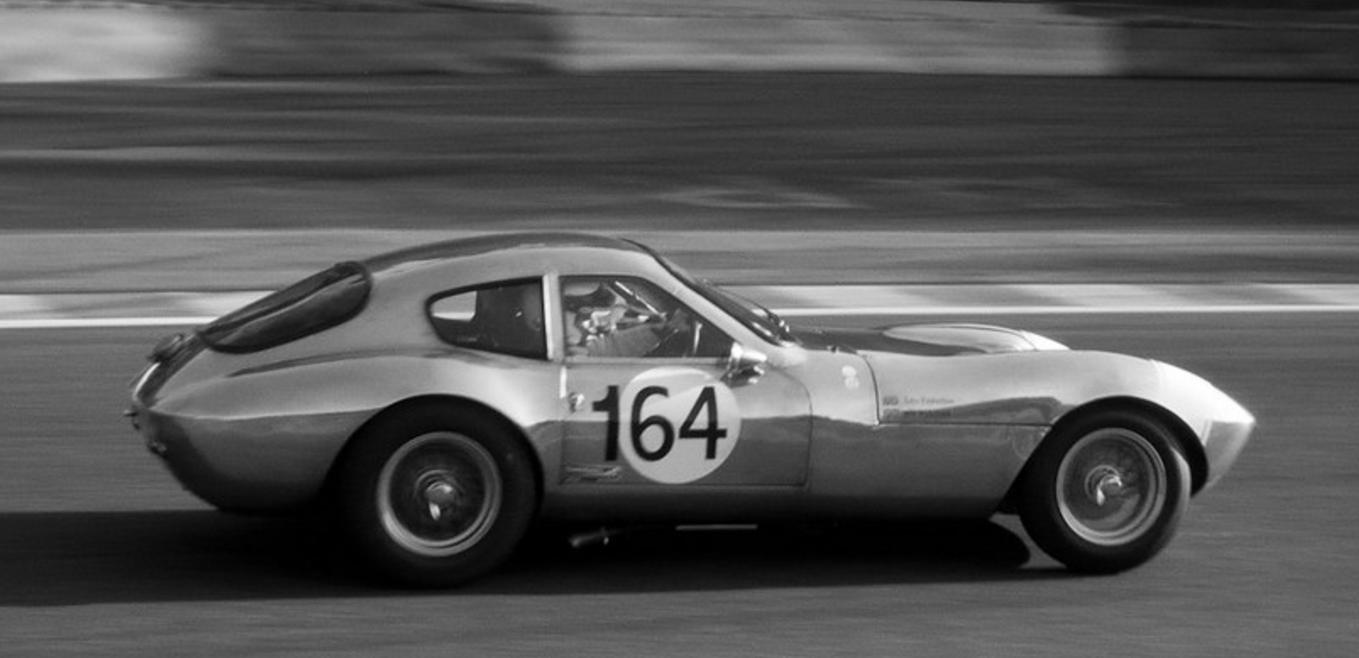
In the early 1960s, the international GT racing scene was reaching a fever pitch. While the factory efforts from Maranello and Stuttgart were grabbing the headlines with increasingly sophisticated machinery, a small but fiercely talented group of British engineers and racers were proving that the traditional Morgan chassis still had plenty of fight left in it. Following the spectacular class victory at Le Mans in 1962 with the famous TOK 258, racer and master tuner Christopher Lawrence knew that the Morgan Plus 4 was mechanically capable of beating the world’s best. However, he also recognized a glaring Achilles’ heel: the traditional, drag-heavy coachwork. At the high-speed circuits like Spa-Francorchamps and Le Mans, the classic Morgan shape acted like a brick in the wind. To truly challenge the slippery Porsche 356 Carreras and the featherweight Lotus Elites, the Morgan needed a new suit. The result was the 1963 Morgan Plus 4 SLR (Super Light Racing), a car so visually radical it looked more like a miniature Ferrari or an AC Ace than anything that had ever emerged from the Malvern Hills. It was a defiant, aerodynamic masterpiece that sought to marry the unburstable Morgan soul with the cutting-edge wind-cheating science of the time.
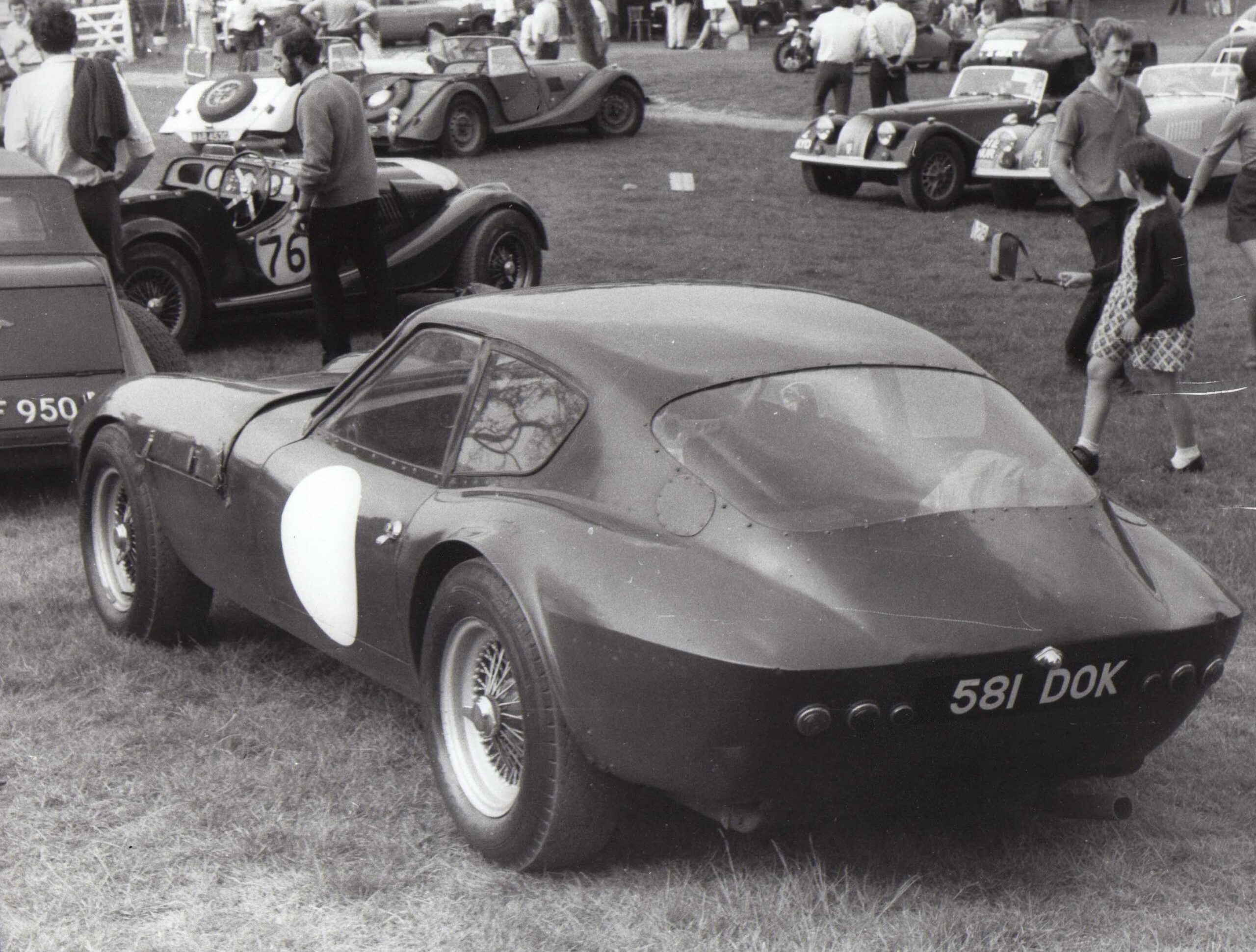
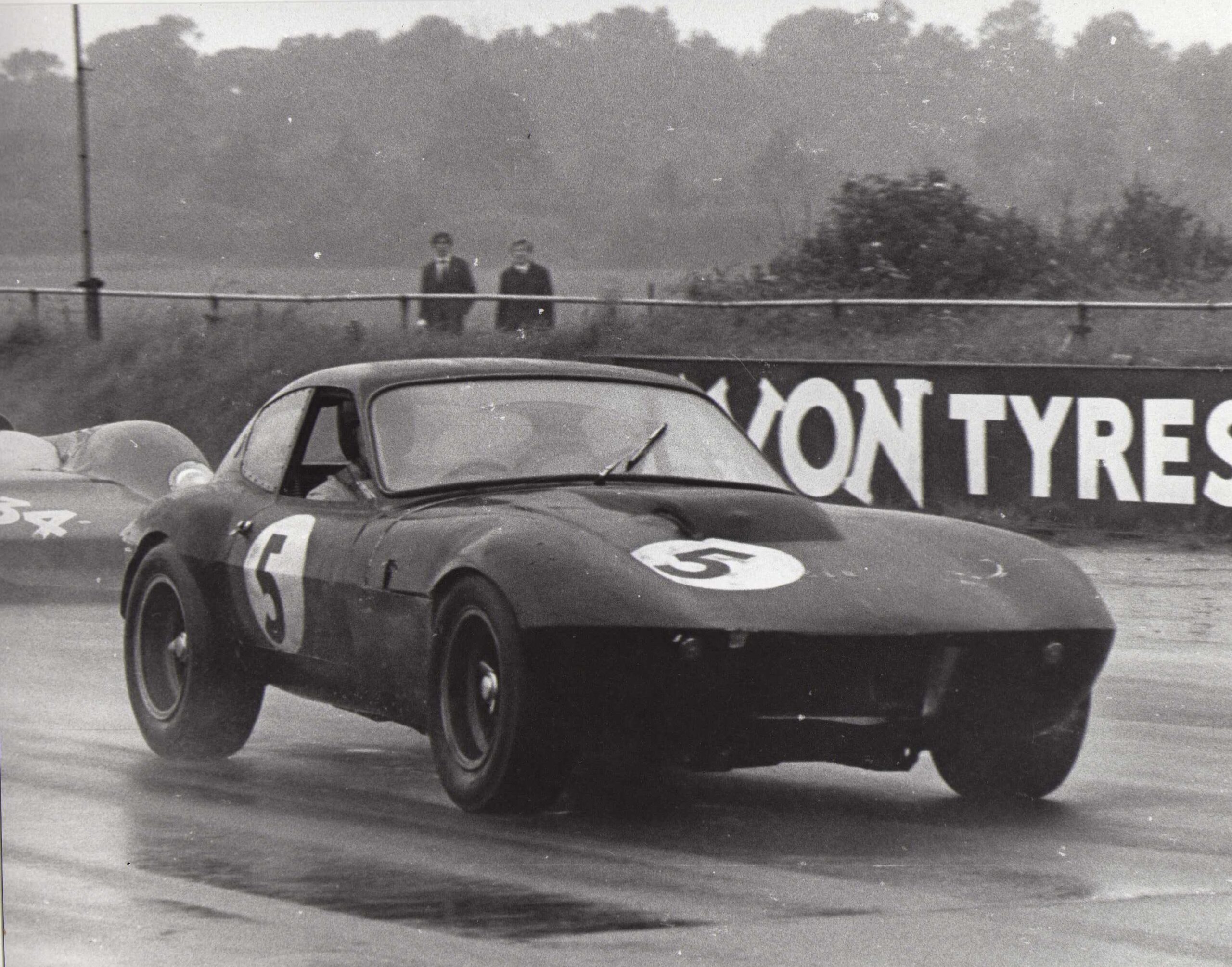
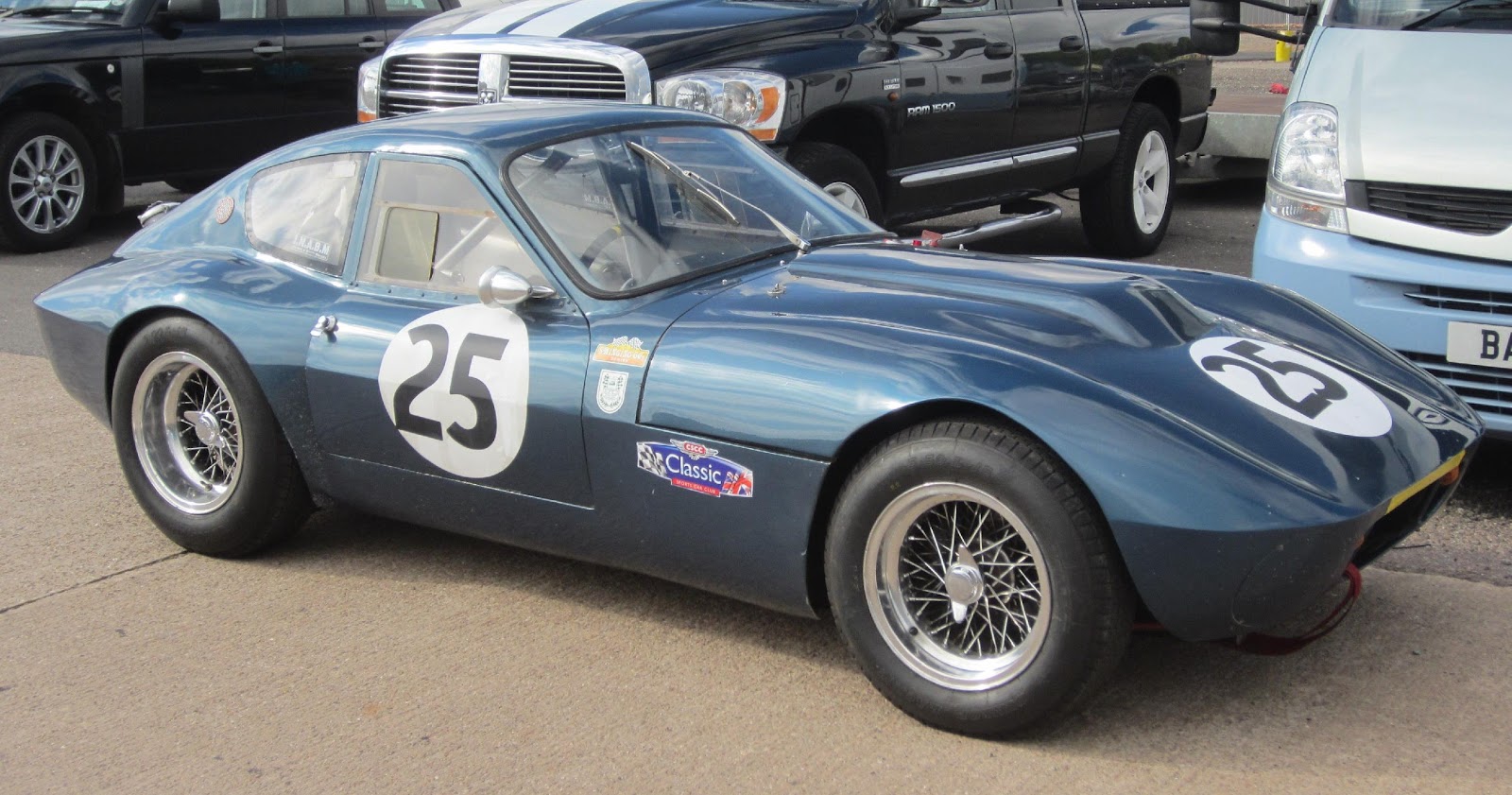
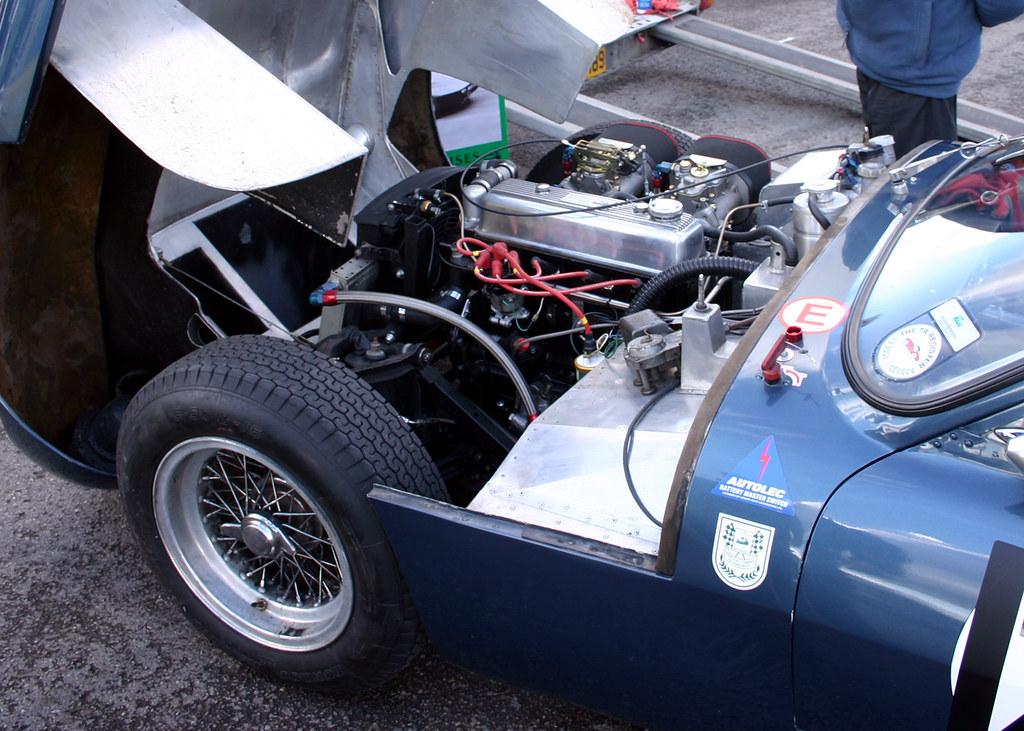
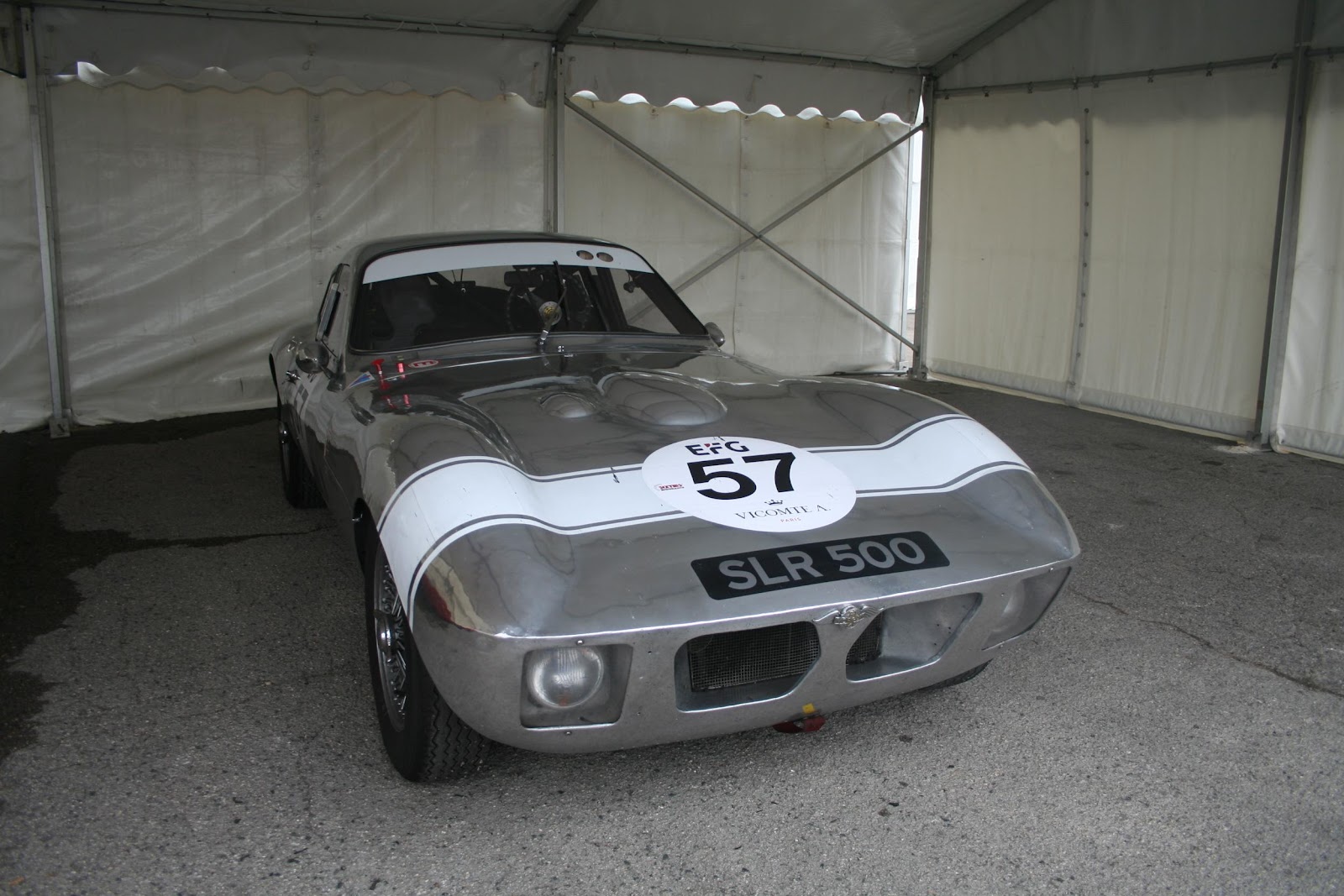
To examine the SLR is to witness a magnificent departure from the Morgan “norm”. The chassis remained the classic Z-section steel ladder frame, complete with the idiosyncratic sliding-pillar front suspension that H.F.S. Morgan had patented decades prior. However, the body was a total revolution. Conceived by Christopher Lawrence and John Sprinzel, and meticulously hand-hammered in aluminium by the master craftsmen at Williams & Pritchard, the SLR featured a long, low-slung, and incredibly sleek profile. The traditional vertical grille and separate fenders were discarded in favor of a smooth, pointed nose, covered headlamps, and a beautifully resolved long-tail rear end. Beneath this avant-garde skin lay the formidable LawrenceTune-spec Triumph TR4 engine. This 2.1-liter straight-four was a jewel of period tuning, fitted with high-compression pistons, a bespoke camshaft, and breathing through a pair of massive twin-choke Weber 45 DCOE carburettors. In racing trim, it produced upwards of 160 horsepower—a staggering figure for a car that weighed significantly less than a ton. To manage this power, the SLR utilized a four-speed Moss gearbox and front disc brakes, while the rear leaf springs were meticulously tuned to provide the mechanical grip necessary to compete with independent-suspension rivals.
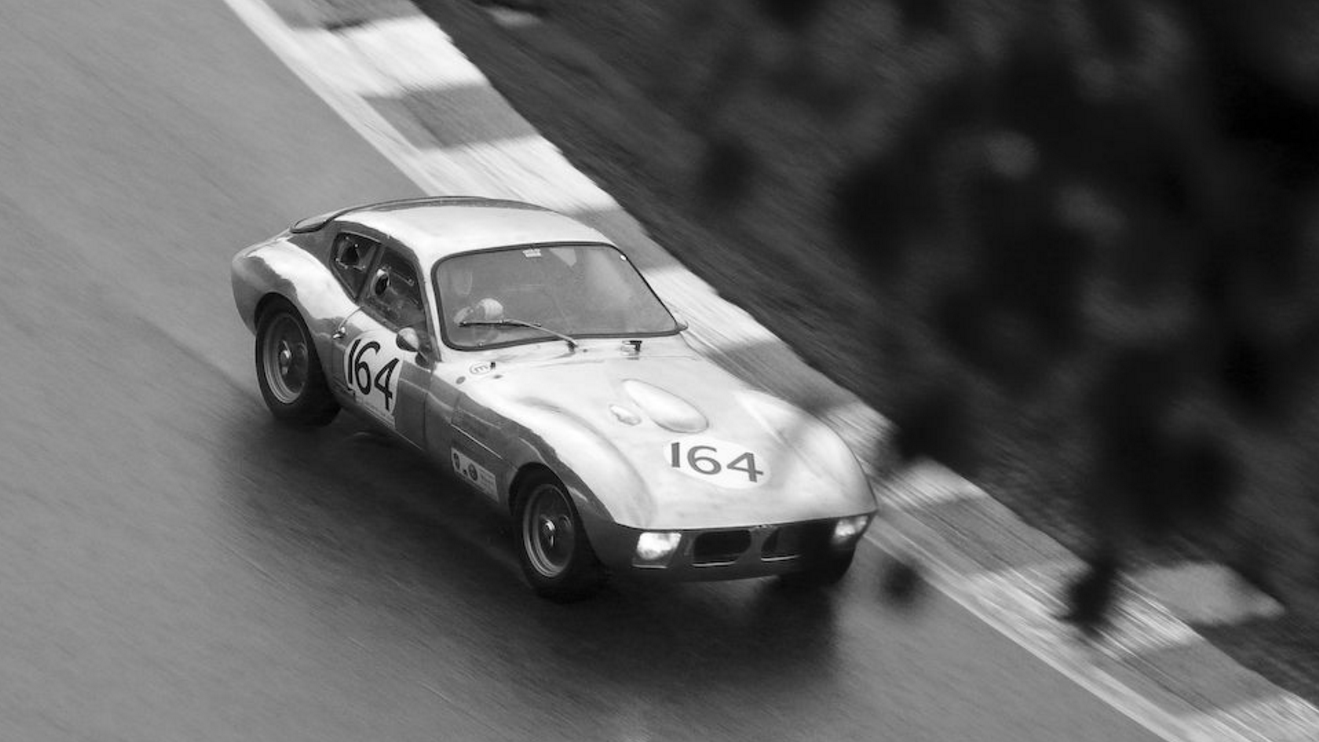
The history of the Plus 4 SLR is defined by its rarity and its remarkable efficiency on the track. Only three official examples were originally constructed, making it one of the most exclusive submodels in the entire Morgan pantheon. On the racing circuit, the SLR was a revelation. It wasn’t just fast for a Morgan; it was fast, period. Christopher Lawrence and his fellow pilots took the fight to the prestigious GT classes across Europe. At the 1963 500km of Spa, the SLR’s aerodynamic superiority was brutally evident as it wailed through the Ardennes forest, holding its own against the far more expensive factory-backed opposition. It became the ultimate “giant-killer”, a car that paired the low-end grunt of the Triumph engine with a top-end stability that standard Morgans could only dream of. Curiously, while the factory in Malvern respected the project, it never officially adopted the SLR body for production, preferring to maintain the traditional silhouette that defined the brand’s identity. This exclusivity only served to burnish the SLR’s legend among the cognoscenti of the British racing scene.
The legacy of the 1963 Morgan Plus 4 SLR is that of the ultimate “what if” in the marque’s history. It represents the brief, glorious moment when Morgan mechanicals were clothed in the height of 1960s aerodynamic fashion. It proved that the Malvern chassis was not an outdated relic but a world-class platform capable of taking on the elite of international GT racing when unburdened by its traditional drag. Today, the surviving SLRs are the most coveted of all competition Morgans, serving as the stars of the Goodwood Revival and other prestigious historic meetings. The SLR remains an immortal testament to the ingenuity of Christopher Lawrence and a reminder that, with the right aerodynamic suit, even a traditional British roadster could dance with the gods of speed. It sits in the automotive pantheon as a beautiful anomaly—the aerodynamic Morgan that refused to believe in the limitations of its heritage.
Brand
Produced from
Portal
Vehicle category
Model line
Model generation
Predecessor
Sucessor
Brand
Produced from
Portal
Vehicle category
Model line
Model generation
Predecessor
Sucessor
Submodel Overview
In the early 1960s, the international GT racing scene was reaching a fever pitch. While the factory efforts from Maranello and Stuttgart were grabbing the headlines with increasingly sophisticated machinery, a small but fiercely talented group of British engineers and racers were proving that the traditional Morgan chassis still had plenty of fight left in it. Following the spectacular class victory at Le Mans in 1962 with the famous TOK 258, racer and master tuner Christopher Lawrence knew that the Morgan Plus 4 was mechanically capable of beating the world’s best. However, he also recognized a glaring Achilles’ heel: the traditional, drag-heavy coachwork. At the high-speed circuits like Spa-Francorchamps and Le Mans, the classic Morgan shape acted like a brick in the wind. To truly challenge the slippery Porsche 356 Carreras and the featherweight Lotus Elites, the Morgan needed a new suit. The result was the 1963 Morgan Plus 4 SLR (Super Light Racing), a car so visually radical it looked more like a miniature Ferrari or an AC Ace than anything that had ever emerged from the Malvern Hills. It was a defiant, aerodynamic masterpiece that sought to marry the unburstable Morgan soul with the cutting-edge wind-cheating science of the time.
To examine the SLR is to witness a magnificent departure from the Morgan “norm”. The chassis remained the classic Z-section steel ladder frame, complete with the idiosyncratic sliding-pillar front suspension that H.F.S. Morgan had patented decades prior. However, the body was a total revolution. Conceived by Christopher Lawrence and John Sprinzel, and meticulously hand-hammered in aluminium by the master craftsmen at Williams & Pritchard, the SLR featured a long, low-slung, and incredibly sleek profile. The traditional vertical grille and separate fenders were discarded in favor of a smooth, pointed nose, covered headlamps, and a beautifully resolved long-tail rear end. Beneath this avant-garde skin lay the formidable LawrenceTune-spec Triumph TR4 engine. This 2.1-liter straight-four was a jewel of period tuning, fitted with high-compression pistons, a bespoke camshaft, and breathing through a pair of massive twin-choke Weber 45 DCOE carburettors. In racing trim, it produced upwards of 160 horsepower—a staggering figure for a car that weighed significantly less than a ton. To manage this power, the SLR utilized a four-speed Moss gearbox and front disc brakes, while the rear leaf springs were meticulously tuned to provide the mechanical grip necessary to compete with independent-suspension rivals.
The history of the Plus 4 SLR is defined by its rarity and its remarkable efficiency on the track. Only three official examples were originally constructed, making it one of the most exclusive submodels in the entire Morgan pantheon. On the racing circuit, the SLR was a revelation. It wasn’t just fast for a Morgan; it was fast, period. Christopher Lawrence and his fellow pilots took the fight to the prestigious GT classes across Europe. At the 1963 500km of Spa, the SLR’s aerodynamic superiority was brutally evident as it wailed through the Ardennes forest, holding its own against the far more expensive factory-backed opposition. It became the ultimate “giant-killer”, a car that paired the low-end grunt of the Triumph engine with a top-end stability that standard Morgans could only dream of. Curiously, while the factory in Malvern respected the project, it never officially adopted the SLR body for production, preferring to maintain the traditional silhouette that defined the brand’s identity. This exclusivity only served to burnish the SLR’s legend among the cognoscenti of the British racing scene.
The legacy of the 1963 Morgan Plus 4 SLR is that of the ultimate “what if” in the marque’s history. It represents the brief, glorious moment when Morgan mechanicals were clothed in the height of 1960s aerodynamic fashion. It proved that the Malvern chassis was not an outdated relic but a world-class platform capable of taking on the elite of international GT racing when unburdened by its traditional drag. Today, the surviving SLRs are the most coveted of all competition Morgans, serving as the stars of the Goodwood Revival and other prestigious historic meetings. The SLR remains an immortal testament to the ingenuity of Christopher Lawrence and a reminder that, with the right aerodynamic suit, even a traditional British roadster could dance with the gods of speed. It sits in the automotive pantheon as a beautiful anomaly—the aerodynamic Morgan that refused to believe in the limitations of its heritage.
Tech Specs
Technical Specifications
Tech Specs
Technical Specifications
Engine
01
03
Internal combustion engine
Configuration
Triumph TR4 (LawrenceTune specification), Inline-4
Location
Front, longitudinally mounted
Construction
Cast iron block and head
Displacement (cc)
2,138 cc
Displacement (cu in)
130.5 cu in
Compression
10.5:1
Bore x Stroke
86.0 mm x 92.0 mm
Valvetrain
2 valves per cylinder, OHV
Fuel feed
2 x Weber 45 DCOE carburetors
Lubrication
Wet sump
Aspiration
Naturally aspirated
Output
Power (hp)
156 hp
Power (kW)
116 kW
Max power at
6,500 RPM
Torque (Nm)
190 Nm
Torque (ft lbs)
140 ft lbs
Max torque at
4,500 RPM
Drivetrain
02
03
Chassis
Type
Z-section ladder frame
Material
Steel
Body
Material
Aluminium
Transmission
Gearbox
Moss 4-speed manual
Drive
Rear Wheel Drive (Limited Slip Differential)
Suspension
Front
Independent, Morgan sliding pillar, coil springs, telescopic dampers
Rear
Live axle, semi-elliptic leaf springs, lever-arm dampers (often converted to telescopic)
Steering
Type
Cam and peg, unassisted
Brakes
Front
Solid discs Ø279 mm (11 in), Girling calipers
Rear
Drum brakes Ø229 mm (9 in), Girling
Wheels
Front
4.5" x 15"
Rear
4.5" x 15"
Tires
Front
155 HR 15
Rear
155 HR 15
Dimensions and performance
03
03
Dimensions
Length (mm)
~4,013 mm
Length (in)
~158.0 in
Width (mm)
~1,524 mm
Width (in)
~60.0 in
Height (mm)
~1,200 mm
Height (in)
~47.2 in
Wheelbase (mm)
2,438 mm
Wheelbase (in)
96.0 in
Weight (kg)
816 kg
Weight (lbs)
1,800 lbs
Performance
Power to weight
~0.19 hp/kg
Top speed (km/h)
217 km/h
Top speed (mph)
135 mph
0-100 km/h (0-60 mph)
~6.5 s