
Morgan Plus 4 Super Sports
Brand
Produced from
Portal
Vehicle category
Model line
Model generation
Predecessor
Successor
Submodel Overview
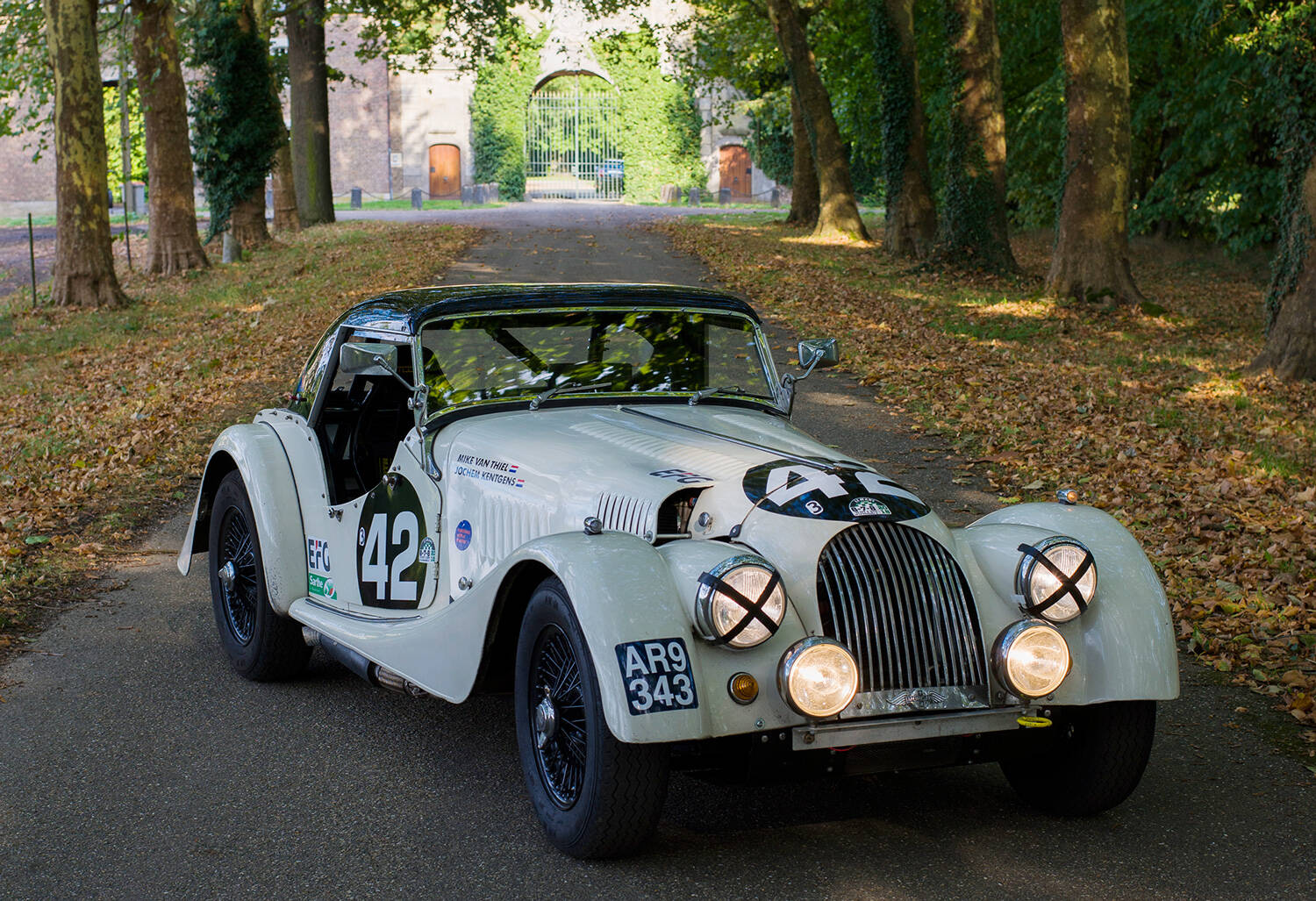
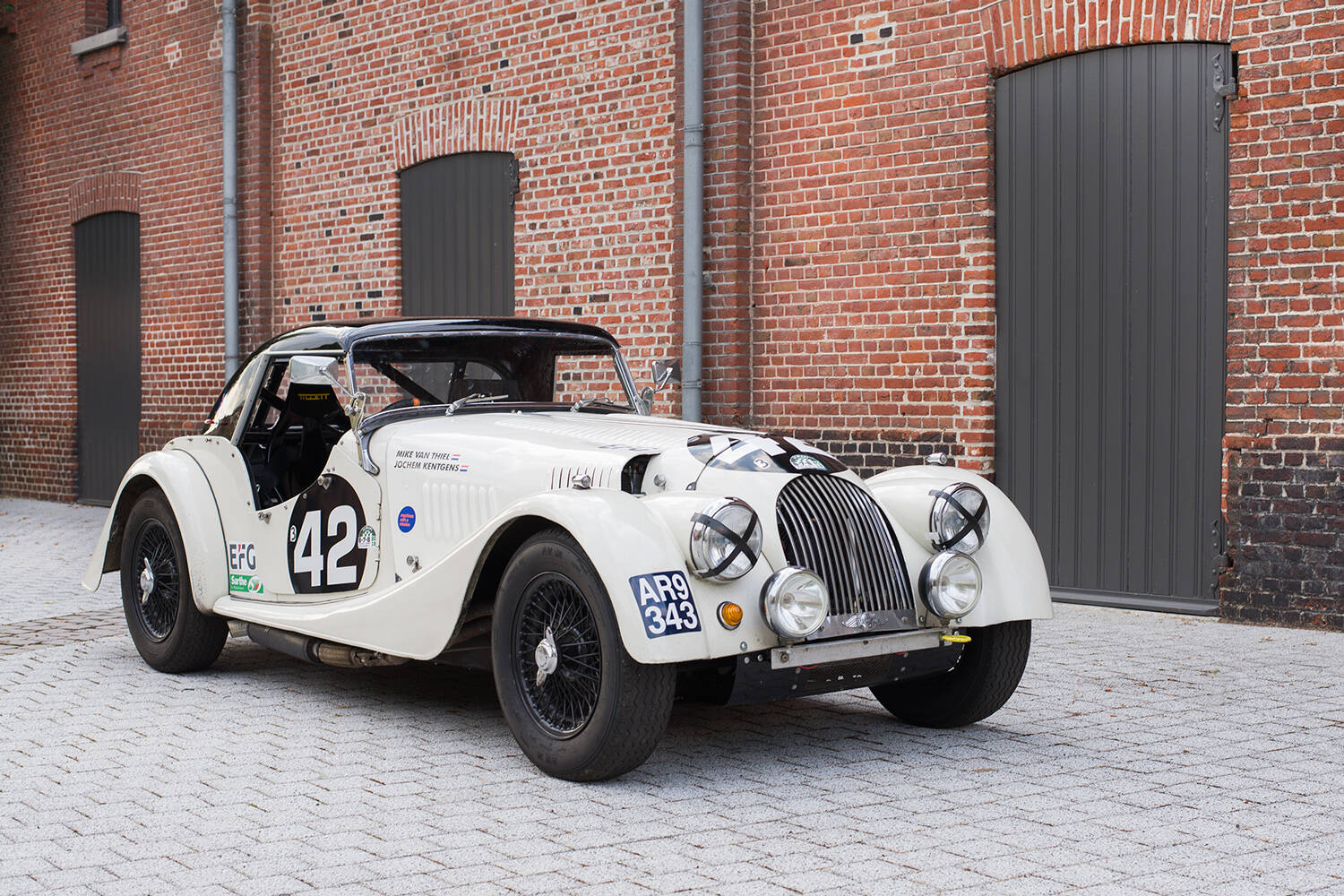
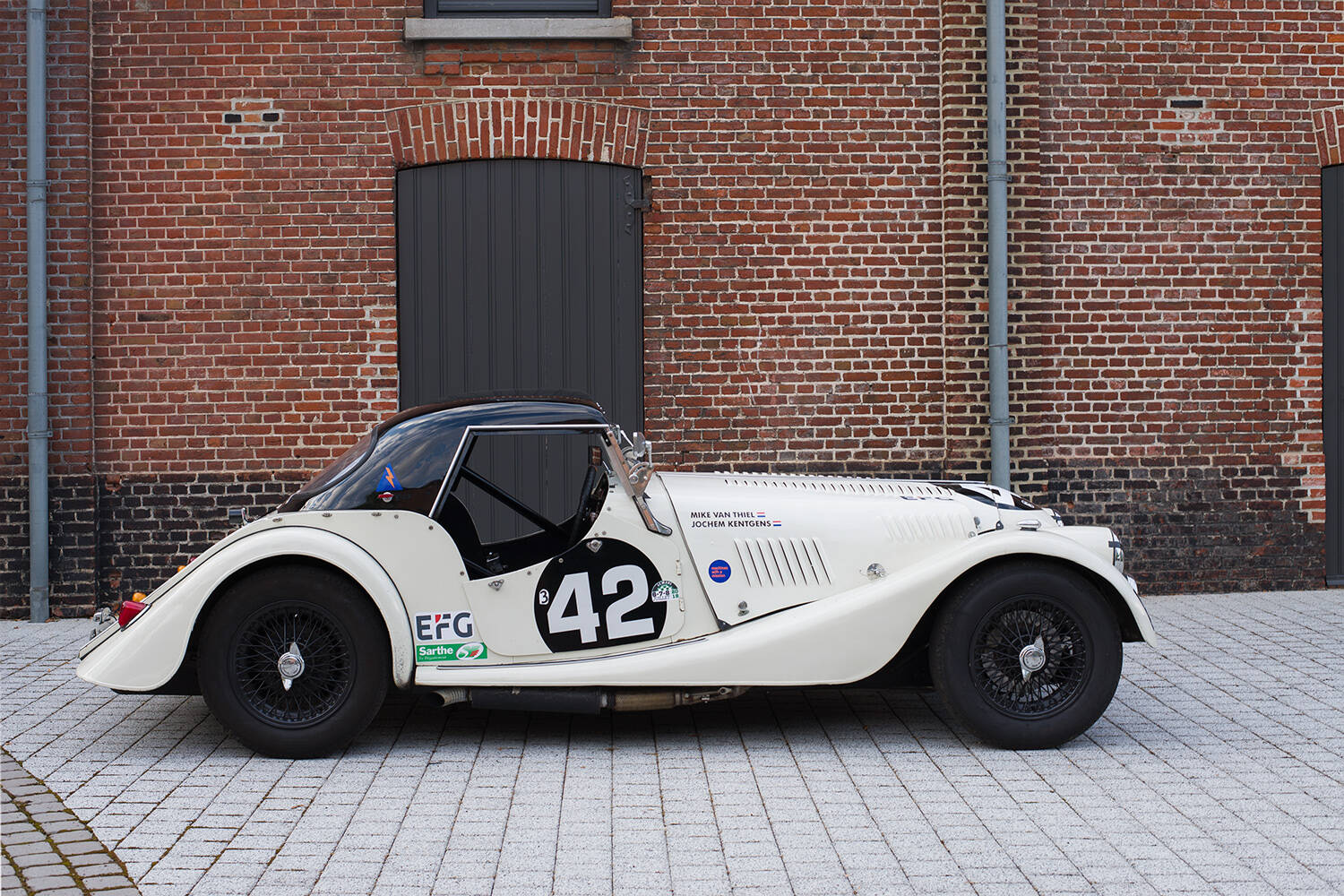
To fully grasp the magic of the 1962 Morgan Plus 4 Super Sports, one must picture the international motorsport paddock of the early 1960s. European manufacturers were relentlessly pursuing aerodynamic efficiency, enclosing wheels and utilizing wind tunnels to eke out every last drop of top speed. In stark contrast, the Morgan Motor Company stood steadfastly by its pre-war silhouette. The standard Plus 4, powered by a robust Triumph TR engine, was a charming and capable sports car, but privateer racers yearned for something more venomous to combat the slippery Porsche 356 Carreras and the agile Alfa Romeo Giulietta Sprint Zagatos in the 2.0-liter GT class. Enter Christopher Lawrence, a brilliant tuner and racer who had been extracting staggering performance from the Triumph powerplants under his “LawrenceTune” banner. Recognizing the immense potential of Lawrence’s modifications, Peter Morgan made a remarkably pragmatic decision: he officially adopted these upgrades to homologate the car for international FIA competition. The resulting Plus 4 Super Sports—widely known simply as the Super Sports or “SS”—was the apotheosis of the traditional Morgan roadster. It was a stripped-back, highly strung, aluminium-bodied homologation special that unapologetically married 1930s coachbuilding with ferocious 1960s racing performance.
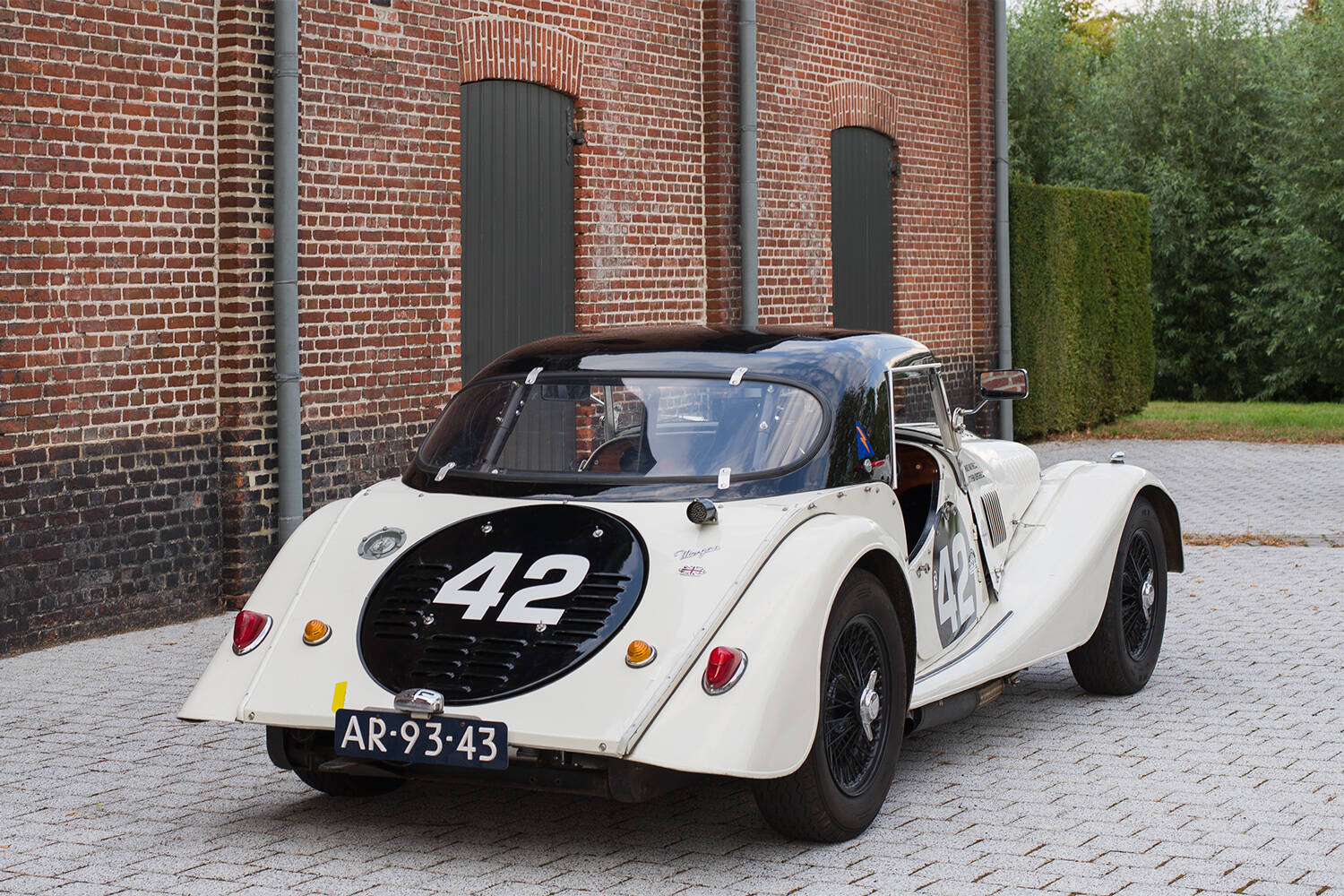
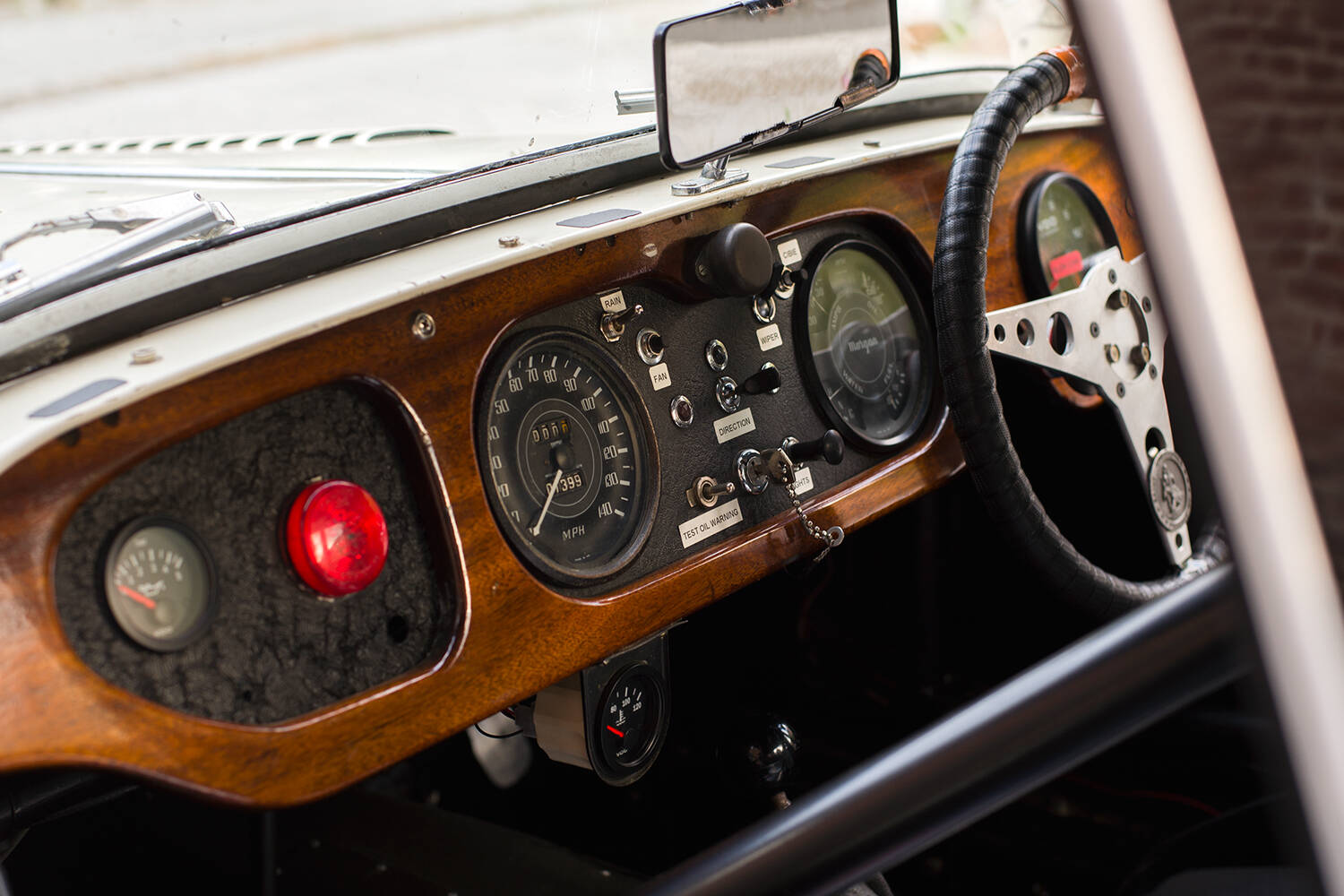
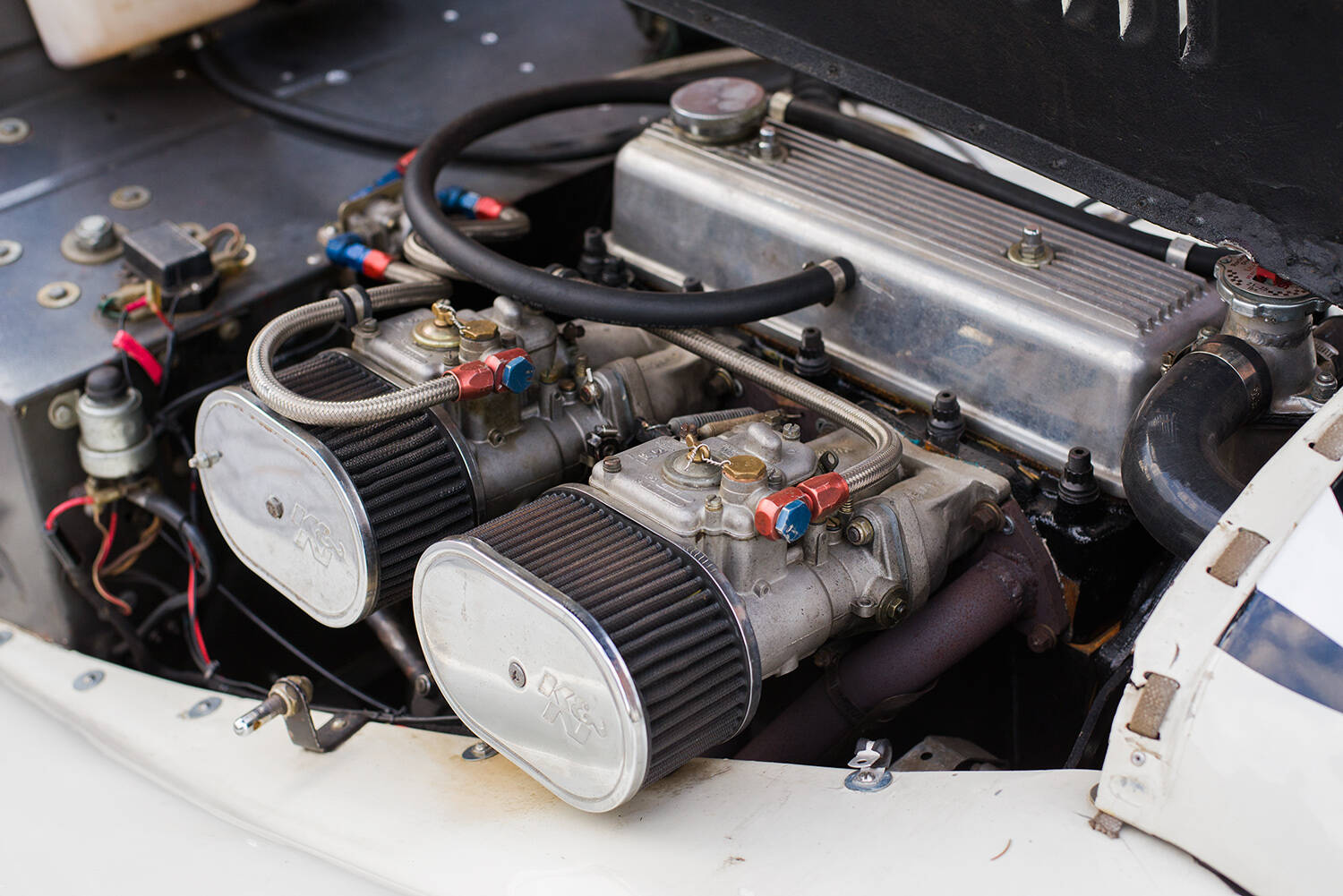
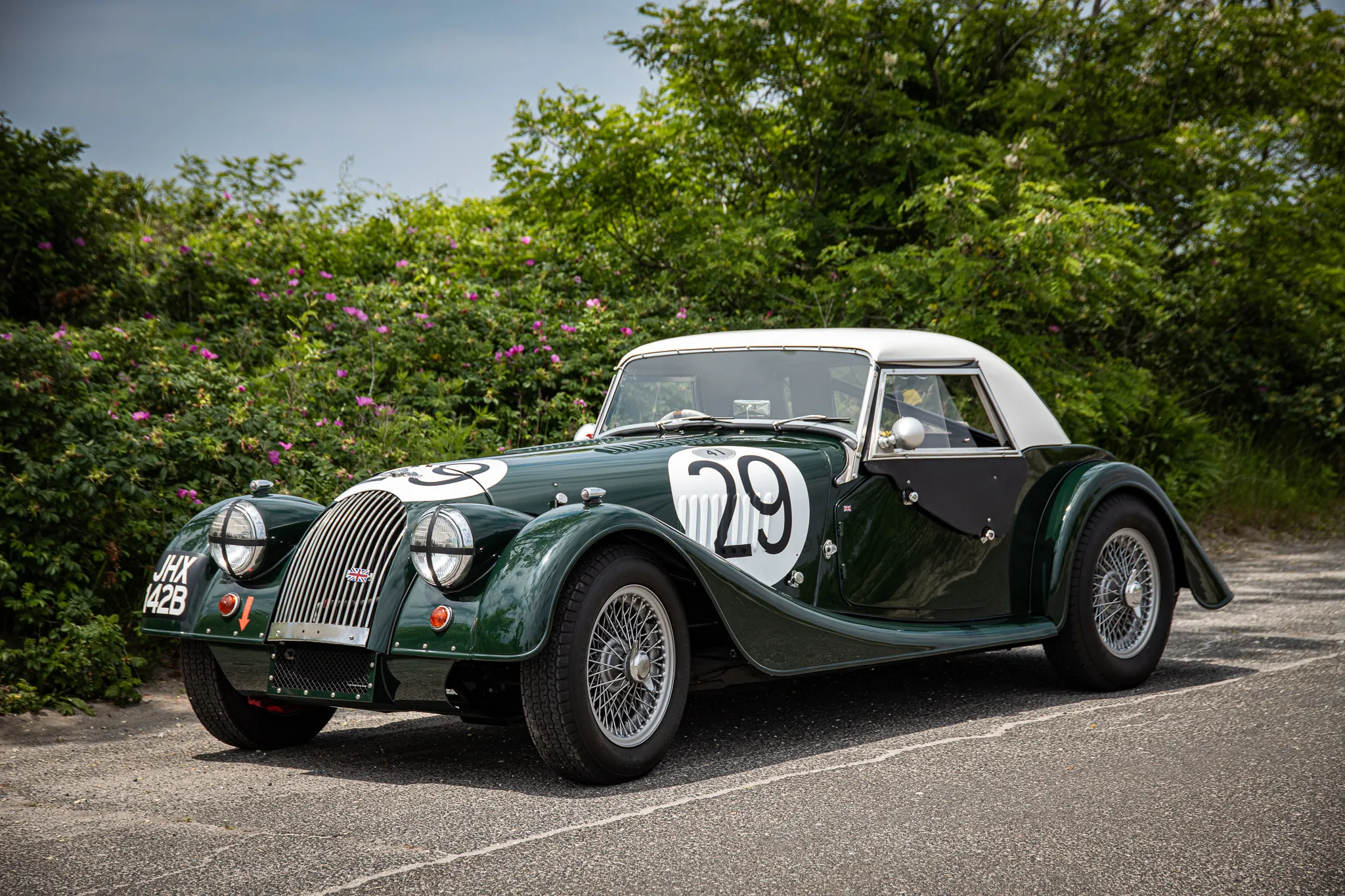
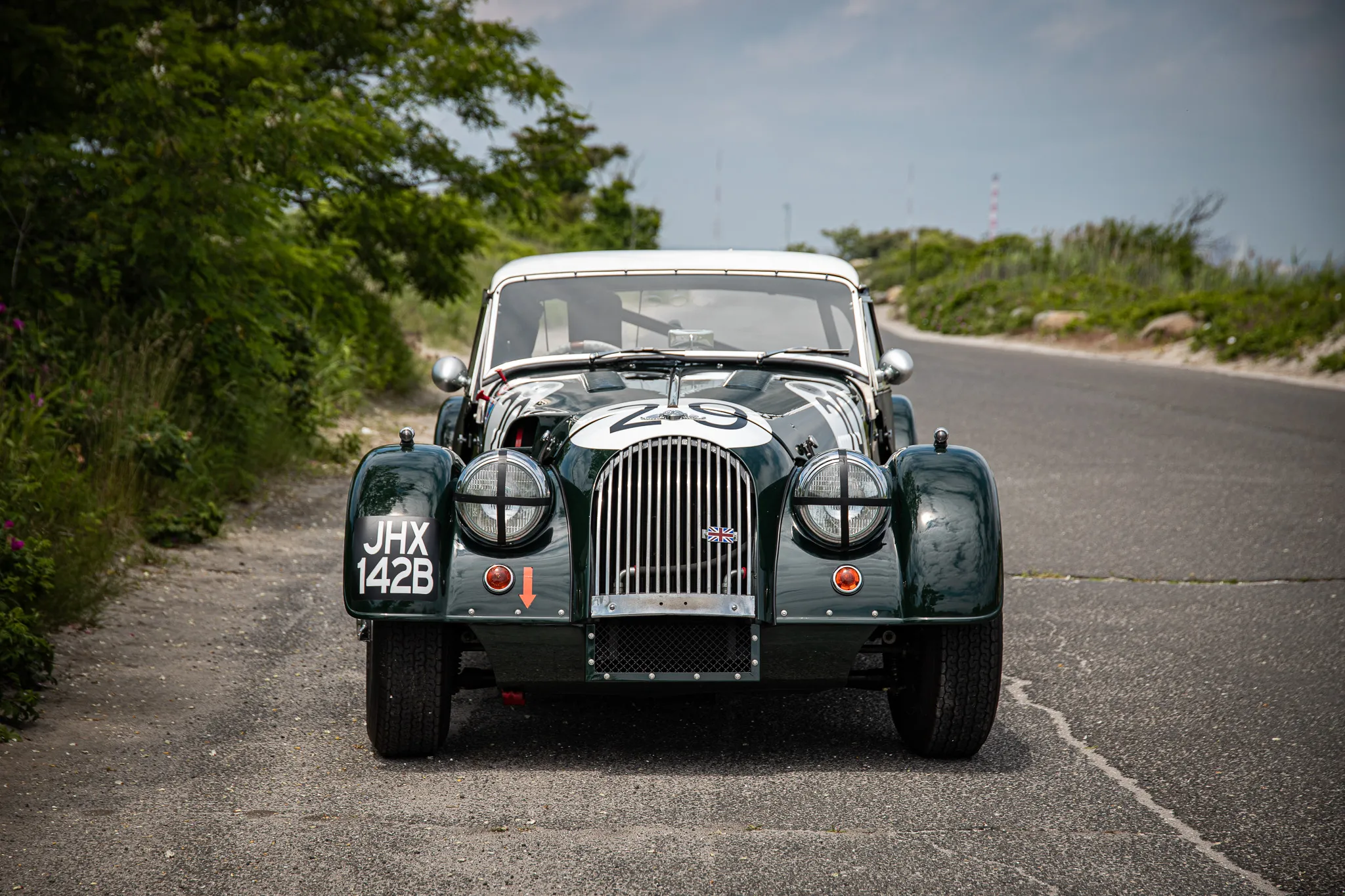
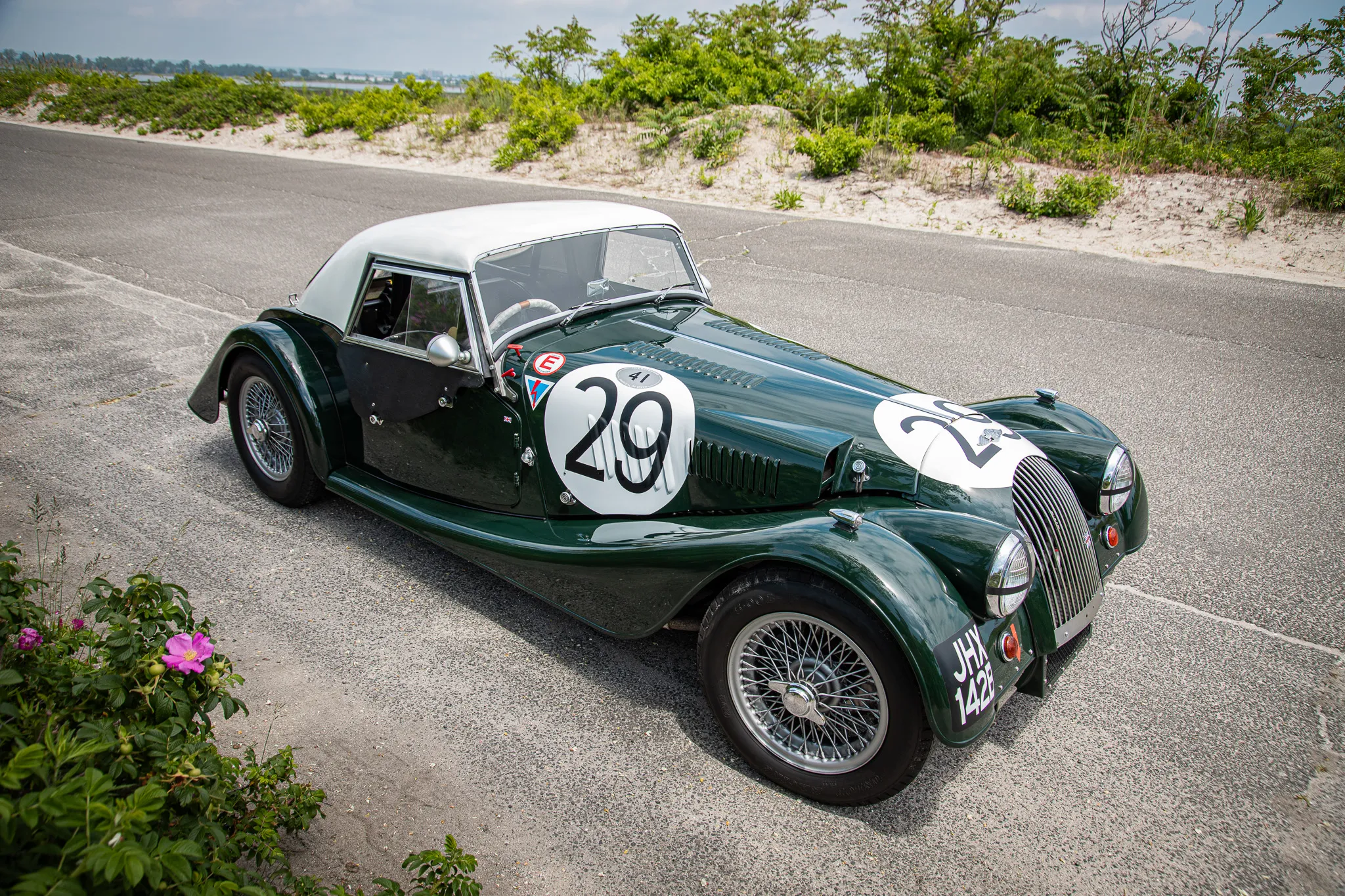
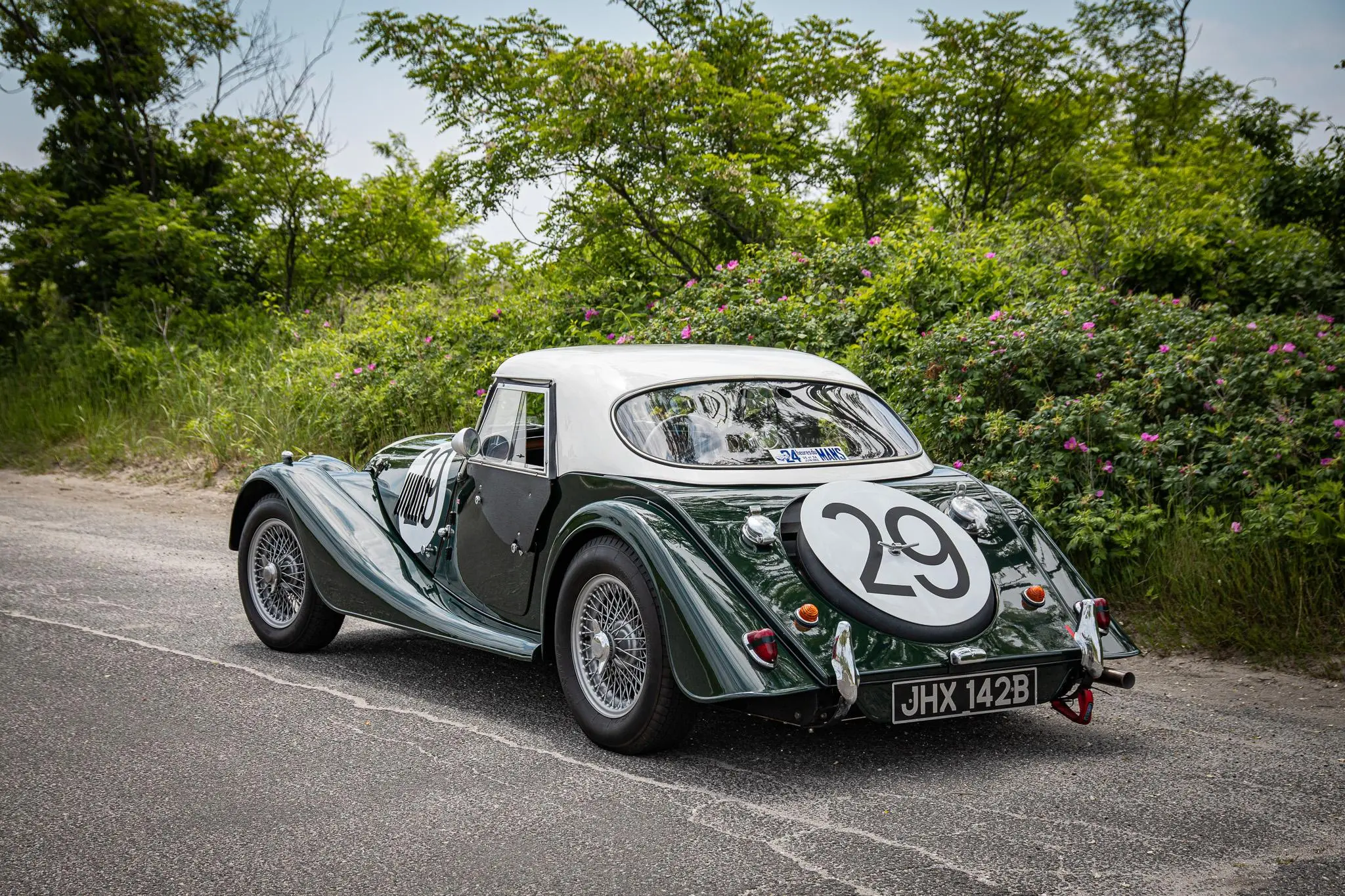
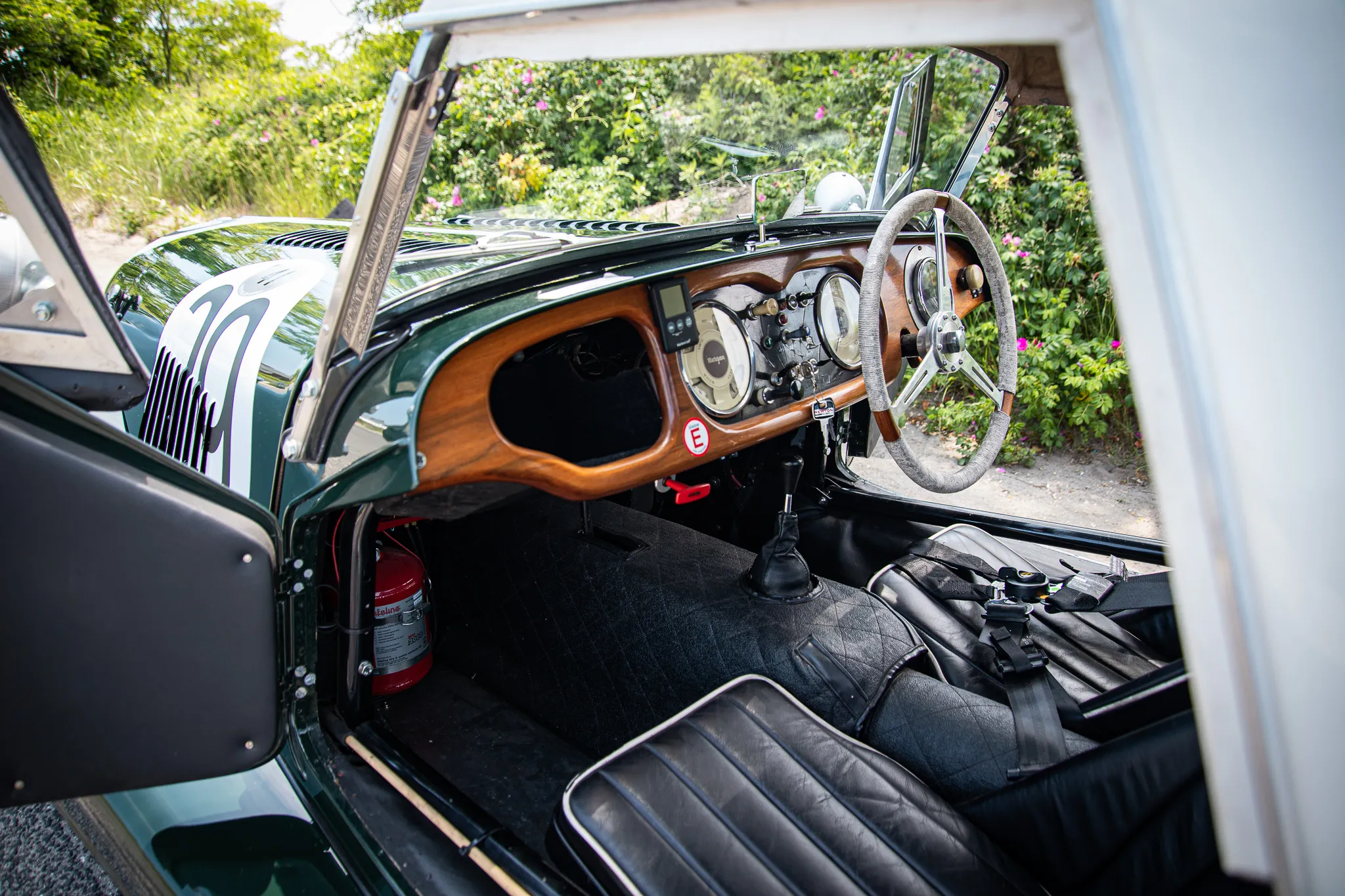
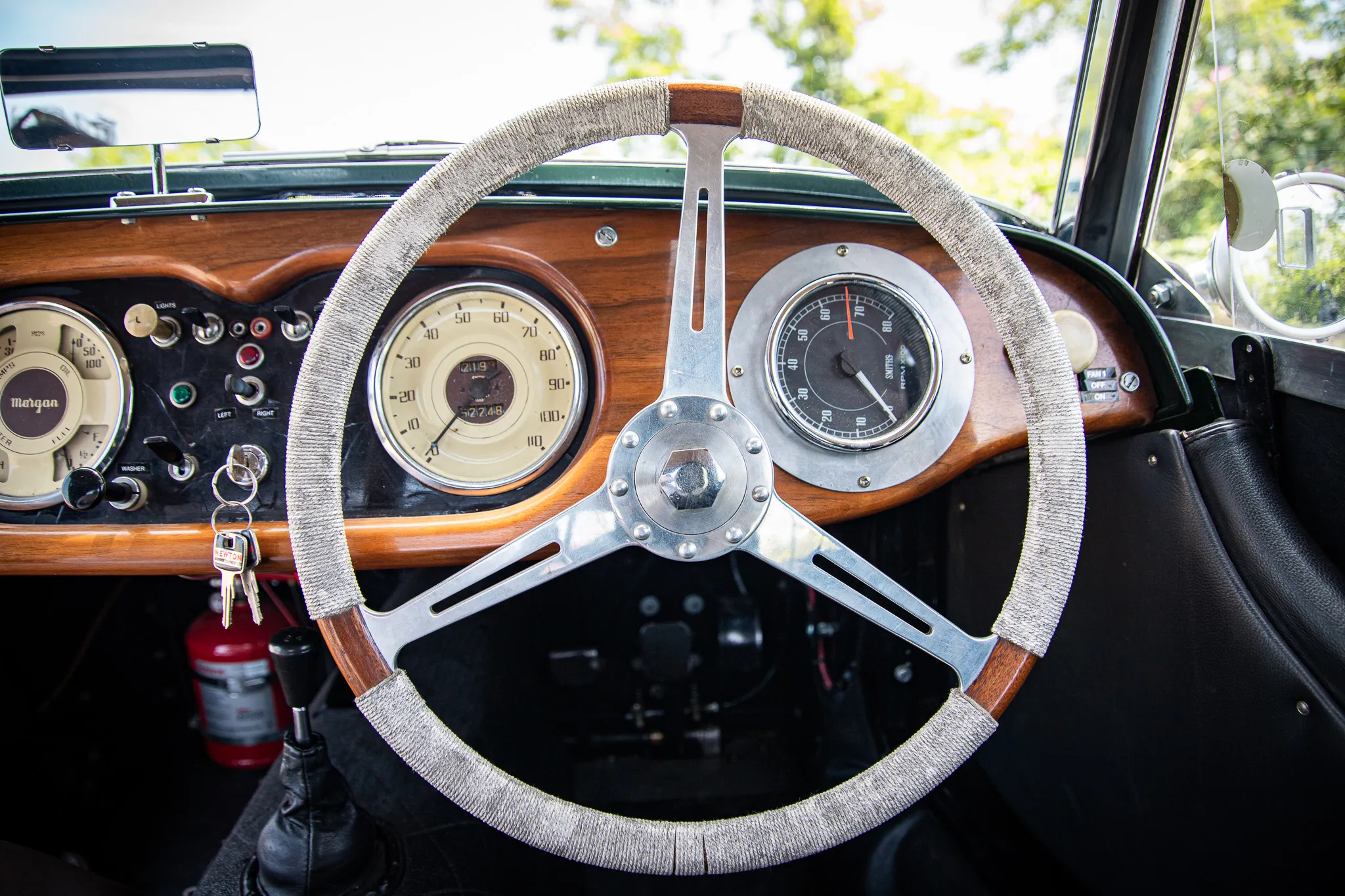
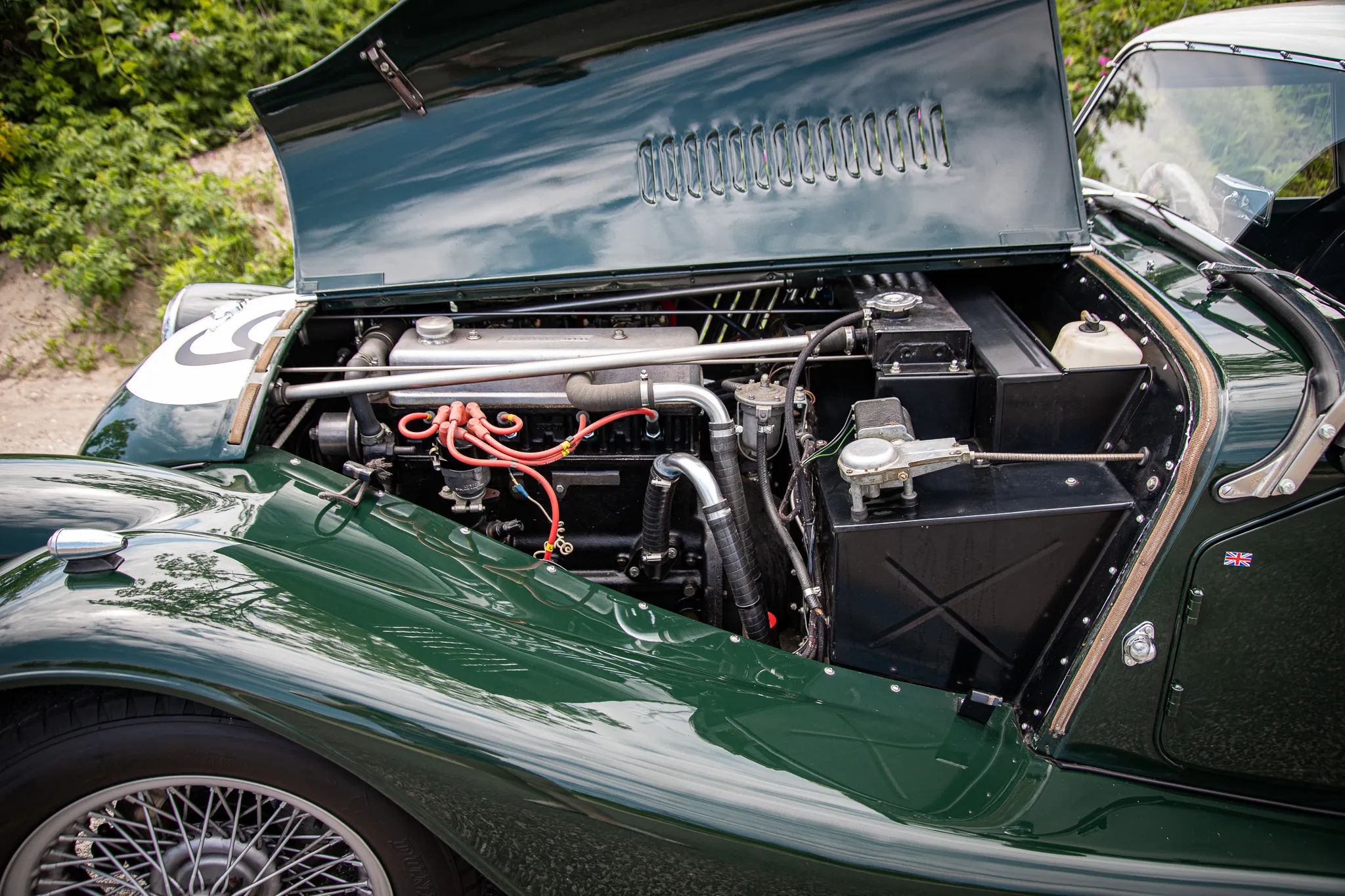
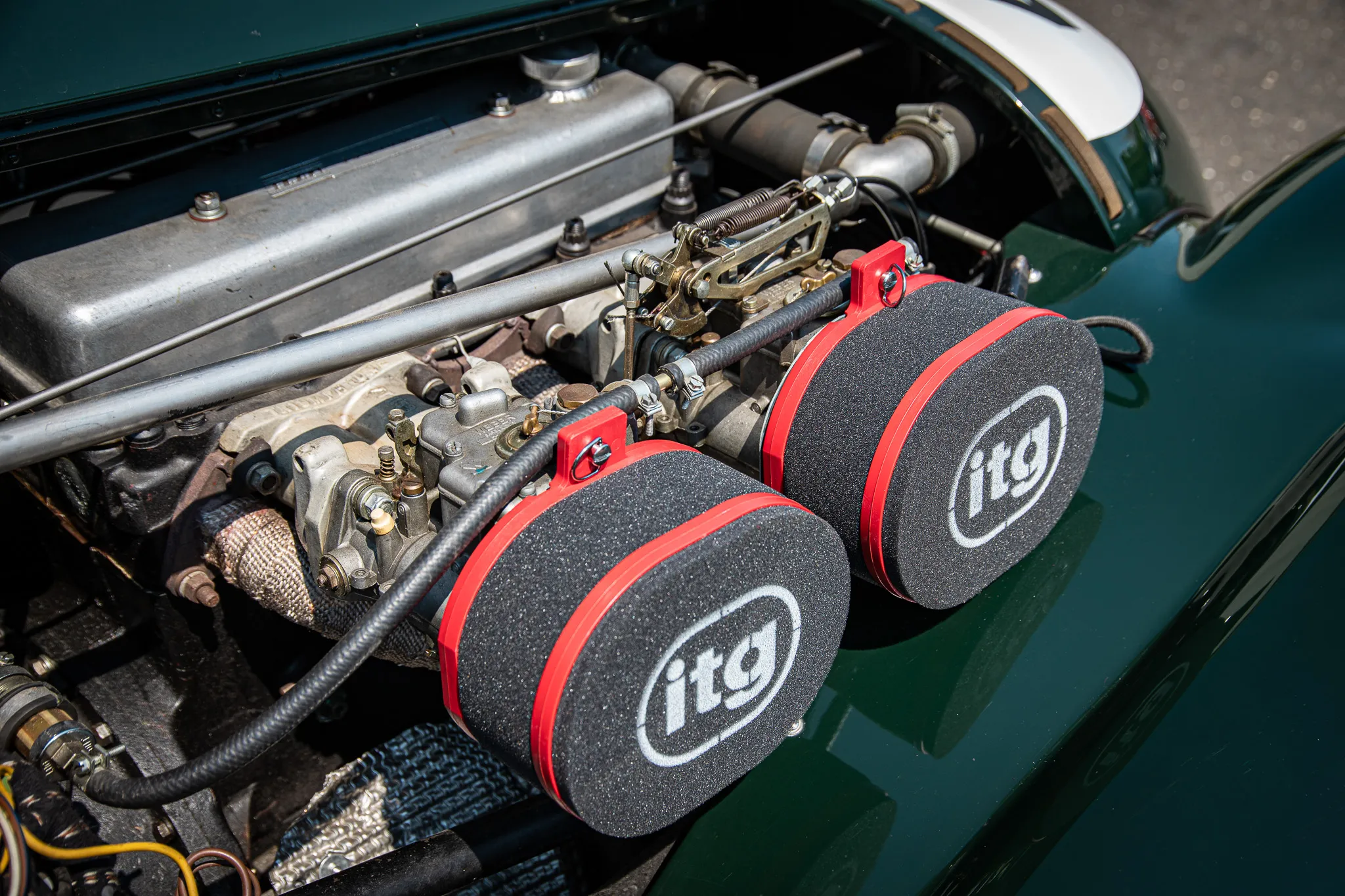
To walk around a genuine Plus 4 Super Sports is to admire a masterclass in purposeful, analogue engineering. While it retained the classic Z-section steel ladder frame and the traditional English ash wood skeleton, the Super Sports was cloaked in featherweight aluminium body panels, significantly reducing its curb weight to just over 1,800 pounds. The most iconic visual identifier of this submodel is the distinctive, asymmetrical scoop grafted onto the right side of the louvered bonnet. This blister was not a mere styling exercise; it was a physical necessity to clear the colossal twin Weber 42 DCOE carburettors. Beneath that scooped bonnet lay the heart of the beast: a LawrenceTune-fettled 2,138cc Triumph TR4 engine. Fitted with a high-lift camshaft, a fully balanced bottom end, an oil cooler, and a specialized four-branch exhaust manifold, this four-cylinder jewel produced an incredibly tractable 115 to 125 brake horsepower. Mated to a heavy, deliberate four-speed Moss gearbox—which famously required a masterful double-declutch to navigate its non-synchromesh first gear—the Super Sports could sprint to 100 km/h (60 mph) in under eight seconds and confidently eclipse 185 km/h (115 mph). The chassis relied on H.F.S. Morgan’s patented 1909 sliding-pillar independent front suspension and a live rear axle on leaf springs. To arrest this newfound speed, Girling disc brakes were fitted as standard to the front wheels, while finned Alfin drums managed the rear. Inside, the cockpit was intimately focused. Gone were the plush touring seats, replaced by lightweight, figure-hugging bucket seats. The driver gripped a beautiful wood-rimmed Derrington steering wheel, staring down an austere dashboard that provided only the most vital Smiths instrumentation.
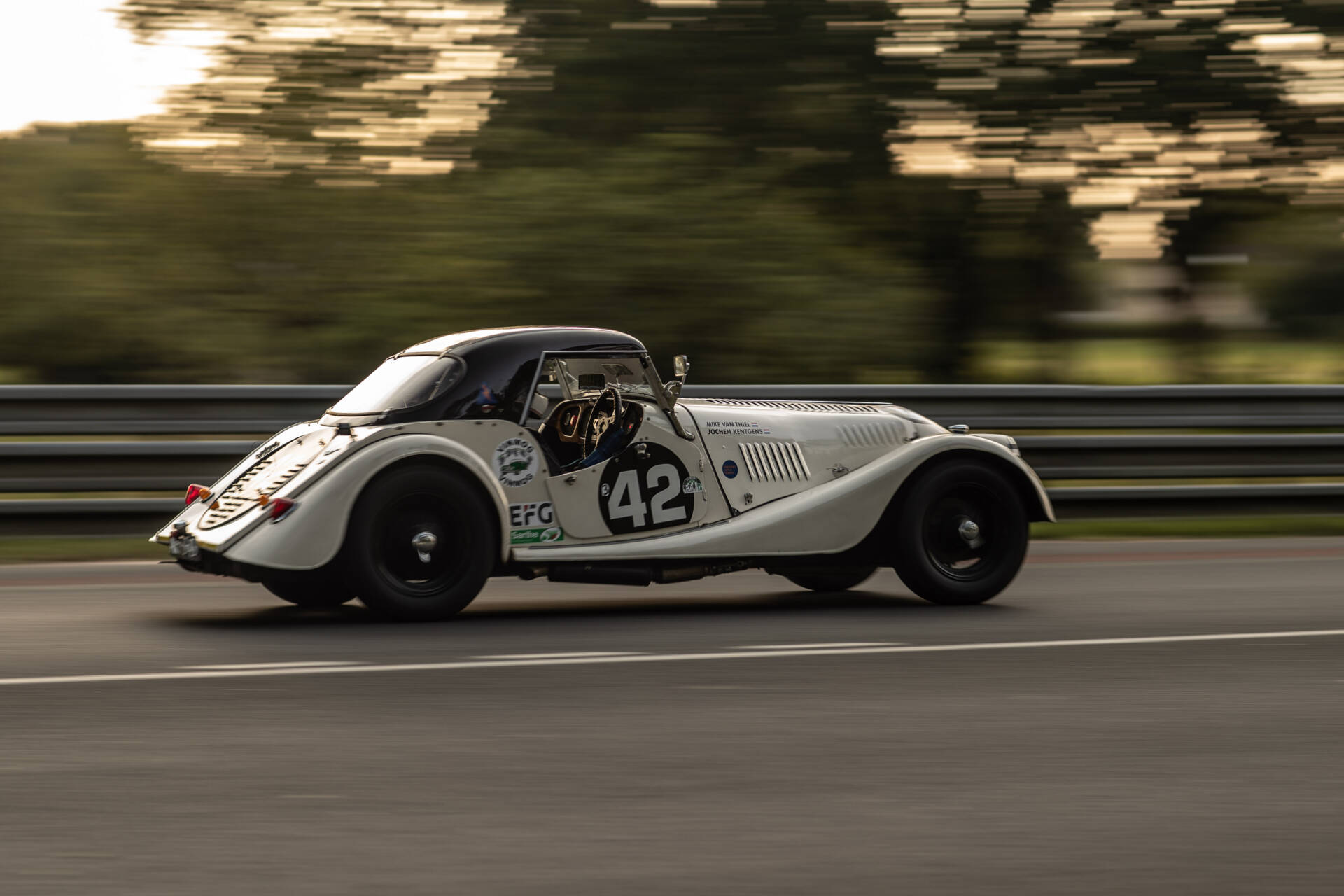
The competitive history of the Super Sports is nothing short of mythological, forever defining the “giant-killer” ethos of the Malvern marque. Its absolute zenith occurred at the 1962 24 Hours of Le Mans. Christopher Lawrence and his co-driver Richard Shepherd-Barron entered a highly specialized, LawrenceTune-prepared Plus 4 Super Sports—famously registered as TOK 258. Despite scepticism from the French organizers and even cautious hesitation from Peter Morgan himself, the ash-framed roadster survived the gruelling 24-hour marathon with relentless, unburstable rhythm. It not only finished the race but astonishingly won the 2.0-liter GT class, leaving a wake of broken, vastly more expensive European exotica behind it. This victory sent shockwaves through the motoring world and ignited a fervent demand for the factory Super Sports replicas. Across the Atlantic, the car was equally devastating. In the fiercely competitive Sports Car Club of America (SCCA) production classes, racers like Lew Spencer, famously piloting his “Baby Doll” Morgans, utilized the Super Sports’ massive torque and tail-sliding agility to completely dominate the American airfield circuits, cementing the car’s legendary status in the vital US export market.
The legacy of the 1962 Morgan Plus 4 Super Sports occupies the highest, most revered echelon of the brand’s history. With an estimated production run of just over 100 units between 1961 and 1968, it remains one of the most exclusive and fiercely coveted models ever to leave Pickersleigh Road. It represents the absolute pinnacle of the traditional four-cylinder Morgan before the company transitioned to the Rover V8-powered Plus 8 in 1968. The Super Sports proved that a pre-war chassis, when paired with meticulous tuning and lightweight construction, could still conquer the world’s most punishing endurance races. Today, a genuine, Weber-breathing Super Sports is the ultimate blue-chip prize for Morgan purists, a frequent front-runner at the Goodwood Revival, and an immortal testament to the era when a driver could buy a race-winning sports car directly from the factory, drive it to the circuit, win the trophy, and drive it home.
Brand
Produced from
Portal
Vehicle category
Model line
Model generation
Predecessor
Sucessor
Brand
Produced from
Portal
Vehicle category
Model line
Model generation
Predecessor
Sucessor
Submodel Overview
To fully grasp the magic of the 1962 Morgan Plus 4 Super Sports, one must picture the international motorsport paddock of the early 1960s. European manufacturers were relentlessly pursuing aerodynamic efficiency, enclosing wheels and utilizing wind tunnels to eke out every last drop of top speed. In stark contrast, the Morgan Motor Company stood steadfastly by its pre-war silhouette. The standard Plus 4, powered by a robust Triumph TR engine, was a charming and capable sports car, but privateer racers yearned for something more venomous to combat the slippery Porsche 356 Carreras and the agile Alfa Romeo Giulietta Sprint Zagatos in the 2.0-liter GT class. Enter Christopher Lawrence, a brilliant tuner and racer who had been extracting staggering performance from the Triumph powerplants under his “LawrenceTune” banner. Recognizing the immense potential of Lawrence’s modifications, Peter Morgan made a remarkably pragmatic decision: he officially adopted these upgrades to homologate the car for international FIA competition. The resulting Plus 4 Super Sports—widely known simply as the Super Sports or “SS”—was the apotheosis of the traditional Morgan roadster. It was a stripped-back, highly strung, aluminium-bodied homologation special that unapologetically married 1930s coachbuilding with ferocious 1960s racing performance.
To walk around a genuine Plus 4 Super Sports is to admire a masterclass in purposeful, analogue engineering. While it retained the classic Z-section steel ladder frame and the traditional English ash wood skeleton, the Super Sports was cloaked in featherweight aluminium body panels, significantly reducing its curb weight to just over 1,800 pounds. The most iconic visual identifier of this submodel is the distinctive, asymmetrical scoop grafted onto the right side of the louvered bonnet. This blister was not a mere styling exercise; it was a physical necessity to clear the colossal twin Weber 42 DCOE carburettors. Beneath that scooped bonnet lay the heart of the beast: a LawrenceTune-fettled 2,138cc Triumph TR4 engine. Fitted with a high-lift camshaft, a fully balanced bottom end, an oil cooler, and a specialized four-branch exhaust manifold, this four-cylinder jewel produced an incredibly tractable 115 to 125 brake horsepower. Mated to a heavy, deliberate four-speed Moss gearbox—which famously required a masterful double-declutch to navigate its non-synchromesh first gear—the Super Sports could sprint to 100 km/h (60 mph) in under eight seconds and confidently eclipse 185 km/h (115 mph). The chassis relied on H.F.S. Morgan’s patented 1909 sliding-pillar independent front suspension and a live rear axle on leaf springs. To arrest this newfound speed, Girling disc brakes were fitted as standard to the front wheels, while finned Alfin drums managed the rear. Inside, the cockpit was intimately focused. Gone were the plush touring seats, replaced by lightweight, figure-hugging bucket seats. The driver gripped a beautiful wood-rimmed Derrington steering wheel, staring down an austere dashboard that provided only the most vital Smiths instrumentation.
The competitive history of the Super Sports is nothing short of mythological, forever defining the “giant-killer” ethos of the Malvern marque. Its absolute zenith occurred at the 1962 24 Hours of Le Mans. Christopher Lawrence and his co-driver Richard Shepherd-Barron entered a highly specialized, LawrenceTune-prepared Plus 4 Super Sports—famously registered as TOK 258. Despite scepticism from the French organizers and even cautious hesitation from Peter Morgan himself, the ash-framed roadster survived the gruelling 24-hour marathon with relentless, unburstable rhythm. It not only finished the race but astonishingly won the 2.0-liter GT class, leaving a wake of broken, vastly more expensive European exotica behind it. This victory sent shockwaves through the motoring world and ignited a fervent demand for the factory Super Sports replicas. Across the Atlantic, the car was equally devastating. In the fiercely competitive Sports Car Club of America (SCCA) production classes, racers like Lew Spencer, famously piloting his “Baby Doll” Morgans, utilized the Super Sports’ massive torque and tail-sliding agility to completely dominate the American airfield circuits, cementing the car’s legendary status in the vital US export market.
The legacy of the 1962 Morgan Plus 4 Super Sports occupies the highest, most revered echelon of the brand’s history. With an estimated production run of just over 100 units between 1961 and 1968, it remains one of the most exclusive and fiercely coveted models ever to leave Pickersleigh Road. It represents the absolute pinnacle of the traditional four-cylinder Morgan before the company transitioned to the Rover V8-powered Plus 8 in 1968. The Super Sports proved that a pre-war chassis, when paired with meticulous tuning and lightweight construction, could still conquer the world’s most punishing endurance races. Today, a genuine, Weber-breathing Super Sports is the ultimate blue-chip prize for Morgan purists, a frequent front-runner at the Goodwood Revival, and an immortal testament to the era when a driver could buy a race-winning sports car directly from the factory, drive it to the circuit, win the trophy, and drive it home.
Tech Specs
Technical Specifications
Tech Specs
Technical Specifications
Engine
01
03
Internal combustion engine
Configuration
Triumph TR4 (LawrenceTune specification), Inline-4
Location
Front, longitudinally mounted
Construction
Cast iron block and head
Displacement (cc)
2,138 cc
Displacement (cu in)
130.5 cu in
Compression
9.5:1
Bore x Stroke
86.0 mm x 92.0 mm
Valvetrain
2 valves per cylinder, OHV (Pushrod)
Fuel feed
2 x Weber 42 DCOE carburetors
Lubrication
Wet sump
Aspiration
Naturally aspirated
Output
Power (hp)
125 hp
Power (kW)
93 kW
Max power at
5,500 RPM
Torque (Nm)
169 Nm
Torque (ft lbs)
125 ft lbs
Max torque at
4,000 RPM
Drivetrain
02
03
Chassis
Type
Z-section steel ladder frame with ash wood body subframe
Material
Steel and Ash Wood
Body
Material
Aluminium
Transmission
Gearbox
Moss 4-speed manual
Drive
Rear Wheel Drive (Limited Slip Differential available for racing)
Suspension
Front
Independent, Morgan sliding pillar, coil springs, telescopic dampers
Rear
Live axle, semi-elliptic leaf springs, lever-arm dampers
Steering
Type
Cam and peg, unassisted
Brakes
Front
Solid discs Ø279 mm (11 in), Girling calipers
Rear
Drum brakes Ø229 mm (9 in), Girling
Wheels
Front
4.5" x 15"
Rear
4.5" x 15"
Tires
Front
5.60-15
Rear
5.60-15
Dimensions and performance
03
03
Dimensions
Length (mm)
3,658 mm
Length (in)
144.0 in
Width (mm)
1,422 mm
Width (in)
56.0 in
Height (mm)
~1,321 mm
Height (in)
~52.0 in
Wheelbase (mm)
2,438 mm
Wheelbase (in)
96.0 in
Weight (kg)
~830 kg
Weight (lbs)
~1,830 lbs
Performance
Power to weight
~0.15 hp/kg
Top speed (km/h)
~190 km/h
Top speed (mph)
~118 mph
0-100 km/h (0-60 mph)
~7.4 s