Mini (Classic)
Brand
Produced from
Vehicle category
Portal
Model line
Model generation
Predecessor
Sucessor
Model Overview
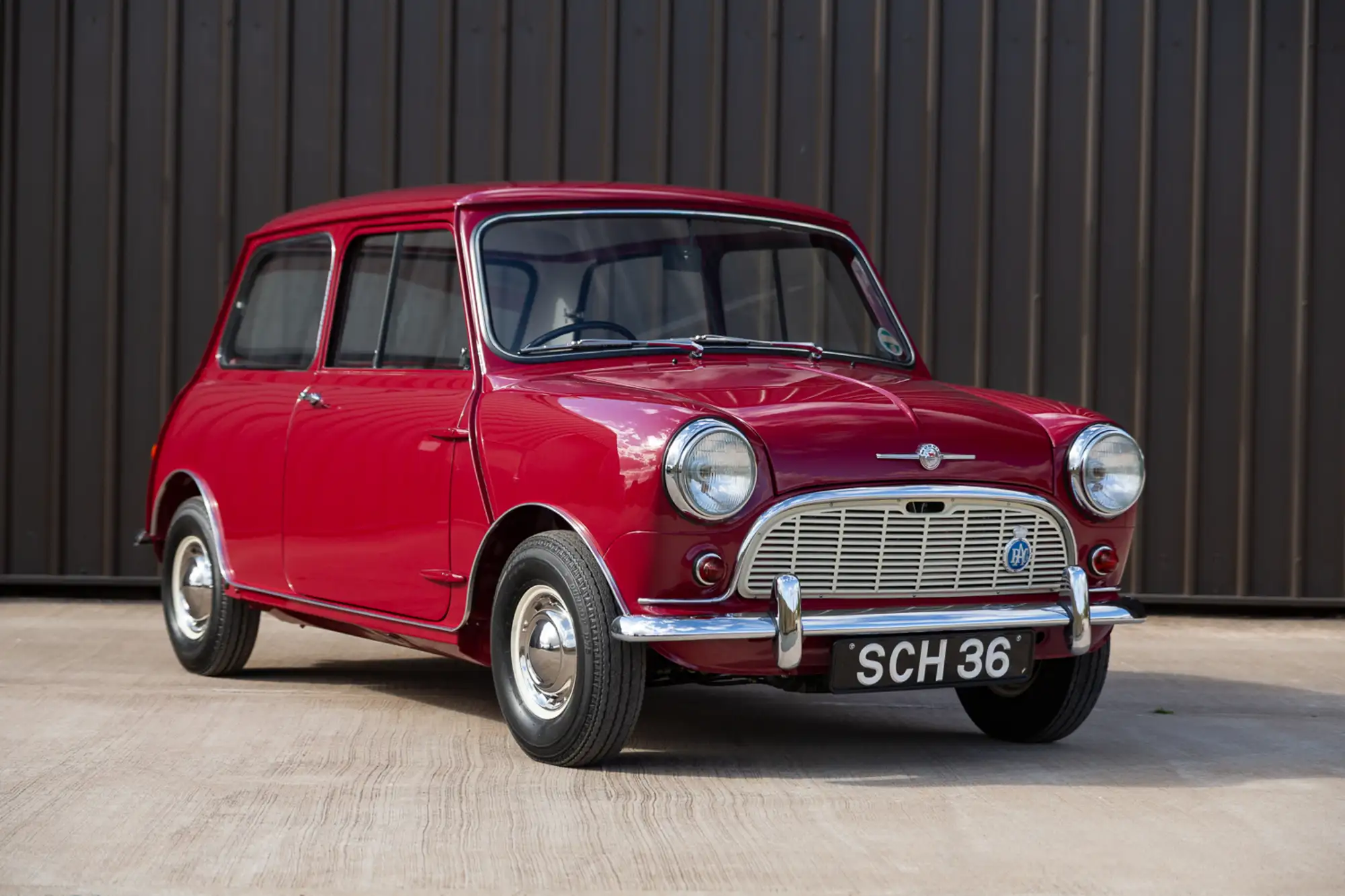
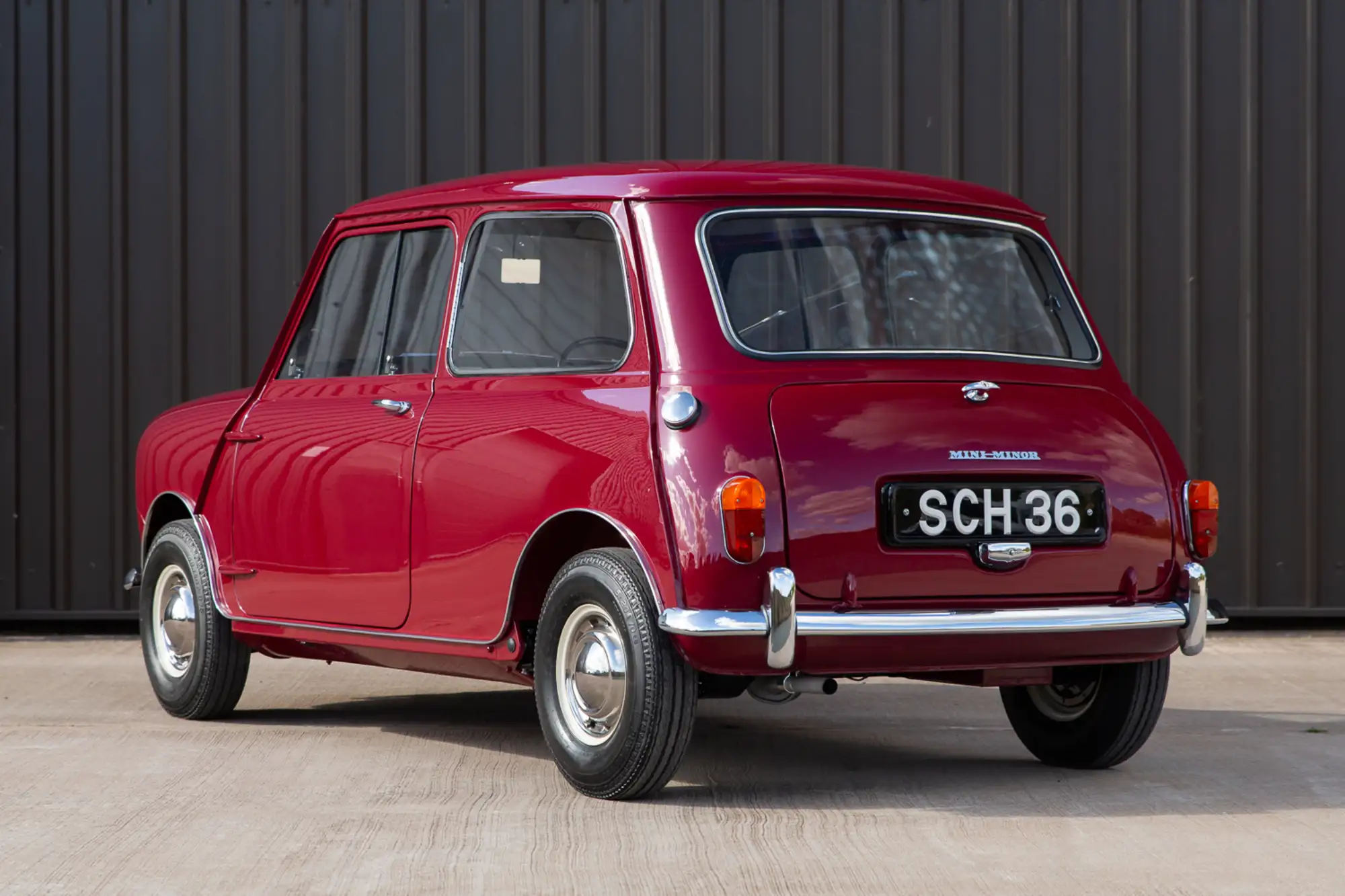
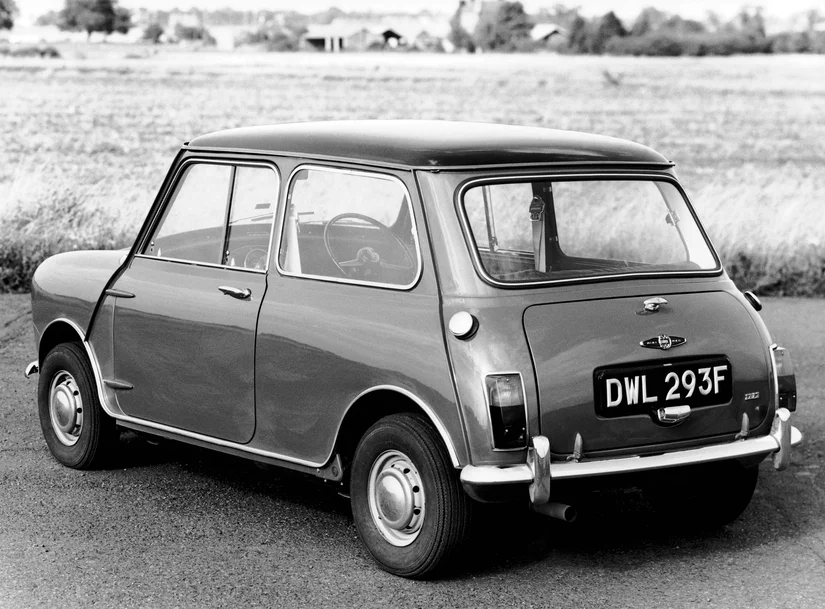
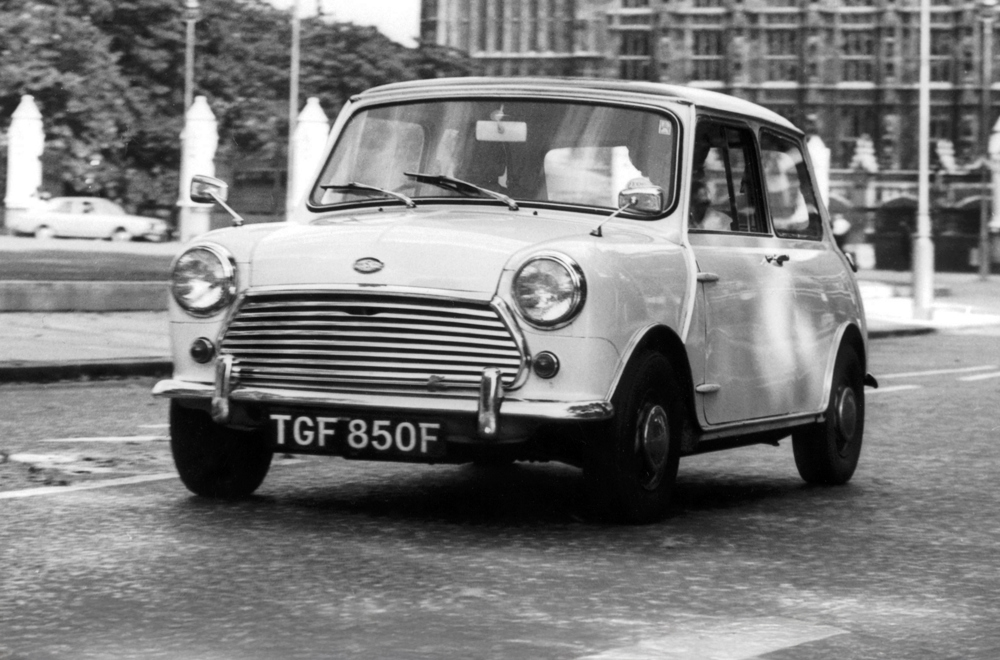
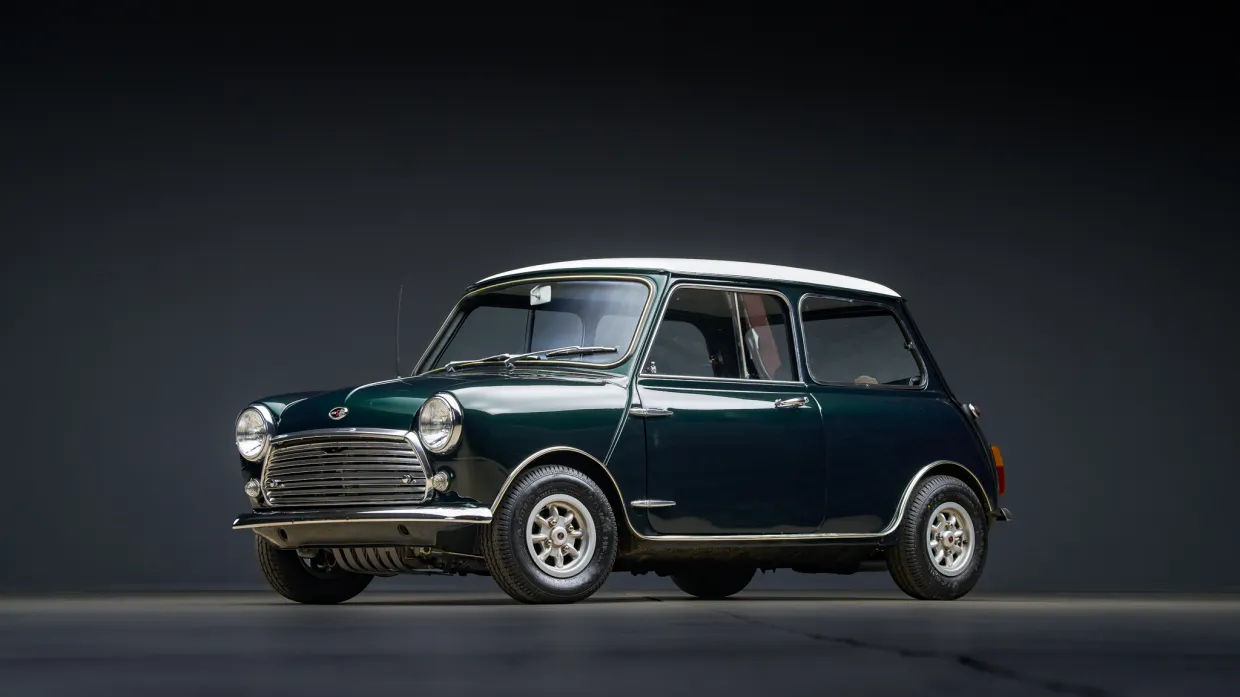
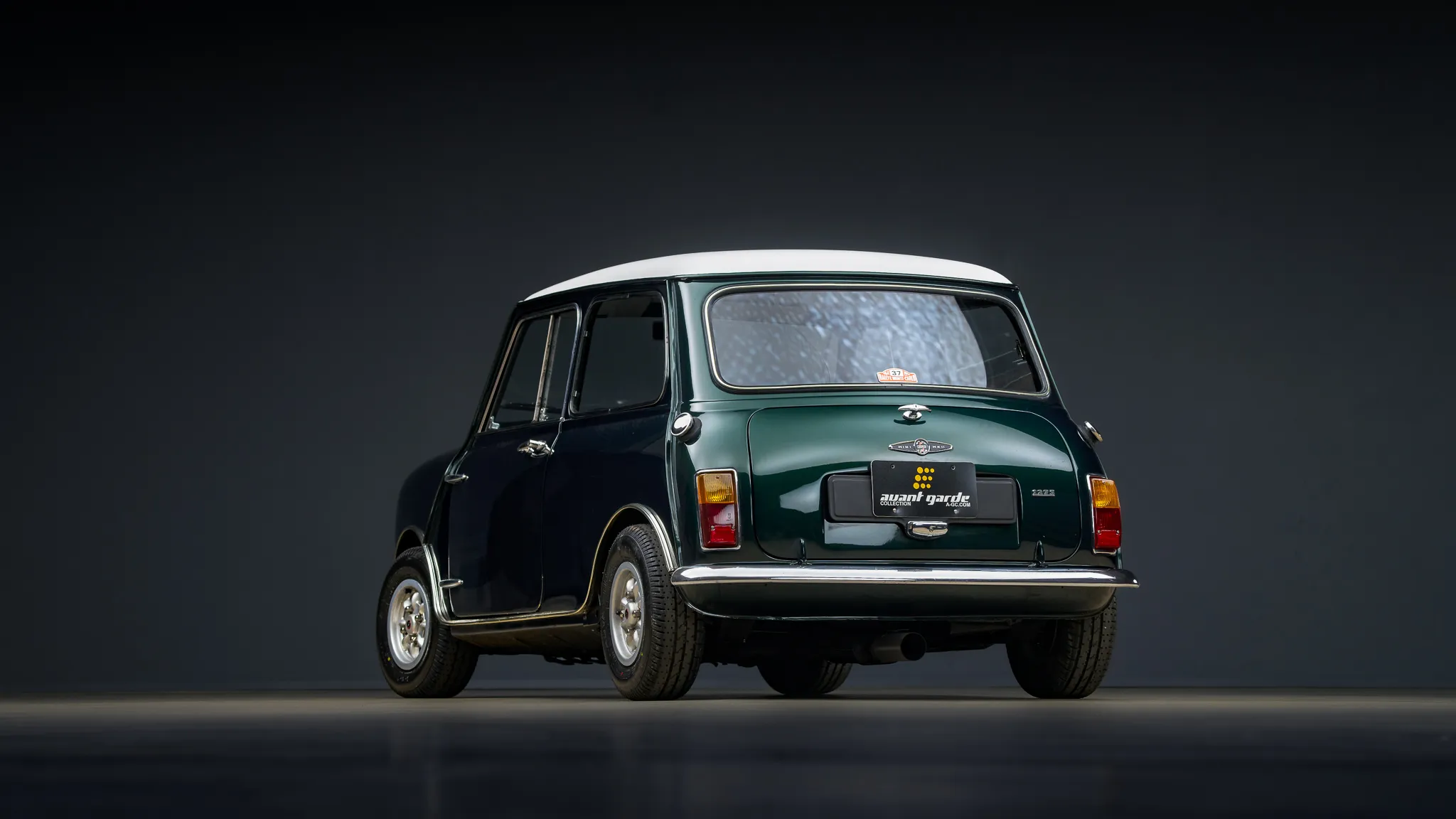
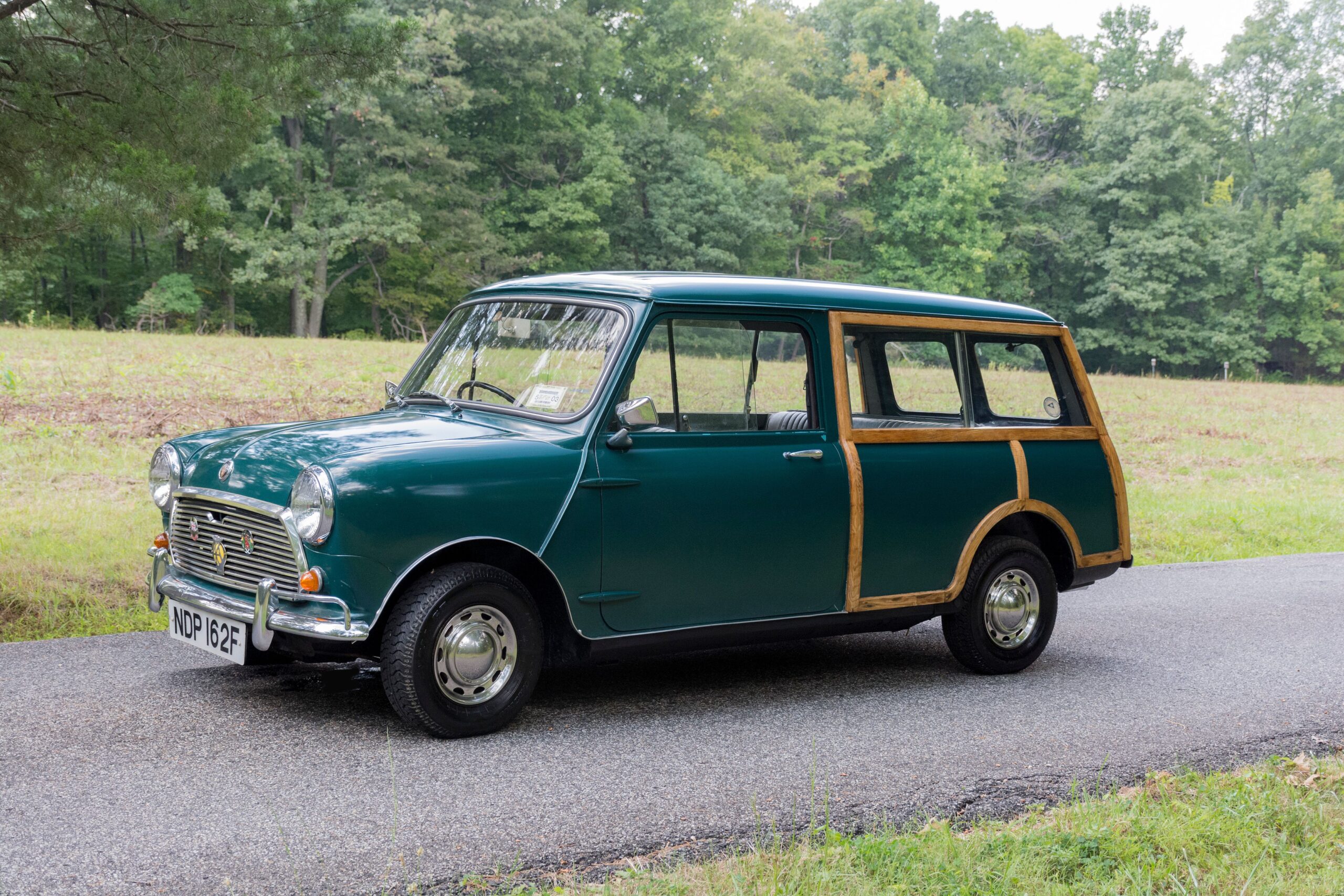
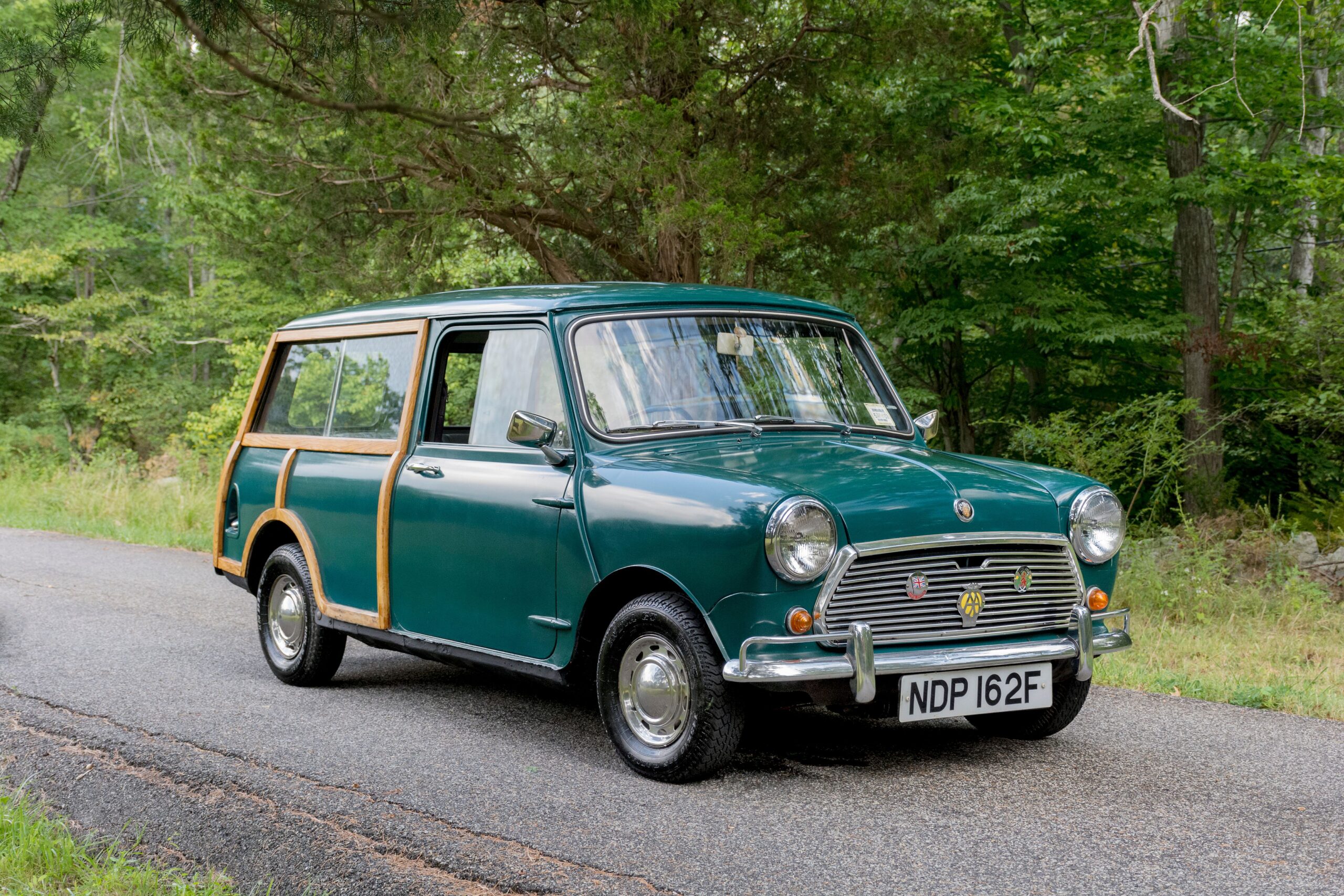
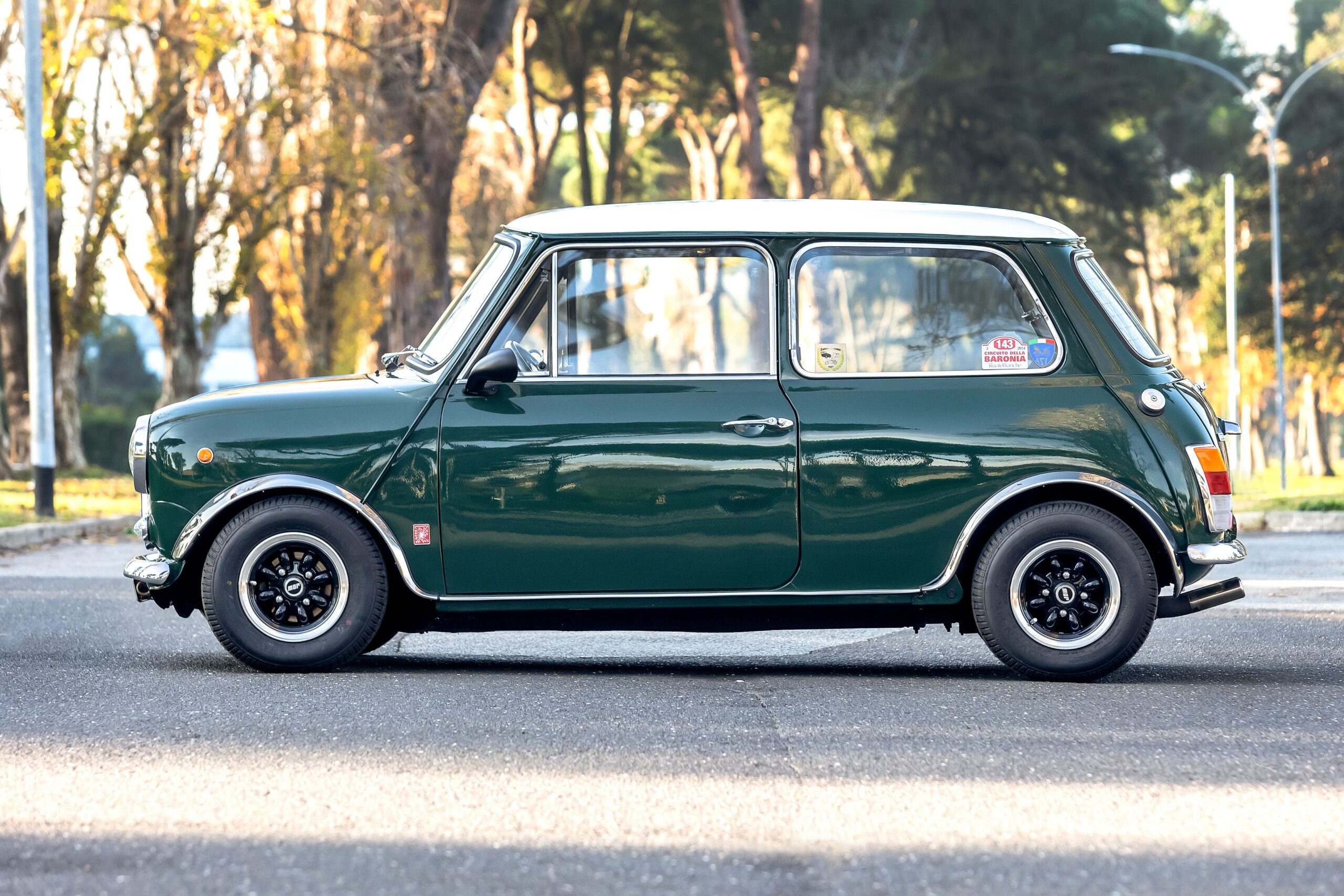
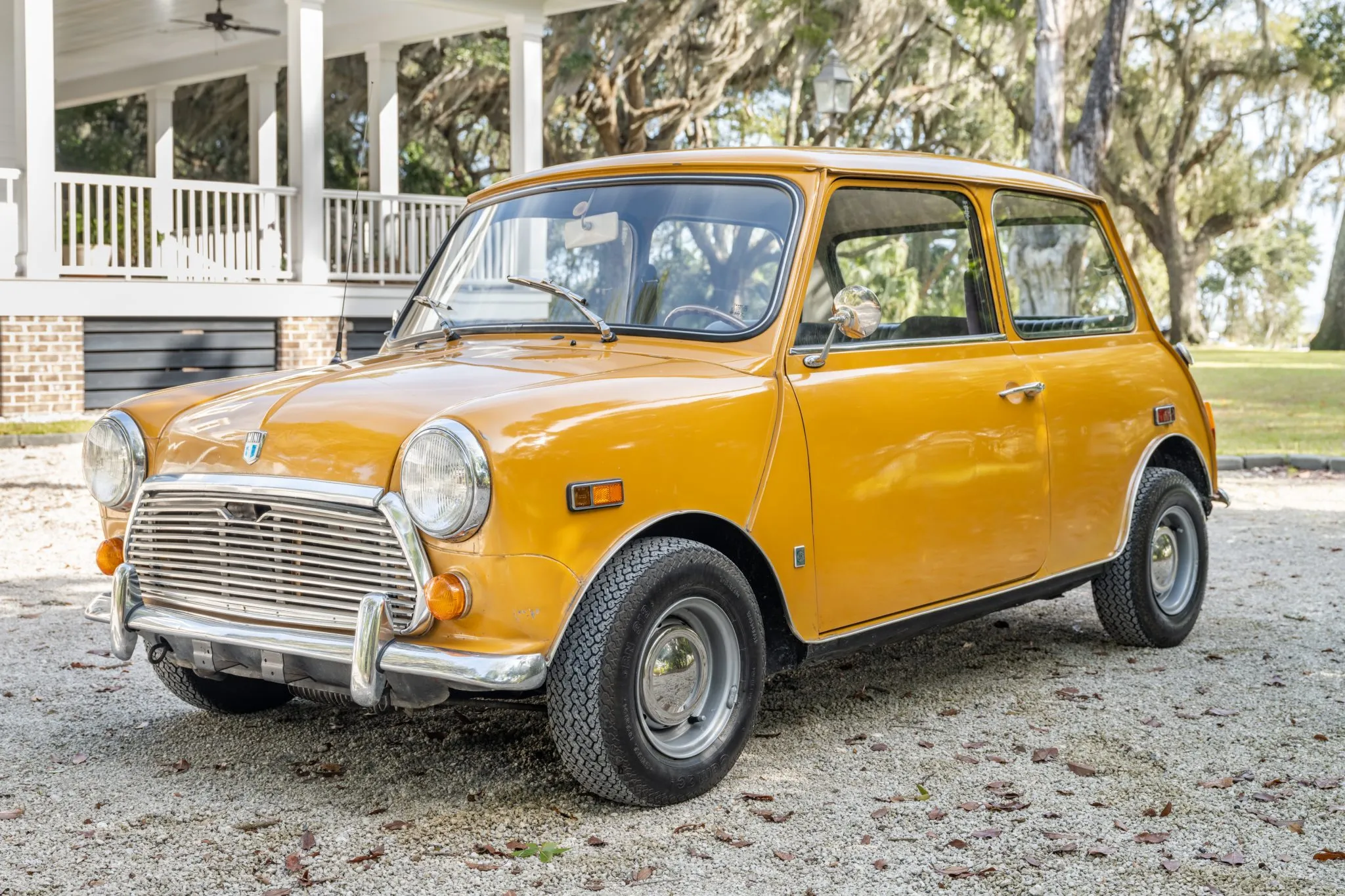
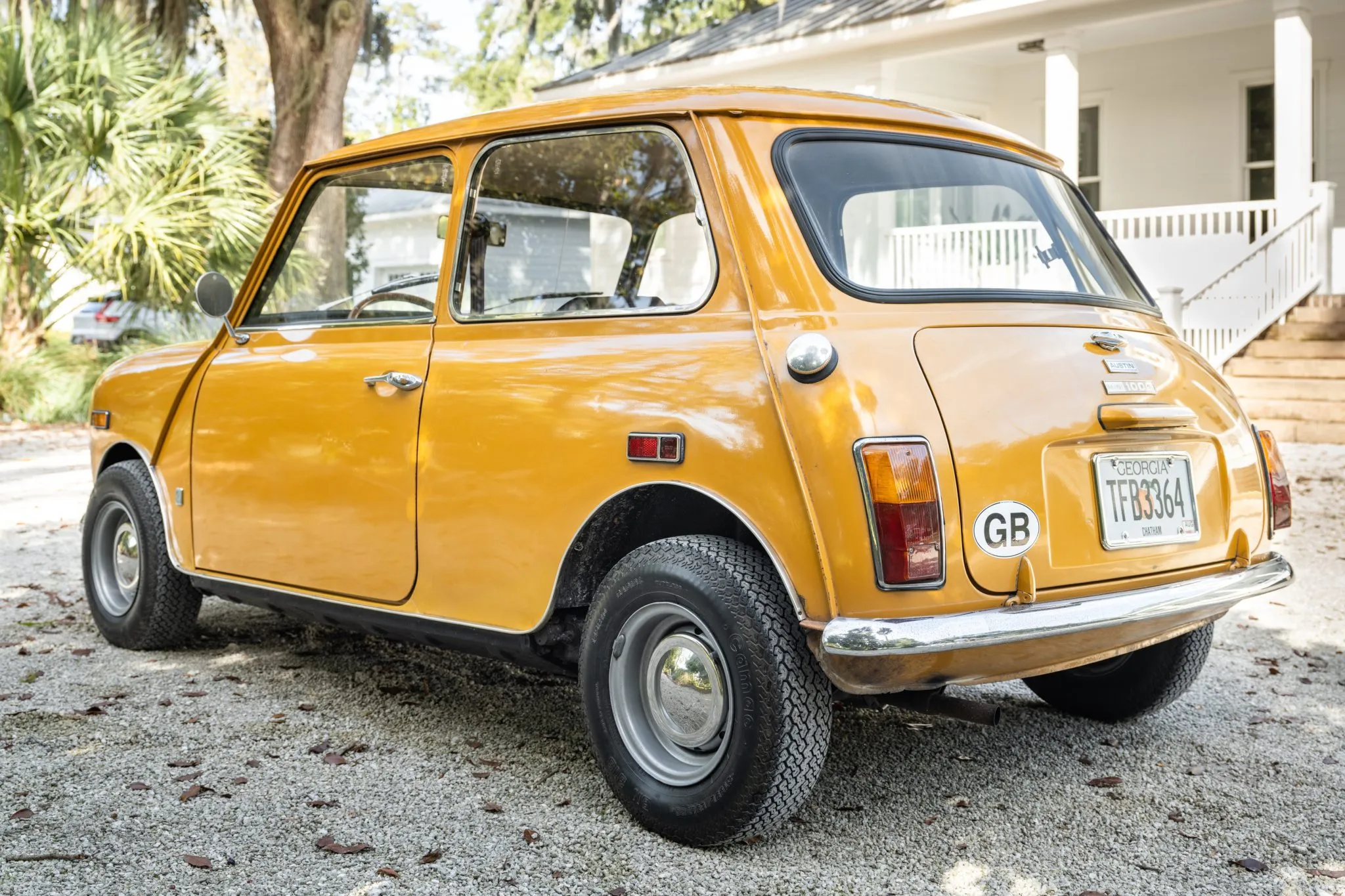
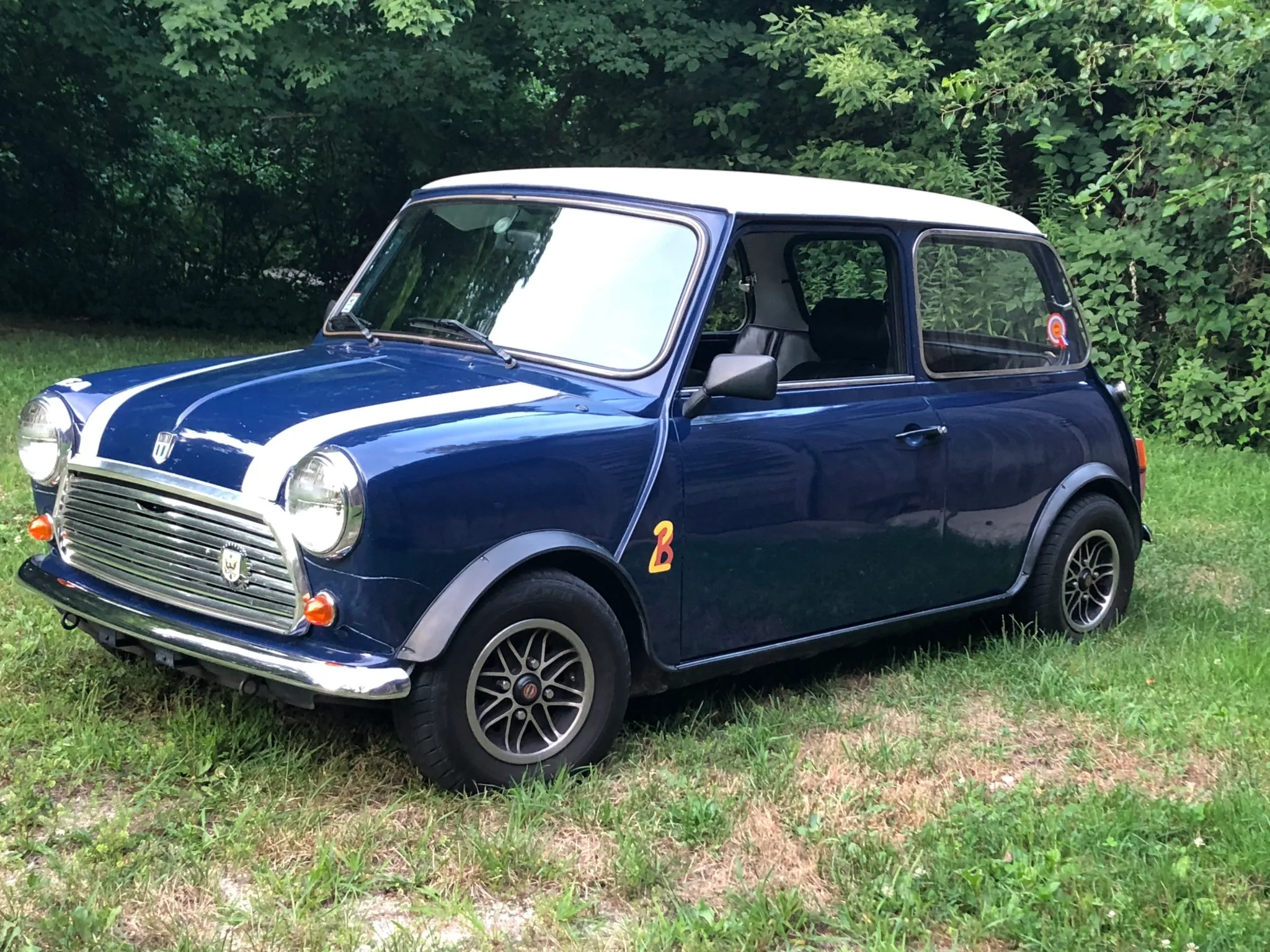
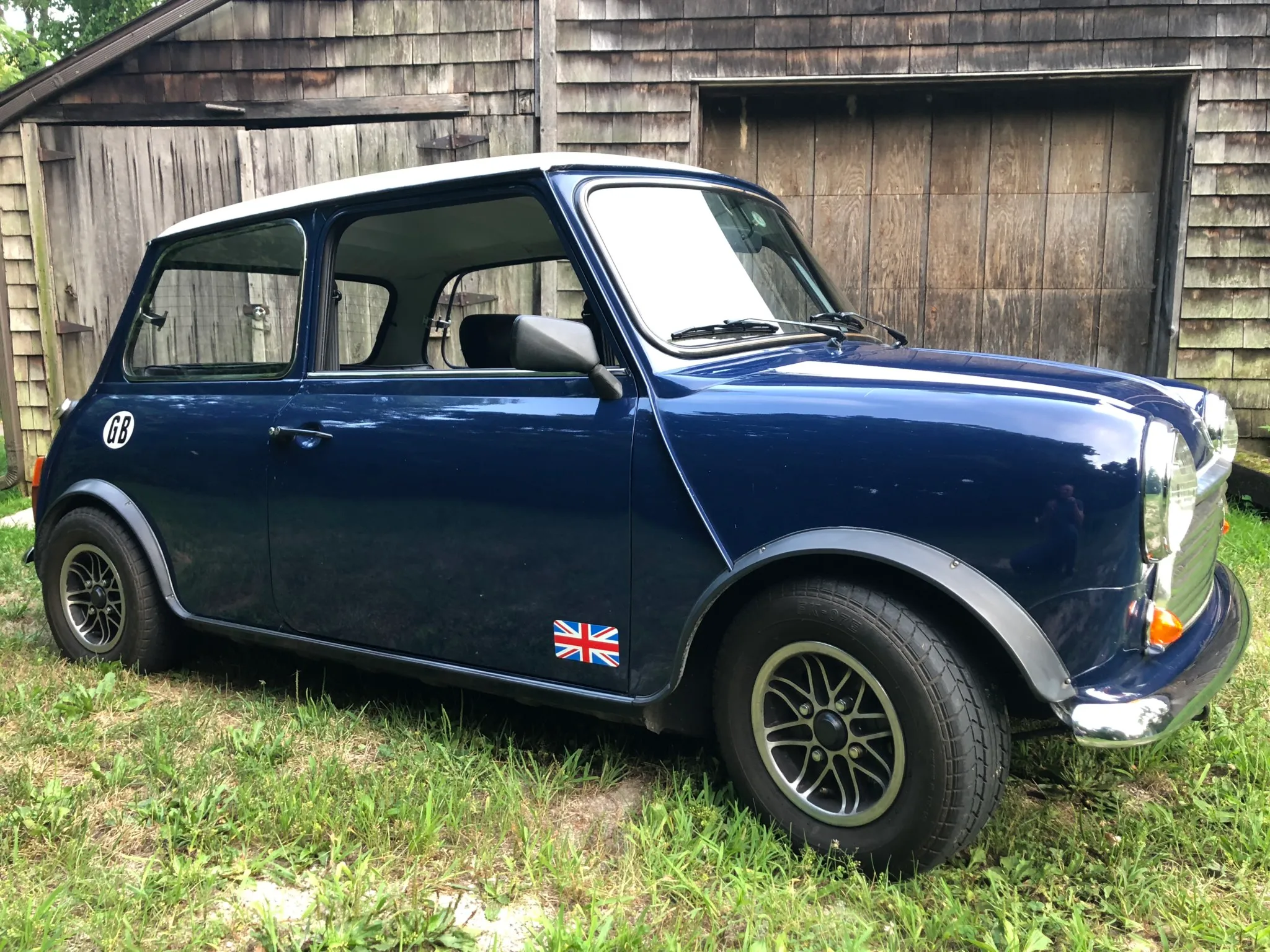
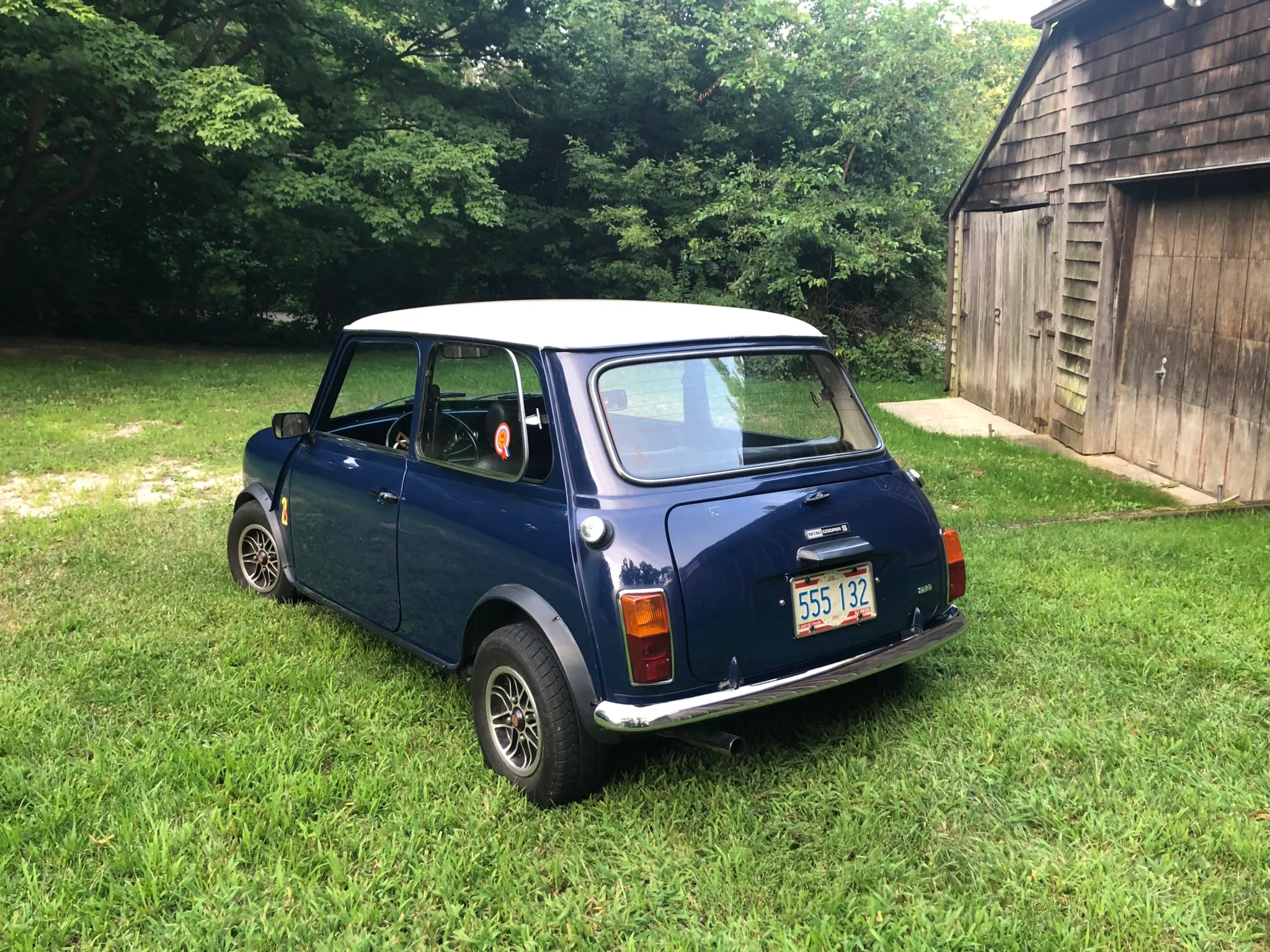
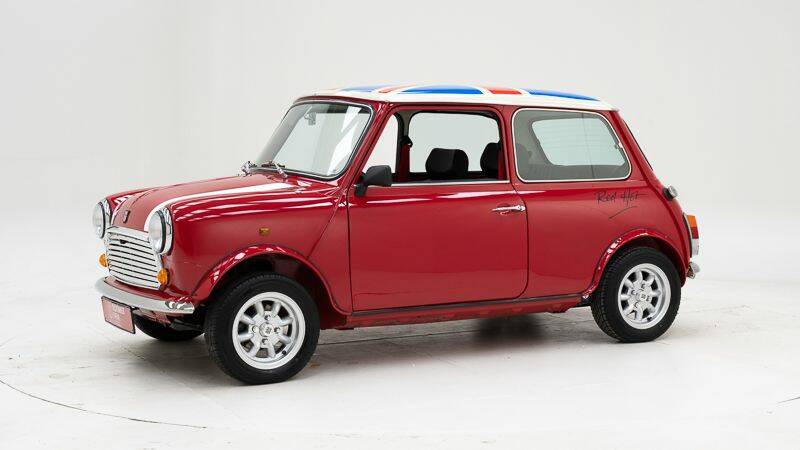
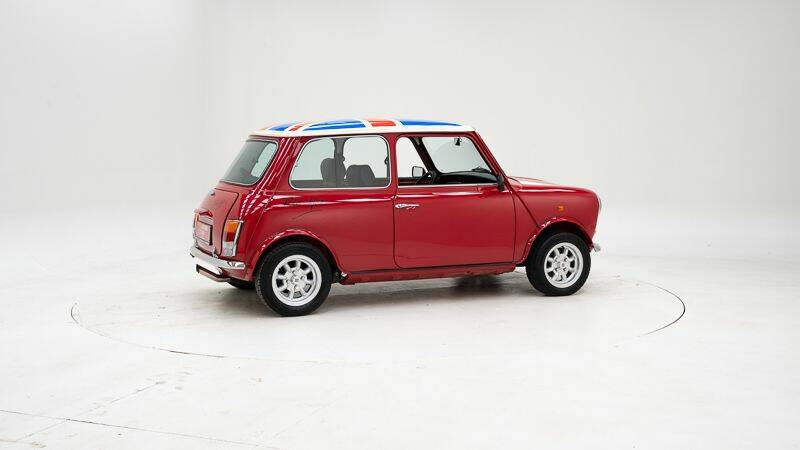
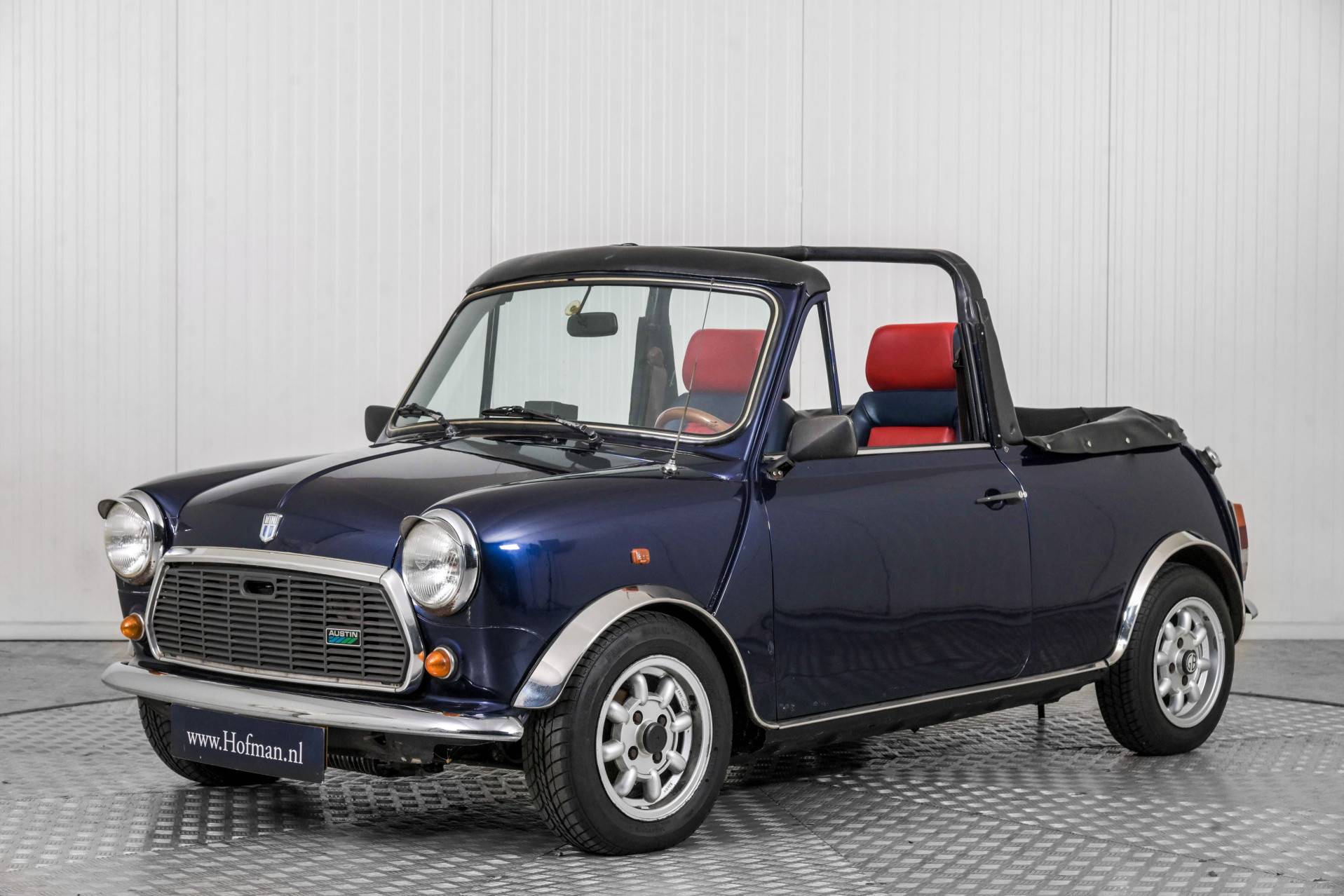
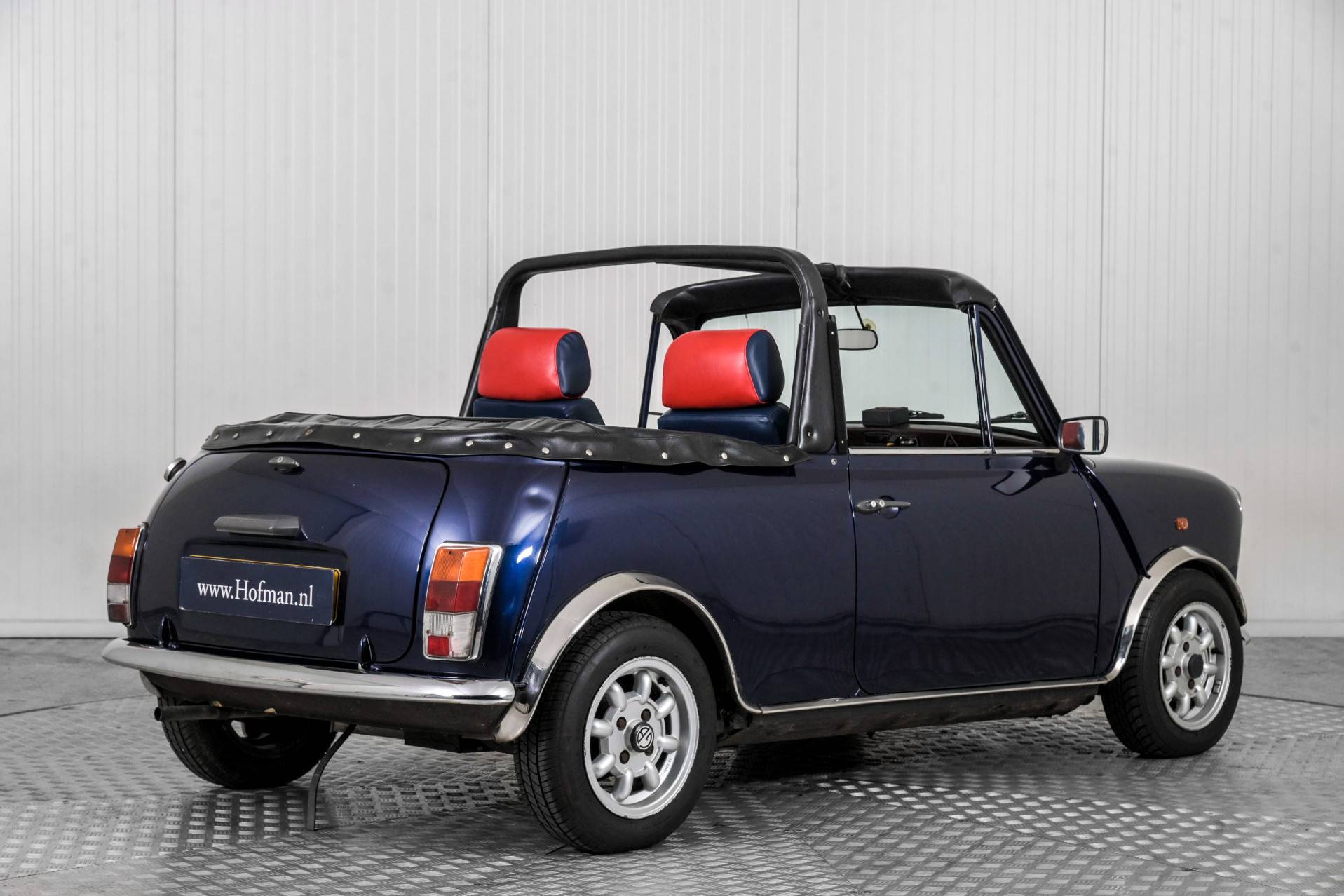
The year is 1956. The Suez Crisis has gripped Britain, plunging the nation into severe fuel rationing and an uneasy economic gloom. The smog-choked streets of London are suddenly being invaded by curious, noisy German microcars—bubble cars like the Messerschmitt and the BMW Isetta. Leonard Lord, the notoriously abrasive head of the British Motor Corporation (BMC), despises them. In a fit of patriotic rage, he summons a brilliant, chain-smoking engineer named Alec Issigonis and issues a simple, uncompromising mandate: build a proper, four-seat miniature car to drive these alien bubbles off British roads. What emerged from this ultimatum in 1959 was the ADO15 project, a vehicle that transcended its initial badges—whether it was sold as an Austin Seven, a Morris Mini-Minor, the luxurious Riley Elf, the Wolseley Hornet, and eventually just Rover or Mini. It wasn’t merely a new car; it was a fundamental reinvention of the automobile. While formidable rivals like the Volkswagen Beetle relied on a rear-mounted, air-cooled layout, and the Fiat 500 embraced a tiny two-cylinder rear-engine configuration, Issigonis ripped up the global rulebook. He created a front-wheel-drive blueprint that was so spectacularly right, it dictates how 90 percent of the world’s passenger cars are constructed today.
To examine the naked architecture of a 1959 Mini is to marvel at a miracle of spatial efficiency and mechanical heresy. Issigonis decreed that within a footprint just ten feet long, an astonishing 80 percent of the total volume must be devoted to the passengers and their luggage, leaving a mere 20 percent for the mechanicals. Achieving this required profound innovation. He took BMC’s proven, iron-block A-Series overhead-valve four-cylinder engine and turned it completely sideways, mounting it transversely across the nose. To save even more precious cabin space, he placed the four-speed gearbox directly beneath the engine, sharing the same oil sump—a controversial, slightly whiney, but undeniably effective packaging masterstroke. Instead of conventional steel coil or leaf springs, which were far too bulky, Issigonis enlisted his friend Dr. Alex Moulton to design a brilliantly compact, variable-rate rubber cone suspension system. This provided the Mini with its famously bouncy urban ride, but more importantly, it endowed the car with razor-sharp, flat-cornering go-kart handling. The tiny 10-inch wheels were pushed to the absolute outer extremities of the chassis, entirely eliminating overhangs and providing a remarkably wide, stable track. Braking on the early models relied on tiny drums all around, which were just adequate for the initial 850cc, 34-horsepower engines, but required rapid upgrading to discs as the car’s performance potential was unlocked. Inside, the cabin was a masterclass in spartan utility. The doors featured sliding glass windows and simple cable-pull latches, freeing up the hollowed-out doors to create massive storage bins. Legend famously insists that Issigonis specifically sized these door pockets to accommodate the precise dimensions of a bottle of Gordon’s Gin and the ingredients for a dry martini.
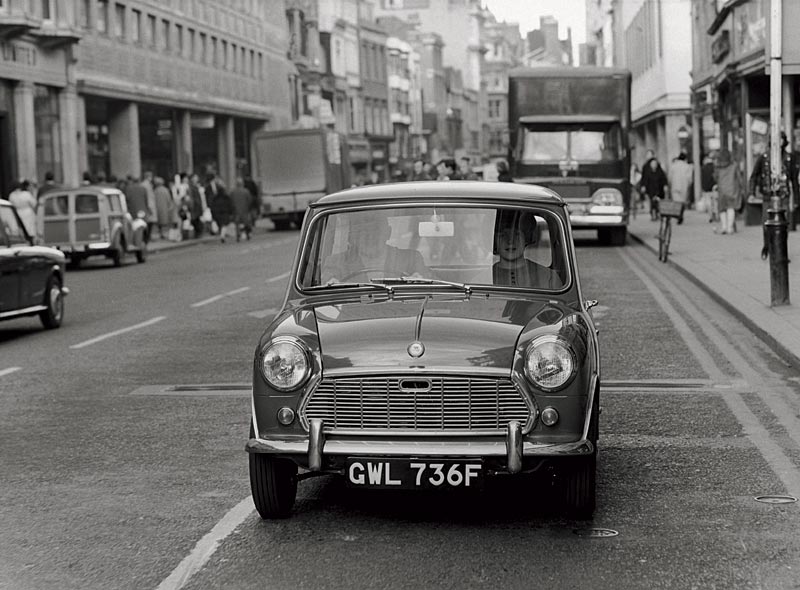
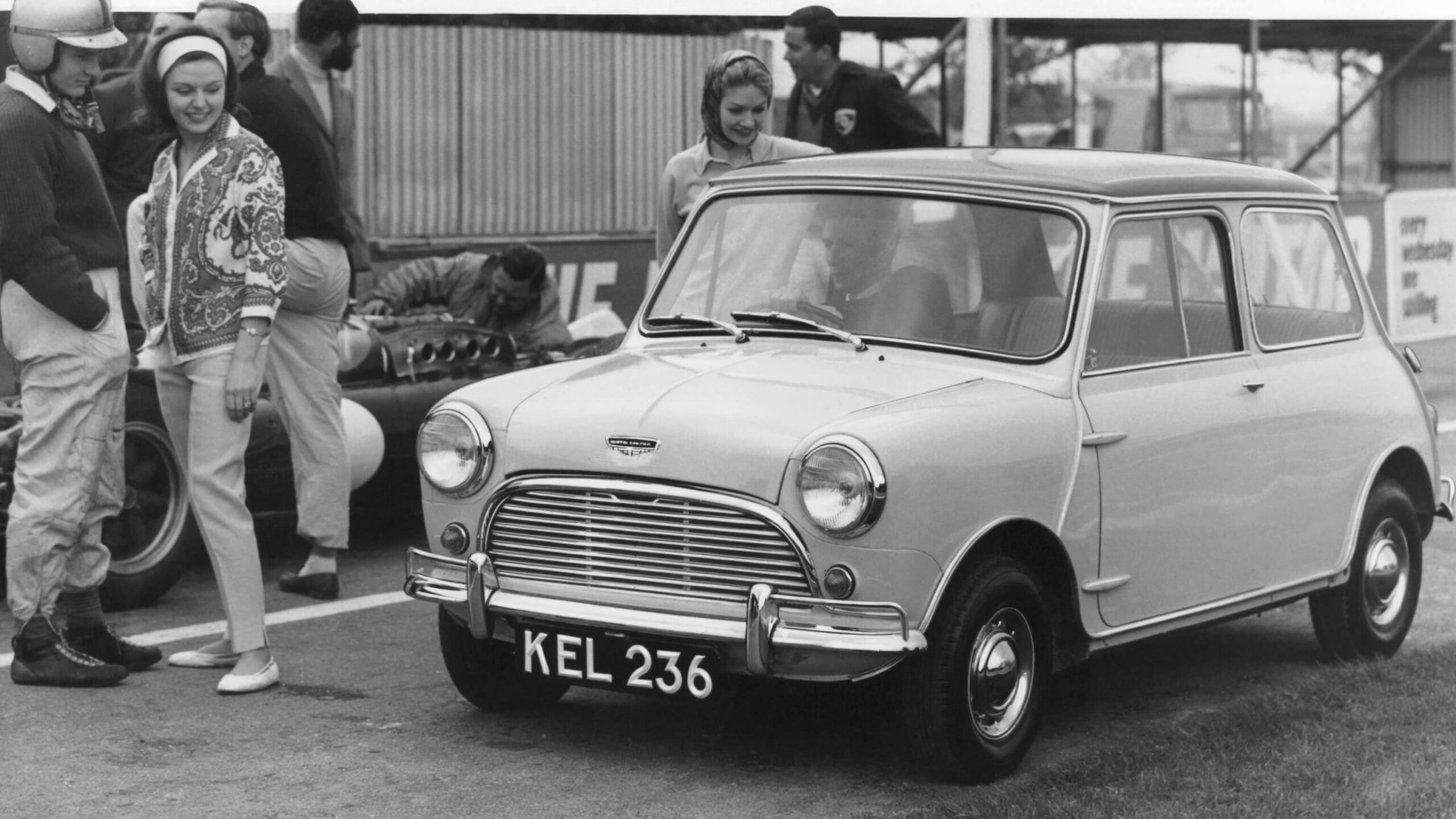
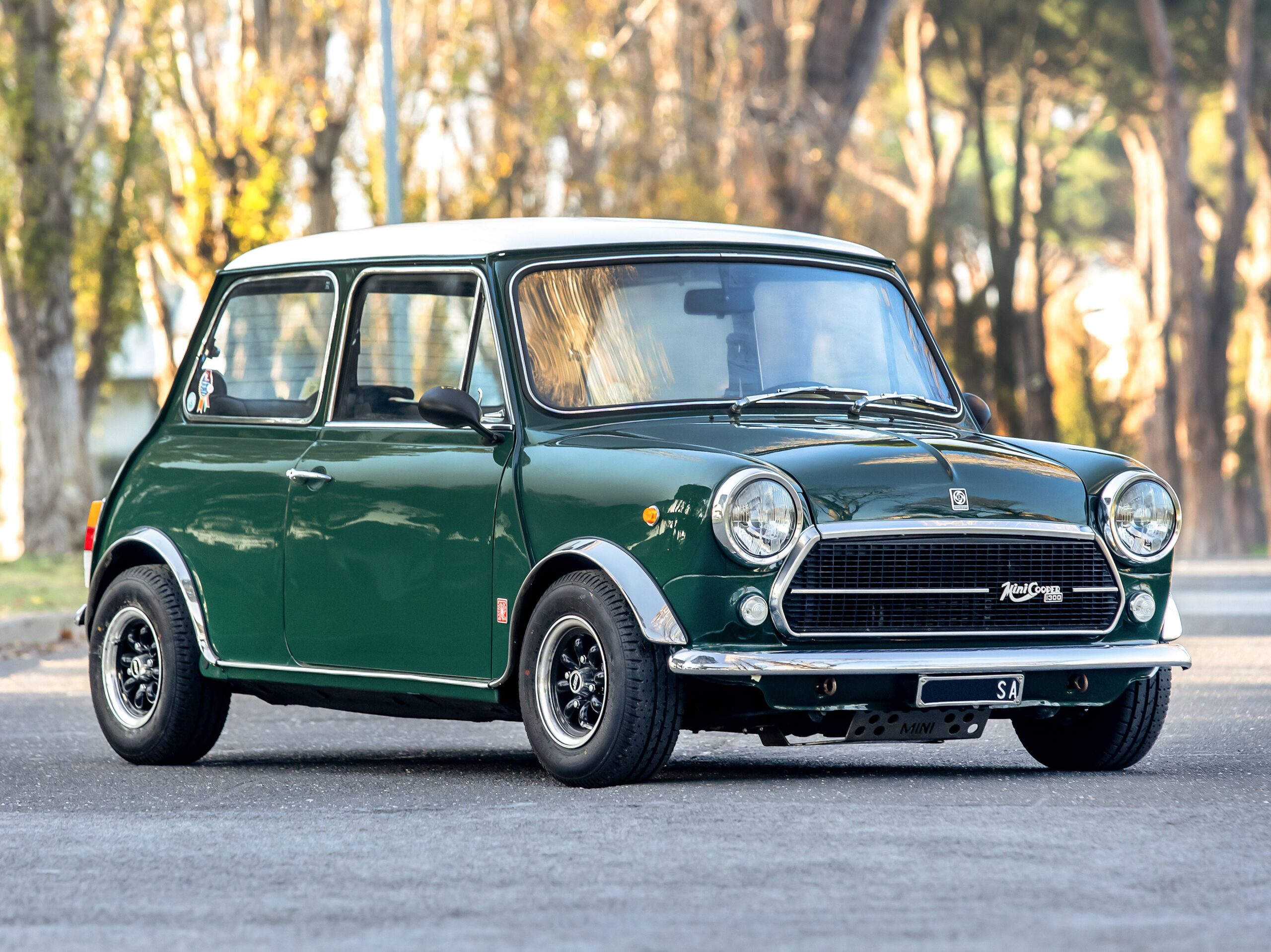
The commercial and cultural trajectory of the Mini is perhaps the most fascinating in automotive history. Initially, the British public viewed the tiny, noisy box with suspicion, and early sales were disappointingly slow. But then, a magical cultural shift occurred. The Mini became the ultimate classless vehicle, the four-wheeled embodiment of the swinging sixties. You were just as likely to see a dusty Morris Mini parked outside a working-class pub in Birmingham as you were to see a bespoke, Aston Martin-trimmed Radford Mini piloted by Peter Sellers, John Lennon, or Lord Snowdon outside a Mayfair nightclub. It was chic, affordable, and universally adored. Yet, beneath the fashion statement lay a ferocious, roaring competitive heart. John Cooper, the legendary Formula 1 constructor who had sparked the rear-engine racing revolution, drove an early prototype and immediately recognized the immense mechanical grip generated by the rubber cones and wide track. Against Issigonis’s initial reluctance, Cooper convinced BMC management to let him build a high-performance version.
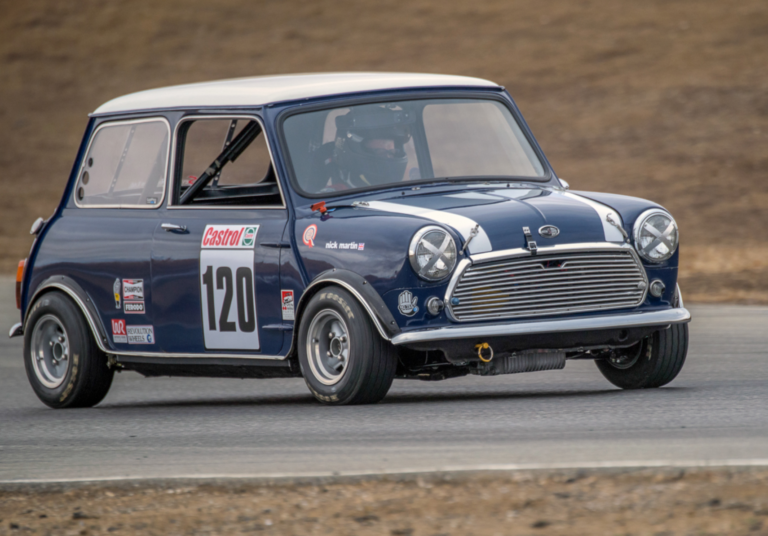
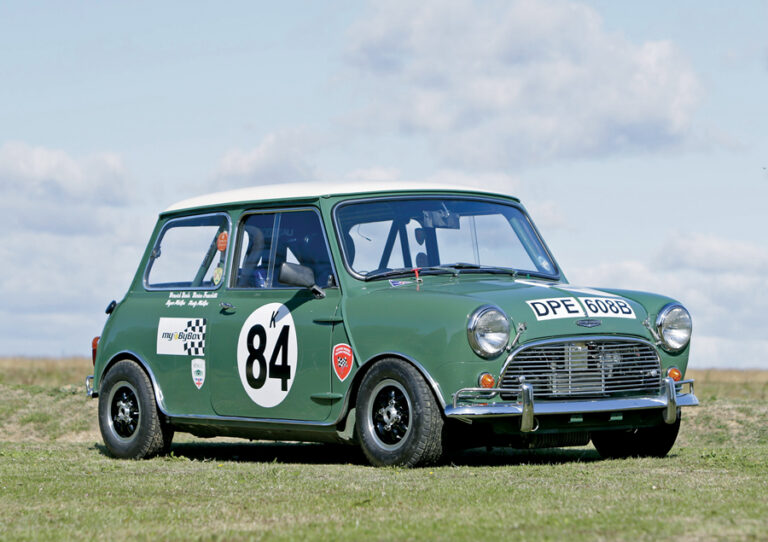
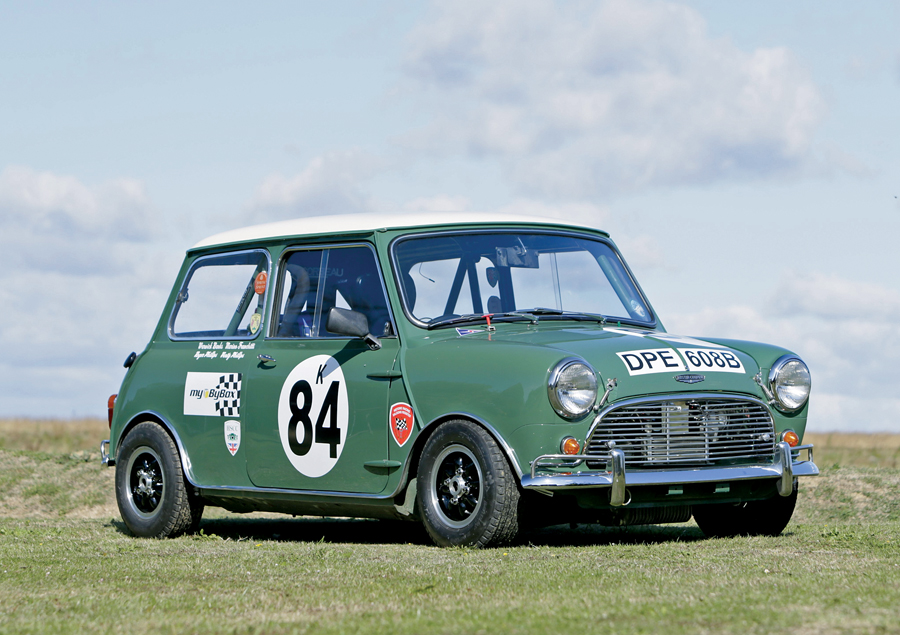
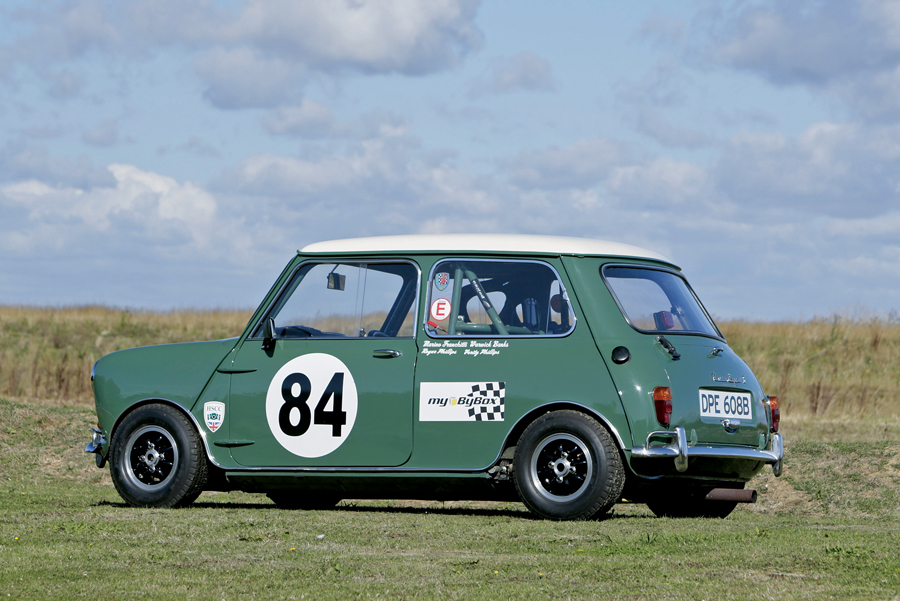
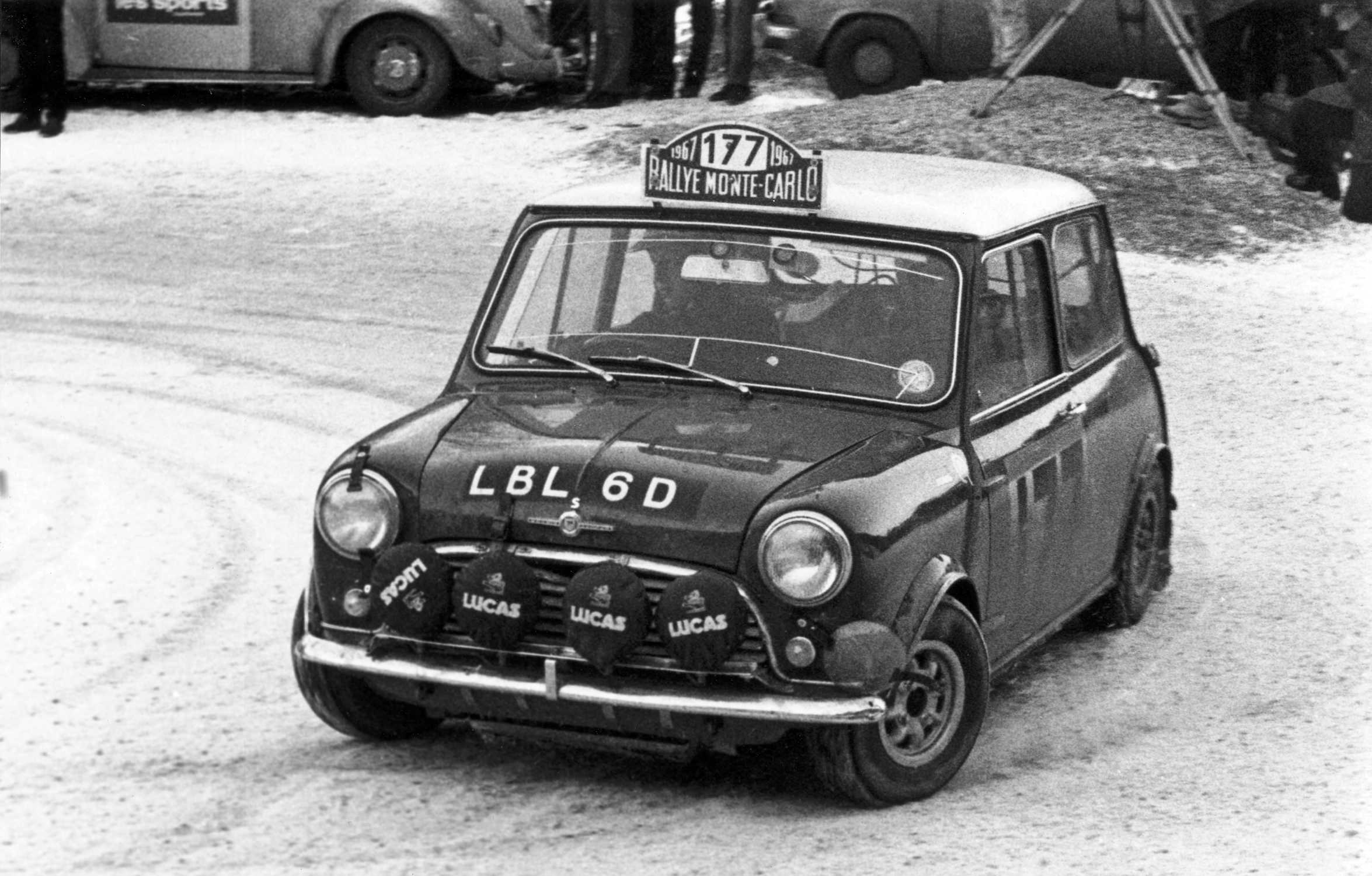
The introduction of the Mini Cooper, and the subsequent larger-displacement Cooper S, transformed the cheeky city car into a giant-slaying motorsport weapon. The sight of Timo Mäkinen, Rauno Aaltonen, or Paddy Hopkirk aggressively wrestling a red-and-white Cooper S through the treacherous, snow-covered passes of the French Alps is etched permanently into racing folklore. The Mini claimed overall victory at the prestigious Monte Carlo Rally in 1964, 1965, and 1967. They would have won in 1966 as well, completing a 1-2-3 sweep, had they not been infamously disqualified by French officials over a dubious headlight regulation—a scandal that only amplified the car’s heroic underdog status and enraged the British public. On the tarmac of the British Saloon Car Championship (BSCC), the spectacle was even more absurd and wonderful. Teams like Broadspeed and Cooper ran highly tuned Minis that would frequently lift their inside rear wheels, aggressively hunting down and out-cornering massive, 7.0-litre Ford Galaxies in a glorious David versus Goliath battle. Back on the street, this motorsport pedigree, immortalized by a trio of Coopers dodging police through the sewers of Turin in the 1969 cinematic masterpiece The Italian Job, cemented the Mini’s status as a global icon.
Surviving an astonishing 41 years of continuous production, from the innocent 1959 Mk1 through to the final, fuel-injected Rover Minis that rolled off the Longbridge line in the year 2000, the classic Mini’s legacy is unparalleled. It weathered corporate mergers, the dark days of British Leyland strikes, and ever-tightening global safety regulations with an enduring, cheeky charm that simply could not be legislated out of existence. It spawned countless iterations, from the extended Clubman and the utilitarian Moke to the peculiar, booted Riley Elf and Wolseley Hornet variants. It introduced an entire generation of enthusiasts to the joys of internal combustion and analog driving dynamics. When BMW eventually acquired the Rover Group and reimagined the concept for the 21st century with the modern MINI, they wisely retained the wheel-at-each-corner ethos, but the original Issigonis creation remains untouched in its purity. The classic Mini rests at the absolute summit of the automotive pantheon. It is not merely a car, but a rolling revolution—a brilliant, flawed, and profoundly charismatic machine that proved a tiny engine, a clever mind, and a touch of British defiance could conquer the world.
Portal
Model line
Model generation
Predecessor
Sucessor
Brand
Produced from
Vehicle category
Portal
Model line
Model generation
Predecessor
Sucessor
Model Overview
The year is 1956. The Suez Crisis has gripped Britain, plunging the nation into severe fuel rationing and an uneasy economic gloom. The smog-choked streets of London are suddenly being invaded by curious, noisy German microcars—bubble cars like the Messerschmitt and the BMW Isetta. Leonard Lord, the notoriously abrasive head of the British Motor Corporation (BMC), despises them. In a fit of patriotic rage, he summons a brilliant, chain-smoking engineer named Alec Issigonis and issues a simple, uncompromising mandate: build a proper, four-seat miniature car to drive these alien bubbles off British roads. What emerged from this ultimatum in 1959 was the ADO15 project, a vehicle that transcended its initial badges—whether it was sold as an Austin Seven, a Morris Mini-Minor, the luxurious Riley Elf, the Wolseley Hornet, and eventually just Rover or Mini. It wasn’t merely a new car; it was a fundamental reinvention of the automobile. While formidable rivals like the Volkswagen Beetle relied on a rear-mounted, air-cooled layout, and the Fiat 500 embraced a tiny two-cylinder rear-engine configuration, Issigonis ripped up the global rulebook. He created a front-wheel-drive blueprint that was so spectacularly right, it dictates how 90 percent of the world’s passenger cars are constructed today.
To examine the naked architecture of a 1959 Mini is to marvel at a miracle of spatial efficiency and mechanical heresy. Issigonis decreed that within a footprint just ten feet long, an astonishing 80 percent of the total volume must be devoted to the passengers and their luggage, leaving a mere 20 percent for the mechanicals. Achieving this required profound innovation. He took BMC’s proven, iron-block A-Series overhead-valve four-cylinder engine and turned it completely sideways, mounting it transversely across the nose. To save even more precious cabin space, he placed the four-speed gearbox directly beneath the engine, sharing the same oil sump—a controversial, slightly whiney, but undeniably effective packaging masterstroke. Instead of conventional steel coil or leaf springs, which were far too bulky, Issigonis enlisted his friend Dr. Alex Moulton to design a brilliantly compact, variable-rate rubber cone suspension system. This provided the Mini with its famously bouncy urban ride, but more importantly, it endowed the car with razor-sharp, flat-cornering go-kart handling. The tiny 10-inch wheels were pushed to the absolute outer extremities of the chassis, entirely eliminating overhangs and providing a remarkably wide, stable track. Braking on the early models relied on tiny drums all around, which were just adequate for the initial 850cc, 34-horsepower engines, but required rapid upgrading to discs as the car’s performance potential was unlocked. Inside, the cabin was a masterclass in spartan utility. The doors featured sliding glass windows and simple cable-pull latches, freeing up the hollowed-out doors to create massive storage bins. Legend famously insists that Issigonis specifically sized these door pockets to accommodate the precise dimensions of a bottle of Gordon’s Gin and the ingredients for a dry martini.
The commercial and cultural trajectory of the Mini is perhaps the most fascinating in automotive history. Initially, the British public viewed the tiny, noisy box with suspicion, and early sales were disappointingly slow. But then, a magical cultural shift occurred. The Mini became the ultimate classless vehicle, the four-wheeled embodiment of the swinging sixties. You were just as likely to see a dusty Morris Mini parked outside a working-class pub in Birmingham as you were to see a bespoke, Aston Martin-trimmed Radford Mini piloted by Peter Sellers, John Lennon, or Lord Snowdon outside a Mayfair nightclub. It was chic, affordable, and universally adored. Yet, beneath the fashion statement lay a ferocious, roaring competitive heart. John Cooper, the legendary Formula 1 constructor who had sparked the rear-engine racing revolution, drove an early prototype and immediately recognized the immense mechanical grip generated by the rubber cones and wide track. Against Issigonis’s initial reluctance, Cooper convinced BMC management to let him build a high-performance version.
The introduction of the Mini Cooper, and the subsequent larger-displacement Cooper S, transformed the cheeky city car into a giant-slaying motorsport weapon. The sight of Timo Mäkinen, Rauno Aaltonen, or Paddy Hopkirk aggressively wrestling a red-and-white Cooper S through the treacherous, snow-covered passes of the French Alps is etched permanently into racing folklore. The Mini claimed overall victory at the prestigious Monte Carlo Rally in 1964, 1965, and 1967. They would have won in 1966 as well, completing a 1-2-3 sweep, had they not been infamously disqualified by French officials over a dubious headlight regulation—a scandal that only amplified the car’s heroic underdog status and enraged the British public. On the tarmac of the British Saloon Car Championship (BSCC), the spectacle was even more absurd and wonderful. Teams like Broadspeed and Cooper ran highly tuned Minis that would frequently lift their inside rear wheels, aggressively hunting down and out-cornering massive, 7.0-litre Ford Galaxies in a glorious David versus Goliath battle. Back on the street, this motorsport pedigree, immortalized by a trio of Coopers dodging police through the sewers of Turin in the 1969 cinematic masterpiece The Italian Job, cemented the Mini’s status as a global icon.
Surviving an astonishing 41 years of continuous production, from the innocent 1959 Mk1 through to the final, fuel-injected Rover Minis that rolled off the Longbridge line in the year 2000, the classic Mini’s legacy is unparalleled. It weathered corporate mergers, the dark days of British Leyland strikes, and ever-tightening global safety regulations with an enduring, cheeky charm that simply could not be legislated out of existence. It spawned countless iterations, from the extended Clubman and the utilitarian Moke to the peculiar, booted Riley Elf and Wolseley Hornet variants. It introduced an entire generation of enthusiasts to the joys of internal combustion and analog driving dynamics. When BMW eventually acquired the Rover Group and reimagined the concept for the 21st century with the modern MINI, they wisely retained the wheel-at-each-corner ethos, but the original Issigonis creation remains untouched in its purity. The classic Mini rests at the absolute summit of the automotive pantheon. It is not merely a car, but a rolling revolution—a brilliant, flawed, and profoundly charismatic machine that proved a tiny engine, a clever mind, and a touch of British defiance could conquer the world.
Generations
Model Generations
Submodels