
Porsche 911 GT3 Cup
Brand
Produced from
Portal
Vehicle category
Model line
Model generation
Predecessor
Successor
Submodel Overview
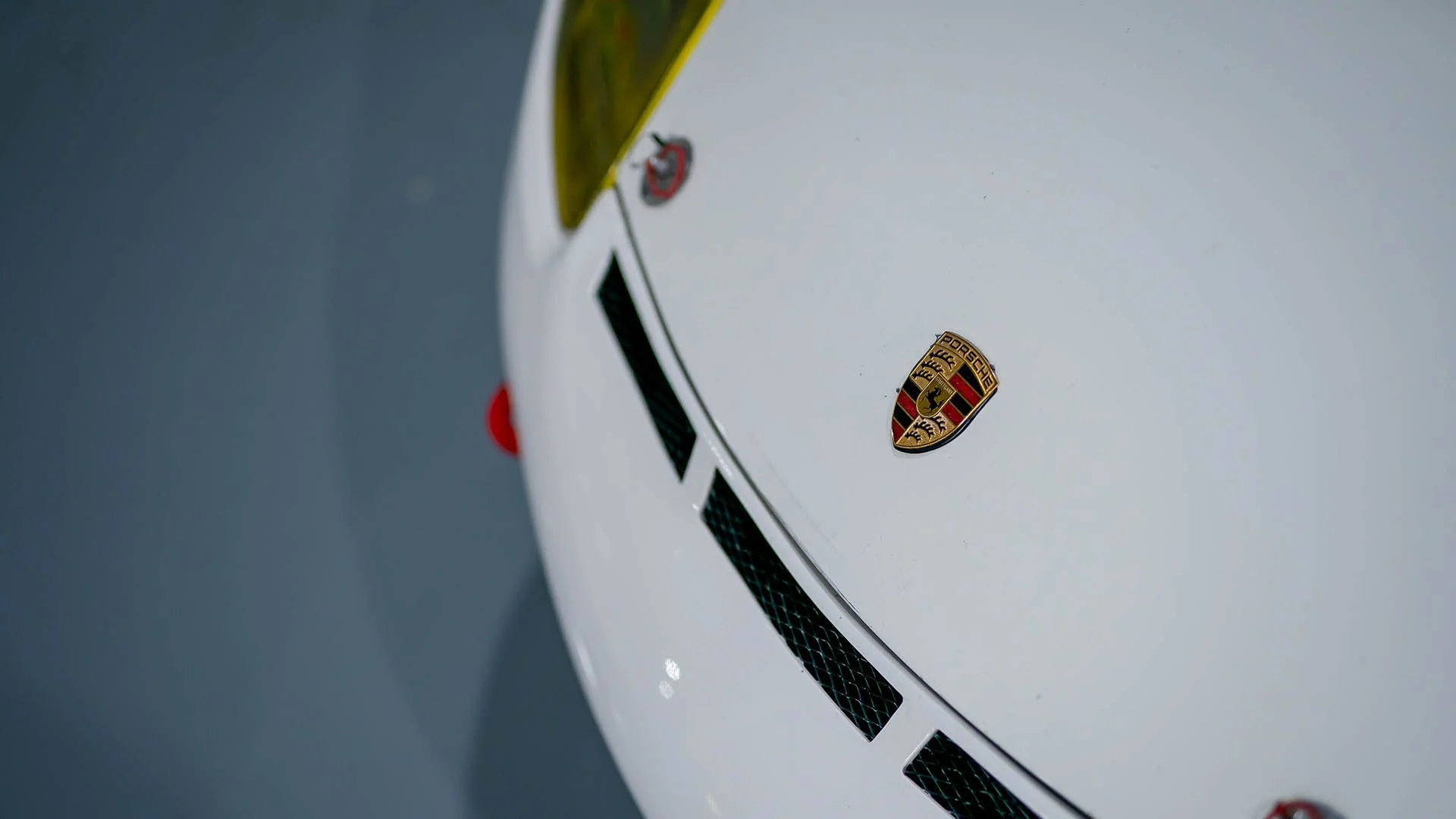
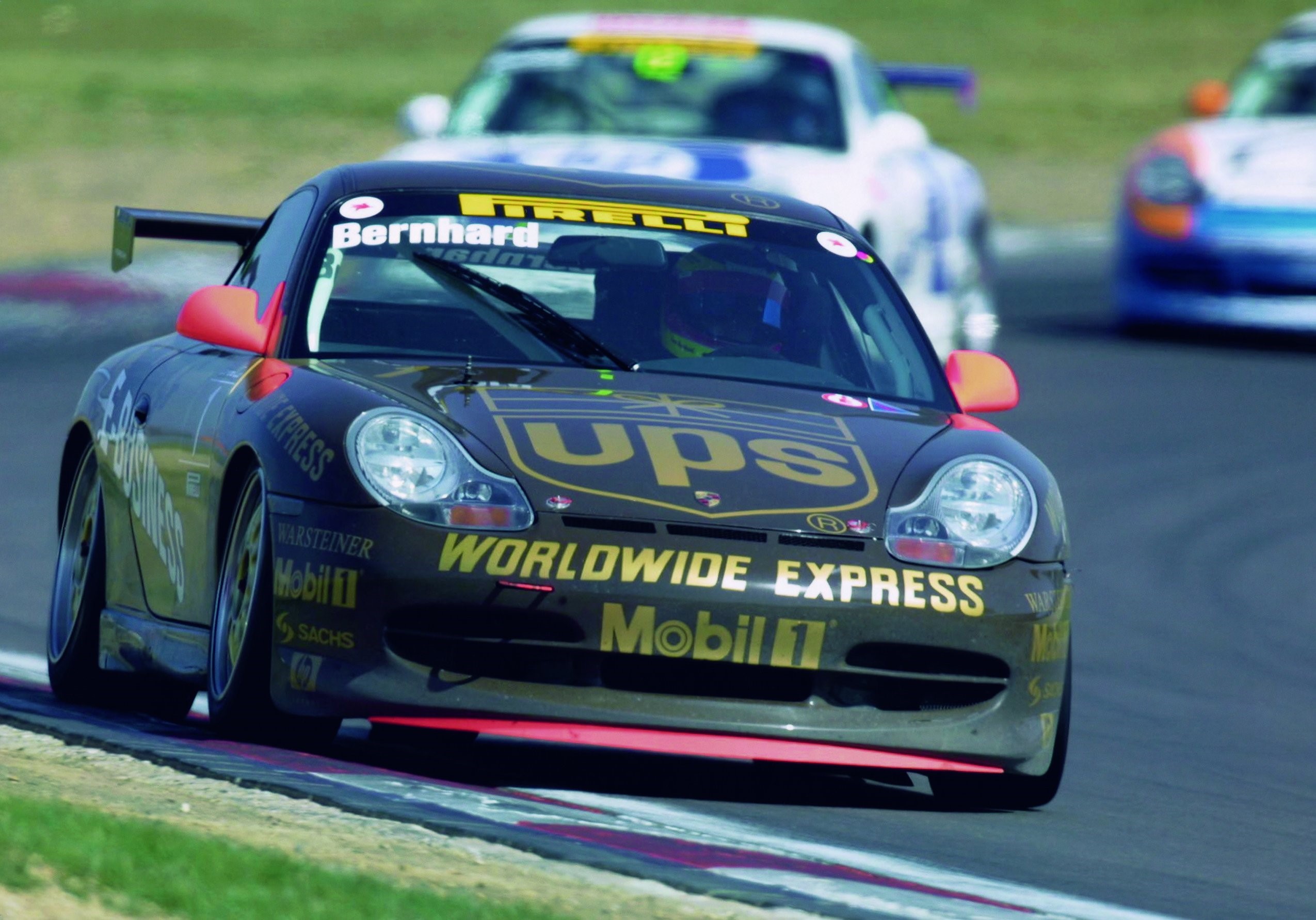
In the motorsport paddocks of 1998, an air of profound trepidation mingled with the scent of high-octane fuel. Zuffenhausen had committed the ultimate, unthinkable heresy: the air-cooled flat-six, the very soul of the Porsche 911 for over three decades, was dead. Its successor, the Type 996, had arrived with a water-cooled heartbeat and a radically altered silhouette. While the street-car buying public was busy debating the controversial headlights and the smoother, grand-touring nature of the new Carrera, Porsche’s motorsport division was quietly preparing a weapon that would shatter the skepticism of the purists. Unveiled strictly for the 1998 Porsche Supercup season, the 911 GT3 Cup was not just a race car; it was a screaming, high-revving manifesto. Interestingly, this dedicated track weapon predated the legendary road-going 996 GT3 by a full year, serving as the brutal, uncompromised testbed for the entire GT3 bloodline. Replacing the beloved, twitchy 993 Cup car, the new 996 iteration didn’t have to fight external manufacturers in its bespoke single-make series, but it had to conquer a much more intimidating adversary: the monumental weight of Porsche’s own air-cooled history, and the incredibly high expectations of the world’s most cynical racing drivers.
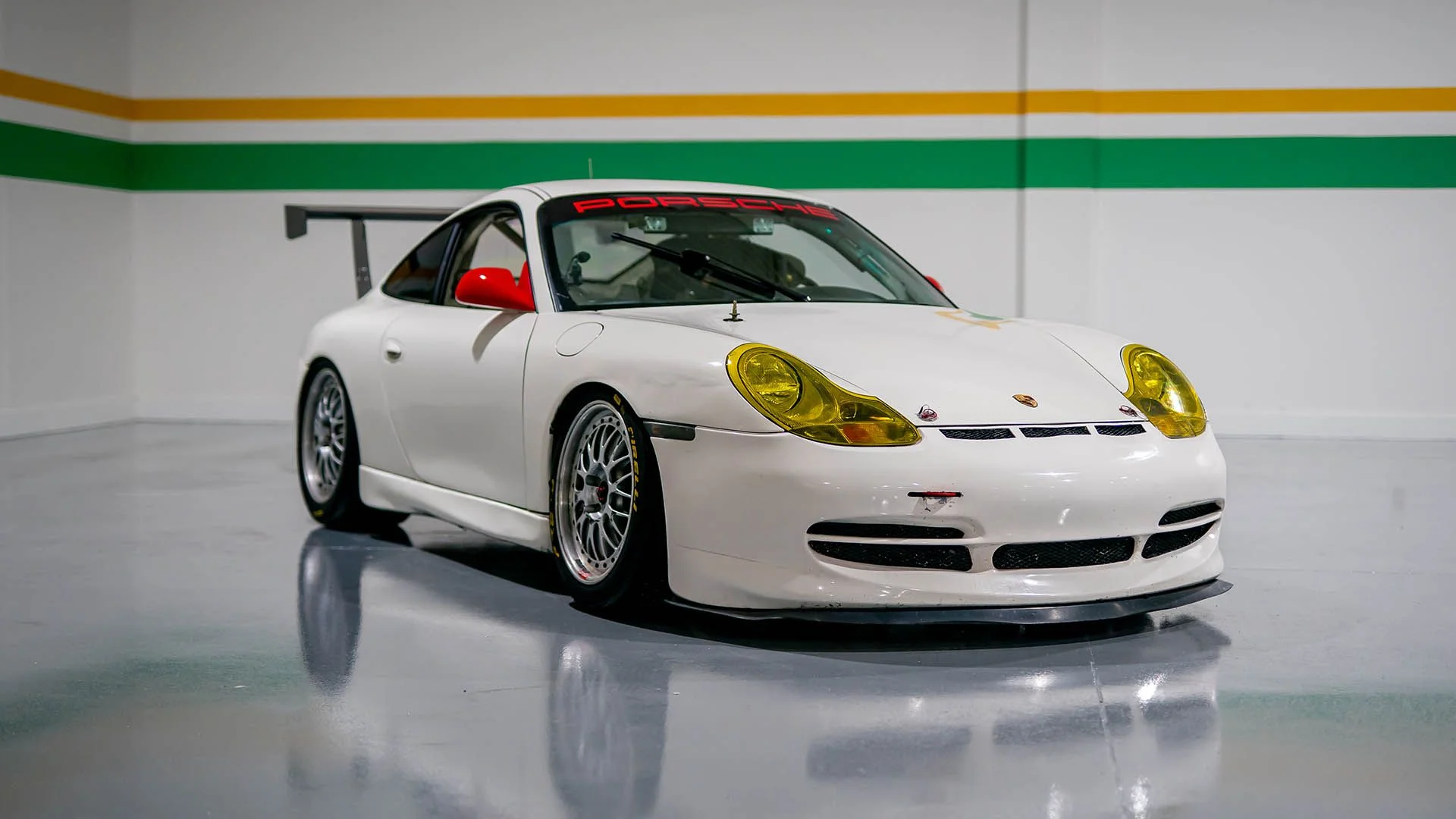
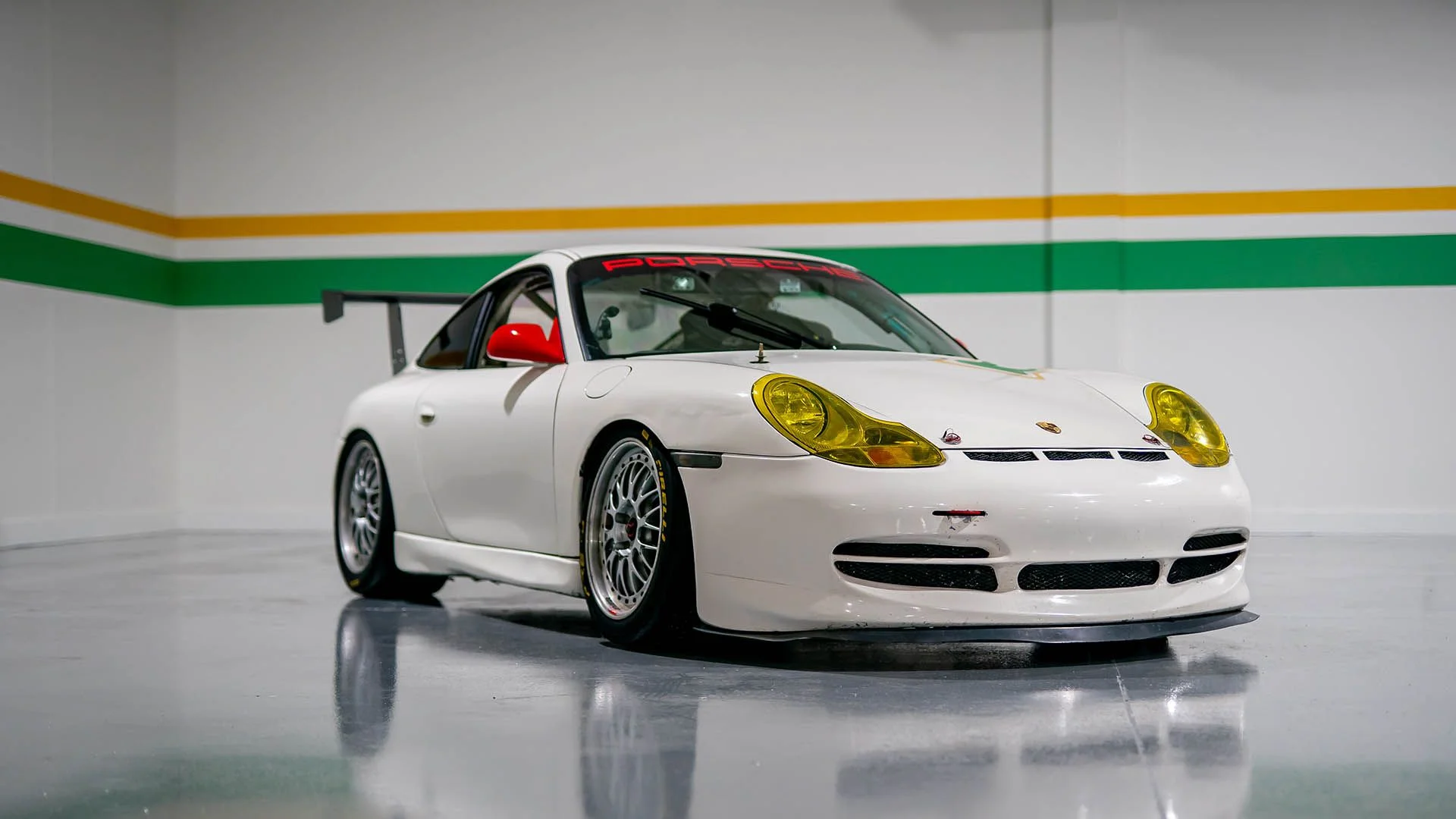
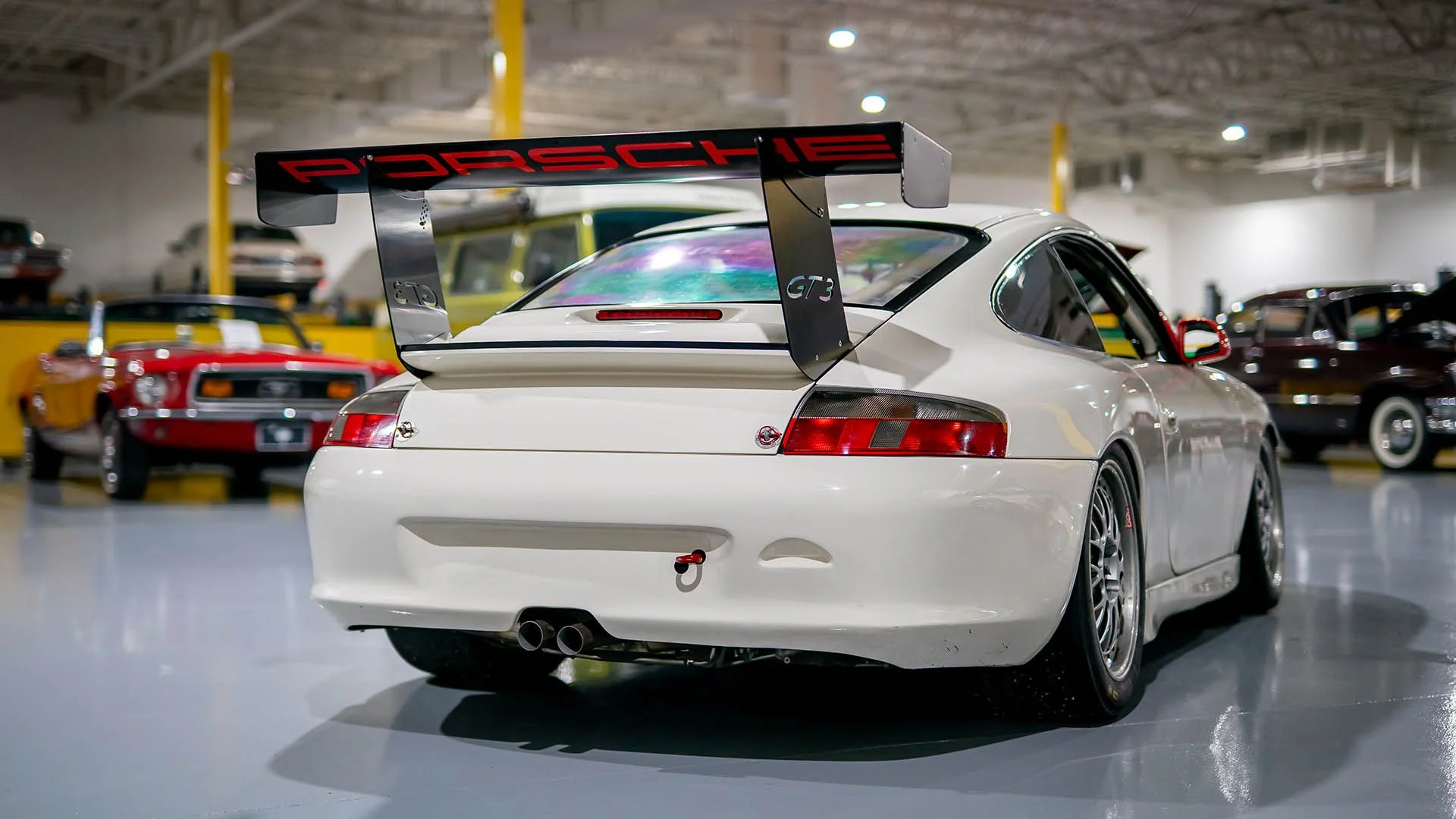
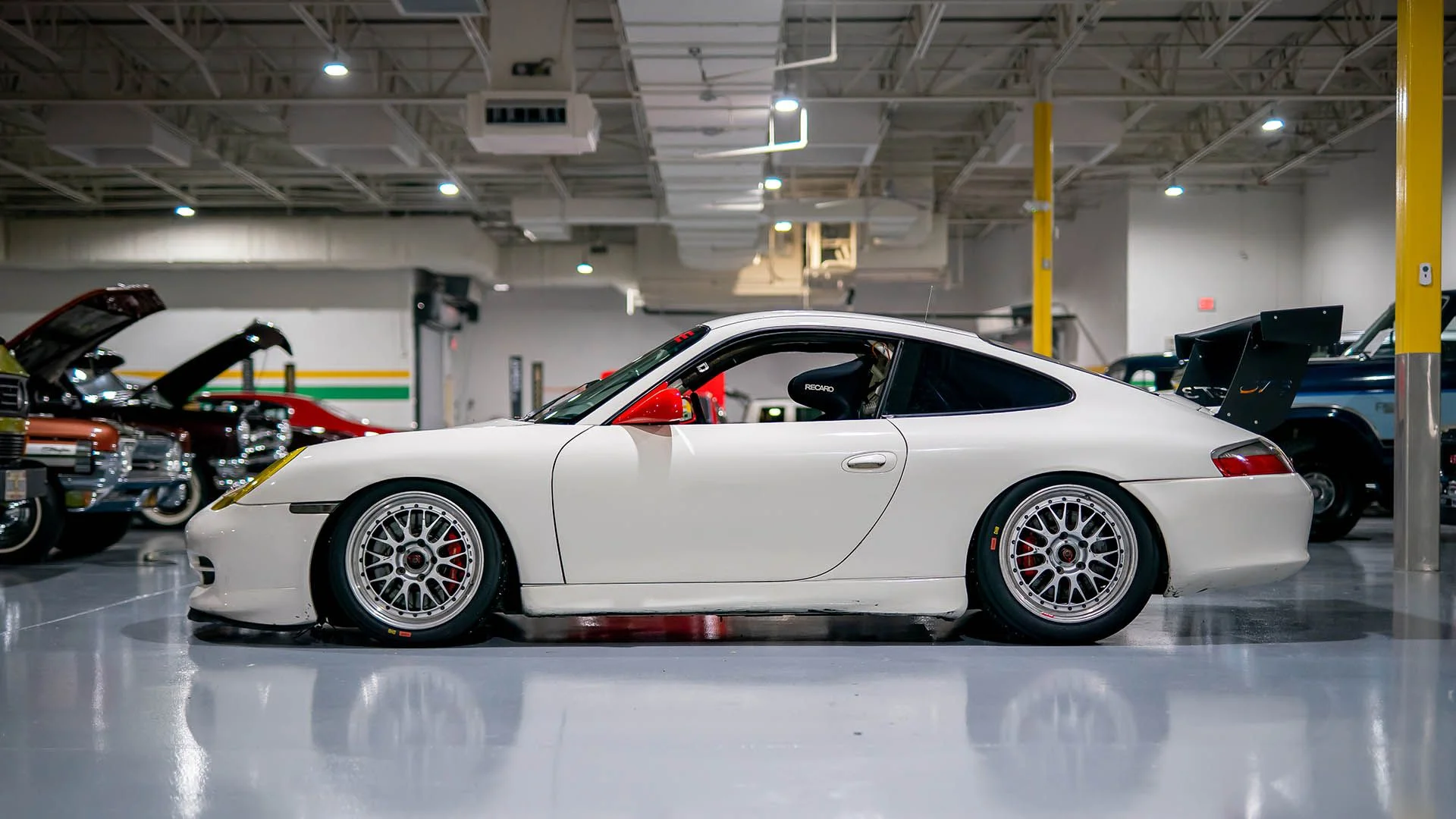
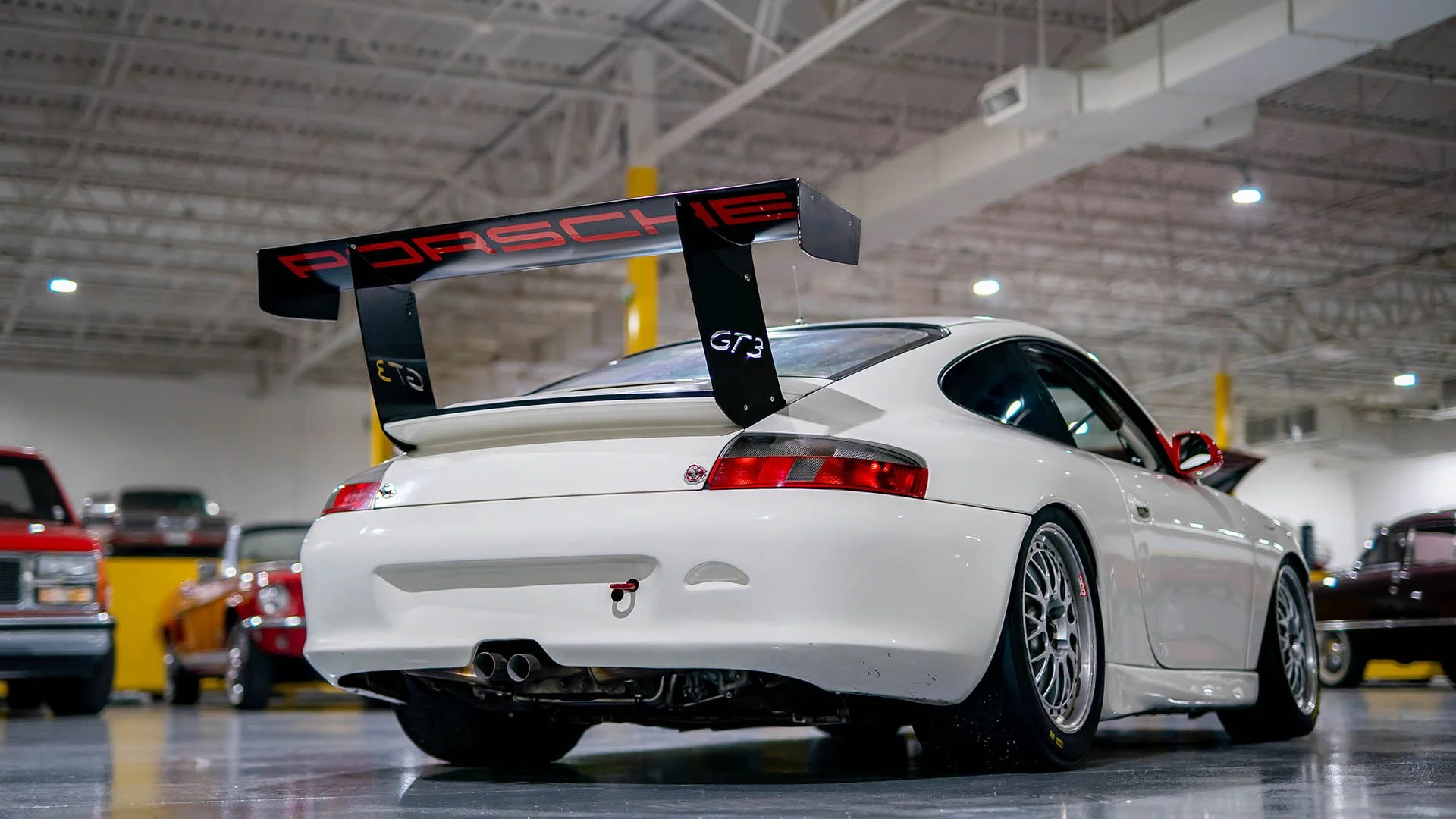
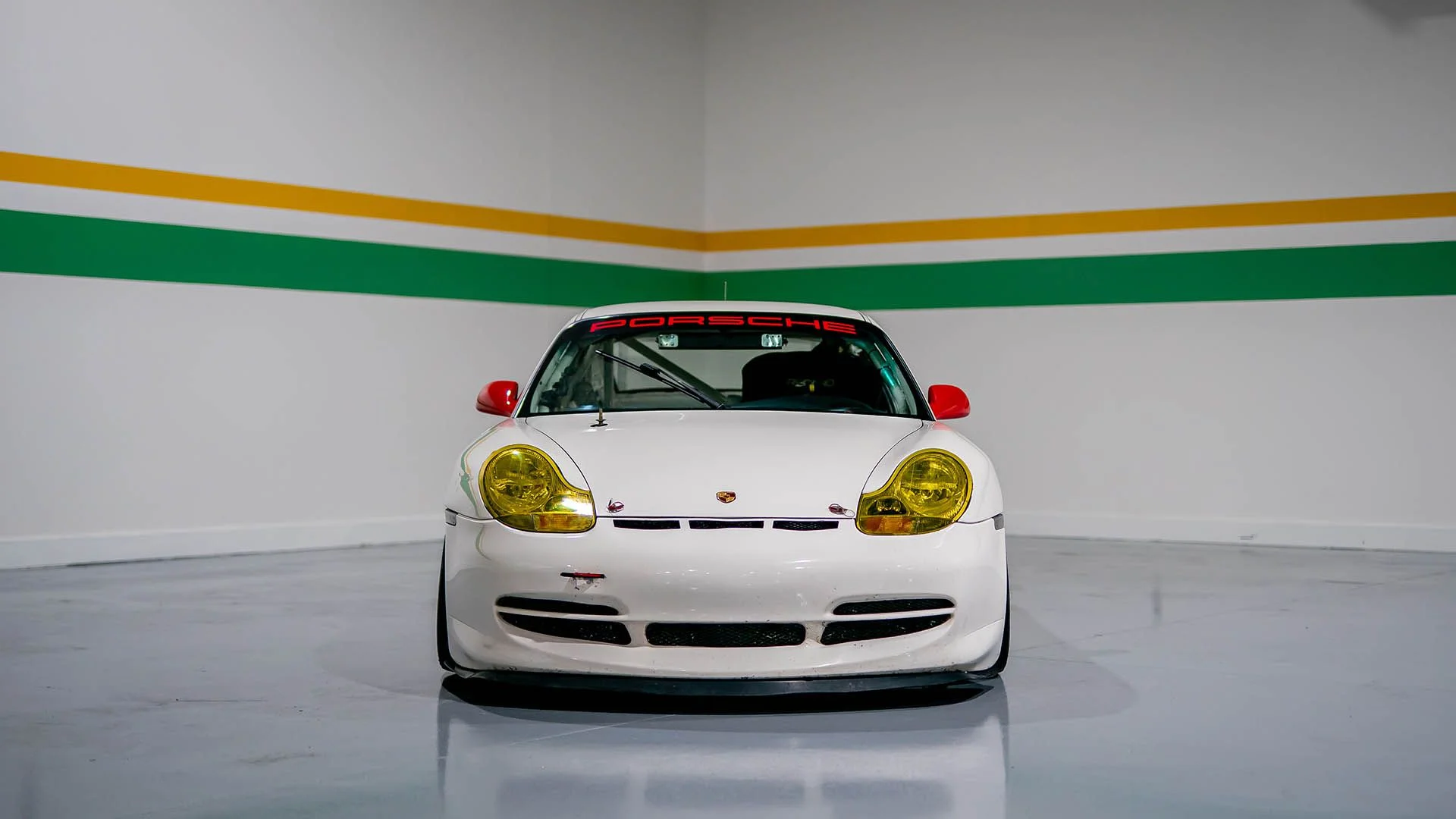
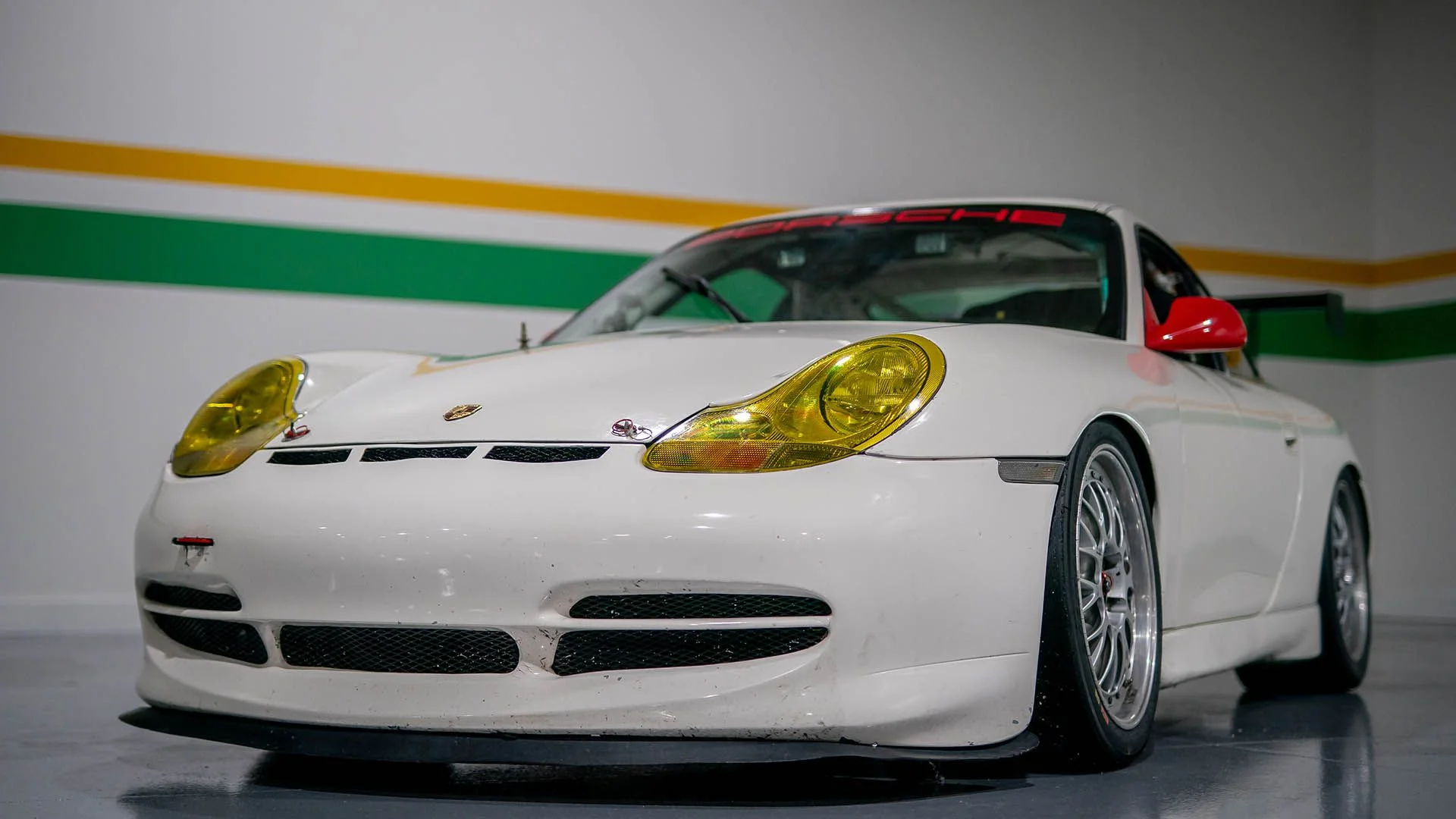
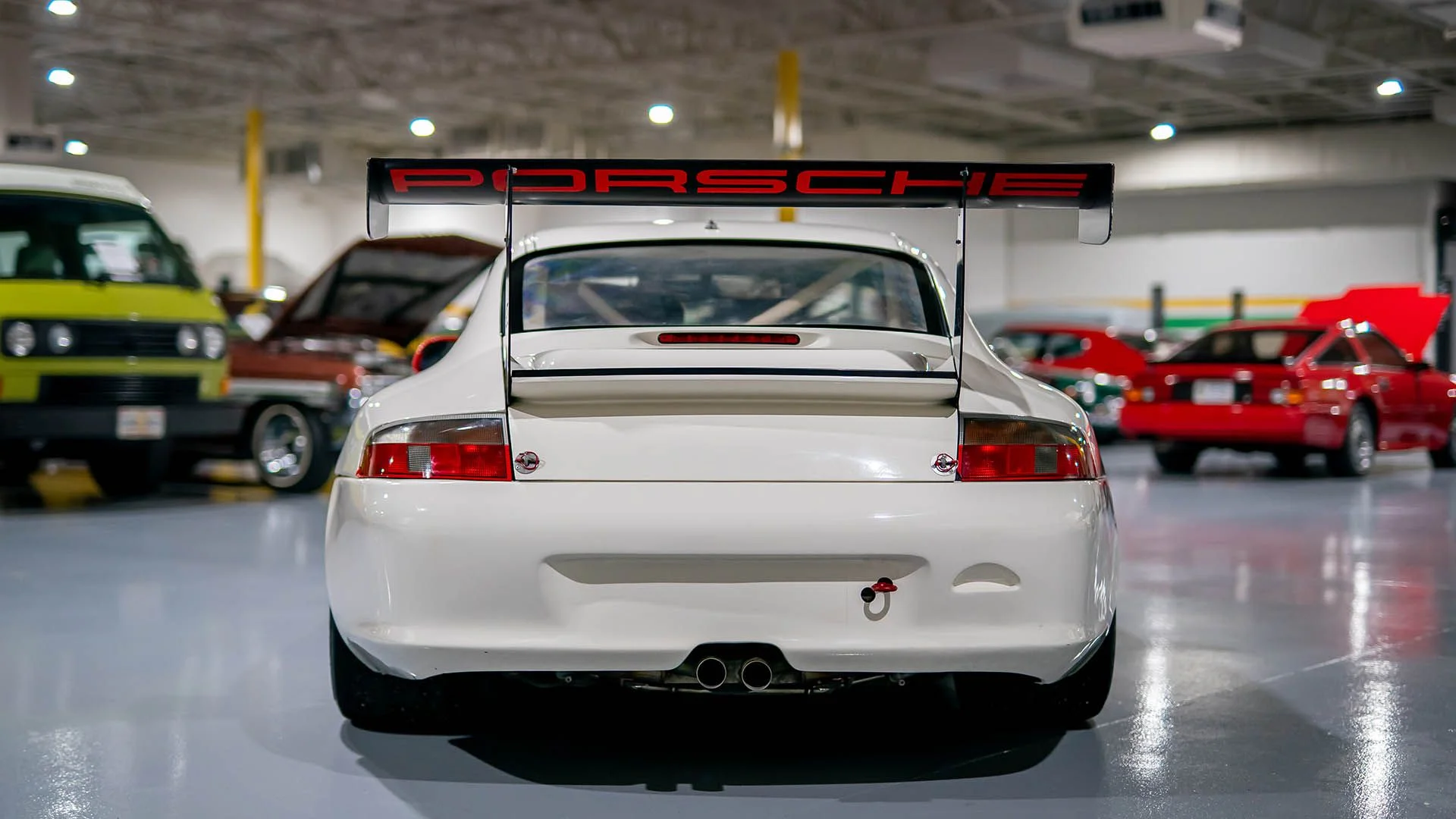
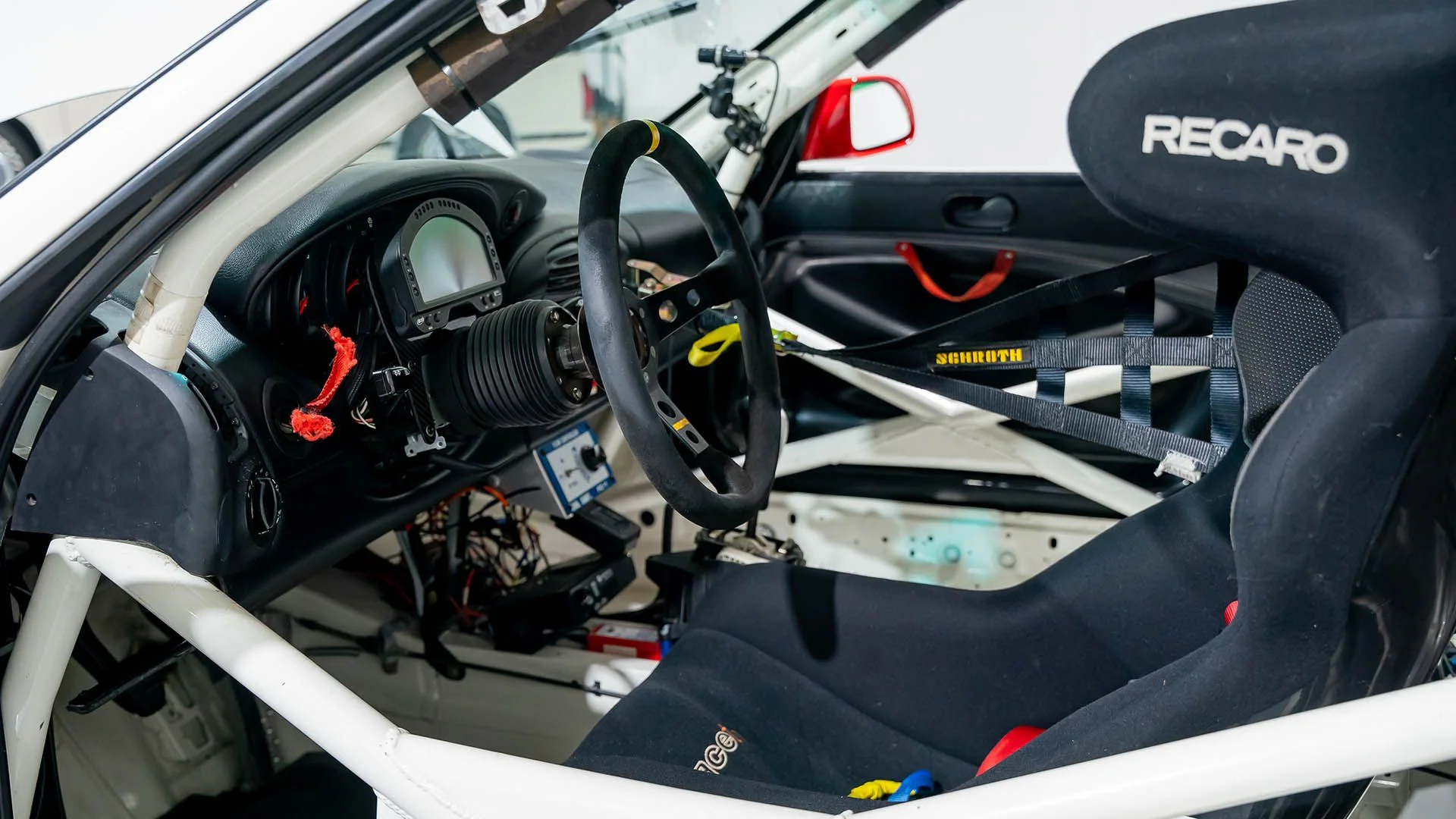
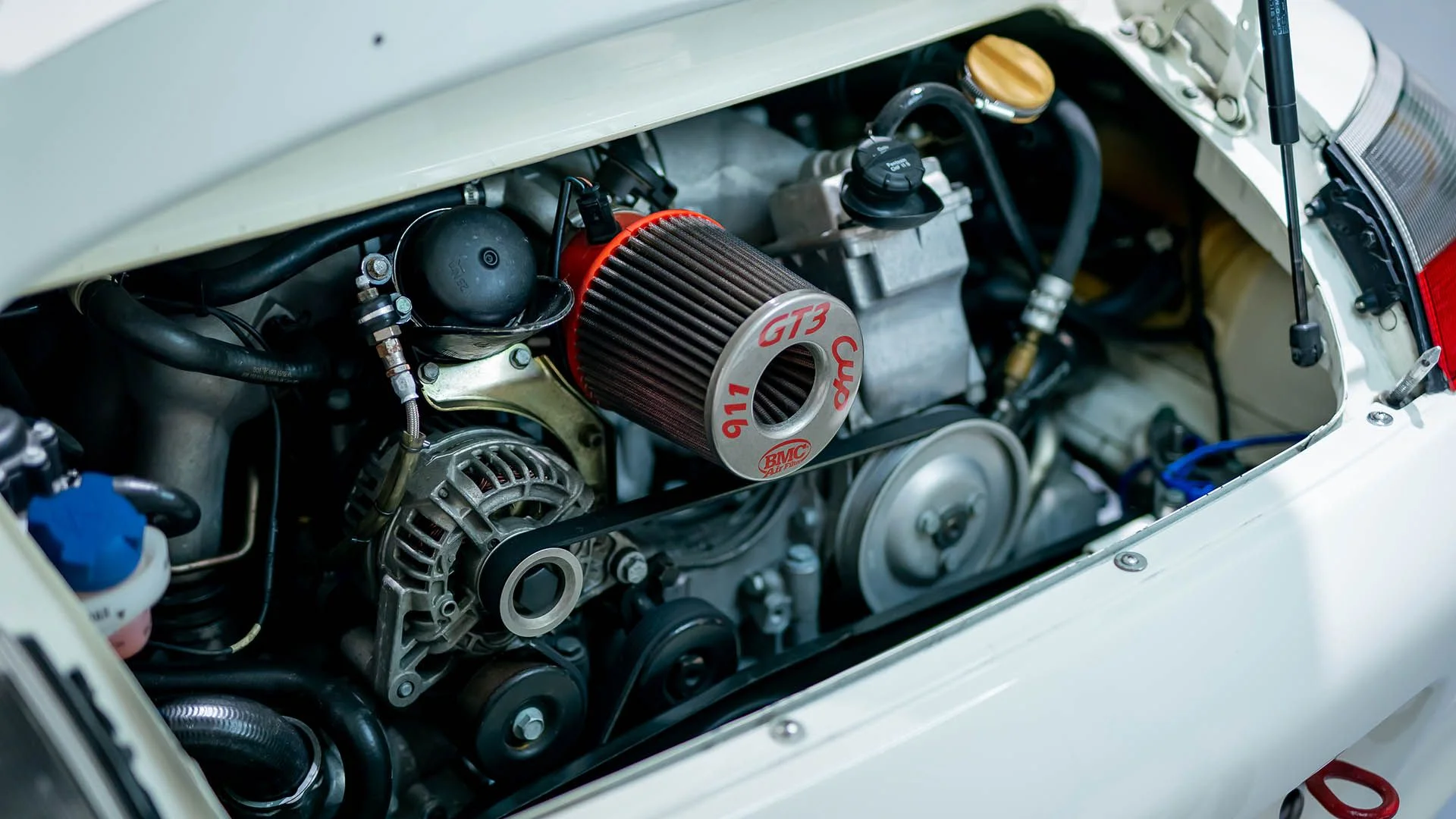
To silence the critics, Weissach engineers bypassed the standard Carrera’s M96 engine and tapped into pure, unfiltered motorsport royalty. Beneath the fiberglass rear engine lid sat a 3.6-liter, water-cooled flat-six derived directly from the Le Mans-winning 911 GT1. Featuring a true dry-sump lubrication system and lightweight internal components, this bulletproof block reliably delivered 360 brake horsepower at a dizzying 7,200 rpm, screaming all the way to a spectacular 8,000 rpm redline. Mated to a traditional, cable-actuated six-speed manual transaxle, the 1998 GT3 Cup demanded absolute physical precision and visceral involvement from its pilot. Aesthetically, the car was a stripped-down street brawler. It sat significantly lower than the standard Carrera on a fully adjustable racing suspension featuring uniball spherical bearings. Aerodynamically, it introduced the signature, aggressive GT3 profile: a deep, tarmac-scraping front splitter to minimize lift and a prominent, fixed rear wing designed to keep the heavy rear-engine pendulum firmly planted at high speeds. Inside the cabin, luxury was violently exorcised. The driver was greeted by a bare-metal shell, a welded-in Matter roll cage, a single Nomex-trimmed Recaro racing bucket, and the deafening, mechanical howl of the Mezger flat-six transmitting every vibration through rigid engine mounts directly into the driver’s spine.
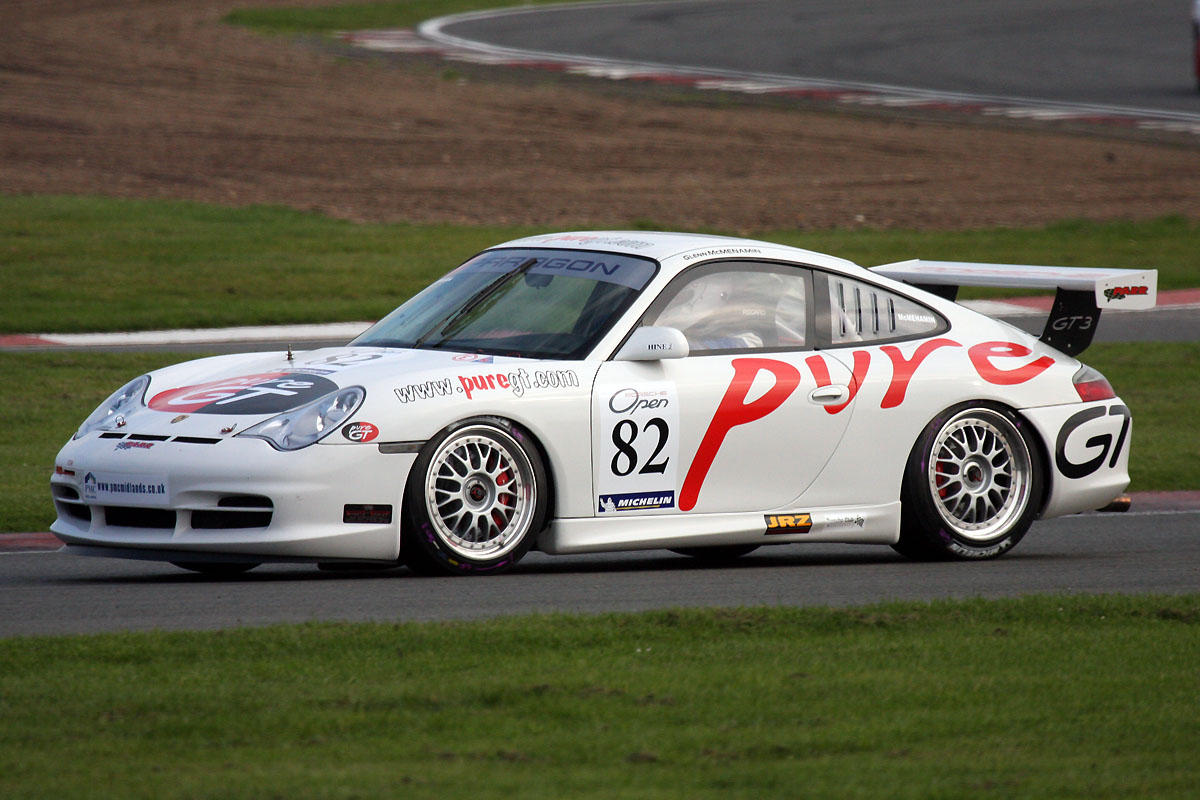
When the 1998 Porsche Michelin Supercup season ignited as the premier support race for the Formula 1 World Championship, the 996 GT3 Cup instantly proved its dynamic superiority. The 3.1-inch longer wheelbase and 45-percent stiffer chassis of the 996 generation entirely transformed the 911’s driving characteristics. Gone was the treacherous, knife-edge snap-oversteer that defined the air-cooled 993; the new Cup car was vastly more stable, aerodynamically planted, and surgically precise, allowing drivers to carry immense speed through long, sweeping corners. The era was famously dominated by the legendary Dutch driver Patrick Huisman, known as “Mr. Supercup”, who wielded the 1998 GT3 Cup with devastating effectiveness to secure the championship. For privateer teams, the new GT3 Cup was a revelation in cost-effectiveness and durability. It proved to the global motorsport world that water-cooling was not a softening of the 911’s character, but a vital evolution that allowed for sustained, grueling performance without the thermal degradation that plagued the older engines. While its primary domain was the Supercup and national Carrera Cups, the sheer brilliance of this foundational chassis quickly laid the groundwork for the R and RS endurance variants that would soon conquer Le Mans, Daytona, and Sebring.
The legacy of the 1998 Porsche 911 GT3 Cup is impossible to overstate. It is the absolute genesis point of the modern GT3 dynasty. By absorbing the initial shock of the water-cooled transition and proving its unburstable mettle on the toughest circuits in the world, this specific Cup car legitimized the entire 996 generation in the eyes of the motorsport community.
Brand
Produced from
Portal
Vehicle category
Model line
Model generation
Predecessor
Sucessor
Brand
Produced from
Portal
Vehicle category
Model line
Model generation
Predecessor
Sucessor
Submodel Overview
In the motorsport paddocks of 1998, an air of profound trepidation mingled with the scent of high-octane fuel. Zuffenhausen had committed the ultimate, unthinkable heresy: the air-cooled flat-six, the very soul of the Porsche 911 for over three decades, was dead. Its successor, the Type 996, had arrived with a water-cooled heartbeat and a radically altered silhouette. While the street-car buying public was busy debating the controversial headlights and the smoother, grand-touring nature of the new Carrera, Porsche’s motorsport division was quietly preparing a weapon that would shatter the skepticism of the purists. Unveiled strictly for the 1998 Porsche Supercup season, the 911 GT3 Cup was not just a race car; it was a screaming, high-revving manifesto. Interestingly, this dedicated track weapon predated the legendary road-going 996 GT3 by a full year, serving as the brutal, uncompromised testbed for the entire GT3 bloodline. Replacing the beloved, twitchy 993 Cup car, the new 996 iteration didn’t have to fight external manufacturers in its bespoke single-make series, but it had to conquer a much more intimidating adversary: the monumental weight of Porsche’s own air-cooled history, and the incredibly high expectations of the world’s most cynical racing drivers.
To silence the critics, Weissach engineers bypassed the standard Carrera’s M96 engine and tapped into pure, unfiltered motorsport royalty. Beneath the fiberglass rear engine lid sat a 3.6-liter, water-cooled flat-six derived directly from the Le Mans-winning 911 GT1. Featuring a true dry-sump lubrication system and lightweight internal components, this bulletproof block reliably delivered 360 brake horsepower at a dizzying 7,200 rpm, screaming all the way to a spectacular 8,000 rpm redline. Mated to a traditional, cable-actuated six-speed manual transaxle, the 1998 GT3 Cup demanded absolute physical precision and visceral involvement from its pilot. Aesthetically, the car was a stripped-down street brawler. It sat significantly lower than the standard Carrera on a fully adjustable racing suspension featuring uniball spherical bearings. Aerodynamically, it introduced the signature, aggressive GT3 profile: a deep, tarmac-scraping front splitter to minimize lift and a prominent, fixed rear wing designed to keep the heavy rear-engine pendulum firmly planted at high speeds. Inside the cabin, luxury was violently exorcised. The driver was greeted by a bare-metal shell, a welded-in Matter roll cage, a single Nomex-trimmed Recaro racing bucket, and the deafening, mechanical howl of the Mezger flat-six transmitting every vibration through rigid engine mounts directly into the driver’s spine.
When the 1998 Porsche Michelin Supercup season ignited as the premier support race for the Formula 1 World Championship, the 996 GT3 Cup instantly proved its dynamic superiority. The 3.1-inch longer wheelbase and 45-percent stiffer chassis of the 996 generation entirely transformed the 911’s driving characteristics. Gone was the treacherous, knife-edge snap-oversteer that defined the air-cooled 993; the new Cup car was vastly more stable, aerodynamically planted, and surgically precise, allowing drivers to carry immense speed through long, sweeping corners. The era was famously dominated by the legendary Dutch driver Patrick Huisman, known as “Mr. Supercup”, who wielded the 1998 GT3 Cup with devastating effectiveness to secure the championship. For privateer teams, the new GT3 Cup was a revelation in cost-effectiveness and durability. It proved to the global motorsport world that water-cooling was not a softening of the 911’s character, but a vital evolution that allowed for sustained, grueling performance without the thermal degradation that plagued the older engines. While its primary domain was the Supercup and national Carrera Cups, the sheer brilliance of this foundational chassis quickly laid the groundwork for the R and RS endurance variants that would soon conquer Le Mans, Daytona, and Sebring.
The legacy of the 1998 Porsche 911 GT3 Cup is impossible to overstate. It is the absolute genesis point of the modern GT3 dynasty. By absorbing the initial shock of the water-cooled transition and proving its unburstable mettle on the toughest circuits in the world, this specific Cup car legitimized the entire 996 generation in the eyes of the motorsport community.
Tech Specs
Technical Specifications
Tech Specs
Technical Specifications
Engine
01
03
Internal combustion engine
Configuration
Porsche Flat-6 (Boxer) "Mezger" - Water-cooled
Location
Rear, longitudinally mounted
Construction
Aluminium alloy block and heads
Displacement (cc)
3,598 cc
Displacement (cu in)
219.6 cu in
Compression
11.7:1
Bore x Stroke
100.0 mm x 76.4 mm
Valvetrain
4 valves per cylinder, DOHC
Fuel feed
Bosch Motronic sequential multi-point fuel injection
Lubrication
Dry sump
Aspiration
Naturally aspirated
Output
Power (hp)
360 hp
Power (kW)
265 kW
Max power at
7,200 RPM
Torque (Nm)
360 Nm
Torque (ft lbs)
266 ft lbs
Max torque at
6,250 RPM
Drivetrain
02
03
Chassis
Type
Monocoque unibody (with factory welded-in roll cage)
Material
Steel
Body
Material
Steel with Fibreglass/Carbon composite doors, engine cover, and polycarbonate windows
Transmission
Gearbox
Porsche G96/90, 6-speed manual (H-pattern, racing clutch)
Drive
Rear Wheel Drive (Limited Slip Differential)
Suspension
Front
Independent, McPherson struts, coil springs over twin-tube telescopic dampers, adjustable anti-roll bar
Rear
Independent, multi-link, coil springs over twin-tube telescopic dampers, adjustable anti-roll bar
Steering
Type
Rack and pinion, power assisted
Brakes
Front
Ventilated steel discs Ø330 mm, 4-piston aluminium calipers
Rear
Ventilated steel discs Ø330 mm, 4-piston aluminium calipers
Wheels
Front
8.5" x 18" (BBS 3-piece center-lock alloy)
Rear
10.5" x 18" (BBS 3-piece center-lock alloy)
Tires
Front
245/645-18
Rear
305/645-18
Dimensions and performance
03
03
Dimensions
Length (mm)
4,430 mm
Length (in)
174.4 in
Width (mm)
1,765 mm
Width (in)
69.5 in
Height (mm)
1,270 mm
Height (in)
50.0 in
Wheelbase (mm)
2,350 mm
Wheelbase (in)
92.5 in
Weight (kg)
1,140 kg
Weight (lbs)
2,513 lbs
Performance
Power to weight
0.32 hp/kg
Top speed (km/h)
~280 km/h
Top speed (mph)
~174 mph
0-100 km/h (0-60 mph)
~4.0 s